
The SUV market has grown into one of the most diverse automotive segments, but not all SUVs are created with the same purpose in mind. While many models wear rugged styling cues and adventure-focused marketing, their real-world performance on trails can differ dramatically.
This gap becomes clear when comparing true off-road–ready SUVs with lifestyle-oriented SUVs that prioritize comfort, appearance, and everyday usability over technical trail capability.
Off-road ready SUVs are engineered to handle challenging terrain. They feature body-on-frame construction or reinforced unibody platforms, advanced four-wheel-drive systems, locking differentials, low-range gearing, and increased ground clearance.
These vehicles are designed to climb rocky inclines, crawl over obstacles, and maintain traction on mud, sand, and uneven surfaces. Their focus is functional durability rather than visual appeal.
Lifestyle SUVs, on the other hand, are built primarily for paved roads and light adventure use. While they may offer all-wheel drive and higher ride height than sedans, their systems are optimized for comfort, fuel efficiency, and urban driving.
Many rely on electronics rather than mechanical traction aids, and their suspension setups favor smooth ride quality over articulation. On trails, these compromises become limitations.
This article compares five off-road-ready SUVs that consistently outperform five lifestyle SUVs when driven on real trails.
The goal is not to criticise lifestyle SUVs, but to clarify expectations. Many buyers assume all SUVs are equally capable off-road, only to discover the difference when traction disappears or terrain becomes technical.
By breaking down engineering choices, drivetrain design, and trail behavior, this comparison highlights why true off-road SUVs dominate in demanding environments and why lifestyle SUVs are better suited to light-duty adventure rather than serious trail work.
Also Read: 5 Cars for Stockton Central Valley Heat vs 5 That Overheat
Off-Road Ready SUVs
Off-road ready SUVs are built with a specific mission: to perform reliably when the pavement ends. These vehicles prioritize mechanical capability over comfort-focused refinement, using proven engineering solutions that allow them to navigate rough terrain safely and consistently.
Their design philosophy centers on traction, durability, and control rather than fuel efficiency or interior luxury.
A defining characteristic of off-road SUVs is drivetrain sophistication. Many feature true four-wheel-drive systems with low-range transfer cases, locking or limited-slip differentials, and terrain-specific drive modes.
These systems allow precise control over torque distribution, enabling the vehicle to maintain momentum and traction on steep climbs, loose gravel, deep sand, or rocky trails. Lifestyle SUVs typically lack these mechanical advantages.
Suspension design also plays a critical role. Off-road SUVs often use long-travel suspensions, reinforced components, and higher approach, departure, and breakover angles.
These features allow the vehicle to clear obstacles without scraping or losing stability. Lifestyle SUVs, by comparison, prioritize ride comfort and handling on pavement, limiting their ability to articulate over uneven surfaces.
Durability is another key factor. Skid plates, reinforced underbodies, recovery points, and off-road tires are common on trail-focused SUVs. These elements protect vital components and allow drivers to recover safely when conditions become challenging.
The following five off-road ready SUVs represent different approaches to trail performance, but all share one trait: they are engineered to handle terrain that overwhelms lifestyle SUVs. Each example shows why mechanical capability still matters when driving off the beaten path.
1. Jeep Wrangler Rubicon
The Jeep Wrangler Rubicon is widely regarded as the benchmark for factory-built off-road capability. Unlike lifestyle SUVs that merely borrow rugged styling, the Rubicon is engineered specifically for trail performance.
Its body-on-frame construction, solid axles, and advanced four-wheel-drive system give it a mechanical advantage that becomes immediately apparent on technical terrain.
One of the Rubicon’s most important features is its low-range transfer case, which allows precise throttle control during slow-speed crawling. This capability is essential on rocky trails where momentum must be carefully managed.
Locking front and rear differentials further enhance traction, ensuring that power reaches the wheels with grip rather than spinning freely. Lifestyle SUVs typically rely on brake-based traction control, which is far less effective in these conditions.
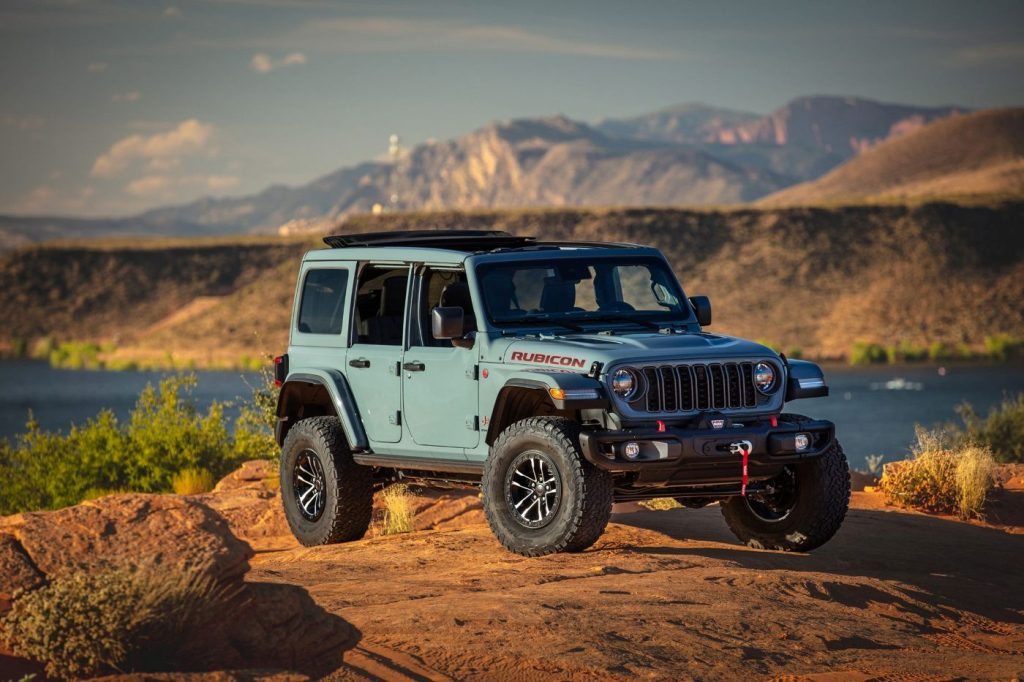
Ground clearance and geometry also set the Rubicon apart. Short overhangs, excellent approach and departure angles, and factory-installed skid plates allow it to tackle obstacles without damage. On trails where rocks and ledges are unavoidable, this design minimizes risk and maximizes confidence.
The Wrangler Rubicon is included in this comparison because it represents uncompromised off-road engineering. While it sacrifices some on-road refinement, its trail dominance highlights the difference between true off-road SUVs and lifestyle models that are not built for sustained off-pavement use.
2. Toyota Land Cruiser
The Toyota Land Cruiser is a legendary off-road SUV known for its durability and all-terrain capability across the globe.
Designed to operate reliably in some of the harshest environments on earth, the Land Cruiser blends rugged engineering with long-term dependability. On trails, its performance far exceeds that of lifestyle-oriented SUVs.
A key strength of the Land Cruiser lies in its advanced four-wheel-drive system and locking differentials, which provide consistent traction on loose or uneven surfaces.
Its suspension is tuned to balance articulation and stability, allowing it to maintain composure over rocks, ruts, and uneven ground. Unlike softer lifestyle SUVs, the Land Cruiser remains predictable under stress.
Durability is central to the Land Cruiser’s design. Reinforced underbody protection, strong axles, and robust driveline components allow it to withstand repeated trail use without premature wear. This toughness is why it is trusted in remote regions where vehicle failure is not an option.

The Land Cruiser earns its place in this comparison because it demonstrates how true off-road capability is achieved through engineering rather than appearance.
While lifestyle SUVs may look adventurous, they lack the mechanical depth required for sustained trail performance. The Land Cruiser proves that when terrain becomes challenging, purpose-built design always outperforms compromise.
3. Land Rover Defender
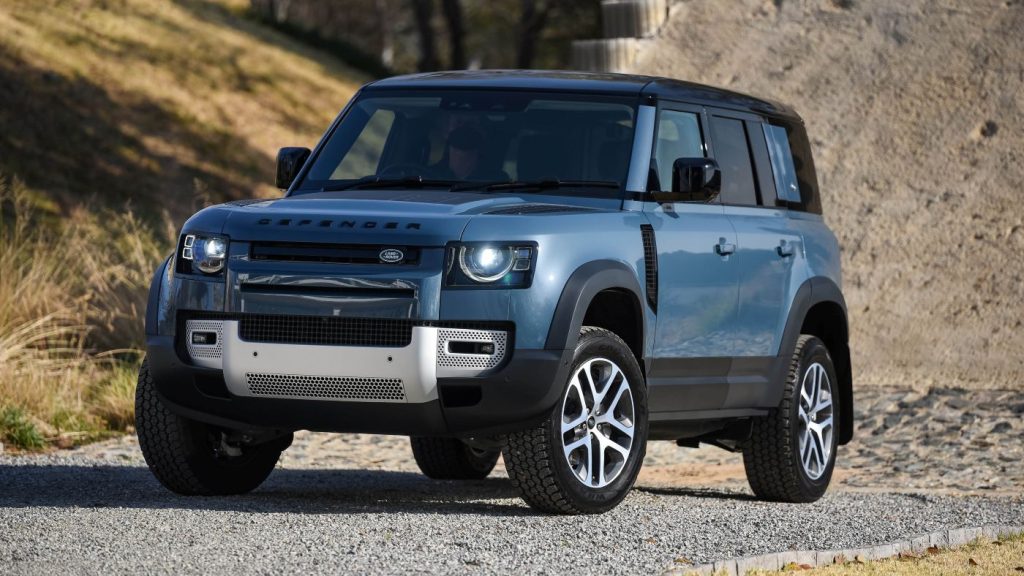
The Land Rover Defender represents a modern interpretation of serious off-road engineering, combining advanced technology with genuine trail capability.
Unlike lifestyle SUVs that rely heavily on cosmetic ruggedness, the Defender is engineered from the ground up to handle extreme terrain. Its aluminum-intensive platform is exceptionally rigid, allowing the suspension and drivetrain to work effectively when the trail becomes uneven or unpredictable.
One of the Defender’s greatest strengths is its sophisticated four-wheel-drive system paired with a low-range transfer case. This setup enables precise torque delivery at low speeds, which is critical when crawling over rocks or navigating steep inclines.
The Defender’s terrain response system adjusts throttle mapping, differential behavior, and traction control to suit specific surfaces such as mud, sand, or rocks capabilities that lifestyle SUVs simply cannot match mechanically.
Ground clearance is another key advantage. With available air suspension, the Defender can raise itself significantly, improving approach, departure, and breakover angles.
This allows it to clear obstacles that would stop lower, comfort-focused SUVs in their tracks. Underbody protection further reinforces its trail readiness, protecting critical components from damage during off-road excursions.
The Defender is included in this comparison because it demonstrates how technology, when paired with proper hardware, enhances off-road performance rather than replacing it.
While lifestyle SUVs may offer all-wheel drive and traction aids, they lack the Defender’s structural strength and mechanical depth. On challenging trails, the Defender remains composed and capable, proving that authentic off-road design still matters more than urban-friendly compromises.
4. Ford Bronco
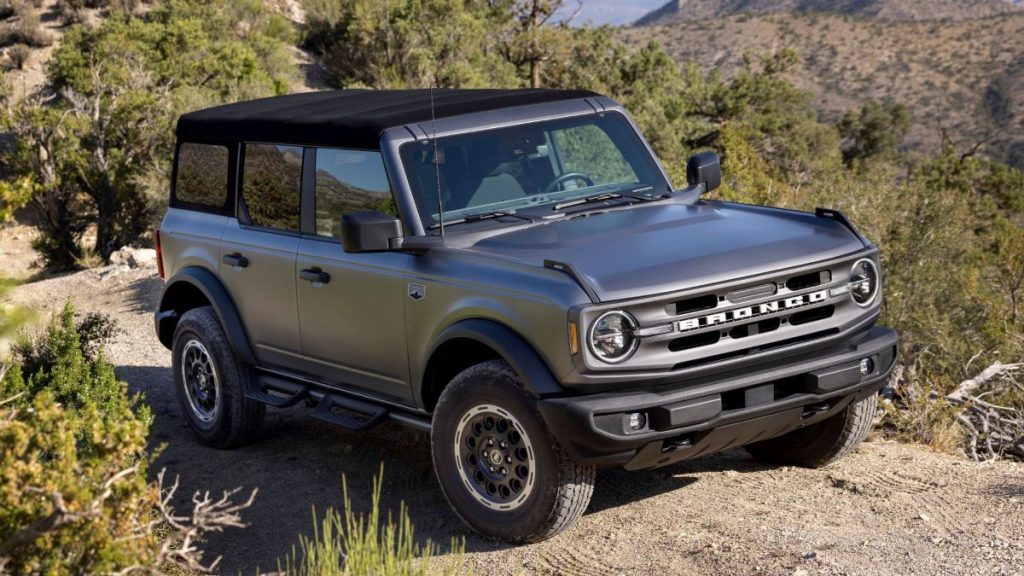
The Ford Bronco was reintroduced with a clear mission: to challenge the dominance of established off-road SUVs by delivering serious trail capability straight from the factory.
Unlike lifestyle SUVs that prioritize road comfort, the Bronco was designed with off-road performance as a core requirement, and it shows the moment the terrain becomes difficult.
A standout feature of the Bronco is its advanced four-wheel-drive system with a low-range transfer case and available locking differentials.
These components allow the Bronco to maintain traction on loose, uneven surfaces where electronic systems alone are insufficient. Its off-road drive modes fine-tune throttle response and traction behavior, giving drivers precise control in varying trail conditions.
Suspension design plays a major role in the Bronco’s trail performance. Long-travel suspension and a wide track enhance stability and articulation, enabling the vehicle to keep tires planted on uneven terrain.
High ground clearance and short overhangs further improve its ability to navigate obstacles without scraping or losing momentum.
The Bronco earns its place here because it delivers mechanical capability comparable to long-established off-road icons. Where lifestyle SUVs struggle with wheel lift, overheating systems, or limited articulation, the Bronco continues forward confidently.
It proves that modern off-road vehicles can combine technology and toughness without sacrificing trail credibility. For drivers who venture beyond mild dirt roads, the Bronco consistently outperforms lifestyle-focused alternatives.
5. Lexus GX
The Lexus GX is often misunderstood as a luxury SUV first, but beneath its refined exterior lies serious off-road hardware.
Built on a body-on-frame platform shared with proven off-road vehicles, the GX delivers trail performance that far exceeds that of lifestyle SUVs. Its design prioritizes durability and traction over lightweight efficiency.
A major contributor to the GX’s off-road capability is its full-time four-wheel-drive system paired with a low-range transfer case. This setup ensures consistent power delivery to all wheels, even on uneven or slippery terrain.
When conditions worsen, available locking differentials provide additional traction, allowing the GX to maintain progress where all-wheel-drive lifestyle SUVs falter.
The GX’s suspension is tuned for stability and strength rather than sporty handling. While it may feel less agile on pavement than crossover-style SUVs, this tradeoff benefits trail performance. The vehicle absorbs bumps, rocks, and ruts without upsetting balance, allowing controlled movement through technical sections.
Durability is central to the GX’s appeal. Reinforced underbody components and proven drivetrain reliability make it suitable for repeated off-road use. Unlike lifestyle SUVs that may overheat or suffer mechanical strain off-road, the GX is designed to handle sustained trail driving.
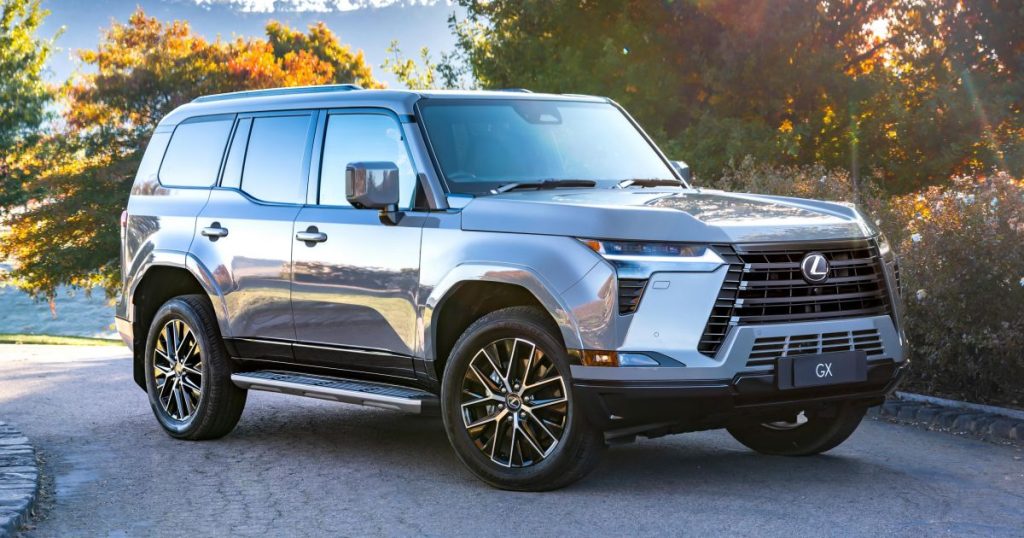
The Lexus GX is included because it highlights how true off-road capability can exist beneath a premium exterior.
Compared to lifestyle SUVs that prioritize comfort and image, the GX delivers genuine trail performance through robust engineering and mechanical traction qualities that matter when conditions get demanding.
Lifestyle SUVs
Lifestyle SUVs dominate today’s market because they are designed to fit comfortably into everyday life. These vehicles prioritize ride comfort, fuel efficiency, modern technology, and urban usability over mechanical toughness.
For many buyers, lifestyle SUVs are ideal daily drivers they are easy to live with, efficient on highways, and packed with convenience features that make commuting and family use more enjoyable. However, their trail performance often does not match their rugged appearance.
Most lifestyle SUVs rely on car-based unibody platforms and all-wheel-drive systems intended primarily for traction on wet roads or light snow.
While these systems improve safety and confidence in poor weather, they lack the low-range gearing, locking differentials, and suspension articulation required for serious trail driving. When terrain becomes uneven, rocky, or steep, these limitations become obvious.
Suspension tuning is another major difference. Lifestyle SUVs are engineered for smooth, quiet rides on pavement, not for absorbing large bumps or maintaining wheel contact over obstacles.
As a result, wheels can lift easily on trails, reducing traction and forcing electronic systems to intervene. This approach works on mild dirt roads but struggles on technical terrain.
Ground clearance and body geometry further restrict off-road performance. Long overhangs, lower ride heights, and exposed underbody components increase the risk of scraping or damage. Unlike off-road–ready SUVs, lifestyle models rarely include skid plates or recovery points.
The following lifestyle SUVs are excellent at what they are designed to do, but on trails, they fall behind true off-road machines. Their inclusion highlights the difference between vehicles built for adventure imagery and those engineered for real-world trail challenges.
1. Toyota RAV4
The Toyota RAV4 is one of the most popular lifestyle SUVs in the world, valued for its reliability, efficiency, and ease of ownership.
Designed primarily for urban and suburban use, the RAV4 excels as a daily driver and family vehicle. Its popularity, however, sometimes leads buyers to overestimate its off-road capability based on appearance alone.
On light dirt roads or gravel paths, the RAV4 performs adequately, especially when equipped with all-wheel drive. Its traction systems are tuned to improve stability on slippery surfaces rather than to handle sustained off-road challenges.
When the terrain becomes uneven or rocky, the lack of low-range gearing limits throttle control and torque delivery at slow speeds.
Suspension design further illustrates its lifestyle focus. The RAV4’s suspension prioritizes comfort and fuel efficiency, which results in limited articulation.
On trails, wheels can lift quickly, forcing electronic traction control to compensate. While effective for brief situations, this approach generates heat and reduces long-term trail performance.
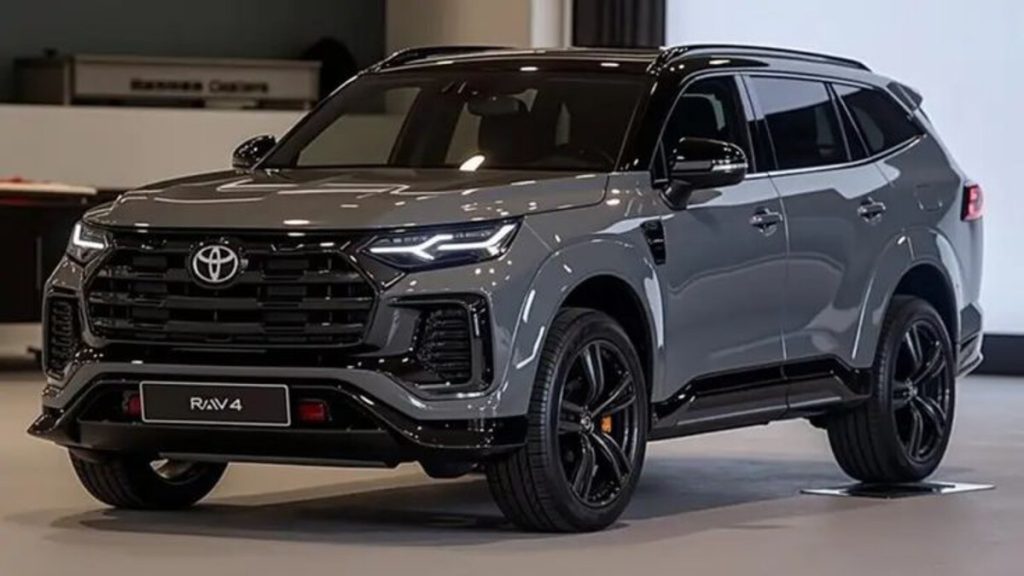
Ground clearance is another limiting factor. Compared to off-road–ready SUVs, the RAV4 sits lower and features longer overhangs. This increases the risk of underbody contact on obstacles and steep approach angles. Without skid plates, even moderate trail impacts can pose a risk.
The RAV4 is included in this comparison to show how a capable everyday SUV can still fall short on real trails. It is reliable, efficient, and comfortable but when terrain demands mechanical capability rather than electronics, the RAV4 is clearly outperformed by purpose-built off-road SUVs.
2. Honda CR-V
The Honda CR-V is another cornerstone of the lifestyle SUV segment, known for its spacious interior, smooth ride, and excellent fuel economy.
Like the RAV4, the CR-V is designed to excel on pavement and in daily use rather than on rugged trails. Its strengths lie in practicality and comfort, not off-road durability.
All-wheel-drive versions of the CR-V provide improved traction on wet or lightly uneven surfaces, but the system is reactive rather than proactive.
Power is primarily sent to the front wheels, with rear engagement occurring only after slip is detected. On trails, this delay can hinder progress when immediate traction is needed.
Suspension tuning further reinforces its road-first design. The CR-V’s suspension absorbs bumps smoothly on pavement but lacks the travel needed for uneven terrain
When one wheel loses contact with the ground, traction control intervenes, often reducing momentum rather than maintaining forward progress.
Ground clearance is modest, and approach and departure angles are limited by long body overhangs. This makes navigating rocks, ruts, or steep inclines risky. Without underbody protection, even cautious trail driving can result in scraping or damage.
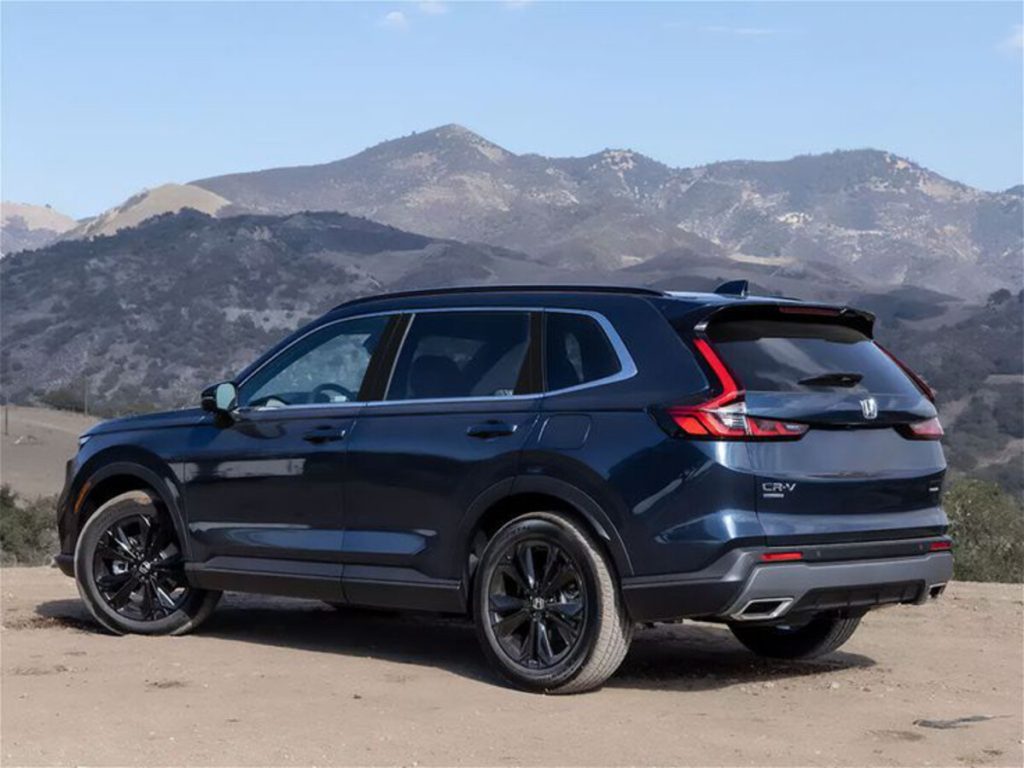
The CR-V earns its place in this comparison because it represents the reality of lifestyle SUVs: excellent daily vehicles that are occasionally misused off-road.
While capable of handling light adventure paths, the CR-V cannot match the confidence, control, or durability of true off-road SUVs when trails become demanding.
3. Nissan Rogue
The Nissan Rogue is a quintessential lifestyle SUV, engineered to prioritize comfort, efficiency, and everyday convenience rather than trail dominance. It appeals to buyers who want a smooth ride, modern technology, and a practical interior for commuting and family use.
While its design includes mild rugged cues, its real-world trail performance reflects its road-first engineering.
On loose gravel or maintained dirt roads, the Rogue performs adequately, especially in all-wheel-drive form. Its AWD system is designed primarily for stability in rain or light snow, not for sustained traction on uneven terrain.
When faced with rocks, ruts, or steep inclines, the lack of low-range gearing becomes a significant limitation. Throttle control at low speeds is imprecise, making controlled crawling difficult.
Suspension tuning further highlights its lifestyle orientation. The Rogue’s suspension is optimized for comfort and noise isolation, not articulation.
On trails, wheel lift occurs quickly, forcing the traction control system to intervene. While effective briefly, this electronic approach reduces momentum and increases drivetrain stress when used repeatedly.
Ground clearance is modest, and the Rogue’s long overhangs limit approach and departure angles. This increases the likelihood of underbody contact on uneven terrain. Without skid plates or reinforced components, trail driving must remain cautious and limited in scope.
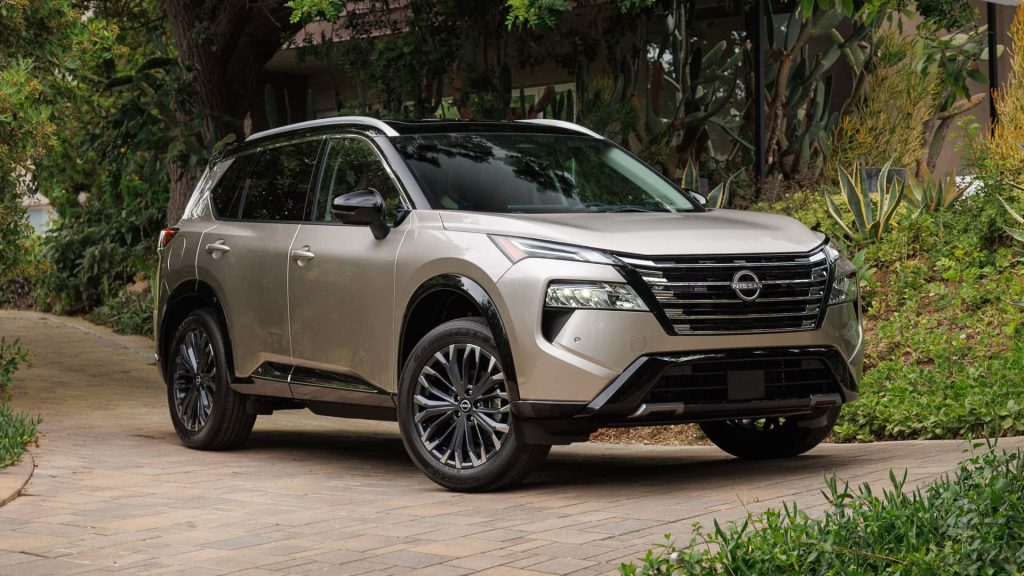
The Rogue is included here to illustrate how modern lifestyle SUVs can appear adventurous while remaining mechanically constrained. It is an excellent daily driver and road-trip vehicle, but when trails demand durability, clearance, and mechanical traction, the Rogue is clearly outperformed by purpose-built off-road SUVs.
4. Mazda CX-5
The Mazda CX-5 is widely praised for its refined driving dynamics, upscale interior, and engaging on-road behavior.
It is designed to feel more like a sporty crossover than a rugged SUV, and that philosophy carries through clearly when taken off pavement. While capable in mild conditions, the CX-5 is not engineered for demanding trail use.
Mazda’s all-wheel-drive system focuses on predictive traction for on-road safety rather than off-road endurance.
It performs well on wet roads or light dirt but lacks the hardware needed for challenging terrain. Without low-range gearing or locking differentials, torque delivery becomes inconsistent on steep or uneven surfaces.
Suspension travel is limited by design. The CX-5’s firm, road-tuned suspension enhances cornering stability on pavement but restricts wheel articulation off-road.
On trails, this results in frequent wheel lift and reliance on traction control, which reduces progress and increases wear.
Ground clearance is lower than many SUVs in its class, and body geometry is not optimized for obstacle clearance. Long front and rear overhangs increase the risk of scraping on inclines or uneven ground. The absence of skid plates further restricts trail confidence.
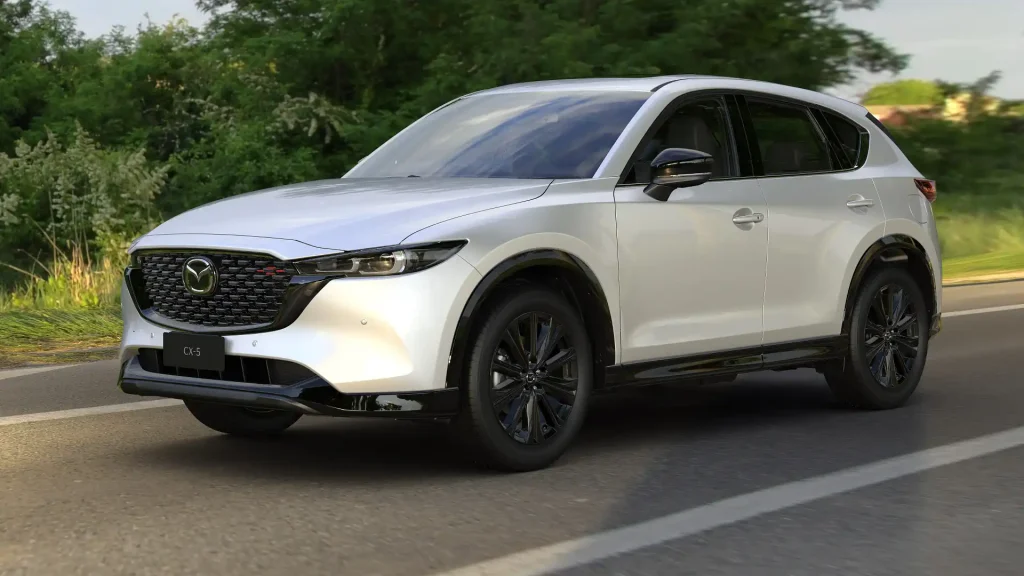
The CX-5 is included to highlight a common misconception: sporty handling does not translate to off-road capability. While refined and enjoyable on pavement, the CX-5 lacks the mechanical tools needed for real trail challenges, making it a clear example of a lifestyle SUV outperformed by off-road–ready models.
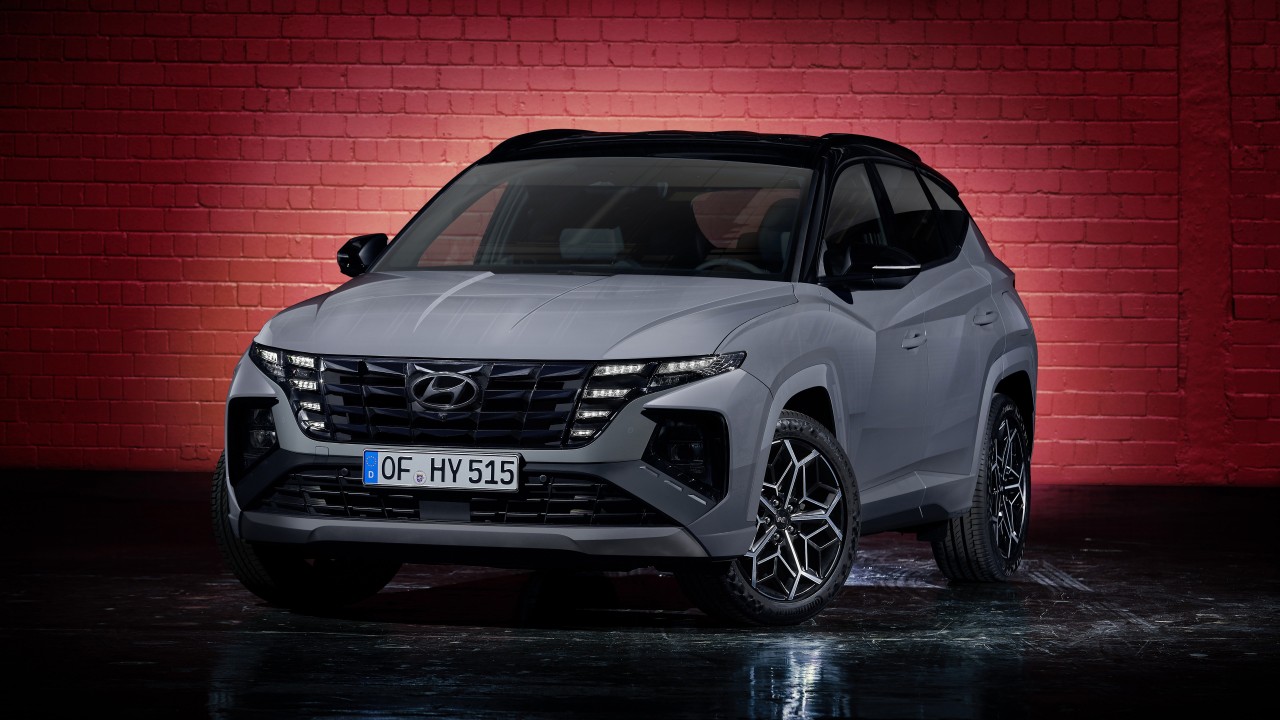
5. Hyundai Tucson
The Hyundai Tucson is designed to deliver comfort, technology, and efficiency in a compact SUV package. It excels as a daily driver, offering a quiet cabin, smooth ride, and modern infotainment features. However, its off-road limitations become clear when trail conditions move beyond basic dirt roads.
All-wheel-drive versions of the Tucson improve traction in slippery conditions, but the system is reactive rather than trail-focused.
Power distribution favors efficiency and stability rather than sustained grip. Without low-range gearing, maintaining control on steep or rocky sections becomes difficult.
Suspension tuning emphasizes ride comfort, resulting in limited articulation. On uneven terrain, the Tucson quickly relies on electronic traction aids, which reduce wheel spin but also limit momentum. This approach works briefly but struggles during prolonged off-road driving.
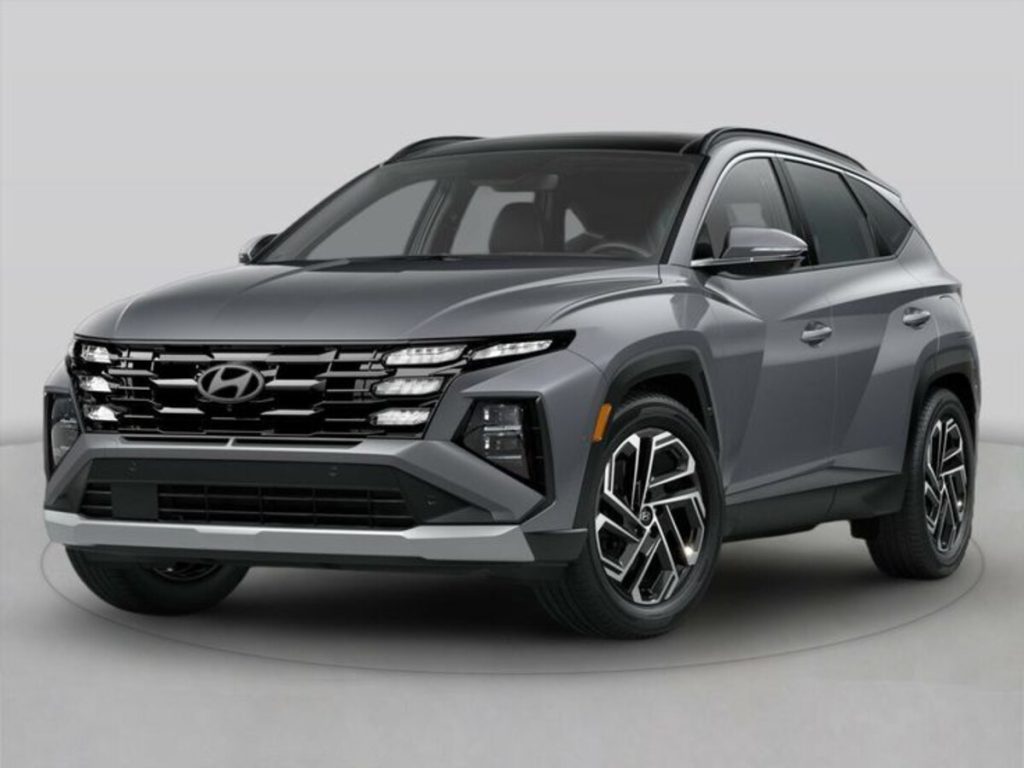
Ground clearance is modest, and the Tucson’s design prioritizes aerodynamics over obstacle clearance. Exposed underbody components and long overhangs increase vulnerability on trails. Without protective hardware, even moderate obstacles can pose risks.
The Tucson is included because it represents how far lifestyle SUVs have evolved for comfort, yet how far they remain from true off-road capability. While ideal for urban life and light adventure, it is not designed to handle the demands of serious trail driving.
The SUV market is filled with vehicles that project an adventurous image, but true trail performance depends on engineering rather than appearance.
This article compares five off-road ready SUVs with five lifestyle SUVs to highlight why purpose-built off-road vehicles consistently outperform comfort-focused models when driven on real trails.
While both categories fall under the SUV umbrella, their design philosophies and capabilities differ dramatically once pavement ends.
Off-road ready SUVs are engineered specifically for challenging terrain. They use robust platforms often body-on-frame construction or heavily reinforced unibody designs paired with advanced four-wheel-drive systems that include low-range gearing and locking differentials.
These mechanical components allow precise control at low speeds, enabling drivers to crawl over rocks, climb steep inclines, and maintain traction on loose surfaces.
Suspension systems in these vehicles are designed for articulation and durability rather than smooth highway ride quality, keeping wheels in contact with the ground on uneven terrain.
Features such as skid plates, reinforced underbodies, recovery points, and higher approach and departure angles further protect critical components and improve trail confidence.
Vehicles like the Jeep Wrangler Rubicon, Toyota Land Cruiser, Land Rover Defender, Ford Bronco, and Lexus GX exemplify this philosophy.
Each is built to withstand sustained off-road use without overheating systems, losing traction, or risking mechanical damage. Their capability comes from hardware first, with technology used to enhance not replace, mechanical traction and control.
Lifestyle SUVs take a very different approach. Models such as the Toyota RAV4, Honda CR-V, Nissan Rogue, Mazda CX-5, and Hyundai Tucson are optimized for daily commuting, fuel efficiency, and ride comfort.
They typically rely on car-based unibody platforms and all-wheel-drive systems intended for wet roads or light snow rather than technical trails.
These systems are reactive, using electronic braking to manage wheel slip rather than distributing torque mechanically. While effective for mild conditions, they struggle on steep, rocky, or uneven terrain.
Suspension tuning further limits lifestyle SUVs off-road. Designed for comfort and on-road handling, their suspensions offer limited travel, causing wheels to lift easily on trails.
Ground clearance and body geometry also work against them, with long overhangs and minimal underbody protection increasing the risk of scraping or damage.
As a result, these vehicles are best suited for light dirt roads or scenic routes rather than serious off-road exploration.
The comparison underscores a key takeaway: not all SUVs are meant for trails, regardless of how rugged they look.
Buyers who plan to tackle demanding terrain benefit from choosing vehicles engineered for off-road performance, while lifestyle SUVs remain excellent choices for everyday driving and light adventure. Understanding this distinction ensures the right SUV is chosen for the right environment.
Also Read: 5 Trucks for Spokane Snow & Hills vs 5 Trucks That Don’t Hold Up
