
For decades, the idea of automotive perfection has been dominated by supercars low-slung, outrageously fast machines designed to shock, impress, and dominate racetracks. Brands like Ferrari, Lamborghini, and McLaren have defined what it means to own something extraordinary.
However, as aspirational as supercars may be, the reality of living with one every day is often far less glamorous than the fantasy. Stiff suspensions, limited cargo space, poor fuel economy, high running costs, and constant anxiety about damage make supercars impractical for daily use.
On the other end of the spectrum lie affordable sports cars vehicles that may not stop traffic the way a supercar does but quietly excel at something far more important: usability.
These cars blend engaging performance with comfort, reliability, efficiency, and affordability. They can handle daily commutes, rough roads, long highway drives, and real-world responsibilities while still delivering genuine driving excitement.
This article explores that contrast in depth. First, we focus on five affordable sports cars that make better daily drivers than supercars, explaining why they deserve attention beyond their price tags.
These cars represent intelligent engineering choices, balanced performance, and real-world livability. They are written about not because they are the fastest or flashiest, but because they are the cars people can truly live with every day.
Then, we examine five supercars, not to glorify them blindly, but to understand their purpose, appeal, and limitations.
These cars exist for passion, prestige, and extreme performance not practicality. By analyzing both sides, this article highlights an important truth: the best car isn’t always the most expensive one, but the one that fits real life best.
Also Read: 5 Compact Luxury SUVs That Beat 5 Mid-Size Non-Luxury SUVs on Features
Affordable Sports Cars
Affordable sports cars occupy a unique and often underappreciated space in the automotive world. They are frequently overshadowed by exotic machinery at the top end of the performance spectrum, yet they are the vehicles that truly define the relationship between a driver and their car.
These cars are engineered with compromise in mind, performance balanced against comfort, cost, reliability, and everyday usability.
The reason these cars matter, and why this section exists, is simple: most enthusiasts don’t drive on racetracks every day. They drive to work, navigate traffic, deal with potholes, carry groceries, and take long highway trips.
A great daily driver must do all of that without becoming exhausting or financially draining. Affordable sports cars excel precisely because they are designed for the real world, not just for lap times or social media validation.
Modern engineering has blurred the line between “affordable” and “exciting.” Turbocharged engines, advanced suspensions, and well-tuned chassis mean today’s reasonably priced sports cars can deliver performance that rivals or even surpasses older supercars. More importantly, they do so while remaining comfortable, efficient, and dependable.
This section highlights five such cars not because they are perfect, but because they strike a balance that supercars simply cannot. Each vehicle listed here offers genuine driver engagement while remaining practical enough to live with every single day.
They are written about to remind enthusiasts that joy behind the wheel doesn’t require six-figure budgets or constant compromise.
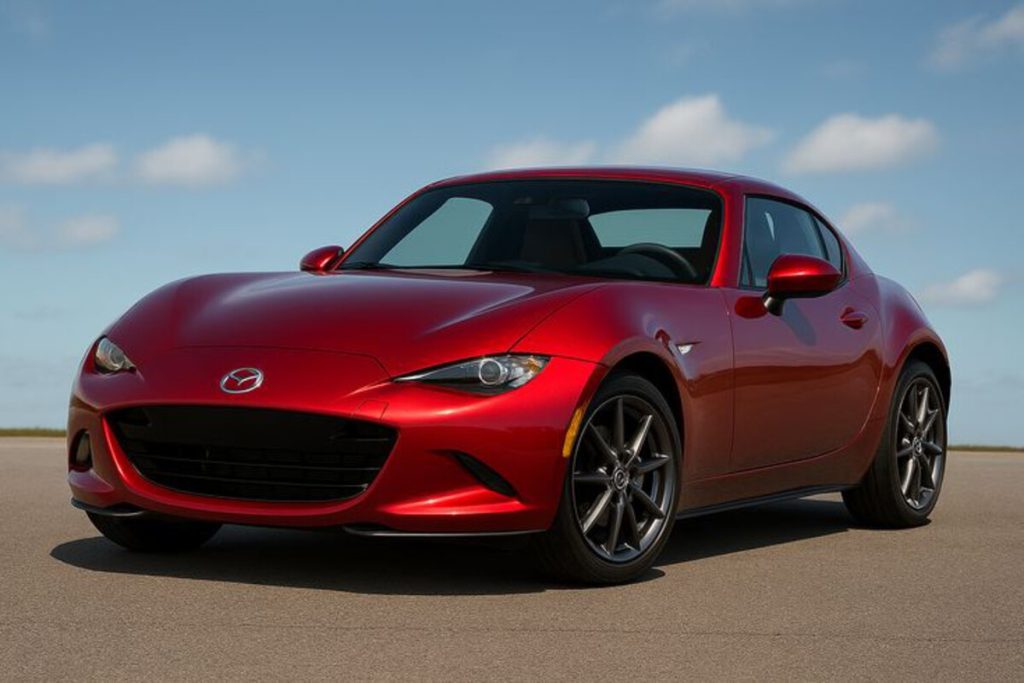
1. Mazda MX-5 Miata
The Mazda MX-5 Miata is often dismissed because of its modest power figures, but doing so completely misunderstands what makes a great daily driver.
The Miata is included here because it represents purity of driving experience without sacrificing real-world usability. It is light, responsive, and engineered to make every drive engaging even at legal speeds.
From a daily driving perspective, the Miata excels where supercars fail. Its compact size makes it easy to maneuver through crowded city streets and tight parking spaces. Visibility is excellent, fuel efficiency is strong, and maintenance costs are refreshingly low. Unlike supercars that demand constant attention and care, the Miata encourages carefree driving.
Mazda’s focus on balance rather than outright speed means the Miata’s suspension is compliant enough for rough roads while still delivering sharp handling. You don’t need perfect asphalt or a racetrack to enjoy it. Even mundane commutes become entertaining because the car communicates so clearly with the driver.
Reliability is another major reason this car is written about. The Miata has a long-standing reputation for durability, making it suitable for daily use without anxiety. Insurance costs are reasonable, parts are widely available, and ownership doesn’t feel like a financial gamble.
In contrast to supercars that isolate drivers with excessive power and stiff setups, the Miata invites involvement. It proves that fun doesn’t come from speed alone, but from connection. That is why it stands as one of the best daily-driver sports cars ever made.
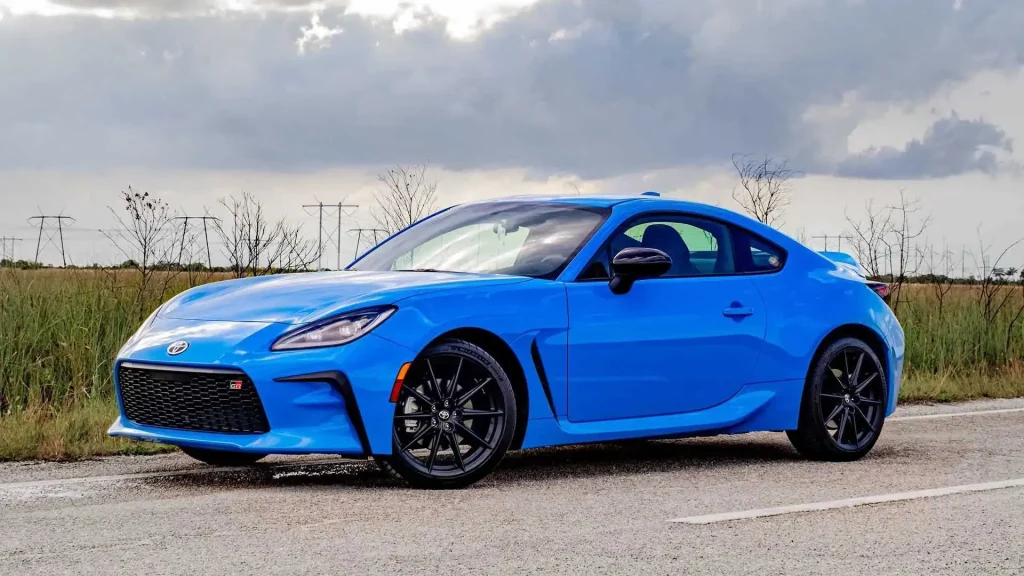
2. Toyota GR86
The Toyota GR86 is written about because it represents one of the purest forms of affordable, daily-usable driving pleasure available today.
In an era dominated by heavy vehicles and excessive power figures, the GR86 proves that balance, simplicity, and thoughtful engineering matter more for everyday enjoyment. It is a car designed not just to perform, but to be driven regularly without frustration or compromise.
As a daily driver, the GR86 excels in ways supercars simply cannot. Its compact dimensions make urban driving stress-free, while its low seating position and excellent visibility enhance driver confidence rather than hinder it.
Unlike exotic cars that feel uncomfortable at low speeds, the GR86 feels perfectly at home in traffic, on highways, and on winding back roads alike.
Toyota’s focus on reliability is a major reason this car belongs on this list. Daily use requires consistency, and the GR86 delivers that through proven mechanical components and predictable behavior.
Ownership does not come with constant concern about maintenance costs or mechanical failures, making it suitable for enthusiasts who actually want to drive their cars.
The GR86 is also written about because it rewards skill rather than excess. Its rear-wheel-drive layout and lightweight chassis encourage driver involvement, making even routine drives enjoyable.
While supercars often overwhelm drivers with power they cannot realistically use, the GR86 allows drivers to explore its limits safely and frequently. That accessibility is what makes it a superior daily driver.
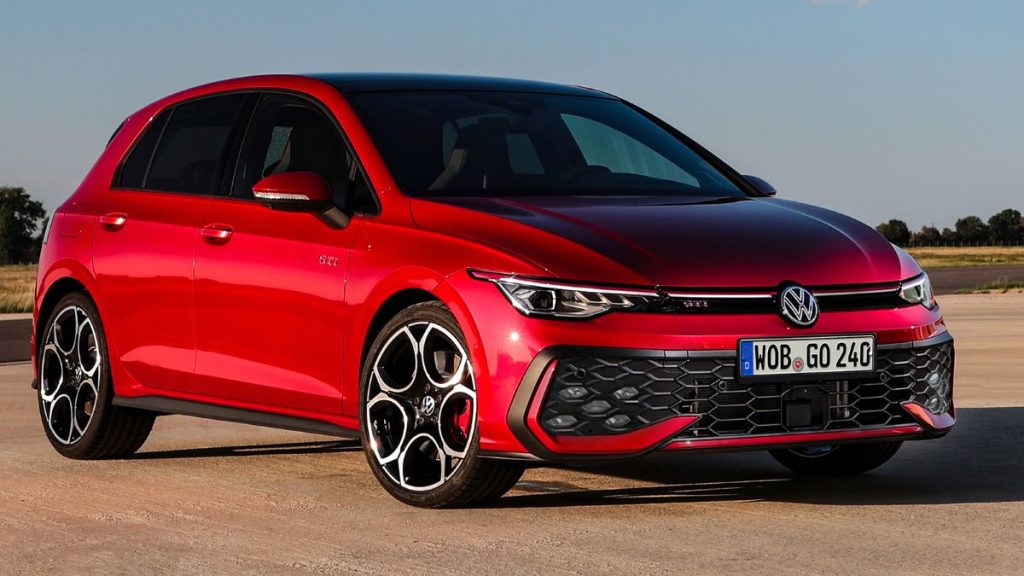
3. Volkswagen Golf GTI
The Volkswagen Golf GTI earns its place in this discussion because it demonstrates how performance and practicality can coexist seamlessly. It is written about to highlight that a true daily driver must serve multiple roles, and few cars manage that balance better than the GTI. This is a sports car experience wrapped in an everyday-friendly package.
As a daily vehicle, the GTI offers advantages that supercars fundamentally lack. Four doors, a spacious cabin, and a large hatchback mean it can handle groceries, passengers, and long trips without complaint. The driving position is comfortable, the suspension is forgiving over rough roads, and cabin refinement makes extended commutes stress-free.
Performance is where the GTI quietly surprises. Its turbocharged engine delivers strong low-end torque, making it quick and responsive in real-world driving conditions. Unlike supercars that demand open roads to feel alive, the GTI feels engaging at normal speeds, which is far more relevant for daily use.
This car is written about because it challenges traditional definitions of a sports car. It proves that excitement doesn’t need to come at the expense of comfort or responsibility. The GTI adapts to the driver’s life rather than dominating it, offering reliability, efficiency, and fun in equal measure.
In contrast to supercars that often feel excessive and impractical, the Golf GTI feels thoughtfully designed for people who want one car to do everything well without losing its sporty soul.
4. Ford Mustang EcoBoost
The Ford Mustang EcoBoost is included because it redefines what accessible performance means in a modern context. Traditionally associated with raw power and aggressive behavior, the EcoBoost version shows how the Mustang can evolve into a genuinely usable daily driver without losing its character.
As a daily car, the EcoBoost Mustang is far more manageable than many expect. Its turbocharged four-cylinder engine provides strong performance while maintaining reasonable fuel efficiency, making it practical for commuting and long-distance driving.
The cabin is comfortable, well-equipped, and designed for everyday comfort rather than theatrical excess.
This car is written about because it delivers performance in a controlled, approachable way. Supercars often feel intimidating, especially in traffic or tight spaces.
The EcoBoost Mustang, however, feels confident and predictable. Its suspension tuning strikes a balance between comfort and handling, allowing it to absorb imperfect road surfaces without becoming tiring.
Another reason for its inclusion is affordability of ownership. Maintenance, insurance, and repair costs are significantly lower than exotic alternatives, making it realistic to drive daily without constant financial stress.
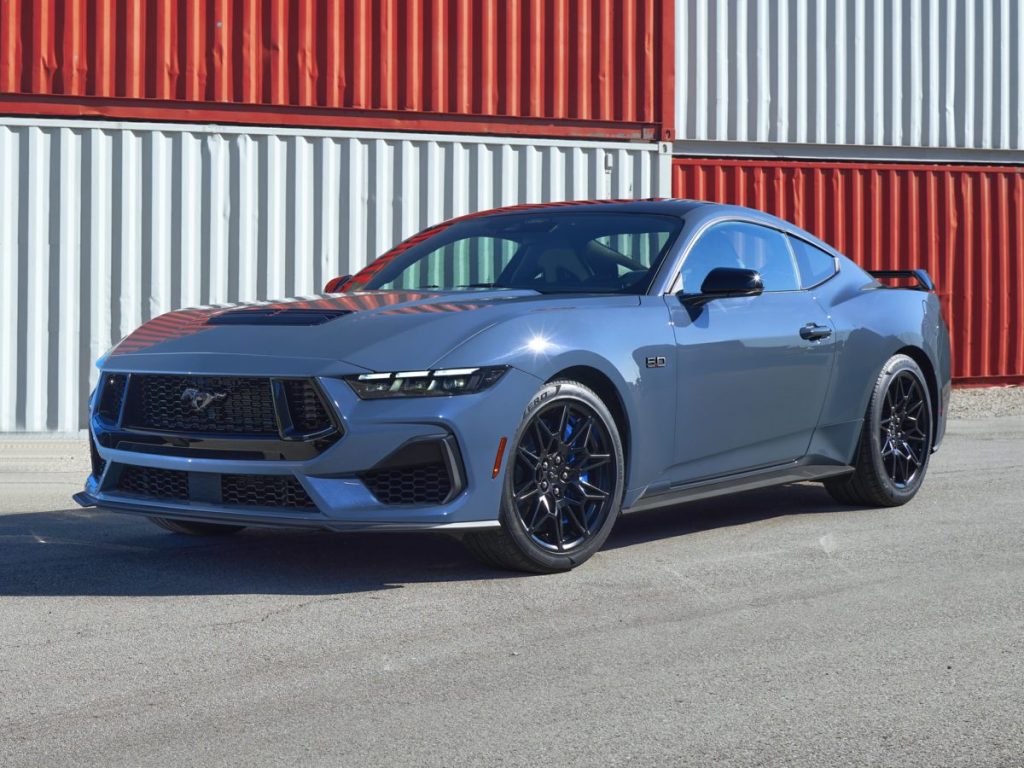
The Mustang EcoBoost proves that you don’t need extreme horsepower to feel excitement. It provides enough performance to entertain while remaining grounded in reality. That blend of usability and fun is why it belongs among affordable sports cars that outperform supercars in daily life.
5. Hyundai Elantra N
The Hyundai Elantra N is written about because it represents how far affordable performance cars have progressed. It is a modern sports sedan designed not just for enthusiasts, but for real-world use. Hyundai has engineered the Elantra N to deliver excitement without sacrificing comfort, reliability, or practicality.
As a daily driver, the Elantra N excels thanks to its four-door layout, spacious interior, and advanced safety features.
It handles everyday tasks effortlessly, whether it’s commuting through traffic or covering long highway distances. Unlike supercars that struggle with visibility and ride quality, the Elantra N feels composed and comfortable in all conditions.
Performance is where it truly stands out. The turbocharged engine delivers strong acceleration, while adaptive suspension allows the car to switch between comfort and performance modes. This flexibility is exactly why it’s written about few cars can adapt so easily to different driving scenarios.
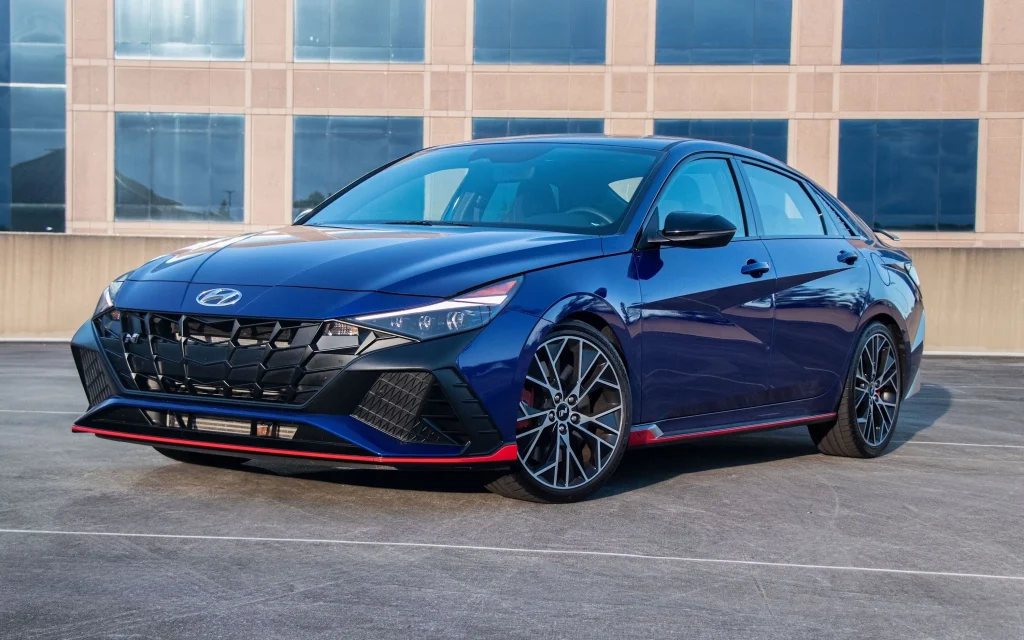
Hyundai’s warranty and reputation for value further strengthen its case. Daily driving requires peace of mind, and the Elantra N provides that without dulling the driving experience. It is a car built for people who want excitement every day, not just on weekends.
Compared to supercars that demand sacrifice, the Elantra N offers freedom. It allows drivers to enjoy performance without giving up practicality, making it one of the smartest daily-driver sports cars available today.
Supercars
Supercars are not designed to be sensible, practical, or forgiving and that is precisely why they exist. They represent the peak of automotive ambition, built to showcase what is possible when performance, design, and engineering are pushed beyond everyday limits.
These cars are written about not because they make sense, but because they inspire emotion, aspiration, and awe in ways few machines can.
Unlike affordable sports cars, supercars are purpose-built for extreme performance. They prioritize acceleration, top speed, aerodynamics, and visual drama over comfort or convenience.
This focus results in machines that feel extraordinary on open roads or racetracks but often feel out of place in daily life. Low ground clearance, stiff suspensions, limited visibility, and high operating costs make them challenging to live with regularly.
This section exists to highlight that contrast. The supercars discussed here are engineering masterpieces, each representing a brand’s philosophy and technical excellence.
However, they also demonstrate why price and performance alone do not define the “better” car for most people. These vehicles demand compromise from the driver’s comfort to financial flexibility and are often underutilized in real-world conditions.
By examining these supercars individually, this article does not diminish their value. Instead, it places them in context.
They are symbols of achievement and passion, but not solutions for everyday driving. Understanding their limitations helps reinforce why affordable sports cars often outperform them where it truly matters: daily usability.
1. Ferrari F8 Tributo
The Ferrari F8 Tributo is written about because it embodies the modern Ferrari ethos blistering performance wrapped in unmistakable Italian design. With a twin-turbocharged V8 and razor-sharp aerodynamics, it represents the pinnacle of mid-engine supercar engineering. On paper and on track, it is extraordinary.
However, as a daily driver, the F8 Tributo reveals the compromises inherent to supercars. The low ride height makes speed bumps and uneven roads constant threats. Cabin space is limited, visibility is restricted, and the stiff suspension prioritizes precision over comfort. These traits are thrilling in controlled environments but exhausting in everyday traffic.
This car is included because it illustrates how supercars are designed for moments, not routines. The engine’s immense power is rarely usable on public roads, and driving it conservatively often feels like suppressing its true purpose. That disconnect makes daily use feel unnatural.
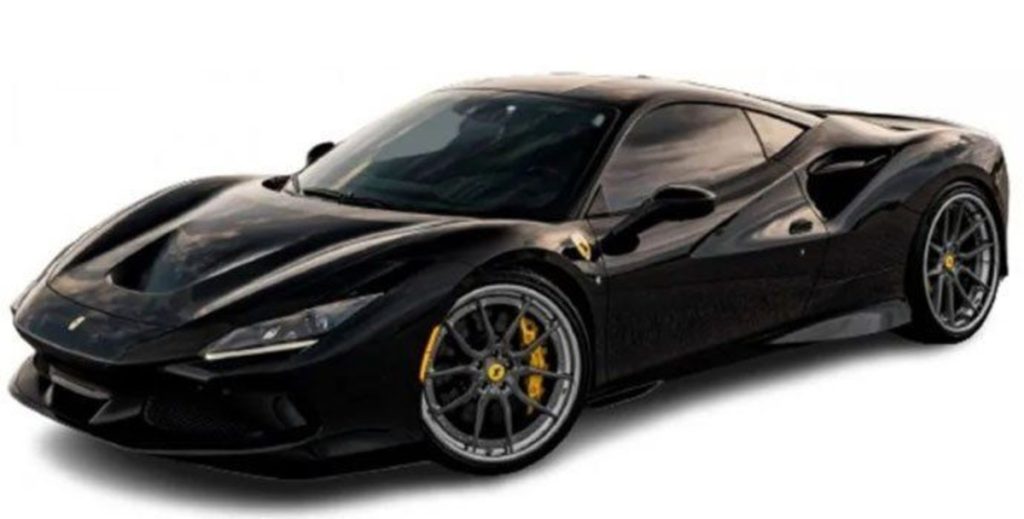
Ownership costs further emphasize this point. Maintenance, insurance, and repair expenses require significant financial commitment, making casual daily driving impractical. The F8 Tributo demands attention, care, and ideal conditions to shine.
It is written about not to criticize Ferrari’s brilliance, but to show how specialization limits versatility. The F8 Tributo is a masterpiece but one that belongs to special occasions, not everyday life.
2. Lamborghini Huracán EVO
The Lamborghini Huracán EVO is included because it represents raw emotion and theatrical performance. Its aggressive styling, naturally aspirated V10 engine, and unmistakable sound make it one of the most dramatic supercars ever produced. It exists to excite, intimidate, and dominate attention.
As a daily driver, however, the Huracán EVO struggles to adapt. The cabin is low and cramped, outward visibility is limited, and the ride quality is uncompromising on imperfect roads. Urban environments expose its weaknesses quickly, turning simple tasks into stressful experiences.
This car is written about because it highlights the difference between excitement and usability. The Huracán EVO feels incredible at high speeds and on open roads, but those conditions are rare in daily driving. In traffic, the car feels restless and awkward, constantly reminding the driver that it is out of its natural habitat.
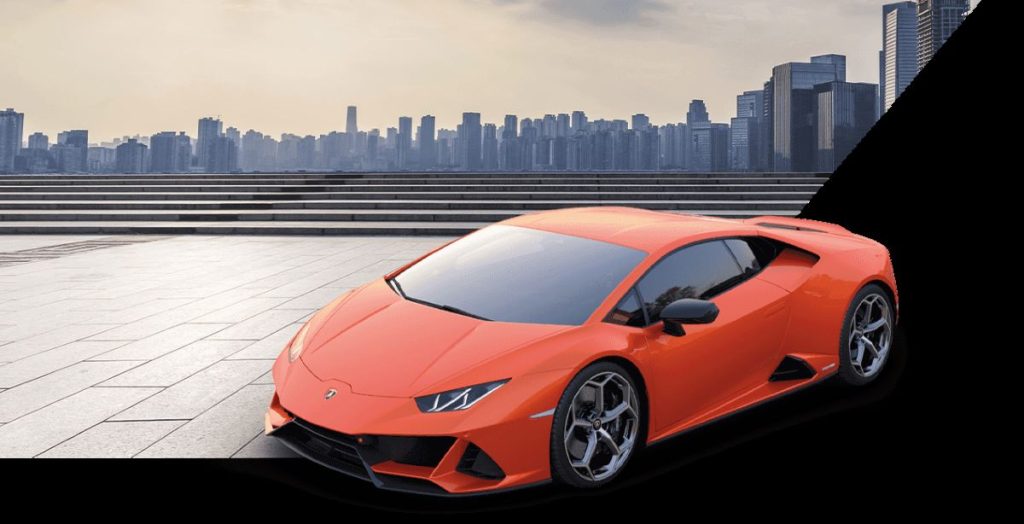
Running costs and maintenance requirements further limit daily use. The Huracán EVO is not designed to be driven casually or frequently in mundane situations. Every drive feels like an event, which can be thrilling but also exhausting.
The Huracán EVO represents what supercars do best: emotional impact. But it also demonstrates why that same intensity makes them ill-suited for everyday life.
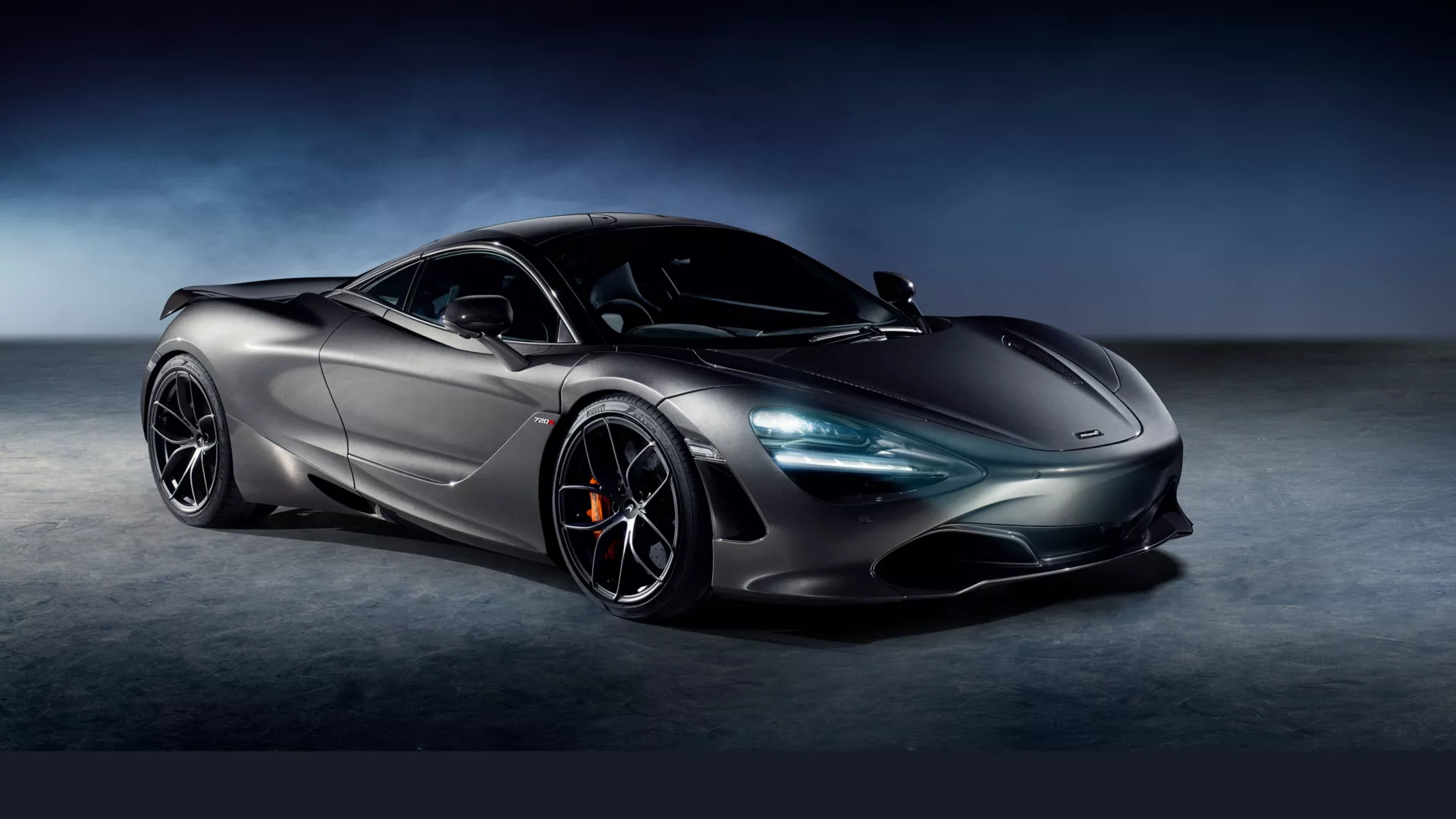
3. McLaren 720S
The McLaren 720S is written about because it represents one of the most technologically advanced interpretations of a modern supercar.
Built around a lightweight carbon-fiber monocoque, the 720S prioritizes extreme performance, aerodynamics, and precision above all else. On a racetrack or an open stretch of road, it feels almost unreal in its speed and responsiveness, redefining what a road-legal car can achieve.
However, those same strengths become limitations in everyday driving. The extremely low seating position and wide body make visibility a constant challenge, especially in traffic or tight urban spaces.
Navigating speed bumps, narrow lanes, and parking garages requires constant caution, turning routine errands into mentally exhausting tasks. While the suspension is impressively engineered, it still feels firm and demanding on imperfect road surfaces.
This car is included because it highlights how advanced engineering does not always translate into daily usability. The 720S is most enjoyable when driven hard, yet public roads rarely allow the driver to explore its capabilities safely or legally. Driving it gently often feels unnatural, as though the car is being restrained from fulfilling its true purpose.
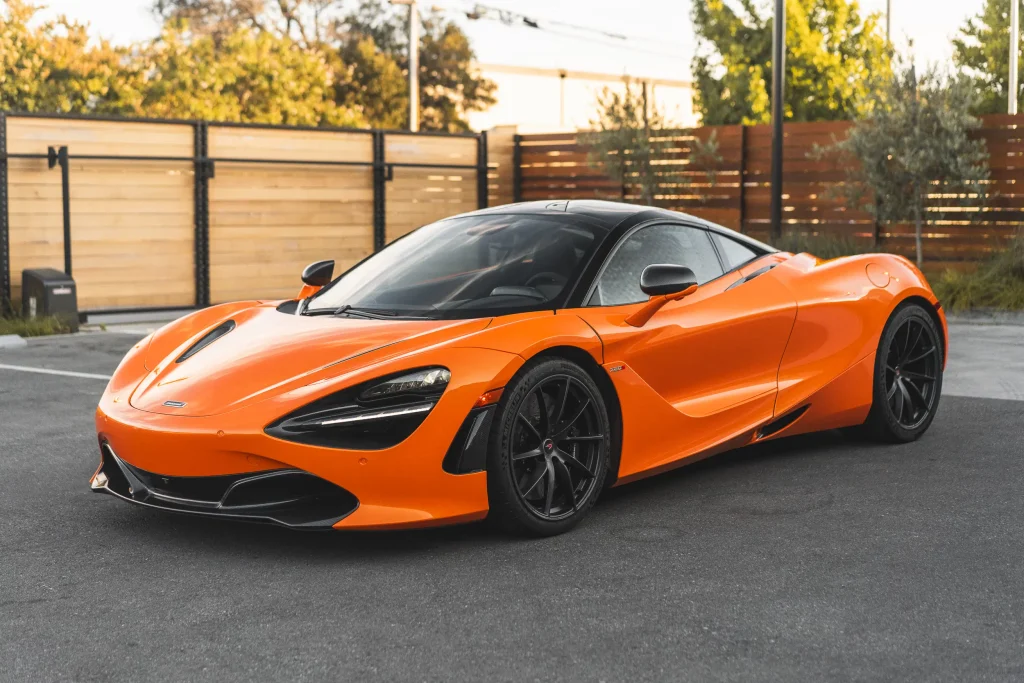
Maintenance and ownership further reinforce this point. The complexity of the 720S means servicing requires specialized expertise and careful attention. Unexpected issues can be costly, discouraging frequent or casual use. Owners often reserve it for special occasions rather than everyday transport.
The McLaren 720S is a masterpiece of performance engineering, but it demands ideal conditions and focused driving. That specialization is exactly why it belongs in this discussion it exemplifies how supercars trade everyday comfort for extreme capability.
4. Porsche 911 Turbo S
The Porsche 911 Turbo S is written about because it is widely regarded as one of the most usable supercars ever built.
Porsche’s engineering philosophy emphasizes precision, reliability, and real-world performance, making the Turbo S appear more approachable than many of its rivals. It delivers astonishing speed while maintaining a level of refinement uncommon in this category.
Despite this reputation, the Turbo S still illustrates the limitations of supercars in daily life. Its performance capabilities far exceed what public roads can realistically accommodate. Acceleration is so immediate and powerful that it is rarely usable outside controlled environments, often making normal driving feel restrained and underwhelming.
This car is included to show the upper boundary of daily usability within the supercar segment.
Even with all-wheel drive, advanced suspension systems, and a comfortable interior, the Turbo S remains an expensive and demanding machine. Ownership costs, insurance, and maintenance are substantial, discouraging frequent everyday use.
Additionally, the constant awareness of the car’s value and performance creates a psychological barrier. Drivers often become overly cautious, avoiding poor road conditions or crowded areas. This mindset contrasts sharply with affordable sports cars that encourage carefree driving.
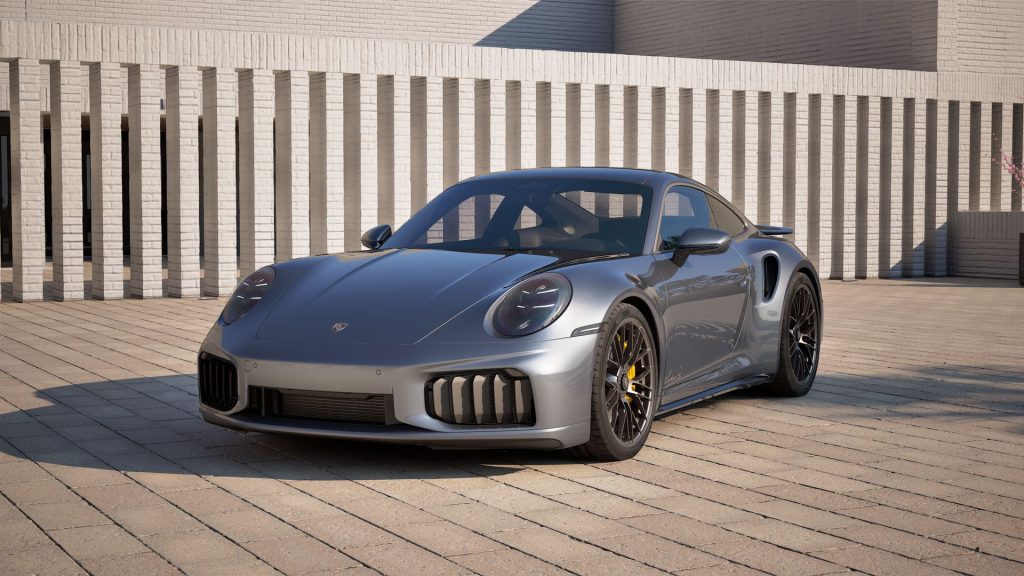
The Porsche 911 Turbo S proves that supercars can be refined and reliable, but it also reinforces the central theme of this article: even the most practical supercar remains excessive for daily life. It is brilliant, but rarely necessary.
5. Aston Martin DBS Superleggera
The Aston Martin DBS Superleggera is included because it represents the grand touring side of the supercar world. Combining luxury, handcrafted design, and immense power, it is intended to deliver high-speed comfort over long distances. Few cars match its presence or sense of occasion.
However, daily driving quickly exposes its compromises. The DBS Superleggera is large, wide, and heavy, making city driving and parking challenging. Its powerful engine consumes fuel rapidly, and its size can feel overwhelming on narrow roads or in crowded environments.
This car is written about to demonstrate that luxury does not equal practicality. While the interior is beautifully crafted, it is not optimized for everyday functionality. Storage space is limited, visibility is restricted, and ride comfort suffers on uneven surfaces despite its grand touring intentions.

Ownership costs further limit daily usability. Maintenance, servicing, and repairs demand significant financial commitment. The fear of wear, damage, or depreciation often leads owners to limit usage, reserving the car for special drives rather than daily routines.
The Aston Martin DBS Superleggera excels as an emotional, aspirational vehicle. It delivers drama, elegance, and power in abundance. Yet, it also reinforces why supercars no matter how refined, struggle to replace affordable sports cars as everyday companions.
