
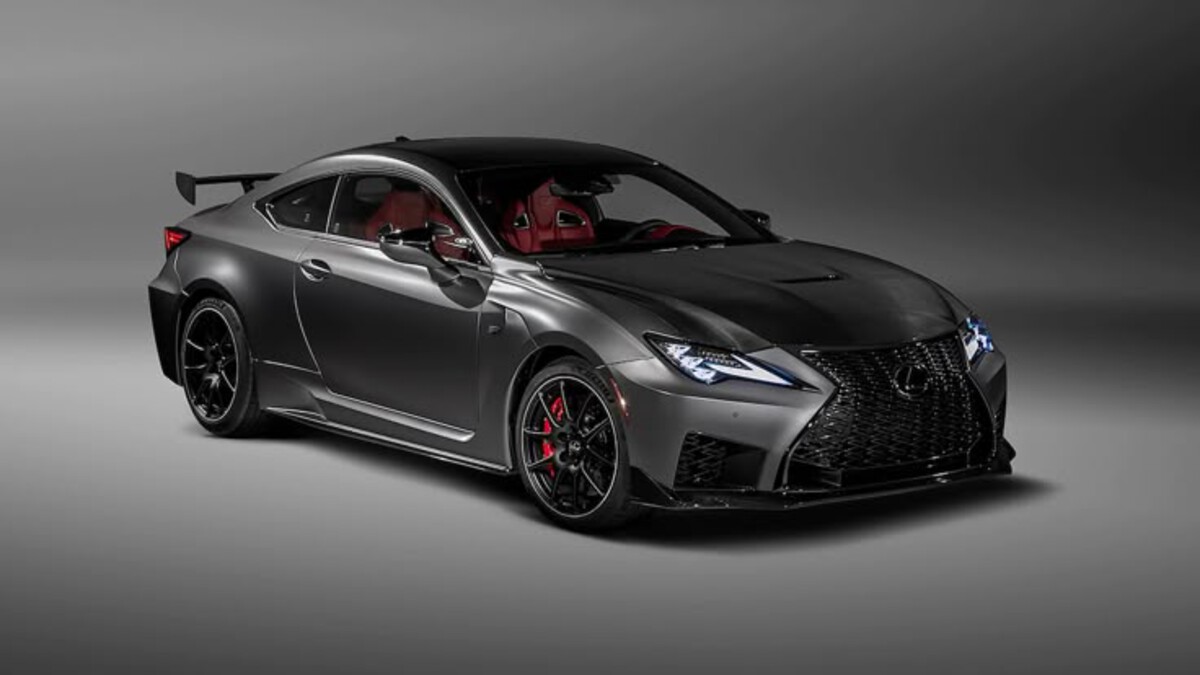
Longevity matters. For many car buyers whether budget-conscious families, gig drivers, or enthusiasts who appreciate low-maintenance ownership, vehicle reliability and lifespan often trump the flash of a new trim level or the convenience of the latest infotainment package.
This article compares two linked but distinct ideas: a set of older sedans known for decades of dependable service, and a group of new budget models designed for affordability and immediate value.
The thesis is simple: while new cars bring warranties and some modern tech, a well-chosen older sedan can deliver years of trouble-free ownership, lower long-term cost, and predictable maintenance cycles that budget newcomers rarely match.
Older sedans win at durability because many are the product of generations of iterative engineering improvements engines that were simplified for longevity, robust transmissions, and body structures that age gracefully. They also benefit from large parts pools and an abundance of independent mechanics who know how to keep them running.
New budget models, by contrast, are frequently optimized for factory cost targets: lighter materials, tightly packaged components, and newer, sometimes complex electronics that can be more expensive to repair after warranties expire.
That doesn’t mean modern budget cars are bad far from it. They are often safer and more fuel-efficient on paper, and for drivers who keep cars for short periods, they’re ideal.
This two-part article explores both sides. Part 1 (this document) covers five reliable older sedans that continue to outlast many newer budget models when long-term ownership is the metric. For each car, I explain what makes it durable, the typical pitfalls to watch for, and why it still represents a better longevity play than a fresh-off-the-lot cheap new car.
Part 2 will introduce five contemporary budget models and contrast their real-world longevity expectations against the older sedans discussed here.
Also Read: 5 Compact Luxury SUVs That Beat 5 Mid-Size Non-Luxury SUVs on Features
5 Reliable Older Sedans
Choosing an older sedan for durability isn’t romanticism it’s strategy. When buyers prioritize longevity, they look for mechanical simplicity, proven powertrains, conservative engineering margins, and an ecosystem of affordable replacement parts and experienced technicians.
The five sedans profiled below have proven track records across thousands of owner reports, industry reliability studies, and enthusiast communities. They are cars that, when maintained sensibly, can cross 250,000 miles and keep going.
Why these five? I selected models that each represent a different approach to durability: mass-market workhorses, near-luxury longevity bargains, and pragmatic all-wheel-drive choices built to withstand harsh environments.
Each entry includes the model years most associated with reliability, the engineering reasons behind their longevity (engine design, transmission type, electrical simplicity, chassis robustness), the common weak spots and how to spot them during a purchase inspection, and why they remain a smarter long-term buy versus many modern budget alternatives.
Reading these profiles will help you decide whether to target an older sedan for a long-term buy, what to budget for maintenance, and how to prioritize inspections. If you plan to keep a car for many years, the total cost of ownership including depreciation, repairs, and fuel matters more than the sticker price. With that in mind, let’s start the list.
1. Toyota Camry (Late 1990s–2006)
The Toyota Camry has long been shorthand for reliability and with good reason. Camrys from the late 1990s through the mid-2000s represent a sweet spot: engines that favored conservative tuning, transmissions that prioritized durability over sportiness, and simple electrical systems.
These cars were built during an era when Toyota focused on long-term resale and trouble-free ownership, producing a model that responds well to periodic maintenance and basic repairs.
Mechanically, the four-cylinder 1MZ-FE and 2AZ-FE families (depending on year and market) are robust when oil and cooling maintenance schedules are followed.
Head gasket failures and oil consumption are less common than in many contemporaries, and the transmissions, Aisin-built automatics in many cases are known for surviving high mileage when fluids are changed.
The Camry’s body structure and suspension geometry were engineered for predictability rather than aggressive handling, which translates to fewer stress-related failures over time.
Practical advantages: enormous parts availability, vast independent mechanic experience, and high resale value due to reputation.
Typical used-car issues include worn front suspension bushings/struts, cosmetic wear, and occasional cooling-system component failures as the car ages. Rust resistance is generally good in many climates, but check for seam rust in older examples.
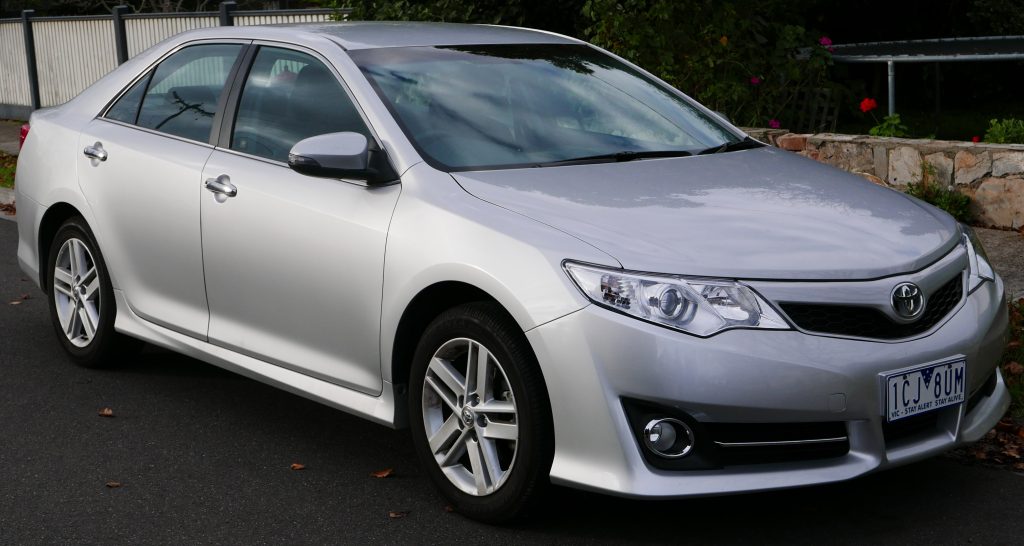
Why I’m writing about the Camry: it’s the archetype of the problem-solver owner who wants a car that can be serviced affordably everywhere. For longevity-focused buyers, the Camry’s track record makes it a low-risk choice: you trade the novelty of cutting-edge features for the peace-of-mind that the drivetrain and body will last.
2. Honda Accord (1998–2007)
The Honda Accord is another perennial reliability champion. Late-1990s to mid-2000s Accords combined efficient, high-revving four-cylinder engines with transmissions and chassis firmware that emphasized durability.
Honda’s engineering philosophy robust cylinder head designs, straightforward accessory layouts, and conservative thermal management, means that many Accords of this era exceed 200,000 miles with routine service.
The F20B/F22A series engines and the later K-series derivatives (in some markets) have earned reputations for longevity when owners avoid severe overheating and follow oil-change intervals.
Common long-term issues include worn automatic transmission solenoids or torque converters in high-mileage units, and suspension wear in cities with poor roads. But parts are inexpensive, and many DIY-friendly repair guides exist.
The Accord also benefits from a large community of owners and mechanics who know the car intimately an asset when sourcing parts or troubleshooting odd noises. Interior trim may show wear, particularly on early leather or trim pieces, and higher-mile examples often need attention to ignition systems and intake components.
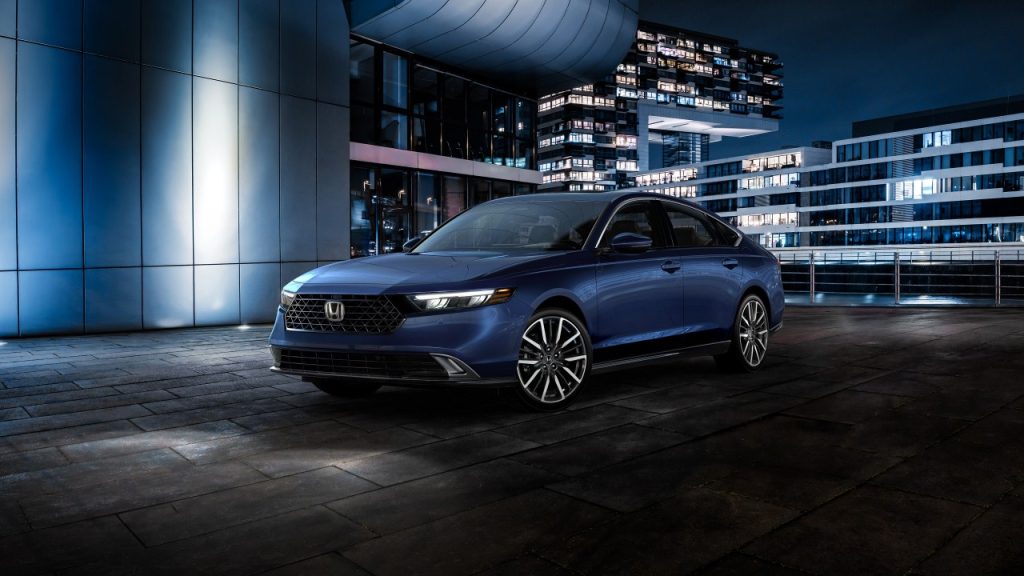
Why I’m writing about the Accord: it blends engineering refinement with real-world longevity. For a buyer who values sportier handling yet wants a car that will last, the Accord is a top contender.
Its combination of serviceability, parts availability, and a history of durable engines makes it an easy recommendation in the older-sedan longevity category.
3. Lexus ES (1997–2006)
Lexus ES models of the late 1990s through the mid-2000s take Toyota’s reliability mantra and wrap it in a near-luxury package. The ES shares mechanical DNA with the Camry but often benefits from more conservative tuning, higher-quality components, and additional sound-deadening that reduces driver fatigue over long ownership.
That makes the ES a sleeper pick: luxury trappings without the fragility sometimes seen in European rivals.
Powertrains largely V6s in this era, are detuned for smoothness and longevity. While some buyers worry about luxury cars being expensive to maintain, the ES’s use of tried-and-true Toyota components keeps service costs reasonable.
Watch for aging suspension bushings, softer leather wear, and luxury-electrical items (climate control actuators, memory-seat motors) which can fail after decades.
The buying strategy for an ES is to focus on service records: because many were leased and traded in often, look for a well-documented maintenance history. Timing belt/chain care (depending on engine) and cooling-system items are critical inspections.
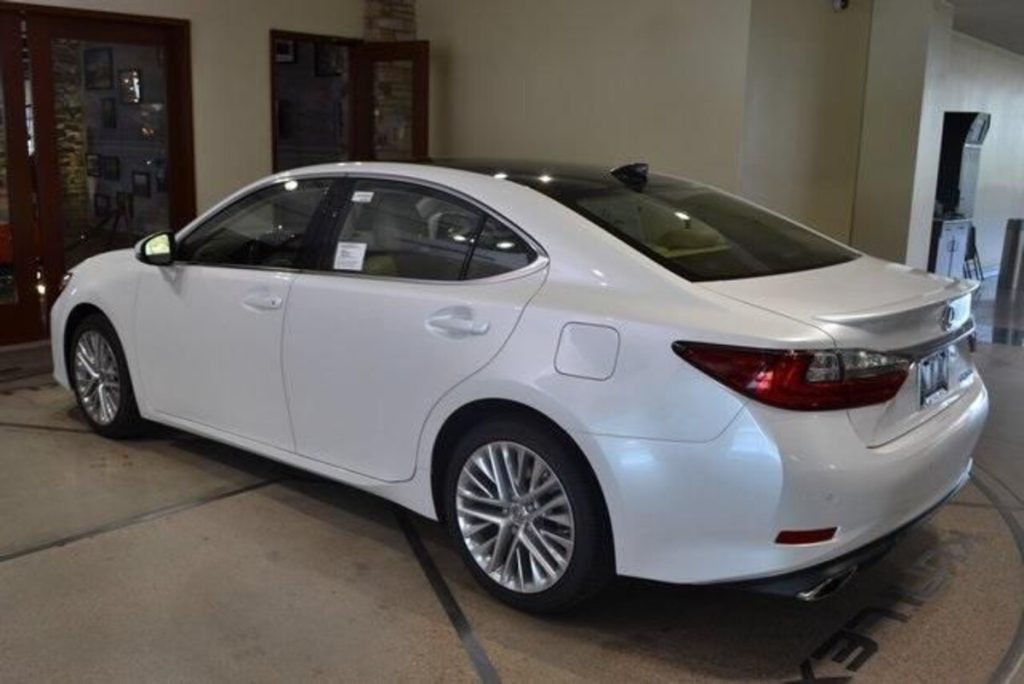
Why I’m writing about the Lexus ES: it demonstrates that you can have a comfortable, quiet, long-lived car without European repair bills.
For owners who plan long-term use and value comfort and reliability equally, the ES often outlasts many newer budget cars simply because its components were selected for low stress and longevity.
4. Subaru Legacy (1999–2009)
The Subaru Legacy of the 2000s stands out because of its longitudinally mounted boxer engines and standard/all-wheel-drive setups for many trims, making it a favorite in colder climates and regions with poor roads.
Boxer engines offer a low center of gravity and an inherently balanced design; when maintained, Subaru’s EJ-series engines are capable of very high mileage. The Legacy’s AWD hardware is robust and designed for repeated use rather than occasional engagement, which matters if you rely on it year-round.
Common longevity considerations: head gasket issues in some EJ engines for certain years, the need for timely timing belt changes (depending on engine), and transmission service on automatics.
Rust protection varies by market inspect underneath for corrosion in salted-road areas. However, when owners address known weak spots proactively, Legacies can deliver decades of service and unmatched traction where it counts.
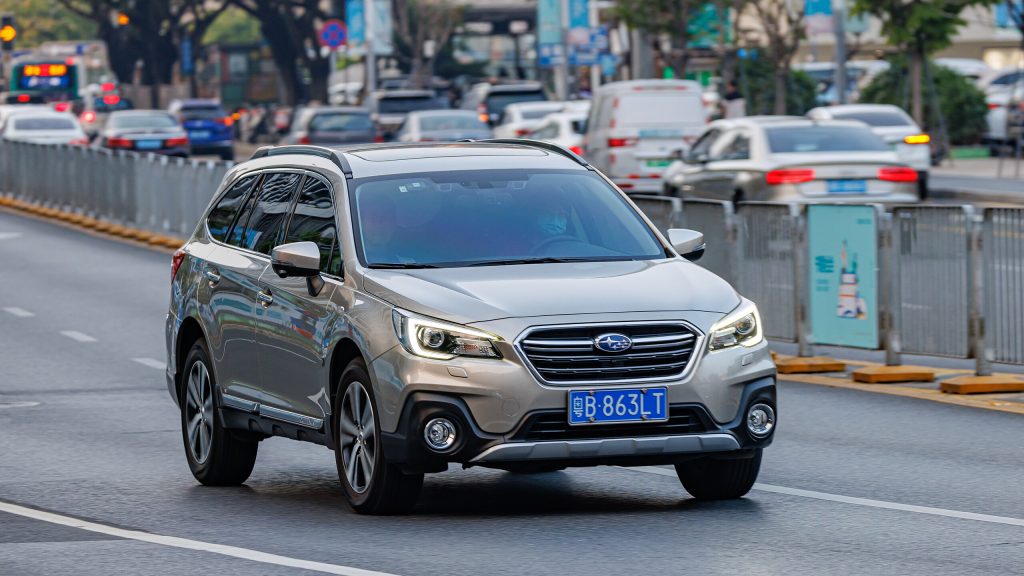
Why I’m writing about the Legacy: for drivers in climates where winter traction and long-term robustness matter, a well-kept Legacy often outperforms new front-wheel-drive budget cars that struggle on snow and ice.
Its mechanical simplicity compared with modern AWD systems (no complex torque-vectoring electronics) means fewer costly surprises down the road.
5. Mercedes-Benz E-Class W210/W211 (1996–2008) – the long-haul German
A controversial pick, but hear me out: older E-Class models especially properly maintained examples, can be spectacular long-haulers. Mercedes built these cars with over-engineered suspension components, durable inline-six and V6 engines, and solid chassis engineering.
The E-Class rewards owners who invest in preventative upkeep: when timing chains, coolant systems, and air suspension (if present) are cared for, these cars can remain comfortable and mechanically sound for many years.
The caveat: parts and service cost more than for Japanese rivals, and neglected examples can become expensive. But for buyers who can afford to be selective at purchase finding low-mile, well-documented examples an older E-Class delivers refinement and durability that can outshine a new budget model after warranty expiry.
Watch for electrical gremlins, air suspension wear (if equipped), and oil leaks; these are manageable when inspected and budgeted for.
Why I’m writing about the E-Class: it shows that longevity isn’t exclusive to inexpensive, mass-market cars.
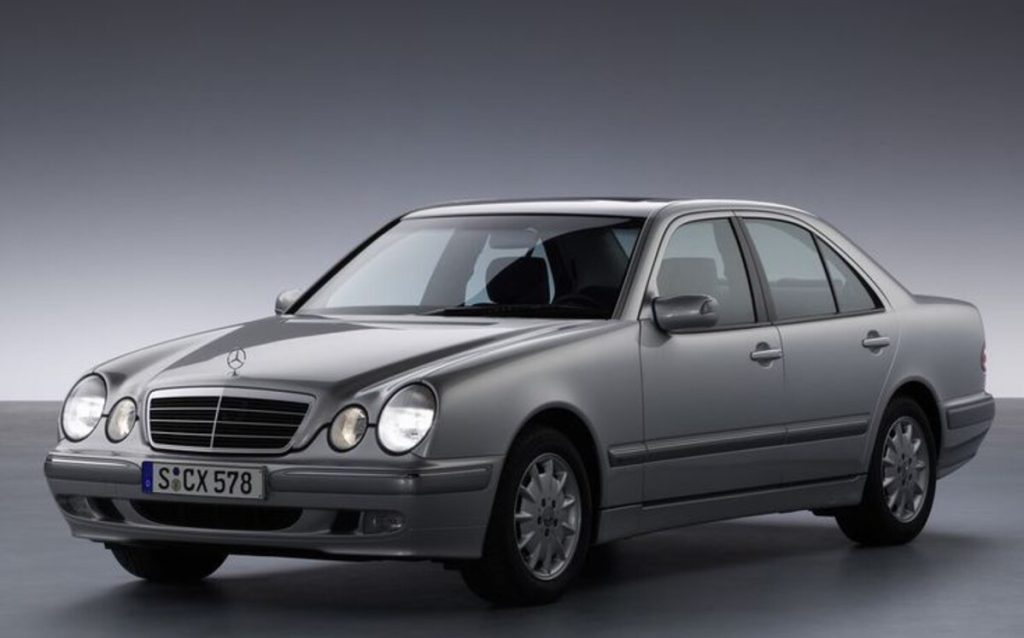
A thoughtfully chosen European sedan can provide decades of dependable service and comfort, provided the buyer prioritizes maintenance and inspection. For many owners, the E-Class is a long-term pleasure machine rather than a short-lived status symbol.
5 Reliable Older Sedans That Outshine 5 New Budget Models on Longevity
New budget sedans exist for a clear reason: they promise affordability, warranty coverage, modern safety tech, and low initial running costs. For first-time buyers, small families, and urban commuters, these cars offer peace of mind during the first few years of ownership.
However, when longevity becomes the primary metric keeping a car for ten years or more the equation changes. This section does not criticize budget sedans for what they are; instead, it explains why many of them struggle to match the long-term durability of older, over-engineered sedans discussed in Part 1.
Modern budget models are built under strict cost controls. Manufacturers focus on lightweight construction, shared global platforms, and compact engines designed for efficiency and emissions compliance.
While this improves fuel economy and lowers showroom prices, it can introduce compromises: thinner materials, more integrated electronic systems, and components that are harder or more expensive to repair once warranties expire.
Many new budget sedans rely heavily on CVT gearboxes, turbocharged small-displacement engines, and infotainment-heavy dashboards all of which can age unpredictably beyond 100,000 miles.
I am writing about these five models to provide balance and clarity. They are not poor cars; in fact, they sell extremely well and satisfy millions of owners. But when compared directly with older sedans built during durability-focused eras, their long-term ownership risks become more apparent.
Each profile below explains why the model is popular, what it does well in the short term, and where long-term durability concerns may arise.
Understanding these trade-offs helps buyers decide whether they should prioritize a brand-new car with a warranty or an older, proven sedan with a reputation for longevity. With that context established, let’s examine the five new budget models.
1. Toyota Corolla (Current Generation Budget Trims)
The Toyota Corolla is often assumed to be bulletproof by default, but modern budget-oriented Corolla trims represent a different philosophy than older Toyota sedans. Today’s Corolla focuses on fuel efficiency, emissions compliance, and affordability, often relying on smaller engines paired with CVT transmissions.
While Toyota’s engineering discipline remains strong, the long-term durability of CVTs especially beyond warranty periods remains a concern for owners planning extended use.
In the short term, the Corolla excels. It offers excellent fuel economy, strong safety ratings, and a smooth daily-driving experience. Maintenance during the first five years is minimal, and Toyota’s warranty support adds peace of mind.
However, as mileage accumulates, replacement costs for electronic components, sensors, and transmission-related repairs can add up quickly. Unlike older Corollas or Camrys, many repairs require specialized diagnostic tools rather than simple mechanical fixes.
Interior materials are also designed for cost efficiency. Plastics and lightweight trim pieces tend to show wear earlier than in older, heavier-built sedans. While this doesn’t affect drivability, it does impact how the car feels after years of use.
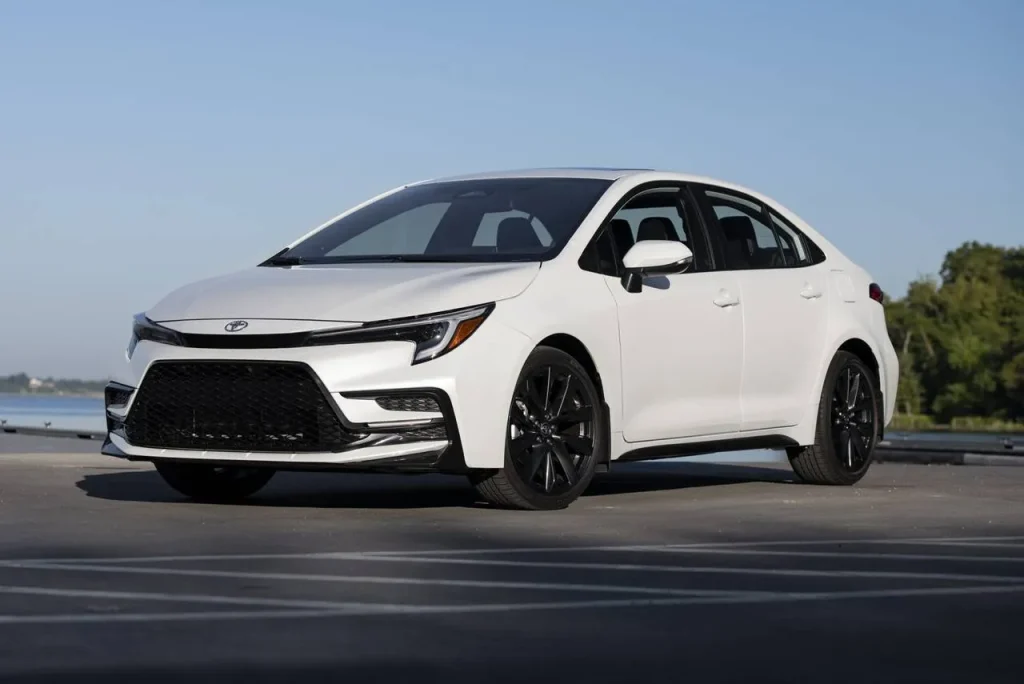
Why I’m writing about the Corolla here: it highlights how even historically reliable nameplates have shifted priorities. The modern Corolla is an excellent short-to-medium-term car, but for buyers aiming at 15–20 years of ownership, older Toyota sedans often deliver greater durability and simpler upkeep.
2. Hyundai Verna (Latest Generation)
The Hyundai Verna has gained popularity for its aggressive pricing, feature-rich interiors, and attractive styling. Hyundai’s rapid rise has been fueled by offering more technology for less money, making the Verna appealing to buyers who want maximum value upfront. However, this value-first approach can introduce longevity trade-offs.
Modern Vernas rely heavily on electronics: large infotainment screens, digital instrument clusters, and complex climate-control systems. While these features enhance the ownership experience early on, they also increase long-term repair complexity.
Replacement of integrated electronic modules can be costly once the warranty period ends. Engine tuning prioritizes efficiency and performance, sometimes at the expense of long-term stress margins.
That said, Hyundai’s warranty coverage is among the best in the segment, which makes the Verna a strong choice for buyers who change cars frequently.
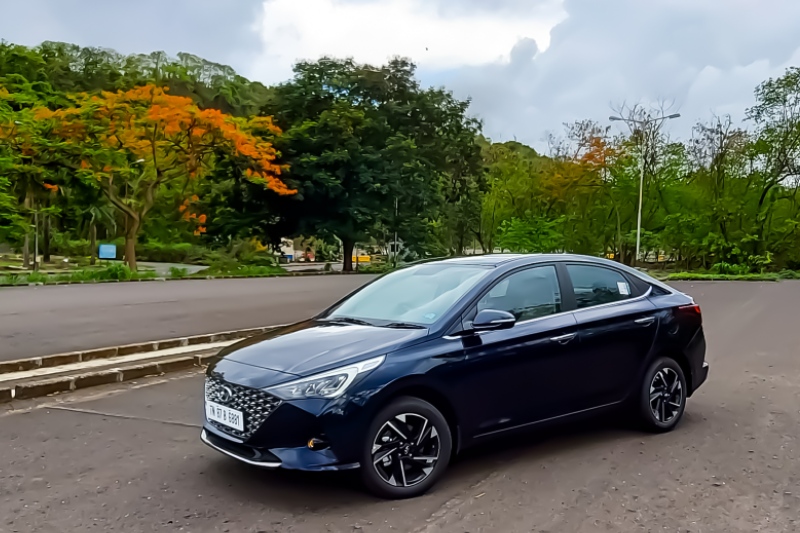
Routine maintenance costs are reasonable, and the ride quality is well-suited for urban driving. Still, owners planning to keep the car for a decade or longer may encounter rising costs related to electronics and drivetrain wear.
Why I’m writing about the Verna: it represents the modern budget sedan philosophy perfectly high features, low price, strong warranty but also demonstrates why longevity-focused buyers should consider whether those features will age gracefully over time.
3. Honda City (Current Generation)
The Honda City occupies a unique space: it carries Honda’s reputation for engineering excellence while competing firmly in the budget sedan category.
Its refined petrol engines, smooth handling, and strong resale value make it one of the most trusted new sedans in many markets. However, compared with older Honda sedans, the City’s modern design emphasizes efficiency and weight reduction.
The engines are highly efficient and enjoyable to drive, but they rely on tighter tolerances and more electronics than older Honda powertrains. CVT-equipped variants offer smooth acceleration but raise long-term durability questions for owners aiming at very high mileage.
Suspension components are lighter and tuned for comfort, which can lead to earlier wear on rough roads.
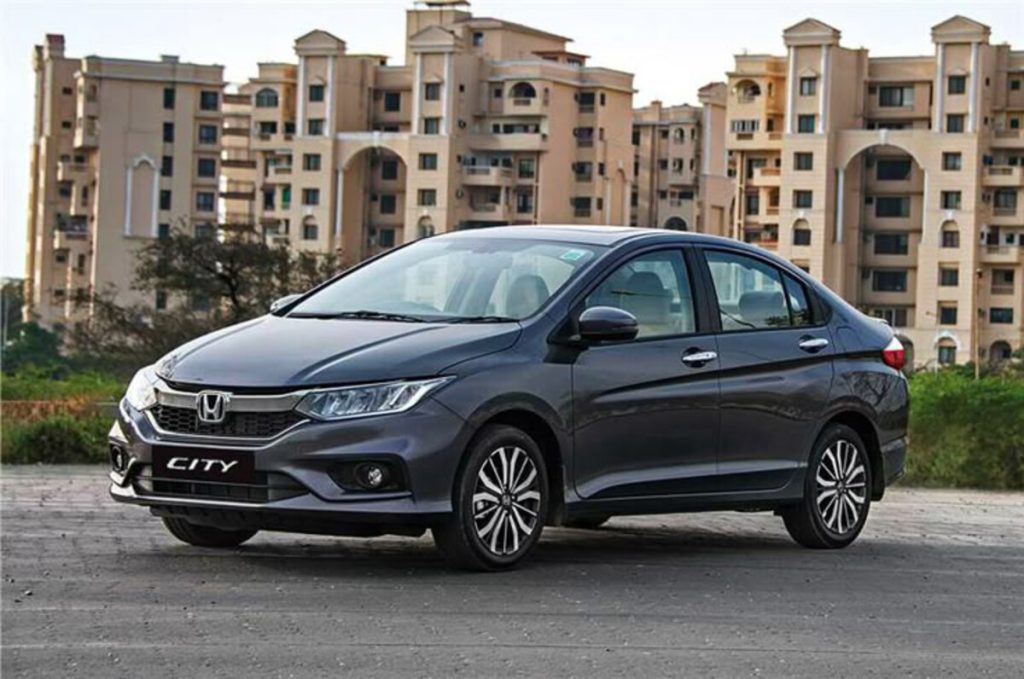
On the positive side, Honda’s build quality and service network remain excellent. Regular maintenance goes a long way in preserving reliability, and the City remains one of the better long-term bets among new budget sedans. Still, when compared with older Accords built during more conservative engineering eras, the City may require more attention as it ages.
Why I’m writing about the Honda City: it shows how even well-engineered modern cars must balance emissions, efficiency, and cost sometimes at the expense of the overbuilt durability seen in older Hondas.
4. Skoda Slavia
The Skoda Slavia appeals to buyers seeking European driving dynamics at a budget-friendly price. Its turbocharged engines deliver strong performance and enjoyable handling, setting it apart from many conservative rivals. However, turbocharging and complex electronics introduce additional long-term considerations.
Turbo engines operate under higher thermal and mechanical stress than naturally aspirated units, making maintenance discipline critical.
Long-term ownership can be affected by turbocharger wear, high-pressure fuel system components, and sensitive sensors. Parts availability and service costs may also be higher compared with Japanese rivals, particularly as the car ages.
While the Slavia feels premium and engaging when new, owners planning extended ownership should budget carefully for future repairs. Regular servicing is essential, and neglect can quickly turn minor issues into major expenses.
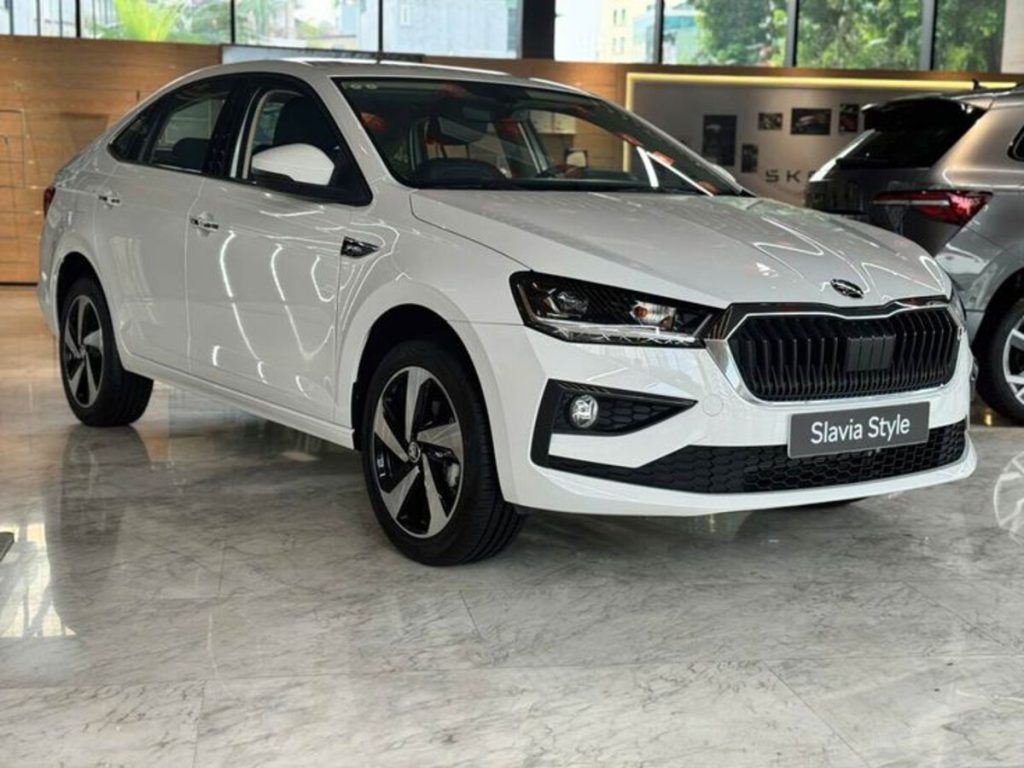
Why I’m writing about the Slavia: it illustrates how driving enjoyment and modern performance often come with longevity trade-offs in the budget segment especially when compared with older, naturally aspirated sedans built for endurance.
5. Maruti Suzuki Ciaz
The Maruti Suzuki Ciaz is often praised for its comfort, fuel efficiency, and low running costs. Its naturally aspirated engine and relatively simple mechanical design make it one of the more longevity-friendly modern budget sedans. However, cost-conscious material choices and lighter construction still separate it from older, more robust sedans.
The Ciaz excels in ease of ownership: inexpensive parts, a vast service network, and predictable maintenance needs. Over long periods, interior wear and suspension fatigue may appear sooner than in older, heavier-built cars. Safety and structural robustness are also areas where modern budget constraints are evident.
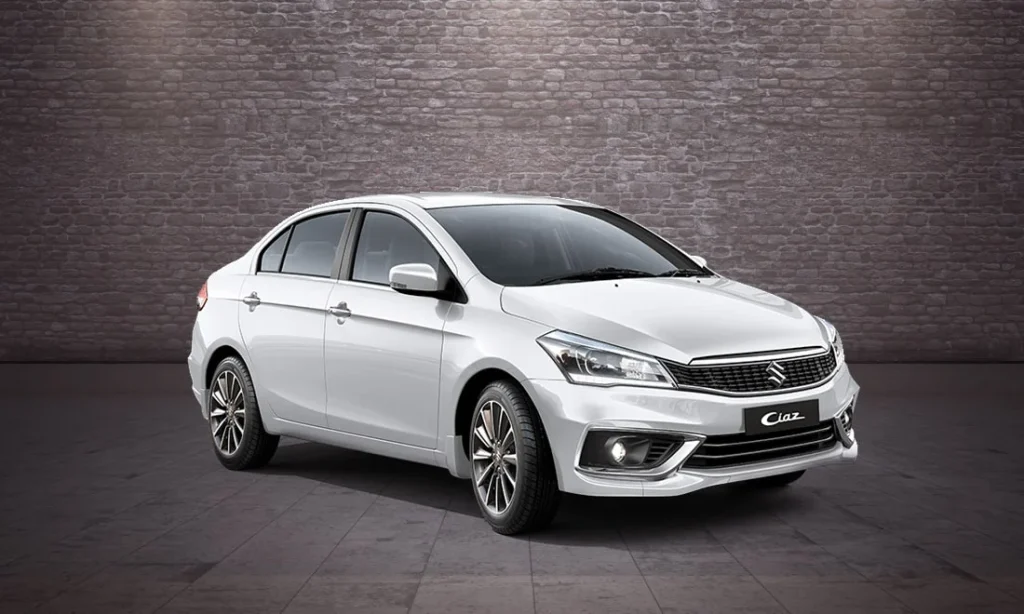
Why I’m writing about the Ciaz: it shows that simplicity still exists in the modern market, but even the simplest new budget sedans are built to different durability standards than older cars designed during less cost-pressured eras.
This article explored a critical but often misunderstood question in car buying: is it better to choose a proven older sedan or a brand-new budget model when long-term longevity is the priority?
By examining five reliable older sedans alongside five modern budget-friendly cars, the comparison highlights how engineering philosophy, material choices, and ownership expectations have shifted over time.
The older sedans discussed vehicles such as long-standing Japanese, European, and AWD stalwarts, were developed during an era when manufacturers prioritized mechanical durability, conservative tuning, and long service life.
These cars benefit from naturally aspirated engines, simpler transmissions, thicker materials, and fewer electronic dependencies. As a result, many of them continue running well beyond 200,000 miles when maintained properly.
Their longevity is further strengthened by widespread parts availability, extensive mechanic familiarity, and predictable maintenance needs. While they lack modern infotainment and may require age-related upkeep, their core mechanical reliability often surpasses that of many newer alternatives.
On the other hand, the new budget models represent today’s affordability-driven automotive landscape. They are designed to meet strict emissions regulations, fuel efficiency targets, and competitive pricing pressures.
These cars excel in the short term: they offer warranties, modern safety systems, better fuel economy, and contemporary interiors. For buyers who plan to own a car for five to seven years, this approach makes practical sense.
However, the trade-off becomes apparent over longer ownership periods. Cost-cutting measures such as lightweight materials, heavy reliance on electronics, CVT transmissions, and turbocharged small engines introduce uncertainty as mileage increases and warranties expire.
A key takeaway from this comparison is that longevity is not determined by age alone, but by design intent. Older sedans were often “overbuilt” relative to their performance needs, giving them generous mechanical margins.
New budget cars, while not poorly made, are engineered to meet minimum durability targets at the lowest possible cost. This doesn’t make them unreliable but it does mean they may not age as gracefully or predictably as older, proven platforms.
Ultimately, the right choice depends on ownership goals. Buyers seeking maximum long-term value, mechanical simplicity, and the ability to keep a car for 10–20 years may find older reliable sedans to be the smarter investment.
Those prioritizing warranty coverage, modern features, and short-to-medium-term peace of mind will still find new budget models appealing.
This article aims to help readers look beyond model year and showroom appeal, encouraging smarter decisions based on how long a car is expected to serve not just how new it looks on day one.
Also Read: 5 Cars for Reno Heat & Elevation vs 5 That Overheat
