
When buyers compare cargo vans and small trucks, the decision often comes down to perception rather than real-world practicality.
Small trucks are commonly viewed as more versatile, rugged, and lifestyle-friendly, while cargo vans are seen purely as commercial tools.
However, when practicality is measured by usable space, ease of access, cargo protection, and daily efficiency, cargo vans frequently outperform small trucks especially for business owners, tradespeople, and high-frequency haulers. This article explores that overlooked reality by directly comparing what each vehicle type delivers in everyday use.
Cargo vans are engineered with a single mission: moving cargo efficiently and safely. Their enclosed bodies allow for organized storage, secure transport, and weather protection without relying on expensive aftermarket additions.
Sliding doors, low load floors, and tall interiors reduce physical strain and speed up loading during repeated stops. In contrast, small trucks rely on open beds that expose cargo to theft and weather unless owners invest in covers, racks, or caps. Even then, internal organization remains limited compared to a van’s customizable interior.
That doesn’t mean small trucks lack value. They shine in towing, off-road driving, and hauling oversized or dirty loads that benefit from open access.
However, these strengths often matter less in urban work environments, delivery routes, and service-based businesses where time efficiency, security, and organization determine productivity.
By examining five cargo vans first and five small trucks afterward, this article highlights where vans offer superior practicality and where trucks still make sense. The goal is not to declare a universal winner, but to show which vehicle truly works harder for specific real-world needs.
Cargo Vans
Cargo vans are purpose-built machines designed around efficiency, not image. Unlike small trucks that must balance passenger comfort with cargo duty, vans dedicate the majority of their footprint to usable storage.
This focus translates into tangible benefits: uninterrupted cargo floors, vertical wall space for shelving, and enclosed environments that protect tools, equipment, and goods from rain, dust, and theft. For professionals who rely on their vehicle every day, these advantages directly impact time, safety, and income.
One of the biggest strengths of cargo vans is accessibility. Sliding side doors and wide rear openings allow drivers to load or retrieve items quickly, even in tight urban spaces where opening a truck tailgate is inconvenient or unsafe.
Many vans also feature low step-in heights, reducing the physical effort required to move heavy items throughout the day. Over time, this ergonomic advantage lowers fatigue and injury risk something small trucks rarely address without modifications.
Another key factor is organization. Cargo vans can be fitted with permanent shelving, drawers, partitions, and power systems, transforming the vehicle into a mobile workspace.
This level of customisation is difficult to replicate in a truck bed without sacrificing open-bed flexibility or incurring significant costs for aftermarket solutions. Vans also simplify inventory management, as tools and materials remain in fixed locations rather than shifting during transit.
The following five cargo vans represent different approaches to practicality from maximum configurability to durability and cost efficiency. Each one demonstrates why, for many real-world tasks, a cargo van delivers more usable value than a comparably sized small truck.
1. Ford Transit
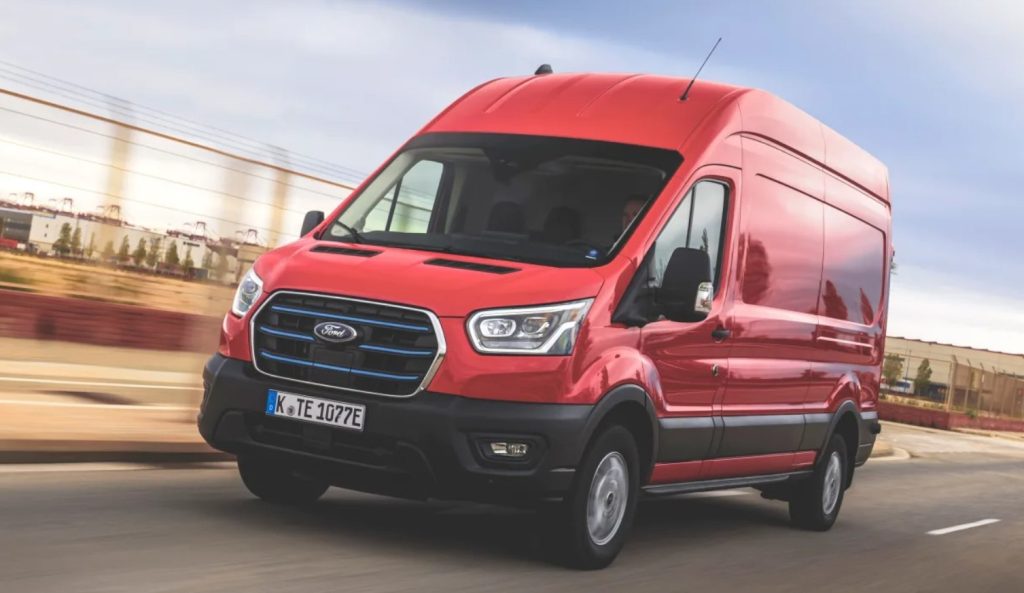
The Ford Transit stands as one of the most versatile cargo vans available, offering an unmatched range of configurations that cater directly to real-world practicality.
With multiple roof heights, wheelbase lengths, and payload ratings, the Transit allows owners to choose a setup that fits their specific work demands rather than adapting their workflow to the vehicle. This flexibility alone gives it a major advantage over small trucks, which typically offer only one bed layout per model.
Inside, the Transit’s cargo area is designed for efficiency. Tall-roof versions allow many users to stand upright, reducing fatigue and speeding up tasks that require frequent access to tools or materials.
The flat, low cargo floor makes loading heavy items easier than lifting them into a truck bed, especially during repeated stops. Sliding side doors enable curbside loading in tight spaces, something small trucks struggle with due to tailgate clearance requirements.
The Transit also excels in customization. Factory upfitter switches, standardized mounting points, and a massive aftermarket ecosystem make it easy to install shelving, racks, and power solutions.
This transforms the van into a mobile workshop rather than just a transport tool. From a security standpoint, the enclosed cargo area keeps valuable equipment hidden and protected without additional accessories.
For businesses and individuals who prioritize organized storage, fast access, and reduced physical strain, the Ford Transit consistently proves more practical than a small truck in daily operation.
2. Mercedes-Benz Sprinter
The Mercedes-Benz Sprinter is engineered for users who demand maximum cargo efficiency combined with long-term durability. Its defining advantage lies in its exceptional interior height and length options, which create a workspace rather than a simple storage area.
For trades that require complex shelving systems, vertical storage, or on-the-go assembly work, the Sprinter offers capabilities that no small truck can match without extensive modification.
The Sprinter’s tall-roof configurations allow full standing room, enabling technicians to move freely inside the cargo area. This dramatically improves workflow efficiency, especially for service professionals who need to access multiple tools during a single job.
Unlike a truck bed, which forces users to climb in and out repeatedly, the Sprinter allows work to happen inside the vehicle itself.
Security and protection are also major strengths. The fully enclosed cargo area shields tools from weather exposure and reduces theft risk, eliminating the need for aftermarket bed covers or lockboxes.

Additionally, the Sprinter’s robust electrical architecture supports advanced upfitting, including lighting, climate control, and auxiliary power systems.
While the Sprinter often carries a higher upfront cost, its ability to function as a mobile workspace offsets that investment for many operators. Compared to small trucks that require added equipment to approach similar functionality, the Sprinter delivers practicality directly from the factory.
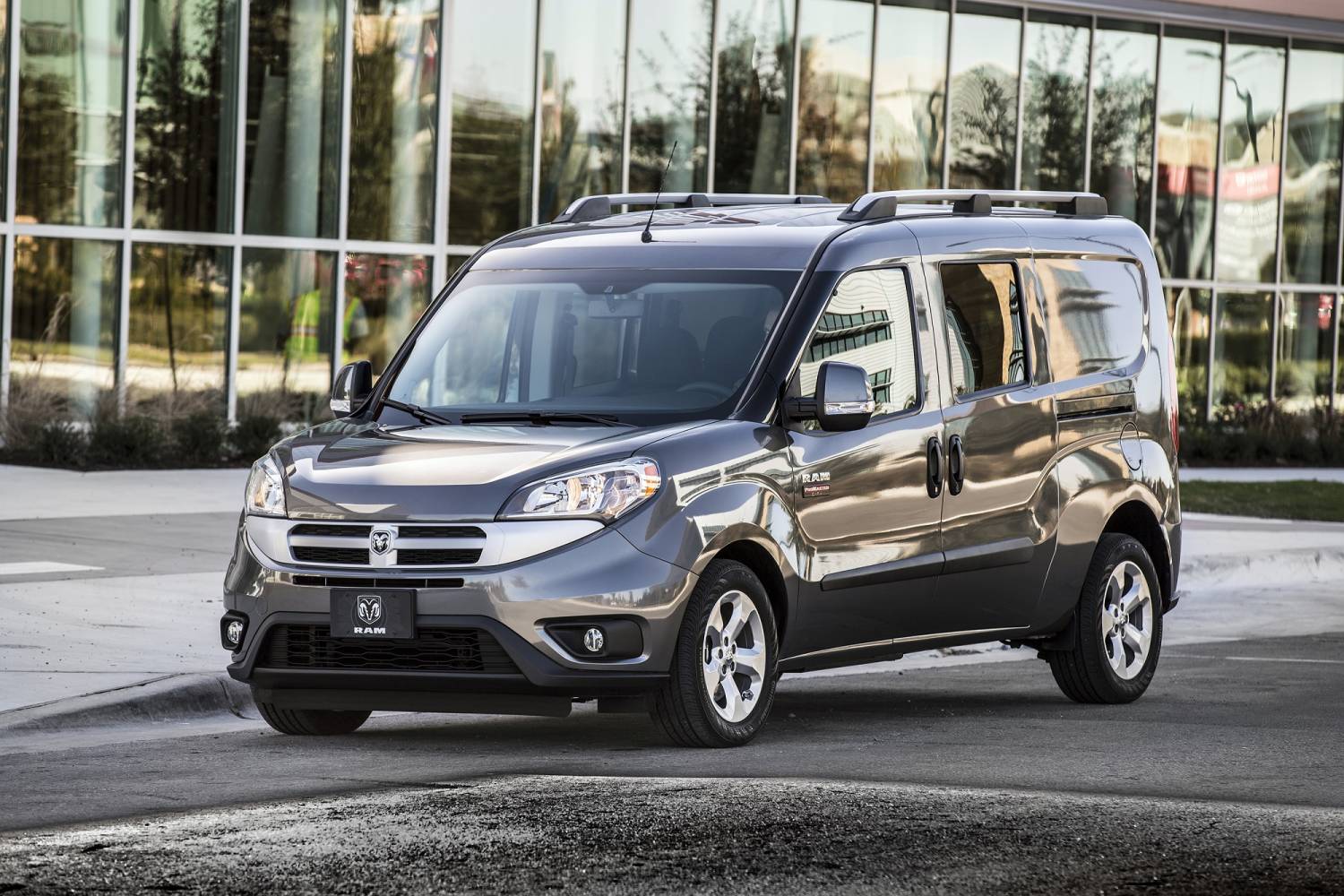
3. Ram ProMaster
The Ram ProMaster is designed around one core idea: maximizing usable cargo space with minimal effort. Unlike rear-wheel-drive vans and small trucks, the ProMaster uses a front-wheel-drive layout, which allows for a significantly lower cargo floor.
This design choice directly improves daily practicality by reducing the amount of lifting required when loading heavy equipment, tools, or parcels. Over a full workday, that difference translates into less physical strain and faster turnaround times.
Inside the cargo area, the ProMaster’s squared-off body shape minimizes wasted space. The walls are nearly vertical, and the wheel wells intrude less into the cargo area than in many competing designs.
This makes shelving installations cleaner and more efficient, allowing operators to use nearly every inch of the van’s interior. In contrast, small trucks rely on bed-mounted solutions that limit vertical storage and often reduce usable bed length.
Accessibility is another strength. The ProMaster features wide rear doors and a large sliding side door that makes curbside loading easy, even in congested urban environments. Where a small truck may require repositioning to drop a tailgate, the ProMaster allows quick side access without blocking traffic.
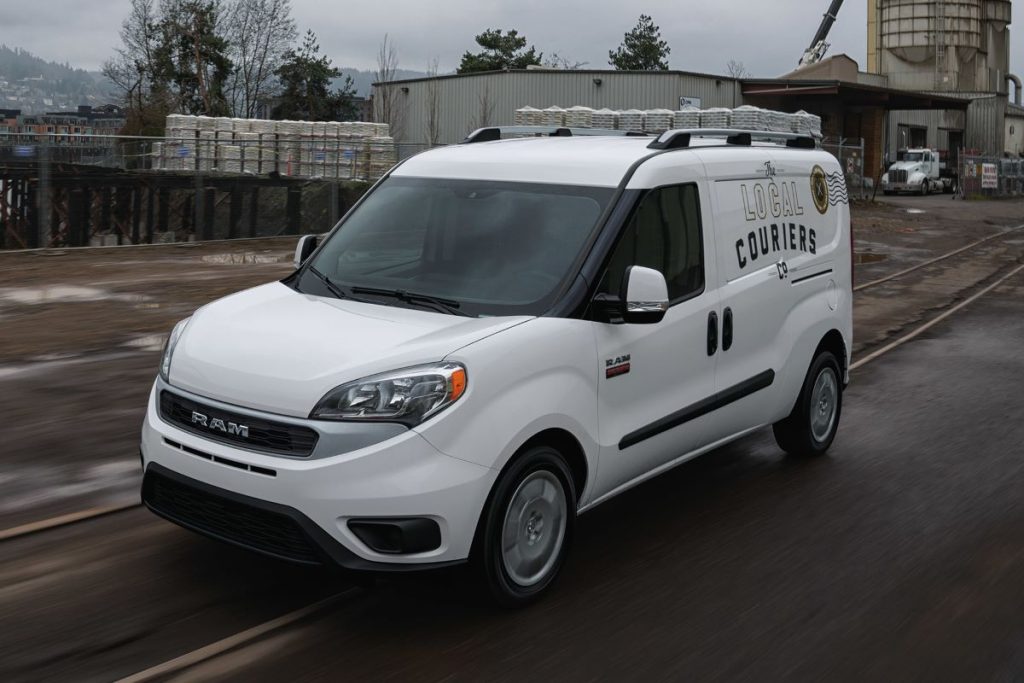
For delivery services, mobile technicians, and trades that prioritize speed and organization, the ProMaster offers a level of efficiency that small trucks struggle to match next. Its design favors workflow, not aesthetics, which makes it a highly practical alternative to open-bed pickups.
4. Nissan NV Cargo
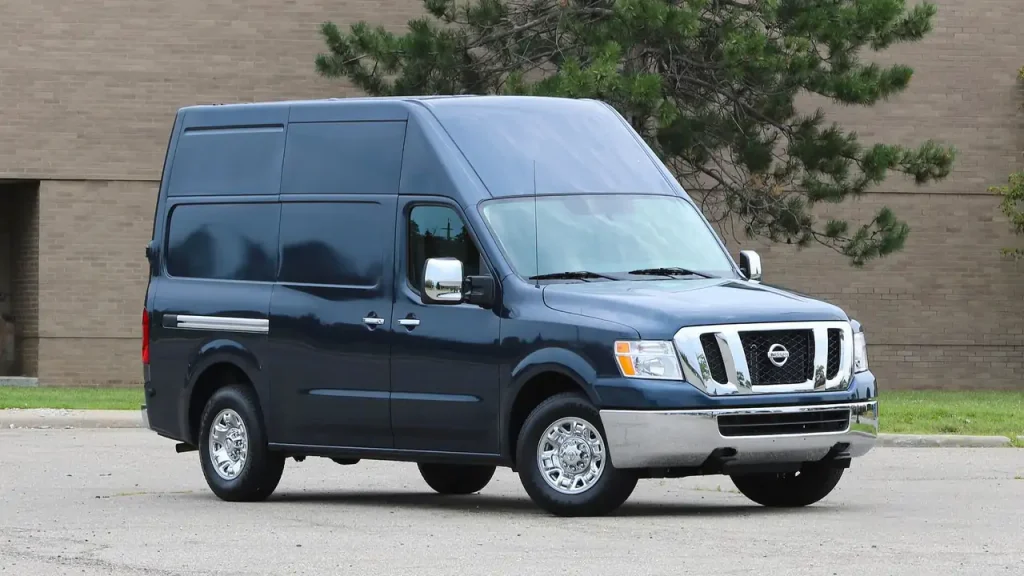
The Nissan NV Cargo takes a straightforward, durability-focused approach to practicality. Instead of chasing design trends, it emphasizes strength, reliability, and a boxy cargo area that can be easily adapted for work.
This makes the NV particularly appealing to small business owners who need a dependable vehicle that performs consistently without excessive complexity or cost.
One of the NV Cargo’s most practical features is its wide, rectangular cargo space. The shape allows for simple shelving installations and secure placement of large tool chests or equipment racks.
Unlike a small truck bed, where cargo must be tied down and protected from weather, the NV’s enclosed body keeps tools secure and organized throughout the day.
The NV also benefits from a relatively low learning curve for upfitting. Many independent shops are familiar with its structure, which reduces installation time and cost for custom interiors. Rear doors that open wide allow forklifts and pallet jacks to load materials efficiently something rarely possible with small truck beds.
While the NV may not offer the refinement of newer vans, its simplicity works in its favor. Fewer electronic complexities can mean easier long-term ownership and reduced downtime.
When compared to small trucks that require additional investments in bed covers, racks, and lockable storage, the NV Cargo delivers practical functionality as a complete package rather than a platform that still needs upgrades.
5. Chevrolet Express
The Chevrolet Express remains a trusted work van because of its proven, no-nonsense design. While it lacks the modern styling of newer vans, its practicality lies in its familiarity and durability. Many fleets continue to rely on the Express precisely because it is easy to maintain, easy to modify, and well-understood by mechanics and upfitters alike.
The Express offers a large, rectangular cargo area that supports a wide range of shelving and storage systems. Its interior dimensions allow tools, equipment, and materials to be arranged logically, reducing time spent searching for items during jobs.
Compared to a small truck, where organization depends heavily on aftermarket solutions, the Express provides a stable, enclosed workspace from day one.
Another advantage is its ability to carry and secure cargo without exposure. Weather protection is automatic, not optional, and valuable tools remain out of sight when parked. This significantly reduces theft risk compared to an open truck bed, even one equipped with a cover.
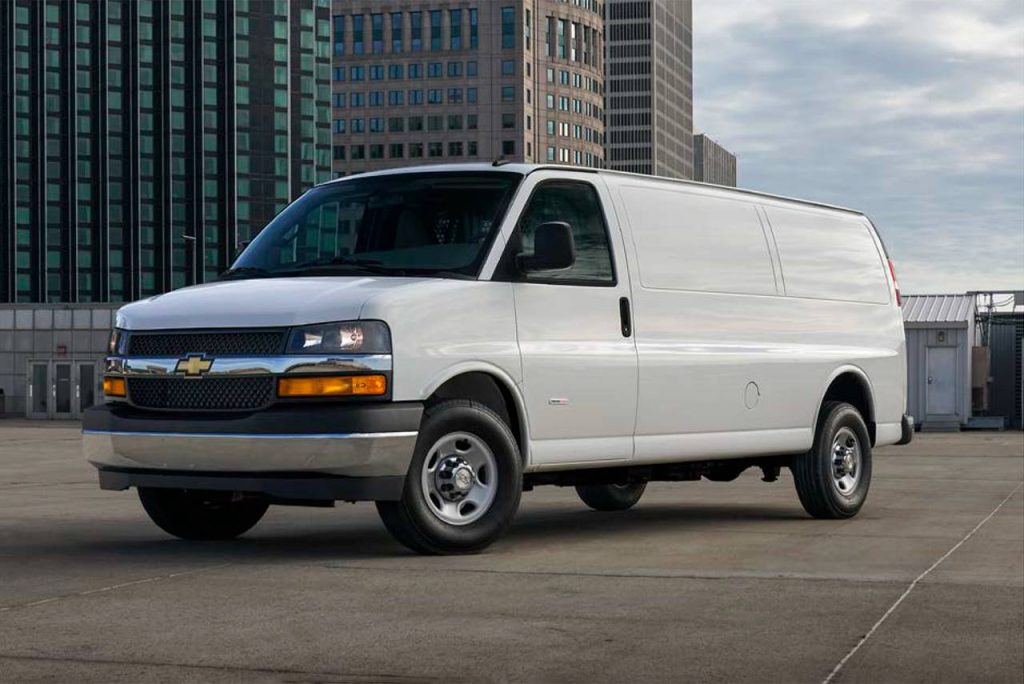
From a practical ownership perspective, the Express benefits from a massive parts and service network. Repairs can be handled quickly almost anywhere, minimizing downtime.
For businesses that value reliability, straightforward maintenance, and interior cargo efficiency over modern features, the Chevrolet Express continues to outperform small trucks in everyday work-focused practicality.
Small Trucks
Small trucks occupy a unique position in the automotive world. They promise the utility of a pickup without the size and expense of full-size trucks, making them appealing to tradespeople, outdoor enthusiasts, and small business owners alike.
Their open beds, elevated ground clearance, and towing capability suggest flexibility and toughness. For many buyers, this image alone makes small trucks seem more practical than cargo vans. However, real-world usage often tells a more nuanced story.
The defining feature of small trucks the open cargo bed, is both a strength and a limitation. While it allows easy transport of oversized or dirty materials, it offers little inherent protection. Tools, equipment, and materials are exposed to rain, dust, and theft unless owners invest in covers, caps, or lockboxes.
Even with these additions, organizing cargo remains a challenge compared to the structured interiors of vans. Items tend to shift during driving, requiring constant re-securing and increasing the risk of damage.
Small trucks do excel in certain conditions. They are often better suited for towing trailers, navigating rough terrain, and carrying materials that don’t need protection. For rural jobsites or mixed-use lifestyles that combine work and recreation, these advantages matter.
However, in urban environments or service-based work with frequent stops, the limitations of truck beds become more pronounced. Climbing into beds, lowering tailgates, and managing loose cargo can slow productivity and increase physical strain.
The following small trucks are popular and capable in their own right. Yet when compared directly with cargo vans, their practicality depends heavily on the type of work being performed rather than sheer versatility.
1. Ford Ranger
The Ford Ranger is one of the most balanced small trucks available, offering a combination of manageable size, strong payload capability, and modern comfort.
It appeals to buyers who need a pickup that can handle both work duties and personal use without the bulk of a full-size truck. The Ranger’s bed allows for hauling lumber, landscaping materials, and recreational gear with relative ease.
In terms of strength, the Ranger performs well when towing small trailers or transporting heavy loads that don’t require weather protection.
Its higher ground clearance and suspension tuning also make it suitable for uneven terrain, which can be an advantage in construction zones or rural work sites. For these scenarios, the Ranger’s open bed and rugged design are clear benefits.
However, when practicality is measured by efficiency and organization, the Ranger reveals its limitations. The open bed offers no built-in protection for tools or equipment, requiring owners to purchase covers, racks, or lockable boxes.

These additions increase cost and still fall short of the security and organization a cargo van provides by default. Accessing tools also involves lowering the tailgate or climbing into the bed, which slows workflow during frequent stops.
For buyers who prioritize versatility and occasional hauling over daily cargo management, the Ranger makes sense. But for consistent work that demands secure, organized, and easily accessible storage, it requires compromises that cargo vans avoid altogether.
2. Toyota Tacoma
The Toyota Tacoma is widely respected for its durability and long-term reliability, making it a favorite among buyers who value toughness above all else. Its reputation for handling rough conditions and maintaining resale value has made it one of the most trusted small trucks on the market.
The Tacoma’s bed is well-suited for hauling construction materials, outdoor equipment, and tools that can withstand exposure.
One of the Tacoma’s strongest advantages is its ability to operate off-road or in challenging environments where paved access isn’t guaranteed.
This makes it ideal for fieldwork, remote sites, or recreational use that overlaps with professional needs. The truck’s aftermarket support is also extensive, offering bed racks, drawer systems, and caps that enhance utility.
Despite these strengths, the Tacoma’s practicality diminishes in daily, stop-and-go work scenarios. Even with aftermarket upgrades, the bed lacks the continuous enclosed space of a cargo van.
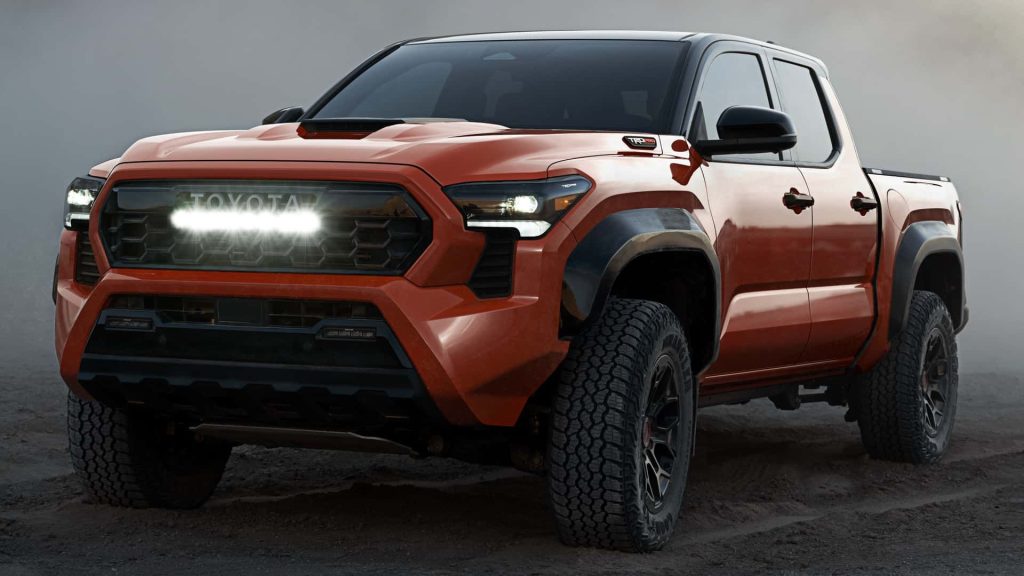
Tools must be secured carefully to prevent movement, and weather exposure remains a concern unless a full canopy is installed. These solutions add weight, reduce flexibility, and increase overall cost.
The Tacoma excels as a rugged, multipurpose vehicle that blends work and lifestyle use. However, for businesses that rely on fast access, interior organization, and secure storage throughout the workday, it cannot match the efficiency of a well-configured cargo van.
3. Chevrolet Colorado
The Chevrolet Colorado positions itself as a capable midsize truck designed to handle a wide range of work-related tasks while remaining comfortable enough for daily driving. Its open cargo bed provides flexibility for hauling construction materials, landscaping supplies, and bulky equipment that would be awkward to fit inside an enclosed vehicle.
For users who regularly transport items that are dirty, oversized, or irregularly shaped, the Colorado’s bed design offers straightforward practicality.
The Colorado’s towing capability is another area where it excels. It is often chosen by contractors who need to pull small trailers, equipment haulers, or recreational loads without stepping up to a full-size pickup. In these cases, the Colorado’s balance between size and strength makes it a practical solution.
However, when compared to cargo vans, the Colorado’s limitations become clear in day-to-day operations. The open bed exposes tools and materials to weather unless a cover or cap is installed.
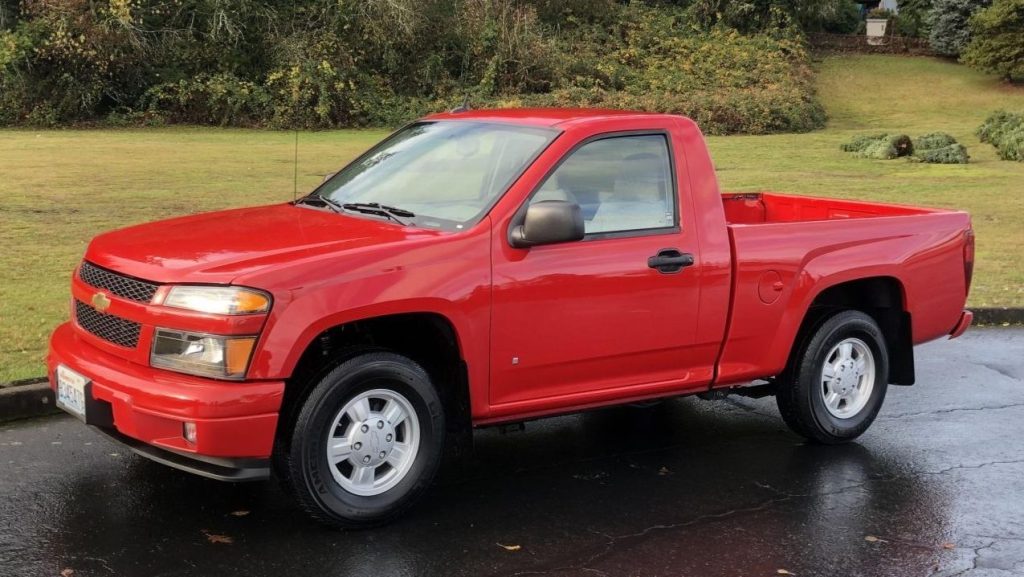
Even then, internal organization remains limited compared to the shelving and compartment systems possible in a van. Accessing cargo typically requires lowering the tailgate or climbing into the bed, which slows workflow during frequent stops.
For users who prioritize towing and open-air hauling, the Colorado is a strong choice. But for those whose work depends on secure storage, efficient access, and organized cargo management, it requires compromises that enclosed vans simply avoid.
4. Nissan Frontier
The Nissan Frontier is known for its rugged simplicity and dependable performance. It appeals to buyers who want a straightforward truck that can handle work duties without unnecessary complexity.
The Frontier’s bed is built for durability, making it suitable for carrying heavy materials, tools, and equipment that can tolerate exposure to the elements.
One of the Frontier’s strengths is its mechanical simplicity, which often translates into easier maintenance and long-term reliability.
For independent contractors working in remote areas, this reliability can be more important than advanced features. The truck’s compact dimensions also make it easier to maneuver in tight job sites compared to larger pickups.
Despite these advantages, the Frontier’s practicality falls short when compared to cargo vans in urban or service-oriented work. Tools stored in the open bed require additional security measures, and even then, theft remains a concern.
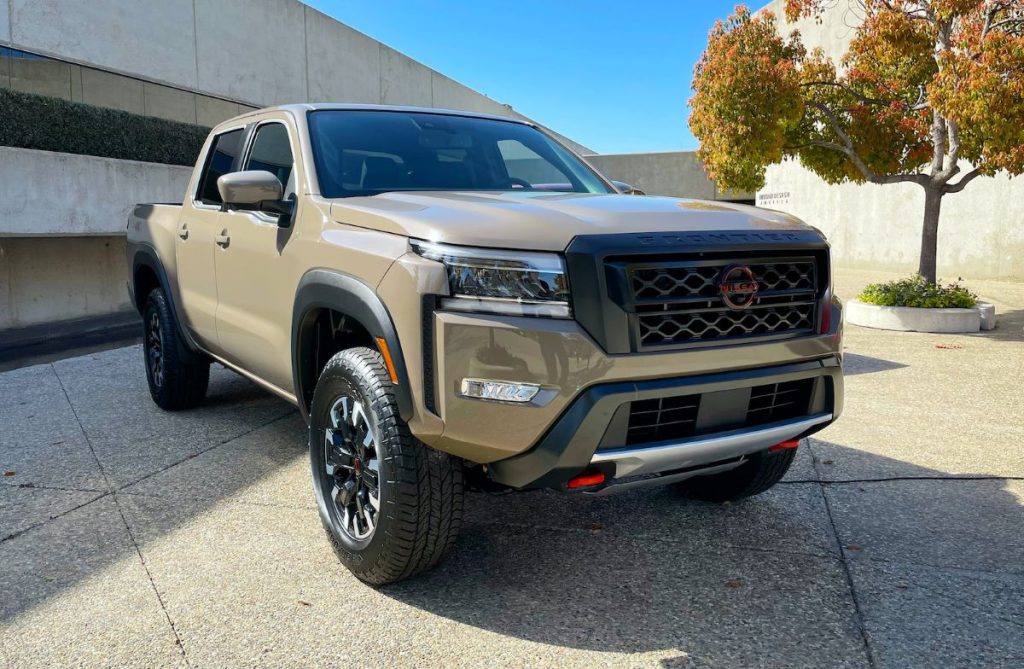
Weather exposure can damage sensitive equipment, and organizing smaller items efficiently is challenging without extensive aftermarket modifications.
The Frontier is best suited for buyers who value toughness and simplicity over organization and efficiency. While it performs well as a traditional pickup, it lacks the built-in cargo management and protection that make vans more practical for repetitive, tool-intensive daily work.
5. Honda Ridgeline
The Honda Ridgeline stands apart from traditional small trucks by offering a unibody construction and a more refined driving experience.
It is designed to blend the comfort of a crossover with the utility of a pickup, making it appealing to users who want a work-capable vehicle that remains comfortable for daily commuting. Its bed is lower than most body-on-frame trucks, which improves ease of loading.
One of the Ridgeline’s most practical features is its lockable in-bed trunk. This storage area provides secure, weatherproof space for tools or valuables something most small trucks lack without aftermarket additions. The dual-action tailgate also improves access, allowing items to be loaded from the side or rear.
However, while these features enhance usability, they do not fully bridge the gap between trucks and cargo vans. The in-bed trunk offers limited volume and cannot replace a van’s continuous, organized interior space. Standing-room access, shelving systems, and mobile workspace functionality remain exclusive advantages of vans.
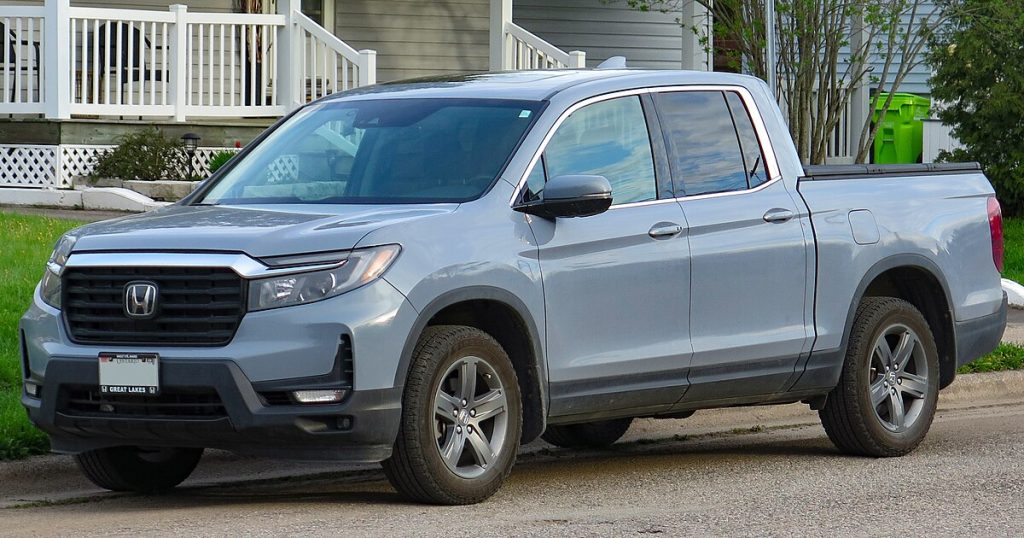
The Ridgeline works best for users who need occasional hauling paired with everyday comfort. For businesses that require efficient cargo organization, security, and high-frequency access, it still falls short of the practical advantages offered by cargo vans.
