
Long-distance driving reshapes the car-buying conversation. For everyday commuting, city errands and short hops, battery-electric vehicles (BEVs) shine: instant torque, low running costs and the quiet serenity of all-electric propulsion.
But when your life is measured in interstate stretches, remote-road escapes, or multi-state work routes, different priorities rise to the top predictable range, quick recovery time, and the flexibility to refuel anywhere.
That’s where plug-in hybrids (PHEVs) and a carefully chosen set of pure EVs each stake their claim.
This article looks at both sides not as ideological rivals but as practical tools: five PHEVs that, in real-world long-distance ownership, offer advantages many BEVs can’t easily match; and five battery-electric cars that nevertheless serve long-distance owners exceptionally well because of range, charging ecosystem, efficiency or comfort.
Because long-distance ownership isn’t one-size-fits-all. Some drivers value the ability to cover 500–800 miles in a single day with sparse charging infrastructure; others prioritize the lowest per-mile energy cost and prefer routing around fast chargers.
By analyzing plug-in hybrids that outperform many pure EVs for long trips thanks to rapid refueling, combined powertrains, and real-world versatility and then switching to EVs that excel at long runs thanks to high usable range and fast-charging networks, this piece gives practical guidance for readers who must weigh range, downtime, cost and convenience.
You’ll get a focused, vehicle-by-vehicle look (five PHEVs, then five EVs), each explained in roughly equal depth: what makes each model especially suited to long-haul life, how it beats the typical limitations of pure-electric alternatives, and the ownership trade-offs to expect.
At the end there’s a comparison and a hands-on owner’s guide to choosing between the two approaches depending on driving patterns, charging access, and priorities. No hype just usable, road-tested reasoning to help you pick the right drivetrain for the miles you live with.
Also Read: 5 Cars for Newark Tight Parking vs 5 That Don’t Fit
5 Plug-In Hybrids That Outdo
For long-distance drivers, the real challenge is not daily commuting but covering hundreds of miles efficiently, reliably, and without constant planning. This is where plug-in hybrids often outdo pure electric vehicles and even traditional gasoline cars.
Plug-in hybrids combine the advantages of electric driving with the security of a gasoline engine, creating a powertrain that adapts to long journeys rather than restricting them.
For owners who regularly travel between cities, across states, or through regions with uneven charging infrastructure, this balance can be far more practical than relying on batteries alone.
The strength of plug-in hybrids lies in flexibility. They allow drivers to use electric power for short trips, traffic-heavy urban areas, and daily errands, reducing fuel costs and emissions.
When the electric range runs out on the highway, the gasoline engine takes over instantly, eliminating range anxiety and the need to search for charging stations.
This seamless transition is especially valuable on long trips where time matters and charging delays can disrupt schedules.
Another key advantage is total trip efficiency. While electric vehicles may offer lower per-mile energy costs, plug-in hybrids often deliver faster overall travel times on long routes.
Refueling takes minutes rather than hours, and drivers are free to stop where it is convenient, not where a charger happens to be available. For families, business travelers, and frequent road-trippers, this predictability reduces stress and simplifies planning.
This list focuses on five plug-in hybrids that truly outdo alternatives for long-distance ownership.
Each model is chosen for its real-world range, comfort, reliability, and ability to handle extended journeys without compromise, proving that for many drivers, plug-in hybrids remain the most practical long-haul solution.
1. Toyota RAV4 Prime
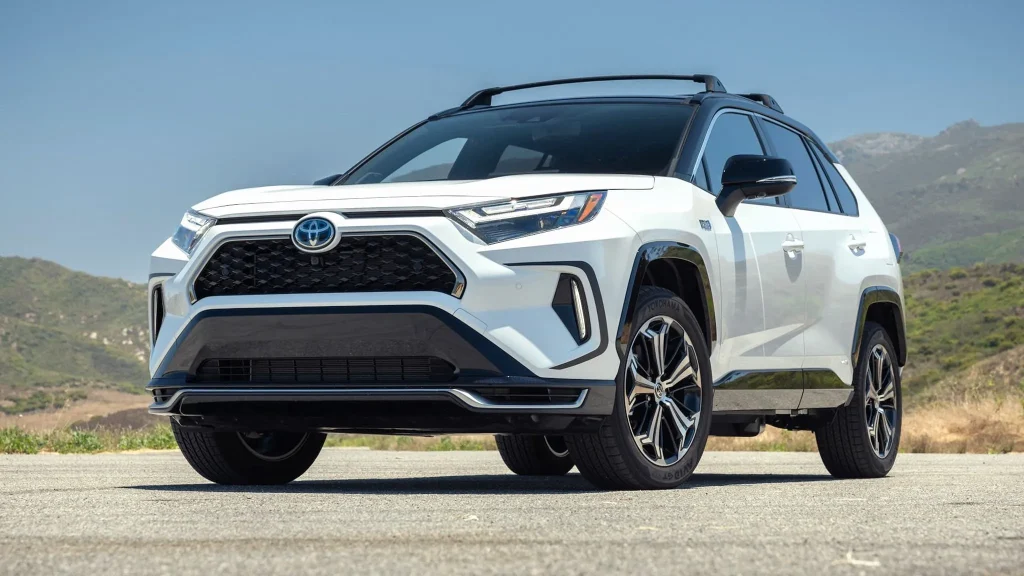
The Toyota RAV4 Prime takes the RAV4’s pragmatic DNA and adds a high-voltage electric boost plus a gasoline engine that acts like a portable range extender.
For long-distance owners, that combination matters: the vehicle delivers a useful electric-only range for short daily trips and city segments, while the gas engine removes the anxiety that comes with long stretches of highway without reliable fast charging.
That duality is why this model is on the list it doesn’t force you to plan every mile around a charger or suffer long, frequent stops on the route.
From an ownership perspective, the Prime’s strengths are practical: it typically offers brisk acceleration when you need to merge or pass, plus a relatively compact footprint that’s easier to park and maneuver on mixed trips.
Its hybrid systems are mature and well understood by a large dealer network, which means maintenance and repairs tend to be predictable and parts widely available. For long-distance work, predictability is gold; fewer surprises during service stops and easy access to dealerships can translate into less downtime.
Fueling flexibility is another major advantage. When you’re crossing regions with sparse charging, you can top off at any gasoline station and keep going without modifying your schedule.
Combined-cycle fuel economy remains competitive when the battery is depleted, so you don’t pay huge premiums once the EV range runs out.
Road-trip planners will appreciate that the vehicle’s energy-management systems can smooth transitions between electric and gas modes, allowing long-haul drivers to balance efficiency and pace.
Finally, consider total trip time. Even if an EV could offer similar range, the refueling time of gasoline is still a fraction of many charging stops when you factor in access and wait times.
For drivers who need to hit deadlines, attend meetings across cities, or simply prefer shorter pit stops, this model’s hybrid approach often delivers faster net travel time and better schedule reliability than many pure-electric alternatives.
2. Mitsubishi Outlander PHEV
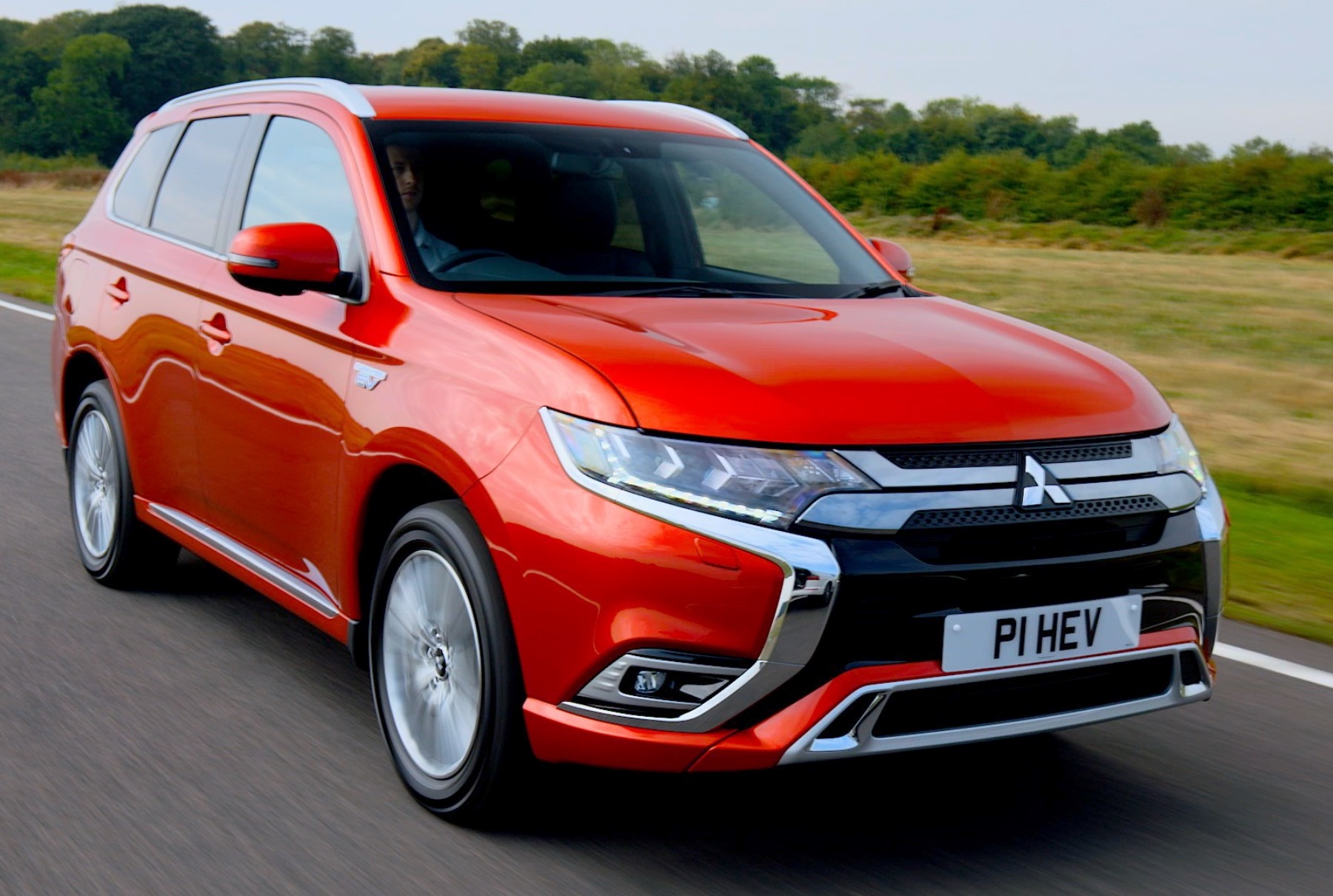
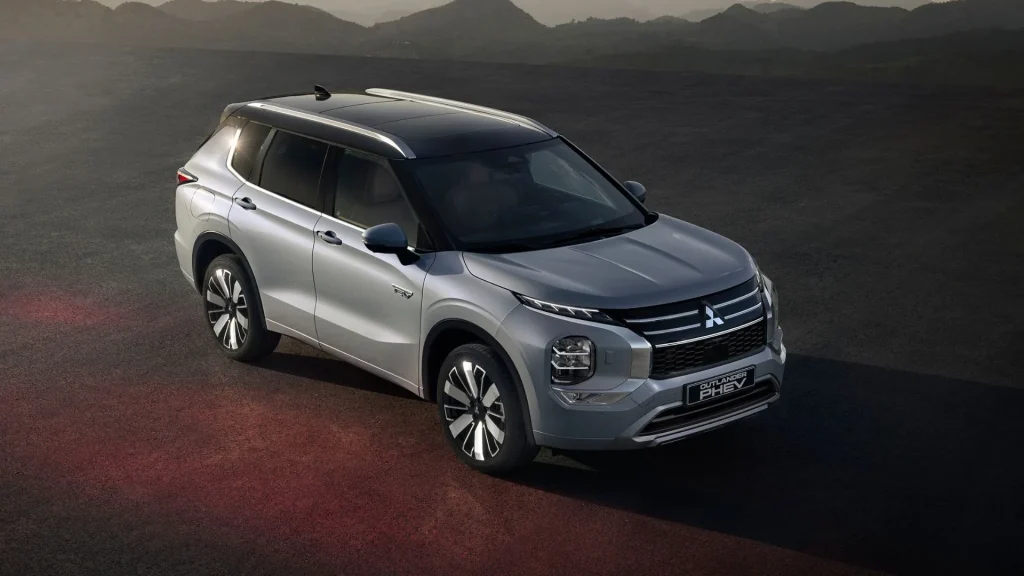
The Mitsubishi Outlander PHEV doubles down on a practical, utility-first approach that appeals to long-distance owners who also need cargo space, towing capability or the ability to tow a small trailer.
Unlike many plug-ins that prioritize electric range above all else, this model balances usable EV miles with a gasoline backup, which makes it a versatile choice for journeys that combine paved highways, rural roads and occasional mountain stretches.
One key reason it outperforms many pure EVs in long-distance ownership is the simplicity of its contingency plan: if the route’s chargers are sparse or unreliable, the gasoline engine provides an immediate fallback.
That reduces operational risk you won’t be stranded when a charger is out of service or when highway fast-charging networks don’t align with your itinerary. For families or professionals who plan cross-country travel that includes less-developed regions, that reliability is priceless.
Comfort and cargo capacity matter for extended trips, and this vehicle often provides interior space and flexible seating arrangements that beat the compact EVs in the same price bracket.
The ability to carry gear without worrying about how much “usable” luggage will fit alongside a high-voltage battery makes trip organization simpler and faster. Users who haul sports equipment, camping gear, or client samples find this especially helpful.
Economically, the PHEV’s blended energy consumption can lower fuel costs for drivers whose routine includes many short trips those get chewed up on electric power, while long highway legs use gasoline without dramatic penalties.
Maintenance-wise, the presence of a combustion engine means more moving parts than a BEV, but it also means routine stops at standard service centers rather than relying exclusively on specialized EV technicians in some regions.
Finally, the Outlander’s off-pavement capability (where fitted) and straightforward all-wheel-drive behavior on variable surfaces make it a safer pick for long trips that may include adverse weather or gravel access roads.
That multi-terrain capability, combined with the flexibility of two energy sources, lets long-distance drivers confidently tackle a wider range of itineraries than many battery-only cars.
3. BMW X5 xDrive45e
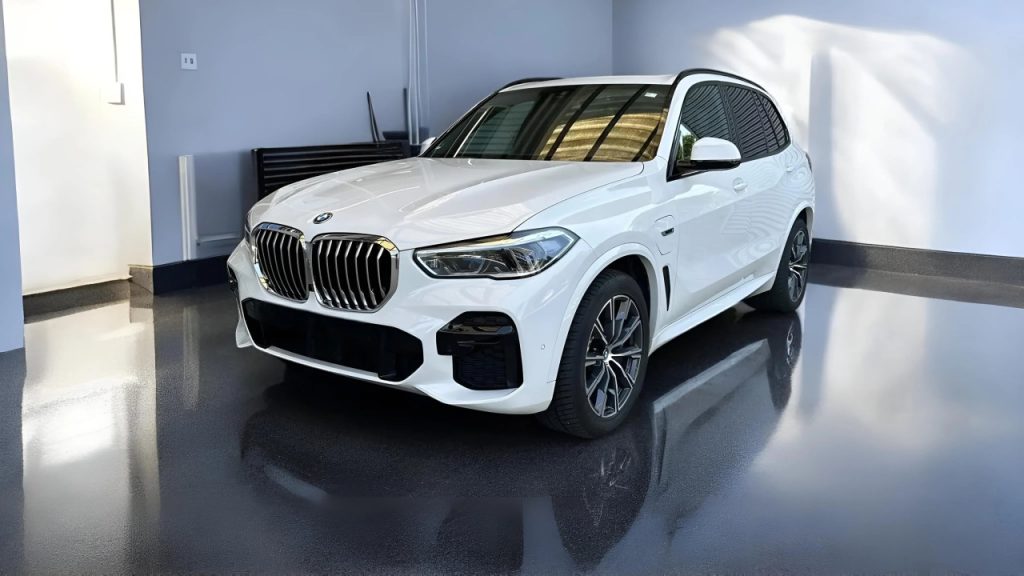
For owners whose long-distance miles come with expectations of comfort, performance and towing, the BMW X5 xDrive45e blends luxury SUV refinement with a plug-in hybrid system designed to reduce range risk while retaining spirited driving dynamics.
This model is aimed at those who want to travel far without sacrificing cabin quiet, passenger comfort or the flexibility to tow a trailer for recreational or professional use.
The X5’s PHEV system provides a substantial electric-only window for urban segments, which reduces fuel consumption and gives owners quiet, emissions-free travel through city centers.
Crucially for long-haul trips, once the battery is depleted the gasoline engine steps up seamlessly, providing the kind of cruising range and fast refueling that make multi-state days practical.
Because many long-distance drivers factor in stops for meals and breaks, the speed at which a gasoline tank is replenished often yields less overall journey time than waiting for multiple EV charging sessions.
Performance under load is another practical benefit. When carrying passengers and luggage, or when climbing grades on highways, the combination of electric torque and a robust gasoline engine can maintain higher average speeds without overly taxing the drivetrain.
That translates into fewer schedule compromises for business travelers or families with tight itineraries.
Ownership for long-distance drivers also means predictable servicing. BMW’s global dealer network ensures that major cities will have qualified service centers, parts availability and warranty coverage a comfort for owners who travel interstate or internationally.
Although the complexity of a hybrid powertrain can raise maintenance considerations relative to a pure EV, the hybrid architecture here is engineered for durability and performance, striking a balance between long-term reliability and dynamic driving.
Lastly, the premium interior capable seats, advanced driver assists and effective climate systems matter more on multi-hour stints than on short commutes. Comfort reduces fatigue, and the X5’s refinement is part of its long-distance value proposition, making long days on the road less draining and more productive.
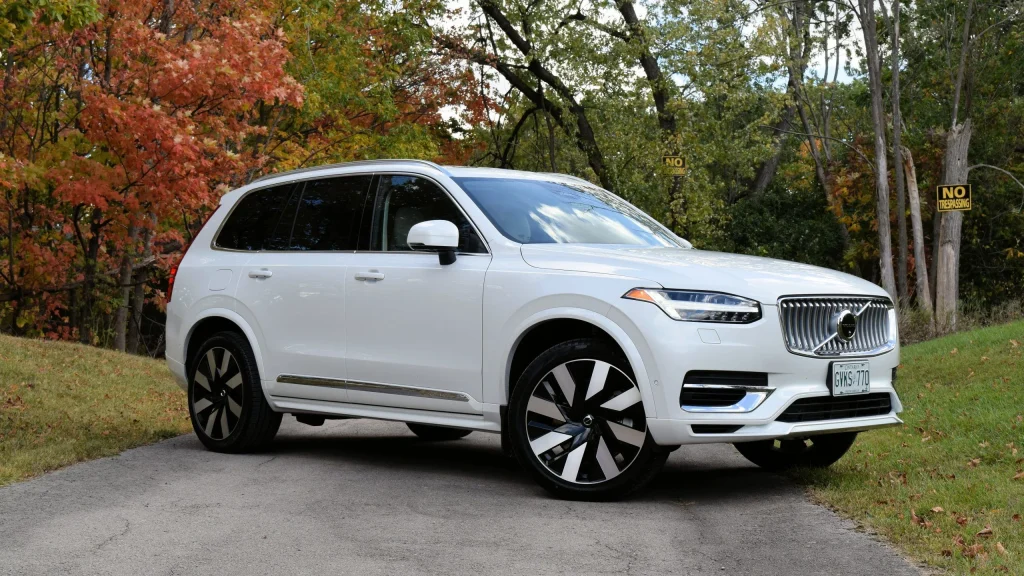
4. Volvo XC90 Recharge
The Volvo XC90 Recharge is a three-row luxury plug-in hybrid that appeals to long-distance families and professionals who prioritize safety, interior space and a quiet, composed ride.
Unlike some PHEVs that compromise passenger room to squeeze in larger battery packs, this model manages a useful electric range while preserving cabin versatility a major plus for owners who frequently travel with people and gear.
Safety systems on long trips reduce the cumulative risk of fatigue-related incidents, and this vehicle’s advanced driver assistance features are tuned for high-speed stability and driver comfort.
For long-distance owners, sensible safety tech combined with responsive handling gives confidence during long highway stretches and in changing weather conditions.
The operating logic that makes this model outperform many pure EVs for long-distance use is straightforward: combined powertrains deliver consistent cross-country range and quick recovery.
In places where charging infrastructure remains spotty, the gasoline backup allows the owner to maintain schedule fidelity without worrying about charging windows or interrupted routes. For families on extended vacations, the simplicity of refueling and continuing is worth more than a marginal operating cost advantage.
Additionally, interior ergonomics and climate comfort are designed for long stints. Multi-zone heating and ventilation, comfortable seating for three rows, and careful noise insulation make long hours less taxing.
The ability to carry a full complement of passengers and significant luggage without heavy range penalties changes the practical calculus: instead of calculating where to stop for charging and how much luggage to restrict, owners can focus on the trip itself.
On the ownership front, the Volvo’s hybrid maintenance curve is manageable and its service network is well established in many markets. Combined with the safety-first brand ethos, this model appeals to any long-distance buyer who treats reliability and comfort as primary buying criteria.
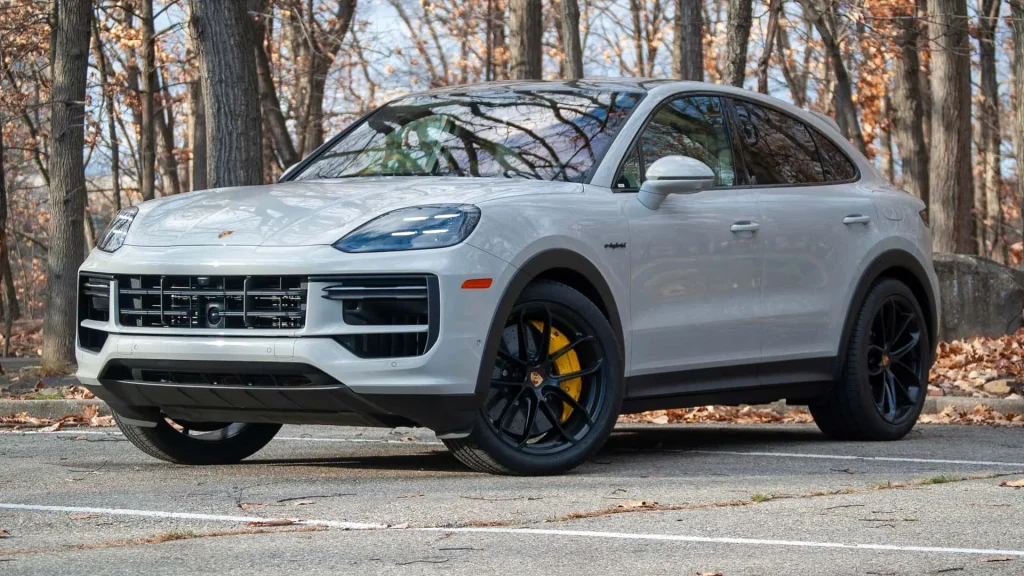
5. Porsche Cayenne E-Hybrid
The Porsche Cayenne E-Hybrid is built for buyers who measure long-distance utility by how quickly they can cover ground combined with performance and dynamic control.
For long trips that mix high-speed cruising with spirited driving through mountain passes, the blended electric-plus-engine setup gives strong acceleration, high sustained speeds and the freedom to refuel quickly if needed all traits that let drivers maintain pace without being chained to the charger network.
From a long-distance standpoint, the core advantage is mission flexibility: you can start a day in electric mode for local segments, then switch to hybrid or gasoline mode for extended highway legs.
That flexibility reduces planning friction and makes multi-stop itineraries much simpler. The Porsche’s chassis and braking systems are tuned for stability and control even under load, which increases confidence when carrying passengers at speed or when towing small loads.
Comfort and amenities matter on long drives, and this model supplies supportive seats, an excellent infotainment and navigation system, and cabin refinement that reduces fatigue. These factors are often overlooked in purely range-focused comparisons, but they materially influence driver stamina and trip enjoyment on 400-mile days.
Another practical benefit is the higher towing capability many long-distance owners need for recreational gear; the combined drivetrain preserves towing capacity better than many BEVs, which may see reduced range and tow limits.
Additionally, because Porsche maintains a wide service footprint in many regions, owners who travel cross-country can expect access to qualified technicians and performance-calibrated service when they need it.
All told, this hybrid delivers a performance-first answer to long-distance demands: it lets drivers travel fast, charge or refuel on their own terms, and enjoy a refined, capable package that keeps journeys efficient without sacrificing driving excellence.
5 Pure EVs for Long-Distance Owners
Pure electric vehicles have moved far beyond their early reputation as short-range city cars. Today, several EVs are genuinely capable long-distance machines, designed to handle extended highway travel with confidence, comfort, and efficiency.
For drivers who frequently cover hundreds of miles at a time, the best electric vehicles offer more than just impressive range figures on paper they deliver reliable real-world mileage, fast-charging capability, and technology that simplifies long-trip planning.
The biggest advantage modern EVs bring to long-distance ownership is efficiency. Electric drivetrains convert energy into motion far more effectively than combustion engines, reducing energy waste during sustained highway cruising.
When paired with large, well-managed battery packs and aerodynamic designs, this efficiency allows certain EVs to travel long distances on a single charge without constant stops. Fast-charging technology further narrows the gap, enabling drivers to regain substantial range during short breaks for meals or rest.
Another key factor is comfort and refinement. Many long-range EVs are engineered as premium cruisers, offering quiet cabins, smooth power delivery, and advanced driver-assistance systems that reduce fatigue on long journeys.
Integrated navigation systems often plan charging stops automatically, adjusting routes in real time based on battery state, elevation, and charger availability. This level of smart energy management removes much of the stress traditionally associated with long EV trips.
This list focuses on five pure electric vehicles that stand out for long-distance owners. Each one is selected for its combination of real-world range, charging performance, comfort, and overall travel efficiency.
Together, they demonstrate that with the right vehicle and planning, pure EVs are not only capable of long-distance travel they can be genuinely rewarding road-trip companions.
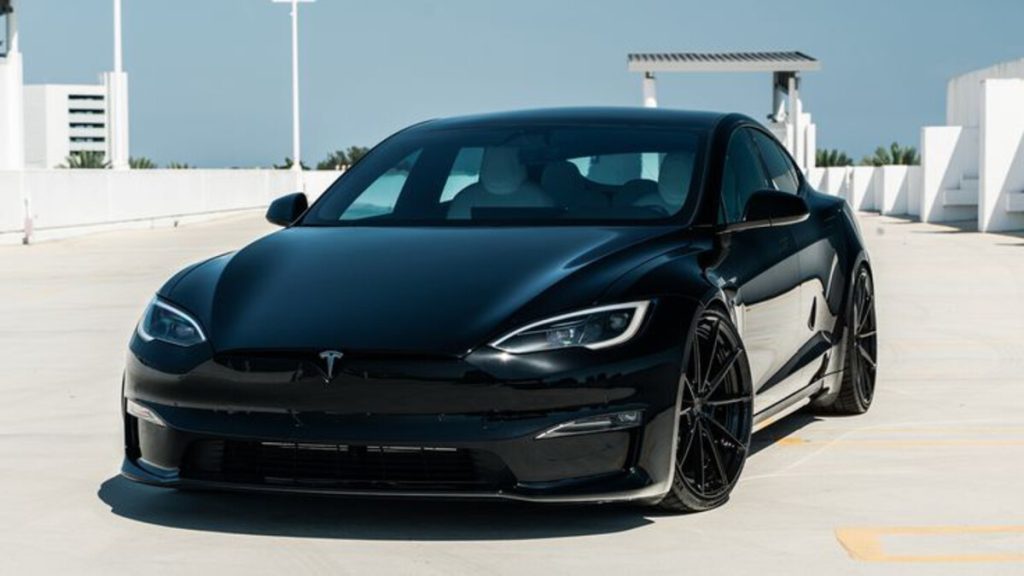
1. Tesla Model S Long Range
When evaluating battery-electric cars that do well for long-distance owners, this model is a natural starting point. Its combination of high usable battery capacity, efficient aerodynamics and a mature fast-charging network lets owners cover extended distances with fewer, shorter stops.
The car’s energy efficiency on highways is favorable compared with many SUVs, which extends real-world range, and the vehicle’s access to an extensive proprietary charging network makes cross-country routing easier.
Range is the headline: long-distance owners benefit from a car that can deliver more than enough miles between charges under typical highway conditions, reducing the need to stop frequently.
Even when you must stop, the robust charging levels and charging density allow for shorter dwell times compared to many non-Tesla charging options. For travelers who value minimizing downtime, this makes a tangible difference in total trip time.
The integrated navigation and trip-planning tools are also tailored to long routes; they calculate efficient stops and adapt dynamically to battery state and charging speeds.
That smoother planning experience reduces cognitive load for drivers and removes one of the chief friction points in EV long-distance trips: charger selection and state-of-charge management.
Comfort and sustained highway performance also matter. The vehicle maintains high cruising speeds without significant range collapse, and advanced driver aids reduce fatigue during repetitive mileage.
Ownership calculus includes the lower per-mile energy cost relative to gasoline and fewer routine mechanical services. For drivers with reliable access to high-power chargers and routes that align with the charging network, the net travel time and operating cost advantages of this car can surpass similarly priced hybrids.
While pure EVs remain bound by charging availability and depots in remote regions, this model’s combination of range, charging network and efficiency places it among the best battery-electric choices for long-haul owners who plan routes smartly and accept occasional charging stops in exchange for lower running costs and quieter operation.
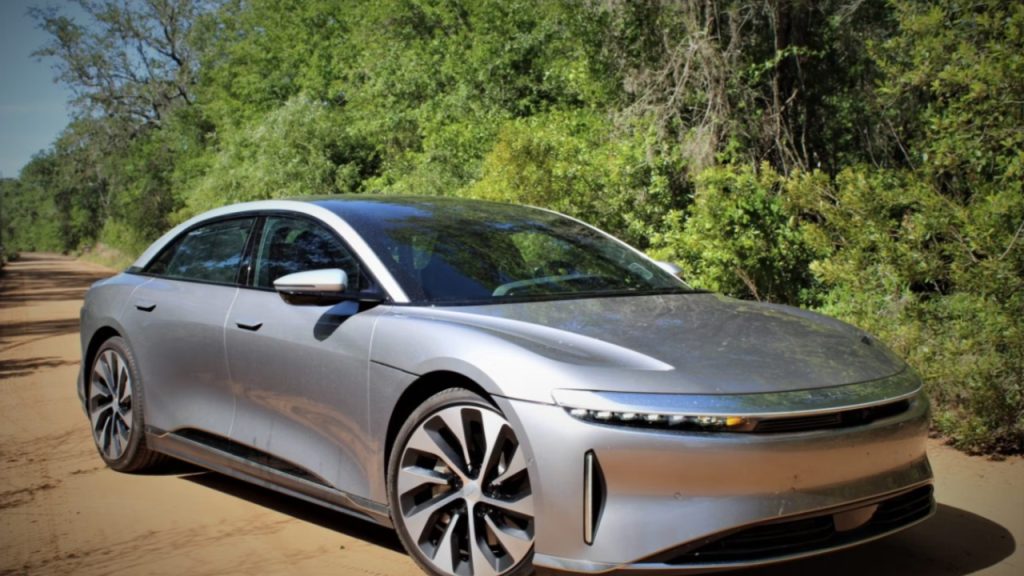
2. Lucid Air Grand Touring
For long-distance owners who balance range with premium comfort and large battery capacity, this vehicle ranks highly. Its high thermal efficiency and large battery pack deliver extended usable miles on a single charge, which shrinks the number of charging stops you need on long runs.
The design prioritizes sustained highway economy and fast charging capability, making it a strong pure-electric contender when route planning includes modern high-power chargers.
Comfort and cabin refinement are not secondary long stints behind the wheel are more tolerable when seats, noise insulation and in-cabin ergonomics are top-tier.
This car pairs a long electric range with the amenities and fit-and-finish that reduce driver fatigue over long legs, and that combination often tips the balance for owners who spend large chunks of life on the road.
The charging speeds offered by certain networks and the vehicle’s fast-charge acceptance mean that, when you stop, you can generally restore a meaningful fraction of range in a short break.
The result: fewer stops and shorter overall travel time on many long-distance corridors. Drivers who prioritize pure-electric ownership but want to preserve pace and convenience find this vehicle compelling.
It’s important to note that the pure-EV trade-off dependency on high-power chargers is mitigated by this model’s long range and charging acceptance.
For owners whose routes include such chargers, the total day efficiency and operating cost can be distinctly better than a hybrid alternative, especially where fuel prices are high or where emissions-based restrictions favor electrified travel.
3. Mercedes-Benz EQS Long Range
This all-electric luxury sedan offers a compelling package for long-distance owners focused on comfort and a high usable driving range. Its aerodynamic design, efficient electric drivetrain and high-capacity battery combine to reduce highway energy consumption.
That allows owners to cruise for extended stretches with fewer interruptions, and when stops are required, the vehicle supports high-power charging that replenishes useful range quickly.
Passengers and drivers alike benefit from a cabin built for long hours: advanced climate control systems that manage energy efficiently, ergonomically tuned seats, and a suspension setup that soaks up miles without tiring occupants.
For professionals who convert travel time into work time or need restful breaks between long shifts of driving, that level of refinement is crucial.
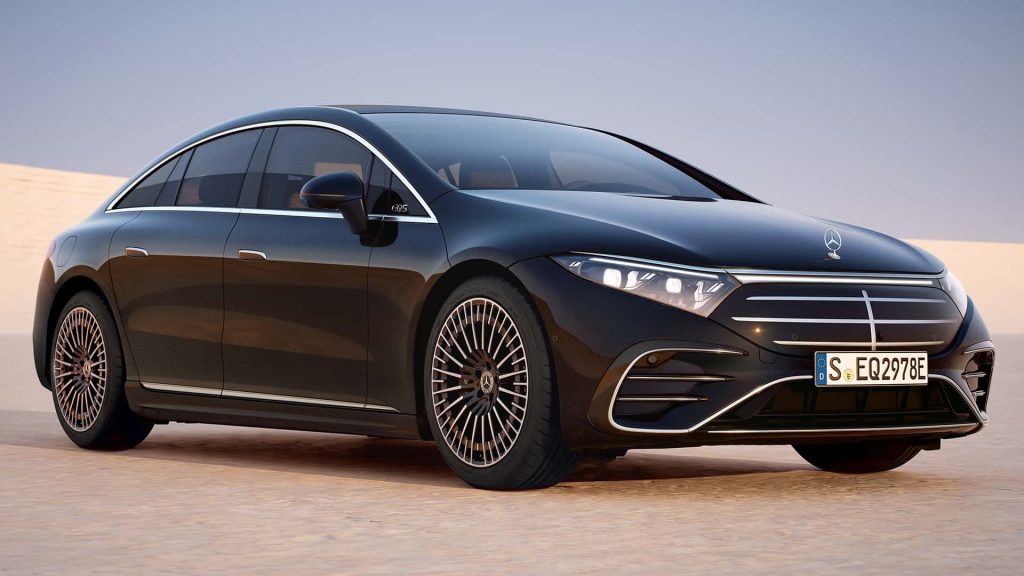
Range management tools and intelligent energy recuperation contribute to predictable long-haul performance.
These systems reduce range anxiety by maximizing the distance you get from each kWh under real-world conditions, and the brand’s navigation-assisted charging recommendations simplify route planning.
For drivers with access to compatible fast chargers, the overall trip time often competes well with hybrid alternatives, especially when factoring in reduced maintenance and energy costs.
4. Hyundai Ioniq 6 Long Range
Long-distance owners who prize efficiency above all else will find this model’s low drag coefficient and optimized drivetrain particularly useful.
A streamlined body, careful cabin insulation and powertrain efficiency yield impressive highway mileage for a pure EV, meaning fewer charging stops and longer uninterrupted driving segments.
The car’s actual usable range in mixed driving conditions is competitive, and its charging acceptance is sufficient to restore significant range during standard meal or rest breaks.
For people who travel repeated intercity corridors and can rely on a decent charging spread, this model reduces total travel time by delivering long, efficient legs and rapid recovery when charging.
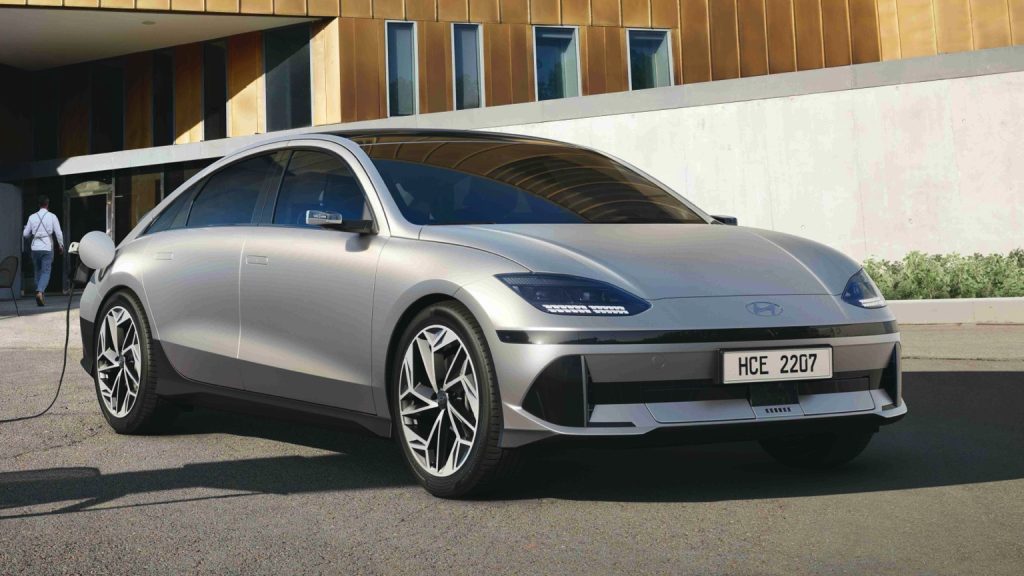
Another advantage is practicality. Interior ergonomics and storage are arranged for longer trips, and the vehicle manages thermal efficiency in extreme temperatures well, limiting range losses that often plague long-distance EV travel.
Taken together, these attributes make it a pragmatic pure-electric pick for route-savvy owners who can plan around charging infrastructure.
5. Rivian R1T Long-Range
For long-distance drivers whose itineraries include both highway miles and off-grid adventure, this electric pickup delivers a rare blend of long-range capability, utility and rugged practicality.
Its battery size and energy management allow for extended distances between charges in highway driving, while its off-road credentials mean owners can take routes that many other EVs can’t.
The R1T’s design accounts for real-world ownership: built-in utility features, robust suspension for sustained loads, and a vehicle architecture that tolerates long durations of mixed driving styles.
Charging speed and the growing public network for high-power chargers make long runs feasible, and the vehicle’s onboard systems help owners optimize energy use to extend usable miles when needed.
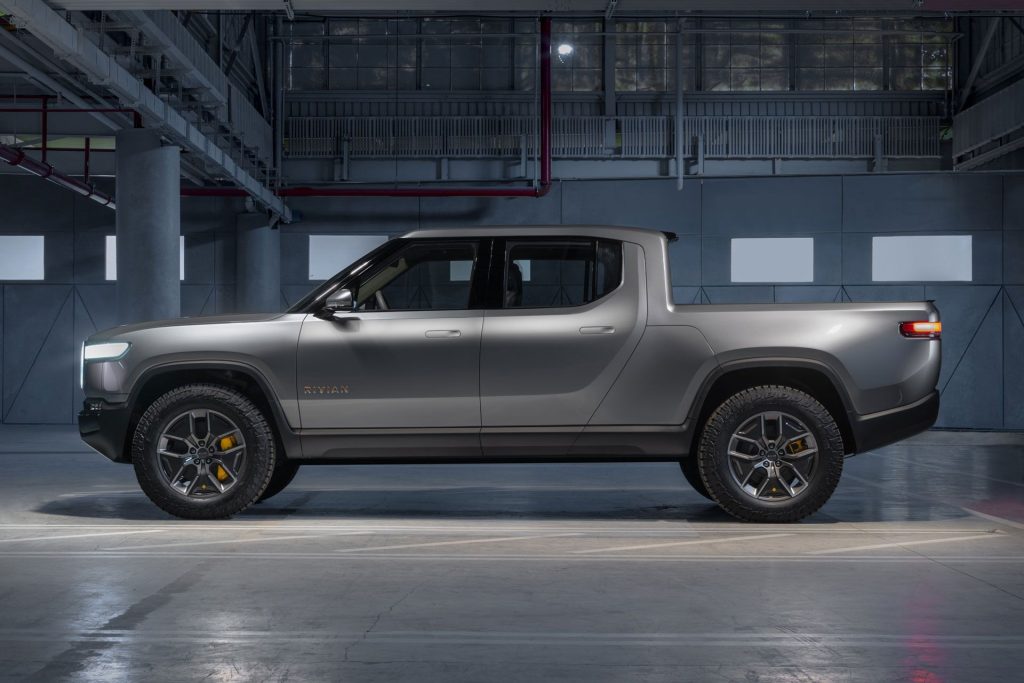
For owners who tow trailers or carry heavy gear, the vehicle’s electric architecture can preserve usable distance better than smaller EVs, and its adaptability for diverse terrain gives it an edge over many pure-electric alternatives that struggle off the beaten path.
In short, for those whose long-distance life includes adventure, utility and occasional remote stretches, this truck stands out as an EV that really can be taken far without constant worry.
Also Read: 5 Cars for Mesa Daily Commuters vs 5 That Require Dealer-Only Service
