
For many buyers, size still feels like the easiest shortcut to value. Bigger SUV, more features or so the assumption goes. But the modern SUV market tells a very different story.
Today, compact luxury SUVs often deliver technology, comfort, and premium features that outclass larger, mid-size non-luxury SUVs, even when those larger vehicles appear more practical on paper. This comparison exists to challenge that outdated idea and show how sophistication, not sheer size, increasingly defines real-world value.
Compact luxury SUVs are engineered to compete not just on badge prestige, but on innovation. They frequently introduce advanced infotainment systems, digital driver displays, high-end materials, adaptive safety tech, and refined ride quality years before those features trickle down to mainstream mid-size models.
Buyers get cutting-edge features in a more manageable footprint, often with better efficiency and easier urban usability.
Mid-size non-luxury SUVs, meanwhile, focus heavily on space, durability, and affordability. They excel at hauling families, gear, and luggage, but feature development tends to lag behind luxury brands.
Touchscreens may be larger, but software is often slower. Safety tech may exist, but not always as standard. Interiors prioritize durability over design, and driving dynamics are tuned for comfort rather than refinement.
This article compares the two categories head-to-head. First, it highlights five compact luxury SUVs that beat larger non-luxury mid-size SUVs on features, technology, and perceived quality explaining why downsizing can actually feel like an upgrade.
Then, it looks at five mid-size non-luxury SUVs to explain what they do well, where they fall behind on features, and why many buyers still choose them.
The goal is clarity, not judgment: understanding how feature-rich compact luxury SUVs have become, and why size alone no longer guarantees a better-equipped vehicle.
Also Read: 5 Cars for Newark Tight Parking vs 5 That Don’t Fit
5 Compact Luxury SUVs That Beat Mid-Size Non-Luxury SUVs on Features
In today’s automotive market, size no longer defines superiority. Many buyers still assume that a mid-size SUV automatically offers more value than a compact one, simply because it is larger. However, this assumption often falls apart when features, technology, refinement, and everyday usability are closely examined.
Compact luxury SUVs have evolved into highly sophisticated machines, offering cutting-edge technology, premium interiors, advanced safety systems, and refined driving experiences that frequently surpass what larger, non-luxury mid-size SUVs provide.
The key difference lies in focus. Compact luxury SUVs are engineered to elevate the daily driving experience. Automakers invest heavily in interior materials, infotainment software, driver assistance calibration, ride comfort, and noise isolation.
These vehicles are designed for buyers who prioritize quality over sheer volume drivers who spend hours commuting, navigating traffic, or traveling long distances and want those miles to feel effortless and refined.
As a result, features such as adaptive suspension systems, premium sound systems, intelligent driver aids, and high-resolution digital displays often come standard or are more thoughtfully integrated.
Mid-size non-luxury SUVs, while excellent at offering space and practicality, tend to concentrate resources on size, seating capacity, and affordability. To maintain competitive pricing, advanced features are sometimes limited to higher trims or omitted entirely.
This means a buyer choosing a larger vehicle may actually receive fewer comfort, safety, and technology features than someone opting for a well-equipped compact luxury model.
This section focuses exclusively on five compact luxury SUVs that clearly demonstrate how premium engineering and smart feature integration can outperform larger, mainstream alternatives. These vehicles prove that when it comes to modern ownership satisfaction, sophistication often matters more than square footage.
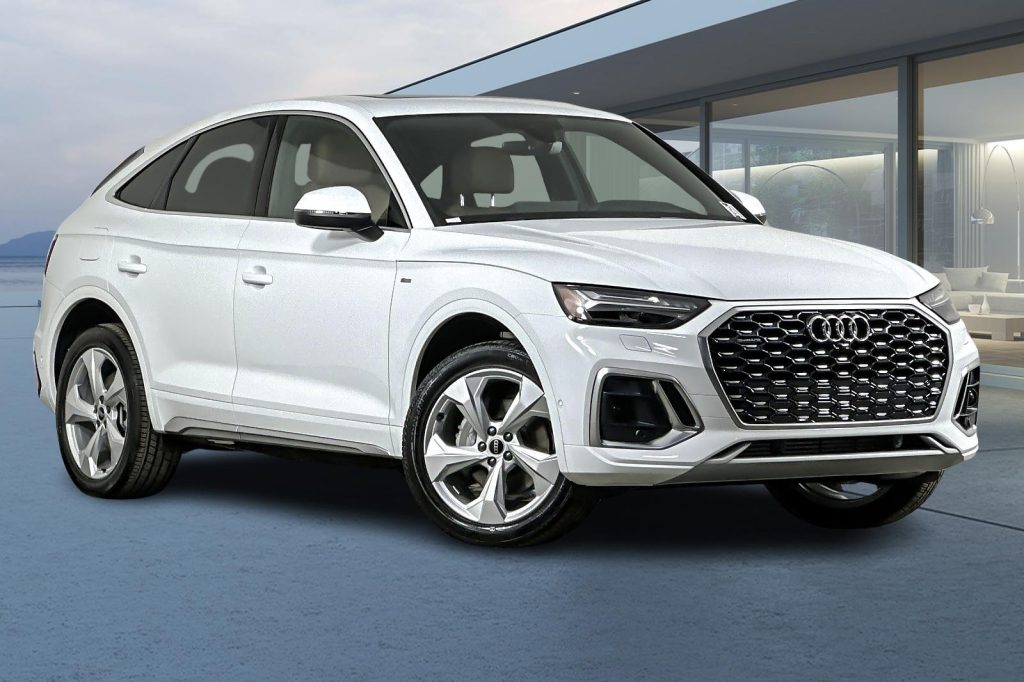
1. Audi Q5
The Audi Q5 stands as a benchmark for how compact luxury SUVs can outperform larger non-luxury models in feature depth and overall refinement.
I’m writing about the Q5 because it showcases Audi’s philosophy of delivering understated luxury combined with advanced technology that works seamlessly in daily driving situations. Rather than overwhelming drivers with flashy gimmicks, the Q5 focuses on precision, usability, and comfort.
One of the Q5’s most significant advantages is its interior technology. Audi’s Virtual Cockpit digital instrument cluster replaces traditional gauges with a crisp, configurable display that presents navigation, safety alerts, and driving data directly in the driver’s line of sight.
This reduces distraction and enhances situational awareness an advantage many mid-size non-luxury SUVs simply do not match. The infotainment system is responsive, intuitive, and integrates smoothly with driver-assist features.
Safety technology is another area where the Q5 excels. Adaptive cruise control with traffic assist, lane-centering systems, and predictive efficiency features work together in a refined manner.
These systems feel natural rather than intrusive, which makes long highway drives significantly less tiring. The quattro all-wheel-drive system further enhances confidence in wet or uneven conditions, delivering superior traction and handling balance.
Ride quality is carefully tuned to absorb road imperfections while maintaining composure during spirited driving. Cabin insulation minimizes road and wind noise, creating a quiet environment that feels noticeably more premium than most mid-size non-luxury SUVs.
The Q5 proves that advanced engineering, thoughtful technology, and premium craftsmanship can outweigh the benefits of extra size.
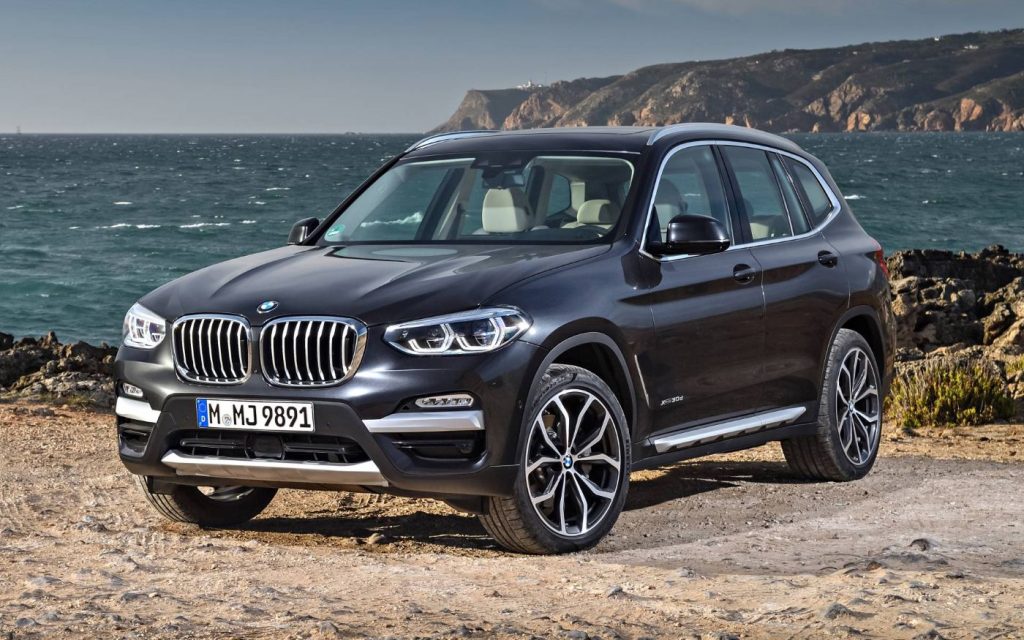
2. BMW X3
The BMW X3 earns its place on this list by redefining what a compact luxury SUV can offer in terms of driving engagement and intelligent features.
I’m writing about the X3 because it demonstrates how performance-oriented engineering combined with modern technology can deliver a more rewarding experience than many larger, more utilitarian vehicles.
BMW’s infotainment system is widely regarded as one of the best in the industry, and the X3 benefits greatly from this expertise. The interface is fast, logically structured, and supports both touchscreen and physical controls, ensuring ease of use in all driving conditions.
The optional head-up display projects critical information onto the windshield, reducing driver distraction a feature rarely executed as well in non-luxury competitors.
Driver assistance systems in the X3 are carefully calibrated for real-world driving. Adaptive cruise control, lane-centering assist, and collision mitigation systems work smoothly without abrupt interventions. This refinement enhances driver confidence and comfort, particularly in heavy traffic or on long highway journeys.
Chassis tuning is another area where the X3 outperforms many larger SUVs. Its suspension balances comfort and agility, allowing it to handle corners with precision while still delivering a composed ride. Engine options provide strong acceleration and efficiency, reinforcing the sense that this vehicle is engineered for drivers who value responsiveness.
The interior materials, seating ergonomics, and overall build quality create a premium environment that elevates everyday driving. The X3 illustrates how compact luxury SUVs can provide more meaningful features and driving satisfaction than larger non-luxury alternatives.
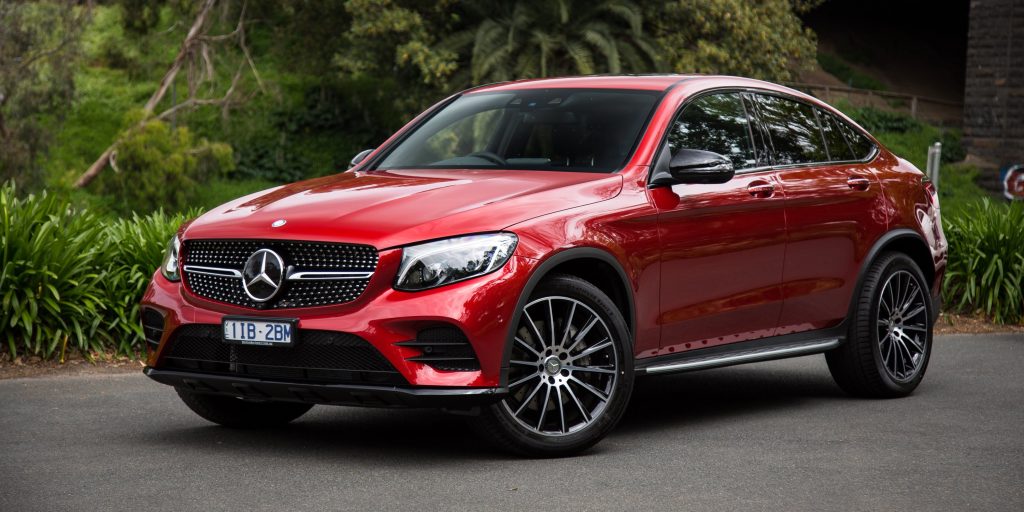
3. Mercedes-Benz GLC
The Mercedes-Benz GLC exemplifies luxury-focused engineering in a compact SUV format. I’ve included the GLC because it highlights how comfort, elegance, and advanced technology can surpass what many mid-size non-luxury SUVs deliver, even when those vehicles offer more interior volume.
Mercedes places heavy emphasis on cabin refinement, and the GLC benefits from this approach. High-quality materials, elegant design, and exceptional noise insulation create a serene driving environment. The seats are designed for long-distance comfort, offering excellent support and optional heating and ventilation features that enhance daily usability.
The MBUX infotainment system is a major strength, featuring intuitive menus, responsive touch controls, and natural voice recognition. Augmented navigation elements help drivers interpret directions more easily, reducing cognitive load. These features go beyond novelty and genuinely improve the driving experience.
Safety systems are seamlessly integrated, offering adaptive cruise control, steering assist, and advanced collision prevention technologies. Rather than functioning independently, these systems work together to support the driver smoothly. Ride quality is plush yet controlled, particularly when equipped with adaptive suspension options.
The GLC demonstrates that luxury isn’t about excess space it’s about how well a vehicle supports its occupants through comfort, technology, and intelligent safety systems.
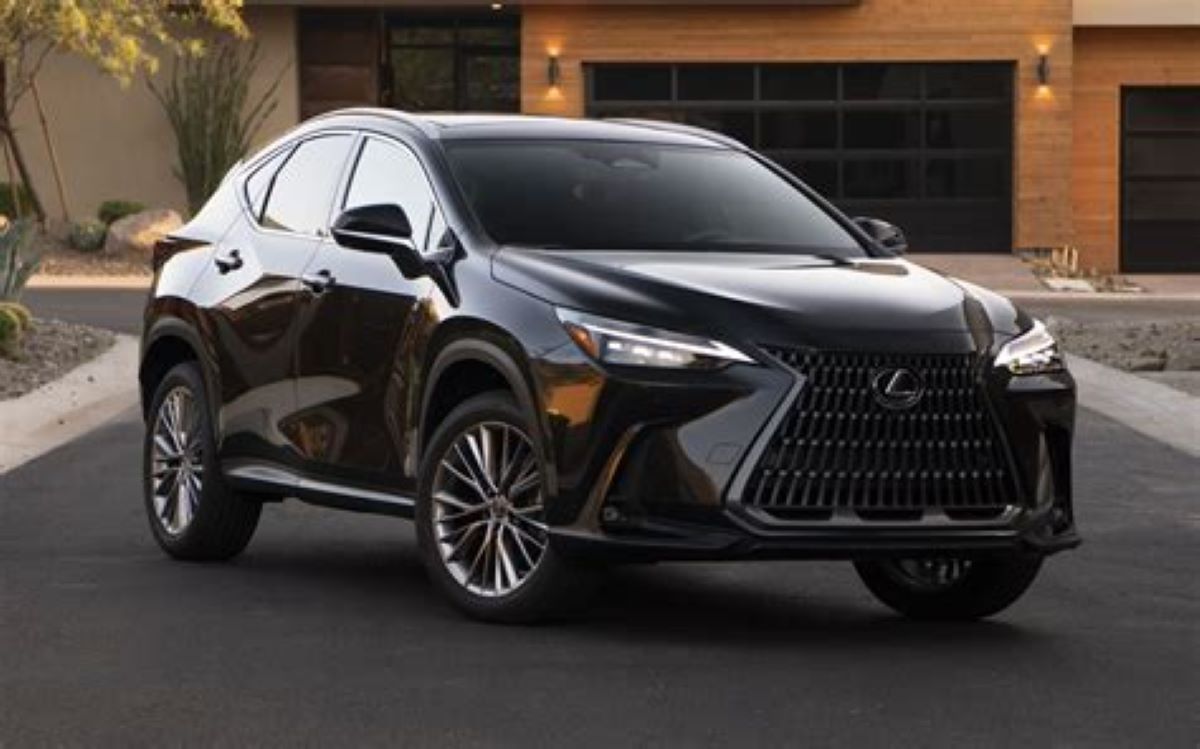
4. Lexus NX
The Lexus NX is included because it represents a different approach to luxury one centered on reliability, standard safety features, and long-term ownership satisfaction. I’m writing about the NX to highlight how thoughtful engineering and comprehensive feature packaging can outperform larger SUVs that rely primarily on size.
Lexus equips the NX with an extensive suite of safety features as standard. Adaptive cruise control, lane tracing assist, and advanced collision detection systems come without requiring expensive upgrades. This focus on safety accessibility makes the NX particularly appealing to buyers who want premium protection without complexity.
Interior comfort is another standout element. The seats are ergonomically designed, the cabin layout prioritizes ease of use, and materials feel durable yet upscale. The infotainment system has evolved to become more intuitive, featuring a large display and responsive controls that enhance everyday usability.
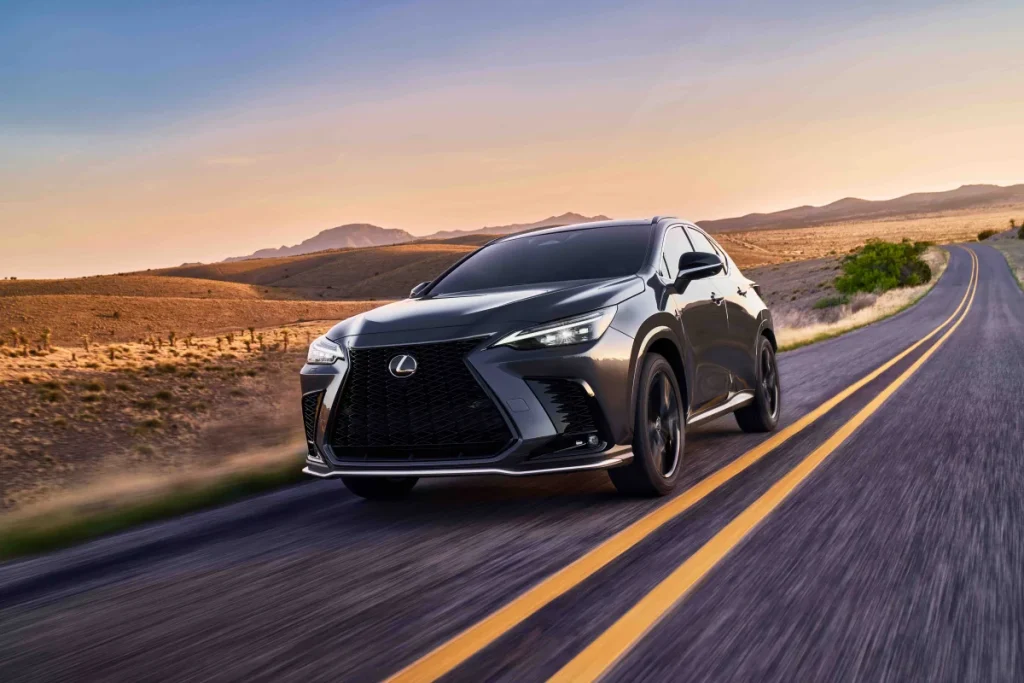
Hybrid powertrain options provide excellent fuel efficiency and smooth operation, making the NX particularly well-suited for urban driving. Compared to many mid-size non-luxury SUVs, which rely on larger engines, the NX delivers quieter operation and lower running costs.
The Lexus NX proves that luxury doesn’t have to be flashy it can be dependable, well-equipped, and intelligently designed.
5. Volvo XC60
The Volvo XC60 completes this list due to its unmatched focus on safety, clean design, and advanced electrified options. I’m writing about the XC60 because it demonstrates how a compact luxury SUV can provide peace of mind and modern efficiency that many larger vehicles cannot match.
Volvo’s safety systems are among the most comprehensive in the industry. The XC60 includes advanced pedestrian, cyclist, and large-animal detection systems, along with refined lane-centering and adaptive cruise functions. These systems are engineered to work harmoniously, offering protection without excessive alerts.
The interior reflects Scandinavian design principles minimalist, calming, and functional. Premium materials and thoughtful layout contribute to a relaxing cabin environment. The infotainment system integrates navigation, vehicle controls, and connectivity in a clean, uncluttered interface.
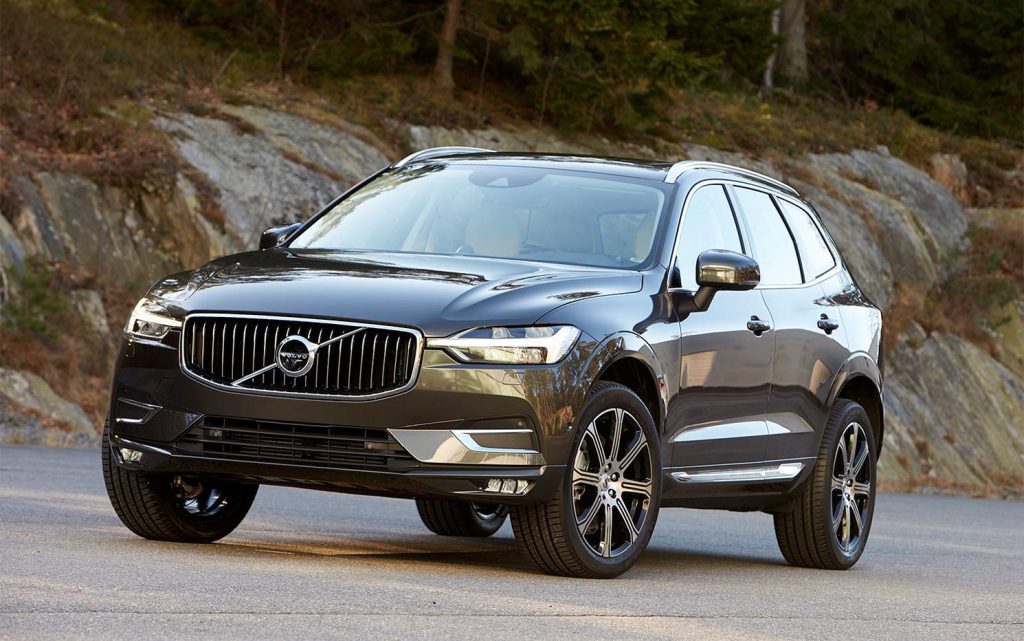
Plug-in hybrid variants allow for electric-only commuting, significantly reducing fuel consumption and emissions for daily use. This capability gives the XC60 a technological advantage over many mid-size non-luxury SUVs.
The XC60 shows that compact luxury SUVs can deliver advanced safety, efficiency, and comfort that directly enhance everyday driving.
5 Mid-Size Non-Luxury SUVs That Win on Practical Features
Mid-size non-luxury SUVs continue to thrive because they solve real-world problems that many buyers face every day.
While compact luxury SUVs focus on refinement, technology polish, and premium materials, mid-size non-luxury SUVs are engineered around space, durability, affordability, and versatility.
These vehicles are designed to move families, carry luggage, handle road trips, and manage daily wear without pushing buyers into luxury-level pricing or ownership costs.
What makes this category especially important is value-based engineering. Manufacturers in the non-luxury space allocate resources toward interior room, seating flexibility, cargo volume, and mechanical reliability rather than expensive trims or brand prestige.
This results in vehicles that may not feel upscale but excel at being dependable tools for everyday life. Features like wide-opening doors, usable third rows, simple infotainment layouts, and strong climate control systems often matter more to families than ambient lighting or high-end materials.
Modern mid-size non-luxury SUVs are also far from basic. Most now include advanced safety systems, large touchscreens, smartphone integration, and driver assistance technologies that were once exclusive to luxury brands.
While these features may not be as refined or customizable, they deliver the functionality most buyers actually use. Importantly, these vehicles usually offer lower insurance costs, easier maintenance, and stronger dealer support networks.
This article focuses on five mid-size non-luxury SUVs that win specifically on practical feature space, usability, reliability, and ownership value. These are vehicles chosen not because they feel premium, but because they make everyday life easier.
For buyers who prioritize function over form and need a vehicle that works hard without unnecessary complexity, this category remains incredibly relevant.
1. Toyota Highlander
The Toyota Highlander is one of the strongest examples of why mid-size non-luxury SUVs remain so popular.
I’m writing about the Highlander because it delivers a well-rounded mix of interior space, reliability, and family-focused features that compact luxury SUVs simply cannot match. Its biggest advantage lies in its ability to comfortably carry multiple passengers while remaining easy to live with.
The Highlander’s three-row seating layout is designed for real usability. The second row offers generous legroom and easy access to the third row, which is suitable for children and shorter adults on longer trips.
Cargo space expands significantly when rear seats are folded, making the Highlander ideal for road trips, sports gear, or household errands. These practical dimensions give it an edge over smaller luxury SUVs that prioritize cabin refinement over volume.
Toyota equips the Highlander with a comprehensive safety suite as standard, including adaptive cruise control, lane departure alert, and automatic emergency braking.
While these systems may not be as polished as luxury-brand equivalents, they are dependable and easy to understand. The infotainment system focuses on clarity and reliability rather than visual flair, which many families appreciate.
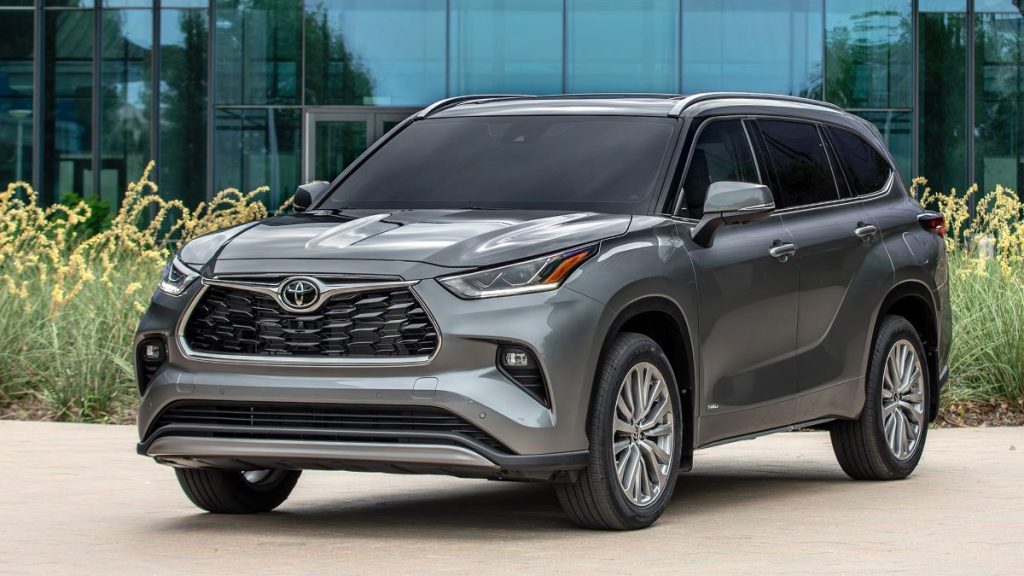
Hybrid variants add another practical advantage by delivering excellent fuel economy for a vehicle of this size. Combined with Toyota’s reputation for long-term durability, the Highlander offers peace of mind that many buyers value more than premium interiors.
It proves that strong fundamentals space, safety, and reliability, can outweigh luxury features.
2. Honda Pilot
The Honda Pilot earns its place in this list by prioritizing intelligent interior design and everyday usability. I’m writing about the Pilot because it focuses on solving common family challenges rather than chasing luxury appeal. Everything about its layout feels intentional, from passenger access to storage solutions.
One of the Pilot’s strongest features is cabin flexibility. Wide-opening doors and a thoughtfully designed second row make installing child seats and accessing the third row easier than in many competitors. The third row itself is more accommodating than what most compact luxury SUVs can offer, making the Pilot suitable for larger families or group travel.
Storage is another area where the Pilot excels. Multiple compartments, deep center consoles, and clever cubbies help keep the cabin organized. These practical touches matter far more in daily use than decorative trim or ambient lighting. Honda’s infotainment system is straightforward and stable, focusing on usability rather than complexity.
Safety technology comes standard through Honda’s driver-assist suite, offering collision mitigation, lane keeping, and adaptive cruise control. These features are tuned conservatively, prioritizing predictability over sophistication. Ride quality emphasizes comfort, particularly on long drives with a full load of passengers.
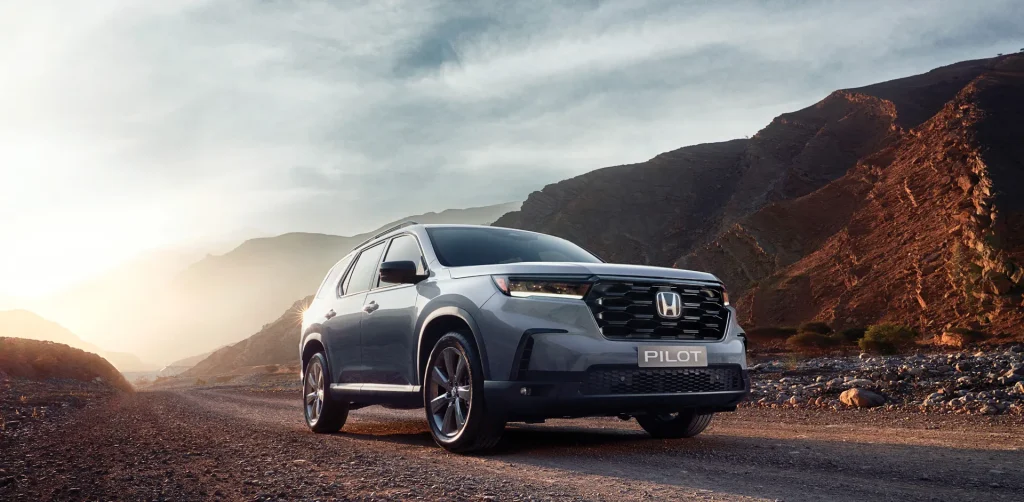
The Pilot is also known for reasonable ownership costs and mechanical reliability, which adds to its long-term value. It represents the core strength of mid-size non-luxury SUVs: dependable, spacious, and purpose-built for families who need function above all else.
3. Ford Edge
The Ford Edge deserves inclusion because it represents a mid-size non-luxury SUV that balances everyday practicality with modern technology at an accessible price. I’m writing about the Edge to highlight how buyers can obtain generous interior space and useful features without stepping into the luxury segment or paying for unnecessary complexity.
One of the Edge’s primary strengths is passenger comfort, particularly in the second row. Rear-seat legroom is generous, making it comfortable for adults on longer journeys.
Unlike three-row SUVs, the Edge focuses on optimizing space for five passengers, which results in a more relaxed and less cramped cabin layout. Cargo capacity is also competitive, allowing for groceries, luggage, or sports equipment without effort.
Ford’s infotainment system is a practical highlight. The large central touchscreen supports smartphone integration and responds quickly to inputs, making it easy to use while driving.
While the interface lacks the polish of luxury systems, it delivers the functionality most drivers rely on daily. Available driver assistance features include adaptive cruise control, blind-spot monitoring, and lane-keeping assistance, providing essential safety support.
The Edge also offers stronger engine options than many rivals, giving it confident highway performance and responsive acceleration.
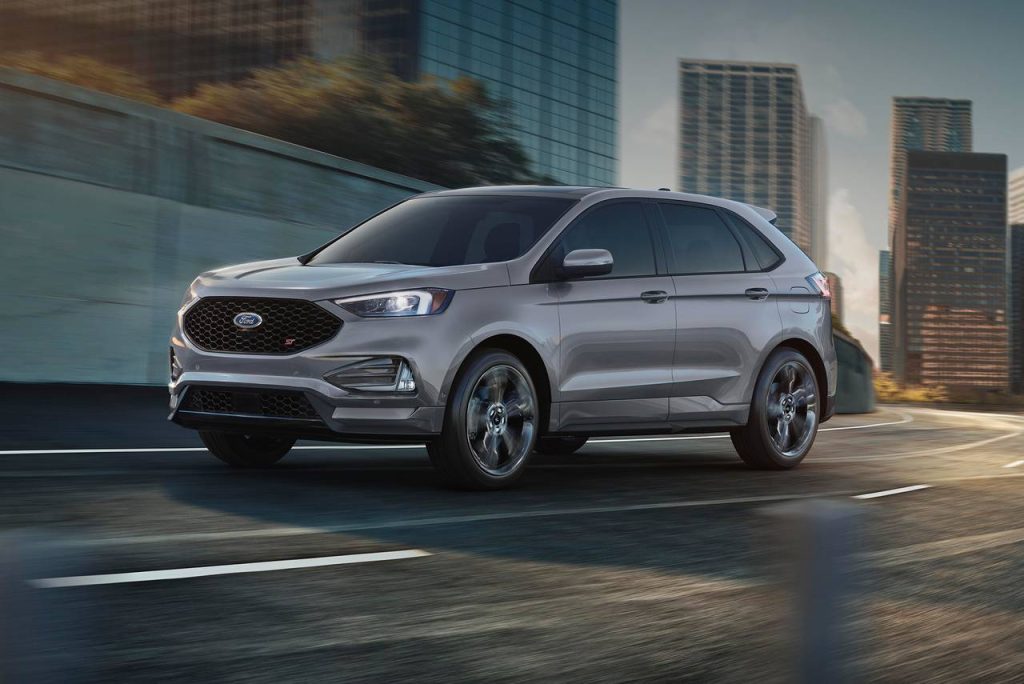
Ride quality is tuned for comfort rather than sportiness, which suits its role as a daily commuter and family vehicle. Ownership costs remain reasonable, and maintenance is straightforward compared to premium alternatives.
The Ford Edge shows that mid-size non-luxury SUVs can provide space, modern tech, and dependable performance without the added expense of luxury branding.
4. Chevrolet Blazer
The Chevrolet Blazer is included in this list because it brings style and functionality together in a mid-size non-luxury package. I’m writing about the Blazer to demonstrate that practicality doesn’t have to come at the cost of visual appeal or modern features.
The Blazer’s cabin offers comfortable seating and a driver-focused layout, with controls positioned logically for everyday use. Rear-seat space is sufficient for adults, and cargo capacity supports daily errands as well as longer trips.
The Blazer may not offer a third row, but its two-row configuration allows for better space utilization and comfort for five passengers.
Chevrolet’s infotainment system is intuitive and responsive, featuring a large touchscreen with smartphone integration. Physical buttons for climate control add to usability, allowing drivers to make adjustments without navigating menus.
Safety features such as blind-spot monitoring, rear cross-traffic alert, and forward collision warning are available across trims, covering essential protection needs.
Driving dynamics are confident and predictable. The suspension absorbs road imperfections well, and higher trims provide a slightly sportier feel without compromising comfort. This balance makes the Blazer suitable for both city commuting and highway cruising.
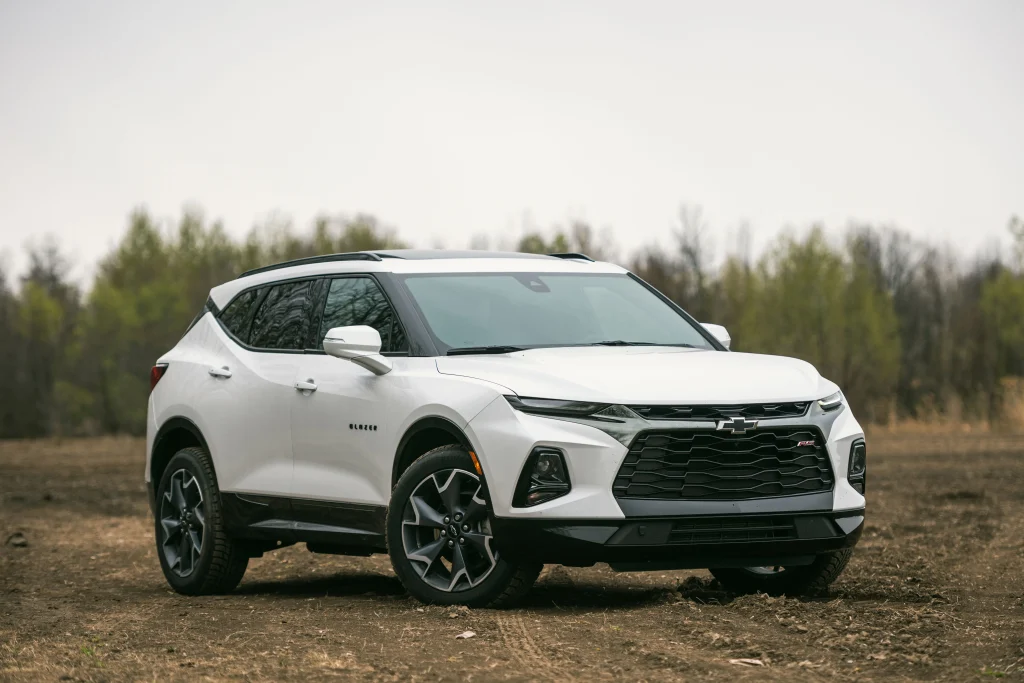
I included the Blazer because it appeals to buyers who want a mid-size SUV that looks distinctive, offers solid technology, and remains practical without entering luxury pricing. It proves that mainstream SUVs can still deliver personality alongside everyday usefulness.
5. Nissan Murano
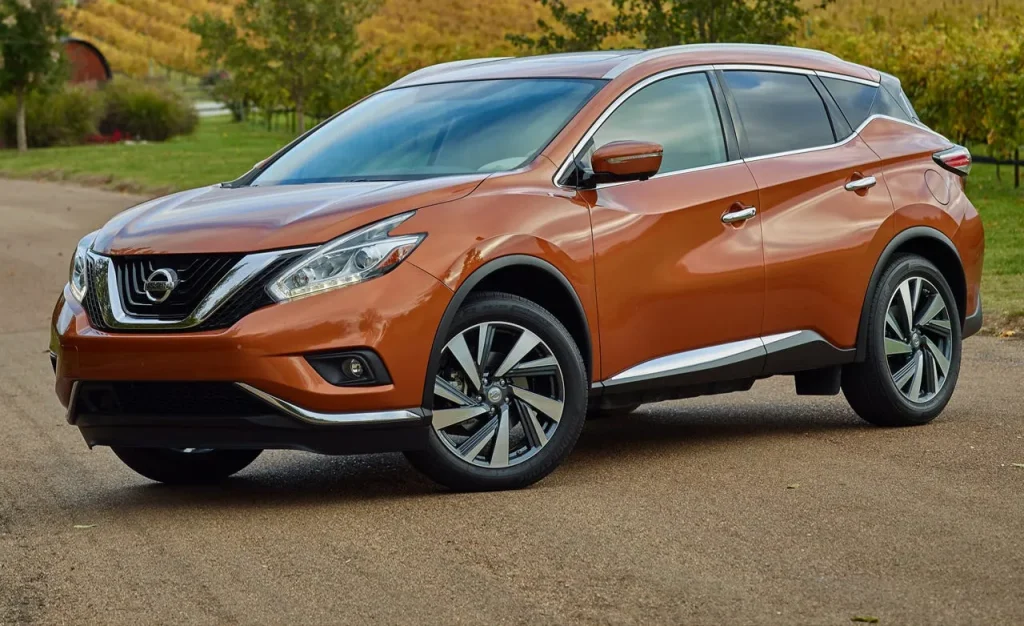
The Nissan Murano completes this list by focusing heavily on ride comfort and passenger relaxation. I’m writing about the Murano because it prioritizes smoothness and ease of driving, qualities that matter greatly to long-distance commuters and families who value comfort over performance or high-end features.
One of the Murano’s standout attributes is seating comfort. The front seats are well-cushioned and supportive, reducing fatigue during extended drives. Rear passengers also benefit from ample space and a quiet cabin environment. Noise isolation is particularly strong for a non-luxury SUV, making highway travel more pleasant.
The Murano’s suspension is tuned to absorb bumps and uneven surfaces, delivering a soft and composed ride. This setup favors comfort over sharp handling, which aligns with the Murano’s intended role as a relaxed daily driver. Steering effort is light, making it easy to maneuver in urban settings.
Safety technology includes automatic emergency braking, lane departure prevention, and adaptive cruise control. These systems focus on core functionality rather than advanced customization. The infotainment system is straightforward and dependable, designed for drivers who prefer simplicity.
Cargo space is competitive for the segment, supporting everyday hauling needs. Ownership costs are generally manageable, and the Murano’s uncomplicated design contributes to ease of use over time.
The Murano represents a comfort-first approach within the mid-size non-luxury SUV category, showing that practicality and smooth driving can be more valuable than premium features.
Mid-size non-luxury SUVs occupy a unique and enduring niche in today’s automotive market. While compact luxury SUVs impress with high-end materials, advanced infotainment, and polished driver-assist technologies, mid-size non-luxury vehicles excel in areas that directly impact daily life: space, flexibility, reliability, and long-term value.
For families, commuters, and buyers prioritizing practicality over brand prestige, these vehicles often deliver more meaningful benefits than their smaller, premium counterparts.
The defining strength of mid-size non-luxury SUVs is interior space and versatility. Models like the Toyota Highlander and Honda Pilot demonstrate how thoughtfully designed cabins can comfortably accommodate three rows of passengers or multiple child seats while maintaining usable cargo volume.
Even two-row mid-size SUVs, such as the Ford Edge, Chevrolet Blazer, and Nissan Murano, optimize passenger comfort and storage capacity, providing ample room for adults and their belongings. These vehicles make real-world tasks grocery runs, weekend trips, carpools, easier, highlighting the tangible utility that size affords.
Another critical advantage is practical technology and safety. Modern mid-size SUVs include essential features like adaptive cruise control, lane-keeping assistance, collision mitigation, and user-friendly infotainment systems.
While these systems may lack the sophistication or seamless integration found in luxury models, they perform reliably and are generally easier to use. This reduces the learning curve for families and drivers who prioritize functional technology over high-end flair.
Ride comfort and usability further set mid-size SUVs apart. Suspension tuning in vehicles like the Nissan Murano and Ford Edge prioritizes smooth, predictable handling, ensuring passenger comfort over long distances.
Steering and ergonomics are designed for everyday convenience rather than sporty performance, making these vehicles well-suited for city driving, highway cruising, and fully loaded trips.
Finally, ownership value is a major factor. Mid-size non-luxury SUVs benefit from lower purchase prices, reduced insurance premiums, and simplified maintenance compared to premium compact models.
Reliability reputations, particularly for Toyota and Honda, give buyers confidence in long-term durability and lower total cost of ownership.
In conclusion, mid-size non-luxury SUVs shine where practicality is paramount. They combine spacious interiors, dependable safety systems, comfortable driving dynamics, and cost-efficient ownership into a package that serves everyday life effectively.
For buyers whose priorities revolve around real-world usability rather than brand prestige or high-end refinement, these vehicles often outperform smaller luxury alternatives in the areas that matter most. They remind us that sometimes, bigger and simpler truly is better when it comes to function, flexibility, and value.
Also Read: 5 Cars for Newark Tight Parking vs 5 That Don’t Fit
