
When car buyers weigh long-term ownership costs, one theme consistently rises to the surface: repair bills differ drastically depending on the type of SUV you choose.
On one side of the spectrum are practical, mainstream SUVs models engineered with simpler components, widely available parts, and service networks that prioritize affordability and uptime.
On the other side are luxury SUVs vehicles built with advanced electronics, premium drivetrains, specialized materials, and brand-specific engineering that elevates their reliability costs into a different league.
This contrast makes the topic of comparing 5 SUVs With Lower Repair Costs versus 5 Luxury SUVs With Higher Repair Costs not only relevant but crucial for anyone considering a purchase that balances comfort, performance, and long-term financial sense.
Many car shoppers fall into the trap of evaluating vehicles based solely on sticker price or showroom glamour.
Yet what truly defines a vehicle’s value is its cost over time maintenance routines, part replacements, availability of trained technicians, and how often the model is known to require repairs.
This is why the two categories in this article need to be discussed together, not separately: the real decision buyers face isn’t “Which SUV looks best on paper?” but “Which SUV will continue to make sense financially five or ten years from now?”
By exploring both the budget-friendly and the upscale ends of the SUV market, this article builds a full picture of the ownership journey.
You’ll see why some SUVs consistently keep repair bills low not because they lack features, but because their design philosophy prioritizes durability and common-sense engineering.
Similarly, you’ll understand why certain luxury SUVs, despite undeniable comfort and performance, implicitly demand higher long-term investment. Whether you’re choosing practicality or prestige, this comparison aims to empower you with clarity, realism, and long-view thinking.
Also Read: 5 Cars Seniors Can Load Groceries Into VS 5 Back-Breakers
5 SUVs With Lower Repair Costs
When shoppers search for dependable SUVs that won’t drain their wallet over the years, they generally gravitate toward models known for reliability, mechanical simplicity, and accessible maintenance.
These SUVs share a common philosophy: they are engineered with widely available parts, proven drivetrain components, and straightforward technologies that repair technicians understand well.
This combination translates into predictable maintenance schedules, lower repair bills, and fewer surprise breakdowns. That’s exactly why this section highlights five mainstream SUVs specifically selected for their reputation for low repair costs vehicles that continue delivering consistent value long after the initial purchase.
What makes these SUVs worth writing about is their real-world financial benefit. Many owners underestimate how much long-term repair expenses influence true cost of ownership.
Two SUVs might have similar purchase prices, but the one with cheaper maintenance could easily save thousands of dollars over a decade. This matters even more for families, commuters, and anyone planning to keep their SUV beyond a typical lease cycle.
The five models in this list reflect the sweet spot of affordability, durability, and longevity qualities that make them smart picks for drivers looking for peace of mind.
These models do not try to compete with luxury SUVs in terms of lavish interiors, exotic materials, or complex technology systems.
Instead, they focus on functional strengths: long-lasting powertrains, simplified electronics, inexpensive replacement parts, and design consistency from generation to generation.
These factors minimize the need for specialized mechanics or proprietary diagnostic tools, drastically lowering repair bills. Additionally, their popularity means aftermarket parts are abundant, making repairs even cheaper and faster.
The reason for writing about these specific five SUVs is simple: they represent some of the most practical choices for long-term cost-conscious buyers. They prove that reliability doesn’t have to be boring and low repair costs don’t mean compromising on capability, comfort, or everyday usability.
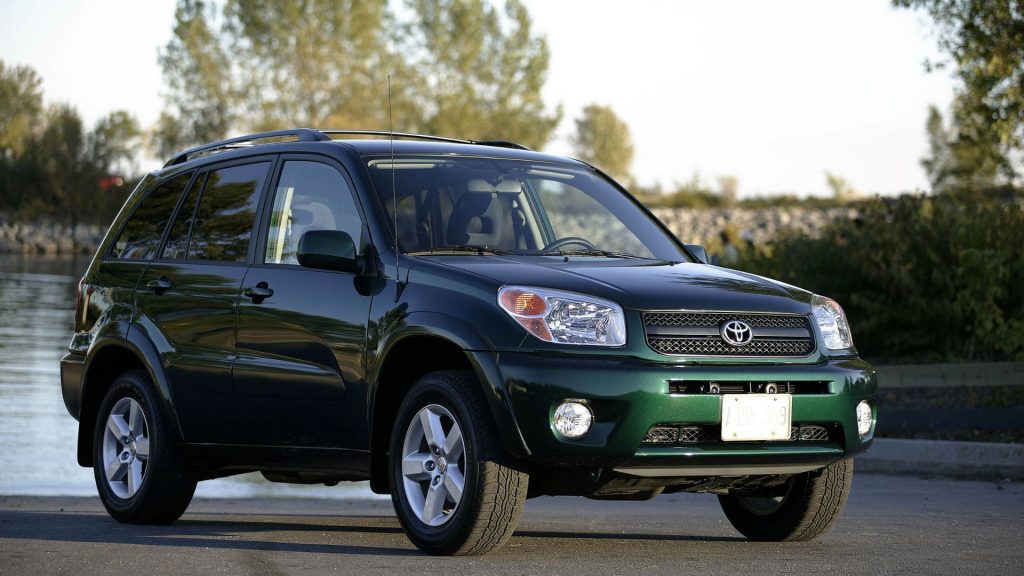
1. Toyota RAV4
Among affordable SUVs with low repair costs, the Toyota RAV4 stands out as one of the most dependable and cost-efficient options available today.
Toyota has built a reputation for reliability spanning decades, and the RAV4 embodies this tradition through its durable engineering, conservative use of complex systems, and proven drivetrain combinations.
This model is included in the list because it consistently ranks among the lowest in annual repair expenses not by accident, but because of thoughtful design choices that prioritize longevity over unnecessary sophistication.
The RAV4’s naturally aspirated engines avoid the strain and long-term issues sometimes associated with turbocharged powertrains. Its transmission systems both automatic and hybrid variants, have demonstrated excellent durability with minimal major failures reported across generations.
Replacement parts are readily available and inexpensive thanks to the model’s enormous global popularity. This means that even unexpected repairs cost less, and mechanics rarely struggle to find components or perform routine fixes.
Another key advantage is Toyota’s conservative approach to electronic complexity. While the RAV4 includes modern convenience features, its core systems avoid excessive integration that can make luxury SUVs more fragile and expensive to repair. This makes diagnostics simpler, quicker, and far cheaper at both dealership service centers and independent workshops.
The RAV4’s reliability translates into fewer breakdowns, and when repairs do arise, they tend to be small and affordable. Owners appreciate long oil-change intervals, predictable brake wear, and minimal suspension issues.
These factors collectively lower the long-term financial burden, making the RAV4 an ideal choice for families, commuters, ride-share drivers, or anyone who values cost stability.
The reason for writing about the RAV4 specifically is its status as an industry benchmark. It demonstrates how practicality and smart engineering can deliver long-term savings without compromising comfort, safety, or everyday usability. The RAV4 proves that choosing reliability doesn’t mean settling it means investing wisely.
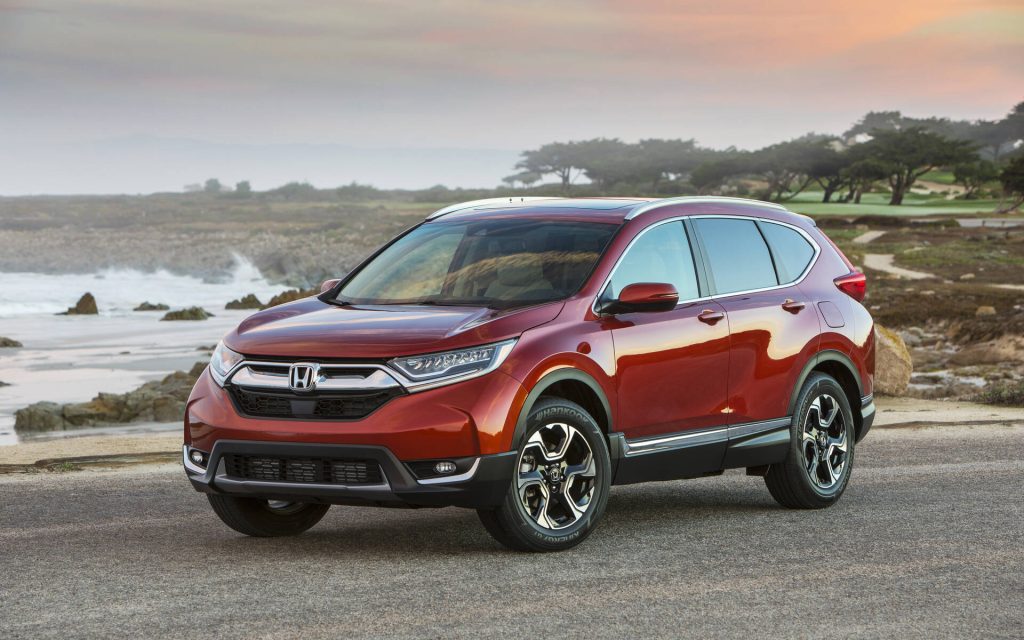
2. Honda CR-V
The Honda CR-V is another mainstream SUV renowned for its low repair costs and long-term dependability. Honda’s engineering philosophy emphasizes durability, efficiency, and restraint in introducing technologies only after rigorous real-world testing.
This results in an SUV that ages gracefully, requires fewer major repairs, and offers predictable maintenance costs. The CR-V is included in this list because it consistently remains one of the most economical SUVs to maintain over a decade of ownership.
The CR-V’s engines are known for longevity, often reaching high mileage with minimal mechanical trouble. Honda’s transmissions, especially its more recent CVT systems, have also improved significantly in durability thanks to refined engineering and better cooling.
Replacement parts for the CR-V are widespread and affordable, both OEM and aftermarket, further contributing to its low repair costs. Its strong resale value is also tied directly to its reputation for reliability.
Another reason the CR-V excels in affordability is its straightforward mechanical layout. Its suspension system, electrical components, and braking hardware rarely require expensive fixes.
Even when repairs are necessary, labor costs remain moderate because the CR-V is easy for mechanics to service. There are no overly complicated systems that demand specialized tools or dealership-only knowledge, which keeps repair bills under control.
Interior electronics also follow Honda’s practical approach. While the CR-V includes modern infotainment features and advanced safety systems, these components tend to be robust and fail less frequently than comparable systems in luxury SUVs. This reduces the risk of costly electronic repairs or module replacements.
The reason for writing about the CR-V is that it represents a perfect blend of usability, efficiency, and low long-term cost. For buyers seeking an SUV that minimizes maintenance stress while offering comfort and family-friendly features, the CR-V stands as a dependable, financially responsible choice.
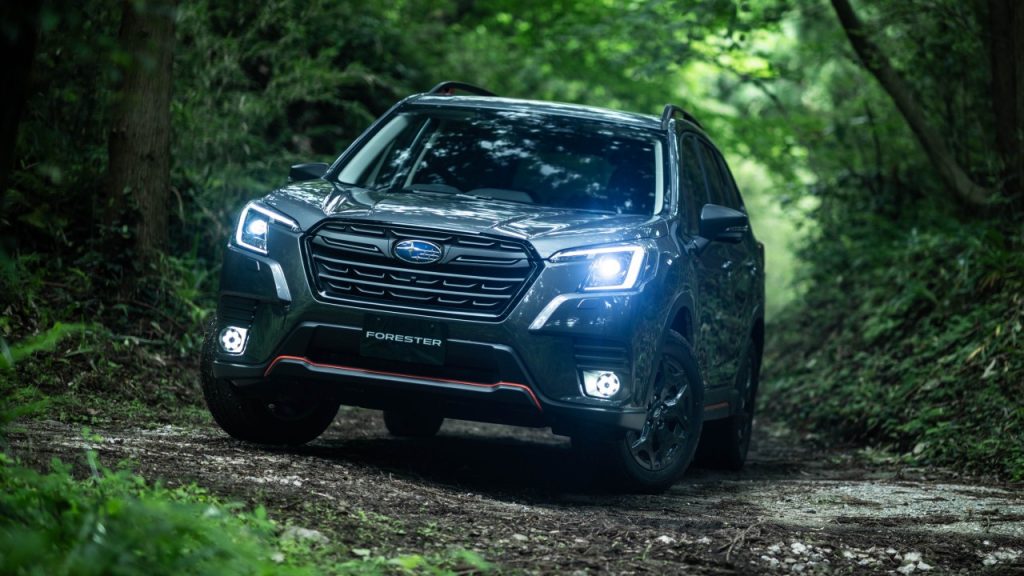
3. Subaru Forester
The Subaru Forester is included in this list because of its impressive balance between capability, practicality, and low repair costs.
As a compact SUV with standard all-wheel drive, the Forester delivers features many competitors reserve for higher trims, yet it maintains an economical ownership profile thanks to Subaru’s steady engineering approach and long-term reliability.
Subaru’s boxer engine design may seem unconventional compared to inline engines, but it has proven dependable when properly maintained.
The horizontally opposed layout enhances stability and helps distribute weight evenly, but more importantly, it is based on engineering principles Subaru has refined over decades.
Forester powertrains rarely suffer from catastrophic failures, and routine maintenance remains affordable. Subaru’s CVTs have also improved dramatically, delivering long service life when maintained with factory-specified fluids.
One of the reasons the Forester has low repair costs is its use of durable, well-tested components rather than overly advanced or experimental technologies.
Even though the vehicle comes with Subaru’s EyeSight safety suite, the brand ensures that these systems are robust and generally less failure-prone than their luxury counterparts. Additionally, its AWD system while advanced, has been refined over generations and is known for reliability, not complexity.
Repair affordability also stems from Subaru’s widespread service network and the abundance of aftermarket parts.
The Forester’s popularity means components like brakes, sensors, and suspension pieces are inexpensive and easy to find. Its interior electronics and HVAC systems are also simple enough to allow for lower diagnostic costs.
The reason for highlighting the Forester is its appeal to buyers who want year-round capability without sacrificing predictable repair expenses. It’s a practical SUV for outdoor enthusiasts, families, and commuters who want safety and functionality but don’t want to pay luxury-level maintenance bills.
4. Hyundai Tucson
The Hyundai Tucson has evolved into one of the most reliable and affordable-to-maintain SUVs on the market, making it worthy of inclusion here.
Over the years, Hyundai has improved its engineering standards, enhanced quality control, and extended its confidence with long factory warranties.
Even after those warranties expire, repair costs remain much lower than the industry average, making the Tucson an excellent choice for cost-conscious buyers.
The Tucson’s naturally aspirated engines and simplified turbo variants strike a balance between performance and long-term durability.
Hyundai avoids overly complex powertrains in this model, which helps reduce long-term mechanical failures. Replacement parts both OEM and aftermarket, are widely available and budget-friendly, contributing to lower repair bills.
Additionally, Hyundai’s transmissions in the Tucson, including the automatic and DCT options, have shown improved reliability in recent generations.
The SUV’s electrical systems and infotainment hardware are generally stable, with fewer recorded issues than many competing models. This reduces the likelihood of expensive module replacements or troubleshooting sessions.
The Tucson’s suspension and braking components also follow a straightforward engineering style, which keeps labor time reasonable for technicians. The vehicle is designed with accessibility in mind; mechanics can reach essential components easily, reducing repair hours and thus lowering overall costs.
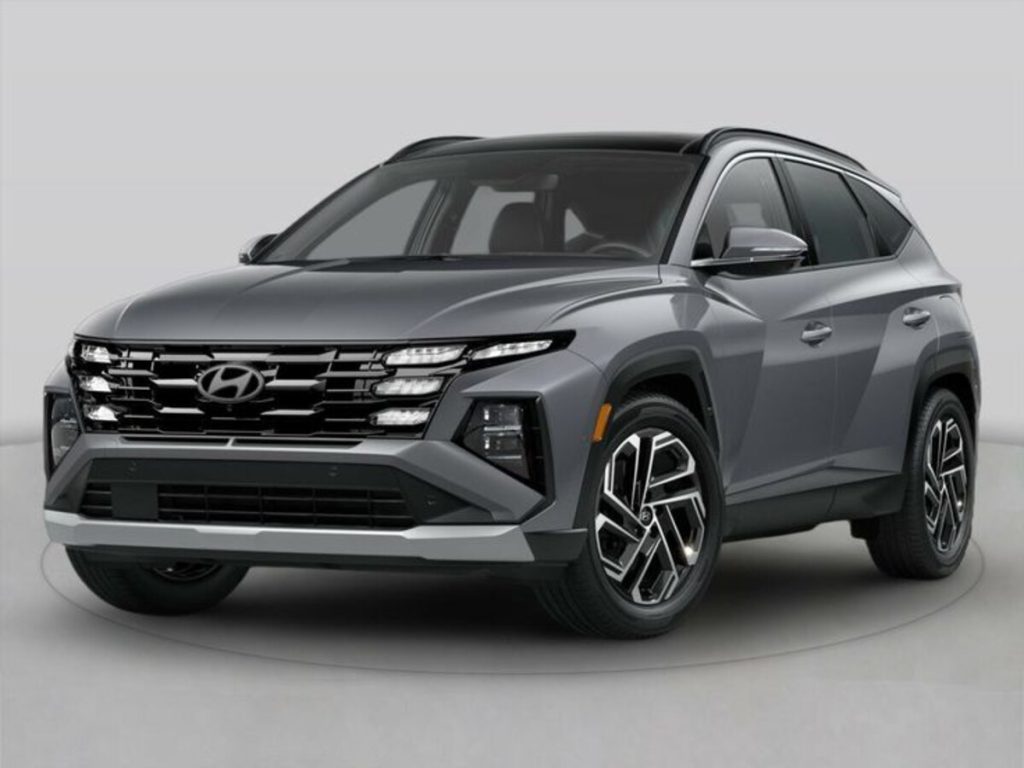
This SUV is included in the list because it represents a modern, feature-rich vehicle that doesn’t punish owners financially. Hyundai has successfully merged value, comfort, and dependability in a way that appeals to a wide range of drivers from families seeking practicality to commuters looking for long-term reliability.
The Tucson is written about here because it demonstrates that an affordable SUV can still feel refined, technologically current, and enjoyable to drive without saddling owners with steep repair bills. It’s proof that good engineering and sensible design can coexist with affordability.
5. Nissan Rogue
The Nissan Rogue earns its place on this list as one of the most cost-efficient SUVs to maintain, thanks to its widely available parts, straightforward mechanical design, and dependable track record.
The Rogue is engineered with mainstream components that strike a balance between reliability and affordability, which significantly reduces repair bills throughout its life span.
Nissan’s focus on proven engine architecture helps keep maintenance predictable. While the Rogue’s use of a CVT has been a point of debate in older generations, newer models have improved reliability thanks to upgrades in cooling, software, and internal construction.
When properly maintained, the CVT tends to function reliably for years, and repair costs are typically lower than luxury alternatives due to more common replacement parts.
The Rogue’s electrical and interior systems also maintain simplicity and durability. Infotainment malfunctions, which can be costly in premium SUVs, tend to be minimal in the Rogue. Sensors, switches, and electronic modules follow Nissan’s philosophy of widespread compatibility, making repairs affordable and readily serviceable at independent shops.
Suspension components, brake systems, and steering parts also rank among the more affordable in their class.
The vehicle’s immense popularity ensures that aftermarket parts are abundant, driving down replacement costs further. Labor time is also low because most components are positioned for easy access.
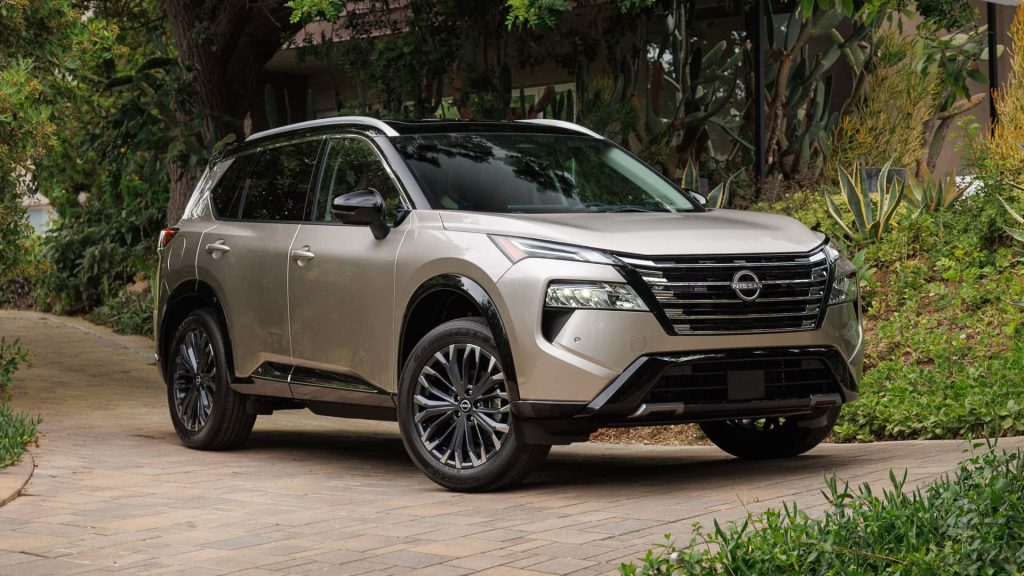
The reason for writing about the Rogue is its practicality and long-term affordability. It’s a vehicle chosen frequently by families and individuals who prioritize predictable ownership costs. While not as feature-heavy or luxurious as high-end SUVs, it offers comfort, space, and efficiency without the fear of runaway repair bills.
The Rogue exemplifies what this list represents: sensible SUV options that help owners avoid financial stress, offering a dependable driving experience without hidden long-term costs.
5 Luxury SUVs
Luxury SUVs occupy a different corner of the automotive world one defined by premium materials, complex technology, advanced engines, and sophisticated suspensions. These attributes create vehicles that offer unmatched comfort, refinement, and prestige.
However, they also introduce higher repair and maintenance costs over time. This section explores five luxury SUVs that, while excellent in performance and design, inherently demand significantly higher long-term expenses due to the nature of their engineering.
The goal of this introduction is not to discourage luxury SUV ownership, but rather to explain why these models come with elevated repair bills and why understanding this is crucial for buyers.
Luxury manufacturers innovate aggressively, pushing the boundaries of performance, electronics, and design. These innovations often rely on specialized components that cost more to replace and require brand-specific expertise to repair.
Advanced driver-assistance systems, air suspension setups, turbocharged engines, multi-layered infotainment architecture, and high-end materials increase both the probability of expensive repairs and the cost of executing them.
Many owners underestimate this until warranties expire when even minor repairs can quickly escalate into thousands of dollars.
Service costs also differ dramatically. Luxury brands often mandate specialized diagnostic tools and certified technicians, both of which add to labor rates.
Even simple replacements, such as brake components or electronic modules, can cost two to four times more than equivalent mainstream parts. Furthermore, luxury SUVs frequently carry tightly integrated systems: a failure in one area may require accessing or reprogramming multiple related modules.
The purpose of writing about these five luxury SUVs is to provide transparency and balance. While they deliver exceptional performance and comfort, buyers should understand the financial commitment that accompanies them.
By contrasting these models with the earlier lineup of low-cost SUVs, this article offers a clearer, more realistic perspective on long-term ownership costs helping shoppers choose wisely based on their priorities, lifestyle, and budget.
1. BMW X5
The BMW X5 exemplifies the strengths and trade-offs of owning a luxury SUV. It offers athletic performance, a refined interior, and advanced technology features that elevate the driving experience.
However, the very attributes that make the X5 impressive also contribute to its high repair costs, making it an essential inclusion in this list. The X5’s engineering complexity means that even routine repairs can require specialized parts, advanced diagnostics, and brand-trained technicians.
BMW’s turbocharged engines deliver strong output but rely on intricate cooling systems, high-pressure fuel components, and precision engineering that increases the likelihood of expensive repairs as the SUV ages.
Common maintenance tasks such as oil changes, brake replacements, or suspension work often cost significantly more than comparable mainstream SUVs. This is due to premium part pricing and longer labor times because of tightly packed engine bays and complex layouts.
The X5’s electronics are another major contributor to repair costs. BMW incorporates sophisticated driver-assistance systems, premium infotainment configurations, and multilayered control modules.
While they enhance convenience and safety, they also introduce more points of potential failure. Diagnosing these systems usually requires dealership-level equipment, increasing service charges.
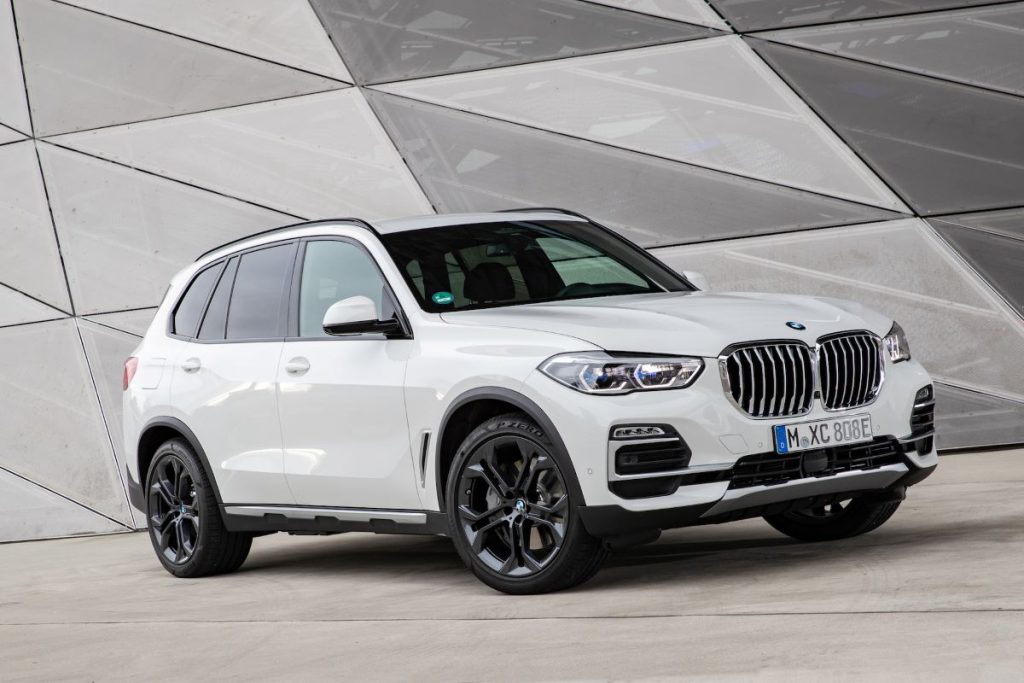
Air suspension, available on higher trims, adds improved ride comfort but also contributes to higher long-term expenses. Components such as compressors, sensors, and bags can be costly when they fail often running into four-figure repair bills.
The reason for writing about the X5 is to illustrate how luxury performance comes with elevated ownership costs. The X5 is admired for its dynamic handling and upscale feel, but buyers must be prepared for its premium maintenance profile.
It’s a perfect example of how excellence in engineering can simultaneously deliver exceptional value and higher financial demands.
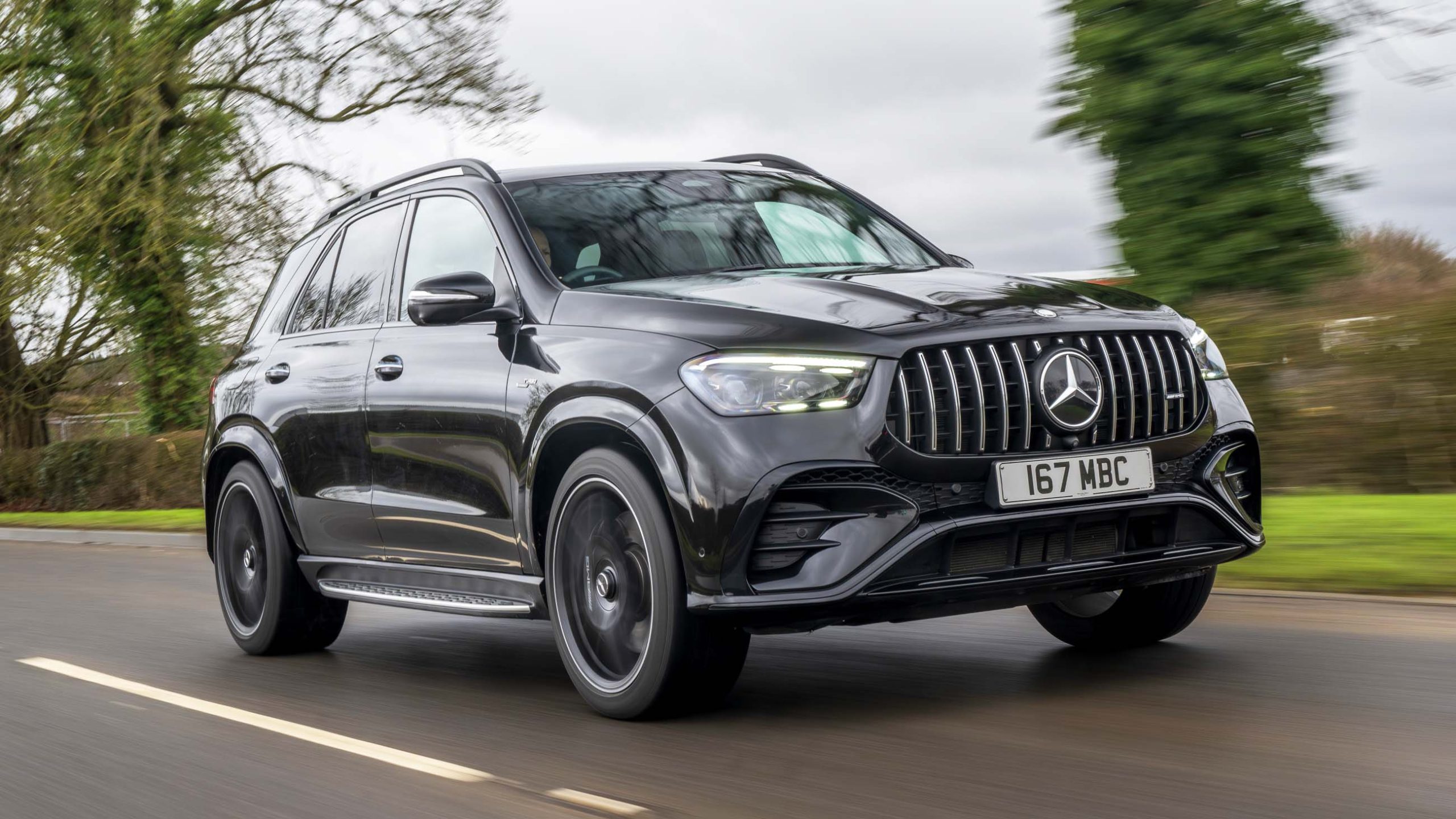
2. Mercedes-Benz GLE
The Mercedes-Benz GLE is a luxury SUV celebrated for its elegance, comfort, and advanced technology. However, it also represents one of the more expensive vehicles to maintain, which is why it appears in this list.
The GLE’s high repair costs stem from its intricate engineering, premium components, and brand-specific servicing requirements, all of which add sophistication but also greater long-term financial commitment.
Mercedes’ powertrain design emphasizes performance, refinement, and quietness. While reliable in many respects, these engines involve turbochargers, advanced cooling systems, and tightly integrated electronics.
Repairs often require specialised tools, and even basic components can cost significantly more than parts for mid-level SUVs. Labor costs are also high because many systems are difficult to access due to complex packaging.
The GLE also incorporates highly advanced infotainment software, sensor arrays, and safety systems.
These elements elevate the driving experience but increase the number of potential failure points. Replacing or recalibrating sensors, control modules, or camera systems can be costly, especially when handled at a Mercedes dealership.
Air suspension is common in many GLE trims. While it ensures an exceptionally smooth ride, it brings significant long-term maintenance concerns. Compressors, height sensors, and air bags wear out over time and replacements often cost upwards of several thousand dollars.
Interior components also reflect premium design. Soft-touch materials, multi-zone climate systems, and advanced comfort features create luxurious cabin experiences but demand more costly repairs when they malfunction.
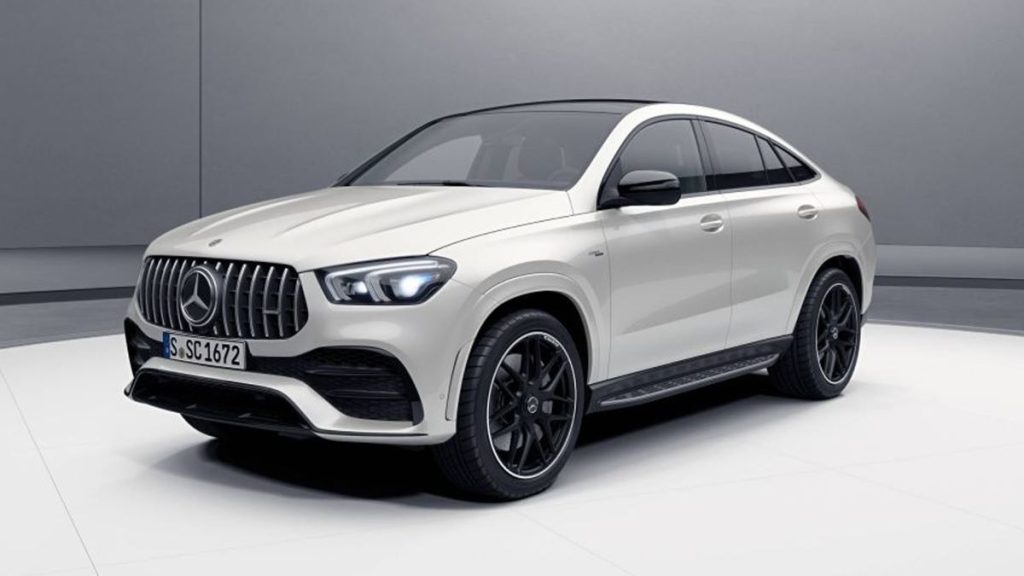
The GLE is included in this list because it highlights a truth about luxury ownership: you’re paying not only for high-end comfort but also for the long-term upkeep that comes with it. The GLE’s cost profile serves as a reminder that premium vehicles require premium budgets, especially as they age.
3. Audi Q7
The Audi Q7 is one of the most technologically sophisticated luxury SUVs on the market, known for its premium interior, advanced electronics, and all-wheel-drive performance. However, these same qualities also produce higher repair costs, making it important to include in this list.
The Q7 embodies engineering precision, but that precision comes with financial implications when parts wear out or malfunctions occur.
Audi’s engines especially the turbocharged and supercharged variants, deliver exceptional performance but rely on highly complex systems. Components such as intercoolers, timing mechanisms, and high-pressure fuel pumps can be expensive to service or replace.
Even standard maintenance like oil changes typically costs more due to specialized fluids and labor-intensive access to components.
Electrical complexity is a major contributor to the Q7’s repair costs. Audi integrates multiple control modules, extensive wiring networks, and advanced infotainment features.
Sensors linked to Audi’s virtual cockpit, adaptive cruise systems, lane technology, and environment scanning increase diagnostic times and part replacement costs. A single module failure can sometimes affect multiple subsystems, raising overall repair bills.
The Q7 often features air suspension or adaptive damping systems, depending on the trim. These improve comfort and handling but introduce expensive long-term maintenance risks. Replacing a single air strut or compressor can be costly, and calibration procedures add additional expense.
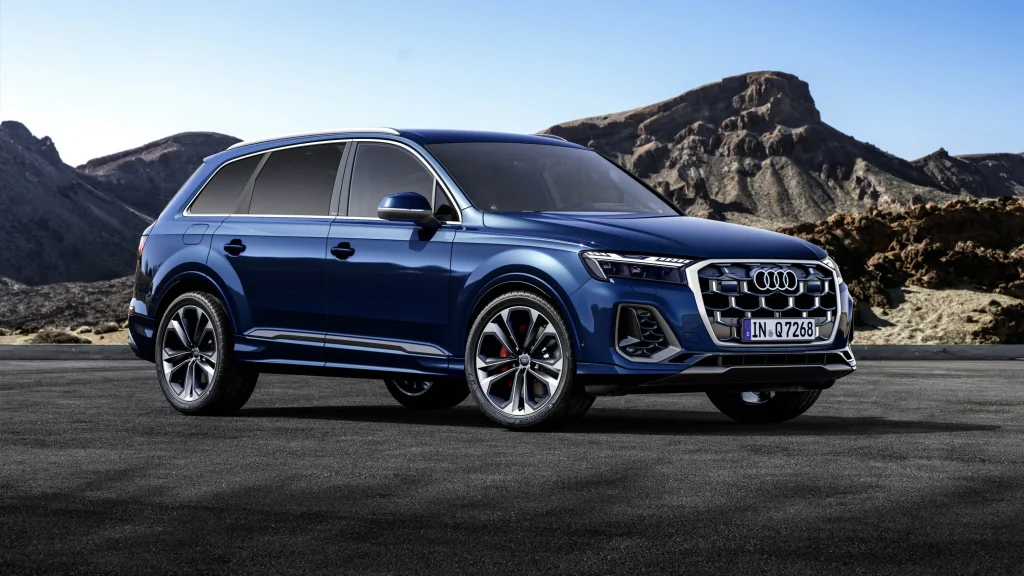
Interior components are also high-end, from multi-zone climate systems to motorized seat adjustments and advanced ambient lighting. These features enhance luxury but increase the number of potential repair points.
The reason for writing about the Q7 is to demonstrate how advanced engineering creates premium driving experiences while simultaneously elevating maintenance responsibilities. The Q7 is a standout example of how technology-driven luxury demands a higher long-term financial commitment.
4. Range Rover Velar
The Range Rover Velar is widely admired for its stunning design, rich materials, and modern technology, but these qualities also make it one of the more expensive SUVs to repair.
Its inclusion here is essential because the Velar represents the peak of style-driven luxury combined with advanced mechanical and electronic systems that naturally drive up maintenance costs.
Land Rover’s engineering focuses heavily on refinement, performance, and off-road capability. The Velar’s powertrains whether turbocharged, mild hybrid, or diesel, include complex components that require specialized servicing.
High-pressure fuel systems, turbo mechanisms, and sophisticated cooling setups increase the risks of costly repairs as the vehicle ages.
The Velar’s electronics are among its most defining features: dual touchscreens, advanced climate control, multi-layered infotainment, and a suite of driver-assist technologies.
These systems, while visually striking and enjoyable to use, add significant long-term financial commitments. Screen failures, module malfunctions, and software issues often require dealership-level expertise and can carry high repair bills.
Suspension is another area where costs accumulate. Many Velar trims come with adjustable air suspension, improving comfort but adding complexity. These systems can fail due to air leaks, sensor malfunctions, or compressor problems, all of which are expensive repairs.
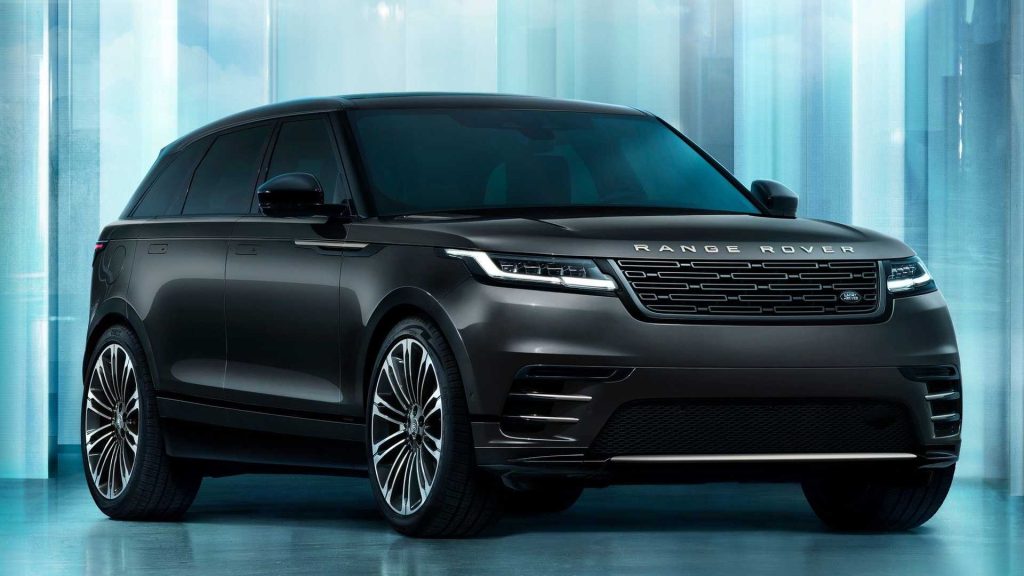
Interior luxury elements from premium leather to motorized climate vents also raise the likelihood of expensive cabin-related fixes. Even minor issues such as malfunctioning seat motors or electronic latches can be costly because of the brand’s proprietary parts.
The Velar is included because it epitomizes the reality of luxury SUVs: breathtaking design and advanced engineering come with significant upkeep. While the ownership experience is undeniably premium, buyers must anticipate elevated repair costs once warranties expire.
5. Volvo XC90
The Volvo XC90 closes out the list of luxury SUVs with higher repair costs, and for good reason. The XC90 blends Scandinavian design with advanced safety technologies and premium comfort features, creating an elegant environment that many families appreciate.
However, its complexity and specialized engineering contribute to higher maintenance expenses over the long term.
Volvo’s engines particularly the supercharged and turbocharged models, introduce multiple layers of mechanical intricacy that raise repair costs.
These powertrains offer strong performance but involve expensive components and elaborate systems that require skilled technicians. Even basic maintenance items may cost more compared to mainstream SUVs because of expensive parts and labor hours.
The XC90’s electronics contribute heavily to its repair profile. Volvo is known for its advanced safety features, including dozens of sensors tied to autonomous emergency braking, adaptive cruise control, lane systems, and blind-spot monitoring.
These technologies improve safety but involve expensive calibration and replacement procedures. The tablet-style central infotainment unit, while sleek and functional, is another common source of costly repairs if software glitches or hardware issues occur.
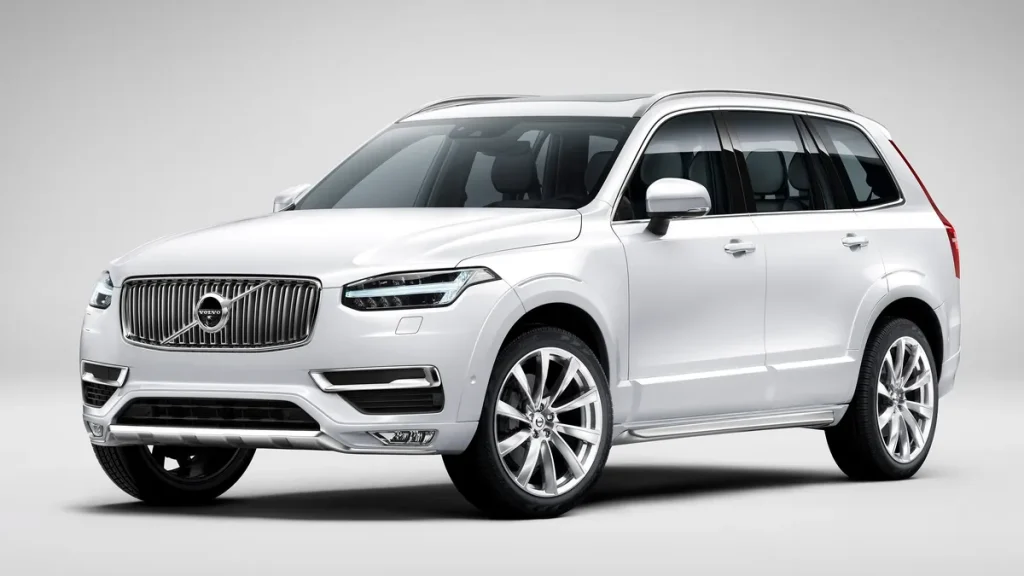
Suspension components particularly adaptive and air systems, add to the financial burden. These setups enhance ride quality but are complex to diagnose and expensive to replace. Steering components, climate control systems, and specialty interior materials also increase overall maintenance difficulty.
The reason for writing about the XC90 in this context is that it represents how premium family-oriented SUVs still carry luxury-level repair costs. The XC90 offers tremendous comfort, safety, and design, but buyers should be prepared for the associated expenses once warranties expire.
Also Read: 5 Models That Keep Their Batteries Happy In Winter VS 5 That Don’t
