
Electric propulsion has moved beyond compact cars and sedans it has stalked into the truck world with power, torque, and payload potential that challenge long-standing assumptions about towing and utility.
At the same time, gas-powered mid-size trucks remain a popular, proven choice for buyers who want balance: lighter platforms, easier fueling, and approachable purchase prices.
Framing both topics together matters because towing is a comparative exercise: it’s about usable range under load, trailer-weight handling, payload, hitch ratings, and the practical utility you get during a workday or weekend run.
Evaluating five electric trucks that, in real world use, out-pull or out-work five gas mid-size trucks for towing helps separate marketing claims from functional value.
It also helps owners pick the right tool whether that’s an electric rig that pulls heavier trailers with instant torque and sophisticated braking and regen systems, or a gas midsizer that’s cheaper to buy and lighter to operate on short hauls.
This article compares both sides with the same yardstick: how useful is the truck for towing tasks you actually do?
That means looking beyond headline towing numbers to consider energy or fuel consumption under load, range or operating endurance while towing, chassis and cooling systems built for repeated heavy work, and real-world convenience like trailer-integrated braking, trailer-sway mitigation, and charging/refueling logistics.
It also considers ownership factors: maintenance realities, payload versus towing tradeoffs, and how each vehicle’s design either helps or complicates towing chores.
Electric trucks increasingly feature targeted engineering (dedicated tow modes, integrated inverters, and active thermal management) that make them not just competitive with, but in many cases more useful than, gas mid-size trucks especially when towing heavier loads, doing repeated trailer ferrying, or leveraging instant low-end torque for on/off ramp merges.
We’ll begin with five electric trucks that demonstrate towing utility advantages, explain why each belongs on the list, and then contrast them with five gas mid-size trucks that remain capable but are often outgunned when the task demands sustained towing or heavier trailers.
Also Read: 5 Cars Seniors Can Load Groceries Into VS 5 Back-Breakers
5 Electric Trucks That Are More Useful
Electric trucks change the towing conversation in two fundamental ways: torque delivery and packaging. Instant electric torque provides strong low-speed pulling ability, which helps launch heavy trailers more smoothly and reduces stress on driveline components.
Second, many modern electric trucks were engineered from the ground up (or heavily re-engineered) with towing in mind: dedicated tow modes, enhanced thermal systems to protect batteries and motors under sustained load, and integrated trailer management software that helps maintain performance and efficiency.
Those engineering choices often make certain electric trucks more useful than traditional gas mid-size trucks particularly when towing heavier loads, shuttling trailers between destinations repeatedly, or towing in hilly terrain where consistent power and thermal management matter.
But “more useful” doesn’t mean universally superior. Electric trucks have different tradeoffs, including charging infrastructure, battery heat management under long climbs, initial purchase price, and the weight penalty of batteries that affect payload.
The key is usefulness for towing tasks: how much can you tow, how far can you go while towing without painfully slow recharges, how predictable is the vehicle while hauling, and what built-in features reduce the work and stress of towing (like integrated in-cab trailer braking controllers, tow-optimized regenerative braking, and dedicated towing profiles).
This list focuses on five electric trucks that, in practical use, deliver more towing utility than many gas mid-size pickups because of higher gross trailer ratings, usable towing ranges when properly specified, and towing-oriented engineering choices.
For each truck we’ll explain the specific advantage whether it’s a higher maximum tow rating, better thermal control for continuous towing, an integrated power-management system for trailer electronics, or actual field-tested towing range that outperforms typical gas-powered mid-size rivals.
After the electric set we’ll present five gas mid-size trucks that remain popular and competent for most towing tasks, describing why they matter and where they fall short versus these electric workhorses.
1. Rivian R1T
The Rivian R1T was engineered as an outdoors-ready electric truck from the beginning, and that purpose-built approach shows in real towing scenarios.
Rivian publishes towing numbers that place the R1T squarely in the full-size capability zone when properly configured: many R1T configurations tow up to 11,000 pounds (and most dual-motor variants rate at 7,700 lb), giving you trailer ratings that exceed the bulk of gas mid-size pickups.
Why that matters: an 11,000-lb capability means the R1T can legally and practically haul many large boat trailers, horse trailers, and heavy equipment loads that would overwhelm a typical mid-size truck. But raw tow rating only tells part of the story.
Rivian’s engineering prioritizes thermal management for repeated towing runs the battery and motor cooling systems are designed to handle steady towing loads and long grades without immediate derating.
That’s critical when you’re pulling heavy loads over mountain passes; some early EV towing critiques focused on rapid range loss and motor overheating, but a truck designed for the job will keep power available and manage battery temperature to maintain usable performance.
Rivian also integrates useful trailer features: a configurable tow mode that alters regen and braking behavior for safer trailer control, and software that helps balance torque delivery across wheel modules for traction while towing on wet or loose surfaces.
Practical accessories, integrated trailer hitches rated to factory specs, available bed-mounted charging, and a well-thought bed and center-tunnel storage make using the truck for real work simpler.
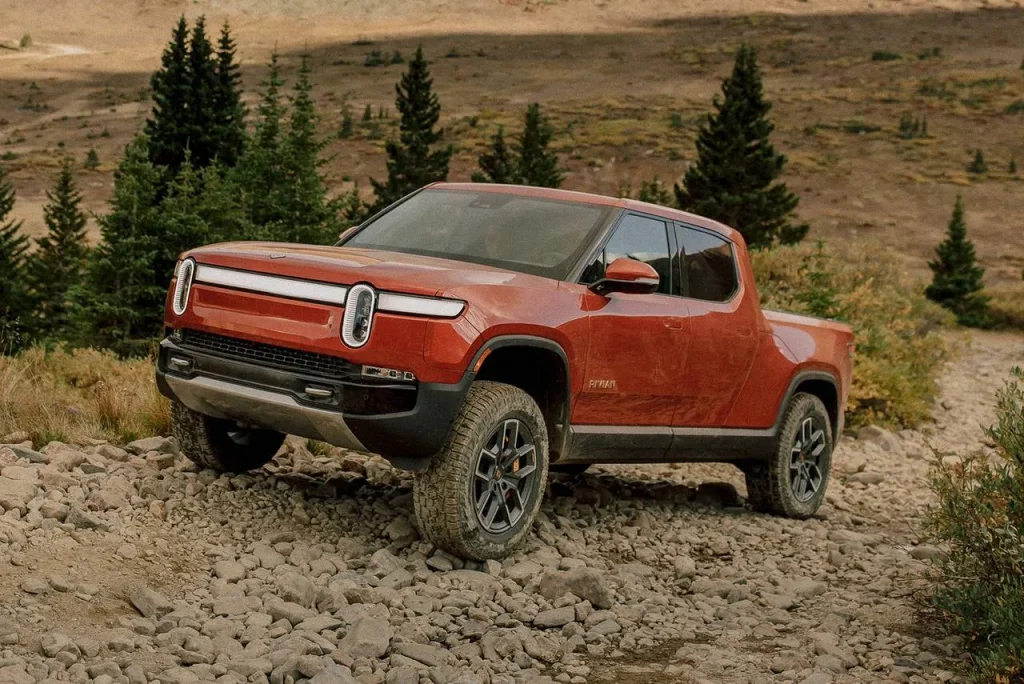
Real-world tests and owner reports also emphasize how quickly the R1T can get a heavy trailer moving from a stop, thanks to the immediate torque; that reduces clutch or transmission stress compared with repeated low-RPM lugging in some gas trucks.
The tradeoffs: heavy trailers reduce range substantially and charging time for a long towing day requires planning. Still, for buyers who need higher towing capability combined with modern EV features, the R1T’s design delivers practical towing utility that outclasses most gas mid-size pickups.
2. Ford F-150 Lightning
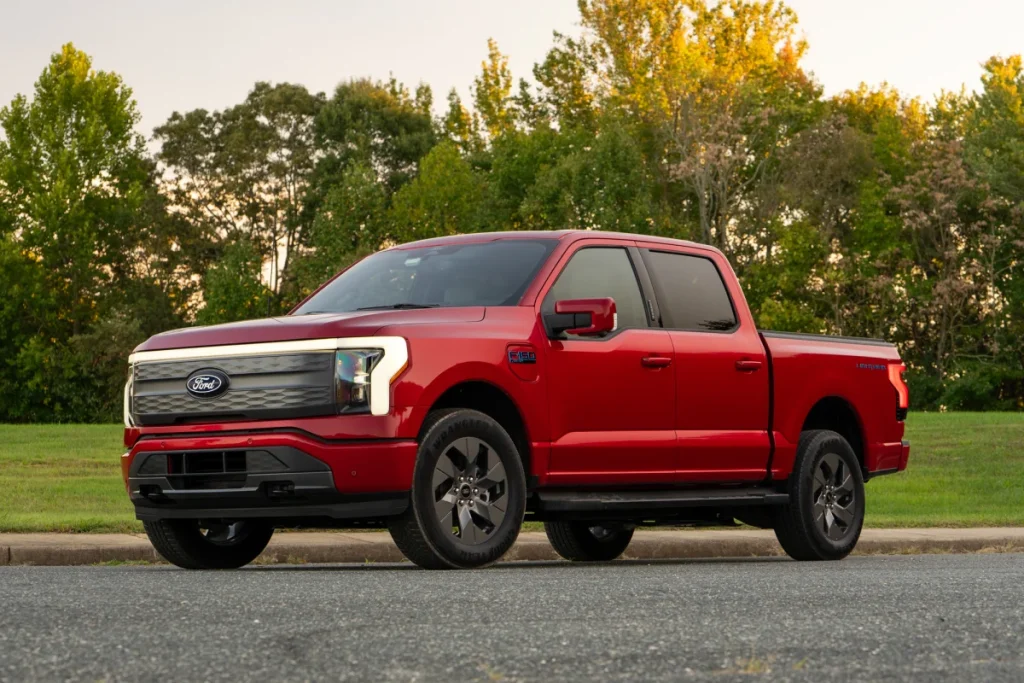
Ford’s F-150 Lightning converted a best-selling full-size pickup into an electric workhorse with specific towing smarts.
Unlike some electric adaptations of mid-size platforms, the Lightning is based on the F-150 ecosystem a truck family with decades of towing engineering but reimagined for EV power.
The Lightning’s functional towing rating and available equipment make it a practical towing vehicle: properly equipped variants support several thousand pounds of towing (with configurations and towing packages designed to optimize trailer stability and cooling).
Ford supplies in-cab tow apps and on-board power options that are valuable on site and on the road.
Why it’s more useful: the Lightning benefits from integrated tow features like Pro Trailer Backup Assist, an intelligent tow mode that optimizes regenerative braking and charge management during towing, and an onboard power inverter that can feed job-site tools or camper electrics a practical plus when you tow to a campsite or remote job.
The truck’s thermal management has been refined to support towing, and its battery architecture allows repeatable towing with less risk of immediate power draw limits when compared to passenger EVs retrofitted for towing.
A distinct advantage is Ford’s deep trailer ecosystem: established hitch options, truck frames tuned for towing, and a suite of software tools that reflect real user needs (like tow-optimized driver assist and trailer sway mitigation).
Those features remove friction for owners who tow often. Fuel-cost (energy) savings and access to vehicle-to-load (V2L) power for accessories also make the Lightning attractive for work and recreation.
The caveats are straightforward: towing reduces range, and long towing trips require thoughtful charging plans, especially on mountain routes.
However, when you compare the Lightning’s towing systems, power delivery, and practical trailer support to gas mid-size trucks, the electric F-150 often offers a more capable, tech-rich, and user-friendly towing experience for heavier or repeat towing duties.
3. Tesla Cybertruck
Tesla’s Cybertruck is the most polarizing pickup in recent years, but its capability headline is unambiguous: Tesla advertises towing capacity figures up to 11,000 pounds depending on configuration numbers that place the Cybertruck in direct competition with full-size, heavy-duty rigs rather than mid-size pickups.
Those towing claims and the truck’s substantial electric torque curve make it useful for towing tasks that exceed mid-size norms.
Why it’s included: the Cybertruck’s architecture is designed around a high-capacity battery pack and powerful electric motors, delivering high continuous torque and acceleration under load.
Tesla’s vehicle control software also adds utility: integrated trailer modes, precise regen blending, and active torque distribution that help keep trailers steady during acceleration and descent.
For someone regularly towing loads near or above the capacity of mid-size pickups, the Cybertruck’s payload and tow ratings mean you can haul larger units without stepping up to a traditional heavy-duty gas truck.
Another practical benefit is Tesla’s extensive Supercharger network (subject to regional availability), which can make longer towing trips more feasible than EVs without fast-charging support. However, towing still eats range quickly. The Cybertruck’s range figures quoted by Tesla are for unladen conditions, so real-world towing range will be lower.
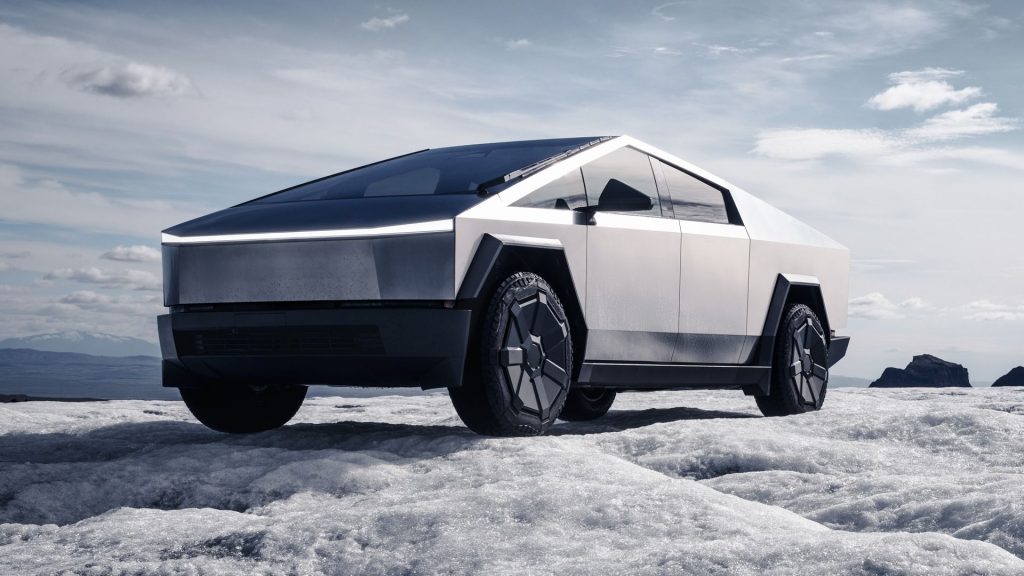
Still, for utility purposes the Cybertruck’s towing ratings and software control make it far more useful than a typical gas mid-size truck when heavy hauling is the mission.
Considerations: availability, production timing, and real-world towing data continue to evolve, so buyers should match configuration to towing needs and verify the practical towing range for their routes. But on raw towing capability and tech integration, the Cybertruck sits above most mid-size competitors.
4. GMC Hummer EV Pickup
The GMC Hummer EV Pickup is an extreme example of an electric truck designed for power and capability.
While it’s often thought of in the context of off-road theatrics, the Hummer EV’s motors and torque delivery give it the ability to tow substantial loads; GMC advertises robust capability numbers and the truck’s architecture includes heavy-duty cooling and powertrain components intended for hard work.
The Hummer EV’s multi-motor setup and large battery pack make it a candidate for towing tasks that exceed many mid-size trucks’ safe limits.
Why the Hummer EV can be more useful: its multi-motor torque vectoring provides excellent traction while towing on mixed surfaces, and the onboard energy capacity helps sustain power on long grades.
GMC also packages towing features such as tow-centric drive modes and integrated trailer technology that ease hookups and regulation of braking. The Hummer’s integrated vehicle systems enable features like crabbing and rock crawl modes for off-road utility, but those same control systems allow more precise trailer management when conditions are rough.
Thermal management and robust componentry reduce the chance of aggressive power limiting during prolonged towing runs a frequent problem in EVs not designed for heavy work. That means consistent pull on long grades, better confidence when merging or passing, and a vehicle that doesn’t quickly deplete its peak towing performance.
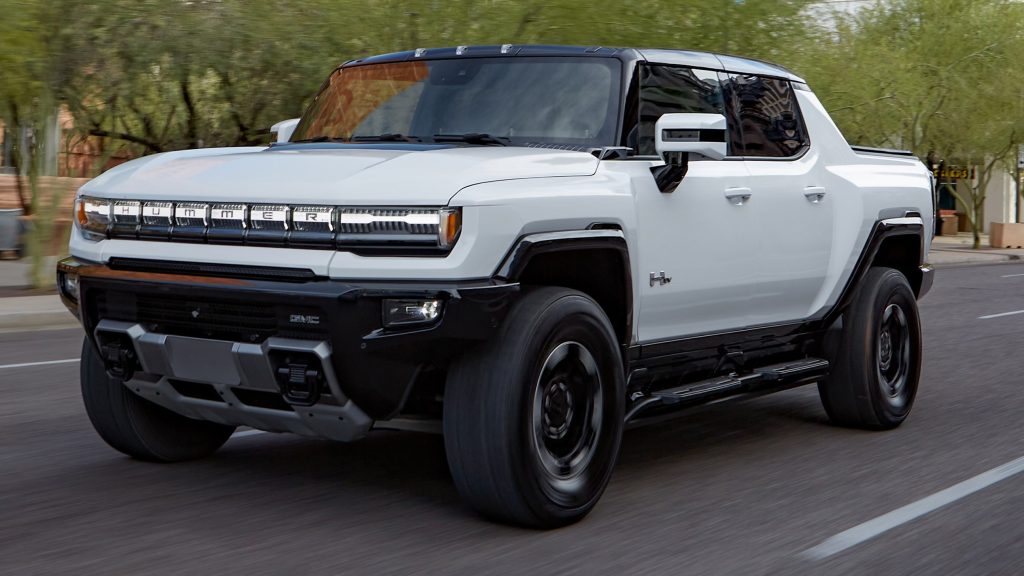
Downsides: the Hummer’s weight and efficiency characteristics mean reduced range and higher charging demands under load compared to lighter EVs.
But when matched against gas mid-size trucks for heavy towing or repeated trailer runs, the Hummer’s capacity and engineering choices make it substantially more useful for those specific tasks.
5. Chevrolet Silverado EV
Chevrolet’s Silverado EV translates the mainstream pickup formula into a battery electric package with credible towing chops.
Recent model information indicates the Silverado EV can be configured to tow in excess of 10,000 pounds in certain trims, putting it on par with many full-size gas trucks and well beyond mid-size pickups’ typical capacity.
That towing potential plus Chevrolet’s accessory and tow-package ecosystem, makes the Silverado EV a practical choice for buyers who want EV towing without giving up serious trailer capability.
Why it’s more useful: the Silverado EV includes towing-focused engineering such as dedicated tow modes, integrated trailer connectivity, and robust thermal systems. Its electrical architecture supports greater continuous power delivery, which matters for climbing long grades while towing.
The Silverado EV’s bed and chassis are designed to manage the heavier loads and stresses associated with high-capacity towing; that translates into better control and longer component life under repeat towing conditions.
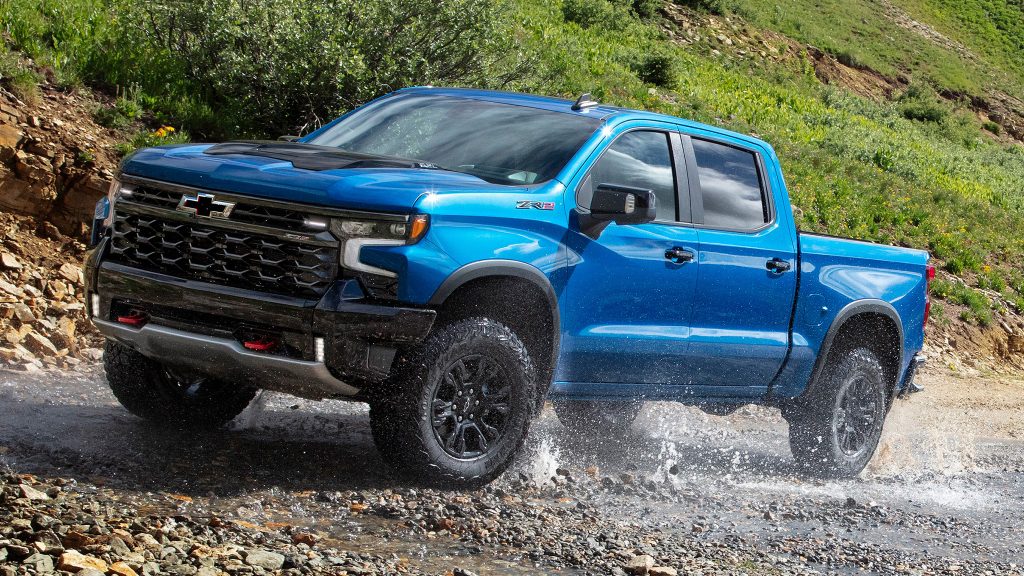
Chevrolet also benefits from a wide dealer and service network and a well-understood trailer accessories market factors that reduce friction when outfitting a truck for towing. In practical use, the Silverado EV often competes with full-size gas counterparts and so objectively outperforms mid-size trucks when hauling large boats, heavy campers, or commercial trailers.
Caveat: towing range and charging logistics still require planning. But the Silverado EV’s factory-rated tow numbers and engineering focus make it more useful than a typical gas mid-size truck for heavier towing duties and repeat heavy use.
5 Gas Mid-Size Trucks for Towing
Gas mid-size trucks remain a logical and economical choice for many buyers: lower purchase prices, lighter curb weights (which can improve fuel economy when unladen), simpler powertrains, and generally lower complexity.
They are optimized for day-to-day utility, easier maneuvering, and a balance of payload and towing appropriate for small trailers, boats, and moderate work tasks.
Yet, when the task requires repeated heavy towing, long grade climbs, or trailering above roughly 6,000–7,000 lb, most mid-size trucks reach practical limits in towing capacity, thermal management, and sustained power delivery which makes them less useful than the previously listed electric trucks.
This section covers five popular gas mid-size trucks that buyers commonly choose for towing: each is practical and capable for many owners, but each has natural boundaries and engineering tradeoffs that limit usefulness compared to high-capacity electric trucks.
We’ll explain what each does well (ease of ownership, lower up-front cost, lighter weight, typically better short-trip fuel efficiency) and where it’s likely to be outclassed by an electric truck engineered for towing (where the EV’s higher max tow rating, better torque delivery, or superior thermal systems provide clear advantages).
When comparing, remember the carrying context: a mid-size truck towing a small boat or light trailer is often a perfect match, inexpensive, nimble, and efficient.
The problems arise when owners push beyond those limits: repeated heavy towing that heats transmissions, long hill climbs where gas engines must hold high RPM for long periods, and scenarios where uncompromised trailer control and consistent power are essential.
The following five mid-size trucks are chosen because they are widely available, popular in the towing market, and commonly compared against larger or EV rivals which makes them useful benchmarks for understanding how and why electric trucks can be the better choice for heavier towing.
1. Toyota Tacoma
The Toyota Tacoma is a stalwart of reliability and off-road capability among mid-size pickups. For many owners, it’s the go-to truck for light to moderate towing tasks: small campers, light boats, and compact utility trailers.
The Tacoma’s newer hybrid i-Force powertrains have improved low-end torque and efficiency, and certain towing packages enable respectable tow ratings often in the 5,000–6,500 pound range depending on configuration.
However, the Tacoma’s maximum towing numbers remain below the high-capacity EV trucks listed earlier, which limits usefulness for larger trailers.
Why owners choose the Tacoma: it’s durable, easy to service, and has an extensive aftermarket for hitches, wiring, and trailering accessories.
The truck is also lighter and more maneuverable than full-size models, making it a good daily driver and an excellent off-road companion. For owners pulling weekend trailers or smaller toys, the Tacoma offers a compelling value proposition.
Where it falls short: the Tacoma’s payload and towing envelopes shrink quickly when you load the bed and cab, and repeated high-demand towing can stress transmissions and cooling systems designed primarily for mid-duty tasks.
Compared with an EV like the Rivian R1T or Cybertruck, which can be configured to tow well over 7,000–10,000 lb and feature engineered thermal systems for sustained heavy pulls, the Tacoma is simply not designed for that class of work.
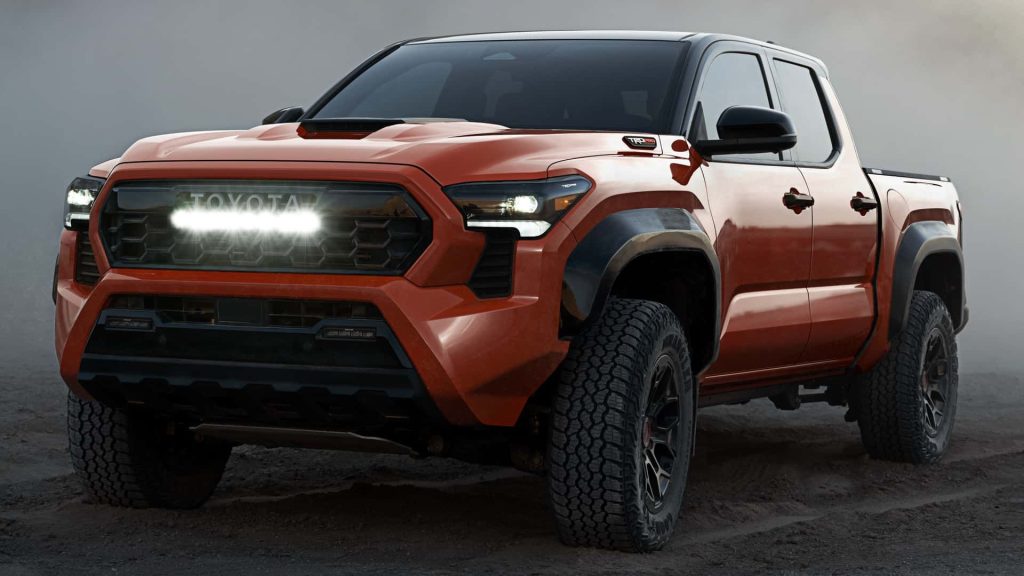
If your regular towing list includes heavy travel trailers or large boats, the Tacoma requires frequent compromise or an upgraded truck class.
In short, the Tacoma is great at what it’s designed for durability, moderate towing, and off-road capability but it isn’t in the same towing league as the purpose-built electric trucks highlighted earlier.
2. Chevrolet Colorado
The Chevrolet Colorado is one of the most capable gas mid-size pickups, especially when equipped with the TurboMax or the optional tow packages some configurations reach towing figures up to around 7,700 pounds, putting the Colorado near the top of mid-size capacity.
That’s impressive among gas midsizers, and for many owners it’s more than adequate. Still, Silverado EVs and other electric trucks can exceed those numbers and add features that better support heavy, repeated towing.
Why the Colorado matters: the truck balances tractable size with relatively high tow ratings, trailer-friendly software in modern trims, and a strong trailering toolset in Chevy’s ecosystem. It’s also more affordable than full-size trucks and easier to park and drive in tighter areas, which explains its popularity among suburban owners and small contractors.
Where the Colorado is limited: despite impressive top-end trailer numbers in some trims, its smaller frame, lighter battery (i.e., conventional fuel system), and transmission designs mean that repeated, very heavy towing will eventually run into heat-soak, transmission strain, or degraded performance on long grades.
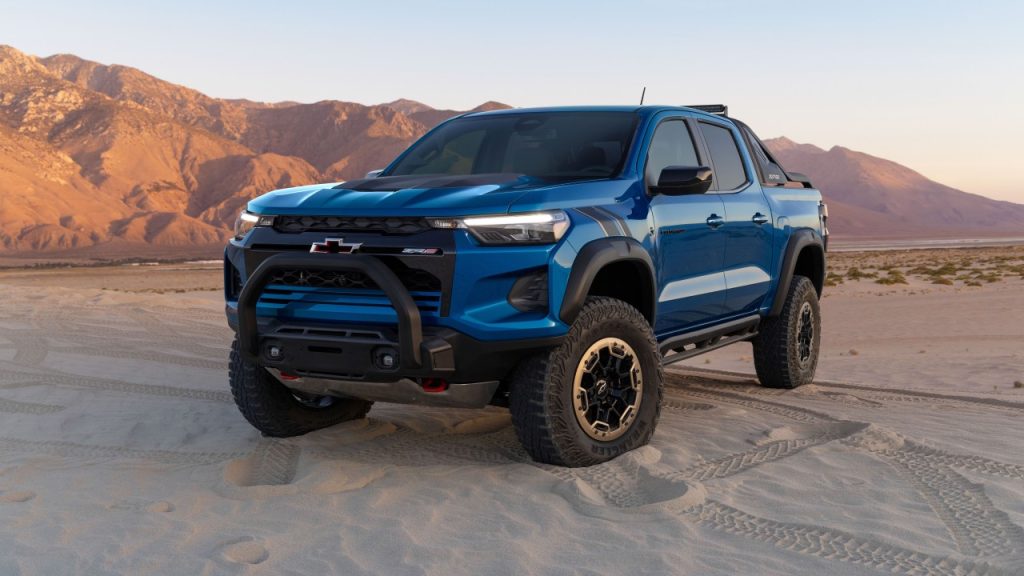
Electric trucks designed with large battery reserves, high continuous power, and robust cooling sustain repeated towing better than a mid-size gas unit in many real-world scenarios.
So while the Colorado is a capable and sensible mid-size choice especially for owners who tow occasionally or within the truck’s stated limits, it can be outclassed by EVs when the job involves heavier and repeated towing demands.
3. Ford Ranger
Ford’s Ranger is a modern mid-size pickup offering a balance of efficiency, technology, and respectable towing capacity (often around 7,500 lb when properly equipped).
It’s a solid workhorse for many buyers who need nimble size and credible tow capability without stepping up to a full-size chassis. The Ranger’s towing feature set (integrated trailer brake controllers, tow-haul modes) is mature and well implemented for its class.
Why buyers like it: the Ranger’s chassis and drivability are optimized for common towing tasks and moderate commercial use. It’s lighter and easier to manage in urban and off-road settings and often costs less than larger trucks while still offering a respectable tow envelope.
Where it lags: while the Ranger’s max tow figures look good on paper for a midsizer, the truck lacks the battery capacity and continuous power reserves of purpose-built electric trucks.
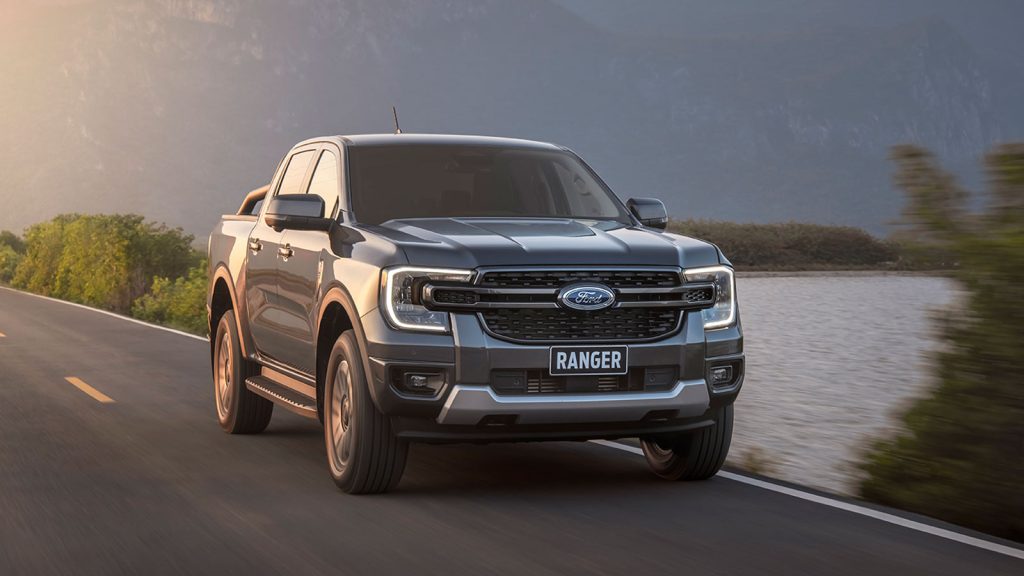
In sustained towing situations long grades, heavy enclosed trailers, or repeat hauls the Ranger’s engine and cooling systems may run hotter and require more recovery time than a well-designed EV with abundant battery capacity and thermal controls.
The Ranger is a practical, efficient midsize option, but not the better tool for heavy, repeated towing compared with the electric trucks described earlier.
4. Nissan Frontier
The Nissan Frontier is a traditional, no-nonsense mid-size truck with a focus on utility and value. With appropriate towing packages, it can handle common mid-size towing tasks: boats, small campers, and utility trailers.
It’s robust and straightforward, but its maximum towing capacity and engine architecture generally place it below the tow ratings of many modern electric trucks. That limits its specialty when the need is sustained heavy towing. (Specific tow numbers vary by year and package; consult official spec sheets for your model year.)
Why it’s chosen: buyers who want a simple, affordable truck with capable handling for everyday towing often select the Frontier. Its easier ownership, conservative engineering, and lower purchase prices are attractive.
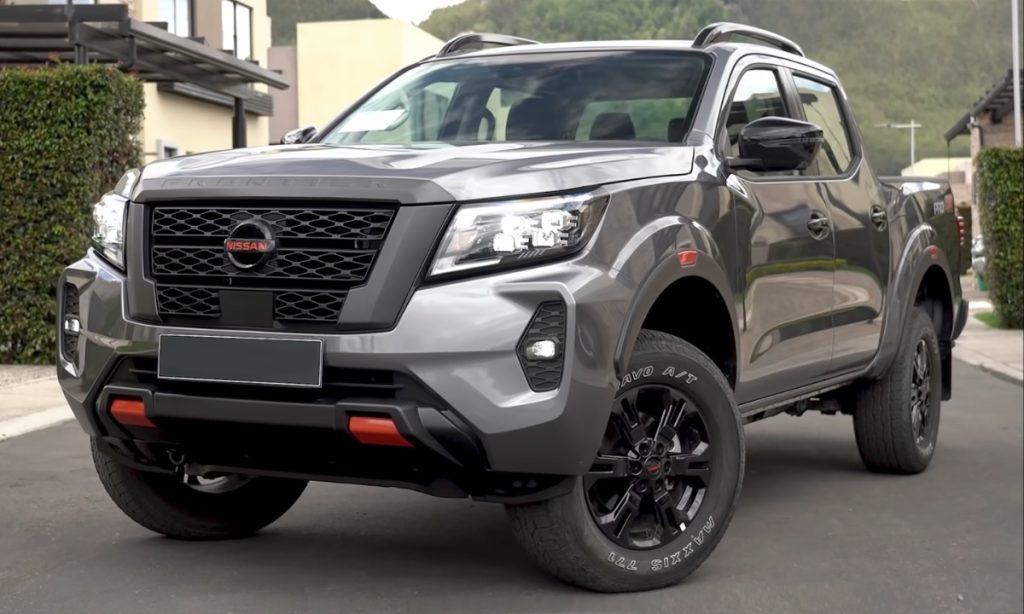
Shortcomings for heavy towing: the Frontier’s engine and transmission combos are optimized for general utility rather than repeated high-load towing. Extended heavy towing can push transmission temperatures and reduce long-term reliability if consistently overloaded.
In contrast, electric trucks’ high continuous torque, modular motor designs, and battery reserves frequently provide more sustained towing performance for heavier loads.
The Frontier is a practical midsize choice; just be realistic about its limits compared with the EVs here that were designed or adapted to haul much larger trailers.
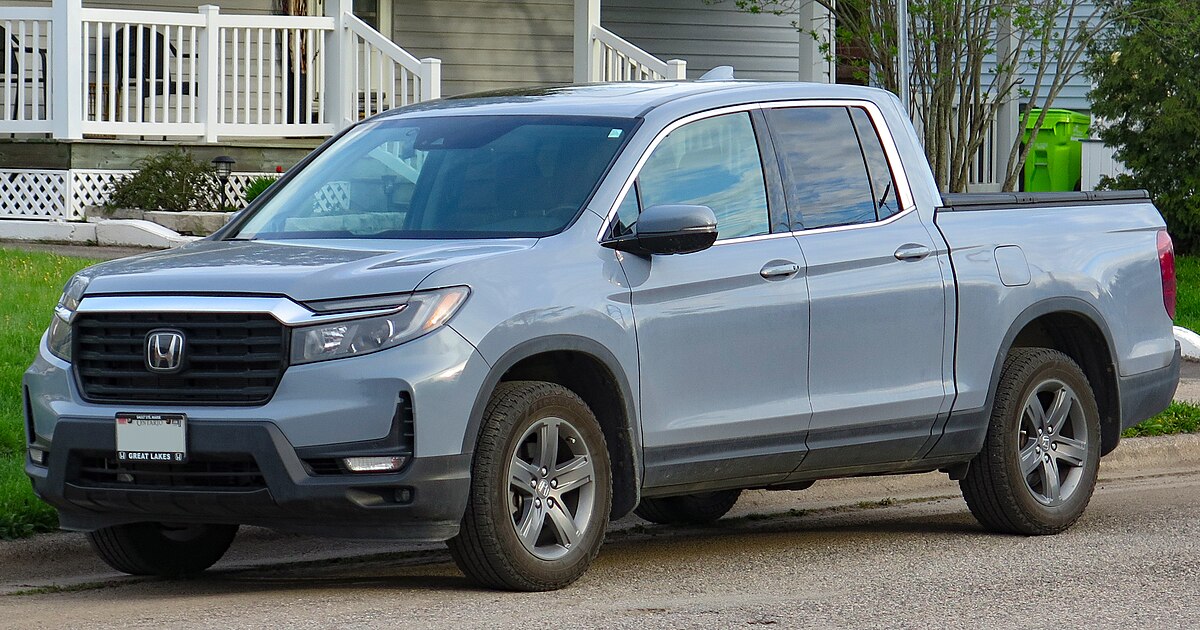
5. Honda Ridgeline
The Honda Ridgeline is atypical among mid-size trucks: it uses a unibody chassis and emphasizes comfort and car-like ride quality.
It’s an excellent towing partner for light to moderate tasks generally topping out around the mid-5,000-pound range depending on trim and it provides features like an in-bed trunk and clever cargo solutions.
For owners who tow small trailers or boats occasionally and want a more refined daily driver, the Ridgeline is a great match.
Why buyers pick the Ridgeline: smooth ride, predictable handling, and clever cargo features. Its drivetrain is durable, simple, and relatively cheap to maintain compared with more complex systems. For moderate towing, the Ridgeline delivers a comfortable and fuss-free ownership experience.
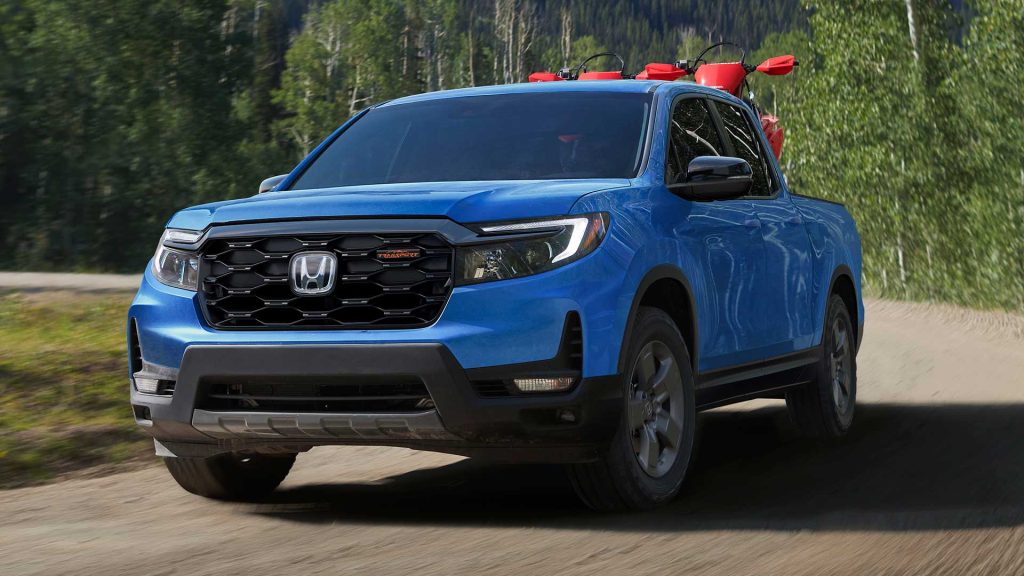
Where it’s outmatched: for heavier trailers, the Ridgeline’s unibody design and maximum towing capacity put a strict ceiling on what you can safely tow.
The truck isn’t built for repeated heavy hauling or high continuous loads; it’s optimized for comfort and occasional towing tasks. Compared to electric trucks with double-digit thousand-pound tow ratings and robust thermal and power management, the Ridgeline falls short for users who need regular heavy towing.
In sum, the Ridgeline is excellent for moderate, everyday towing but not a replacement for EVs built or configured for heavy, sustained towing work.
Also Read: 5 Models With Friendly Touchscreens VS 5 Tap-Miss Nightmares
