
Pickup trucks today fall into two very different philosophies, even when they look similar on the surface. On one side are worksite-ready trucks machines engineered for daily abuse, heavy payloads, jobsite durability, and long-term reliability under constant strain.
On the other side are weekend warrior pickups, designed to balance light-duty utility with comfort, style, and recreational appeal. While both categories carry the pickup label, their real-world performance diverges sharply once work becomes demanding rather than occasional.
Worksite-ready trucks are built to earn their keep every single day. They prioritize strong frames, proven powertrains, simple mechanical systems, and interiors that can withstand dirt, tools, and repeated entry and exit.
These trucks are expected to haul heavy loads, tow equipment, idle for long hours, and survive rough terrain without complaint. Their focus is productivity, not polish. Features are chosen for durability and function, not for impressing passengers.
Weekend warrior pickups, by contrast, are optimized for versatility and lifestyle use. They appeal to buyers who want a truck for home projects, outdoor hobbies, and recreational towing, but who also expect comfort, advanced technology, and refined interiors.
While capable, these trucks are rarely pushed to their limits daily. Their strengths lie in ride comfort, fuel efficiency, and everyday drivability rather than sustained heavy-duty use.
This article compares five worksite-ready trucks that consistently outperform five weekend warrior pickups when real labor is involved.
By separating marketing image from functional reality, the comparison highlights which trucks are truly built to handle jobsite punishment and which are better suited for lighter, occasional use.
Also Read: 5 Cars for Stockton Central Valley Heat vs 5 That Overheat
Worksite-Ready Trucks
Worksite-ready trucks exist for one purpose: to perform under pressure, day after day, without hesitation.
These are the trucks found on construction sites, industrial yards, agricultural operations, and remote work zones where reliability matters more than luxury. Their engineering reflects this reality.
Heavy-duty frames, proven engines, robust transmissions, and simplified electronics are prioritized to ensure longevity and easy maintenance.
A key characteristic of worksite-ready trucks is consistency. These vehicles are expected to carry heavy payloads repeatedly, tow substantial equipment, and operate in harsh conditions without frequent downtime.
Interiors are designed to be durable rather than decorative, often featuring vinyl flooring, hard-wearing seat materials, and controls that can be operated with gloves. This practicality reduces wear and tear and lowers long-term operating costs.
Another defining factor is mechanical confidence. Worksite trucks often rely on powertrains with long service histories rather than cutting-edge but unproven technology. This makes them easier to service in the field and more predictable under load. Suspension setups are tuned for stability with weight, not just comfort when empty.
While these trucks may lack some of the refinement found in lifestyle-oriented pickups, they compensate with toughness and dependability. For businesses and workers who cannot afford breakdowns or performance compromises, these trucks deliver real value.
The following five worksite-ready trucks exemplify this philosophy, each offering strengths that make them better suited for serious work than pickups designed primarily for weekend use.
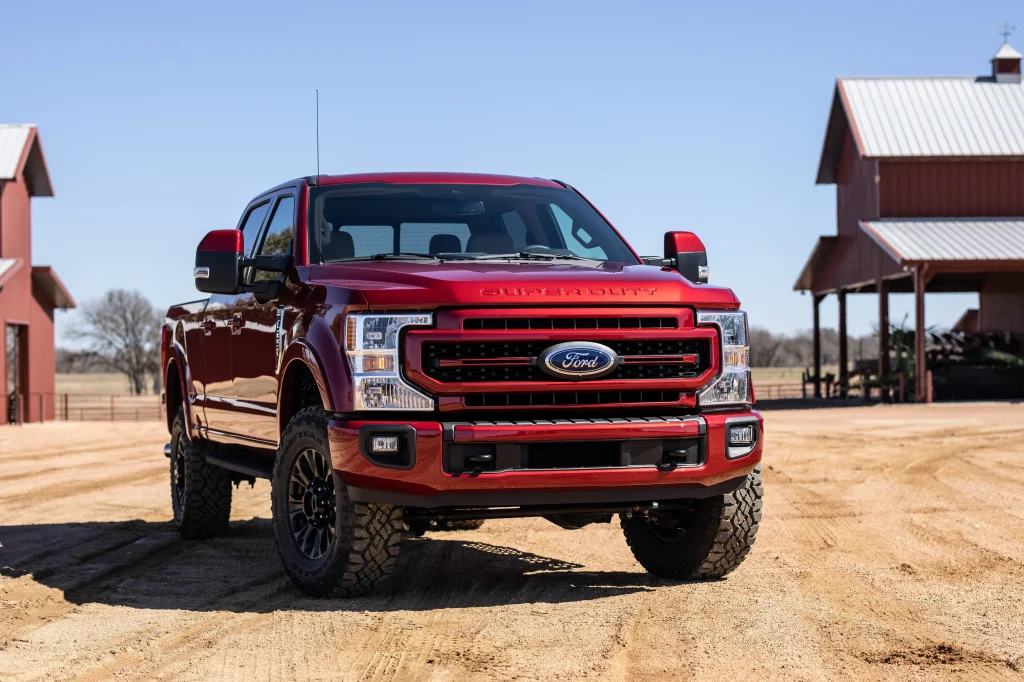
1. Ford Super Duty F-250
The Ford Super Duty F-250 is a benchmark for what a true worksite-ready truck should be. Designed with heavy-duty applications in mind, it offers a level of strength and durability that far exceeds what most weekend-oriented pickups are built to handle.
From its reinforced frame to its high-capacity suspension, every component is engineered to support continuous hard labor.
One of the F-250’s biggest advantages is its ability to handle heavy payloads without compromising stability. Construction materials, equipment, and toolboxes can be loaded day after day without pushing the truck beyond its intended limits.
Its towing capability allows it to pull trailers carrying machinery or materials that would strain lighter-duty pickups. This makes it a dependable choice for contractors and industrial operators who rely on consistent performance.
The interior reflects its work-first mindset. Controls are logically laid out, materials are chosen for durability, and optional vinyl flooring makes cleanup easy after muddy or dusty jobsite conditions. Unlike weekend pickups that prioritize infotainment and soft-touch surfaces, the F-250’s cabin is built to survive real use.
From a reliability standpoint, the Super Duty line has a strong track record in commercial fleets. Parts availability and service knowledge are widespread, minimizing downtime when maintenance is required.
Compared to weekend warrior pickups that may struggle under sustained heavy loads, the Ford F-250 remains composed, capable, and dependable qualities that define a true worksite-ready truck.
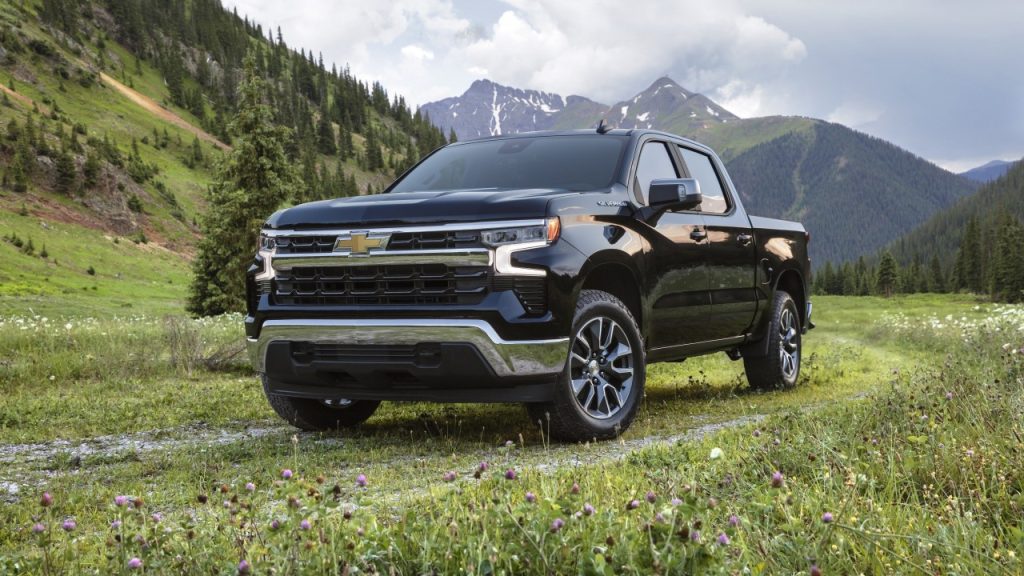
2. Chevrolet Silverado 2500HD
The Chevrolet Silverado 2500HD is another heavy-duty pickup that earns its reputation through sheer capability and resilience.
Built to handle demanding work environments, it delivers strength where it matters most: frame rigidity, drivetrain durability, and load-handling confidence. This makes it a natural choice for professionals who need a truck that can perform consistently without excessive wear.
One of the Silverado 2500HD’s standout qualities is its balanced approach to power and control. It is engineered to manage heavy payloads and substantial towing tasks without feeling unstable or overstressed.
Whether hauling materials across a jobsite or towing equipment between locations, the truck maintains predictable handling and braking performance.
Inside, the Silverado 2500HD favors function over flair. The cabin is spacious enough to accommodate work crews, yet the materials are selected for longevity rather than luxury.
Buttons and controls are designed for ease of use in work gloves, and storage spaces are practical rather than decorative. This contrasts sharply with weekend pickups that emphasize comfort features over durability.
The Silverado’s widespread presence in commercial fleets speaks to its reliability and serviceability. Mechanics are familiar with its systems, and replacement parts are readily available.
For businesses that depend on uptime, this reliability is invaluable. Compared to lighter-duty weekend pickups, the Silverado 2500HD is clearly engineered for sustained, real-world work rather than occasional use.
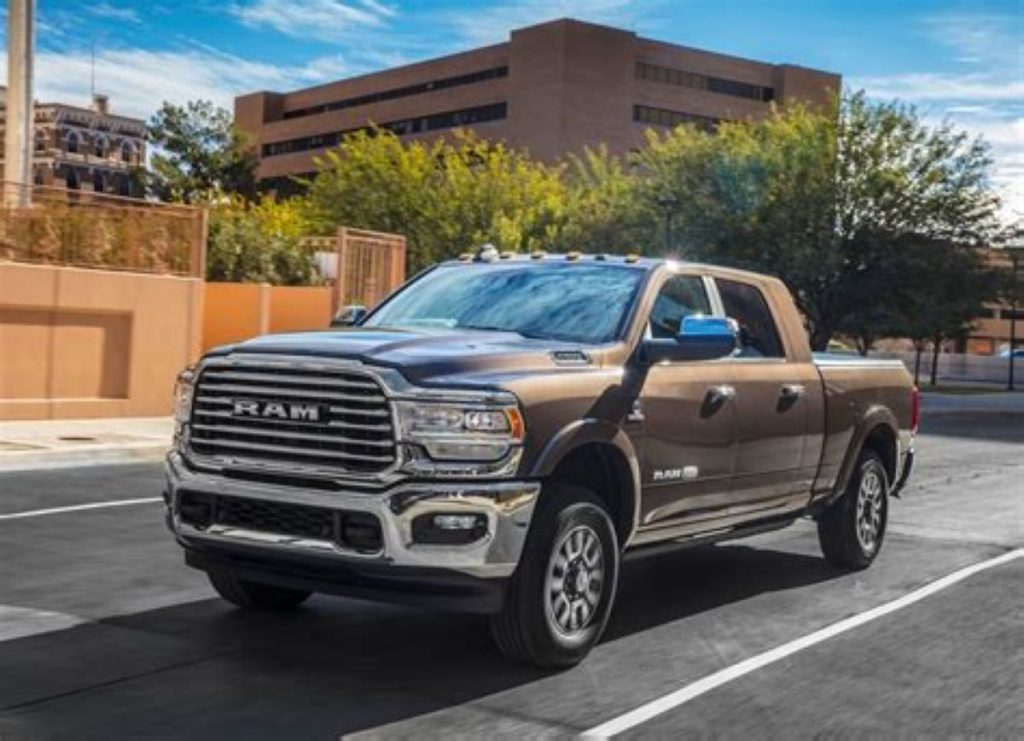
3. Ram 2500 Heavy Duty
The Ram 2500 Heavy Duty is engineered for demanding environments where a truck is expected to function as a core piece of equipment rather than a convenience vehicle.
Its construction emphasizes strength, stability, and long-term durability, making it a dependable choice for worksites that involve heavy hauling, frequent towing, and rough terrain.
Unlike weekend-oriented pickups, the Ram 2500 is designed to operate at or near its maximum capacity on a regular basis without accelerated wear.
A key advantage of the Ram 2500 is its suspension setup, which is tuned to remain stable under load. When carrying heavy materials or towing machinery, the truck maintains composure and predictable handling, reducing driver fatigue and improving safety.
This stability is critical on uneven jobsite surfaces where lighter pickups can feel unsettled or strained.
Inside the cabin, the Ram 2500 prioritizes functionality. The layout favors durability, with materials chosen to withstand repeated use by workers entering with muddy boots or dusty clothing.
Storage spaces are designed for tools, paperwork, and safety equipment rather than decorative trim. Controls are intuitive and accessible, allowing operators to focus on the task at hand.
The Ram 2500’s reputation in commercial and agricultural sectors reflects its ability to endure long service cycles. Compared to weekend warrior pickups that are optimized for comfort and light-duty versatility, the Ram 2500 delivers consistent performance under real working conditions, making it a true worksite-ready machine.
4. GMC Sierra 3500HD
The GMC Sierra 3500HD represents the upper end of worksite-ready capability, offering extreme strength for applications that demand maximum payload and towing performance. This truck is built for operators who routinely move heavy equipment, large trailers, or industrial loads that exceed the limits of lighter-duty pickups.
Its reinforced chassis and heavy-duty suspension allow it to operate confidently in environments where failure is not an option.
One of the Sierra 3500HD’s defining strengths is its load management. Even when fully loaded, the truck remains stable and controlled, a critical factor on busy worksites or uneven terrain. Braking systems are designed to handle significant weight, reducing stopping distances and improving overall safety.
The interior continues GMC’s focus on professional usability. While comfort is not ignored, the emphasis is clearly on durability and control.
Surfaces are easy to clean, controls are glove-friendly, and visibility is optimized for maneuvering in tight or crowded jobsite conditions. This contrasts with weekend pickups that often sacrifice durability for refinement.
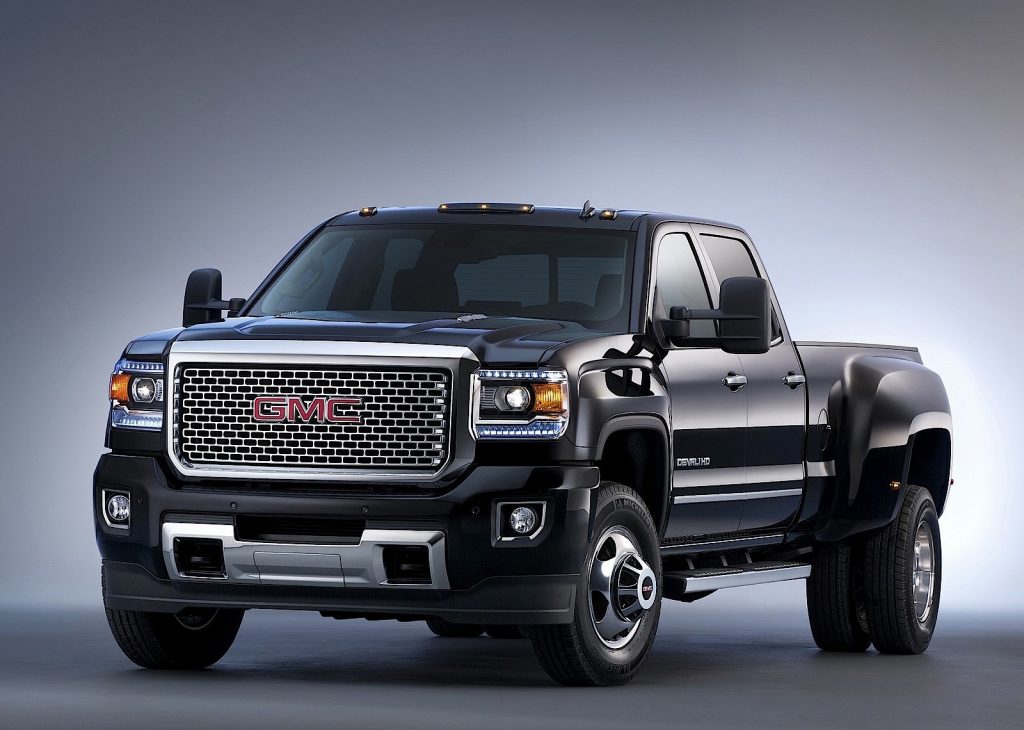
In fleet environments, the Sierra 3500HD is valued for its predictable performance and strong resale value.
Businesses invest in these trucks because they can handle years of demanding use with proper maintenance. Compared to lifestyle-oriented pickups, the Sierra 3500HD delivers capability that is not theoretical it is consistently proven on real worksites.
5. Isuzu D-Max
The Isuzu D-Max is a globally respected work truck known for its toughness, simplicity, and reliability in harsh environments.
Widely used in construction, agriculture, and industrial operations across multiple markets, the D-Max is designed to perform where conditions are unpredictable and maintenance resources may be limited. Its worksite-ready nature comes from engineering focused on endurance rather than comfort.
One of the D-Max’s key strengths is its mechanical simplicity. Proven engines and robust drivetrains reduce the risk of unexpected failures, making the truck dependable for long working hours.
Its suspension and chassis are tuned to handle repeated loads and uneven terrain without compromising structural integrity.
The interior reflects its utilitarian role. Materials are selected for durability and ease of cleaning, and the layout is straightforward and functional.
This simplicity allows workers to operate the truck efficiently without distraction. Unlike weekend warrior pickups that prioritize touchscreen interfaces and premium finishes, the D-Max keeps the focus on function.
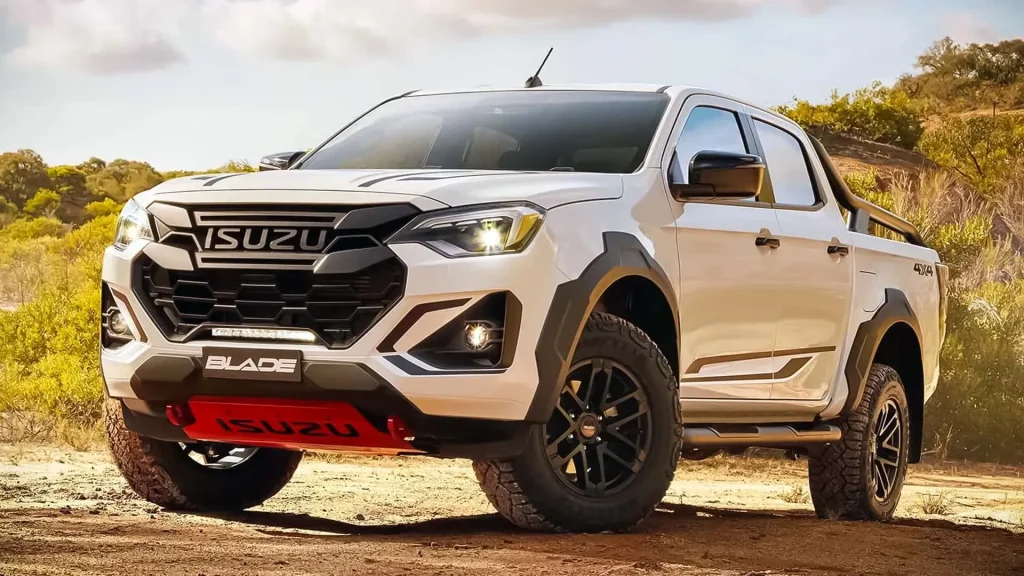
For businesses operating in demanding environments, the Isuzu D-Max offers a practical, no-nonsense solution. It may lack luxury features, but it delivers consistent performance under pressure. Compared to lifestyle-oriented pickups, the D-Max is built to work first and that focus makes it outperform trucks designed primarily for recreational use.
Weekend Warrior Pickups
Weekend warrior pickups are designed for a very different purpose than worksite-ready trucks.
While they retain the visual toughness and basic utility of a pickup, their engineering priorities lean toward comfort, versatility, and lifestyle appeal rather than continuous heavy-duty labor.
These trucks are typically used for home improvement projects, recreational towing, camping trips, and occasional hauling rather than daily exposure to jobsite abuse.
Manufacturers build weekend warrior pickups to be approachable and enjoyable for everyday driving. Softer suspensions improve ride comfort when the truck is unloaded, interiors emphasize technology and premium materials, and fuel efficiency often takes precedence over maximum payload capacity.
For many buyers, these trucks serve as multipurpose vehicles commuter during the week, adventure companion on weekends, and utility hauler when needed.
However, these same characteristics can become limitations when weekend-oriented pickups are pushed into true worksite conditions.
Lighter-duty frames, softer suspension tuning, and more complex electronic systems are not always ideal for repeated heavy loads, constant towing, or harsh environments.
Interiors designed for comfort can wear quickly when exposed to dirt, tools, and work boots, and drivetrains optimized for efficiency may feel strained under sustained stress.
That does not make weekend warrior pickups bad trucks it simply defines their role more clearly. They excel when tasks are occasional and varied rather than relentless and specialized.
The following pickups are popular and capable within their intended use, but when directly compared to worksite-ready trucks, their limitations become apparent in demanding professional settings.
1. Toyota Tacoma
The Toyota Tacoma is one of the most popular midsize pickups among weekend-focused buyers, and its reputation for reliability makes it especially appealing to those who want a truck they can keep for years.
It strikes a balance between daily drivability and light-duty utility, making it ideal for outdoor adventures, home projects, and recreational towing. For many owners, the Tacoma is less about worksite productivity and more about dependable versatility.
One of the Tacoma’s strongest qualities is its off-road capability. Its suspension tuning and available four-wheel-drive systems allow it to navigate trails, campsites, and uneven terrain with ease.
This makes it a favorite among campers, hikers, and hobbyists who value access over payload capacity. The truck’s bed is sufficient for carrying bikes, camping gear, and construction materials for occasional projects.
However, the Tacoma’s weekend-oriented design becomes evident under sustained work conditions. Payload capacity is modest compared to heavy-duty worksite trucks, and repeated heavy loads can quickly approach its limits.
The suspension, while comfortable off-road, is not optimized for carrying weight day after day. As a result, stability and ride quality can suffer when the truck is consistently loaded.
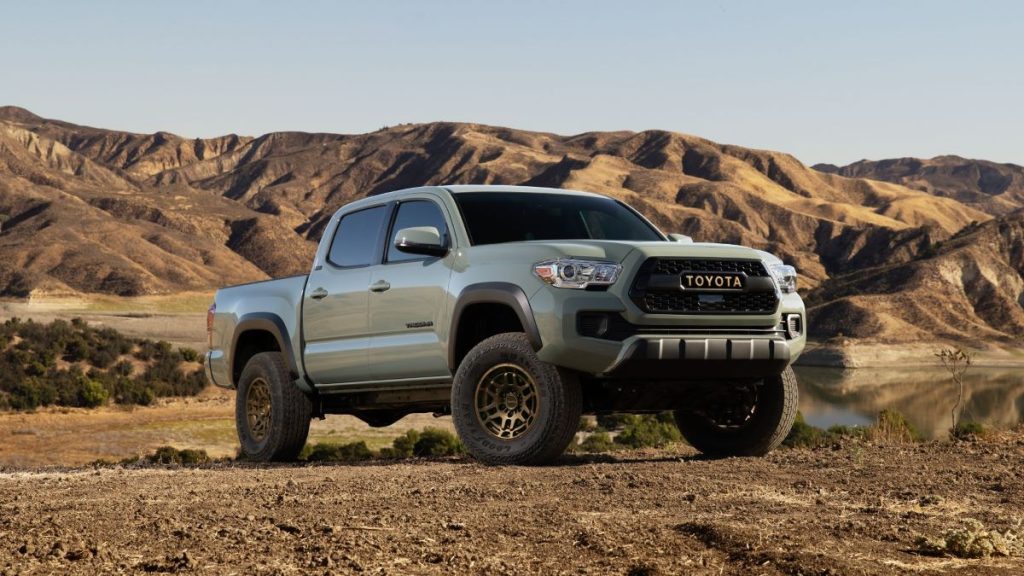
Interior durability is another factor. The Tacoma’s cabin emphasizes comfort and modern features, which are excellent for daily driving but less ideal for harsh jobsite use. Dirt, tools, and constant entry and exit can accelerate wear.
Compared to worksite-ready trucks built with durability-first interiors, the Tacoma is better suited for owners who use their truck as a lifestyle vehicle rather than a primary work tool.
2. Ford Ranger
The Ford Ranger represents a modern take on the midsize pickup, offering improved ride comfort, technology, and efficiency over traditional work-focused designs.
It is aimed squarely at buyers who want a capable truck without committing to the size or fuel consumption of a heavy-duty model. As a weekend warrior pickup, the Ranger excels in versatility and everyday usability.
The Ranger’s turbocharged engine provides responsive performance for light towing and hauling, making it suitable for trailers, boats, or recreational equipment.
Its compact dimensions make it easy to maneuver in urban environments, and its cabin is refined enough to function comfortably as a daily driver. These attributes make the Ranger attractive to buyers who split their time between commuting and weekend activities.
Where the Ranger falls short compared to worksite-ready trucks is in sustained heavy use. Its frame and suspension are not designed for constant high payloads, and repeated towing near its limits can accelerate wear. While it can handle work tasks occasionally, it lacks the long-term robustness required for daily jobsite duty.
The interior further highlights its lifestyle orientation. Advanced infotainment systems, soft-touch materials, and driver-assistance features improve comfort but add complexity.

In demanding environments, these features offer little practical value and can increase repair costs over time. Worksite-ready trucks, by contrast, often favor simpler systems that are easier to maintain and repair.
Ultimately, the Ford Ranger is best viewed as a versatile personal truck with strong recreational capability. It performs well for occasional work but is not engineered to replace a heavy-duty truck in professional, high-demand environments.
3. Chevrolet Colorado
The Chevrolet Colorado is a midsize pickup that fits squarely into the weekend warrior category by blending capability with everyday comfort.
It is designed for buyers who want the look and occasional utility of a truck without the size, cost, or fuel consumption of a heavy-duty worksite model. For recreational towing, light hauling, and home improvement projects, the Colorado performs well and remains easy to live with.
One of the Colorado’s biggest strengths is its balanced driving experience. Its suspension is tuned to provide a smooth, car-like ride when unloaded, which makes it comfortable for commuting and long highway trips.
This refinement is a major reason many buyers choose it over heavier trucks. The bed is practical for carrying bikes, camping gear, mulch, or building supplies for occasional projects, and towing capacity is sufficient for small trailers or boats.
However, the Colorado’s weekend-focused design becomes apparent under sustained jobsite conditions. Payload capacity is limited compared to worksite-ready trucks, and repeated heavy loads can push the truck beyond what it was designed to handle comfortably.
The softer suspension that improves ride quality when empty can feel unsettled when consistently loaded, reducing stability and increasing wear over time.
Interior design further reinforces its lifestyle orientation. The Colorado features modern infotainment, driver-assistance technology, and comfort-focused materials.
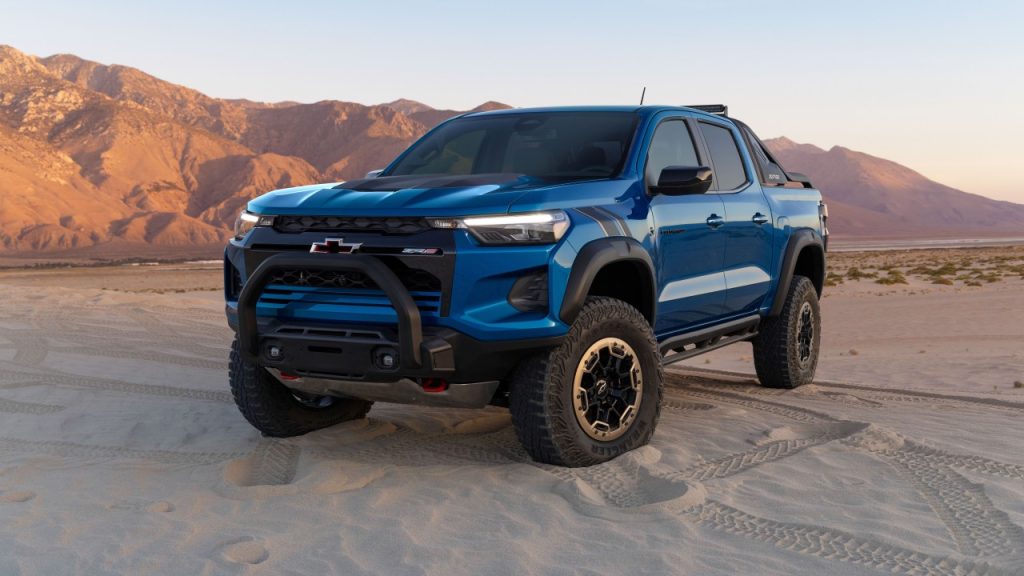
These are excellent for personal use but less ideal for environments involving dirt, tools, and constant ingress and egress. Worksite-ready trucks intentionally sacrifice this refinement in favor of durability.
In short, the Chevrolet Colorado is well-suited for buyers who need a truck occasionally, not continuously. It excels as a recreational and light-duty pickup but lacks the structural toughness and long-term resilience required for true worksite abuse.
4. Nissan Frontier
The Nissan Frontier occupies a unique position among weekend warrior pickups by emphasizing simplicity and traditional truck toughness while still remaining lifestyle-oriented.
It appeals to buyers who want a straightforward midsize pickup that can handle occasional work, outdoor activities, and daily driving without unnecessary complexity. This balance makes it popular among homeowners, hobbyists, and light-duty users.
The Frontier’s body-on-frame construction gives it a more rugged feel than some of its competitors, and its bed is capable of handling tools, landscaping materials, and recreational equipment with ease.
For occasional hauling and towing, the truck performs confidently. Its relatively compact size also makes it easy to maneuver in parking lots, driveways, and urban areas, which adds to its appeal as a daily driver.
Despite this toughness, the Frontier is still not a true worksite-ready truck. Its payload and towing capacities, while respectable, are not intended for repeated heavy-duty use.
Consistently loading the bed with dense materials or towing equipment day after day can accelerate wear on the suspension and drivetrain. This limitation separates it clearly from trucks designed for full-time jobsite work.
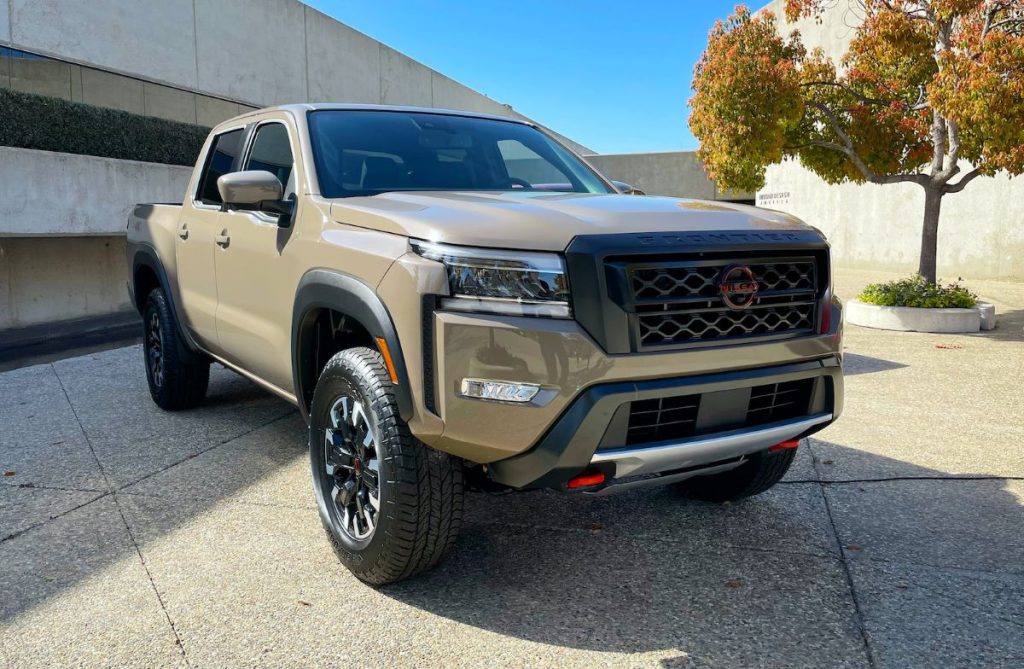
Inside, the Frontier strikes a balance between comfort and durability. While it avoids excessive luxury, the cabin still prioritizes ride comfort and user-friendly technology over purely utilitarian design. Surfaces and controls are not optimized for harsh environments, and frequent exposure to dirt and heavy use can take a toll over time.
The Nissan Frontier is best viewed as a reliable, no-frills weekend truck that can handle occasional work demands. However, when placed next to worksite-ready trucks built for constant abuse, its limitations in load endurance and interior durability become clear.
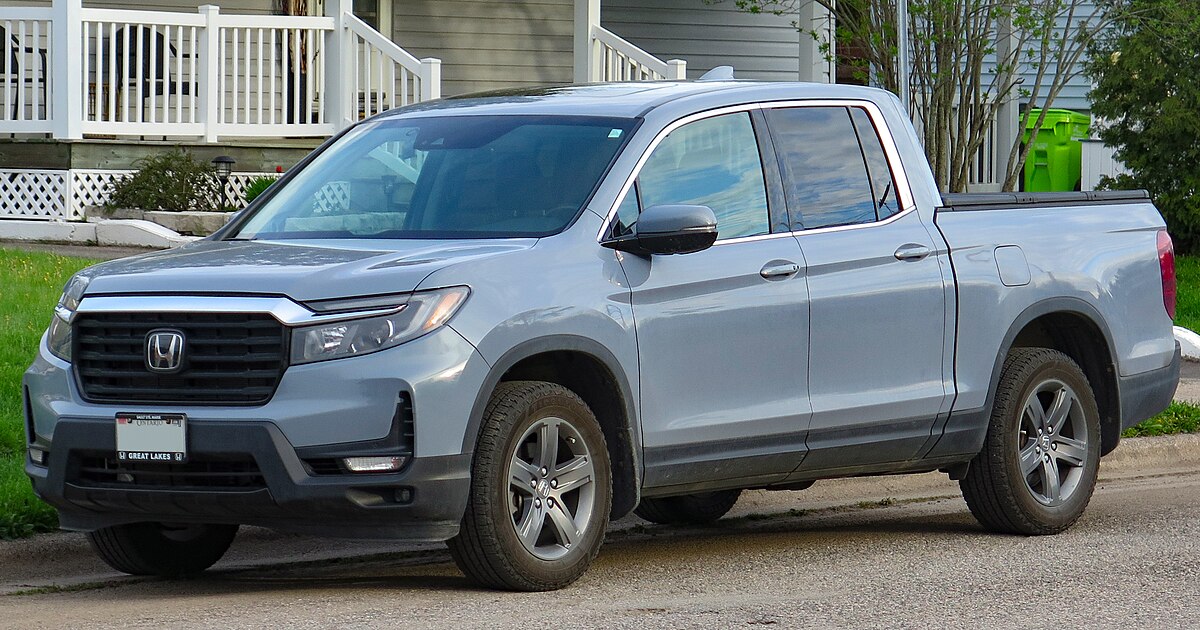
5. Honda Ridgeline
The Honda Ridgeline is perhaps the most lifestyle-oriented pickup in the weekend warrior category. Built on a unibody platform rather than a traditional body-on-frame design, it prioritizes ride comfort, efficiency, and everyday usability over raw worksite toughness.
This makes it an appealing option for buyers who want the convenience of a truck without sacrificing comfort.
One of the Ridgeline’s standout features is its low bed height, which makes loading and unloading easier than in most pickups.
The lockable in-bed trunk adds secure, weatherproof storage that is useful for tools, gear, or groceries. These thoughtful design elements enhance practicality for casual use and differentiate the Ridgeline from more traditional pickups.
On the road, the Ridgeline delivers a smooth, stable ride that feels closer to a crossover than a truck. This refinement makes it ideal for commuting, road trips, and family use. For weekend projects like hauling lumber, camping equipment, or small trailers, it performs reliably and efficiently.
However, the Ridgeline’s unibody construction limits its suitability for heavy-duty work. Payload and towing capacities are modest, and the structure is not designed for repeated exposure to extreme loads or harsh job-site conditions.
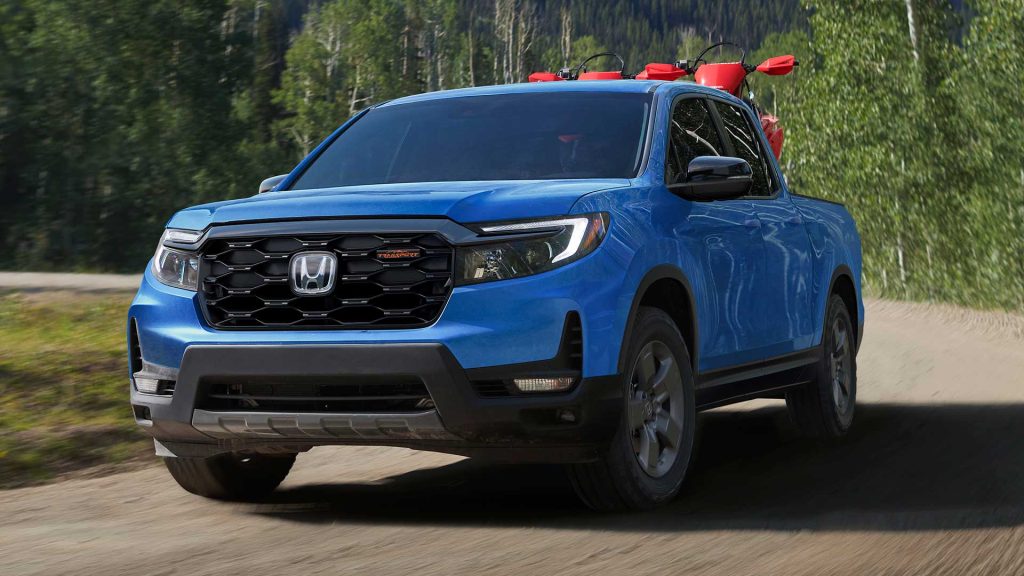
Unlike worksite-ready trucks with reinforced frames and heavy-duty suspensions, the Ridgeline prioritizes comfort over endurance.
Interior materials and technology further reinforce its lifestyle focus. While pleasant and well-finished, they are not designed for constant exposure to tools, dirt, and work boots.
For buyers who want a multipurpose personal vehicle with light utility, the Ridgeline excels. For demanding professional work, it simply is not built to compete with true worksite-ready trucks.
Pickup trucks may share a similar appearance, but their real-world performance varies dramatically depending on whether they are engineered for full-time labor or occasional use.
This article compares five worksite-ready trucks with five weekend warrior pickups to highlight how design priorities shape durability, productivity, and long-term value.
Worksite-ready trucks are built to function as tools, not accessories. Models such as heavy-duty commercial pickups emphasize reinforced frames, robust suspensions, and proven drivetrains capable of handling heavy payloads and continuous towing.
Their interiors are designed for durability, favoring hard-wearing materials and simple controls that withstand dirt, tools, and repeated use.
These trucks thrive in harsh environments like construction sites, industrial yards, and agricultural operations where reliability and uptime are critical. Their ability to perform under constant strain makes them indispensable for professionals who depend on their vehicles every day.
Weekend warrior pickups, by contrast, are designed to balance utility with comfort and lifestyle appeal. Midsize and light-duty models offer smooth ride quality, modern technology, and refined interiors that suit daily commuting and recreational use.
They perform well for home improvement projects, camping trips, and occasional towing. However, when pushed into continuous heavy-duty work, their limitations become evident. Softer suspensions, lighter frames, and comfort-focused interiors are not optimized for repeated heavy loads or jobsite abuse.
The comparison shows that while weekend pickups are versatile and appealing for mixed-use owners, they are not substitutes for true worksite machines.
Buyers who prioritize real productivity, durability, and long-term cost efficiency benefit most from choosing trucks built explicitly for demanding work.
Meanwhile, those who value comfort, efficiency, and occasional utility will find weekend warrior pickups better aligned with their needs. Understanding this distinction helps ensure the right truck is chosen for the right job.
Also Read: 5 Cars for Santa Clara Suburban EV Life vs 5 That Are Costly to Own
