When you run an airport shuttle service even a small on-demand operation around Irving and DFW your vehicle choice is the backbone of the whole business.
People expect a smooth ride, clean luggage handling, and zero drama when they’re running to catch a flight or hauling a family and their bags.
That sounds basic, but in practice it’s where a surprising number of services fail: wrong vehicle type, poor fuel economy, cramped luggage areas, expensive maintenance, or a model that simply melts down under constant short-trip duty cycles.
This article lays out ten real-world picks: five that are solid, reliable choices for Irving airport shuttle duty, and five you should avoid if you want to keep customers happy and schedules intact.
I’m not selling anything here. Think of this as a no-nonsense field guide from someone who’s seen vans leave people at the curb and others that soldier on mile after mile.
For shuttle operators, the right vehicle is about more than sticker price it’s about uptime, load flexibility, maintenance costs, driver comfort, and resale value.
For passengers, it’s about arriving calm, dry, and on time. Throughout the article I’ll cover where each vehicle shines, what to watch out for, the luggage and passenger realities, and the typical maintenance headaches operators actually face.
If you manage shuttles in Irving, you’ll want to read the “good” list and compare it to your fleet. And if you’re shopping for replacements, this will speed up decision-making.
The “bad” list? Think of those as cautionary tales cars that look tempting on paper but reveal weak points when used as daily shuttle workhorses. Ready? Let’s jump into the vehicles that’ll save you headaches and the ones that will hand them to you.
What Makes a Great Irving Airport Shuttle (and What Breaks One)
Running reliable airport shuttles around Irving means repeated short trips, frequent idling, heavy luggage loads, stop-and-go traffic, and drivers who need comfort too.
The best shuttle vehicles combine roomy cargo space with comfortable passenger seating, easy entry/exit, strong low-end torque (for quick starts with heavy loads), good visibility for drivers, straightforward maintenance, and a reputation for uptime.
Both work, but consider fuel cost vs. service complexity. Electrified options are tempting for low emissions, but charging infrastructure and duty cycles matter, you don’t want a dead battery between runs.
On the flip side, vehicles that “break on duty” often share traits: underpowered engines for heavy loads, cramped cargo areas, complicated electronics that fail under constant use, expensive or hard-to-source parts, and poor cooling systems that suffer in stop-and-go heat.
Also watch out for models with early transmission problems or designs not intended for constant short-trip cycles. Below I’ll run through five solid picks that perform well in shuttle duty and five models that tend to cause more downtime than smiles.
For each, I’ll flag the practical realities luggage fit, seating comfort, maintenance quirks, and what operators actually notice after months on the road.
ALSO READ: 10 Dirt-Cheap BMWs That Deliver Shockingly Fast Performance
Toyota Sienna
If you want reliability and a sensible footprint for airport routes, the Toyota Sienna is a classic for a reason. It’s roomy enough for passengers and carry-ons, has sliding doors that make curbside loading easy, and Toyota’s reputation for long-term durability translates well into shuttle work.
The Sienna’s cabin layout favors family comfort, supportive seats, sensible storage nooks, and easy climate control. For shuttle operators that do group pick-ups without huge cargo trailers, a properly configured Sienna handles a surprising amount of luggage when you fold or configure the rear seats.

Where the Sienna shines for Irving shuttles is consistency. It handles repeated short hops without the transmission or cooling system drama many other vehicles show under the same cycles.
Fuel mileage for constant starts and stops isn’t brilliant compared to hybrids, but the practical upside is lower unscheduled maintenance and predictable service intervals. Parts are widely available and many independent shops know their way around these vans, lowering labor costs when routine wear items need attention.
Watch points: older models have fewer tech conveniences, so if you want advanced telematics or passenger Wi-Fi you may need aftermarket solutions.
Also, high-mileage Siennas still retain value, so plan your resale timing carefully they tend to age gracefully if maintained. For small-to-medium shuttle runs around an airport, a Sienna gives you a comfortable, simple, and durable platform that keeps drivers and customers happy.
Honda Odyssey
The Honda Odyssey is another minivan that performs exceptionally well for shuttle work. It delivers a smooth ride, comfortable seating for multiple adults, and flexible cargo layouts that let you balance passenger and luggage needs without bringing a trailer.
Odyssey interiors are thoughtful sliding doors, low step-in height, and seats designed to handle lots of in-and-out traffic. For shuttle drivers who spend long shifts navigating highway stretches and city streets, driver ergonomics matter, and Odyssey tends to get this right.

In day-to-day operation, the Odyssey’s engine and transmission behavior are predictable under short-trip cycles. It’s built for family use, which translates into durability under shuttle duty.
Routine maintenance is straightforward, and parts availability is strong. That means less downtime when brake pads, tires, or suspension bushings need replacing common items when you’re stopping and starting all day.
Caveats: the Odyssey’s cargo capacity is slightly less brute-force than a full-size van, so for big groups with oversized suitcases you’ll need to manage seating vs. cargo carefully. Also, some operators find the ride a touch firm when fully loaded; tune tire pressures and suspension maintenance to keep the ride comfortable.
Still, as a shuttle vehicle for Irving’s mix of travelers business folks with carry-ons, families with some luggage, the Odyssey is a dependable, low-surprise performer.
Ford Transit
When your shuttle needs are larger group transfers, more luggage, or wheelchair conversions, the Ford Transit is a go-to commercial van. It’s available in multiple roof heights and wheelbase lengths, so you can choose a compact Transit for tighter neighborhood roads or a long-wheelbase van for maximum storage.
For shuttle work, the Transit’s cargo-friendly box and configurable interior let you install benches, wheelchair securement points, or luggage racks, making it a versatile base for diverse Irving runs.

Under heavy-duty shuttle cycles, the Transit’s robust cooling, strong low-end torque, and commercial-grade components are advantages.
Fleet shops know how to service Transits; parts and aftermarket conversion options (seating, ramps, securement systems) are plentiful. For passenger comfort, modern Transits can be fitted with plush seating and climate controls that keep groups comfortable even in Texas summers.
Downsides: bigger Transits consume more fuel, and large vans require experienced drivers for tight curbside spots. Also, poorly spec’d conversions (cheap benches or weak seat anchoring) can create safety or comfort problems, so use reputable upfitters. When spec’d and maintained properly, the Transit keeps shuttles moving reliably, even under heavy daily cycles that would strain smaller passenger cars.
Mercedes-Benz Sprinter
If you want a premium image and heavy-duty reliability, the Mercedes-Benz Sprinter is a top-tier shuttle platform. Sprinters offer massive interior volume, high roof options for standing room, and a chassis built for commercial workloads.
For corporate shuttles or hotel services around Irving that demand a comfortable, upscale feel while hauling bigger groups, a Sprinter hits the mark. The ride quality, modular seating, and high roof give passengers more space to move and store bags without the cramped feeling of smaller vans.

Mechanically, Sprinters are engineered for high-mileage commercial duty. Diesel engines have excellent torque for loaded starts, and the frames are designed to take conversion loads.
That said, servicing a Sprinter is more exacting dealers and specialized shops handle the more complex maintenance well, but labor and part costs can be higher than mainstream vans. For operations that factor in higher initial cost for lower downtime and better passenger impressions, Sprinters pay off.
Key considerations: monitor service intervals strictly and work with experienced commercial shops. If you’re converting a Sprinter, do it with certified upfitters. For shuttle services that want both capacity and a professional look, Sprinters are a resilient if costlier choice.
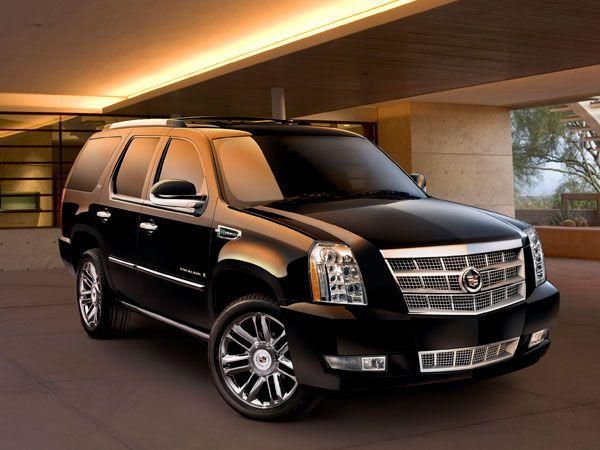
Chevrolet Suburban
For shuttle runs that demand passenger comfort plus extra cargo think corporate pickups or out-of-town groups with multiple bags the Chevrolet Suburban is a solid option.
It’s a full-size SUV with three rows of seating and a deep cargo bay behind the third row. Compared to vans, Suburbans offer a more car-like driving feel, faster acceleration when loaded, and often a perceived premium by passengers.

Suburbans handle short-trip cycles robustly when maintained. Their V8 engines and stout chassis manage frequent stops and heavy luggage without the same low-speed transmission drama small cars sometimes show.
For drivers, the Suburban provides commanding visibility and good ride isolation helpful when people want quiet time on the drive to the airport.
Watch the operating costs: fuel consumption is higher, and tire/ brake wear ramps up with repeated successions of stops. Also, maximum luggage capacity is lower than similarly long vans that sacrifice seating for cargo.
But if your routes favor mixed groups some passengers plus a moderate number of bags the Suburban is a comfortable, reliable shuttle choice that customers respect.
Vehicles That Tend to Break on Duty
Now for the “don’t do it” list. These are models that look attractive but, in shuttle use, often show weak points.
Common themes: underpowered engines stressed by repeated loading, electronics that malfunction under constant use, cramped or awkward cargo layouts, poor cooling in stop-and-go traffic, and parts or service costs that outstrip the initial savings. Below are five vehicles operators routinely regret choosing for airport shuttle duty.
ALSO READ: Top 10 RWD Sports Cars You’ll Actually Want to Daily Drive
Compact Hatchbacks
Compact hatchbacks are cheap to buy and sip fuel sounds great on paper. But for airport shuttles, they’re often a false economy. The small trunks struggle with even a couple of rolling suitcases, and backseats that look roomy in showroom photos turn cramped with adults and bags.
Short trips with heavy luggage load the suspension and increase wear on tires and brakes. Drivers also report that repeatedly stuffing and unstowing bags into a tiny trunk slows down operations and irritates passengers.

From a reliability standpoint, compacts aren’t inherently fragile, but their designs are not optimized for continual curbside duty. Cooling systems and transmissions can be stressed by constant city stops with loaded trunks. Plus, some cheaper models have electronic ventilation or accessory systems that start failing under frequent use.
If your shuttle business is mostly solo passengers with one carry-on each and ultra-tight budgets, a compact might seem to make sense but for typical airport shuttle patterns in Irving, you’ll likely trade a low purchase price for frequent trips, stressed schedules, and faster replacement cycles.
Small Crossovers with Shallow Trunks
Small crossovers dominate personal fleets because they look versatile. But many have shallow, awkwardly shaped cargo areas that make stacking suitcases inefficient.

For shuttles, the result is lost time arranging luggage, a cramped rear passenger area when seats are pushed forward, and frustrated customers. Their engines and transmissions are designed for mixed commuting, not heavy short-haul loads multiple times per day.
Mechanically, some crossovers have CVTs or small-displacement turbo engines that can overheat or feel strained when the vehicle is frequently loaded and used in stop-and-go traffic. CVTs particularly don’t love constant lugging from a cold state.
For an airport shuttle, you want a cargo-first mindset; many small crossovers are form-over-function and generate more downtime and passenger complaints than they’re worth.
Luxury Compact Sedans (Looks > Practicality)
Luxury compacts can impress customers at first leather seats, fancy infotainment, smooth ride. But in shuttle duty, they run into practical constraints fast. Trunks are often shallow, rear legroom can be tight with child seats or bags, and maintenance costs spiral if something electronic or mechanical fails.

When shuttles demand frequent door openings, valet-style use, and luggage handling, luxury compact systems (sensors, adaptive suspension, complex infotainment) see heavy cycles and expensive downtime.
Operators who prioritize image over function sometimes pick these cars for corporate shuttles and then find repairs eat into margins. For premium service, better choices are larger SUVs or premium vans that balance comfort with cargo practicality and lower surprise repair costs.
Certain Small European Minis / City Cars
Small European city cars can be adorable and nippy, but their engineering often prioritizes urban commuting very specifically. That means tiny trunks, firm rides that wear passengers out on longer runs, and powertrains that struggle under repeated high-load starts.

Parts and specialized service for some European models can be costly and not always convenient for independent fleet shops. When these cars are used as shuttles, operators encounter faster wear and higher service bills not ideal when margins are tight.
If your Irving routes include highway runs or groups with luggage, skip these models. They’re just not built for continuous, luggage-heavy, multi-stop airport work.
Older SUVs with Known Transmission or Cooling Issues
Some older large SUVs have great cargo space on paper but carry legacy mechanical problems that crop up under shuttle usage: finicky transmissions, cooling systems prone to overheating in traffic, or suspension components that wear fast when the vehicle is repeatedly loaded.
These issues aren’t brand-wide, but certain model years of big SUVs have reputations for these trouble spots. The pitfall is obvious: initial prices look tempting, but you quickly pay for repairs and unexpected downtime.
When buying used fleet vehicles, do deep homework on model-year-specific service histories. If a given year is known for a weak transmission or recurring head-gasket troubles, walk away. For shuttle duty, predictable and maintainable is far more valuable than a bargain with hidden costs.
You’ve got a clear split now: several vehicle platforms that handle the real-world grind of Irving airport shuttle duty and several that tend to cause headaches.

The winners (minivans like the Sienna and Odyssey, commercial vans like Transit and Sprinter, and large SUVs like the Suburban) share important traits: cargo-first design, durable drive components, straightforward maintenance pathways, and interiors that accept luggage without constant rearrangement.
The losers are often chosen for low sticker price or style, but they fail when exposed to repeated start-stop duty, heavy bags, and the need for fast, reliable turnarounds.
If you manage an airport shuttle fleet, here’s a short checklist to use when evaluating any vehicle: consider luggage volume with real suitcases, not just trunk liters; simulate a typical run and watch driver visibility and door access; check local service availability and parts cost; prefer models with strong low-end torque and simple drivetrains for reliability; and when buying used, dig into model-year trouble spots rather than trusting general brand reputation.
Also remember the human factor: drivers who are comfortable and can load/unload quickly save money and complaints.
Finally, don’t let a tempting low purchase price blind you to lifecycle costs. A vehicle that costs a little more up front but stays in service reliably over months will outperform a cheaper car that’s always in the shop.
In Irving’s busy shuttle environment, uptime, predictability, and the ability to handle luggage efficiently are the real metrics that keep customers coming back and schedules intact. Pick vehicles that respect the job and you’ll avoid being the one stuck at the curb watching flights leave.