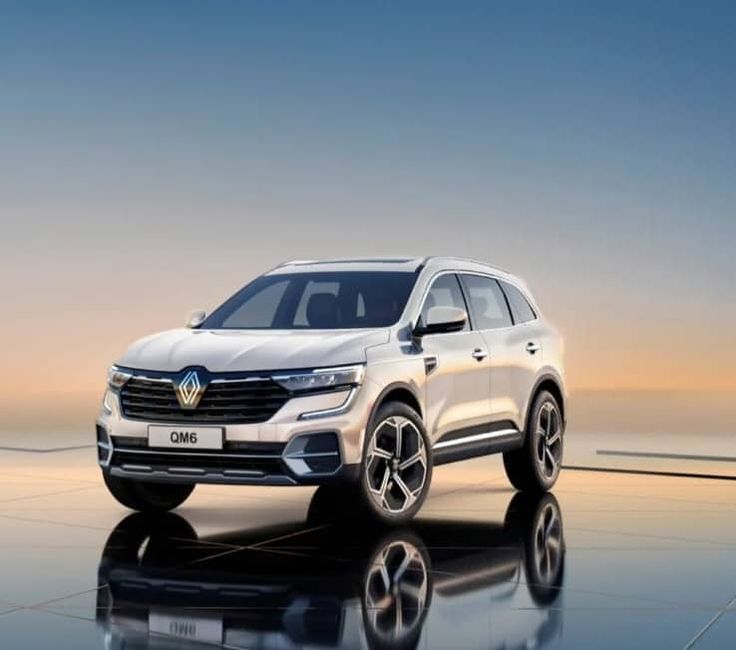
Cleveland winters aren’t cute. Anyone who has lived through even one knows the drill: freezing temps, slushy roads, lake-effect snow that drops out of nowhere, and tons of salt. That salt is great for keeping roads drivable, but it absolutely eats cars alive.
People love to talk about horsepower, tech, or interiors, but in Cleveland, durability and rust-resistance matter just as much as horsepower. A good winter car isn’t just something that can move in the snow; it has to survive the snow.
If you’ve ever watched your rocker panels disintegrate or your exhaust pipe get crusty way too early, you already know the pain.
Cleveland doesn’t politely “age” cars; it accelerates the whole process. And honestly, most people don’t even think about rust until the problem becomes too big to ignore. Once you see orange streaks and bubbling paint, it’s already late in the game.
But not every car collapses under these conditions. Some models are kind of built for war. They chew through snow, they grip icy roads like they’re personal, and their metal doesn’t surrender the first time it touches salt.
On the flip side, some cars simply cannot handle Cleveland winters, great in other states maybe, but here, they rust like they’re in fast-forward mode.
So instead of guessing or learning the hard way (which usually means expensive repairs and a lot of angry muttering in the driveway), here’s a breakdown that actually helps.
Five cars that hold their own in Cleveland winters, the ones you can trust when Lake Erie decides to act up, and five cars that start rusting faster than you’d expect.
I’m not sugar-coating anything here. Some of these “rust-fast” models are genuinely fun or stylish, but Cleveland doesn’t care about fun when road salt is involved. Winter exposes every weak spot. So let’s talk about what actually lasts, what doesn’t, and why choosing the right car here matters more than people admit.
5 Cars for Cleveland Winters vs 5 That Rust Fast
Cleveland drivers know winter can flip from annoying to dangerous in minutes, so a good winter car is more than just AWD and heated seats. It’s about structure, real-world traction, corrosion resistance, and a drivetrain that doesn’t freak out on icy hills.
The cars in the “good for winter” list earn their spot because they’ve proven they can deal with messy roads, salty slush, and cold starts without falling apart or rusting into a science project.
On the other end, some cars just, don’t make the cut. They rust faster than most people expect, especially around wheel arches, undercarriages, brake lines, and rocker panels.
It’s not that they’re “bad cars” universally they just don’t vibe with Cleveland’s salt-heavy environment. They deteriorate more quickly, need more repair attention, or end up with corrosion issues that show up way too early. A lot of owners learned this the hard way.
No drama, no hype, just real, practical stuff a Cleveland driver actually needs to know before spending money on something that should last longer than two winters.
Let’s jump into the cars that survive the snow like champs, and then the ones that rust like they’re in a hurry.
ALSO READ: 10 Budget Sedans Faster Than Ford’s Mustang Dark Horse
1. Subaru Outback
The Subaru Outback is basically the unofficial car of winter states, and Cleveland is no exception. You see them everywhere because they actually work, not because of hype.
The symmetrical AWD isn’t just a marketing phrase; it genuinely gives the Outback better balance in snow and slush. Cleveland roads get unpredictable fast, and the Outback feels steady even when your street turns into a white, icy mess.
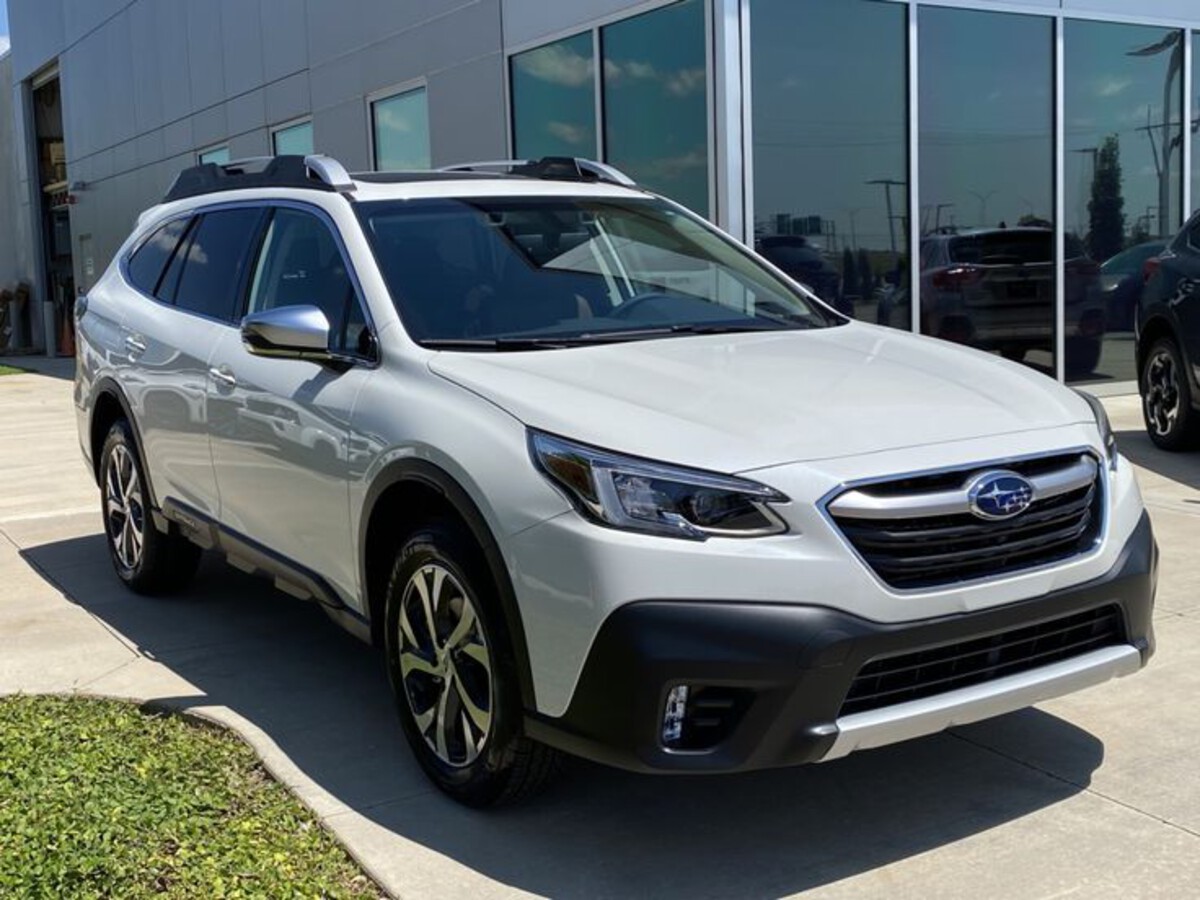
Ground clearance is another perk people underestimate. The Outback sits higher than most crossovers without making you feel like you’re piloting a truck.
When snow piles up overnight, this extra clearance keeps the car from scraping and pushing snow like a plow. It also helps avoid that ugly situation where your bumper becomes a shovel.
But the real reason the Outback deserves a top winter spot is its durability. Subaru metal holds up better than you’d expect in salt-heavy states.
You still have to wash the undercarriage nothing is magic but it doesn’t rust at the slightest inconvenience. Older Outbacks you see around Cleveland? Many are still going because the body structure doesn’t collapse under salt exposure.
Inside, the car is exactly what you need for winter: straightforward, warm, and dependable. Heated seats, a no-nonsense layout, and enough cargo space to throw in boots, bags, or emergency gear.
It’s not a luxury car, sure, but it’s not trying to be one. The Outback is built with the understanding that drivers deal with real weather.
If you want something that’s basically prepared for Cleveland winters right out of the box with reliable traction, decent protection against rust, and enough strength to handle constant salt, the Outback earns that spot with zero effort.
2. Toyota RAV4
The RAV4 is one of those cars that people buy because “it’s reliable,” but in Cleveland winters, it proves it’s more than a basic, dependable crossover.
Toyota’s AWD system is predictable, and the traction control doesn’t panic when the pavement turns slick. It’s stable, easy to handle, and honestly makes winter driving feel less stressful, even on days where everything looks like a snow globe.
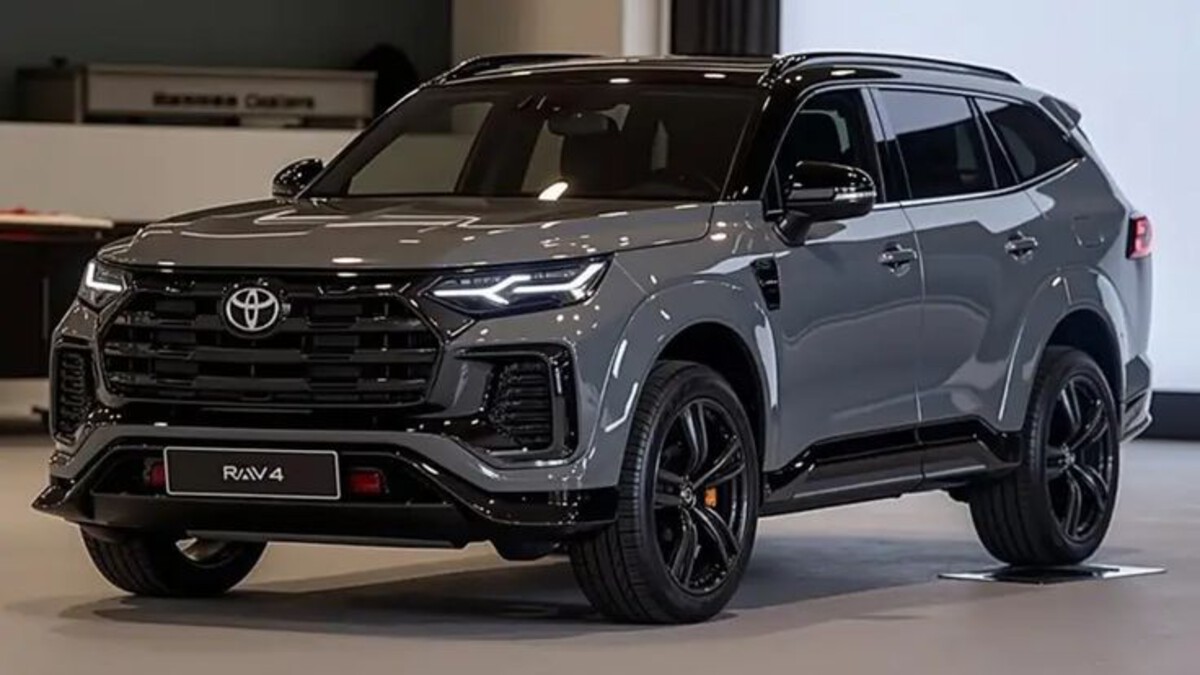
What really helps the RAV4 in Cleveland is its corrosion resistance. Toyota has been improving its rust protection for years, especially on popular models like this one.
The underbody doesn’t fall apart early, and the metal doesn’t bubble up with rust as fast as some competitors. You still need the usual winter maintenance, but this model doesn’t feel fragile against salt.
Ground clearance is good enough to get through piled snow, and the brakes stay responsive even in freezing conditions. Older RAV4s around Cleveland can still be spotted with clean frames, which says a lot considering how many cars here start showing rust by year four or five.
It also helps that the RAV4 keeps a steady resale value because buyers know it holds up in rough climates. Cleveland drivers want something that won’t ditch them during a storm or require full underbody repair in a few years. This car checks both boxes.
Inside, it’s simple and comfortable, with heated features, accessible controls, and good visibility. Cleveland winter driving is half about “seeing the road at all,” and the RAV4 makes that easier.
If you want something practical that won’t fall apart from salt exposure and has the grip to survive icy mornings, the RAV4 fits perfectly.
3. Honda CR-V
The Honda CR-V is one of those cars that feels boring in the best way. It just works. In Cleveland winters, that reliability is worth its weight in gold.
The AWD system engages smoothly; there’s no dramatic wheel spin or unnecessary engine roar when the car senses ice. It shifts power to where it’s actually needed, and that helps avoid those annoying half-slides you get on untreated roads.
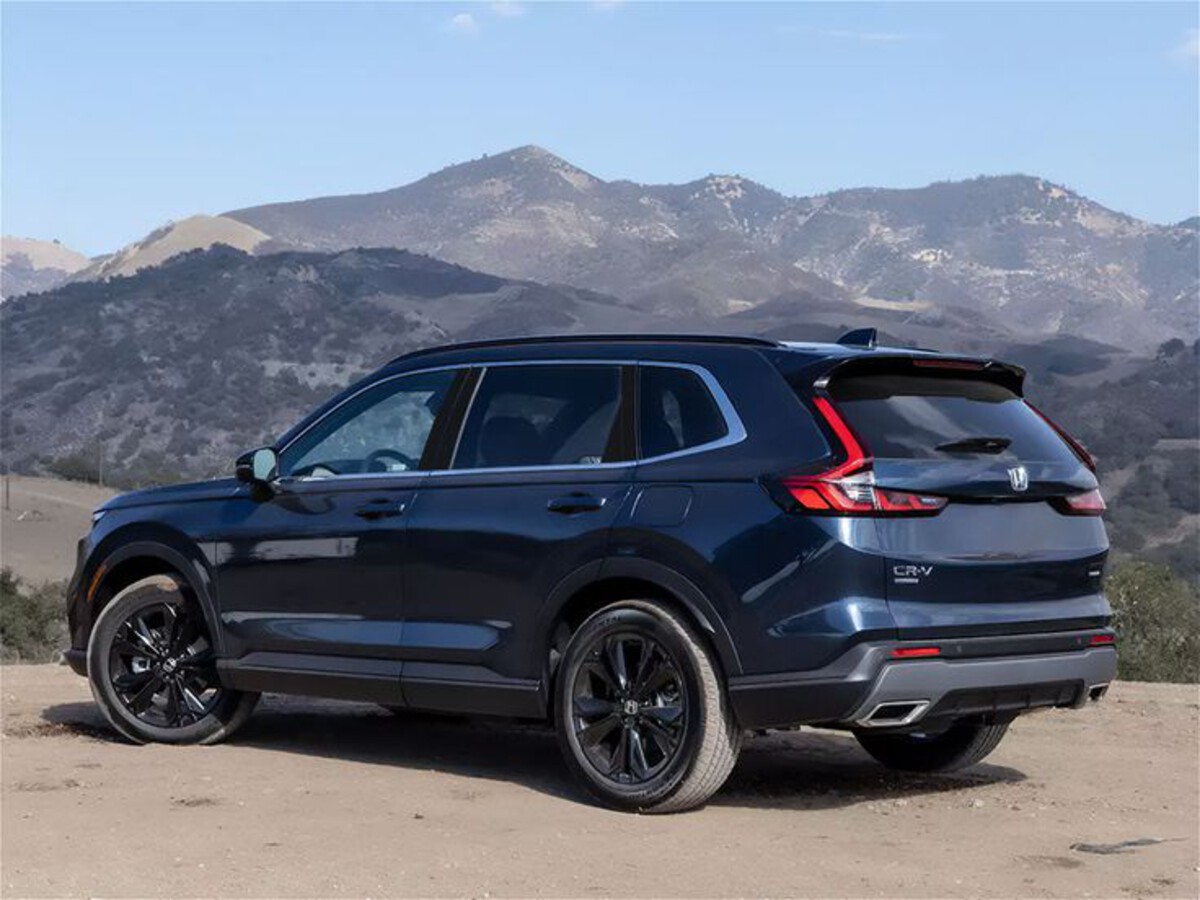
Honda also does a decent job with corrosion resistance. Older CR-Vs used to get rust on the rear wheel wells, but the newer models handle salt way better. In Cleveland, where rust will ruin even a great engine, the CR-V’s ability to stay structurally solid matters a lot.
The lightweight build actually helps in snow, too. Heavier SUVs dig into slush, but the CR-V floats through it with less resistance. Steering stays predictable, and the brakes stay sharp in the cold.
Inside, the car feels warm and practical. Visibility is one of the CR-V’s best features. Large windows and smart angles make it easier to judge snowy roads and icy parking spots. The heated seats and responsive climate control also make those bitter Cleveland mornings slightly less miserable.
Maintenance is cheap, the fuel economy stays reasonable even when it’s freezing, and the CR-V doesn’t throw weird problems when it gets old. Cleveland drivers want something low effort, durable, and steady on icy roads, and the CR-V fits the bill better than people give it credit for.
4. Jeep Grand Cherokee
The Grand Cherokee can take on Cleveland winters almost without trying. It’s heavy, wide, and built to grip the road even when the weather gets ugly.
The 4×4 system isn’t a gimmick; it actually helps you climb hills, push through slush, and stop without sliding halfway into an intersection.
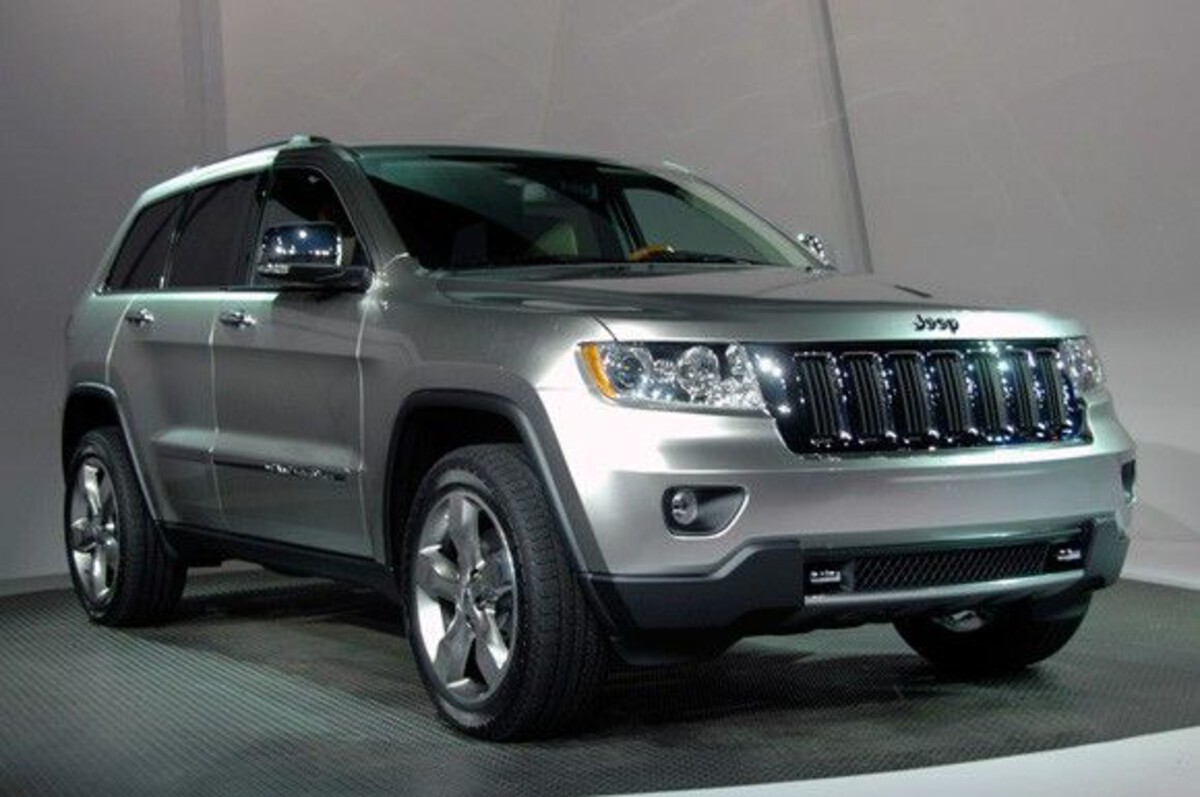
People love to debate Jeeps, but this model genuinely handles snow like a champ. If you live in a part of Cleveland where side streets barely get plowed, the Grand Cherokee feels like the one car that can still get out of the driveway.
Rust-wise, the Grand Cherokee holds up better than you think. The frame is sturdy, and the panels don’t rot as fast as long as you do basic winter washing. Compared to some older Jeeps, this one has better metal treatment and fewer weak rust spots.
Inside, it’s comfortable, warm, and easy to control even with gloves on. The heated steering wheel alone feels like a blessing in Cleveland. The car sits high, so you can see more of the road helpful when everything is the same shade of white.
Fuel economy isn’t amazing, but honestly, in Cleveland winters, reliability matters more. And the Grand Cherokee delivers reliability with some muscle behind it.
5. Ford Escape
The Ford Escape doesn’t always get a lot of hype, but it deserves a spot as a strong winter performer. The AWD system is responsive, and the steering gives you enough feedback to feel what’s happening under the tires. In icy conditions, feeling connected to the road matters more than people admit.
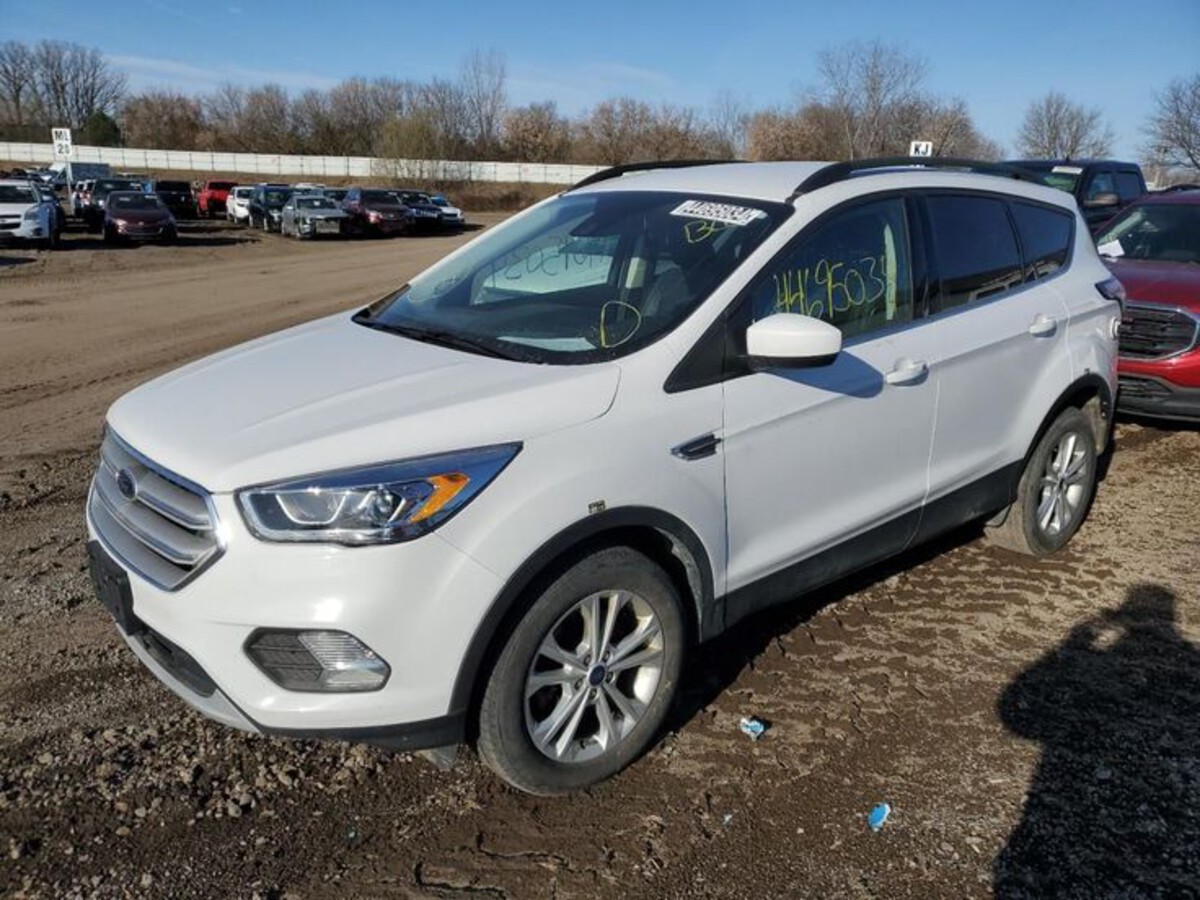
What helps the Escape survive Cleveland winters is its body design. Ford’s modern rust protection has noticeably improved you don’t see Escapes rotting out early unless they were completely ignored. The undercarriage holds up fine, and the panels don’t bubble quickly.
It’s compact enough to handle tight Cleveland streets but tall enough to push through moderate snow without dragging. Braking is solid, even in cold weather, and the Escape doesn’t lose its composure on slushy highways.
Inside, it’s warm, simple, and surprisingly quiet for a compact crossover. Heated seats, smart ventilation, and good visibility help make winter driving less chaotic.
Overall, the Escape is one of those underrated winter cars that just gets the job done.
5 CARS THAT RUST FAST IN CLEVELAND WINTERS
Cleveland winters are notorious for their harsh combination of snow, ice, and road salt, a perfect storm for accelerating rust on vehicles. Even well-maintained cars can start showing signs of corrosion if they aren’t built to handle these conditions.
While some vehicles have protective coatings and stronger materials to resist rust, others succumb quickly, leading to costly repairs and reduced lifespan. In this article, we’ll highlight five cars that are particularly prone to rust in Cleveland winters, helping drivers make smarter choices and avoid unexpected corrosion headaches.
1. Nissan Altima
The Altima is popular because it’s cheap to run, comfortable, and pretty good on gas and the biggest problem isn’t the driving, it’s the rust.
Older Altimas are known for getting corrosion in the frame, floorboards, rear subframe, and rocker panels. Salt exposure speeds all this up.
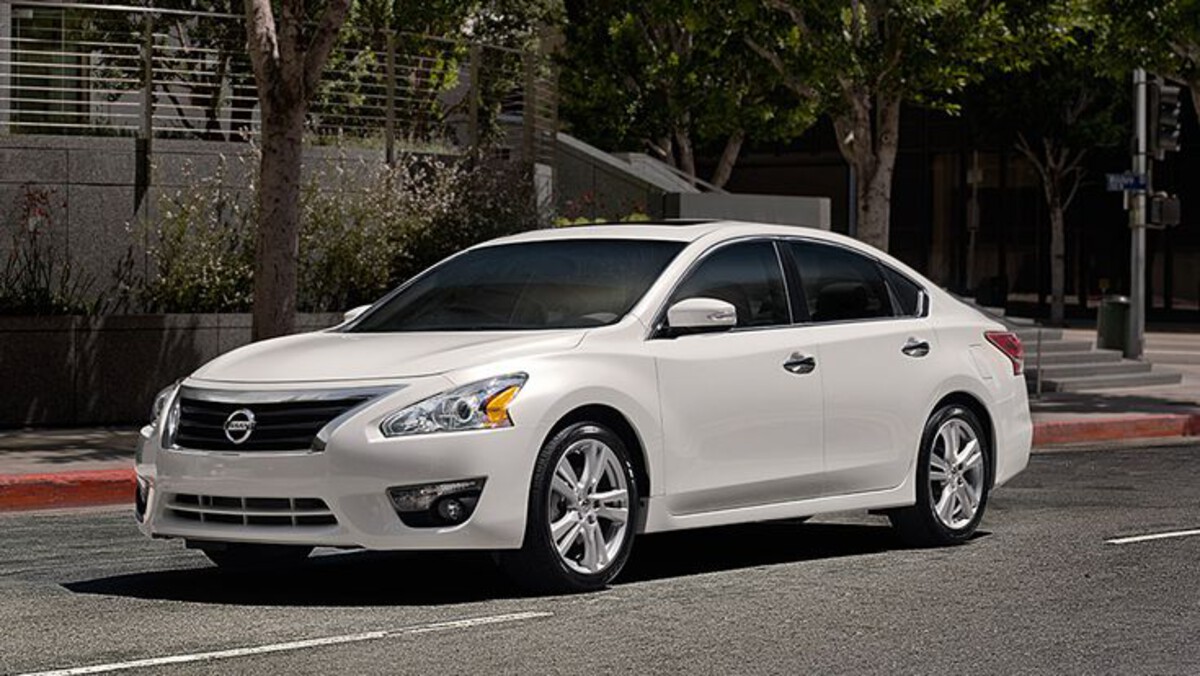
Even newer Altimas don’t handle winter salt that gracefully. They get rust under the doors, around the fuel filler area, and especially on suspension parts. The metal treatment just doesn’t seem strong enough for Cleveland’s salt-heavy roads.
On snow, the Altima isn’t awful, but it’s not amazing either. Most trims are FWD, and unless you have snow tires, it loses traction easily. On icy Cleveland mornings, this gets old fast.
So while it’s a decent car in normal climates, Cleveland winters are not its friend.
ALSO READ: Top Used Trucks Dominating Resale Value Charts Right Now
2. Mazda 3
The Mazda 3 is one of those cars everyone loves to recommend because it’s fun, smooth, and feels more “alive” than most compact cars.
And honestly, that part is true, it’s great to drive. But once winter hits Cleveland, the Mazda 3 runs into its biggest weakness: rust. And not the slow, mild kind. We’re talking fast, sneaky, “how is this happening already?” rust.
Anyone who has owned an older Mazda in a salt-heavy state knows the drill. The wheel arches start showing brown spots, the rear quarter panels bubble, and the underbody begins to look rough way too early.
Cleveland winters basically speed-run this process. The endless salt, slush, and moisture create the perfect storm, and the 3’s metal doesn’t have the strongest defense against it.
Even the newer models, which definitely improved compared to older generations, still don’t compete with cars like the RAV4 or Outback when it comes to corrosion resistance. You have to stay on top of underbody washes, and if you skip them during peak winter chaos, the rust quietly starts forming in all the hidden areas.
Now, to be fair, driving the Mazda 3 in snow is actually decent, especially with the AWD option. The steering feels connected, and it handles icy corners better than most compact cars. But the problem isn’t how it drives it’s how it ages here. Cleveland winters drain the lifespan out of this model unless you’re obsessed with rust prevention.
Bottom line: amazing driver’s car, terrible long-term winter car for Cleveland. It just wasn’t built for the level of salt we deal with.
3. Chevy Cruze
The Chevy Cruze is one of those cars that makes a ton of sense on paper. It’s affordable, fuel-efficient, easy to maintain, and comfortable enough for daily driving. But Cleveland winters expose its biggest flaw fast: rust. And man, it shows up earlier than most Cruze owners would ever expect.
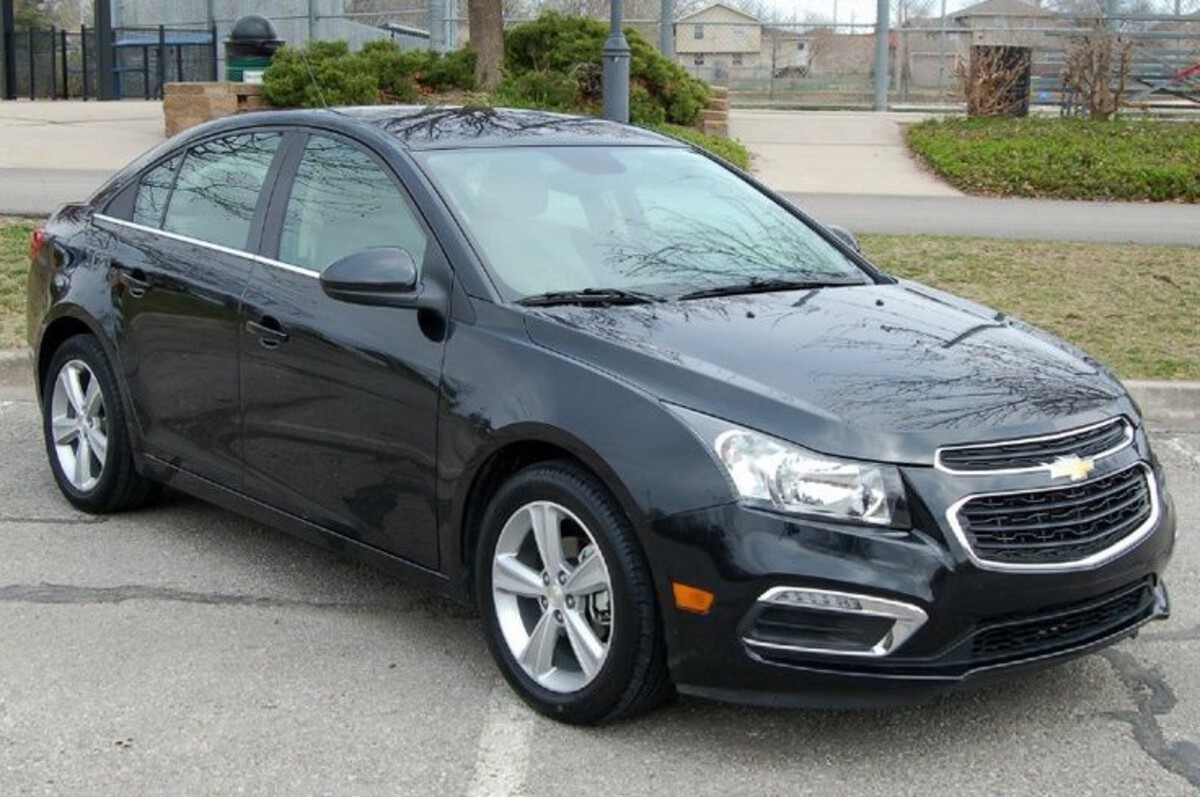
The Cruze has a reputation for rocker panels rusting out quickly. You’ll see paint bubbling near the bottom edges, and once that starts, the underlayer corrodes fast.
The front subframe is another trouble spot where salt collects, and unless you wash it constantly, it becomes a crusty mess. The wheel wells also break down earlier than they should, especially on older models.
Driving-wise, the Cruze isn’t awful in winter. With decent snow tires, it holds its own. But its lightweight build doesn’t help on icy roads, and traction control can feel a little confused when the surface is half-slush, half-ice. It’s manageable, but not inspiring.
The bigger issue is long-term ownership. Cleveland roads are brutal, and the Cruze simply doesn’t have the structural toughness to handle years of salt exposure.
Even people who take good care of their cars start seeing rust far too early. Repairing rust on the Cruze gets expensive because once the rocker panels or subframe start failing, it turns into a whole chain reaction.
So while the Cruze is budget-friendly and totally fine in states with mild winters, it’s not built for Cleveland. You’ll spend more time fighting rust than enjoying the savings.
4. Hyundai Elantra
The Hyundai Elantra is affordable, stylish, and surprisingly comfortable. For everyday driving, it checks a lot of boxes great mileage, smooth tech, and a design that looks way more expensive than it is. But Cleveland winters? That’s where the Elantra starts struggling.
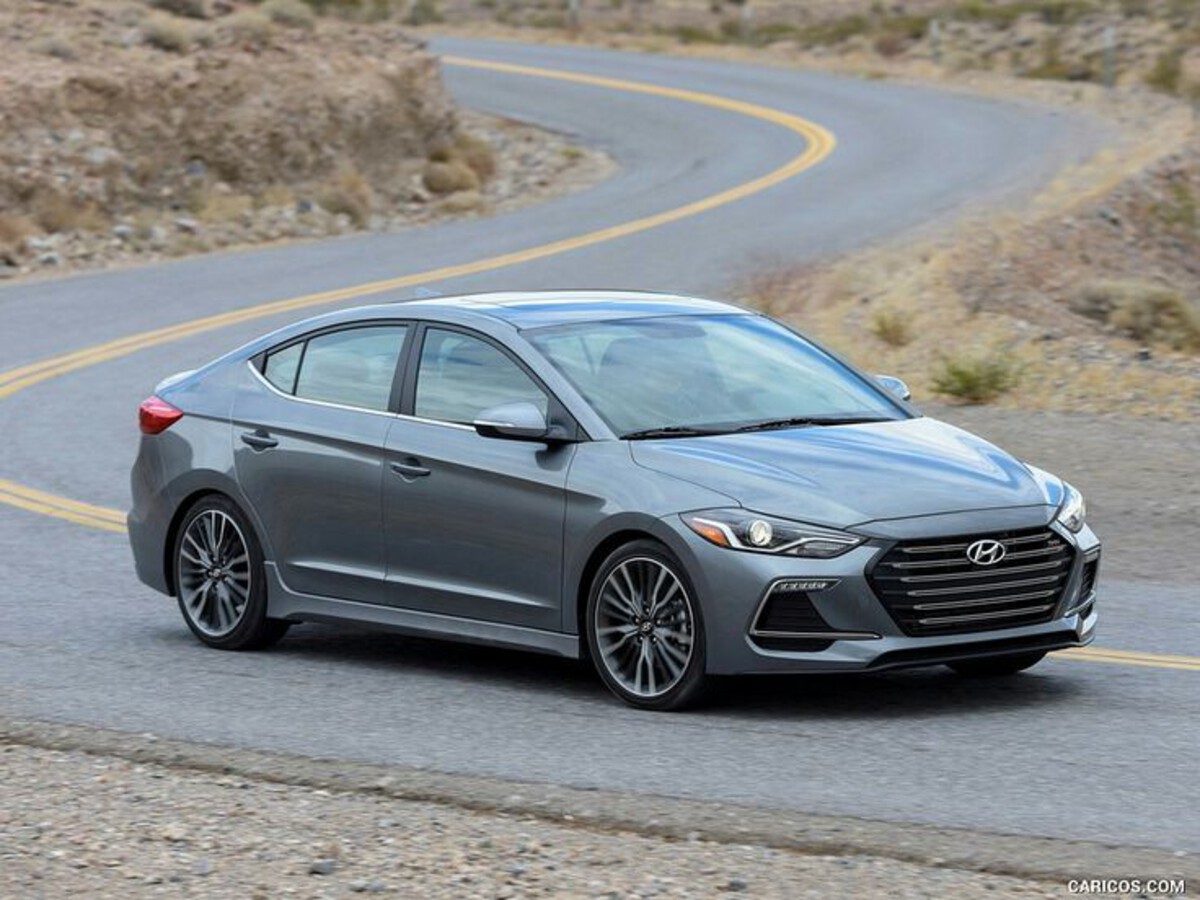
The rust issues usually begin with the rocker panels and the rear wheel areas. Salt gets trapped there easily, and the metal doesn’t fight it off as well as some competitors.
Over a few winters, you’ll see those orange spots forming, and if you don’t act fast, the corrosion spreads underneath. The undercarriage also ages quicker than you’d expect if it’s getting blasted with salt for months straight.
As for winter driving, the Elantra performs “okay.” It’s not terrible, but it’s not confidence-boosting either. Most trims are FWD, so without proper snow tires, the car slips around on icy mornings. The lightweight frame doesn’t give it much bite on slushy hills, and the traction control gets overwhelmed in deeper snow.
Newer Elantras definitely improved in tech and build quality, but they still aren’t known for strong resistance to winter corrosion. To keep one healthy in Cleveland, you’d basically need to commit to regular underbody washes, rust-proofing treatments, and constant inspections.
So while the Elantra is great for someone who wants a cheap, efficient, stylish ride, it’s not the best match for Cleveland’s salty winters. Long-term, the rust battle becomes exhausting.
5. Volkswagen Jetta
The Volkswagen Jetta feels solid, refined, and smooth to drive. It has that “European” feel, tight handling, a quiet cabin, and a clean design. But if you’re living in Cleveland, there’s one big issue you can’t ignore: rust. And the Jetta picks it up faster than a lot of people expect.
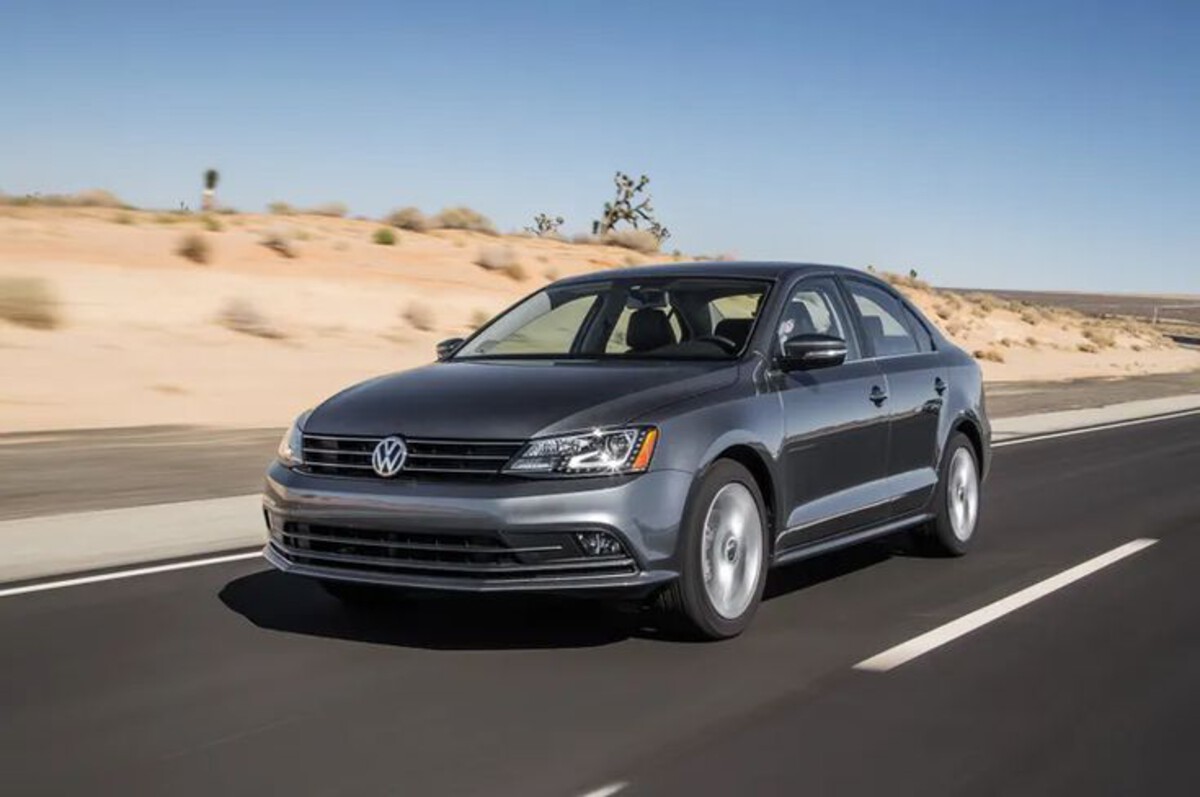
The rust usually starts underneath, where most people don’t look. Floor panels, underbody seams, and wheel arches are the first places to get hit.
Once the salt works into the seams, the corrosion spreads behind the paint. You might notice bubbling near the fenders or under the doorway earlier than you’d hope. Older Jettas had it bad, and while newer ones improved, they still don’t hold up as well as other brands in heavy-salt areas.
Driving in winter is a mixed bag. The Jetta handles nicely, the steering is sharp, and the suspension feels stable, but almost all trims are FWD. That means you’ll absolutely need snow tires to stay in control on icy days. Without them, it slides more than you’d want, especially on Cleveland side streets that don’t get plowed immediately.
The car ages quickly in salty environments, and repairs aren’t cheap. Rust on a Jetta isn’t just cosmetic; it can spread into structural areas if ignored.
So while it’s a great everyday car in normal climates, Cleveland winters really speed up its wear and tear.
Picking a winter car in Cleveland isn’t about hype, looks, or whatever the newest ad campaign is pushing. It’s about survival. Road salt, freezing temperatures, and unpredictable storms will expose every weakness a car has.
Some models are simply built tougher, with stronger corrosion protection, smarter traction systems, and designs that don’t freak out when the streets turn icy.
The winter-ready cars on the list, the Outback, RAV4, CR-V, Grand Cherokee, and Escape, aren’t perfect, but they stay dependable when you actually need dependability.
They don’t fold under salt exposure, and they give you the stability to handle real winter driving instead of sliding around like a shopping cart on ice.
On the other hand, the rust-prone cars aren’t “bad cars.” They just aren’t suited for Cleveland. If you keep cars for only a couple of years, you might get away with it. However, if you’re the kind of driver who actually wants your car to last, these models can become expensive headaches quickly.
Cleveland weather doesn’t change for anyone. It’s harsh, messy, and relentless. So choosing something that won’t rust apart or struggle every time a storm hits is more than smart, it’s necessary.
Before buying your next ride, be honest about your winter reality. Pick something that can handle the salt, the snow, and the years of abuse that come with living near Lake Erie.