
Little Rock isn’t a super-harsh driving environment, but it’s not a cakewalk either. You get hot, humid summers, occasional freezing snaps, spring storms that toss down trees and rain, and city streets that can hide potholes after a wet spell.
Commuting here means you’ll want a vehicle that handles rain without drama, eats miles comfortably, and doesn’t leave you stranded when a patch of rough road shows up. That’s the practical bit. The other part is emotional: cars are expensive, and nobody wants their ride to be a money pit or a headline of “yeah, that broke again.”
This article splits ten vehicles into two clear groups: five we think are smart, durable picks for daily driving in and around Little Rock, and five that, by reputation or recurring owner complaints, tend to cause grief frequent repairs, flaky electronics, or costly maintenance. I’ll be blunt: the “good” list isn’t about glamour.
It’s about being realistic: comfort for daily commutes, reliability that keeps you out of the shop, and enough capability to handle wet roads and the odd unpaved detour. The “bad” list isn’t about picking on brands; it’s about patterns models with consistent reports of expensive failures, bad fit for city/wet-climate life, or components that don’t age well.
I’ll describe each car in plain language: why it works (or doesn’t), what to watch for, and whether it makes sense if you live and drive in Little Rock. If you’re shopping, treat this as a practical sanity check.
If you already own one of the “problem” cars, don’t panic, some are fine if well-maintained and if you know the weak spots. But for most buyers who want to stop worrying about their car and start using it, the right choice saves money, time, and headaches.
What this comparison covers, quick orientation
Before we dive deep, here’s the quick orientation: the “daily driving” picks emphasize reliability, low-to-moderate maintenance costs, and comfort for typical commutes. They’re not necessarily the flashiest models, but they get the job done without drama.
The “break often” picks are models that commonly show up in owner forums or used-car complaints as needing repeated repairs or having systems that degrade quickly electrical gremlins, transmission hiccups, or suspension problems that hit wallets.
Why this matters specifically to Little Rock: our climate and road mix reward cars with solid cooling systems, corrosion-resistant underbodies, and suspension that tolerates potholes. AWD is a plus but not always necessary; good traction and well-tuned stability control matter more than just “4-wheel” badges.
Also, street parking and city driving mean you want something with accessible service little-known luxury parts can become expensive when you’re not near a specialized shop.
5 Cars for Little Rock Daily Driving
When reading each car block, note three things: the main strength for daily Little Rock use, the biggest potential downside (the one that could lead to repeated service visits), and a quick ownership tip what to inspect if you’re buying used or what to maintain if you already own one.
These are practical signals, not guarantees. Every car can be a nightmare if neglected, and any “problem” model can be made more dependable with diligent maintenance and luck. Think of this as plain talk to help you pick a car that survives daily life not a fanboy shoutout or a brand hit list.
ALSO READ: Top Quickest Quarter-Mile Production Cars of the 2000s – Ranked and Explained
1) Toyota Camry
If you want a car that won’t make you check your phone for “how much will this cost to fix,” the Toyota Camry is the safe bet. It’s one of those cars that quietly does the job: comfortable ride, decent fuel economy, and a long track record for lasting past 200k miles if you keep up with oil changes and brakes.
For Little Rock drivers, the Camry’s ground clearance and suspension feel tuned for paved roads and the occasional pothole. The V6 models give you more passing power, but the four-cylinder and hybrid variants are the money-savers for daily commutes.
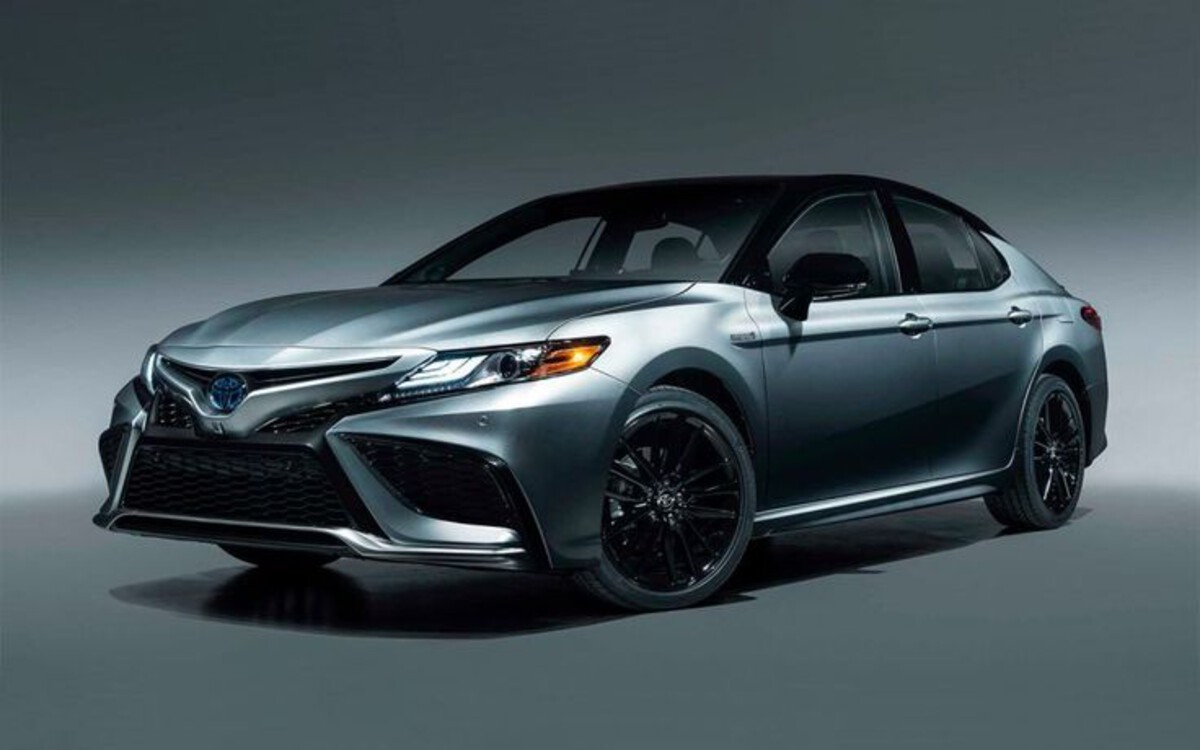
Why it works here: the Camry’s cooling and HVAC systems cope well with hot, humid summers, and the corrosion resistance on modern models isn’t a constant worry. Parts are abundant in Arkansas, service techs know these cars, and resale value stays strong so if you want to upgrade in a few years, you won’t take a ridiculous hit.
Downsides to watch: nothing dramatic, but electronics in later-model Camrys can be fiddly infotainment glitches, sensor alerts, or annoyances around lane-assist calibrations. Also, if you get a trim loaded with safety tech, be prepared for more sensors to occasionally need recalibration after a windshield replacement or a minor fender bender.
Ownership tip: for used buys, check maintenance records for timely coolant flushes and transmission service if it’s an older automatic model.
For hybrids, check battery history and make sure the hybrid battery hasn’t been flagged replacements are rare but expensive. For most drivers in Little Rock, a well-maintained Camry is a “set it and forget it” daily driver.
2) Honda CR-V
The Honda CR-V is a compact SUV that’s popular for a reason: it’s practical, offers good visibility for driving around town, and handles rain-soaked roads confidently.
Little Rock drivers often want the extra cargo space for weekend gear or bulky grocery hauls, and the CR-V delivers without being thirsty on gas. The current generation is refined, with stable steering and predictable traction handy when a summer storm turns the road slick.
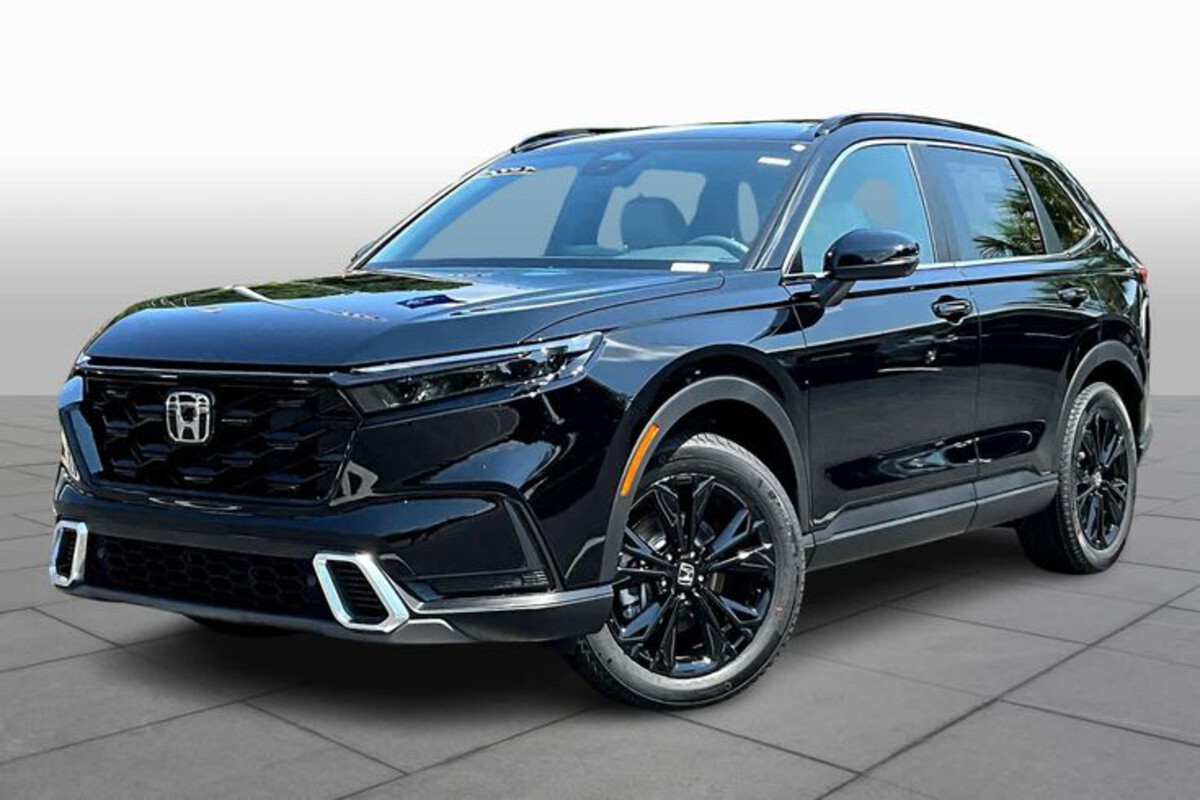
Why it works here: CR-Vs are known for straightforward mechanicals and longevity. They’re common in the used market, which makes parts and repairs more affordable. Ground clearance is enough to take on rougher pavements and light gravel roads without constant bottoming out.
Downsides to watch: a few model years had issues with excessive oil consumption or turbocharger complications in the smaller engines always check the specific year and engine code. Interior electronics (power windows, infotainment) can also be a weak point if the vehicle has been heavily used.
Ownership tip: if buying used, insist on an inspection of the turbo (if equipped) and a compression/oil-check history.
Keep the air filter clean in dusty months and don’t skip scheduled oil changes this car rewards routine maintenance with years of trouble-free service. If you need AWD for steady traction in wet conditions, the CR-V offers it in many trims without major penalties to fuel economy.
3) Subaru Outback
Subaru Outback owners often love their cars hard and loudly—and for good reason. The Outback brings standard (or readily available) AWD, respectable ground clearance, and a chassis built for unpredictability: rutted backroads, wet streets, and the occasional light off-pavement detour.
For Little Rock drivers who want peace of mind in rain, or who take weekend trips into the Ozark foothills, the Outback is a solid daily driver without pretending to be a luxury SUV.
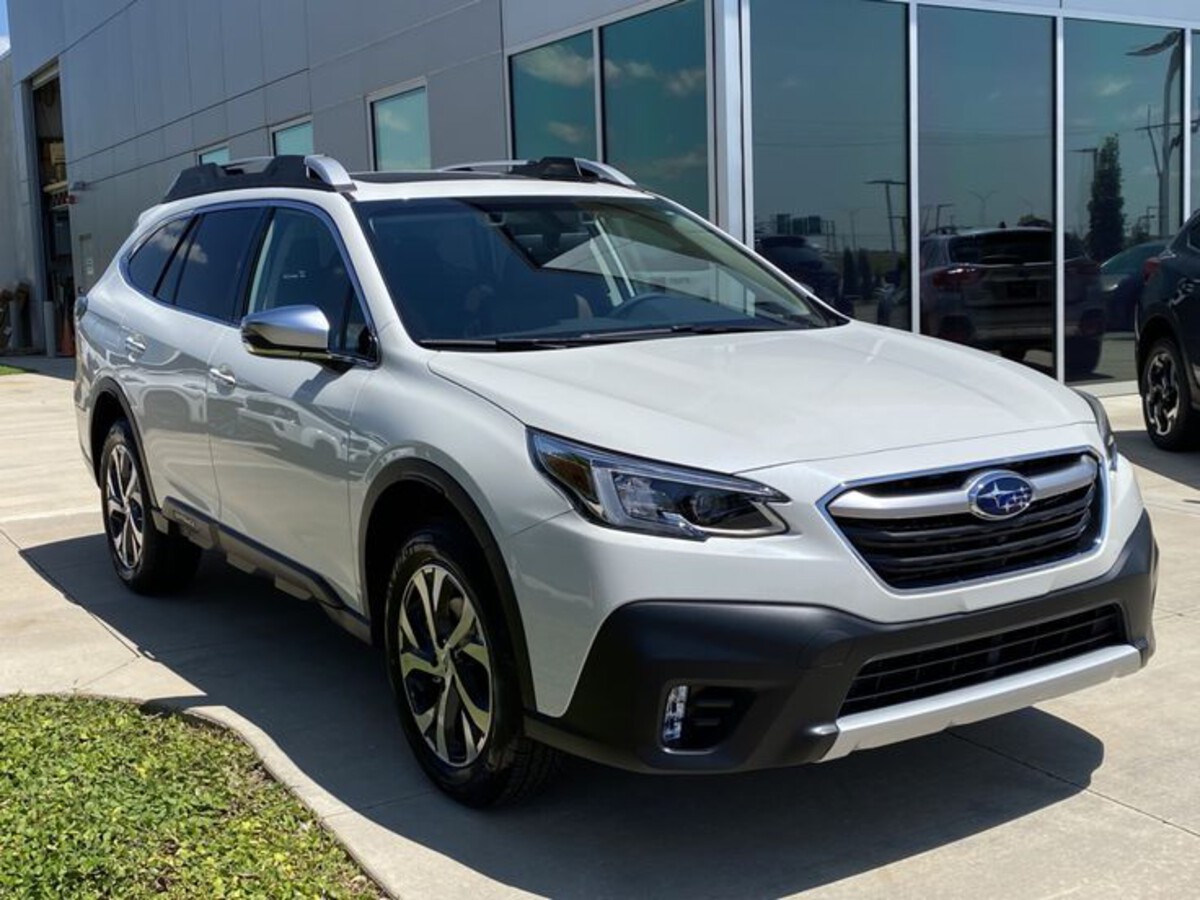
Why it works here: Subaru’s boxer engines and symmetrical AWD provide balanced traction and confidence. The Outback’s suspension soaks up potholes better than many low-slung sedans. Visibility is good, and the car tends to age gracefully if it’s not neglected.
Downsides to watch: oil consumption and head gasket worries have hit certain Subaru engines historically; check the specific engine family and service history.
Also, Subarus tend to thrive with attentive maintenance neglect leads to more expensive fixes. Rust treatment and underbody checks matter in humid regions if road salt gets used in winter nearby.
Ownership tip: prefer later-model Outbacks with known maintenance records. If buying used, look for consistent oil-change documentation and confirm the timing belt/chain service schedule if applicable. For daily Little Rock use, the Outback’s AWD is more useful than you might expect on a wet morning, and it’s a good compromise between practicality, comfort, and capability.
4) Toyota RAV4
The RAV4 is Toyota’s compact crossover answer to everything a commuter could reasonably want: a comfortable cabin, good gas mileage for the class, and a reputation for lasting without drama.
Little Rock drivers who want the height and utility of an SUV without the maintenance headaches of higher-end crossovers will find the RAV4 a sensible choice. It’s roomy enough for weekend loads and tight enough to park in downtown spaces.
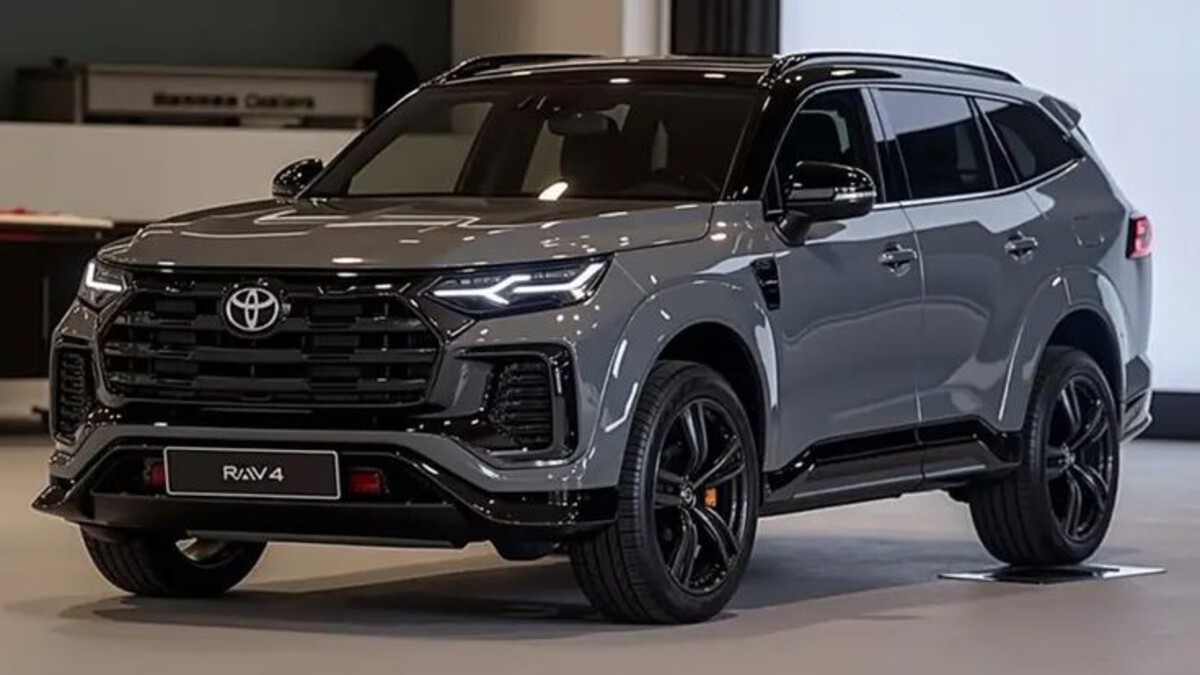
Why it works here: RAV4s are built for volume and simplicity there’s a lot of commonality across parts and a robust dealer/service network in Arkansas. The suspension and chassis manage rough city roads without sounding hollow, and the hybrid variants offer very good fuel economy for long commutes.
Downsides to watch: earlier generations with certain transmissions had complaints; always check model-year specifics. Tech packages can introduce more sensors and software features that may require occasional attention.
Ownership tip: inspect transmissions and ask for service history, especially if the vehicle has heavy city miles. For those wanting lower fuel bills, the hybrid RAV4 is a smart pick for daily drives across Little Rock. The tradeoff: hybrids have more complex systems, so keep up with recommended maintenance to avoid surprises.
5) Ford F-150
If your life in Little Rock mixes commuting with hauling, towing, or rougher errands, the Ford F-150 is hard to beat.
It’s ubiquitous, which is a huge advantage: parts are plentiful, mechanics know them, and there’s strong resale value when maintained. Modern F-150s are also comfortable inside many trims rival SUVs in ride quality so daily driving doesn’t feel like punishment.
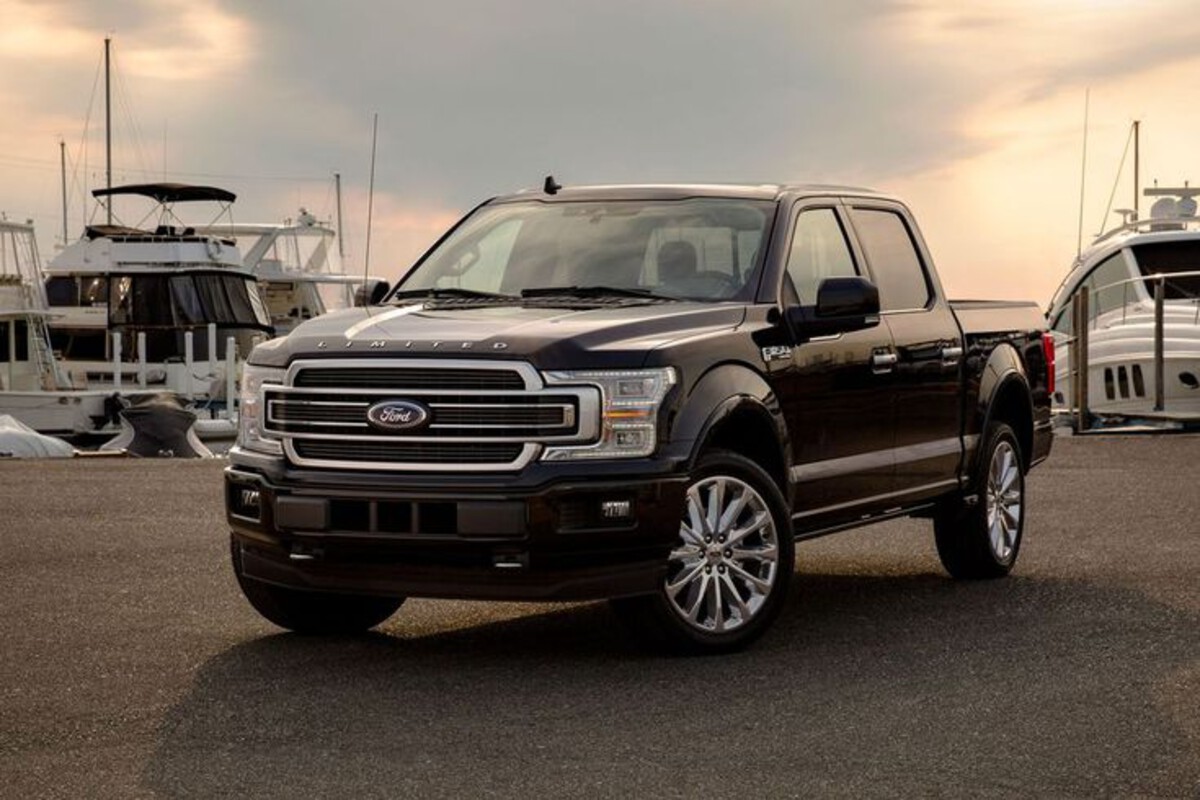
Why it works here: if your route includes poorly paved side streets, construction zones, or occasional trips to build supply stores, the F-150’s suspension and chassis handle it. For wet weather traction, certain trims offer 4×4 options, and the truck’s weight and stability help keep it steady on slick roads.
Downsides to watch: certain EcoBoost engines and dual-clutch transmissions in past model years had owner complaints; also, trucks cost more to park and fuel. For city-only commuting, smaller crossovers might be more economical.
Ownership tip: if you buy used, confirm towing history and check for frame/body damage if it was in heavy work. Routine maintenance coolant, transmission fluid changes, and brake checks saves money long-term.
For many Little Rock drivers balancing city life and utility, the F-150’s combination of service network and durability makes it a practical daily driver.
ALSO READ: 5 Road-Trip Cars with Comfy Seats vs 5 Back-Ache Makers
5 Cars That Break Often
When it comes to buying a car, reliability is often at the top of the list for most drivers. After all, a vehicle that constantly needs repairs can quickly turn from a convenient mode of transportation into a source of frustration and unexpected expenses.
While some cars are built to last, others seem to break down far more often than their owners would like. In this article, we’ll take a closer look at five cars that have earned a reputation for frequent mechanical issues.
Whether you’re shopping for a used car or just curious about which models to avoid, knowing which vehicles are prone to problems can save you time, money, and a lot of headaches.
1) Fiat 500
The Fiat 500 sells on charm and style, but charm doesn’t fix constant trips to the mechanic. These cars are small, which seems ideal for city parking, but they’ve carried a reputation for electrical issues, transmission quirks, and build-quality oddities, problems that can be expensive once you leave warranty.
For a Little Rock driver who wants to avoid being stranded, the Fiat 500’s frequent service needs are a real downside.
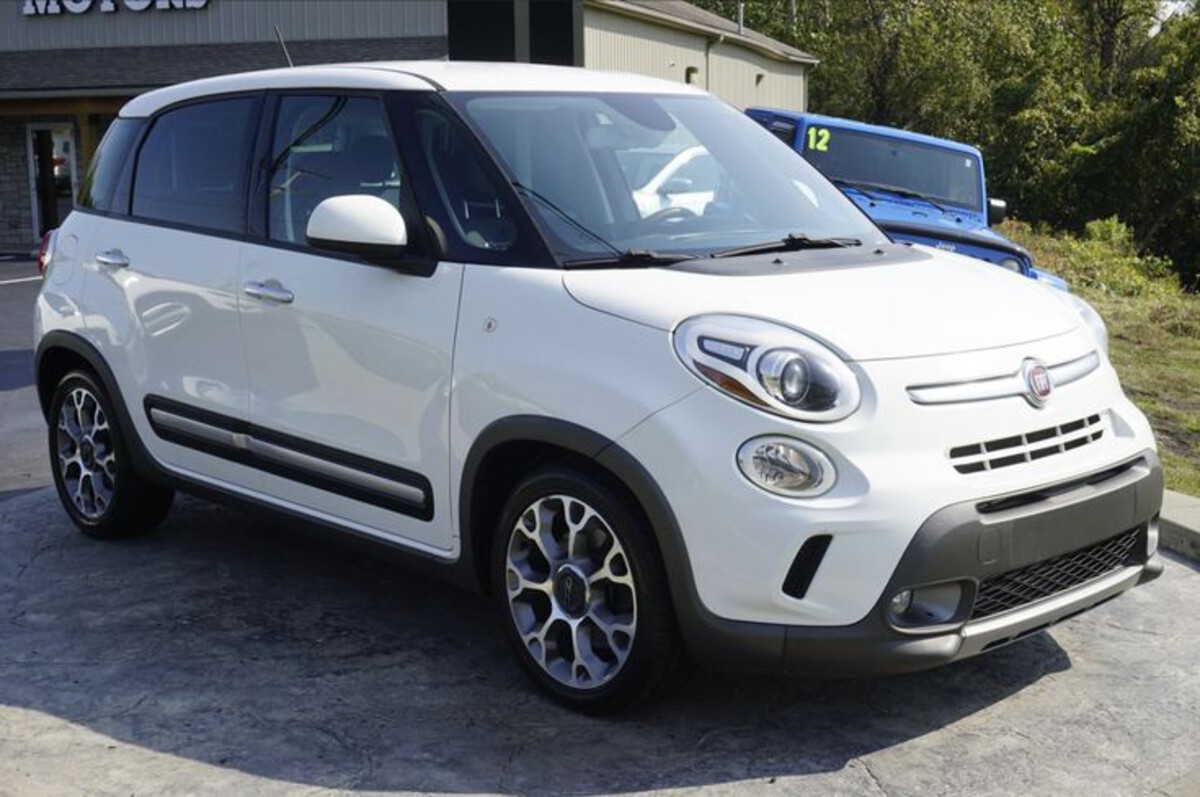
Why it causes trouble here: in humid climates, electronics can be temperamental; in cities with pothole-prone streets, the stiff suspension and low ground clearance mean a lot of body/underbody stress.
Parts can also be harder to source quickly compared with mainstream Japanese or American models, which means longer downtime.
The reality: if you love the Fiat vibe and don’t mind paying a mechanic more often, you can make it work. But for most buyers who prize reliability and low ownership cost, it’s a gamble.
Ownership tip: if you insist on a 500, buy one with a full service history and extended warranty. Check electrical systems thoroughly, windows, door modules, and infotainment, and get a pre-purchase inspection focused on the transmission and electronics. Be ready for higher-than-average maintenance bills.
2) Land Rover Discovery / Range Rover
British SUVs like older Land Rover Discoverys and Range Rovers look fantastic and ride well until they don’t. Past model years have been notorious for frequent electronic faults, air suspension failures, and complex drivetrain issues.
For a Little Rock driver, the appeal of roomy, plush cabins and off-road capability is tempting, but the long-term costs and downtime can be brutal.

Why it causes trouble here: luxury systems adaptive suspensions, complex AWD electronics, air compressors, age into expensive failure points. Shops that can fix them well are fewer and pricier than your average mechanic in Arkansas, which means repair bills climb quickly.
The reality: some owners enjoy many trouble-free years, often because they’re meticulous with maintenance and have access to specialized service. But for used buyers without a generous repair budget or local specialty shops, these models can be a liability.
Ownership tip: avoid older Land Rovers unless you have documented, meticulous service records and funds for inevitable repairs. If buying used, get a full diagnostics run, inspect the air suspension components, and be ready for higher insurance and parts costs.
3) Jeep Cherokee
Jeep Cherokees bring the right look for weekend adventures, but several model years are associated with recurring transmission shudders, electrical faults, and sensor issues. The small SUVs might seem perfect for Little Rock capable, compact, and rugged, but frequent trips to the shop for electronic gremlins can turn that image sour.
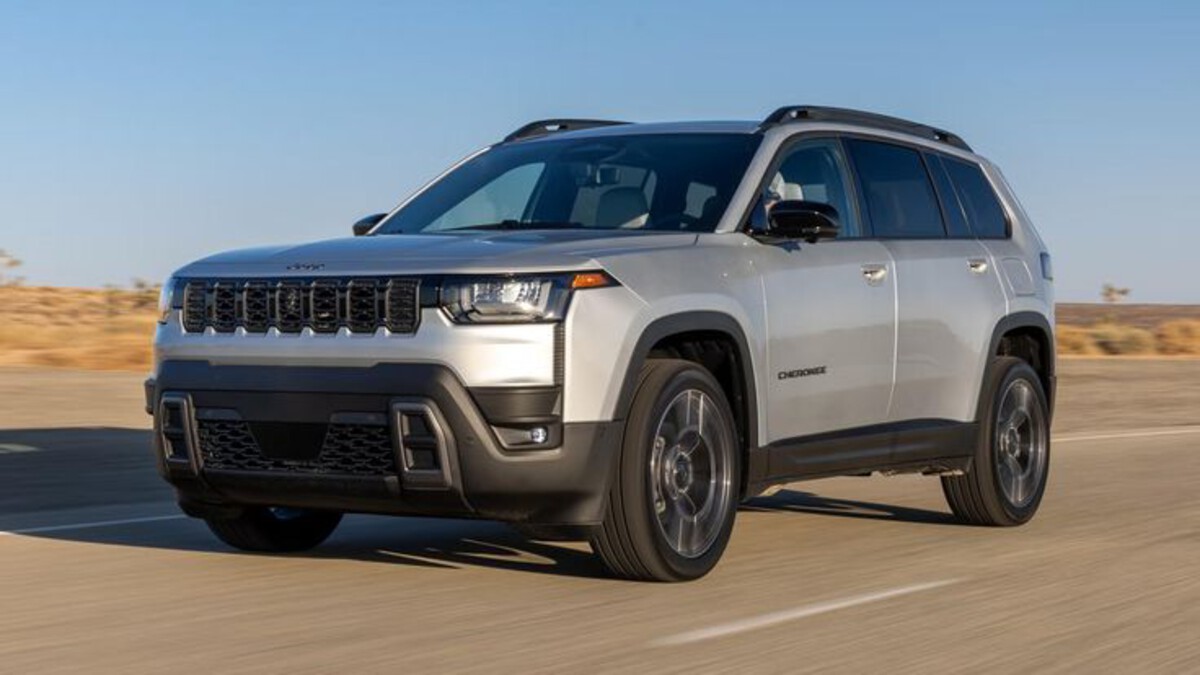
Why it causes trouble here: complex electronics and transmissions that don’t age gracefully lead to unpredictability. Also, certain infotainment and wiring issues are reported to be recurrent, making ownership frustrating.
The reality: many owners have fine experiences, but the variance is big. If you find a thoroughly inspected Cherokee with verified repairs already completed and a strong service history, you can reduce risk. Want a low-headache daily driver? There are simpler alternatives.
Ownership tip: prioritize clean service records and ask whether transmission or electrical modules have been replaced or updated. A pre-purchase diagnostic is non-negotiable. If you already own one, stay ahead of recalls and software updates—small fixes can prevent bigger failures.
4) Chrysler 200 / Dodge Dart
Some mid-decade Chrysler and Dodge sedans offered attractive pricing and features, but several models share threads of concerning reliability: finicky transmissions, electrical oddities, and engines prone to issues in higher-mileage examples.
For someone in Little Rock looking for a hassle-free commuter car, these models are risky especially on the used market where warranty protection is rare.
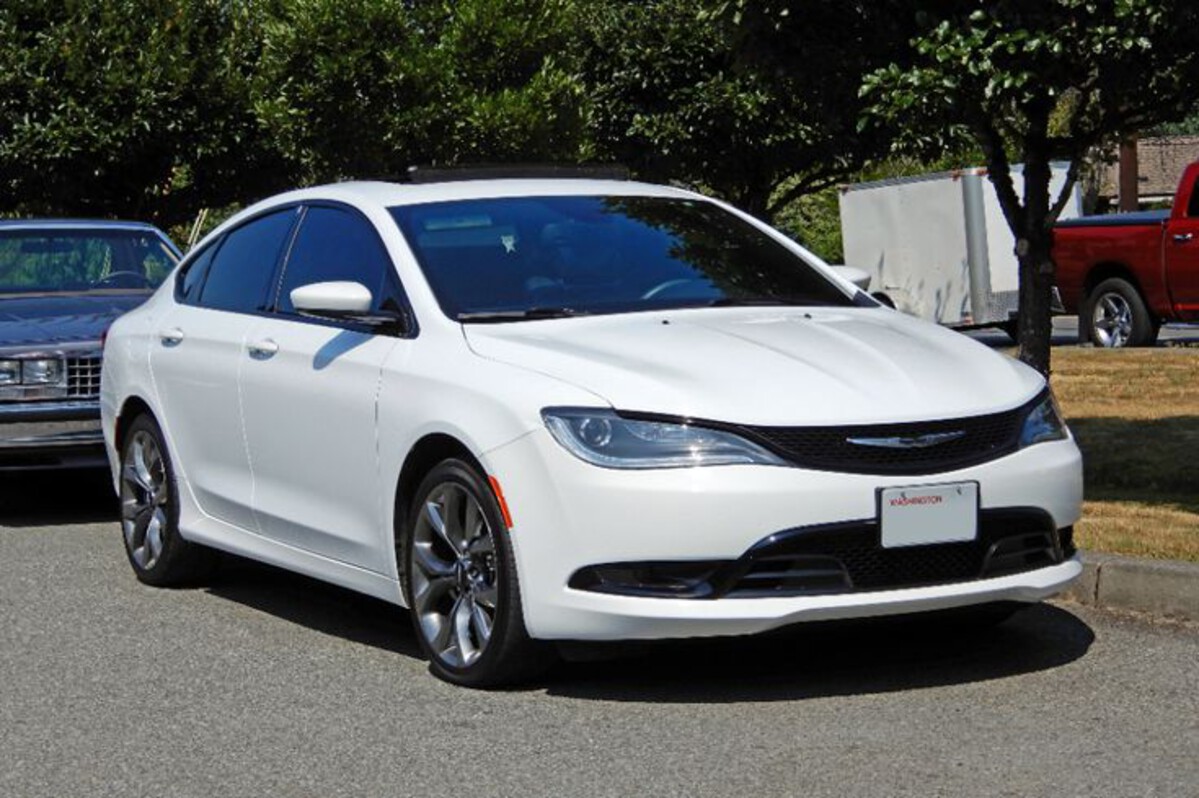
Why it causes trouble here: lower-cost engineering choices meant some components wear faster, and parts availability for less-common models can cause longer repair waits. In a humid, variable climate, neglected seals and sensors can escalate into bigger problems.
The reality: buy carefully and you might get a good car for cheap. Buy casually and you could be on the hook for repeated repairs that erase initial savings.
Ownership tip: if you consider one, insist on a thorough mechanical inspection, pay attention to transmission health, and check for any history of water intrusion or neglected maintenance. Extended warranties can be useful but read exclusions carefully.
5) Early model electric luxury crossovers (some brands)
Electric crossovers from some luxury brands debuted with great promise but also with teething problems battery management software bugs, costly replacement modules, and early-generation inverters or thermal systems that needed updates.
Their technology can be excellent, but early adopters sometimes endure repeated software patches and expensive hardware fixes.
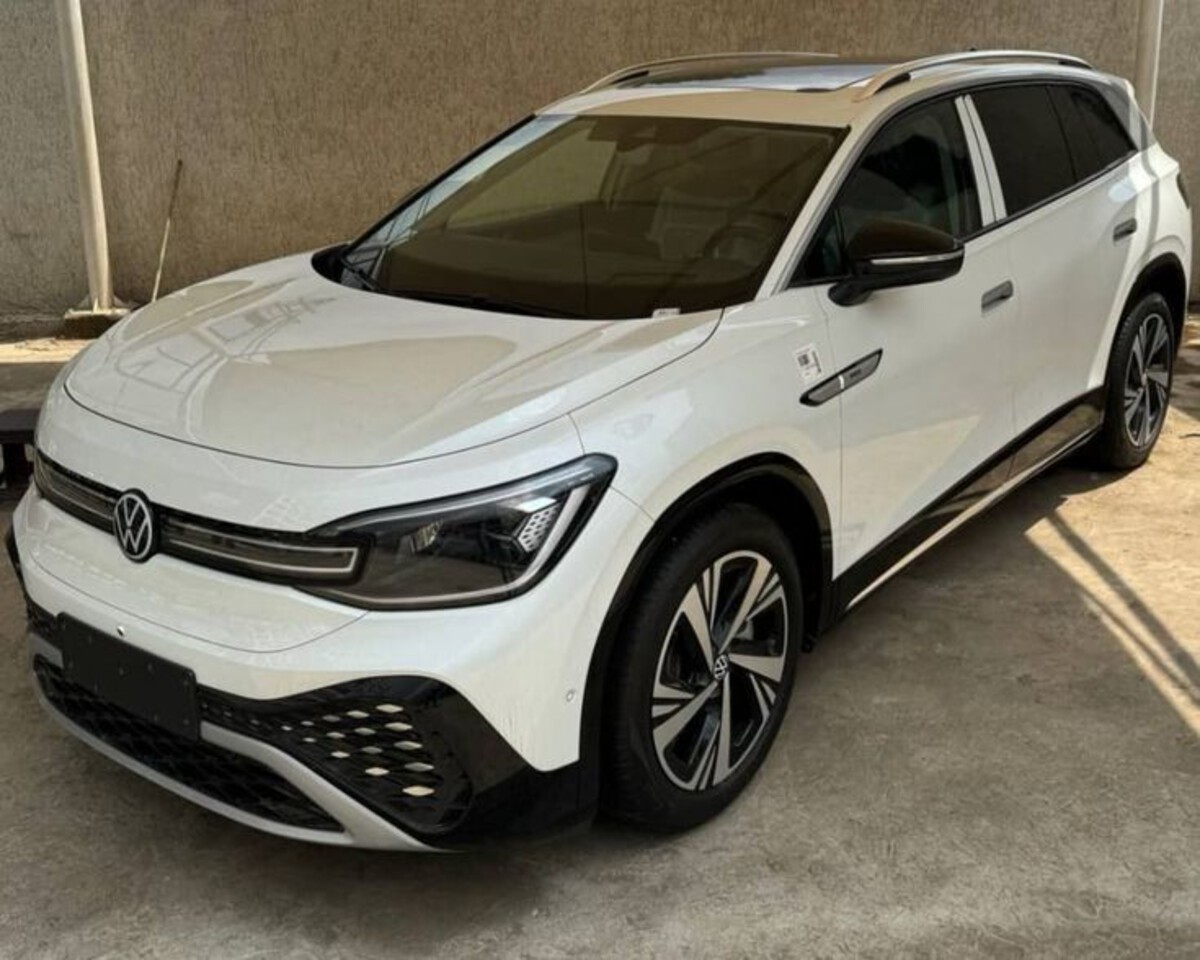
Why it causes trouble here: electrical systems are climate-sensitive. In the heat and humidity common to Arkansas, cooling and battery thermal management must be robust. Early models that weren’t fully baked can show degraded range, unexpected limp-home modes, or software lockouts. Plus, luxury EV parts aren’t cheap.
The reality: EVs are here to stay, and many modern ones are reliable. But if you’re shopping used for an early, high-tech luxury EV, buyer beware repairs can be pricey and service centers less common.
Ownership tip: verify battery health with a full diagnostic and confirm software updates and warranty transfers. Check for documented fixes for known early-model issues. If range or charging reliability is essential for your daily life, test the car thoroughly in real conditions (your typical commute) before buying.
Here’s the blunt summary: if you want peace of mind in Little Rock less time at the shop, fewer surprises, and more predictable costs lean toward proven, simple platforms that have a good owner-service network nearby.
Toyota and Honda models, Subaru for those who want AWD as standard, and mainstream American trucks like the Ford F-150 reward common-sense maintenance and tend to be easier and cheaper to fix locally.
They don’t promise thrills, but they do promise reliability, and that’s worth a lot when you’re commuting, running errands, or parenting chaos into and out of the car every day.
On the flip side, cars that tend to “break often” share a common theme: complexity without the maturity of wide service support.
Italian small cars with quirky electronics, older British luxury SUVs, early-generation tech-laden vehicles, and some mid-decade sedans that cut corners on critical components may look great on paper or have tempting price tags.
But when a vehicle needs rare parts, specialized labor, or expensive modules, even a low purchase price can quickly become irrelevant. That’s the real cost.
For buyers: get a pre-purchase inspection focused on known weak points (transmission, electronics, suspension and cooling). Ask for service records, and be skeptical of vehicles with spotty histories. If a dealer or private seller can’t show consistent maintenance, walk away.
For current owners of “trouble” models: prioritize preventive maintenance and build a relationship with a trustworthy local mechanic who knows your model or has a reputation for diagnostic skill. Sometimes the right shop reduces the pain dramatically.
For everyone: match the car to your daily reality. If your day is 20 minutes on smooth highways, a compact hybrid or sedan makes sense.
If you regularly handle rougher roads or trailer loads, a pickup or crossover with proven durability will pay back in fewer shop visits. And remember no car is perfect. But choosing one with a reputation for longevity, with readily available parts and service in the Little Rock area, makes your driving life a lot less stressful.