You’d think that when you drop a big chunk of money on a car, you’re buying comfort, smooth handling, and at least some level of driving joy. But nope the auto world loves proving people wrong.
Some expensive cars look amazing on paper, have gorgeous badges, and scream “luxury,” but once you hit the road, the whole fantasy falls apart. And honestly, it feels like getting played. You expect magic, and instead you get a headache, stiff seats, weird controls, and a steering feel that makes you question your life choices.
A lot of these high-priced cars fall into the trap of focusing too hard on design or trying to be “different.” Sure, they photograph well. They impress neighbors. The logo alone makes people think you’ve made it.
But behind the wheel? Total letdown. A surprising number of premium cars deliver clunky ride quality, annoying tech, sluggish acceleration, or handling that feels way too loose for something that costs as much as a down payment on a house.
And what makes it worse is that these cars often compete against cheaper models that absolutely smoke them in real-world driving. You know that feeling when a car looks like a beast but drives like a confused robot? Yeah that’s what we’re talking about.
I’ve picked ten of the worst offenders. These are the high-priced machines that promise the world and then drive like they never learned how roads work. Some are heavy. Some are cramped.
Some are just shockingly uncomfortable. Some pretend to be sporty and then fold under pressure like wet cardboard. We’re breaking them down one by one, so you know exactly why each one falls short and why the price tag does not match the experience.
Let’s get into the list and talk about the cars that should’ve been great but instead, left drivers wondering what exactly they paid for.
10 High-Priced Cars That Are Surprisingly Awful to Drive
Luxury cars are supposed to make things easier, smoother, and more enjoyable. But these ten high-priced models seem to have skipped that memo entirely. Instead of delivering premium comfort or sharp handling, they end up draining wallets and patience at the same time.
Some feel like they’re fighting the driver. Some rely too much on tech that tries to take over basic driving. And others are stuffed with features that sound cool until you realize they just complicate everything.
A few cars in this group are heavy to the point where they feel sluggish even with powerful engines. Others have stiff suspensions that punish you for every bump on the road. And then there are the ones that try so hard to feel sporty that they forget to be pleasant.
It’s wild how often these expensive machines get the basics wrong. Sure, they shine in ads and on showroom floors. They look stylish. They feel premium inside. But the moment you start driving, the cracks show.
Maybe the steering is too light. Maybe the transmission feels confused. Maybe the software lags like an old phone. Whatever the issue, the end result is the same an expensive car that doesn’t deliver what drivers expect for the money. And honestly, that’s the worst kind of disappointment.
Now let’s break down each model so you can see exactly what goes wrong behind the scenes, and why these fancy cars end up being frustrating instead of fun.
ALSO READ: 8 Legendary V8 Fords the American Market Sadly Missed Out On
1. Maserati Ghibli
The Maserati Ghibli has the badge, the price, and the attitude. You’d think it would be exciting to drive, right? But the excitement fades fast once you spend time behind the wheel.
The Ghibli tries to look sporty, but the actual driving feel doesn’t match the hype. The steering is vague, like it’s not fully connected to the wheels. You turn, and there’s this small delay before the car finally agrees. It’s not confidence-boosting at all.
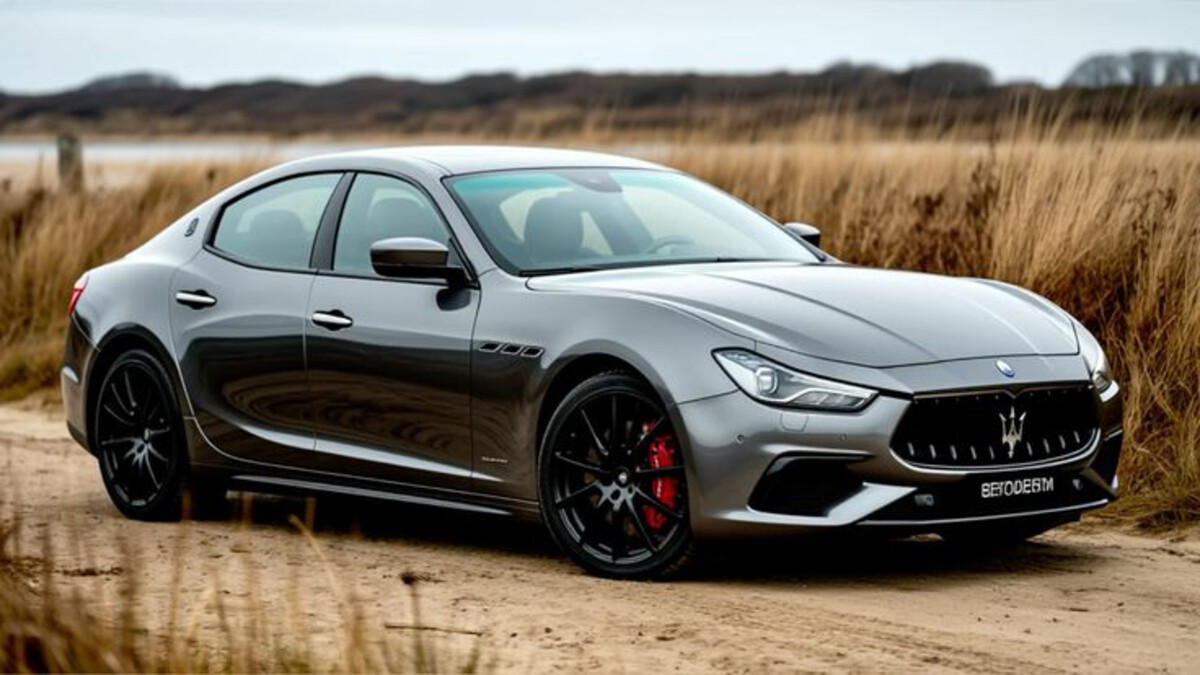
Then there’s the ride quality. For a luxury sedan, you’d expect something smooth and refined. But the suspension feels too stiff for everyday driving, and it ends up making the car jittery on uneven roads.
You hit a rough patch, and the whole cabin reacts more than it should. It tries to be sporty, but without the precision that usually comes with a sporty setup.
Inside, things look impressive at first glance, yet the controls and tech quickly reveal their flaws. Some buttons feel cheap. Some features lag. It’s not what you expect from a car in this price range.
And while the engine does sound great that part Maserati gets right the power delivery feels inconsistent. Sometimes it pulls hard, and other times it hesitates like the transmission is confused about what gear it wants.
Add all of this together, and the Ghibli becomes a car that sells the dream but doesn’t deliver the experience.
It wants to compete with German luxury sedans, but it lacks the tight handling, smooth ride, and polished interior that those rivals have nailed down. Drivers love the badge and the noise, but the actual driving experience leaves plenty to be desired.
2. Range Rover Velar
The Range Rover Velar looks like a piece of modern art. Sleek body, clean edges, futuristic vibe it’s honestly one of the best-looking SUVs in its class. But once you start driving it, the issues come at you fast.
The Velar suffers from a frustrating combination of laggy tech and inconsistent driving feel. For a luxury SUV with a high price tag, you’d expect something polished and smooth. Instead, you get something that always feels a little off.
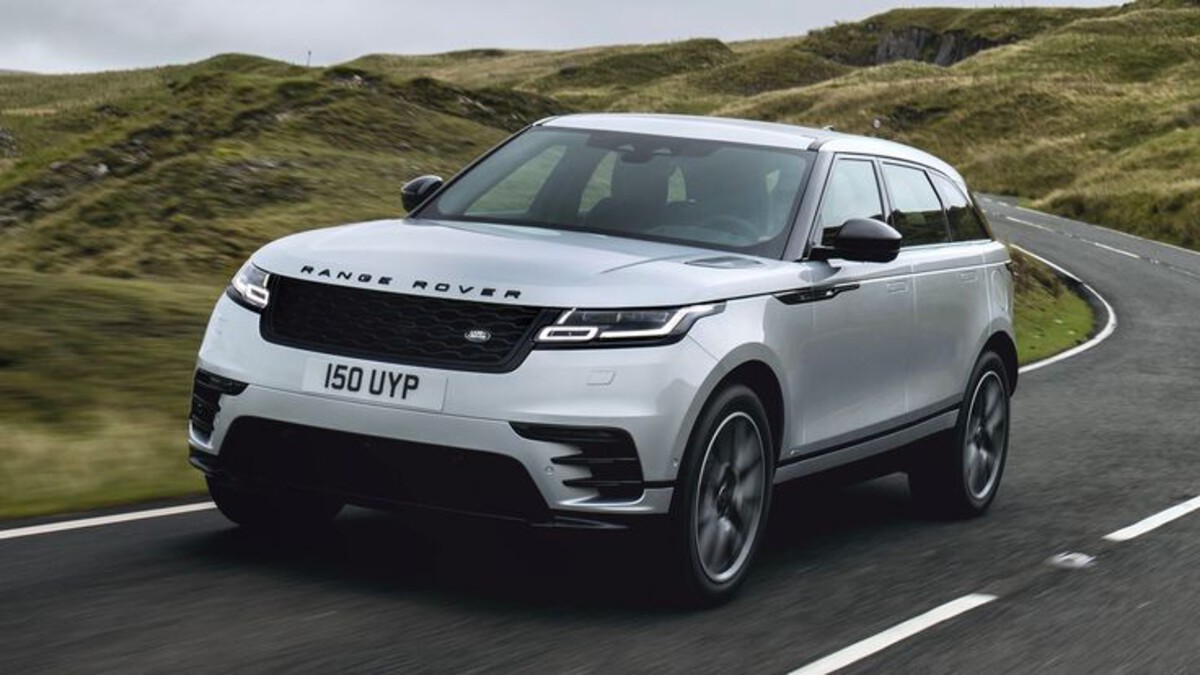
The first issue you notice is the touchscreen. It’s slow, glitchy, and sometimes doesn’t register inputs on the first tap.
Since almost every function relies on screens, you end up fighting the system constantly. Even basic things like adjusting the AC or changing a setting take longer than they should.
The ride isn’t much better. The Velar tries to blend comfort and sportiness, but it never fully commits to either. On rough roads, it sends more vibration into the cabin than a luxury SUV should.
But when you push it on twisty roads, it doesn’t feel planted. You get body roll, and the steering doesn’t give you much confidence. It just feels heavy and unsure of itself.
Even the engines feel mismatched. Some trims feel underpowered for the weight of the SUV, and the ones with more power often feel strained because the transmission can’t keep up. You get hesitation when accelerating from a stop, and the shifts sometimes feel clunky.
This is the kind of car that makes a big first impression but falls apart once you live with it. With its price, it should deliver a smooth and refined drive. Instead, you get something that’s more stressful than satisfying.
3. Lexus LC 500
The Lexus LC 500 looks incredible easily one of the most eye-catching cars on the road. It feels like every angle is designed to turn heads.
But the moment you start driving it daily, it becomes clear that the LC 500 is more of a showpiece than a driver’s car. Lexus tried to give it that grand-touring charm, but the balance is off.
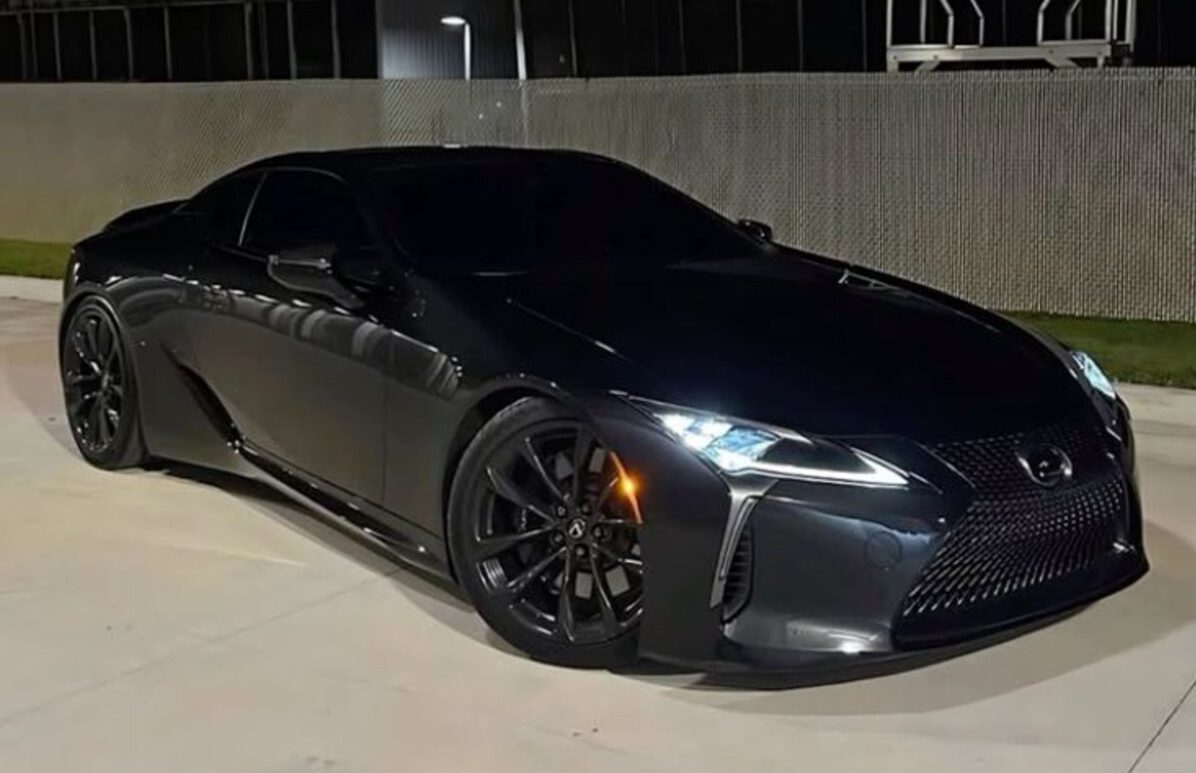
The biggest issue is the weight. The LC 500 is heavy seriously heavy. You feel it every time you try to corner with any real enthusiasm.
The steering is accurate, but the car doesn’t respond quickly enough. It’s like the weight slows the whole chassis down, making the car feel less agile than its appearance suggests.
The ride quality is another problem. It’s not uncomfortable, but it’s not as cushioned as you’d expect from a high-end GT car.
You end up floating between sporty and soft, but you never get the best of either. On longer drives, you feel the stiffness. On city roads, the bumps get tiring.
Then there’s the tech. The infotainment system relies on that annoying touchpad setup that Lexus loves way too much. It’s finicky, distracting, and frustrating to use while driving. It doesn’t matter how nice the interior looks the experience gets dragged down by controls that never feel natural.
And sure, the V8 sounds amazing. That part is a win. But even with all that noise, the LC 500 doesn’t deliver the sharp driving feel you’d expect from a car in this price range.
It ends up being a car you love to look at but don’t always enjoy driving, especially if you actually care about handling and responsiveness.
4. Mercedes-Benz G-Class (G-Wagon)
The G-Wagon has become a status symbol, and honestly, that’s the real reason it sells. It looks bold, boxy, and expensive. It’s rough, heavy, and awkward. Even the updated versions still carry that old-school feel that doesn’t blend well with modern expectations.
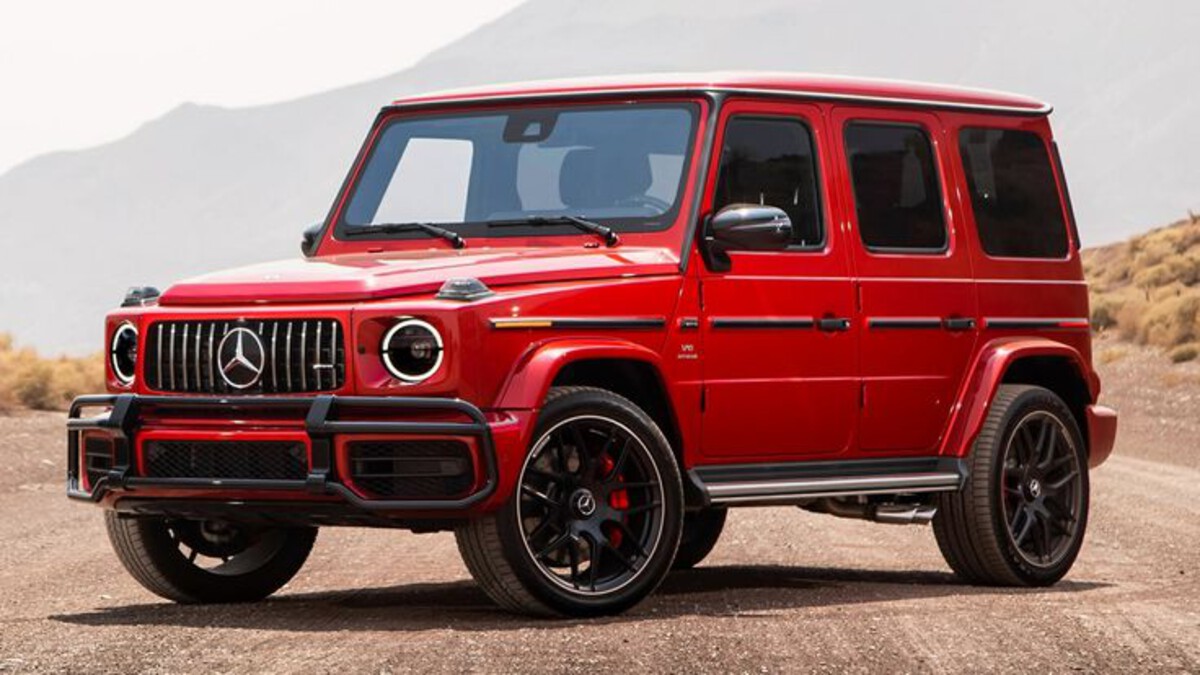
For starters, the shape alone creates problems. The aerodynamics are basically nonexistent, so wind noise is a constant companion.
On the highway, the G-Wagon gets pushed around more than you’d expect for something this big. The steering also feels vague at times, and you get a weird mix of heaviness and looseness that makes it hard to trust the front end.
The ride quality is another issue. Even with modern suspension updates, it still feels like a truck. Every bump shakes through the cabin.
For a car that costs this much, the comfort just isn’t there. It’s not refined it’s rugged, and that’s not what every buyer wants.
The weight makes it slow to react in corners. You feel the body lean, and the whole SUV takes a second to settle. It doesn’t feel planted unless you’re driving straight. And parking? A full workout. Visibility is good forward, but judging the boxy corners takes time.
Inside, it’s luxurious for sure, but the drive doesn’t match the luxury. It’s a flashy machine that’s great for style and attention but not for comfort or handling. If you’re expecting a premium driving experience, you’ll be disappointed.
5. Porsche Panamera Base Model
You hear “Porsche,” and you instantly think about tight steering, sharp handling, and that clean, responsive feel. But the base Panamera is the exception that proves the rule. It asks for a high price but delivers a driving experience that doesn’t feel worthy of the badge.
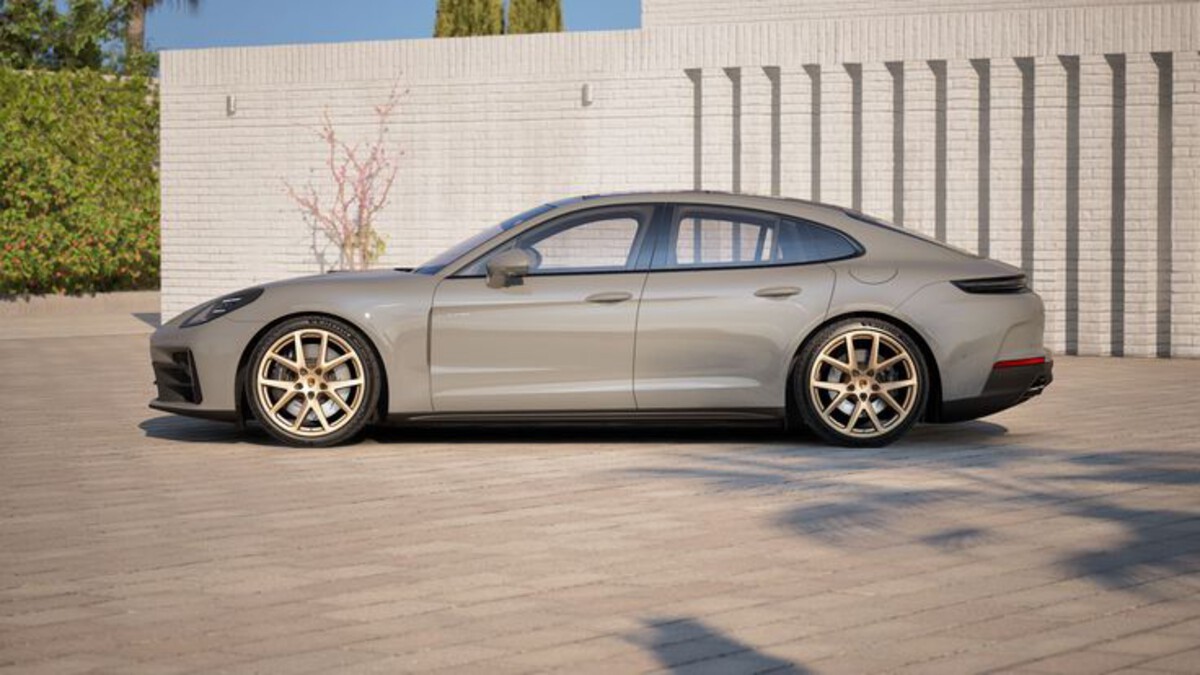
The first letdown is the engine. It’s not bad, but it feels underpowered for the weight of the car. You step on the gas, and instead of that instant Porsche punch, you get a slow build-up that feels lazy. The car looks sporty, but the engine doesn’t match the attitude.
Then there’s the suspension tuning on the base model. Without the optional performance add-ons, the ride feels busier than expected.
You get bumps and vibrations that shouldn’t be noticeable in a car this expensive. It tries to be sporty and smooth at the same time but doesn’t nail either.
Handling also suffers. It’s not terrible, but it’s not what people expect from Porsche. The steering feels lighter and less connected compared to the brand’s usual standards. You don’t get that precise, rewarding feel that makes Porsche fun on twisty roads.
The interior is premium, but the controls can be overwhelming. The center console is packed with buttons, and the screens take time to get used to. For a car with such a big price tag, the overall experience feels like it’s missing something.
If you go for the higher trims, the Panamera gets much better. But the base model? It’s expensive, yet it doesn’t deliver the excitement or the comfort expected from a luxury performance car.
6. BMW 7 Series (Older Generations)
The BMW 7 Series is supposed to be BMW’s flagship luxury sedan, but some generations just didn’t hit the mark. The price is high, the features are shiny, but the actual driving experience feels disconnected.
The main issue is the steering. BMW used to be known for incredible steering feedback, but in these older 7 Series models, everything feels numb.
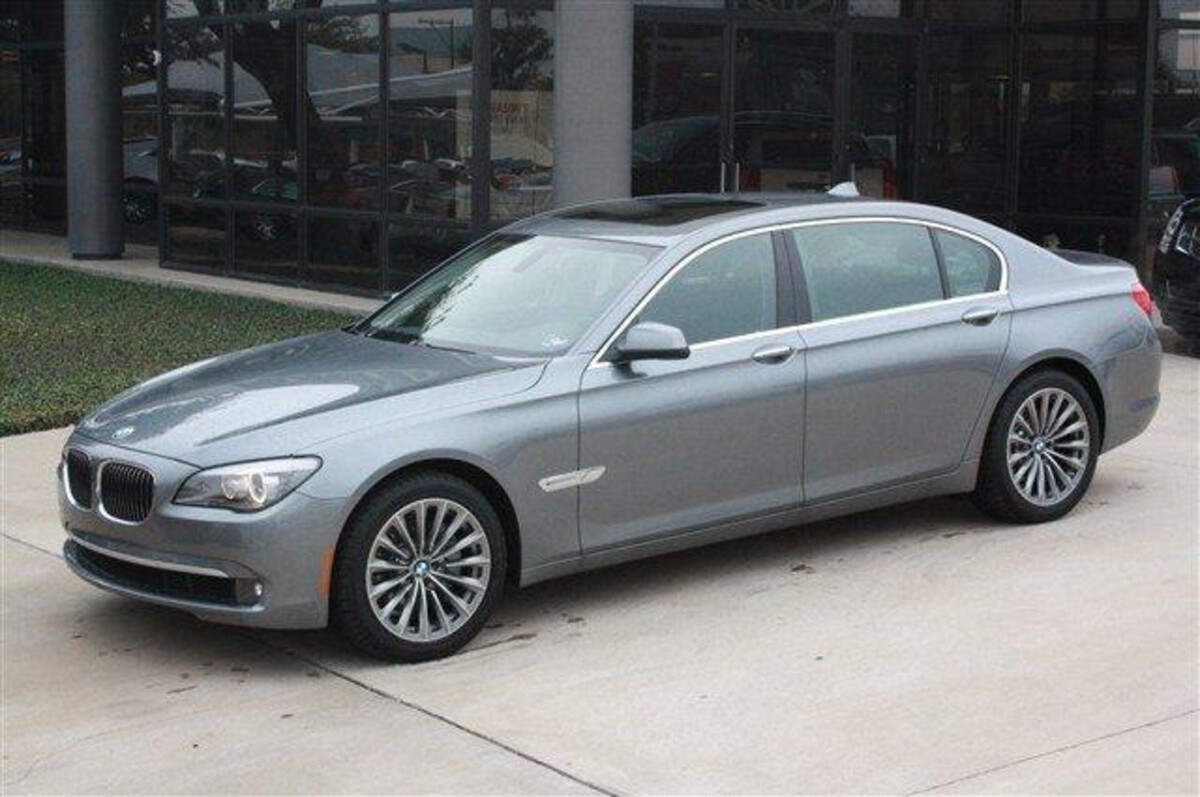
You turn the wheel, but you don’t feel the road. It’s smooth, sure, but it lacks personality. The car is also huge, and it drives like it. Parking feels like a task. Tight corners feel clumsy. The car leans more than it should for something that claims to be sporty.
Then there’s the suspension. It’s comfortable on smooth roads, but over bumps, it feels floaty. The car moves more than it should, and passengers feel the constant motion. It’s not the stable, composed ride that a luxury flagship should have.
The tech, especially on older models, is another headache. Outdated screens, glitchy systems, and slow interfaces make the cabin feel more frustrating than relaxing. When you’re paying premium money, this stuff should be perfect, not half-baked.
The engines are strong, but the weight of the car holds them back. Acceleration feels slower than expected, and the transmission sometimes hesitates. It’s a luxury sedan that doesn’t deliver the smooth, crisp drive you’d expect.
Overall, the older 7 Series models look good and feel premium inside, but the drive itself is surprisingly dull and sloppy for the money.
ALSO READ: 10 Turbocharged Engines Famous for Never Letting Their Owners Down
7. Cadillac Escalade
The Cadillac Escalade has street presence, no doubt. Big, bold, and loaded with features. But once you start driving it, the flaws show fast.
This SUV is massive, and it drives exactly like that. Maneuvering it in tight spaces feels like steering a bus. The size alone becomes a constant challenge.
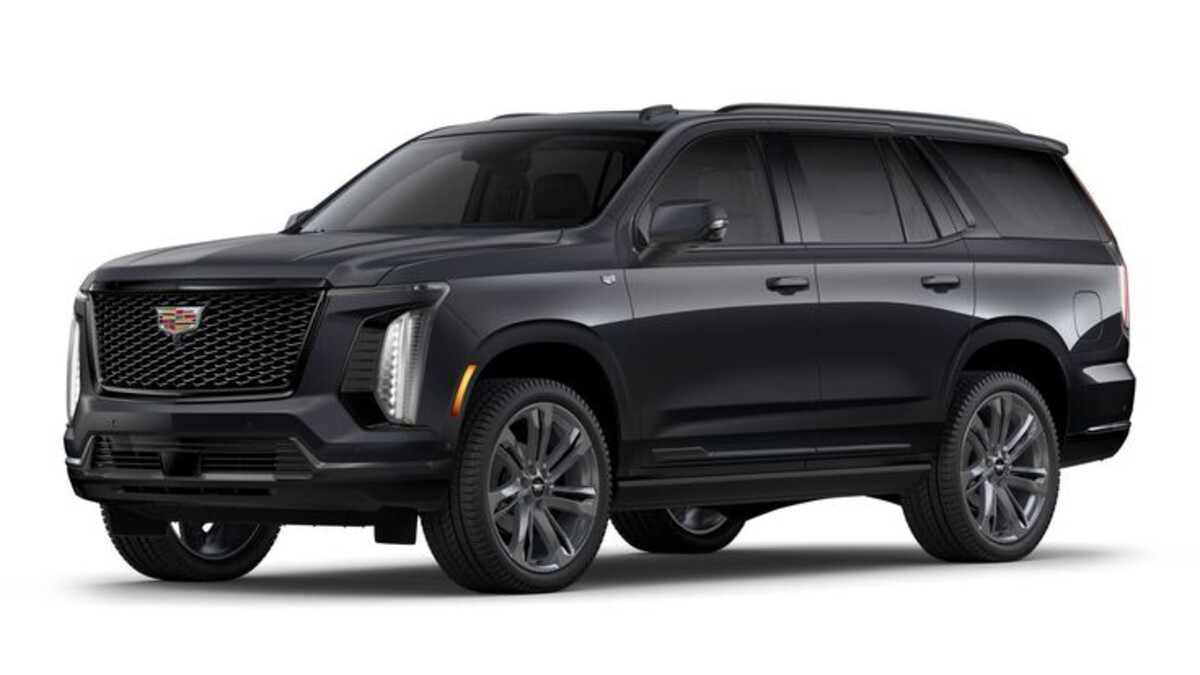
The ride quality is hit or miss. On smooth highways, it feels fine. But on city streets? You feel every pothole. The suspension doesn’t absorb bumps as smoothly as a luxury SUV should. The body movement is noticeable, and passengers feel like the cabin is always bouncing or rocking.
Steering is another issue. It feels too light for such a large vehicle. You turn the wheel, and the front end reacts slower than you expect. It doesn’t give you confidence, especially when driving at higher speeds or making sudden moves.
Inside, the design is flashy, but the cabin can feel cramped in certain areas because of how high everything sits. The visibility is also tricky. The hood is huge, the pillars are thick, and judging distance becomes a guessing game.
The Escalade has strong engines, but the weight of the SUV holds everything back. Acceleration is good in a straight line, but it doesn’t translate into agility. Cornering feels sloppy, and stopping distances are longer than they should be.
It’s a great status symbol, but as a daily driver, it can be a frustrating experience.
8. Tesla Model X
The Tesla Model X is flashy, futuristic, and packed with tech. But from a driving perspective, it has some surprising weaknesses. The first obvious issue is the size. The Model X is huge, and it feels even bigger when you’re driving it. The steering is light, almost too light, which makes the car feel unnaturally floaty.
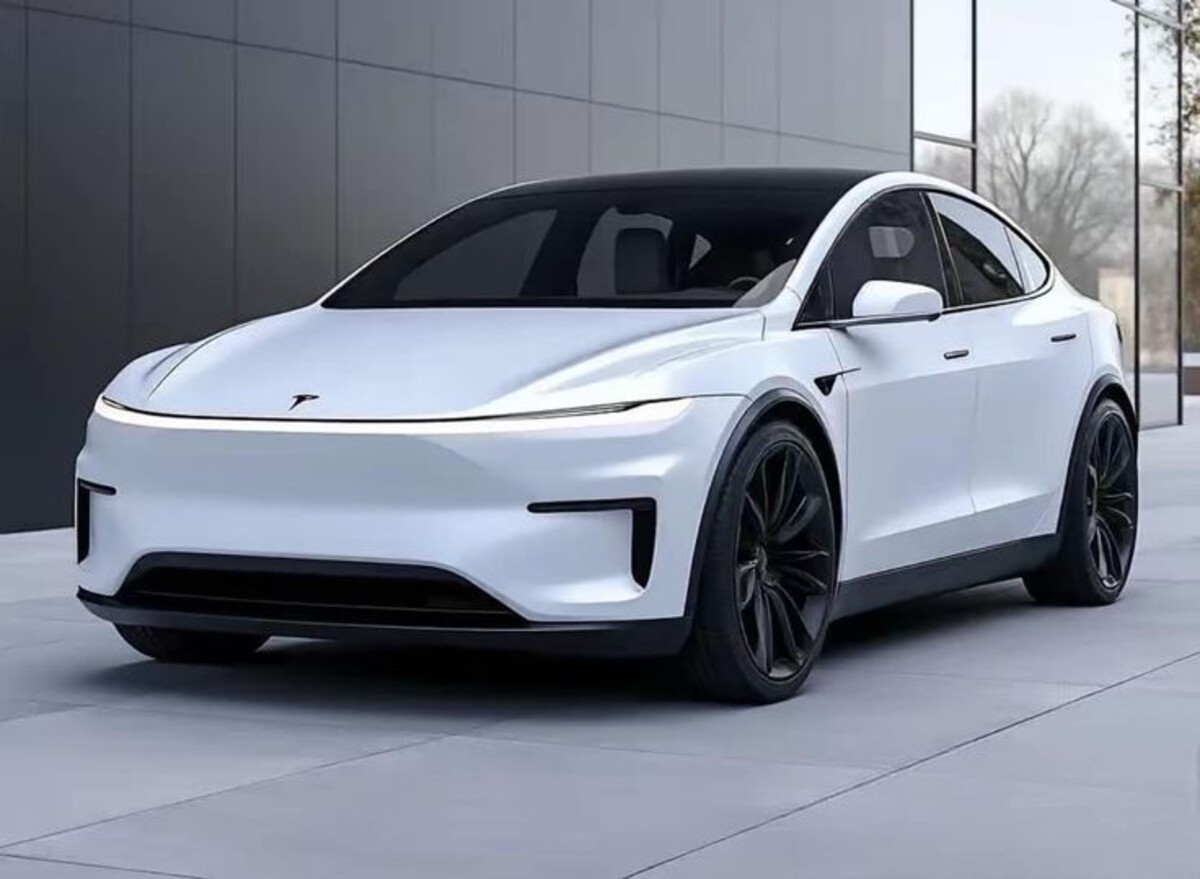
The suspension is inconsistent. Sometimes it feels smooth, and other times it crashes over bumps. You never know what you’re going to get. For something this expensive, the ride should be stable but instead, it’s unpredictable.
Then there’s the infamous build quality. Panel gaps, rattles, and squeaks show up more often than they should on a high-priced car. It’s irritating because the car has so much potential, yet these small things ruin the experience.
The touchscreen controls everything. Literally everything. And while it looks cool, it becomes annoying when you need something simple, like adjusting the wipers or changing airflow. You end up taking your eyes off the road more often than you’d like.
The heavy battery also affects handling. The car corners well for its size, but you still feel the weight. It’s not agile. It’s not tight. The car leans more than it should for something marketed as sporty.
The Model X is impressive in theory, but the real-world driving experience feels rushed and unfinished.
9. Jaguar F-Type Four-Cylinder Model
The Jaguar F-Type looks like a dream low, sleek, and aggressive. But if you go for the four-cylinder model, the driving experience doesn’t match the look.
Jaguar gave it the fancy styling, but the engine feels like it doesn’t belong there. When a sports car looks this bold, you expect it to roar. Instead, the four-cylinder F-Type sounds flat and uninspiring.
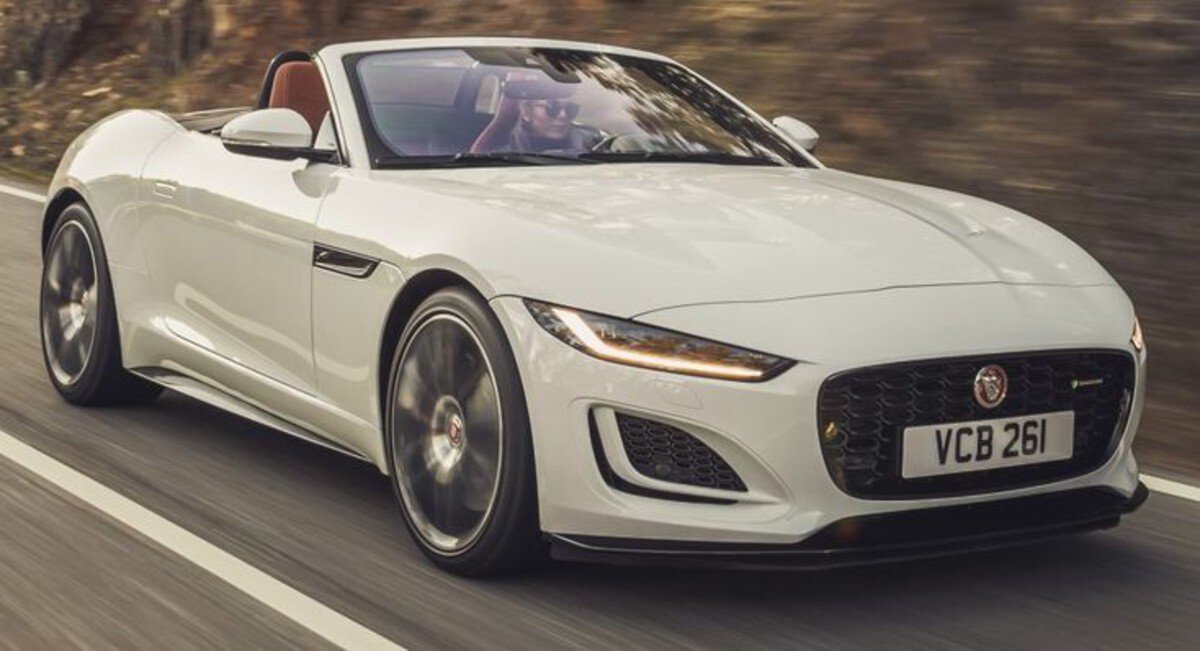
Acceleration is okay, but not exciting. The car wants to feel quick, but the engine doesn’t deliver the punch needed to make it fun. It feels like the car is pretending to be something it’s not.
The steering, while accurate, doesn’t give the feedback you expect from a true sports car. It’s missing that raw connection that makes sporty cars addictive to drive. And the weight distribution on this version doesn’t feel balanced. You get understeer, and the front end feels heavier than expected.
The suspension is another issue. On smooth roads, it feels great. But hit a rough patch, and the cabin gets shaky. The car tries to be firm and sporty, but it ends up feeling harsh for daily driving.
Inside, it’s cozy but tight. Tall drivers feel cramped. The touchscreen looks modern but sometimes lags, which gets annoying fast.
The F-Type four-cylinder might be the cheapest way into the lineup, but it also delivers the weakest driving experience.
10. Audi A8
The Audi A8 is packed with tech, comfort features, and futuristic touches. But when it comes to driving, it’s surprisingly dull. The A8 is heavy, and you feel it immediately. It glides smoothly, but it doesn’t respond with any real excitement. The steering is too light, and it feels disconnected from the road.
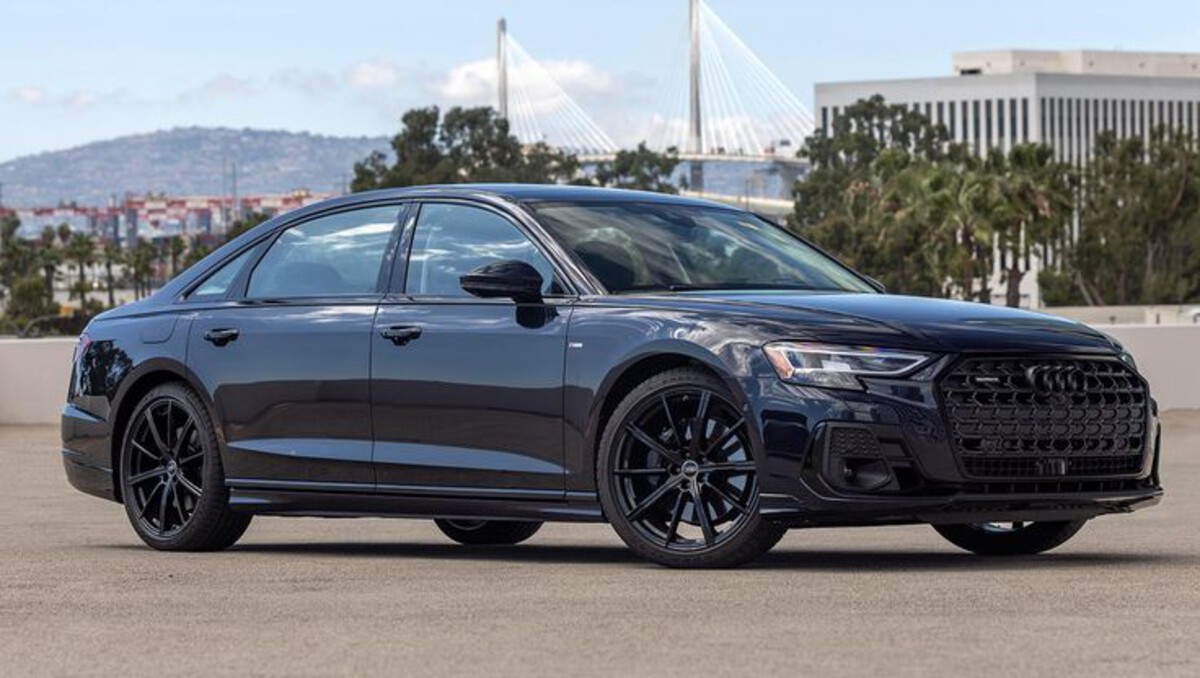
Acceleration is fine, but it never feels urgent. The car seems more focused on isolating you from everything. While that sounds luxurious, it ends up feeling boring. There’s no real personality behind the wheel.
The ride quality is soft, almost too soft. The car floats over bumps, but it also leans more than expected when cornering. You never feel like you’re fully in control during quick maneuvers.
The tech inside is impressive, but sometimes overwhelming. The dual-screen setup looks good, but it requires too many taps to do simple tasks. You end up spending more time figuring out the interface than enjoying the drive.
Overall, the A8 is comfortable, but it lacks the engaging, confident drive that a high-priced sedan should have. It’s the kind of car you enjoy being driven in not driving yourself.
There’s nothing wrong with wanting a high-end car. The problem comes when the price tag sets expectations that the car can’t match.
All ten models on this list look impressive, feel premium inside, and carry badges that usually guarantee quality. But once you get behind the wheel, the truth comes out fast. Expensive doesn’t always mean better.
Some of these cars fall apart because of poor steering feel. Others suffer from confusing tech, laggy controls, or ride quality that doesn’t match the luxury title.
And a few rely so heavily on image and branding that the driving experience becomes an afterthought. When you’re paying this much money, you shouldn’t feel frustrated, uncomfortable, or bored. Yet that’s exactly what these models deliver.
The biggest lesson here is simple: a car can look amazing and still drive poorly. A fancy interior doesn’t fix sloppy handling. A loud engine doesn’t fix vague steering. Cool tech doesn’t fix a suspension that beats up your spine. And styling definitely doesn’t fix a transmission that hesitates every time you hit the gas.
Drivers expect balance. They expect a car that looks, feels, and drives like it’s worth the price. When a luxury model can’t deliver that trio, it becomes more of a trophy than a tool. It sits in the driveway looking impressive but doesn’t bring joy on real roads.
If anything, this list shows that test drives matter way more than brand names. A high price doesn’t guarantee a great drive. And sometimes, cheaper models do a better job because they’re engineered with more care and less ego.
So before you fall for a fancy badge or a cool design, remember: the road doesn’t care about branding. It exposes everything the good, the bad, and the overrated.