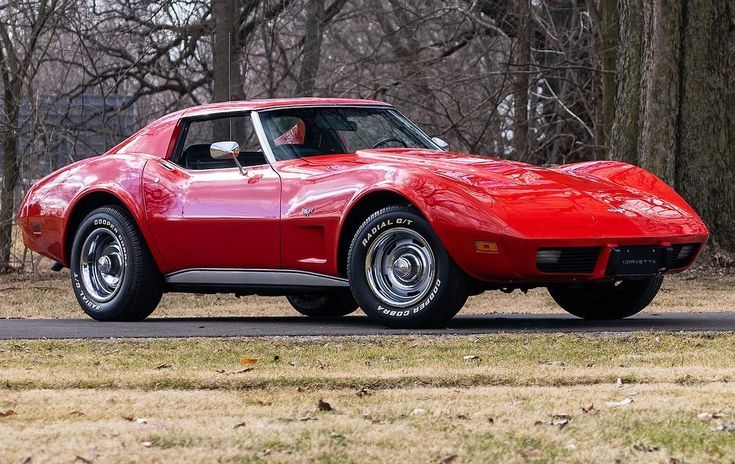
The mid-engine Corvette C8 reset what many buyers expect for price-to-performance. It’s a sharp, capable car that tore up expectations by moving the Corvette into exotic territory. But “reset” doesn’t mean “unbeatable” not by a long shot.
The used-car market has quirks: older supercars and high-performance machines depreciate hard, which means you can sometimes buy a car whose raw numbers outclass a C8 for the money.
What you give up is usually convenience, comfort, running costs, or the kind of refinement the C8 delivers straight from the factory but if your priorities are pure horsepower, raw acceleration, and that visceral shove in the seat, the used market offers several better bargains.
This article picks ten used cars that often remain cheaper on the used market than many C8s yet deliver more power or straight-line pace sometimes both. I’ll be blunt about tradeoffs: running costs, reliability headaches, and practicality are real.
Some of these are temperamental, others drink fuel like there’s no tomorrow, and a few demand specialized maintenance. Still, they share one thing: when you compare used prices to performance, they often win the headline duel with the C8.
I’ll cover why each car can be both a smarter performance buy and a riskier ownership choice. Expect power figures, driving character, ownership pros and cons, and the real-world reasons they can undercut a C8’s performance-per-dollar.
If you want the raw thrills without paying Corvette-new money, some of these cars deliver exactly that in spades. Read on, but don’t pretend these are bargain daily drivers; they’re bargains if your metric is velocity per dollar and you accept the tradeoffs that come with it.
The short take – what to watch for
When hunting a used high-performance car that outmatches a Corvette C8 on paper, price and condition are everything. Depreciation is the friend of the fast-and-famous: cars that were once six-figure buys often fall into an “affordable exotic” range after a few years, making them appear cheaper than a C8 in the used market.
That doesn’t mean they’re the same deal maintenance, insurance, parts, and fuel can eclipse the purchase savings. Still, a few models repeatedly show up as smart choices if your aim is peak power and acceleration for the money.
Look for cars where manufacturers overspecified engines, or where limited production caused rapid depreciation. Also consider models that were notorious for high running costs or niche appeal; those see prices soften and become attainable.
A clean example with a proper service history is non-negotiable these cars can be expensive to fix, and poor maintenance will make them costly fast fails.
Another angle is the tuner scene: some models respond massively to bolt-ons and software, letting you extract far more performance than the stock Corvette cost-for-cost.
If you’re mechanically capable or know a trustworthy specialist, that’s a route to beat the C8’s straight-line speed without matching its showroom price. But always factor the whole life costs: tires for high-power cars, brake upgrades, and the chance of exotic-component failures.
Below are ten used cars that routinely show up as cheaper yet faster or more powerful than many C8s, with a clear note on what each buys you and what it costs you. Think of the list as a practical hit list: raw thrills first, convenience later.
ALSO READ: 10 Turbocharged Cars Known for Being Virtually Indestructible
1) Nissan GT-R (R35)
The R35 GT-R is a unique case: it was engineered for blistering real-world pace at a relatively attainable price. Its twin-turbo V6 and all-wheel drive deliver prodigious grip and repeatable 0–60 numbers that, in many used examples and trims, outpace stock C8s especially considering AWD launch traction and track hardiness.
Depreciation hit earlier GT-Rs less than some supercars, but well-chosen used examples (with verified service records) often sell for less than a clean, low-mile C8 while offering similar or superior sprint times.
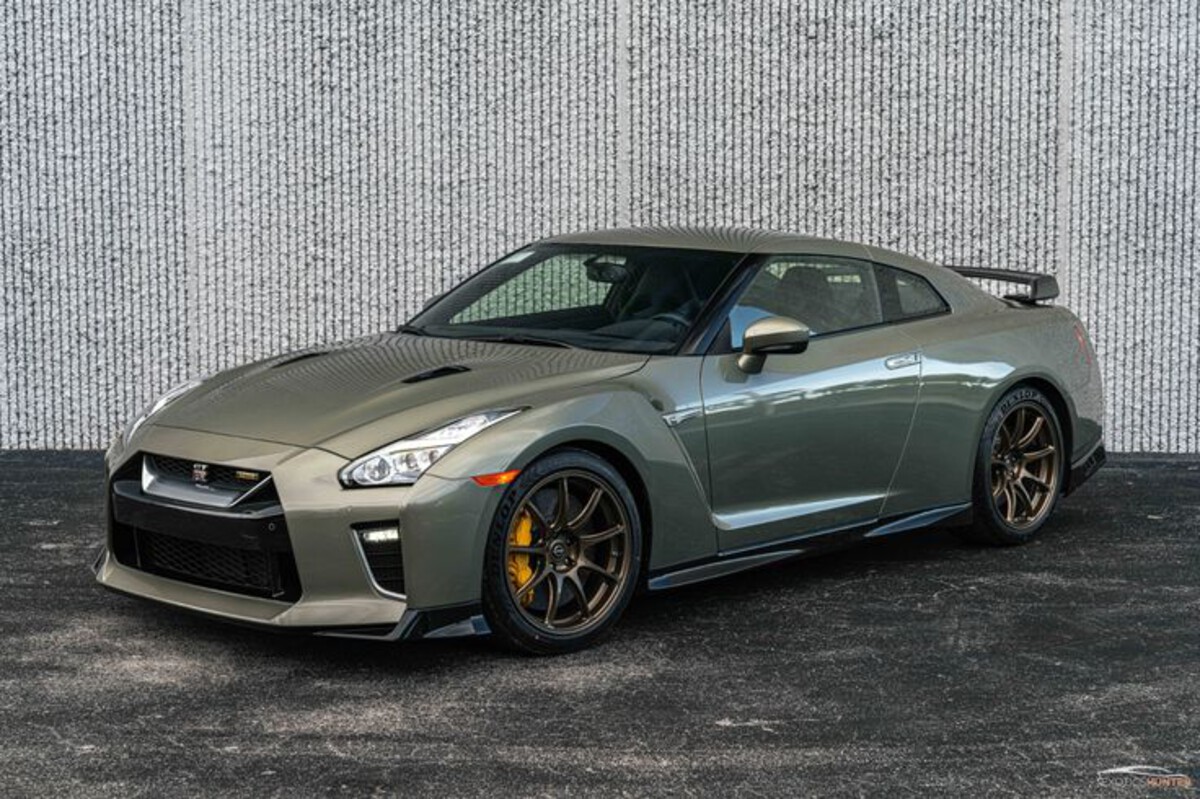
What you buy: relentless acceleration, strong aftermarket support, and an engineer-driven chassis built to take punishment. GT-Rs are famously durable when maintained, and the factory parts and tuning ecosystem make them practical for performance-minded owners.
What you pay: lower purchase price than many comparable performance cars, but expect high service costs for major item the VR38 engine and its turbos are robust, but rebuilds or transplant work are expensive. Insurance and fuel are also non-trivial. Older GT-Rs may lack some interior polish, but the driving payoff is undeniable.
Verdict: If you want a used car that shoves harder off the line than a C8 and you value raw engineering over showroom prestige, a well-sorted R35 is one of the best bets.
2) Porsche 911 Turbo (997 / early 991)
Porsche’s 911 Turbo variants have long been the benchmark for usable, high-speed performance. A used 997 Turbo or an early 991 Turbo often offers punchy twin-turbo power, surgical handling, and everyday usability.
Depending on model year, service history, and options, some examples can be priced below high-trim C8s while delivering comparable or superior midrange torque and top-end speed.
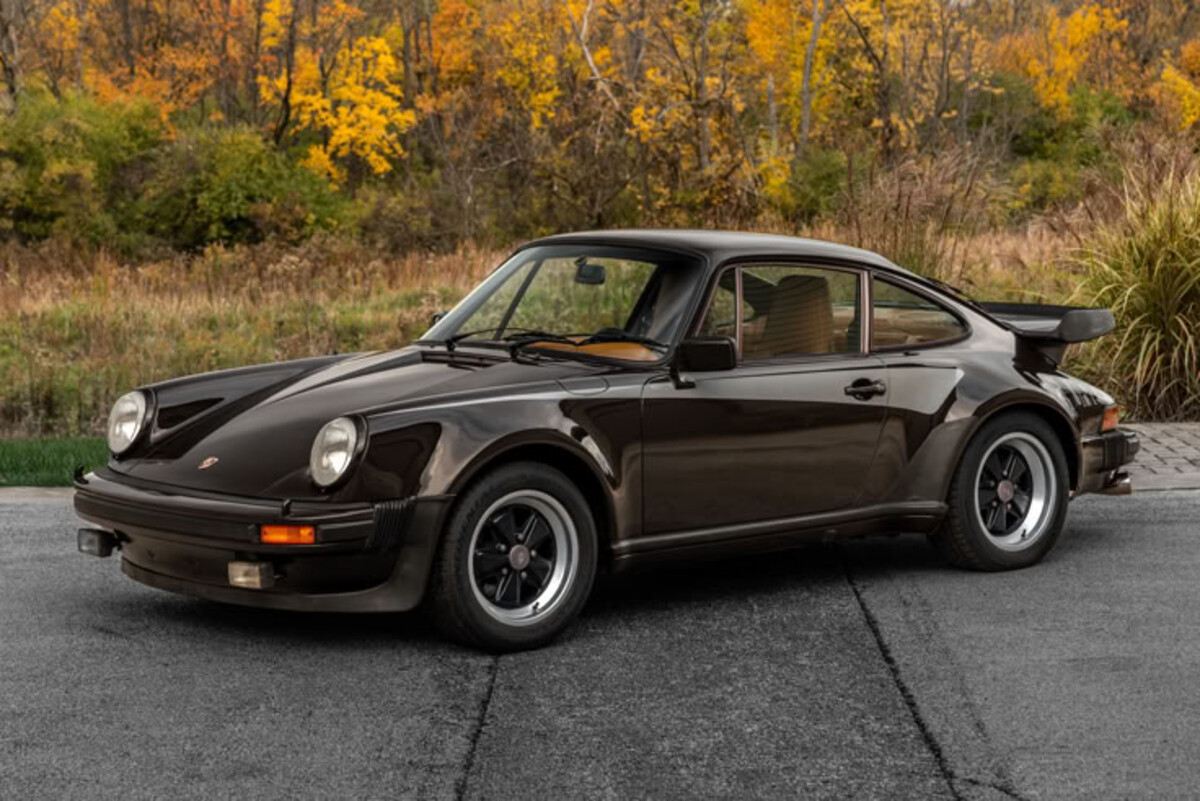
What you buy: polished dynamics reliable, sophisticated all-wheel drive, and a chassis that balances precision with huge reserves of power. Turbos from Porsche age well if serviced correctly, and their driving manners are more refined than many brute-force exotics.
What you pay: Porsches can demand pricey maintenance when things go wrong turbo seals, IMS belt concerns are model dependent, and older turbos might need major service items. Parts and labor cost more than mainstream cars. But the 911’s resale value tends to be steadier than true exotics.
Verdict: For someone who wants clinical speed, build quality, and a tunable platform that often undercuts a C8 on the used market, a 911 Turbo is a defensible and refined choice.
3) Audi R8 V10 (first-gen) — exotic feel for less
The first-generation Audi R8 V10 gives you a naturally aspirated V10 soundtrack and mid-engine layout that feel much more “exotic” than they cost used.
In many listings, older V10 R8s sell for prices that put them below late-model C8s, yet their peak horsepower and thrilling rev range can beat or at least match a stock C8’s power delivery especially in high-revving feel and top-end excitement.
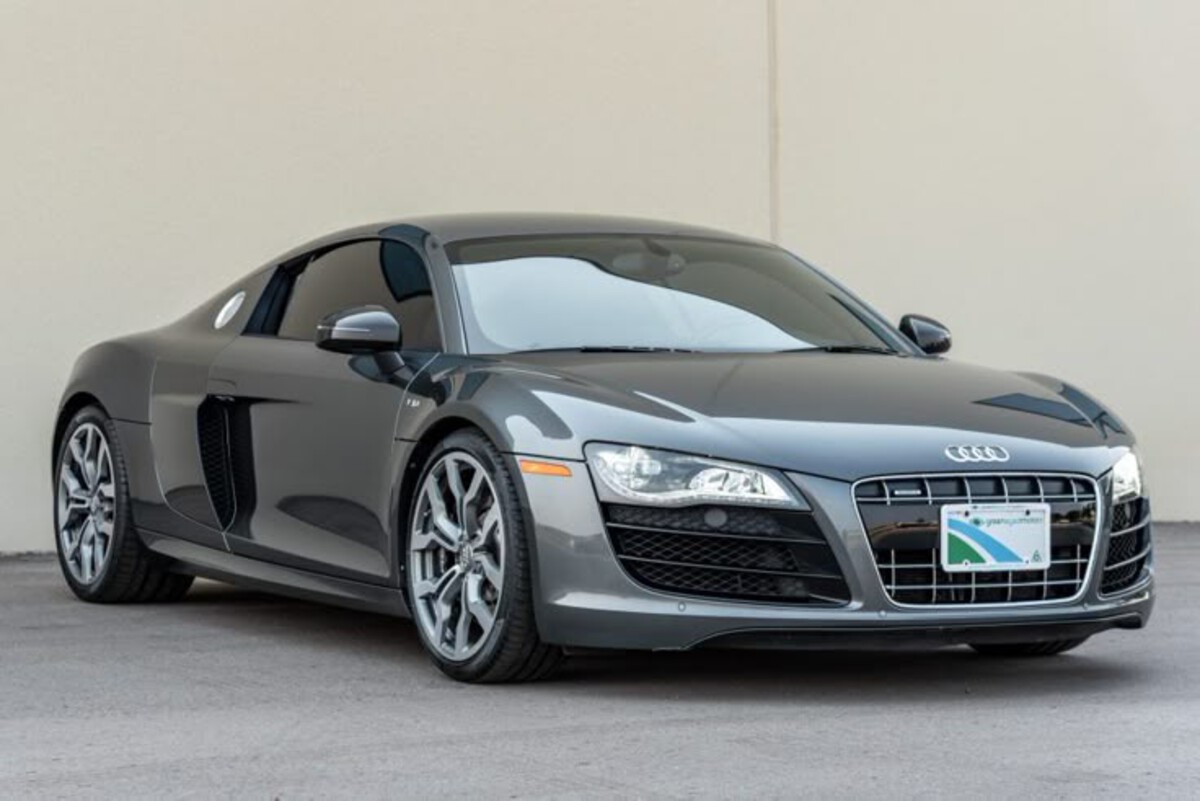
What you buy: drama and presence, a supercar silhouette, carbon fiber touches in some trims, and a visceral V10. The R8 is also mechanically solid in many service histories, and quattro-based stability systems make it more usable than some rear-drive exotics.
What you pay: older R8s can be expensive to maintain clutch, transmission, and engine service are specialist jobs. Depreciation helped bring prices down, but be picky: avoid cars without a verified history or those showing signs of neglect.
Verdict: If you want a mid-engine exotic experience and V10 drama for a price that sometimes undercuts the C8, the R8 is an emotional and rational pick provided you budget for maintenance.
4) Dodge Viper (SRT-10 / ACR era)
The Viper represents an old-school American approach: massive displacement, little electronic nannying, and a brutal personality.
Older Vipers, especially tuned or track-oriented ACR models, often boast higher horsepower than early C8s and can be found for less on the used market. They’re not refined, but they are profoundly fast in a straight line and a blast on open roads or the track for the brave.
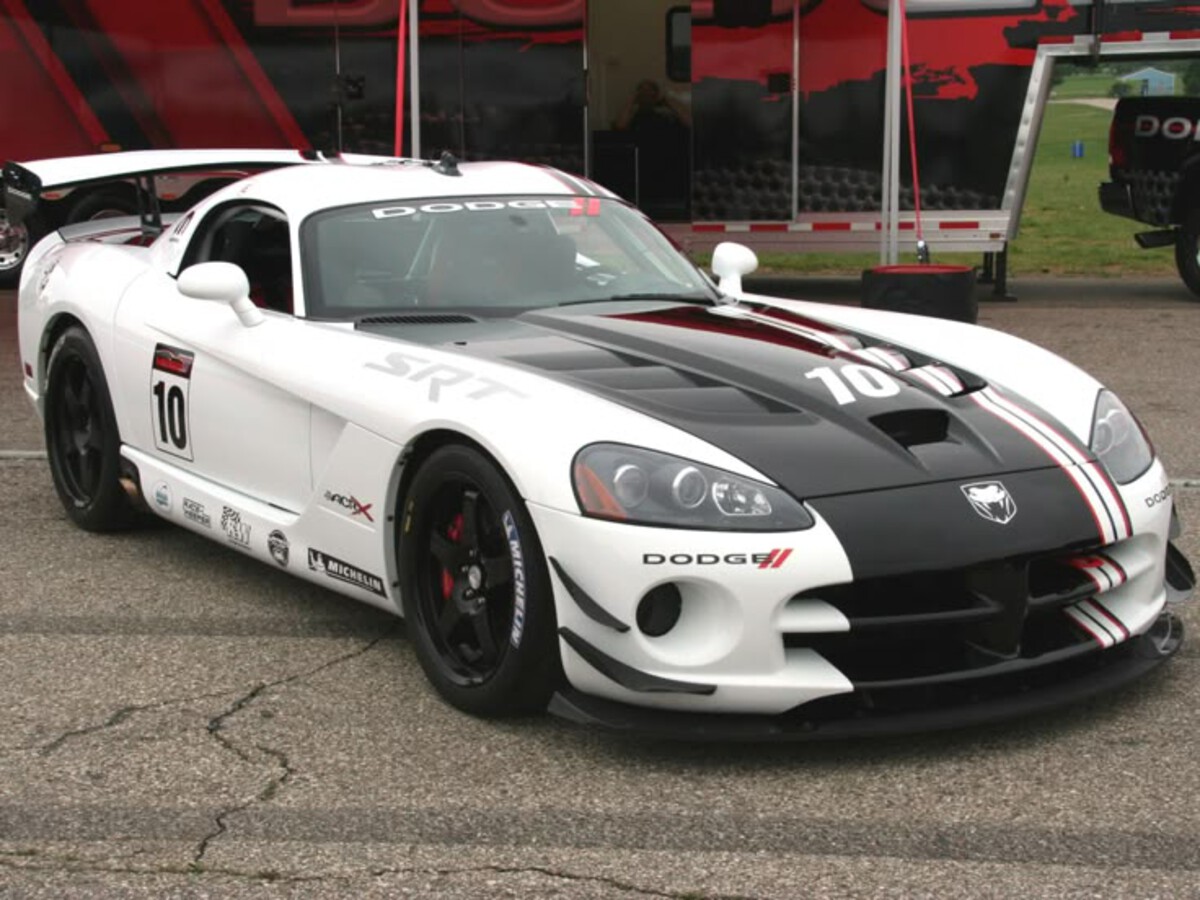
What you buy: raw torque, unfiltered engine feel, and a car that rewards skilled inputs. Vipers deliver a visceral connection missing from many modern cars. On a dollar-for-thrill basis, they’re tough to beat.
What you pay: terrible fuel economy, high insurance, and a chassis that can be unforgiving. Reliability is generally acceptable for the massive V10, but parts and labor are specialized. The cabin is Spartan compared to the C8.
Verdict: For pure, unvarnished speed and a price that can undercut a C8, the Viper is compelling but it’s not for drivers who want daily comfort or low upkeep.
5) Chevrolet Camaro ZL1 (Supercharged V8)
The Camaro ZL1 gives you supercharged big V8 grunt and a setup tuned for high-speed performance. Modern ZL1s punch out power levels that compete with or exceed many base C8s in straight-line acceleration, and used examples can be significantly cheaper.
If you’re looking for high horsepower for the cash without exotic maintenance headaches, the ZL1 is a practical performance bargain.
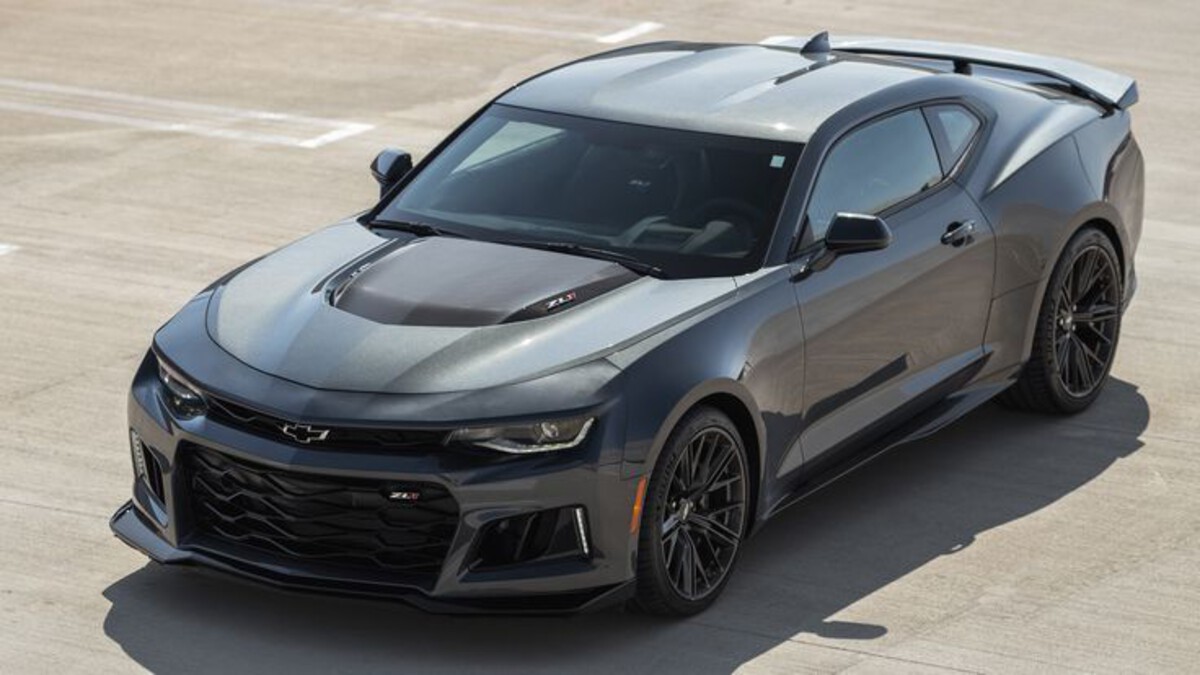
What you buy: mass-market parts availability, excellent aftermarket support, and a chassis that can be dialed in for track or street use. Maintenance is more conventional and generally less costly than exotic Europeans.
What you pay: weight the Camaro is heavy compared to the C8, and handling feels American muscle-car oriented rather than razor-sharp. Interior quality isn’t at Porsche level. Still, if you want power and value, the ZL1 scores highly.
Verdict: Best for buyers who prioritize horsepower and lower long-term running costs over mid-engine handling finesse. For power per used-dollar, it’s one of the smartest choices.
ALSO READ: California Proposes Per-Mile Road Tax for EV Owners Amid Declining Gas Revenue
6) Ford Mustang Shelby GT500 (2013–2020)
The Shelby GT500 has always been the kind of car that doesn’t bother pretending to be subtle. It’s loud, it’s heavy, it’s full of attitude, and it carries one job on its shoulders: crush anything next to it in a straight line.
When you compare it to a Corvette C8, the funny thing is that the numbers often favor the GT500, even though the C8 is lighter, more modern, and mid-engined. But torque doesn’t care about layout, and the Shelby brings more of it than most people know what to do with. That’s where the value comes in.
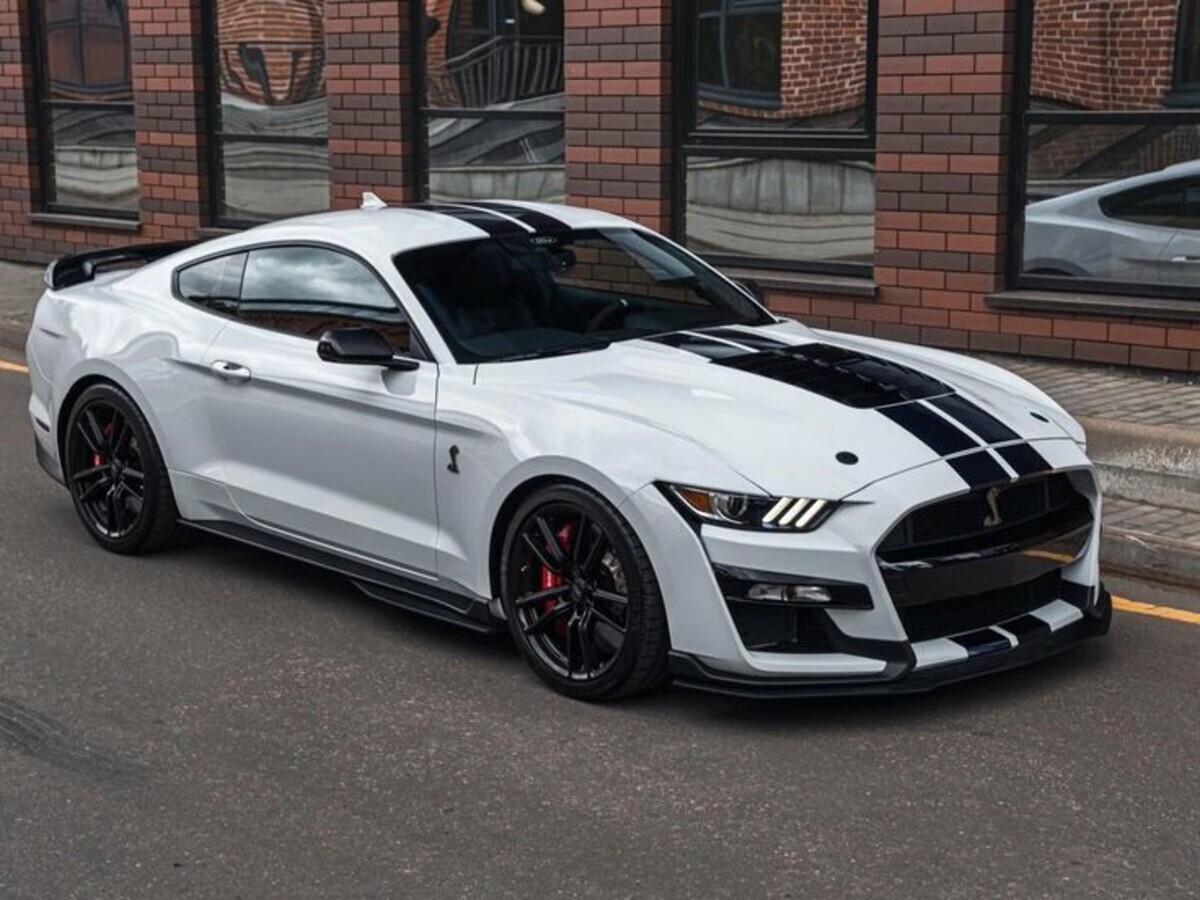
On the used market, GT500 prices move around a bit depending on the year and spec, but a lot of clean examples still land below many well-optioned C8s. That’s wild when you think about how much power this thing makes and how easily it converts that power into acceleration.
The supercharged V8’s shove feels endless, and once you get used to the car’s weight, it becomes a ridiculous weapon for highway pulls or drag-strip fun. And let’s be honest a lot of buyers looking at the C8 want exactly that kind of thrill.
The thing with the GT500 is that it doesn’t pretend to be perfect. It’s not trying to become a track scalpel like the Porsche GT3, and it’s not trying to feel exotic like an R8.
The steering is heavier, the body is big, and you’ll always feel like you’re driving a muscle car first. But that’s part of the charm. You get real character, real noise, and a sense of power you don’t have to hunt for it’s always there.
Running costs can add up if you push it hard, mostly because the tires and brakes take a beating, and the supercharger adds extra mechanical load.
But compared to exotic European cars, the maintenance still feels manageable. Parts are easier to find, labor is cheaper, and most shops in the country know how to work on a Mustang.
If what you want is raw power for less money than a C8, the GT500 delivers that effortlessly. It’s not flawless, but it’s honest and for many performance fans, that’s worth more than any mid-engine bragging rights.
7) BMW M5 (E60 / F10)
The BMW M5 comes from a weirdly satisfying place in the car world: it’s a four-door luxury sedan that accelerates like a supercar when you ask it to. The E60 with its high-revving V10 is the drama king, while the F10 with its twin-turbo V8 is the torque monster.
Either way, both generations can outgun a Corvette C8 in plenty of real-world situations, especially once you’re already moving. And the best part? Used prices often sit noticeably lower than what a C8 goes for.
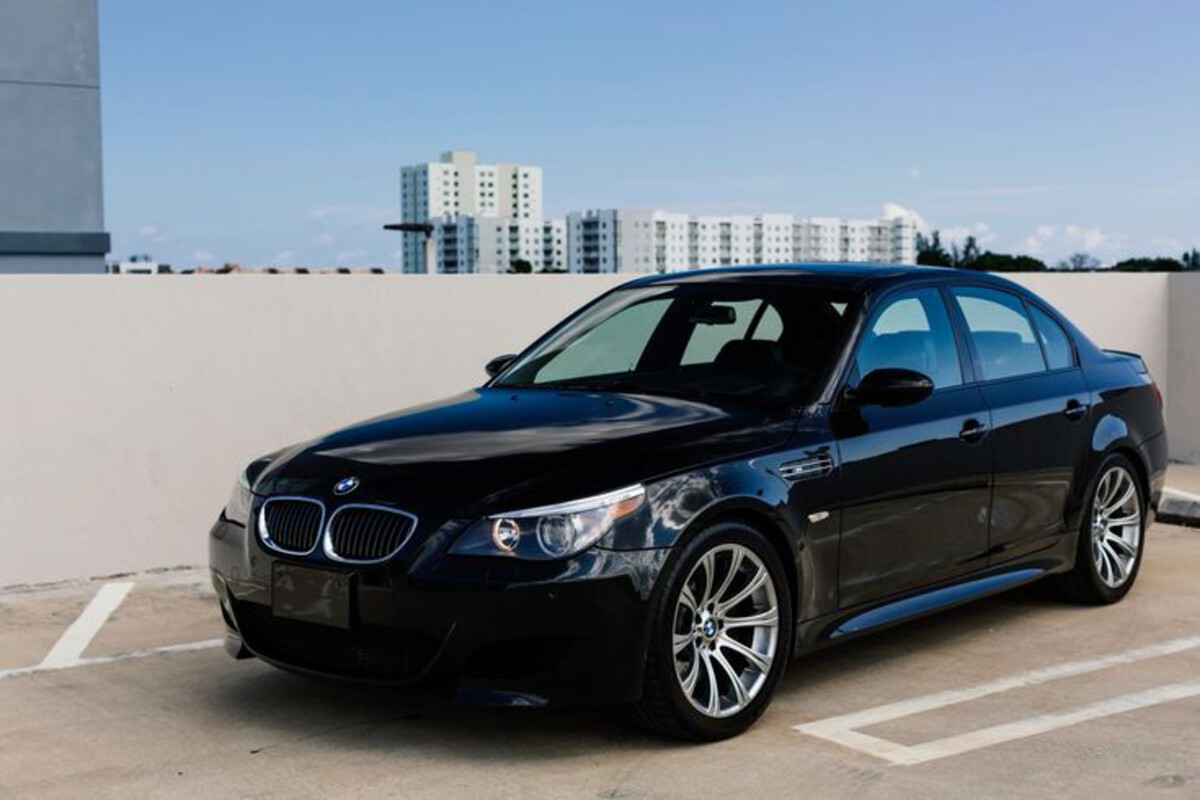
The E60 is loved for its Formula-1-inspired V10 an engine that sounds nuts when it climbs to the top of the rev range. It’s not the most reliable unit if you buy a neglected one, but a properly maintained E60 is thrilling and still feels quick today.
The F10, on the other hand, brings that big turbo punch, and in many highway runs, it absolutely storms past cars that look more exotic on paper. And yes, this includes the C8 in certain situations.
What makes the M5 tempting is how well it blends things. You get real space, a full luxury interior, a great seating position, and the kind of ride quality that doesn’t punish you on rough roads.
It’s easy to daily drive, easy to take on long trips, and still able to explode forward when you floor it. It’s a different kind of performance than the C8 less flashy, more grown-up but no less addictive.
However, you can’t ignore the ownership warnings. Old BMWs with high-performance engines can get expensive fast. The E60’s VANOS system, throttle actuators, and rod bearings need attention.
The F10 has high-pressure fuel system concerns, turbo-related issues, and electronics that can go sideways if ignored. But buy one with a complete service history, and you get a seriously powerful machine for way less than a used Corvette.
If you want a car that stays under the radar yet can embarrass sports cars on demand, the M5 fits the bill perfectly. It’s the kind of performance bargain you only understand once you drive it.
8) Mercedes-AMG SL63 / E63 AMG
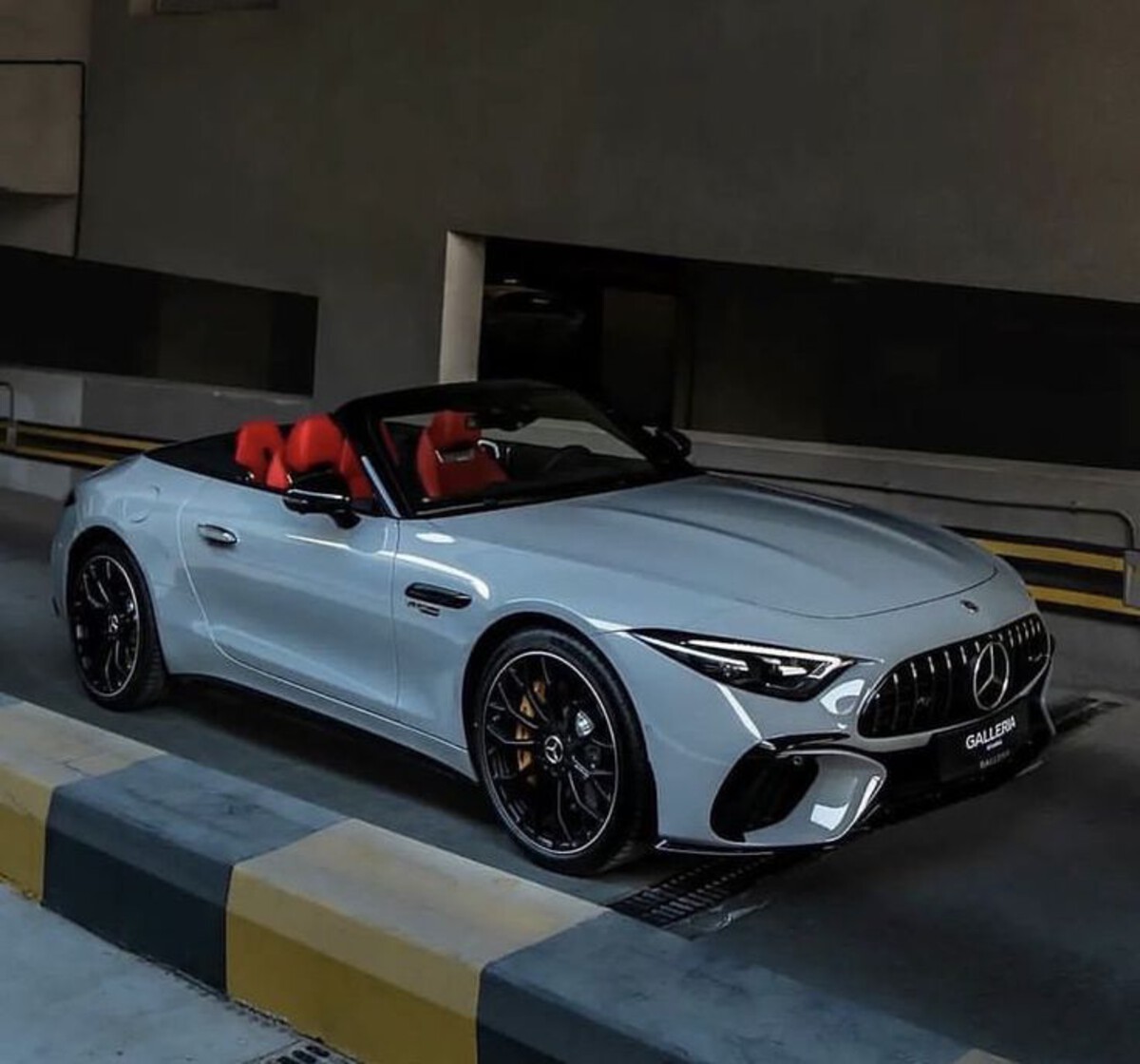
AMG models from the early 2010s are some of the most entertaining used-car bargains on the market if your priority is power. The SL63 and E63 AMG in particular hit that sweet spot where depreciation makes them affordable, but performance still feels totally over the top.
Both cars deliver power numbers that give the C8 a run for its money, and in many cases, they outmuscle it outright. They do it while giving you heated seats, great sound systems, and a cabin that feels like a proper luxury car.
The E63 AMG is the sleeper choice. It looks like a normal executive sedan, but once you drop your foot, it rockets forward in a way that surprises anyone who hasn’t driven one.
The twin-turbo V8 delivers a tidal wave of torque, and the car doesn’t lose steam as speeds rise. That’s where it starts walking away from lighter sports cars including a stock C8 in many highway situations. It’s calm and quiet when you want it to be, but wild when you ask for noise.
The SL63 is more dramatic. It’s the boulevard cruiser with a mean streak a hardtop convertible with a thunderous engine note and enough power to overwhelm its rear tires.
It’s not the lightweight sports car the Corvette is, but in straight-line speed and high-speed pulls, it’s right there, and sometimes quicker. And because it’s an older luxury convertible, the used prices often land comfortably below what a C8 sells for.
The big warning with AMG cars is the upkeep. They’re fast, heavy, and packed with tech, and that means more things that can wear out.
Suspension components, electronics, and cooling systems need attention. But if you find a well-maintained example, you’re getting a muscular, refined, and seriously fast machine for a fraction of the original price.
If you want power without giving up comfort — and you want it at a cheaper buy-in than a C8 these AMG models are hard to beat.
9) Lexus RC F / GS F
The Lexus RC F and GS F sit in that odd corner of the performance world where people forget how good they are until they drive them. The naturally aspirated V8 is smooth, loud in the best way, and makes enough power to keep up with and sometimes outrun a stock C8 in real-world conditions.
But the real trick is that these cars age better than almost anything else on this list. You don’t buy a Lexus F model to spend weekends fixing things; you buy one because it just works.
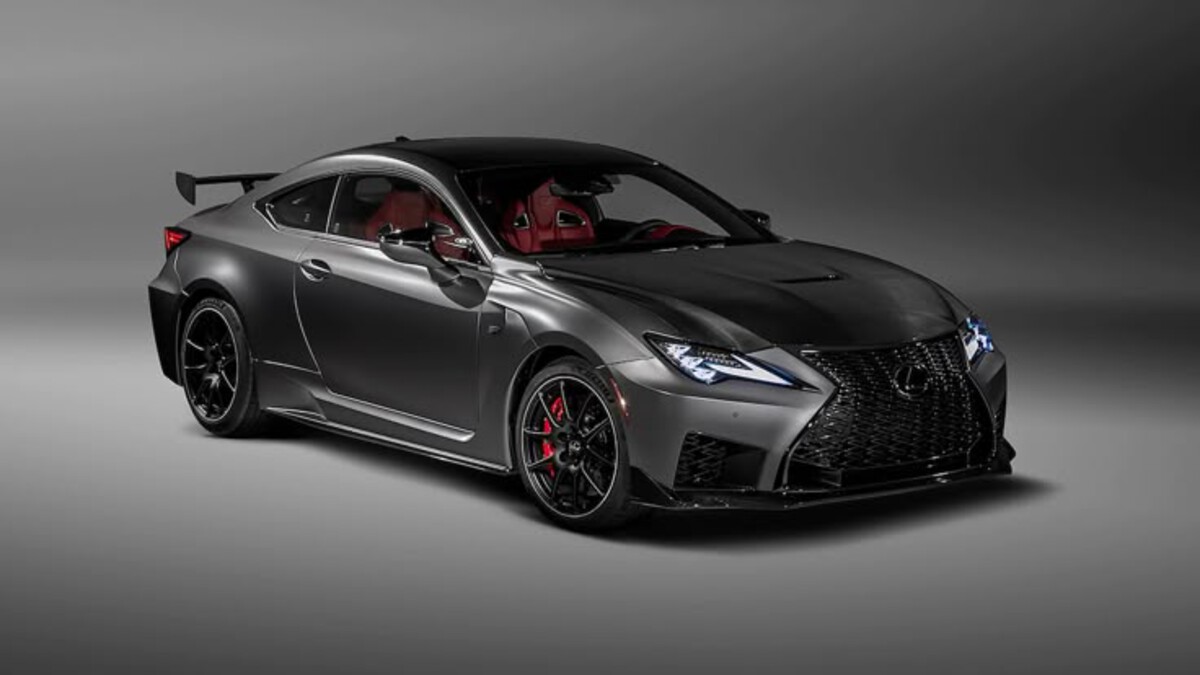
Used prices for both models are usually under C8 territory, especially for clean GS F sedans and earlier RC F coupes. You get a premium interior, sharp build quality, and that trademark Lexus refinement. But the fun part is how the engine behaves.
It loves to rev, it responds cleanly, and it gives you honest performance without relying on turbos or superchargers. That gives the car a different personality less explosive than a Shelby GT500 but more predictable and satisfying on a daily basis.
The RC F is the sportier model. It’s not as light as some rivals, but once you learn its balance, it’s enjoyable and steady.
The GS F is the sleeper sedan basically a grown-up version of the RC F with more space but the same V8 attitude. Both cars deliver strong acceleration and excellent reliability. Compared to a C8, they may feel heavier, but they don’t feel slower in everyday driving.
Maintenance is the highlight here. Lexus parts aren’t cheap, but the cars don’t break often. You avoid the “exotic tax” that Porsche, BMW, and AMG owners deal with, and you get long-term stability with far fewer surprises.
If you want a fast, durable, genuinely enjoyable V8 machine that costs less than a Corvette C8 and doesn’t turn into a financial trap, the Lexus F lineup is one of the smartest choices around.
10) Porsche 911 GT3 (997.2 / early 991)
The Porsche 911 GT3 is one of those cars people talk about with a kind of quiet respect. It’s not the most powerful thing on the road, but the way it uses its power makes it feel faster than many higher-horsepower cars.
Against a Corvette C8, the GT3 often wins in the areas that matter to enthusiasts: steering feel, cornering balance, response, and the sense of connection you get behind the wheel. And depending on the market, older GT3s sometimes list below the price of a clean C8, especially 997.2 models.
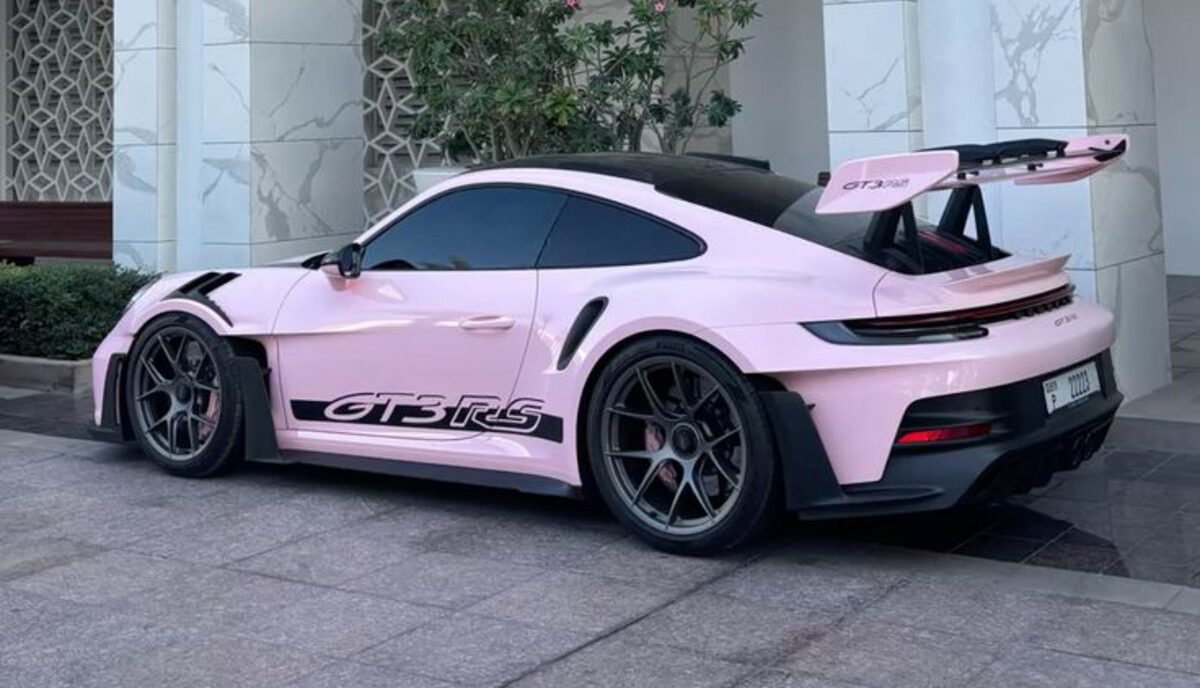
The GT3’s naturally aspirated flat-six is a masterpiece. It revs freely, sounds incredible, and delivers power in a way that feels alive instead of manufactured. While the C8 is quick, the GT3’s delivery feels sharper, more urgent.
On a good road or a track, the GT3 can outright embarrass cars with more horsepower simply because of how confidently it moves through corners.
This car is built for drivers who actually want to drive. It’s firm, communicative, and precise. You feel everything the tires are doing, and you build trust with the car quickly.
That’s something the C8, for all its capability, still doesn’t capture at the same level. The GT3 is a tool a very fast, very capable tool for people who want maximum engagement.
But let’s be real: maintenance is serious business. A poorly maintained GT3 will drain your wallet faster than an Audi R8.
You need full records, specialist inspections, and a willingness to keep up with consumables. Brakes, tires, and suspension components are not cheap. But if you buy smart, the car pays you back every time you drive it.
The used value proposition is simple: if your goal is to beat the C8 in driving feel instead of just raw numbers, the GT3 is one of the strongest arguments out there. It’s a focused machine that stays desirable, fast, and incredibly rewarding.