
Reliable cars are becoming more important as buyers look for dependable transportation that does not strain the budget. Japanese automakers have long been known for creating vehicles that can endure years of daily use with minimal trouble, and many of their most iconic models continue to prove their strength on the road today.
The cars featured in this collection represent some of the most durable and cost-effective options available, with proven engineering, simple maintenance needs, and impressive real-world mileage records. From compact city commuters to hybrid pioneers and lightweight sports cars, each one offers a distinct blend of practicality and long-term value.
These models have earned loyal followings not through flashy features but through consistent performance that holds up across decades of ownership. For anyone searching for dependable transportation that can serve faithfully for years, the following lineup showcases why Japanese vehicles remain a trusted choice.
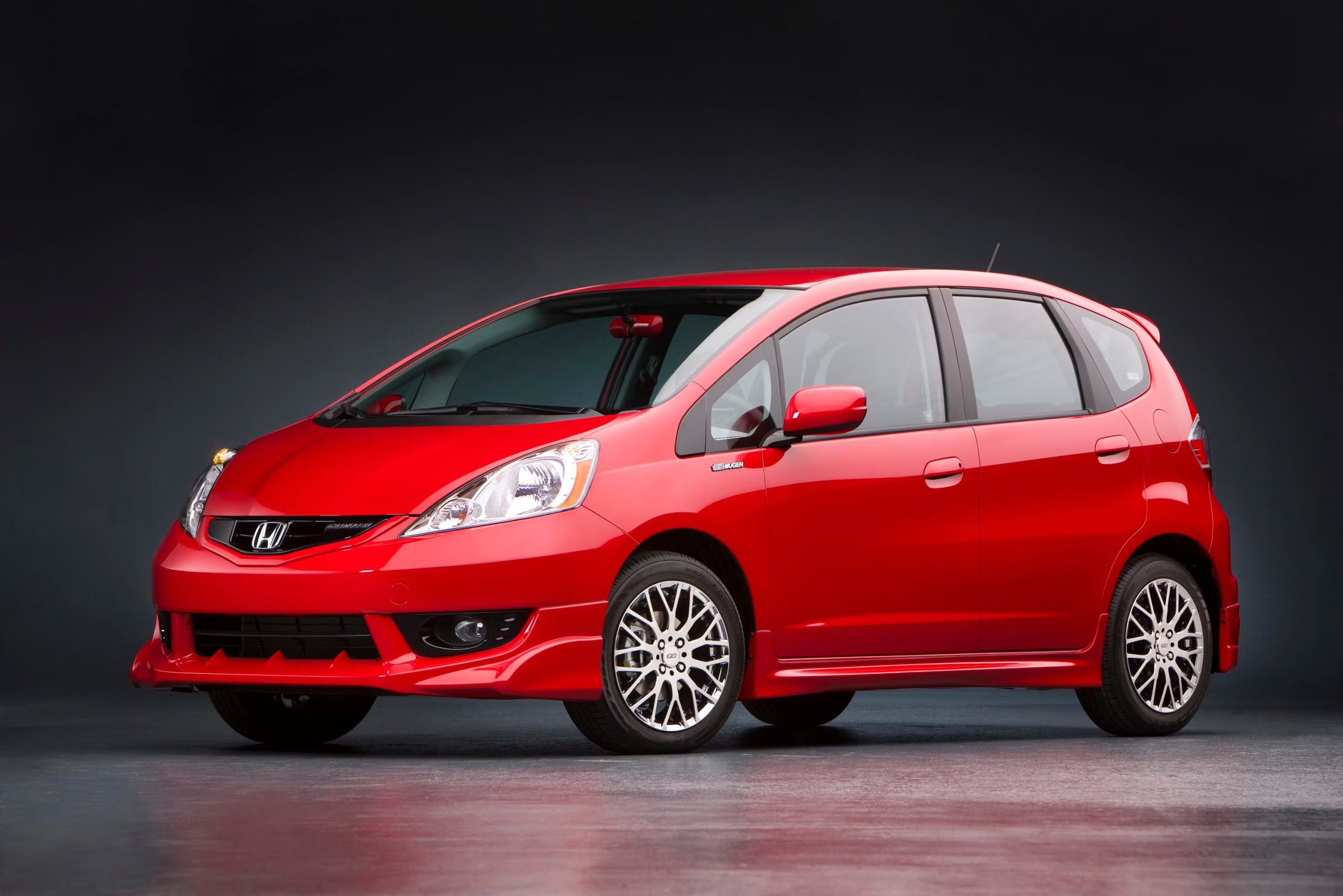
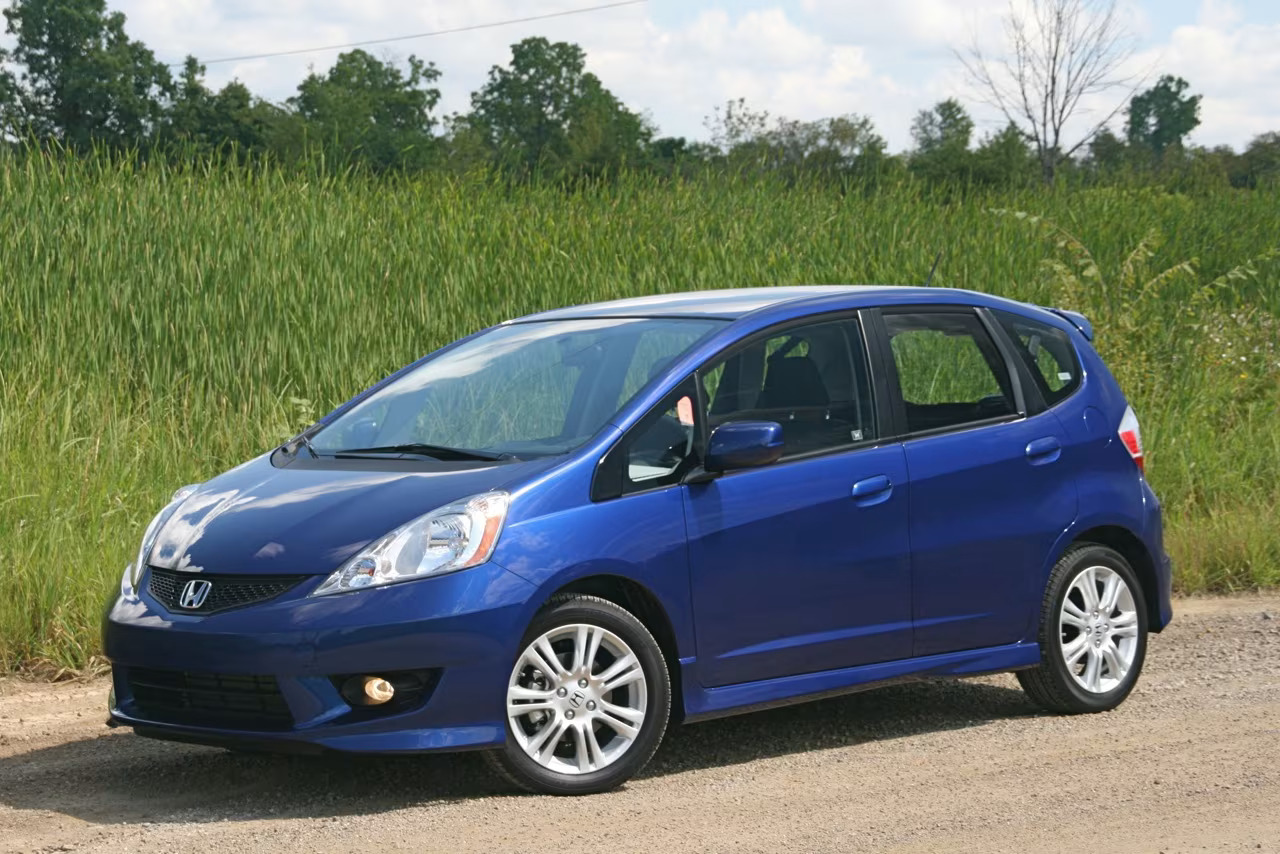
1. 2009 Honda Fit: Practicality Meets Refined Fun
The 2009 Honda Fit continues its reputation as a versatile, fun-to-drive subcompact with notable reliability and practicality. Powered by a 1.5-liter inline-4 engine producing 117 horsepower and 106 lb-ft of torque, it offers both five-speed manual and automatic transmissions.
While modestly powered, the Fit handles city and highway driving efficiently, with the Sport trim paired with a manual transmission providing a surprisingly engaging backroad experience. Average used values hover around $6,888, while annual maintenance costs are low at $362, reflecting Honda’s longstanding reliability. J.D. Power rates it 83/100, and Kelley Blue Book gives it a 4.8/5 for consumer reliability.
Honda’s 2009 redesign focused on refinement and usability. The cabin now features higher-quality materials, a quieter ride, improved rear visibility, and a more comfortable back seat. Practicality is further enhanced by folding rear seats, telescoping steering, and a surprising number of cup holders, making it a solid choice for drivers transitioning from larger vehicles. Despite its upgrades, the Fit gained only 44 pounds, maintaining much of its nimble character.
The Fit’s driving dynamics spark differing opinions. Some enthusiasts lament the loss of the old model’s frenetic tossability, while others appreciate the smoother, more composed ride that doesn’t feel over-stimulating during daily commutes.
Brakes are praised for feel and stopping power, while steering retains accuracy but loses some on-center sharpness. Both manual and automatic transmissions are competent, with the automatic offering a sport mode and paddle shifters, and the manual providing satisfying engagement despite a modest engine output.
Fuel economy remains strong, with EPA estimates ranging from 27–35 mpg depending on the drivetrain, and Honda plans a future hybrid Fit to broaden efficiency options. Pricing starts at $15,220 and reaches just over $19,000 for a fully loaded Sport trim with navigation and stability control. While missing features like Bluetooth and satellite radio, the Fit excels in core functionality: spacious, practical, economical, and surprisingly fun to drive.
The 2009 Honda Fit succeeds in blending everyday practicality with lighthearted driving enjoyment. It has matured gracefully, appealing to both new subcompact buyers and enthusiasts, while remaining one of the most versatile and reliable options in its class.
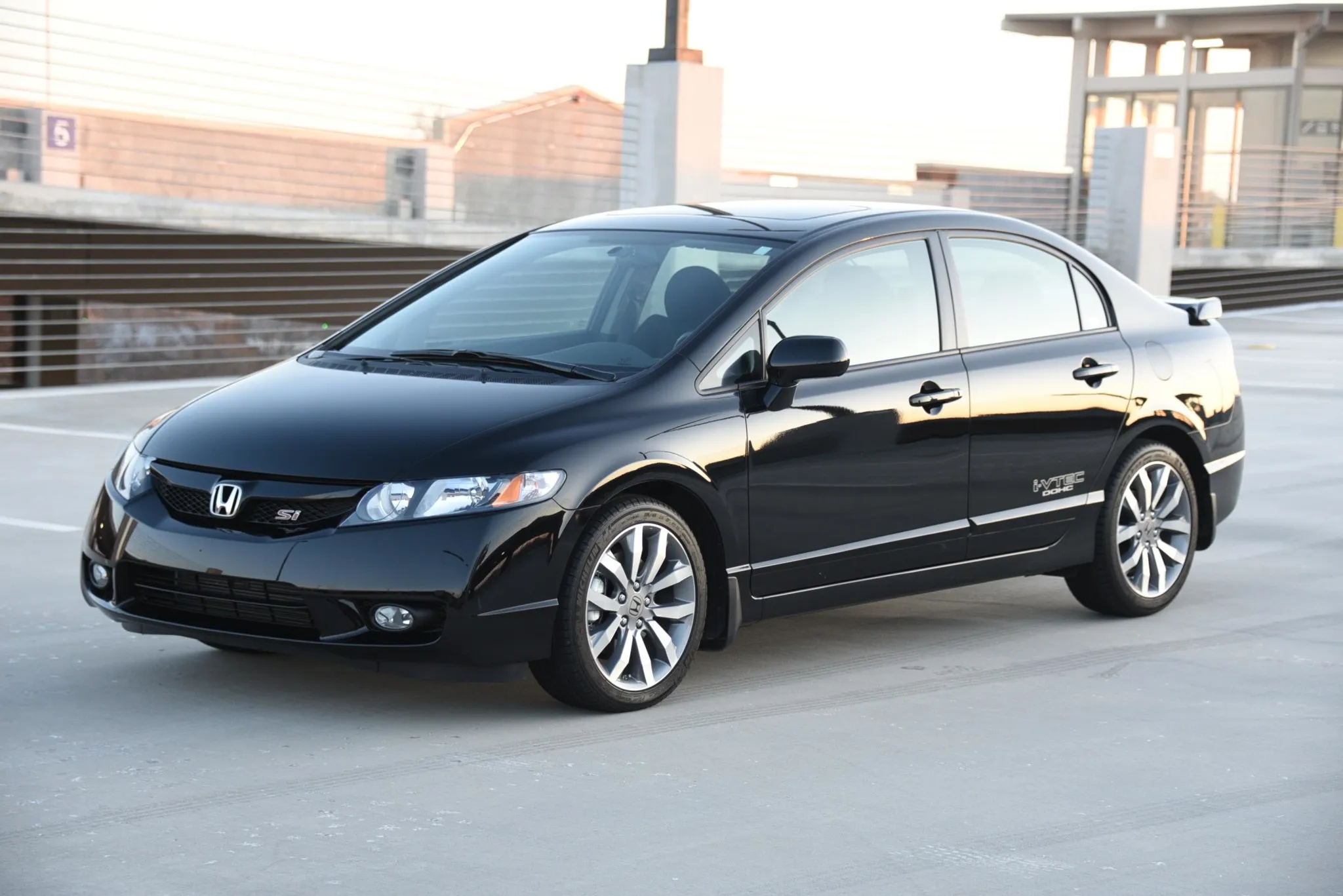
2. 2009 Honda Civic: Reliability Meets Practicality
The 2009 Honda Civic is widely regarded as one of the most reliable compact cars ever produced, earning a J.D. Power reliability score of 83/100 and a KBB consumer rating of 4.7/5. Its base 1.8-liter inline-four engine produces 140 horsepower and 128 lb-ft of torque and comes with a five-speed manual or automatic transmission.
This engine is overbuilt and understressed, capable of handling high mileage, with some examples exceeding 600,000 miles. For performance enthusiasts, the Civic Si features a 2.0-liter VTEC four-cylinder producing 197 hp and 139 lb-ft of torque, with a six-speed manual transmission and limited-slip differential. The Si accelerates from 0 to 60 mph in 7.1 seconds.
The standard Civic DX, LX, and EX models accelerate modestly, reaching 60 mph in 9.6 seconds with the automatic transmission. Fuel efficiency is strong, with 25/36/29 mpg (city/highway/combined) for the 1.8-liter models.
The GX runs on compressed natural gas with 113 hp and a 200-mile range. The Civic Hybrid combines a 1.3-liter gasoline engine and an electric motor to achieve 40/45/42 mpg. The Civic Si, focused on sporty performance, records 21/29/24 mpg.
Safety features include front-seat side airbags, full-length side curtains, and active head restraints, with ABS standard on all trims. Stability control is available on EX-L, Hybrid, and Si models. Government crash tests awarded five stars for frontal impacts and four to five stars for side impacts. The IIHS rated the Civic “Good” in frontal-offset and side-impact tests.
The Civic provides a balanced, confident ride with responsive steering and nimble handling, especially in the Si variant. The Hybrid and GX models are slower but focused on efficiency. The interior features a two-tier dash with a digital speedometer and analog tachometer, high-quality materials, and a spacious cabin.
Trunk space varies by model, with 12 cubic feet for standard sedans, 10 for the Hybrid, and 6 for the GX. The 2009 Honda Civic combines longevity, practicality, and enjoyable driving dynamics, making it a top choice in the compact car segment.
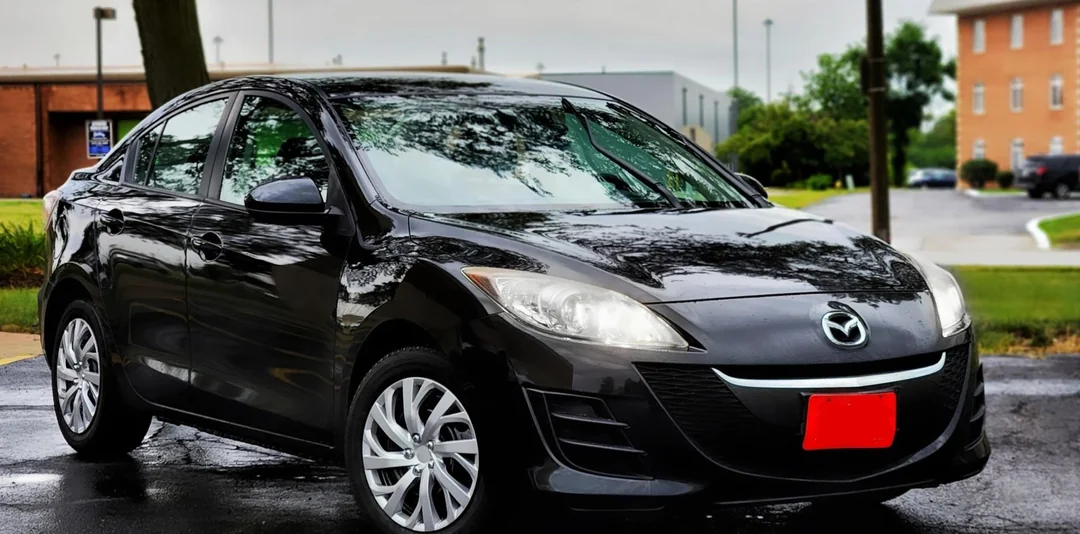
3. 2010 Mazda3: Engaging Driving with Strong Reliability
The 2010 Mazda3 is one of Mazda’s longest-running nameplates and is highly regarded for its reliability and driving enjoyment. It earned a J.D. Power reliability score of 83/100 and a KBB consumer rating of 4.8/5. The base 2.0-liter inline-four engine produces 148 horsepower and 135 lb-ft of torque, paired with a five-speed manual or automatic transmission. This engine is simple, durable, and well-suited for daily driving, while the hatchback Sport model adds extra engagement for those who enjoy spirited drives. Mazda3s models feature a more powerful 2.5-liter inline-four producing 167 hp and 168 lb-ft of torque, with a six-speed manual standard and a five-speed automatic optional, accelerating from 0 to 60 mph in 7.9 seconds.
Fuel economy for the 3i with an automatic transmission is estimated at 24 mpg city and 33 mpg highway, improving slightly with the manual. The 3s automatic achieves 22/29 mpg city/highway, with slightly lower numbers for the manual. Acceleration and fuel efficiency are competitive with similar small cars, while the 2.5-liter engine delivers a more engaging drive for enthusiasts or those downsizing from a larger vehicle.
Standard safety features include antilock disc brakes with brake assist, front and side airbags, side curtain airbags, and active front head restraints. Stability and traction control are standard on trims above the 3i Touring. Performance testing shows a 3s Grand Touring stops from 60 mph in 127 feet, providing confidence in real-world driving.
The Mazda3 delivers refined road manners with minimal body roll, excellent grip on twisty roads, and quick, communicative steering. The ride is firm yet smooth enough for highway commuting. Inside, the Mazda3 is notable for quality materials, comfortable seating, and intuitive controls. While the stereo controls are slightly less user-friendly than some competitors, the optional navigation system is practical and cost-effective. Front-seat comfort is strong, though the optional sunroof slightly reduces headroom. Hatchback models offer superior practicality with 17 cubic feet of trunk space, compared with 11.8 cubic feet for the sedan.
The 2010 Mazda3 successfully combines reliability, fuel efficiency, and driving enjoyment, making it a compelling choice in the compact car segment.
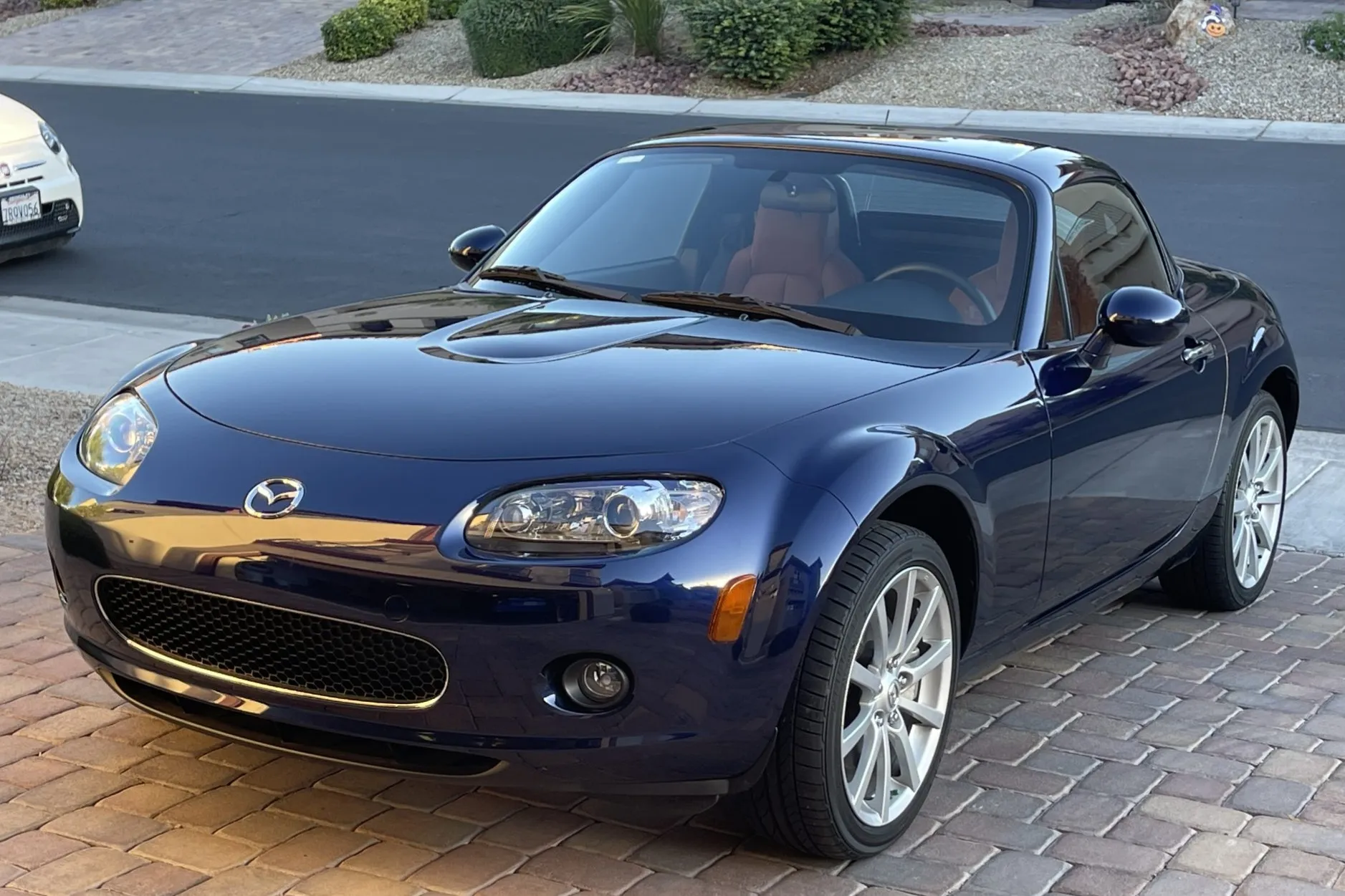
4. 2008 Mazda MX-5 Miata: Lightweight Fun with Proven Reliability
The 2008 Mazda MX-5 Miata is widely regarded as one of the most engaging driver’s cars in the world, combining lightweight agility, sharp handling, and proven reliability. It earns a J.D. Power reliability score of 86/100 and a KBB consumer rating of 4.8/5.
Powered by a 2.0-liter inline-four engine producing 166 horsepower and 140 lb-ft of torque, the Miata comes with a five-speed manual transmission as standard, with a six-speed automatic optional. Its lightweight chassis, responsive steering, and taut suspension create a driving experience that is playful, precise, and confidence-inspiring. The Miata’s rev-happy engine may not have high horsepower numbers, but its performance is thrilling for a car of its size.
Acceleration is brisk, with comparable modern Miata models reaching 0–60 mph in around 5.5 seconds. Fuel efficiency is strong due to the car’s low curb weight, achieving up to 26 mpg city and 35 mpg highway. In real-world highway testing, the manual-equipped Miata delivered 36 mpg, making it both fun to drive and economical to operate.
The Miata is a two-seat roadster with a cozy, driver-focused cabin. Materials are high-quality, with optional leather and body-color accents. Storage is limited, with a small trunk and few cubbies, accommodating only a weekend’s worth of luggage for two. Removable cupholders and a compartment between the seatbacks provide minor storage solutions, but the interior emphasizes simplicity and driver engagement over luxury or cargo capacity.
The Miata comes with an 8.8-inch touchscreen infotainment system with Bluetooth, Apple CarPlay, and Android Auto. A Bose stereo is optional. Standard driver-assistance features include automated emergency braking with forward-collision warning, blind-spot monitoring with rear-cross traffic alert, and adaptive cruise control.
The Miata comes with a three-year/36,000-mile limited warranty and a five-year/60,000-mile powertrain warranty. Unlike some competitors, it does not include complimentary scheduled maintenance.
The 2008 Mazda MX-5 Miata combines proven reliability, driver-focused dynamics, and efficient performance, making it an iconic choice for enthusiasts seeking a lightweight, engaging roadster.
5. 2009 Toyota Yaris: Affordable, Reliable, and Efficient
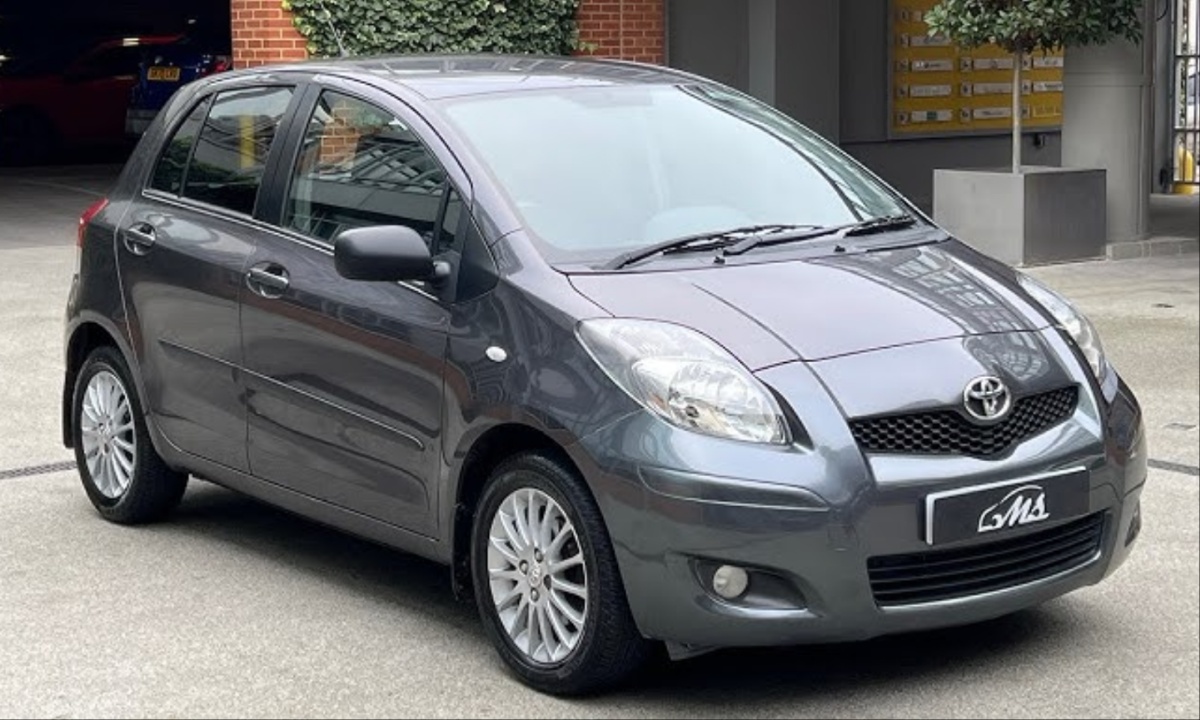
The 2009 Toyota Yaris is one of the most affordable and dependable cars on the market. It features a 1.5-liter inline-four engine producing 106 horsepower and 103 lb-ft of torque, paired with either a five-speed manual or a four-speed automatic transmission. Available as a four-door sedan or three- and five-door hatchback, the Yaris is compact, simple, and highly durable.
Its straightforward engineering contributes to low maintenance costs, with RepairPal estimating annual expenses at just $299. The car also boasts impressive longevity, with some examples reaching 900,000 miles. J.D. Power gave it a reliability score of 86/100, while KBB consumers rated it 4.9 out of 5.
The Yaris provides adequate acceleration for city and highway driving. The manual transmission is more responsive off the line, while the automatic is slower but still offers sufficient midrange power for merging and passing. Fuel efficiency is a strong point, with the manual rated at 29 mpg city, 36 mpg highway, and 32 mpg combined, while the automatic loses roughly 1 mpg. Its light curb weight and compact dimensions make it nimble in traffic and easy to park.
Standard safety features include antilock brakes and side curtain airbags. Government crash tests gave the Yaris sedan four stars for frontal impacts, while the two-door hatchback earned five stars for driver protection. The IIHS rated the Yaris “Good” in both frontal-offset and side-impact tests, reflecting strong occupant protection for a subcompact.
The Yaris delivers a solid, if unexciting, driving experience. Its electric power steering is light but precise, making tight maneuvers simple. The manual transmission maximizes engine responsiveness, while the automatic provides smooth operation at higher speeds.
The interior is practical, with the sedan offering more space and the hatchbacks featuring optional sliding and reclining rear seats for added versatility. However, the center-mounted instruments can be distracting, the driving position is somewhat tall and narrow, and the tilt steering wheel can feel flimsy.
With low cost, exceptional reliability, and excellent fuel economy, the 2009 Toyota Yaris is a sensible choice for buyers seeking an affordable, practical, and long-lasting subcompact car.
Also Read: 5 Cars Seniors Can Load Groceries Into VS 5 Back-Breakers
6. 2015 Toyota Prius: Benchmark Hybrid Efficiency with Proven Durability
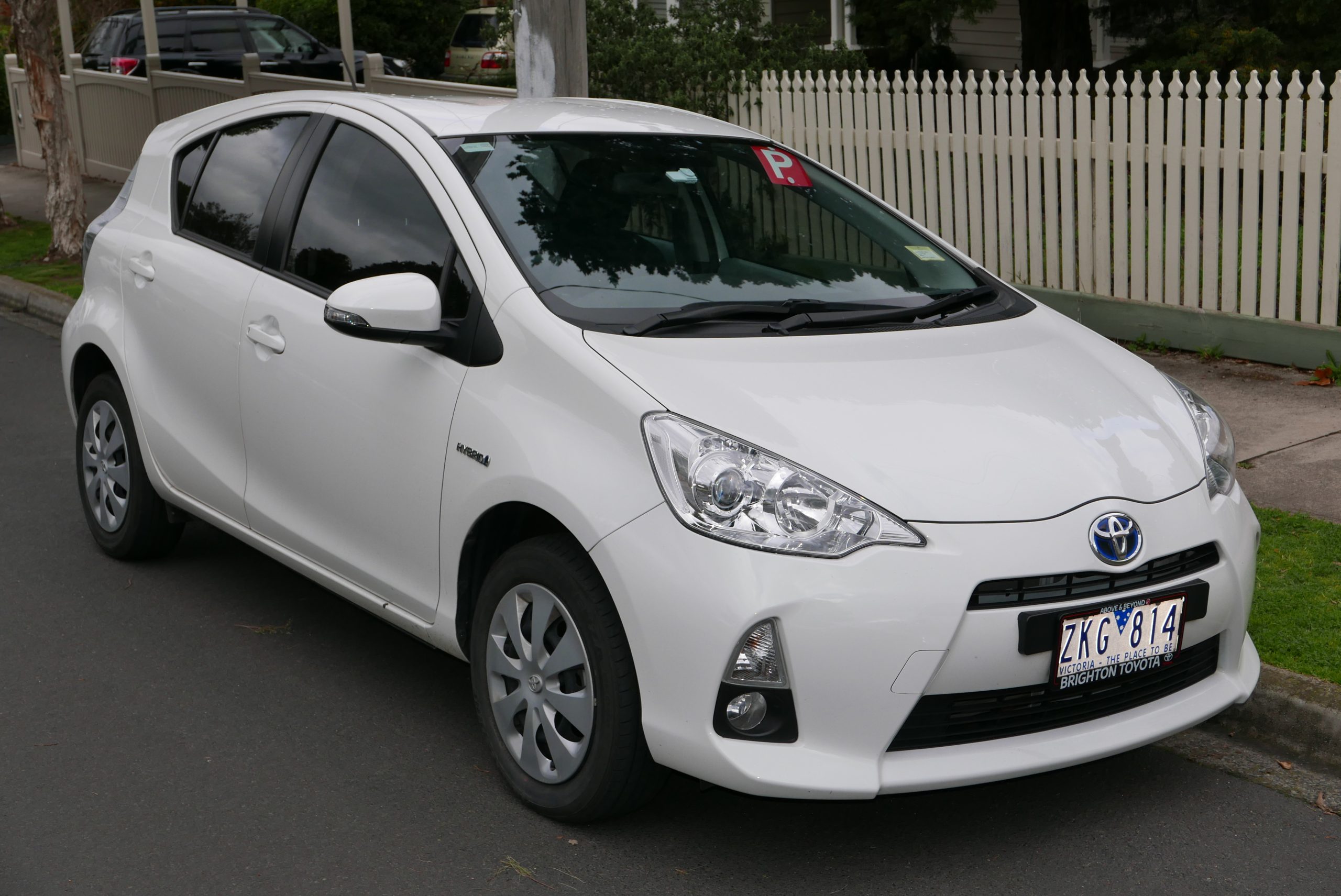
The 2015 Toyota Prius represents the peak of hybrid dependability and remains one of the most recognizable eco-friendly vehicles on the road. Its powertrain consists of a 1.8-liter inline-four engine paired with Toyota’s hybrid system for a combined 134 horsepower and 105 lb-ft of torque.
The Prius uses a continuously variable transmission that prioritizes smoothness and efficiency over driving excitement. While performance is modest, its efficiency and reliability have made it a global best-seller. Fuel economy stands at 51 mpg city and 48 mpg highway, aided by its aerodynamic design and lightweight hybrid components. Owners consistently report excellent longevity, with some vehicles reaching over 500,000 miles.
The 2015 Prius earns an 88/100 reliability score from J.D. Power and a 4.8/5 consumer rating from KBB. Annual maintenance costs average $421, thanks to Toyota’s proven hybrid components. Used models typically sell for around $12,351, making it a cost-effective choice for buyers prioritizing low operating expenses and strong resale value.
Beyond the standard model, the 2015 Prius lineup includes a special-edition version featuring unique colors, 17-inch wheels, and upgraded interior accents. A plug-in hybrid variant offers a short electric-only range of up to 11 miles and can reach 62 mph on battery power alone. Additional body styles include the larger Prius V wagon and the smaller Prius C hatchback, broadening the car’s appeal.
The Prius focuses on maximizing mileage, which leads to trade-offs in ride quality and refinement. The cabin can become noisy under acceleration, and the use of hard plastics detracts from interior ambiance. However, controls are intuitive, gauges are easy to read, and interior space is generous. The large hatchback trunk and folding rear seats provide ample cargo capacity, making the Prius practical for daily use.
The 2015 Prius offers advanced available safety features through the Technology package, including adaptive cruise control, lane keeping assist, and a pre-collision system. The model earned four stars from the NHTSA and holds a Top Safety Pick+ designation from the IIHS.
The 2015 Prius remains a strong choice for efficiency-focused buyers who value durability, low running costs, and practical everyday usability.
7. 2007 Toyota Corolla: A Dependable Icon with Timeless Practicality
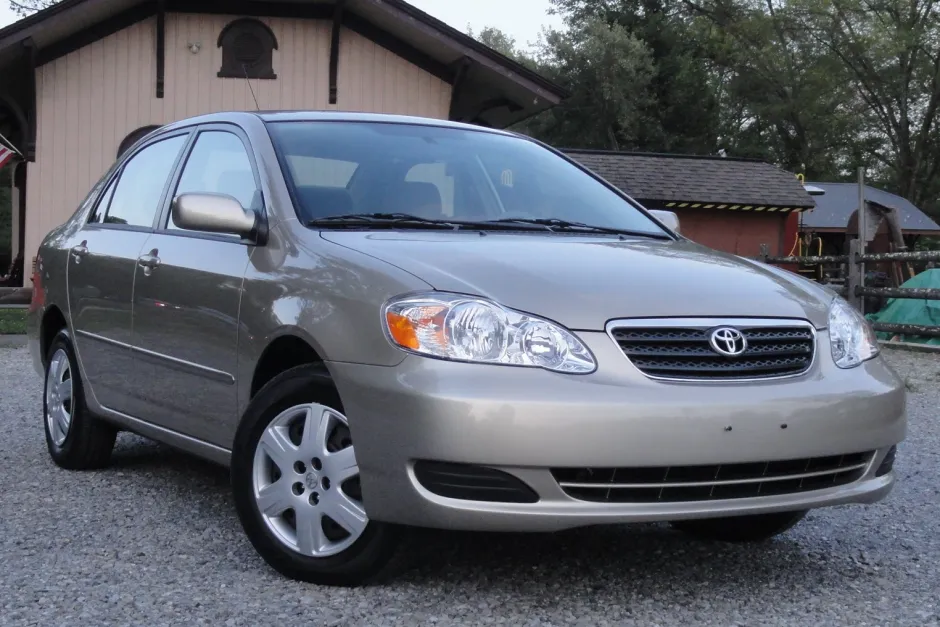
The 2007 Toyota Corolla remains one of the most trusted and recognizable vehicles ever built. With more than 50 million units sold worldwide, it has earned a reputation for consistency, longevity, and universal appeal.
This ninth-generation model uses a 1.8-liter inline-four engine that produces 126 horsepower and 122 lb-ft of torque. Buyers could choose a five-speed manual or a four-speed automatic, and the abundance of surviving units makes it easy to find a well-kept example on the used market.
The 2007 Corolla achieves an 88/100 reliability score from J.D. Power and a 4.8/5 consumer rating from KBB. Annual maintenance costs average a modest $247, and documented examples have surpassed 600,000 miles. With an average used value of about $6,462, the Corolla offers strong long-term value for drivers who prioritize low running costs and durability.
Performance is modest, but the Corolla delivers a smooth and predictable driving experience. Acceleration from the 1.8-liter engine is acceptable for daily use, and highway travel is quiet thanks to limited engine and wind noise. Fuel economy is a key strength, with EPA ratings of 30 mpg city and 38 mpg highway for automatic-equipped models. Handling leans toward comfort, yet the suspension provides enough stability for confident commuting and occasional cornering.
Safety features include optional antilock brakes, side airbags, and side curtain airbags. Stability control is available on specific trims. In government crash tests, the Corolla earned five stars for frontal-impact protection and four stars for side-impact protection. The IIHS rated it Good in frontal-offset testing and Acceptable in side-impact testing when fitted with the optional airbags.
The cabin uses materials that feel more refined than those found in many competing compact sedans of the time. Controls are simple to navigate, and the rear seat accommodates adults comfortably. The front seating position can feel awkward for taller drivers, but cabin comfort remains respectable. A 13.6-cubic-foot trunk adds useful cargo capacity, enhancing the car’s practicality for daily tasks and longer trips.
The 2007 Corolla continues to stand out as a dependable, efficient, and budget-friendly choice for drivers seeking long-lasting transportation.
8. 2014 Toyota Camry: A Refined and Highly Reliable Mid-Size Sedan
The 2014 Toyota Camry represents one of the strongest examples of Toyota’s focus on durability and comfort. Powered by a standard 2.5-liter inline-four producing 178 horsepower and 170 lb-ft of torque, the Camry delivers dependable performance through a six-speed automatic transmission and front-wheel drive.
Buyers seeking more power can opt for the 3.5-liter V6 with 268 horsepower, a well-regarded upgrade known for long-term reliability. With an average used value of $12,048 and a remarkable 92/100 reliability rating from J.D. Power, the 2014 Camry has earned its place as a top choice for shoppers wanting a sturdy and practical sedan.
Maintenance costs average $387 per year, and some examples have surpassed 300,000 miles. KBB users rate its reliability at 4.7/5, reinforcing the model’s reputation for longevity. This generation helped set the stage for the more premium Camrys that followed, offering strong build quality and a robust mechanical foundation.
The four-cylinder Camry reaches 60 mph in 8.4 seconds and returns an EPA-estimated 28 mpg combined, placing it near the front of its class for efficiency. The V6 version completes the sprint in 6.6 seconds yet still delivers a respectable 25 mpg combined. Both engines provide smooth, quiet power suitable for daily driving and long highway trips. The transmission responds quickly when more power is needed, adding to the car’s refined feel.
Standard safety equipment includes antilock brakes, stability and traction control, front and rear side airbags, side curtain airbags, and knee airbags for both front occupants. Available features include blind-spot monitoring, rear cross-traffic alert, and the Safety Connect system. Government testing awarded the 2014 Camry a five-star rating for crash protection, while the IIHS rated it Good in several major categories.
The Camry emphasizes comfort, particularly on the highway. Steering response varies, with the SE and V6 trims offering noticeably better feedback than the base four-cylinder models. While not sporty, the Camry SE provides a more controlled and engaging feel compared to other trims.
The cabin offers generous space, good visibility, and higher-quality materials than many competitors. Upper trims feature detailed stitching on panels, enhancing the upscale impression. Rear passengers benefit from comfortable seating, and the trunk provides 15.4 cubic feet of space with a useful 60/40 split-folding rear seat. The infotainment system includes smartphone integration and available apps, though setup can be time-consuming.
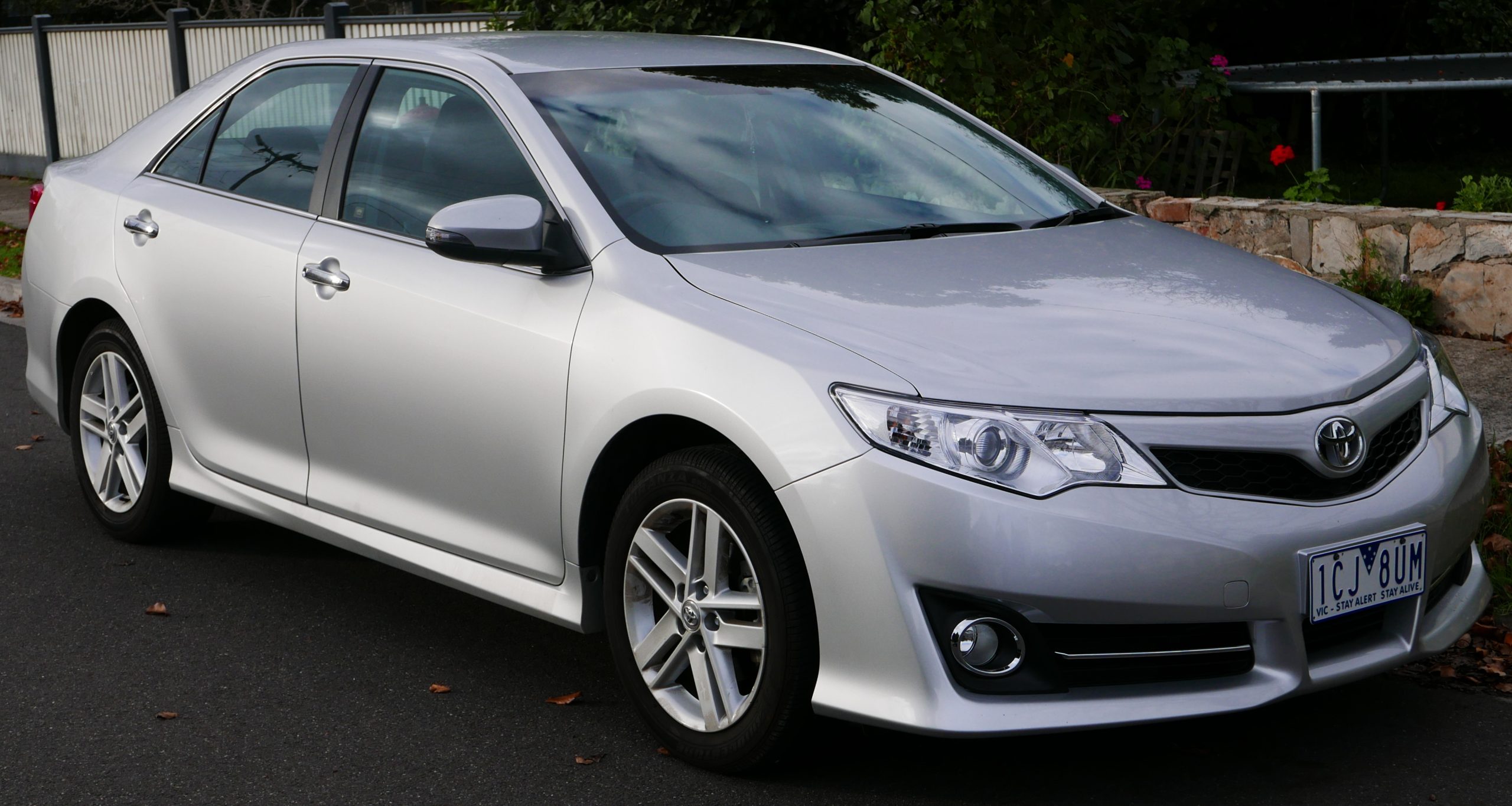
9. Third-Generation Acura Integra: A Lightweight Icon Built for Longevity and Fun
The third-generation Acura Integra stands as one of the most beloved compact sport coupes of its era, known for its mix of dependability, balanced handling, and spirited driving character. Produced from 1994 to 2001, this generation was the final Integra before the nameplate returned two decades later.
Even without an official J.D. Power score due to age, extensive owner data and its reputation across enthusiast communities confirm the Integra’s strong reliability. With an average used value of $9,018, it remains an appealing choice for drivers who want engagement without sacrificing durability.
Base models feature a 1.8-liter inline-four producing 140 horsepower and 124 lb-ft of torque, paired with a five-speed manual or four-speed automatic. While not powerful by modern standards, the Integra’s light curb weight allows the engine to feel lively, especially when revved toward its energetic redline.
Manual-equipped versions deliver an engaging, crisp shifting experience that many still consider a benchmark. The car’s reliability is well documented, with some examples surpassing 300,000 miles. RepairPal estimates annual maintenance costs at a reasonable $341, and owners on KBB rate reliability at 4.8 out of 5.
The Integra’s appeal is rooted in its handling. Its double-wishbone suspension and communicative steering create a level of feedback rarely matched by contemporary front-wheel-drive cars.
Ride quality is firm, and older examples often develop squeaks and rattles, yet the trade-off is remarkable agility and sharp cornering. Acceleration is modest on paper, with 0–60 mph times around 7.9 seconds for non-VTEC models, but behind the wheel the car feels eager and responsive due to its featherlight build.
Inside, the Integra offers simple Honda ergonomics, good visibility, and front seats that remain comfortable despite age-related creaks. Hatchback models provide useful cargo flexibility, though rear seating is modest. Materials hold up reasonably well when cared for, although rattles are common.
While the Integra gained notoriety as one of the most stolen cars of the late ’90s and early 2000s, it earned that status through a combination of low weight, tunability, and strong aftermarket support. Stock models return fuel economy between 24 and 31 mpg depending on trim. For enthusiasts seeking an affordable, durable, and highly engaging used car, the third-generation Acura Integra continues to deliver a rewarding driving experience decades after its debut.
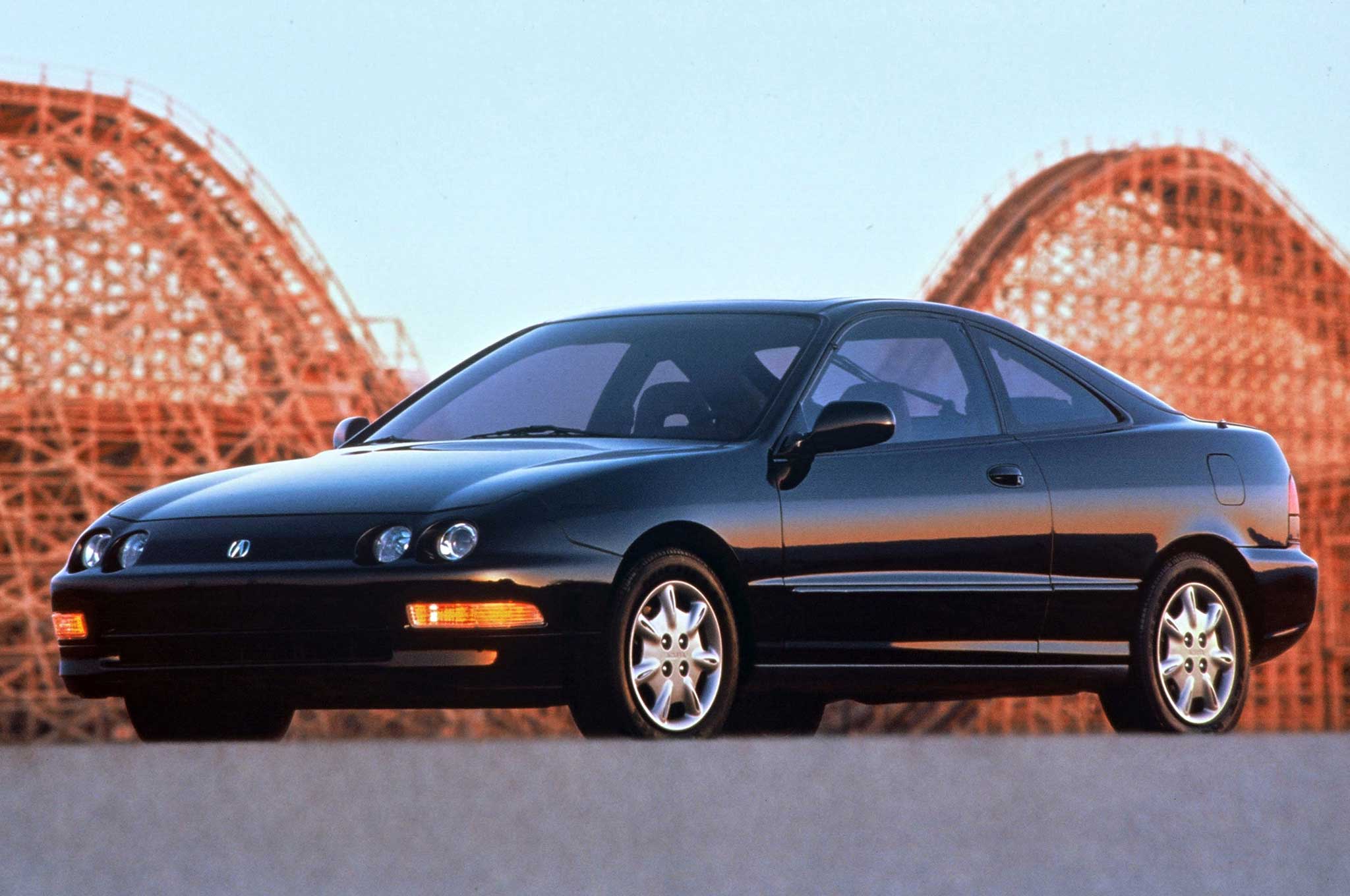
10. Lexus LS400: A Benchmark in Durability and Luxury Engineering
The Lexus LS400 is widely regarded as one of the most reliable vehicles ever built. Launched in 1989 as the flagship model that introduced the Lexus brand, it established new standards for refinement, build quality, and longevity. Early LS400 models used the renowned 1UZ-FE 4.0-liter aluminum V8, producing between 250 and 260 horsepower and 260 to 270 lb-ft of torque depending on the model year.
Paired with a smooth four-speed automatic transmission, this powertrain became legendary for durability, with numerous examples surpassing half a million miles. Some owners have reported more than 700,000 miles, and one LS400 even reached over one million miles under journalist Matt Farah’s stewardship.
Maintenance costs average around $435 per year, and KBB users give the LS400 a 4.8/5 reliability rating. Its V8 operates with near-silent smoothness, and later versions feature VVT-i for improved efficiency and output. The engine’s robust construction, simple design, and high-quality materials contribute to its unmatched lifespan.
Later LS400 models, such as those produced around 2000, make up to 290 horsepower and 300 lb-ft of torque, achieving 0–60 mph in 6.4 seconds. Power delivery is exceptionally quiet, and the five-speed electronically controlled automatic transmission shifts seamlessly.
The car includes Vehicle Skid Control, traction assistance, and brake assist for added safety. Drivers appreciate its serene cabin and stable ride, although some enthusiasts feel it isolates the driver from the road more than its European rivals.
The LS400 interior reflects meticulous craftsmanship, with extensive leather and walnut trim. Comfort-focused features include 10-way power seats, optional heated seats, automatic climate control with an activated charcoal filter, and a smog-sensing recirculation system.
An electroluminescent gauge cluster and an early touch-operated navigation system enhance the upscale feel. The navigation unit integrates audio and climate functions and uses a hard drive containing maps for major highways and metropolitan areas.
Created as a competitor to top-tier European sedans, the LS400 quickly became a benchmark for quietness, comfort, and reliability. Even decades later, it remains a standout choice for buyers seeking a durable luxury sedan that pairs long-term dependability with refined engineering.
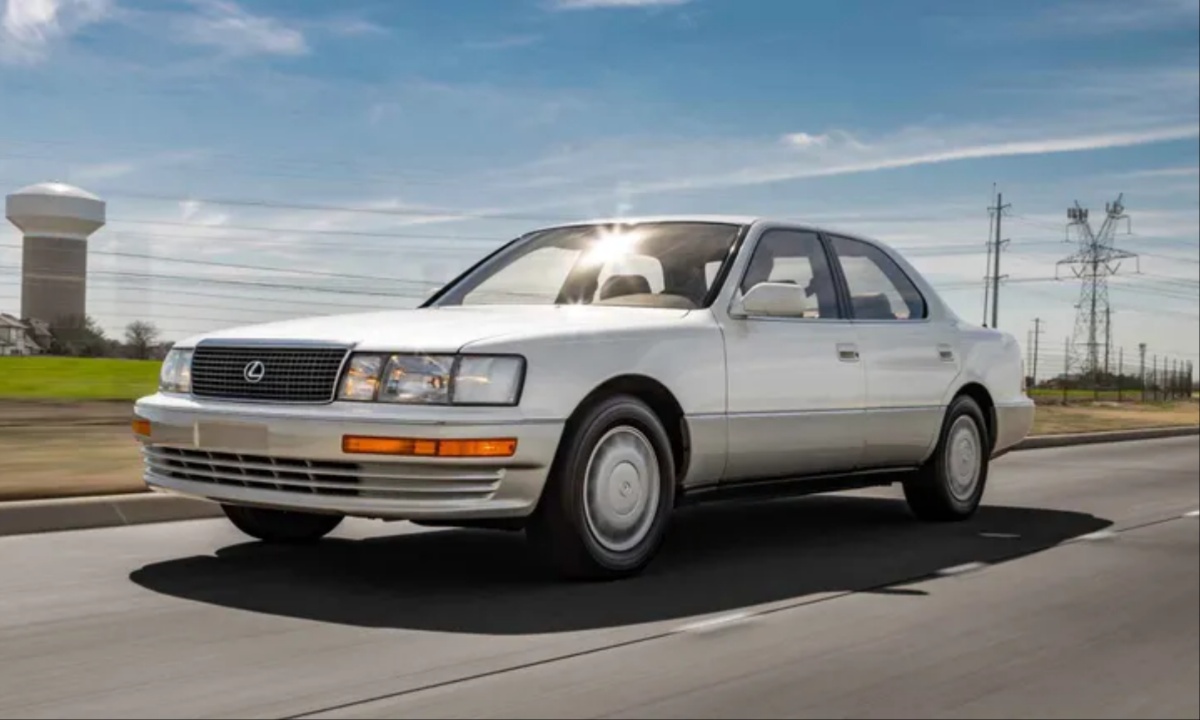
Long-term dependability is one of the strongest advantages these vehicles offer, and each one has earned its reputation through consistent performance reported by owners across many years.
Their combination of durability, straightforward engineering, and modest maintenance needs makes them appealing to a wide range of drivers, from first-time buyers to seasoned commuters seeking a dependable workhorse. Many of these models continue to run strong with high mileage, proving that thoughtful design and quality construction can extend a vehicle’s useful life far beyond industry expectations.
They also highlight why Japanese cars remain such smart purchases for anyone prioritizing long-term savings and peace of mind. While features and power levels vary, the strength of these vehicles comes from their ability to deliver steady reliability and an easy ownership experience. For drivers seeking transportation they can trust without overspending, these ten models provide some of the most reassuring options available in the used market.
Also Read: 5 Cars Seniors Can Load Groceries Into VS 5 Back-Breakers
