BMW has long been synonymous with performance, luxury, and engineering excellence, but many skeptics assume that used models are prone to costly repairs and high-maintenance headaches.
Contrary to these stereotypes, several BMWs from recent years have proven themselves as remarkably reliable, offering longevity, refined performance, and everyday practicality without breaking the bank. From compact electric commuters like the 2017 BMW i3 to powerhouse sedans such as the 2017 4 Series and versatile SUVs like the 2018 X5, these models demonstrate that driving a used BMW doesn’t have to be a gamble.
Each vehicle combines thoughtful engineering, solid build quality, and proven drivetrain reliability, backed by strong scores from J.D. Power, RepairPal, and real-world owner experiences. Whether you seek sporty handling, luxury comfort, or utility, these ten used BMWs deliver dependable performance that defies conventional expectations about maintenance and reliability.
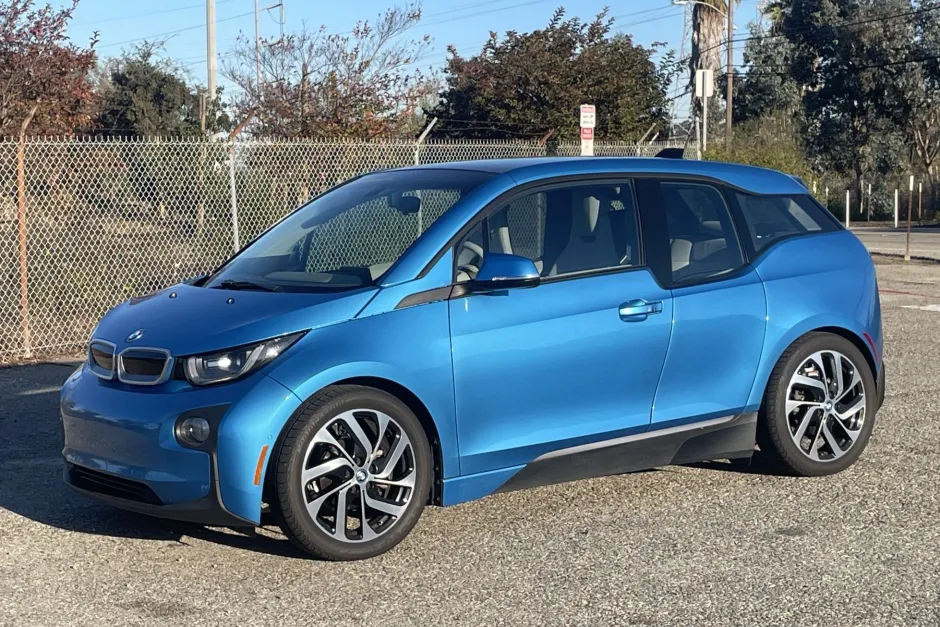
1. 2017 BMW i3: Quirky, Efficient, and Innovative Electric Commuter
The 2017 BMW i3 is a distinctive and eco-conscious electric vehicle that combines innovative design, practical technology, and enjoyable driving dynamics. It is available as a fully electric model or with a 2-cylinder range extender (REX).
The i3 produces 170 horsepower and 184 lb-ft of torque through a single-speed direct-drive transmission, with rear-wheel drive as standard. The range extender adds 265 pounds, slightly affecting acceleration, reaching 0-60 mph in 7.1 seconds, yet the car remains responsive and fun to drive.
The i3 has proven dependable, earning a score of 82 from J.D. Power and 4 out of 5 from RepairPal. It has only 38 NHTSA complaints and three recalls. Maintenance costs are generally lower than those of gas-powered vehicles, and owners report few issues even with the range-extender model.
With a balanced 50/50 weight distribution, low center of gravity, and rear-wheel drive, the i3 handles corners with remarkable stability. Steering is quick and responsive, providing a tight turning circle that is ideal for city driving, though the car can feel darty at highway speeds. Regenerative braking enables efficient one-pedal driving, supported by smooth, predictable braking in emergencies.
The cabin features comfortable, manually adjustable leather seats and a backseat that can accommodate four adults. Ride quality is firm but controlled, aided by a rigid carbon-fiber structure that minimizes shudder. Noise is minimal in electric mode, but the range extender introduces generator sounds when in use. Visibility is very good due to the seating position, and the interior combines high-quality materials with eco-friendly design.
Cargo space is 11.2 cubic feet, with fold-flat rear seats increasing usable room. Reverse-hinged rear doors provide easy access for car seats. Interior storage includes large door bins, dash compartments, and cupholders for passengers.
The i3 is well-equipped with standard and optional technology. BMW’s iDrive system manages audio, navigation, and smartphone integration efficiently. Optional driver aids include adaptive cruise control, forward-collision mitigation, and automated parking. Climate control is fast and effective, and the cabin layout supports a comfortable, user-friendly experience.
The 2017 BMW i3 is a practical, reliable, and enjoyable electric car suitable for urban commuting. It offers advanced technology, distinctive design, and eco-conscious performance.

2. 2016 BMW 3 Series: Balanced Performance and Luxury in a Compact Sedan
The 2016 BMW 3 Series continues to set the standard in the compact luxury sedan segment, offering a variety of engines, drivetrains, and body styles. Engine options include a 2.0-liter turbocharged four-cylinder, a 3.0-liter turbocharged six-cylinder, and a plug-in hybrid 330e.
Buyers can choose rear-wheel drive or all-wheel drive, with six-speed manual and eight-speed automatic transmissions available. The 340i delivers the most power at 320 horsepower and 330 lb-ft of torque, accelerating from 0-60 mph in just 4.4 seconds in rear-wheel-drive form.
The 2016 3 Series earned an 83 from J.D. Power for quality and reliability, though RepairPal rated it 2.5 out of 5. It has 89 NHTSA complaints and five recalls, so checking service history and recall fixes is important. Standard safety features include antilock brakes, stability and traction control, front side and curtain airbags, and BMW Assist emergency communications.
Optional driver aids include parking sensors, surround- and side-view cameras, blind-spot monitoring, lane departure warning, and automatic collision mitigation with pedestrian detection. Government crash tests awarded five stars for crash protection, while the Insurance Institute for Highway Safety rated most tests as “Good,” with the small-overlap frontal test rated “Marginal.”
The 320i provides 180 horsepower with strong fuel efficiency, while the 328i balances power and economy with 240 horsepower and impressive highway fuel ratings. Diesel 328d models reach up to 36 mpg combined, and the 330e hybrid delivers 248 horsepower, 310 lb-ft of torque, and 72 MPGe with a 14-mile electric range.
Handling is precise, and the ride remains smooth and quiet across all drivetrains. Sport models and six-cylinder variants provide sharper performance for drivers seeking more dynamic driving.
The cabin blends classic BMW design with modern technology. Standard iDrive infotainment is displayed on a 6.5-inch screen, while the optional 8.8-inch screen adds a luxury interface with touchpad input.
Front seats are supportive, with extensive manual or power adjustments, and the rear seat is unusually spacious for this class. The sedan trunk holds 13 cubic feet, and the wagon offers up to 53 cubic feet with seats folded. Materials and build quality reflect BMW’s premium standards.
The 2016 BMW 3 Series offers engaging driving dynamics, refined interior comfort, and flexible options for fuel efficiency, making it a strong choice in the luxury compact sedan category.

3. 2018 BMW X5: Luxury, Space, and Refined Power in a Mid-Size SUV
The 2018 BMW X5 is a mid-size luxury SUV that combines a spacious interior with premium features and strong performance. Engine options include a 3.0-liter inline-six, a 4.4-liter V8, a four-cylinder plug-in hybrid, and a diesel inline-six.
All models feature an eight-speed automatic transmission and standard all-wheel drive, except the inline-six, which comes with rear-wheel drive as standard and all-wheel drive as an option. The xDrive35i accelerates from 0-60 mph in about 6 seconds, offering smooth and refined performance suitable for highway merging and city driving. The V8 and diesel options provide additional power for those seeking a more commanding drive.
The 2018 X5 received an 84 from J.D. Power for quality and reliability, while RepairPal rated it 2.5 out of 5. It has 56 NHTSA complaints and five recalls. Despite these ratings, many owners report positive long-term ownership experiences, highlighting the SUV’s durability and solid construction. Certified Pre-Owned options remain available for buyers seeking additional peace of mind.
Although the X5 offers a sporty appearance, its handling leans toward comfort rather than dynamic driving. Steering is lightly weighted and not highly communicative, while body roll is noticeable on sharp turns. The ride can feel harsh over rough pavement, and the optional adaptive suspension provides only limited improvement. Still, the X5 is stable and confident on highways, and its refined engines deliver effortless acceleration and quiet cruising.
Inside, the X5 features high-quality materials, with options for wood, brushed aluminum, and textured trims. Front seats are supportive and power adjustable, while rear seating is comfortable for most passengers. A third row is available but is best suited for children due to limited space.
Cargo capacity is generous for a mid-size SUV when the second row is folded. The iDrive infotainment system uses a 10.2-inch touchscreen, supporting standard navigation, Bluetooth, USB, and BMW ConnectedDrive integration. Apple CarPlay is available for a fee, though Android Auto is not offered.
Standard safety features include multiple airbags, stability and traction control, and BMW Assist emergency communications. Optional driver-assistance features include parking sensors, surround-view cameras, blind-spot monitoring, and collision mitigation systems.
The 2018 BMW X5 combines luxury, comfort, and powerful engine options, making it a strong choice for buyers seeking a premium SUV with refined performance and a well-appointed interior.

4. 2011 BMW 7 Series: Luxury, Power, and Refined Performance
The 2011 BMW 7 Series is a flagship luxury sedan that combines advanced technology, powerful engines, and a high level of comfort. Engine options include a 3.0-liter twin-turbo inline-six, a 4.4-liter twin-turbo V8, and a 6.0-liter twin-turbo V12. Transmission choices are an eight-speed automatic or a six-speed manual, while rear-wheel drive is standard and all-wheel drive is optional on most models.
The 740i accelerates from 0-60 mph in 5.8 seconds, the 750i and 750Li in just over five seconds, and the 760Li V12 reaches 60 mph in 4.5 seconds. Power delivery is smooth, with ample torque across all models, making merging and highway driving effortless.
The 2011 7 Series earned an 84 from J.D. Power for quality and reliability. RepairPal rated it 2 out of 5, primarily due to higher maintenance costs typical of luxury vehicles. There are a few recalls, and while upkeep can be expensive, well-maintained examples are considered dependable.
Standard safety equipment includes antilock brakes with advanced brake assist features, stability and traction control, front and side airbags, side curtain airbags, front knee airbags, and active head restraints. Optional features include adaptive cruise control, rear and sideview cameras, and infrared night vision with pedestrian detection. Brake testing on the 750i showed excellent stopping distances of 112 feet from 60 mph.
The 7 Series delivers a dynamic driving experience compared to other luxury sedans. While the ride is slightly stiffer than some competitors, it enhances driver engagement without compromising comfort. The V8 and V12 engines provide powerful, smooth acceleration, and the Driving Dynamics Control system allows customization of throttle, steering, suspension, and stability intervention for a tailored driving experience.
Inside, the 7 Series features high-quality materials, including supple leather, rich wood trim, and multicontour front seats. Rear passengers benefit from spacious seating, with extended-wheelbase versions providing additional legroom. Optional rear-seat heating and massage features add to passenger comfort. The iDrive system has been refined for easier use, with physical buttons supplementing the main control knob to simplify common functions.
The 2011 BMW 7 Series balances luxury, performance, and technology, making it a compelling choice for buyers seeking a flagship sedan with both comfort and athleticism.

5. 2021 BMW X6: Sporty Luxury and Powerful Performance in a Fastback SUV
The 2021 BMW X6 is a midsize luxury SUV that combines the styling of a coupe with BMW’s signature performance and technology. Engine options include a 3.0-liter inline-six and a 4.4-liter twin-turbo V8, paired exclusively with an eight-speed automatic transmission.
The inline-six is available with rear-wheel drive or all-wheel drive, while the V8 comes standard with all-wheel drive. The X6 offers impressive acceleration, with the X6 sDrive40i reaching 0-60 mph in 5.2 seconds, the X6 M50i in 4.1 seconds, and the high-performance X6 M achieving 3.3 seconds.
The 2021 X6 earned an 85 from J.D. Power for quality and reliability, with only seven NHTSA complaints and three recalls. RepairPal rated it 2.5 out of 5. Owners praise the build quality and fit and finish, though the iDrive infotainment system can occasionally be confusing or prone to minor issues.
The X6 blends sporty handling with SUV practicality. While the ride can be stiff, especially in M variants, the vehicle offers confident acceleration and balanced handling. The X6 M delivers over 600 horsepower in Competition trim, providing an exhilarating driving experience.
Even the inline-six models are smooth and responsive, making daily driving and highway merging effortless. Compared to the BMW X5, the X6 compromises some interior and cargo space in favor of a more aggressive, fastback design.
The X6 seats five, with more headroom in the front than the rear. Cargo space measures 27.4 cubic feet behind the rear seats and 59.6 cubic feet with the seats folded. The cabin features premium materials, including available Merino leather, metal accents, and a high-quality finish.
Standard technology includes a 12.3-inch digital instrument cluster and a 12.3-inch touchscreen with navigation, Apple CarPlay, and Android Auto. Audio options range from a 10-speaker system to a 20-speaker Bowers & Wilkins setup on higher trims.
The X6 includes standard active safety features via BMW’s Active Driving Assistant, such as forward collision warning, automatic emergency braking, lane departure warning, blind-spot monitoring, and rear cross-traffic alert. Additional features are available through the Driving Assistance Professional package.
The 2021 BMW X6 offers a compelling combination of bold styling, high-performance engines, and advanced technology, making it a standout choice for buyers seeking a sporty, luxury fastback SUV.

Also Read: 5 Cars Seniors Can Load Groceries Into VS 5 Back-Breakers
6. 2017 BMW X3: Refined Performance and Practical Luxury in a Compact SUV
The 2017 BMW X3 is a compact luxury SUV that balances sporty performance with comfort and utility. Engine options include a 2.0-liter turbocharged four-cylinder, a 3.0-liter turbocharged inline-six, and a 2.0-liter turbodiesel.
The four-cylinder produces 240 horsepower and 258 lb-ft of torque, paired with rear-wheel drive and an eight-speed automatic transmission, offering strong daily driving performance. The inline-six delivers 300 horsepower and 300 lb-ft of torque, combined with standard all-wheel drive, giving the X3 a lively, near-sports-car feel. The turbodiesel provides 180 horsepower and 280 lb-ft of torque, prioritizing fuel economy over acceleration.
The 2017 X3 earned an 86 from J.D. Power for quality and reliability and received a 3 out of 5 rating from RepairPal. With 76 NHTSA complaints and six recalls, it is considered a dependable choice among used X3 models. Owners seeking the inline-six N55 engine will find it generally reliable when properly maintained.
The X3 handles corners with confidence, aided by a quick and smooth eight-speed automatic transmission. While braking distances are slightly longer than some rivals, acceleration and handling are strong, especially with the inline-six. Standard all-wheel drive on higher trims enhances traction and stability in varied conditions, making the X3 a versatile SUV for both city and highway driving.
The cabin is straightforward and functional, with logically placed controls and excellent outward visibility. Front and rear passengers enjoy comfortable seating, though fitting three adults in the back may be tight. Cargo space exceeds 27 cubic feet behind the 40/20/40 split-folding rear seats. Higher trim packages add heated front seats, leather upholstery, and a rearview camera, which are not standard on the base model.
The X3 features BMW’s iDrive infotainment system with a 6.5-inch screen, HD radio, Bluetooth, USB port, and voice recognition. Optional upgrades include navigation, larger screens, satellite radio, wireless smartphone charging, a head-up display, and onboard Wi-Fi.
Apple CarPlay and Android Auto are not offered. Safety features include standard airbags, stability and traction control, and NHTSA crash-tested protection. Certified Pre-Owned options provide extended coverage for used buyers.
The 2017 BMW X3 offers a compelling mix of sportiness, practicality, and luxury, making it a strong choice for buyers seeking a versatile and engaging compact SUV.

7. 2022 BMW X1: Compact Luxury with Practical Performance
The 2022 BMW X1 is a compact luxury SUV that delivers strong performance, efficient fuel economy, and versatile utility in a small form factor. As the final year of the second-generation F48 platform, it benefits from refinements that resolved early-generation issues.
The X1 comes with a single engine option: a 2.0-liter turbocharged inline-four producing 228 horsepower and 258 lb-ft of torque, paired with an eight-speed automatic transmission. Front-wheel drive is standard, while all-wheel drive is optional, sending most power to the front wheels but capable of briefly diverting up to 100 percent to the rear in low-traction situations. In testing, the AWD X1 reached 60 mph in 6.3 seconds, making it a quick performer in its class.
The 2022 X1 earned an 86 from J.D. Power and a 3.5 out of 5 from RepairPal, reflecting above-average reliability and reasonable maintenance costs. There are only two recalls for the model, and the turbocharged B48 engine has proven dependable. BMW provides a four-year/50,000-mile limited warranty and powertrain coverage, along with three years or 36,000 miles of complimentary scheduled maintenance.
The X1’s cabin combines a driver-focused layout with quality materials, although some elements, like the glovebox and under-seat bin, show cost-saving measures. Front seats offer a comfortable driving position, while rear passenger space is adequate for adults. Cargo capacity is generous, accommodating seven carry-on bags behind the rear seats and up to 19 with the rear folded.
Standard equipment includes an 8.8-inch iDrive touchscreen with navigation, Apple CarPlay, Bluetooth, USB connectivity, SiriusXM, and a seven-speaker audio system. An optional 12-speaker Harman Kardon system enhances sound quality. The interface is intuitive, with a rotary knob and shortcut buttons for easy control. Android Auto is not offered.
Basic safety features come standard, including forward-collision warning, lane-departure warning, and automatic high-beam headlights. More advanced driver-assistance options are available through packages. While NHTSA crash ratings are pending for this model, the X1 benefits from BMW’s proven safety engineering.
The 2022 BMW X1 delivers a compelling blend of compact luxury, practical cargo space, strong performance, and advanced technology, making it a well-rounded choice in the small SUV segment.

8. 2016 BMW 5 Series: Refined Luxury and Balanced Performance
The 2016 BMW 5 Series is a midsize luxury sedan that combines powerful engine options, refined comfort, and advanced technology in a practical, everyday package. The F10 generation offers three main powertrains: a 2.0-liter turbocharged inline-four in the 528i producing 240 hp and 260 lb-ft of torque, a 3.0-liter turbocharged inline-six in the 535i delivering 300 hp and 300 lb-ft, and a 4.4-liter twin-turbo V8 in the 550i generating 445 hp and 480 lb-ft.
A diesel option, the 535d, produces 255 hp and 413 lb-ft. All engines are paired with an eight-speed automatic transmission, with rear-wheel drive standard and all-wheel drive available as xDrive.
The 2016 5 Series earned an 88 from J.D. Power and a 3 out of 5 rating from RepairPal, reflecting solid reliability if properly maintained. With 61 NHTSA complaints and seven recalls, it remains a dependable choice for a used luxury sedan, though V8 models incur higher maintenance costs. Fuel economy varies by engine, from 27 mpg combined in the 528i RWD to 20 mpg combined in the 550i.
The 5 Series delivers strong acceleration and composed handling, with the 550i reaching 60 mph in just 4.5 seconds. While the ride is smooth and absorbent, the sedan does not feel as nimble as earlier models, and the steering lacks the precision of previous generations.
The automatic stop-start system can introduce slight vibrations, particularly in four-cylinder and diesel models. Braking performance is strong, with summer-tire-equipped models stopping from 60 mph in 110–114 feet.
The cabin features high-quality materials with an understated, elegant design. The instrument panel and center stack are driver-focused, with a 10.2-inch iDrive display and rotary controller.
Front seats are comfortable and supportive, with optional multicontour adjustments, while rear passengers enjoy satisfactory space. Cargo capacity is modest at 14 cubic feet. Standard features include stability control, multiple airbags, and BMW Assist emergency services, with optional upgrades for parking sensors, cameras, and advanced driver-assistance systems.
The 2016 BMW 5 Series offers a balanced mix of luxury, performance, and technology, making it a compelling choice for those seeking a refined yet practical midsize sedan.

9. 2017 BMW 2 Series: Compact Performance with Sharp Handling
The 2017 BMW 2 Series delivers an engaging driving experience while maintaining strong reliability for a luxury coupe. Earning an 88 from J.D. Power for quality and reliability, with only six complaints and no recalls, the 2 Series demonstrates that small, sporty BMWs can also be dependable. RepairPal rated it 3 out of 5, reflecting typical luxury maintenance costs, but the performance and build quality make it a compelling choice for enthusiasts.
The 2 Series offers two turbocharged engines: a 2.0-liter inline-four producing 248 hp and 258 lb-ft of torque, and a 3.0-liter inline-six in the M240i delivering 335 hp and 369 lb-ft of torque.
The four-cylinder provides brisk, smooth acceleration with minimal turbo lag, while the M240i rockets to 60 mph in just 4.3 seconds, rivaling vehicles like the Porsche Boxster and Chevrolet Camaro SS. Both engines are available with a 6-speed manual or an 8-speed automatic, giving drivers full control over performance. Handling is a highlight, with precise steering, a well-balanced chassis, and a suspension that smooths most bumps without sacrificing agility.
Fuel efficiency is competitive for the class, with the turbo-four providing strong economy without compromising responsiveness. Exact EPA ratings depend on drivetrain and transmission choice, but both engines balance performance with reasonable fuel consumption for a sporty luxury coupe.
The 2 Series cabin emphasizes driver-focused ergonomics, with straightforward gauges and a simple center stack. Front seats are comfortable and supportive, though rear-seat legroom is cramped, limiting long-distance comfort for passengers. Leatherette is standard, with optional leather and heated seats available. Cargo space is sufficient for a coupe, but smaller storage bins and a modest center console reduce convenience.
The iDrive infotainment system is intuitive and controlled via a rotary knob, though users may encounter occasional glitches, such as USB recognition issues. One USB port limits connectivity, but navigation, Bluetooth, and audio functions are available and easy to use once paired.
The 2017 BMW 2 Series is a small, athletic luxury coupe that excels in performance and driving pleasure, offering reliability, sharp handling, and punchy acceleration for enthusiasts who value driving engagement over rear-seat space.

10. 2017 BMW 4 Series: Reliable Performance Coupe
The 2017 BMW 4 Series stands out as one of the most reliable models in the brand’s lineup, earning a strong 90 out of 100 for Quality and Reliability from J.D. Power. With only two recalls and 22 NHTSA complaints to date, it provides confidence for buyers seeking a long-lasting luxury coupe.
While RepairPal rated it 2.5 out of 5 due to higher service costs typical of BMWs, this model is generally dependable when maintained properly. Choosing a 4 Series equipped with the B58 inline-six engine is recommended, as it is widely regarded as one of BMW’s most durable powerplants.
The 4 Series offers two turbocharged engines: the 430i’s 2.0-liter four-cylinder producing 248 horsepower and the 440i’s 3.0-liter inline-six delivering 320 horsepower. Both engines pair with either a six-speed manual or an eight-speed automatic and are available in rear- or all-wheel-drive configurations.
The turbo-four provides a practical entry point with solid performance, while the turbo-six is a standout for enthusiasts, delivering brisk acceleration and a satisfying driving experience. The chassis balances comfort with agile handling. Although the electronic power steering feels lighter than older BMW models, it still offers more feedback than most contemporary alternatives.
Fuel efficiency for the 4 Series varies by engine and drivetrain, with EPA estimates reflecting the usual trade-off between performance and economy. The turbo-four models offer better fuel economy, while the turbo-six prioritizes power over mileage.
The cabin is upscale with sport seats, dual-zone climate control, and genuine wood trim. Optional upgrades include Nappa leather and the M Sport package, which adds interior and exterior enhancements. Rear seats are limited in space, suitable only for short trips, while the trunk provides a respectable 15.7 cubic feet of cargo capacity.
Standard tech includes BMW’s iDrive system with a 6.5-inch display, Bluetooth, USB, auxiliary input, and a nine-speaker Harman Kardon stereo. Optional features include an 8.8-inch screen, navigation, Apple CarPlay, wireless charging, and a premium 16-speaker audio setup.
The 2017 BMW 4 Series combines strong reliability, refined handling, and driver-focused performance, making it a highly appealing choice in the luxury coupe segment.

The ten BMW models featured here prove that reliability and performance are not mutually exclusive. From nimble coupes and sedans to practical SUVs and electric commuters, each vehicle demonstrates how careful engineering and quality construction can yield years of dependable ownership.
Strong J.D. Power ratings, minimal recalls, and positive owner feedback highlight that these cars can withstand the test of time without constant, costly repairs. Beyond reliability, they offer the dynamic driving experience, premium interiors, and technological features BMW is known for, making them enjoyable as well as practical.
For used-car buyers hesitant about entering the BMW market, these models offer reassurance: owning a BMW doesn’t mean sacrificing dependability. Instead, these ten vehicles show that luxury, performance, and reliability can coexist, allowing enthusiasts and daily drivers alike to enjoy the best of what BMW has to offer.