SUVs have exploded in popularity across the United States, but not all of them are worthy of venturing into the wilderness especially those that demand luxury-tier price tags without backing it up with genuine capability.
Today’s SUV market is full of models that look rugged on the outside, advertise adventure-ready lifestyles, and offer premium interior packages, yet struggle the moment the pavement ends.
For American shoppers who want true trail performance, paying extra for marketing instead of mechanical prowess is a quick way to end up disappointed and stuck.
This list highlights 10 overpriced SUVs that are better left on suburban roads, mall parking lots, and office-park commutes.
Whether the issue is weak durability, lackluster off-road engineering, poor value, or simply inflated pricing, these models just don’t deliver what their rugged designs promise.
1. Land Rover Range Rover Evoque
The Range Rover name carries prestige, but the Evoque is the most obvious example of form over function. It has the styling, badge, and upscale interior many U.S. buyers crave, but its off-road ability is notably limited compared to its bigger siblings.
With low ground clearance, modest approach and departure angles, and a drivetrain tuned more for comfort than capability, the Evoque is easily overwhelmed by deep ruts, steep inclines, or muddy trails.
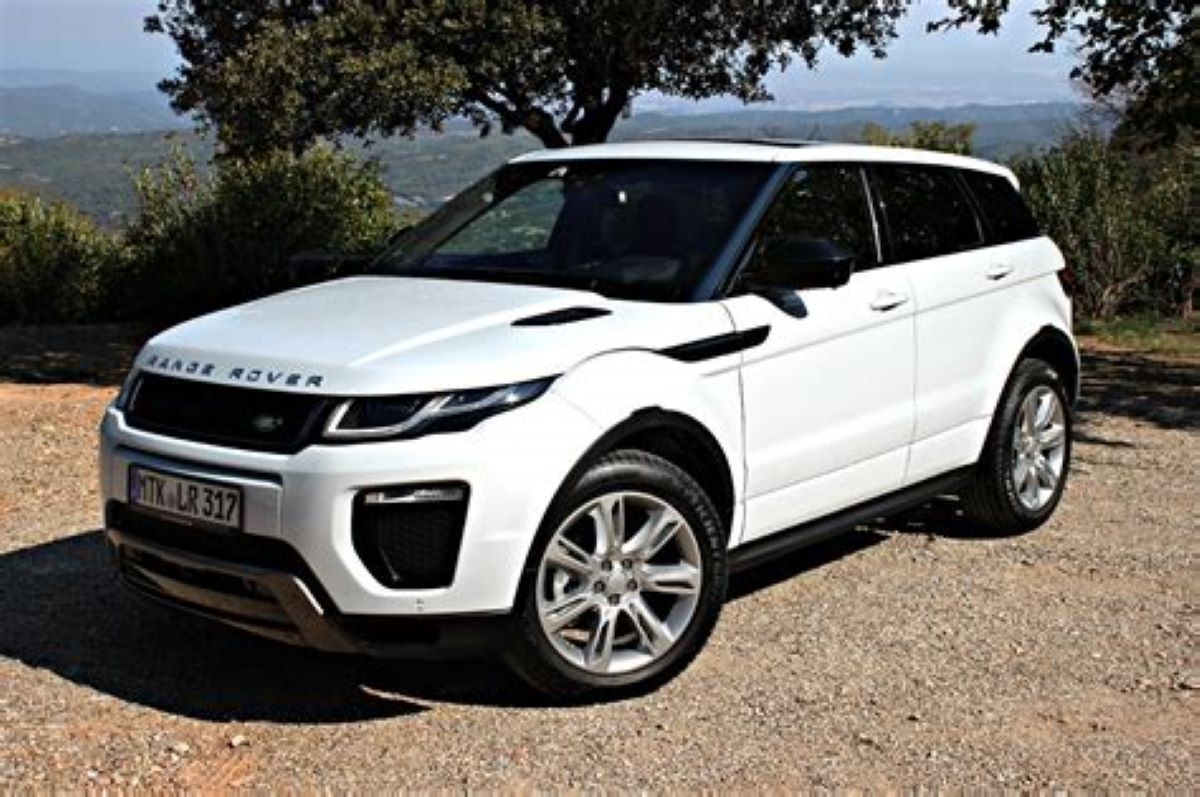
The biggest problem? The price-to-capability ratio is wildly skewed. Many midrange SUVs costing $10,000–$20,000 less perform better off-road. Unless your idea of a trail is a gravel driveway or a scenic turnout, the Evoque doesn’t justify its premium.
2. Mercedes-Benz GLE
The GLE delivers exceptional highway comfort, high-tech features, and beautiful build quality. But despite Mercedes’ attempts to give it mild off-road credentials, the GLE is really a luxury crossover pretending to be adventurous.
Its air suspension is delicate under rough conditions, replacement parts are notoriously expensive, and its sheer curb weight makes it clumsy off pavement.
U.S. buyers attracted by luxury brands often assume a premium SUV should handle a weekend trail outing, but the GLE is far too fragile and electronically complex for real off-road punishment. It’s a road-focused machine with a luxury price tag to match.
Much like the mid-size Mercedes SUVs that preceded it, the 2022 GLE-Class offers the brand’s latest technology, a roomy and upscale cabin, and a level of off-road capability that most owners are unlikely to ever fully use.
The majority of models feature two rows of seating, both of which are spacious, comfortable, and distinctly luxurious. A third row can be added as an option, though it’s best suited for children rather than adults.
Inside, the dashboard is dominated by a sweeping panel of screens that combines a fully digital instrument cluster with a wide infotainment display, creating a sleek, high-tech focal point.
Under the hood, a turbocharged four-cylinder engine comes standard, while buyers can also opt for a turbocharged inline-six or a twin-turbo V-8, although availability of the V-8 is limited for this model year.
For drivers who want to explore beyond paved roads, the GLE can be equipped with an adjustable air suspension that increases ground clearance and even helps free the vehicle if it becomes stuck in sand or mud.
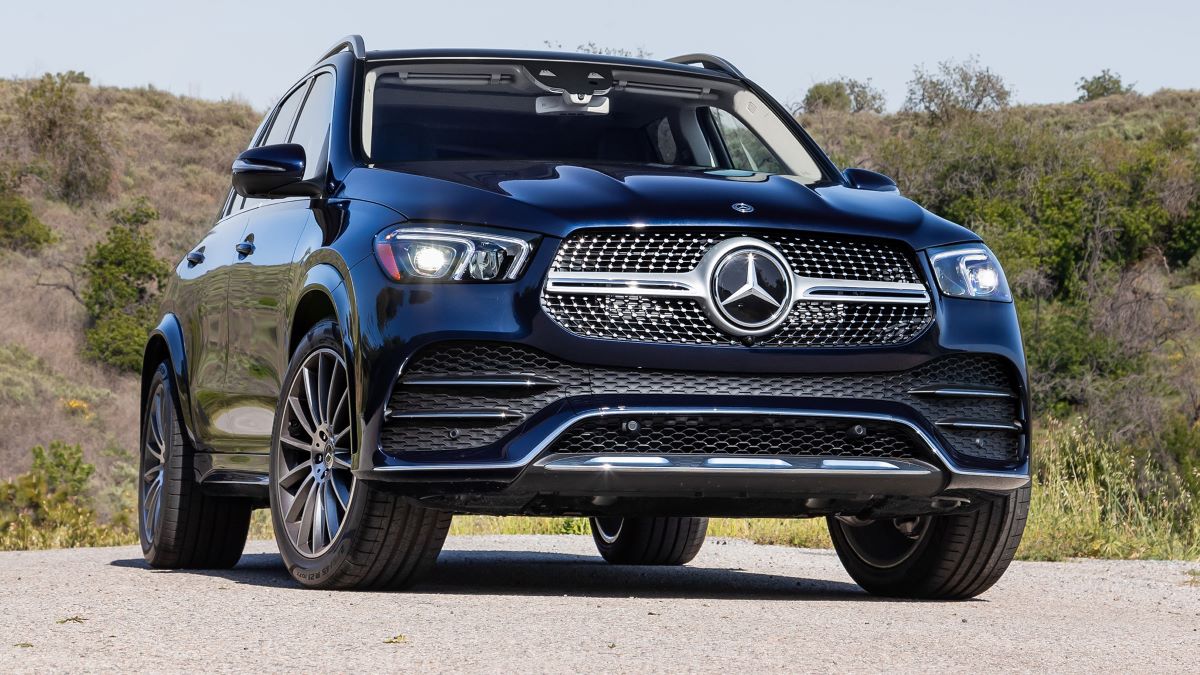
Models carrying the GLE350 designation are powered by a 255-horsepower turbocharged four-cylinder engine paired with a nine-speed automatic transmission and offered with either rear-wheel drive or Mercedes’ 4Matic all-wheel-drive system.
Moving up to the GLE450 adds standard all-wheel drive along with a 362-horsepower hybrid setup that combines a turbocharged inline-six engine with an innovative 48-volt electrical system.
In testing, the 2020 GLE350 accelerated from zero to 60 mph in 6.6 seconds, while the six-cylinder GLE450 completed the same sprint in a quicker 5.3 seconds. Although the high-performance Mercedes-AMG GLE53 delivers even more punch, the 2020 Mercedes-Benz GLE580 stands as the most powerful and costly non-AMG variant.
Its twin-turbocharged 4.0-liter V-8 works in conjunction with the 48-volt system to produce up to 504 horsepower.
Across the entire GLE lineup, buyers can opt for an advanced air-suspension system capable of leaning into corners and even rocking the SUV free if it becomes stuck off-road. Standard models, however, rely on a more traditional suspension setup with steel springs and anti-roll bars.
Also Read: 5 Cars Best for Austin’s Stop-and-Start Traffic vs 5 That Drain Your Wallet
3. BMW X5
The X5 remains one of the most popular luxury SUVs in America, and it’s easy to see why: great driving dynamics, excellent interiors, and sophisticated tech.
But in the context of off-road readiness, the X5 is one of the last vehicles you’d want to push through deep mud or uneven rocky terrain.
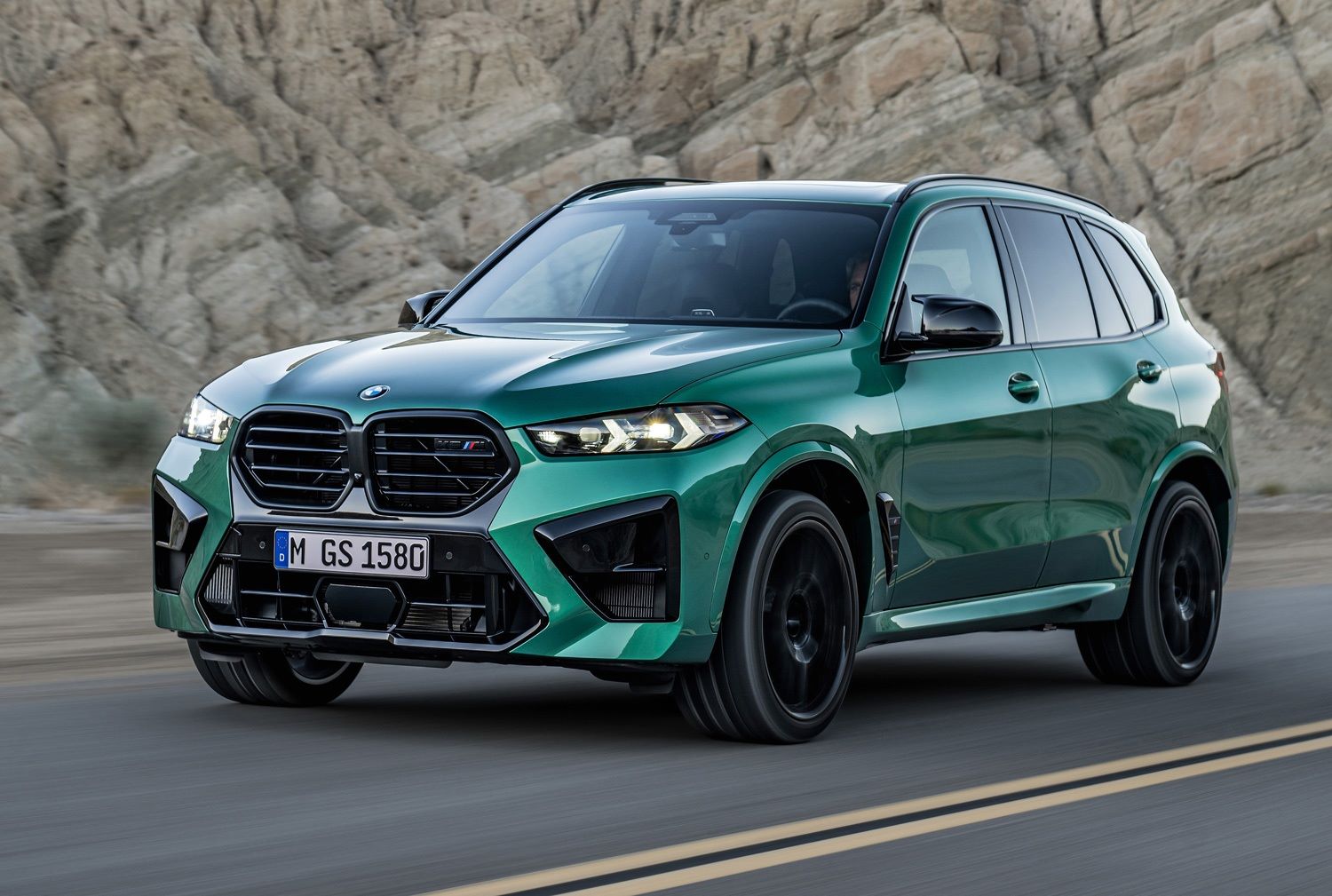
Despite BMW offering an “Off-Road Package,” the X5 is fundamentally a performance-oriented crossover. Its low-profile tires, soft suspension tuning, vulnerable underbody components, and limited articulation make it unsuitable for anything beyond light trails.
If you want a true adventure SUV, an X5’s price tag could instead fund a Wrangler Rubicon and still leave money left over.
4. Cadillac XT6
Cadillac’s XT6 appeals to families looking for a premium three-row SUV, but it’s far from a trail companion. Built on the same platform as the Chevrolet Traverse, the XT6 prioritizes comfort, quietness, and tech not durability.
Its AWD system is tuned for inclement weather rather than uneven terrain, and there’s no off-road suspension, no locking differential, and no meaningful protective cladding.
Despite this, the XT6 carries a luxury-tier price north of $60k when optioned up, making it one of the least capable SUVs in its bracket for outdoor adventure. It’s fine for road trips but absolutely not for rough trails.
If you’re shopping for a three-row SUV from General Motors’ luxury division, the 2022 Cadillac XT6 is essentially your only option, unless you have the budget and garage space for an Escalade.
While the XT6 shares much of its platform and mechanical hardware with the GMC Acadia, you’d never guess that based on appearances alone. Cadillac has given the XT6 its own distinct exterior and interior styling, both of which feel appropriately premium and upscale.
Buyers can choose between a turbocharged four-cylinder engine or a naturally aspirated V-6, along with either front-wheel drive or all-wheel drive.
The Sport trim adds a torque-vectoring rear differential, but even with this upgrade, the XT6 doesn’t quite match the dynamic sharpness of competitors like the Audi Q7 or BMW X5. Instead, it’s better positioned as a refined and stylish family hauler, much like rivals such as the Acura MDX and Lincoln Aviator.
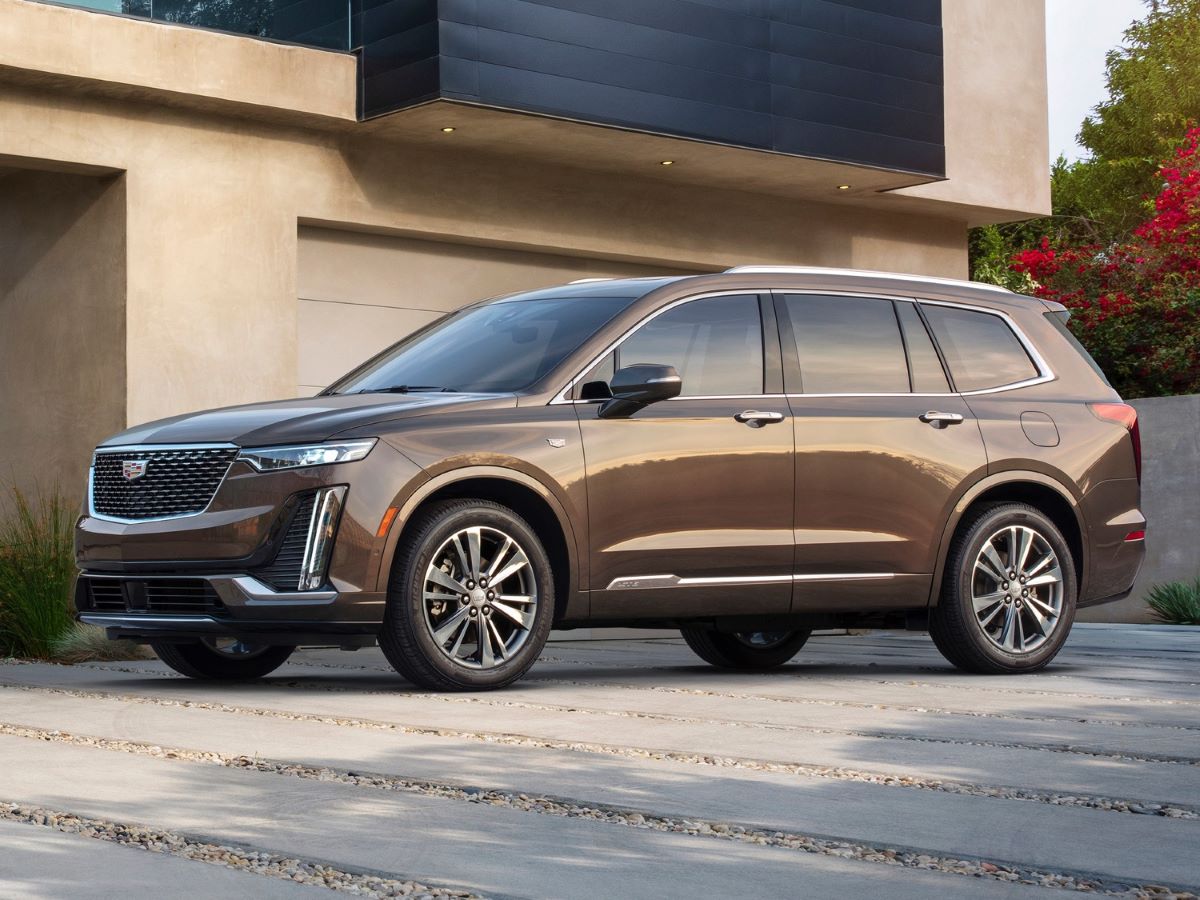
For the 2022 model year, XT6 shoppers can select either a 237-horsepower turbocharged 2.0-liter four-cylinder engine or a more powerful 310-horsepower V-6.
Both engines are paired with a nine-speed automatic transmission and are available with either front-wheel or all-wheel drive.
The XT6 lineup consists of three trims, Luxury, Premium Luxury, and Sport, with the first two prioritizing comfort and refinement, while the Sport trim focuses more on performance-oriented upgrades like a torque-vectoring rear differential and revised steering tuning.
A Platinum package is also offered, bundling together the model’s most desirable features. Regardless of trim level, the XT6 makes a strong visual impression.
Twenty-inch wheels are standard across the range, while the Sport model can be equipped with larger 21-inch wheels. Handling is respectably confident for a three-row crossover, though it’s clear this SUV isn’t aiming to replicate the sharp agility of a performance sedan like the CT5-V.
5. Lexus RX
The Lexus RX is the poster child for reliability and resale value in the American luxury SUV market. But if we’re talking about off-roading, it doesn’t belong anywhere near the wilderness.
The RX uses a car-like platform, prioritizes comfort over ruggedness, and lacks the ground clearance, mechanical 4×4 components, and chassis stiffness needed for real trail work.
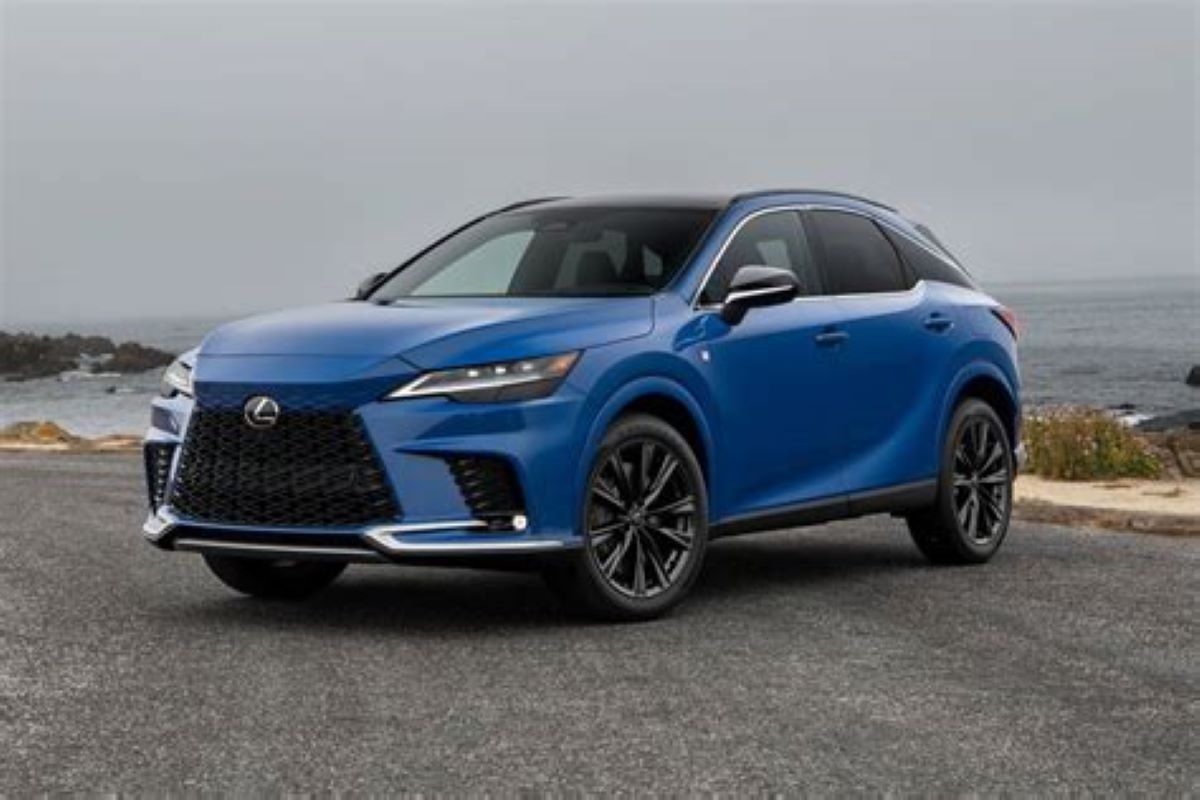
Many buyers assume Toyota and Lexus SUVs automatically make great off-road vehicles, but the RX is an exception.
It’s a luxury commuter first and foremost soft, quiet, and refined. Dirt roads are fine; anything beyond that, and the RX immediately shows its limits.
Lexus offers several vehicles that are genuinely sporty and engaging to drive, but the 2022 RX doesn’t fall into that category. Despite its sharp, aggressive styling and the availability of an F Sport trim, the RX prioritizes comfort above all else.
It delivers a smooth, almost buttery ride and offers two relatively fuel-efficient powertrain choices. A 3.5-liter V-6 comes standard, while buyers can opt for a hybrid setup that produces 308 horsepower and returned 31 mpg on the highway during our testing.
The standard RX is configured as a two-row, five-passenger SUV, but Lexus also offers the longer RX L variant, which adds a third row and increases seating capacity to seven.
Inside, the RX features a well-appointed cabin filled with modern technology and upscale materials that feel right at home in the compact luxury SUV segment.
For shoppers seeking relaxed luxury with everyday practicality, the RX makes a strong case, though drivers looking for excitement may find more satisfaction in Lexus’s European competitors.
Shoppers can choose between two main RX variants. The RX350 is powered by a 3.5-liter V-6, while the RX450h pairs that same V-6 with two electric motors for hybrid operation. Our tested RX350 F Sport model came equipped with all-wheel drive and posted a 0–60 mph time of 6.7 seconds, acceptable, but slower than many rivals in this class.
The RX450h stands out as one of the few hybrids in the segment, yet it also takes longer than average to reach 60 mph from a standstill. Where the RX truly excels is ride comfort.
It smooths out rough pavement with ease and maintains a soft, compliant demeanor. Road noise is well suppressed, and the cabin remains calm and insulated, making the RX a particularly strong choice for long-distance driving and relaxed daily use.
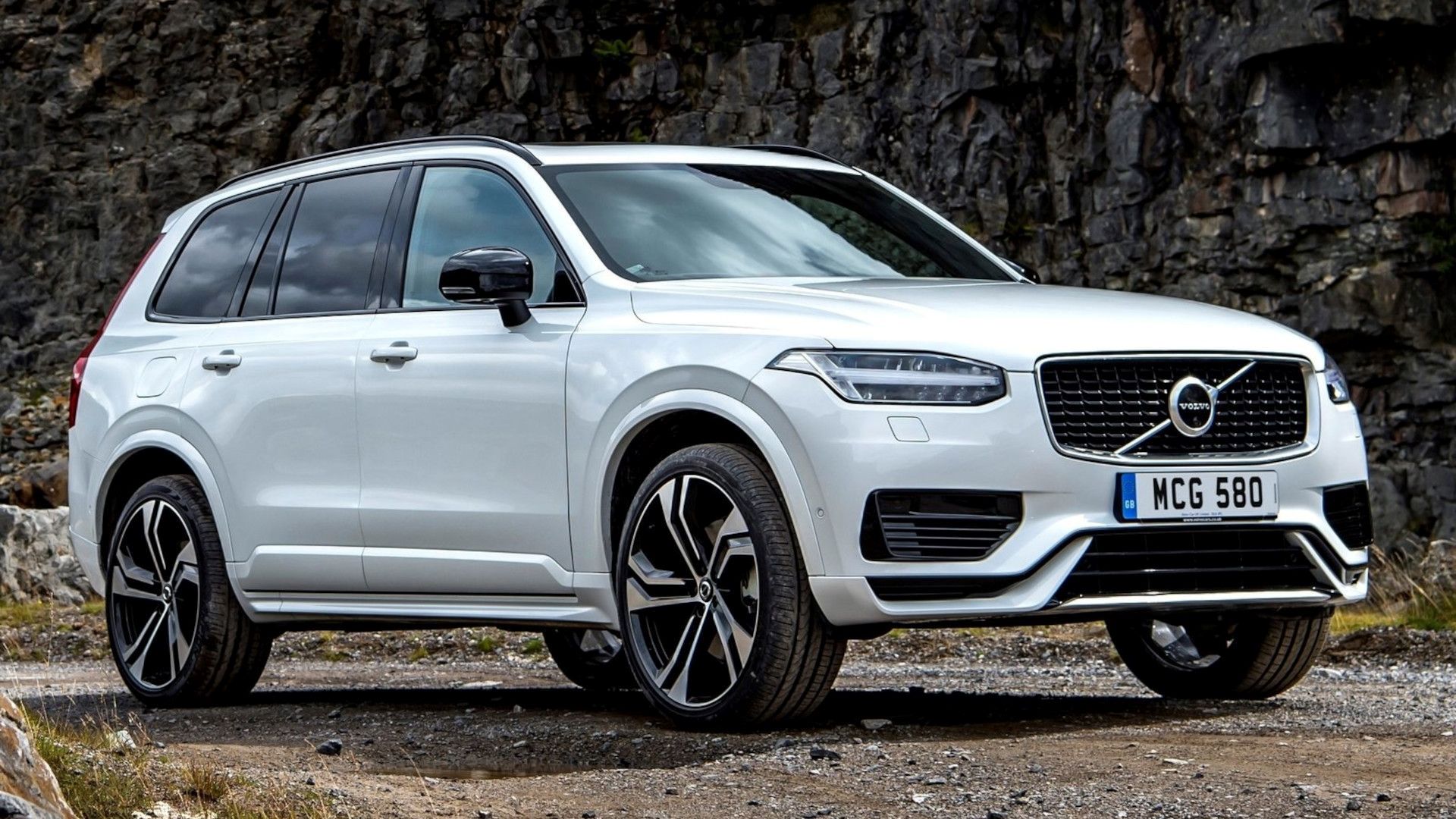
6. Volvo XC90
Volvo’s flagship XC90 is beloved for its Scandinavian design, top-notch safety ratings, and family-friendly cabin. What it isn’t built for is rocky or technical trails.
The plug-in hybrid variant adds weight without adding capability, and the SUV relies heavily on electronic systems that don’t respond well to severe vibrations or rough surfaces.
Considering its price often upwards of $70,000 the XC90 simply doesn’t offer the durability of a true adventure vehicle. Owners should think of it as a luxury cruiser designed for long highway stretches, not dusty mountain passes.
The XC90’s straight-line performance plays a dominant role in shaping the driving experience. Even though it’s a practical midsize SUV with three rows of seating, the combination of its engine and electric motor produces an impressive 455 horsepower and 563 lb-ft of torque.
That output allows it to accelerate from zero to 60 mph in just 5.2 seconds, and its substantial 5,110-pound curb weight does little to dull that quickness. Unfortunately, the braking performance doesn’t quite live up to the same standard.
In testing, the XC90 required 130 feet to come to a stop at its best, a result that places it well behind competitors from BMW, Audi, and Mercedes-Benz.
On a more positive note, the plug-in hybrid powertrain is thoughtfully tuned and handles the transition from electric-only driving to hybrid operation smoothly.
Power delivery is refined and consistent, while the eight-speed automatic transmission shifts so seamlessly that gear changes are barely noticeable.
That said, the optional air suspension fitted to our T8 Ultra test vehicle struggles to fully control body movements when cornering, and the Pirelli Scorpion tires limit overall performance during higher-speed maneuvers.
Where the XC90 really shines is in safety and ease of use. It comes standard with an extensive suite of safety technologies that perform effectively in real-world driving.
Multiple cameras make navigating tight spaces simple, even if their image resolution could be better, and the large windows provide excellent outward visibility in all directions.
Also Read: 10 Fast ’90s Cars People Forgot About That Still Deliver Impressive Speed in 2025
7. Jeep Grand Cherokee Summit / Overland (High-Spec Trims)
This might surprise some people, because the Jeep Grand Cherokee has genuine off-road heritage.
But the key issue here is trim-specific: the top-tier Summit and Overland models are packed with luxury features that make them significantly less trail-ready than the more rugged Trailhawk trim.
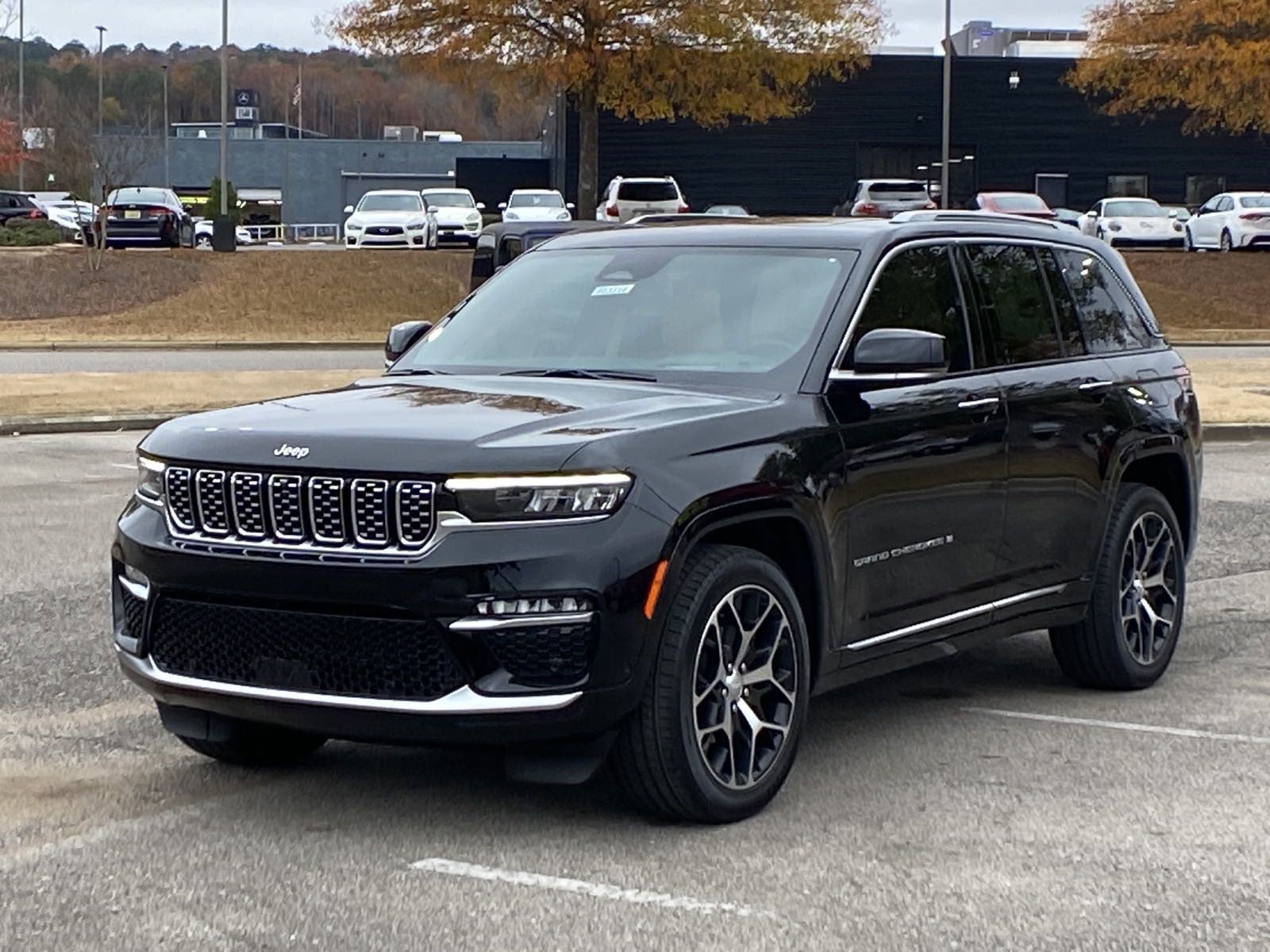
Large wheels with low-profile tires, sensitive air suspension components, and expensive exterior trim pieces turn these high-end models into liabilities on rough terrain.
When your bumper sensors and chrome accents cost thousands to replace, scraping a rock becomes financially horrifying. For buyers who want adventure capability, the lower trims or the Trailhawk are far better choices.
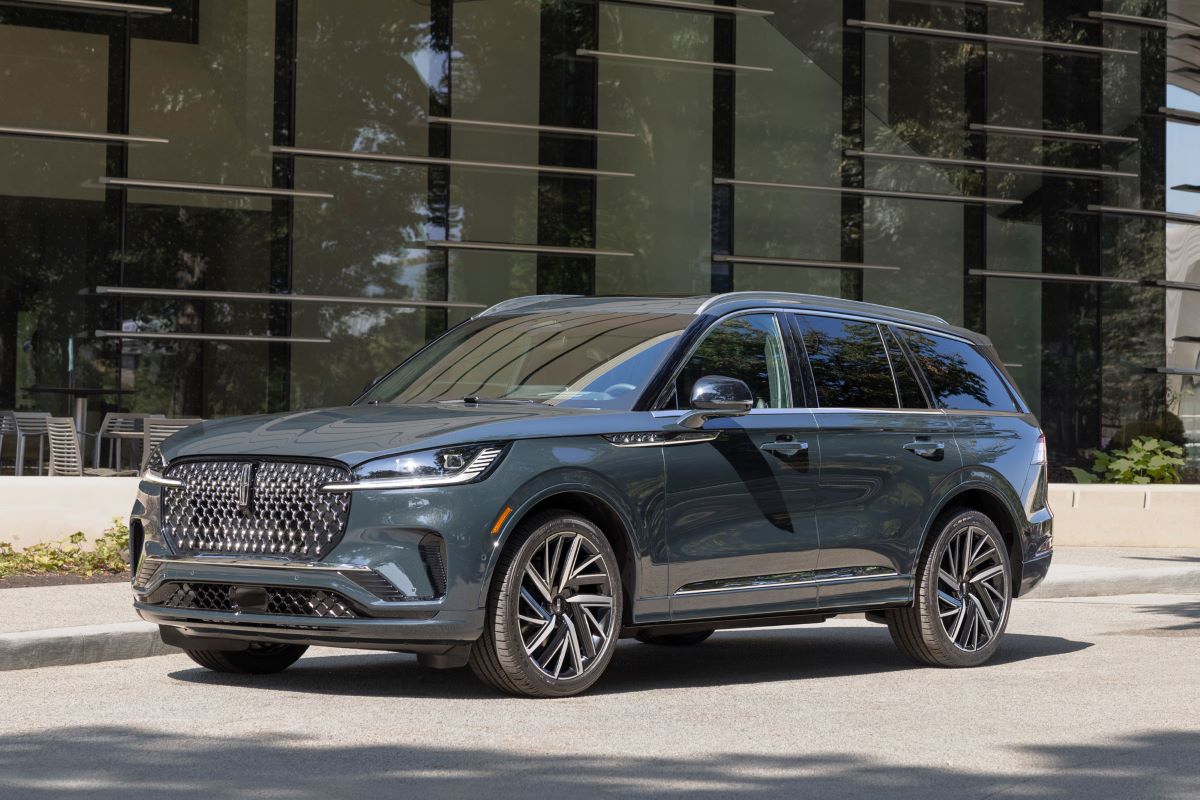
8. Lincoln Aviator
The Lincoln Aviator is a stunningly comfortable luxury SUV that excels in quietness, power, and long-distance refinement.
However, its rear-wheel-drive architecture, large wheels, and low ride height make it poorly suited for trails. Even with AWD, the Aviator behaves like a big luxury sedan on stilts rather than a proper off-road SUV.
Additionally, the plug-in hybrid Grand Touring trim adds substantial complexity, and its heavy battery pack further reduces its off-road confidence.
At more than $75,000 when optioned, the Aviator is simply not a vehicle owners should risk damaging on uneven terrain.
The Aviator delivers strong straight-line performance. Although there’s a brief pause when you first request acceleration, it quickly gathers momentum and moves with authority.
In Edmunds’ testing, an all-wheel-drive Aviator Black Label completed the sprint from zero to 60 mph in a brisk 5.9 seconds.
Braking and handling, however, don’t live up to the same standard. The brake pedal feels excessively soft, which makes precise and smooth modulation difficult.
When pushed through corners, the Aviator feels large and somewhat floaty, offering limited confidence in its overall stability.
Adding to the experience is a transmission that shifts clumsily and slowly when transitioning between forward and reverse. Taken together, these shortcomings make the Aviator less satisfying to drive than anticipated.
The infotainment system is easy to read and use, thanks to its large text and oversized on-screen buttons, making it approachable regardless of a driver’s tech-savviness.
That said, it doesn’t feel as advanced as some rival systems and is missing several of the latest standout features. In terms of connectivity, the first two rows provide plenty of charging and plug-in options.
Android Auto and Apple CarPlay come standard, but using either smartphone integration limits access to basic voice commands and can make simple tasks, such as adjusting vehicle settings or changing radio stations, more frustrating than they should be.
Driver-assistance technology is one area where the Aviator performs well. The lane-keeping and lane-centering systems operate smoothly and unobtrusively, while adaptive cruise control works effectively in heavy traffic. However, if set to follow closely, the system can apply the brakes more aggressively than expected.
9. Infiniti QX60
The Infiniti QX60 is a spacious, upscale three-row SUV that appeals to suburban families across the U.S. But when it comes to trail performance, it falls short in nearly every category.
Its AWD system is designed primarily for slippery pavement, and the suspension lacks the articulation required for trail obstacles.
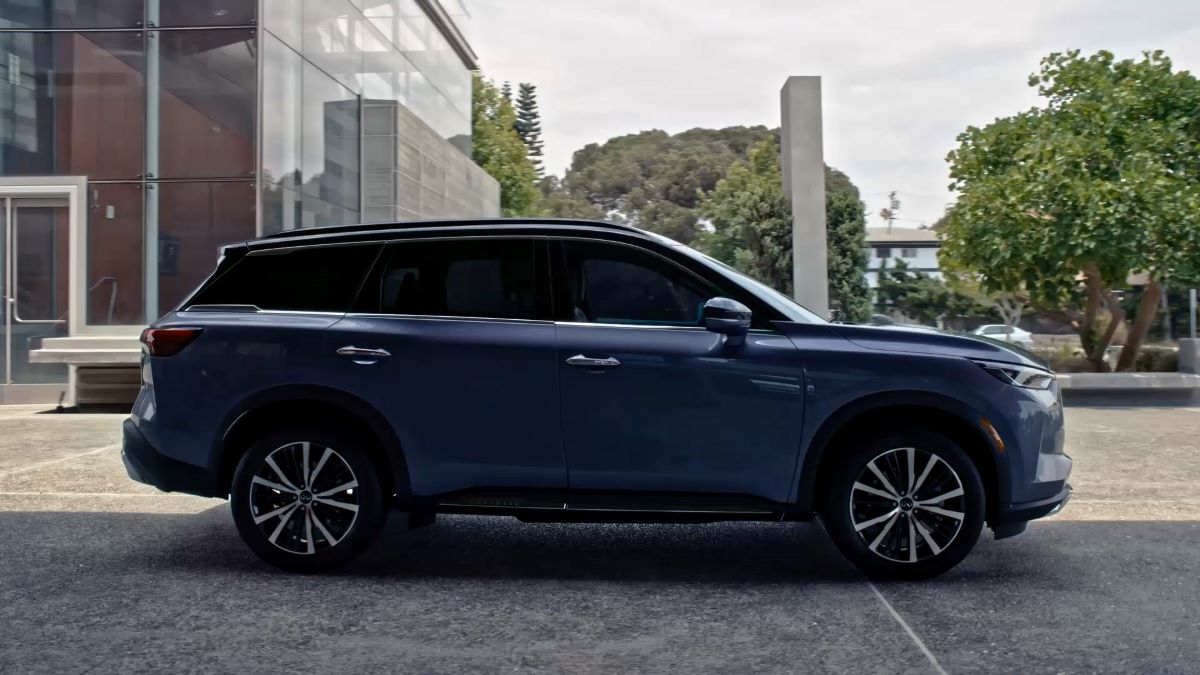
Even worse, Infiniti markets its SUVs as premium luxury options, leading buyers to expect more ruggedness for the price.
In reality, the QX60 is built on a car-based platform shared with the Nissan Pathfinder another model not respected in serious off-road circles. For a vehicle that can easily stretch past $60,000, capability simply isn’t there.
Although it doesn’t carry the same prestige as rivals such as the BMW X5 or the Genesis GV80, the 2025 Infiniti QX60 offers enough style and comfort to hold its own against near-luxury competitors like the Acura MDX and the Buick Enclave.
This midsize, three-row crossover is built on the Nissan Pathfinder platform, but Infiniti has given it a distinctive exterior that highlights the brand’s flowing, curvaceous design language.
Power comes from a turbocharged four-cylinder engine producing 268 horsepower, with front-wheel drive included as standard and all-wheel drive available as an option. Entry-level trims don’t offer a significant upgrade in equipment or comfort over the Nissan counterpart, but higher-end versions add premium touches such as quilted leather seats and massaging front chairs.
While the handling is largely unremarkable and the ride can feel firm when equipped with the larger 20-inch wheels, drivers who place less emphasis on sporty dynamics, and who live in areas with smoother roads, may appreciate the QX60’s quiet cabin and relaxed driving character. Another key factor in its favor is pricing, as it undercuts many European SUVs in the same segment by a considerable margin.
The QX60 is equipped with a 268-horsepower turbocharged 2.0-liter four-cylinder engine paired with a nine-speed automatic transmission. Front-wheel drive comes standard, with all-wheel drive remaining an optional upgrade.
During our testing of the 2025 QX60, the new four-cylinder engine felt less responsive than the outgoing V-6 it replaced. The nine-speed automatic tends to upshift quickly into the highest possible gear and is often hesitant to downshift when extra power is needed for passing or merging.
Ride quality is firmer than expected for a vehicle that otherwise leans toward comfort, particularly when fitted with the optional 20-inch wheels.
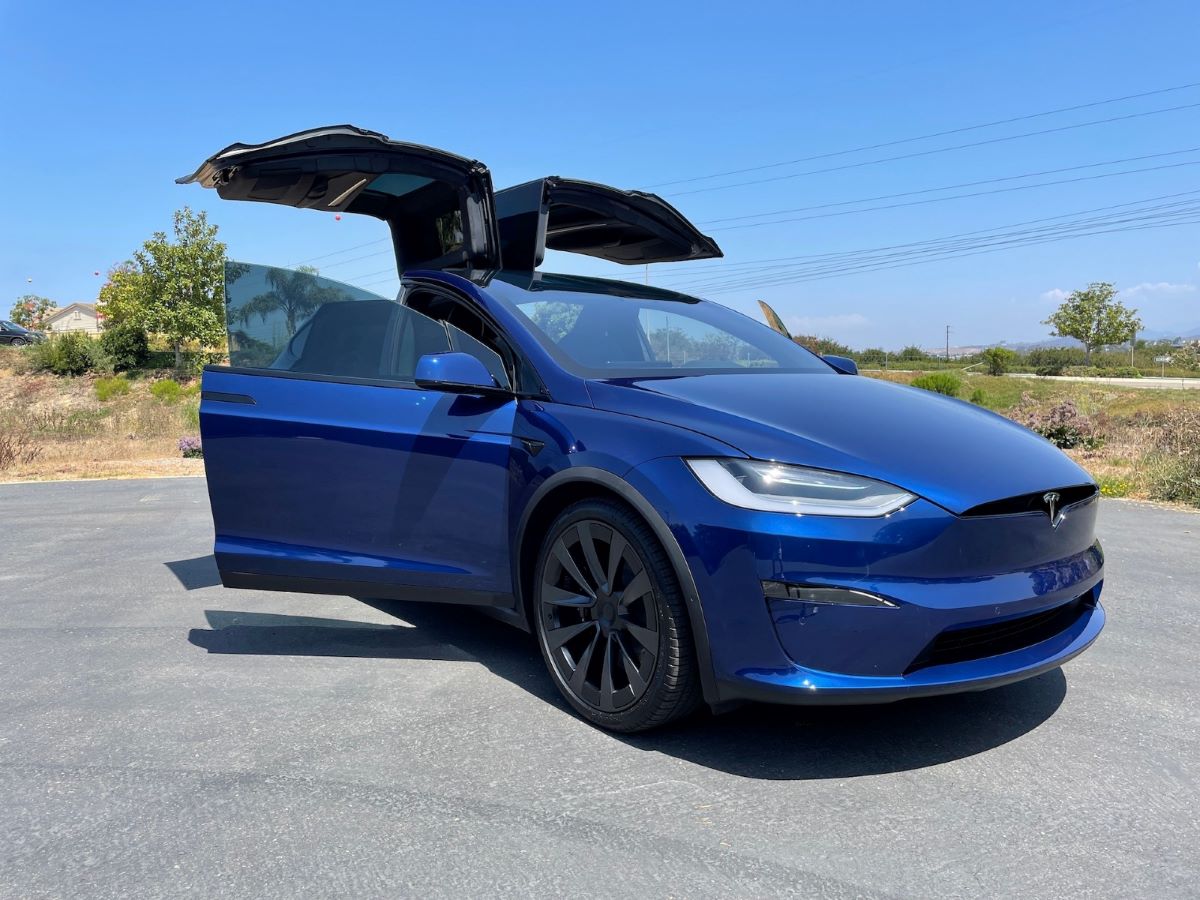
10. Tesla Model X
Electric SUVs are becoming more common, but the Tesla Model X is one of the last vehicles you’d want to take into the wilderness.
Its extremely low ground clearance, delicate air suspension components, and vulnerable underbody battery pack make it unsuitable for rocky or uneven surfaces. Repair costs are notoriously high, and Tesla’s large wheels with road-focused tires are no match for off-road hazards.
While the Model X delivers world-class straight-line performance and cutting-edge tech, its price tag often above $90,000 makes trail damage a nightmare scenario. It’s a technological showcase built for clean roads, not rough adventures.
Not every SUV with a rugged stance or luxury badge is designed for the off-road lifestyle. Many manufacturers capitalize on American buyers’ desire for adventure aesthetics without engineering the necessary hardware to back it up.
The models listed above may excel in comfort, design, and brand prestige, but when it comes to trail capability, they offer poor value and disproportionate risk for the price.
For U.S. shoppers who want a truly trail-ready SUV, the smart move is to look at vehicles with proven 4×4 systems, durable components, protective cladding, and designs that prioritize functionality over flash. And for these overpriced models? Keep them far from the trail and keep your wallet safe.