
Porsche 911s represent automotive excellence, but their price tags often put them out of reach for enthusiasts working with realistic budgets. You might assume that matching 911 performance requires spending six figures, yet several cars prove otherwise.
Performance doesn’t always correlate directly with price, especially when clever engineering, turbocharged efficiency, and modern technology enter the equation. Smart shoppers can find vehicles that deliver comparable acceleration, handling dynamics, and driving thrills without the Porsche premium.
What makes a car capable of running with a 911? You’re looking at 0-60 mph times under 4.5 seconds, strong braking performance, precise handling through corners, and enough power to maintain highway speeds during spirited driving.
Several manufacturers have cracked this code by using forced induction, lightweight materials, sophisticated suspension tuning, and aerodynamic designs that maximize performance without maximizing costs. These cars won’t carry Porsche badges, but they’ll keep up on backroads and racetracks while leaving money in your bank account.
This comparison isn’t about claiming these vehicles are better than a 911. Porsche’s engineering excellence, build quality, and brand heritage justify its pricing for buyers who can afford it. Instead, we’re highlighting alternatives that deliver similar performance metrics at fractions of the cost.
You might sacrifice some interior refinement or brand prestige, but you’ll gain accessibility to genuine performance that was once reserved for wealthy enthusiasts. These budget-friendly options prove that thrilling driving experiences don’t require emptying retirement accounts or taking second mortgages.
Whether you’re a first-time performance car buyer, an enthusiast stretching your budget, or someone who simply values smart purchasing decisions, these eleven cars demonstrate that speed and handling excellence can be surprisingly affordable. Let’s examine vehicles that challenge Porsche’s performance monopoly while respecting your financial reality.
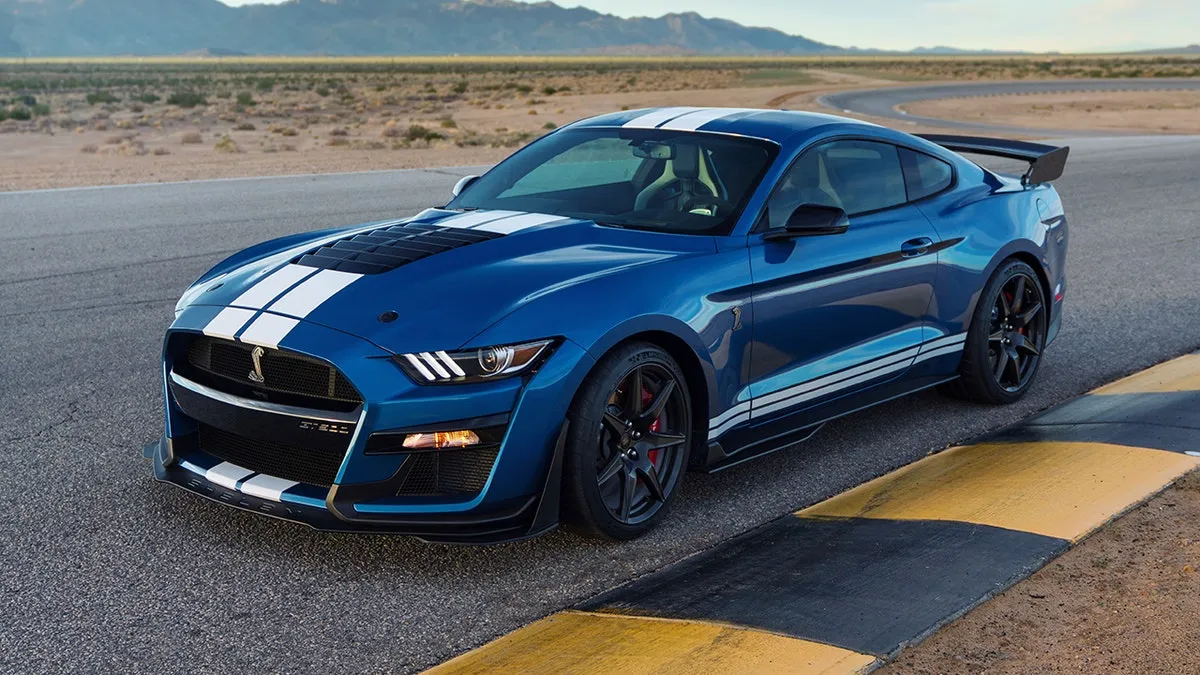
1. 2015-2020 Ford Mustang GT
American muscle has advanced dramatically, and the S550-generation Mustang GT proves it. Gone are the days when Mustangs only excelled in straight lines before embarrassing themselves through corners.
This generation features independent rear suspension, sophisticated chassis tuning, and a naturally aspirated 5.0-liter V8 producing 460 horsepower in later models. You get 0-60 mph times around 4.2 seconds, which puts you squarely in base 911 Carrera territory at a fraction of the price.
What really impresses here is how Ford transformed handling dynamics. Previous Mustangs felt heavy and clumsy during direction changes, but this generation responds with surprising agility. Steering provides good feedback, the chassis stays composed through corners, and you can actually use the throttle to rotate the car rather than just spin the rear tires uselessly.
MagneRide adaptive suspension available on Performance Pack models adjusts damping rates nearly instantaneously, keeping the car planted during aggressive driving while maintaining reasonable ride quality for daily use.
Inside, you’ll find a surprisingly comfortable and well-equipped cabin. Later models feature improved materials, better ergonomics, and modern infotainment systems that actually work properly. Rear seats exist, though they’re cramped, and trunk space is adequate for weekend trips or track day gear. This practicality gives the Mustang GT an advantage over two-seat sports cars that force ownership compromises.
Pricing makes this comparison particularly compelling. Used examples from 2015-2017 sell for $25,000-$35,000, while 2018-2020 models with the updated styling and increased power range from $35,000-$45,000.
That’s less than 20% of what you’d pay for a comparable new 911, yet you’re getting performance that runs neck-and-neck in real-world driving scenarios. For budget-conscious enthusiasts wanting American V8 power with genuine sports car handling, this Mustang GT represents exceptional value.

2. 2016-2019 Chevrolet Camaro SS
GM’s answer to the Mustang brings a different character but similar performance capabilities. Powered by a 6.2-liter V8 producing 455 horsepower, the sixth-generation Camaro SS accelerates to 60 mph in approximately 4.0 seconds, matching or exceeding base 911 Carrera performance. What sets this Camaro apart is its chassis, which many reviewers consider superior to the Mustang’s in terms of precision and feedback.
Driving a Camaro SS feels more European than American. Steering is quick and accurate, with excellent on-center feel and natural weight buildup through corners. Body control is exceptional, with minimal roll during direction changes and a planted feeling that inspires confidence.
Magnetic Ride Control adjusts damping rates continuously, maintaining optimal tire contact regardless of road conditions or driving intensity. This suspension technology rivals systems found in far more expensive sports cars.
Track-focused 1LE package transforms the Camaro SS into a serious performance machine. You get sticky summer tires, upgraded cooling systems, aerodynamic enhancements, and suspension tuning that sharpens handling even further.
Cars equipped with this package have posted lap times at various tracks that match or beat base 911 Carreras, often at half the purchase price. This isn’t just straight-line performance anymore; Camaros now handle with precision that German manufacturers respect.
Used pricing sits slightly higher than equivalent Mustangs, with 2016-2017 models selling for $28,000-$38,000 and 2018-2019 examples ranging from $38,000-$48,000. You’re still spending less than half what a used 911 costs while getting performance that genuinely competes. For enthusiasts prioritizing handling precision and track capability, the Camaro SS makes a compelling argument.
Also Read: 5 Affordable Sports Cars That Are Better Daily Drivers Than 5 Supercars
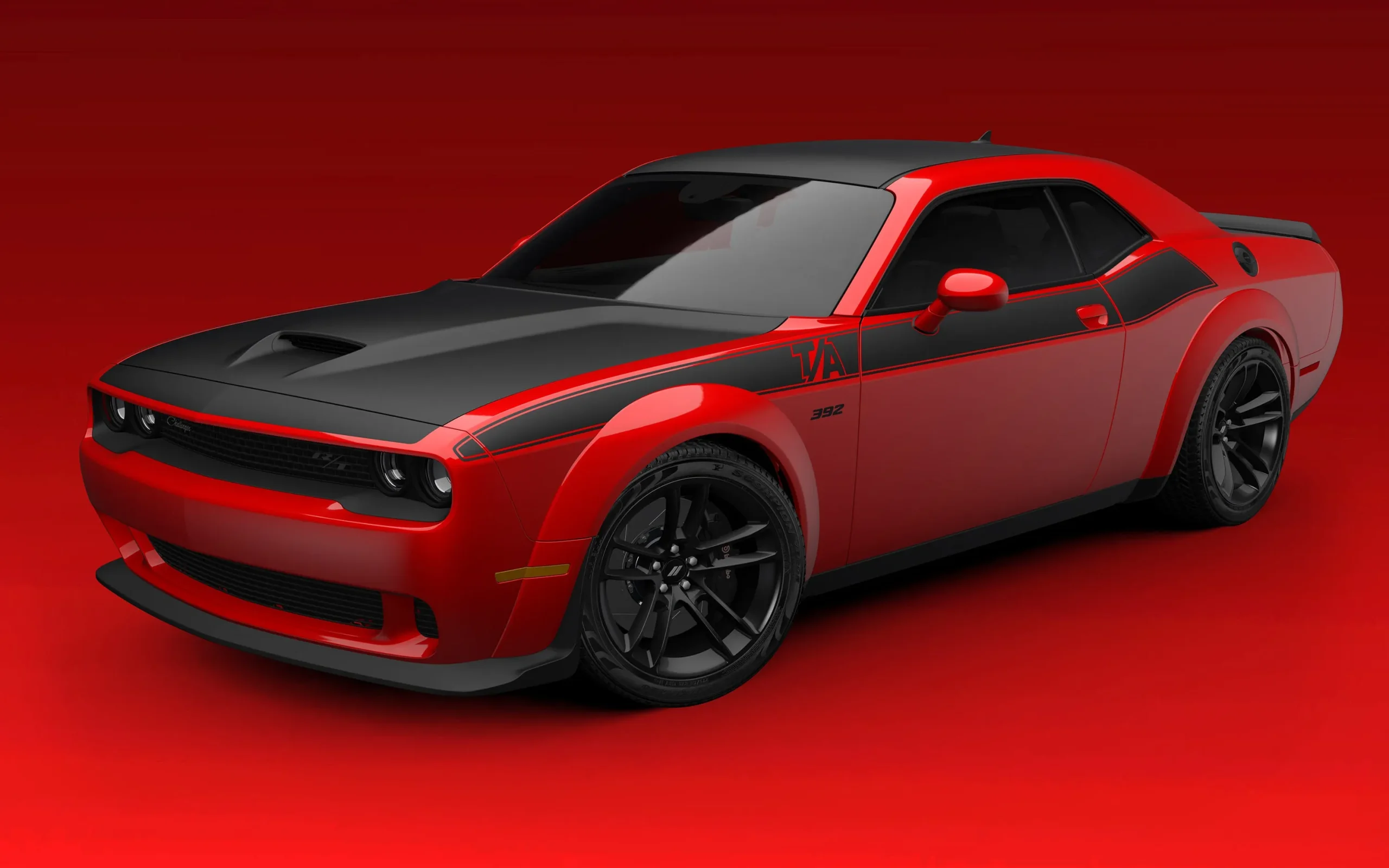
3. 2015-2021 Dodge Challenger SRT 392
Dodge took a different approach with the Challenger, prioritizing straight-line acceleration and old-school muscle car character. Powered by a 6.4-liter naturally aspirated V8 producing 485 horsepower, the SRT 392 hits 60 mph in about 4.2 seconds. While handling doesn’t match the Mustang or Camaro’s agility, brute force acceleration provides its own form of performance that competes with Porsches in certain scenarios.
Interior space is where the Challenger truly differentiates itself. Real adults fit comfortably in the back seat, making this a genuine four-passenger car rather than a 2+2 compromise. Trunk space is enormous, easily swallowing luggage for extended trips.
If you need a single car that serves both performance and practical duties, the Challenger makes more sense than narrower-focused sports cars. You can drive this to work comfortably, then enjoy spirited acceleration whenever the mood strikes.
Braking performance is adequate with standard Brembo brakes providing strong stopping power. Pedal feel is progressive and confidence-inspiring. While you won’t attack racetracks with the same aggression you might in a Camaro, street driving and occasional track days are perfectly manageable.
Modern technology includes large touchscreen infotainment, digital gauges, and numerous driver assistance features. Build quality is decent, with materials that feel appropriate for the price point. Dodge’s UConnect infotainment system is one of the better implementations in the industry, responding quickly and organizing functions logically.
Pricing is competitive, with 2015-2017 models selling for $30,000-$40,000 and 2018-2021 examples ranging from $40,000-$55,000, depending on mileage and condition. You’re getting V8 power, real back seats, huge trunk space, and acceleration that embarrasses vehicles costing twice as much. For buyers wanting performance without sacrificing practicality, this Challenger SRT 392 deserves serious consideration.
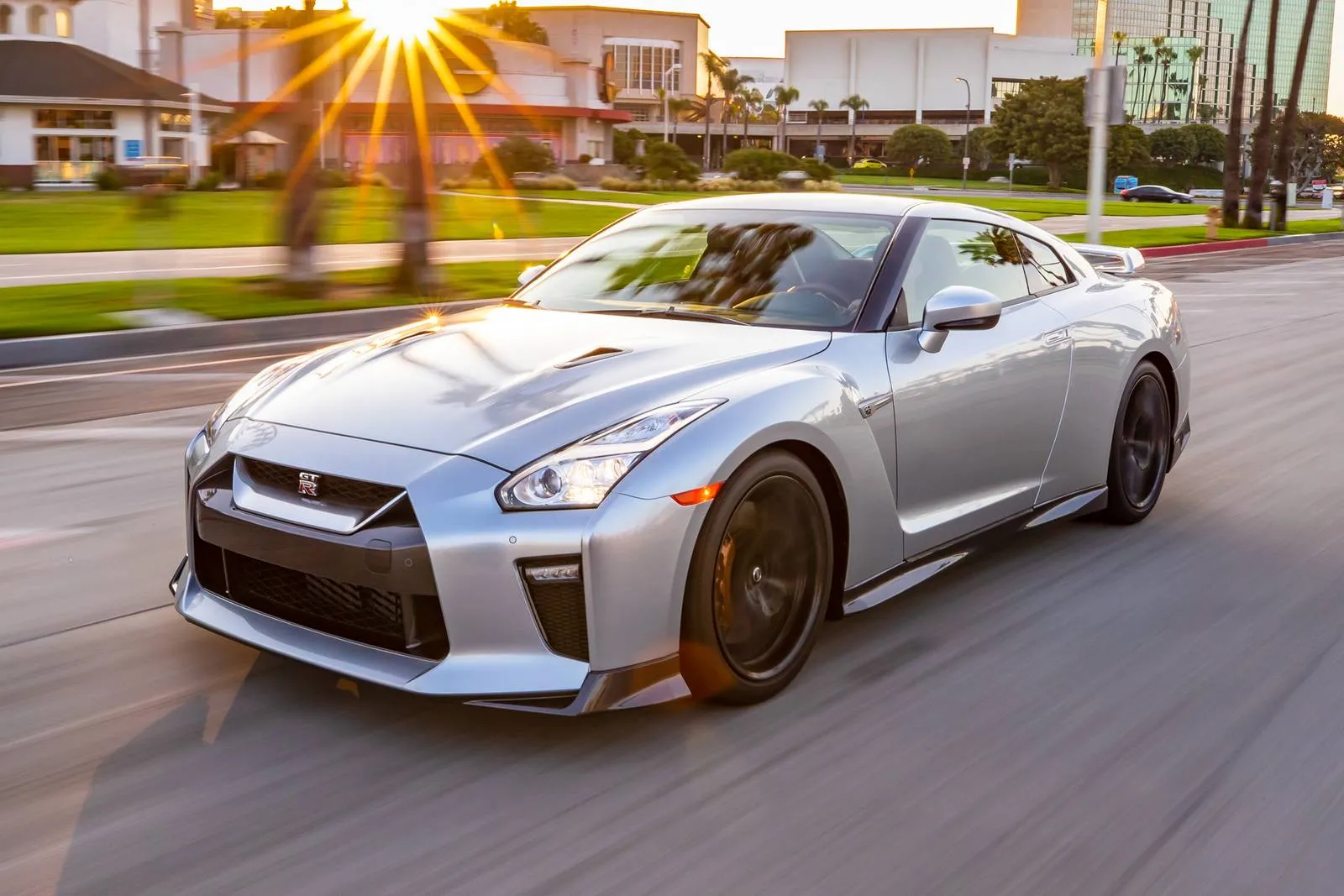
4. 2015-2019 Nissan GT-R Premium
Japanese engineering produces a different kind of performance machine. Powered by a twin-turbocharged 3.8-liter V6 producing 565 horsepower, the R35 GT-R accelerates to 60 mph in approximately 2.9 seconds.
That’s supercar territory, faster than most 911 variants, and achieved through sophisticated all-wheel drive and dual-clutch transmission technology that maximizes traction and minimizes wasted motion.
What makes the GT-R special is how it delivers performance. You don’t need professional driving skills to extract speed; the car’s electronic systems manage power delivery, traction, and stability with computer precision that flatters driver abilities.
Launch control allows full-throttle starts that achieve consistent, repeatable acceleration without requiring clutch slip technique. This accessibility democratizes supercar performance, making it available to enthusiasts who haven’t spent years developing track skills.
Handling is similarly competent. Advanced all-wheel drive distributes torque continuously between front and rear axles, maximizing grip during acceleration and through corners. Sophisticated suspension uses electronically controlled dampers that adjust rates based on driving conditions and selected mode.
You can corner at speeds that would overwhelm less sophisticated cars, trusting the GT-R’s electronics to maintain stability and optimize traction. Used pricing makes this comparison interesting. 2015-2017 models sell for $60,000-$80,000, while 2018-2019 examples range from $80,000-$100,000.
You’re spending more than American muscle cars, but you’re getting performance that exceeds most 911 variants while still saving $50,000+ compared to equivalent Porsches. For buyers prioritizing straight-line speed and all-weather capability, the GT-R represents serious performance value.

5. 2016-2020 Chevrolet Corvette Stingray
American mid-engine design predates the C8 generation, but the front-engine C7 Corvette Stingray delivers performance that embarrasses its modest pricing.
Powered by a 6.2-liter V8 producing 455-460 horsepower (depending on model year), the Corvette accelerates to 60 mph in about 3.7 seconds. That’s faster than base 911 Carreras, achieved through lightweight construction, aerodynamic efficiency, and sophisticated traction management.
Handling dynamics improved dramatically with the C7 generation. Previous Corvettes felt crude compared to European sports cars, but this generation features aluminum construction, magnetic ride control, and chassis tuning that delivers genuine precision.
You can carry high speed through corners, trusting the Corvette to communicate what the tires are doing and respond predictably to inputs. Electronic limited-slip differential helps maximize traction during corner exits, allowing aggressive throttle application without excessive wheelspin.
Track-focused Z51 package adds performance cooling, electronic limited-slip differential, larger brakes, and sport suspension tuning. Cars equipped with Z51 have posted lap times at various circuits that match or exceed base 911 performance, often at one-third the price. This isn’t just theory; numerous comparison tests have documented the Corvette’s ability to run with Porsches through corners and down straights.
Used pricing is remarkably affordable for the performance delivered. 2014-2016 models sell for $35,000-$45,000, while 2017-2019 examples with the updated interior and increased power range from $45,000-$60,000.
That’s less than half what you’d pay for a used base 911 Carrera, yet you’re getting superior acceleration and competitive handling. For budget-conscious enthusiasts wanting a two-seat sports car experience with genuine performance credentials, this C7 Corvette represents exceptional value that’s hard to beat.
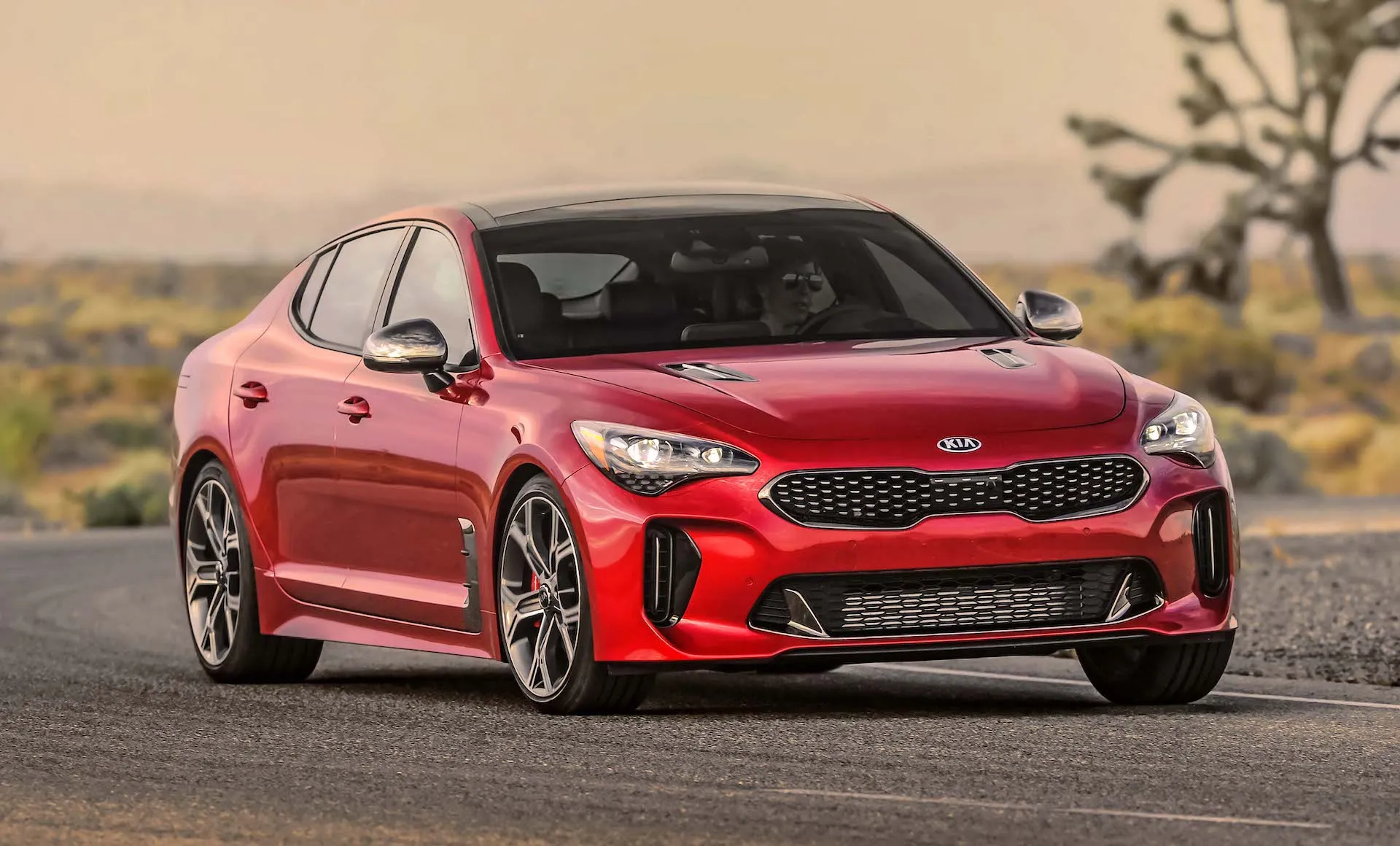
6. 2018-2021 Kia Stinger GT
Korean engineering enters the performance sedan conversation with surprising competence. Powered by a twin-turbocharged 3.3-liter V6 producing 365 horsepower, the Stinger GT accelerates to 60 mph in about 4.6 seconds.
While not quite matching the quickest 911 variants, it runs with base Carreras while offering four doors, real back seats, and huge trunk space that makes it genuinely practical for daily family duties.
Interior quality exceeds expectations for the price point. Materials look and feel upscale, with quality leather, real metal accents, and soft-touch surfaces throughout. Design is attractive without being flashy.
Technology includes a large touchscreen infotainment, digital gauge cluster, and numerous driver assistance features. Build quality is solid, with tight panel gaps and minimal squeaks or rattles. You could mistake this interior for a German luxury car costing $20,000 more.
Practicality is where the Stinger truly shines. Back seats accommodate adults comfortably, making this a genuine four-passenger car. Trunk space is enormous at over 23 cubic feet, easily swallowing luggage for family trips or gear for weekend activities.
You can use this as your only car without making compromises, enjoying performance when desired, while maintaining comfort and space when needed. Warranty coverage is exceptional. Kia provides a 10-year, 100,000-mile powertrain warranty and a 5-year, 60,000-mile basic coverage.
This protection eliminates much of the financial risk associated with buying performance cars, giving peace of mind that expensive repairs won’t devastate your budget during the critical first years of ownership.
Used pricing is extremely competitive. 2018-2019 models sell for $30,000-$40,000, while 2020-2021 examples range from $40,000-$50,000. You’re spending less than half what a used 911 costs while getting performance that runs close, plus four doors, real back seats, a huge trunk, and industry-leading warranty coverage. For buyers wanting sports car acceleration with sedan practicality, the Stinger GT delivers value that’s hard to match.
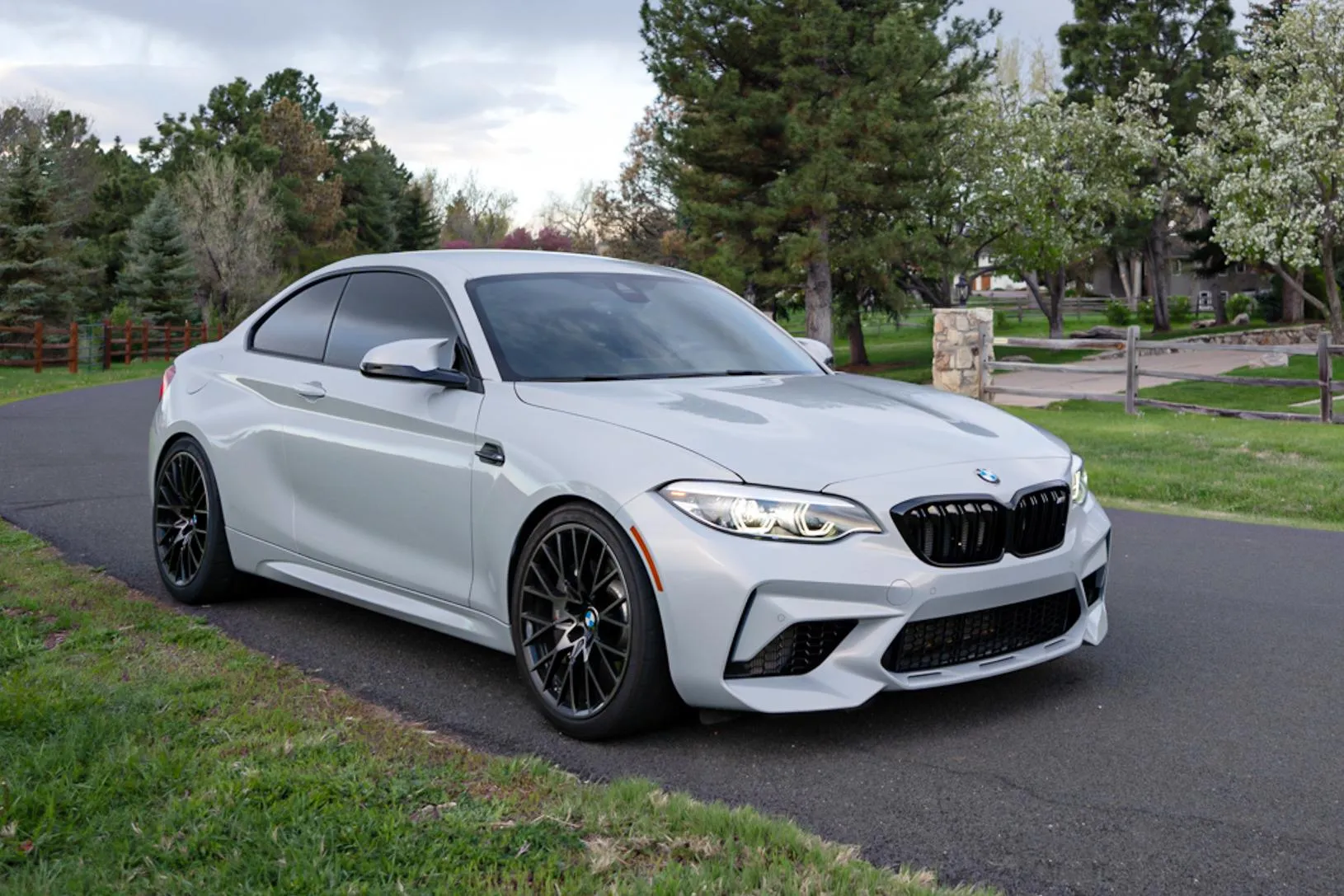
7. 2015-2021 BMW M2 Competition
Bavaria’s compact performance machine delivers precision engineering in an accessible package. Under the hood sits a turbocharged 3.0-liter inline-six generating 405 horsepower, propelling the M2 Competition to 60 mph in approximately 4.0 seconds.
That acceleration matches base 911 Carrera performance while wrapped in smaller, more nimble dimensions that make canyon carving and tight racetracks even more engaging than larger sports cars.
BMW’s engineers focused obsessively on handling dynamics, and it shows. Steering provides excellent feedback with natural weight buildup through corners. Chassis balance is nearly perfect, allowing mid-corner adjustments with confidence.
You feel connected to the car rather than isolated by electronic buffers. This analog character increasingly rare in modern performance cars makes the M2 Competition special for enthusiasts who value driving involvement above raw speed numbers.
Braking performance is exceptional. Large rotors with multi-piston calipers provide strong, fade-resistant stopping power. Pedal feel is progressive and confidence-inspiring, allowing precise modulation during threshold braking.
You can attack track days knowing the brakes will maintain performance through repeated hard stops, something crucial when comparing to Porsches that have always excelled at braking capability. Practicality is reasonable for a compact sports car.
Small back seats exist, though they’re best suited for children or emergency use. Trunk space is adequate for weekend trips or track day equipment. You can use this as a daily driver without excessive compromises, enjoying performance when desired while maintaining reasonable comfort and usability for normal transportation needs.
Used pricing reflects the BMW premium but remains reasonable compared to Porsches. 2016-2018 M2 models (non-Competition) sell for $40,000-$50,000, while 2019-2021 M2 Competition examples range from $50,000-$65,000.
You’re spending more than American alternatives but getting German engineering precision, premium materials, and handling dynamics that match or exceed base 911 Carreras. For enthusiasts valuing precision and engagement over raw power, this M2 Competition delivers driving pleasure that justifies its pricing.
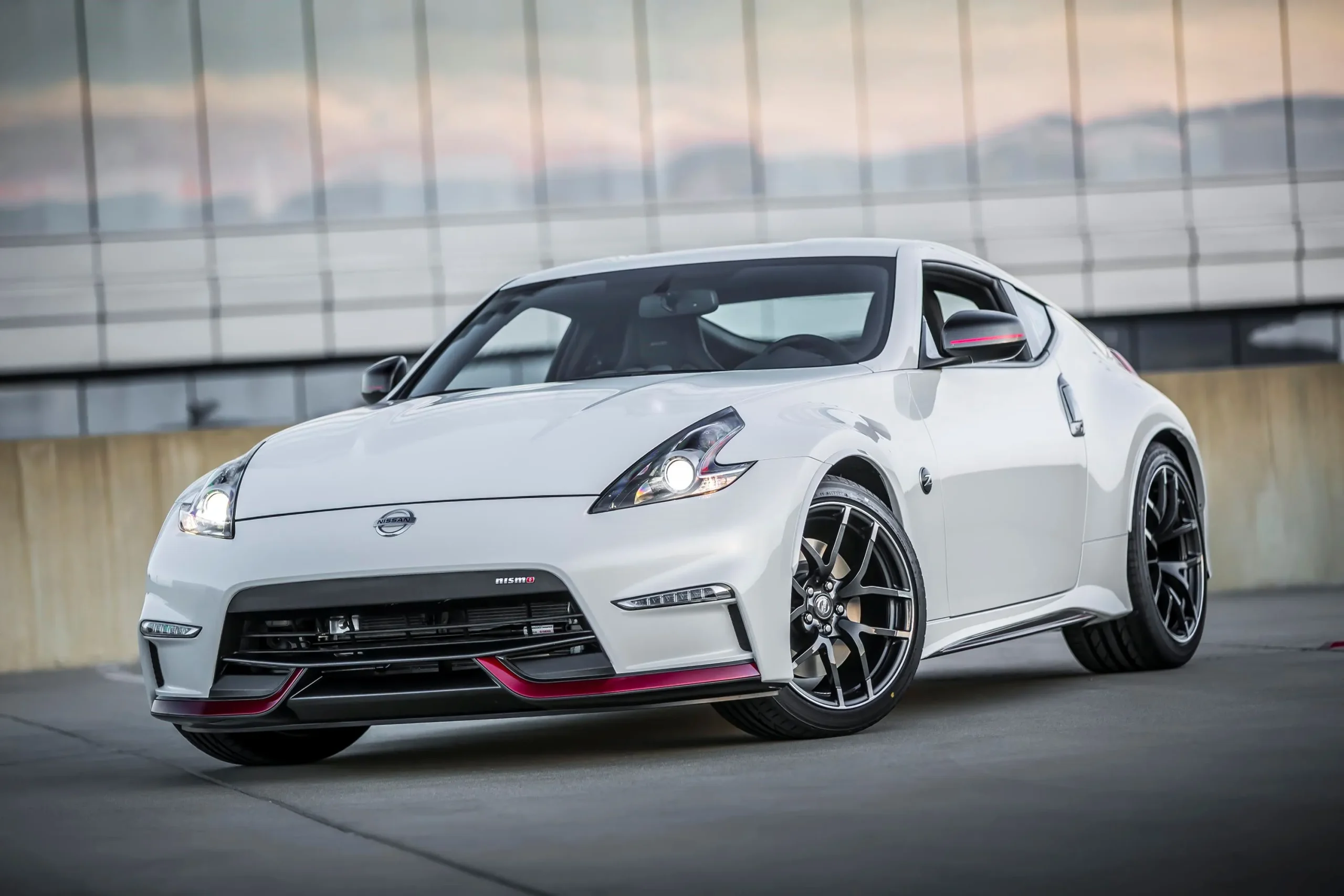
8. 2009-2017 Nissan 370Z Nismo
Japanese sports car tradition continues with Nissan’s Z-car heritage. Powered by a naturally aspirated 3.7-liter V6 producing 350 horsepower (Nismo models), the 370Z accelerates to 60 mph in about 4.7 seconds. While not matching the quickest entries on this list, that performance runs close to base 911 Carreras while maintaining the pure, analog character that turbocharging often diminishes.
This purity creates driving experiences that feel more connected and engaging than cars buried under layers of electronic assistance. Engine response is immediate because there’s no turbo lag. Throttle inputs translate directly to power delivery without computer mediation. This directness, increasingly rare in modern performance cars appeals to purists who value mechanical connection.
Handling is competent if not exceptional. Chassis balance is good, with predictable breakaway characteristics and communicative steering. You can drive this car hard, trusting it to telegraph what the tires are doing. Suspension tuning on Nismo models is firm, prioritizing handling precision over ride comfort.
Track-focused buyers will appreciate the stiff setup, though daily drivers might find it harsh on rough roads. Standard suspension on non-Nismo models provides better compliance while sacrificing some ultimate handling capability.
Used pricing is extremely attractive. 2009-2012 models sell for $15,000-$25,000, while 2013-2017 examples range from $25,000-$35,000. Nismo models command slight premiums but remain affordable.
You’re spending less than one-fifth of what a new 911 costs while getting naturally aspirated V6 power, rear-wheel drive dynamics, and analog driving character. For budget-conscious enthusiasts wanting a pure sports car experience without electronic interference, this 370Z represents exceptional value that’s increasingly rare in modern performance cars.

9. 2014-2019 Cadillac CTS-V
American luxury meets serious performance in Cadillac’s super sedan. Powered by a supercharged 6.2-liter V8 producing 640 horsepower, the CTS-V accelerates to 60 mph in approximately 3.6 seconds.
That’s faster than most 911 variants, including Carrera S models, wrapped in four-door sedan practicality that provides real back seats, huge trunk space, and comfortable accommodations for four adults.
Braking performance matches the acceleration capability. Brembo brakes with massive rotors provide strong, fade-resistant stopping power. Pedal feel is excellent, allowing precise modulation during threshold braking. You can attack track days knowing the brakes will maintain performance through repeated hard stops, something crucial when driving a heavy, powerful sedan aggressively.
Interior quality meets luxury car standards with quality leather, real wood or carbon fiber trim, and soft-touch materials throughout. Recaro sport seats provide excellent support during spirited driving while remaining comfortable during long trips.
Technology includes Cadillac’s CUE infotainment system, which drew criticism for being laggy and complicated, though later versions improved responsiveness. Build quality is generally good, with tight panel gaps and solid construction that feels appropriate for the pricing.
Practicality is excellent. Real adults fit comfortably in all four seats, making this a genuine four-passenger car. Trunk space is enormous, easily accommodating luggage for extended trips or equipment for weekend activities.
You can use this as your only vehicle without compromises, enjoying supercar acceleration when desired while maintaining luxury comfort and space for normal family transportation needs. Used pricing is shockingly affordable considering the performance delivered. 2014-2015 models sell for $35,000-$45,000, while 2016-2019 examples range from $45,000-$65,000.
You’re spending less than half what a used 911 Carrera S costs while getting superior acceleration, four doors, real back seats, a huge trunk, and luxury amenities. For buyers wanting supercar performance with sedan practicality, this CTS-V represents value that’s hard to match in any segment.
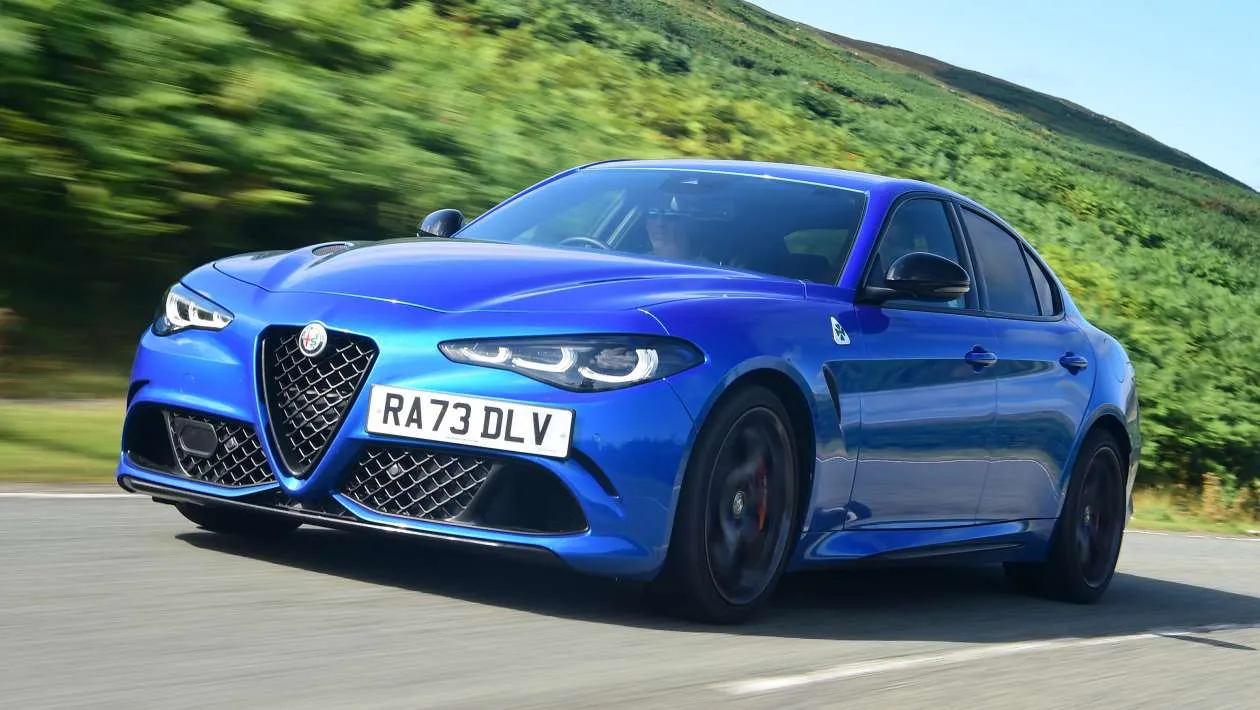
10. 2015-2019 Alfa Romeo Giulia Quadrifoglio
Italian passion meets German precision in Alfa Romeo’s performance sedan. Powered by a twin-turbocharged 2.9-liter V6 producing 505 horsepower, the Giulia Quadrifoglio accelerates to 60 mph in approximately 3.8 seconds.
That performance matches the 911 Carrera S while wrapped in stunning Italian styling that turns heads everywhere you drive it. Few cars combine this level of visual drama with genuine performance capability.
What makes the Quadrifoglio special is how it balances performance with character. The engine delivers power with enthusiasm, accompanied by exhaust sounds that remind you this comes from Italy rather than Germany or Japan.
Steering is arguably the best in any modern sedan, providing exceptional feedback and natural weight buildup that makes you want to seek out winding roads. Chassis balance is near perfect, with neutral handling characteristics that allow adjustments mid-corner with confidence.
Adaptive suspension works brilliantly, providing a comfortable ride quality in Normal mode while firming up progressively through Dynamic and Race settings. Even in the most aggressive mode, ride quality remains tolerable rather than punishing.
This ability to transform from comfortable daily driver to track weapon with a button press makes the Quadrifoglio exceptionally versatile for enthusiasts wanting one car that serves multiple purposes.
Practicality is excellent for a performance sedan. Real adults fit comfortably in back seats, and trunk space is adequate for daily needs. You can use this as your only car, enjoying supercar acceleration when desired while maintaining comfort and usability for normal transportation. Fuel economy is reasonable when driving calmly, though expect single-digit mpg during spirited driving sessions.
Reliability concerns exist. Alfa Romeo’s reputation for dependability doesn’t match Japanese or German manufacturers. Potential issues include electrical gremlins, sensor failures, and occasional mechanical problems. Warranty coverage and service plans help mitigate these concerns, but buyers should budget for potentially higher maintenance costs than more reliable alternatives.
Used pricing reflects depreciation that helps budget-conscious buyers. 2017-2018 models sell for $35,000-$45,000, while 2019 examples with updates range from $45,000-$55,000. You’re spending less than half what a used 911 Carrera S costs while getting comparable performance, stunning Italian styling, and character that makes every drive special.
For enthusiasts willing to accept potential reliability concerns in exchange for passion and beauty, this Giulia Quadrifoglio represents compelling value.
Also Read: 5 Cars for Santa Clara Suburban EV Life vs 5 That Are Costly to Own
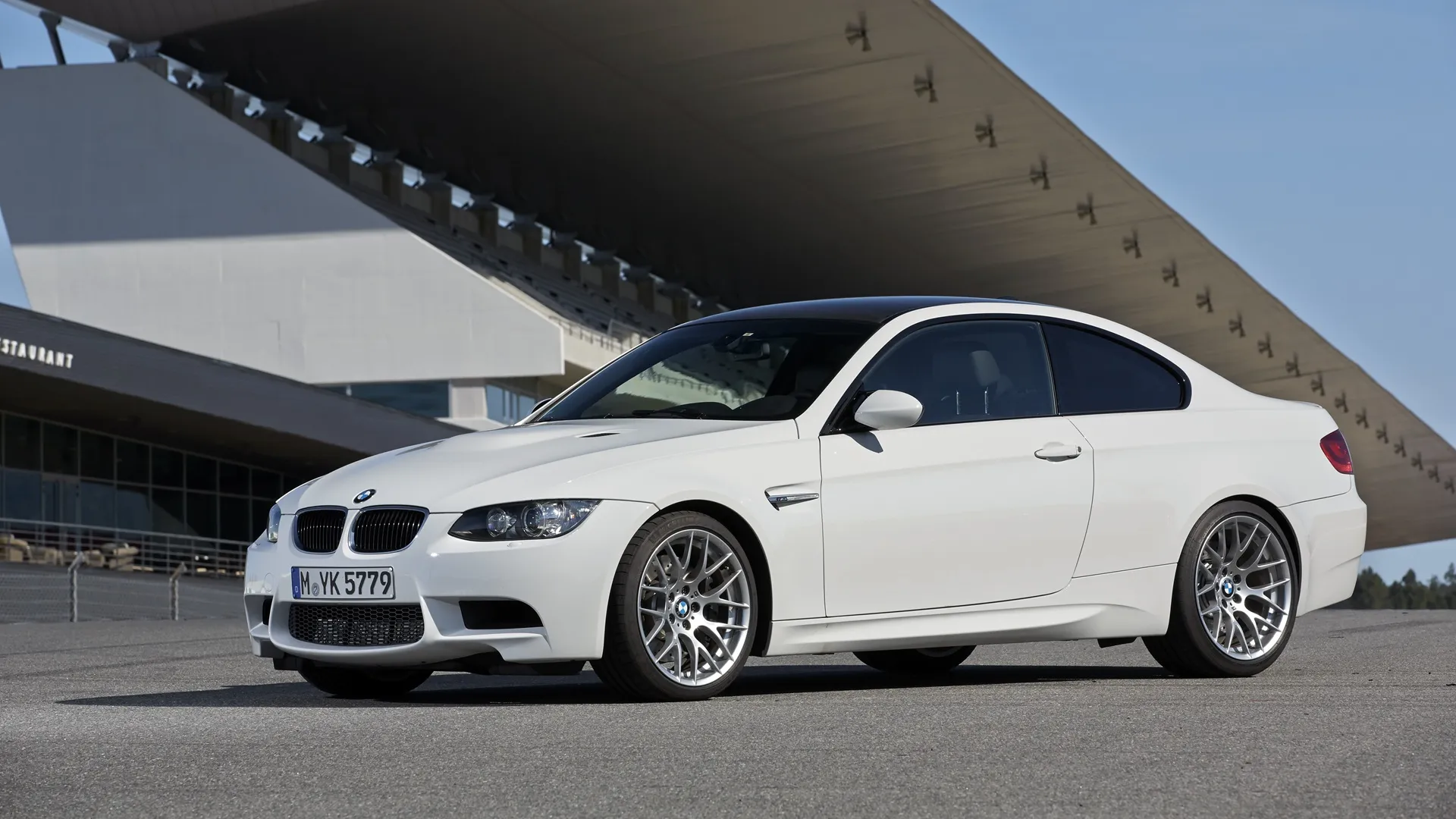
11. 2008-2013 BMW M3 (E90/E92/E93)
Bavaria’s last naturally aspirated M3 generation delivers analog performance increasingly rare in the turbocharged era. Powered by a 4.0-liter V8 producing 414 horsepower, the E90/E92/E93 M3 accelerates to 60 mph in approximately 4.3 seconds.
While not matching the quickest modern entries, that performance runs close to base 911 Carreras while providing naturally aspirated character with an 8,400 rpm redline that encourages high-rev driving.
Handling dynamics meet M Division’s legendary standards. Steering provides excellent feedback with natural weight buildup through corners. Chassis balance is nearly perfect, allowing precise control during spirited driving.
You feel connected to the car, sensing what the tires are doing through clear communication from steering, chassis, and suspension. This analog character, increasingly rare in modern performance cars, makes the E90/E92/E93 generation special for enthusiasts who value driving involvement.
Adaptive M suspension adjusts damping rates based on driving mode and conditions. Comfort mode provides acceptable ride quality for daily use, while Sport modes progressively firm things up for more aggressive driving. Even in firmest settings, ride quality remains tolerable, showing BMW’s expertise in suspension tuning that balances performance with everyday usability.
Braking performance is strong with large rotors and multi-piston calipers. Pedal feel is excellent, allowing precise modulation during threshold braking. Standard brakes handle spirited street driving and occasional track days without excessive fade. Optional carbon-ceramic brakes add ultimate performance at an astronomical cost that’s hard to justify unless you’re a dedicated track enthusiast.
Interior quality meets BMW’s premium standards from this era. Materials feel upscale with quality leather and real trim accents throughout. Sport seats provide excellent support.
Technology is dated by modern standards, with an older iDrive system and smaller screens, but everything functions adequately. Build quality is generally solid, though electrical issues can develop as cars age.
