

Dodge doesn’t usually top the lists when people discuss reliability champions. That reputation goes to Toyota, Honda, and Lexus, brands that have built entire marketing campaigns around dependability. But here’s what most people miss:
Certain Dodge models have earned genuine reputations for lasting well beyond 200,000 miles when maintained properly. You just need to know which ones to buy and which ones to avoid. Not every Dodge built during the past two decades deserves the skepticism that gets thrown at the brand as a whole.
Reliability isn’t just about avoiding breakdowns. It’s about predictable maintenance costs, parts availability, and finding mechanics who know these vehicles inside and out. Some Dodge models check all those boxes beautifully, delivering years of service without draining your savings account through constant repairs.
These aren’t exotic vehicles requiring specialist technicians or expensive imported parts. You can get them serviced at any independent shop, and replacement components remain affordable even as vehicles age. That accessibility matters enormously when you’re trying to keep a vehicle running for the long haul.
Used car shoppers often overlook Dodge entirely because of reputation issues that might not apply to the specific model they’re considering. This creates opportunities for smart buyers who do their research and target the right years and configurations.
You can find reliable Dodge vehicles selling for thousands less than equivalent Toyota or Honda models simply because the badge doesn’t command premium prices. That value proposition proves hard to ignore when you’re working with tight budgets but need dependable transportation.
This guide examines ten used Dodge models that have earned recognition for exceptional long-term reliability. These aren’t theoretical picks based on speculation. They’re proven performers with track records showing they can deliver reliable service well past 150,000 miles.
You’ll find everything from practical sedans to capable trucks, each offering genuine dependability that contradicts common assumptions about Dodge reliability. Let’s look at what actually works rather than what reputation suggests.
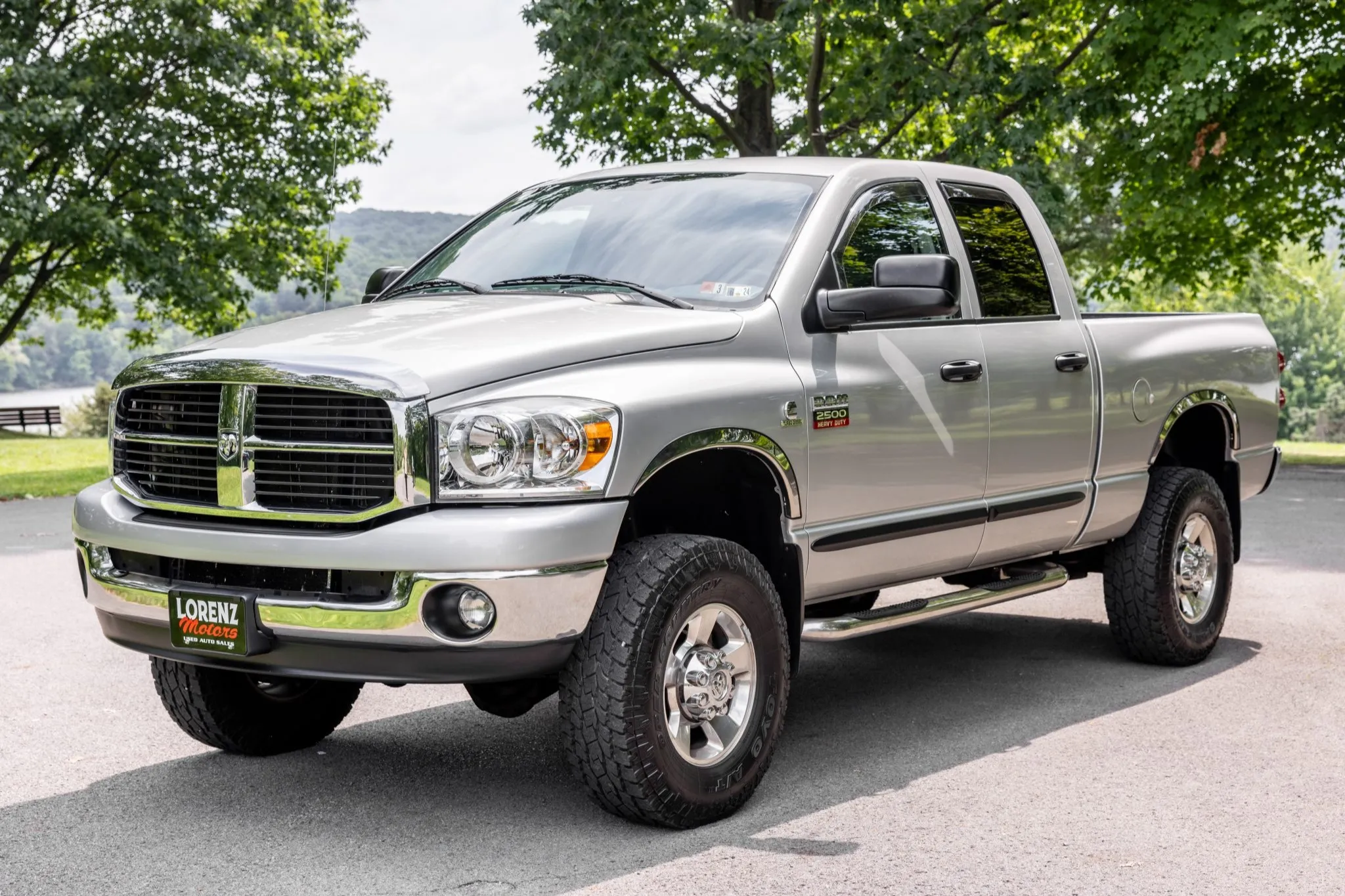
1. Dodge Ram 2500 Cummins Diesel 2003-2007
Heavy-duty truck reliability reaches legendary status with the 2003-2007 Dodge Ram 2500 equipped with the 5.9-liter Cummins turbo diesel. That inline-six engine has built a reputation for running 400,000 miles or more with proper maintenance, numbers that sound impossible until you meet owners who’ve actually achieved them.
You’re not looking at theoretical durability. This engine proves itself repeatedly in commercial service, where vehicles accumulate serious mileage quickly. Construction companies, ranchers, and towing services rely on these trucks because they keep working year after year.
Parts availability remains excellent because these trucks sold in huge numbers and continue working today. You’ll find Cummins specialists throughout the country who understand these engines completely. Independent diesel shops can handle repairs without forcing you to visit dealers charging premium rates.
When components do wear out, replacements cost reasonably compared to newer truck parts. You can rebuild the entire engine for $4,000-$6,000 if needed, far less than replacing modern diesel engines that might cost $15,000 or more.
Manual transmission models earn special recognition for durability, with the NV4500 five-speed capable of handling the Cummins torque output reliably. Clutches last 200,000+ miles when not abused with aggressive launches or excessive towing beyond ratings.
Automatic transmissions work fine but require more frequent service and eventually need rebuilds around 250,000 miles. That’s not a failure, just expected maintenance for automatic handling of serious loads repeatedly. Budget $2,500-$3,500 for transmission rebuild when the time comes, and you’ll get another 200,000 miles of service.
Common issues include lift pump failures that strand you without warning. Installing an aftermarket lift pump with proper filtration prevents this problem and protects the expensive injection pump from damage. Budget $500-$800 for a quality aftermarket setup that provides better reliability than factory components.
Front-end components wear out around 100,000 miles, requiring ball joints, tie rods, and steering linkage replacement. That’s normal maintenance for heavy trucks, not unexpected failures. Plan on spending $1,200-$1,500 for a complete front-end rebuild, which should last another 100,000 miles.
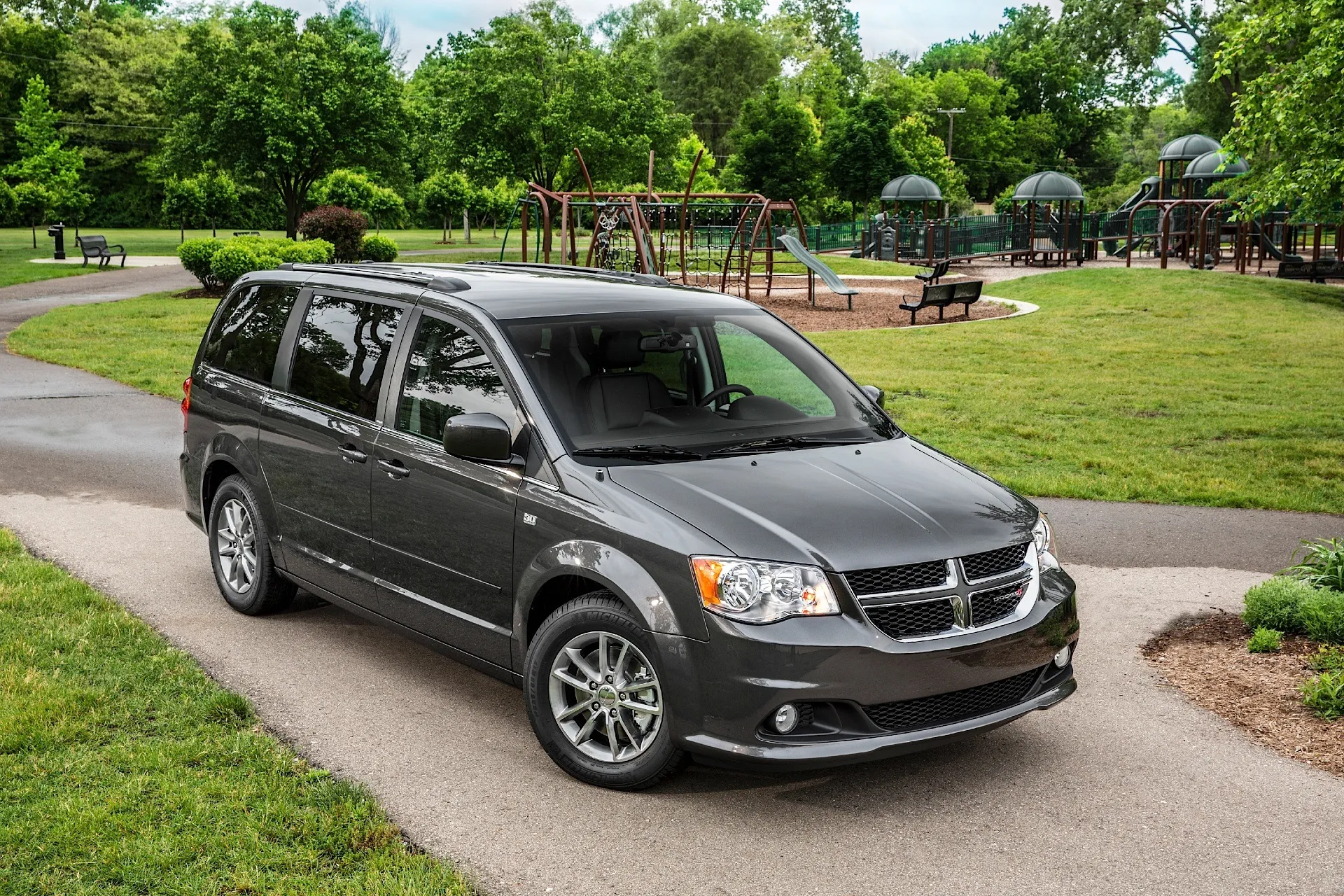
2. Dodge Grand Caravan SE 2008-2010
Minivan practicality meets surprising durability in the 2008-2010 Dodge Grand Caravan SE equipped with the 3.3-liter V6. That pushrod engine has been refined through decades of production, eliminating weak points that plagued earlier versions.
You’re getting proven technology that’s been debugged thoroughly rather than cutting-edge designs with hidden problems waiting to appear. Regular oil changes keep this engine running past 200,000 miles without major drama. Timing chain design eliminates the expensive belt replacements that some competitors require, saving hundreds in maintenance costs.
A four-speed automatic transmission is an older technology that emphasizes reliability over performance. While newer transmissions have more gears and better fuel economy, they also add complexity that can lead to failure. This simple four-speed continues to work when more advanced designs fail and often require costly rebuilds.
Regular fluid changes every 50,000 miles significantly extend transmission life. Although Chrysler claims lifetime fluid, that’s marketing nonsense. Changing it regularly will ensure this transmission lasts well beyond your ownership. Plan to spend $150-$200 on fluid service to avoid costly $2,500+ transmission rebuilds.
Electrical systems prove more reliable than newer Grand Caravans with excessive electronics. You get manual climate controls, simple gauge clusters, and fewer electronic modules that might fail and require expensive replacements.
Power sliding doors and liftgate function reliably when you maintain the tracks and lubricate moving parts annually. That simple maintenance prevents the failures that create expensive dealer repairs. You can actually fix most electrical issues yourself with basic tools and online guides, avoiding labor costs entirely.
Also Read: 12 Budget-Friendly Dodge Models Wearing the Legendary R/T Badge
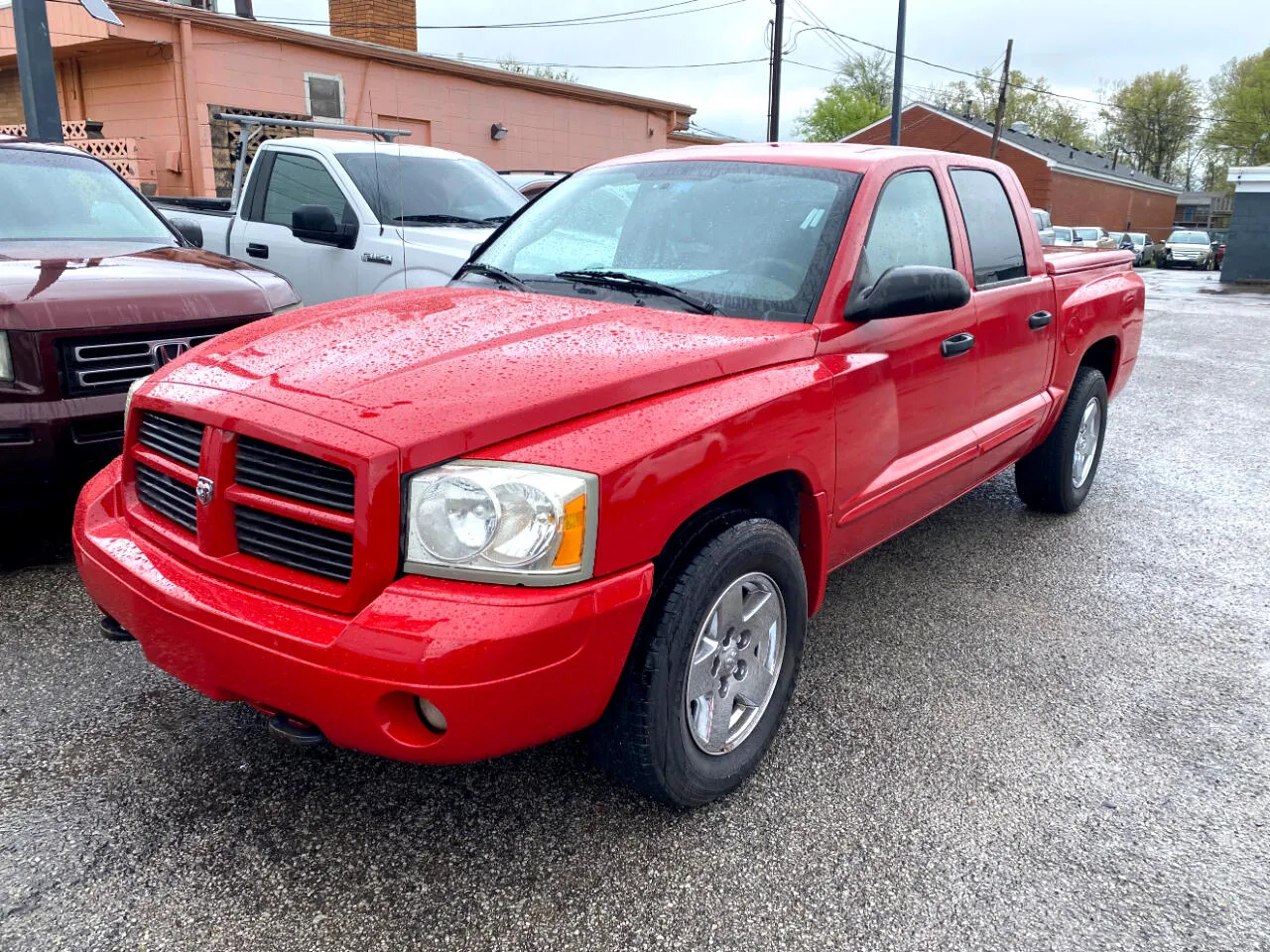
3. Dodge Dakota SLT V8 2005-2007
Mid-size truck reliability shines in the 2005-2007 Dodge Dakota SLT equipped with the 4.7-liter V8. That engine delivers adequate power for towing and hauling while maintaining reasonable fuel economy. You’re not getting big-block power, but you’re also not burning through gas tanks at alarming rates. Real-world fuel economy runs 15-17 mpg during mixed driving, acceptable for a V8 truck.
Five-speed automatic transmission handles the V8 power smoothly while lasting 200,000+ miles with proper fluid changes. This isn’t the transmission that plagued some Chrysler products with early failures. It’s a robust unit designed for truck duty and capable of handling regular towing within ratings.
Fluid and filter changes every 60,000 miles prevent problems and extend transmission life substantially. You can perform this service yourself for under $100 in parts, saving money while ensuring work gets done properly.
Frame construction uses a proper body-on-frame design rather than unibody construction, which limits capability. You get a genuine truck structure that handles heavy loads and rough use without flexing or cracking. Frames on these Dakotas hold up well unless exposed to excessive salt, which causes rust.
Inspect the frame thoroughly when buying used examples from snowbelt states. Surface rust is normal and not concerning, but structural rust requires walking away. Undercoating or oil-based rust prevention treatments protect frames in areas where salt is used on winter roads.
Towing capacity around 6,500 pounds handles most recreational trailers that families actually tow. That’s enough for travel trailers, boat trailers, and utility trailers without exceeding what the truck was designed to handle.
Integrated trailer brake controllers and tow packages include transmission coolers that protect against overheating during extended towing. You can tow regularly without causing premature wear if you stay within ratings and maintain cooling systems properly.
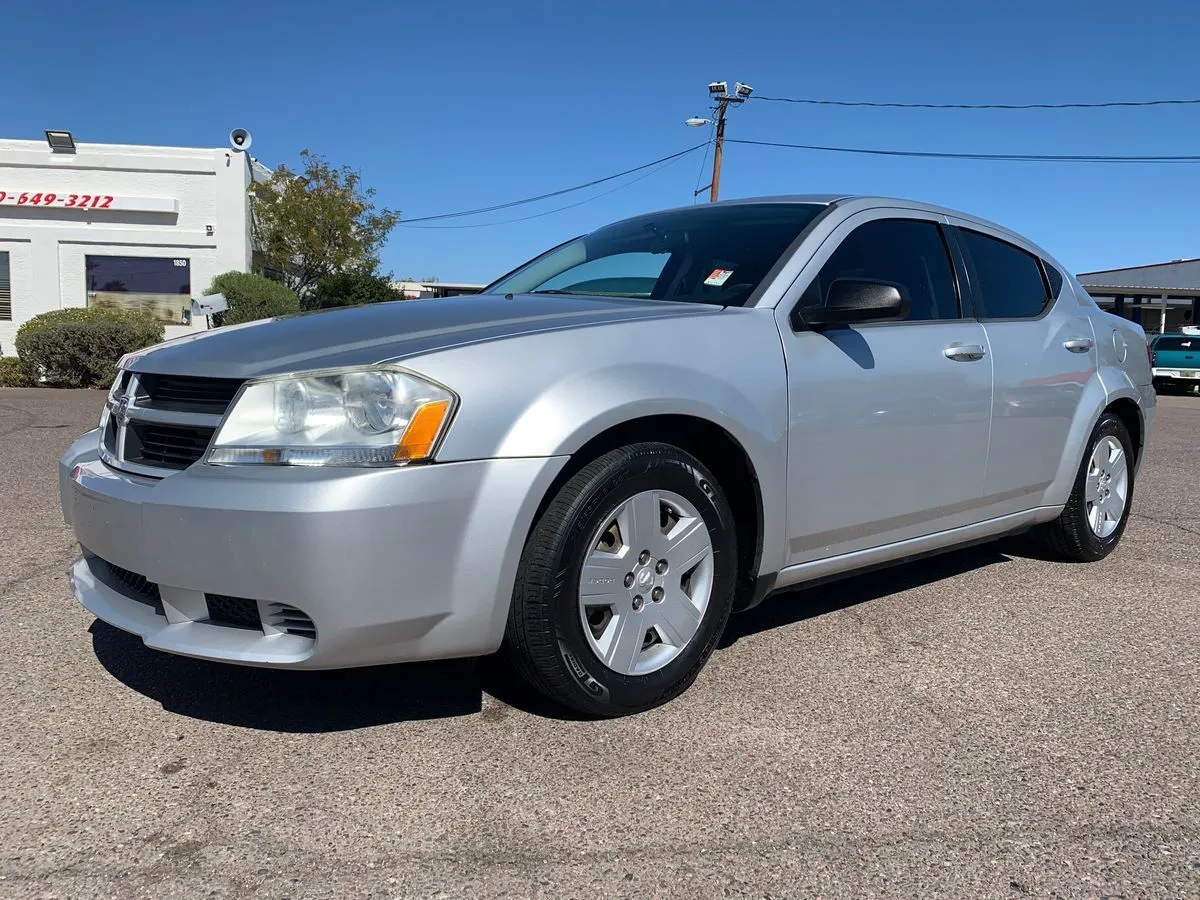
4. Dodge Avenger SE 2008-2010
Affordable sedan transportation arrives with the 2008-2010 Dodge Avenger SE equipped with the 2.4-liter four-cylinder engine. That World Engine design was co-developed with Hyundai and Mitsubishi, creating a reliable powerplant that avoids problems plaguing some Chrysler engines.
You get adequate power for daily driving combined with decent fuel economy, around 26-28 mpg during highway cruising. That efficiency keeps fuel costs manageable even when gas prices spike. Engine design uses a timing chain rather than belt, eliminating one major maintenance expense that some competitors require.
Four-speed automatic transmission provides smooth operation and adequate reliability when maintained properly. Fluid changes every 60,000 miles prevent most problems and extend transmission life past 150,000 miles easily.
Yes, this transmission is older technology, but that means mechanics understand it completely, and parts remain affordable. Rebuilds cost $1,500-$2,000 if needed, far less than newer transmissions requiring $3,500+ for rebuilds. That lower repair cost matters enormously when vehicle values don’t justify expensive repairs.
Safety equipment includes standard side curtain airbags and electronic stability control that weren’t universal features in economy sedans during this era. You get modern safety protection that helps avoid accidents and provides better crash protection if collisions occur. That safety equipment doesn’t just protect passengers; it potentially reduces insurance costs through safety discounts that many insurers offer.
Common problems include engine mounts wearing out around 100,000 miles, causing vibrations during acceleration. Replacement costs $400-$600 for all mounts, a straightforward repair that eliminates vibrations. Power steering pumps sometimes leak around 120,000 miles, requiring $300-$500 for replacement.
Sway bar links wear out, creating clunking noises over bumps; replacement costs $200-$300. These are normal maintenance items for higher-mileage vehicles, not indicators of poor design. Budget $800-$1,200 annually for maintenance and repairs, and this Avenger will provide dependable transportation at prices that make sense for its value.
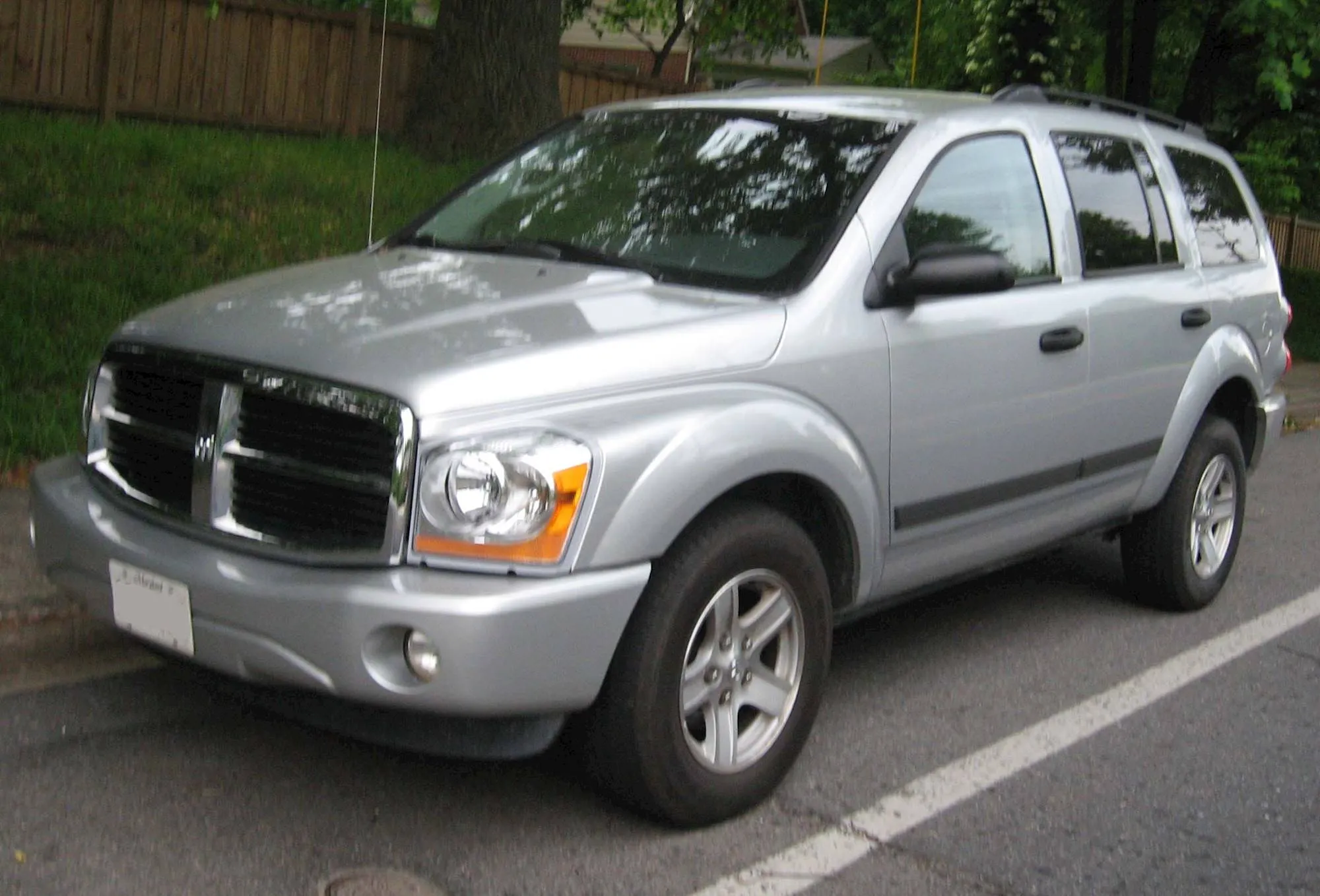
5. Dodge Durango SLT V8 2004-2006
Body-on-frame SUV durability defines the 2004-2006 Dodge Durango SLT equipped with the 4.7-liter V8. That proven engine delivers adequate power for towing and highway driving while maintaining reasonable reliability. You’re getting truck-based construction that handles abuse better than unibody crossovers.
That structural strength matters when you’re using the Durango for actual truck duty rather than just pavement cruising. Frame construction resists flexing and holds up well unless exposed to excessive rust from road salt.
Five-speed automatic transmission from the Dakota handles the V8 power smoothly while lasting 200,000+ miles with proper maintenance. Regular fluid changes every 60,000 miles prevent most problems and extend service life substantially.
This transmission was designed for truck duty and proves more durable than transmissions used in car-based crossovers. You can tow within ratings regularly without causing premature wear if you maintain cooling systems and don’t exceed capabilities.
Seating for seven passengers provides genuine utility for larger families or groups. Third-row seats actually accommodate adults for shorter trips rather than just small children. That versatility matters when you need to transport people occasionally but don’t want to drive a full-size SUV.
Cargo space behind the third row remains limited, but folding those seats creates substantial capacity for gear and luggage. You get legitimate people-hauling capability in a package that’s more manageable than Suburban-sized alternatives.
Towing capacity around 7,500 pounds handles travel trailers, boat trailers, and equipment trailers that families actually use. Integrated trailer brake controller and tow package includes transmission cooler and heavy-duty cooling systems.
You can tow regularly without overheating or causing premature component failures. That capability proves valuable for people who need occasional towing but don’t want to daily drive a massive truck.

6. Dodge Caliber SXT 2007-2009
Compact hatchback versatility arrives in the 2007-2009 Dodge Caliber SXT equipped with the 2.0-liter four-cylinder engine. That World Engine shares its design with Mitsubishi and Hyundai products, creating a reliable foundation that avoids problems affecting some Chrysler powerplants.
You get adequate power for city driving and highway cruising, combined with fuel economy of around 27-29 mpg during highway use. That efficiency keeps operating costs manageable even when fuel prices climb. Timing chain design eliminates the expensive belt replacements that add to ownership costs on some competing vehicles.
CVT transmission gets avoided entirely by choosing the SXT model with a traditional automatic. That’s crucial because CVTs earned a terrible reputation for failures during this era. Four-speed automatic provides simpler operation and better long-term reliability than continuously variable transmissions that plague other compact cars.
Fluid changes every 60,000 miles keep this transmission operating smoothly past 150,000 miles without major issues. You can perform this maintenance yourself for under $100, saving labor costs while ensuring proper service.
Cargo versatility exceeds what typical compact sedans offer, with a hatchback design providing substantial space when you fold the rear seats. You can haul bicycles, furniture, or weekend trip luggage without struggling to fit everything.
That flexibility proves valuable for active lifestyles requiring occasional cargo hauling. Available all-wheel drive provides winter traction benefits without the fuel economy penalties that truck-based SUVs impose. You get confident bad-weather driving without burning through gas tanks during normal use.
Higher seating position compared to traditional sedans provides better visibility and easier entry and exit. You’re not climbing down into low sports car seats or struggling to get out. That matters enormously as you age or deal with physical limitations that make low vehicles challenging.
CV axles wear out around 100,000 miles; replacement costs $300-$500 per side. These represent normal wear items for front-wheel-drive vehicles accumulating high mileage. Annual maintenance and repair budgets of around $800-$1,200 keep this Caliber running reliably while maintaining its value proposition as affordable transportation.
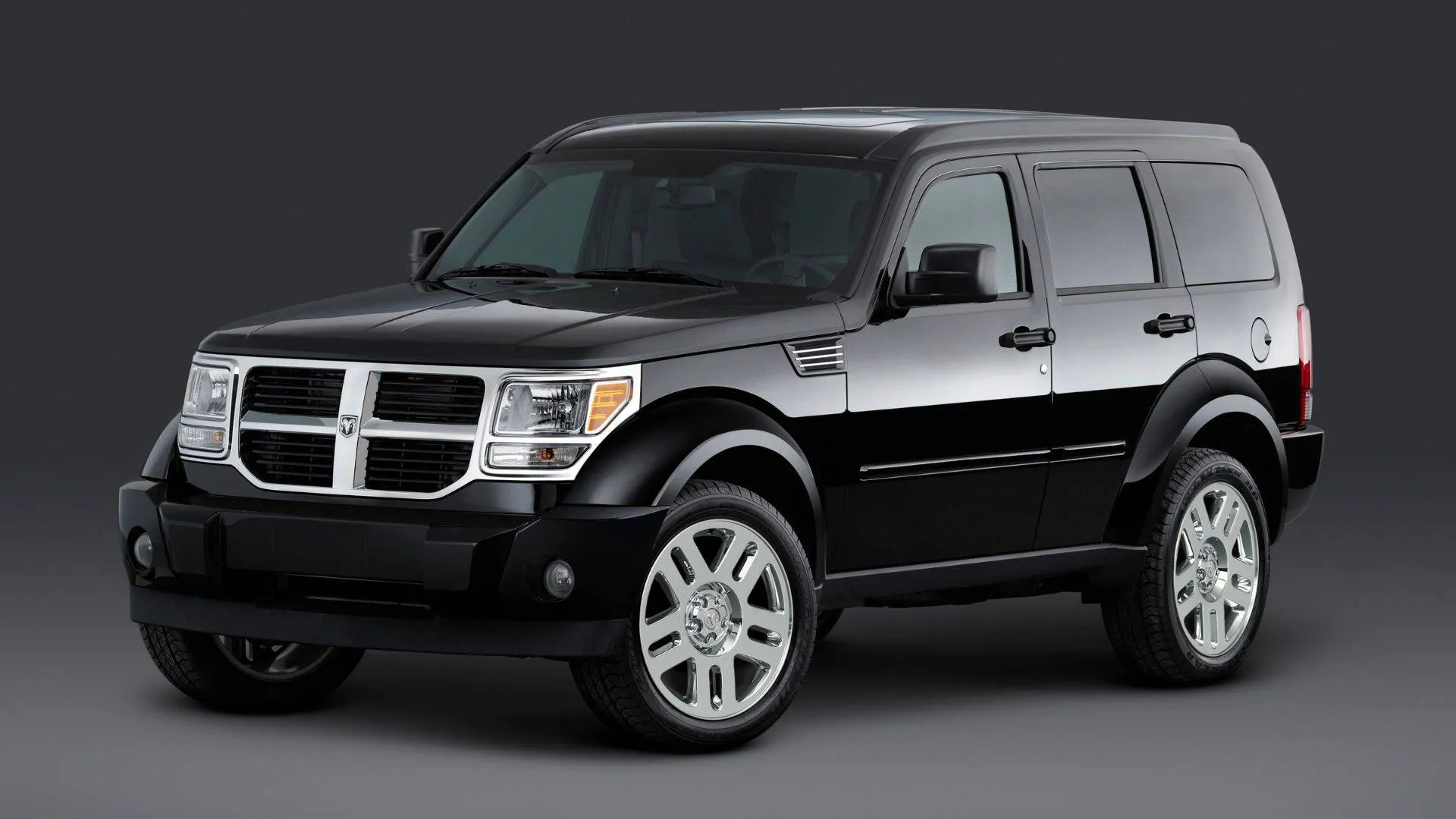
7. Dodge Nitro SLT 2007-2009
Compact SUV capability comes packaged in the 2007-2009 Dodge Nitro SLT with its 3.7-liter V6 engine. That powerplant delivers 210 horsepower, providing adequate acceleration for highway merging and passing. You’re not getting blazing performance, but you get sufficient power combined with reasonable fuel economy around 18-20 mpg during mixed driving.
Engine design uses proven technology refined through years of production in various Chrysler products. Timing chain eliminates expensive belt replacements, reducing long-term maintenance costs compared to interference engines requiring belt services every 60,000-100,000 miles.
Four-speed automatic transmission handles the V6 power smoothly while providing reliable service past 150,000 miles with proper fluid maintenance. This isn’t cutting-edge technology, but that simplicity translates into dependability and affordable repairs if problems do occur.
Any transmission shop can rebuild this unit for $1,500-$2,000, far less than newer automatics requiring $3,500+ for rebuilds. Parts availability remains excellent because this transmission saw use across multiple Chrysler products.
Body-on-frame construction provides truck-like durability that unibody crossovers cannot match. You get genuine off-road capability when equipped with available four-wheel drive, something car-based alternatives sacrifice for better on-road manners.
That structure handles rough roads and occasional off-pavement use without damage. Frame construction also improves long-term durability, resisting the rust and structural fatigue that affects unibody designs subjected to harsh conditions or heavy use.
Interior design emphasizes functionality with clever storage solutions throughout the cabin. Load-floor storage bins hide items while maximizing cargo organization. Flip-down liftgate speaker provides outdoor entertainment during tailgating or camping. These practical features enhance daily usability in ways that luxury appointments never could. You get genuine utility rather than just impressive specifications on paper.
These represent expected maintenance items for truck-based SUVs accumulating high mileage. Budget $1,200-$1,600 annually for maintenance and repairs, reasonable costs for the capabilities this Nitro provides. You’re getting body-on-frame durability and genuine utility at prices well below what Toyota or Honda charge for competing vehicles.
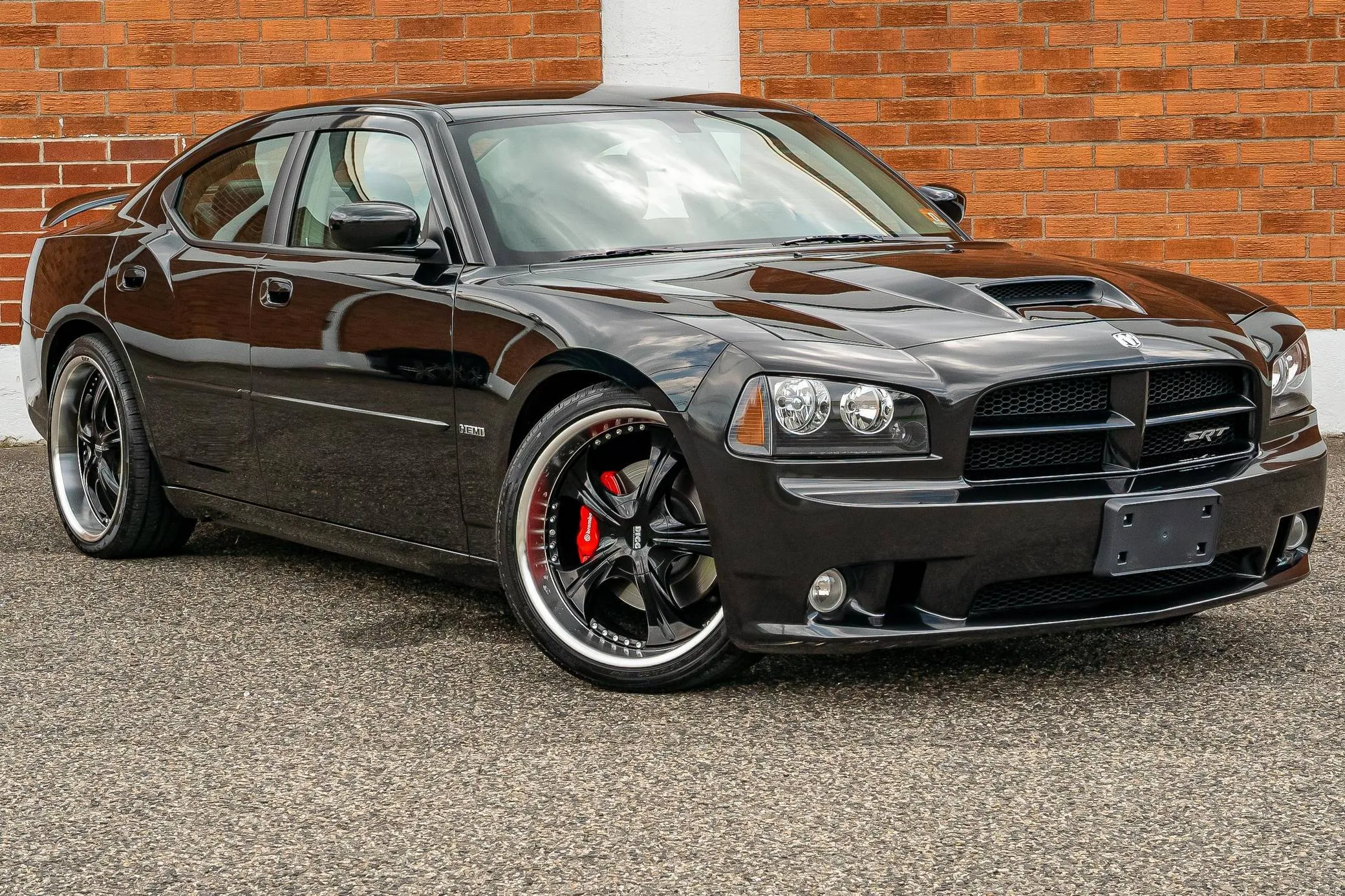
8. Dodge Charger SE 2006-2010
Full-size sedan comfort combines with V6 efficiency in the 2006-2010 Dodge Charger SE equipped with the 2.7-liter V6. That engine provides adequate power for daily driving while delivering better fuel economy than HEMI V8 alternatives. You’ll see 22-24 mpg during highway cruising, respectable efficiency for a full-size sedan.
Engine design uses a timing chain, eliminating belt replacement expenses, though it does require proper oil change intervals to prevent sludge buildup that can cause problems. Maintain this engine properly with quality synthetic oil every 5,000 miles, and it will run past 200,000 miles without major issues.
Four-speed automatic transmission provides smooth operation and adequate reliability when maintained properly. Regular fluid changes every 60,000 miles prevent most problems and extend service life substantially.
This transmission design has been refined through years of production, eliminating early problems that affected initial versions. Rebuilds cost $1,500-$2,000 if needed, a reasonable expense considering vehicle value and continued utility.
Spacious interior accommodates five adults comfortably with genuine rear seat legroom that cramped competitors cannot match. You can transport family or friends without forcing passengers to suffer cramped quarters or uncomfortable seating positions.
Trunk capacity provides substantial cargo space for luggage, groceries, or whatever else you need to haul. That combination of passenger space and cargo room makes the Charger a genuinely practical family sedan despite its muscle car styling.
Rear-wheel-drive layout provides balanced handling and enjoyable driving dynamics that front-drive sedans sacrifice for packaging efficiency. You get proper weight distribution and neutral handling that makes the Charger fun to drive during spirited back-road runs.
Winter traction suffers compared to all-wheel-drive or front-drive alternatives, requiring quality winter tires in snow-belt states. That trade-off proves worthwhile for drivers who prioritize driving enjoyment in normal conditions.
Common problems include water pumps failing around 100,000 miles, requiring $500-$700 for replacement. Ball joints wear out around 80,000-100,000 miles; replacement costs $600-$800 for both sides. Engine mounts deteriorate around 120,000 miles, creating vibrations that require $400-$600 to fix. Power steering pumps sometimes leak around 100,000 miles, requiring $400-$600 for replacement.
These represent normal maintenance items for vehicles accumulating high mileage. Annual maintenance and repair budgets around $1,000-$1,500 keep this Charger running reliably while maintaining the value proposition that made it attractive initially.
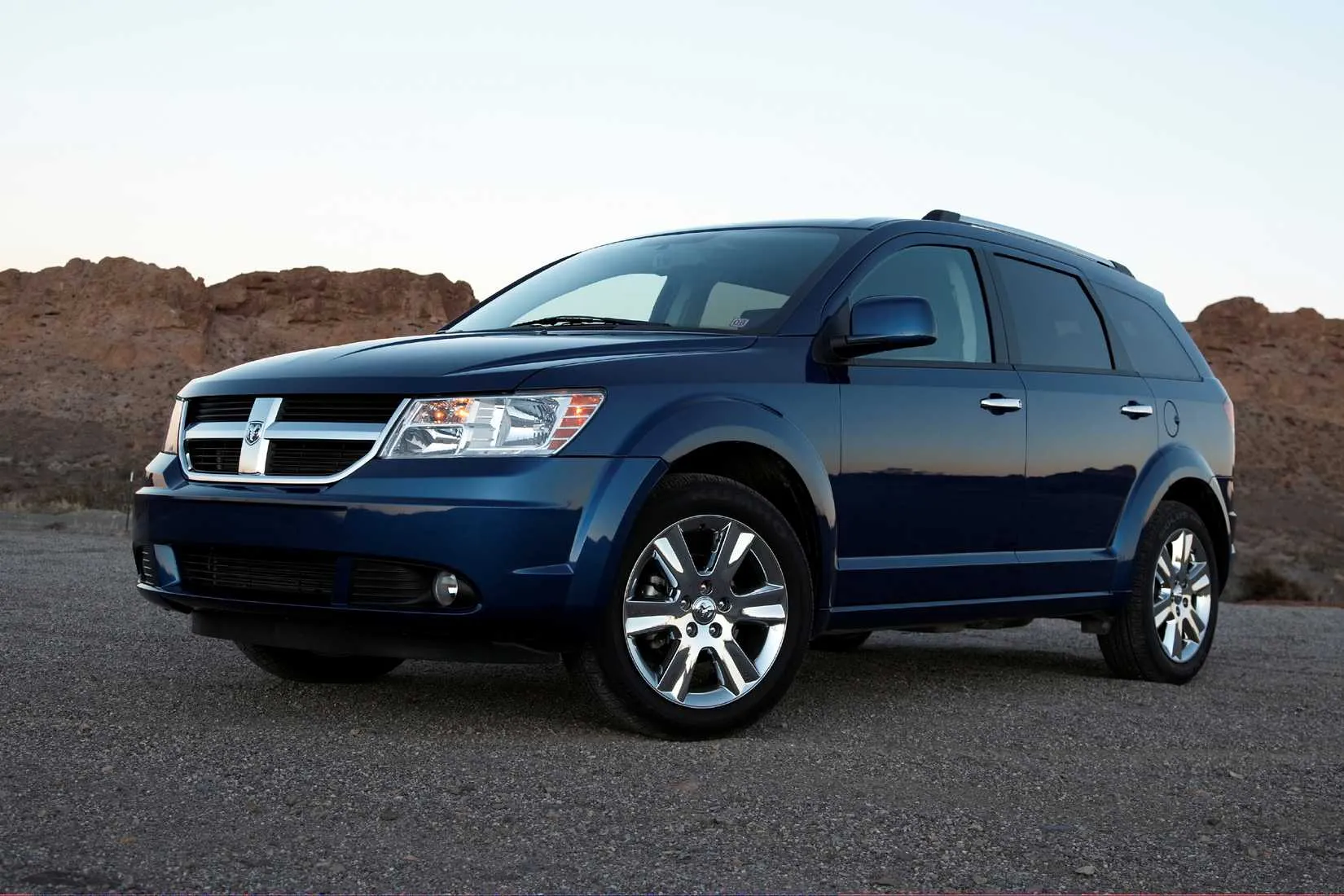
9. Dodge Journey SE 2009-2010
Crossover practicality meets affordability in the 2009-2010 Dodge Journey SE equipped with the 2.4-liter four-cylinder engine. That World Engine provides adequate power for daily driving while delivering decent fuel economy around 24-26 mpg during highway cruising.
You’re not getting thrilling performance, but you get sufficient capability combined with reasonable efficiency. Timing chain design eliminates expensive belt replacements that some competitors require, reducing long-term maintenance costs substantially.
Four-speed automatic transmission provides reliable service when maintained with regular fluid changes every 60,000 miles. This isn’t advanced technology, but simplicity translates into dependability and affordable repairs. Any transmission shop can service or rebuild this unit using readily available parts at reasonable prices.
You won’t face specialty repair requirements forcing expensive dealer visits or extended downtime waiting for special-order components. Three-row seating provides genuine utility for families needing occasional extra passenger capacity. The third row accommodates children comfortably, though adults will find space tight during longer trips.
That flexibility proves valuable when you need to transport extra people occasionally but don’t want to drive a larger vehicle daily. Fold the third row down, and the cargo space expands substantially, creating a versatile interior that adapts to changing needs. You get minivan-like utility in a more stylish crossover package.
Common problems include motor mounts wearing out around 80,000-100,000 miles, creating vibrations during acceleration. Replacement costs $500-$700 for all mounts, a straightforward repair that restores smooth operation. Sway bar links wear out around 80,000 miles, creating clunking noises over bumps.
Replacement costs $200-$300 for both sides. Power steering racks sometimes develop leaks around 120,000 miles, requiring $700-$1,000 for replacement, including alignment. Water pumps might fail around 100,000 miles, requiring $500-$700 for replacement.
These represent expected maintenance items for crossovers accumulating high mileage. Budget $1,000-$1,400 annually for maintenance and repairs, reasonable costs for versatility and utility this Journey provides at prices well below what competing three-row crossovers command.
Also Read: 10 Mistakes That Ruin a Dodge Avenger Too Soon
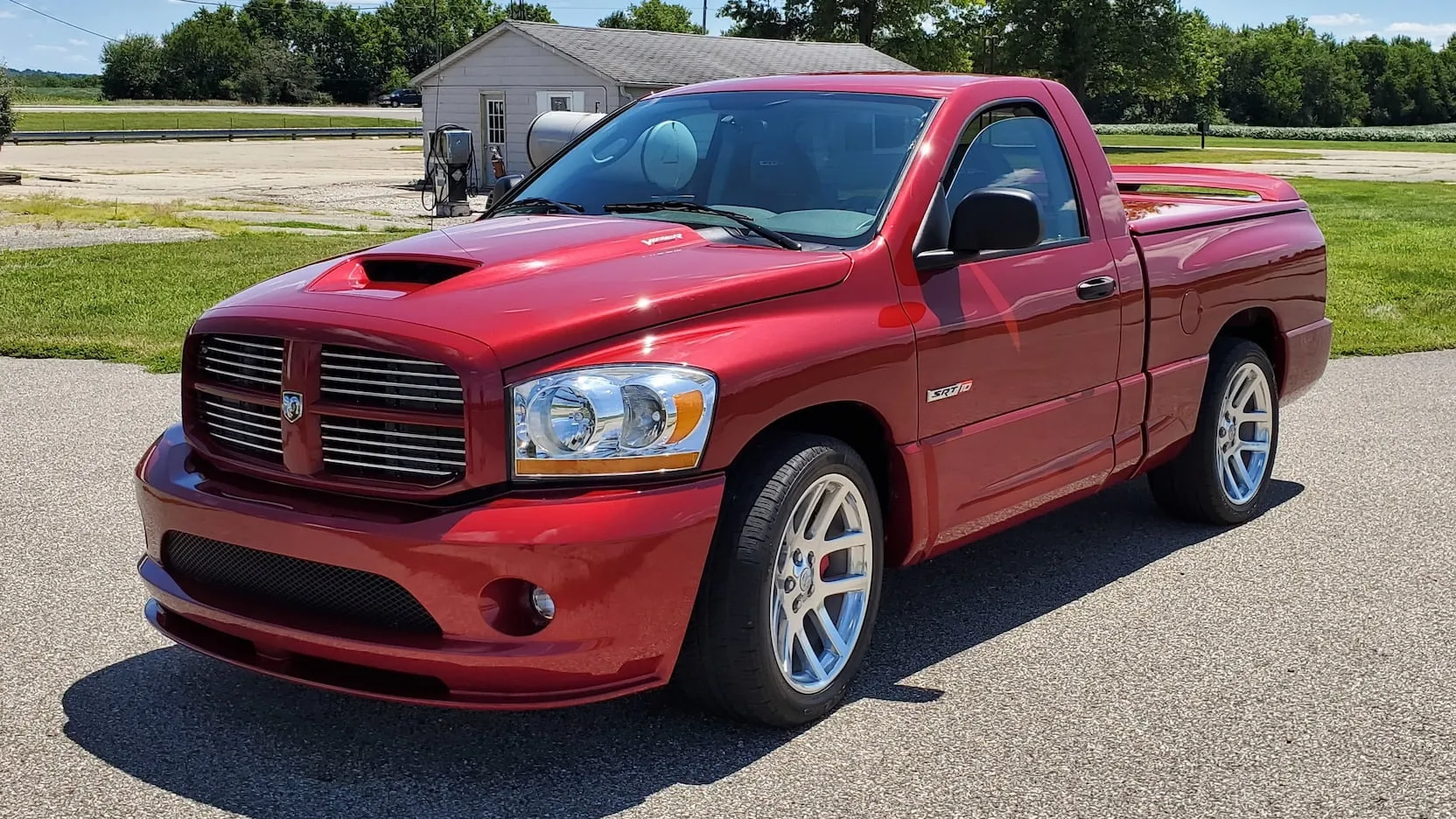
10. Dodge Ram 1500 ST Regular Cab 2008-2010
Work truck simplicity defines the 2008-2010 Dodge Ram 1500 ST Regular Cab equipped with the 4.7-liter V8. That proven engine delivers adequate power for towing and hauling while maintaining reasonable reliability. You’re getting a straightforward design prioritizing function over luxury features that add cost and create failure points.
Regular cab configuration with 8-foot bed provides maximum cargo capacity in a manageable package. You can haul plywood, lumber, and building materials lying flat without diagonal loading that damages cargo or reduces capacity.
Five-speed automatic transmission handles the V8 power smoothly while lasting 200,000+ miles with proper fluid changes every 60,000 miles. This transmission was designed for truck duty and proves more durable than units used in cars or crossovers. You can tow within ratings regularly without causing premature wear if you maintain cooling systems properly and don’t exceed capabilities.
Simple interior focuses on durability rather than luxury appointments. Vinyl floors clean easily after dirty work, while a cloth bench seat resists damage from tools or work gear. Manual windows and door locks eliminate power accessories that might fail and require expensive repairs.
Towing capacity around 9,000 pounds handles work trailers, equipment trailers, and recreational trailers that most people actually use. Integrated trailer brake controller and tow package includes transmission cooler and heavy-duty cooling systems.
You can tow regularly without overheating or causing component failures. That capability proves valuable for contractors, landscapers, and anyone needing a genuine work truck rather than a luxury vehicle pretending to be capable.
Common issues include front-end components wearing out around 100,000 miles, such as ball joints, tie rods, and steering linkage, needing replacement. A complete front-end rebuild costs between $1,200 and $1,500, which is typical for trucks with high mileage.
