
Fresh enthusiasm often fills any conversation about 1990s performance machines, because that decade delivered an entire wave of cars that punched far above their weight. Curiosity pushes people to look back at that era and wonder how relatively modest budgets produced machines that could pressure exotic Italian hardware.
Nostalgia is not the only reason these cars still spark excitement. Many of them carry a charm that runs deeper than statistics, blending mechanical honesty with a sense of connection rarely matched by modern vehicles stuffed with heavy electronics.
Drivers who sit inside a well-kept ’90s performance model often find themselves surprised by the immediacy of the throttle response and the lively balance that made these cars feel light under pressure. Purists sometimes say that no amount of technology can replace the raw feedback delivered by analog steering racks and manual transmissions.
That viewpoint makes sense once someone experiences one of these machines on a winding road or an open straightaway. Plenty of enthusiasts recall tales of Ferraris from that period being challenged by cars that cost far less, leaving onlookers puzzled by how something so humble could keep up.
That era encouraged innovation among Japanese, American, and European manufacturers, producing cars that blended durability with legitimate speed. Many of those machines still feel energetic today, even if their horsepower figures seem small compared to modern turbocharged monsters.
Modern shoppers who want a taste of authentic ’90s speed without emptying their wallets usually end up studying these cars. Rough examples are cheap, while well-preserved units remain within reach for those willing to store and maintain them carefully.
Appreciation for these machines continues to grow as younger drivers discover them for the first time. Stories get passed around, comparisons get made, and admiration gradually returns to cars once dismissed as simple alternatives to high-end supercars.
A deep look into nine unforgettable models, each has been examined carefully to highlight how they challenged Ferraris during their era and why they still feel spirited today.
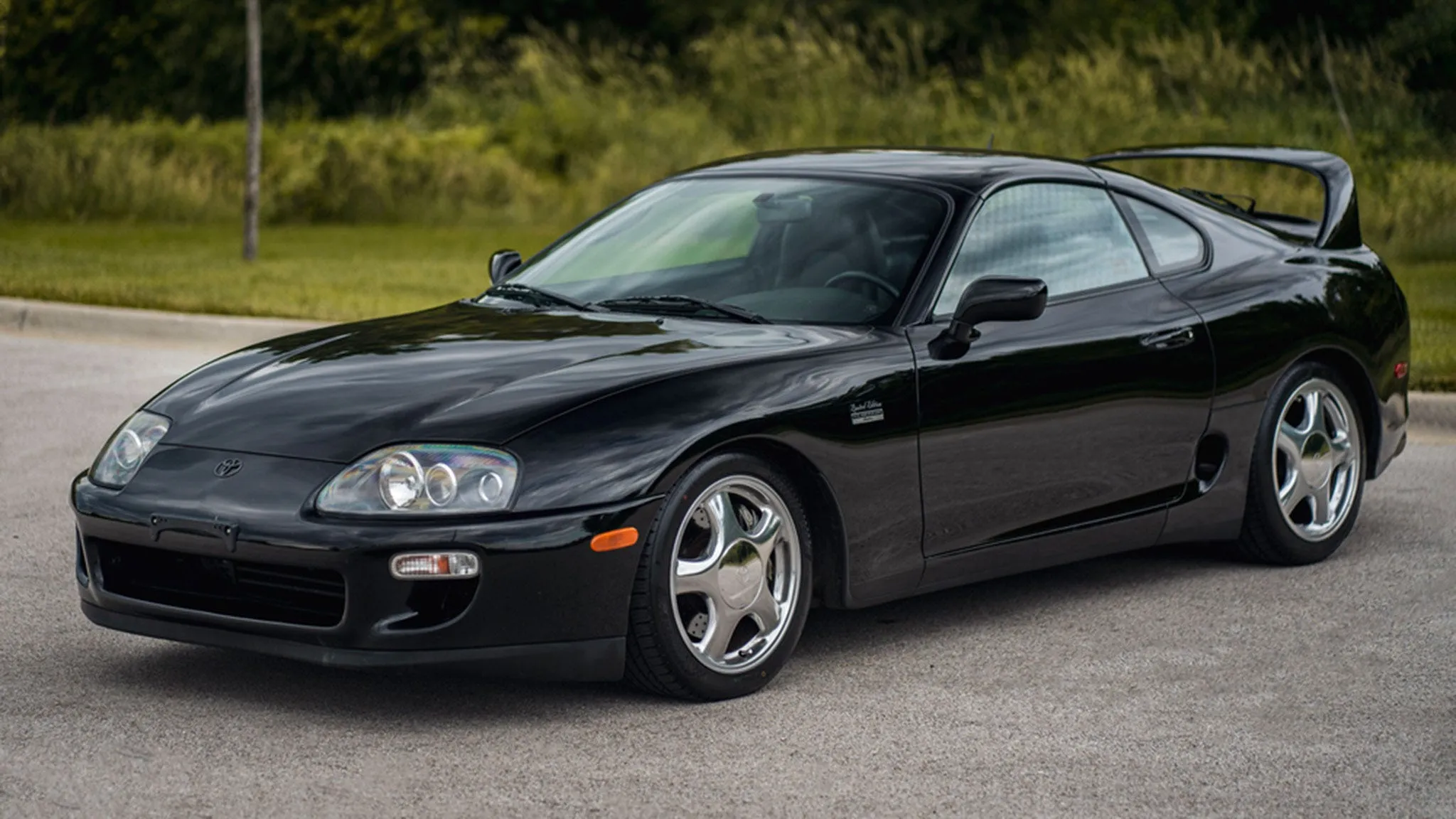
1. 1997 Toyota Supra Turbo
Excitement builds instantly any time someone mentions a 1997 Toyota Supra Turbo, because that model still carries a reputation for doing far more than its numbers suggest. Subtle exterior lines create an impression of restraint, yet anyone familiar with the car knows what hides beneath the hood.
A 3.0-liter 2JZ GTE inline six pairs silky smoothness with brutal potential, making this car a legend among tuners and collectors. Stock output already keeps pace with exotics from its era, while its tuning ceiling pushes it into supercar territory at a fraction of the cost.
Plenty of drivers who have sampled a Supra Turbo describe an experience defined by a sense of strength that never feels anxious. Twin sequential turbos deliver a smooth surge, avoiding sudden spikes that could unsettle inexperienced hands. Confidence grows with each pull through the rev range, because power delivery feels predictable even when pushed hard.
Cornering composure also stands out, offering a feeling of stability that keeps the driver focused on the next apex rather than fighting the chassis. Ownership of a 1997 Toyota Supra Turbo appeals to people who enjoy machines that can take abuse while still maintaining reliability.
These engines handle high boost levels with ease, and many stock long blocks have survived extreme horsepower figures that would destroy most modern engines. That durability translates into long-term confidence for anyone who wants strength without constant worry. Frequent praise goes to Toyota’s engineering, which still impresses mechanics decades later.
Collectors often chase this model for its cultural impact because films and digital racing games elevated it from a strong seller to a piece of automotive folklore. Sharp appreciation curves have made pristine examples expensive, yet deals still appear for enthusiasts willing to search carefully.
Drivers who experience a Supra Turbo today frequently admit that its straight-line acceleration and satisfying balance make it feel surprisingly modern. Anyone seeking a ’90s machine capable of challenging Italian hardware will understand immediately why this Supra sits near the top of many lists.
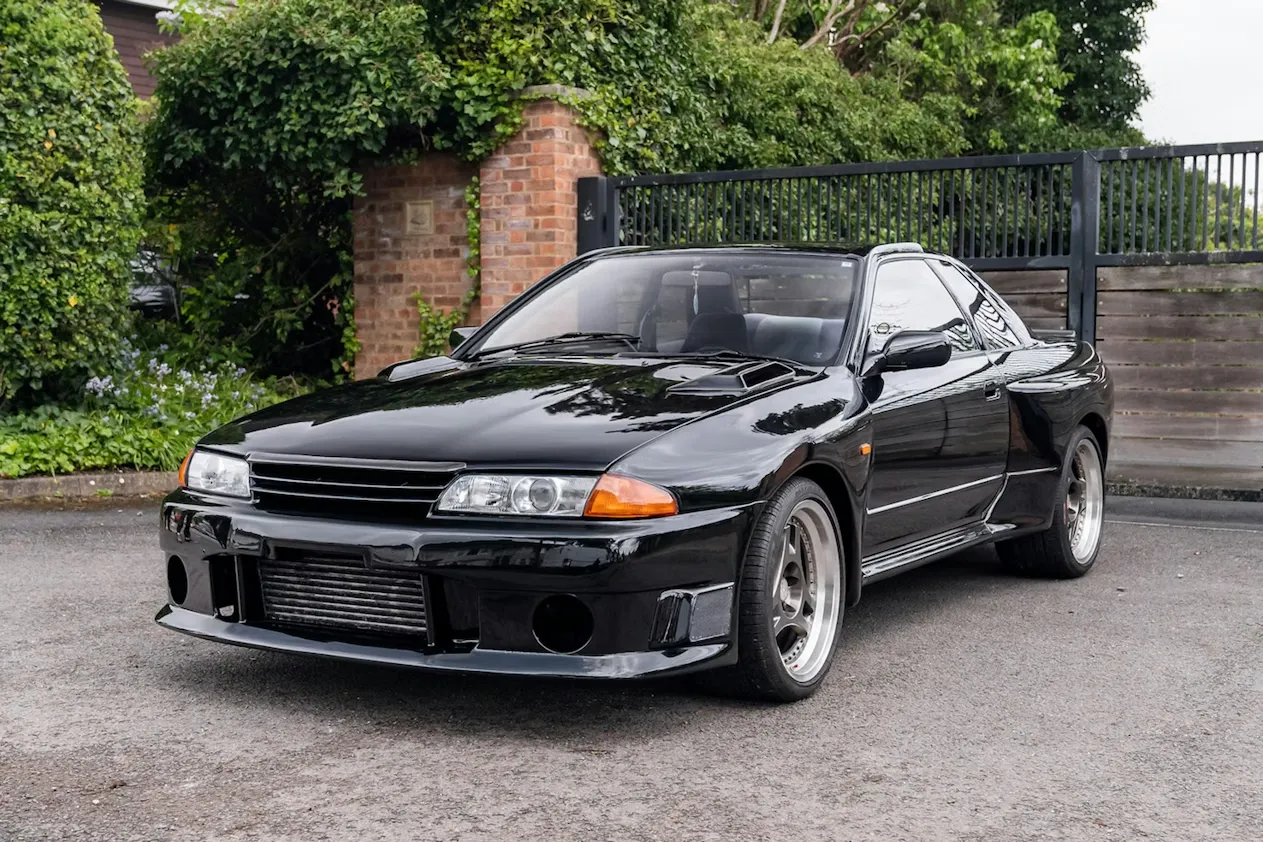
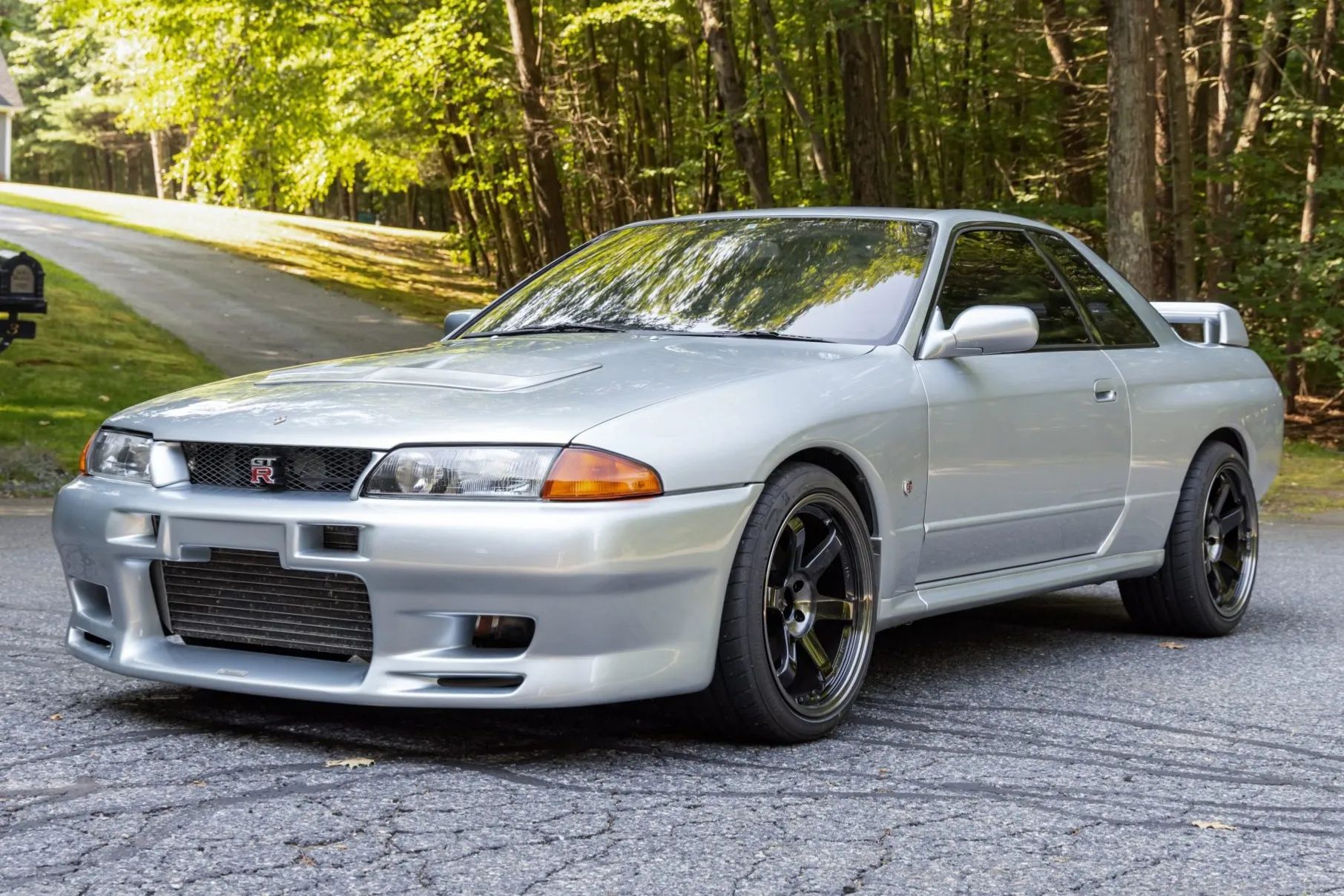
2. 1991 Nissan Skyline GT-R R32
Interest usually spikes when attention turns to a 1991 Nissan Skyline GT-R R32, because its motorsport heritage remains unmatched among many cars of its time. Enthusiasts often call it Godzilla due to its dominant racing record, but its street performance is what keeps collectors hunting for clean examples.
A rugged RB26DET engine pairs with an advanced All Wheel Drive system that helped this car dismantle competitors far beyond its price category. Confidence builds rapidly once someone feels the grip and listens to the rhythmic spool of its twin turbos.
Admiration grows even stronger once the handling characteristics become familiar. ATTESA All Wheel Drive technology created an experience that set this car apart from its rivals. Corner exits feel forceful, almost as if the pavement itself is working to help the car charge forward.
Steering precision allows the driver to place it exactly where it needs to be, and the chassis communicates clearly through each section of the road. That balance still feels fresh today, even in comparison to far newer performance models.
Ownership of a 1991 Nissan Skyline GT-R R32 brings a special type of pride. Enthusiasts tend to appreciate how well the RB26 engine responds to tuning without sacrificing reliability.
Simple bolt-on modifications unlock impressive gains, and many drivers use this platform to build machines that exceed modern sports cars in acceleration and track performance. Durability remains a major selling point, and mechanics familiar with RB engines often praise their resilience when maintained properly.
Interest in importing these cars has grown steadily, especially since eligibility rules now allow them to be purchased legally within the United States. Clean examples with verifiable mileage do not stay on the market for long because appreciation for this platform continues to rise.
Many drivers who try an R32 for the first time walk away surprised by how energetic it feels at speed. Even by today’s standards, this car delivers forceful acceleration, rapid response, and sharp handling that easily justify its reputation as a Ferrari challenger from the ’90s.
Also Read: 5 Cars for Stockton Central Valley Heat vs 5 That Overheat
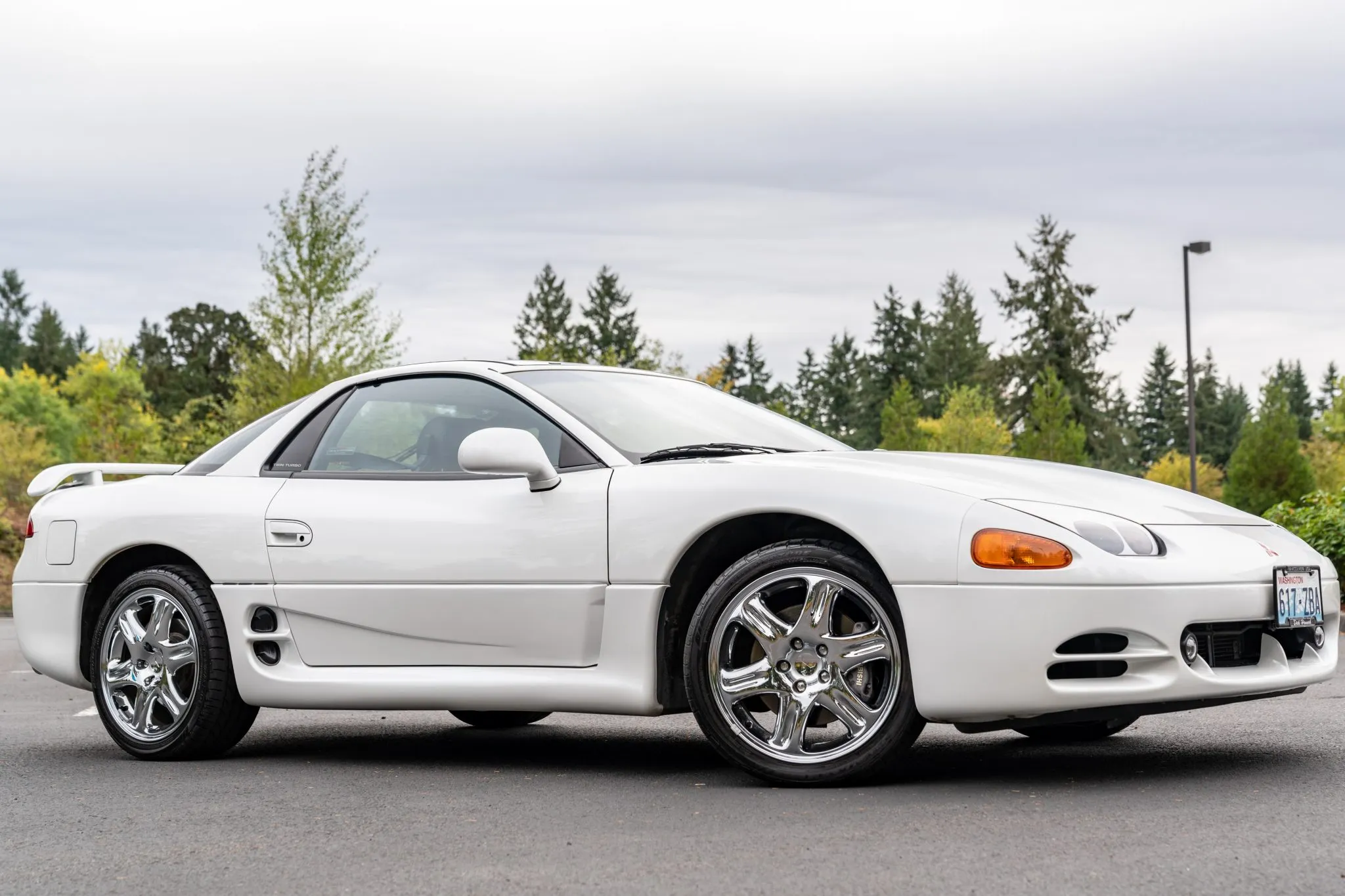
3. 1995 Mitsubishi 3000GT VR4
Energy rises quickly whenever discussions swing toward a 1995 Mitsubishi 3000GT VR4, because this machine represented a bold approach to performance during its era. A twin-turbo 3.0-liter V6 combined with All Wheel Drive and active aerodynamics created an experience that felt futuristic for its time.
Many drivers still recall the sense of excitement that came from its strong mid-range pull and the way its technology worked to keep everything planted. Curiosity often leads newcomers to this model due to the hype surrounding its capability against far more expensive exotics.
Power delivery from the VR4 does not hit with abrupt harshness. Instead, a steady rush builds as the revs climb, giving the driver confidence to stay on throttle. Active aerodynamics adjust depending on speed, which once felt like something ripped from high-end European supercars.
Steering communicates clearly enough to allow accurate placement, while the stiff chassis encourages enthusiastic cornering without feeling unpredictable. Even though modern sports cars use more advanced systems, the VR4 still offers a satisfying blend of power and stability that feels lively on open roads.
Ownership of a 1995 Mitsubishi 3000GT VR4 appeals to people who enjoy high-tech machinery from the ’90s. Many features that seemed extravagant at launch now feel charming, such as active exhaust control and electronically adjustable suspension.
Reliability remains respectable when the car receives proper care, and parts availability is still manageable for dedicated owners. Enthusiasts who modify these cars often extract impressive gains without losing drivability, and many find joy in preserving a model that helped define an entire performance era.
Interest in the VR4 continues to grow because its design has aged gracefully. Smooth curves, wide stance, and purposeful proportions give it presence on modern roads without looking outdated. People who experience one today usually remark on how responsive it feels relative to its weight.
Straight line speed remains strong enough to surprise those expecting a sluggish ’90s relic, while its torque-rich powerband still delivers excitement similar to exotic machines of its time. Anyone seeking a budget-friendly ’90s performance car with exotic personality often finds the VR4 difficult to ignore.
4. 1998 Subaru Impreza 22B STI
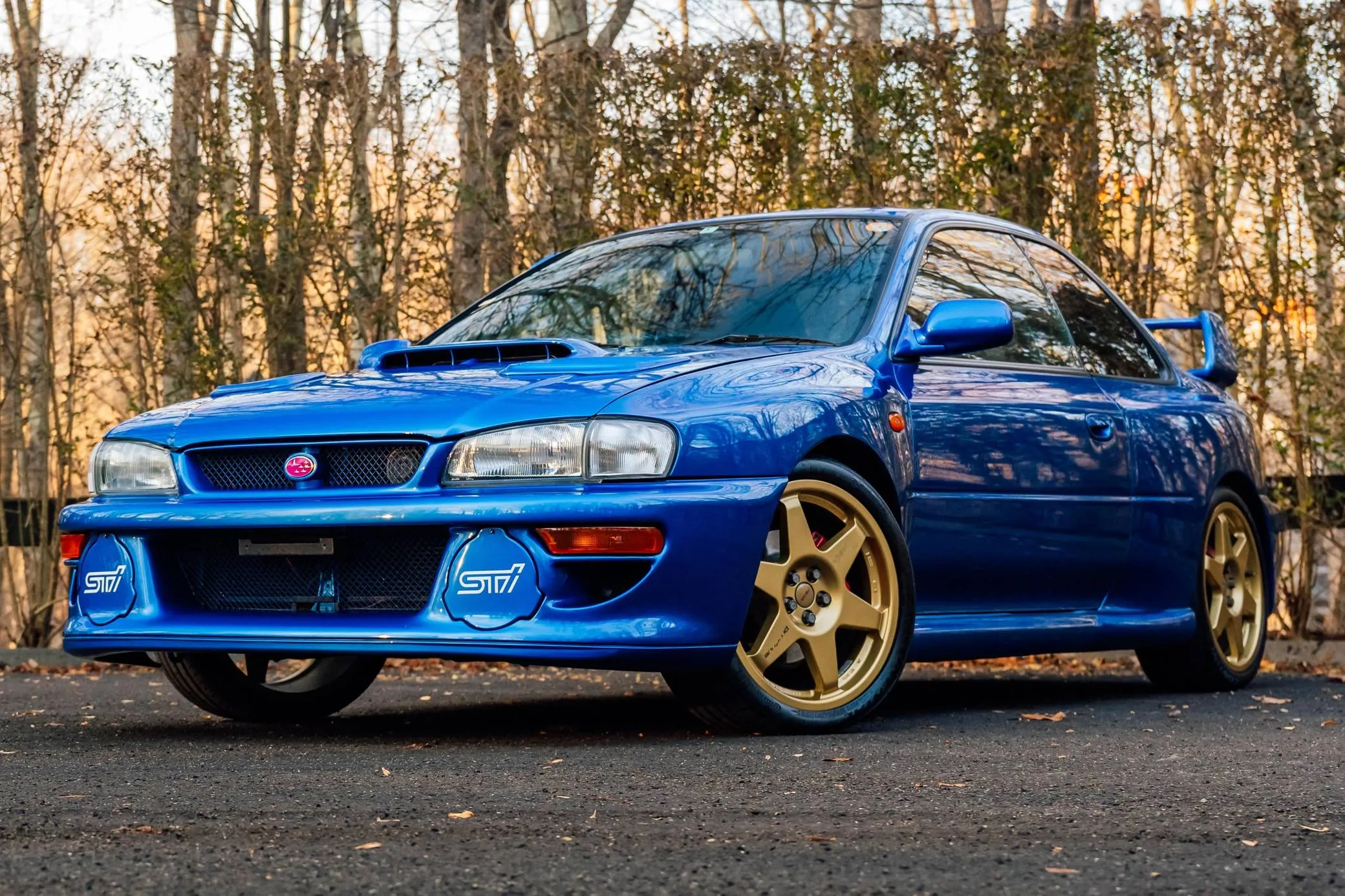
Excitement tends to surge whenever a 1998 Subaru Impreza 22B STI enters conversation, because its rally heritage and rarity give it an aura very few cars possess. Subaru created this limited production model to celebrate its success in rally competition, and the result became one of the most admired performance machines of its decade.
A turbocharged 2.2-liter boxer engine and All Wheel Drive package created explosive acceleration out of tight corners, while its widened body made it look purposeful from every angle. Many enthusiasts consider the 22B the crown jewel of classic Subaru engineering.
Driving a 22B creates a sensation that feels raw yet controlled. Turbo punch arrives quickly, pushing the compact chassis forward with urgency. All Wheel Drive grip keeps everything stable even when conditions deteriorate, and the quick steering response gives the driver confidence to place the car precisely where desired.
Ownership of a 1998 Subaru Impreza 22B STI carries a sense of responsibility because these cars have become increasingly rare. Regular maintenance remains essential, and parts must be sourced carefully due to limited production numbers. Collectors appreciate originality, so many owners avoid heavy modifications to preserve value.
Those who do upgrade components often focus on strengthening reliability rather than chasing higher boost levels. Subaru enthusiasts frequently point out that even in stock form, the 22B feels eager and athletic enough to satisfy drivers who enjoy responsive turbocharged performance.
Interest in the 22B has skyrocketed as more people learn about its performance pedigree and rarity. Clean units command high prices, yet many collectors insist that the experience justifies the cost. Acceleration still feels lively today, and its compact dimensions make it feel far more agile than many modern performance cars.
People who try a 22B for the first time often describe an experience filled with mechanical charm and unfiltered engagement. Anyone searching for a ’90s performance machine with rally attitude and exotic beating potential will understand why this legendary Subaru remains so desirable.
5. 1996 Chevrolet Corvette Grand Sport C4
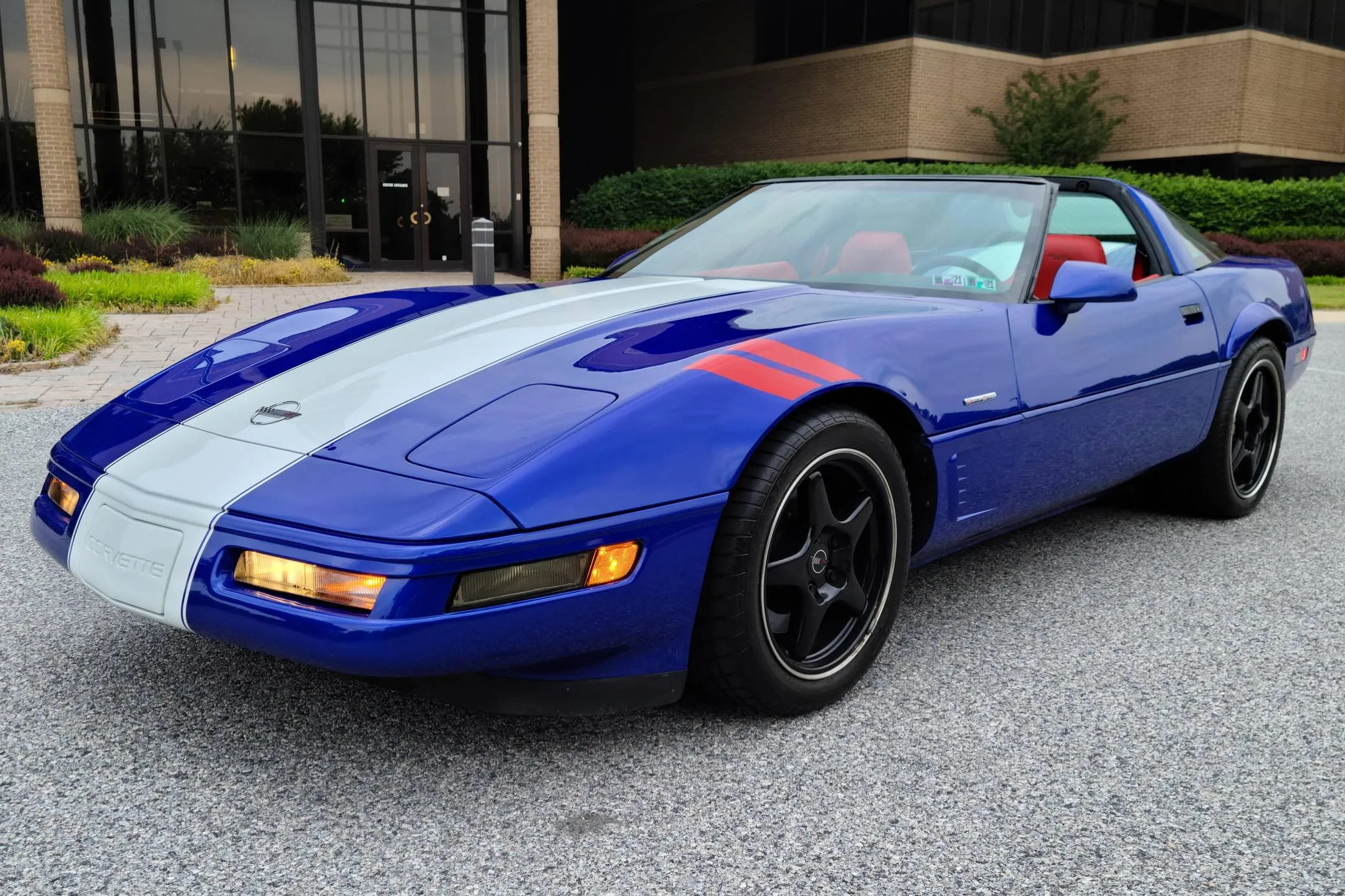
Attention quickly moves when a 1996 Chevrolet Corvette Grand Sport C4 comes into focus, because this model represented a fierce final chapter for the C4 generation. A high-winding LT4 V8 paired with a lightweight chassis created acceleration that embarrassed several exotic cars during its era.
Unique paintwork and special production numbers made the Grand Sport instantly recognizable, and its limited build adds a sense of exclusivity. Many enthusiasts remember this model as proof that American performance could challenge European supercars without requiring an enormous price tag.
Driving a Grand Sport C4 introduces an experience defined by V8 strength and communicative handling. Power arrives without hesitation, giving the car instant response whenever the throttle opens. A six-speed manual transmission adds engagement, while the balanced chassis allows confident cornering at higher speeds.
Steering feel remains sharper than many expect from a car of its age, which helps the driver trust each input. This combination of torque, balance, and simplicity creates a sense of connection that stands out even when compared to newer performance cars.
Ownership of a 1996 Chevrolet Corvette Grand Sport C4 appeals to people who value American muscle blended with sports car precision. Maintenance remains manageable due to GM’s widespread parts support, and many owners appreciate how durable the LT4 engine is when treated well. Modifications can push performance even further, but many collectors prefer their cars stock, especially given the limited production numbers.
Interest in the Grand Sport C4 continues to rise as enthusiasts rediscover its performance potential. Acceleration still feels brisk by modern standards, and the lightweight build helps it respond quickly to driver input. People who sample one today often leave impressed by how athletic it feels on winding roads.
Classic American performance spirit flows through every part of this car, making it a strong contender for drivers who want a ’90s machine capable of standing toe to toe with pricier exotic competitors. Strength, style, and excitement all play a role in why this Grand Sport remains cherished among performance seekers.
6. 1994 Mazda RX7 FD
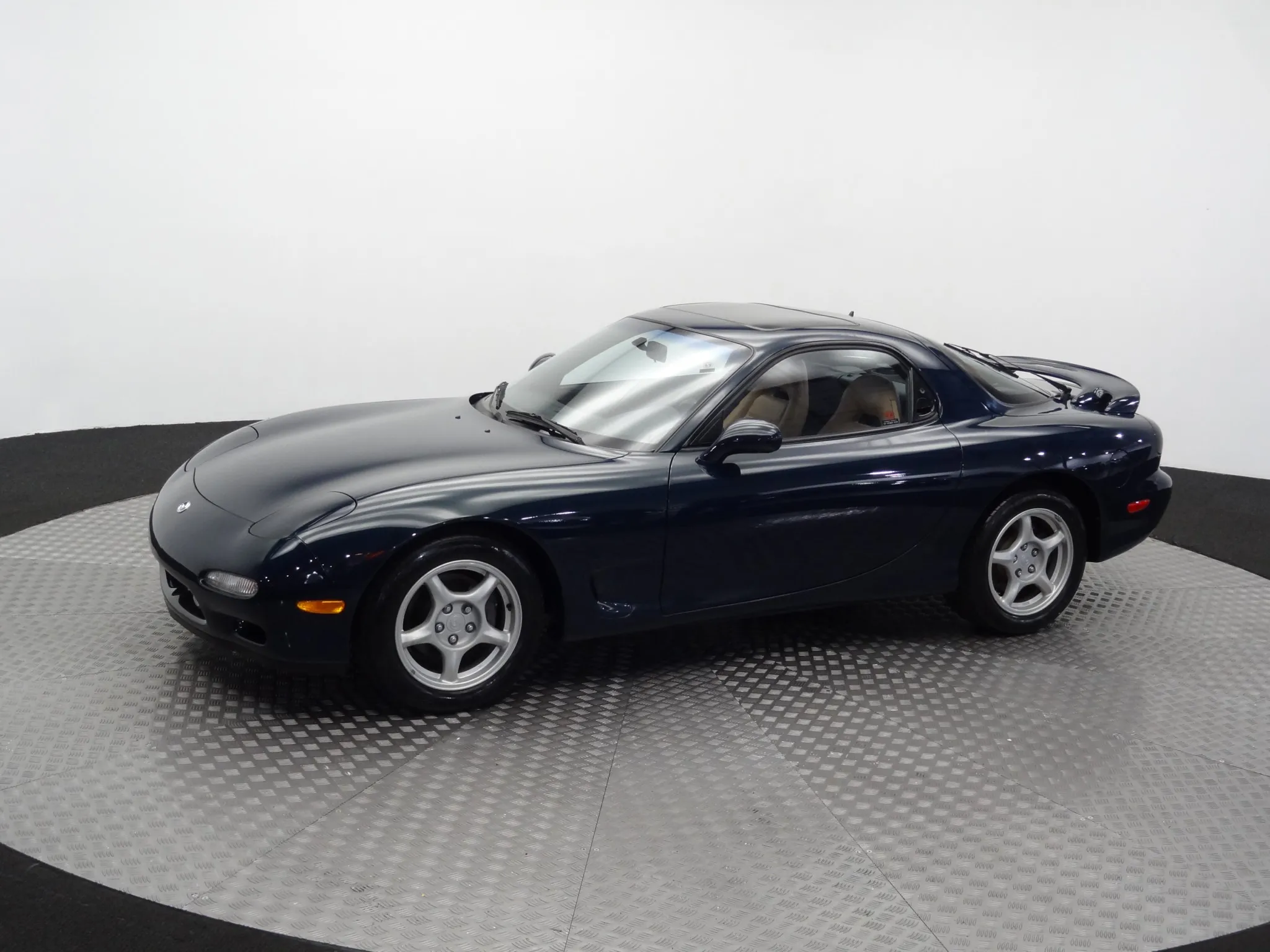
Any conversation about 1990s performance cars gains a spark of excitement once a 1994 Mazda RX7 FD enters the discussion, because this machine delivered a level of finesse that left many exotic rivals unsettled. A lightweight rotary-powered chassis carried agility that felt alive through every corner.
A twin-turbo 13B engine produced a smooth wave of power that caught unsuspecting drivers off guard. Many enthusiasts still recommend the FD because it mixes elegance with aggression in a way that few cars, regardless of price, have ever matched.
Precision defines every part of the FD driving experience. Crisp steering allows quick adjustments, and feedback flows directly through the wheel with clarity. Confidence grows with each corner, because the chassis behaves predictably once weight transfer becomes familiar.
Acceleration feels sharp because the rotary engine revs so freely that it almost seems detached from mechanical limitations. That sensation often surprises drivers who expect a more linear response typical of piston engines. Instead, the FD surges with an energetic personality that still feels modern.
Commitment to owning an FD requires respect for rotary maintenance, yet many enthusiasts embrace that challenge. Specialists continue to support these engines, and proper upkeep rewards owners with reliability that defies the rumors.
People who bond with the 13B describe a sense of character unmatched by more conventional powertrains. Lightweight construction also keeps the car feeling youthful even decades later. Many modern sports cars feel bloated by comparison, which only increases admiration for Mazda’s engineering approach in the ’90s.
Interest in clean FD models keeps climbing because supply continues to shrink while demand rises among younger drivers discovering rotary culture. Acceleration still feels energetic today, and handling remains one of its strongest traits.
People who drive an FD for the first time often walk away stunned by how nimble and responsive it feels. Anyone searching for a car capable of embarrassing Ferraris of its era can find satisfaction behind the wheel of a 1994 RX7 FD, because its balance, speed, and character work together with near artistic precision.
7. 1993 Ford Mustang SVT Cobra
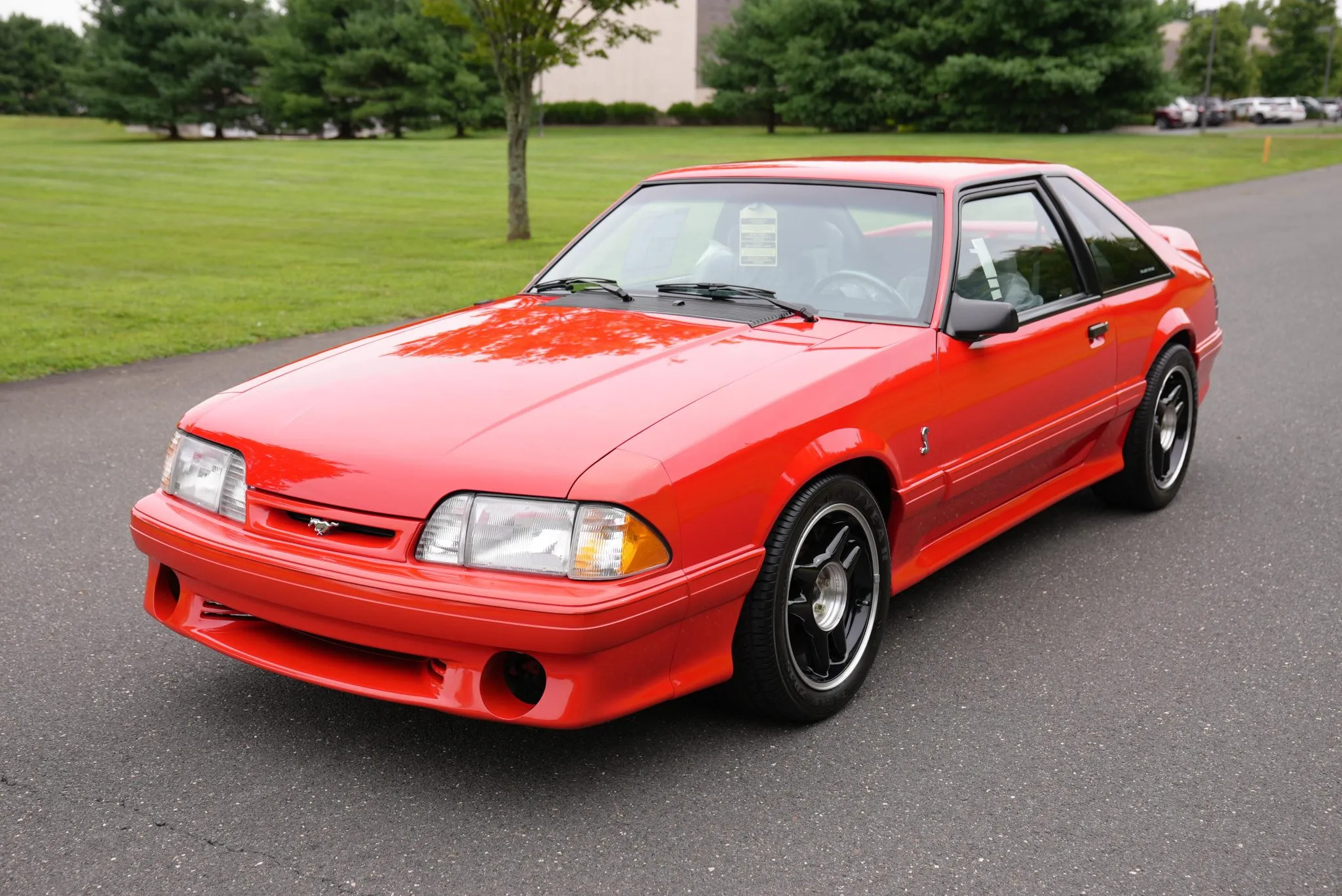
Plenty of enthusiasts smile instantly when the conversation changes toward a 1993 Ford Mustang SVT Cobra, because this model marked a turning point in American performance engineering. Ford’s Special Vehicle Team aimed to refine rather than overpower, creating a machine with improved breathing, better handling, and a more mature feel compared to typical muscle offerings of its time.
A 5.0-liter V8 with GT40 heads delivered a strong punch that caught many rivals off guard. Enthusiasts still appreciate this Cobra because it feels purposeful, confident, and surprisingly agile. Driving impressions often surprise those expecting crude muscle behavior.
Balanced suspension tuning and improved steering feedback make this Cobra feel far more composed than earlier Mustang variants. Acceleration arrives with reassuring torque, and gear movements feel satisfying through its five-speed manual transmission.
A wide torque band allows the car to surge forward without hesitation, creating an experience that feels smooth rather than chaotic. Many drivers remember their first test drive as an eye-opening moment that shattered previous assumptions about American sports coupes.
Ownership of a 1993 Ford Mustang SVT Cobra appeals to enthusiasts who enjoy simplicity combined with thoughtful engineering. Parts availability remains excellent, and maintenance is straightforward compared to turbocharged imports of the same decade.
Collectors value originality, although tasteful upgrades often enhance drivability without affecting the car’s identity. Many owners take pride in maintaining a piece of SVT history, knowing that this model paved the way for future high-performance Mustangs.
Demand for clean Cobras continues to rise, especially for low-mileage examples with documented history. Acceleration remains lively even by today’s standards, while the lightweight chassis helps it feel eager on winding roads.
People who experience this Cobra today often comment on how honest and engaging it feels, delivering a level of enjoyment that does not rely on electronics or artificial weight. Anyone seeking a ’90s car capable of keeping pace with exotic competitors through raw torque and balanced handling will find this SVT Cobra entirely satisfying.
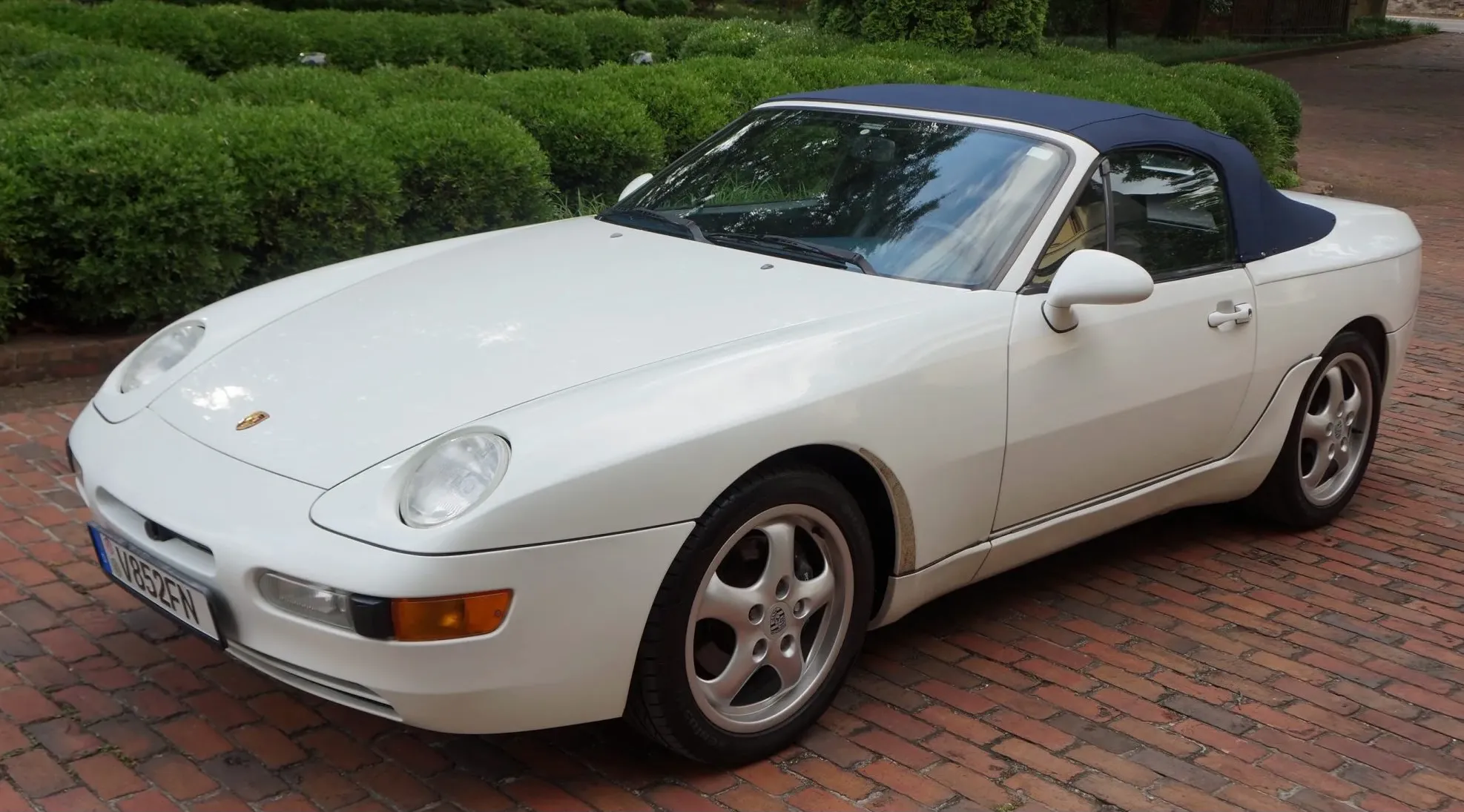
8. 1992 Porsche 968 Club Sport
Strong admiration often surfaces once conversation turns to a 1992 Porsche 968 Club Sport, because this model represents an exercise in pure driving focus. Porsche removed weight, simplified equipment, and sharpened handling to create a machine that rewards skill more than brute force.
A 3.0-liter four-cylinder engine might appear modest on paper, yet its torque-rich delivery and precise balance allowed it to challenge far more powerful machines during spirited driving. Many enthusiasts believe the Club Sport achieved something rare: harmony between driver and machine.
Driving a 968 Club Sport introduces an experience centered on precision. Steering response feels immediate, and feedback pours through the wheel in a way that encourages confident decision-making. Gear changes feel mechanical and satisfying, reinforcing the lightweight character of the entire package.
Acceleration gets assistance from the engine’s broad torque curve, providing quick response even without forced induction. That responsiveness often surprises drivers who expect lag or hesitation from a naturally aspirated ’90s engine.
Ownership of a 968 Club Sport carries appeal for people who value purity over excess. Maintenance remains manageable thanks to strong support within Porsche communities, and many owners treat these cars as long-term companions rather than temporary toys.
Preservation of factory spec often becomes a priority, because originality helps maintain value and ensures that driving feel remains authentic. Some enthusiasts add subtle enhancements, but most avoid changes that might disturb the car’s lightweight philosophy.
Growing interest in analog performance cars has boosted appreciation for the 968 Club Sport. Acceleration still feels crisp today, and handling remains one of its greatest strengths. Many drivers report that the Club Sport feels alive beneath them, giving a sense of communication that rivals even modern sports machines.
Anyone seeking a ’90s performance car capable of embarrassing exotic rivals through momentum, balance, and finesse will find the 968 Club Sport extremely rewarding to drive.
Also Read: 5 Cars for Jersey City Urban Life vs 5 That Are Pricey to Maintain
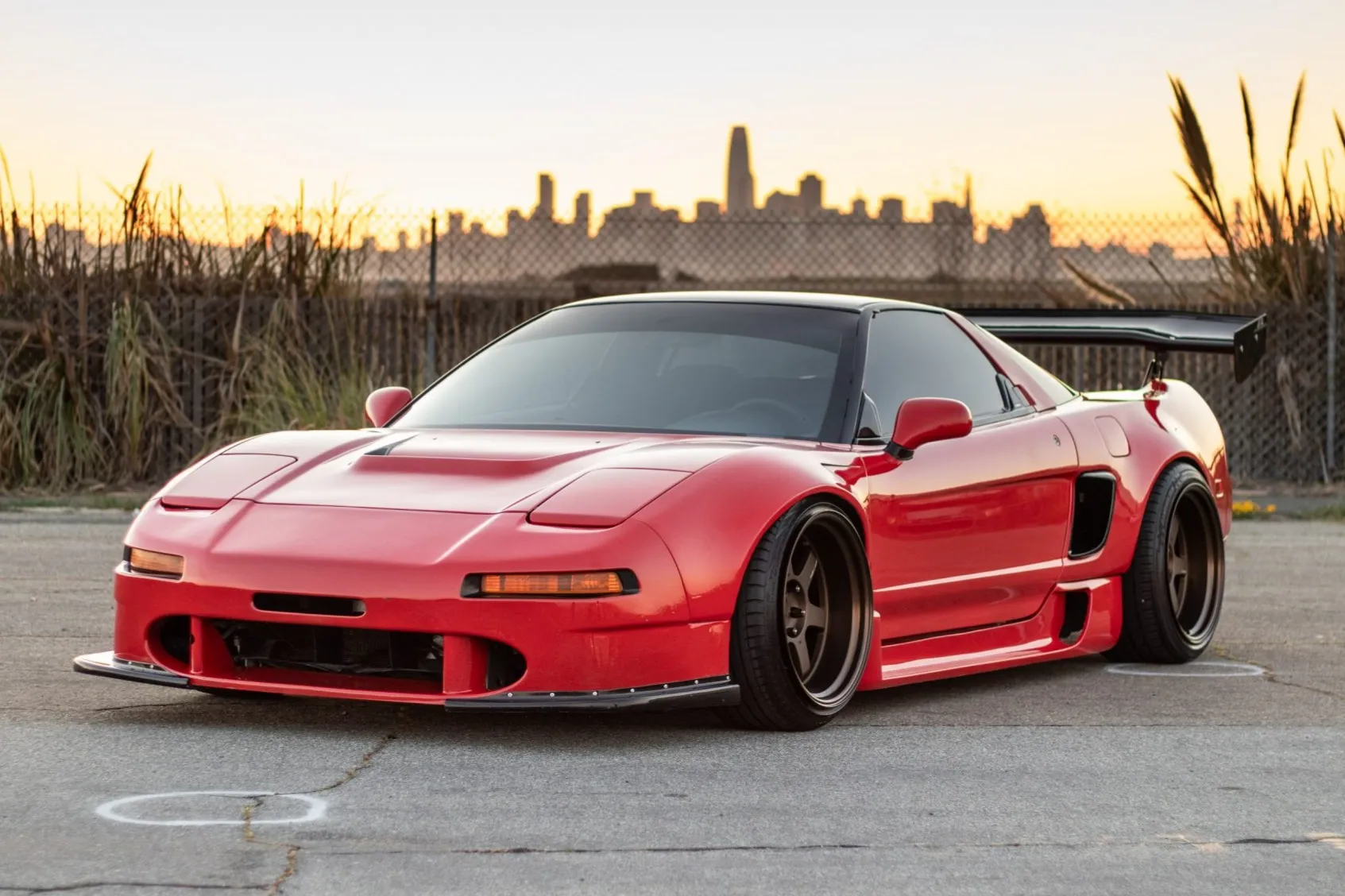
9. 1991 Acura NSX
Admiration quickly rises when conversation moves toward a 1991 Acura NSX, because this machine redefined what a supercar could be. Honda engineers pursued precision, reliability, and usability while still aiming for exotic-level performance.
A high-revving 3.0-liter V6 paired with an aluminum chassis created a lightweight, responsive driving experience that embarrassed several high-priced Italian machines. Many enthusiasts still argue that the NSX changed expectations for supercars permanently.
Driving an NSX feels special from the moment the engine starts. Smooth power builds steadily toward an exhilarating redline, delivering a sound and sensation that encourages spirited driving. Handling feels remarkably balanced due to careful weight distribution and input from legendary Formula One champion Ayrton Senna during development.
Confidence flows through every corner because the chassis communicates with clarity, and steering accuracy allows precise placement in tight situations. That mix of refinement and aggression still engages drivers decades later.
Ownership of a 1991 Acura NSX appeals to enthusiasts who want exotic performance without exotic headaches. Reliability remains one of its strongest advantages, supported by a well-designed engine and robust build quality. Parts availability continues to be strong, and maintenance does not require extreme budgets.
Collectors often search for pristine examples, although higher mileage cars remain viable because these engines handle long-term use without protest. Pride often comes from owning a machine that influenced supercar engineering across the globe.
Growing admiration for analog performance cars has increased demand for early NSX models. Acceleration still feels sharp, and handling remains exceptionally precise. Many drivers claim that modern supercars, despite their power, lack the purity and connection delivered by the NSX.
Anyone searching for a ’90s performance car capable of challenging Ferraris with confidence, finesse, and durability will find immense satisfaction behind the wheel of this groundbreaking Acura.
