
Ordinary cars usually earn their reputation by being predictable. Grocery runs, school drop-offs, daily commutes, and long highway drives tend to shape how people think about sedans, hatchbacks, and family-friendly machines.
Style stays reserved, engines feel calm, and nothing about the experience suggests raised eyebrows or double takes at a stoplight. That assumption has been broken more times than most drivers realize. Hidden inside dealership brochures and factory order sheets are moments where engineers decided to bend expectations.
Without changing the shape or the mission, some everyday cars left assembly lines carrying engines that belonged in something far louder and more aggressive. These machines did not rely on body kits or flashy marketing. They looked like transportation appliances while delivering acceleration that surprised even seasoned drivers.
Factory-backed performance adds a different layer of credibility. No backyard tuning, no aftermarket guesswork, no disclaimers about reliability. These powertrains arrived with warranties, emissions approval, and quiet confidence. Buyers could drive away in something that blended into traffic while packing hardware that felt out of place in the best way.
This page looks at ten cars that didn’t seem like much when you first saw them, but packed engine options that could really surprise you. Each one shows that boring exteriors sometimes hide serious performance underneath.
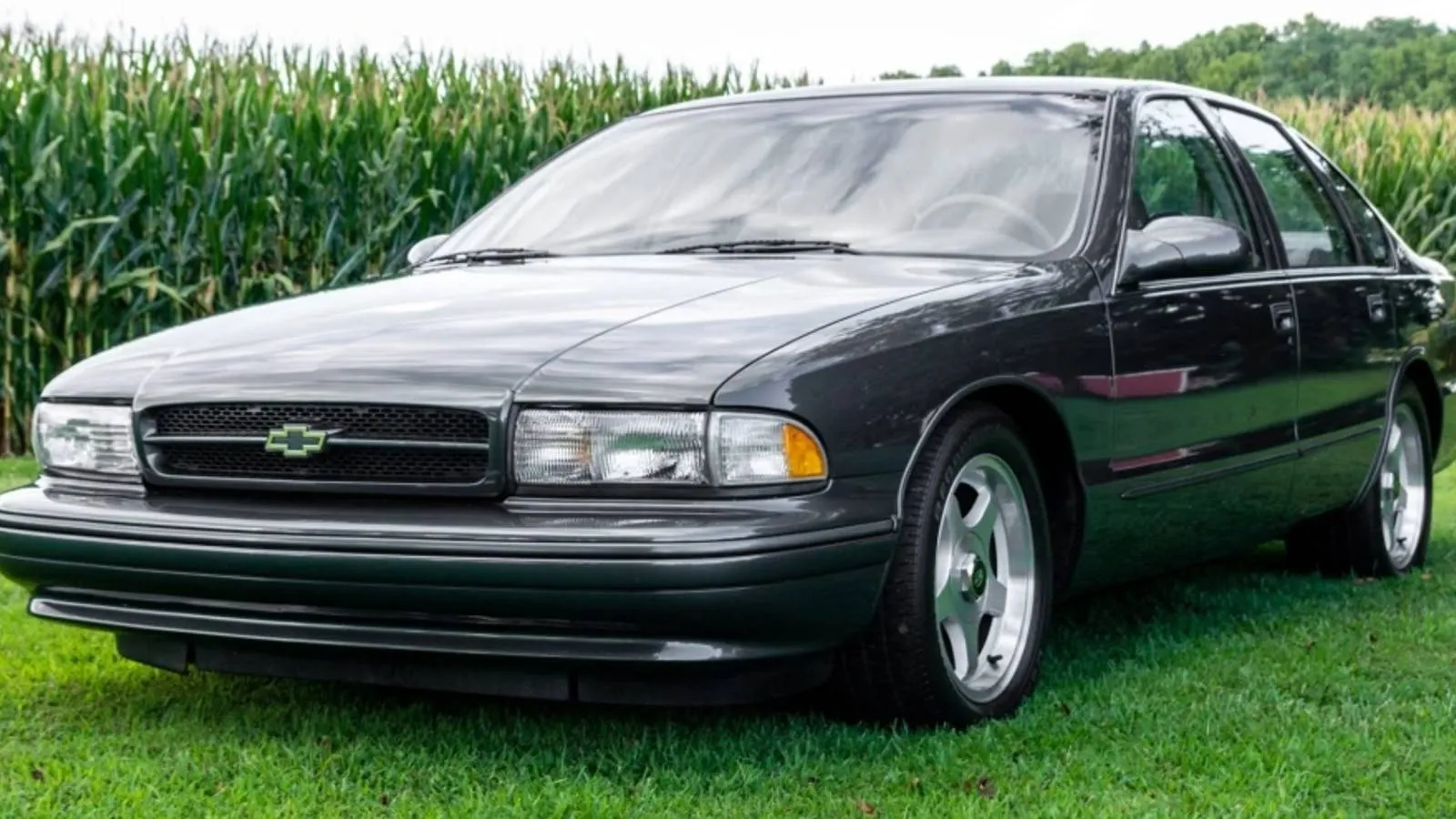
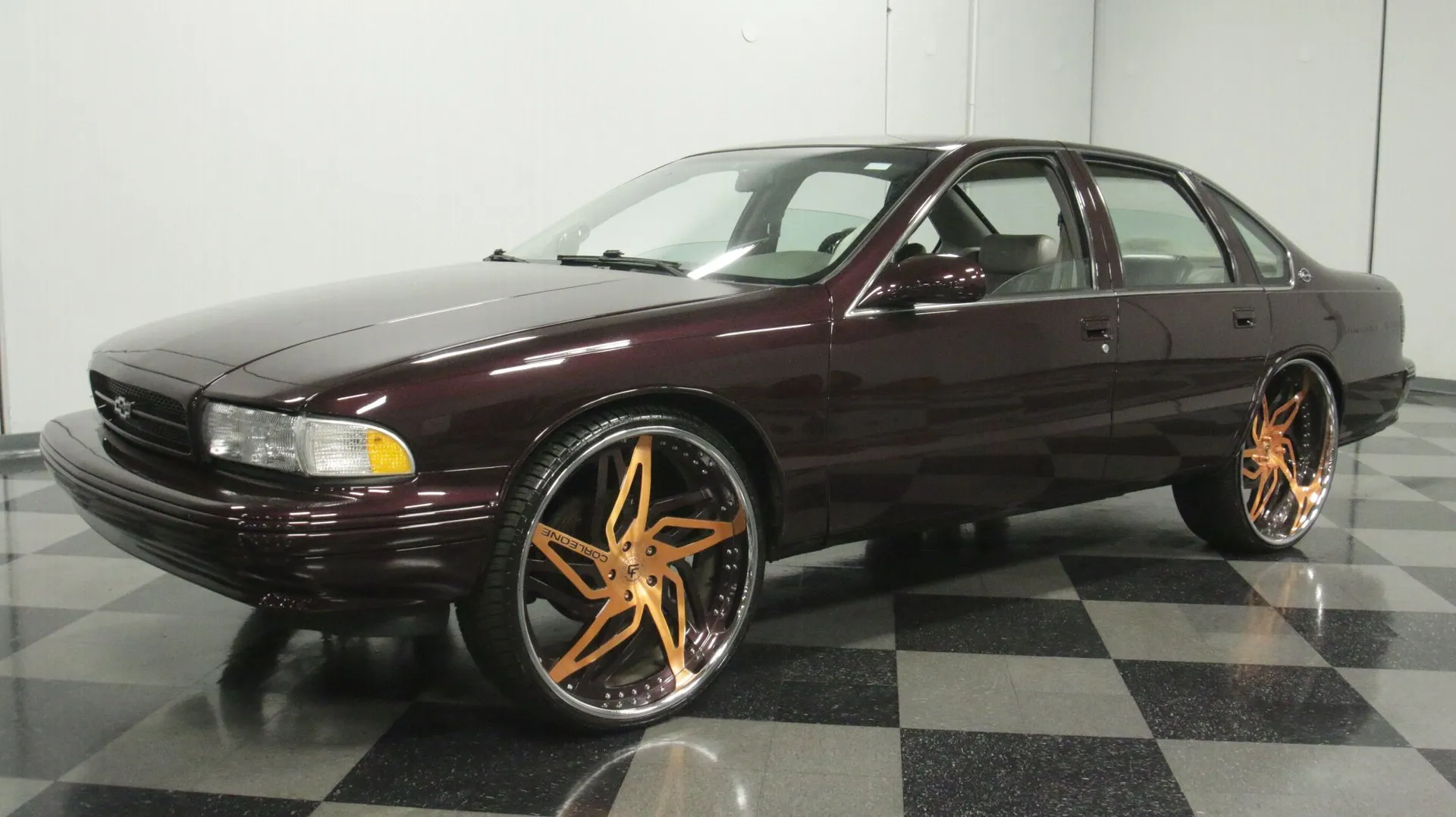
1. Chevrolet Impala SS 1994 to 1996
Picture a full-size American sedan built for comfort, road trips, and family duty. The Chevrolet Impala had long lived in that space, known for wide seats and smooth rides rather than tire smoke. Something changed in the mid-1990s when General Motors decided to revive the SS badge on a car that looked ready for retirement, not rebellion.
Under the hood of the Chevrolet Impala SS sat a 5.7-liter LT1 V8 borrowed from the Chevrolet Corvette and Camaro of the same era. Power output landed at 260 horsepower with a thick wave of torque that arrived early and stayed present through everyday driving. Numbers alone did not tell the full story. This engine transformed a massive sedan into a surprisingly quick machine that could surge forward without drama.
Design cues remained subtle. Dark paint, slightly lower suspension, and wider tires hinted at something different, yet nobody would mistake it for a sports car. Inside, space and comfort stayed intact. Air conditioning blew cold, rear seats remained roomy, and road noise stayed polite. That difference made the experience unforgettable. Pressing the accelerator delivered a deep V8 response completely at odds with the car’s calm personality.
Chevrolet engineers also upgraded suspension and brakes to handle the added output. Steering felt tighter than expected for a car of its size, while the chassis stayed composed during aggressive driving. Police departments noticed, which led to similar hardware appearing in pursuit vehicles soon after.
What made the Chevrolet Impala SS special was restraint. No outrageous styling, no loud claims. Buyers received a family sedan that happened to run zero to sixty times similar to contemporary performance coupes. That decision still feels bold today, especially considering how few manufacturers attempt something similar with modern full-size sedans.
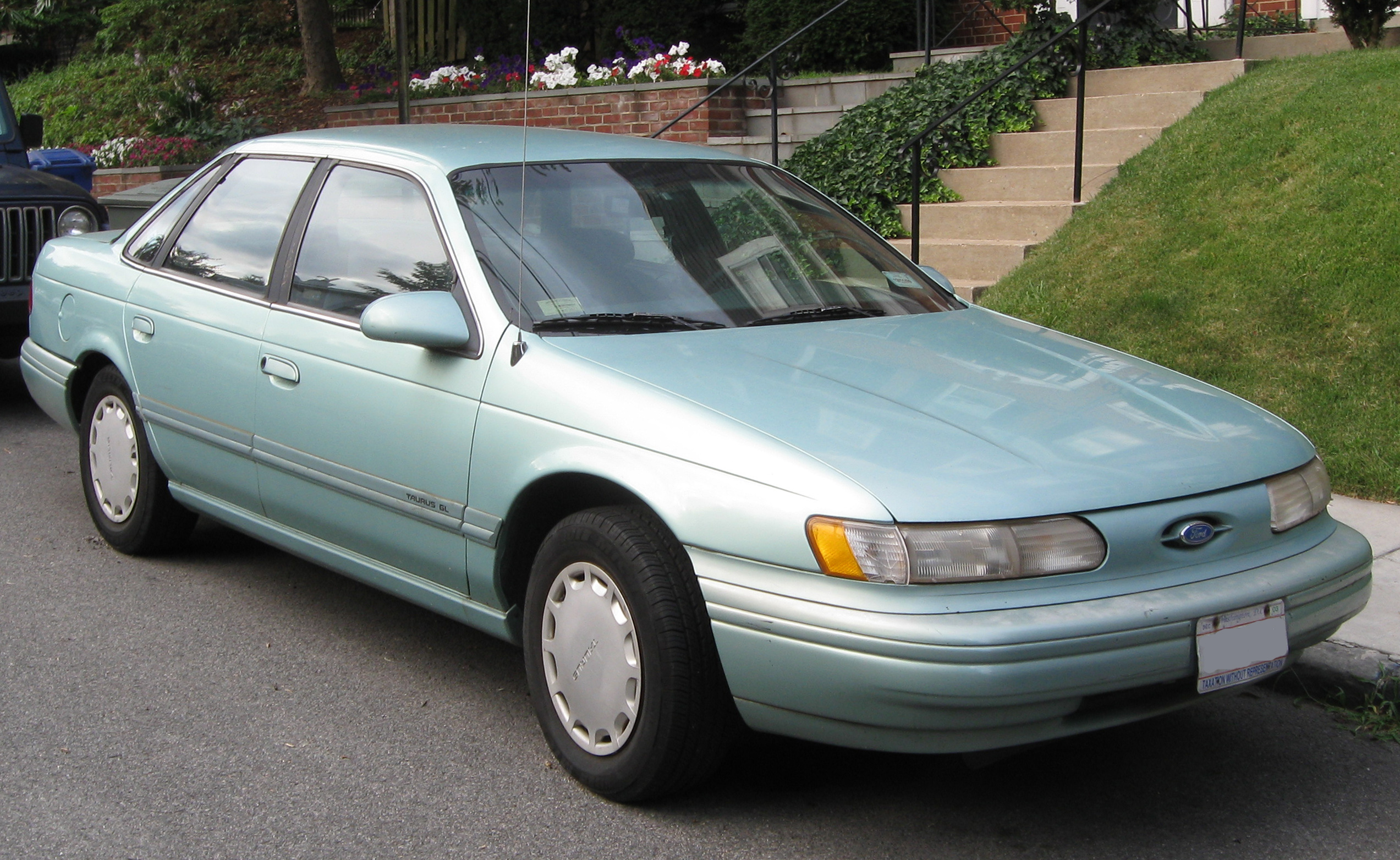
2. Ford Taurus SHO 1989 to 1995
Ford Taurus defined American family transportation through the late 1980s and early 1990s. Rounded styling, Front Wheel Drive layout, and a focus on efficiency placed it squarely in suburban driveways. Beneath that image, a very different version existed for buyers willing to look closer.
Ford Taurus SHO stood for Super High Output, and the name was not an exaggeration. Early models featured a Yamaha-engineered 3.0-liter V6 producing 220 horsepower, later increased to 235 in the 3.2-liter version. At a time when most family sedans struggled to cross 150 horsepower, those figures felt daring.
Yamaha’s involvement brought high high-revving character rarely found in American sedans. Engine response felt eager, smooth, and mechanical in a way that separated it from standard Taurus trims. Manual transmission availability in early years further emphasized driver involvement, giving owners direct control over a sedan that looked anything but sporty.
Exterior changes stayed minimal. Subtle badges, discreet wheels, and slight body tweaks left the Taurus SHO blending into traffic. That stealth quality turned daily driving into a quiet thrill. Pulling away from lights or merging onto highways delivered acceleration that surprised unsuspecting motorists.
Suspension tuning balanced comfort and control, allowing the car to serve family needs without punishment. Interior space stayed generous, and reliability proved solid when maintained properly. Ford managed to build a car that worked as transportation while delivering performance normally reserved for niche models.
Ford Taurus SHO earned respect because it challenged stereotypes. It showed that excitement did not require aggressive styling or Rear Wheel Drive layouts. Power, balance, and engineering focus turned an everyday sedan into a genuine sleeper that still earns admiration decades later.
Also Read: 5 Cars for Garland Day-to-Day Driving vs 5 That Require Dealer Service
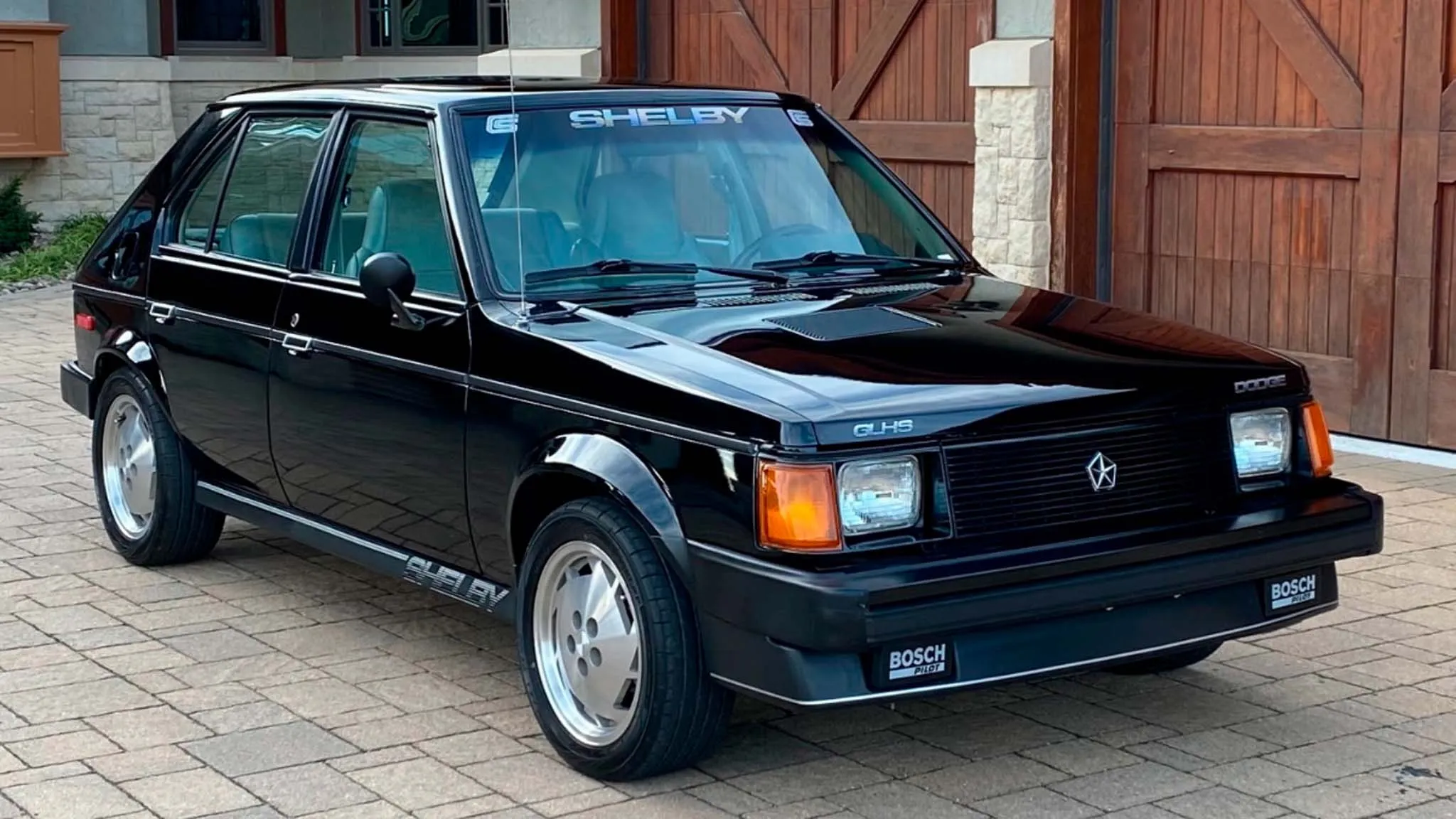
3. Dodge Omni GLH S 1986
Compact hatchbacks rarely inspire thoughts of factory-backed performance legends. Dodge Omni entered the market as basic transportation, valued for affordability and simplicity. That reputation made what followed even more shocking.
Carroll Shelby’s involvement transformed the Dodge Omni into something far beyond its humble roots. The GLH S version, short for Goes Like Hell Some more, arrived with a turbocharged 2.2-liter four-cylinder producing 175 horsepower. That number sounds modest today, yet in the mid-1980s, it placed the Omni among the quickest Front Wheel Drive cars available.
Lightweight amplified the impact. Acceleration felt urgent, traction felt barely contained, and the driving experience demanded attention. Suspension upgrades, stronger brakes, and specific gearing completed the package. Shelby’s fingerprints appeared throughout the car, though styling remained restrained enough to keep appearances ordinary.
Inside, no luxury distractions existed. Focus centered on driving. Supportive seats, simple gauges, and a sense of purpose defined the cabin. Owners accepted rough edges because the performance delivered excitement unmatched by competitors at the price.
Factory production numbers stayed low, which added to the car’s cult status. Buyers knew they were driving something special, even if neighbors saw nothing more than a small hatchback parked on the street.
Dodge Omni GLH S proved that extreme performance did not require large engines or premium badges. Factory engineering, low weight, and bold decision-making created a car that embarrassed bigger names while wearing one of the most unassuming shapes of its era.
4. Toyota Camry TRD V6 2019 to 2022
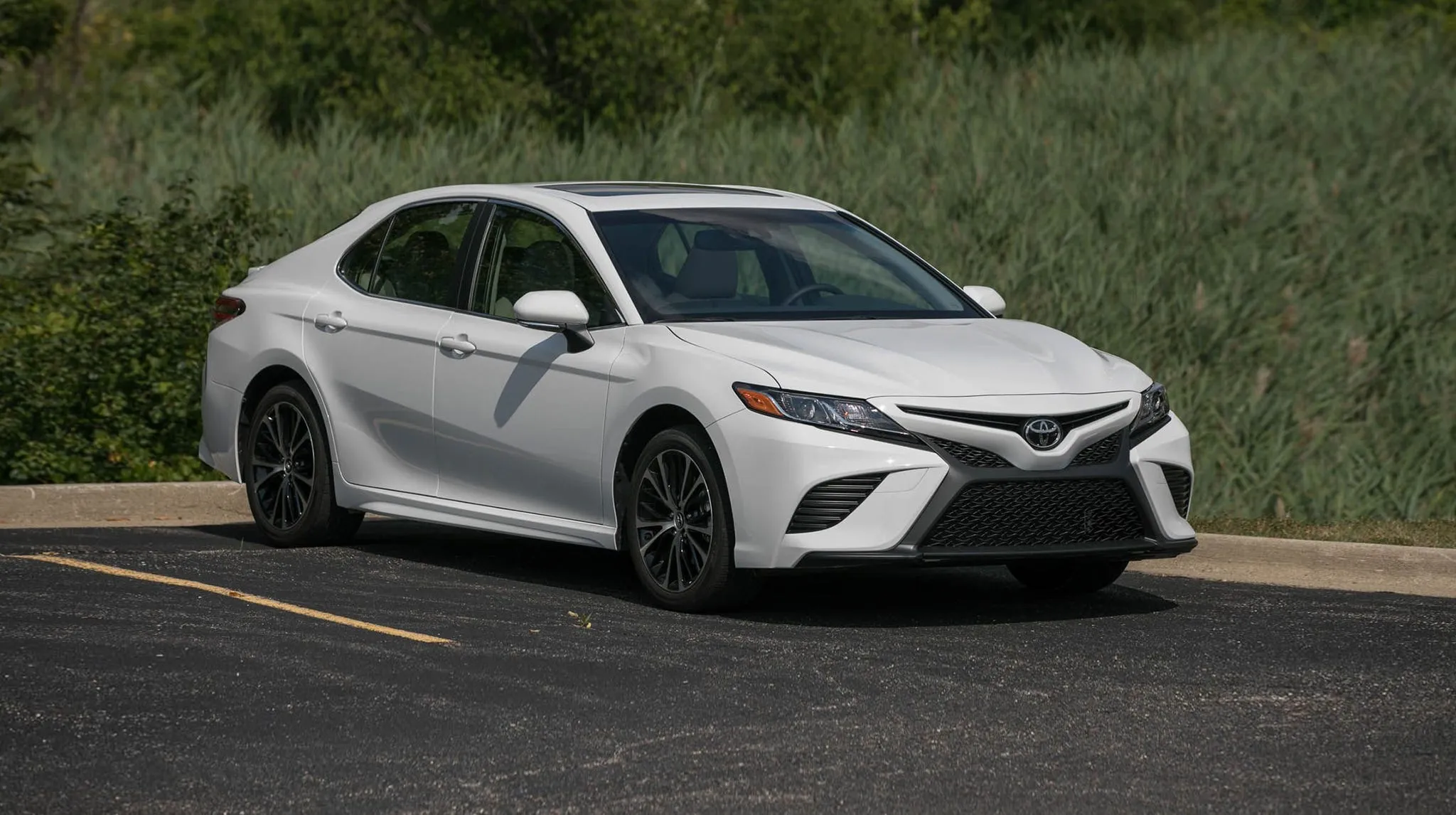
Toyota Camry built its reputation on dependability, comfort, and predictability. Performance rarely entered conversations about this midsize sedan. That changed when Toyota Racing Development applied its influence to a car long considered the definition of sensible transportation.
Toyota Camry TRD featured a naturally aspirated 3.5-liter V6 producing 301 horsepower. Power flowed to the front wheels through a smooth automatic transmission, delivering strong acceleration without sacrificing daily usability. This engine had existed in other Toyota models, yet its placement in a Camry carried symbolic weight.
Chassis upgrades separated the TRD from standard trims. Lowered suspension, stiffer springs, larger brakes, and a performance-focused exhaust changed how the car felt on the road. Steering response sharpened, body control improved, and driver confidence increased during spirited driving.
Appearance balanced aggression and restraint. Blacked-out trim, subtle aerodynamic pieces, and unique wheels signaled a difference without alienating longtime Camry buyers. Inside, comfort remained familiar while sport seats and red accents added personality.
Toyota’s approach respected its audience. Reliability expectations stayed intact, fuel economy remained reasonable, and maintenance demands stayed manageable. Buyers received performance without anxiety.
Toyota Camry TRD V6 challenged assumptions about what mainstream sedans could deliver. It reminded drivers that excitement and responsibility did not need to live in separate garages. That decision helped redefine the Camry’s image for a new generation.
5. Volvo 850 T 5R 1995
Volvo’s brand identity revolved around safety, boxy design, and quiet durability. Performance rarely defined its public image during the 1990s. One particular model disrupted that reputation while still honoring the company’s focus on practicality and everyday usefulness. Buyers familiar with dependable family transport suddenly faced a Volvo that behaved very differently once the accelerator met the floor.
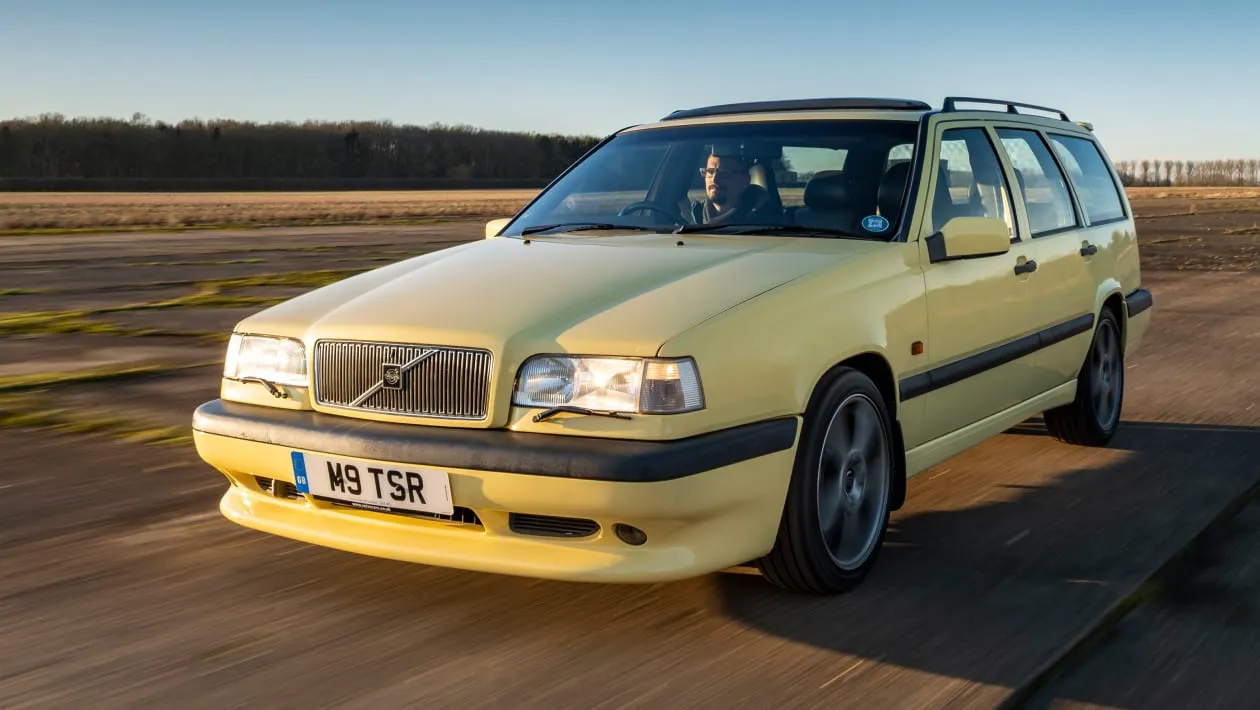
Volvo 850 T 5R arrived with a turbocharged 2.3-liter inline five engine producing 240 horsepower. The output of that level felt startling inside a vehicle shaped like a rolling brick. Power delivery remained smooth and progressive, yet forceful enough to pin occupants back into their seats.
A distinctive exhaust tone added character, setting it apart from common four or six-cylinder sedans of the era. Acceleration figures rivaled sports sedans that carried far louder reputations. Design updates stayed controlled rather than dramatic. Special paint finishes, unique alloy wheels, and a modest rear spoiler hinted at intent without breaking from Volvo’s conservative design language.
Cabin presentation reinforced balance. Leather upholstery, supportive seats, and clear instrumentation created an environment suitable for both daily commuting and spirited driving. Comfort never disappeared, even when the pace increased.
Chassis tuning received careful attention. Suspension revisions sharpened handling and reduced body movement, while upgraded brakes delivered confidence during aggressive use. Long-distance ride quality remained intact, proving performance had not replaced usability. Owners could drive across states in comfort, then enjoy a spirited back road session without compromise.
Volvo’s decision to enter a wagon version into touring car racing strengthened credibility. Seeing a family-shaped vehicle compete on track changed public perception quickly. That motorsport link added intrigue without turning the production car into a novelty.
Volvo 850 T 5R stood as a daring statement. Serious turbocharged performance arrived inside a family-friendly platform, showing that caution and excitement could coexist without sacrificing either identity.
6. Pontiac Grand Prix GXP 2005 to 2008
Few midsize coupes blended into American traffic as quietly as the Pontiac Grand Prix. Fleet-friendly, softly styled, and aimed at comfort, the name rarely sparked excitement by the mid-2000s. Pontiac changed that perception abruptly with the Grand Prix GXP, a factory experiment that felt almost reckless by modern standards.
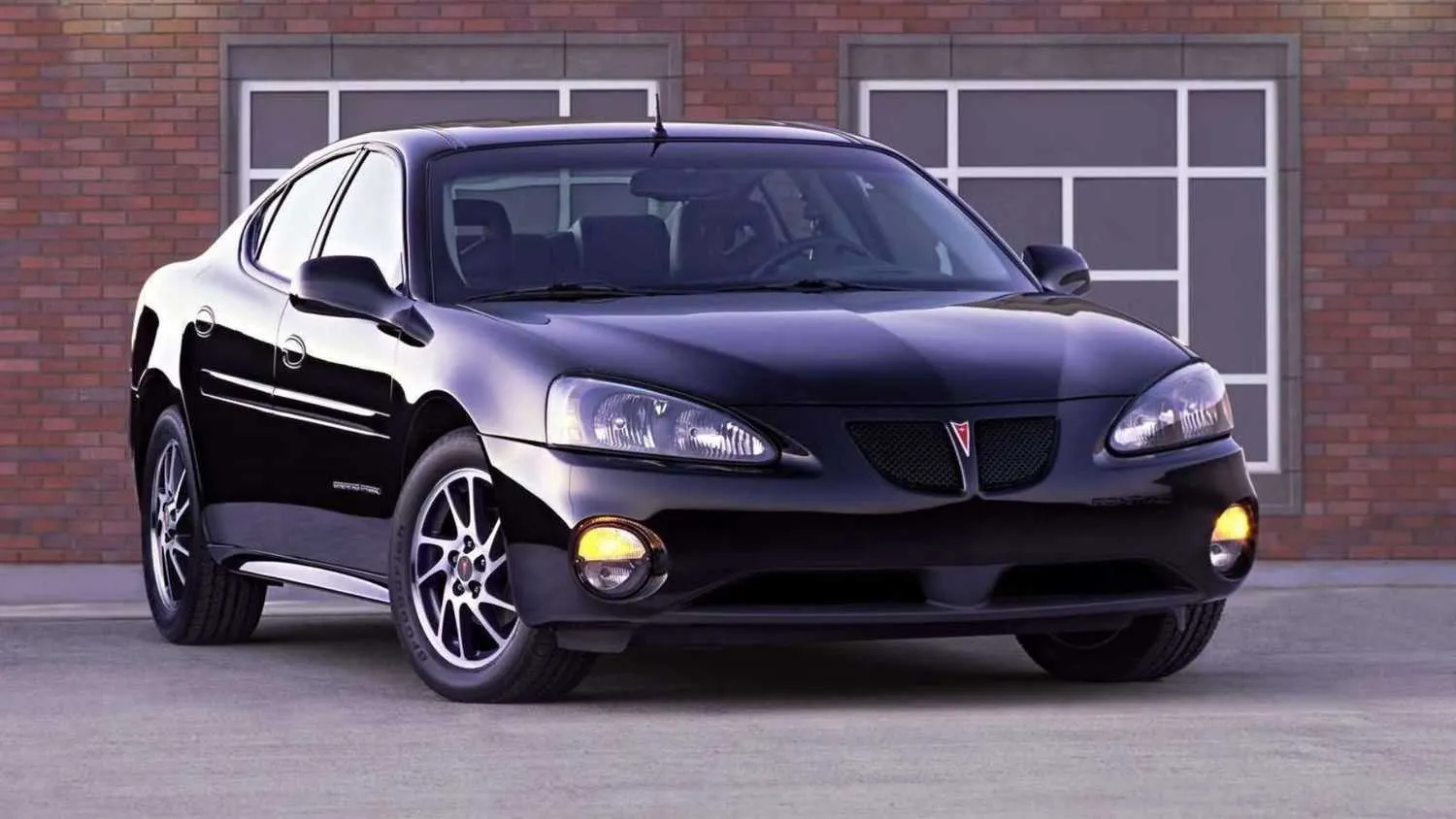
Beneath the hood sat a 5.3-liter naturally aspirated V8 derived from General Motors’ LS family. Power reached 303 horsepower, a figure that instantly rewrote expectations for a Front Wheel Drive coupe designed around daily use. Torque delivery arrived early and aggressively, pushing the car forward with authority that felt far removed from its relaxed exterior.
Engineering challenges came with the layout. Managing V8 output through the front wheels required careful tuning. Pontiac responded with a strengthened transmission, performance-calibrated traction control, and a revised suspension setup. The result felt raw yet usable, with torque steer present but controlled enough to maintain confidence during hard acceleration.
Styling changes avoided excess. Hood vents, larger wheels, and discreet badging signaled purpose without turning the car into a rolling announcement. Inside, full-size seating, a spacious rear area, and a comfortable ride remained intact. Long drives still felt easy, making the performance feel like a bonus rather than a compromise.
Braking upgrades ensured stopping power matched acceleration. Steering felt heavier than standard trims, reinforcing the sense that something serious lived beneath the sheet metal. Drivers could cruise quietly one moment, then unleash V8 force the next without warning surrounding traffic.
Pontiac Grand Prix GXP represented a moment when manufacturers took risks few would attempt today. Dropping a V8 into a Front Wheel Drive family coupe delivered shock value that still resonates with enthusiasts who appreciate factory-backed boldness.
7. Mazda Mazdaspeed 6 2006 to 2007
Midsize sedans often prioritize comfort and efficiency over excitement. Mazda 6 followed that formula until the Mazdaspeed division intervened with a version that felt purpose-built to challenge assumptions.
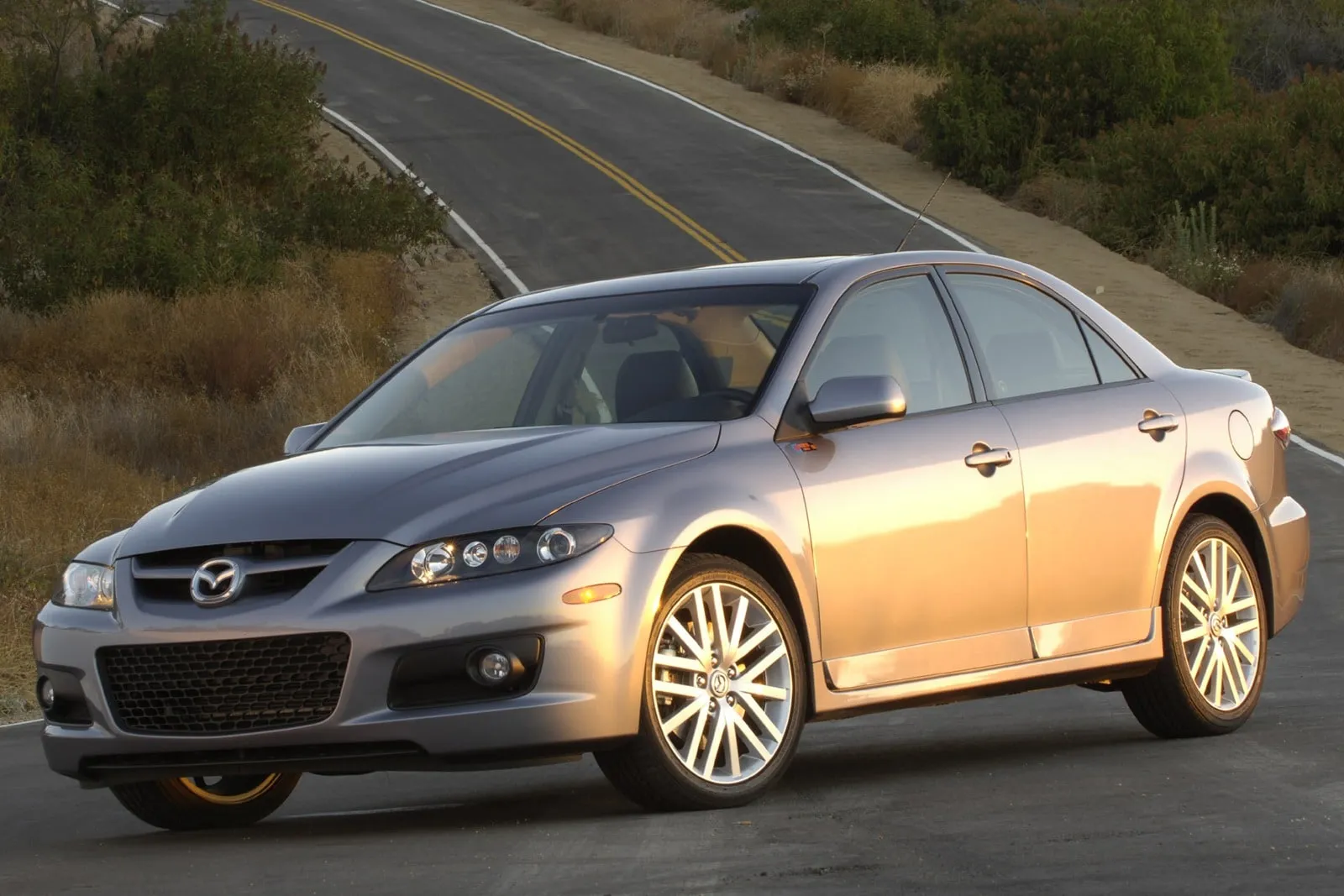
Mazda Mazdaspeed 6 featured a turbocharged 2.3-liter four-cylinder engine producing 274 horsepower. Power reached all four wheels through an advanced All Wheel Drive system, creating traction and balance uncommon in the segment at the time. Acceleration felt immediate, controlled, and surprisingly refined.
Visual differences stayed restrained. Larger wheels, subtle spoilers, and discreet badges set it apart from regular Mazda 6 models without screaming for attention. That restraint enhanced its sleeper appeal, allowing it to pass unnoticed until the accelerator pedal met the floor.
Interior design balances sport and practicality. Supportive seats, aluminum accents, and clear instrumentation gave drivers feedback without sacrificing comfort. Rear seat space and trunk capacity remained suitable for families, reinforcing the car’s everyday usefulness.
Chassis tuning delivered confidence through corners. Steering felt communicative, body control stayed tight, and the All Wheel Drive system provided reassurance during spirited driving or poor weather. Unlike many performance sedans, the Mazdaspeed 6 avoided harshness, maintaining composure during routine commutes.
Production numbers remained limited, which added rarity to its appeal. Owners understood they possessed something unusual, a factory sedan capable of keeping pace with cars carrying far louder reputations.
Mazda Mazdaspeed 6 demonstrated that extreme engine options did not require sacrificing maturity. Power, balance, and subtle design combined to create a car that quietly exceeded expectations while remaining deeply practical.
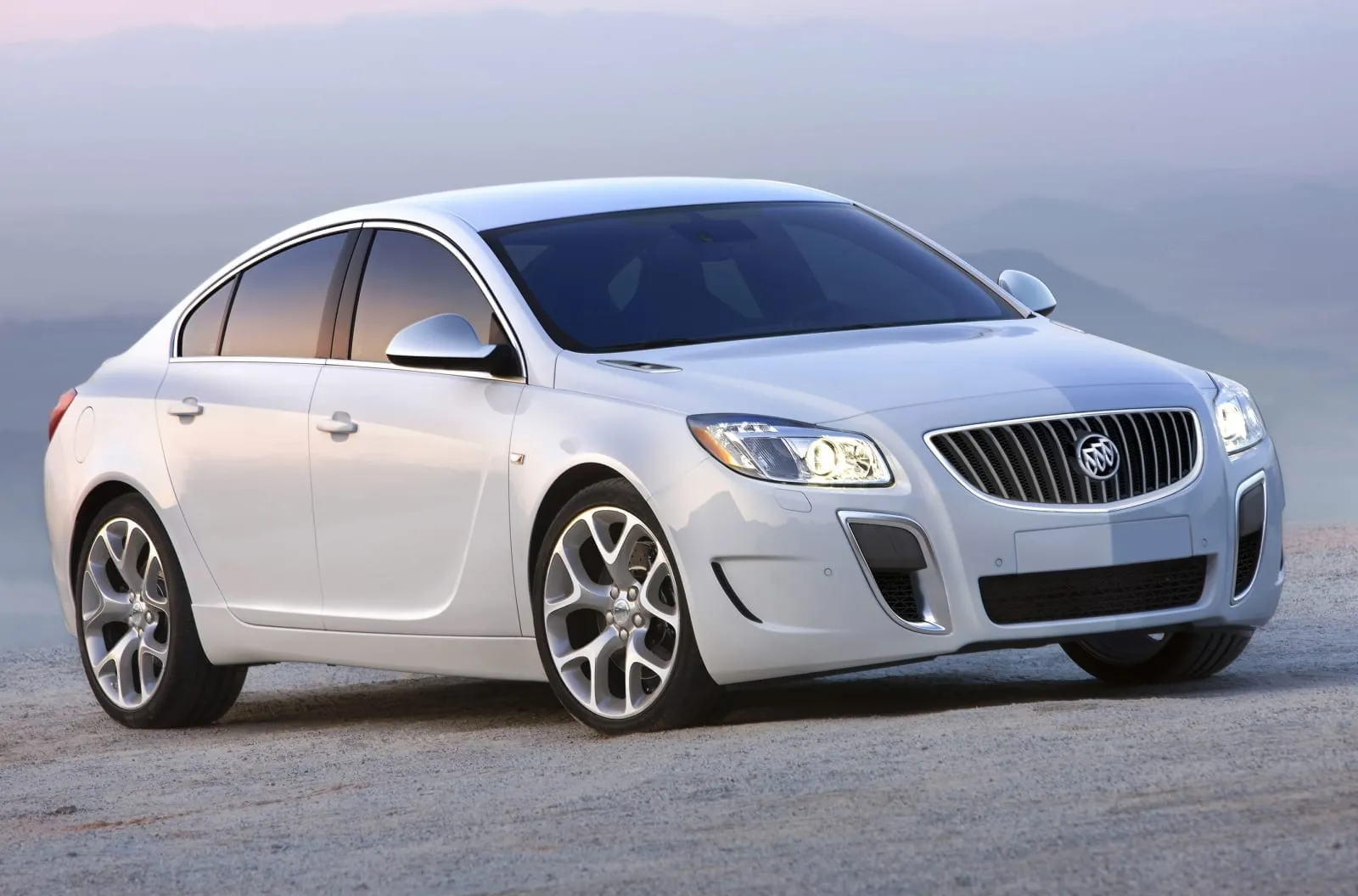
8. Buick Regal GS 2012 to 2017
Buick spent years rebuilding its image from traditional comfort toward modern relevance. Regal played a central role in that effort, presenting European-influenced styling and composed driving manners. GS trim elevated that approach into surprising territory by introducing real performance credentials into a nameplate long associated with quiet assurance rather than spirited motion.
Buick Regal GS offered a turbocharged 2.0-liter four-cylinder engine producing up to 259 horsepower depending on configuration. Figures on paper may appear modest beside louder rivals, yet real-world performance told a different story.
Turbo response felt immediate, with strong low-end torque that delivered confident launches from traffic lights and smooth acceleration during highway merges. Power delivery stayed linear, avoiding the abrupt surges that can make turbocharged cars feel unruly.
Chassis engineering played a defining role in shaping character. Adaptive suspension technology continuously adjusts ride quality based on road conditions and driver input. Comfort mode emphasized compliance, absorbing bumps and imperfections with ease during daily use.
Sport mode transformed the personality instantly, sharpening responses and reducing body movement in a way that felt purposeful rather than forced. Exterior design balanced elegance with aggression through careful detail rather than excess.
Larger air intakes, distinctive wheels, and restrained spoilers suggested athletic intent while preserving a refined presence. Inside, the materials quality stood out. Soft touch surfaces, tasteful trim, and well-bolstered seats created an environment that supported both relaxed cruising and focused driving without sacrificing comfort.
All Wheel Drive availability added an extra layer of capability. Traction improved during poor weather, while stability during hard acceleration inspired confidence. Steering feedback felt more communicative than in standard Regal models, allowing drivers to place the car accurately through corners and maintain control during spirited moments.
Buick Regal GS succeeded because it respected its audience. No attempt was made to shout or chase trends. Performance arrived through careful calibration, balanced hardware, and thoughtful design choices. Drivers expecting calm predictability discovered a sedan capable of genuine excitement, delivered quietly and with maturity.
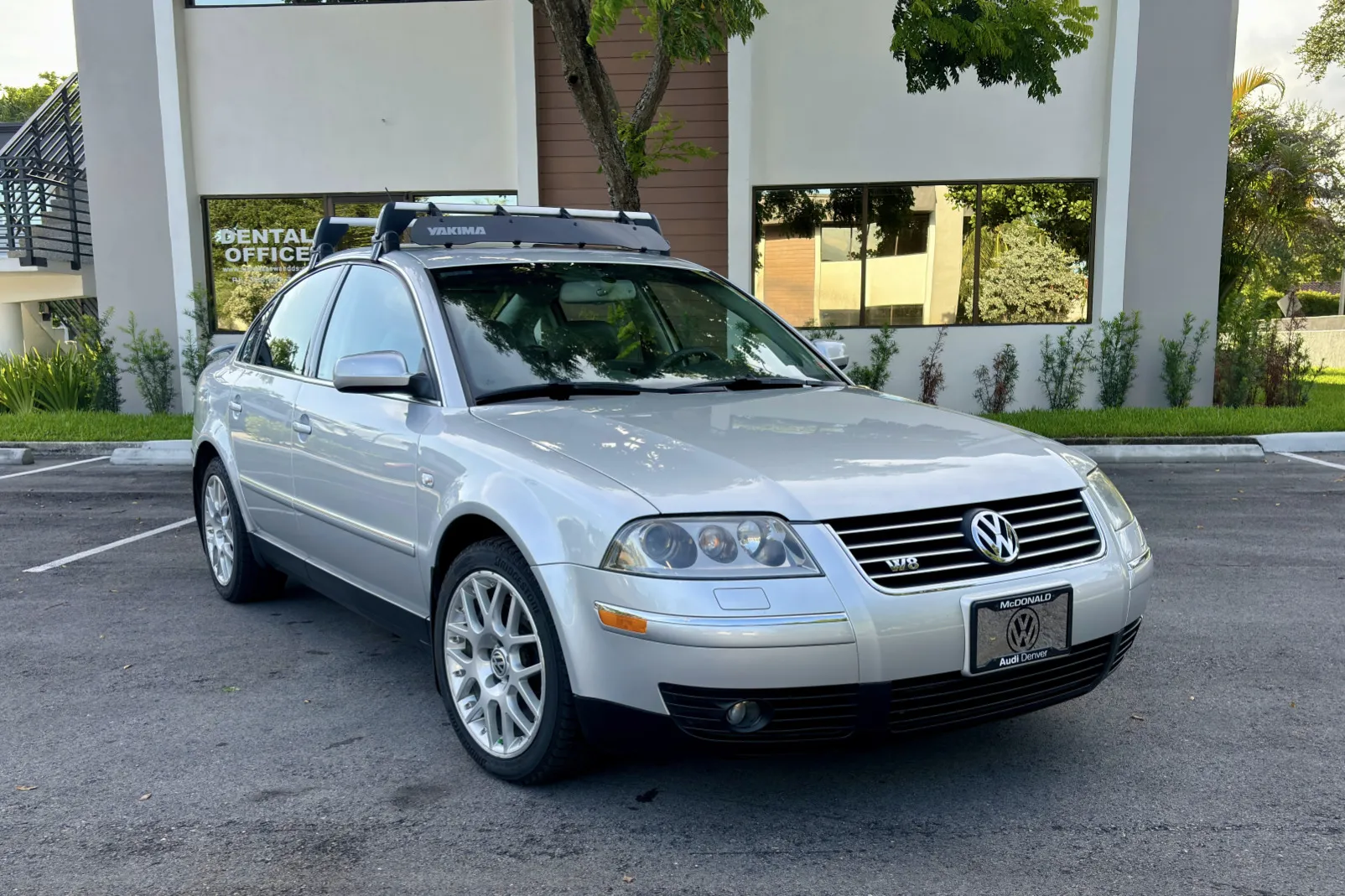
9. Volkswagen Passat W8 2002 to 2004
Volkswagen Passat earned respect for solid construction and understated design. Performance rarely entered the conversation until Volkswagen introduced an engine configuration that bordered on experimental. Buyers expected quiet competence, predictable handling, and long-distance comfort, not an engineering statement that challenged industry norms for midsize sedans.
Volkswagen Passat W8 housed a compact eight-cylinder engine producing 270 horsepower. This unusual powerplant combined two narrow-angle VR4 engines into a single unit, allowing it to fit within a platform never intended for such ambition.
Smooth power delivery defined the driving experience, supported by a refined exhaust note that felt restrained rather than theatrical. Acceleration arrived without urgency or drama, creating a sense of effortless momentum rather than brute force.
Exterior styling stayed intentionally conservative. Chrome accents, modest wheels, and clean body lines preserved the Passat’s familiar presence. Subtle badging served as the only hint of something different, rewarding owners who appreciated discretion. Parking lots and highways offered anonymity, even though the mechanical layout beneath the hood told a very different story.
Interior quality reflected Volkswagen’s standards of the early 2000s. Leather seating, tight panel gaps, and solid controls created a cabin suited for daily routines. Rear seat comfort and trunk space remained practical, ensuring family duties never felt compromised. Passengers rarely suspected that an eight-cylinder engine powered their calm ride.
All Wheel Drive arrived as standard equipment, giving the car confident traction and stability. Highway cruising felt quiet and composed, while passing maneuvers required little effort. No sudden gear changes interrupted the experience, reinforcing the sedan’s relaxed character.
Production costs and servicing demands eventually shortened the model’s run, yet curiosity surrounding the Passat W8 has only grown. Volkswagen Passat W8 proves that manufacturers occasionally build cars simply to test boundaries, delivering rare mechanical ambition inside an unassuming shape.
Also Read: 5 Cars for Jersey City Urban Life vs 5 That Are Pricey to Maintain
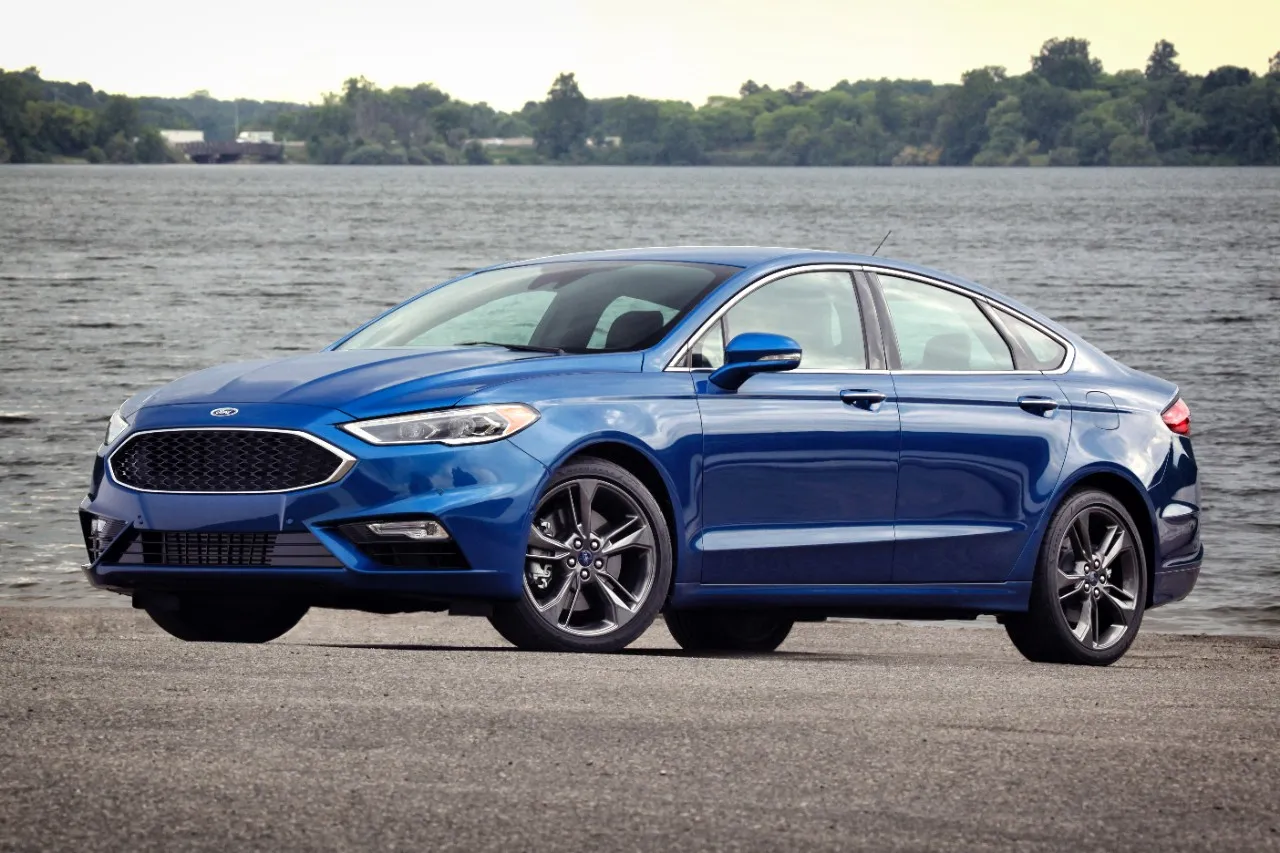
10. Ford Fusion Sport 2017 to 2019
Ford Fusion represented mainstream midsize transportation through and through. Clean design, a comfortable ride, and sensible pricing defined its purpose in driveways across the country. Nothing about its appearance suggested performance ambition.
That assumption disappeared quickly with the arrival of the Fusion Sport, a factory-built version that challenged expectations without changing the car’s familiar identity. Ford Fusion Sport featured a twin-turbocharged 2.7-liter V6 producing 325 horsepower
. The output of that level transformed the driving experience instantly. Acceleration felt forceful yet controlled, supported by an intelligent All Wheel Drive system that distributed power smoothly. Straight line performance surprised nearly everyone who encountered it, with zero to sixty times rivaling sedans carrying far more aggressive reputations.
Styling decisions stayed intentionally restrained. Darkened exterior trim, specific wheel designs, and subtle badging set the Sport apart without disrupting its everyday appearance. Parked beside a standard Fusion, the differences remained easy to miss. That quiet approach appealed to drivers who preferred performance without drawing attention in traffic or parking lots.
Suspension tuning reflected thoughtful engineering rather than raw stiffness. Firm calibration supported spirited driving, while ride quality stayed composed during long commutes. Steering response improved noticeably, offering clearer feedback and better control during cornering. Confidence built naturally as speeds increased, making the car feel predictable rather than demanding.
Interior design reinforced versatility. Cabin space accommodated passengers comfortably, and trunk capacity handled daily needs without compromise. Technology features matched expectations for its era, including modern infotainment systems, driver assistance tools, and connectivity options. Supportive seating provides balanced comfort and lateral support, allowing extended drives without fatigue.
Fuel efficiency remained reasonable when driven with restraint, reinforcing the idea that performance did not require constant sacrifice. Maintenance demands stayed manageable thanks to factory engineering and warranty support, adding peace of mind to ownership.
Ford Fusion Sport represented a rare moment when mainstream sedans received engines that bordered on excessive without heavy visual branding. Buyers gained genuine speed, confident handling, and daily usability in one package. That combination proved ordinary-looking cars can hide remarkable capability when engineers decide to take chances.
