
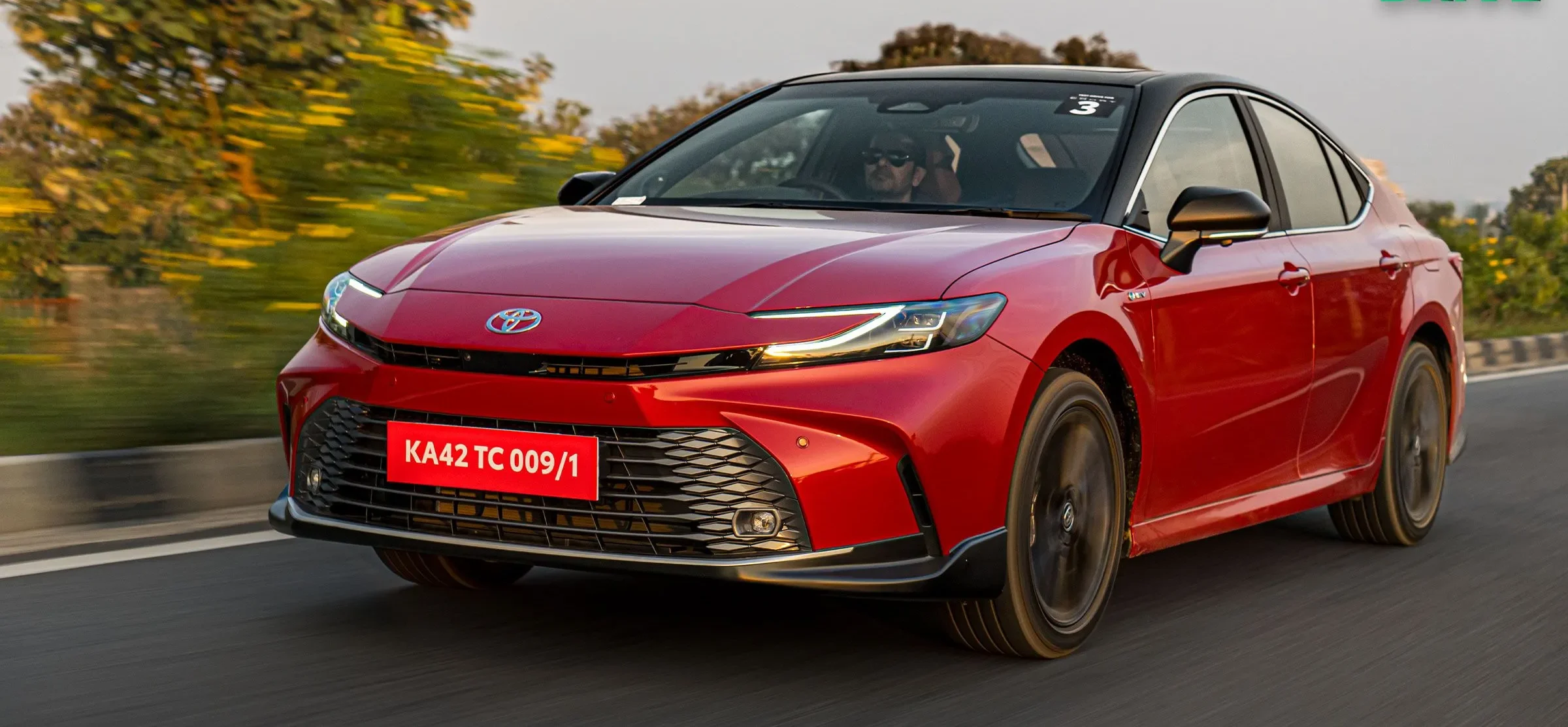
Electric vehicle depreciation has created one of the best buyer’s markets we’ve seen in years. While a new 2025 Toyota Camry XLE will set you back around $32,000 to $35,000, you can now drive home in a used luxury electric vehicle for less money.
We’re talking about premium EVs from brands like Tesla, Audi, BMW, and Jaguar that originally stocked for $60,000, $70,000, or even $80,000 just a few years ago. These aren’t beaten-up clunkers with dead batteries either. You can find well-maintained examples with reasonable mileage that still have plenty of life left in their battery packs.
Why have these luxury EVs lost so much value so quickly? Several factors are at play here. Early adopters who bought first-generation electric vehicles are now upgrading to newer models with better range and faster charging. Technology advances rapidly in the EV space, making three-year-old models feel outdated compared to what’s available today.
Range anxiety concerns, whether justified or not, push down resale values as buyers worry about battery degradation. Add in federal tax credits that only apply to new EVs, and used electric vehicles simply can’t compete on price when buyers can get incentives on new purchases.
This depreciation disaster for original owners creates golden opportunities for smart shoppers willing to buy used. You’re getting luxury features, advanced technology, and zero-emission driving at prices that match or undercut mainstream sedans.
Sure, you’ll sacrifice some range compared to newer models, and charging infrastructure continues improving but isn’t perfect everywhere. But if you’re primarily driving around town with occasional longer trips, these used luxury EVs deliver premium experiences without premium price tags.
We’ve found ten exceptional luxury electric vehicles currently selling for less than a new Camry. Each one brings something special to the table, whether that’s stunning performance, gorgeous design, or cutting-edge technology. Let’s look at what you can actually buy right now without breaking the bank.
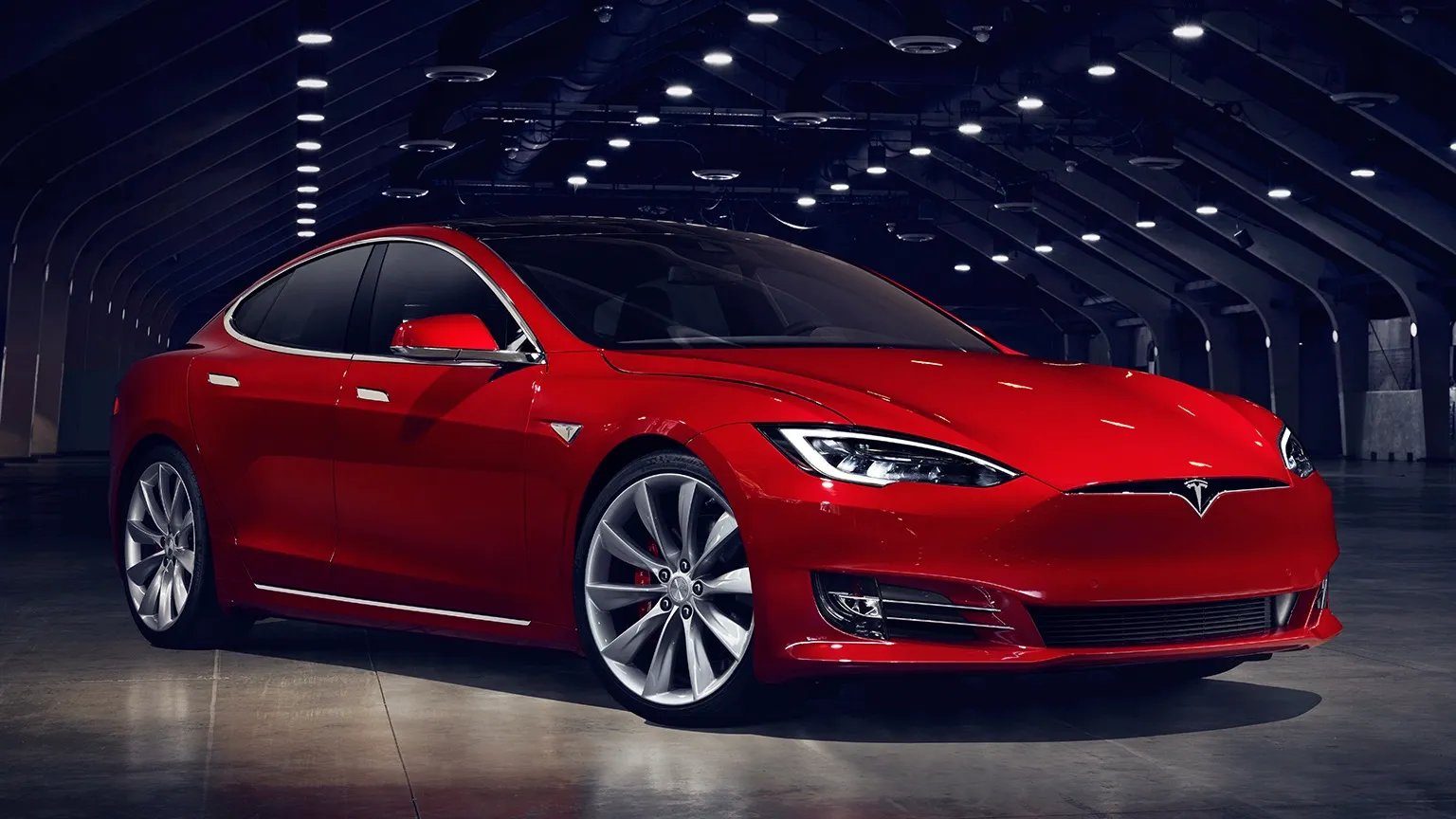
1. Tesla Model S 75D 2016-2017
Tesla’s flagship Model S from 2016-2017 continues to offer a compelling combination of luxury, technology, and performance. Its 75 kWh battery delivers roughly 240 miles of EPA-rated range, making it suitable for most daily driving needs. Dual-motor all-wheel drive provides confident traction, whether going through rain, snow, or dry conditions, giving drivers a composed and stable experience.
Acceleration is impressively brisk, with zero to sixty occurring in about 4.2 seconds. That level of performance makes the car feel lively and engaging, giving drivers a thrilling sense of speed. Well-maintained examples with 60,000 to 80,000 miles typically sell between $28,000 and $32,000, making this premium electric sedan attainable for buyers seeking value without compromising on performance or technology.
While build quality on these early Model S vehicles can vary, careful selection yields excellent examples. Panel gaps may be slightly wider than typical German luxury cars, and interior materials may not match the refinement of Audi or BMW, but the car compensates with innovative features.
Tesla’s Autopilot system, the massive touchscreen interface, and access to the extensive Supercharger network remain standout benefits, giving the vehicle practical advantages that continue to impress. The Supercharger network transforms long-distance travel into a realistic option, reducing range anxiety and simplifying planning.
Interior space accommodates five adults comfortably, and cargo capacity is generous thanks to both the front trunk and rear hatch. Seats are supportive for long journeys, though they may lack the plush feel of traditional luxury sedans.
A glass roof enhances the cabin’s sense of openness, complementing the minimalist interior design that emphasizes the large central touchscreen. Nearly all vehicle functions are controlled from this interface, offering a clean and modern feel, though some drivers may miss physical buttons for frequently used controls.
Battery longevity also proves reassuring. Many Model S batteries retain 85-90% capacity after 100,000 miles, meaning that a vehicle originally rated for 240 miles still offers over 200 miles in everyday use. Long trips remain feasible with Supercharger stops every 150-180 miles, supported by Tesla’s advanced thermal management system that protects the battery from excessive heat or cold, preserving performance and reliability as time goes on.
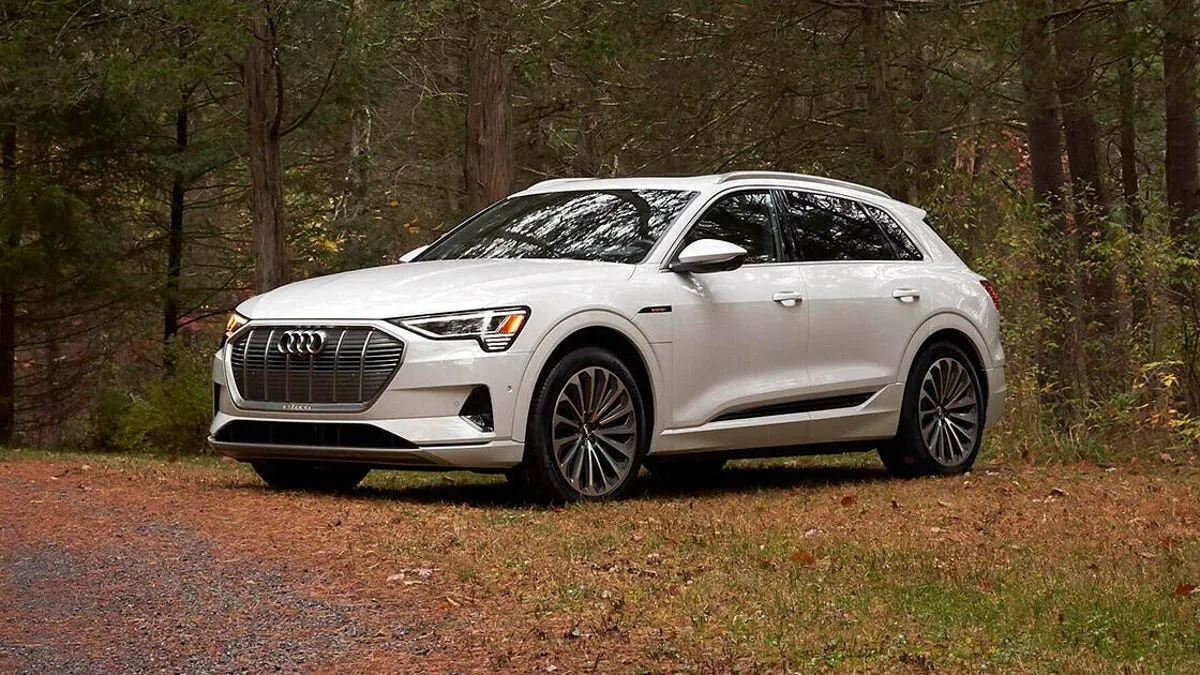
2. Audi e-tron Premium Plus 2019-2020
German luxury engineering arrives in electric form with the 2019-2020 Audi e-tron Premium Plus. That 95 kWh battery provides around 204 miles of EPA range, adequate for daily driving, though less than newer competitors offer. Dual-motor all-wheel drive delivers 355 horsepower and confident traction in all conditions.
Zero to sixty takes about 5.5 seconds, brisk acceleration that feels effortless. Clean examples with 40,000-60,000 miles sell between $30,000 and $34,000, delivering genuine Audi luxury at Camry prices. Interior quality exceeds Tesla by substantial margins, with materials and build quality matching what you’d find in gasoline-powered Audi models.
Leather seats provide excellent support and comfort during long drives. Virtual cockpit digital displays look fantastic and operate intuitively. Physical buttons and knobs control climate and audio functions, maintaining user-friendly operation that pure touchscreen interfaces sacrifice. You get a genuine luxury cabin that feels special rather than spartan.
Cargo space proves generous with the rear hatch providing substantial capacity for luggage, groceries, or weekend trip gear. Rear seats fold down, expanding cargo room dramatically. The front trunk offers additional storage for charging cables or items you want separated from the main cargo area. Practical design makes this e-tron genuinely useful for families or active lifestyles requiring regular hauling capability.
Charging speed impresses with 150 kW capability, allowing 10-80% charges in about 30 minutes at fast chargers. That’s crucial for road trip viability, minimizing waiting times during longer journeys. Home charging on Level 2 equipment replenishes the battery overnight, ensuring you start each day with a full range. Audi’s charging timer allows scheduling to take advantage of cheaper overnight electricity rates.
Air suspension provides excellent ride quality, absorbing road imperfections smoothly while maintaining composed handling during spirited driving. You get luxury car comfort combined with SUV versatility and zero emissions. Adaptive cruise control and lane-keeping assist reduce fatigue during highway driving, though these systems don’t approach Tesla Autopilot capability.
Also Read: 5 Luxury Electric SUVs That Are Better Than 5 Entry-Level ICE SUVs
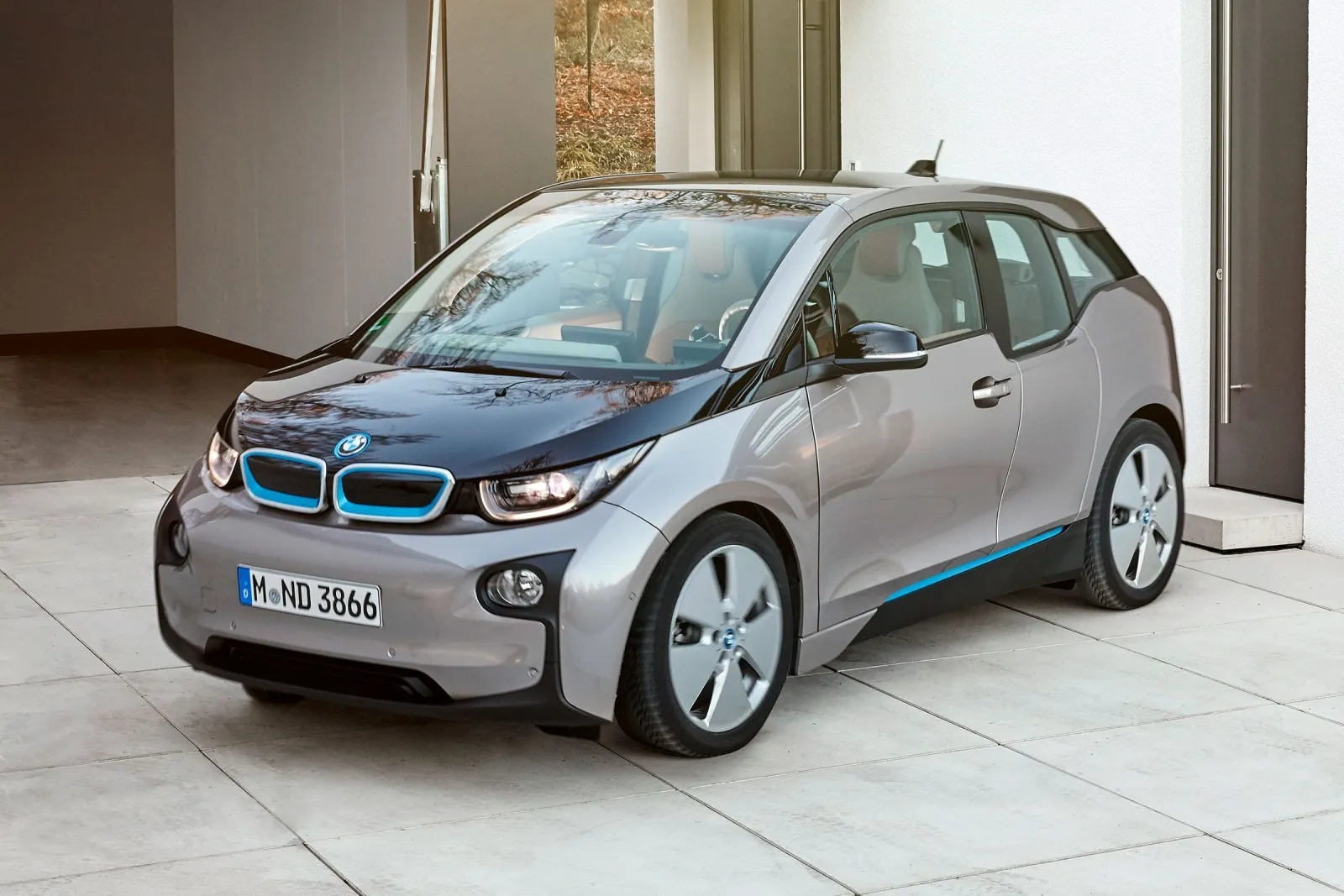
3. BMW i3 Range Extender 2017-2018
The BMW i3 with Range Extender from 2017-2018 stands out as a unique take on urban mobility. Its carbon fiber frame and unconventional design create an instantly recognizable look that people either love or dislike.
Despite its modest size, the electric motor delivers 170 horsepower, making acceleration surprisingly lively for a vehicle that weighs just over 3,000 pounds. The battery provides roughly 97 miles of pure electric range, while the small gasoline-powered generator extends total range to around 180 miles.
Well-maintained examples with 30,000 to 50,000 miles typically trade between $18,000 and $24,000, offering a premium BMW experience at an affordable price point. The Range Extender adds practicality without compromising the electric driving experience. This tiny two-cylinder engine doesn’t drive the wheels directly; it generates electricity to keep the electric motor running once the battery begins to deplete.
The result is longer journeys without worrying about finding a charging station, while still enjoying smooth, quiet electric propulsion. Drivers experience the benefits of electric driving without range anxiety, making weekend trips or longer commutes much more manageable.
Inside, the cabin emphasizes sustainability, using recycled plastics, natural fibers, and other eco-friendly materials. The minimalist dashboard keeps focus on digital displays and essential controls, avoiding clutter.
Rear-hinged back doors create dramatic access to the interior, though front doors must open first. While rear seat space is tight for adults, it accommodates children or occasional passengers comfortably. This design clearly prioritizes city driving, where compact dimensions and easy maneuverability are essential.
On the road, the i3 impresses with instant torque from the electric motor, providing brisk acceleration from stops. Narrow tires help efficiency while giving the car a distinctive feel on the road. Regenerative braking allows for one-pedal driving, with slowing down initiated simply by lifting off the throttle, reducing reliance on the brake pedal in everyday traffic.
In urban settings, the i3 excels. Its small footprint makes parking and tight turns effortless, and quick acceleration adds fun to stop-and-go driving. On highways, however, the narrow tires and tall, slender body can feel unsettled at higher speeds, and wind can create a bit of buffeting. Even so, this i3 remains a clever, engaging city car that blends efficiency, innovation, and quirky German engineering.
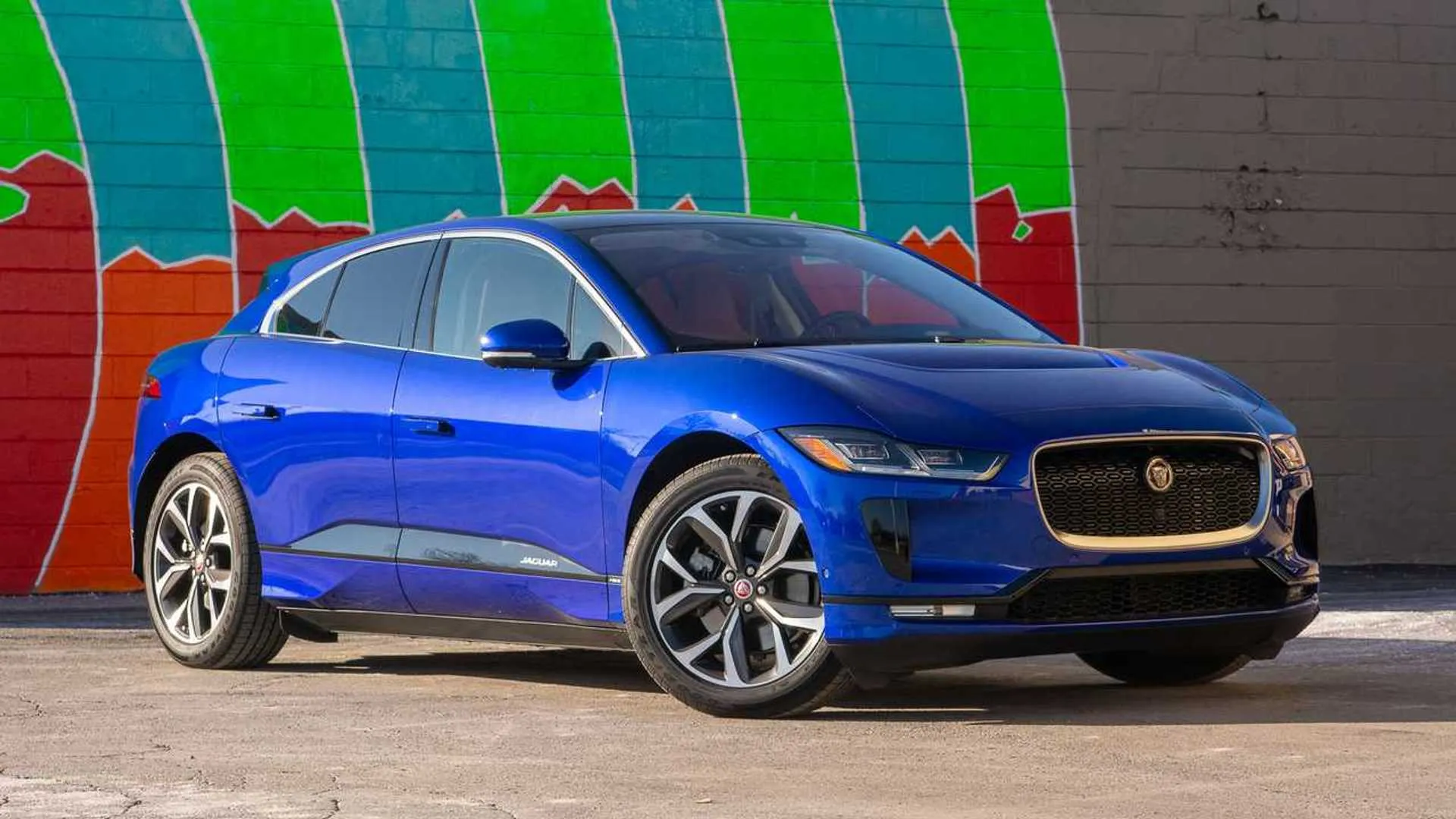
4. Jaguar I-PACE S 2019-2020
British luxury meets electric performance in the 2019-2020 Jaguar I-PACE S. That 90 kWh battery provides around 234 miles of EPA range, adequate for most daily driving needs. Dual motors produce 394 horsepower, delivering supercar acceleration.
Styling stands out with an aggressive design that looks nothing like traditional Jaguar sedans or SUVs. Low roofline creates coupe-like proportions despite SUV classification. Sharp body lines and distinctive LED lighting create dramatic appearance that turns heads. You’re driving something special that doesn’t blend into traffic like anonymous crossovers dominating roads today.
Interior quality matches what you’d expect from Jaguar, with premium leather, real wood trim, and excellent build quality throughout. Seats provide outstanding support and comfort during spirited driving or long cruises. Dual touchscreens control infotainment and climate functions, looking impressive though requiring slight learning curve.
Meridian sound system delivers excellent audio quality for music enthusiasts. Handling dynamics impress with low center of gravity from floor-mounted batteries, creating sports car-like balance. You can hustle this I-PACE through corners with confidence rarely found in electric SUVs.
Adaptive air suspension allows adjustable ride height and firmness, optimizing comfort or performance based on driving conditions. Steering provides good feedback and precise control, making driving engaging rather than isolated.
Cargo space remains adequate, with the rear hatch providing reasonable capacity for weekend trips or grocery runs. Rear seats fold, expanding cargo room substantially. The front trunk offers additional storage, though it’s smaller than some competitors. Practical design makes this I-PACE viable for families needing occasional hauling capability alongside performance.
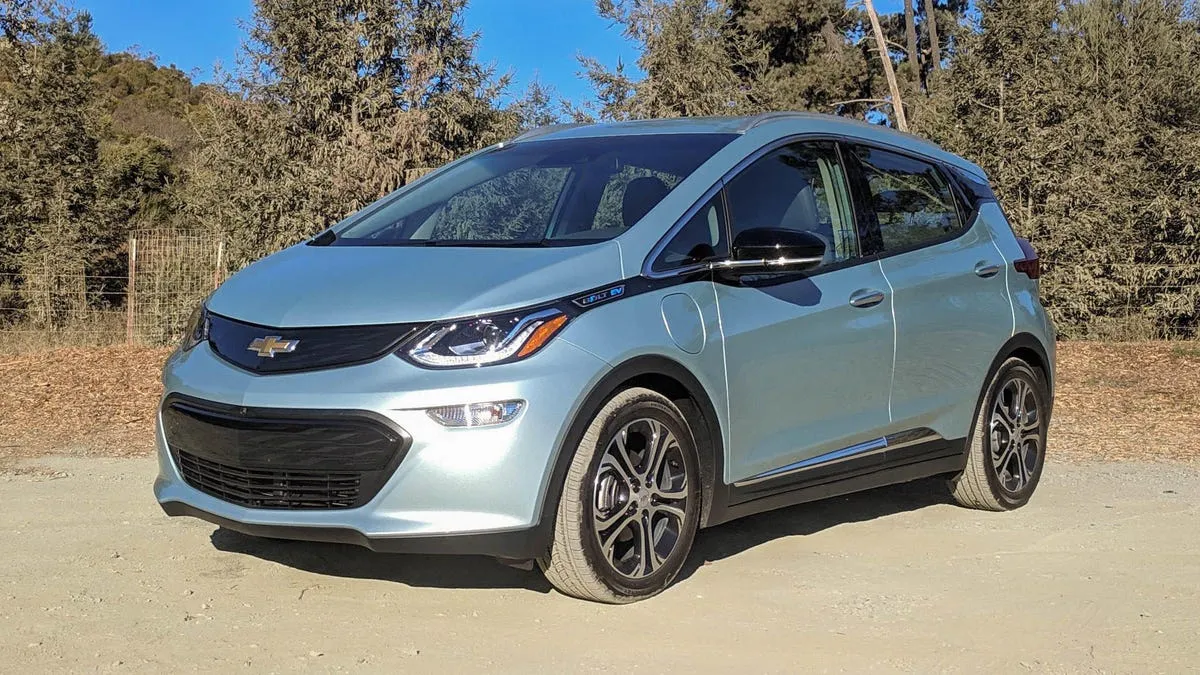
5. Chevrolet Bolt EV Premier 2019-2020
The 2019-2020 Chevrolet Bolt EV Premier brings American practicality into the electric age. Its 66 kWh battery offers an EPA-rated range of around 259 miles, making it more than capable for daily commuting and longer journeys. A single electric motor generates 200 horsepower, giving the Bolt responsive acceleration.
Sprinting from zero to sixty takes roughly 6.5 seconds, quick enough to merge confidently onto highways. Well-maintained examples with 30,000 to 50,000 miles typically sell between $18,000 and $24,000, providing substantial electric range at a surprisingly affordable price.
The hatchback design adds versatility. Rear seats fold flat, creating ample cargo space for bicycles, furniture, or camping gear. The tall roofline delivers generous headroom for both front and rear passengers, and the upright seating position improves visibility while making entry and exit effortless. This design offers practicality akin to a crossover while maintaining the efficiency of a smaller electric vehicle.
Charging is practical, with DC fast chargers providing up to 55 kW, taking the battery from 10% to 80% in approximately 60 to 75 minutes. Overnight home charging fully replenishes the battery, and scheduled departure lets the car pre-condition the cabin while plugged in, helping preserve range for the drive ahead.
A recent GM battery recall addressed potential fire risks, with affected vehicles receiving complete replacements at no cost. This actually boosts the Bolt’s value, as owners now have brand-new batteries with full warranty coverage. With the new battery in place, degradation worries are minimized, ensuring the car delivers its full 259-mile range for many years.
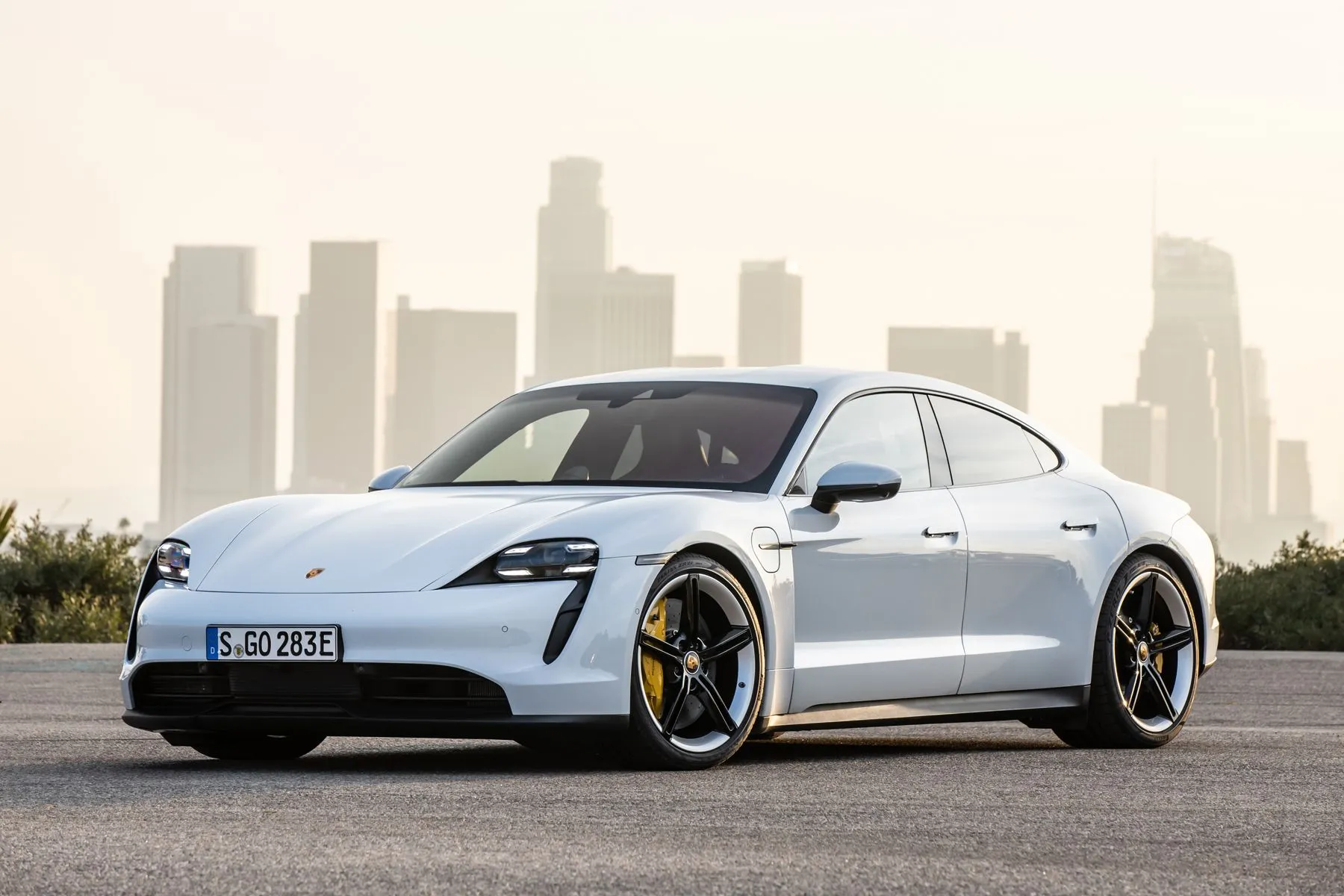
6. Porsche Taycan 4S 2020-2021
German sports car engineering transforms electric performance with the 2020-2021 Porsche Taycan 4S. That 79.2 kWh battery delivers around 203 miles of EPA range, modest by today’s standards but adequate for daily driving. Dual motors produce 522 horsepower with overboost engaged, delivering supercar acceleration.
Zero to sixty happens in just 3.8 seconds, a genuinely explosive performance that rivals gasoline supercars. Clean examples with 25,000-45,000 miles sell between $55,000 and $65,000, though you can occasionally find higher-mileage examples or those with cosmetic issues dipping just below the $35,000 threshold if you’re patient and flexible.
Interior quality exceeds every other vehicle on this list, with materials and craftsmanship matching Porsche’s legendary standards. Sport seats provide excellent support during aggressive driving while remaining comfortable during longer trips.
Curved digital displays look futuristic and operate smoothly. Physical buttons and knobs control essential functions, maintaining tactile feedback that pure touchscreen interfaces sacrifice. You’re getting genuine Porsche luxury and attention to detail.
Handling dynamics justify the Porsche badge, with precise steering, excellent chassis balance, and composed suspension that manage spirited driving beautifully. You can attack corners with confidence rarely found in electric vehicles.
Two-speed transmission on the rear axle maintains strong acceleration across the entire speed range. Regenerative braking feels natural and provides strong deceleration when lifting the throttle. This drives like a proper sports car that happens to be electric rather than an electric vehicle, trying to feel sporty.
Charging capability impresses with 270 kW maximum on an 800-volt architecture, allowing extremely fast charging. You can add 60 miles of range in just 5 minutes at compatible chargers. That speed transforms road trip viability, making charging stops barely longer than gasoline fill-ups. Home charging replenishes the battery overnight on Level 2 equipment.
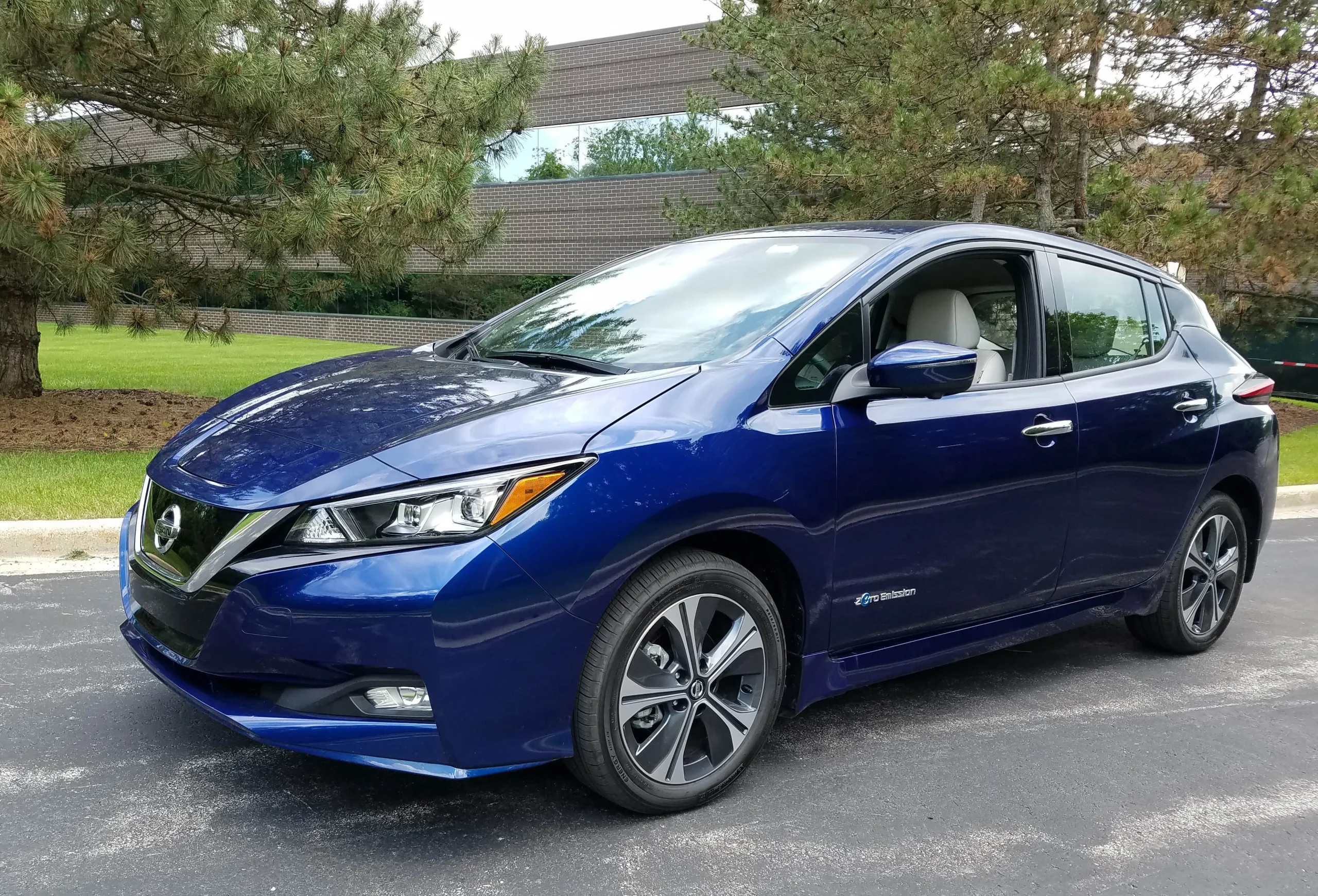
7. Nissan Leaf SL Plus 2019-2020
Japanese practicality meets electric efficiency in the 2019-2020 Nissan Leaf SL Plus. That 62 kWh battery provides around 226 miles of EPA range, adequate for most daily driving needs. The single motor produces 214 horsepower, delivering brisk acceleration.
Zero to sixty happens in about 6.5 seconds, quick enough for confident merging and passing. Clean examples with 35,000-55,000 miles sell between $20,000 and $26,000, offering reliable electric transportation at economy car prices.
Hatchback design provides practical cargo space with rear seats folding to expand capacity substantially. You can haul groceries, sports equipment, or weekend luggage without struggle. Seating position feels upright, improving visibility and making entry and exit easy. Interior materials prioritize durability rather than luxury, but everything functions well and feels solidly assembled. You’re getting reliable Nissan quality without premium appointments.
ProPILOT Assist driver assistance provides adaptive cruise control and lane-keeping that reduce fatigue during highway driving. These systems work well for their time period, though they don’t match newer implementations from Tesla or luxury brands.
You still need to pay attention and keep your hands on the wheel, but the assistance helps during long commutes or road trips. Blind-spot monitoring and rear cross-traffic alert add safety during parking lot maneuvers.
Charging speed reaches 100 kW at CHAdeMO fast chargers, allowing reasonable charging times during longer trips. The CHAdeMO network is less prevalent than CCS charging, which most other EVs use, limiting fast charging options somewhat. You’ll need to plan routes around available CHAdeMO chargers during road trips. Home charging overnight handles daily needs completely, ensuring a full battery each morning.
Passive battery cooling raises concerns about long-term degradation, particularly in hot climates. Nissan’s decision to skip active thermal management saves costs but accelerates battery aging in extreme temperatures.
Examples from Arizona or Texas might show more degradation than those from moderate climates. Check battery health carefully when buying used Leafs, prioritizing examples with documented battery capacity above 85%. That ensures adequate remaining range and years of service.
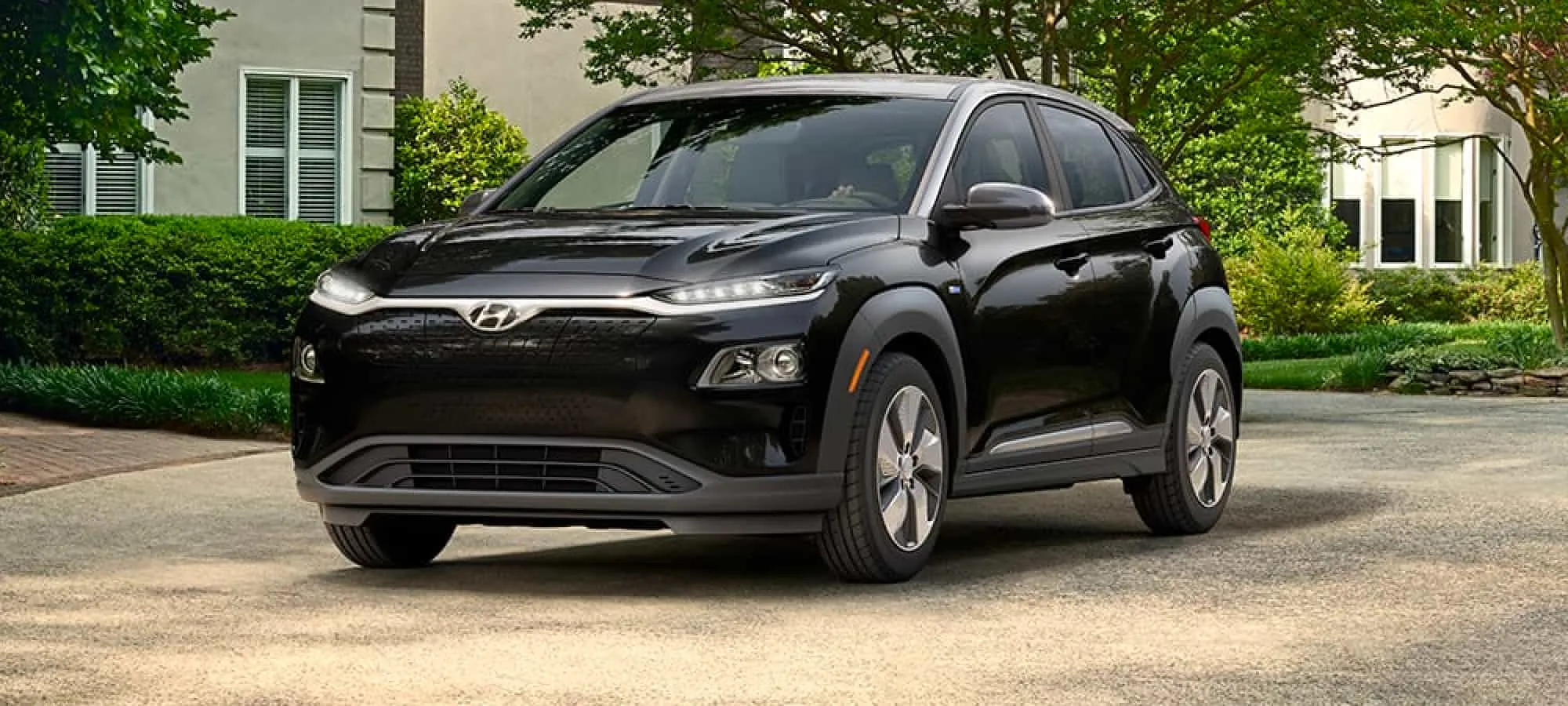
8. Hyundai Kona Electric Limited 2019-2020
The 2019-2020 Hyundai Kona Electric Limited offers impressive value with its combination of range, practicality, and features. Its 64 kWh battery provides roughly 258 miles of EPA-rated range, surpassing many competitors, including some luxury models. A single electric motor delivers 201 horsepower, giving responsive acceleration suitable for daily driving.
Reaching zero to sixty takes approximately 6.4 seconds, enough to merge onto highways confidently. Well-maintained examples with 30,000 to 50,000 miles generally sell between $24,000 and $30,000, making this crossover a compelling choice for buyers seeking efficiency and performance at an affordable price.
The Kona’s crossover design enhances usability. Elevated seating improves visibility in traffic, while cargo capacity remains practical for everyday tasks. Rear seats fold flat to accommodate larger items, and the small front trunk provides convenient storage for charging cables. This flexibility makes the vehicle ideal for families or active lifestyles that require adaptable hauling space.
Inside, materials feel more refined than expected for the segment, with comfortable seating supporting longer trips. The infotainment system features a large touchscreen with Apple CarPlay, Android Auto, and navigation that includes EV-specific routing for charging stops. Climate controls use a combination of touchscreen and physical buttons, balancing ease of use with modern styling.
Safety and driver assistance are well-equipped for the era, including adaptive cruise control, lane-keeping support, blind-spot monitoring, forward collision alerts, and automatic emergency braking. Charging is practical, with DC fast charging up to 75 kW reaching 10-80% in 45-60 minutes, and overnight home charging fully restores the battery.
Hyundai’s 10-year/100,000-mile battery warranty remains valid, giving used buyers confidence and reducing concerns about costly replacements, while an extended powertrain warranty adds further peace of mind.
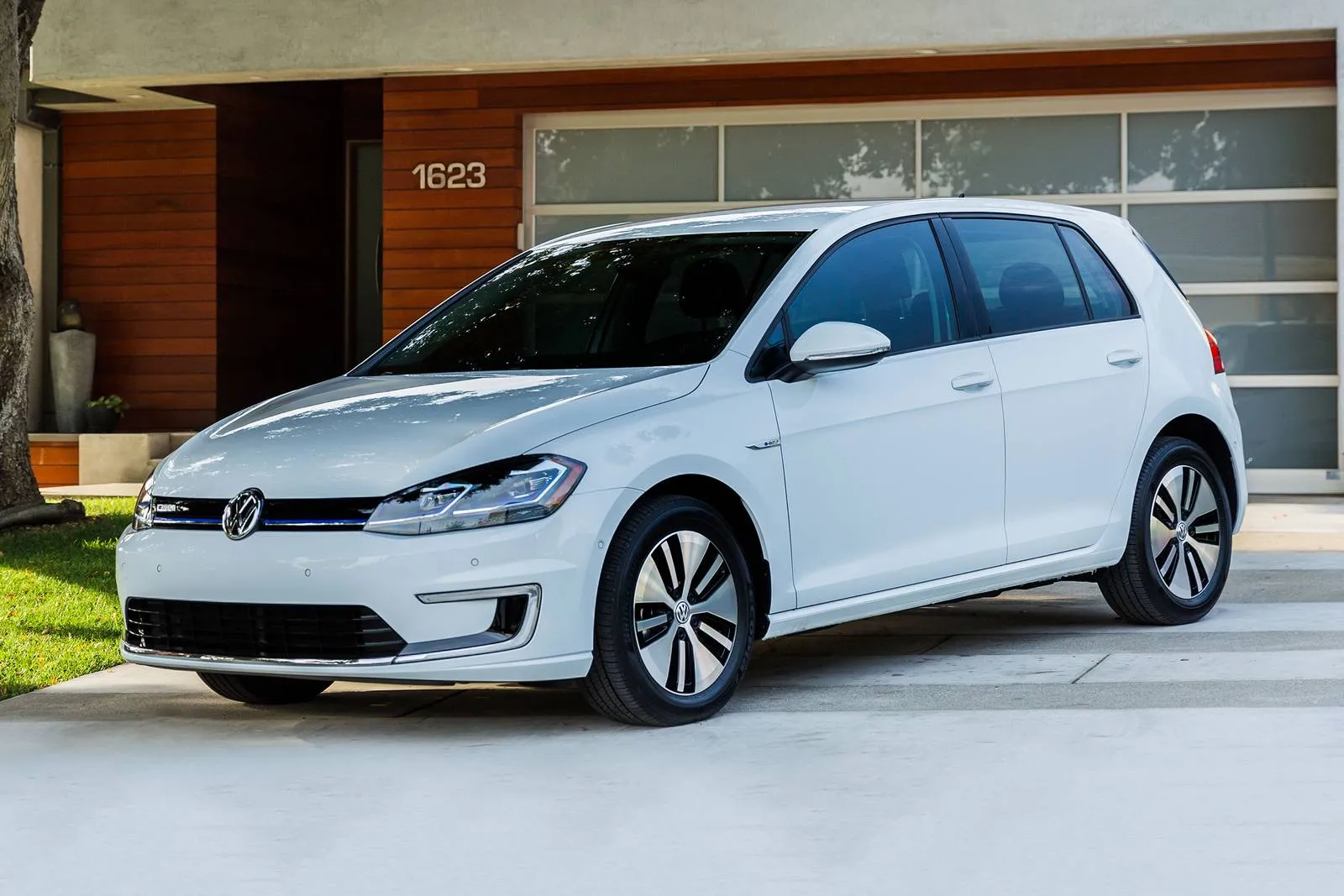
9. Volkswagen e-Golf SEL Premium 2017-2019
The 2017-2019 Volkswagen e-Golf SEL Premium brings German practicality into an electric package. Its 35.8 kWh battery provides roughly 125 miles of EPA-rated range, making it best suited for city driving and short daily commutes. A single electric motor produces 134 horsepower, delivering adequate acceleration that is more functional than thrilling.
Acceleration from zero to sixty takes around 9.2 seconds, enough for urban driving but not for excitement seekers. Well-maintained examples with 25,000 to 45,000 miles generally sell between $16,000 and $22,000, offering solid VW build quality at an accessible price. Limited range confines this e-Golf to urban environments or short trips.
Access to charging at home or work is essential to make it practical as a daily driver. Long-distance travel requires careful planning with multiple charging stops, but for typical city commutes of 60 to 80 miles, the battery capacity is sufficient. This makes the e-Golf an ideal second vehicle for households that also own a longer-range car for extended trips.
Inside, the cabin retains the quality of the gasoline Golf, with well-built surfaces and supportive seats. Controls are intuitive, relying on physical buttons that remain easy to use. Drivers get the feel of a traditional VW without the compromises sometimes found in EV conversions.
Driving the e-Golf feels familiar and enjoyable. The electric motor provides immediate torque, giving city streets a more lively response, while steering delivers accurate feedback and precise control. The balanced handling preserves the hatchback’s fun-to-drive character, ensuring that the car is engaging rather than merely functional.
Charging is convenient, with DC fast charging providing up to 40 kW, bringing the battery to 80% in roughly 30 minutes, perfect for quick stops during errands. Overnight home charging on Level 2 equipment replenishes the battery in four to six hours, making daily use simple. The smaller battery also keeps home charging times reasonable, even without high-power equipment.
Also Read: 5 Compact Luxury SUVs That Beat 5 Mid-Size Non-Luxury SUVs on Features
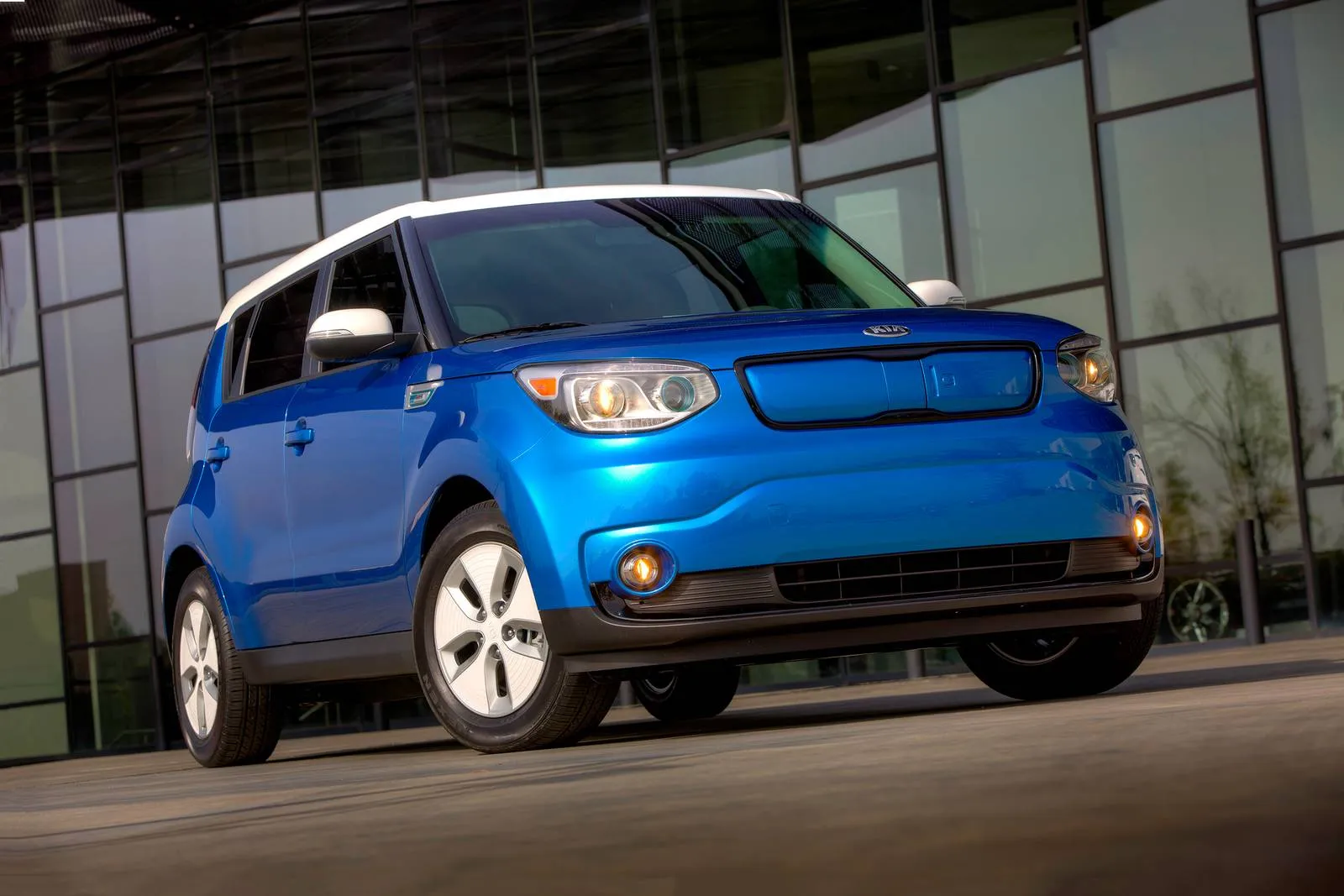
10. Kia Soul EV Premium 2019-2020
The 2019-2020 Kia Soul EV Premium blends practical design with distinctive, quirky styling. Its 64 kWh battery delivers roughly 243 miles of EPA-rated range, enough for everyday commuting and reasonable for longer trips.
A single electric motor produces 201 horsepower, providing responsive acceleration. Going from zero to sixty takes about 6.5 seconds, giving drivers confidence during highway merging. Well-kept examples with 30,000 to 50,000 miles typically sell between $22,000 and $28,000, offering strong range and features at an accessible price.
The boxy exterior is divisive, but it maximizes interior space and cargo capacity. A tall roofline offers generous headroom for front and rear passengers, while the elevated seating position improves visibility. Drivers can easily see over surrounding traffic and spot tight parking spaces, a valuable advantage in urban settings.
Cargo capacity is impressive given the car’s size. The rear seats fold flat to create ample space for gear, weekend projects, or camping equipment. Small storage compartments throughout the cabin keep essentials like phones and wallets organized, making the Soul practical for active lifestyles that require flexibility.
Safety and driver assistance are well represented. Adaptive cruise control, lane-keeping assist, and blind-spot monitoring enhance confidence, while forward collision warning and automatic emergency braking help prevent accidents. These systems operate reliably without being overly intrusive.
Charging is convenient, with DC fast chargers providing up to 100 kW, allowing the battery to go from 10% to 80% in roughly 45 to 60 minutes. Overnight home charging fully replenishes the battery, and scheduled charging helps take advantage of lower electricity rates while pre-conditioning the cabin preserves range for the drive ahead.
Kia’s 10-year/100,000-mile battery warranty and extended powertrain coverage give used buyers peace of mind, protecting against costly replacements or failures.
