Badge-engineered sports cars have long occupied a fascinating niche in automotive history, blending engineering collaboration, cost-saving strategies, and creative design to produce vehicles that often surprise enthusiasts with their performance and character.
From Japanese imports wearing American badges to European models reborn for the North American market, these cars demonstrate how clever partnerships and shared platforms can yield uniquely appealing sports cars.
Whether through Mitsubishi’s technical expertise, Holden’s Australian craftsmanship, or Suzuki’s compact innovation, badge-engineered vehicles have produced some of the most exciting, collectible, and sometimes underappreciated sports cars in history.
This list of the 10 Greatest Rebadged Sports Cars Ever Sold showcases vehicles that not only carried a badge different from their origins but also delivered driving thrills, style, and a memorable experience. From the turbocharged Dodge Stealth to the tiny but agile Autozam AZ-1, each entry represents a fusion of global engineering and local branding that left a lasting impression on enthusiasts.
1. Dodge Stealth
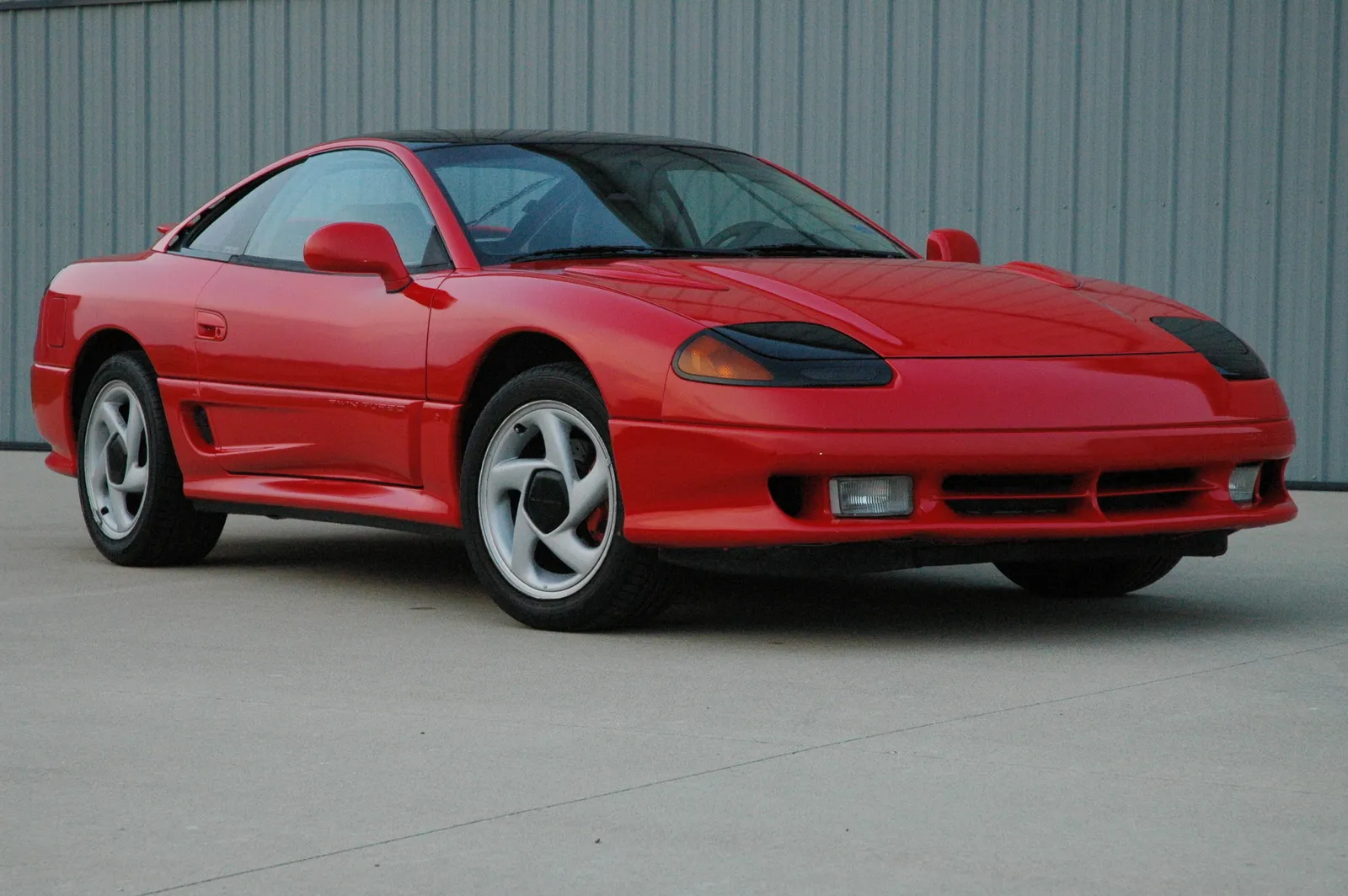
The Dodge Stealth was one of the most advanced and eye-catching sports cars of the 1990s, despite wearing an American badge. Sold from 1991 to 1996, the Stealth was built in Japan through the Diamond Star Motors partnership between Chrysler and Mitsubishi.
Rather than being a simplified captive import, it was a rebadged Mitsubishi 3000GT sold alongside its sibling in North America. Both cars shared the same engines, drivetrains, and performance credentials, while the Dodge version featured its own styling elements.
Two main engine options were offered. Base and ES models were powered by a naturally aspirated 3.0-litre V6 producing 164 horsepower and 185 lb ft of torque, paired with either a 5-speed manual or a 4-speed automatic transmission.
The flagship Stealth R T Twin Turbo used a 3.0-litre twin turbocharged V6, making up to 300 horsepower and 308 lb ft of torque. This version included All Wheel Drive and all-wheel steering, allowing it to sprint from 0 to 60 mph in under five seconds and compete with high-performance sports cars of its era.
The Dodge Stealth also stood out visually from the Mitsubishi 3000GT. It featured a unique front fascia with Dodge’s crosshair-inspired grille, revised spoilers, and different rear quarter windows. These changes helped give the car a more aggressive appearance and a distinct identity within the Dodge lineup.
During its production run, the Stealth earned praise for its high level of technology and strong performance, leading many enthusiasts to describe it as an American supercar for the 1990s. Advanced features such as electronically controlled systems, All Wheel Drive, and all-wheel steering made it impressive but also complex. As the car aged, maintenance became more challenging due to complicated electronics and increasingly scarce parts.
Today, the Dodge Stealth is gaining attention as a modern classic. Well-maintained examples are becoming harder to find, and the R T Twin Turbo models are especially desirable. Its combination of Japanese engineering, bold 1990s styling, and serious performance has secured the Dodge Stealth a lasting place in automotive history.
2. Pontiac GTO 2004 to 2006
The return of the Pontiac GTO in the mid-2000s generated enormous excitement among muscle car fans. Reviving one of the most legendary nameplates in American performance history was a bold move, but this modern GTO took a different path than its 1960s ancestors.
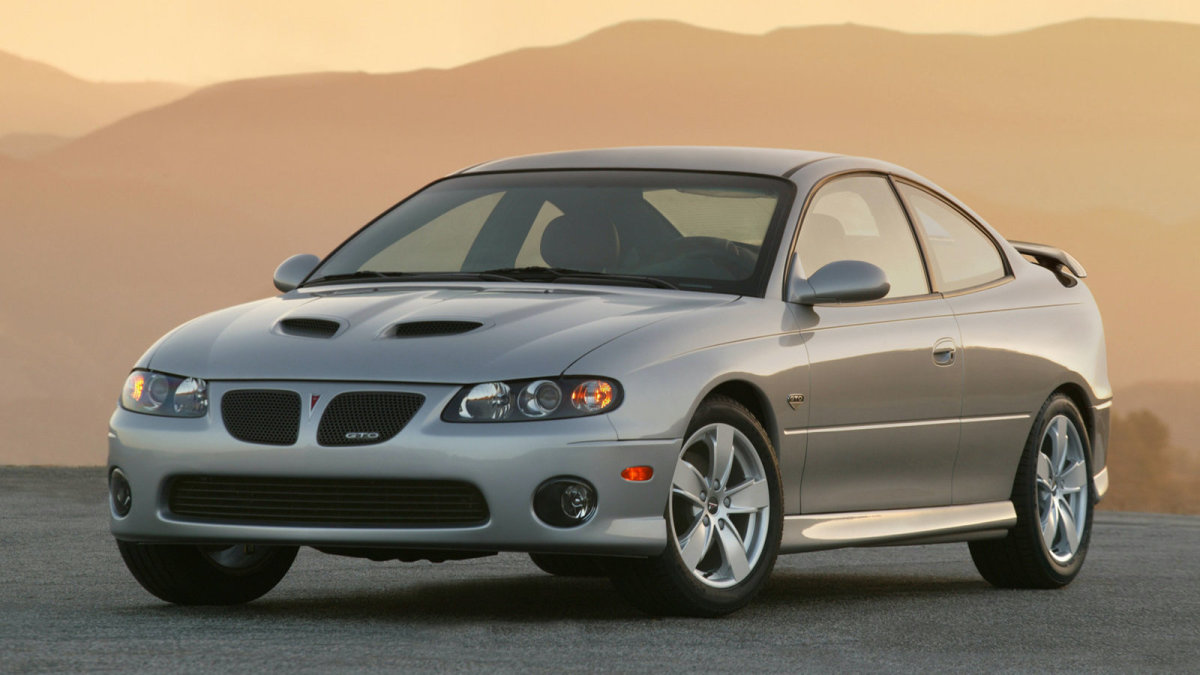
Rather than being developed from a traditional American platform, the 2004 to 2006 Pontiac GTO was a rebadged version of the Australian-built Holden Monaro. This decision allowed General Motors to reduce development costs while delivering a Rear Wheel Drive V8 coupe that closely matched the spirit of a classic muscle car.
Under the hood, the GTO delivered serious performance. The 2004 model was powered by a 5.7-litre LS1 V8 producing 350 horsepower and 365 lb ft of torque, while later models received a 6.0-litre LS2 V8 with 400 horsepower and 400 lb ft of torque. Buyers could choose between a 6-speed manual or a 4-speed automatic transmission.
Performance was impressive, with 0 to 60 mph times as quick as 4.8 seconds and top speeds approaching 180 mph in LS2-equipped cars. The Corvette sourced engines and genuine dual exhaust gave the GTO a deep, aggressive V8 soundtrack that enthusiasts loved.
The GTO’s design sparked debate. Its styling was clean and understated, lacking the visual aggression many expected from a GTO badge. While some criticised it as anonymous, others appreciated its restrained, European-influenced look.
Inside, the cabin surprised many reviewers with high-quality leather seating, excellent comfort, and supportive front seats that were widely praised as some of the best GM has ever produced. Rear seat space was also generous for a two-door coupe.
The rushed transformation from Holden Monaro to Pontiac GTO did result in compromises. The fuel tank relocation reduced trunk space significantly, and the options list was sparse. Build quality issues and minor reliability concerns also appeared in early examples. Despite its weight and soft steering feel compared to a Corvette, the GTO handled confidently, offering a balanced chassis, stable cornering, and a comfortable ride suited for long distances.
Today, the 2004 to 2006 Pontiac GTO is appreciated for its performance, tuning potential, and value. Its powerful LS engines, rear wheel drive layout, and understated character have helped it earn a loyal following and growing recognition as a modern muscle car classic.
3. Subaru BRZ
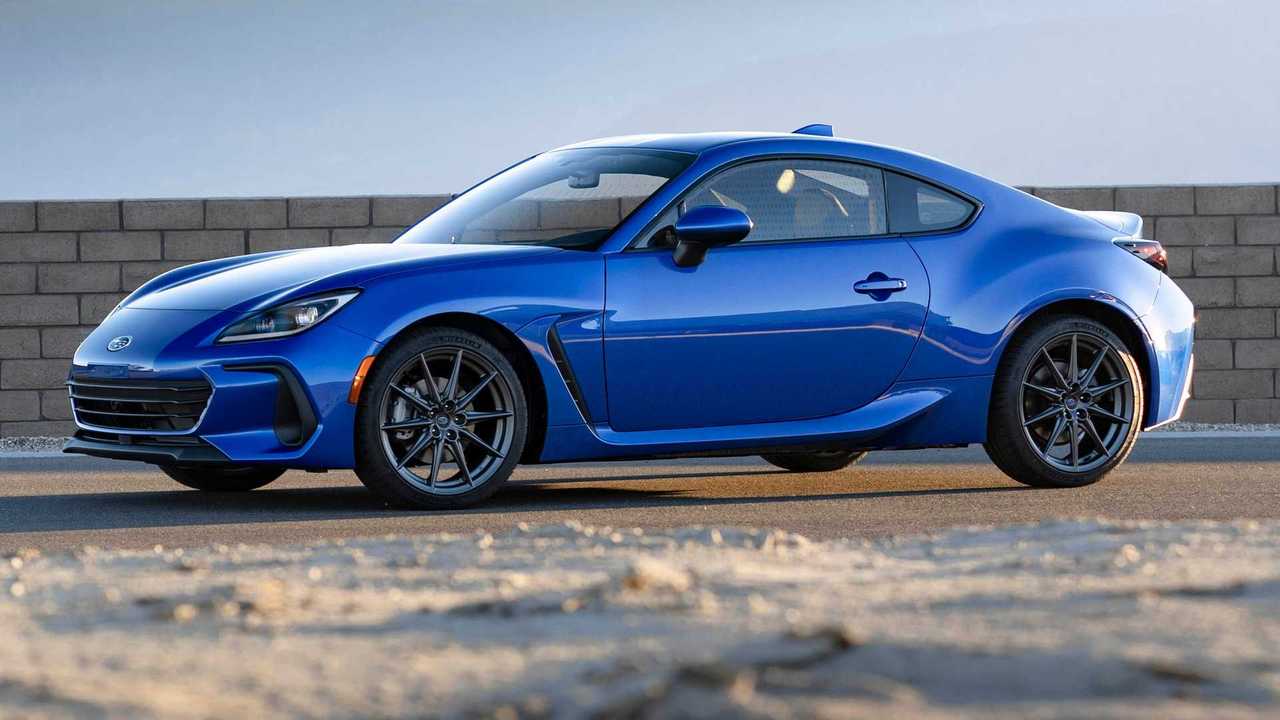
The Subaru BRZ is one of the most celebrated modern examples of a badge-engineered sports car, developed alongside the Toyota GT86 and Scion FR S. Introduced as an affordable, Rear Wheel Drive coupe focused on driving enjoyment, the BRZ has often lived in the shadow of its Toyota sibling despite being nearly identical mechanically.
The main differences have traditionally been Subaru-specific badging and subtle suspension tuning, yet the BRZ has earned a strong reputation of its own for balance, handling, and value.
Early versions of the BRZ were powered by a naturally aspirated 2.0-litre flat four boxer engine producing 197 horsepower and 151 lb ft of torque. Power was sent to the rear wheels through either a six-speed manual or a six-speed automatic transmission.
While straight-line speed was never its primary strength, with a 0 to 62 mph time of around 7.6 seconds, the lightweight chassis and low centre of gravity made the BRZ rewarding to drive on twisty roads and track days.
In later updates, Subaru addressed one of the most common criticisms by upgrading the engine to a 2.4-litre flat four producing 228 horsepower and 184 lb ft of torque. This improved throttle response and mid-range power significantly, reducing 0 to 60 mph times to the mid-five-second range in manual-equipped models.
Despite the increase in performance, the BRZ remained light by modern standards and continued to emphasise steering feedback, predictable handling, and playful rear wheel drive dynamics. A standard limited-slip differential across the range reinforced its driver-focused character.
Inside, the BRZ features a driver-centric cabin with a 2 plus 2 seating layout. A digital gauge cluster highlights the tachometer, especially in track-focused driving modes, while heavily bolstered front seats provide excellent support.
Practicality is surprisingly good for a small coupe, with fold-down rear seats allowing enough space to carry track wheels or extra cargo. Infotainment is handled by an 8.0-inch touchscreen with physical controls and standard smartphone integration.
Safety features such as Subaru EyeSight driver assistance are standard, and fuel economy remains respectable for a sports coupe. Today, the Subaru BRZ is widely regarded as one of the best value enthusiast cars on the market, praised for its purity, tunability, and focus on driving enjoyment rather than outright power.
4. Saturn Sky
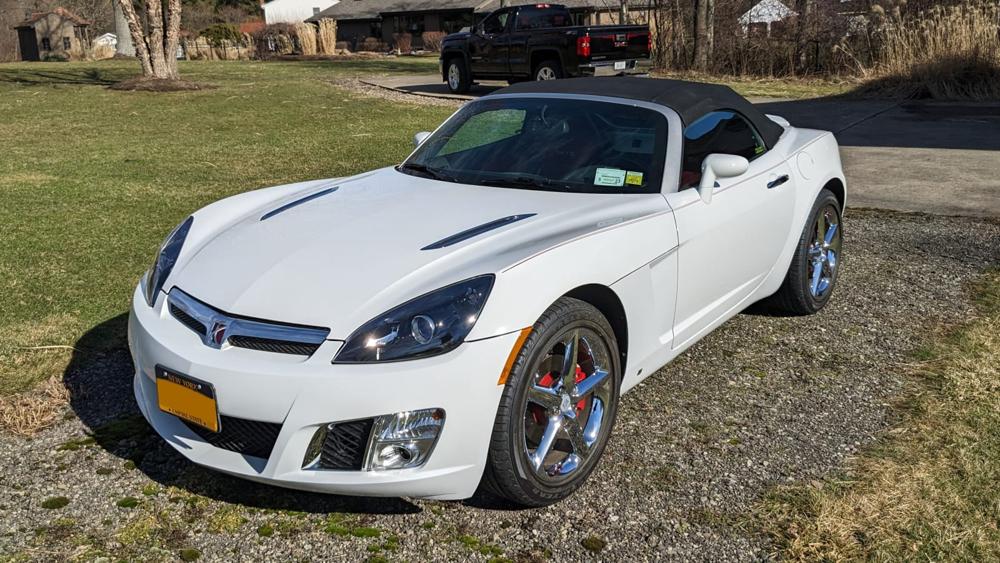
The Saturn Sky is one of the more unusual and intriguing examples of badge engineering in modern automotive history. Introduced for the 2007 model year, the Sky traces a circular global journey. It began as the Pontiac Solstice, was restyled and rebranded as the Opel GT for Europe, and then returned to North America as the Saturn Sky.
Built on General Motors’ Kappa platform and assembled in Wilmington, Delaware, the Sky represented a major attempt to revitalize the Saturn brand with a stylish, Rear Wheel Drive roadster.
Two engine options were offered. The base Sky came with a 2.4-litre naturally aspirated inline four producing 177 horsepower and 173 lb ft of torque, paired with either a five-speed manual or five-speed automatic transmission. Performance was modest, with a 0 to 60 mph time of around 6.9 seconds and a top speed of 123 mph.
For buyers seeking stronger performance, Saturn introduced the Sky Red Line, powered by a 2.0-litre turbocharged inline four producing up to 290 horsepower and 340 lb ft of torque. This version could reach 60 mph in as little as 5.2 seconds and topped out near 141 mph, making it one of the quickest cars in its class at the time.
Visually, the Sky was more aggressive and detailed than the Pontiac Solstice. Styled by GM’s European design studios, it featured sharp body lines, prominent vents, projector headlights, and chrome accents. The result was a roadster that drew attention and often surprised onlookers when they learned it was a Saturn. The Sky also came better equipped than its Pontiac sibling, with more standard features and a slightly more refined ride.
On the road, the Sky delivered confident handling thanks to its stiff chassis and wide stance. Steering feel was engaging, grip levels were high, and the car remained composed through corners. H
owever, its relatively heavy curb weight limited outright agility compared to lighter rivals like the Mazda MX-5. The interior, while stylish, suffered from awkward ergonomics, limited storage, and a very small trunk. The manually operated soft top was also criticized for being cumbersome and difficult to stow.
Despite its flaws, the Saturn Sky succeeded in bringing excitement to a struggling brand. Today, it is remembered as a bold and stylish roadster, with the Red Line models especially appreciated for their strong turbocharged performance and distinctive design.
5. Chrysler Conquest
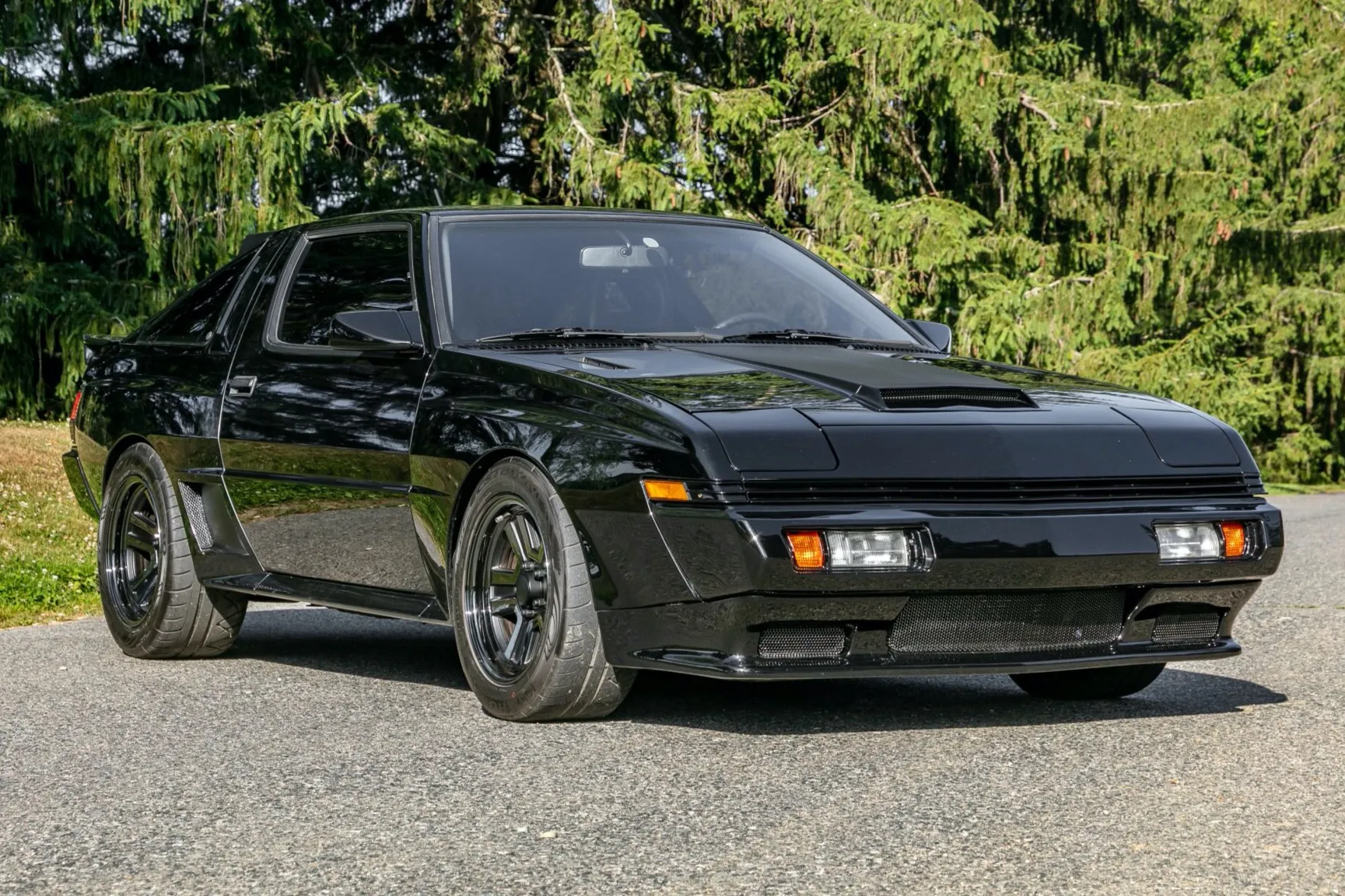
The Chrysler Conquest is one of the lesser-known yet most interesting examples of 1980s badge engineering. Sold in North America during the mid to late 1980s, the Conquest was a captive import of the Mitsubishi Starion, a car that has since earned cult status among Japanese performance enthusiasts.
While it carried Chrysler badging and was sold through Dodge and Chrysler dealerships, the Conquest remained unmistakably Japanese in its engineering, character, and driving experience.
Under the hood, the Chrysler Conquest was offered exclusively with Mitsubishi’s 2.6-litre turbocharged inline four engine, which represented the most powerful engine option available in the Starion lineup. Early narrow-body versions produced around 145 horsepower, while later wide-body TSi models increased output to as much as 188 horsepower and 234 lb ft of torque.
These figures made the Conquest genuinely quick for its era, especially when combined with its Rear Wheel Drive layout. Buyers could choose between a five-speed manual transmission or a four-speed automatic, though the manual was favoured by enthusiasts for its engagement and performance.
Styling was a major part of the Conquest’s appeal. With its sharp wedge shape, pop-up headlights, flared fenders on later models, and bold 1980s proportions, the car looked futuristic and aggressive. It stood out clearly from more conservative domestic coupes of the time and closely resembled European and Japanese performance cars. The wide-body TSi models, in particular, gave the Conquest a muscular stance that still turns heads today.
On the road, the Conquest delivered strong turbocharged acceleration and impressive cornering ability. Period reviews often praised its handling, describing it as precise and planted, with grip levels that rivaled more expensive sports cars.
However, comfort was not a strong point. The ride could be harsh, the cabin noisy, and the interior materials showed their age quickly. Reliability also became a concern as the cars aged, with turbo-related heat issues, electronics problems, and fluid leaks being common complaints. Parts availability can be challenging today, especially for trim-specific or electronic components.
Despite these drawbacks, the Chrysler Conquest has developed a loyal following. It offers authentic 1980s turbo performance, Rear Wheel Drive dynamics, and distinctive styling under an unexpected American badge. For enthusiasts willing to embrace its quirks, the Conquest remains a rewarding and character-filled classic that captures the raw excitement of early turbocharged sports cars.
Also Read: 5 Cars Ideal for Phoenix Heat and Long Drives vs 5 to Skip
6. Eagle Talon
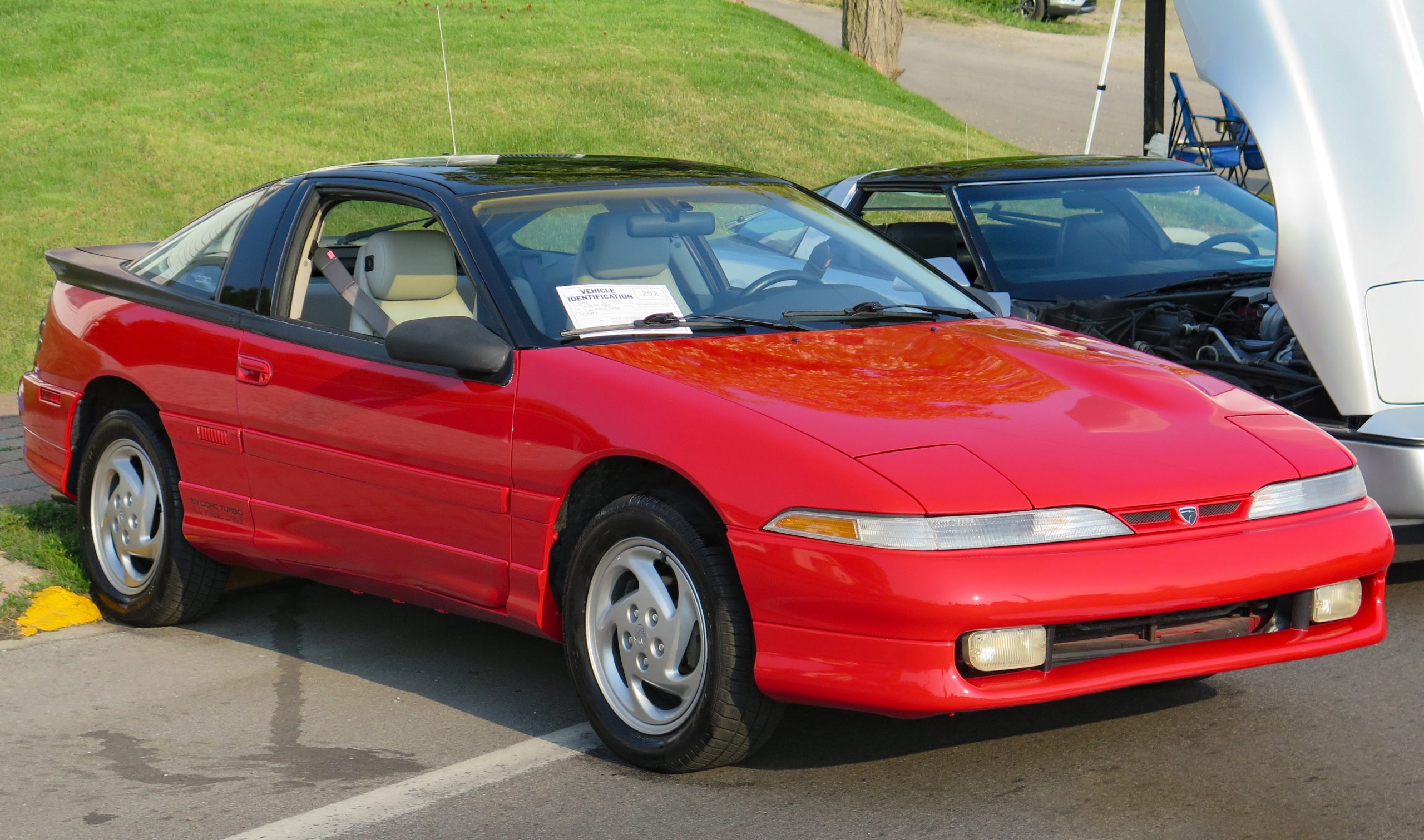
The Eagle Talon is one of the most memorable badge-engineered sports coupes of the 1990s, born from the Diamond Star Motors partnership between Chrysler and Mitsubishi. Introduced as a rebadged version of the Mitsubishi Eclipse, the Talon was sold alongside its Japanese twin in North America rather than replacing it. While the Eagle brand itself was short-lived, the Talon left a lasting impression thanks to its performance, versatility, and strong enthusiast appeal.
The Talon was offered with several engine options across its two generations. Base models used naturally aspirated inline four engines ranging from 1.8 to 2.0 litres, producing as little as 92 horsepower in early versions.
The most desirable models, however, were the TSi trims, which featured a 2.0-litre turbocharged inline four. In second-generation form, this engine produced up to 210 horsepower and 205 lb ft of torque. Buyers could choose between a five-speed manual or a four-speed automatic transmission, though the manual was strongly preferred for performance driving.
Performance was a major selling point, especially in the TSi AWD models. The available All Wheel Drive system provided excellent traction, reduced torque steer, and strong acceleration in all conditions. These versions were capable of quick 0 to 60 mph times for their era and delivered confident, balanced handling thanks to independent rear suspension. Front Wheel Drive turbo models were also quick, though less composed under hard acceleration.
Beyond performance, the Eagle Talon offered surprising practicality. Its hatchback layout and folding rear seats provided useful cargo space, making it more versatile than many sports coupes of the time.
The interior featured a driver-focused layout with a sweeping centre console and straightforward controls, though materials reflected typical 1990s design and ergonomics. Some compromises included the lack of a telescoping steering wheel and styling choices that divided opinion, particularly the bold rear reflector and large Talon badging.
Reliability and maintenance can be mixed today. Well-maintained, mostly stock examples can be dependable, but many Talons suffered from poor-quality aftermarket modifications, leading to mechanical issues. Parts availability remains reasonable due to shared components with the Eclipse, though repairs can still be costly.
Today, the Eagle Talon is regarded as an underappreciated modern classic. The rare TSi AWD models, in particular, are valued for their turbocharged performance, all-weather capability, and strong driving dynamics, making the Talon a cult favorite among 1990s performance car enthusiasts.
7. Mercury Capri
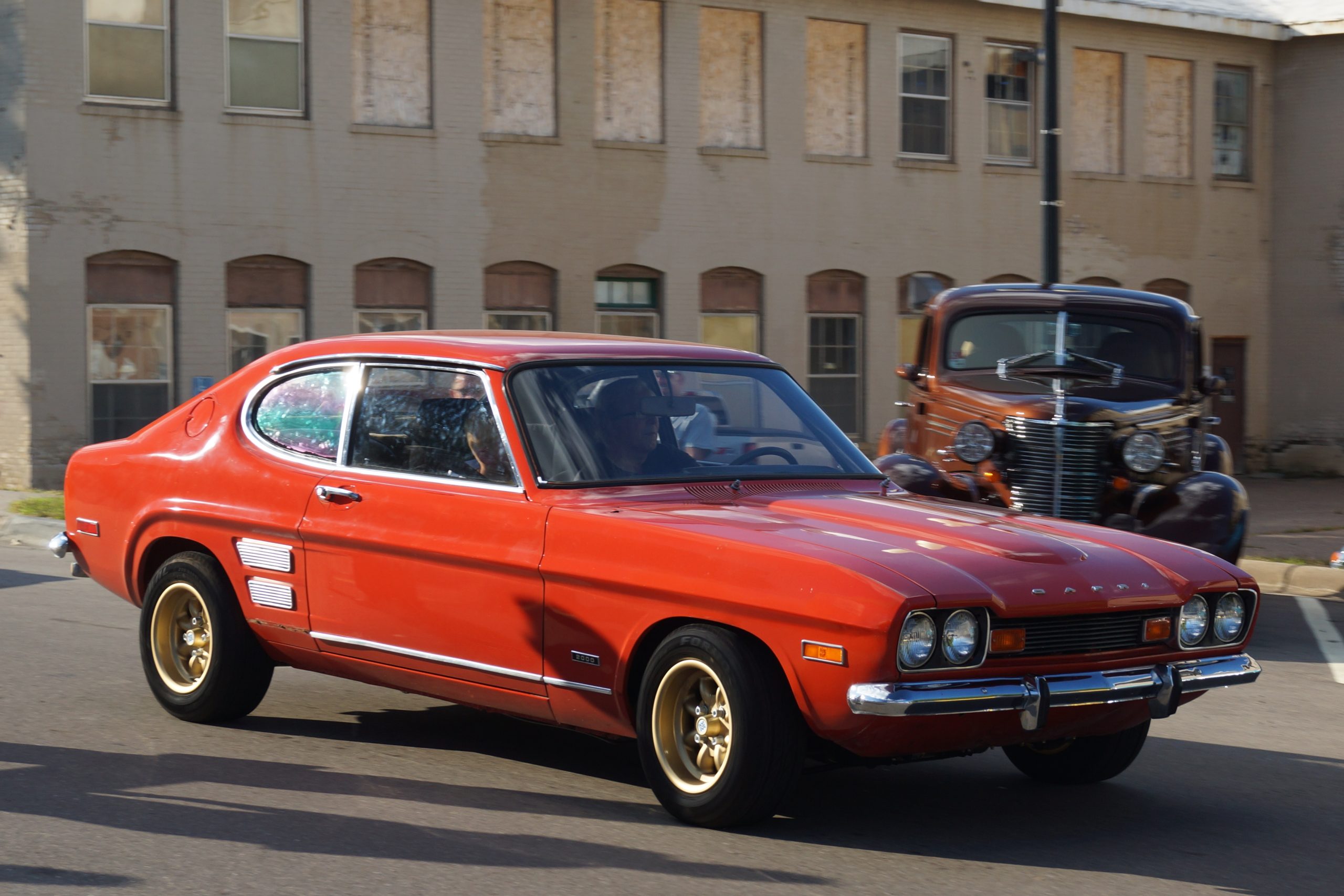
The Mercury Capri is a notable example of American badge engineering, offering a more upscale and stylish alternative to its Ford counterparts. While the Capri name initially referred to a Ford Capri-based model, in the 1980s and 1990s, it became a rebadged version of the Fox body Ford Mustang.
Mercury positioned the Capri as a slightly more refined, upmarket vehicle with the same mechanical underpinnings as the Mustang, offering a wide range of engines and transmissions to suit different buyers.
Engine options spanned from a modest 2.3-liter inline-four producing 88 horsepower to the celebrated 5.0-liter pushrod V8 delivering 200 horsepower. The lineup also included turbocharged four-cylinder and six-cylinder options, as well as V6 and V8 variants, paired with either manual or automatic transmissions.
Among enthusiasts, the XR2 turbo model was particularly praised for delivering zesty performance and engaging driving dynamics. The Mercury Capri’s front-wheel drive layout limited handling compared to rear-wheel drive sports cars, but it remained a fun, accessible, and economical choice for casual driving.
The Capri’s styling was another highlight. Its Italian-influenced design stood out among compact American convertibles, with sharp lines and sporty proportions that made it a head-turner, particularly with the top down. The cabin was driver-focused, offering decent visibility and surprisingly practical space, including a small back seat and a reasonably sized trunk, making it versatile compared with competitors like the Mazda Miata.
Despite its charm, the Mercury Capri is not without flaws. Age-related issues, such as overheating, water leaks from soft tops, and general wear and tear, can challenge owners. Replacement parts can be difficult to source, and the interior, while functional, can feel cramped with notable road noise. Turbocharged models introduce additional considerations, including potential lag and maintenance demands.
The Mercury Capri is celebrated as a fun, stylish, and affordable convertible for fair-weather driving. Its appeal lies in its unique design, engaging drive, and accessible price point. However, it requires an owner willing to embrace its quirks and perform regular maintenance. Enthusiasts appreciate it as a classic badge-engineered vehicle that delivers smiles on sunny days, blending sporty aesthetics with everyday practicality.
8. Shelby Cobra
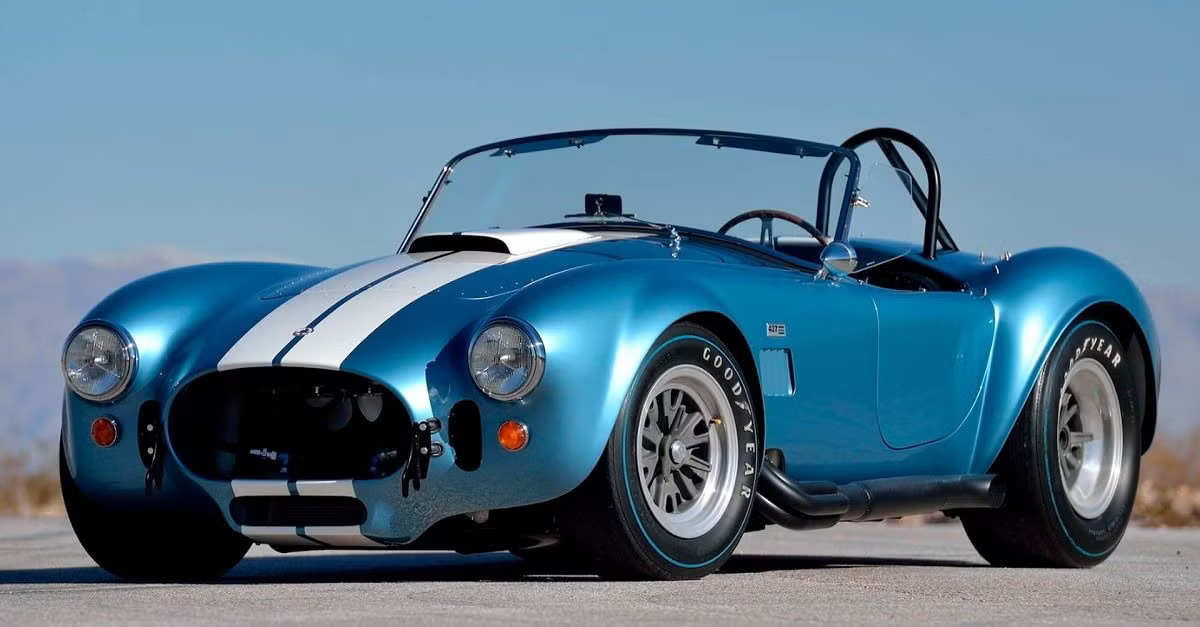
The Shelby Cobra is an iconic American sports car and a prime example of badge engineering in the 1960s. While widely recognized as a Shelby, the car was originally based on the British AC Ace. In North America, the vehicle carried the Shelby badge, whereas internationally it retained the AC name.
Carroll Shelby transformed the lightweight British roadster into a muscular V8-powered beast, creating a vehicle that remains legendary for its raw performance and distinctive design. Among its most extreme variants was the Super Snake, which pushed power and handling to remarkable levels for its era.
Under the hood, the Cobra offered potent V8 engines, including a 4.7-liter and a 7.0-liter option, with the latter producing up to 425 horsepower and 480 lb-ft of torque. Paired exclusively with a four-speed manual transmission, the car could reach a top speed of 164 mph, delivering wheel-spinning acceleration and an addictive exhaust note via its side pipes.
The lightweight chassis and rear-wheel-drive layout made it agile and thrilling in corners but also challenging to control, demanding precise throttle and steering inputs from the driver.
The driving experience is visceral and uncompromising. Owners contend with heat, wind buffeting, and minimal comfort, as the car lacks modern amenities like ABS, airbags, or power steering in its original form.
Manual steering provides exceptional road feel, while brakes are effective but prone to fade under sustained hard use. The Cobra’s raw nature ensures a fully engaging connection between driver and machine, making every drive an intense, sensory experience.
Design is another standout element. The low-slung, muscular silhouette, flared fenders, and long hood remain instantly recognizable and timeless. Original models featured aluminum bodies, while modern recreations from companies like Backdraft and Superformance add updated construction, power steering, improved brakes, and occasionally enhanced performance.
These modern continuations preserve the car’s visceral spirit while making it more accessible to a broader range of enthusiasts.
The Shelby Cobra is best suited for dedicated enthusiasts seeking an unfiltered, high-performance classic. It is impractical for daily use but perfect for weekend drives, track days, and collectors who value iconic styling and raw driving thrills. With a lasting legacy that inspires replicas and even modern electric reinterpretations, the Cobra continues to exemplify the ultimate back-to-basics sports car experience.
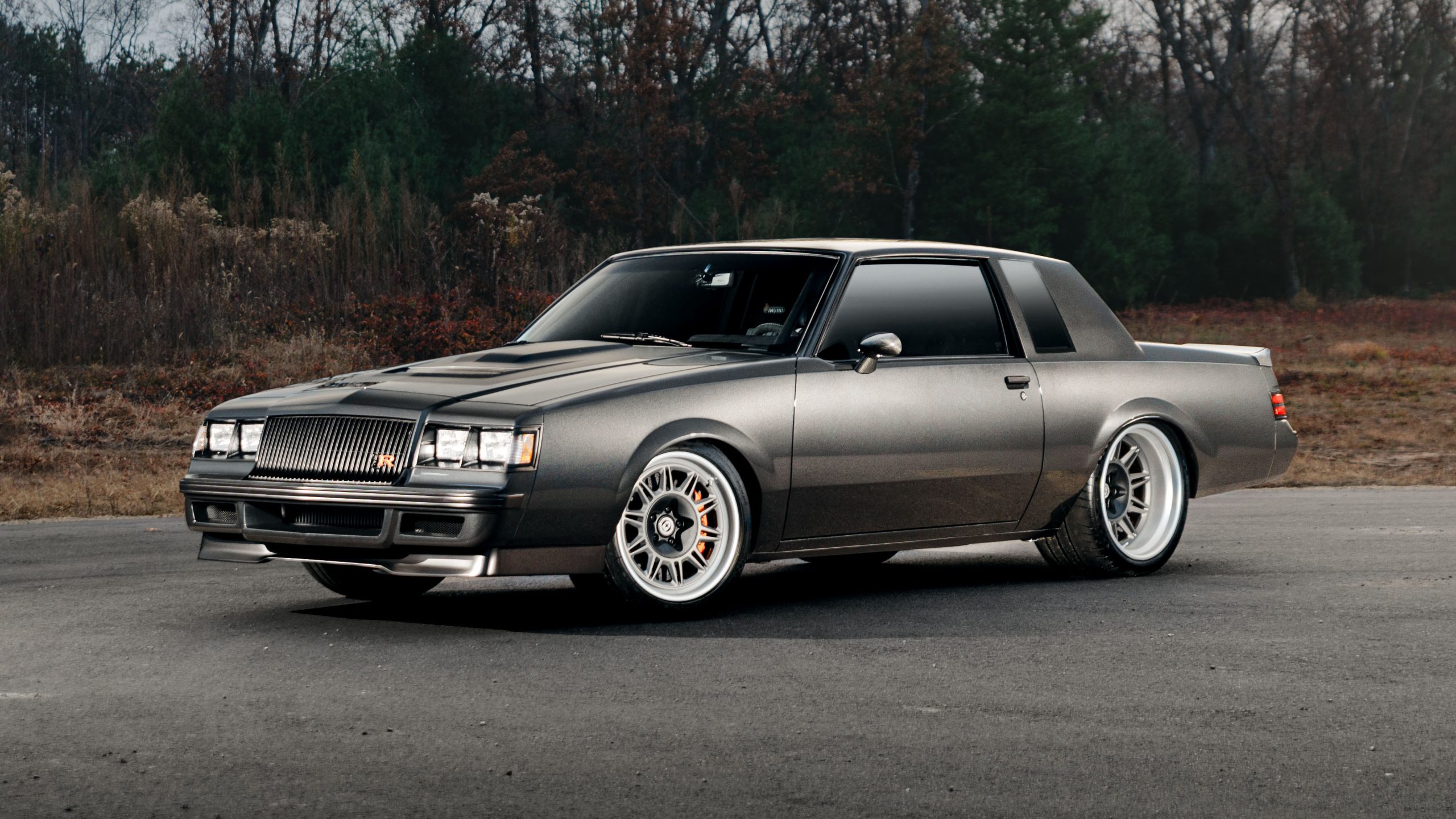
9. Buick Grand National
The Buick Grand National is a legendary 1980s American sports car and a standout example of badge engineering. Part of the Buick Regal lineup, the Grand National was produced from 1982 to 1987, skipping 1983, and became famous for its sinister all-black appearance, turbocharged performance, and sleeper reputation.
Despite its muscle car credentials, the Grand National never featured a V8, instead relying on a potent turbocharged 3.8-liter V6 by the mid-1980s, which produced up to 245 horsepower and 355 lb-ft of torque in 1987 models. The limited-production GNX variant pushed output to 276 hp and 360 lb-ft, cementing its status as a collector’s dream.
Built on the General Motors G-body platform, the Grand National shared nearly all components with the Chevrolet Monte Carlo, Oldsmobile Cutlass Supreme, and other mid-range GM models.
This shared architecture allowed Buick to create a high-performance vehicle without designing a new platform from scratch, making the Grand National one of the most successful badge-engineered performance cars ever.
Its turbocharged V6 delivered brutal straight-line acceleration, capable of hitting 0-60 mph in under five seconds in the GNX, rivaling contemporary Corvettes, particularly in the quarter-mile. The engine’s robust internals also allowed enthusiasts to significantly boost power through modifications.
Driving the Grand National is a visceral experience. Its lightweight G-body chassis, combined with the massive mid-range torque of the turbo V6, produces thrilling wheel-spin and tire-chirping launches.
Handling is competent for its era but prioritizes brute force over finesse, making it best suited for straight-line performance rather than track agility. The car’s turbo whistle and wastegate “chirp” contribute to its theatrical presence, while the all-black exterior gives it an intimidating, “working man’s supercar” look.
The Grand National’s legacy is amplified by the GNX, a rare, upgraded variant with enhanced suspension, styling, and performance. Both models are highly sought after today, bridging the gap between traditional American muscle and the emerging turbocharged technology of the 1980s. Collectors prize these cars for their unique combination of power, style, and historical significance.
While maintenance and finding well-preserved examples can be challenging due to age and limited production, the Buick Grand National remains an icon of 1980s American performance, celebrated for its turbocharged punch, dramatic presence, and status as a true sleeper classic.
10. Autozam AZ-1
The Autozam AZ-1 is a tiny, mid-engine Japanese sports car that defies conventional expectations in a world dominated by high-horsepower vehicles. Built under Japan’s strict Kei car regulations, the AZ-1 is powered by a 0.6-liter turbocharged three-cylinder engine sourced from the Suzuki Alto, producing just 63 horsepower and 63 lb-ft of torque.
Despite its modest output, the car’s extremely light weight of around 720 kilograms and compact dimensions make it exceptionally nimble and fun to drive, earning it a devoted following among JDM enthusiasts.
This car is a product of badge engineering, as the original design came from Suzuki. Suzuki even produced its own version, the Cara, which is now rarer than the Autozam AZ-1 and highly sought after by collectors.
The AZ-1’s mid-engine, rear-wheel-drive layout, paired with a five-speed manual transmission, gives it a visceral driving experience. Its short wheelbase, unassisted steering, and four-wheel disc brakes contribute to precise handling, while the light clutch and responsive gearbox add to the engaging, “slow car fast” sensation.
Design-wise, the AZ-1 is instantly recognizable thanks to its gullwing doors, Ferrari Testarossa-inspired styling, small wheels, and dual exhausts. The driver-focused interior is cramped, with limited storage and basic features, reflecting its Kei car constraints.
Practicality is limited, as visibility is poor, ingress and egress can be challenging, and amenities like airbags or ABS may not be present, depending on the year. Nevertheless, the interior and exterior combine to create a playful, supercar-inspired package that prioritizes fun over comfort.
Performance is about agility and driver involvement rather than raw speed. The turbocharged engine revs to 9,000 RPM, making the AZ-1 feel much quicker than its specifications suggest. The car excels on twisty roads, where its light weight and communicative chassis allow drivers to exploit its balance and handling capabilities fully.
With fewer than 4,500 units produced, the Autozam AZ-1 is rare and collectible, a true enthusiast’s dream. It may not suit daily commuting or practical needs, but for those seeking a unique, exhilarating, and quirky driving experience, it remains an unforgettable pocket rocket. The AZ-1 proves that a car does not need massive power to deliver immense fun, securing its place as one of the most distinctive badge-engineered sports cars in automotive history.

The world of badge-engineered sports cars proves that innovation doesn’t always require building from scratch; it can come from thoughtful collaboration, creative adaptation, and shared engineering.
From the American muscle-inspired Pontiac GTO to the nimble Japanese Autozam AZ-1, these ten cars illustrate the diversity of approaches and markets that shaped iconic vehicles. While some, like the Buick Grand National, emphasized power and intimidation, others, like the Subaru BRZ, focused on balance and pure driving enjoyment.
Together, they highlight how rebadging, when done well, can create cars that are both distinctive and beloved. Collectors, enthusiasts, and casual fans alike can appreciate the ingenuity, performance, and global heritage represented by these sports cars, cementing their place in automotive history as some of the greatest badge-engineered achievements ever sold.
Also Read: 10 Cars With Best Factory Sound Systems Under $25,000