Supercars are often synonymous with sky-high price tags, flashy designs, and limited accessibility. Yet, for enthusiasts seeking adrenaline-fueled performance without paying the premium of a base Porsche 911, there are hidden gems on the market. From raw American muscle to refined European exotics, these ten supercars deliver thrilling acceleration, jaw-dropping handling, and iconic styling at a fraction of the cost.
Cars like the Dodge Viper SRT-10 and Chevrolet Corvette ZR1 prove that sheer power and driver engagement do not have to come with an astronomical price. Meanwhile, European models such as the Maserati GranTurismo S, Lamborghini Gallardo, and Audi R8 V10 Plus balance performance with refinement, offering everyday usability without sacrificing excitement.
Whether you crave the visceral roar of a V10 or the precise control of an all-wheel-drive supercar, these vehicles represent a rare combination of speed, style, and value, making high-performance dreams more attainable than ever.
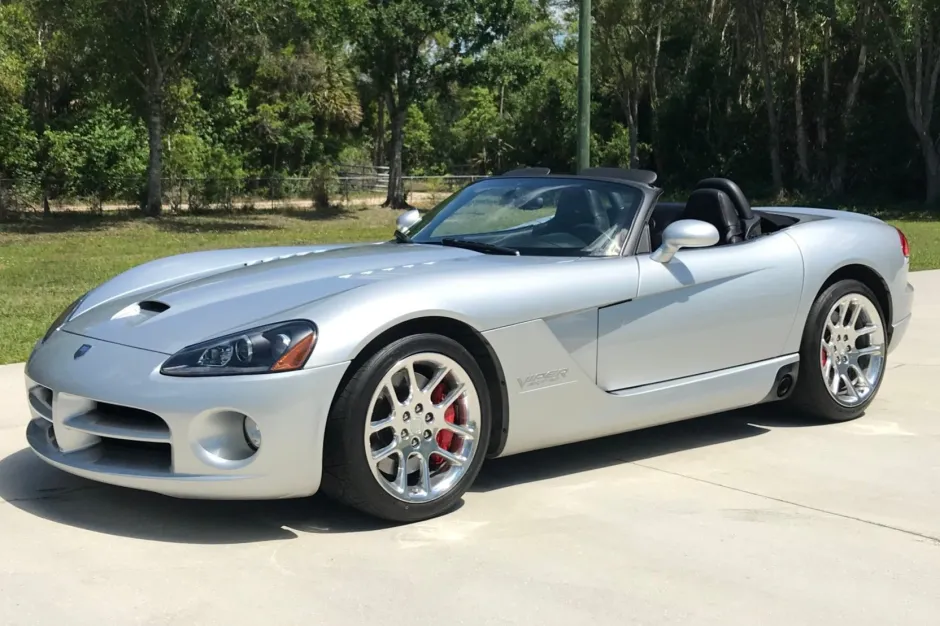
1. 2005 Dodge Viper SRT-10: Raw American Power
The 2005 Dodge Viper SRT-10 is an unfiltered American supercar that prioritizes raw performance over comfort or modern driver aids. At its heart lies an 8.3-liter V10 engine producing 500 horsepower and 525 lb-ft of torque, mated to a six-speed manual transmission.
This power allows the Viper to sprint from 0-60 mph in roughly 4.0 seconds, reach a top speed of 190 mph, and cover the quarter-mile in the low 12-second range. Unlike contemporary supercars, it lacks traction control and stability systems, demanding skillful handling and rewarding drivers who crave a pure, adrenaline-filled experience.
The Viper’s exterior matches its performance persona. Its long hood, low stance, and massive side exhausts give it a menacing, attention-commanding presence. Second-generation models are wider, lower, and more voluptuous, enhancing both aesthetics and road presence.
The “Gawk Factor” is high; the Viper rarely goes unnoticed, turning heads wherever it appears. Dodge focused on performance rather than luxury, resulting in a stiff ride and minimal creature comforts. Still, the car retains practical elements like a modest 8.4-cubic-foot trunk capable of holding a golf bag or small luggage.
Inside, the Viper improved on earlier models with better ergonomics. The snug cabin places all controls within reach, and thickly bolstered sport seats provide support during aggressive driving. A manual convertible top folds neatly, reducing wind intrusion, while a small, 310-watt audio system provides enough sound to compete with engine noise. The interior remains tight, particularly for larger feet, but the design keeps the driver connected to the car.
Performance extends beyond straight-line speed. The Tremec six-speed manual and Hurst shifter provide precise control, though the skip-shift feature aimed at improving fuel economy can be intrusive.
The Viper’s wide Michelin Pilot tires, coupled with improved suspension geometry and a stiffer frame, deliver excellent grip, though run-flat sidewalls transmit road imperfections. Braking is equally impressive, with vented discs and ABS halting the car from 60 mph in under 100 feet.
Despite its raw nature, the 2005 Viper SRT-10 remains surprisingly livable for an exotic car. It is a paradox: part daily driver, part race car, and entirely thrilling, retaining the elemental charm of a modern Shelby Cobra while offering an unrestrained driving experience.
2. 2009 Maserati GranTurismo S: Italian Elegance Meets Performance
The 2009 Maserati GranTurismo S enhanced the already striking GranTurismo with added performance and sharper driving dynamics. Under the hood, a 4.7-liter V8 delivers 433 horsepower and 361 lb-ft of torque, an increase over the base model.
Buyers could choose between Maserati’s six-speed automated manual (MC-Shift) or a conventional ZF automatic, balancing engagement and comfort. With a 0-60 mph time of 4.7 seconds and a top speed of 183 mph, the GranTurismo S combines grand touring refinement with sporty character.
Maserati’s focus on luxury is evident in the cabin. High-quality leather, detailed stitching, and a driver-centric layout create an inviting environment for both spirited drives and long journeys. The V8’s exhaust note is a highlight, producing a deep, unmistakable roar that reinforces the car’s Italian pedigree.
While exterior changes from the base model are subtle, including integrated side skirts and revised exhaust outlets, the GranTurismo S exudes confidence with elegant lines, a muscular stance, and an aggressive rear design that attracts attention.
Performance enhancements extend beyond power. Brembo brakes provide firm, reliable stopping power, while the chassis feels stable through long sweepers. However, the car remains somewhat corner-averse, as rapid directional changes reveal its grand touring focus rather than track-oriented agility.
The MC-Shift gearbox, though smoother than Maserati’s previous attempts, still falls short of modern dual-clutch systems, limiting the car’s ease of use at high speeds. The automatic mode is functional but lacks the refinement expected of a luxury GT.
The GranTurismo S is a paradox. It combines Italian style, luxury, and a thrilling V8 soundtrack with handling that favors cruising over aggressive maneuvering. Maserati positions it as an entry-level Ferrari, delivering much of the marque’s flair at a lower price point, though comparisons to similarly priced Ferraris highlight compromises in dynamics and prestige.
For enthusiasts seeking a grand touring experience with distinctive Italian character, the GranTurismo S offers an intoxicating blend of design, performance, and heritage, despite its quirks and gearbox limitations.

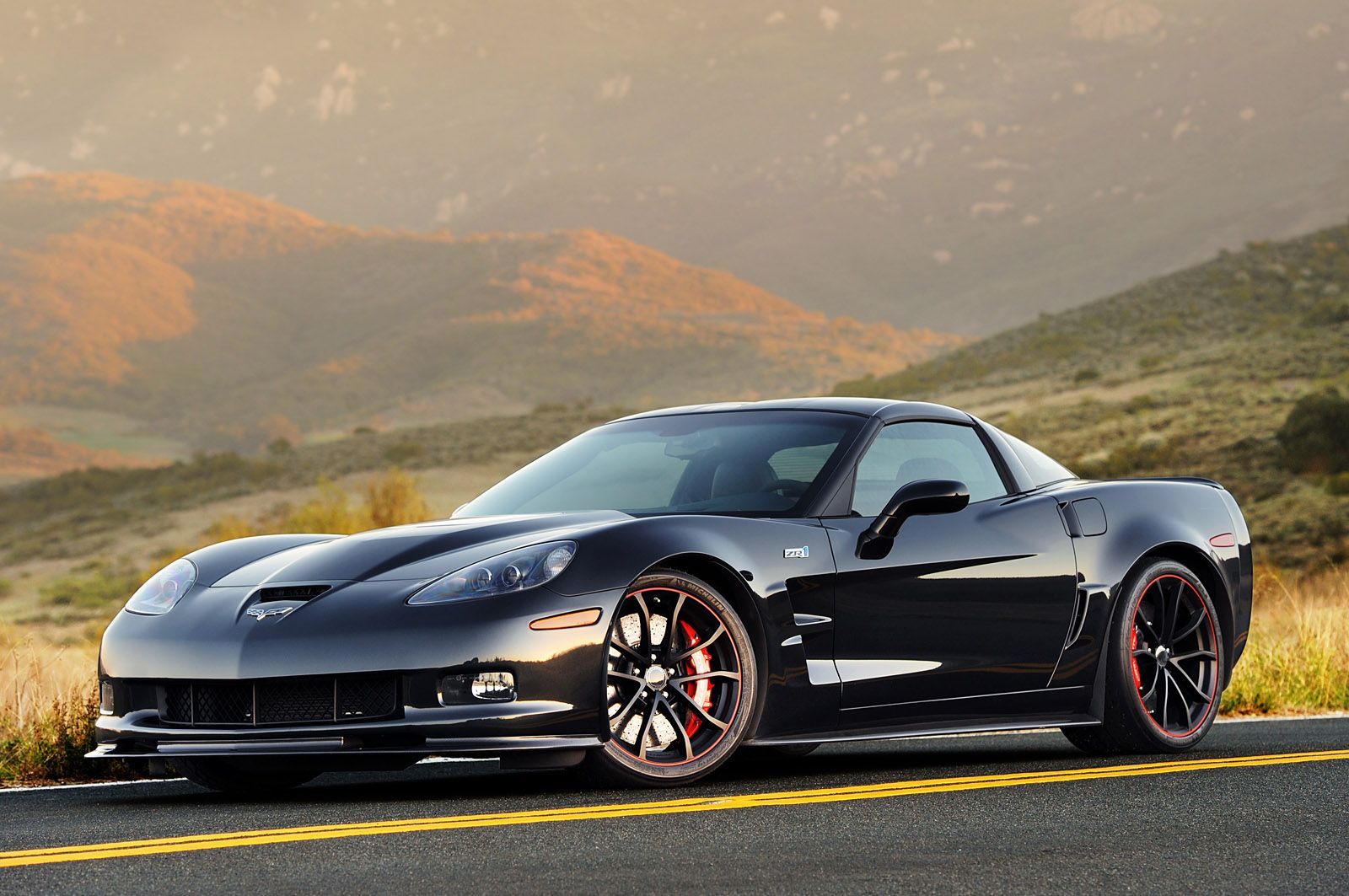
3. 2008 Chevrolet Corvette ZR1: American Muscle Redefined
The 2008 Chevrolet Corvette ZR1 marked a new level of performance for American sports cars, demonstrating that the Corvette could compete with the finest European supercars.
At its heart, the ZR1 features a supercharged 6.2-liter LS9 V8 producing 638 horsepower and 604 lb-ft of torque, making it the most powerful Corvette of its time. This power propels the car from 0 to 60 mph in just 3.4 seconds and enables a top speed of 205 mph, placing it firmly in supercar territory.
Chevrolet enhanced the ZR1’s performance with advanced technology. Carbon-ceramic brakes, magnetic ride control, and a carbon-fiber hood reduce weight and improve handling.
The chassis is more compliant than the Z06, allowing the ZR1 to deliver sharp, controlled handling while maintaining a relatively smooth ride. Lateral grip reaches 1.05g in corners, and the rear 335/25 ZR20 Michelin tires provide impressive traction, though losing adhesion at high speeds demands driver focus.
The Corvette ZR1 is as capable on the track as it is in a straight line. Brembo brakes offer firm, controllable stopping power, and the six-speed manual transmission, while not the slickest, reliably slots into gear.
The car’s adaptive suspension allows it to navigate tight corners and sweeping bends with confidence, while the engine’s supercharged boost delivers explosive acceleration. Performance is accompanied by an unforgettable soundtrack; the LS9’s supercharged V8 roars with intensity, reinforcing the car’s aggressive character.
Exterior enhancements give the ZR1 a distinctive presence. A raised polycarbonate engine cover, carbon-fiber body panels, and aggressive styling differentiate it from the standard Corvette, creating a bold, track-ready look. While interior quality falls short of European rivals, the cabin remains functional, with supportive leather seats and modern conveniences. Taller drivers may find headroom limited, and a racing harness is advisable for track use.
The Corvette ZR1 combines raw power, advanced technology, and track-capable performance at a fraction of the cost of comparable European supercars. With only 1,800 units produced annually, it remains rare and highly desirable. Its mix of speed, handling, and accessibility makes it one of the most thrilling American sports cars of its era, proving that the Corvette can deliver supercar performance without the supercar price.
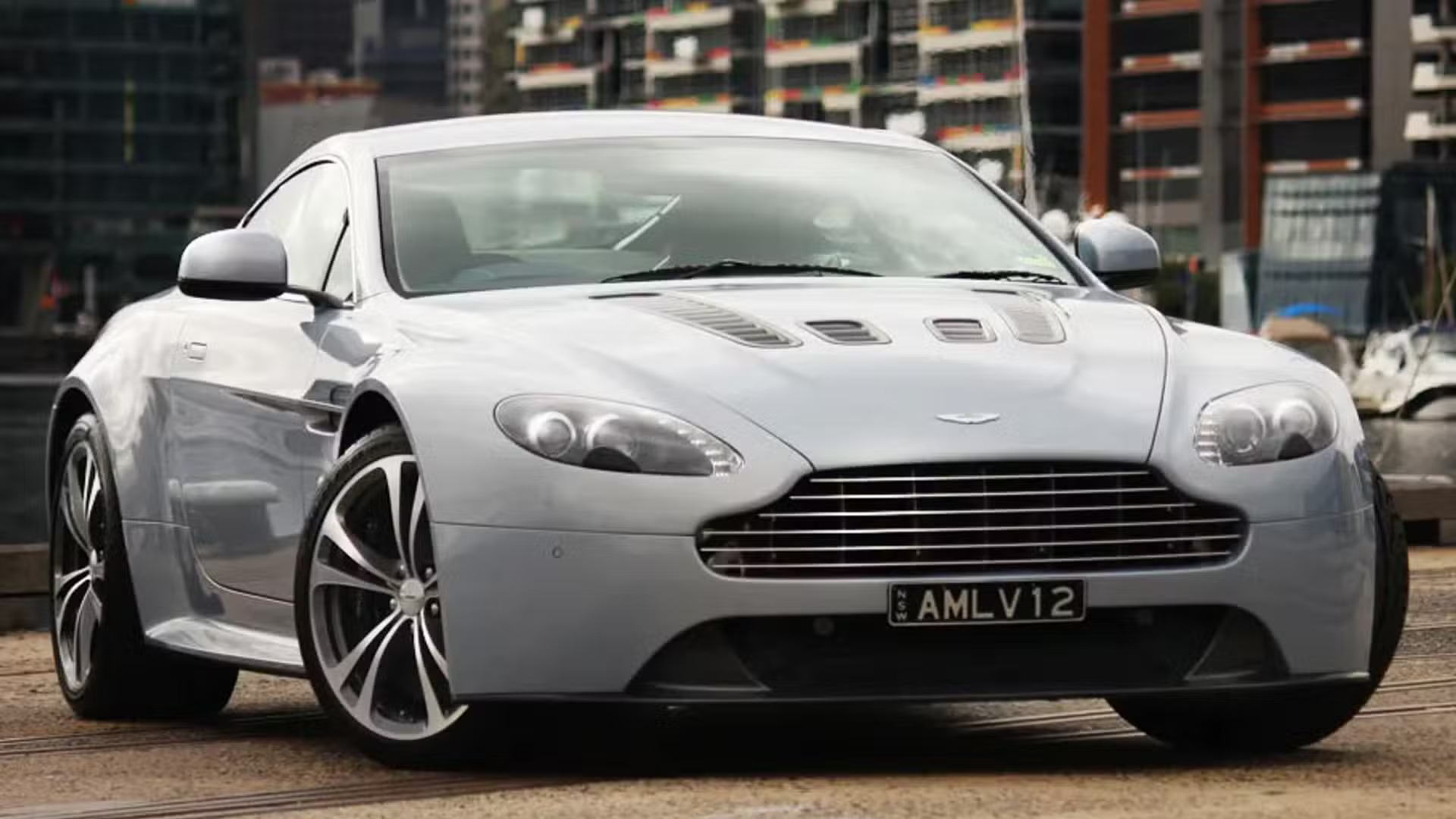
4. 2010 Aston Martin V12 Vantage: Compact Powerhouse
The 2010 Aston Martin V12 Vantage combined the brand’s hallmark elegance with brutal performance, placing a 6.0-liter V12 engine into the smallest Aston Martin chassis.
Producing 510 horsepower and 420 lb-ft of torque, this naturally aspirated V12, paired with a six-speed manual transmission, allows the car to accelerate from 0 to 60 mph in 4.2 seconds and reach a top speed of 190 mph. Its compact dimensions, combined with the raw power and precise gearbox, make it a driver-focused sports car that emphasizes engagement over technological aids.
Despite the aggressive performance, the V12 Vantage retains Aston Martin’s refined styling. The exterior features larger air intakes, a vented hood, wider rear haunches, a front splitter, rear diffuser, and side sills, giving it a more muscular stance than the V8 Vantage.
Carbon fiber is used extensively to save weight, and the front-to-rear weight balance remains nearly perfect at 51/49 percent. At around 3,700 pounds, the car is only slightly heavier than the V8 variant, and the extra mass is offset by carbon-ceramic brakes, lighter wheels, and reduced interior weight.
The V12 Vantage delivers performance that exceeds many of Aston Martin’s larger models. Torque is abundant across the rev range, and the engine’s naturally aspirated roar provides an exhilarating soundtrack.
The rear-wheel-drive layout and compact proportions make it agile, offering confidence in corners and a level of excitement unmatched by the DB9 or DBS. Carbon-ceramic brakes provide fade-free stopping even under aggressive driving, and the chassis is firm yet compliant, making it suitable for spirited road use or track days.
Inside, the cabin blends luxury and purpose. Premium Alcantara and carbon-fiber trims complement a futuristic layout, although the pedal spacing complicates heel-and-toe shifting, and seating adjustments can be challenging.
The V12 Vantage forgoes an automatic or convertible option to maintain focus on driver engagement. With only 1,000 units produced, it offers exclusivity and performance that competes with high-end rivals such as the Porsche 911 GT2, GT3, and Lamborghini Gallardo, solidifying its status as one of Aston Martin’s most thrilling and refined sports cars.
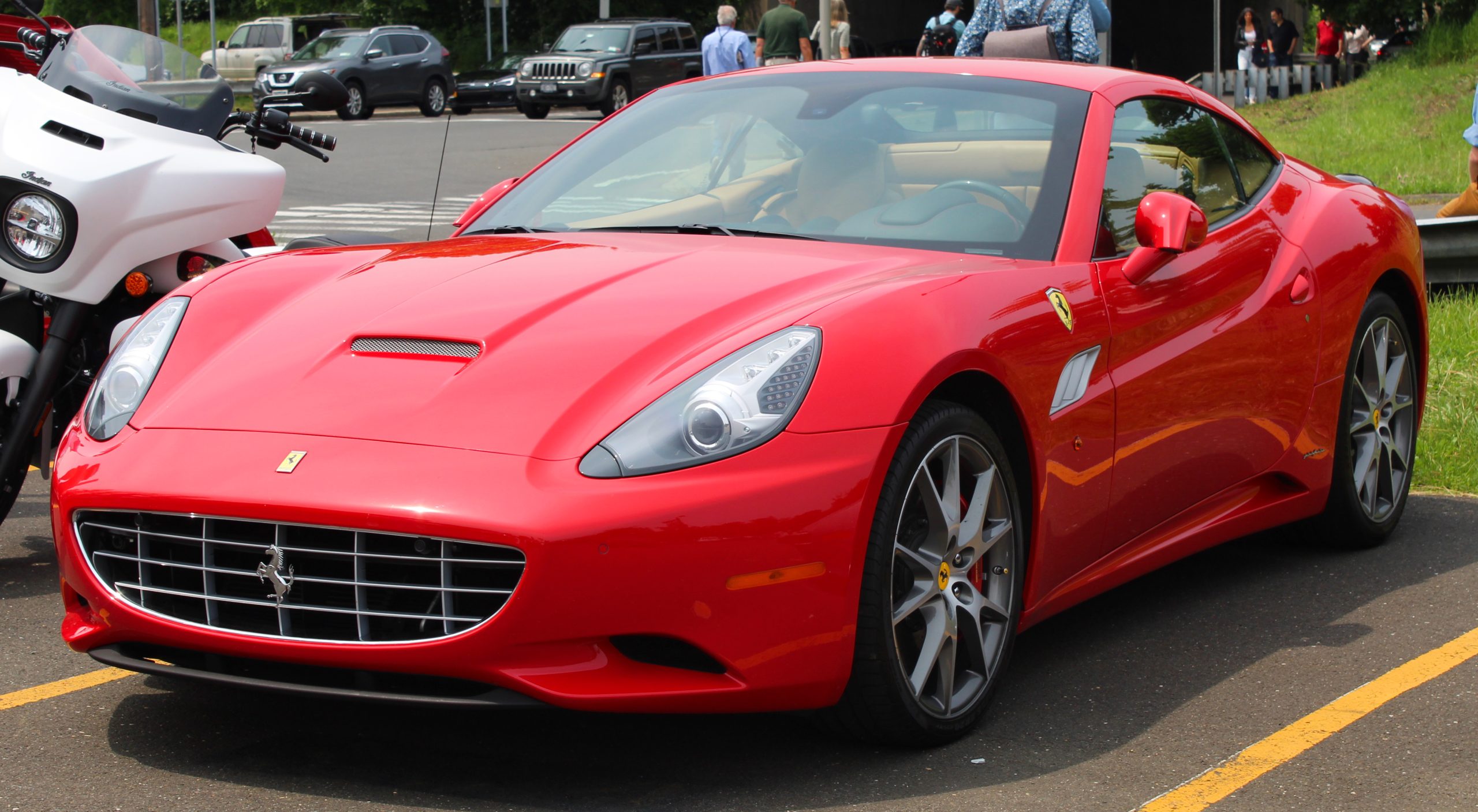
5. 2012 Ferrari California: Accessible Grand Touring Excellence
The 2012 Ferrari California was Ferrari’s attempt at creating a more approachable grand tourer without compromising the brand’s signature performance and style. Powered by a 4.3-liter V8 producing 453 horsepower and 357 lb-ft of torque, the California was the first Ferrari to feature a front-mounted V8 and a retractable hardtop.
A seven-speed dual-clutch transmission enabled rapid, F1-style shifts, combining high-performance driving with daily usability. The car could accelerate from 0 to 60 mph in 3.8 seconds and reach a top speed of 193 mph, delivering thrilling performance while maintaining GT comfort.
The California was designed for comfort as much as speed. Its refined interior used high-quality materials, including leather in multi-tone combinations, and featured a contemporary driver-focused layout. The retractable hardtop provided quiet, weatherproof protection, though it added bulk to the rear styling.
The cabin also offered advanced features such as the steering-wheel-mounted “manettino” knob, a touchscreen infotainment system, and safety systems including stability control, traction control, ABS, front side airbags, and an automatically deploying rollbar. Despite its practicality, rear-seat space was extremely limited, emphasizing that this Ferrari was aimed at two occupants.
Ride quality and handling were improved by a magnetorheological damping system, which made the California surprisingly agile for its nearly 3,800-pound curb weight. The car’s 47/53 front-to-rear weight distribution contributed to balanced handling, making it responsive on back roads or high-speed cruising.
The dual-clutch transmission allowed smooth gear changes in automatic mode while offering sharp, engaging shifts in manual mode, making the car enjoyable for both first-time Ferrari owners and experienced drivers.
As a grand tourer, the California successfully blended comfort, luxury, and performance. Its retractable hardtop allowed it to alternate between a refined coupe and an exhilarating roadster, while the front-engine V8 offered a distinctive Ferrari soundtrack.
Though criticized for its heavier weight and less aggressive styling compared with traditional Ferrari models, the California offered a unique combination of practicality and high-speed capability. With performance rivaling exotic GT competitors like the Aston Martin DB9 Volante and Mercedes-Benz SLS AMG, the 2012 Ferrari California carved out a niche as an accessible, usable Ferrari with the brand’s unmistakable flair.
Also Read: 10 Cars That Look Stunning But Disappoint True Enthusiasts
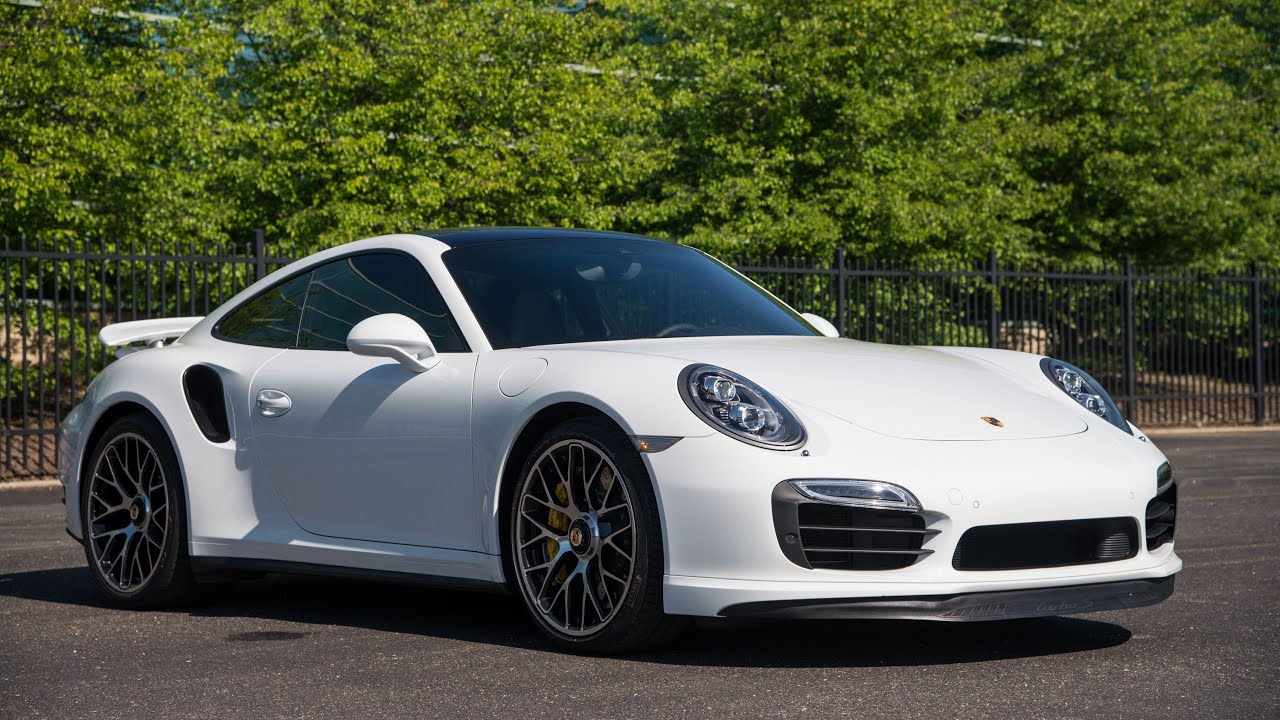
6. 2014 Porsche 911 Turbo: Precision Performance Meets Everyday Usability
The 2014 Porsche 911 Turbo combines extreme performance with everyday usability, making it an ideal choice for sports car enthusiasts. Its 3.8-liter twin-turbo flat-six engine produces 520 horsepower and 487 lb-ft of torque, propelling the car from 0 to 60 mph in just 3.2 seconds, with a top speed of 195 mph.
Standard all-wheel drive and Porsche’s seven-speed PDK dual-clutch transmission ensure power is delivered efficiently, while four-wheel steering improves agility and stability. This combination provides explosive straight-line speed and confident handling in corners.
The 911 Turbo’s exterior reflects its performance, featuring wider fenders, active aerodynamics, and larger air intakes that give it a bold, aggressive stance. Inside, the cabin is luxurious, with high-quality leather, aluminum, and carbon-fiber accents.
Front seats provide ample space and sport-oriented support, while rear seating is minimal and best suited for occasional passengers or luggage overflow. Controls are driver-focused, including a multifunction steering wheel, touchscreen interface, and the Sport Chrono system for launch control and dynamic adjustments.
The car balances ride comfort with high-speed handling. The suspension keeps the chassis composed, while braking is strong and controllable, and traction remains excellent even under aggressive acceleration.
Fuel economy is respectable for a sports car, with combined estimates around 21 mpg. Standard safety features include stability control, traction control, antilock brakes, and full front-side airbags, with optional adaptive headlights and parking sensors enhancing convenience.
The 911 Turbo remains versatile, offering supercar-level acceleration and handling without compromising daily usability. Compared with competitors such as the Aston Martin V8 Vantage, Audi R8, Chevrolet Corvette, or Mercedes SLS AMG, it delivers a unique blend of precision, refinement, and driving engagement.
Whether on tight city streets, long highways, or winding country roads, the 2014 911 Turbo demonstrates why the 911 has remained a benchmark for decades. It blends Porsche’s iconic heritage with modern engineering, providing a thrilling yet practical driving experience for enthusiasts seeking both excitement and usability.
7. 2007 Lamborghini Gallardo: Usable Exotic Performance
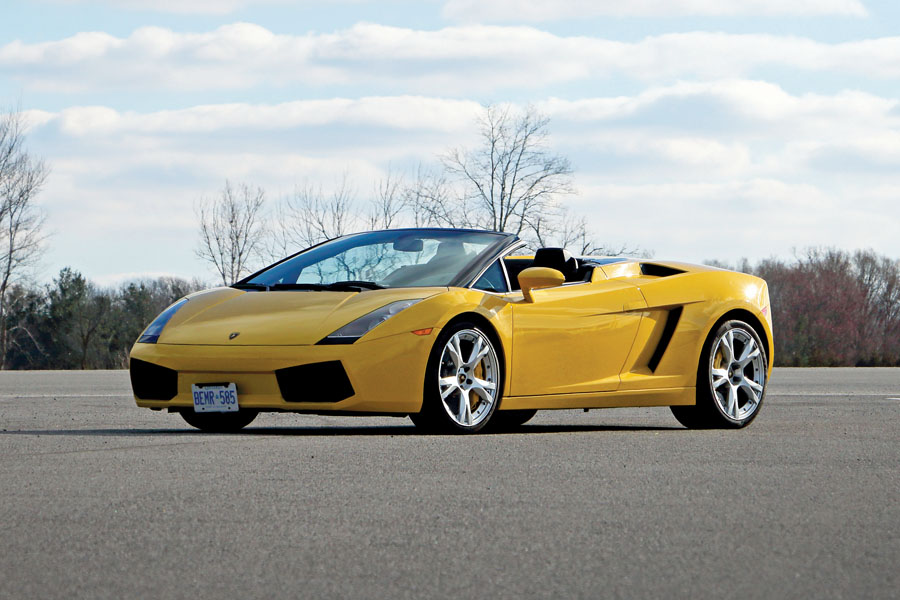
The 2007 Lamborghini Gallardo marked a turning point for the Italian automaker, offering a supercar that was more practical for everyday use while retaining the excitement and drama associated with the brand.
Powered by a 5.0-liter V10 producing 520 horsepower and 376 lb-ft of torque, the Gallardo accelerates from 0 to 60 mph in just 3.9 seconds and reaches a top speed of 195 mph. It was available with a six-speed manual transmission or the optional E-gear automated manual, and all-wheel drive was standard on higher trims, providing both stability and confident handling.
The Gallardo’s exterior is sharply styled, with aggressive lines and a purposeful stance that signals its performance capabilities. While it lacks the extreme flamboyance of the Murciélago, its design is unmistakably Lamborghini, commanding attention wherever it goes. The Spyder convertible variant adds open-air enjoyment without compromising structural integrity, thanks to 250 pounds of reinforcement that maintains chassis rigidity.
Inside, the Gallardo’s cabin blends driver-focused ergonomics with high-quality materials. Leather upholstery, soft-touch surfaces, and a well-positioned cockpit make it more comfortable than previous Lamborghini models. The driving position is improved, and the seats provide adequate support for spirited driving.
The interior features Audi-influenced electronics, which are functional but can require the driver to divert attention from the road. Storage space is minimal, with a small nose-mounted trunk and limited space behind the seats in the coupe.
The Gallardo’s V10 engine delivers a thrilling soundtrack, and its all-wheel-drive system keeps the car planted during aggressive acceleration. While it may not match the razor-sharp responsiveness of competitors like the Ferrari F430 or Porsche 911 Turbo, it excels as a well-rounded exotic, offering exhilarating performance, composure, and usability. Brakes are powerful but can feel inconsistent under extreme use.
The 2007 Gallardo helped Lamborghini reach a broader audience, becoming one of its best-selling models and laying the foundation for the Huracán. Its combination of style, performance, and practicality made it a landmark model in Lamborghini’s history, appealing to those seeking a supercar that can be enjoyed both on the road and as a daily-drivable exotic.
8. 2016 Nissan GT-R: Technological Beast Meets Everyday Usability
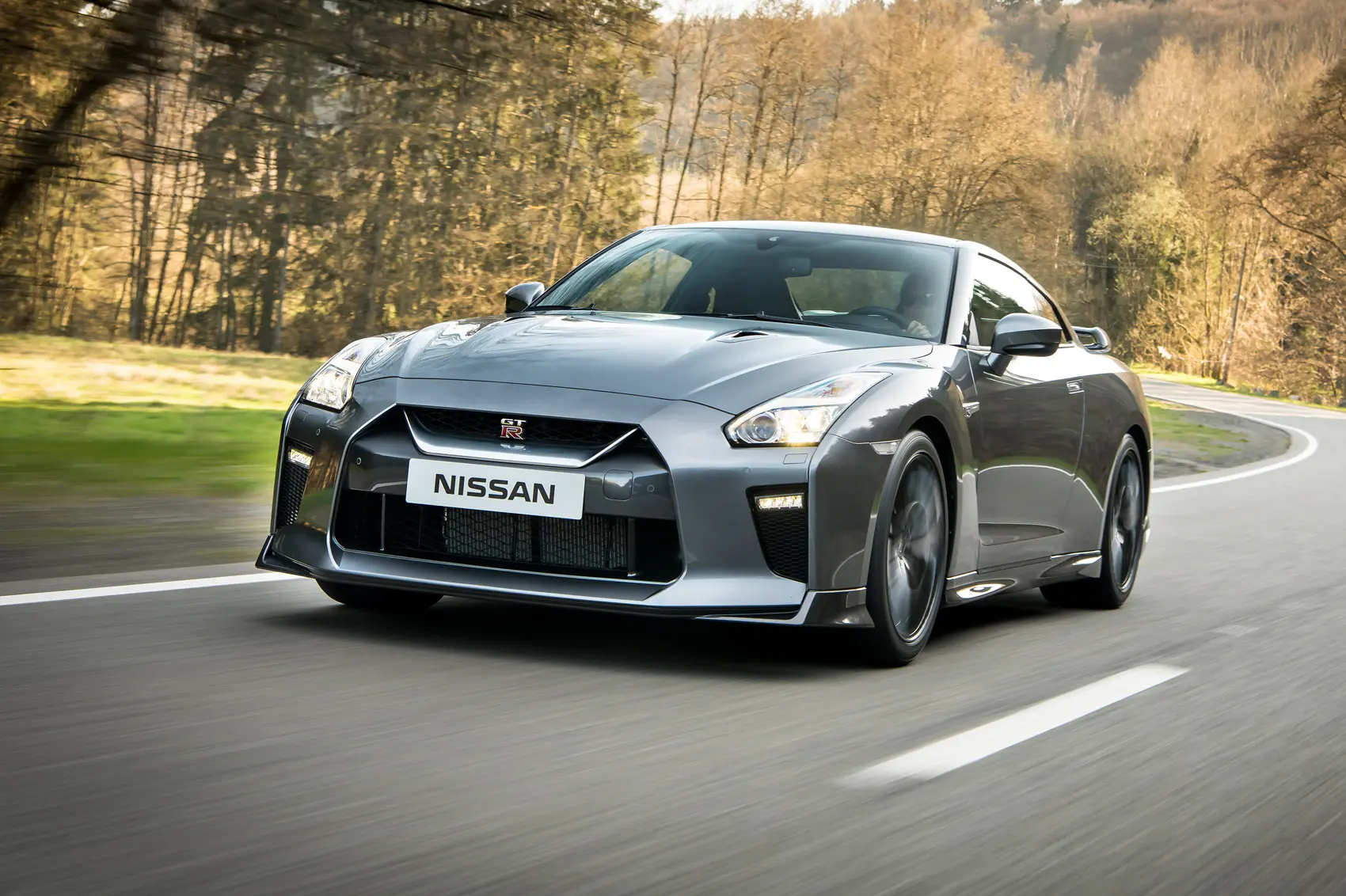
The 2016 Nissan GT-R, nicknamed “Godzilla,” remains one of the most impressive performance machines available under $100,000. Powered by a 3.8-liter twin-turbo V6 producing 545 horsepower and 463 lb-ft of torque, it channels power to all four wheels through a sophisticated all-wheel-drive system.
This allows the GT-R to accelerate from 0 to 60 mph in just 2.9 seconds and reach a top speed of 199 mph, putting it in direct competition with far more expensive supercars.
Unlike many high-performance vehicles, the GT-R retains practical features, including rear seats and a usable trunk, making it more versatile than typical exotics. The six-speed automated manual transmission delivers lightning-fast, rev-matched shifts, while launch control ensures consistent performance off the line. The suspension system, continually refined, offers strong handling and allows drivers of varying skill levels to extract impressive performance safely.
While the GT-R excels on tight roads and racetracks, it falls short in refinement compared with newer high-end sports cars. Its ride can feel firm, wind noise intrudes at higher speeds, and some driveline clunks remain noticeable.
Even so, the car’s composure through corners and stability under hard acceleration make it remarkably confidence-inspiring. The Black Edition and Nismo models further enhance performance with more aggressive suspension tuning, Recaro seats, and additional aerodynamic components, with the Nismo producing 600 hp for those seeking the ultimate variant.
Inside, the GT-R’s driver-focused cockpit combines functionality and comfort. Well-bolstered front seats, column-mounted shift paddles, and a high seating position facilitate engagement with the car, while controls are logically placed and easy to operate.
The cabin features quality materials, a 7-inch touchscreen for performance data, and displays gear selection, lap times, and G-forces. Rear seats accommodate children, and the 8.8-cubic-foot trunk is practical for a supercar, although access is somewhat restricted.
Though it lacks the prestige of European marques, the 2016 Nissan GT-R delivers extraordinary speed, precise handling, and a compelling balance of performance and usability. It remains an iconic choice for enthusiasts seeking supercar performance in a more approachable, practical package, capable of thrilling on both road and track.
9. 2013 Mercedes-Benz SLS AMG: Modern Classic with Gullwing Power
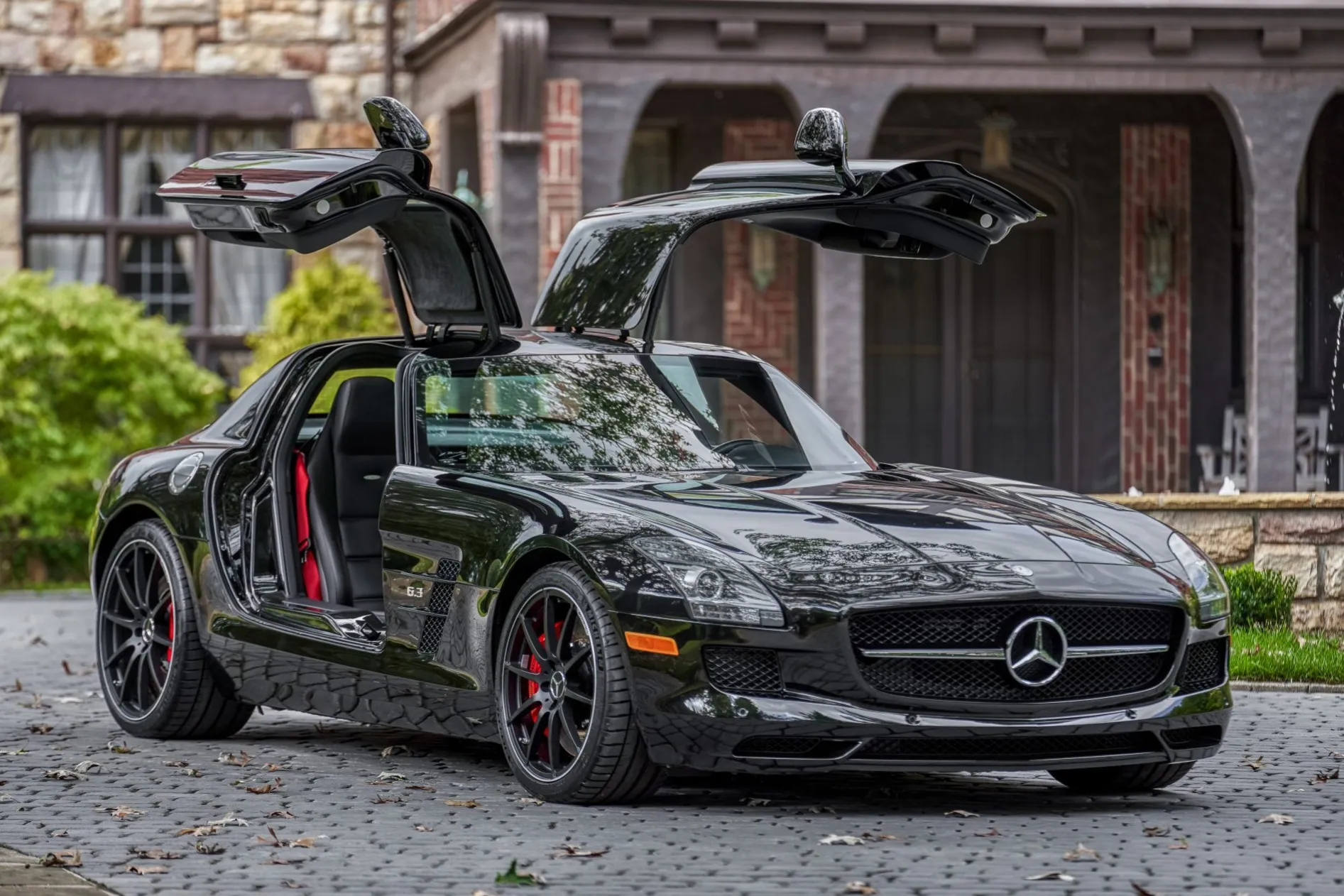
The 2013 Mercedes-Benz SLS AMG is a striking modern supercar, instantly recognizable for its iconic gullwing doors and long-hood, short-tail design reminiscent of vintage race cars. At its heart, it houses a 6.2-liter naturally aspirated V8 producing 583 horsepower and 479 lb-ft of torque.
This power enables a 0-60 mph sprint in just 3.6 seconds and a top speed of 197 mph, placing it firmly in the supercar category. While not an all-out track-focused machine, the SLS AMG combines high-speed performance with a grand touring character and a raw, throaty V8 soundtrack that enhances the driving experience.
The SLS AMG lineup also includes remarkable variants, such as the SLS Electric Drive, which showcases AMG’s engineering prowess. The fully electric AWD model delivers 740 horsepower and 738 lb-ft of torque, utilizing four motors, one for each wheel, and twelve battery modules mounted low in the chassis for optimal weight distribution.
Despite its 2.1-ton weight, clever torque-vectoring settings allow the Electric Drive to handle with exceptional precision, transforming from a comfortable cruiser in standard mode to a sharp, corner-hugging sports car in Sport+ mode. AMG’s programming ensures power is delivered to the wheels with the most grip, minimizing understeer and maximizing agility.
While the Electric Drive’s cabin features a synthetic engine note to compensate for the lack of a combustion sound, it is overpowered by road and wind noise at higher speeds. This minor limitation does little to diminish the car’s appeal, as the SLS AMG continues to deliver extraordinary acceleration, balance, and driver engagement.
Inside, the SLS AMG retains a driver-focused layout, blending modern luxury with high-quality materials. Though the 2013 model is more of a grand tourer than a hardcore track car, its performance credentials, engineering sophistication, and unmistakable design make it a standout among contemporary supercars.
The SLS AMG exemplifies Mercedes-AMG’s ability to fuse heritage-inspired styling with cutting-edge performance and advanced technology, ensuring it remains a benchmark for enthusiasts and collectors alike.
In short, the 2013 Mercedes-Benz SLS AMG is a rare supercar that pairs visceral performance with timeless style, offering a driving experience that balances power, precision, and elegance in one compelling package.
10. 2015 Audi R8 V10 Plus: Everyday Supercar with Track Precision
The 2015 Audi R8 V10 Plus is a standout in the modern supercar segment, blending raw performance with everyday usability. Powered by a naturally aspirated 5.2-liter V10, shared with the Lamborghini Huracán, it produces 550 horsepower and 398 lb-ft of torque.
This allows the R8 V10 Plus to accelerate from 0-60 mph in just 3.5 seconds and reach a top speed of 198 mph. Certain configurations include Audi’s legendary Quattro all-wheel-drive system, delivering exceptional traction and stability under both spirited driving and daily conditions.
The R8 V10 Plus represents a significant step up from the standard model. Its lightweight carbon fiber body, carbon-ceramic brakes, and the seven-speed S tronic dual-clutch transmission provide both blistering performance and manageable control. The S tronic gearbox offers rapid, precise shifts for track driving while remaining smooth and predictable around town.
For enthusiasts seeking a more traditional experience, a manual gearbox was also available. Steering is light, sharp, and precise, and the car’s balance and body control make it feel planted at speed, yet capable of controlled slides when stability aids are disengaged.
Visually, the R8 V10 Plus retains the aggressive, head-turning design that has made the model iconic. Carbon fiber accents on the side blades and mirrors add to its purposeful aesthetic, and the updated styling continues to impress even years after its debut.
The interior is driver-focused, featuring Audi’s Virtual Cockpit digital display and an optional sport exhaust button, though some infotainment and comfort features feel dated compared to newer competitors. Despite its mid-engine layout, visibility is good for a supercar, and the cabin offers enough comfort for longer drives, though storage remains limited.
The R8 V10 Plus trades some everyday comfort for weight savings and sharper focus, making it an excellent track-capable supercar while still being usable on public roads. Its performance, design, and handling place it among the most compelling modern supercars, balancing dramatic style with practical usability. On the used market, it retains value well, especially models from 2014 onward.
The 2015 Audi R8 V10 Plus is a modern classic that combines blistering power, sharp handling, and a comfortable, usable interior, making it an ideal choice for enthusiasts seeking a supercar that excels both on the track and in real-world driving conditions.
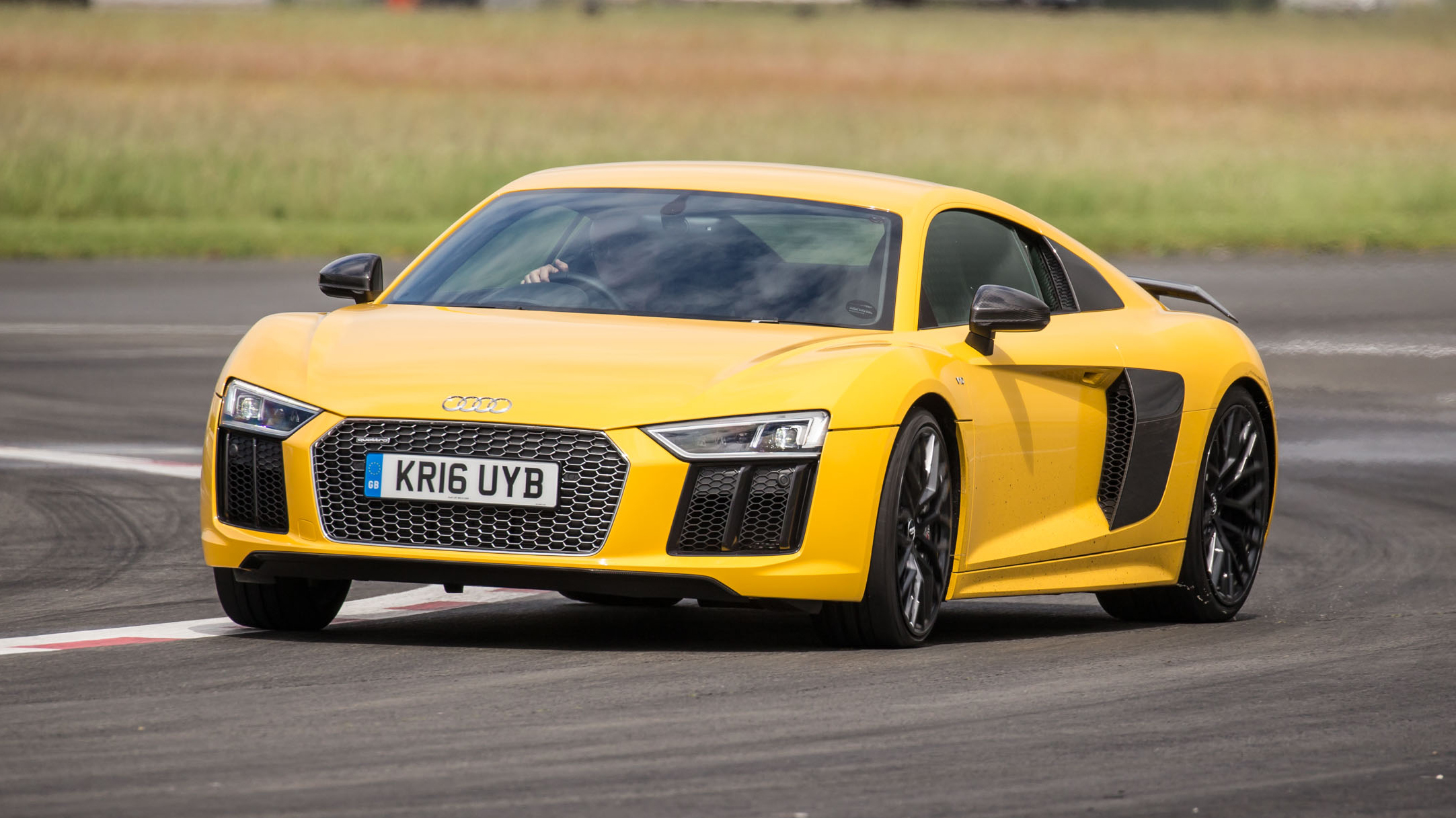
These ten supercars redefine what it means to achieve high performance on a budget. Each model delivers a distinct driving experience, from the raw, unfiltered power of the Dodge Viper to the technologically sophisticated precision of the Nissan GT-R. European exotics like the Ferrari California, Porsche 911 Turbo, and Audi R8 V10 Plus show that luxury, comfort, and track-capable performance can coexist without the astronomical price tag.
Even the American muscle icons, such as the Corvette ZR1, prove that straight-line speed and handling prowess do not require a six-figure investment. Together, these cars demonstrate that thrill, exclusivity, and engineering excellence are not solely reserved for the elite.
For enthusiasts seeking the ultimate blend of performance, style, and value, these supercars offer an accessible gateway into the world of high-octane excitement and prove that the dream of owning a supercar does not have to break the bank.
Also Read: 10 Cars With Simple Phone Apps That Actually Help