Finding a sports car that delivers excitement without demanding a fortune in upkeep can feel impossible, but there are hidden gems on the market that prove otherwise. From lightweight coupes to retro-inspired muscle, these nine dirt-cheap sports cars combine fun, style, and reliability at surprisingly low running costs.
Each model offers a unique take on performance, whether it’s the turbocharged efficiency of the Ford Mustang EcoBoost, the nimble balance of the Mazda MX-5 Miata, or the affordable power of the Chevrolet Camaro LT.
These cars are not just about looks; they reward drivers with engaging handling, responsive engines, and well-engineered chassis, all while keeping annual maintenance costs manageable. For enthusiasts seeking thrills on a budget, these vehicles demonstrate that spirited driving doesn’t have to come with a hefty price tag.
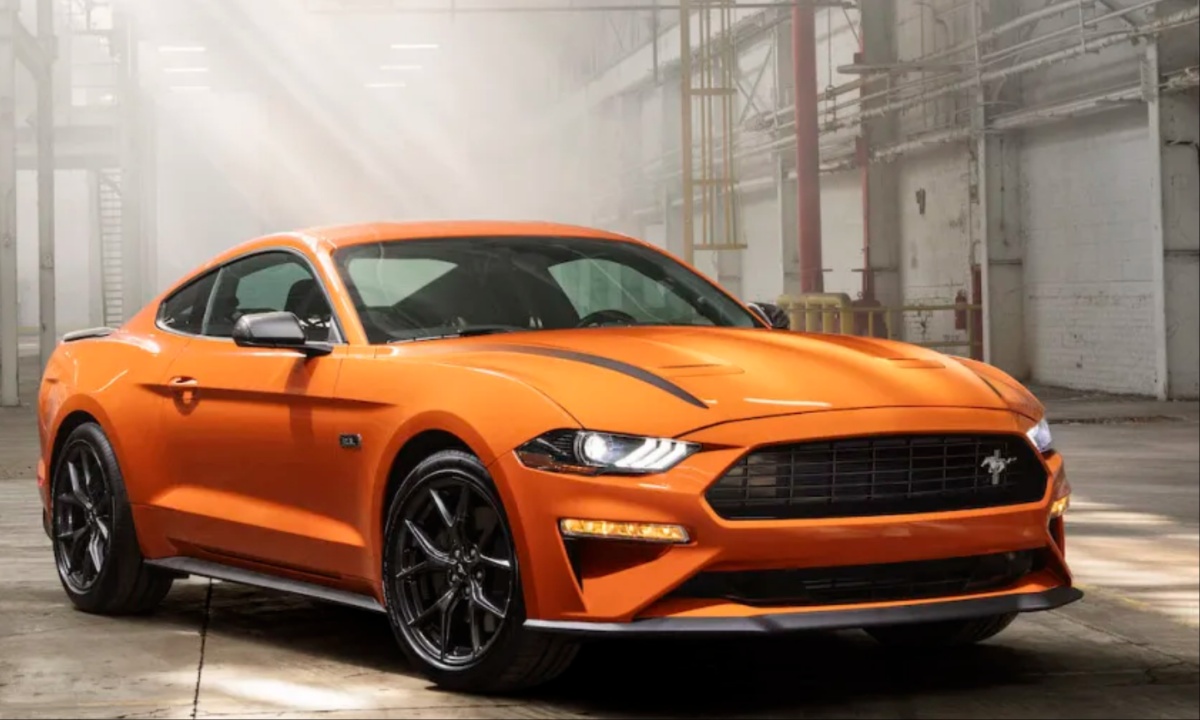
1. 2019 Ford Mustang EcoBoost: Affordable Muscle with Modern Refinement
The 2019 Ford Mustang EcoBoost offers a compelling mix of performance, reliability, and practicality at a relatively accessible price. Equipped with a 2.3-liter turbocharged inline-4 engine, it produces 310 horsepower and 350 lb-ft of torque, paired with either a 6-speed manual or a 10-speed automatic transmission. While it does not have the classic V8, this engine shares its design with the Ford Focus RS, delivering sporty performance and efficiency.
The EcoBoost Mustang impresses with acceleration, handling, and driver engagement. It reaches 60 mph in about 4.6 seconds, featuring well-balanced steering and composed braking. The suspension manages body roll effectively, and the tires provide clear feedback near grip limits, making it capable and fun on winding roads. The 10-speed automatic shifts smoothly, while manual paddle shifts have a slight delay, but driving remains intuitive and enjoyable.
The Mustang balances sporty feel with comfort. Front seats offer supportive bolstering for long drives, though rear seats are cramped for adults. Ride quality absorbs most road imperfections, and the optional adaptive suspension enhances comfort further.
Cabin noise is moderate, with wind mostly muted and road noise noticeable on rough surfaces. The interior combines retro Mustang styling with modern functionality, featuring well-placed controls, good visibility, and a spacious-feeling front cabin.
Tech features are user-friendly, including Apple CarPlay, Android Auto, and optional digital instrumentation. Safety systems such as frontal collision warning, blind-spot monitoring, and lane-keeping assist are effective without being intrusive. Cargo space measures 13.5 cubic feet, with adequate small-item storage. Rear-seat child seat installation is possible but requires adjustments, making it less convenient for frequent use.
J.D. Power rates the 2019 Mustang at 87/100 for quality and reliability. Annual maintenance averages $709, with a low 4% chance of major repairs in the first five years. Used prices range from $18,749 to $25,700, combining strong value with fun-to-drive performance.
The 2019 Ford Mustang EcoBoost delivers an engaging, comfortable, and well-equipped driving experience at a reasonable price, making it a strong choice for buyers seeking a modern yet classic American sports car.
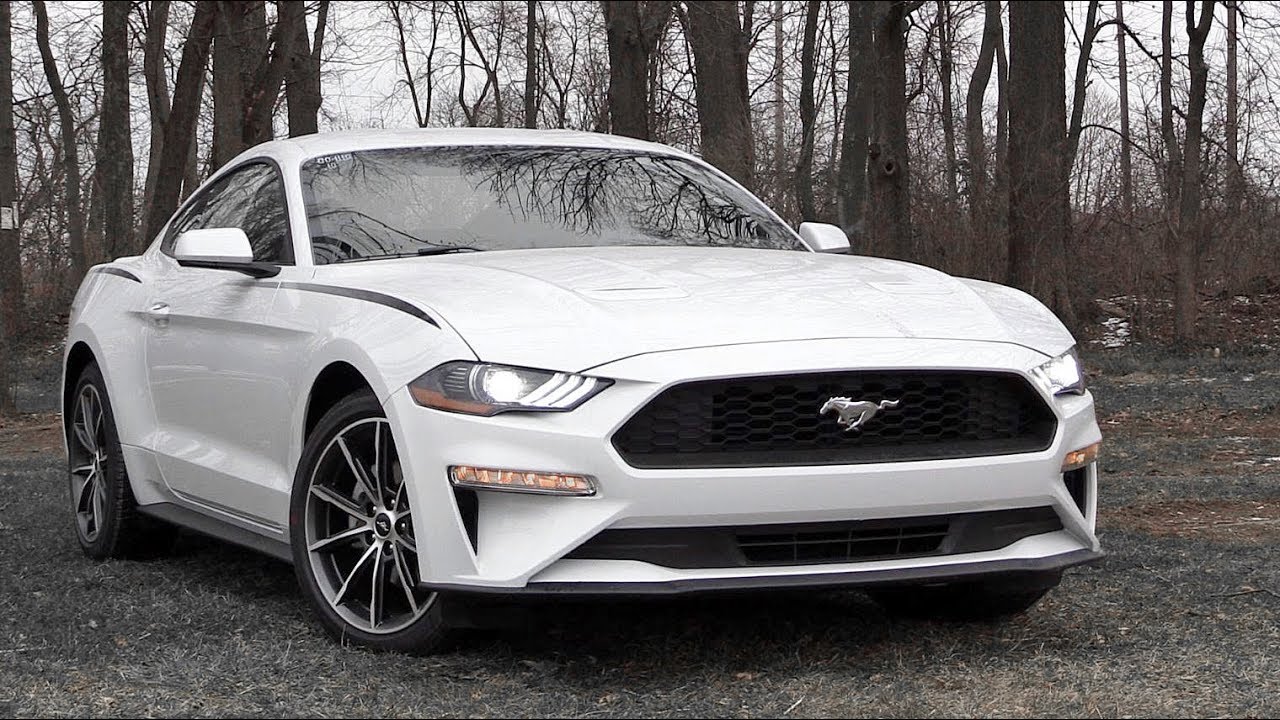
2. 2010 Nissan 370Z: Classic Performance Meets Everyday Reliability
The 2010 Nissan 370Z builds on the success of the 350Z, offering improved performance, handling, and refinement. Powered by a 3.7-liter VQ37 V6 engine, the regular 370Z produces 324–332 hp and 270 lb-ft of torque, while the Nismo variant is tuned to 350 hp and 276 lb-ft.
Buyers can choose between a 6-speed manual with SynchroRev Match or a 7-speed automatic with steering-column paddle shifters, both of which provide smooth and responsive gear changes.
The 370Z delivers strong acceleration, with a coupe equipped with the Sport package reaching 60 mph in just 5.1 seconds, while the roadster manages 5.5 seconds. Handling is precise and confidence-inspiring, with unrelenting grip and razor-sharp control.
The Sport package’s 19-inch wheels enhance cornering but can increase road noise, especially on concrete highways. The Nismo version stiffens the suspension further, excelling on track while maintaining city drivability. Braking is excellent, with the coupe stopping from 60 mph in 101 feet, matching high-end sports cars.
The cabin impresses with solid construction and high-quality materials. Touring models include leather upholstery and upgraded faux suede, enhancing luxury.
The roadster’s automatic top operates smoothly in about 20 seconds, and the driving position is sporty and comfortable, although the steering wheel lacks telescopic adjustment. Rear visibility is limited due to thick roof pillars, and luggage space is modest, 6.9 cubic feet in the coupe and 4.2 in the roadster, suitable for a couple of duffel bags.
The 370Z is renowned for reliability, earning an 84/100 rating from J.D. Power. Annual maintenance averages $504, with a 3% chance of major repairs in the first five years, making it an affordable and dependable sports car. Used prices range from $11,838 to $19,267, combining performance with practicality.
Fuel efficiency is reasonable for a V6 sports car, with estimates of 18 mpg city and 26 mpg highway for coupes, slightly lower for roadsters. Safety features include antilock brakes with brake assist, traction and stability control, side-impact airbags, and active head restraints, providing strong protection for drivers and passengers.
The 2010 Nissan 370Z remains a celebrated sports car, blending thrilling performance, sharp handling, dependable engineering, and a driver-focused interior, making it a standout choice in its class.
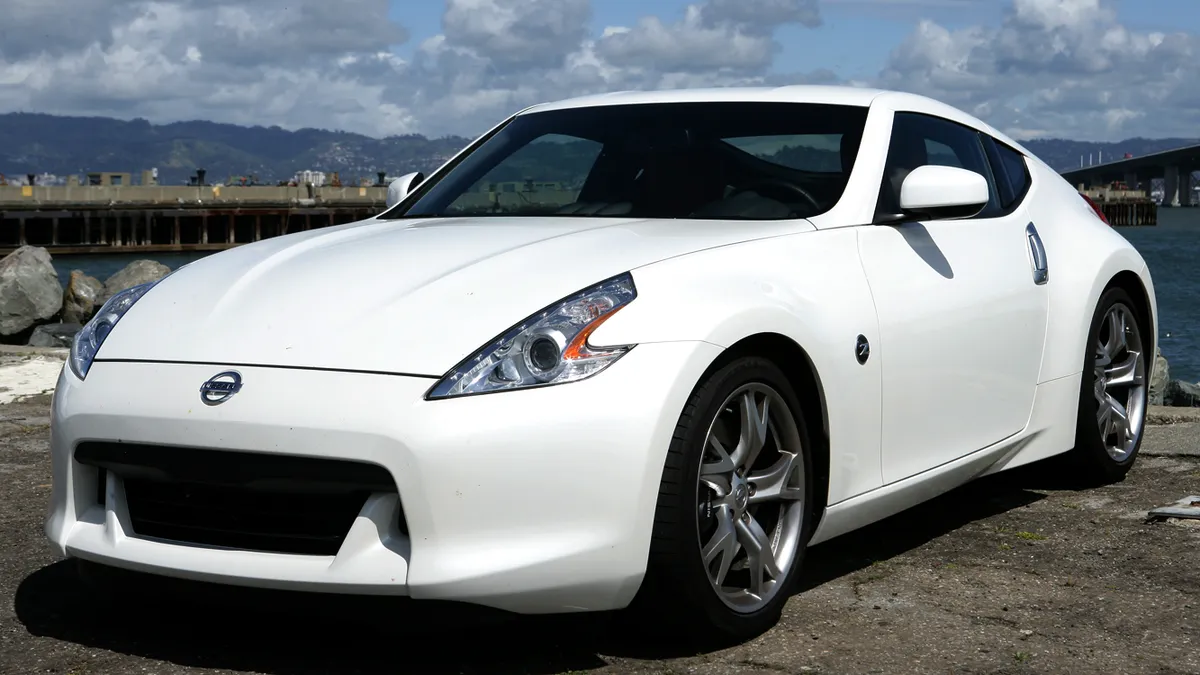
3. 2013 Dodge Challenger R/T: Retro Muscle with Modern Practicality
The 2013 Dodge Challenger R/T revives classic muscle car style while incorporating modern technology, safety, and comfort. With a 5.7-liter Hemi V8, the R/T delivers 372 hp with the automatic transmission and 375 hp with the 6-speed manual, producing 400–410 lb-ft of torque.
Drivers can choose between the manual and a 5-speed automatic, which includes Fuel Saver Technology to improve efficiency under light load conditions.
Despite its 4,082-pound curb weight, the Challenger R/T provides strong acceleration and a satisfying V8 rumble. Zero-to-60 mph is brisk, though the car is not as agile as a Mustang or Camaro on tight roads.
The Super Track Pak adds performance-tuned suspension, upgraded brakes, and summer tires, giving the heavy coupe remarkable grip and stopping power on wider highways and sweeping curves.
The electro-hydraulic power steering can feel light on-center at times, but the large, retro-style steering wheel fits the car’s nostalgic character. The R/T is not intended as a canyon carver but performs comfortably and composedly on city streets, freeways, and suburban roads.
The interior combines retro design with practical comfort. Oversized gauges, a “Pistol Grip” shifter, and flat supportive seats create a driver-focused cabin.
High-quality materials, solid construction, and well-placed controls make it a pleasant environment for long drives. Rear passengers enjoy usable seating space, and the trunk offers 16.2 cubic feet of storage, though the 33-inch liftover height can be challenging.
The Uconnect infotainment system is user-friendly, though not as advanced as newer Dodge models. Standard safety features include 4-wheel antilock brakes, traction and stability control, hill-start assist, and ventilated disc brakes. NHTSA awarded the 2013 Challenger five stars in crash testing, demonstrating strong occupant protection.
J.D. Power rates the Challenger 78/100 for reliability, with annual maintenance averaging $650 and a 5% chance of major repairs in the first five years. Used prices range from $12,289 to $19,241, making it an accessible muscle car.
The 2013 Dodge Challenger R/T combines bold retro styling, powerful V8 performance, and practical comfort, offering a unique muscle car experience that works as both a daily driver and a statement of personality.
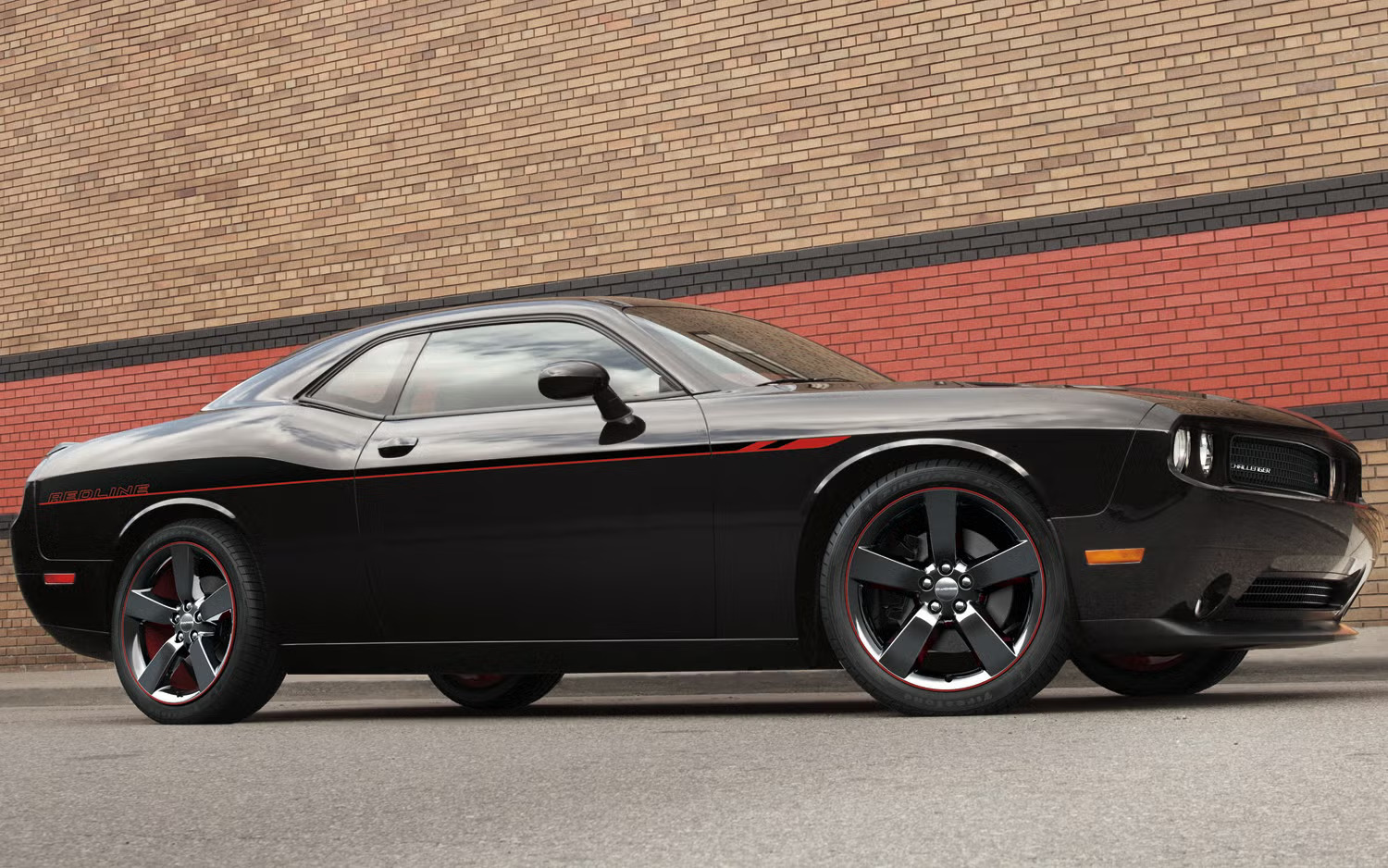
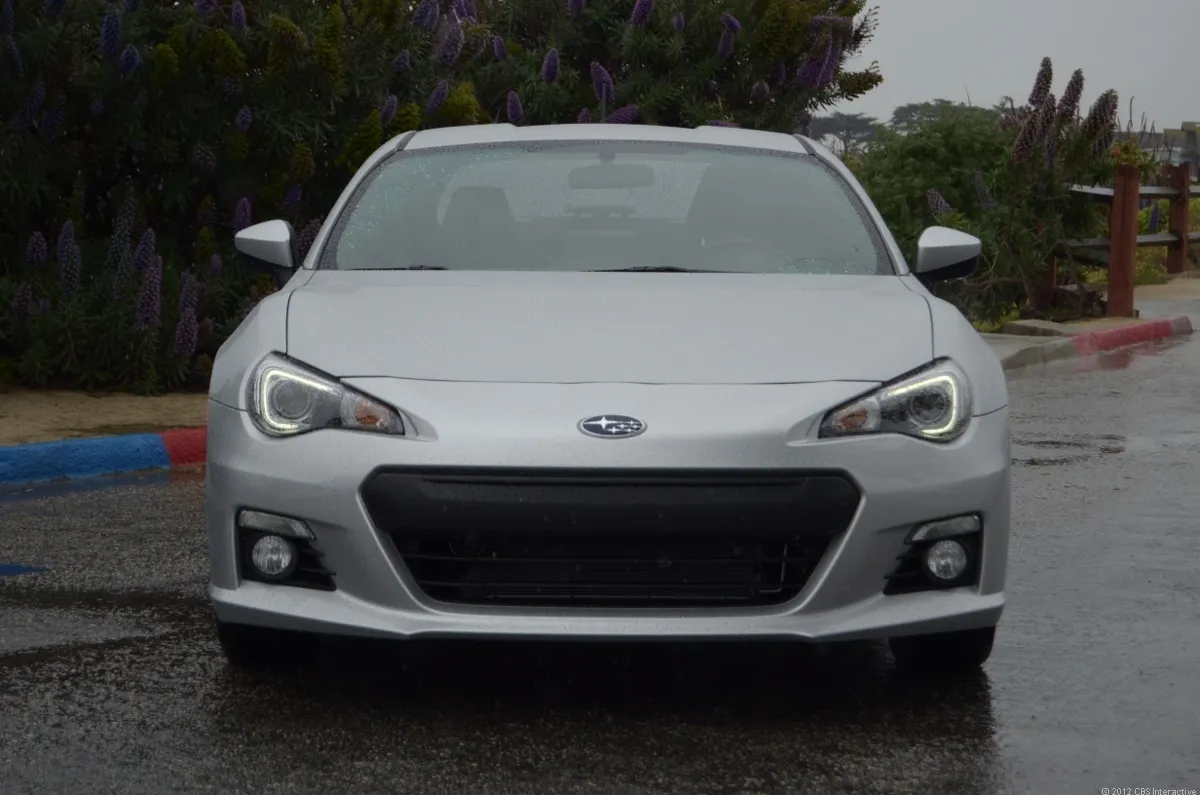
4. 2013 Subaru BRZ: Lightweight Fun with Precision Handling
The 2013 Subaru BRZ is the result of a successful partnership between Subaru and Toyota, creating an affordable, rear-wheel-drive sports coupe designed primarily for driving enjoyment.
Powered by a 2.0-liter naturally aspirated flat-four engine producing 197–200 hp and 151 lb-ft of torque, the BRZ comes with a standard 6-speed manual or an optional 6-speed automatic with manual mode. Its lightweight construction, at roughly 2,880 lbs, and low-mounted engine contribute to a highly responsive chassis that rewards both street and track driving.
The BRZ is designed with balance and driver engagement in mind. Its rear-wheel-drive layout, coupled with a Torsen limited-slip differential, precise steering, and a low center of gravity, allows for excellent cornering, predictable tail slides, and quick responses to throttle and brake inputs.
While the stock 17-inch tires are optimized for low rolling resistance rather than maximum grip, upgrading tires can significantly improve lap times and handling. The chassis inspires confidence, making it ideal for both learning vehicle dynamics and enjoying spirited drives.
The BRZ features a driver-focused interior with supportive front bucket seats, suede-like door panels, and well-placed controls. A 2+2 seating layout exists, but rear seats are cramped, suitable only for short trips or storage.
Cabin materials are generally high quality, though some trim pieces, such as the parking brake boot, may feel cheaply attached. The steering wheel is firm and comfortable, and the oversize tachometer with inset digital speedometer keeps essential information easily visible.
The standard Pioneer infotainment system is functional but clunky, lacking USB/AUX integration beyond iPod compatibility. Safety features include dual front airbags, side-impact and curtain airbags, electronic stability and traction control, anti-lock brakes, and tire pressure monitoring.
The BRZ strikes a balance between track readiness and everyday usability, offering firm yet controlled ride quality suitable for street driving.
J.D. Power rates the BRZ at 67/100 for reliability, with annual maintenance around $672 and a 4% chance of major repairs in the first five years. Used prices range from $8,746 to $18,178, making it an accessible entry point into sports car ownership.
The 2013 Subaru BRZ excels as a lightweight, engaging, and affordable sports car. Its balance, steering feedback, and chassis responsiveness deliver joy both on track and on regular roads, making it a standout choice for enthusiasts seeking pure driving fun without a premium price.
Also Read: 10 Cars That Look Stunning But Disappoint True Enthusiasts
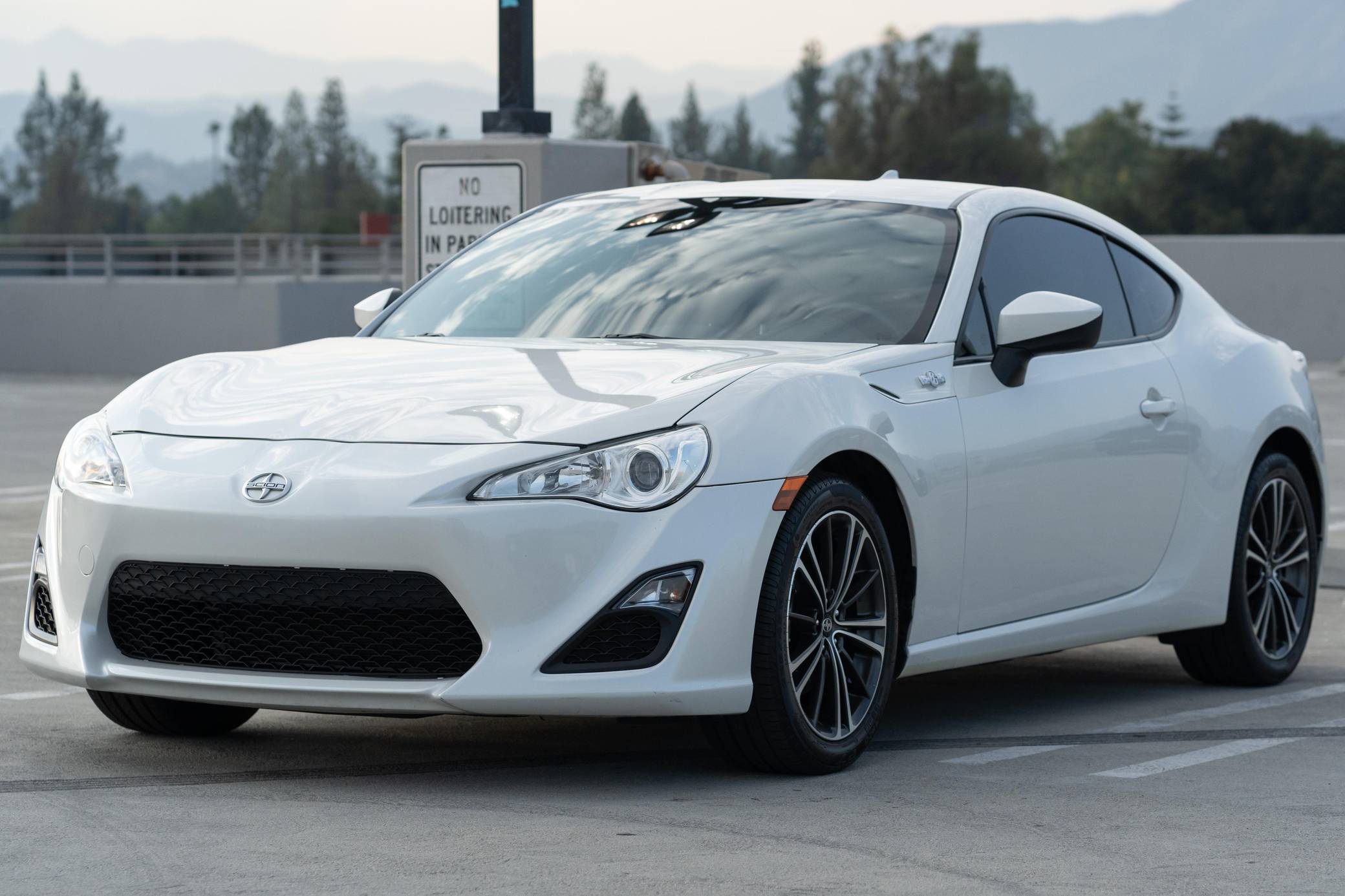
5. 2013 Scion FR-S: Affordable, Fun, and Track-Ready
The 2013 Scion FR-S is a lightweight, rear-wheel-drive sports coupe created in collaboration with Subaru. Sharing its platform and 2.0-liter flat-four engine with the Subaru BRZ, it produces 197 horsepower and 151 lb-ft of torque. Buyers can choose between a 6-speed manual or 6-speed automatic transmission.
The FR-S has an average used price ranging from $8,226 to $15,794 and annual maintenance costs of approximately $525, making it one of the most accessible sports cars for enthusiasts. J.D. Power rates its reliability at 74 out of 100, indicating good dependability with modest maintenance needs.
The FR-S emphasizes driver engagement rather than raw power. Its lightweight chassis, precise steering, and balanced handling make it highly responsive in corners and well-suited for track and autocross use. The car allows controlled tail slides and drift maneuvers, making advanced driving techniques achievable for many drivers.
Stability and traction control systems help maintain confidence on the road while still letting drivers explore the limits. Sport mode produces a firmer ride on uneven surfaces, which some may find challenging on rough roads.
Inside, the FR-S has supportive, racy front seats with red stitching and a driver-focused cockpit. The digital speedometer within the tachometer keeps critical information in view.
Rear seating is limited, providing space primarily for small cargo or shopping bags. The trunk can handle luggage for daily needs. Some interior elements, such as the HVAC controls and parking brake trim, feel less refined than expected from Toyota, and the stock Panasonic audio system lacks strong bass and easy connectivity.
The FR-S has a low, sleek profile with flowing lines and a sporty stance. While it nods to the classic Toyota AE86, many components, including the Subaru-sourced boxer engine and chassis, reflect its engineering roots. Build quality is solid with strong connectors and durable construction, although some minor plastic parts may be prone to wear over time.
The 2013 Scion FR-S delivers a fun, engaging, and practical sports car experience. Its rear-wheel-drive dynamics, precise handling, and lightweight design make it suitable for both street driving and track use. While it may not have the highest power in its segment, its agility, balance, and driving character make it an attractive option for enthusiasts seeking an affordable and exciting ride.
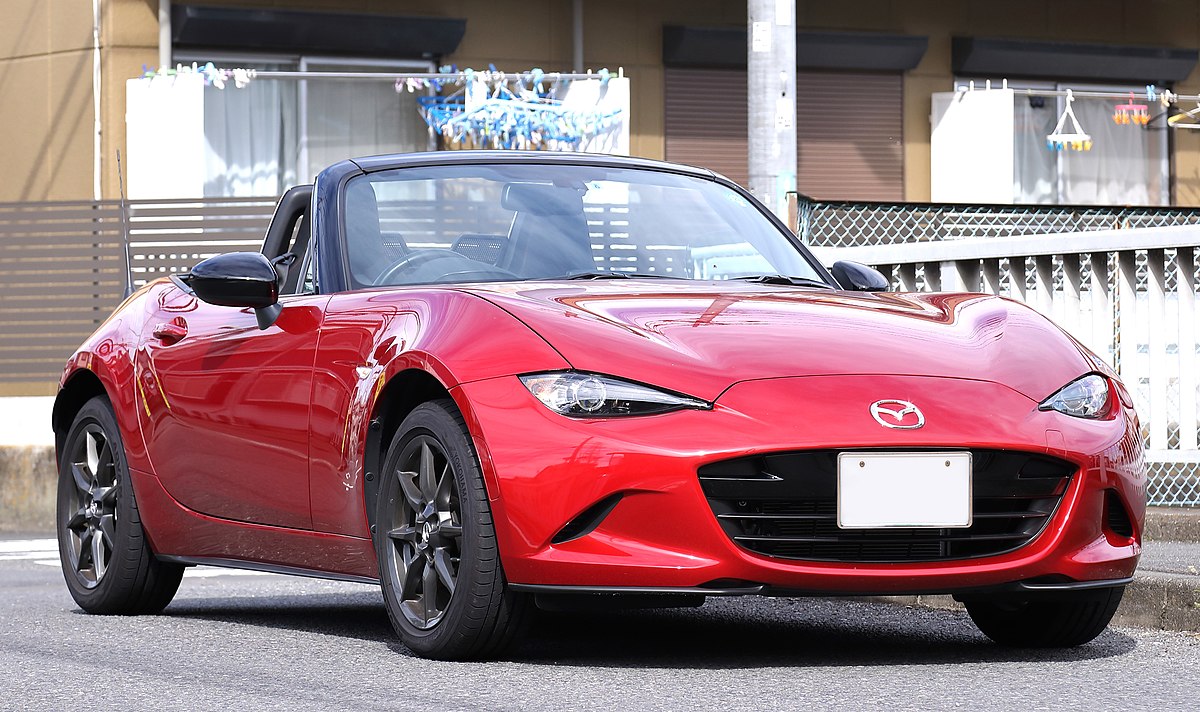
6. 2007 Mazda MX-5 Miata: Affordable Fun with Precision Handling
The 2007 Mazda MX-5 Miata continues the legacy of one of the most celebrated affordable sports cars. Known for its lightweight design, balanced chassis, and engaging driving dynamics, the NC-generation Miata combines reliability, practicality, and pure driving enjoyment.
It achieves a high 86/100 score on J.D. Power’s Quality and Reliability rating, with annual maintenance costs estimated at just $429 according to RepairPal. Its used prices range from $7,043 to $13,161, making it an accessible option for enthusiasts seeking a classic roadster experience.
At the heart of the MX-5 Miata is a 2.0-liter inline-four engine producing 170 horsepower and 140 lb-ft of torque. While not designed for raw speed, the engine’s responsiveness and the car’s light weight provide an ideal power-to-weight ratio for enjoyable driving.
The 6-speed manual transmission, especially with its short-throw shifter, delivers a connected and precise feel. Steering is sharp and intuitive, allowing the Miata to navigate corners with confidence. Available with a power-retractable hardtop (PRHT), the car offers the flexibility of a coupe or open-top roadster without sacrificing handling or trunk space.
The Miata’s interior is simple, functional, and driver-focused. Durable materials ensure longevity, and the seats provide adequate support, although lumbar adjustment is limited.
Storage is practical for a small roadster, with a trunk capable of handling daily essentials or luggage for a weekend trip. Optional features include a Bose audio system, heated seats, and cruise control, though modern connectivity options were limited in 2007.
The Miata maintains its classic, sporty styling with subtle muscular contours and a power bulge on the hood. Its PRHT option enhances versatility, allowing quick conversion from coupe to roadster without compromising cargo space or weight distribution.
The 2007 Mazda MX-5 Miata is highly recommended for enthusiasts who prioritize driving engagement, precision handling, and affordability. Its light, balanced chassis, responsive steering, and optional hardtop make it a versatile, fun, and practical sports car. This Miata delivers an experience defined by connection to the road, making everyday drives and spirited weekend trips equally enjoyable.
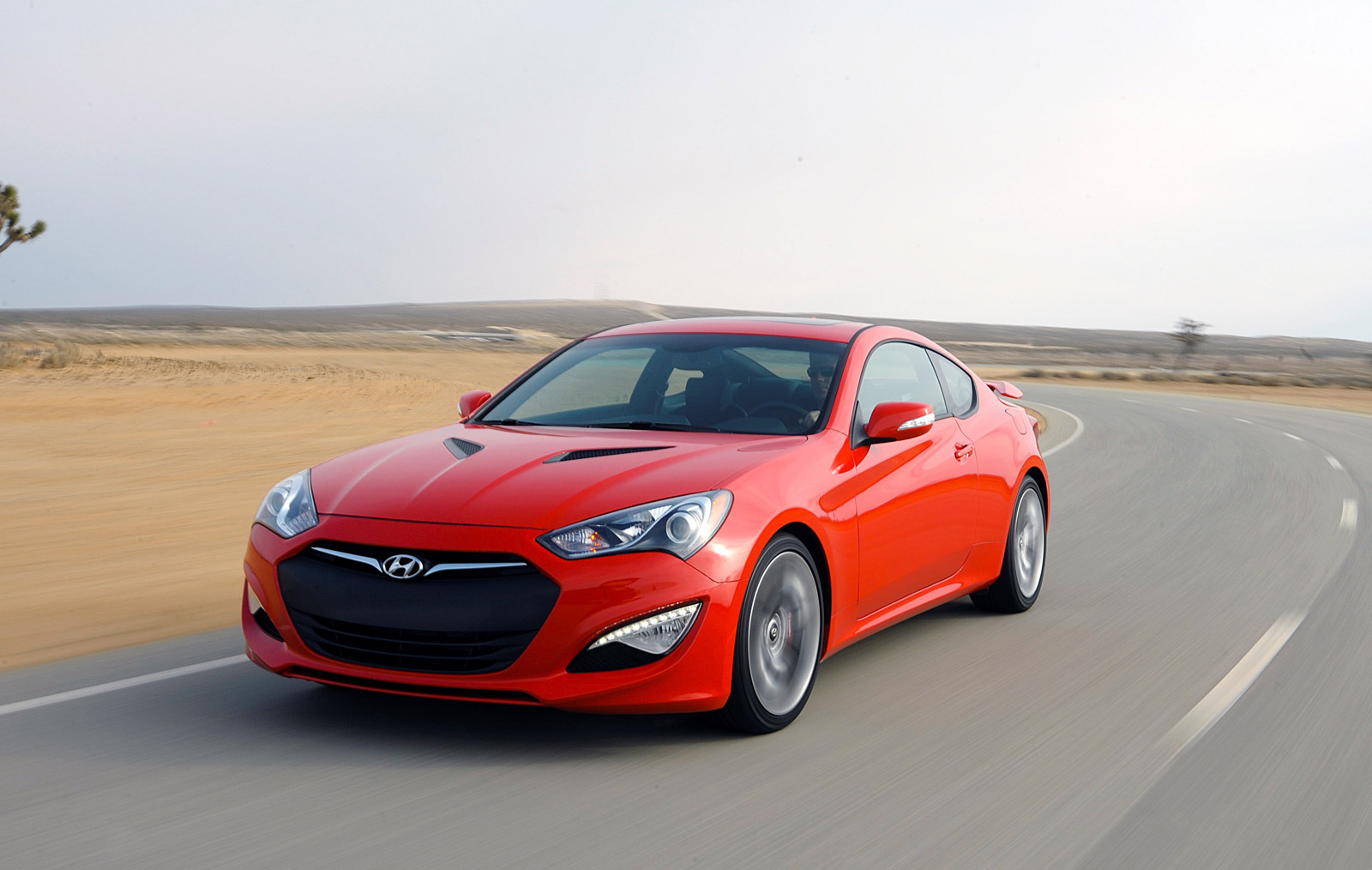
7. 2015 Hyundai Genesis Coupe: Affordable Power and Driving Enjoyment
The 2015 Hyundai Genesis Coupe offers an attractive option for buyers seeking an affordable, rear-wheel-drive sports car. Often overlooked, the Genesis Coupe delivers solid performance, decent reliability, and a driver-focused experience at a fraction of the cost of more well-known competitors.
It earns an 80/100 on J.D. Power’s Quality and Reliability rating, with annual maintenance costs averaging $621 according to RepairPal. Used prices range from $10,388 to $11,390, making it one of the cheapest performance cars available on the market.
The Genesis Coupe comes with a 3.8-liter V6 engine producing 348 horsepower and 295 lb-ft of torque. Buyers can choose between a standard six-speed manual transmission and an optional eight-speed automatic with paddle shifters.
The manual provides a traditional sports car feel, though it can feel imprecise, while the automatic offers crisp upshifts and rev-matched downshifts, making it a practical choice for spirited driving.
Acceleration is strong, with zero to 60 mph achieved in approximately 5.3 seconds. Fuel economy is reasonable for a V6 sport coupe, rated at 16 mpg city and 24 mpg highway for the manual, and slightly better on the highway with the automatic.
The cabin emphasizes driver engagement, with well-bolstered front sport seats and excellent visibility. The tilt-and-telescoping steering wheel allows customization for drivers of all sizes. Rear seating is limited, suitable only for occasional passengers or extra cargo, while the trunk offers a usable 10 cubic feet of storage expandable via folding rear seats.
Materials are generally solid, though some plastics and the auxiliary gauge cluster feel less refined than premium rivals. Controls are intuitive, and the available 7-inch touchscreen navigation is straightforward, though not visually impressive.
The Genesis Coupe delivers a lively exhaust note and engaging performance, with a suspension that balances responsiveness and ride comfort. Upgraded R-Spec or Ultimate models provide firmer handling and larger wheels but introduce more road noise.
Standard safety includes antilock brakes, stability and traction control, front-side airbags, and curtain airbags. The Blue Link telematics system adds convenience features like remote access and crash response.
The 2015 Hyundai Genesis Coupe is a compelling choice for buyers seeking a sporty, affordable, rear-wheel-drive coupe with solid performance, comfortable front seats, and a driver-focused experience, all without the premium price tag of European rivals.
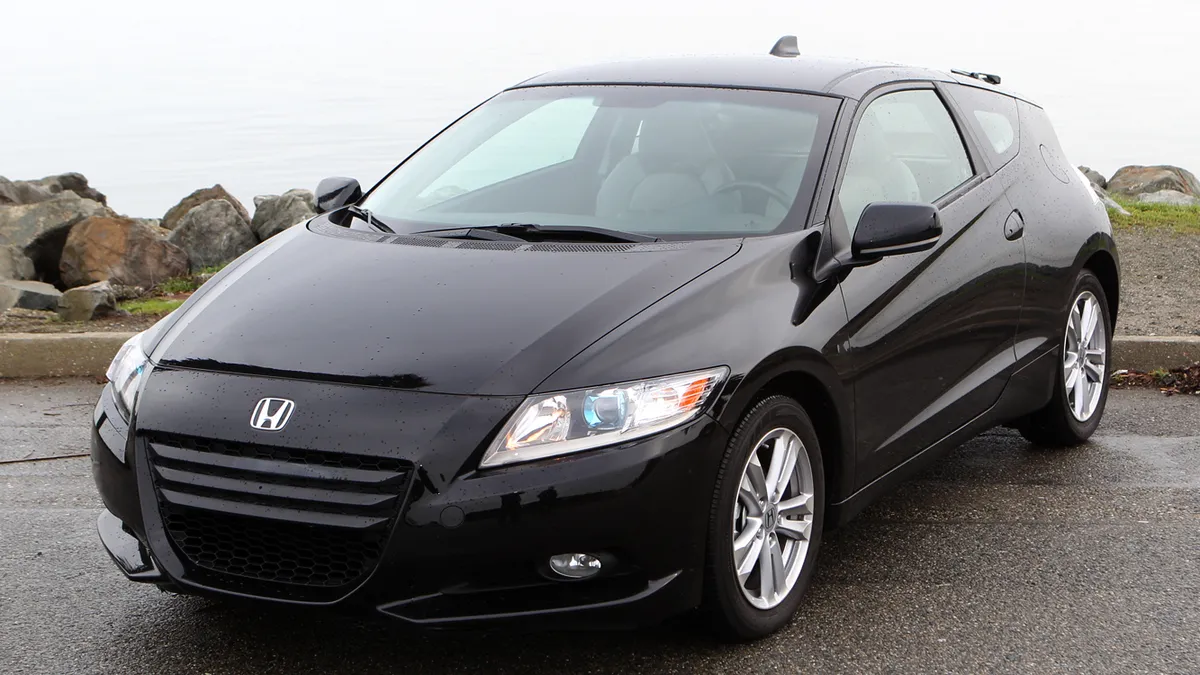
8. 2011 Honda CR-Z: A Hybrid with a Sporty Twist
The 2011 Honda CR-Z stands out as a hybrid sports car, combining a small, efficient powertrain with engaging driving dynamics. It features a 1.6-liter inline-four engine paired with an electric motor, producing 121 horsepower and 128 lb-ft of torque.
Buyers can choose between a six-speed manual or a CVT, with the manual offering short, precise shifts and a smooth clutch that enhances the driving experience. The electric motor provides extra torque, giving the car quick initial acceleration for a hybrid, though high-speed performance is modest.
Reliability is a key strength of the CR-Z, scoring 82/100 on J.D. Power’s Quality and Reliability rating. Repair costs are low, averaging about $430 per year according to RepairPal. Used prices range from $5,507 to $8,000, making it a very affordable option for buyers seeking a sporty, low-cost hybrid.
The exterior is distinctive, featuring a low stance, raked rear window, and unique rear lights. Its compact dimensions make it stand out, but they limit rear visibility and passenger space. Front seats accommodate adults comfortably, while rear seats are minimal, with U.S. models sacrificing the bench for extra cargo space. The trunk offers 8.2 cubic feet of storage, and a full-size spare sits under the battery pack.
Inside, the CR-Z’s instrument cluster focuses on the driver, combining digital and analog displays for speed, revs, battery charge, and energy flow. Sport mode sharpens throttle response, while Eco and Normal modes prioritize efficiency, though pedal feel becomes less responsive. Cabin materials feel durable, though not luxurious, and the driving position is low, giving a connected feel to the road.
Handling is nimble due to a low ride height and short suspension travel, with modest body roll and precise steering. Braking lacks some feedback, and front seats do not offer strong side bolstering during spirited cornering. Fuel economy is solid, averaging 25 mpg in spirited driving, with potential to reach EPA-rated 31/37 city/highway figures when driven conservatively.
The Honda CR-Z is not a high-performance sports car, but it represents one of the first widely produced sporty hybrids. Its combination of efficiency, reliability, affordability, and distinctive design makes it a forward-looking choice for enthusiasts willing to trade raw speed for innovation.
9. 2010 Chevrolet Camaro LT: Affordable American Muscle
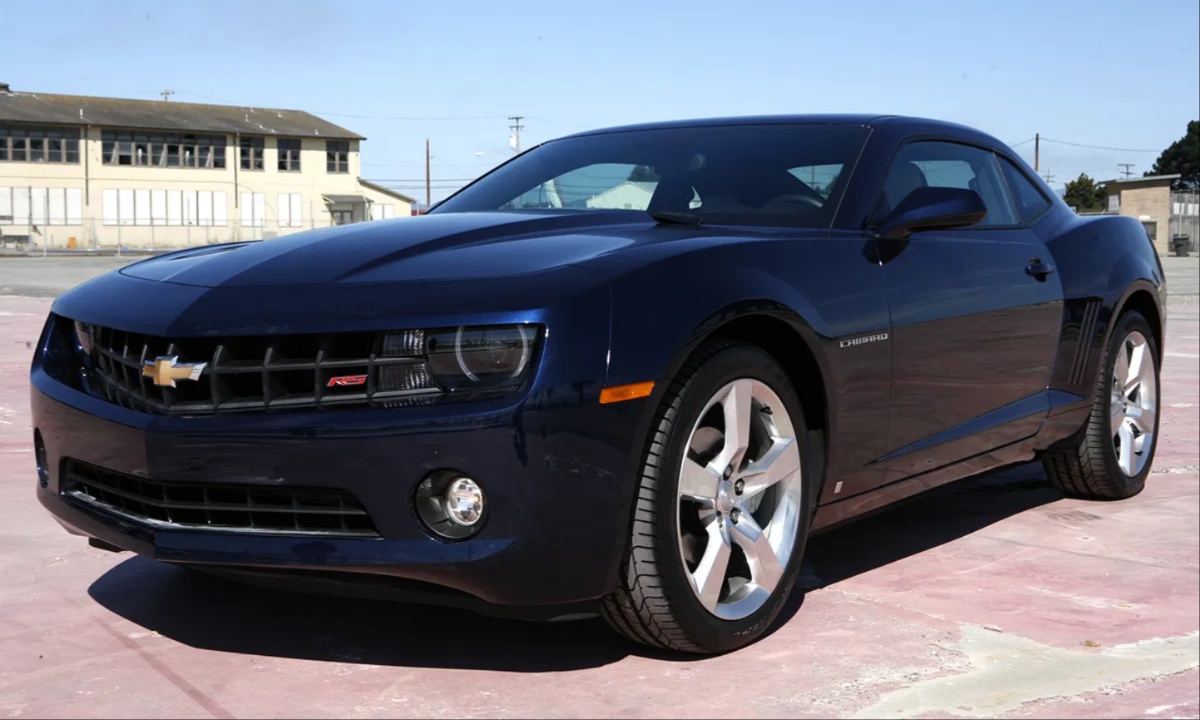
The 2010 Chevrolet Camaro LT represents a standout example of American muscle cars, combining retro-inspired styling with modern engineering.
Powered by a 3.6-liter V6 producing 312 horsepower and 273 lb-ft of torque, the LT strikes a balance between strong performance and manageable running costs. Buyers can choose between a six-speed manual or automatic transmission, offering flexibility for both daily driving and spirited outings.
Reliability is a key advantage for the 2010 Camaro LT, earning an impressive 88/100 on J.D. Power’s Quality & Reliability rating. RepairPal estimates annual maintenance costs at $585, while its 3.5/5 score reflects solid long-term dependability for a sports car.
Used prices are accessible, with Kelley Blue Book valuing the V6 LT around $7,508 and Classic.com reporting average V6 values between $10,000 and $15,000, making it an attractive option for enthusiasts seeking muscle car performance without overspending.
The Camaro LT’s styling is a highlight, featuring a bold, retro design that evokes classic 1960s Camaros. Its muscular stance, two-toned interior accents, and driver-focused dashboard contribute to its visual appeal.
Front seats are comfortable and adjustable, with heating options, while the tilt-and-telescoping steering wheel enhances ergonomics. However, rear visibility is limited due to thick pillars and a high beltline, and the back seats are cramped, functioning more as occasional seating or cargo space.
Performance and handling impressed reviewers, with the V6 offering sufficient power for highway driving and spirited runs. The chassis feels balanced and planted, delivering predictable handling and confident cornering for a mid-range muscle car. Fuel economy reaches up to 29 MPG on the highway, making it more practical than many V8 competitors.
Technology options include Bluetooth, OnStar, and a Head-Up Display, though some interior materials feel cheap compared to competitors. Owners praise the Camaro LT for its iconic looks, fun driving experience, and strong value, while noting the drawbacks of limited rear visibility, tight rear seats, and minor interior compromises.
The 2010 Chevrolet Camaro LT delivers a compelling blend of classic muscle car aesthetics, engaging performance, and affordability, making it a desirable choice for drivers seeking the American muscle experience without the higher costs of larger V8 models. Its combination of style, reliability, and fun driving character cements its place as one of the best-accessible muscle cars of its era.
These nine sports cars show that affordability and driving enjoyment can coexist. They combine accessible prices, reasonable repair costs, and dependable engineering, making them ideal for enthusiasts who want a spirited ride without financial strain.
From hybrids like the Honda CR-Z to classic muscle options like the Dodge Challenger R/T, each car delivers a distinct experience, emphasizing driver engagement, comfort, and style.
Whether you value precision handling, turbocharged acceleration, or retro muscle flair, this list proves that you don’t need to spend a fortune to enjoy the thrill of the road. Choosing one of these vehicles allows drivers to embrace performance and reliability simultaneously, making budget-friendly sports car ownership both realistic and fun.