
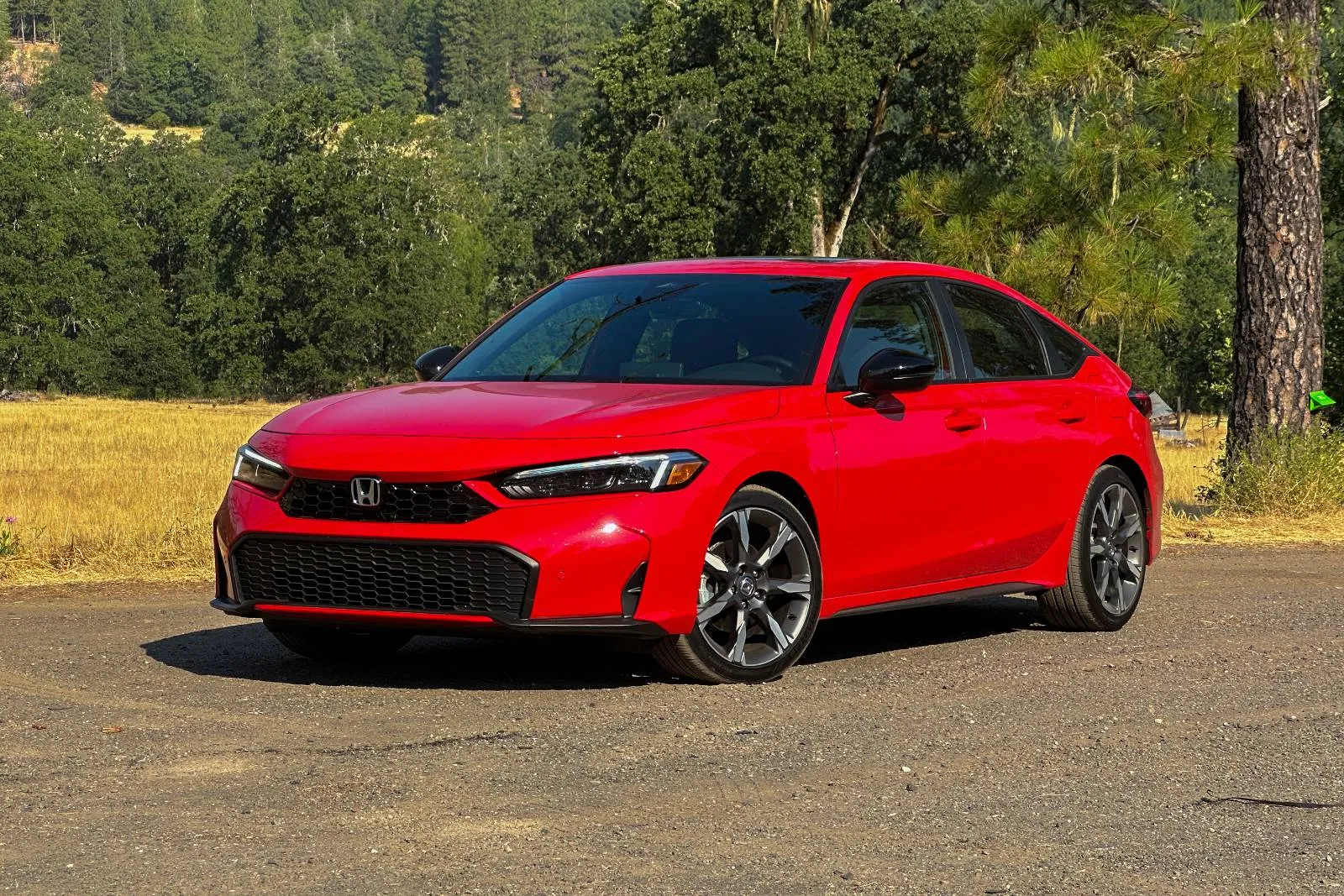
Choosing a car for college and city life is not about chasing speed or luxury badges. It is about daily reality. Tight parking lots. Constant stoplights. Short trips mixed with long study nights.
Hot weather pushes cooling systems and interiors to their limits. A good city and college car needs to feel easy, forgiving, affordable to run, and stress-free to live with.
Tempe presents its own rhythm. Streets stay busy. Parking can feel scarce. Fuel stops add up quickly. Students and young professionals want something that starts every morning, fits into small spaces, and does not punish the wallet when repairs come due.
Comfort matters, but so does simplicity. A car that feels clever on paper can become exhausting when it demands constant attention or costly upkeep.
This list separates cars that quietly succeed in college and city driving from those that struggle once daily reality sets in. The first part focuses on five vehicles that fit urban routines well. Each one brings reliability, efficiency, and usability that make everyday driving easier rather than harder. None relies on gimmicks. All deliver value where it matters most.
The next section will examine five cars that may look appealing at first glance but fail to hold up under the demands of city streets and student life. For now, these five earn their place as smart, practical companions for Tempe living.
5 Cars for Tempe College & City Driving
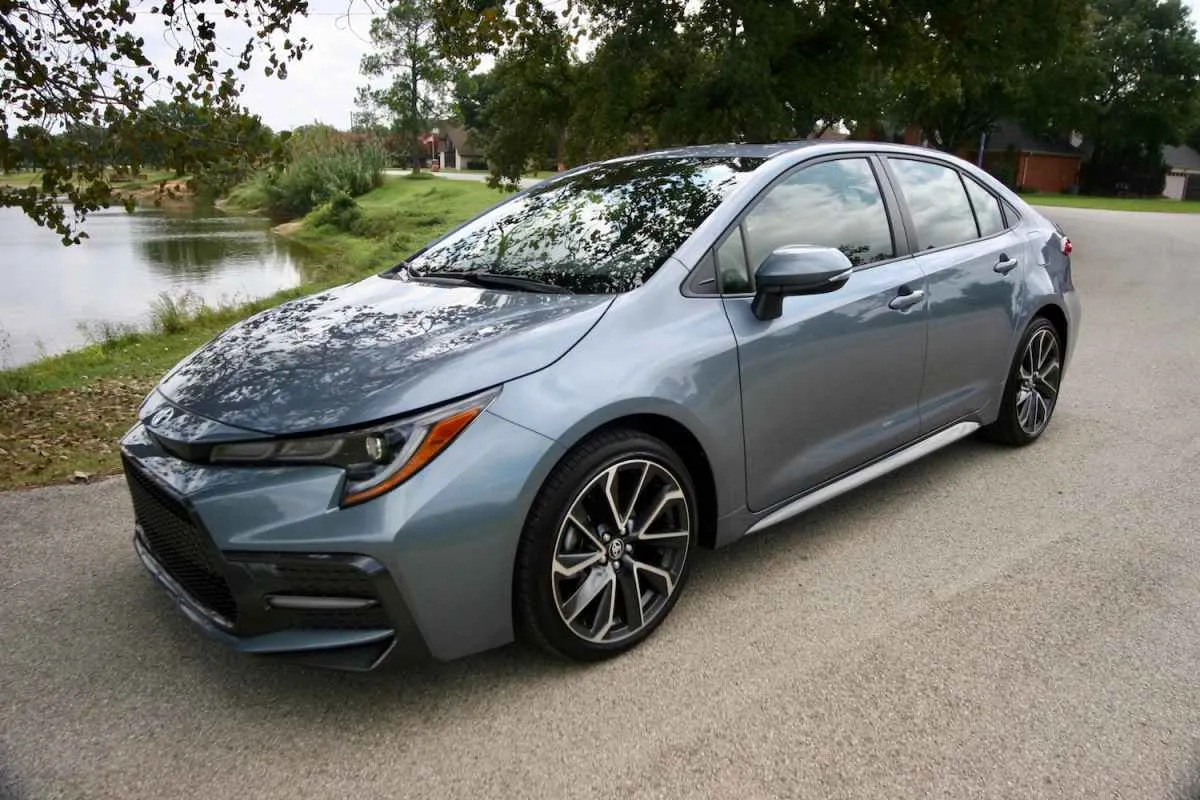
1. Toyota Corolla 2021
Toyota Corolla 2021 fits college and city driving with quiet confidence that grows stronger the longer it is owned. Nothing about it tries to impress at first glance, yet daily use reveals thoughtful design choices that reduce stress.
Compact exterior proportions make parking in crowded lots simple, while wide glass areas improve awareness at intersections and inside tight garages. That visibility matters when traffic stays unpredictable. Fuel efficiency plays a central role in its appeal.
City mileage remains dependable even during frequent short trips, keeping weekly fuel spending steady. Cooling performance also remains consistent during hot weather, allowing the cabin to stay comfortable without overworking mechanical systems. Corolla engineering focuses on longevity rather than excitement, which benefits students balancing budgets and schedules.
Interior layout stays refreshingly straightforward. Controls are easy to understand, buttons remain tactile, and the infotainment system reacts quickly without distraction. Seating provides proper support for commutes and longer drives without causing fatigue. Rear seating works well for friends, study groups, or errands across town.
Reliability continues to define the Corolla name. Routine service costs remain low, and unexpected repairs rarely appear. Insurance pricing stays friendly for younger drivers, while parts availability keeps service delays minimal. That predictability becomes valuable during busy academic schedules.
Driving behavior stays calm and forgiving. Steering feels light, suspension smooths rough pavement, and braking response remains consistent. Corolla never demands attention or constant correction, allowing drivers to focus on traffic and timing. Toyota Corolla 2021 succeeds by respecting everyday reality and delivering steady dependability where it matters most.
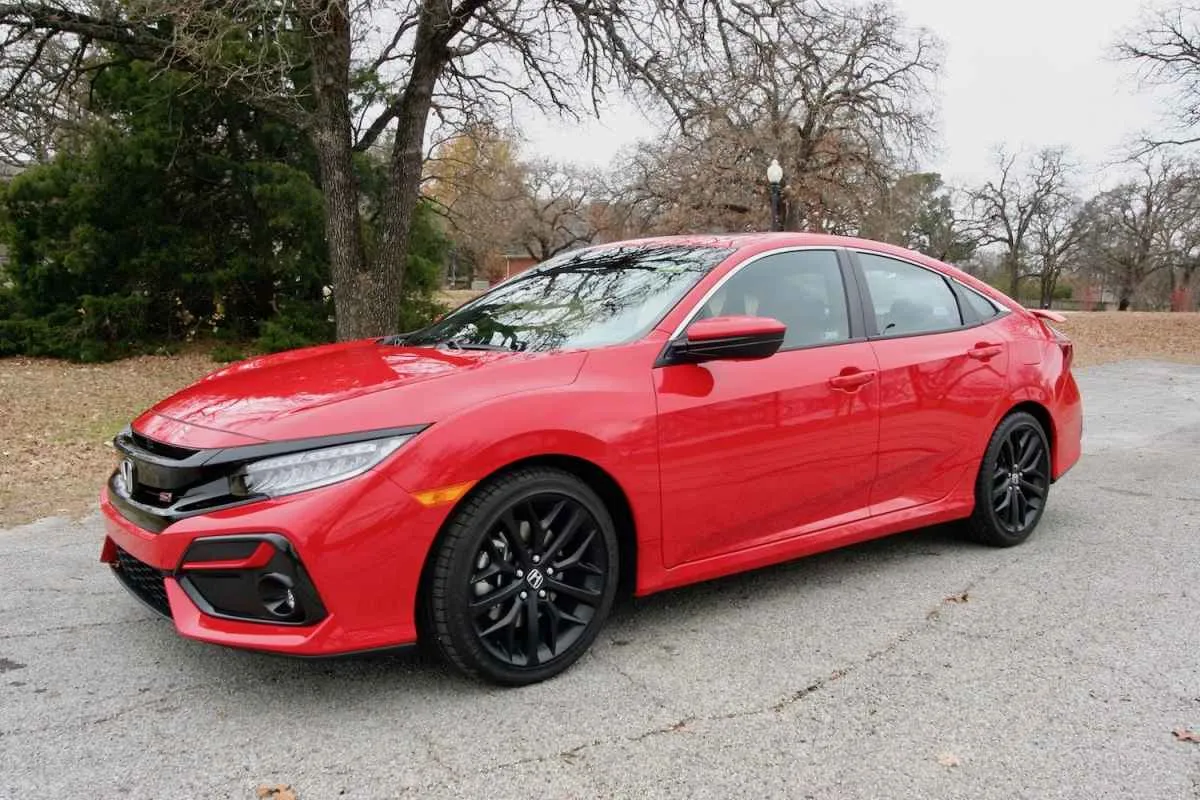
2. Honda Civic 2020
Honda Civic 2020 brings a slightly more energetic personality while remaining perfectly suited for college and city routines. Exterior styling feels modern without sacrificing sightlines, and compact dimensions allow easy maneuvering through narrow streets. Interior space surprises first-time drivers, offering generous legroom and a trunk that handles daily tasks with ease.
Fuel efficiency stays strong during stop-and-go travel, helping reduce ongoing costs. Cooling systems handle warm conditions well, keeping passengers comfortable during traffic delays. Civic engines respond quickly to throttle input, which helps when merging or changing pace around busy intersections.
Cabin design balances function with refinement. Controls feel well placed, screens remain readable in bright sunlight, and materials hold up well under regular use. Seating encourages good posture, reducing fatigue during long days filled with classes and errands.
Road behavior adds confidence without stress. Steering accuracy helps drivers place the car easily in tight spaces, while suspension tuning absorbs uneven pavement without feeling soft. That balance proves helpful during sudden lane changes or crowded parking areas.
Ownership expenses remain manageable. Honda reliability continues to earn trust, maintenance intervals feel reasonable, and insurance rates remain approachable. Resale value also stays strong, offering flexibility if plans change after graduation.
Honda Civic 2020 works well for drivers who want efficiency paired with a hint of personality. It remains easy to live with while offering a more alert feel than many competitors, making daily driving feel less routine.
Also Read: 5 Cars for Chattanooga Mountain Roads vs 5 That Overheat
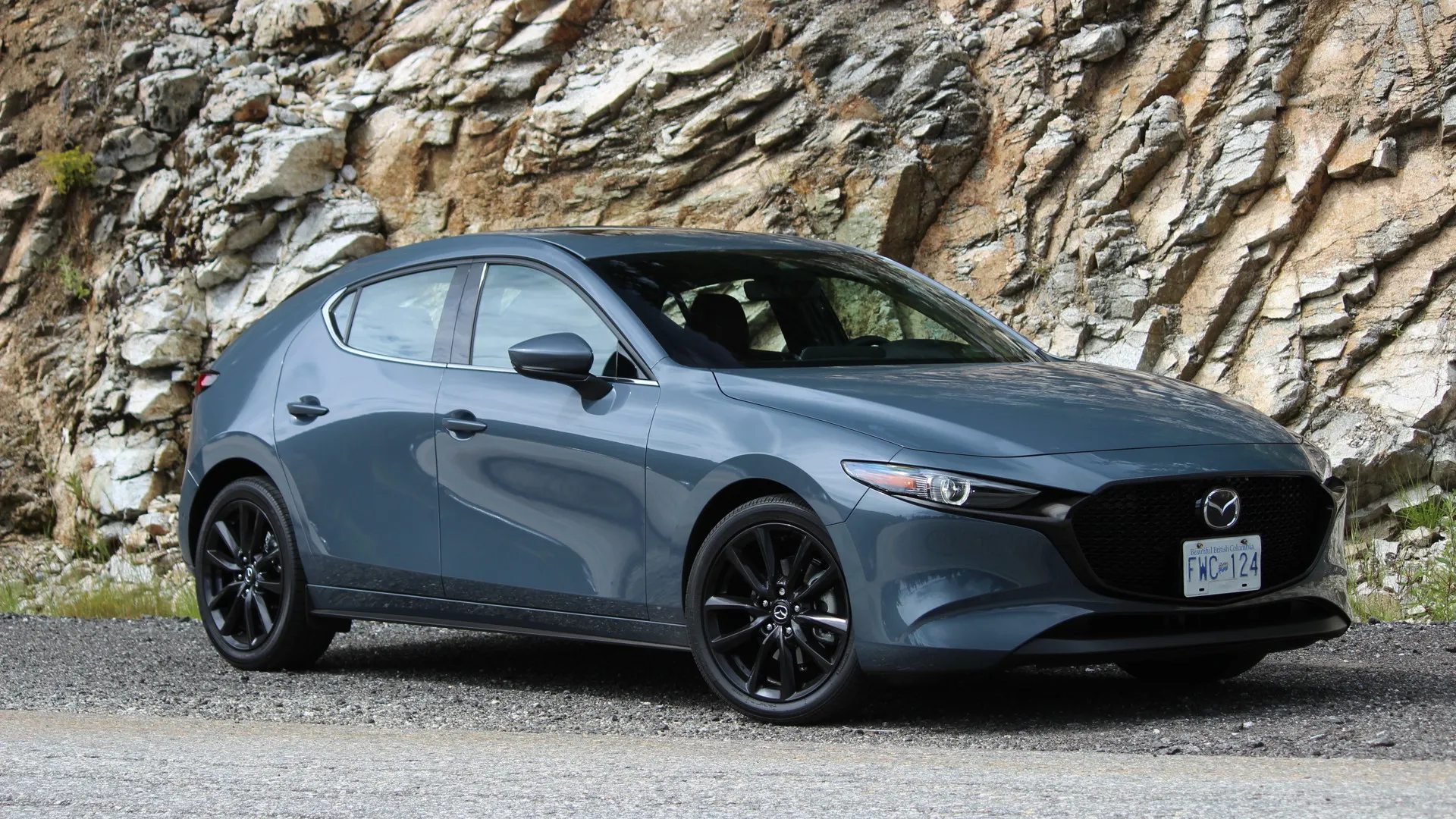
3. Mazda3 Hatchback 2019
Mazda3 Hatchback 2019 delivers a polished daily driving experience without introducing extra stress for owners. Its compact footprint and short length make parking far easier in crowded areas, while the hatchback design adds real usefulness. Campus moves, grocery runs, and weekend trips benefit from the added cargo access, all without increasing the car’s entire size or making it harder to manage.
Efficiency remains solid for everyday use, helping keep fuel expenses under control. Cooling performance holds up well in warm weather, maintaining comfort during slow-moving traffic. Engine behavior stays smooth and predictable, which fits city driving patterns where frequent stops and short distances are common.
Step inside, and the cabin immediately feels thoughtfully crafted. Materials feel carefully selected rather than inexpensive, and the layout avoids unnecessary clutter. Controls are simple and easy to reach, making the driving experience feel intuitive from the start. Seats provide support for quick errands and longer drives alike, while sound insulation helps reduce outside noise and fatigue during busy commutes.
On the road, the Mazda3 feels composed and confident. Steering response offers a clear sense of direction, helping drivers place the car accurately in tight spaces. Suspension tuning handles uneven pavement and speed bumps with ease, striking a comfortable balance that suits urban conditions well. Traffic-heavy routes feel manageable rather than draining.
Ownership costs remain reasonable, which adds to its appeal. Reliability has been a consistent strength, and insurance pricing stays within reach for students and young professionals. Resale value also remains strong, offering flexibility when plans change later on.
Mazda3 Hatchback 2019 fits drivers who want everyday practicality with a touch of refinement. It handles city life smoothly while providing a driving experience that feels intentional and well considered, not simply built for basic transportation.
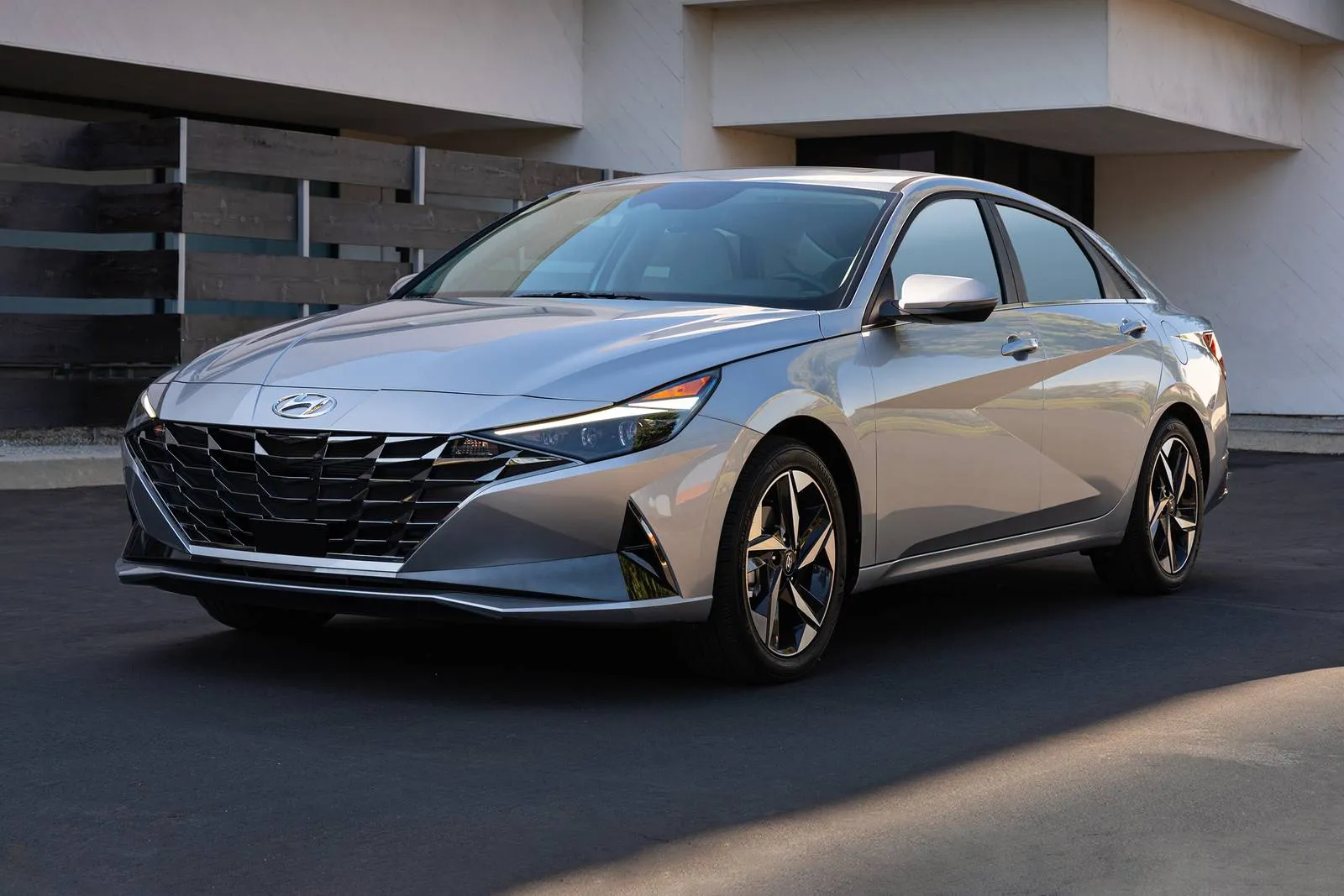
4. Hyundai Elantra 2022
Hyundai Elantra 2022 strikes a smart balance between fresh styling and practical daily use, making it well-suited for college schedules and city routines. The exterior stands out without feeling oversized, and its manageable footprint keeps parking simple in crowded lots and tight neighborhoods. Maneuvering through narrow streets feels natural, which helps reduce stress during busy hours.
Efficiency plays a major role in its appeal. Frequent short drives and stoplight-heavy routes do little to disrupt fuel savings, keeping weekly expenses predictable. Cabin cooling performs reliably, maintaining comfort even when traffic crawls or idling stretches longer than expected. Engine response stays smooth and consistent, helping daily driving feel relaxed rather than tiring.
Inside, the Elantra focuses on ease of use. Screens remain easy to read in bright conditions, and controls feel thoughtfully placed. The layout avoids clutter, allowing drivers to find what they need quickly. Seats offer enough cushioning for longer trips while still providing support during everyday commuting. The rear seating handles passengers comfortably, making carpools and group outings easy.
Road manners suit urban conditions well. Suspension tuning absorbs rough pavement and speed bumps without harshness. Steering feels light and predictable, which helps in tight spaces and heavy traffic. Long drives across town feel manageable, even during peak hours.
Ownership experience adds another layer of appeal. Warranty coverage provides reassurance, especially for students and first-time buyers. Routine service costs stay reasonable, and long-term dependability has improved noticeably with this generation. That confidence allows drivers to focus on their schedules rather than unexpected repairs.
Hyundai Elantra 2022 works because it keeps things simple. Modern comfort, efficient performance, and low-stress ownership come together to support busy city and college life without unnecessary complications.
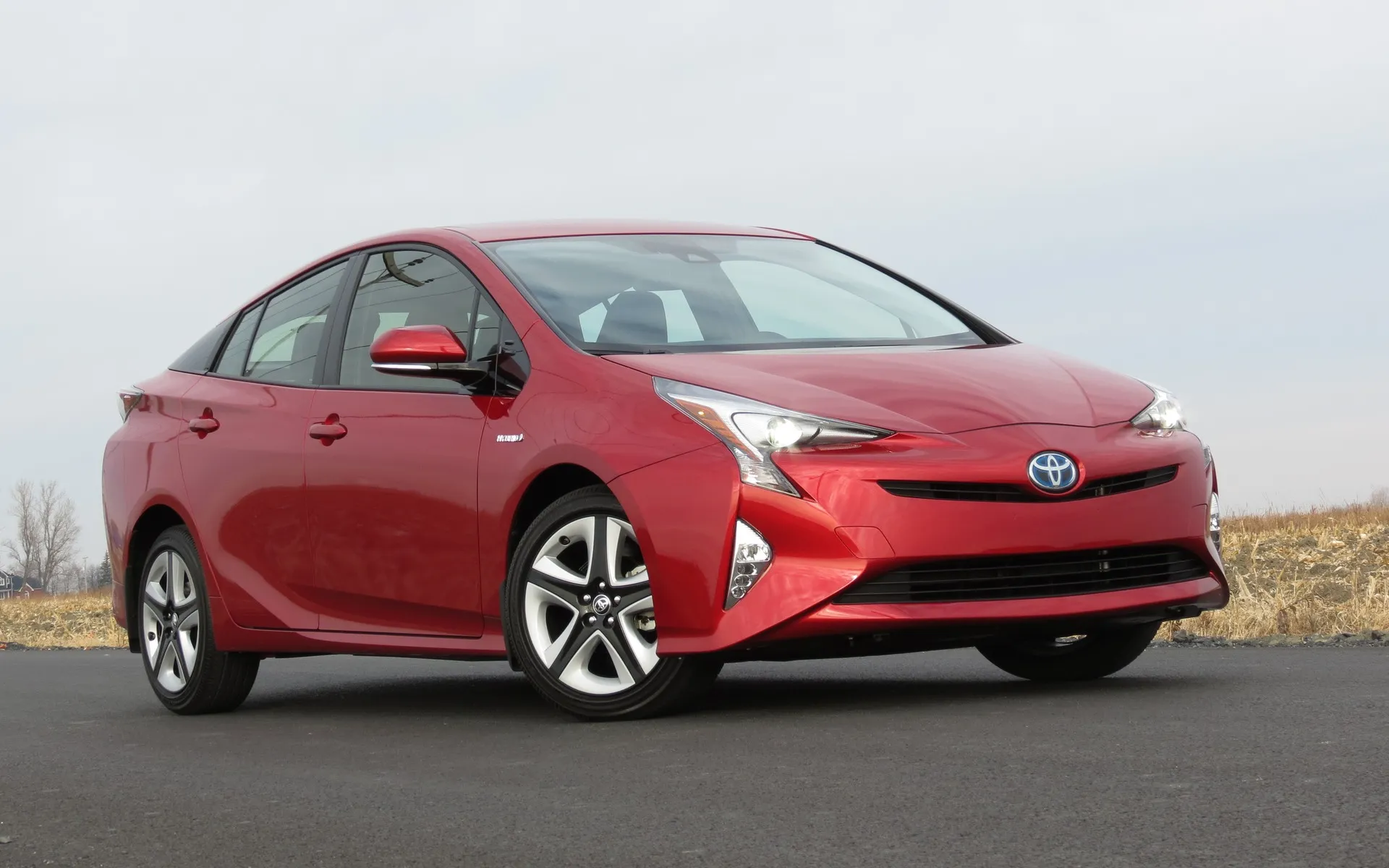
5. Toyota Prius 2018
Toyota Prius 2018 feels purpose-built for city life, especially when daily routines involve constant stops, short trips, and crowded streets. Those conditions highlight exactly what this car does best. Fuel efficiency becomes more than a talking point. Savings add up quickly, easing one of the most persistent expenses for students and urban drivers who rely on their car every day.
Size works in the Prius’s favor. Its compact footprint makes parking far less stressful in tight campus lots and busy neighborhoods. The hatchback design adds a layer of usefulness that sedans often lack. Groceries, backpacks, gym bags, and weekend luggage all fit without effort. Visibility also remains a strong point, helping drivers stay aware of cyclists, pedestrians, and surrounding traffic.
Inside, the cabin focuses on ease of use rather than flair. Controls are arranged logically, displays provide clear information, and nothing feels unnecessarily complicated. Seating stays comfortable during longer drives, which matters when classes, work, and errands stretch across the day. Climate control performs consistently, handling warm conditions without struggling or feeling overworked.
On the road, the Prius keeps things relaxed. Acceleration matches city demands without drama. Suspension tuning smooths out uneven pavement and speed bumps, creating a comfortable ride even on rougher streets. Quiet operation reduces fatigue, especially during long waits in traffic or stoplight-heavy routes.
Ownership experience strengthens its appeal. Reliability history stands as one of the Prius’s strongest qualities. Routine service remains affordable, unexpected repairs are uncommon, and insurance rates tend to stay manageable. Longevity has become part of the Prius reputation, making it a dependable choice for drivers planning to keep a car through college and beyond.
Toyota Prius 2018 delivers where it matters most for city and college driving. Efficiency, reliability, and everyday ease combine to create a vehicle that supports busy schedules instead of complicating them. For students and urban drivers, it continues to make daily life simpler and more predictable.
Cars That Struggle With Tempe College and City Driving
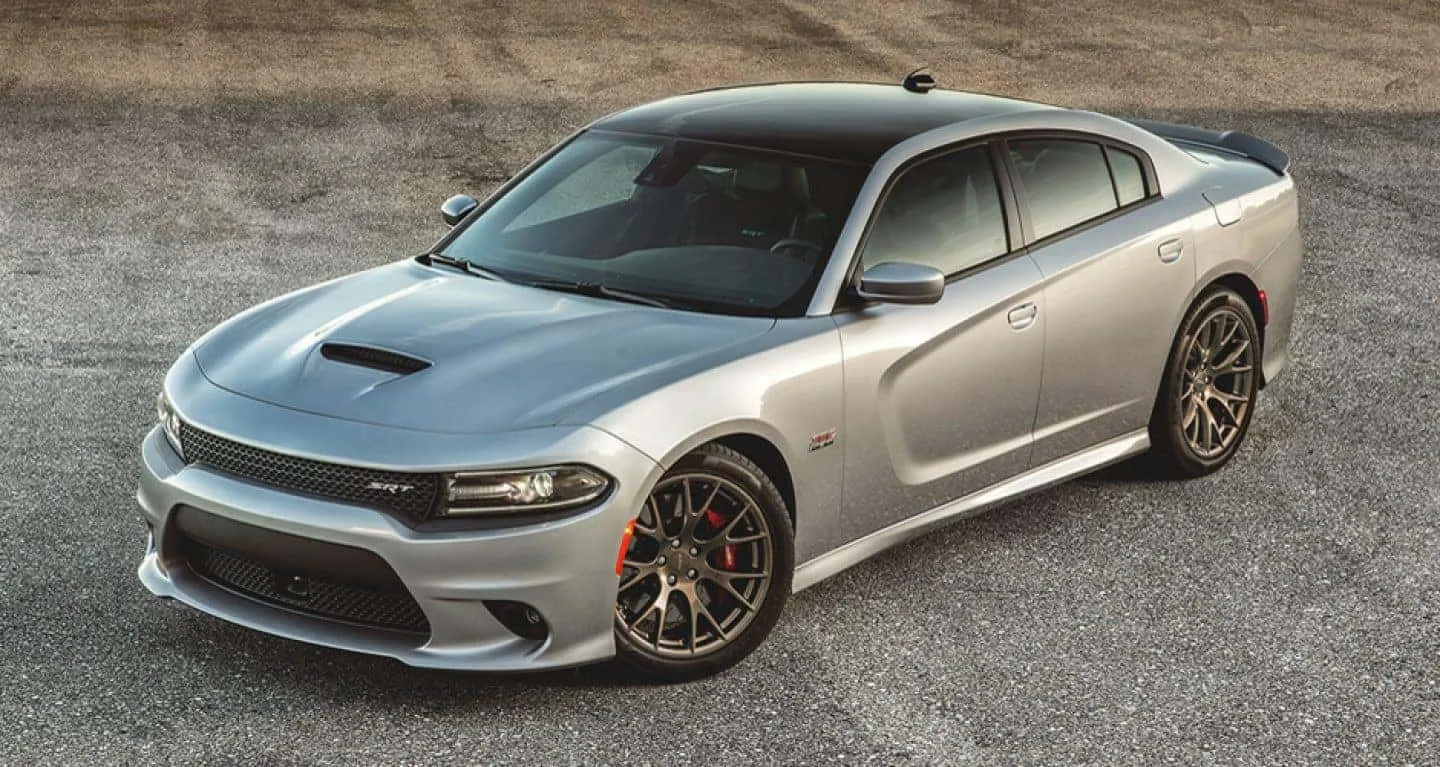
1. Dodge Charger 2018
Large proportions define the Dodge Charger 2018, and that physical presence becomes a daily obstacle in college and city settings. Parking garages feel tighter than expected, especially older campus structures with narrow lanes and low ceilings. Parallel parking turns into a multi-step process that demands patience, and tight campus streets leave little margin for error. What feels stable and confident on open highways becomes tiring when errands stack up.
Fuel consumption presents a constant reminder that this car was not designed for short trips. Stop-and-go traffic drains fuel quickly, pushing weekly costs higher than most students anticipate. Air conditioning use in warm climates adds to that strain, forcing the engine to work harder even during slow crawls through traffic. Budget planning becomes harder when fuel spending fluctuates so widely.
Interior space appears generous at first glance, yet daily practicality tells another story. Long doors require wide clearance, which rarely exists in crowded lots. Rear seating feels spacious, but access proves inconvenient in tight spaces. Cabin materials show wear sooner than expected, especially on frequently touched surfaces. Infotainment systems also feel dated compared to newer designs, adding frustration during quick drives.
Low-speed driving exposes the Charger’s weight. Steering feels heavier than expected, and maneuvering through dense traffic demands constant attention. Suspension tuning favors straight roads rather than uneven city pavement, which leads to a less comfortable ride during daily use. Quick directional changes feel unnatural, especially in congested areas.
Ownership expenses add further pressure. Insurance premiums reflect the Charger’s performance image, while maintenance costs trend higher as mileage climbs. Reliability concerns also appear more often than with smaller sedans.
Dodge Charger 2018 suits wide roads and long-distance cruising far better than daily college routines. City living highlights its size, fuel demands, and ownership costs, making it a difficult match for Tempe life.
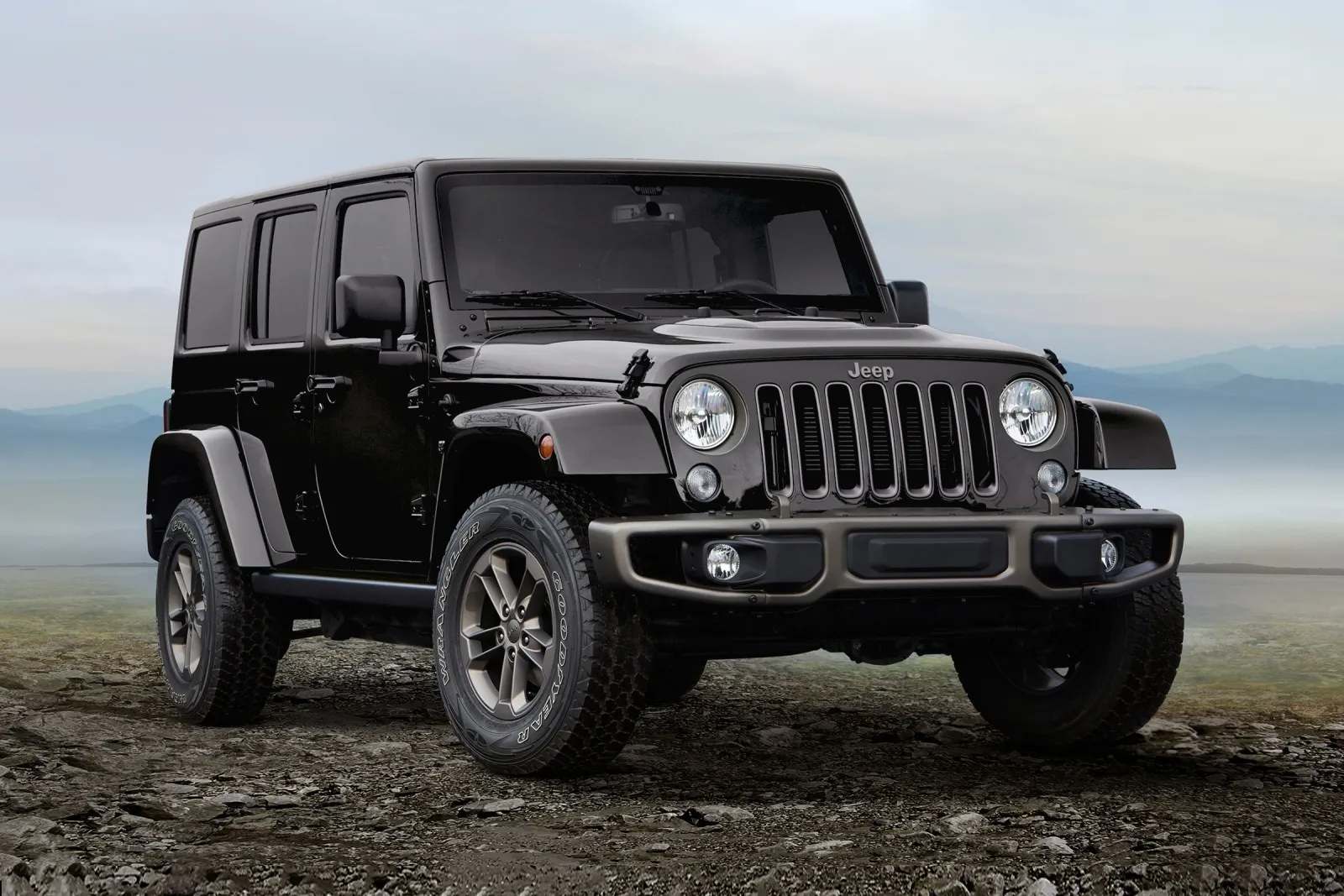
2. Jeep Wrangler Unlimited 2017
Rugged character defines the Jeep Wrangler Unlimited 2017, yet city and college use quickly reveal compromises. Boxy proportions complicate parking, and tall ride height creates blind spots that require constant attention. Tight garages feel unforgiving, especially with limited turning space and narrow entrances. Spare tire placement further restricts rear visibility.
Fuel economy remains poor in urban driving. Short trips barely allow the engine to operate efficiently, leading to frequent fuel stops that become routine rather than occasional. Air conditioning systems also work harder in warm weather, increasing consumption even further. Budget-conscious drivers feel the impact quickly.
Interior comfort takes a back seat to durability. Road noise enters the cabin constantly, even at moderate speeds. Seats lack long-drive support, which becomes noticeable during daily commutes. Storage space feels awkward despite the vehicle’s size, limiting convenience during errands or grocery runs.
Urban driving behavior feels clumsy. Steering lacks precision, and suspension reacts harshly to uneven pavement and speed bumps. Crowded streets demand constant correction, which increases fatigue after some time. Maneuverability never feels natural in tight environments.
Maintenance needs add another layer of frustration. Tires wear faster than expected, suspension components require attention, and insurance rates reflect off-road branding rather than city reality. Repair costs rise quickly as mileage increases.
Jeep Wrangler Unlimited 2017 excels far from pavement, yet daily college routines expose its weaknesses. City use turns driving into work rather than convenience, which clashes with busy student schedules.
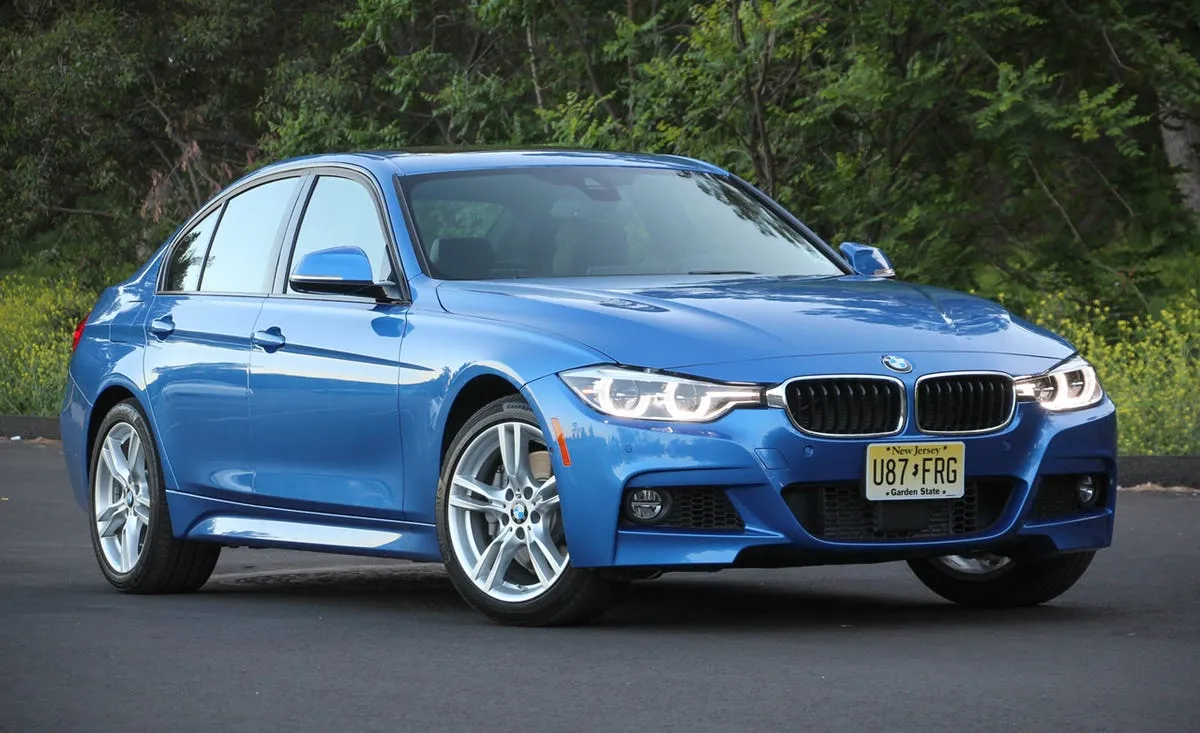
3. BMW 328i 2016
Luxury styling and badge appeal often draw people toward the BMW 328i 2016, especially students or young professionals looking for something that feels upscale. At first glance, it seems like a smart fit for city life. The car is relatively compact, which helps in crowded parking lots and narrow streets.
Still, daily use quickly reveals challenges that are easy to overlook during a short test drive. Low ground clearance requires constant awareness around curbs, steep driveways, and uneven pavement common near campuses. Parking garages demand careful angles and slow entry to avoid scraping.
Running costs become another reality check. Short city trips reduce fuel efficiency, and the requirement for premium gasoline adds up fast. In warmer climates, cooling systems work harder, placing extra strain on components and increasing long-term wear. What starts as a refined driving experience slowly turns into a costly routine when used daily.
The cabin feels well-crafted, with clean lines and quality materials, but the technology can feel overwhelming. Electronic systems are layered and require time to learn. Small software hiccups or sensor warnings interrupt routines more often than expected. When issues arise, repairs usually require specialized service centers, which increases downtime and limits flexibility for students managing tight schedules.
On the road, the BMW 328i feels composed at higher speeds, yet city driving exposes its stiffness. Suspension tuning prioritizes performance, transmitting road imperfections directly into the cabin. Potholes, speed bumps, and rough pavement become more noticeable, leading to fatigue during stop-and-go commutes.
Ownership costs continue to climb after some time. Routine maintenance is priced higher than mainstream sedans, and insurance rates reflect the luxury badge. As mileage increases, reliability concerns tied to electronics and engine components become more common, adding uncertainty to long-term ownership.
BMW 328i 2016 delivers enjoyment when driven in the right setting, such as open roads or smooth highways. City routines and college life, however, highlight compromises in comfort, cost, and convenience that make it harder to justify as a daily companion in Tempe.
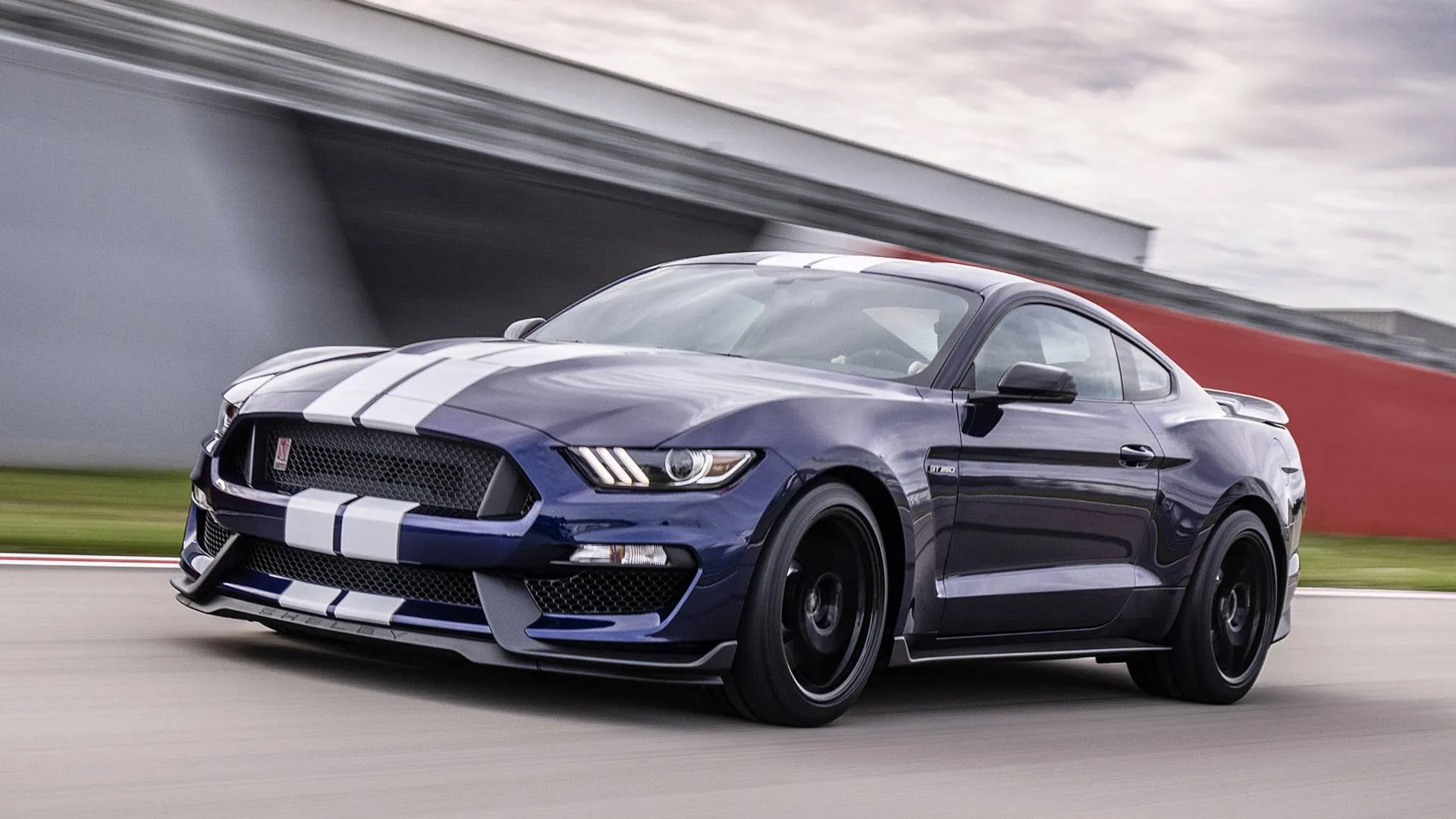
4. Ford Mustang 2019
Bold design and unmistakable presence make the Ford Mustang 2019 easy to notice, especially around campus, but daily city use quickly reveals its limitations. Long doors create problems in tight parking lots, where space is already limited. Getting in and out often requires careful positioning, and backing up adds pressure due to restricted rear visibility. Simple tasks like parking between classes demand more attention than expected.
Fuel consumption becomes another issue in urban conditions. Short trips and frequent stops reduce efficiency, while the car’s performance-focused setup naturally encourages higher fuel use. Costs add up fast, which can strain a student’s budget already stretched by tuition, housing, and daily expenses.
Practicality inside the cabin remains limited. Rear seats feel cramped and work best only for short trips or smaller passengers. Cargo space lacks flexibility, making grocery runs or weekend errands less convenient. Storage for everyday items like backpacks or bags also feels scarce, forcing drivers to prioritize what they carry.
City driving exposes further compromises. Steering feels heavy at low speeds, making tight turns and parking maneuvers more demanding. Ride quality reacts harshly to uneven pavement, speed bumps, and rough streets common around college areas. Traffic-heavy routes remove much of the enjoyment, turning what should be a quick commute into a tiring experience.
Ownership costs extend beyond fuel. Insurance rates stay high due to the Mustang’s performance image, and maintenance expenses increase as tires and brakes wear more quickly in stop-and-go traffic. These added costs often catch new owners by surprise.
Ford Mustang 2019 delivers excitement on open roads and during weekend drives. Daily college and city routines, however, highlight its lack of convenience and rising expenses, making it a challenging choice for urban student life.
Also Read: 5 Affordable Sports Cars That Are Better Daily Drivers Than 5 Supercars
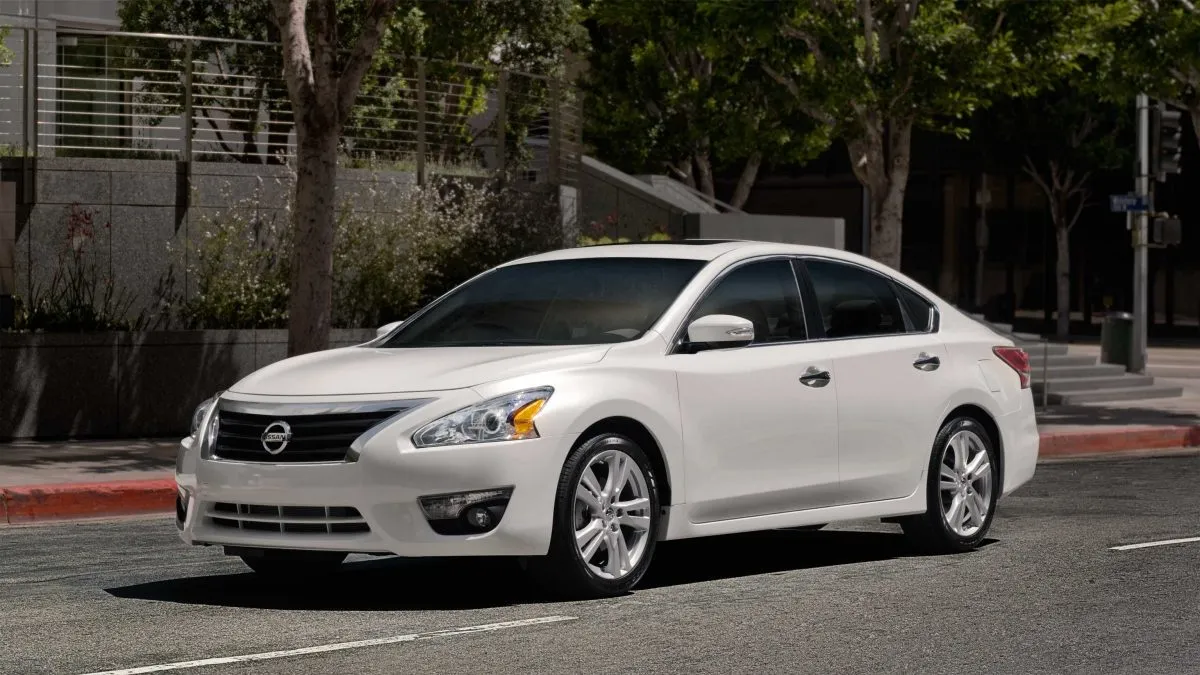
5. Nissan Altima 2015
Mid-size comfort gives the Nissan Altima 2015 an early impression of being a sensible choice, but regular city use begins to reveal drawbacks that become harder to ignore in the course of time. Its larger footprint compared to compact sedans makes parking more difficult in crowded campus areas. Tight lots, narrow streets, and busy garages turn routine parking into a repeated inconvenience rather than a simple task.
Fuel economy stays middle of the road, offering no real benefit in stop-and-go traffic. Short trips around town do little to improve efficiency, and fuel costs remain steady rather than economical. Inside the cabin, materials begin to show wear sooner than expected. Seat upholstery and trim surfaces tend to age quickly, giving the interior a tired appearance long before the mileage suggests it should.
Interior design also feels behind the times. Control placement lacks clear logic, requiring extra attention during use. The infotainment system responds slowly and feels outdated compared to newer alternatives. Seating feels comfortable at first, but extended drives reveal limited support, which can lead to discomfort during longer commutes or extended time behind the wheel.
On the road, the Altima emphasizes softness, which sounds appealing but introduces drawbacks in traffic. Suspension tuning allows too much body movement, creating a floaty sensation during lane changes and turns. Steering feedback remains light and vague, reducing confidence when quick reactions are needed in busy driving environments.
Reliability remains a huge concern, particularly surrounding the transmission. Reports of premature wear raise the risk of expensive repairs, which can quickly overwhelm a student’s budget. Resale value also suffers due to these long-standing concerns, making it harder to recover costs later.
Nissan Altima 2015 functions adequately at first, but daily city driving highlights weaknesses in durability, comfort, and ownership costs. For college life in Tempe, more dependable and efficient choices make stronger long-term sense.
