
Choosing a family vehicle in Thousand Oaks is rarely about flash or bragging rights. Daily routines involve school drop-offs, grocery runs, weekend sports, freeway commutes, and quiet neighborhood driving. Parents want something that feels safe, predictable, and comfortable without introducing stress through constant repair visits or rising service bills.
A family car here needs to fit into real life, not demand attention or patience it has not earned. Budget awareness matters just as much as space and safety. Fuel prices fluctuate, service costs add up quickly, and unexpected repairs disrupt schedules; no one has time to rearrange.
That is why smart buyers look beyond appearances and focus on long-term ownership comfort. Some vehicles quietly support family life by staying reliable and affordable, while others drain time and money through frequent service needs that do not appear obvious during a test drive.
This page separates vehicles that genuinely support Thousand Oaks family routines from those that quietly inflate service costs. The first group focuses on comfort, dependability, and ease of ownership. The second group highlights models that may look appealing but often bring higher upkeep demands.
Each vehicle stands on its own merits or weaknesses, with clear explanations suited for households balancing responsibilities, schedules, and budgets.
5 Cars for Thousand Oaks Family Life
1. Toyota Highlander 2020
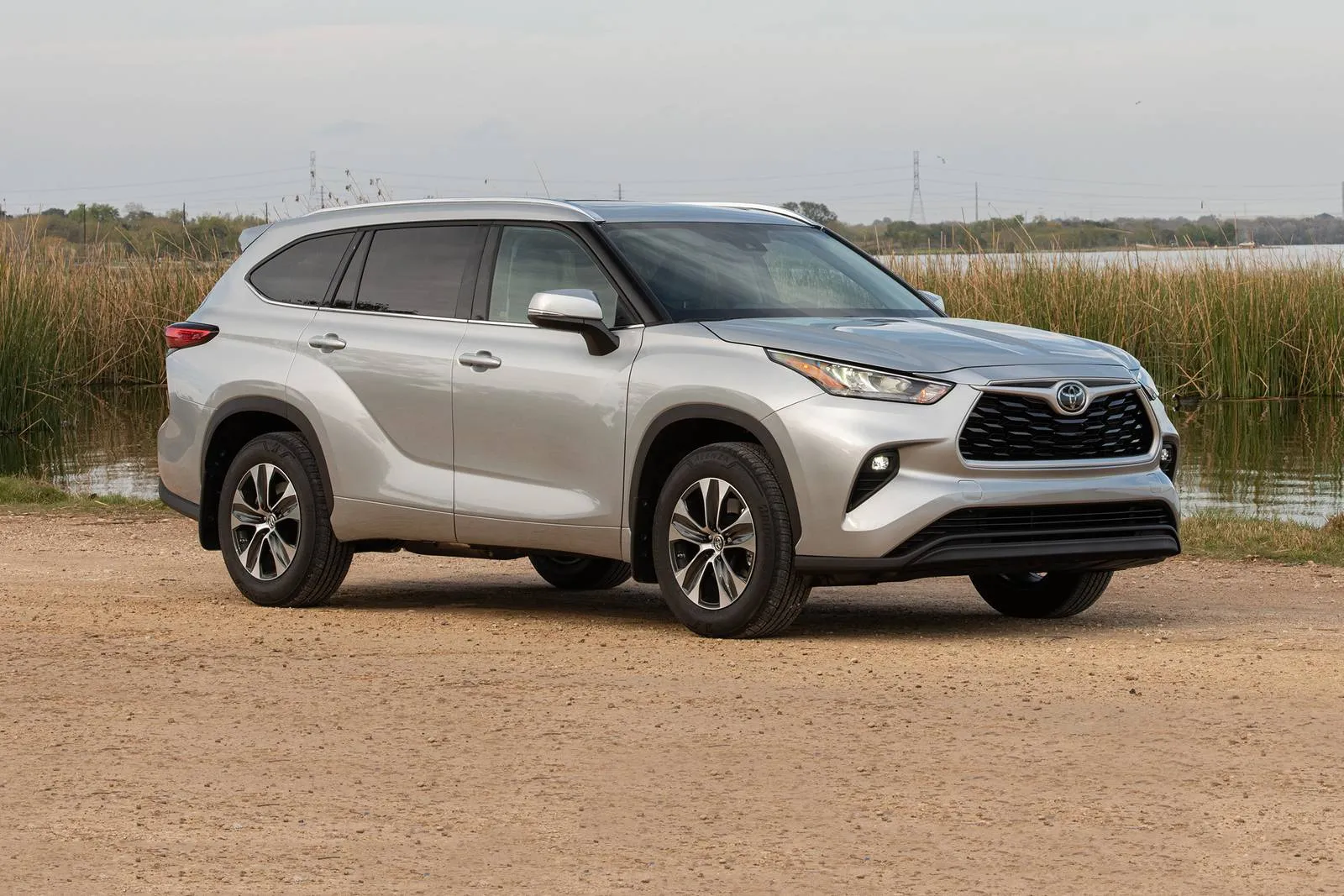
Family routines benefit from vehicles that remove stress rather than add to it, and the Toyota Highlander 2020 fits that role naturally. Three-row seating creates room for carpools, siblings, and visiting relatives without forcing uncomfortable compromises.
Entry height feels friendly for children and adults alike, making daily loading and unloading easier during rushed mornings. Doors open wide, helping parents manage car seats without awkward angles or strained backs.
Power delivery feels smooth and predictable, which matters during freeway merging and stoplight traffic. Fuel usage remains reasonable for a vehicle of its size, keeping monthly costs within reach for family budgets.
Cooling systems handle warm afternoons consistently, maintaining comfort during longer drives across town or highway stretches. That steady behavior builds trust, especially for drivers managing distractions from passengers.
Cabin design focuses on clarity and ease. Controls sit where drivers expect them, screens remain readable, and physical buttons reduce guesswork. Seating stays supportive during longer trips, and rear passengers enjoy space that avoids complaints.
Storage areas accommodate backpacks, sports gear, and groceries without creative packing. Noise isolation also helps keep conversations calm, even at higher speeds. Driving manners favor confidence over excitement.
Steering remains light and accurate, suspension absorbs uneven pavement smoothly, and braking feels consistent. That calm nature reduces fatigue during busy weeks filled with errands and school activities. Highlander never asks the driver to adapt to it; instead, it adapts quietly to family needs.
Ownership costs remain predictable. Toyota’s reliability reputation continues to show through long service intervals and low repair frequency. Insurance rates stay reasonable, while resale value remains strong. Toyota Highlander 2020 works because it blends space, comfort, and durability into a package that respects family schedules rather than disrupting them.
2. Honda CR-V 2021
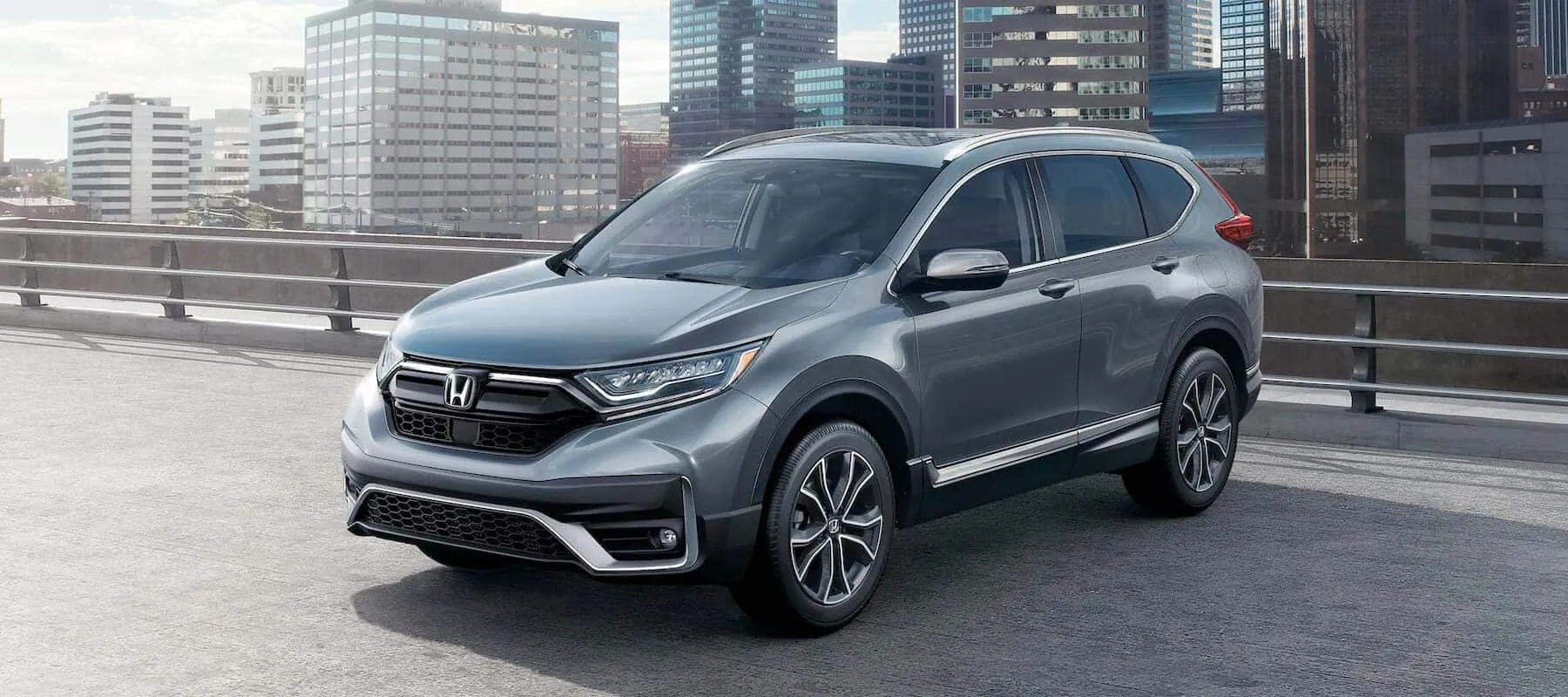
Flexibility shapes the appeal of the Honda CR-V 2021, making it an easy fit for busy family routines. Exterior sizing works well in tight parking areas near schools, grocery stores, and sports facilities, yet the cabin feels surprisingly open once inside.
Rear seats provide enough legroom for growing children, and the cargo area handles daily errands, strollers, backpacks, and weekend supplies without forcing careful planning. Fuel efficiency adds welcome relief to monthly budgets.
Short trips around town do not cause steep increases in consumption, which helps maintain predictable expenses. Climate control responds quickly during warm afternoons, keeping the cabin comfortable even when traffic slows progress. Power delivery feels smooth and confident, supporting relaxed highway merging and steady passing.
Interior design focuses on clarity rather than decoration. Controls fall easily to hand, displays remain readable, and layout encourages quick adjustments while keeping attention on the road. Seating promotes proper posture, reducing strain during longer drives.
Wide-opening rear doors simplify child seat installation and make loading easier during hectic mornings. Small storage compartments throughout the cabin help keep everyday items organized instead of scattered. Ride behavior feels well judged.
Suspension softens road imperfections without feeling loose, steering responds predictably, and cabin noise stays muted. That calm demeanor suits both suburban streets and longer freeway trips. Managing passengers, schedules, and traffic never feels overwhelming behind the wheel.
Service expectations remain reasonable. Honda’s reputation for durability limits surprise repairs, keeping ownership stress low. Insurance rates stay accessible, and resale interest remains strong if family needs change later. Honda CR-V 2021 succeeds by blending space, efficiency, and reliability into a package that supports family life without introducing hidden costs.
Also Read: 5 Cars for Jersey City Urban Life vs 5 That Are Pricey to Maintain
3. Subaru Outback 2019
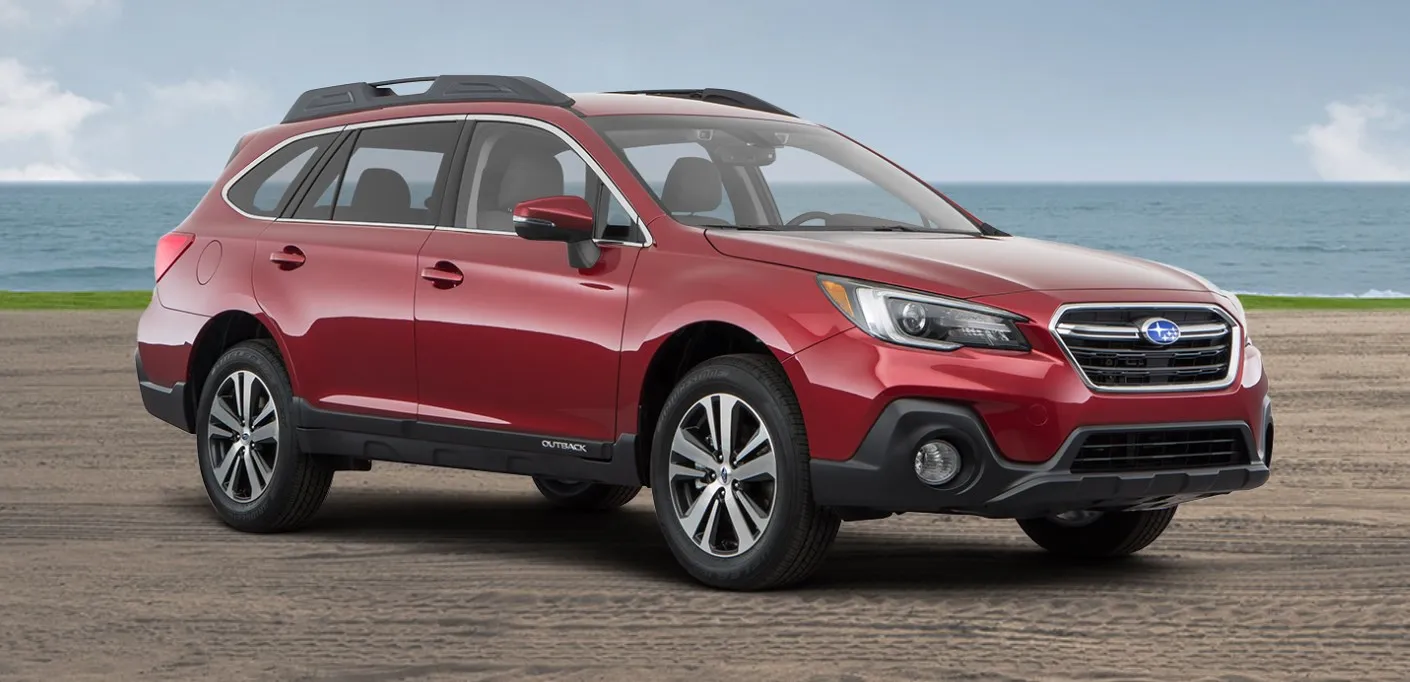
Preparedness defines the Subaru Outback 2019, offering reassurance for families handling varied routines and changing road conditions. Standard all-wheel drive provides steady traction during rain or slick surfaces, adding confidence without requiring driver input. Ride height helps with uneven pavement and driveway transitions often found near parks and school zones.
Interior layout prioritizes adaptability. Rear seating stays comfortable for older children and adults, while cargo space accommodates sports gear, pets, and travel bags. Integrated roof rails expand carrying options without complicating everyday use. Entry height feels friendly, allowing kids to climb in with little effort.
Fuel usage stays reasonable given its capabilities, avoiding sharp increases during short daily trips. Climate control maintains steady temperatures through changing weather, supporting long drives without constant adjustments. Engine response feels smooth and predictable, aligning well with family-oriented driving habits.
Cabin design favors durability. Controls operate intuitively, screens present information clearly, and materials handle daily wear without complaint. Seats support longer trips comfortably, helping prevent fatigue. Sound insulation helps maintain a calm environment, which benefits both drivers and passengers.
On the road, behavior remains composed. Steering stays steady, suspension absorbs rough pavement effectively, and braking feels confident. That balance supports relaxed school runs as well as weekend travel.
Ownership costs remain manageable due to Subaru’s focus on long-term durability. Insurance stays fair, and resale strength remains appealing. Subaru Outback 2019 suits families wanting dependable transportation with added traction support, all while keeping service demands within comfortable limits.
4. Toyota Sienna 2018
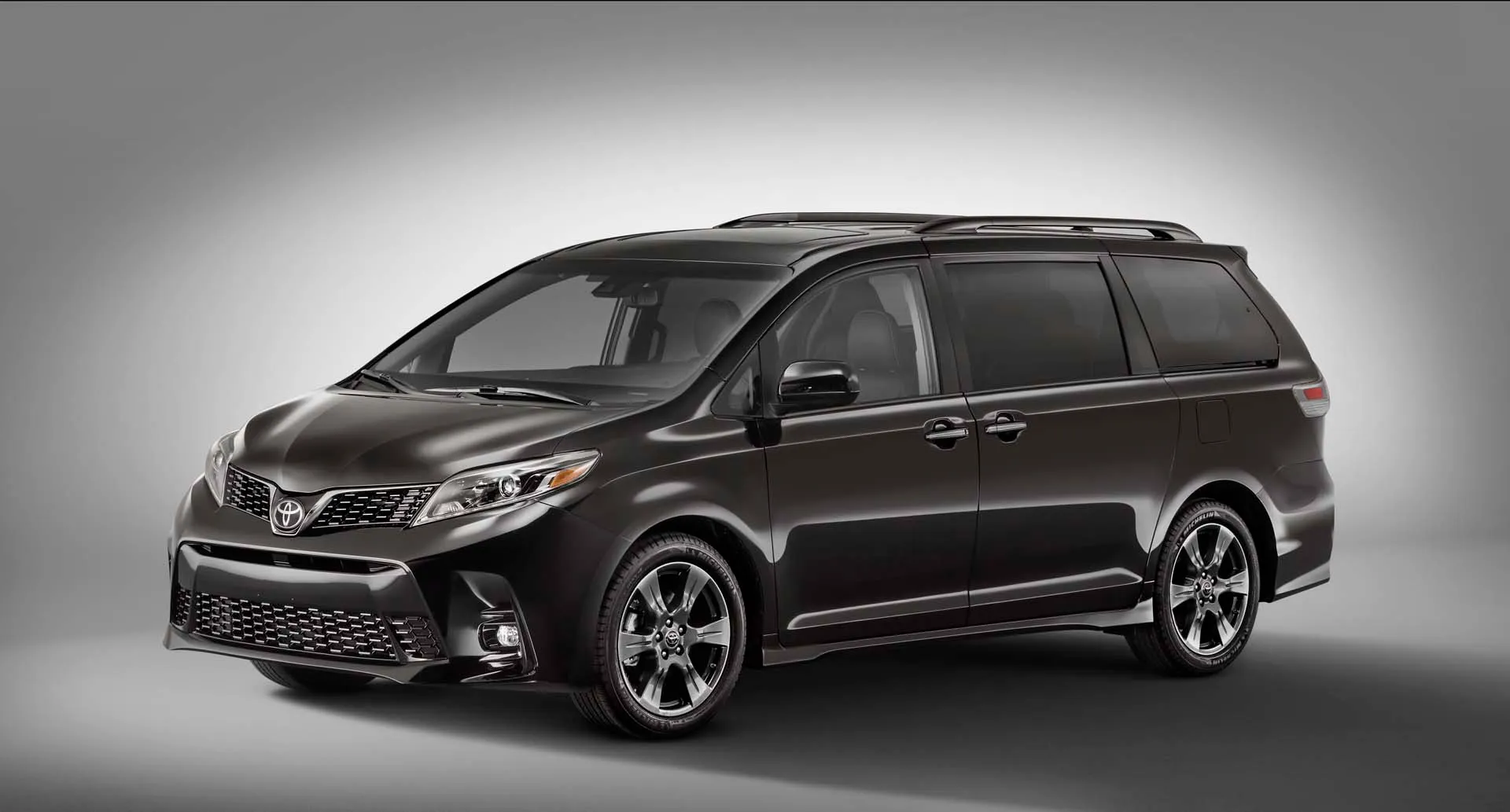
Family transportation changes completely when space stops being a limitation, and the Toyota Sienna 2018 handles that role with ease. Sliding doors remove the usual parking lot worries, letting children climb in without bumping nearby vehicles. That simple feature alone reduces daily stress, especially during school runs and busy shopping trips.
Interior volume makes a clear difference. Seating easily supports larger families, carpools, and extended relatives without forcing awkward compromises. Long trips feel manageable rather than cramped, and flexible seating layouts allow quick adjustments between passenger duty and cargo hauling. Visibility remains reassuring, giving drivers confidence even with a full cabin.
Performance stays balanced for a vehicle of this size. Acceleration feels adequate on highways, while fuel use remains reasonable within the minivan category. Climate control systems handle heat well, keeping all rows comfortable during summer travel. That consistency matters when the cabin is fully occupied.
Inside, the focus stays on usability. Seats provide comfort during extended drives, controls respond predictably, and infotainment features help keep younger passengers engaged. Thoughtful storage areas absorb backpacks, sports gear, and everyday clutter, allowing the cabin to stay organized throughout the week.
Road manners emphasize calm behavior. Suspension tuning smooths rough pavement, steering feels steady, and braking inspires trust even with passengers onboard. Fully loaded trips remain controlled, reducing fatigue for drivers handling long schedules.
Service expectations remain one of the Sienna’s strongest advantages. Toyota’s reliability record supports long ownership periods, while parts availability keeps repairs straightforward. Maintenance expenses remain predictable, which helps families plan. Toyota Sienna 2018 delivers space, dependability, and everyday ease, establishing itself as a steady foundation for active households.
5. Mazda CX-5 2020
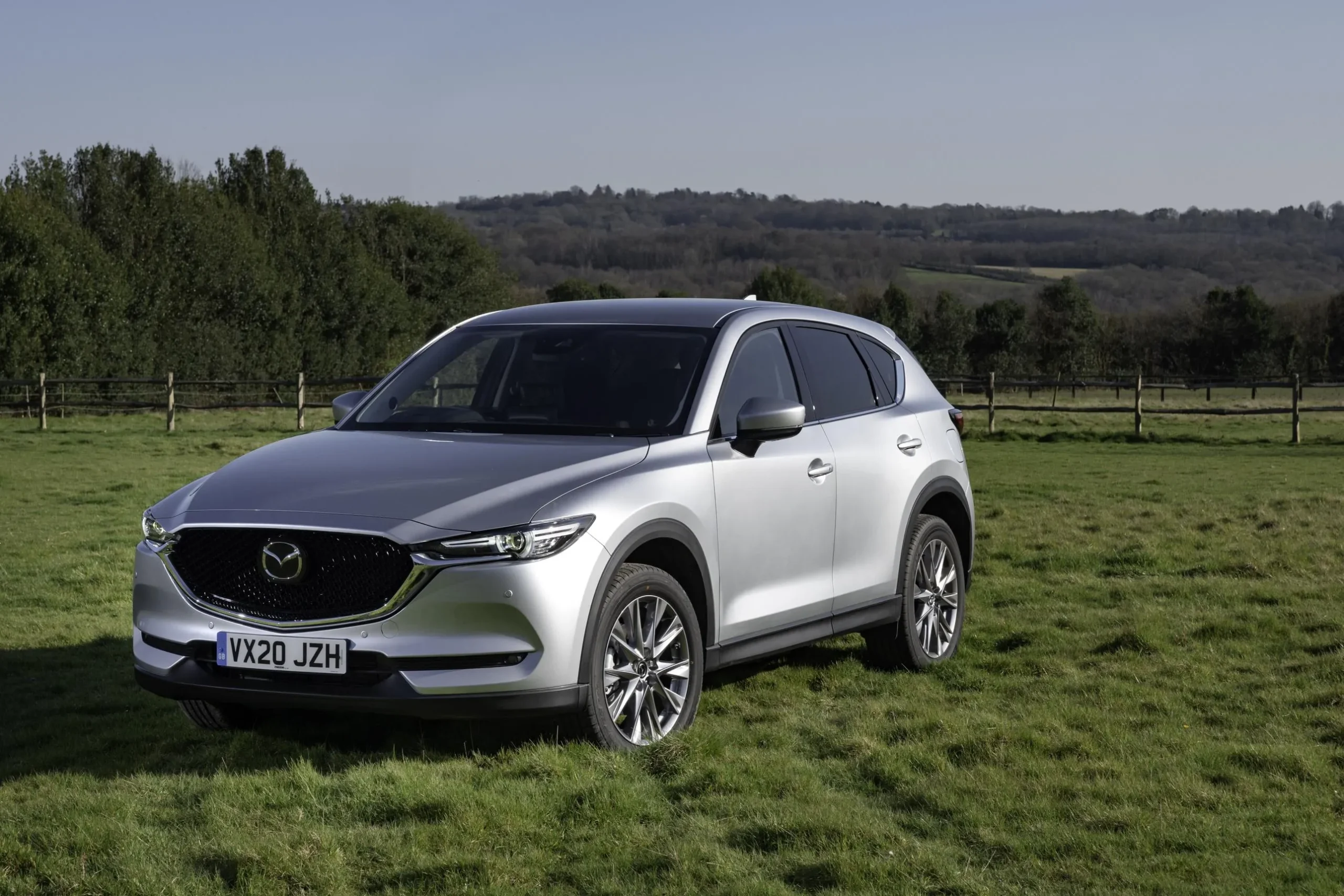
Mazda CX-5 2020 blends refined styling with everyday practicality, offering families a vehicle that feels special without introducing ownership stress. Its compact footprint makes daily driving comfortable, while interior space still supports children, errands, and weekend activities without feeling restrictive.
Cargo capacity suits family routines well. Strollers, groceries, and sports equipment fit without creative packing. Fuel efficiency helps keep expenses under control, and cooling systems maintain comfort during slow traffic or warm afternoons. Those small consistencies add up during busy weeks.
Cabin design reflects careful attention. Controls feel clear and well placed, seating offers solid support, and materials create a welcoming environment. Noise insulation reduces outside distractions, creating a calm atmosphere that benefits both drivers and passengers.
On the road, the CX-5 feels confident yet family-friendly. Steering responds accurately, making parking and tight turns easier, while suspension absorbs uneven pavement without harshness. Daily commutes feel composed rather than tiring, even when schedules get hectic.
Ownership costs stay manageable. Mazda’s reliability record continues to strengthen, insurance pricing remains accessible, and resale value holds steady. Maintenance rarely surprises, which supports long-term planning. Mazda CX-5 2020 suits families seeking comfort, efficiency, and dependable ownership wrapped in a refined package.
5 Cars That Cost More to Service

1. BMW X5 2017
Prestige has a way of drawing people in, and the BMW X5 2017 presents itself as a family vehicle that promises comfort wrapped in a premium image. From the outside, it suggests capability and confidence, with a cabin large enough to handle passengers and cargo without compromise.
Daily ownership, though, introduces realities that feel less polished once routines settle in. The vehicle’s weight and technical depth require constant attention, and even simple errands can bring a sense of caution. Parking near schools or shopping areas demands care, as sensitive suspension parts and wheel components do not forgive rough curbs or tight spaces.
Fuel spending becomes noticeable early. Premium gasoline pushes monthly costs upward, especially with frequent short trips tied to school schedules, practices, and quick errands. Warm weather adds strain as cooling systems and electronic features work continuously, increasing wear on parts already known for careful upkeep. These costs tend to appear gradually, making them easy to overlook during an initial test drive.
Inside, the cabin makes a strong first impression. Materials feel refined, and the technology suite looks modern and engaging. With time, that same technology introduces interruptions. Sensors, displays, and driver assistance systems can require recalibration or repair, sometimes without warning. Service visits often involve specialized shops, which reduces flexibility and stretches already busy family calendars.
Driving manners feel polished at higher speeds, where the X5 shows its engineering strengths. City conditions tell a different story. Suspension tuning leans firm, passing road imperfections straight into the cabin. Traffic-heavy days feel more draining than relaxing, especially when combined with frequent stops and tight maneuvering.
Service expenses stand out most. Replacement parts carry premium pricing, labor requires trained technicians, and insurance reflects the brand’s luxury position. As the vehicle ages, these factors become more pronounced.
BMW X5 2017 offers comfort and visual appeal, yet family ownership often reveals a steady buildup of service demands that challenge predictable budgeting and long-term ease.
2. Audi Q7 2018
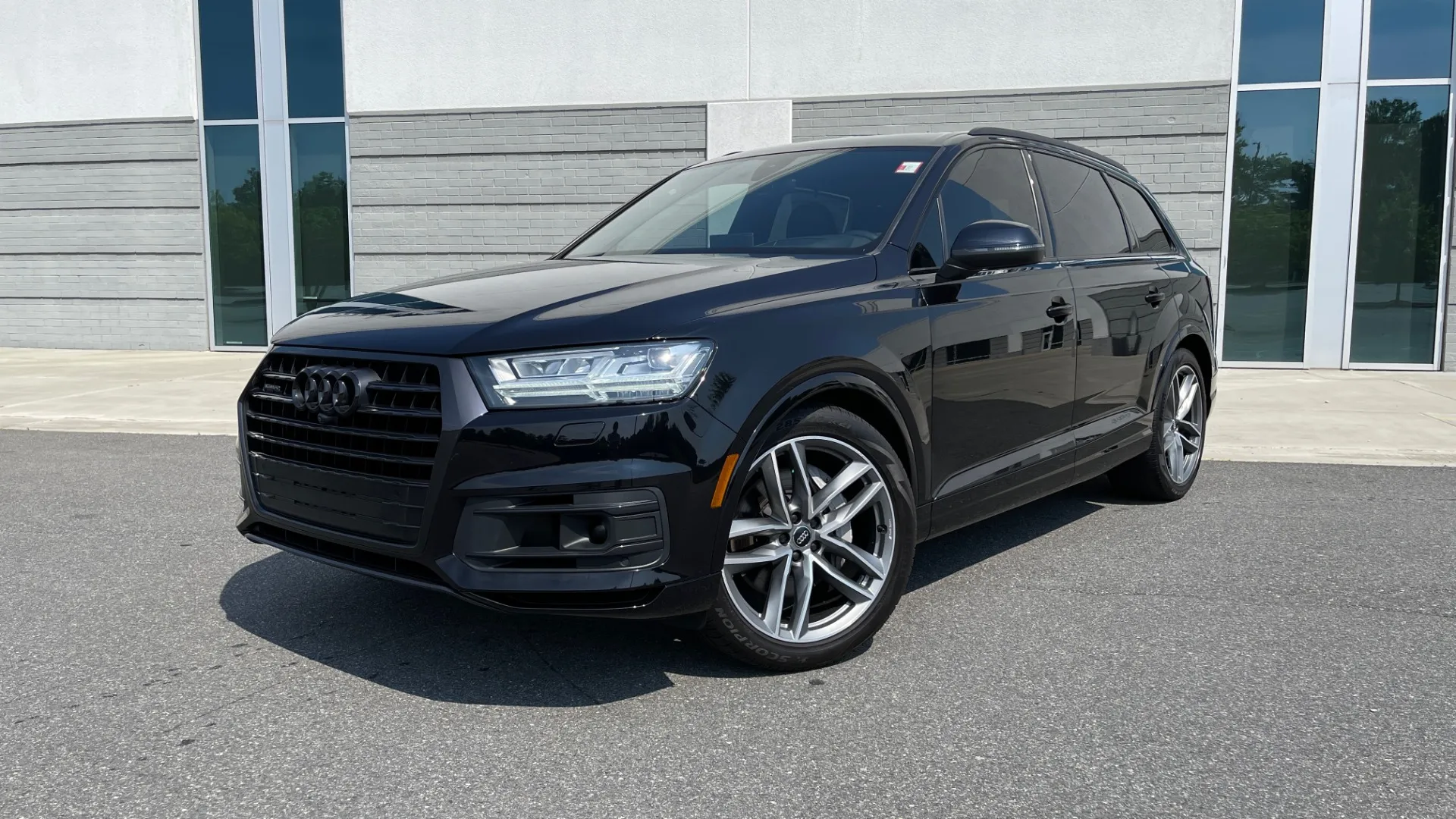
Audi Q7 2018 carries a strong first impression as a refined family SUV, blending generous space with modern features. On paper, it checks many boxes for households that want comfort, technology, and road presence. Daily ownership, however, often brings realities that feel heavier than expected once routines settle in.
Size works in favor of passenger comfort, especially for families needing three rows. Adults fit comfortably, and children enjoy ample room for longer drives. That same size becomes less friendly in tight parking lots, school pickup zones, and older neighborhoods with narrow streets. Constant attention during low-speed driving turns simple errands into mentally tiring tasks, especially when space is limited.
Fuel expenses quickly become part of the conversation. Premium fuel requirements raise costs immediately, and short trips prevent the vehicle from operating efficiently. Warm weather adds another layer, as climate systems work harder to keep the cabin cool. Over weeks and months, those expenses add steady pressure to household budgets.
Inside, the cabin feels polished and thoughtfully designed. Screens, digital controls, and driver assistance features create a modern environment. Complication brings vulnerability. Touch interfaces may lag, sensors can trigger warnings, and software issues sometimes affect multiple systems at once. Small electronic problems rarely stay isolated, leading to repeated service visits and extended downtime.
Ride comfort depends heavily on road conditions. Open highways suit the Q7 well, where it feels composed and confident. City streets tell a different story. Rough pavement transmits more feedback than expected, and steering feels heavier during slow maneuvers. Daily commutes lose their relaxed nature, especially when traffic builds.
Service expenses represent the biggest challenge. Specialized parts and brand-specific labor drive repair bills higher than many families anticipate. Insurance costs reflect the vehicle’s class and repair pricing, adding another ongoing expense. Long-term ownership often requires financial flexibility that not every household wants to commit.
Audi Q7 2018 delivers space, presence, and modern appeal, yet family life exposes service demands that complicate practicality. For buyers prioritizing predictable ownership and lower stress, those tradeoffs deserve careful consideration.
3. Land Rover Discovery Sport 2019
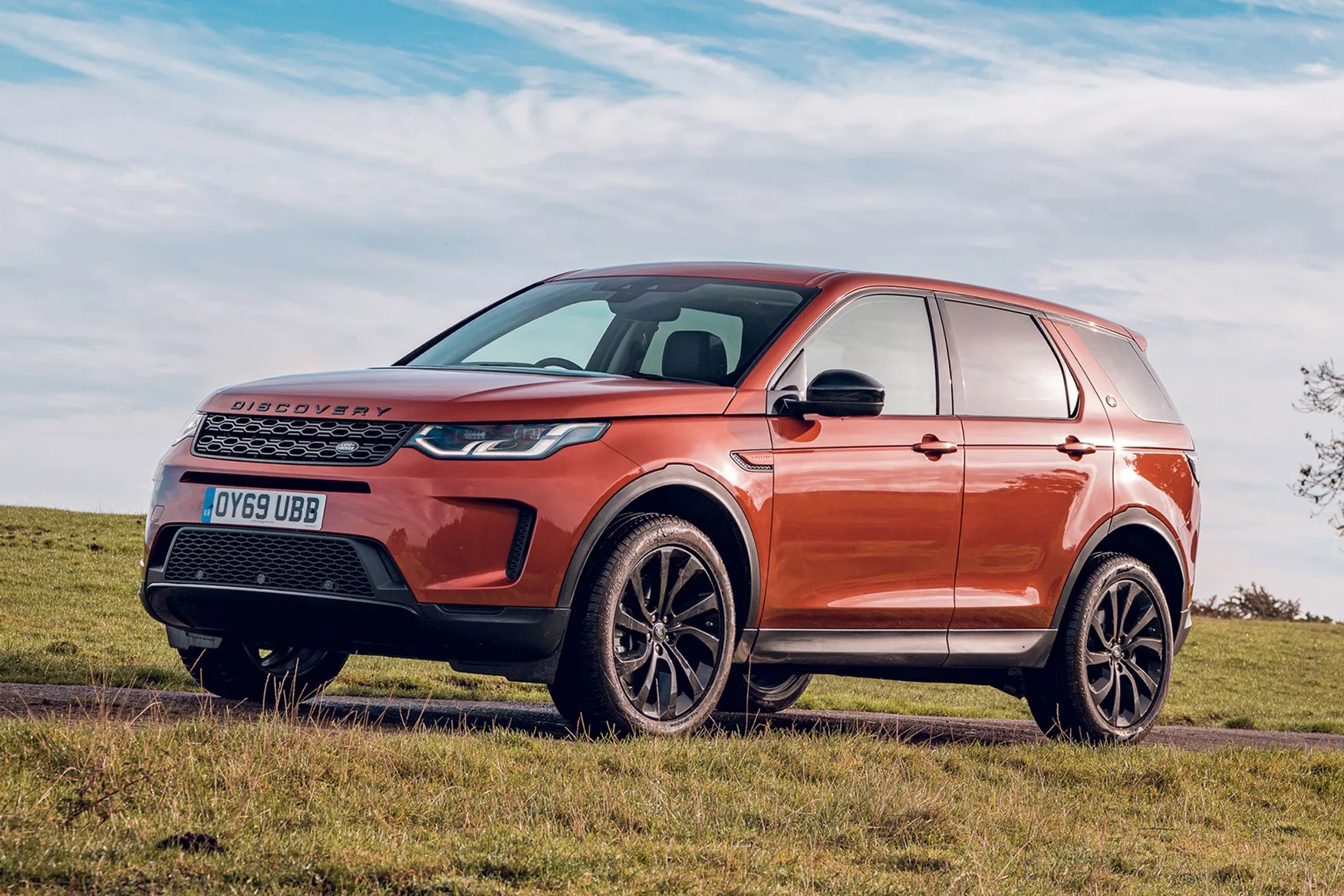
Rugged design and adventurous branding make the Land Rover Discovery Sport 2019 appealing to families who want something that looks ready for more than grocery runs. From the outside, the proportions feel manageable, and the raised driving position inspires confidence. Living with it day after day, though, often reveals concerns that go beyond styling and image.
Fuel consumption becomes noticeable early in ownership. Suburban driving patterns with frequent stops, school drop-offs, and short errands keep efficiency lower than expected. Extended idling and repeated short trips place extra demand on cooling and engine systems, which can accelerate wear. Monthly fuel costs tend to climb, surprising families who expected something closer to mainstream crossover expenses.
Inside, the cabin initially delivers a premium impression. Materials feel upscale, seating offers good comfort, and the layout looks modern. As mileage builds, electronic reliability becomes harder to ignore. Touchscreens may freeze or respond slowly, sensors trigger warnings without clear causes, and software issues interrupt routines.
Addressing these problems usually requires specialized diagnostic equipment, meaning trips to authorized service centers instead of quick local fixes. Ride comfort changes depending on road conditions.
Smooth pavement suits the suspension well, creating a composed feel during relaxed drives. Uneven streets tell a different story. Rough patches, potholes, and worn asphalt send noticeable jolts through the cabin. Low-speed steering lacks clarity, which reduces confidence when driving through parking lots, school zones, or tight residential streets.
Long-term ownership records often explain the concern surrounding this model. Repair visits tend to appear more frequently than families expect, and service costs rise quickly once warranties expire. Insurance premiums stay higher due to brand positioning and repair expenses. Resale value reflects these realities, as buyers remain cautious about used examples.
Land Rover Discovery Sport 2019 succeeds in visual appeal and first impressions, yet family life places heavy demands on reliability and cost control. For households focused on predictable expenses and minimal service interruptions, the experience can feel more demanding than anticipated.

4. Mercedes-Benz GLC 300 2018
Luxury styling and a prestigious badge often place the Mercedes-Benz GLC 300 2018 high on family shopping lists. At a glance, it promises comfort, refinement, and an upscale driving experience in a manageable size.
The compact footprint helps with parking and daily maneuvering, making it feel approachable in suburban neighborhoods and busy school zones. As ownership continues, however, the realities of upkeep begin to surface in ways that many families do not anticipate.
Fuel expenses arrive early in the experience. Premium fuel requirements raise weekly costs, especially for households making frequent short trips that never allow efficiency to settle. Daily errands, school drop-offs, and traffic-heavy commutes keep consumption higher than expected.
Added strain from climate control systems and onboard electronics also contributes to long-term wear, which gradually affects reliability. Inside the cabin, first impressions remain strong. Seating feels supportive, materials feel well finished, and the environment feels calm and insulated.
After a long time, electronic systems become a source of frustration. Touchscreens, sensors, and driver assistance features occasionally misbehave, interrupting routines that families rely on. Addressing these issues often requires specialized diagnostic tools and dealership visits, which limits scheduling flexibility and increase downtime.
Ride quality reflects the vehicle’s performance-focused tuning. Suspension setup favors stability and control, but city streets expose firmness over uneven pavement. Speed bumps, worn asphalt, and rough residential roads send noticeable feedback into the cabin. During long stretches of stop-and-go traffic, that firmness can make everyday driving feel more tiring than expected.
Ownership costs remain the most persistent concern. Replacement parts carry premium pricing, labor rates stay elevated, and insurance premiums reflect the luxury classification. Even routine service appointments cost more than comparable mainstream options.
Mercedes-Benz GLC 300 2018 delivers refinement and visual appeal, yet many families find that maintaining that experience requires a level of financial commitment that stretches household budgets after some time.
Also Read: 5 Cars for Garland Day-to-Day Driving vs 5 That Require Dealer Service
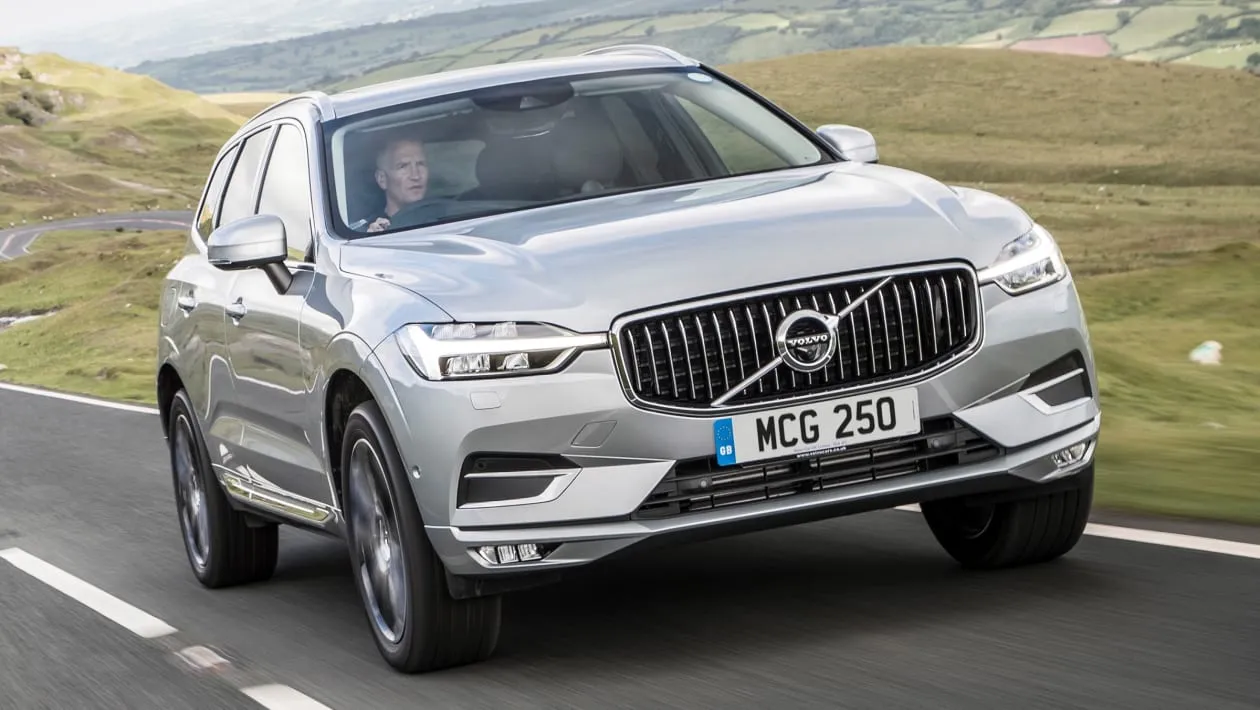
5. Volvo XC60 2019
Strong safety credentials often place the Volvo XC60 2019 on family shopping lists, especially for buyers prioritizing protection and cabin comfort. At first impression, it feels thoughtfully designed, calm, and reassuring.
Seats offer excellent support, visibility feels confidence-inspiring, and the cabin environment promotes relaxed driving. Those qualities make it appealing for school runs, freeway commutes, and longer family trips. After some time, however, ownership reveals demands that extend beyond the initial promise.
Fuel costs represent an early adjustment. Premium fuel requirements add up quickly, particularly for families handling frequent short drives around town. Stop-and-go routines rarely allow efficiency to shine, keeping operating expenses higher than expected. Warm-weather driving also places an added load on systems that already require careful upkeep, contributing to steady cost accumulation.
Interior presentation remains one of the XC60’s strengths. Materials feel refined, and the layout favors comfort and clarity. That refinement comes paired with heavy reliance on electronics. Touchscreen controls, driver assistance sensors, and software systems require regular updates and occasional repairs.
When issues arise, fixes often demand specialized tools and trained technicians. Outside major metropolitan areas, service appointments may require longer wait times, complicating already busy family schedules. Ride quality feels controlled and secure, though firmness becomes noticeable on uneven pavement.
Speed bumps, rough neighborhood roads, and worn parking surfaces transfer more feedback into the cabin than expected. Low-speed maneuvering also feels heavier, especially in tight school lots or crowded shopping centers, requiring added attention from the driver.
Ownership costs remain the defining challenge. Replacement parts carry premium pricing, labor rates remain elevated, and insurance reflects the vehicle’s luxury classification. Volvo XC60 2019 delivers safety, comfort, and refinement, yet families often discover that long-term ownership demands consistent financial and service commitment beyond what many households prefer.
