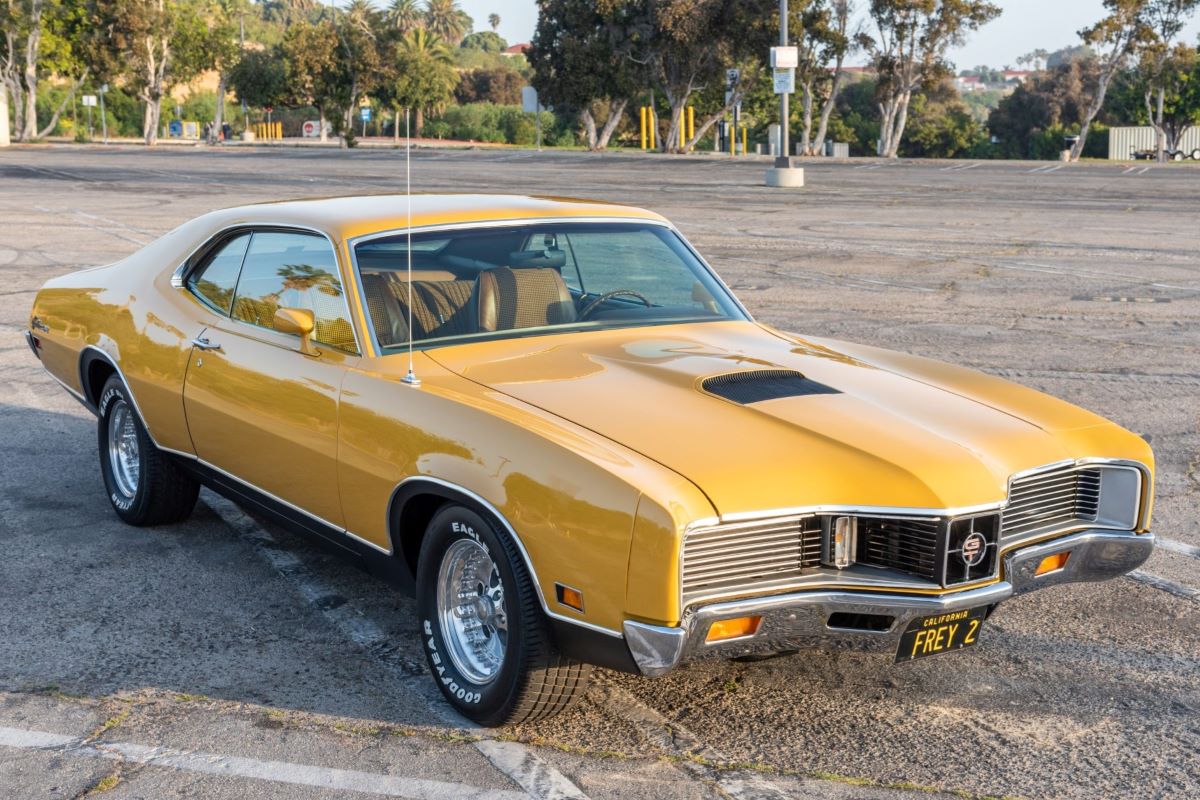
When people talk about classic American muscle cars, the conversation usually circles around the same familiar legends: the Ford Mustang, Chevrolet Camaro, Dodge Charger, and Plymouth Barracuda.
These icons deserve their status, but their dominance in pop culture has also caused many genuinely great muscle cars to be overlooked.
Some were overshadowed by better-marketed siblings, others arrived at the wrong moment in automotive history, and a few simply lacked the movie appearances or racing pedigree needed to cement their fame.
Yet performance, design, and cultural impact aren’t exclusive to the most famous nameplates.
Throughout the 1960s and early 1970s, American automakers produced a wide range of muscle cars that delivered serious power, bold styling, and innovative engineering but never received the recognition they deserved.
Today, many of these underrated classics remain relatively affordable compared to their more famous counterparts, making them especially appealing to collectors and enthusiasts who value substance over hype.
Here are eight underrated classic muscle cars that deserve far more recognition than they get and why they matter.
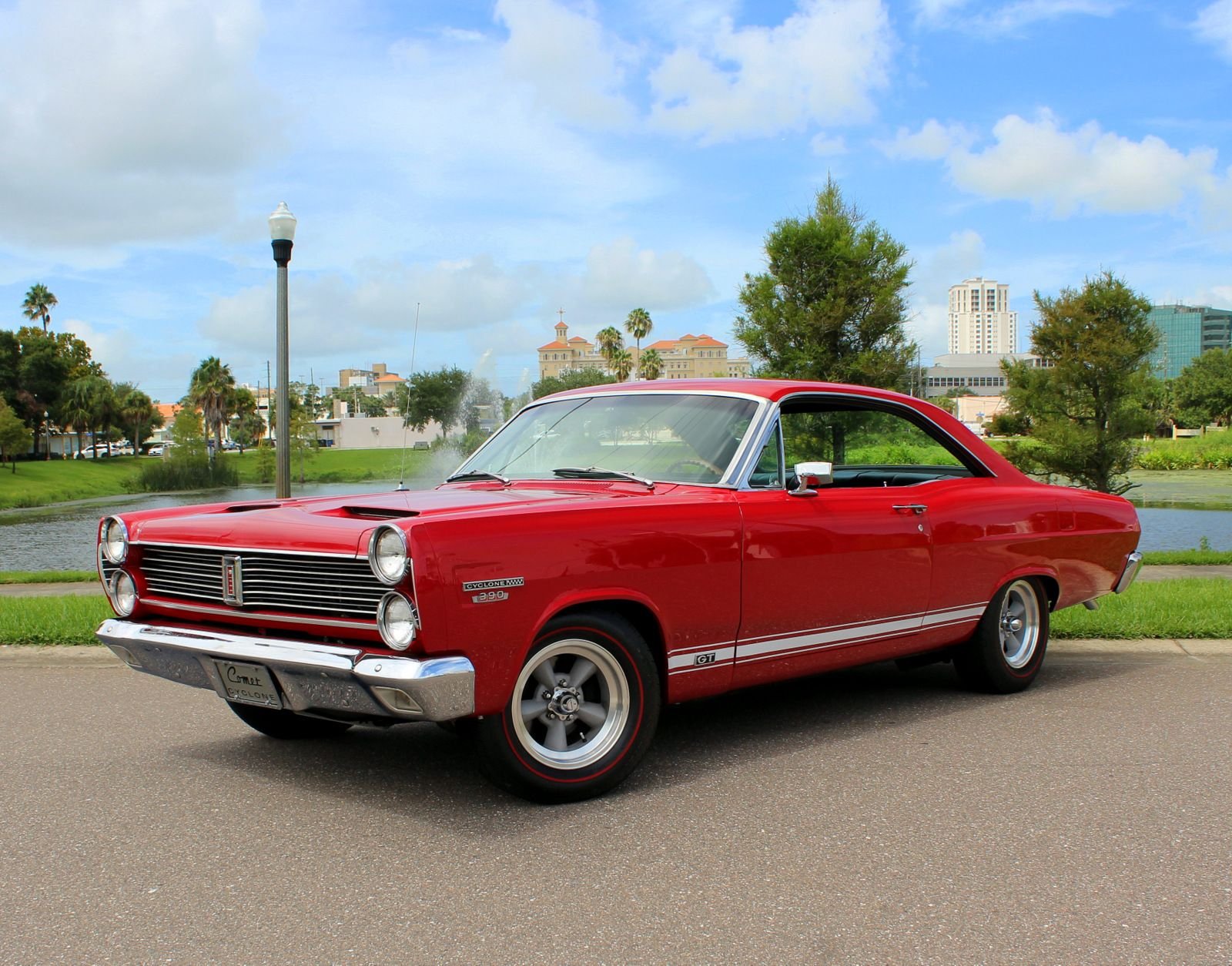
1. Mercury Cyclone GT
The Mercury Cyclone GT is one of the clearest examples of a muscle car living in the shadow of a more famous sibling. Built on the same platform as the Ford Fairlane and closely related to the Torino, the Cyclone GT offered serious performance in a slightly more refined package.
Under the hood, buyers could get Ford’s potent 390-cubic-inch V8, delivering strong torque and respectable quarter-mile times for the era.
What truly set the Cyclone GT apart was its NASCAR connection. Mercury heavily marketed the Cyclone through racing success, and its aerodynamic front end was designed with high-speed stability in mind.
Despite this pedigree, the Cyclone never achieved the same mainstream popularity as Ford’s Mustang or even the Torino.
Today, it’s often overlooked, yet it offers classic late-’60s muscle styling, big-block power, and legitimate motorsports credibility all without the sky-high prices attached to more famous Ford muscle cars.
A 1968 Cyclone GT, equipped with a 428 Cobra Jet engine, paired to a three-speed automatic transmission and 4.11 gears out back.
That “stones” remark stemmed from the reality that, even as drivers like Don Nicholson and Cale Yarborough were racking up plenty of victories in Mercurys on the racetrack, this branch of the Total Performance operation “was getting cut down on the street by everything but VWs,” according to Dahlquist. Mercury’s showroom offerings “were about as inspiring as nine-day-old porridge.
It wasn’t that they lacked the hardware or know-how, just the will to get all the right stuff into a single package.”
This Cyclone, however, finally brought all the right ingredients together. Early in the model year, the GT’s optional 427 was dropped in favor of the newly introduced 428 Cobra Jet, a powerplant Dahlquist knew well.
The engine will not rev much beyond 5,500 rpm and it doesn’t need to, because its 445 lb-ft of torque comes way before that at 3,400.
If this were two years ago, the advertising gang would have come busting into the scene and demanded one of those awe-inspiring 500hp numbers, but sliding-scale insurance rates penalizing high-powered machines have caused a complete about-face.
So the Cobra Jet is rated at an ultra-conservative 335 ponies, sufficiently low to cause the National Hot Rod Association to factor this figure up some for stock classing.”
Weighing in at 3,880 pounds, the Cyclone was hardly svelte, but the combination of the CJ engine and 4.11 rear gears still delivered impressive results at the strip: 0–60 mph in 6.1 seconds and a best quarter-mile elapsed time of 13.86 seconds at 101.69 mph.
Straight off the showroom floor, the Mercury ran a 14.39-second quarter. To break into the 13s, Dahlquist had to pull the power steering belt and change spark plugs, eventually achieving a time he described as “a clean half-second fleeter than the best of the intermediate supercars.”
His appreciation for the Cyclone extended well beyond straight-line performance. “As far as handling goes, this is one of the best Mercs to ever come down the road, making it around all the corners at speed along the way.
It’s like the first well-balanced sports car you ever drove, only probably better.” He went on to describe it as “so nimble in any traffic situation it’s in a class by itself.”
There were complaints, but only a handful. Rearward visibility through the fastback roof was limited, he disliked the appearance of the faux woodgrain trim on the dashboard, and he took issue with the instrumentation: “idiot lights in a supercar don’t make it, baby. Especially when you’ve got a temperature gauge that indicates red when it’s cold and red when it’s hot.”
Fuel consumption also left something to be desired, with “a rather dismal 11.5 mpg on the highway and 8.5 to 10 in town, but that’s the penalty for never being beaten on the street and a 4.11 final gear ratio.”
2. Oldsmobile 442 (Early Years)
The Oldsmobile 442 is known today, but its earliest versions still don’t get the recognition they deserve. Before it became a standalone model, the 442 was a performance package short for four-barrel carburetor, four-speed transmission, and dual exhaust.
Oldsmobile approached muscle cars differently than Pontiac or Chevrolet, focusing on smooth, refined power rather than raw aggression.
Underneath that understated image was serious performance. Oldsmobile’s big-block engines were known for their durability and torque-heavy character, making them excellent street performers.
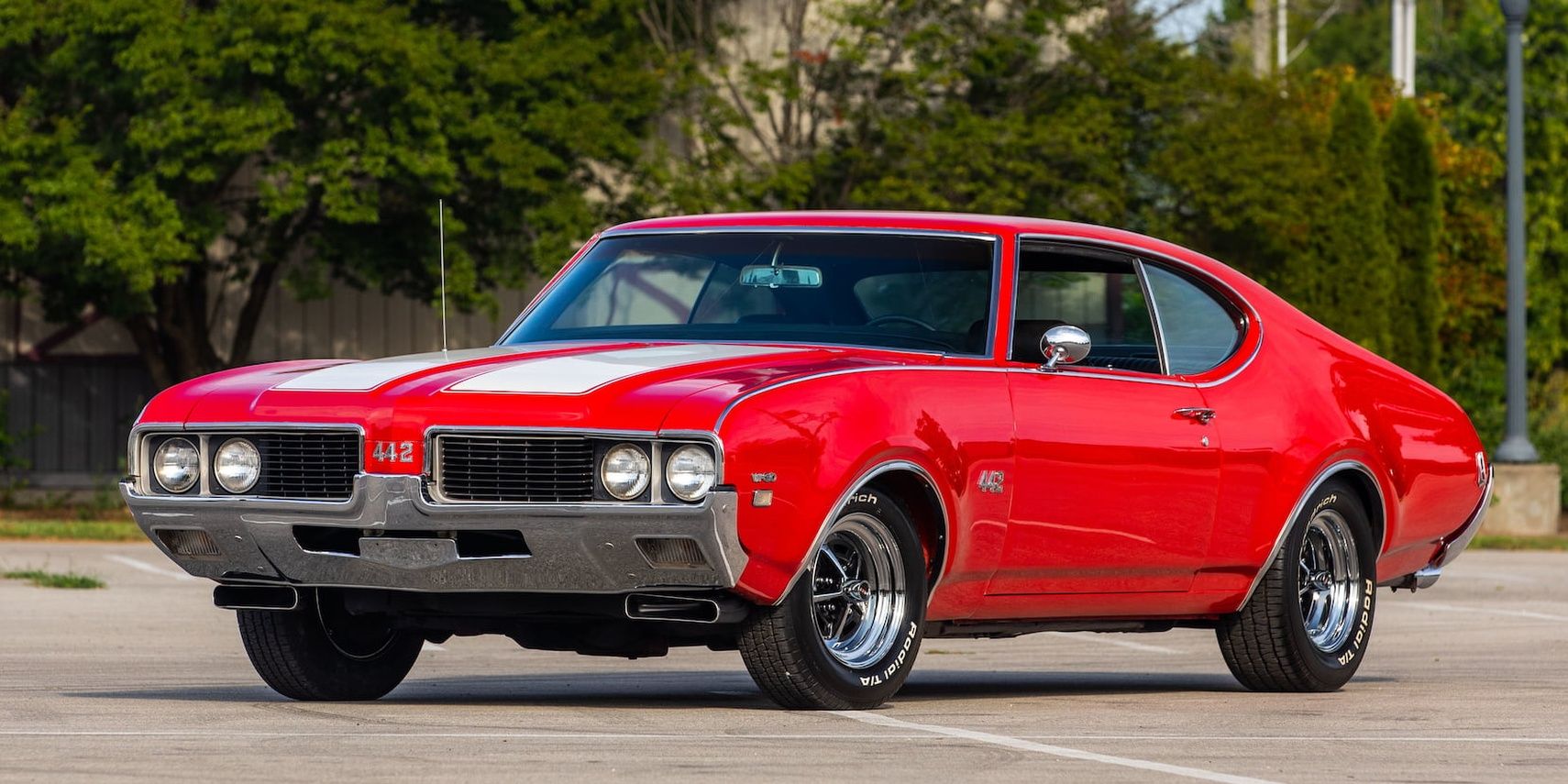
Early 442s often flew under the radar because they lacked flashy graphics or extreme styling cues, but that subtlety is part of their appeal today.
They represent a more mature, engineering-driven take on the muscle car formula, proving that speed didn’t always need to shout.
Also Read: 10 Cars That Deliver the Most Comfort for the Least Money
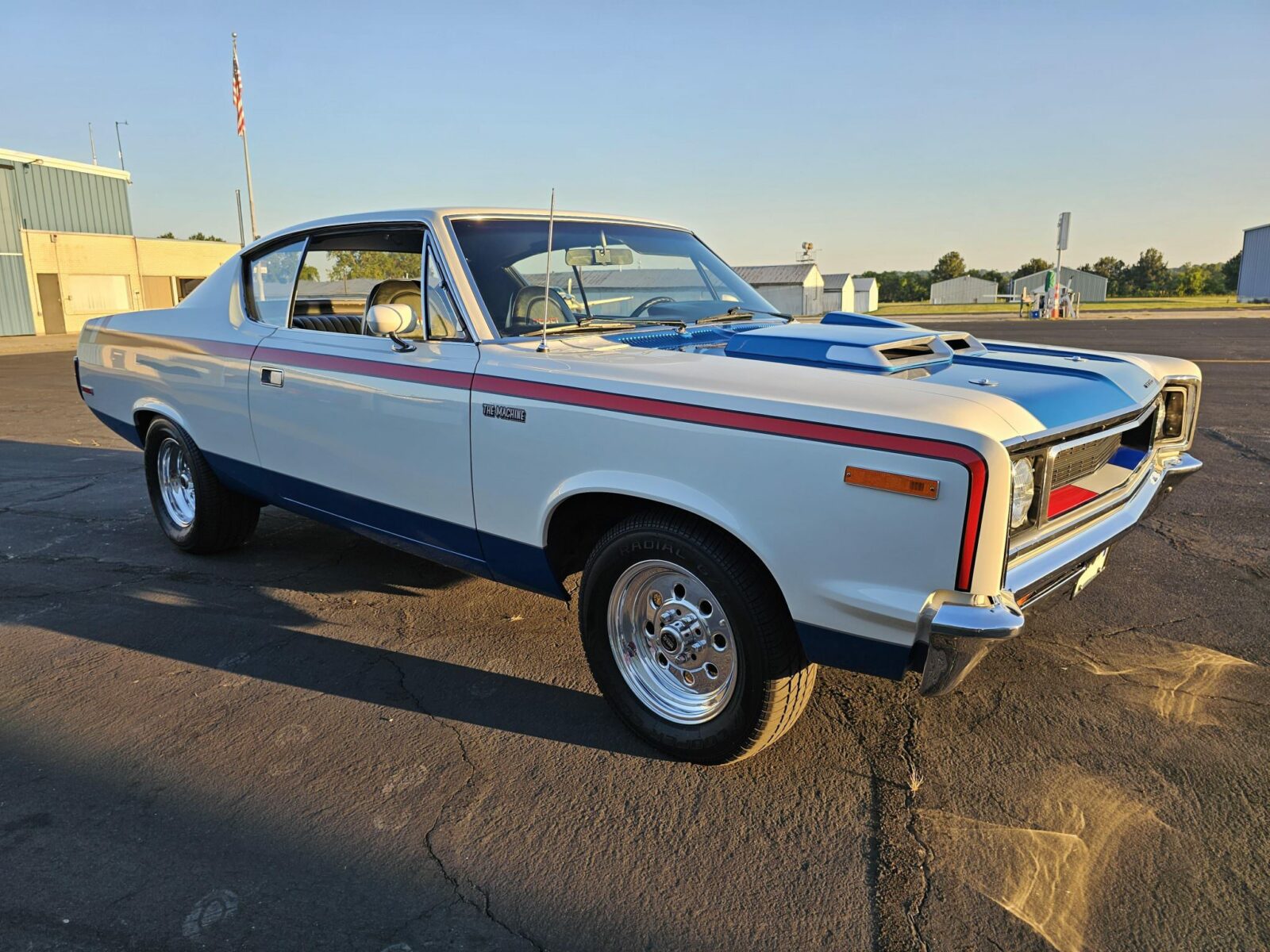
3. AMC Rebel Machine
American Motors Corporation rarely gets the respect it deserves in muscle car history, and the AMC Rebel Machine is a prime example. Released in 1970, the Rebel Machine was AMC’s no-holds-barred entry into the muscle car wars.
Powered by a 390-cubic-inch V8 producing around 340 horsepower, it was genuinely fast, capable of low-14-second quarter-mile runs straight from the factory.
The Rebel Machine also made a bold visual statement, often finished in red, white, and blue paint schemes that screamed patriotism and performance.
Despite its capabilities, AMC’s smaller dealer network and limited marketing budget meant the Rebel Machine never reached mainstream fame.
Today, it stands as proof that AMC could build a muscle car that competed head-to-head with the best from Detroit and sometimes beat them.
Most muscle cars were not engineered entirely from a clean sheet; instead, they were typically built upon the standard models already rolling off manufacturers’ assembly lines.
Ford’s 1970 Mustang 302, for example, was not conceived from the outset as a dedicated performance machine, but rather evolved from the base Mustang, originally offered with an underwhelming six-cylinder engine. The story was much the same for The Machine.
Using the two-door version of its best-selling Rebel, AMC threw everything it had at the car for what would become the Rebel’s final model year. By the time 1970 arrived, the Rebel name itself had technically been around since 1956, tracing its roots back to the Rambler brand.
To challenge the dominance of the Big Three, AMC aimed for a segment that had relatively little direct competition: the midsize car market. The Rambler had debuted in the mid-1950s as a more compact alternative to the large vehicles produced by Ford, General Motors, and Chrysler during that era.
These economy-focused cars were neither particularly fast nor extravagantly equipped, but they resonated with buyers who wanted something smaller and more efficient.
AMC, however, decided to inject some excitement into the lineup by introducing the one-year-only Rambler Rebel in 1957. Starting with its modest sedan, AMC shoehorned a 327 cubic-inch V8 under the hood, creating one of the quickest four-door cars of its time.
The 327 boosted output to an impressive 255 horsepower and 345 lb-ft of torque, enabling a 0–60 mph sprint in just 7.5 secondsm an astonishing figure in 1957.
That quick acceleration was made possible by aggressive 4.44 rear gearing and the Rambler’s unibody construction. The lighter structure meant the car didn’t require an enormous V8 to deliver strong performance.
The “Rambler” name carried on as AMC’s economical midsize offering through 1968, available as a coupe, convertible, sedan, and station wagon.
In an effort to shed its conservative image, AMC dropped the “Rambler” name in favor of “Rebel,” shifting marketing and advertising toward performance. For the Rebel’s final year, AMC packed in as much performance as possible for a proper farewell, resulting in the ultra-rare Rebel Machine.
As the psychedelic era began to fade by 1970, its influence on art, music, and culture was still clearly visible, and that influence extended to America’s cars, particularly muscle cars.
By that time, muscle machines boasted massive engines, bold colors, and even bolder names: GTO Judge, Dodge Super Bee, Hemi ’Cuda, Mercury Cyclone Spoiler, among others. Determined to stake its own claim, AMC selected its midsize Rebel for a final, no-holds-barred special edition: The Machine.
Later examples were offered in solid colors, some paired with vinyl roofs. To back up the visual drama with serious performance, AMC retained its 390 cubic-inch V8, producing 340 horsepower and 410 lb-ft of torque.
That level of output allowed The Machine to reach 60 mph in under seven seconds. According to period claims, some AMC dealers even offered a special package that boosted power to 400 horsepower, making The Machine one of the most formidable muscle cars of its era.
With the uprated 390 producing more power than ever before, cooling became a critical concern. AMC addressed this by ensuring the engine could breathe properly while also upgrading the chassis to handle the extra output.
Stiffer springs and heavier-duty anti-roll bars were fitted, braking was improved with power front discs, and a Hurst shifter came standard.
When new, AMC priced the Rebel Machine slightly above its rivals at $3,475 in 1970. Adjusted for inflation, that figure comes out to just under $26,000 in 2023, which is a remarkable bargain considering the performance it delivered.
The value proposition becomes even more impressive for those who managed to hold onto their Rebel Machines over the decades.
Current market prices hover around $80,000, providing a substantial return for original owners. Unfortunately for bargain hunters, finding a cheap example of the Rebel Machine today is simply not realistic.
4. Buick Gran Sport 455
Buick isn’t the first brand most people associate with muscle cars, which is exactly why the Gran Sport 455 remains underrated. Buick focused on torque rather than high-revving horsepower, and the GS 455 embodied that philosophy perfectly.
Its massive 455-cubic-inch V8 produced prodigious low-end grunt, making it devastatingly quick in real-world driving scenarios.
While magazine tests often focused on peak horsepower numbers, the Gran Sport excelled where it mattered most: off-the-line acceleration and effortless highway passing.

Buick also paired performance with comfort, offering upscale interiors that made the GS feel more refined than many of its rivals.
Because it lacked the aggressive image of a Chevelle SS or a Road Runner, the GS 455 was often overlooked, but enthusiasts today recognize it as one of the most torque-rich muscle cars of the era.
5. Dodge Coronet R/T
The Dodge Charger gets all the attention, but the Coronet R/T deserves just as much respect. Available with Dodge’s legendary 440 Magnum V8 and optional 426 Hemi, the Coronet R/T was a true muscle car in every sense.
It shared much of its mechanical DNA with the Charger but wore a more conservative body style that appealed to buyers who wanted performance without the flash.
That understated design worked against it in the long run, as collectors gravitated toward the Charger’s dramatic fastback lines.
However, the Coronet R/T delivered the same brutal straight-line speed and was often lighter, giving it a slight performance edge in some configurations. Today, it remains a hidden gem for Mopar enthusiasts who care more about driving than recognition.
The owner ultimately chose to step away from racing and wanted the Coronet R/T brought back to factory specifications, albeit with a six-barrel carburetor setup.
From the factory, this Coronet left the assembly line as a U-code model equipped with a four-barrel 440. Unfortunately, the original numbers-matching V8 was no longer residing under the hood.
Following several months of dedicated work, Nick revealed a beautifully restored R/T finished in Top Banana, accented by a black “bumblebee” stripe. Under the hood, the engine bay looks exactly as it should after a comprehensive rebuild.
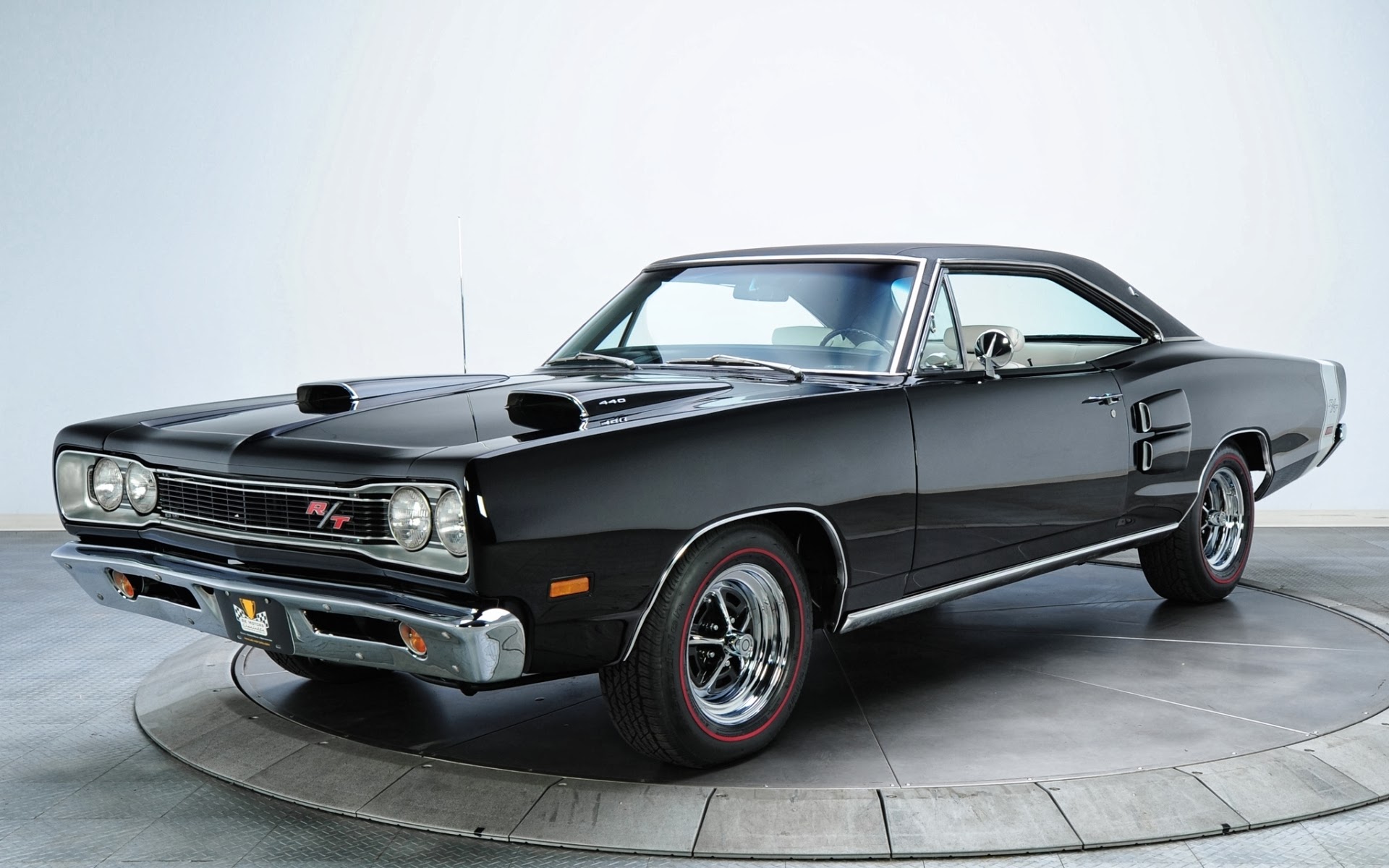
For context, this engine carried an official factory rating of 390 horsepower and 490 pound-feet (664 Nm) of torque when new. In Dodge’s performance hierarchy, it sat between the 375-horsepower 440 four-barrel and the formidable 425-horsepower Hemi.
Even though it isn’t one of the extremely rare Hemi-powered Coronets, only 14 of those were ever built, this particular Mopar is still unquestionably scarce. Dodge sold close to 115,000 Coronets during the 1970 model year, yet just 2,319 were ordered in R/T trim.
Of those, 2,155 were delivered to dealerships in the United States. The most common configuration was the U-code 440 four-barrel, accounting for 2,194 units. However, only 405 of those were hardtops fitted with the four-speed manual transmission.
As he does with every vehicle he restores, Mr. Panaritis took the Coronet R/T out for a spirited drive before handing it back to its owner.
Thankfully, the outing includes plenty of wide-open-throttle moments, letting you hear the big-block V8 howl and watch the rear tires fight for grip. As always, the result is top-tier content, so hit the play button below and turn the volume up.
Also Read: Top Used Trucks Dominating Resale Value Charts Right Now
6. Pontiac Grand Prix SJ
When people think of Pontiac performance, the GTO dominates the conversation. Yet the Pontiac Grand Prix SJ quietly offered muscle car performance wrapped in a personal luxury coupe package.
Equipped with Pontiac’s powerful 428-cubic-inch V8, the Grand Prix SJ delivered impressive acceleration while maintaining a level of comfort and sophistication few muscle cars could match.
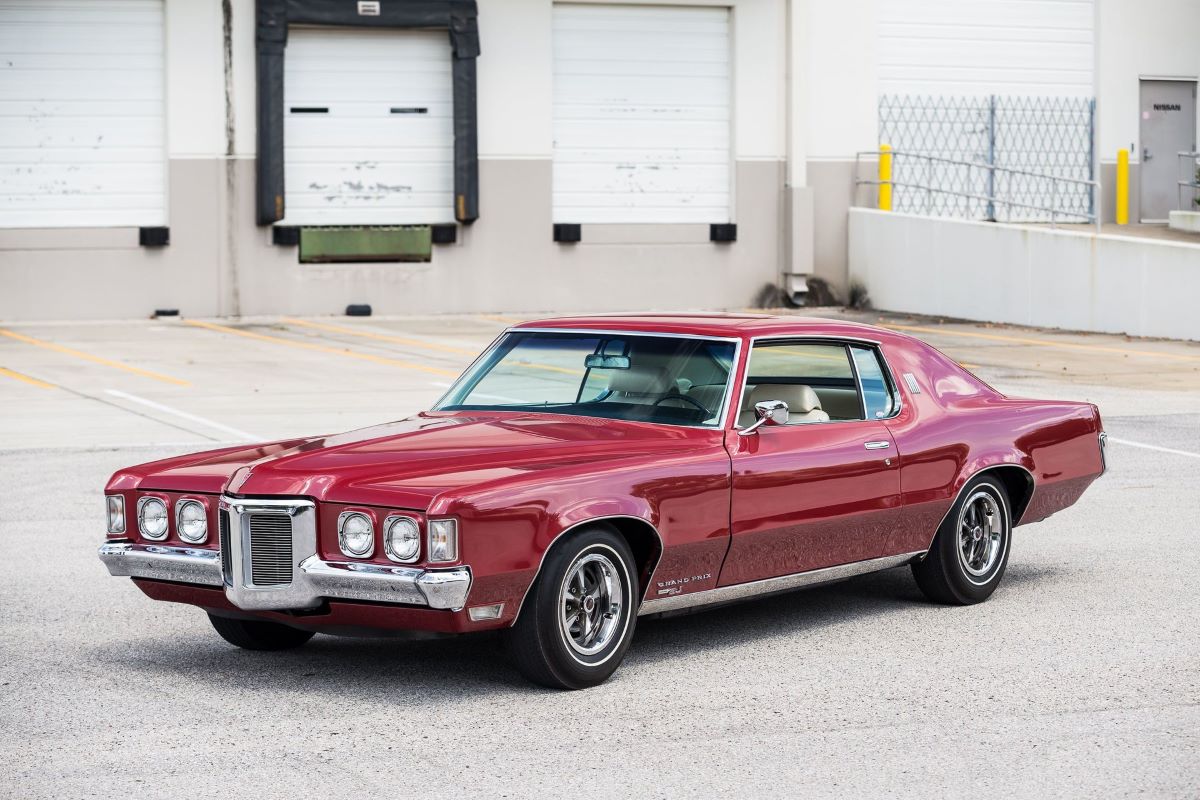
This dual personality hurt its reputation at the time. Purists dismissed it as too luxurious, while luxury buyers often overlooked its performance credentials.
In reality, the Grand Prix SJ represented an early blend of muscle and luxury that foreshadowed future performance-oriented grand tourers. It deserves recognition as a car that proved speed and comfort didn’t have to be mutually exclusive.
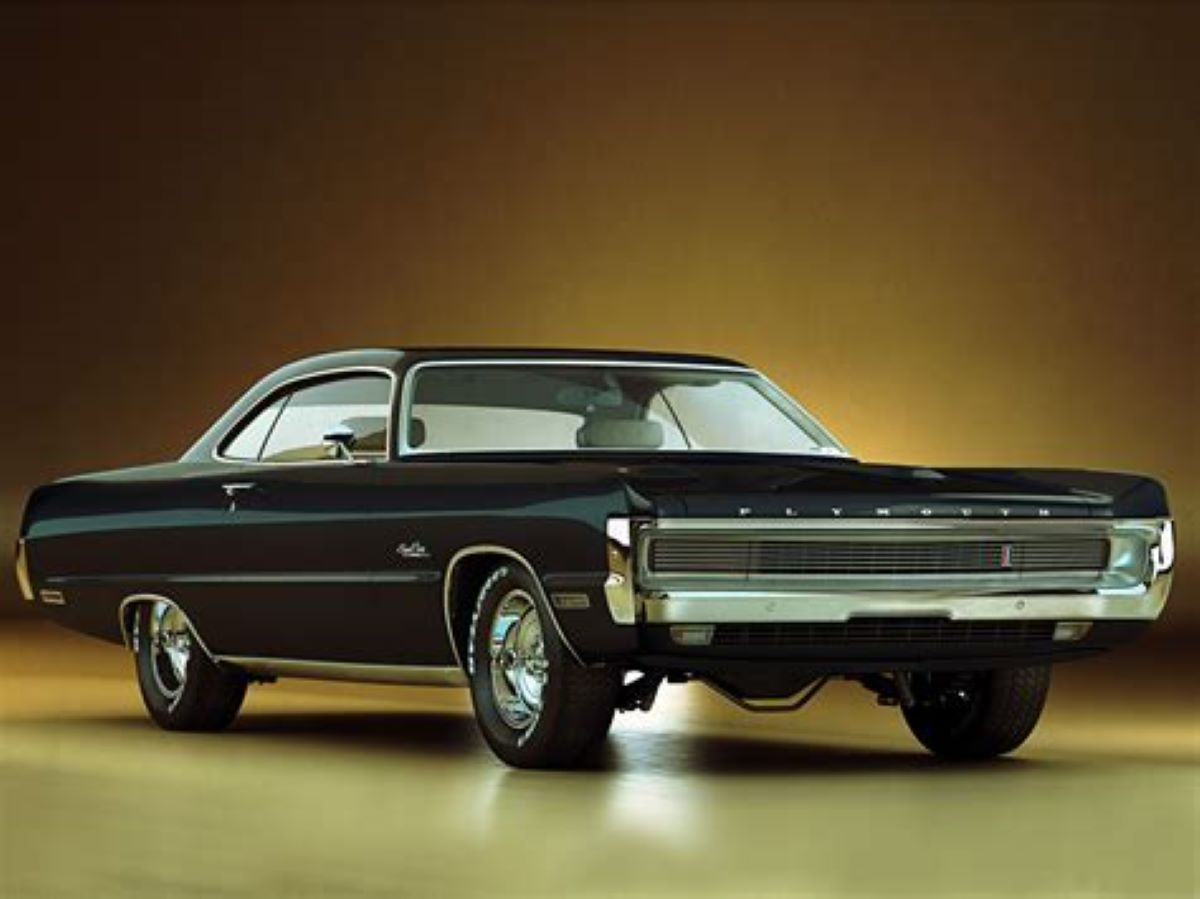
7. Plymouth Sport Fury GT
The Plymouth Fury name is often associated with full-size sedans and police cars, but the Sport Fury GT was something different. Built on Plymouth’s full-size platform, it offered big-block V8 power and surprising straight-line performance.
While its size worked against it in handling comparisons, it excelled as a highway bruiser, delivering effortless speed and a commanding road presence.
Because it didn’t fit the compact muscle car mold popularized by the Road Runner and Barracuda, the Sport Fury GT never gained widespread recognition.
However, its combination of size, power, and relative rarity makes it an intriguing and often overlooked piece of muscle car history.
With its commanding presence and a powerful V8 tucked beneath its enormous hood, the Plymouth Sport Fury GT represented the perfect blend of a luxurious full-size coupe and a legitimate muscle car for the 1970 and 1971 model years.
Long before American automakers began offering the high-performance intermediates, pony cars, and compact models that are now synonymous with the muscle car era, the strongest V8 engines were typically reserved for each manufacturer’s full-size lineup.
That formula changed in 1964 when Pontiac took its most potent V8 designed for full-size cars and dropped it into the midsize LeMans, creating the legendary GTO performance package.
The GTO was an immediate marketing success, and as sales skyrocketed, rival manufacturers quickly followed suit by applying the same strategy.
Within just a few short years, enthusiasts gravitated toward these shorter-wheelbase performance cars, prompting automakers to slowly phase out high-performance versions of their full-size “land yachts.”
By 1970, the roster of sporty full-size coupes equipped with true muscle car powertrains had become quite limited. Chevrolet dropped the SS package from the Impala, Pontiac discontinued the 390-horsepower 428 HO V8, and while the 455 remained available in Pontiac’s full-size models, it lacked the same excitement.
For buyers still interested in a performance-oriented full-size car that year, Mercury revived the intriguing Marauder X-100, while Chrysler introduced the limited-production 300 Hurst.
Despite the shrinking demand for such vehicles, Plymouth, already enjoying strong sales from the Road Runner and preparing to launch a completely redesigned Barracuda, chose to expand its performance lineup by introducing a new package for the Sport Fury two-door hardtop.
Known as the GT package, this option added a touch of visual flair to the Sport Fury, but more importantly, it brought serious muscle by offering a choice of two big-block V8 engines, along with several suspension and chassis enhancements.
To reinforce its Executive Supercar image, the Sport Fury GT also featured a more refined interior. Standard equipment included a vinyl-trimmed bench seat with a folding center armrest, while buyers seeking a sportier feel could opt for individual bucket seats.
The GT package carried over into the 1971 model year, though without any major styling upgrades. The most noticeable changes were a mildly revised hood that eliminated the dual bulges and the introduction of a new front grille design.
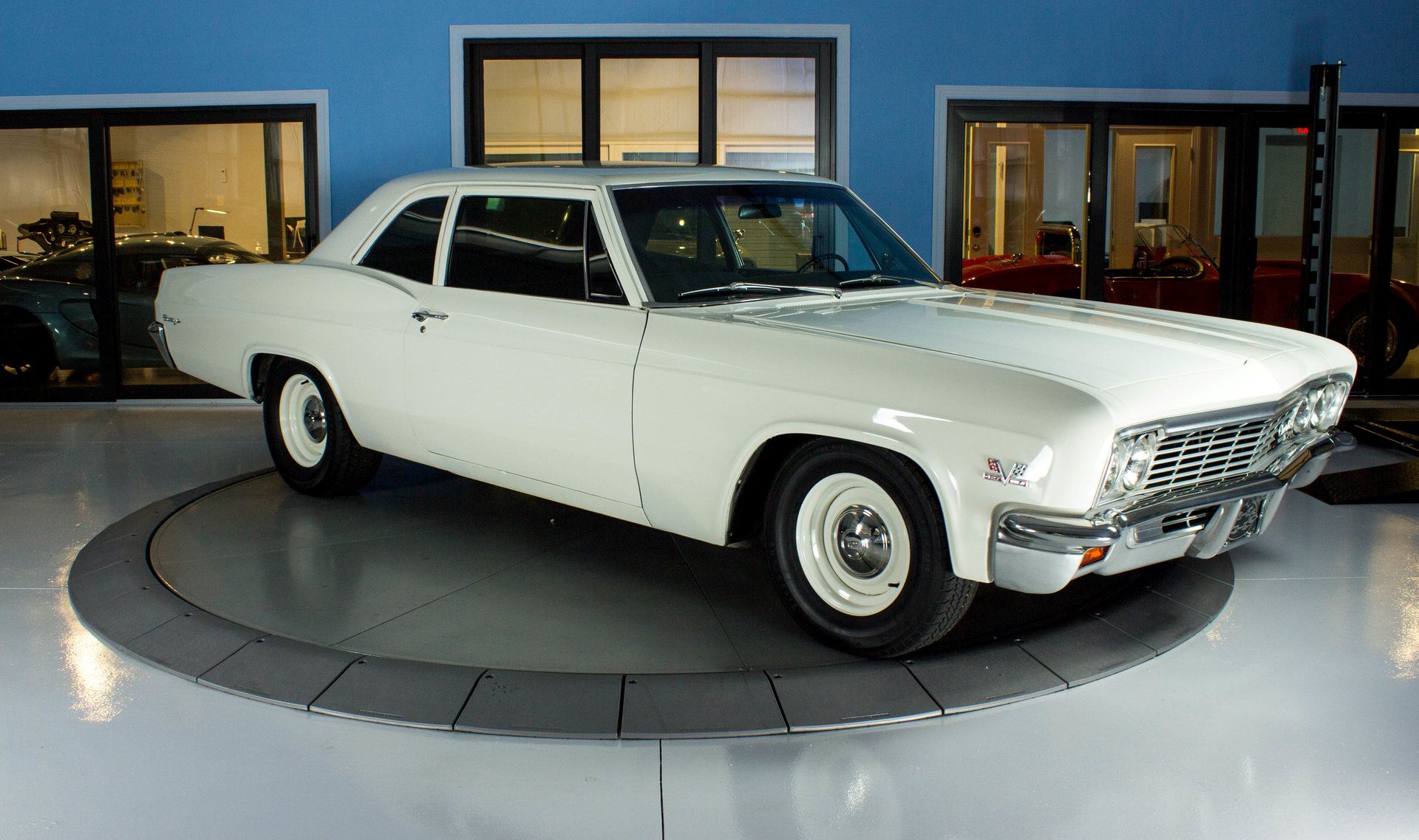
8. Chevrolet Biscayne 427
The Chevrolet Biscayne is perhaps the most unassuming muscle car ever built. Marketed as a budget full-size sedan, the Biscayne could be ordered with Chevrolet’s monstrous 427-cubic-inch V8, turning it into a true sleeper.
With minimal trim, steel wheels, and little visual flair, it was designed to fly under the radar.
That stealth factor is exactly what makes the Biscayne 427 so special. In an era of bold stripes and hood scoops, Chevrolet quietly offered a car that could embarrass flashier rivals at the drag strip.
Because most buyers opted for more upscale Impalas or Caprices, Biscaynes equipped with big-block engines are rare today and deeply underrated.
Underrated muscle cars tell a more complete story of the golden age of American performance. They show that innovation, speed, and excitement weren’t limited to the most famous nameplates.
Many of these vehicles pushed boundaries in their own ways, whether through torque-focused engines, sleeper styling, or unexpected blends of luxury and performance.
For modern enthusiasts, these overlooked classics offer something increasingly rare: authenticity without hype. They provide the thrill of classic muscle car ownership while still feeling personal and unique.
As prices for mainstream icons continue to climb, these underrated machines represent not just better value, but a chance to preserve and celebrate a broader slice of muscle car history.