In an era where six-figure electric SUVs and carbon-fiber hypercars dominate celebrity garages, a surprising number of famous faces still choose something far louder, rougher, and more unapologetically American: classic muscle cars.
These machines weren’t designed for valet lines or silent cruising they were built for burnouts, drag strips, and a time when horsepower mattered more than touchscreen size.
For some celebrities, muscle cars are nostalgia pieces. For others, they’re daily drivers, passion projects, or rolling middle fingers to modern automotive excess.
What makes this trend especially interesting is that these aren’t just static collections hidden away in climate-controlled warehouses. Many of these celebrities actually drive their classic muscle cars, maintain them, and even modify them for modern roads while keeping the soul intact.
From Hollywood icons to music legends, these stars prove that Detroit iron still has cultural relevance and emotional pull decades after its golden age.
Here are eight celebrities who still roll in classic American muscle cars, and why their choices matter in a world obsessed with the next new thing.
1. 1969 Dodge Charger R/T
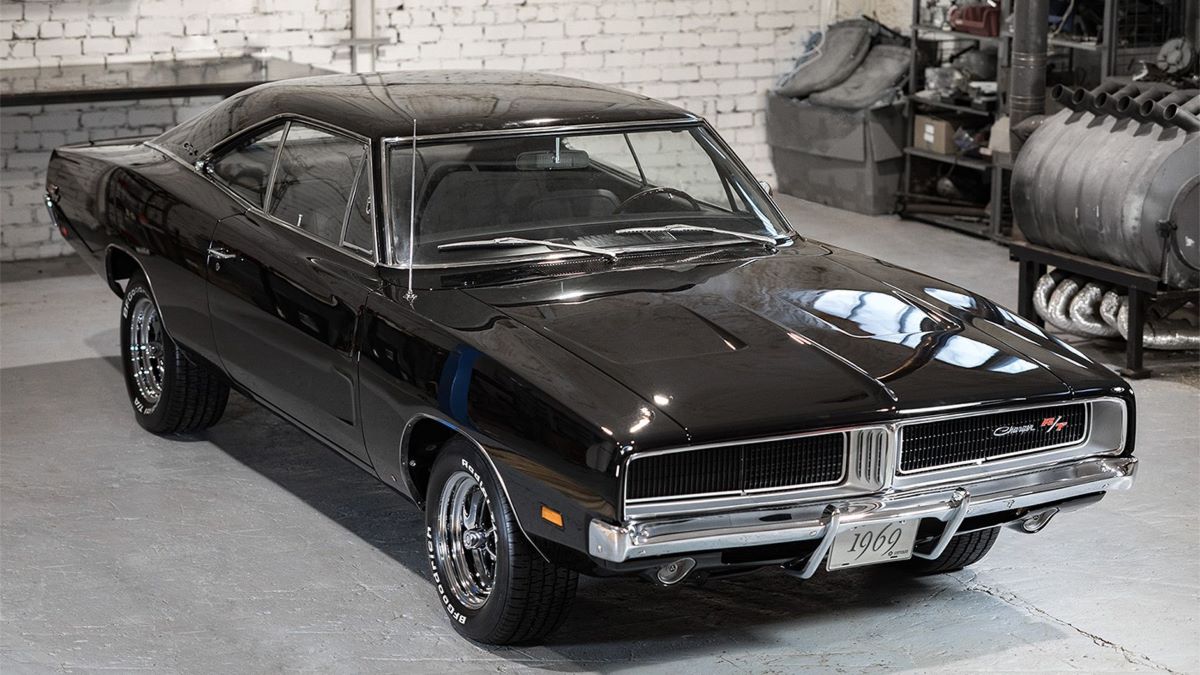
Jay Leno’s car collection is legendary, but among the steam cars, supercars, and experimental oddities sits one of the most iconic muscle cars ever built: a 1969 Dodge Charger R/T.
Unlike many celebrity-owned classics that remain stock, Leno’s Charger blends old-school muscle with modern reliability upgrades, including improved cooling and drivability tweaks that make it usable on today’s roads.
The Charger R/T represents peak Mopar muscle long hood, aggressive stance, and V8 thunder that defined late-’60s American performance.
Leno has often spoken about his love for vehicles that tell a story, and the Charger does exactly that. It embodies an era when muscle cars were raw, unapologetic, and designed to intimidate both visually and mechanically.
For collectors and enthusiasts, Leno’s ownership reinforces an important truth: muscle cars don’t need to be museum pieces to be valuable. They were meant to be driven, heard, and felt.
The Charger was conceived as speed in formalwear, a personal-luxury coupe with bucket seats throughout and serious ambition. Buyers noticed, but sales remained modest.
Everything changed when the second generation debuted for 1968, effectively reprogramming America’s senses with dramatic coke-bottle sides, flying buttresses, and concealed headlights.
The 1969 update was restrained yet precise. A sharper split grille added menace, the full-width taillamp looked cleaner, and the lineup expanded. Shoppers could choose the standard Charger, the more upscale SE, the NASCAR-homologation Charger 500, or the outrageous winged Daytona. Positioned squarely in the middle was the R/T, standing firm like a perfectly composed enforcer.
Powerplants defined the pecking order. The 318 served as the entry point, the 383 carried most of the load, and the R/T arrived standard with the L-code 440 Magnum, rated at 375 hp (380 PS) and 480 lb-ft (651 Nm).
Sitting above it was the legendary 426 Hemi, delivering 425 hp (431 PS) and 490 lb-ft (664 Nm). Power was routed rearward through either the A833 four-speed manual or a TorqueFlite automatic.
Factory performance packages separated the serious street cars from the rest. At the top of the list was the A33 Track Pak for four-speed models, which included a 3.54 Sure Grip Dana 60 rear end, the Hemi-spec 18-spline transmission, a maximum-cooling 26-inch radiator, heavy-duty suspension components, and a large seven-blade fan.
In period-correct form, a properly sorted 440 R/T could run from 0–60 mph in the six-second range and turn mid-14-second quarter-mile times when traction allowed.
Production numbers were healthy. Approximately 89,000 Chargers were built for the 1969 model year, with about 20,000 wearing the R/T badge.
The base ’69 Charger carried a price of roughly $3,126, while the R/T commanded between $3,575 and $3,592 before adding performance options or luxury extras. Step up to the Daytona or check the Hemi box, and prices quickly entered far more exclusive territory.
2. 1970 Pontiac GTO Judge
Wrestler-turned-actor John Cena is known for his disciplined lifestyle and serious car enthusiasm, particularly when it comes to American muscle.
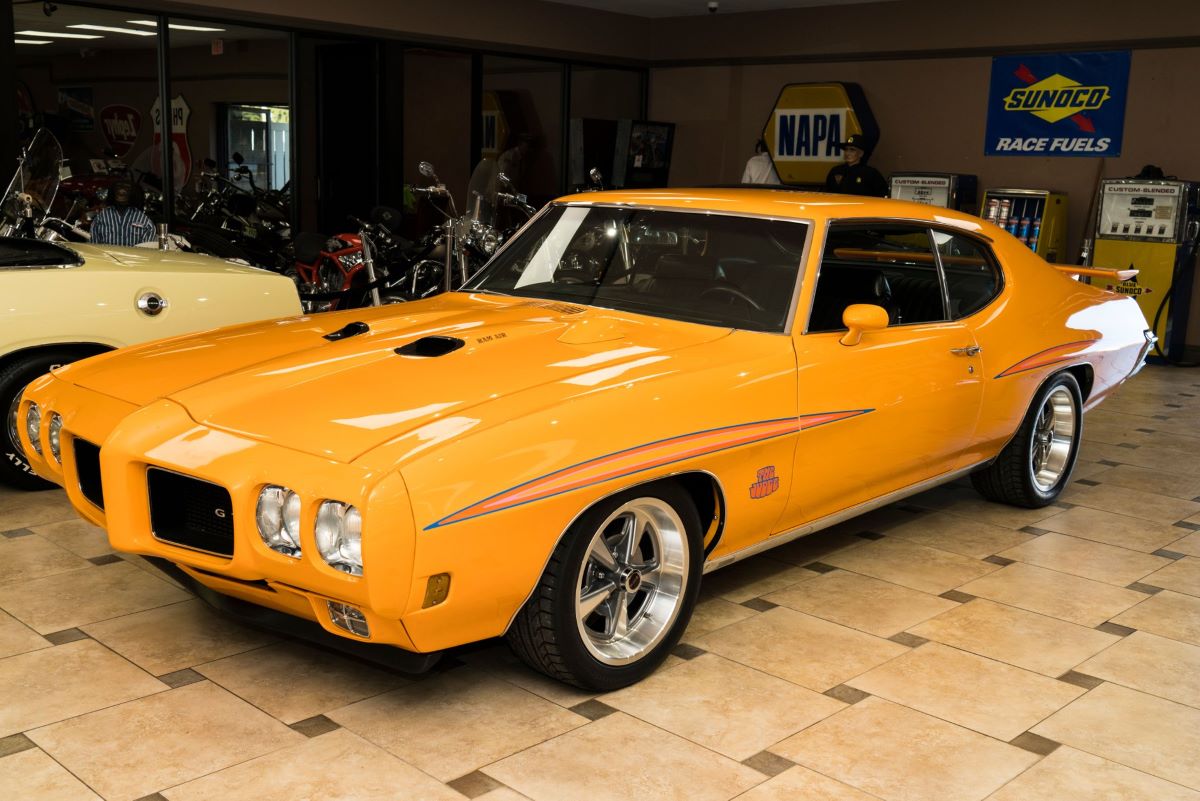
One of the crown jewels in his garage is a 1970 Pontiac GTO Judge, a car that marked the peak of Pontiac’s performance era.
The GTO Judge wasn’t just about straight-line speed; it was Pontiac’s statement car, combining aggressive styling with genuine performance credentials.
Cena has publicly stated that he doesn’t view cars as mere investments but as experiences, which explains why he has maintained the Judge in near-perfect condition while still appreciating its mechanical honesty.
In a celebrity culture dominated by flashy imports, Cena’s loyalty to classic muscle reflects his blue-collar roots and appreciation for vehicles that earned their reputation the hard way.
3. 1968 Chevrolet Camaro Z/28
Tim Allen’s love for muscle cars predates his fame, and his 1968 Camaro Z/28 is a perfect reflection of that lifelong passion.
Unlike many high-horsepower muscle cars of the era, the Z/28 was built with road racing in mind, making it a more balanced performer than its straight-line rivals.
Allen has spoken about the importance of preserving American automotive history, and his Camaro is maintained as a driver’s car rather than a showpiece.
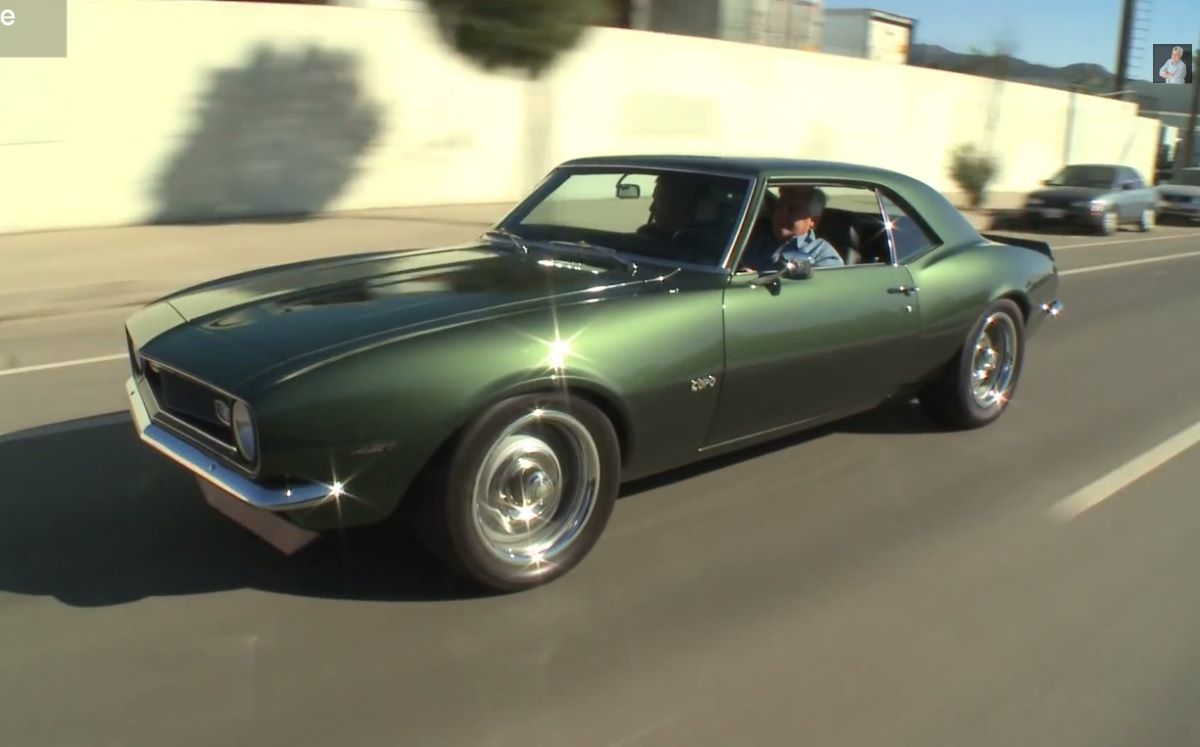
The Z/28 represents Chevrolet’s answer to Trans-Am racing rules, blending performance engineering with street legality a concept that still resonates with modern enthusiasts.
For today’s buyers, the Z/28’s rising value shows that muscle cars with motorsport pedigree often age better than pure drag-strip monsters.
4. 1969 Ford Mustang Mach 1
Kid Rock’s public image aligns perfectly with classic American muscle, and his 1969 Mustang Mach 1 is as on-brand as it gets.
The Mach 1 wasn’t just a trim package it was Ford’s performance flagship, offering big-block power and aggressive styling that separated it from standard Mustangs.
What makes Kid Rock’s Mustang notable is its authenticity. It hasn’t been over-restored or turned into a modernized restomod.
Instead, it remains a time capsule of late-’60s performance, complete with the kind of raw driving experience that modern cars simply can’t replicate.
For muscle car fans, the Mach 1 remains one of the most emotionally resonant Mustangs ever built, and its continued presence in celebrity garages helps keep that legacy alive.
The Ford Mustang, Ford’s wildly popular “pony car”, not only received a significant redesign for 1969, but it also gained a lineup of unforgettable new variants, including the 1969 Ford Mustang Grande and the Mach 1.
In total, five fresh models were introduced, with two additional “Boss” versions arriving later. Combined with a lineup of seven different engines, the 1969 Mustang offered enough variety to satisfy nearly every taste in style and performance.
In nearly every measurable way, the redesigned Mustang appeared slightly larger and more exaggerated. Quad headlights remained a defining feature, though the outer pair was now set deep within recessed pods, visually separated from the inner lights housed in the grille. Vent windows were eliminated, and even the dashboard design took on a more dramatic flair.
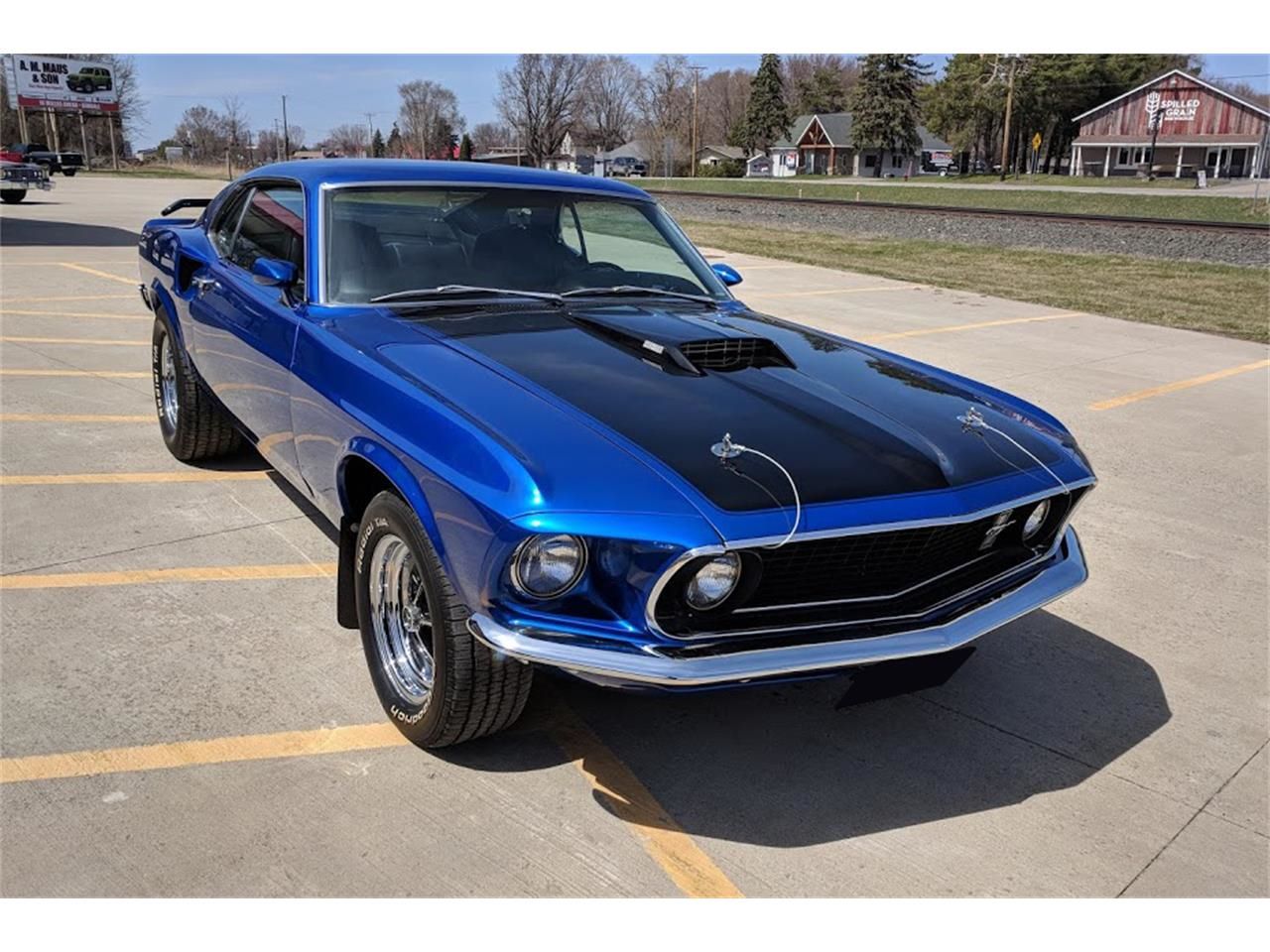
Not everyone felt every revision was a step in the right direction. The rear panel stayed closest to the original Mustang design language, though it now featured flattened, three-section taillights. Elsewhere, the car’s proportions struck some as awkward, largely due to the noticeably longer front overhang.
Even so, 1969 introduced new names that would go on to become part of performance-car folklore. Chief among them was the Mach 1, promoted as the “wild newcomer.”
Its name was borrowed from a futuristic 1967 concept car and referenced the speed of sound, roughly 750 mph. With such a bold designation, expectations were sky-high, and the Mach 1 largely delivered, especially when equipped with the optional 428-cubic-inch Cobra Jet V-8.
Motor Trend confirmed its credentials when testers launched an early Mach 1 fitted with the 335-horsepower Cobra Jet to 60 mph in just 5.7 seconds, then blasted through the quarter-mile in 14.3 seconds at an even 100 mph.
Notably, these results were achieved with a three-speed automatic transmission, aided by the 428’s immense 440 pound-feet of torque.
Despite the impressive numbers, the magazine wasn’t completely satisfied, remarking that the “sum is far short of its parts” and that overall performance failed to fully match the car’s openly aggressive image. Even with those criticisms, it was still labeled it the “toughest one yet” among Mustangs.
The Cobra Jet was available with or without Ram Air and was just one of five engines offered in the Mach 1 lineup. Opting for Ram Air replaced the standard simulated hood scoop with the iconic functional “shaker.”
The base engine was Ford’s “zesty” 351-cubic-inch V-8, available with either two- or four-barrel carburetion, while a 390-cubic-inch V-8 filled the middle ground.
All engines except the 351 featured quad-tipped dual exhaust outlets. Big-block cars came standard with a four-speed manual transmission, with the SelectShift Cruise-O-Matic automatic offered as an option. Curiously, even on these high-performance models, a tachometer was still an extra-cost item.
5. 1970 Chevrolet Chevelle SS
Mark Wahlberg’s interest in cars has matured alongside his career, and his 1970 Chevelle SS stands out as one of the most desirable muscle cars ever produced. The Chevelle SS hit the sweet spot between brute force and everyday usability, making it a favorite among enthusiasts then and now.
Wahlberg’s Chevelle reflects a growing trend among high-profile owners: tasteful restoration with subtle upgrades that don’t erase the car’s character.
The Chevelle’s clean lines and monstrous torque embody the muscle car ethos without leaning too far into excess.
In today’s market, the Chevelle SS has become a benchmark for muscle car values, proving that mainstream American performance cars can rival exotic vehicles in desirability and cultural significance.
Launched for the 1964 model year as Chevrolet’s first midsize offering, the Chevelle wasted little time joining the rapidly escalating muscle car wars.
As early as 1965, the SS variant was already available with a big-block V8. Just five years later, the Chevelle SS 454 LS6 would earn the title of the most powerful production car in America.
That ultimate version was powered by a heavily fortified 454-cubic-inch (7.4-liter) V8 producing a staggering 450 horsepower.
This output surpassed the legendary 426-cubic-inch (7.0-liter) Hemi by 25 horsepower and easily eclipsed Ford’s 429-cubic-inch (7.0-liter) Boss 429, which carried a factory rating of 375 horsepower.
That said, the Chevelle was no slouch long before 1970. Chevrolet’s 396-cubic-inch (6.5-liter) V8 was formidable in its own right, particularly in L78 form.
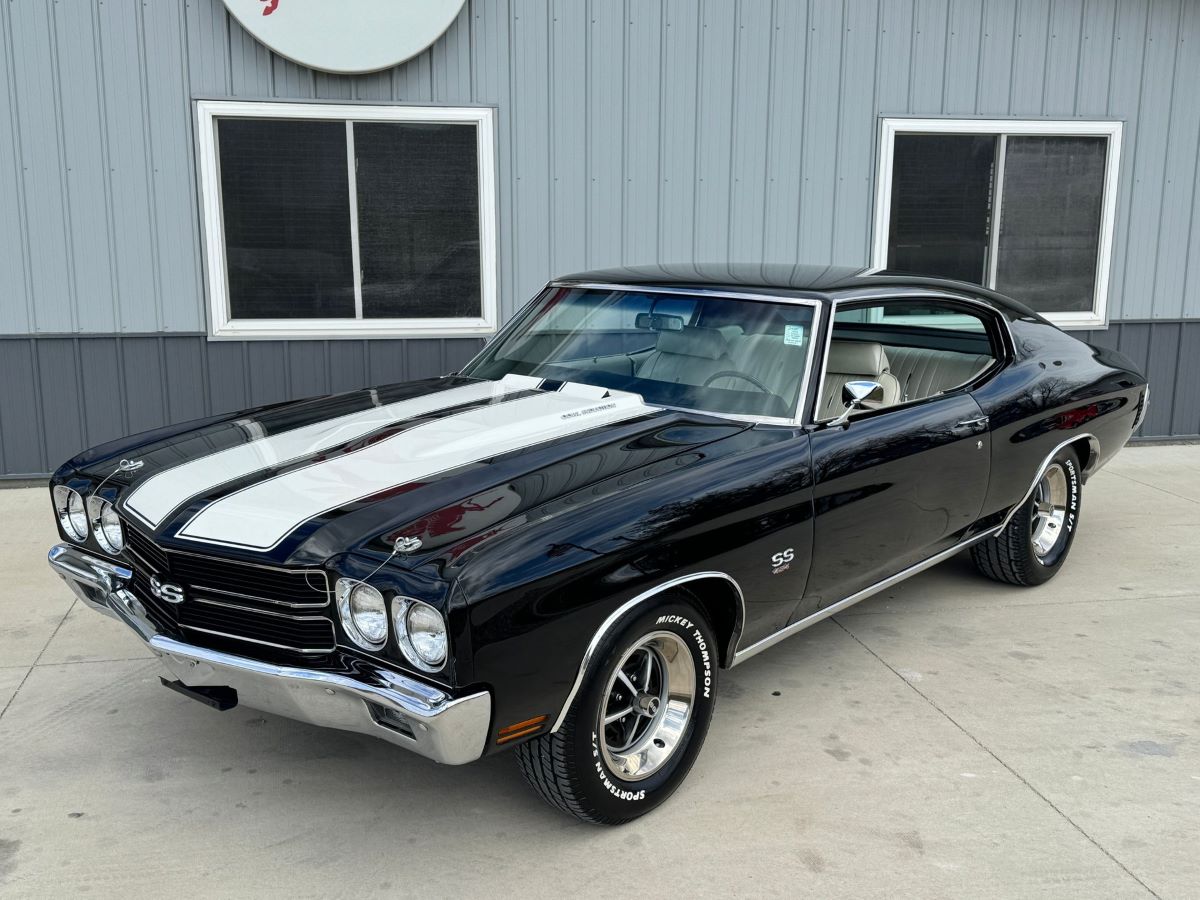
Rated at 375 horsepower and 415 pound-feet (563 Nm) of torque, this engine was capable of launching the Chevelle SS through the quarter-mile in the low-to-mid 14-second range at trap speeds exceeding 100 mph (161 kph).
Unlike the SS 454 LS6, which was offered only for the 1970 model year, the L78 enjoyed a six-year production run. Even so, certain versions are exceptionally scarce.
The 1970 Chevelle L78, which utilized a stroked 402-cubic-inch (6.6-liter) engine, was built in just 2,144 examples. That total represents less than 0.4 percent of overall Chevelle production and roughly 3.5 percent of total SS output.
The 1970 L78 is also notably rarer than the far more famous, and more valuable, LS6. Chevrolet installed the LS6 in 4,475 vehicles, a figure that includes approximately 500 El Camino pickups.
The weathered hardtop shown here is one of those L78-equipped cars, and it becomes even rarer thanks to its M21 four-speed manual transmission.
After spending years in storage, this Chevelle has returned to the spotlight with the help of marque expert Patrick Glenn Nichols.
Brought in to authenticate the car, Nichols verified it as a genuine L78 based on its specific features and the presence of two partial build sheets. The second sheet was discovered during an inspection of the front seats and, fortunately, contained several codes missing from the first.
While the SS appears to retain a high degree of originality, it cannot be classified as a pure survivor. The car was repainted red many years ago, and the aged finish reveals glimpses of its original Forest Green paint beneath.
Evidence of the factory color remains visible in the door jambs and under the dashboard. The white stripes and black interior, however, are consistent with the car’s original configuration.
Unfortunately, the original L78 engine is no longer installed. In its place sits another Chevrolet big-block V8. That said, the owner does possess a period-correct L78 engine intended for the car, and both the Chevelle SS and its proper powerplant are currently undergoing restoration.
6. 1967 Pontiac Firebird
George Clooney’s automotive tastes lean toward understated cool rather than flash, which makes his 1967 Pontiac Firebird a perfect fit.
Often overshadowed by the Camaro, the first-generation Firebird offers similar performance with more refined styling a combination that mirrors Clooney’s public persona.
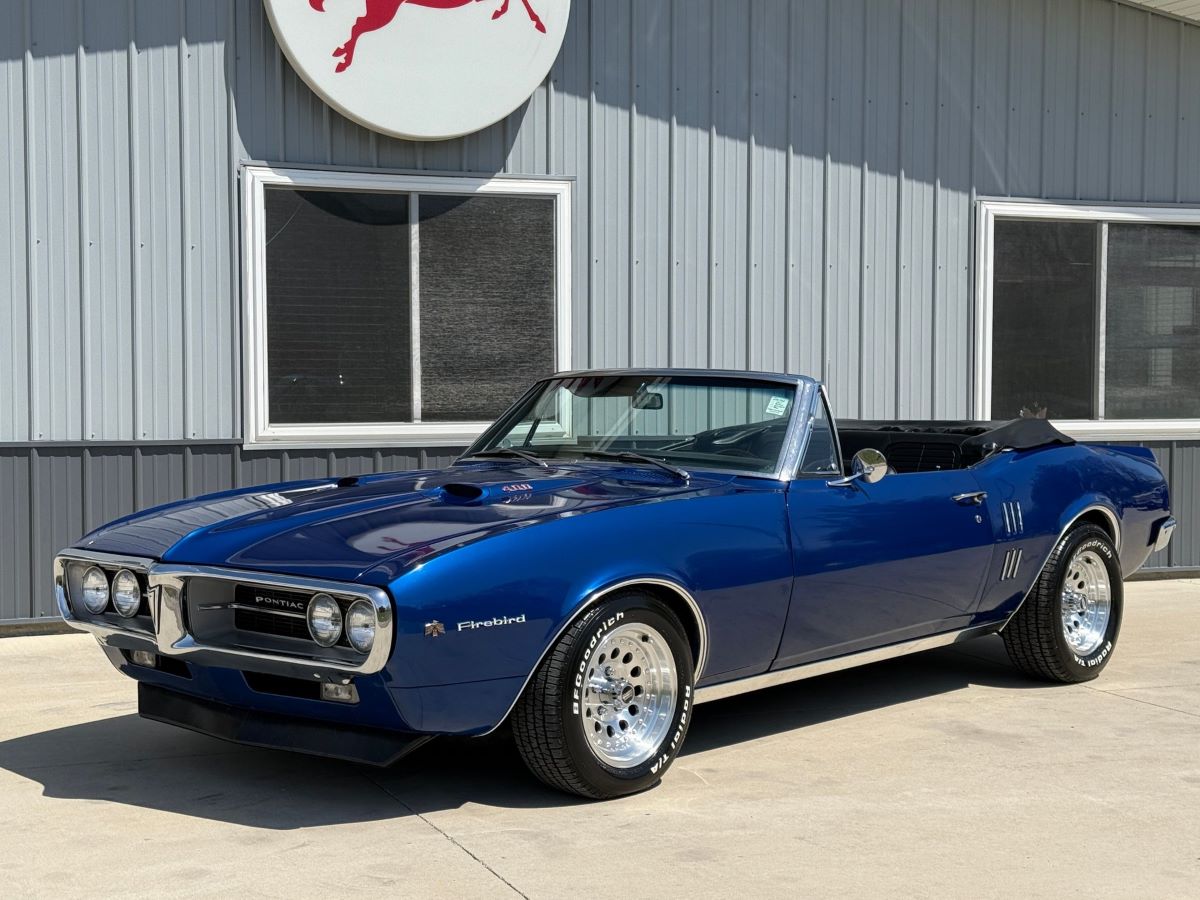
The Firebird represents Pontiac’s effort to blend performance with sophistication, and Clooney’s continued ownership highlights how muscle cars can appeal beyond hardcore gearheads. It’s not just about horsepower; it’s about design, balance, and presence.
For collectors, early Firebirds remain undervalued compared to their Chevrolet cousins, making Clooney’s choice both stylish and surprisingly smart.
Rushed into production and arriving roughly half a year after its Camaro sibling, the Pontiac Firebird nevertheless had several advantages working in its favor. Chief among them was the influence of the brilliant John Z. DeLorean, who decided to equip the car with a European-inspired six-cylinder engine he had developed a year earlier for the Pontiac Tempest.
In addition to that refined base engine, Pontiac offered a pair of proven V8s, which immediately gave the Firebird credibility among muscle car enthusiasts. Finally, the Firebird was something of an afterthought within GM’s broader strategy, so it wasn’t burdened with the same high-volume sales expectations as the Camaro.
Lower production numbers often benefit a vehicle in the long run, especially for first-year models with built-in exclusivity. As a result, the Firebird has aged remarkably well and remains a highly desirable bargain today.
Pontiac produced 82,650 Firebirds in that first (technically half) model year, roughly a third of total Camaro production. Of these, 67,032 were coupes and 15,528 were convertibles, with historians generally agreeing that the convertible was the more attractive option due to the way its flowing fender lines complemented the Coke-bottle styling.
Pricing for a 1967 Firebird in good condition varies depending on engine and body style. Base six-cylinder coupes start at $13,580, while convertibles fetch $15,680. Higher-performance engines such as the 326 HO V8 and 400 V8 command increasingly higher prices, with the 400 V8 Ram Air convertible valued at $79,700.
The 1967 Firebird came in twelve different models, and record sales show the highest auction results reaching $82,500 for both coupes and convertibles. Originally, Firebirds started at $2,266, which equates to $21,127 in 2024 dollars.
The Firebird helped Pontiac close out the 1960s, arguably the division’s strongest decade, with notable success in the muscle car market and set the stage for the Firebird Trans Am, which would debut in 1969.
Average transaction prices for first-generation Firebird convertibles today are around $44,862, with 1967 models averaging $39,203, while coupes sell for an average of $43,773, with 1967 coupes averaging $39,445.
Pontiac had originally envisioned a small two-seater based on the 1964 Banshee concept, a hybrid of the Chevrolet Corvette and Opel GT. The concept was ultimately deemed too close to the Mako Shark design that inspired the C3 Corvette Sting Ray.
When the Camaro launched, John DeLorean advocated for a smaller, production-ready Banshee, but GM leadership rejected it, seeing it as a potential threat to Corvette sales.
As a compromise, Pontiac was granted a pony car platform, and the Firebird was quickly developed and brought to market, combining style, performance, and exclusivity into a highly collectible classic.
7. 1969 Plymouth Barracuda
Kevin Hart’s tragic loss of a heavily modified 1970 Barracuda in 2019 only deepened his connection to classic muscle. He has since continued collecting vintage American cars, including late-’60s Mopar icons that emphasize raw power and unmistakable styling.
The Barracuda is significant because it represents Mopar’s most aggressive design language during the muscle era. Long hoods, short decks, and engines that prioritized torque over refinement made it a street legend.
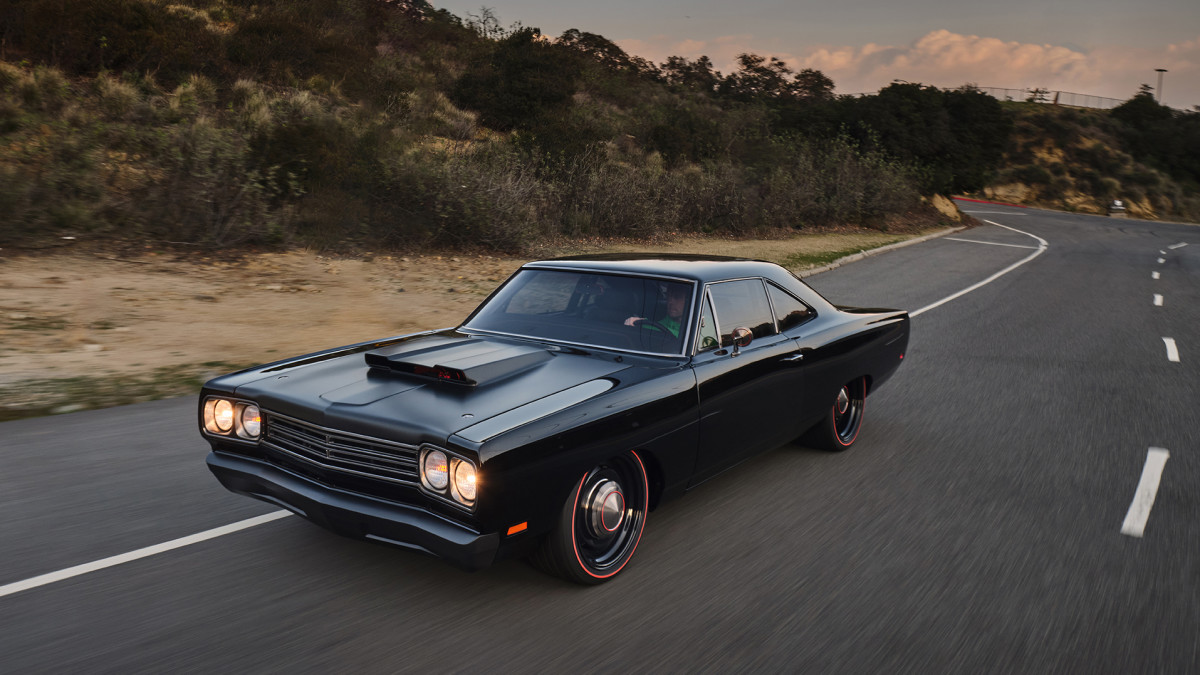
Hart’s enthusiasm underscores a key point: muscle cars aren’t just for older generations reliving their youth. They continue to attract younger buyers who value authenticity and mechanical drama over digital perfection.
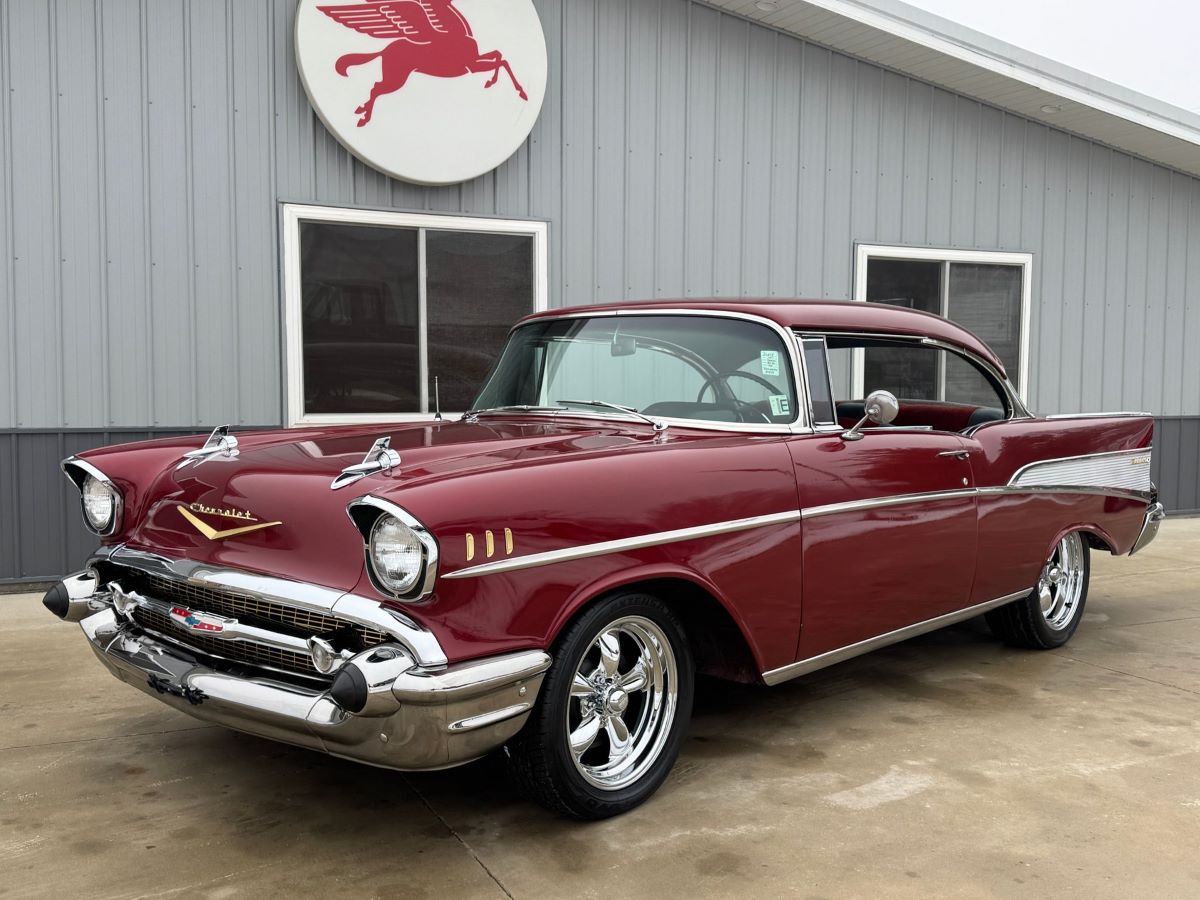
8. 1957 Chevrolet Bel Air
While not a muscle car in the strictest sense, Bruce Springsteen’s 1957 Chevy Bel Air deserves inclusion for what it represents. Often considered a spiritual predecessor to the muscle car movement, the Bel Air laid the groundwork for American performance culture.
Springsteen has frequently referenced cars in his music, and the Bel Air symbolizes freedom, rebellion, and working-class aspiration. Its presence in his life isn’t about horsepower figures it’s about emotional resonance and cultural identity.
For American audiences, the Bel Air remains a reminder that muscle cars didn’t appear out of nowhere. They evolved from a deep-rooted automotive culture that prized individuality and open roads.
The continued presence of classic American muscle cars in celebrity garages isn’t just about nostalgia or aesthetics. It reinforces the idea that cars can have soul, history, and personality qualities increasingly rare in today’s homogenized automotive landscape.
Chevrolet offered the Bel Air with a 265-cubic-inch V8 as standard equipment, producing 162 horsepower. Opting for the Power Pack bumped output to 180 horsepower, and toward the end of the production year, buyers could select the Super Power Pack, which increased performance to 195 horsepower.
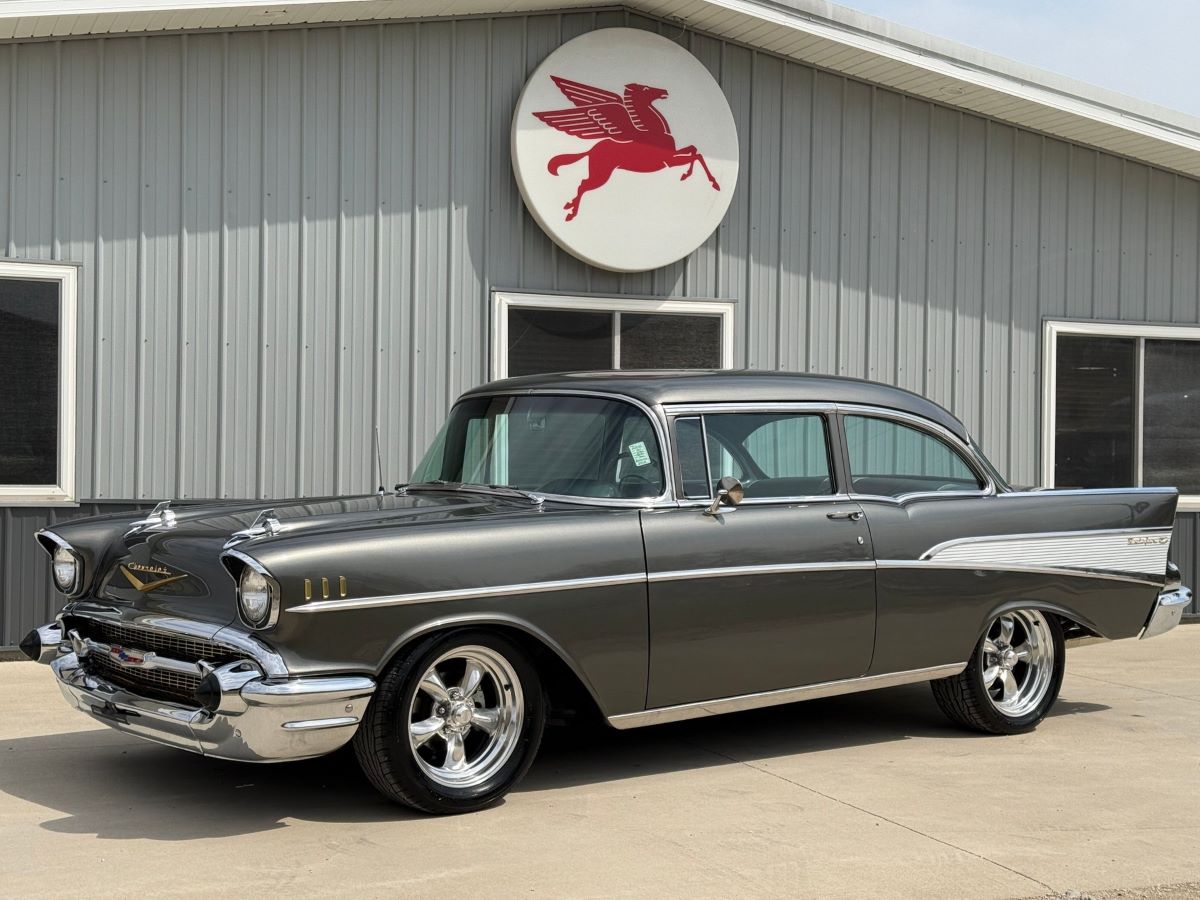
The Bel Air proved to be an instant hit. During its first year of production, Chevrolet sold 801 units across all variants, and the model’s popularity only grew in subsequent years, with 692,530 units sold in 1956 and 720,356 in 1957.
General Motors was becoming increasingly generous with standard equipment, and the second-generation Bel Air, introduced in 1955, showcased this trend with chrome spears on the front fenders, polished stainless window trim, gold-tone lettering, and chrome headliner arches on hardtop models.
By 1957, the Bel Air received a facelift featuring a wider grille that gave it a more aggressive road presence, complemented by redesigned headlights. Smaller 14-inch wheels lowered the stance, while spinner covers and whitewall tires enhanced its classic look.
Inside, the dashboard received a redesign, and under the hood, Chevrolet installed a slightly larger 283-cubic-inch Turbo-Fire V8, fed by a single Carter carburetor, producing 270 horsepower.
Top-of-the-line variants could be equipped with a Rochester mechanical fuel injection system, which also produced 283 horsepower.
Few customers opted for the fuel-injected models, concerned about unfamiliar technology and potential maintenance issues. However, the original owner of this particular car chose the Rochester system, making it a rare example of the era.
This Bel Air still retains its original number-matching V8, which was rebuilt at some point by classic car collector and restoration expert Pete Todo and has only 50 miles (80 kilometers) on the rebuild. The car also includes period-correct features such as an AM radio, heater/defroster, dashboard clock, and Chevrolet floor mats, preserving its authentic 1957 character.
When high-profile figures choose carburetors over computers and V8s over silent motors, they help preserve an entire chapter of American history.
For everyday enthusiasts, these celebrity choices validate what muscle car fans have always known: you don’t need the latest technology to have a meaningful driving experience. Sometimes, all it takes is a big engine, a heavy right foot, and a road that stretches into the distance.