
Early mornings and packed schedules place serious demands on a daily work vehicle. Commuting through North Charleston’s style routes means dealing with frequent stoplights, industrial traffic, uneven pavement, and weather that can turn unpredictable fast. A dependable car becomes more than transportation.
It becomes a quiet partner that starts without hesitation, moves through traffic smoothly, and handles long weeks without constant attention. Work routes reward vehicles that focus on durability rather than flash. Engines must tolerate repeated short trips.
Transmissions need patience for congestion. Cooling systems, brakes, and suspension parts must manage steady use without complaint. Comfort also matters, since hours behind the wheel affect focus and energy by the end of the day.
Making smart choices can prevent unexpected breakdowns, costly repairs, and unnecessary delays. Certain vehicles consistently manage daily commuting demands as time goes on, while others reveal weaknesses much sooner than anticipated. This guide highlights cars that perform reliably on work routes versus those that tend to falter under regular use.
First section focuses on vehicles that maintain reliability, comfort, and predictable ownership during regular commuting. Each selection earns its place by handling daily duty without drama. The next section will cover models that often disappoint once work mileage begins to pile up.
5 Cars for North Charleston Work Routes
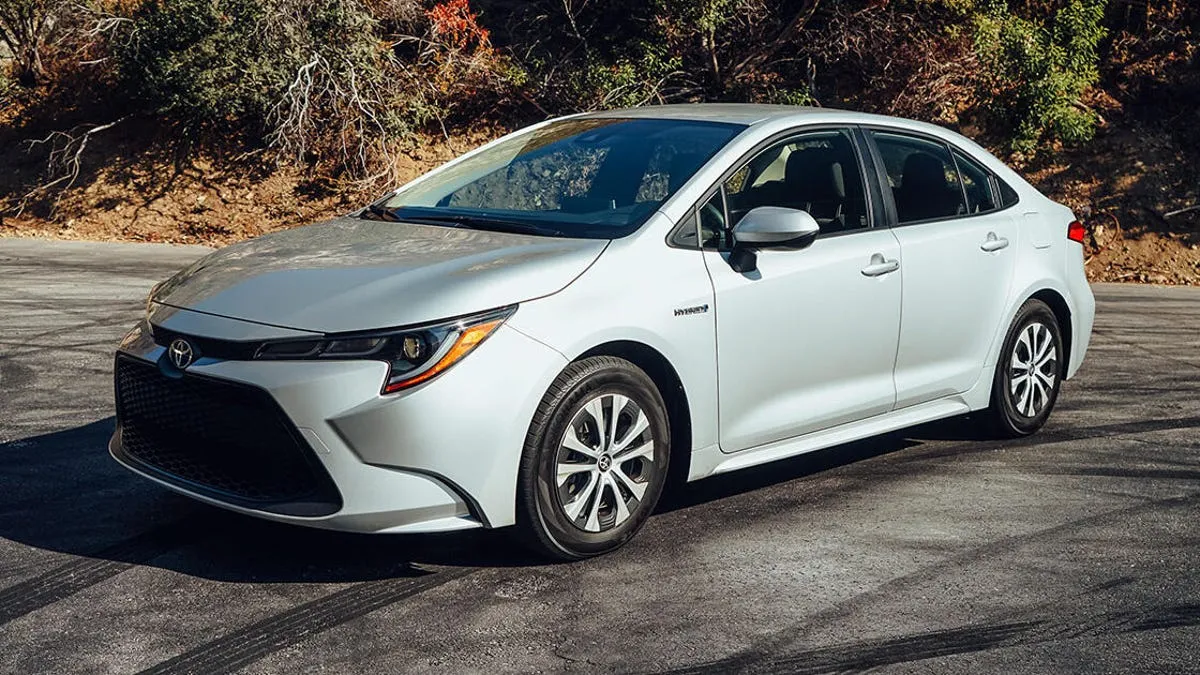
1. Toyota Corolla LE 2021
The 2021 Toyota Corolla LE carries a reputation for reliability, yet its real strength emerges during the day-to-day grind of work commuting. Drivers quickly notice how composed the sedan feels during repeated starts and stops.
Cold mornings present no surprises, and the engine fires smoothly, responding without any aggressive bursts that could stress mechanical components. This calm demeanor preserves engine life and supports consistent fuel efficiency.
City traffic tests the Corolla’s ability to handle repetitive maneuvers, and it passes with ease. Accelerating onto crowded streets feels controlled, while gear changes occur seamlessly without abrupt transitions. The CVT system works quietly in the background, maintaining predictable performance during frequent stop-and-go cycles.
Drivers also benefit from steady braking behavior that remains consistent even after multiple short bursts of city driving, reducing stress on pads and rotors. Ride comfort leans toward balance, providing enough cushioning without feeling soft or disconnected.
The suspension absorbs uneven pavement without creating a floaty feeling, and steering stays light yet responsive, making parallel parking or tight alleyways less intimidating. For those carrying work equipment or making multiple stops, the Corolla keeps handling predictably throughout long journeys.
Inside, the layout emphasizes simplicity and practicality. Controls fall naturally under the driver’s hand, reducing the chance of distraction while driving through congested roads. Seats offer firm support over hours of commuting, and interior materials show surprising durability, resisting wear from tools, backpacks, or daily movement.
Visibility is excellent, helping drivers maintain awareness in industrial zones or busy intersections. Ownership costs remain manageable, with straightforward service schedules, widely available parts, and low repair frequency.
Resale values hold strong because reliability and predictable performance make this car attractive to secondary buyers. For commuters who want a vehicle that performs dependably day after day without drama, the 2021 Toyota Corolla LE provides consistency, peace of mind, and a comfortable, stress-free driving experience that suits both urban and highway work routines.
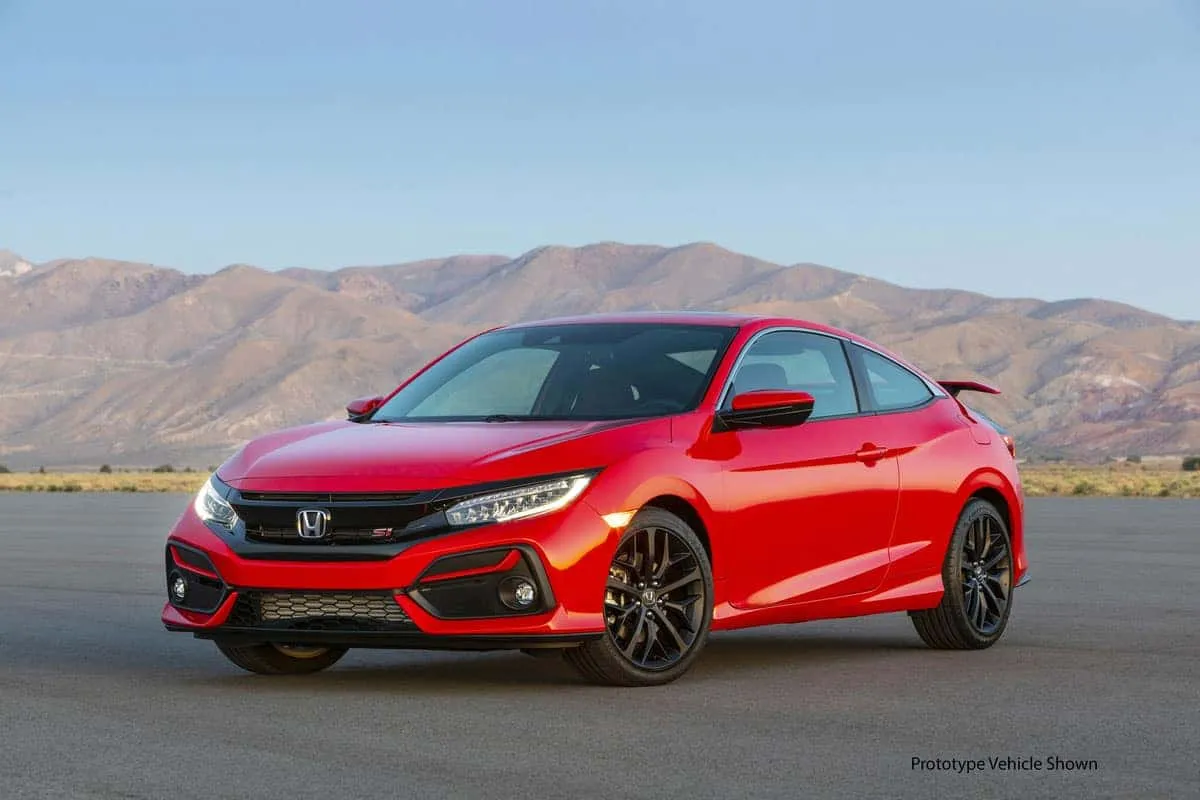
2. Honda Civic Sport 2020
The 2020 Honda Civic Sport combines efficiency and dependability in a way that supports demanding work schedules. Acceleration feels crisp without being overwhelming, allowing drivers to merge confidently in heavy traffic while maintaining smooth, fatigue-free cruising on longer stretches.
Its naturally responsive engine makes driving through busy streets easier, while the Civic’s composed demeanor reduces stress during repeated short trips. Urban environments highlight the Civic’s strengths. Steering feels precise, giving drivers control when threading through narrow streets or changing lanes in congested areas.
Suspension tuning manages pavement imperfections gracefully, keeping ride quality comfortable even on streets that are uneven or rough. Noise levels remain moderate, which contributes to a more focused and less tiring commute.
The interior balances sportiness with functional design. Seats are firm but supportive, holding up well during long daily drives. The dashboard layout emphasizes clarity, keeping important controls easy to access while reducing distraction.
Trunk space accommodates briefcases, bags, or small work supplies without sacrificing passenger comfort. Interior materials are resilient, with wear resistance that stands up to the repeated in-and-out movements of work routines.
Mechanical reliability is a highlight. Engines tolerate short trips and stop-and-go traffic without strain, while transmission movement remains smooth and predictable. Cooling systems perform reliably even during warm weather or extended idling, ensuring consistent operation throughout the year. Fuel efficiency supports cost-conscious commuting, and insurance premiums stay manageable, further easing ownership burdens.
For drivers who want a daily commuter that feels energetic yet dependable, the 2020 Honda Civic Sport proves capable. Its combination of responsive handling, mechanical reliability, and thoughtful interior design makes it well-suited for workday commuting, helping drivers arrive on time without unnecessary worry about unexpected issues.
Also Read: 5 Cars for Madison Students & Commuters vs 5 Cars That Are High-Maintenance
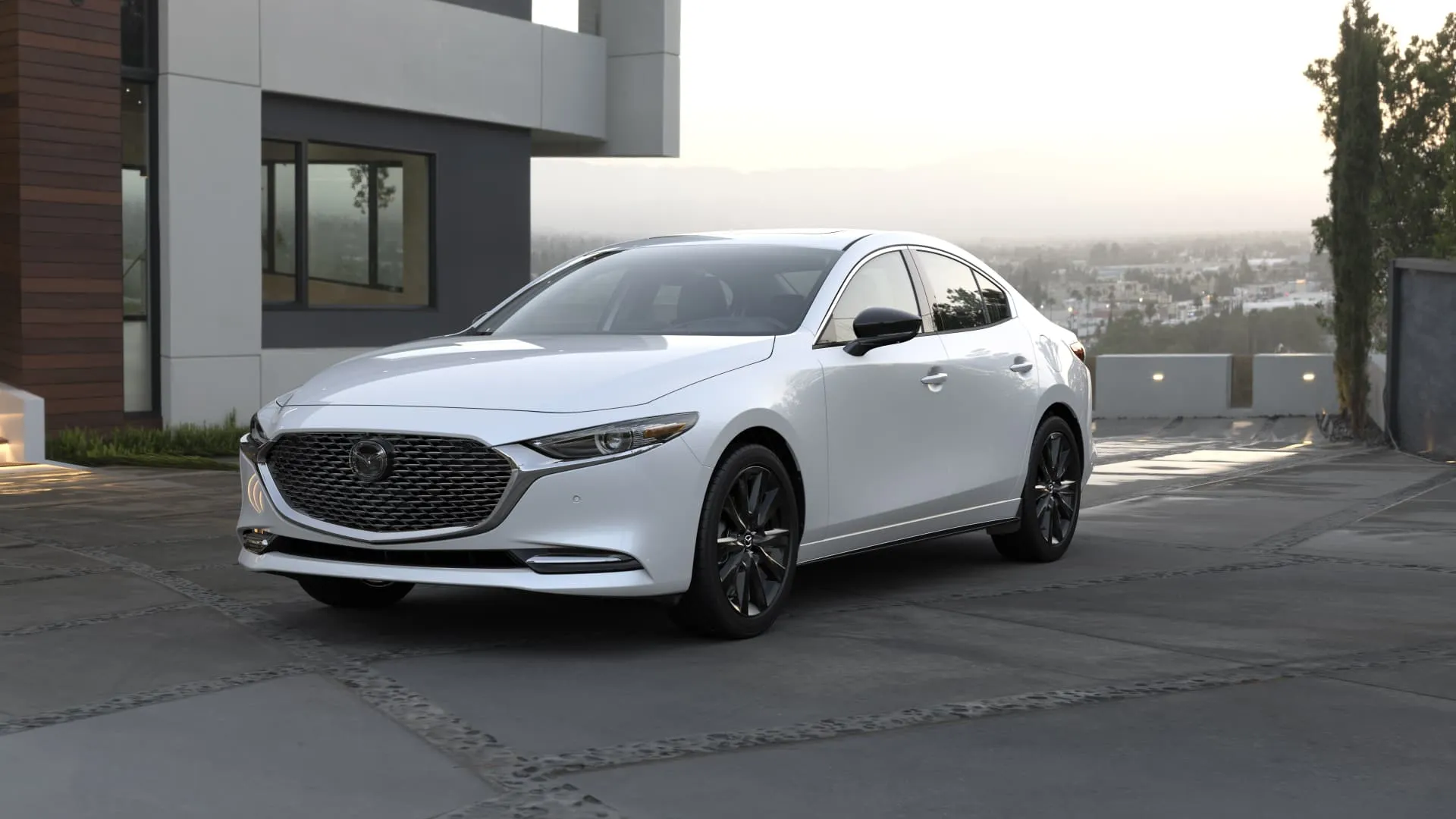
3. Mazda3 Select Sedan 2022
The 2022 Mazda3 Select Sedan rewards drivers who prioritize precision and control during daily work routes. Acceleration is measured and deliberate, promoting smooth starts that reduce wear on the engine and drivetrain. Unlike vehicles that encourage aggressive driving bursts, the Mazda3 keeps every motion calculated, preserving mechanical components over long commuting cycles.
Handling feels sharp without feeling taxing. Steering delivers direct feedback, making lane changes, turns, and urban navigation intuitive. Suspension tuning limits body roll and absorbs rough patches of pavement gracefully, producing a balanced ride that keeps drivers comfortable even on extended journeys. Parking in tight spaces becomes a stress-free task thanks to predictable maneuverability and responsive controls.
Inside, attention to detail enhances the commuting experience. Seat designs prioritize posture support, reducing fatigue on longer trips. High-quality materials stand up to frequent entry and exit, resisting wear from workbags or briefcases. Cabin quietness allows concentration during early morning drives or late returns, making the interior feel calm despite the bustle outside.
Technology integrates seamlessly without becoming a distraction. Infotainment systems respond quickly, and driver assistance features operate subtly in the background. Visibility remains strong in traffic, supporting safe navigation through congested work routes.
Reliability history supports confidence after some time. Engines run consistently with proper care, and transmissions avoid erratic behavior even under heavy use. Service requirements are predictable, allowing drivers to manage expenses effectively. Fuel efficiency remains consistent, making the Mazda3 economical for frequent commuters.
For professionals covering repetitive work routes, the 2022 Mazda3 Select Sedan combines comfort, responsive handling, and dependable performance. Its blend of practicality, refined interior, and reliable mechanical behavior makes it an excellent choice for drivers seeking a vehicle that stays composed, efficient, and durable through daily work challenges.
4. Subaru Impreza Premium 2019
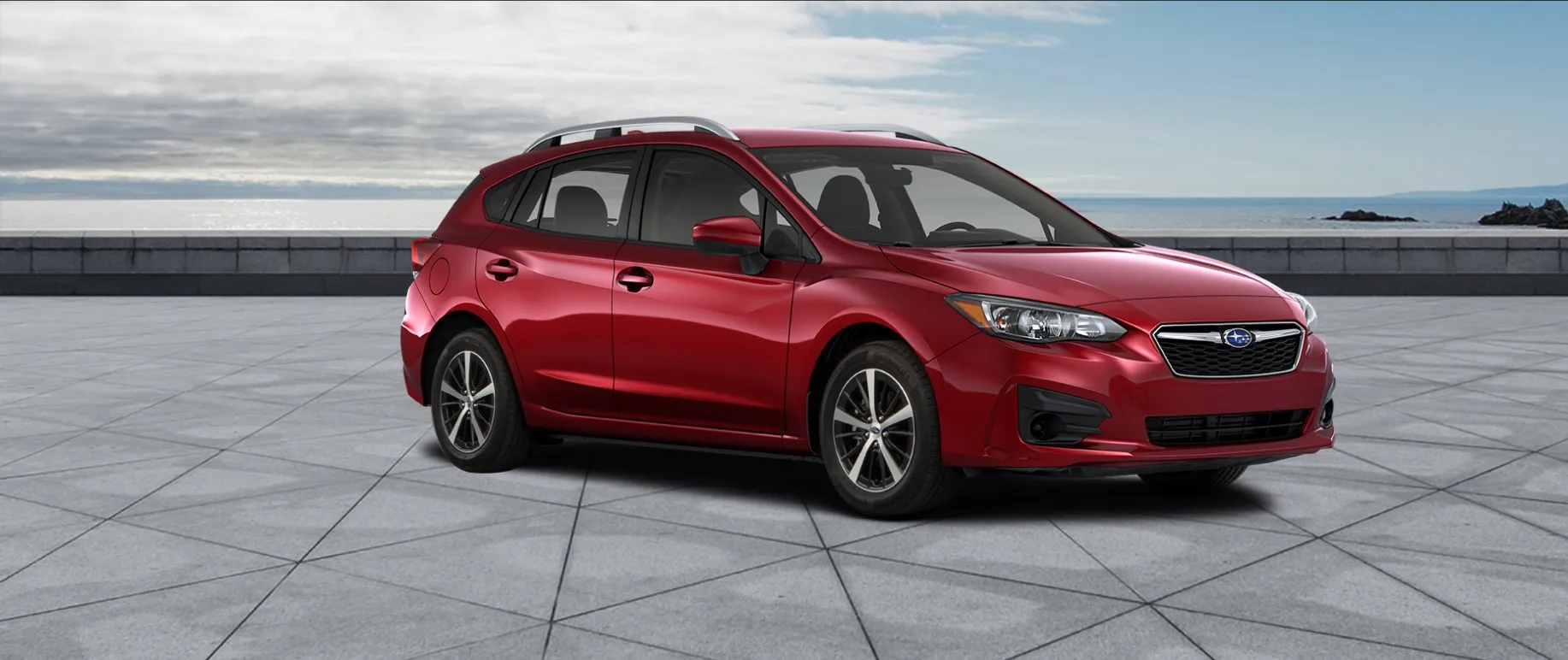
The 2019 Subaru Impreza Premium brings a sense of stability and confidence that proves valuable during daily work routes. Standard All Wheel Drive ensures traction on wet streets, uneven surfaces, or unexpected potholes, making stop-and-go traffic more manageable. Drivers gain reassurance when roads are slick or visibility is limited, helping maintain a composed and safe commute.
Engine performance remains calm and steady rather than forceful, allowing repeated short trips without excessive wear. Acceleration feels measured, which reduces stress on internal components while keeping pace with traffic. The continuously responsive transmission contributes to smooth progress through crowded intersections, giving the vehicle a predictable feel that helps reduce commuter fatigue.
Suspension tuning achieves a balance between comfort and control. Road imperfections are absorbed efficiently, preventing the cabin from feeling unsettled on rough stretches. Steering feels light and direct, aiding precision in tighter parking areas and making longer drives less tiring. Visibility around the vehicle remains excellent, particularly helpful when merging near larger commercial vehicles or driving through busy city streets.
Interior design focuses on durability and practicality. Seats withstand frequent use, maintaining comfort over long movements, while the cabin layout keeps essential controls within easy reach. Cargo space accommodates work gear and personal items without requiring constant rearranging, making the Impreza versatile for a variety of daily tasks.
Long-term ownership appeals to drivers who value reliability and low upkeep. Routine maintenance remains straightforward, service costs are reasonable, and the vehicle’s proven track record inspires confidence. Resale values tend to hold steady, reflecting sustained buyer trust.
For commuters who want predictable performance, practical space, and traction-focused design, the 2019 Subaru Impreza Premium offers dependable day-to-day usability. Its calm behavior under varying conditions makes it a vehicle that consistently meets the demands of work routes without adding extra stress to the driver.
5. Hyundai Elantra SEL 2022
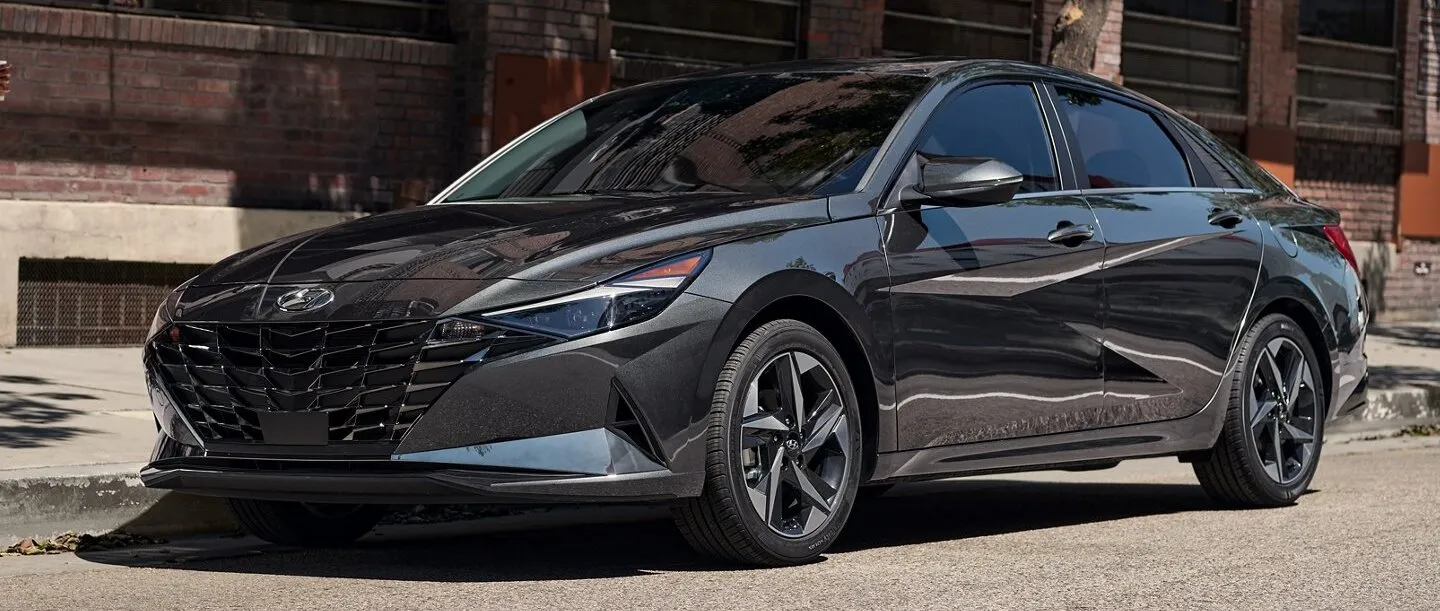
The 2022 Hyundai Elantra SEL combines affordability, comfort, and reliability, making it well-suited for daily commuting. Smooth acceleration allows for stress-free navigation through traffic, and engine performance remains composed during frequent starts and stops, which helps preserve mechanical longevity. Drivers experience a predictable and steady pace without feeling the vehicle strain under routine urban demands.
Suspension design emphasizes comfort while maintaining control. Rough pavement and minor imperfections are absorbed effectively, preventing harsh jolts from reaching the cabin. Steering feels light and responsive, reducing fatigue during longer drives. Braking performance remains consistent even during heavy traffic, instilling confidence in stop-and-go scenarios and ensuring safe handling.
The cabin emphasizes practical space and ergonomic layout. Seating provides firm yet supportive cushioning, suitable for long workdays, while controls are intuitive and easy to access. Trunk capacity offers room for work equipment, personal items, or shopping hauls, enhancing versatility for drivers who need to carry gear regularly.
Reliability benefits from thoughtful engineering. Engines maintain consistent operation when routine maintenance is performed, transmissions stay smooth under repeated use, and cooling systems handle warm conditions without stress. These features collectively reduce unexpected repair needs, giving drivers peace of mind during repeated commutes.
Ownership costs remain attractive. Fuel efficiency supports lower operating expenses, warranty coverage provides additional protection, and routine service visits are predictable and manageable. For commuters seeking a dependable vehicle without a premium price, the Hyundai Elantra SEL 2022 delivers practical performance.
Its calm handling, interior comfort, and reliability make it a strong companion for work routes, offering consistent performance without unnecessary complications.
5 Cars That Break on Duty
1. 2015 Ford Focus Titanium
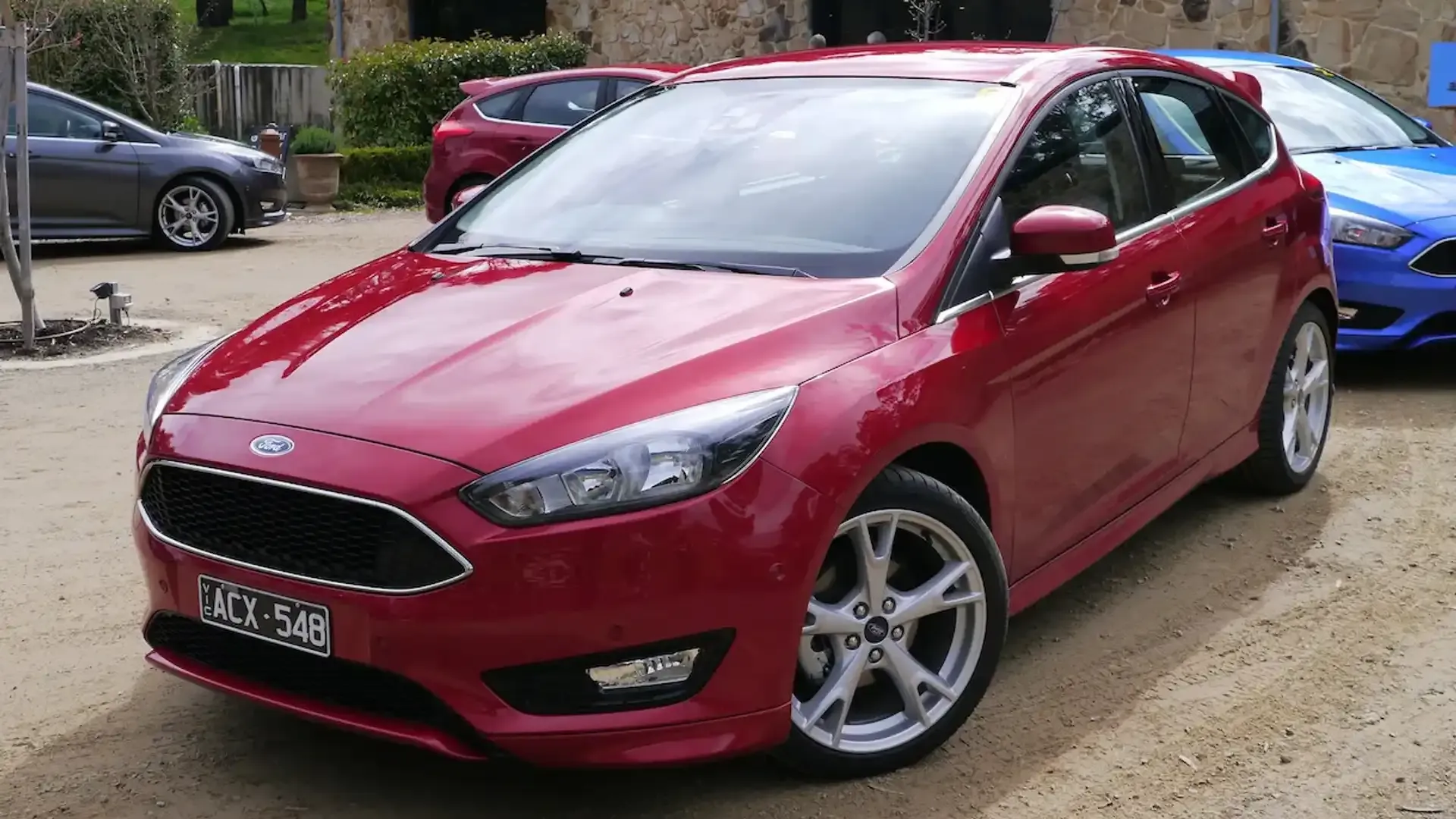
The 2015 Ford Focus Titanium catches the eye with sleek styling and modern features, yet routine work commutes quickly reveal its limitations. Turbocharged engines deliver lively initial acceleration, which feels responsive for merges and quick starts.
However, repeated stop-and-go driving exposes weaknesses that make the daily grind more taxing than expected. Cooling systems, designed for efficiency, sometimes struggle under heavy traffic, creating overheating episodes during extended idling periods, especially in congested urban corridors.
Transmission behavior adds another layer of challenge. The dual-clutch system promises seamless gear changes, but as mileage climbs, movements often become jerky and hesitant. Drivers notice occasional lag during acceleration, increasing stress on drivetrain components. After some time, this behavior can accelerate wear on internal parts, leading to costly repairs that make ownership less straightforward.
Suspension components experience higher-than-expected wear. Bushings and mounts degrade faster under repeated braking, cornering, and uneven pavement, introducing rattles and clunks that detract from driving confidence. Steering remains precise initially, yet long-term reliability issues diminish control during everyday work routes, making extended commutes less comfortable.
Interior materials offer some relief but do not fully compensate for mechanical shortcomings. Touch surfaces show visible wear quickly, and infotainment systems may develop glitches that interrupt convenience features, creating additional frustration. Seating is moderately comfortable but does not hold up ideally under continuous use, which can become noticeable during long workdays.
Ownership costs climb steadily due to these combined factors. Labor for specialized repairs is expensive, and parts availability can lead to delays, especially when work demands consistent vehicle readiness. Fuel efficiency declines when the engine operates under strain or the transmission struggles, adding further expense.
For commuters relying on dependable performance day after day, the 2015 Ford Focus Titanium often requires extra patience and attention. While its design and features appear attractive, the vehicle’s tendency to develop mechanical and transmission issues under heavy use makes it a less ideal choice for those seeking a hassle-free, long-term workday companion.
2. 2014 Chevrolet Cruze LT
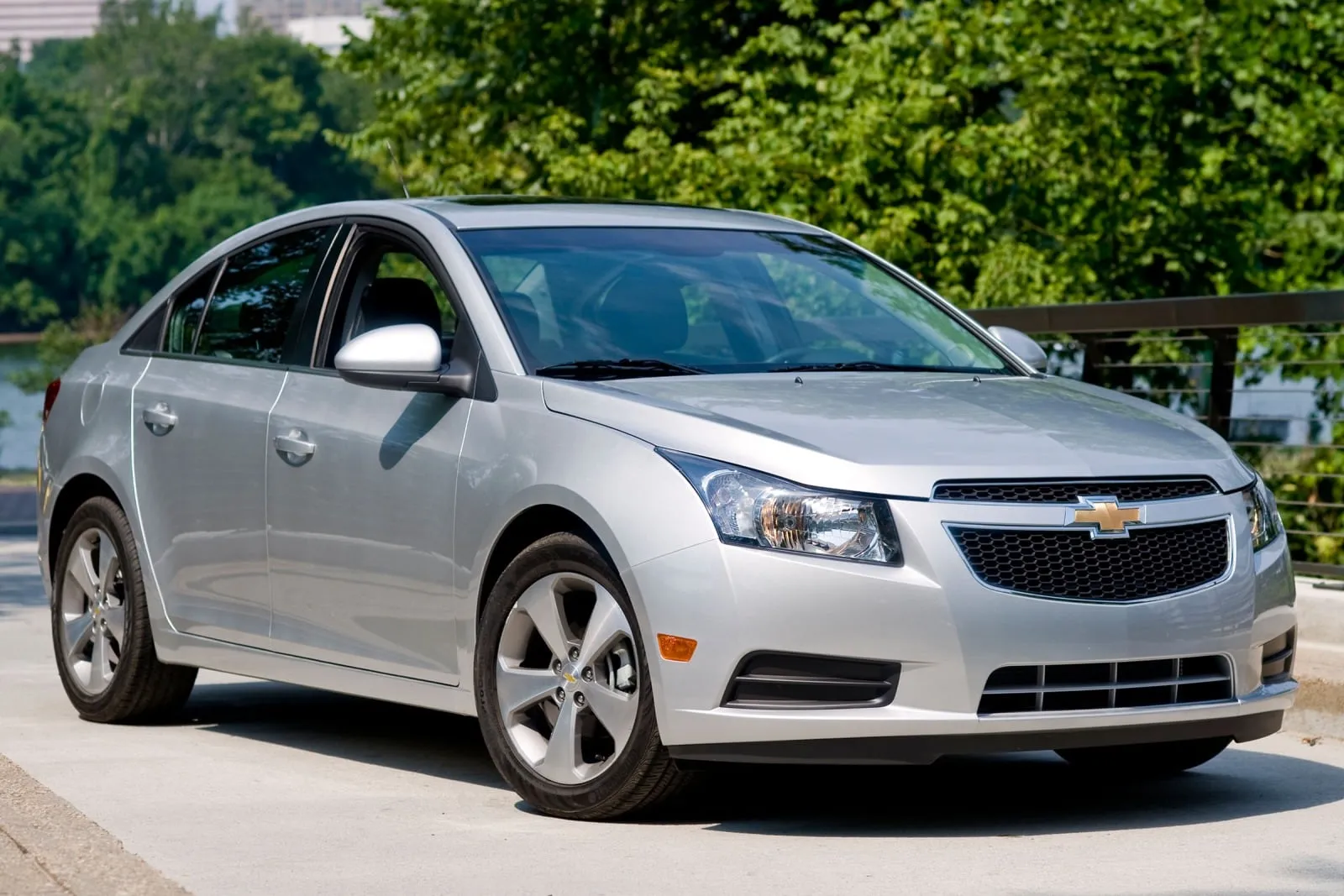
The 2014 Chevrolet Cruze LT presents a compact, efficient profile, but regular commuting quickly exposes its vulnerability under repeated use. Turbocharged engine variants provide responsive power initially, making merging onto busy streets or accelerating through work traffic manageable.
After a long time, however, frequent short trips create stress on turbo components and cooling systems. Overheating events occur more often in congested conditions, especially during hot summer months, placing strain on both engine and mechanical systems.
Transmission reliability proves inconsistent for daily commuters. Automatic units may hesitate during frequent stops and starts, leading to noticeable lag that can frustrate drivers driving through congested work routes. This behavior adds strain to internal components, accelerating wear and reducing confidence in the vehicle during extended movements.
Suspension components reveal accelerated fatigue under repetitive stress. Control arms, bushings, and mounts wear quickly, allowing more vibration to transmit to the cabin and producing a harsher ride than drivers expect. Steering precision diminishes slightly as time goes on, especially after prolonged use on uneven city streets, affecting handling and comfort.
Electronics also show inconsistency. Infotainment glitches, sensor warnings, and intermittent warning lights require attention at inconvenient times, sometimes interrupting the flow of a commute. Interior materials, particularly around high-touch areas, degrade faster than anticipated, reflecting the demands of repeated daily entry and exit.
Ownership costs rise steadily as these issues compound. Service visits for cooling system repairs, transmission adjustments, and suspension replacements become more frequent with mileage, offsetting initial affordability. Resale value drops in line with growing market awareness of these reliability concerns.
For drivers seeking a dependable daily commuter, the 2014 Chevrolet Cruze LT can feel more demanding than rewarding. It often requires vigilance, additional maintenance, and patience to remain operational during high-frequency work routes.
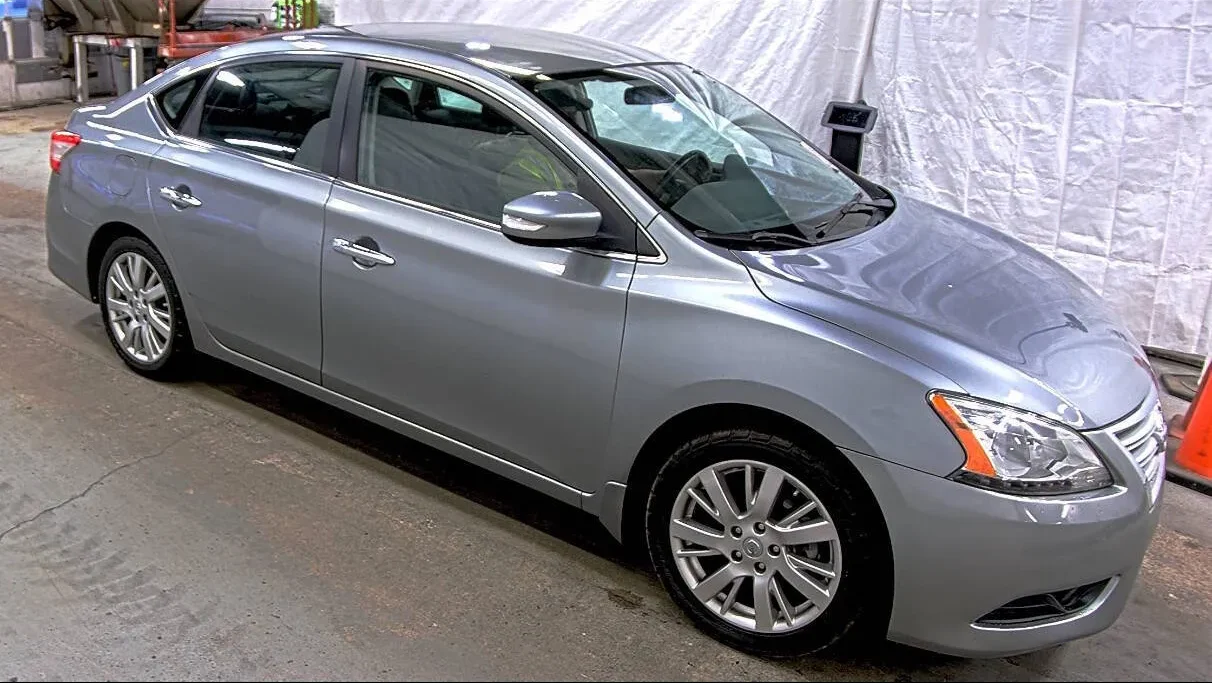
3. 2013 Nissan Sentra SL
The 2013 Nissan Sentra SL combines compact comfort with everyday usability, but routine commuting exposes several underlying weaknesses. Initially, the engine feels smooth, delivering reliable acceleration for merges and stop-and-go traffic.
Repeated short trips, however, can cause oil consumption issues and timing chain wear, increasing stress on the drivetrain and requiring closer attention to fluid levels and service intervals. Cooling systems may also struggle during heavy idling periods, particularly in warm conditions, which can exacerbate reliability concerns for drivers covering frequent work routes.
Transmission performance gradually declines under repeated commuting stress. Automatic units move hesitantly when traffic density increases or temperatures rise, creating subtle but noticeable inconsistencies that impact driving confidence. Suspension components such as bushings and control arms degrade faster than expected, reducing ride comfort and steering precision as time goes on.
Interior materials and electronics show signs of wear under constant use. Leatherette seating can fade, and infotainment systems occasionally malfunction, interrupting everyday convenience. Steering feedback becomes less consistent as suspension wear progresses, making longer drives feel less composed and requiring more attention from the driver.
Ownership challenges become more pronounced with higher mileage. Repairs to the drivetrain, suspension, and cooling systems grow costly, and fuel efficiency declines as engines work harder to compensate for aging components. Resale values respond accordingly, reflecting the market’s recognition of these mechanical vulnerabilities.
For professionals commuting through North Charleston or similarly busy environments, the 2013 Nissan Sentra SL exposes reliability weaknesses that demand ongoing care and attention. While it may serve adequately for shorter or lighter use, heavy daily work routes reveal that this compact sedan requires more diligence to remain dependable over the long term.
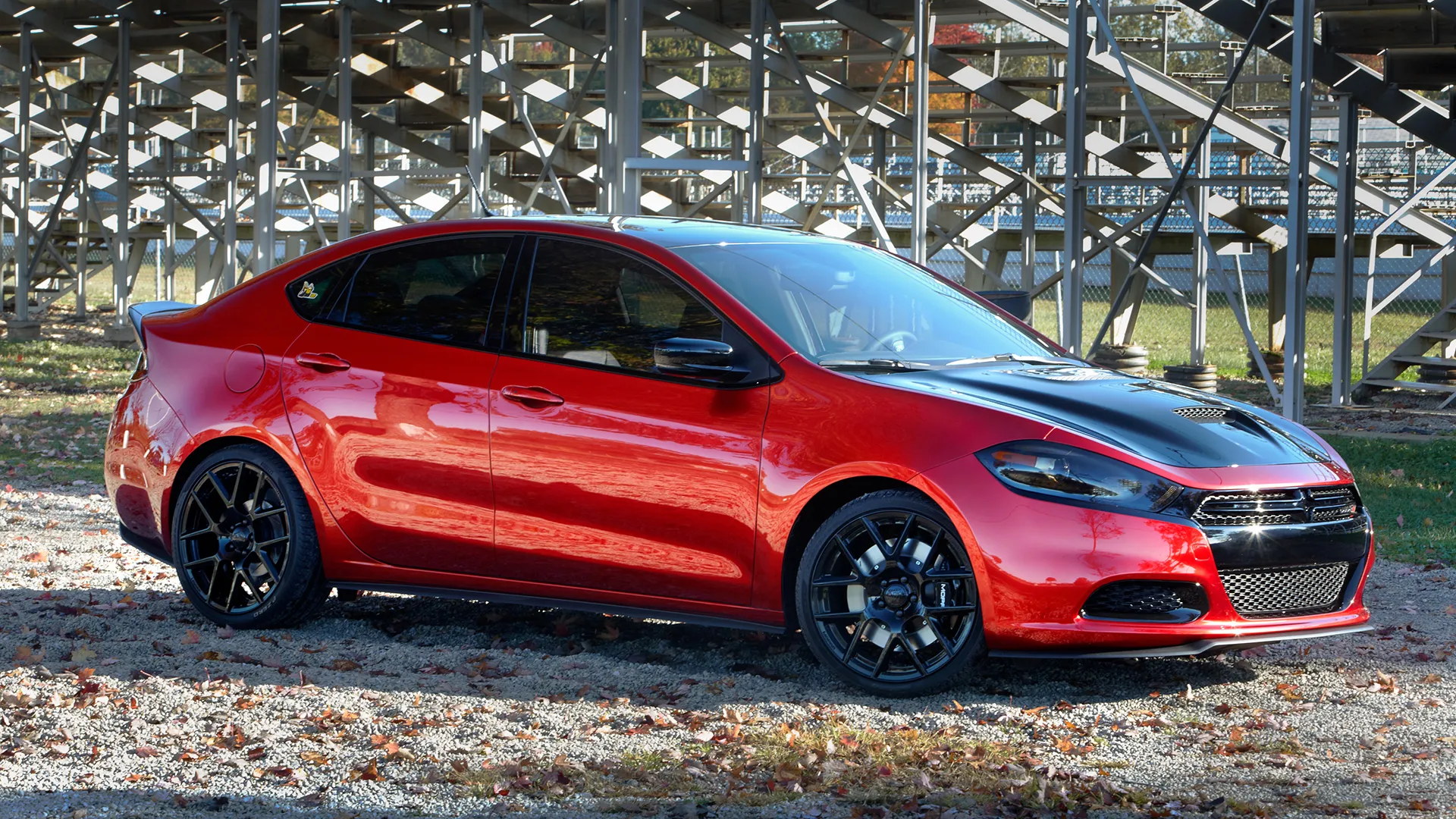
4. 2012 Dodge Dart Aero
The 2012 Dodge Dart Aero draws attention with its bold styling and compact footprint, but frequent workday use quickly exposes mechanical vulnerabilities. Turbocharged engines deliver lively initial acceleration, which makes merging and passing in urban environments enjoyable at first.
Repeated short trips and stop-and-go commuting, however, accelerate wear on cooling systems and engine components. Drivers often notice rising temperatures during heavy traffic, and prolonged idling can cause overheating, creating early fatigue in engine parts that may require unexpected service.
Transmission performance presents another challenge. Automatic gearboxes, designed for smooth operation, sometimes hesitate under continuous start-and-stop cycles. This hesitancy places extra stress on the drivetrain, occasionally leading to costly repairs or premature component replacement.
Suspension bushings and mounts show accelerated wear, generating vibrations and rattles that compromise ride comfort. Steering response becomes inconsistent as suspension components degrade, making tight turns and longer drives less predictable.
Interior durability adds to the list of concerns. Plastics and trim panels scuff easily, particularly around door handles and frequently touched controls. Infotainment systems can glitch under constant use, interfering with navigation or audio functions during commutes.
Seating materials, while initially comfortable, show wear with sustained daily use, reducing long-term comfort for drivers who spend a huge time behind the wheel. Repair and operating costs rise quickly. Turbocharged engine components and transmission parts are not always readily available, which can extend downtime during critical work periods.
Fuel economy declines as mechanical stress builds, adding to the daily cost of commuting. Owners who expect consistent performance and minimal attention may find this Dart demanding rather than convenient. For North Charleston commuters who rely on vehicles for steady, repetitive routes, the 2012 Dodge Dart Aero often requires frequent attention and maintenance.
While its styling and initial performance are appealing, the combination of transmission quirks, engine sensitivity, and suspension wear makes long-term reliability a challenge for drivers who need dependable daily operation.
Also Read: 5 Cars for Chesapeake Coastal Commutes vs 5 That Rust Quickly
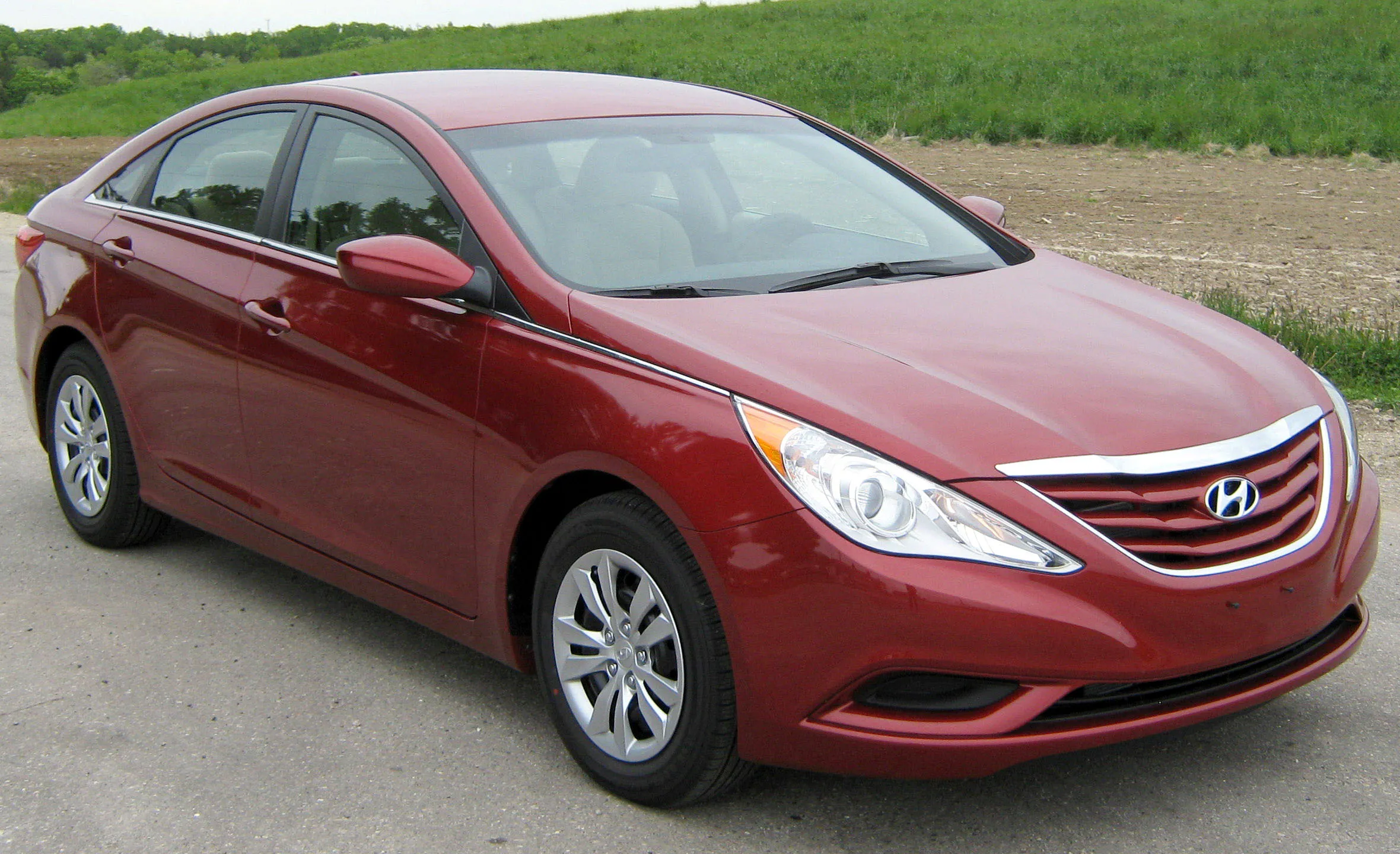
5. 2011 Hyundai Sonata GLS
The 2011 Hyundai Sonata GLS balances smooth styling and cabin comfort, yet repeated daily commutes uncover weaknesses that affect reliability. Engines deliver strong initial performance and responsive acceleration, but repeated short trips expose vulnerabilities in the cooling system and head gaskets.
Overheating incidents appear sooner than expected under sustained stop-and-go conditions, raising repair needs and increasing attention for drivers relying on consistent performance. Transmission behavior presents challenges under heavy use.
Automatic units can develop hesitation during frequent starts and stops, creating noticeable delays during acceleration and placing additional strain on internal components. This inconsistent shifting accelerates wear and can reduce service life, particularly when combined with city traffic demands.
Suspension parts also show accelerated fatigue. Bushings, mounts, and control arms wear faster than anticipated, transmitting vibrations into the cabin and diminishing ride comfort. Steering responsiveness gradually diminishes as suspension components age, making cornering and tight maneuvering less precise during long work weeks.
Interior and electronic components face strain under repeated daily use. Infotainment systems occasionally falter, sensor alerts appear unpredictably, and seating materials show noticeable wear. Climate control and dashboard electronics may develop minor issues as time goes on, adding to maintenance concerns and increasing the frequency of service visits.
Ownership costs can climb steadily. Specialized parts for the engine and transmission, combined with higher service demands, increase repair expenses. Fuel efficiency declines under stress, raising operating costs, and resale value suffers as the vehicle’s early maintenance reputation becomes known among buyers.
For commuters tackling North Charleston work routes, the Sonata GLS often conceals mechanical and reliability issues that surface with consistent daily use. While the sedan provides a comfortable driving experience initially, frequent repairs and preventive attention make it less than ideal for drivers seeking a hassle-free, durable workday companion.
