
Busy workdays, long screen hours, and unpredictable traffic define daily life for tech professionals commuting around Bellevue and nearby cities. A car in this routine becomes more than transportation. It acts as a quiet space to reset between meetings, a reliable tool for tight schedules, and a budget decision that quietly shapes monthly expenses.
Choosing wisely can mean fewer surprises, lower stress, and more time focused on work and personal life instead of repairs or fuel stops. Bellevue commuting brings its own demands. Stop-and-go traffic, frequent short trips, structured parking garages, and steady rain test both comfort and reliability.
Tech workers often value efficiency, smart design, and dependability more than flashy branding. A car that starts every morning, handles traffic calmly, and keeps ownership costs predictable fits better than something that looks impressive but drains time and money.
This page focuses first on vehicles that suit Bellevue tech commuters well. These cars balance fuel savings, comfort, and long-term dependability without introducing unnecessary ownership pressure. Each option below stands on its own strengths, serving professionals who want smooth daily travel rather than constant attention.
5 Cars for Bellevue Tech Commuters
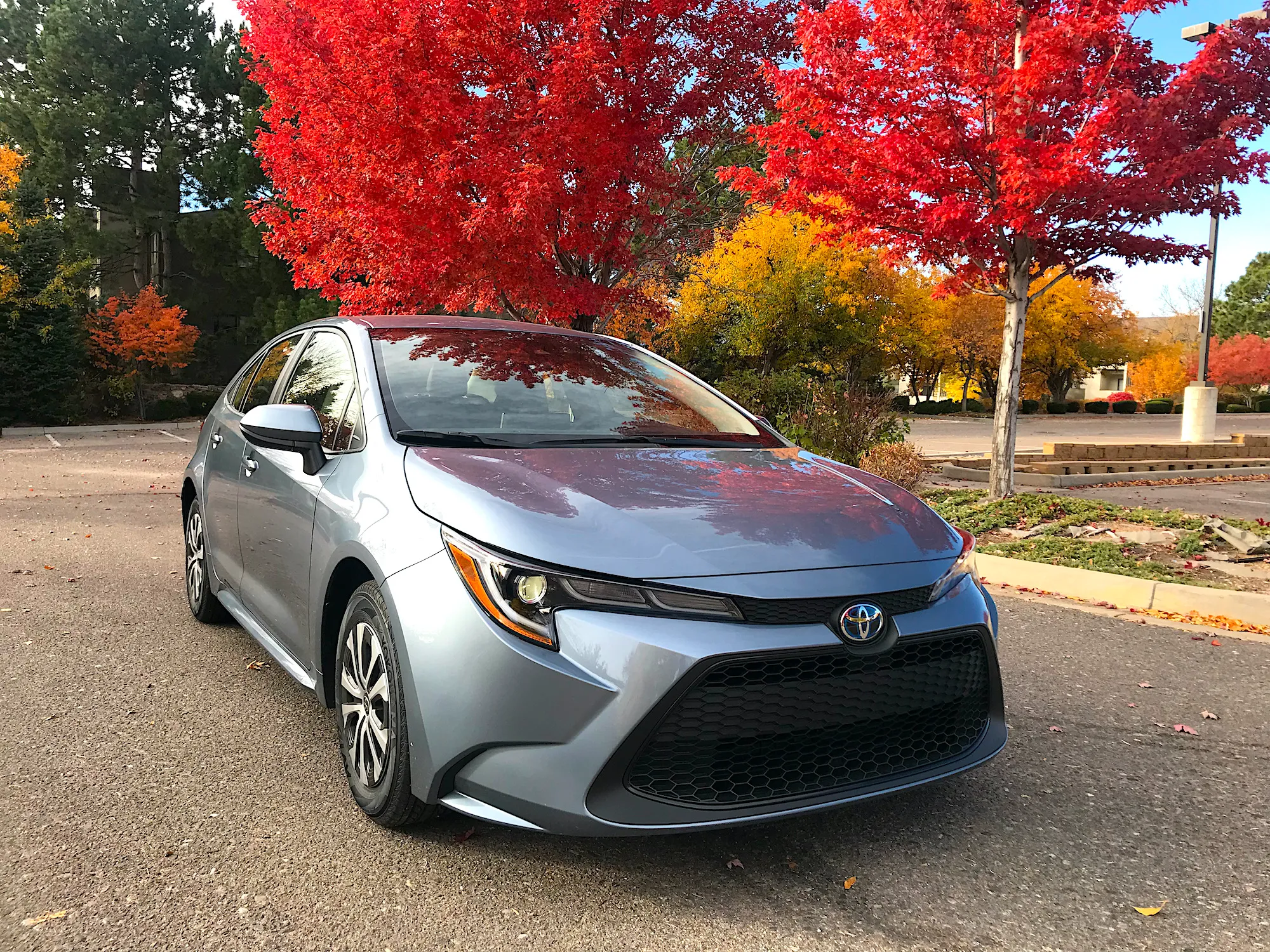
1. Toyota Corolla Hybrid 2022
Efficiency becomes a daily advantage in the Toyota Corolla Hybrid 2022, especially for professionals who spend hours commuting between offices, campuses, and home. Compact exterior dimensions make it easy to handle parking garages and tight downtown streets, while the cabin feels thoughtfully arranged rather than cramped.
This balance works well for solo commuters who still want occasional passenger flexibility. Fuel savings appear almost immediately. Hybrid power suits traffic-heavy routes where frequent braking and low speeds dominate.
Short trips do not punish consumption, which helps reduce weekly fuel stops. For tech workers tracking expenses closely, that consistency offers peace of mind. Cooling and electrical systems operate smoothly during long idle periods, keeping comfort steady without extra attention.
Interior design favors clarity. Controls remain intuitive, displays present information cleanly, and layout avoids distraction. Seats provide steady support during long commutes, helping reduce fatigue after extended workdays. Road noise stays controlled, allowing podcasts or calls without raising volume. Visibility supports confidence during lane changes and crowded intersections.
Driving behavior feels calm and predictable. Steering responds lightly, suspension absorbs uneven pavement well, and braking feels natural in traffic. The hybrid system transitions smoothly between power sources, avoiding sudden responses that could increase stress. Daily driving feels relaxed rather than demanding.
Ownership costs remain one of this car’s strongest points. Toyota’s reliability history supports long service intervals, while parts availability keeps repairs accessible.
Insurance pricing stays reasonable, and resale demand remains strong if priorities change later. Toyota Corolla Hybrid 2022 fits tech commuters seeking quiet efficiency, dependable operation, and a car that blends seamlessly into busy routines.
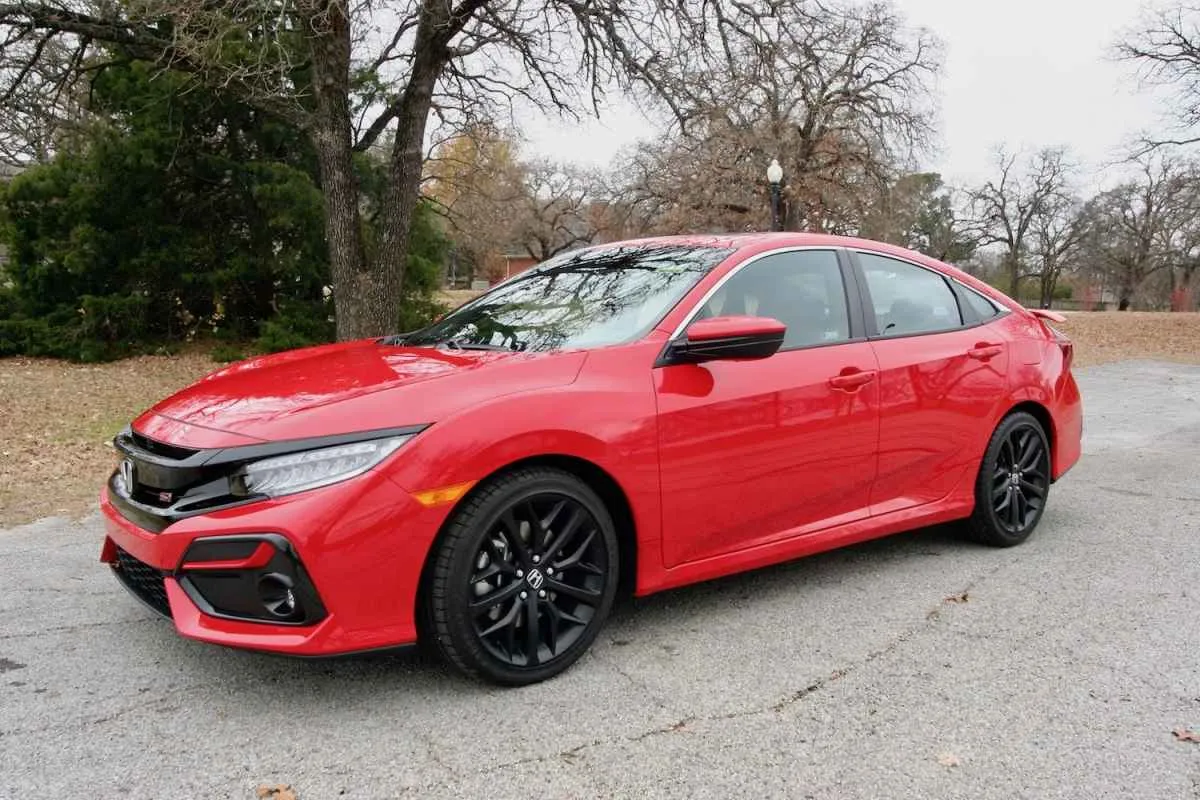
2. Honda Civic 2020
Refined simplicity defines the Honda Civic 2020, making it a steady companion for professionals who value reliability without unnecessary complications. Exterior proportions strike a balance between compact maneuverability and interior comfort, fitting well into Bellevue’s structured parking and urban corridors. Daily use feels easy rather than demanding.
Fuel economy supports consistent budgeting. Frequent short drives, traffic delays, and varied routes do not cause sharp spikes in consumption. Engine response stays smooth, allowing confident merging without aggressive throttle input. Climate control performs reliably during changing weather, maintaining cabin comfort without constant adjustments.
Cabin design focuses on function. Controls feel familiar, displays remain clear, and layout encourages quick interactions. Seating provides solid support, helping drivers arrive at work less fatigued. Rear seating accommodates passengers comfortably when needed, while cargo space handles backpacks, laptops, and groceries without strain.
Ride quality suits mixed driving conditions. Suspension absorbs bumps without feeling soft, steering remains predictable, and braking inspires confidence during sudden slowdowns. Noise isolation helps maintain a calm atmosphere, which matters after long workdays or intense meetings.
Ownership expenses stay manageable. Honda engineering emphasizes longevity, keeping major issues rare. Insurance rates remain accessible, and resale demand stays strong in competitive markets. Honda Civic 2020 supports Bellevue tech commuters by offering dependable transportation that blends comfort, efficiency, and low-stress ownership into one well-rounded package.
Also Read: 5 Cars for Madison Students & Commuters vs 5 Cars That Are High-Maintenance
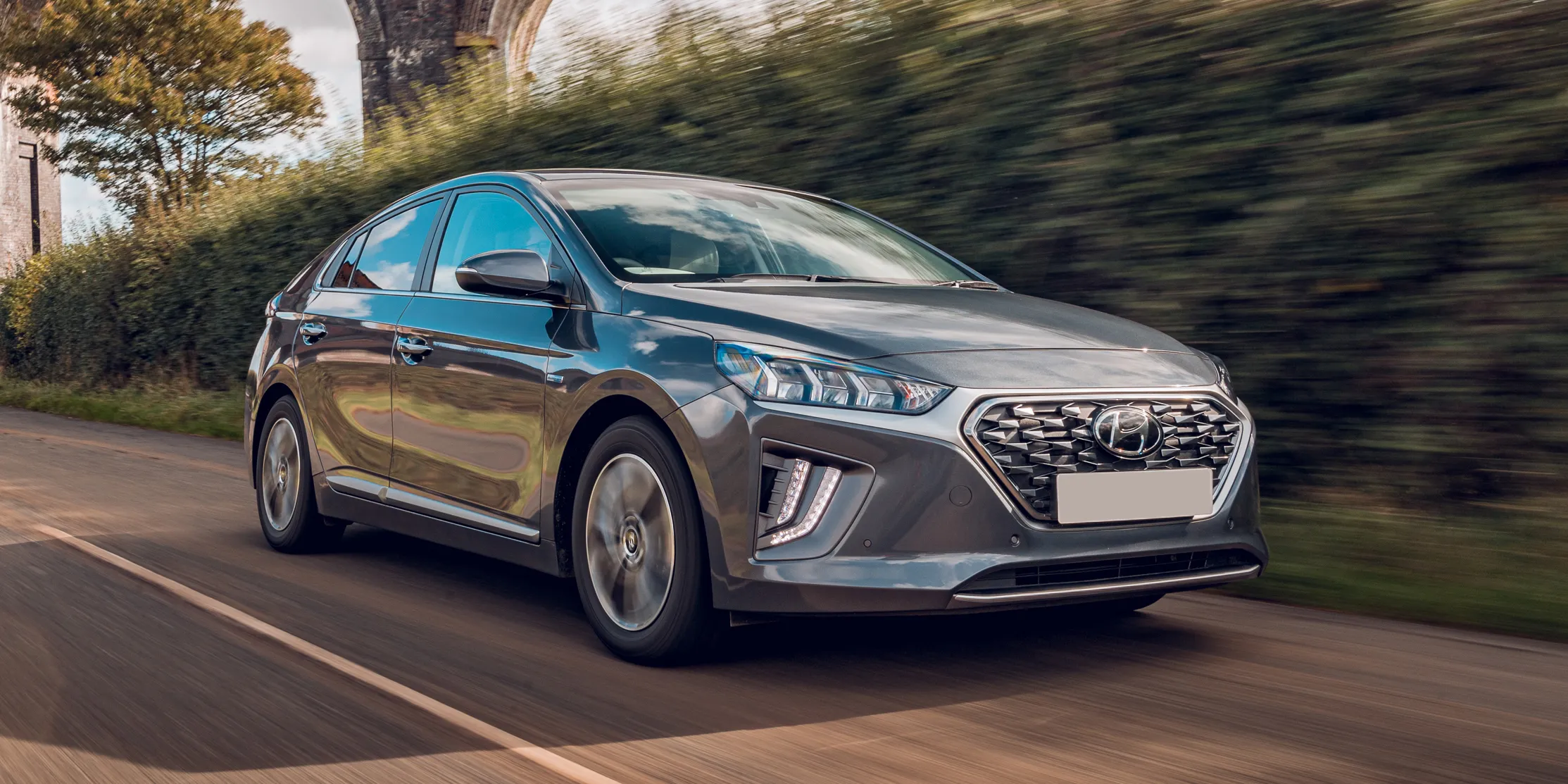
3. Hyundai Ioniq Hybrid 2021
Hyundai Ioniq Hybrid 2021 combines smart efficiency with a sleek, modern design, making it a compelling choice for Bellevue professionals who want a practical vehicle without incurring high ownership costs. Its aerodynamic profile enhances fuel economy while maintaining a clean, understated aesthetic that fits seamlessly into both work and personal settings.
Compact dimensions make parking near office buildings, apartment complexes, or crowded urban streets effortless, saving time during daily routines. Real-world fuel efficiency proves impressive. Frequent stop-and-go traffic actually benefits the hybrid system, keeping fuel consumption low even during short trips or congested commutes.
Drivers can focus on deadlines and schedules rather than constantly monitoring fuel levels. Cabin climate control performs reliably during extended idle periods, ensuring comfort for all passengers even during traffic-heavy mornings or afternoons.
Inside, the cabin feels organized and contemporary. Digital displays offer clear, easy-to-read information, while controls remain intuitive and accessible. The layout avoids unnecessary clutter, allowing drivers to focus on the road without distraction.
Seats provide solid support for daily commutes, and rear seating remains functional for passengers or additional cargo. The hatchback design adds versatility, accommodating everything from grocery runs to weekend gear with minimal effort.
Driving dynamics prioritize smooth, composed operation. Steering feels light yet precise, suspension absorbs uneven pavement gracefully, and braking transitions remain predictable, giving drivers confidence even in urban traffic. Quiet operation enhances the experience further, transforming congested routes into manageable, low-stress journeys rather than frustrating delays.
Hyundai Ioniq Hybrid 2021 also delivers sensible ownership economics. Hyundai’s warranty coverage provides peace of mind, routine service remains reasonably priced, and insurance rates are competitive. Reliability improvements in this generation have reduced common hybrid concerns, making long-term ownership practical for busy professionals.
For Bellevue tech commuters, the Ioniq Hybrid combines efficiency, modern comfort, and everyday functionality. It supports productivity during long days, reduces fuel expenses, and offers a practical design that adapts to both work and personal life.
Drivers seeking a forward-thinking vehicle without burdensome costs will find the Hyundai Ioniq Hybrid 2021 a smart and dependable companion for daily commuting.
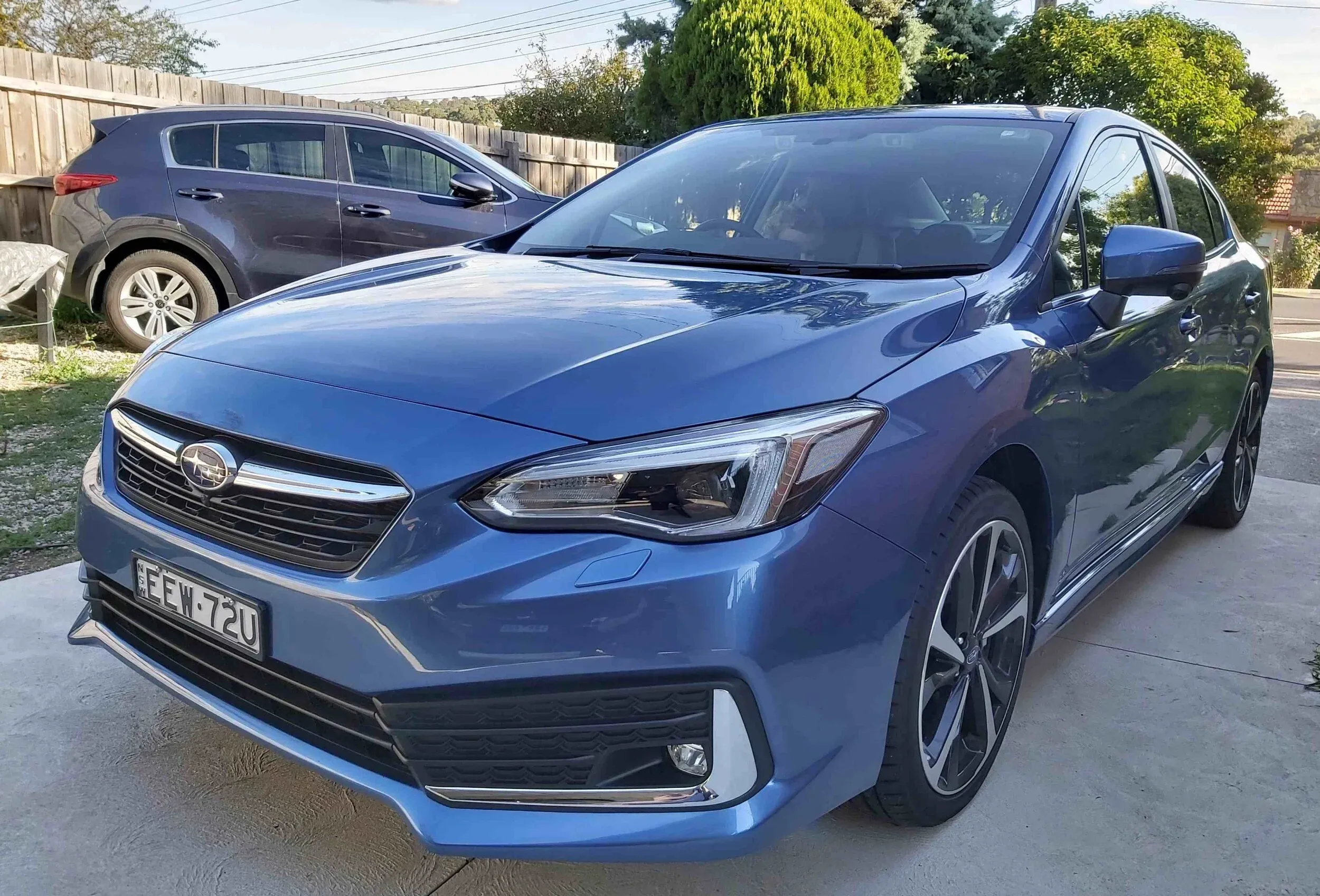
4. Subaru Impreza 2020
Confidence grows from consistency, and the Subaru Impreza 2020 delivers dependable performance for commuters facing varied weather and road conditions. Standard all-wheel drive offers added traction during rain, which suits Pacific Northwest driving without requiring driver input. Compact proportions keep daily maneuvering stress-free.
Fuel usage remains fair for a vehicle with added traction capability. Short trips do not cause dramatic increases, helping maintain predictable expenses. Engine response feels steady, supporting calm acceleration during merges and lane changes. Cabin climate systems maintain comfort through changing conditions.
Interior design favors durability. Controls operate logically, materials withstand daily wear, and seating remains supportive during long commutes. Visibility stays strong, helping drivers feel confident in traffic and tight parking structures. Cargo space handles work gear and groceries easily.
Driving manners feel balanced. Suspension absorbs road imperfections without excessive movement, steering stays stable, and braking feels controlled. The vehicle feels planted, which adds reassurance during wet roads and busy intersections.
Ownership expenses remain reasonable. Subaru reliability supports long-term use, insurance pricing stays accessible, and resale value remains healthy. Subaru Impreza 2020 works well for tech professionals who value traction, dependability, and calm daily driving without luxury pricing.
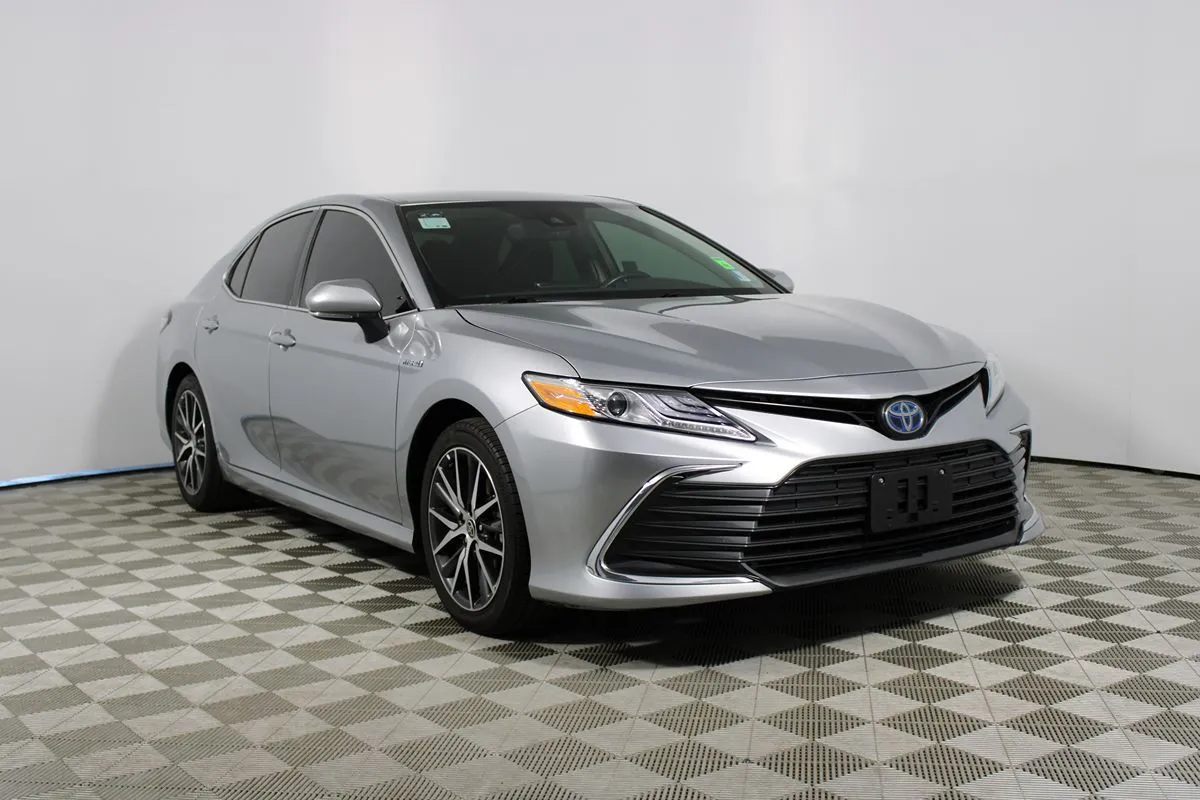
5. Toyota Camry Hybrid 2021
Toyota Camry Hybrid 2021 offers an appealing balance of comfort, efficiency, and practicality for Bellevue commuters who spend significant time on the road. Mid-size dimensions provide a roomy interior that accommodates passengers and cargo comfortably while remaining easy to maneuver in structured parking garages or crowded city streets.
Drivers quickly notice that this hybrid strikes a balance between space and manageability, making it suitable for both weekday commuting and weekend errands. Hybrid powertrain performance shines during stop-and-go city traffic. Fuel consumption remains impressively low even when trips are short or require frequent acceleration, providing consistent savings over traditional gasoline engines.
The hybrid system delivers smooth power, which allows confident highway merging and overtaking without demanding excessive input from the driver. Climate control operates reliably, maintaining comfort for all occupants, even during extended idling on congested routes or warm afternoons, which can otherwise strain non-hybrid vehicles.
Inside, the cabin emphasizes usability and comfort. Seats provide support for longer drives, reducing fatigue during commuting or extended travel. Controls are logically placed and easy to operate, ensuring minimal distraction while adjusting settings.
Infotainment displays are clear and responsive, offering essential feedback without overwhelming the driver. Rear seats accommodate passengers comfortably, while the trunk delivers enough space to carry work equipment, groceries, or recreational gear with ease.
Driving dynamics remain composed across a variety of road conditions. Suspension absorbs bumps smoothly, maintaining a quiet and controlled ride. Steering feels predictable and responsive, supporting confidence during city navigation. Road and wind noise are effectively dampened, helping commuters arrive at their destinations with reduced stress and a sense of calm.
Ownership economics reinforce the Camry Hybrid’s appeal. Toyota’s reputation for durability ensures that routine servicing is manageable, parts remain widely available, and repairs are rarely unexpected. Insurance premiums are moderate, and operating costs stay consistent as time goes on.
For tech professionals and urban commuters in Bellevue, the Toyota Camry Hybrid 2021 provides a dependable daily companion that combines space, efficiency, and refined comfort into a package that enhances both routine commutes and longer journeys.
5 Cars That Are Expensive to Own
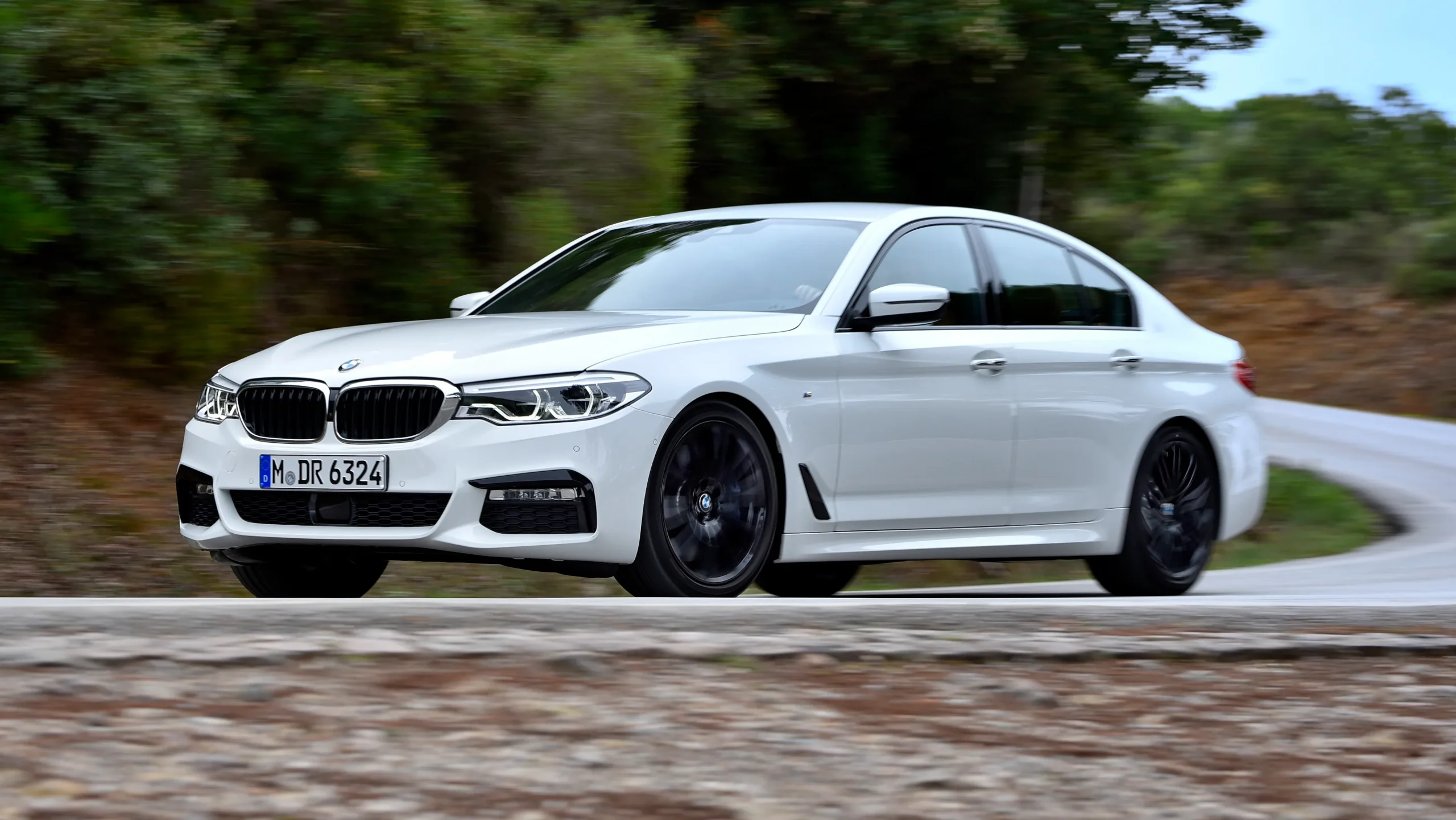
1. BMW 540i 2018
Performance and prestige define the BMW 540i 2018, yet daily ownership introduces costs that quickly mount for commuting professionals. Handling feels precise on highways, yet parking in tight office structures demands extra attention. Sensitive suspension and low ground clearance require careful maneuvering in urban environments, turning routine trips into exercises in caution.
Fuel consumption climbs with regular use, especially during stop-and-go traffic common around Bellevue. Premium fuel requirements increase monthly expenditures, and climate control systems place additional strain on components. Short daily drives rarely allow the engine to operate efficiently, compounding fuel expenses after a long time.
Cabin design impresses at first glance. High-quality materials and advanced digital interfaces create a luxurious environment. After some time, electronic systems become sources of frustration. Navigation, driver assistance, and infotainment systems may require recalibration or repair. Specialized service centers are often necessary, resulting in scheduling challenges for busy professionals.
Ride quality blends performance with firmness. Suspension tuning favors precise handling over comfort, transmitting road imperfections into the cabin. Braking feels confident at speed but lacks the softness needed for urban commuting, making traffic-heavy drives less relaxing. Steering demands more focus in city conditions than in suburban or highway settings.
Service costs dominate ownership considerations. BMW parts pricing is elevated, labor requires specialized expertise, and insurance rates reflect the vehicle’s luxury classification. Even routine inspections involve higher-than-average bills, making the 540i a car that demands both attention and investment.
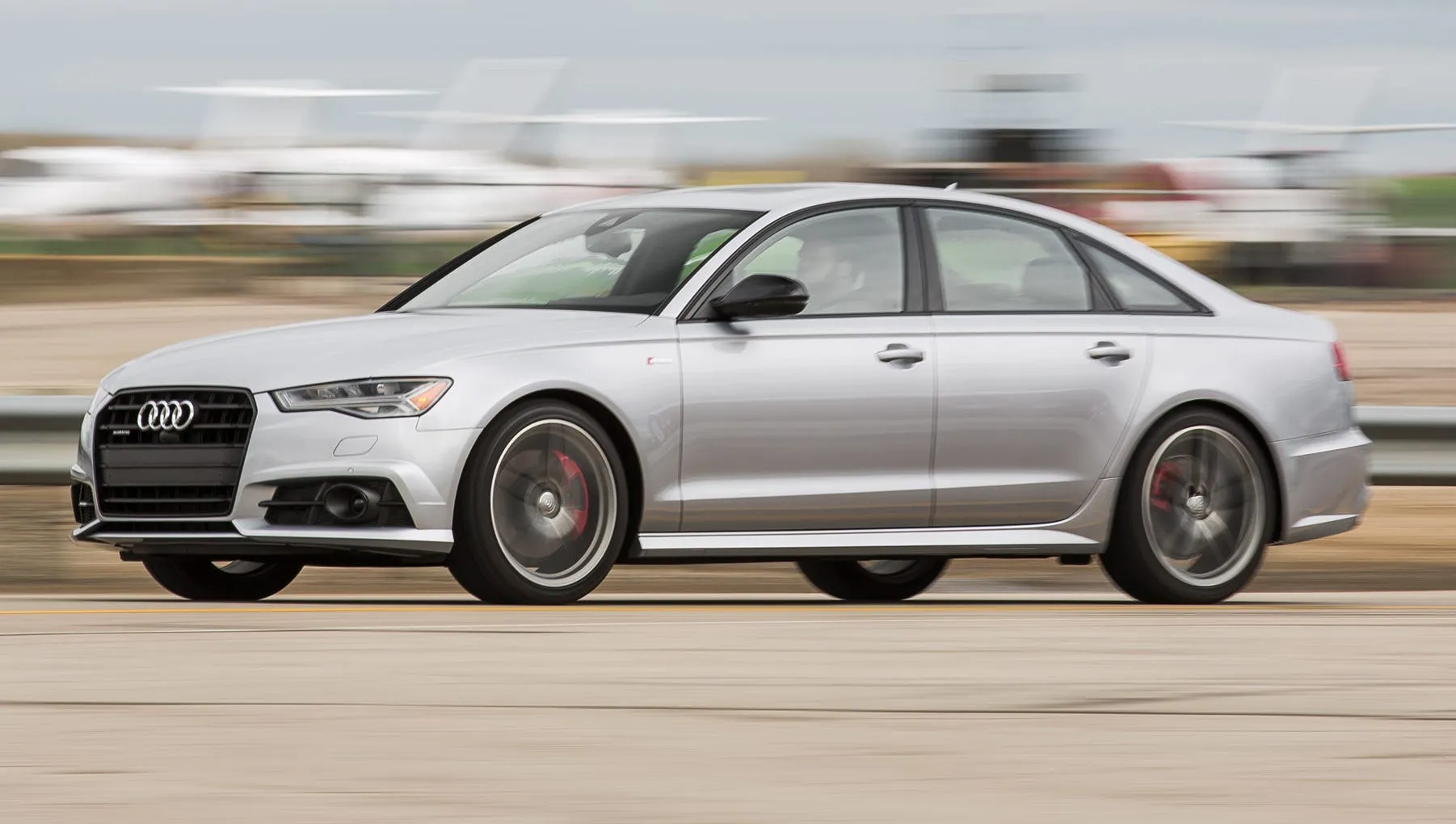
2. Audi A6 2017
Audi A6 2017 presents a polished aesthetic and high-tech cabin, yet the cost of keeping it running reliably can challenge professional commuters. Compact dimensions for a luxury sedan help with parking, but city driving exposes the need for careful attention to sensitive suspension and electronic components.
Fuel economy under urban conditions is disappointing. Short trips prevent efficiency gains, and premium fuel usage amplifies expenses. Air conditioning, heated seats, and multiple electronic systems increase load, accelerating wear and requiring frequent service.
Inside, Audi offers a tech-forward experience. Infotainment, driver assistance features, and electronic displays provide convenience when functional, yet minor glitches can disrupt usage. Repairs demand trained technicians, which extends downtime and complicates daily routines for professionals with packed schedules.
Driving dynamics feel sharp at highway speeds, but city streets reveal stiffness. Suspension delivers a firm ride, and steering precision demands attention in low-speed maneuvers. Traffic congestion amplifies discomfort for those seeking calm commutes.
Service pricing adds financial pressure. Parts are expensive, labor rates are high, and insurance reflects a luxury premium. Small repairs often cascade into multiple service items, further inflating costs. Audi A6 2017 highlights how luxury appointments can translate into elevated ownership demands.
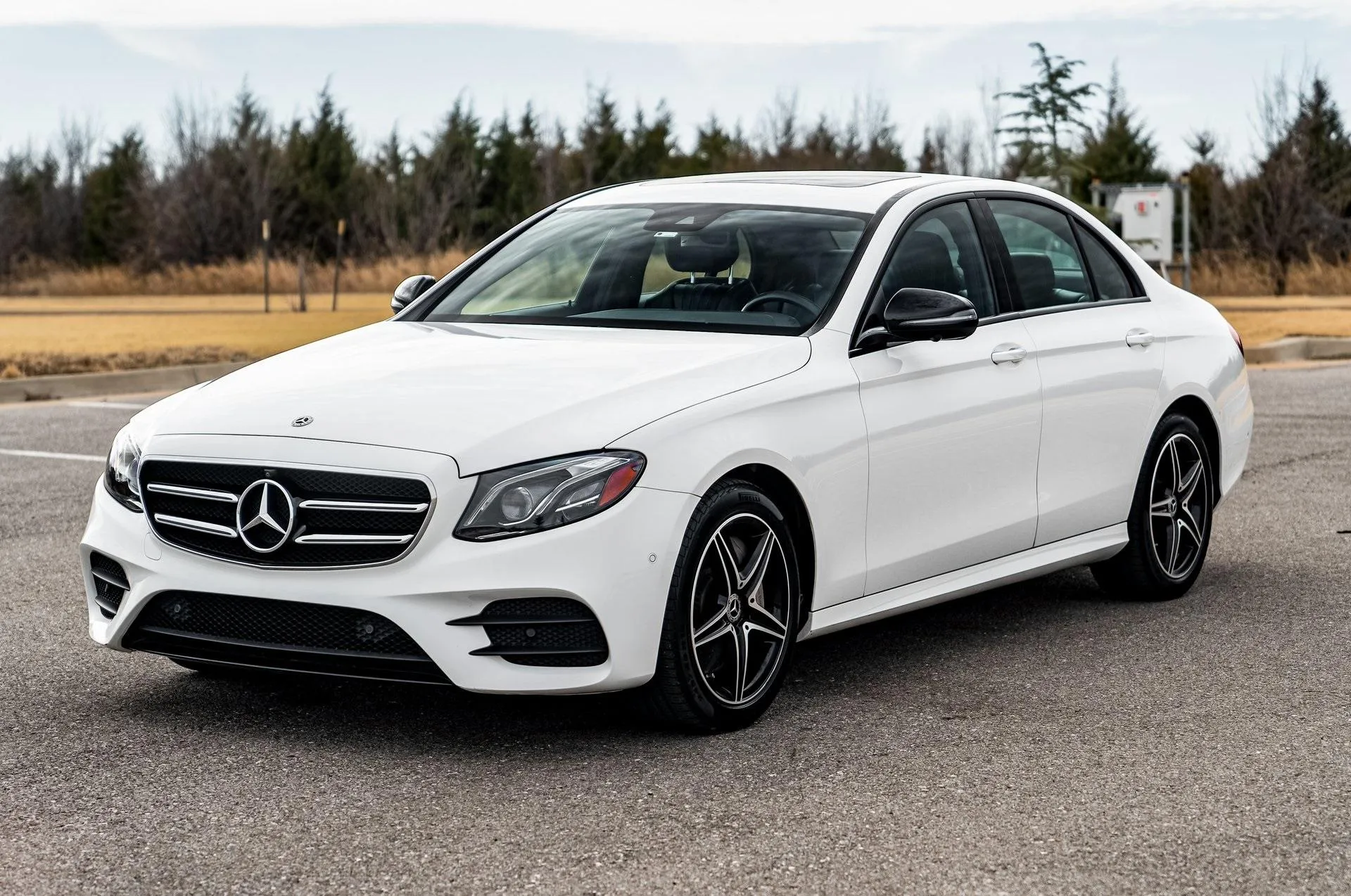
3. Mercedes-Benz E 300 2019
Mercedes-Benz E 300 2019 combines luxury and cutting-edge technology, but commuting in Bellevue exposes the vehicle’s more demanding ownership requirements. Its size and design allow for smooth highway driving and manageable city parking, yet the sophisticated systems embedded throughout the car require constant attention.
Daily trips through congested streets place extra stress on sensors, electronics, and suspension components, revealing how complicated modern luxury vehicles can be to maintain. Fuel expenses become noticeable during frequent short drives.
The car relies on premium fuel, and extended idling in traffic combined with climate control usage drives up weekly costs. While highway performance is impressive, stop-and-go conditions prevent the engine from reaching its optimal efficiency, which adds to fuel consumption concerns for commuters.
Inside, the cabin reflects meticulous craftsmanship. High-quality materials, refined finishes, and advanced interfaces create a premium atmosphere. As time goes on, however, electronics demand service more often than anticipated.
Infotainment glitches, sensor recalibrations, and minor software issues can temporarily limit functionality, disrupting routines and requiring trips to specialized service centers. This adds both cost and inconvenience for drivers who rely on the car daily.
Ride quality is tuned for stability and precision at higher speeds, but city streets reveal its firmer side. Suspension transmits smaller bumps and uneven pavement directly into the cabin, and steering feels heavier at low speeds, which can make slow, heavy traffic less comfortable than expected. While the car remains responsive and confident at speed, daily urban driving requires heightened attention to maintain comfort and control.
Maintenance costs and insurance add to the financial commitment. Replacement parts carry premium pricing, labor requires trained technicians, and insurance reflects the vehicle’s luxury status. Even minor repairs can become expensive, making regular upkeep a huge part of ownership.
Mercedes-Benz E 300 2019 delivers elegance, advanced features, and a smooth highway experience, but for Bellevue commuters, these benefits come with considerable service demands and ongoing costs that influence the practicality of daily use.
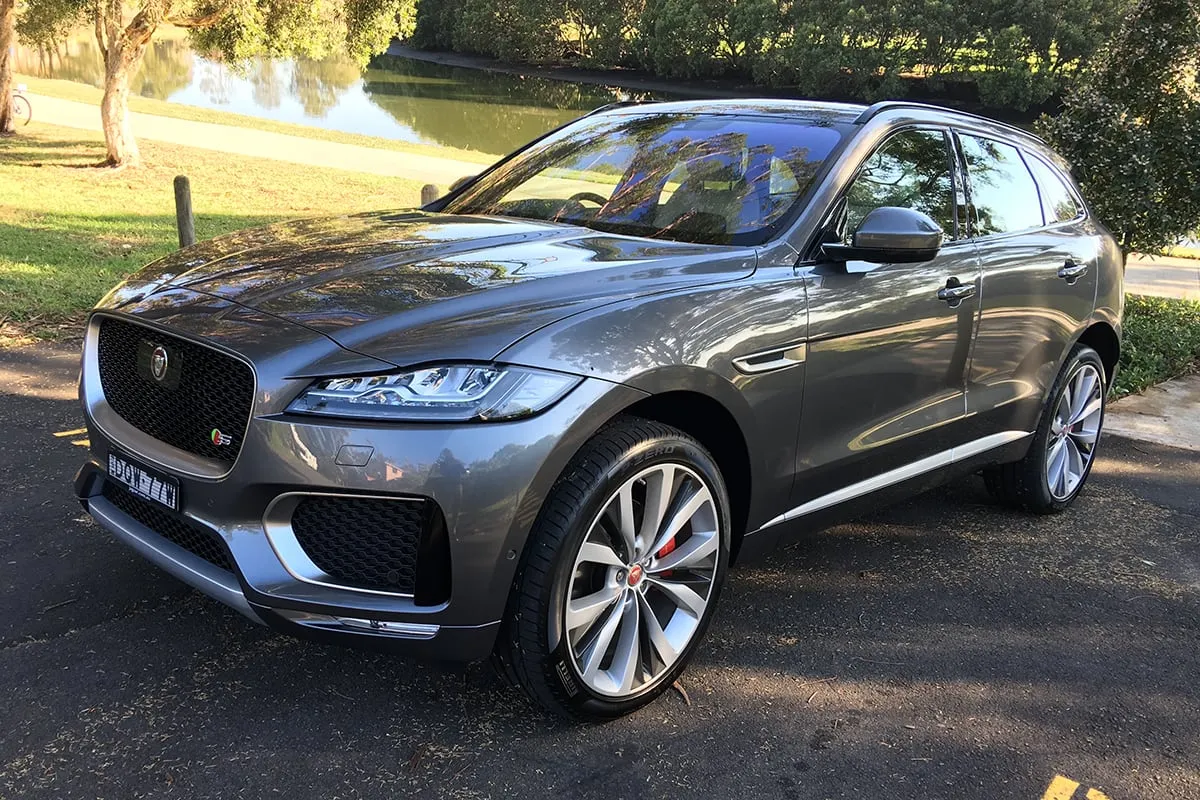
4. Jaguar F-PACE 2018
Jaguar F-PACE 2018 attracts attention with its sleek design, sporty profile, and roomy interior, yet urban ownership brings financial and practical considerations that extend beyond first impressions. The SUV’s size provides ample space for passengers and cargo, making it suitable for weekend trips or carrying equipment, yet city driving exposes its challenges.
Tight parking garages and narrow streets require careful handling, as the low-speed steering feels heavier than expected and the wide turning radius demands precision. Maneuvering through downtown Bellevue streets often forces drivers to slow down and plan their moves, making daily commutes more deliberate than casual.
Fuel expenses escalate during city driving. The vehicle’s turbocharged engines and premium fuel requirements increase costs when trips involve frequent stops, traffic lights, and short distances. Climate control, heated seats, and advanced infotainment systems place additional strain on both the engine and electrical components, sometimes accelerating wear.
Drivers who frequently engage these features may notice a faster drain on fuel and higher maintenance demands, making it necessary to budget accordingly. Inside, the F-PACE cabin impresses with premium materials and a technology-rich layout.
Leather surfaces, aluminum accents, and an intuitive design create a luxurious atmosphere, while touchscreens, navigation, and sensor-based systems add modern convenience. As time goes on, however, electronics can become a source of frustration.
Touchscreen malfunctions, sensor recalibrations, and navigation updates often require professional attention, which interrupts daily use and can limit commuting flexibility. Small glitches may also cascade into multiple systems, increasing the need for service visits and downtime.
Driving dynamics focus on performance and control. The suspension provides a firm, responsive ride that excels on highways but transmits road imperfections during stop-and-go traffic. Steering is precise at higher speeds yet feels heavier and more demanding in congested areas. Braking is confident, but city driving requires heightened alertness to maintain smooth stops, particularly in heavy traffic.
Service and ownership costs are substantial. Jaguar parts and specialized labor command premium pricing, while insurance reflects the vehicle’s luxury classification. Repairs often come in clusters, meaning one visit may include multiple systems, further raising expenses.
Jaguar F-PACE 2018 demonstrates how style, performance, and advanced features can translate into ownership costs that urban commuters must weigh carefully before purchase.
Also Read: 5 Cars for Garland Day-to-Day Driving vs 5 That Require Dealer Service
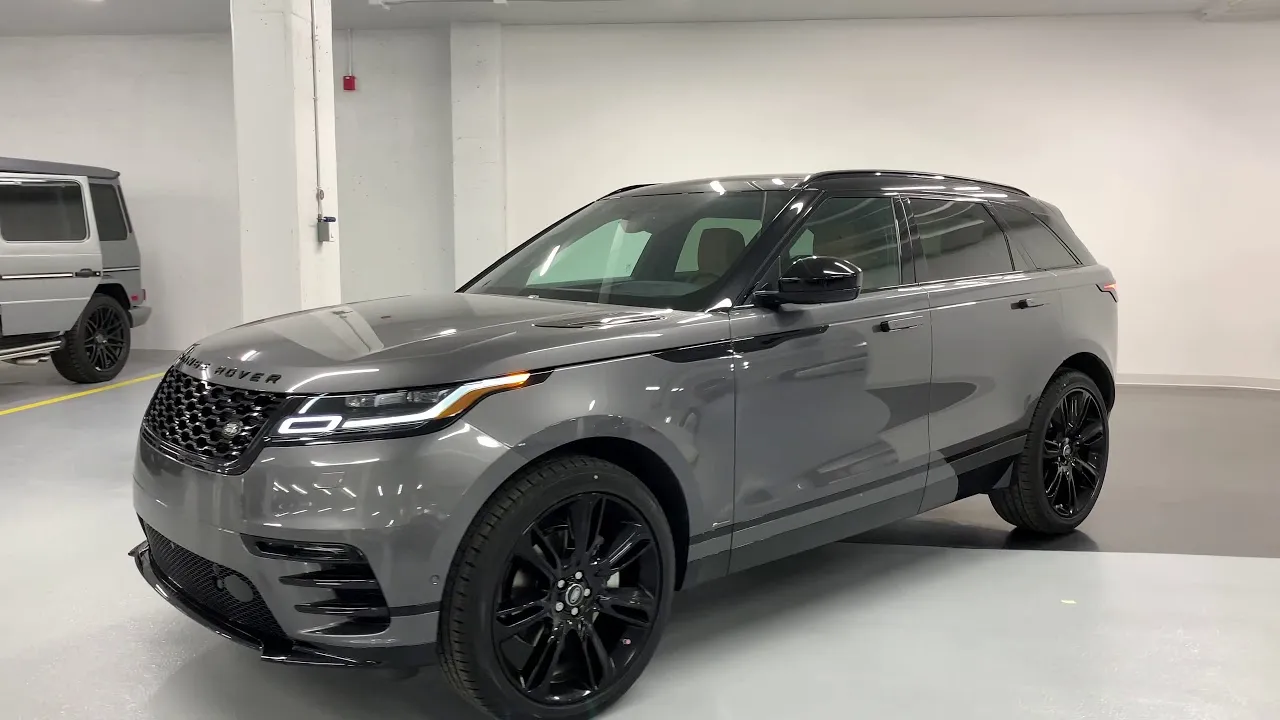
5. Land Rover Range Rover Velar 2019
Land Rover Range Rover Velar 2019 blends striking design with technology and capability, yet its practicality in city environments presents unique challenges for long-term ownership. While the SUV’s proportions make moderate parking feasible, low-speed handling requires concentration.
Steering feels weighted at slower speeds, and tight intersections, U-turns, and curbside maneuvers demand extra effort. Bellevue commuters quickly notice that such attention is required consistently, transforming simple trips into exercises in focus and patience.
Fuel consumption rises quickly during urban driving. Frequent idling, repeated acceleration, and premium fuel use combine to raise operating costs.
Additional systems, including climate control, electronic seats, and infotainment features, place an extra load on the engine, which can slightly accelerate wear. Families and professionals relying on short commutes may find themselves budgeting carefully to accommodate these recurring costs.
Inside, the Velar delivers a visually impressive cabin with high-quality finishes and sophisticated technology. Soft-touch materials, leather trim, and modern styling provide a luxurious feel. Touchscreens, sensors, and driver assistance systems enhance convenience, yet these same features often require specialized attention.
Glitches, calibration issues, or software updates may force service appointments, interrupting busy schedules and limiting the vehicle’s day-to-day reliability for commuters who need consistent performance. Ride comfort leans toward control over plushness.
Suspension is firm, transmitting minor bumps into the cabin, while steering requires careful handling at low speeds. This tuning enhances road stability at speed but makes urban maneuvering more physically and mentally demanding. Parking and driving through confined areas require deliberate effort, which can contribute to driver fatigue over repeated commutes.
Service and ownership costs remain high. Parts are expensive, labor requires expert knowledge, and insurance reflects the SUV’s premium classification. The Velar’s combination of aesthetics, technology, and capability is impressive, but those benefits come at a price.
Land Rover Range Rover Velar 2019 illustrates how visually striking and technologically advanced vehicles may introduce ongoing service demands and elevated costs that Bellevue city commuters must carefully consider.
