For enthusiasts seeking pure, unfiltered driving excitement, naturally aspirated engines hold a special allure. There’s something uniquely satisfying about the linear throttle response, high-revving power, and unmistakable soundtrack of a big V8 or V12 that turbocharged alternatives rarely replicate.
The good news is that incredible performance doesn’t have to come with a supercar price tag. This list showcases eight budget-friendly sports cars that deliver massive naturally aspirated engines, combining thrilling acceleration, distinctive character, and everyday usability for surprisingly accessible prices.
From European high-revving masterpieces like the BMW M3 to American muscle icons such as the Chevrolet Corvette, each of these vehicles proves that raw, mechanical engagement can still be found without spending a fortune.
Whether you’re drawn to the elegance of a V12 grand tourer or the visceral punch of a classic V8, these cars demonstrate that exhilarating performance is achievable on a budget.
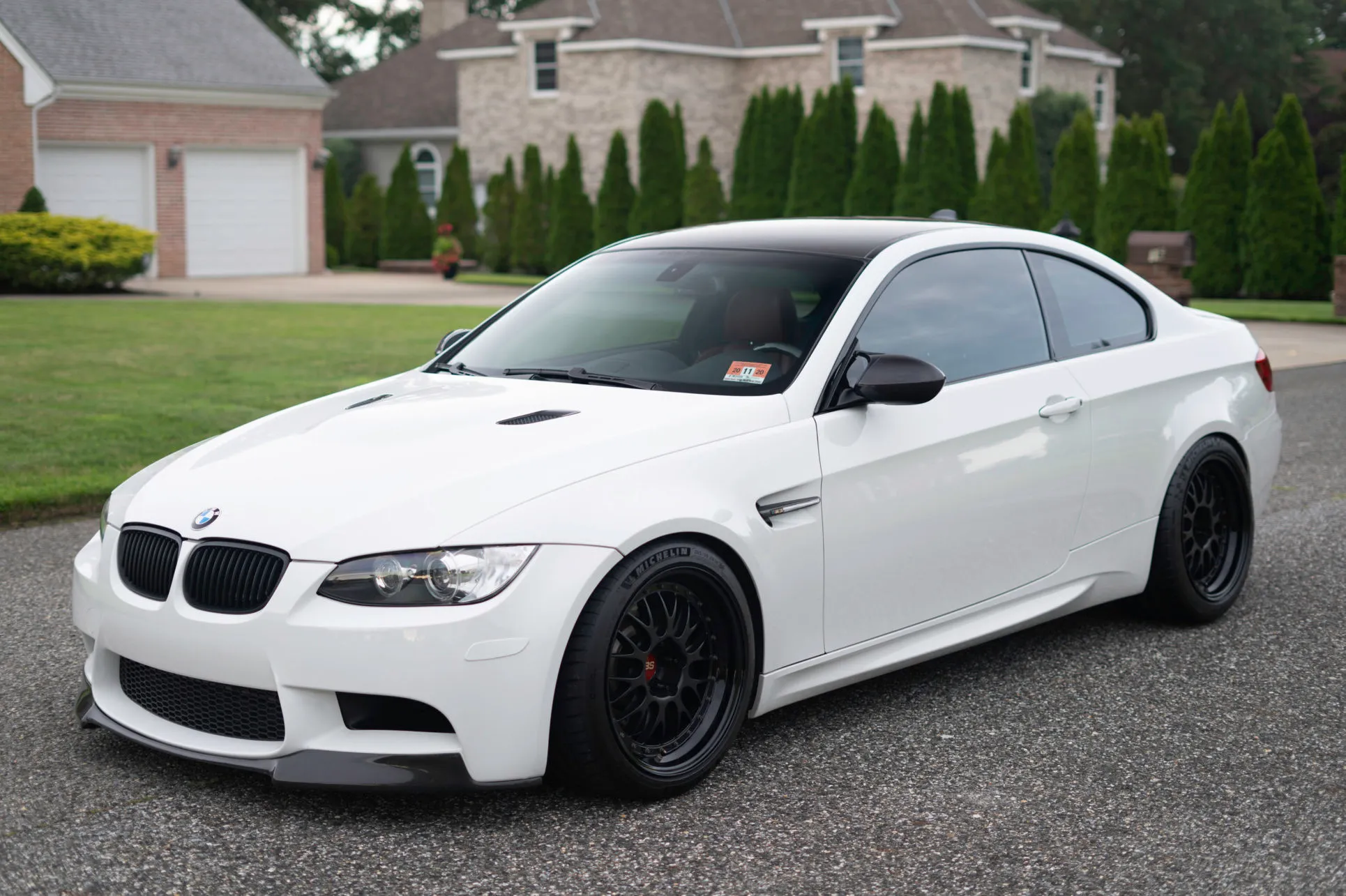
1. 2008 BMW M3 Coupe: High-Revving Performance with Everyday Versatility
The 2008 BMW M3 Coupe represents a bold evolution of the M3 formula, introducing a naturally aspirated 4.0-liter S65 V8 that produces 414 horsepower and 295 lb-ft of torque.
This engine, capable of revving to an impressive 8,400 rpm, delivers a thrilling and visceral driving experience that stands apart from modern turbocharged alternatives. At an average used price of just over $31,000, the E90-generation M3 offers remarkable performance value for enthusiasts seeking a high-revving, driver-focused sports car.
Available with either a 6-speed manual or a 7-speed dual-clutch automatic, the M3 provides flexibility for different driving preferences. On public roads, the car demonstrates an excellent balance between comfort and athleticism.
Equipped with optional Electronic Dampening Control, drivers can choose between comfort, normal, and sport suspension settings. Even in comfort mode, the ride remains composed and responsive over rough pavement without sacrificing engagement.
Steering feel is notably precise, allowing confident control through tight and winding roads while maintaining a sense of connection that BMW is known for.
When pushed harder on track, the M3 reveals its dynamic depth. Strong braking performance, predictable handling, and excellent grip from the factory Michelin Pilot Sport tires allow the car to carry speed through corners with confidence.
Power delivery is smooth and consistent, making it easy to manage corner exits without overwhelming the chassis. While it is not a purpose-built track car, the M3 performs exceptionally well during spirited driving sessions and track days alike.
Criticism of the increased weight compared to the previous E46 M3 is not unfounded, as the coupe weighs 3,704 pounds.
BMW addressed this through the use of lightweight materials such as an aluminum hood and suspension components, along with a carbon-fiber roof. Although heavier than its predecessor, the added power and improved chassis tuning help maintain the car’s performance credentials.
The 2008 BMW M3 Coupe succeeds as a refined yet exhilarating performance car that blends daily usability with genuine driving excitement. It is a machine that rewards commitment behind the wheel while remaining practical enough for everyday use.
2. 2010 Chevrolet Camaro SS: Affordable V8 Muscle with Bold Character
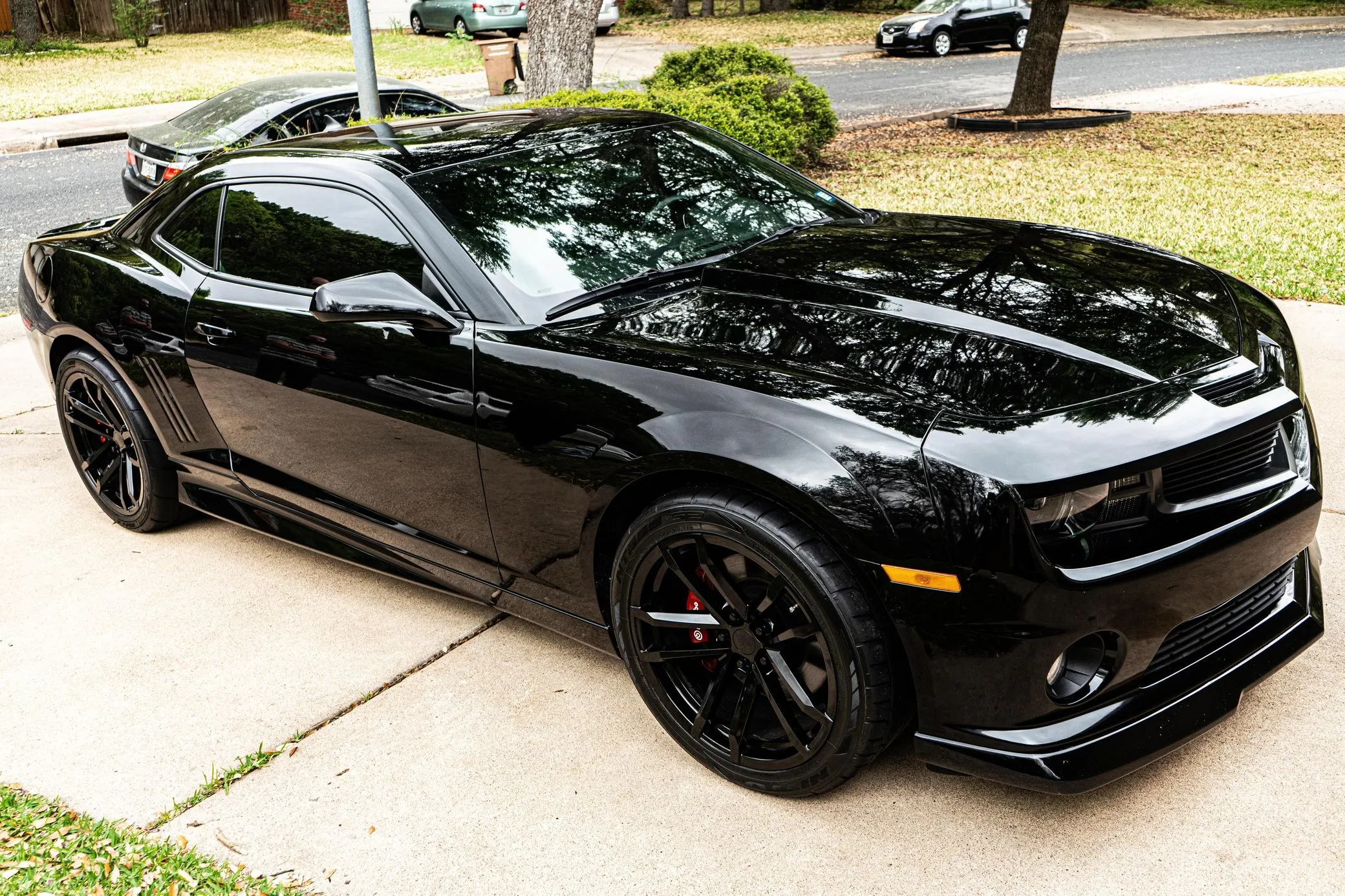
The 2010 Chevrolet Camaro SS delivers classic American muscle at a price that remains accessible, with clean used examples averaging just over $30,000.
At its heart is a naturally aspirated 6.2-liter V8 producing 426 horsepower and 420 lb-ft of torque when paired with the six-speed manual transmission, or slightly less with the automatic. Performance is a major highlight, with 0 to 60 mph times under five seconds, placing the Camaro SS among the quickest cars in its segment during its era.
Unlike many modern sports cars that rely on turbocharging, the Camaro SS embraces an old-school muscle car formula. The LS-series V8 provides a raw, aggressive exhaust note and a visceral driving experience that feels unapologetically mechanical.
Under hard acceleration, the engine sounds ferocious, almost unruly, with a lumpy idle and a high-rpm roar that reinforces its traditional pushrod character. While the torque peak arrives relatively high at 4,600 rpm, the engine still delivers strong straight-line performance that defines the Camaro’s appeal.
Visually, the fifth-generation Camaro makes a bold statement. Its aggressive, retro-inspired design clearly pays homage to earlier generations, drawing strong reactions from enthusiasts and critics alike.
While the styling successfully evokes Camaro heritage, it also contributes to one of the car’s biggest drawbacks: size. The 2010 Camaro is long, wide, and heavy, tipping the scales at nearly 3,900 pounds. Interior space suffers as a result, particularly in the rear seat, which is cramped and difficult for adults to use comfortably.
Inside, the Camaro offers a low, dramatic driving position behind a massive dashboard and oversized controls. While some retro elements add character, the cabin is let down by excessive plastic and clunky trim that feel dated rather than nostalgic. Visibility is also compromised by the high beltline and small windows, though this does little to diminish the sense of occasion from behind the wheel.
Where the Camaro truly redeems itself is in its chassis. Despite its weight, it delivers impressive balance, a strong grip, and controlled body motions. The steering lacks detailed feedback but is well weighted, and the car responds predictably to throttle inputs through corners.
The 2010 Camaro SS succeeds as a powerful, emotionally charged muscle car with a solid dynamic foundation, even if refinement and practicality lag behind its performance credentials.
3. 2006 Cadillac XLR: A Depreciated Luxury Roadster with Distinctive Style
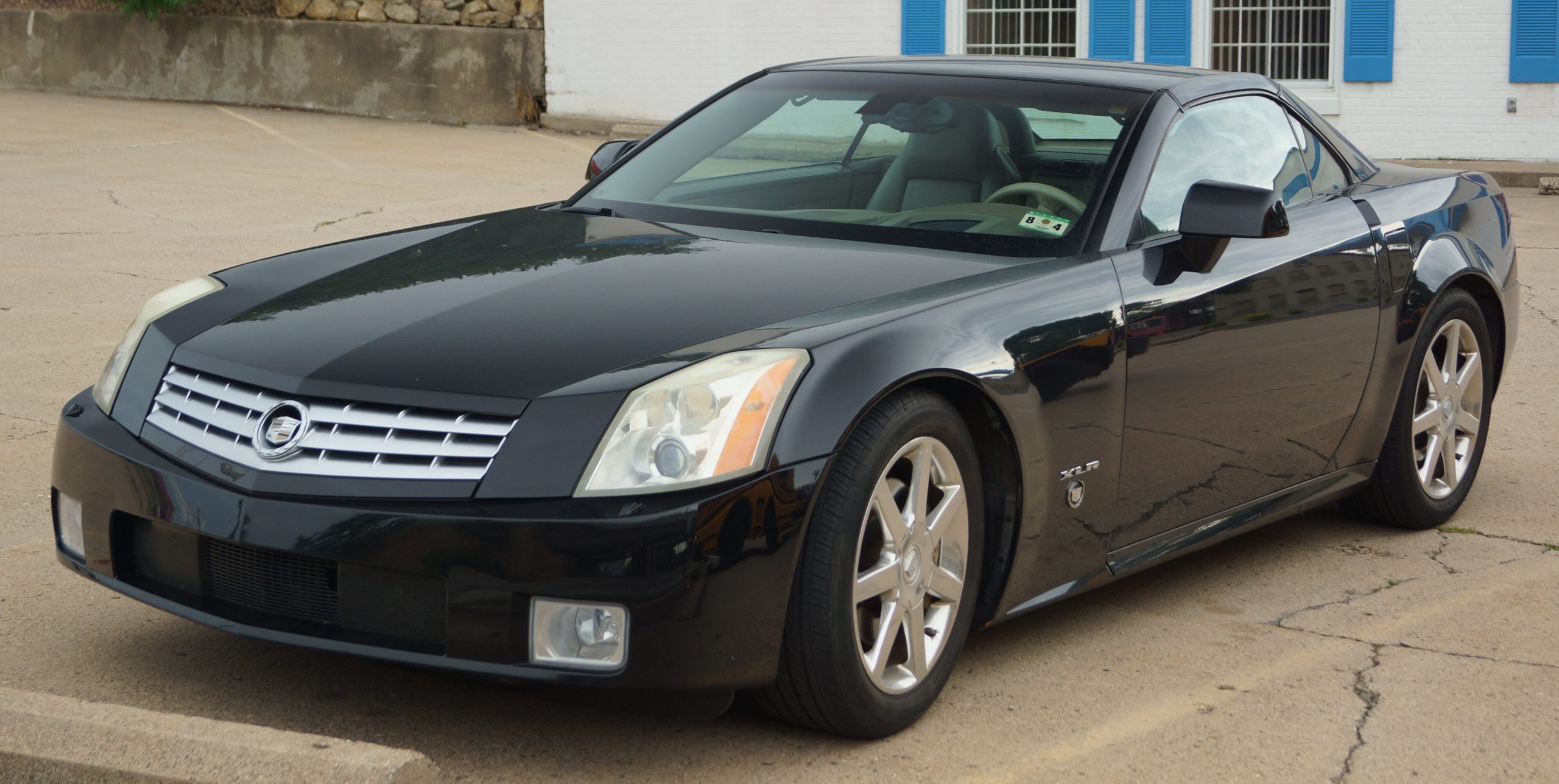
The 2006 Cadillac XLR stands as one of the most intriguing luxury performance bargains on the used market. Once priced well into six figures, the XLR can now be found for around $29,000, offering buyers an opportunity to own a rare and distinctive American roadster at a fraction of its original cost.
Powered by a 4.6-liter Northstar V8 producing 320 horsepower and 310 lb-ft of torque, the XLR sends power to the rear wheels through a 5-speed automatic transmission. Built on a platform shared with the Chevrolet Corvette, the XLR blends performance-oriented engineering with Cadillac’s emphasis on comfort and advanced technology.
The Northstar V8 features variable valve timing and a low-restriction intake, delivering smooth and confident acceleration across the rev range. A specially designed acoustic engine cover keeps engine noise refined while giving the engine bay a clean, finished appearance.
The rear-mounted transmission helps achieve balanced weight distribution, contributing to stable highway manners and predictable handling. Acceleration is strong, and under full throttle, the V8 produces an engaging exhaust note that suits the car’s upscale character.
On the road, the XLR favors comfort and composure over sharp, track-focused responses. Despite its Corvette-based architecture and standard Magnetic Ride Control suspension, the car displays noticeable body roll during aggressive cornering and nose-dive under hard braking.
Throttle response is more relaxed than that of its Chevrolet sibling, reinforcing the XLR’s role as a luxury grand tourer rather than a pure sports car. Steering is light and paired with a large wheel, prioritizing ease of use and relaxed cruising. With the retractable hardtop lowered, wind buffeting is present at highway speeds but remains manageable.
The interior is where the XLR truly separates itself. Cadillac emphasized clean, modern design paired with advanced features that were impressive for the era. Standard equipment includes a head-up display, adaptive cruise control, voice-activated DVD navigation, and heated and cooled seats.
A high-mounted touchscreen minimizes dashboard clutter, while available Bose audio and XM radio enhance the cabin experience. Safety features such as stability control, four-wheel antilock brakes, side airbags, and a switchable passenger airbag further support the XLR’s premium positioning.
In the end, the 2006 Cadillac XLR offers a unique combination of rarity, comfort, and V8-powered performance, making it a compelling option for buyers seeking an elegant and unconventional two-seat roadster.
4. 2002 Chevrolet Corvette Z06: Lightweight American Performance at a Bargain Price
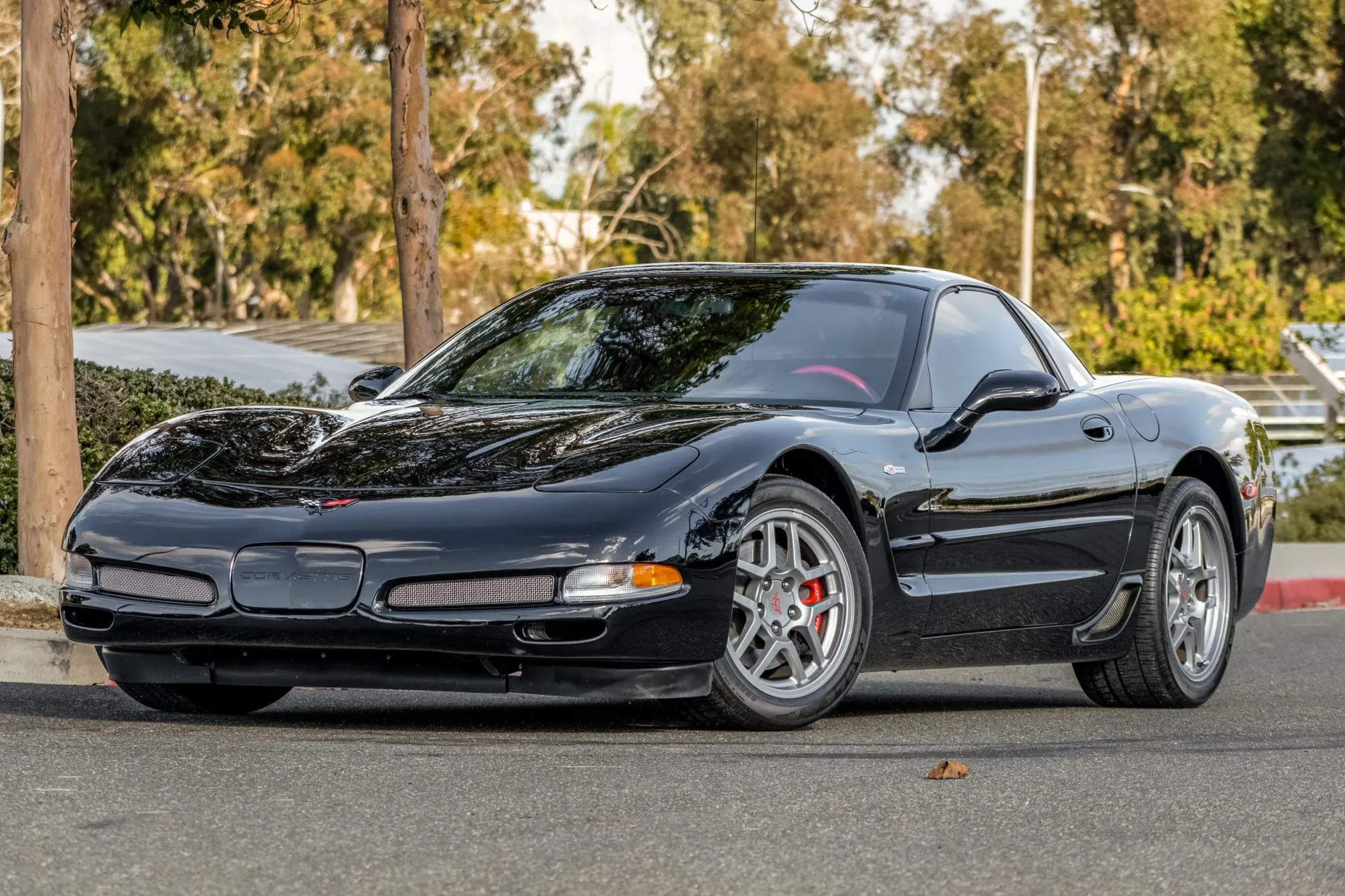
The 2002 Chevrolet Corvette Z06 stands as one of the most compelling high-performance values in the used sports car market. With average prices hovering just under $30,000, the Z06 delivers track-focused capability and serious straight-line speed powered by a naturally aspirated 5.7-liter LS6 V8.
Producing 405 horsepower and 400 lb-ft of torque, it was among the most powerful American sports cars of its era and remains impressive even by modern standards.
Power is sent exclusively to the rear wheels through a 6-speed manual transmission, reinforcing the Z06’s purist appeal. Acceleration is brisk, with a 0 to 60 mph time of approximately 3.9 seconds, helped by a curb weight just over 3,100 pounds.
The fixed-roof C5 chassis contributes additional rigidity, while a stiffer suspension setup and upgraded brakes sharpen the car’s handling for aggressive driving. These elements make the Z06 far more than a cosmetic upgrade over the standard Corvette.
For the 2002 model year, Chevrolet revised the LS6 engine to extract an additional 20 horsepower and 15 lb-ft of torque over the previous version. Much of this improvement comes at higher engine speeds, where the Z06 feels most alive.
The changes included a more aggressive camshaft, strengthened valve springs, and lightweight hollow-stem valves designed to handle higher stresses and temperatures. Improved airflow from a redesigned intake system and the removal of small precatalysts further reduced back pressure, allowing the engine to breathe more freely while retaining emissions compliance.
Chassis refinements also played a key role in the Z06’s performance. A thicker front anti-roll bar improved turn-in response, while revised rear shock tuning offered better compliance over rough pavement without sacrificing control during hard acceleration or cornering.
Lightweight alloy wheels helped reduce unsprung mass, contributing to improved ride and handling balance. Despite these updates, the Z06 retained the titanium exhaust system that helped define its aggressive sound and performance character.
Inside, the Z06 remains focused rather than luxurious, though features such as a head-up display and CD player became standard for 2002. The cabin emphasizes driver engagement over comfort, aligning with the car’s mission as a street-legal performance machine.
The 2002 Corvette Z06 delivers a rare blend of low weight, high output, and mechanical simplicity, making it an exceptional choice for enthusiasts seeking authentic performance without supercar pricing.
Also Read: 5 Cars for Anchorage Cold Weather vs 5 Cars That Fail in Extreme Cold
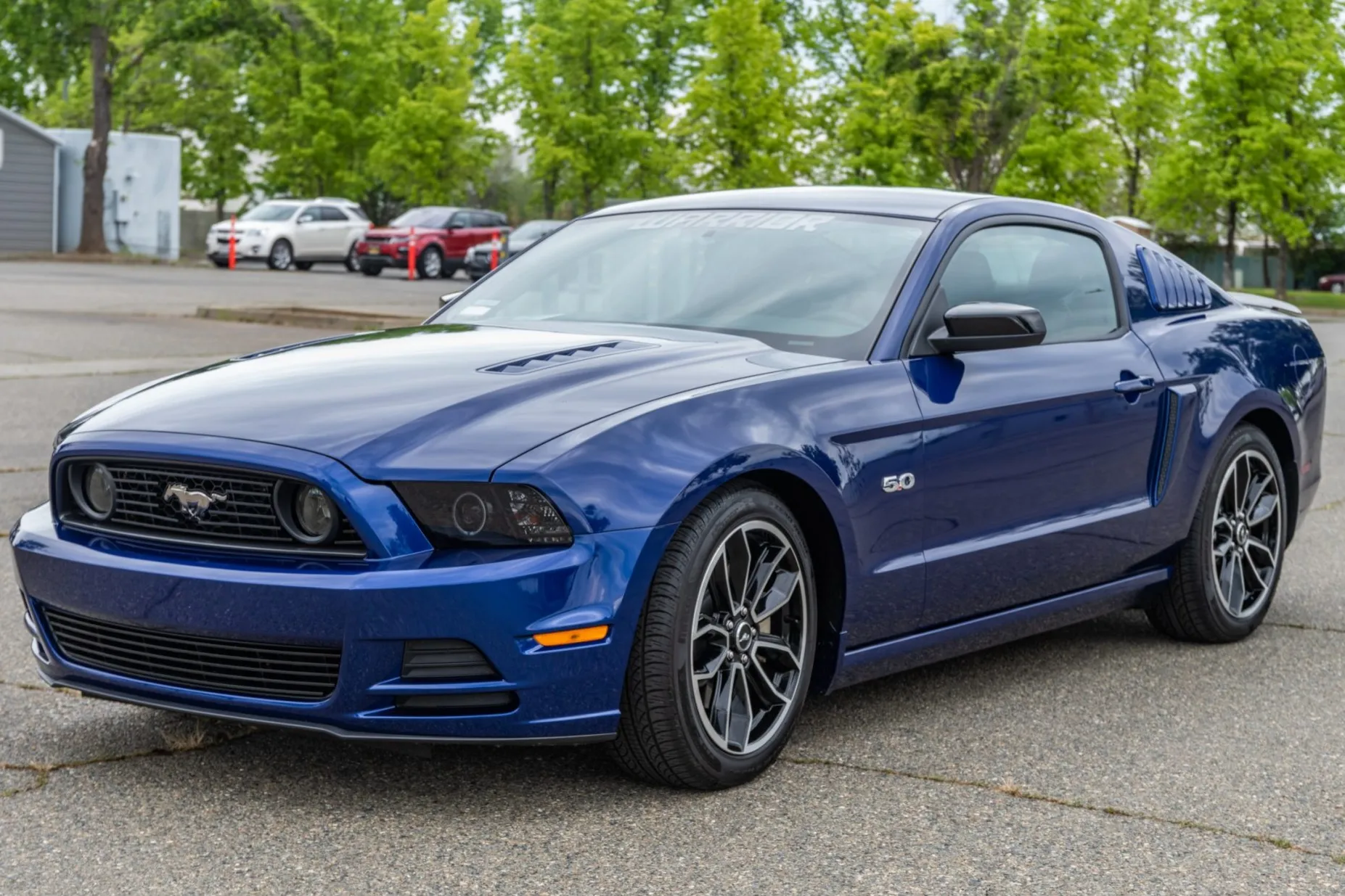
5. 2014 Ford Mustang GT: The Final Chapter of a Classic Muscle Formula
The 2014 Ford Mustang GT marks the closing chapter of the S197 generation, blending retro-inspired design with modern performance just before the arrival of the more technologically advanced S550 platform.
With average used prices ranging from roughly $25,000 to $30,000, it represents an accessible entry point into high-horsepower, naturally aspirated V8 performance that still feels exciting by contemporary standards.
At the heart of the Mustang GT is Ford’s 5.0-liter Coyote V8, producing 420 horsepower and 390 lb-ft of torque. Available with either a 6-speed manual or 6-speed automatic transmission, the GT delivers strong straight-line acceleration and a satisfying V8 soundtrack.
Rear-wheel drive, a standard limited-slip differential, and available Brembo brakes reinforce its performance credentials, allowing the car to serve equally well as a spirited daily driver or a weekend track toy. Real-world 0 to 60 mph times hover around five seconds, with fuel economy that is reasonable for the segment when driven conservatively.
Visually, the 2014 Mustang GT fully embraces retro styling, drawing inspiration from late-1960s fastback Mustangs. The long hood, short rear deck, and muscular proportions give it a commanding presence on the road, while details like sequential rear turn signals strengthen its connection to Mustang heritage.
The design proved highly successful, though its shelf life was nearing its end as Ford prepared for a more global, modernized Mustang.
Inside, the Mustang GT offers a mix of nostalgia and modern convenience. Deep-set gauges, optional Recaro seats, ambient lighting, and Ford’s SYNC infotainment system provide character and functionality, though some interior materials feel closer to the Mustang’s more affordable roots than its higher price tags might suggest. Rear-seat space is limited, making the GT best thought of as a two-passenger coupe with occasional extra seating.
On the road, the live rear axle remains the car’s most debated feature. While it lacks the refinement of an independent setup, it delivers excellent straight-line traction and predictable behavior when driven with care. The suspension strikes a good balance between firmness and comfort, making the car easy to live with day to day.
The 2014 Ford Mustang GT stands as a fitting sendoff to a traditional muscle car recipe, offering strong performance, iconic styling, and everyday usability in a package that is unlikely to be repeated in quite the same way again.
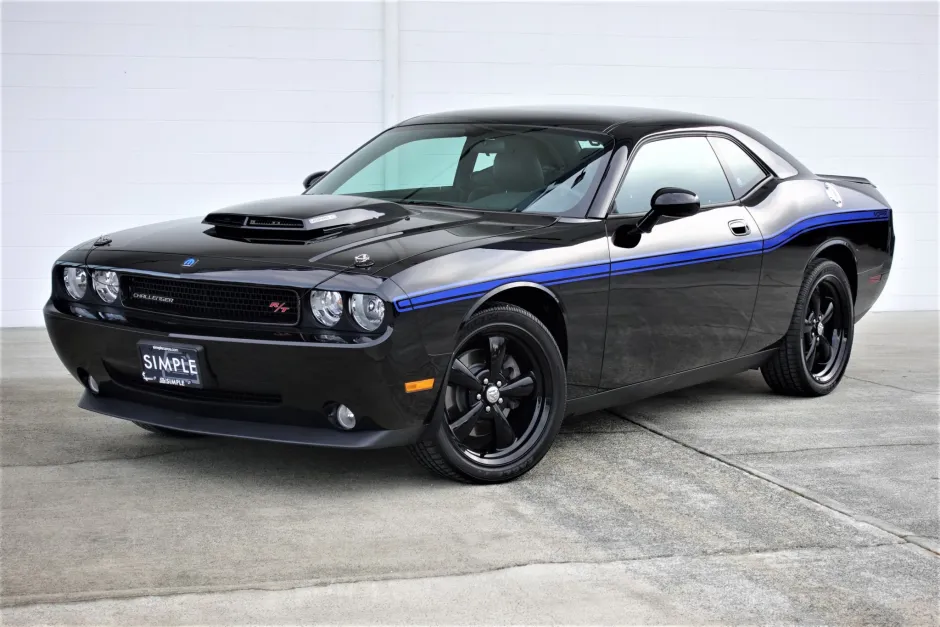
6. 2010 Dodge Challenger R/T: Retro Muscle with Modern Comfort
The 2010 Dodge Challenger R/T captures the spirit of classic American muscle cars while offering the space, comfort, and drivability expected from a modern performance coupe. With average used prices around $28,000, the Challenger R/T delivers strong V8 performance and distinctive styling at a competitive price point.
Under the hood sits a 5.7-liter HEMI V8, producing 376 horsepower and 410 lb-ft of torque when paired with the 6-speed manual transmission, or slightly lower output with the 5-speed automatic. Power is sent to the rear wheels, with a limited-slip differential available for improved traction and control.
Visually, the Challenger R/T leans heavily into its 1970s Mopar heritage. Its wide stance, upright front fascia, long hood, and sculpted rear quarters give it a bold and unmistakable presence.
Dodge successfully translated vintage design cues into a modern package that stands apart from the sleeker Camaro and Mustang. While the styling is unapologetically old school, it remains one of the Challenger’s biggest selling points and has aged well with enthusiasts.
The Challenger’s large footprint works to its advantage inside. Unlike many two-door muscle cars, it offers a genuinely spacious interior with usable rear seating and a comfortable ride. High beltlines slightly limit outward visibility for rear passengers, but legroom and shoulder space are generous.
Trunk capacity is also respectable, making the Challenger R/T more practical than most performance coupes. Interior materials are a mix of soft-touch surfaces and harder plastics, but optional performance and technology packages significantly improve both appearance and comfort.
On the road, the Challenger R/T feels solid and composed rather than nimble. Its curb weight exceeds 4,000 pounds, yet the independent suspension and performance-tuned steering allow it to handle confidently for its size.
Straight-line acceleration is a highlight, with the HEMI V8 delivering strong midrange punch and a deep, unmistakable exhaust note. Chrysler’s Multi-Displacement System allows the engine to deactivate cylinders during light cruising, helping fuel economy reach respectable highway figures for a V8-powered car.
The Challenger R/T balances muscle car theatrics with everyday usability. It may not be the sharpest tool on a road course, but it excels as a comfortable, charismatic performance car that blends nostalgia, power, and practicality into a distinctive and appealing package.
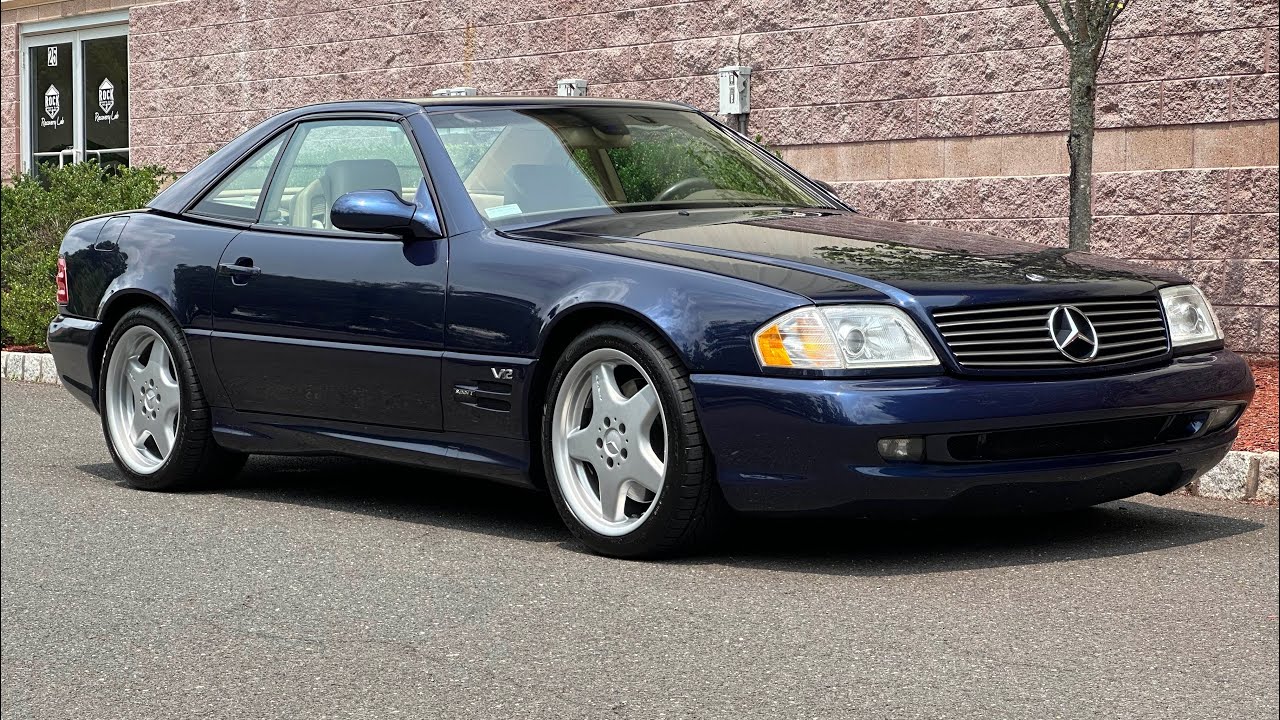
7. 2000 Mercedes-Benz SL600: V12 Luxury Built for Effortless Speed
The 2000 Mercedes-Benz SL600 occupies a unique place in the used performance market, offering twelve-cylinder power, advanced technology, and understated elegance at a price now below $30,000.
Once a flagship grand tourer, the SL600 delivers a driving experience centered on smoothness, refinement, and high-speed composure rather than aggressive sportiness. Its naturally aspirated 6.0-liter V12 produces 389 horsepower and 420 lb-ft of torque, paired with a 4-speed automatic transmission that emphasizes seamless power delivery over rapid gear changes.
The defining characteristic of the SL600 is its engine. The V12 operates with remarkable smoothness, producing very little drama in sound or vibration. Acceleration is deceptively strong, with effortless thrust that quickly carries the car to speeds far beyond legal limits, particularly on open highways.
Unlike performance-oriented AMG variants, the SL600 insulates the driver from much of the mechanical excitement, creating a serene, almost detached sensation even when traveling very quickly. This makes it exceptionally well-suited for long-distance cruising and autobahn-style driving.
Despite riding on one of Mercedes-Benz’s strongest chassis platforms of the era, the SL600’s considerable weight influences its character. In corners, the car feels composed but deliberate, encouraging measured inputs rather than rapid changes of direction.
The sensation of mass makes spirited driving on unfamiliar roads less inviting, reinforcing the SL600’s role as a grand touring machine rather than a back-road performer. Brake performance, managed by Mercedes’ early electronic systems, can feel inconsistent in demanding situations, with less precise modulation than expected in a car of this caliber.
The automatic transmission stands out as a highlight, adapting well to driving style and providing smooth, intuitive operation. Its manual shift mode is simple and responsive, enhancing driver control when desired. Inside, the SL600 showcases Mercedes’ ambition as a technological leader.
Features include power-adjustable seats with massage functions, an advanced navigation system, and extensive electronic integration. While impressive for its time, some controls can feel unintuitive by modern standards.
Luxury defines the cabin experience, though absolute comfort depends on individual fit and preference. The SL600 surrounds occupants with premium materials and an unmistakable sense of engineering depth. It is a car that prioritizes composure, sophistication, and effortlessness above all else.
The 2000 Mercedes-Benz SL600 remains an appealing option for drivers seeking classic V12 smoothness, timeless styling, and long-distance capability in a prestigious and now-accessible package.
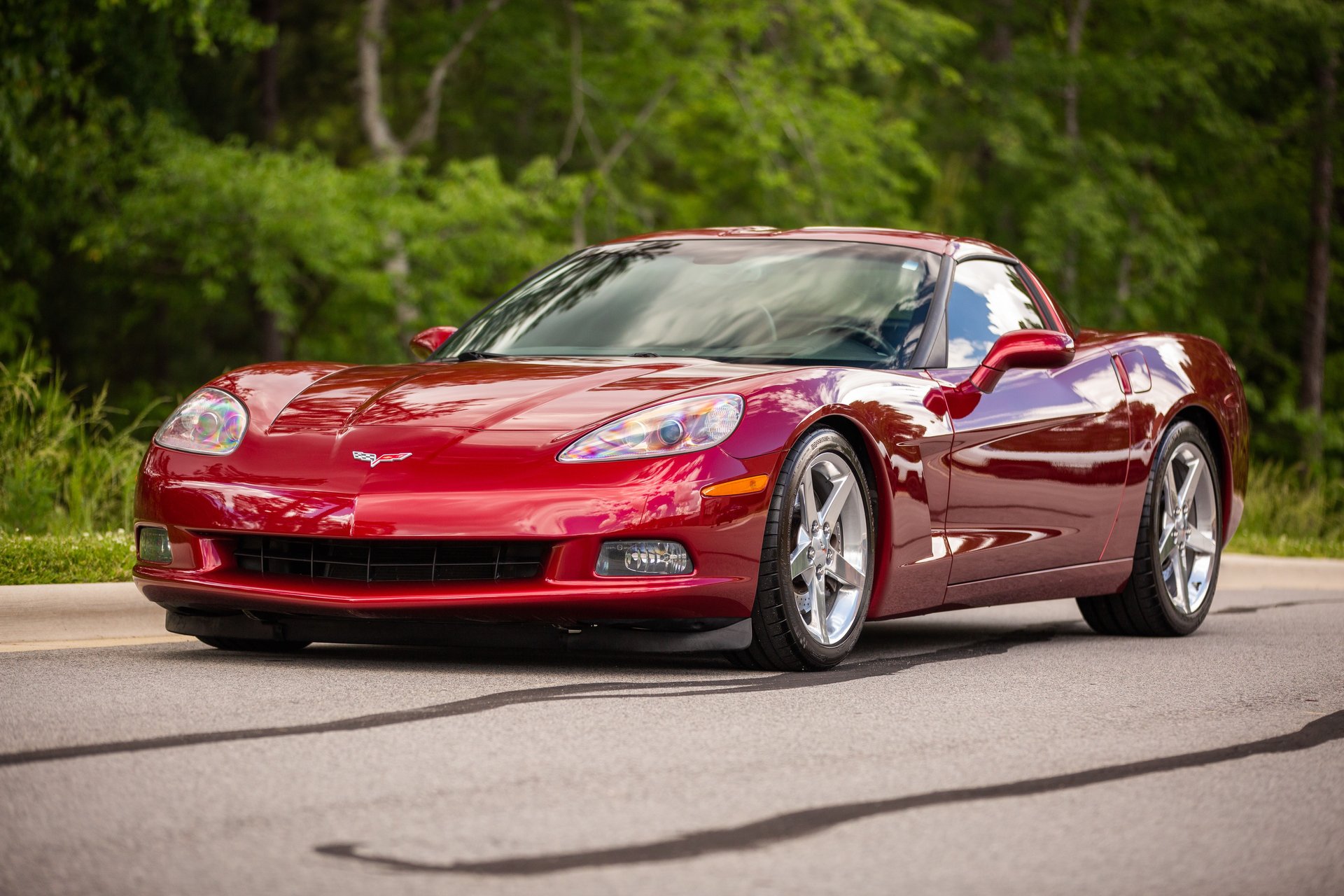
8. 2005 Chevrolet Corvette C6: Modern American Performance at an Affordable Price
The 2005 Chevrolet Corvette introduced the C6 generation, marking a major step forward for America’s iconic sports car. With average used prices below $30,000, the C6 delivers performance that rivals far more expensive European competitors.
Power comes from a 6.0-liter LS2 V8 producing 400 horsepower and 400 lb-ft of torque, paired with a 6-speed manual or 4-speed automatic transmission. This naturally aspirated engine provides strong throttle response and the distinctive V8 soundtrack Corvette enthusiasts expect.
Performance is a standout feature of the 2005 Corvette. With a curb weight significantly lower than many modern sports cars, the C6 reaches 0-60 mph in just over four seconds.
Its hydroformed frame is both stiffer and lighter than the outgoing C5, enhancing chassis balance and handling precision. Double-wishbone suspension at all four corners, responsive steering, and powerful brakes allow the Corvette to tackle winding roads with confidence while maintaining composure at high speeds.
The design of the C6 reflects a modernized take on the Corvette’s classic look. Fixed projector headlights replaced the pop-up units, improving aerodynamics and giving the car a more aggressive appearance.
Shorter body dimensions, a wider stance, and sculpted body panels create a purposeful and athletic presence. A removable roof panel preserves the open-air driving experience, appealing to enthusiasts who enjoy spirited drives in the sun.
Inside, the C6 cabin shows significant improvements over previous generations. Materials feel more refined, and ergonomics are enhanced with driver-focused controls. Features include a head-up display, push-button start, and optional navigation.
Sport seats are supportive and comfortable for extended drives, and the Corvette offers usable cargo space for a two-seat sports car. Some hard plastics remain, and early-model infotainment systems can feel dated, but the interior delivers a functional and enjoyable driving environment.
Reviewers and owners praise the 2005 Corvette for its reliability, exciting performance, and strong performance-to-price ratio. Minor issues include average base audio and occasional early electrical quirks, but these do not significantly detract from the driving experience.
The 2005 Chevrolet Corvette C6 solidified the model as a modern American sports car icon, combining thrilling performance, refined design, and practicality into a package that remains highly desirable in the used market.
These eight sports cars highlight the excitement and satisfaction that naturally aspirated engines provide. Each model offers a unique personality, whether it’s the high-revving precision of the BMW M3, the aggressive roar of the Camaro or Corvette, or the composed luxury of the Mercedes SL600.
Beyond performance, many of these vehicles offer comfort, usability, and style, making them accessible for daily driving while still rewarding spirited excursions. For drivers who value direct mechanical connection, authenticity, and the pure joy of high-revving engines, these cars deliver remarkable experiences without demanding supercar budgets.
They prove that exceptional performance, distinctive character, and driver engagement are not only achievable but also enjoyable for enthusiasts seeking thrill, heritage, and practicality in one package.
Also Read: 10 Cars With Trunk Handles That Don’t Pinch Fingers