For car enthusiasts and budget-conscious collectors alike, finding a classic vehicle that doesn’t break the bank can feel like searching for a needle in a haystack.
Yet, Chevrolet America’s iconic automaker has left behind a treasure trove of vintage gems that are surprisingly attainable today.
From sporty coupes to practical sedans, many of these classics offer a perfect mix of nostalgia, style, and driving fun without the exorbitant price tag typically associated with collectible cars.
If you’re ready to own a piece of automotive history without mortgaging your home, here are ten classic Chevrolet models you can still grab for pocket change.
1. Chevrolet Impala (1964–1970)
The Chevrolet Impala has long been synonymous with American cruising culture. Models from the mid-1960s, especially the 1964 to 1970 generations, are admired for their sweeping lines, roomy interiors, and smooth ride.
Surprisingly, you can still find these Impalas in decent condition for under $15,000, depending on mileage and originality.
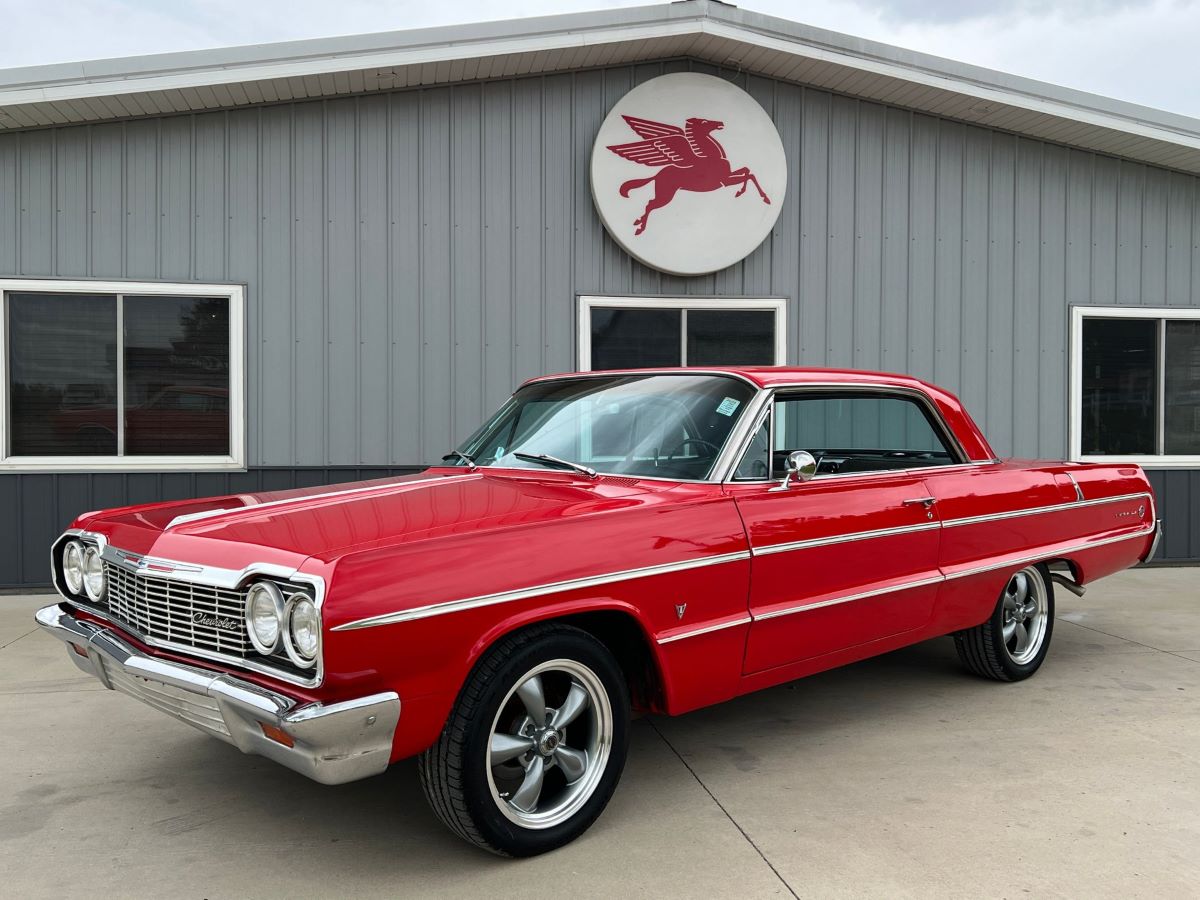
Whether you want a classic family cruiser or a platform for a mild restoration, the Impala offers versatility.
The V8 engines, especially the 327 and 350 small-blocks, provide plenty of power while keeping maintenance relatively straightforward for a classic car.
2. Chevrolet Chevelle (1968–1972)
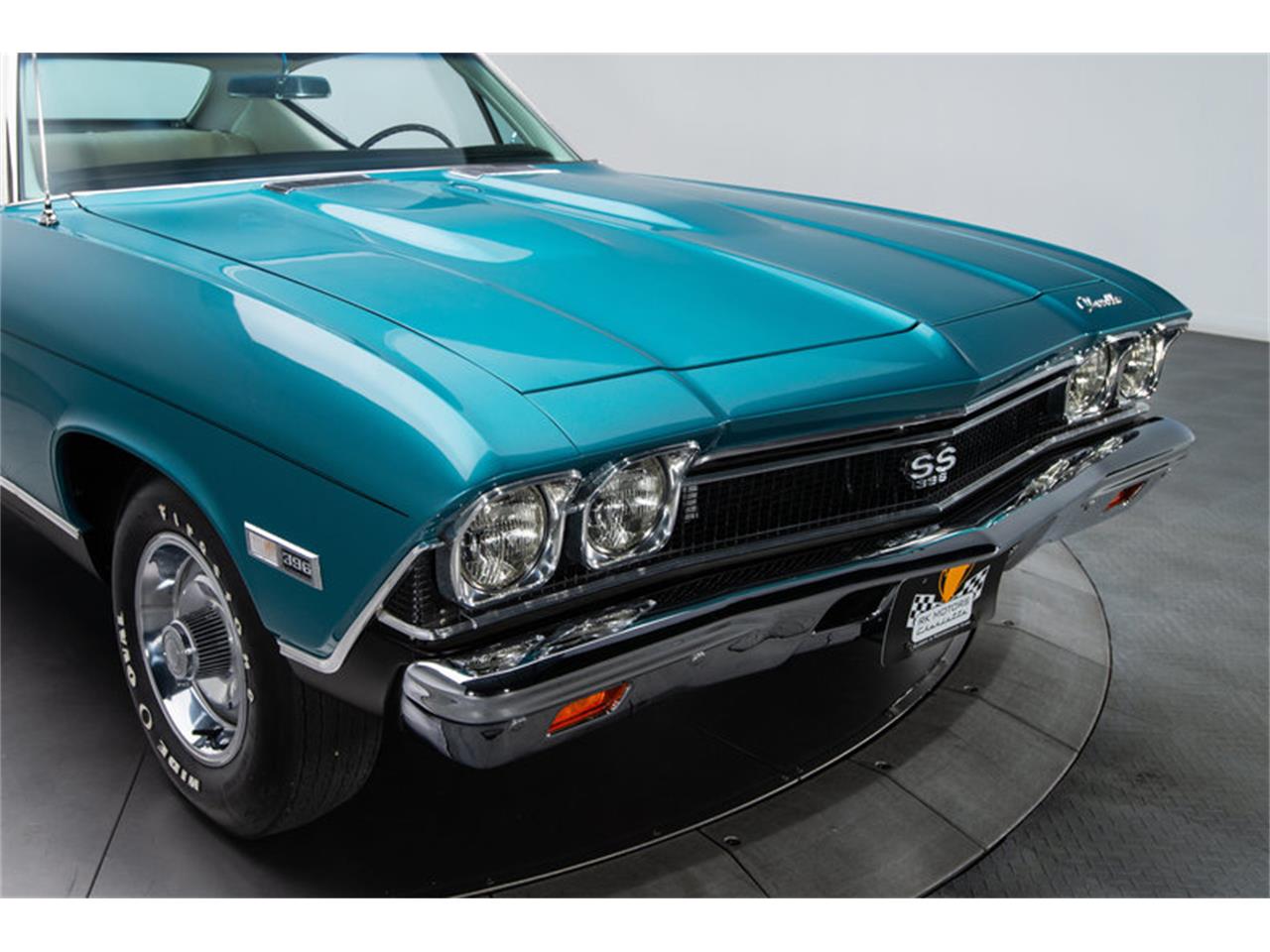
A true muscle car icon, the Chevelle blends aggressive styling with raw performance. While high-performance SS variants can command a hefty price, base and mid-level Chevelles remain attainable for around $15,000–$25,000.
The Chevelle’s popularity stems from its clean lines, balanced proportions, and the availability of V8 engines ranging from the modest 283 to the monstrous 454. Even if you’re not chasing quarter-mile glory, owning a Chevelle is a statement of American automotive heritage.
The classic muscle car market has always occupied an exclusive niche, with a very narrow entry point. Because of this, prospective collectors are constantly on the lookout for the next big investment, which demands a high level of foresight and a deep understanding of market trends.
Among the most coveted vehicles is the 1970 Chevrolet Chevelle 454 SS/70, a compact muscle car that has long been prized by enthusiasts. Recent trends, however, indicate that its market value has surged dramatically, reaching exponential growth in recent years.
The Chevelle nameplate was originally conceived as an entry-level gateway to the Chevrolet brand, but consumer demand for higher-performance and more aspirational models led to the creation of the Super Sport (SS) range.
The second-generation Chevelle, in particular, showcased the brand’s best offerings, with the 454 70/SS representing the pinnacle of Chevrolet’s performance division. It served as a larger, more powerful counterpart to the highly popular Camaro SS, solidifying its place as an iconic muscle car of its era.
There are four primary variations of the 1970 Chevrolet Chevelle SS 454. Among them, the least desirable is the coupe equipped with the 360-horsepower LS5, currently valued at $64,600 in good condition.
The convertible version of the LS5 carries a slightly higher valuation of $91,600. Meanwhile, the optional LS6 variants attract considerably more demand. The LS6 coupe is valued at $98,600, while the convertible commands a staggering $234,000.
Only a decade ago, good-condition examples sold for between $30,000 and $100,000, although a particularly rare LS6 managed to fetch $450,000 at the start of this year. As time passes, untouched, low-mileage, and purely original examples are becoming increasingly scarce.
General Motors lacks comprehensive original documentation, and only a handful of build sheets remain. What is known is that GM produced 4,475 LS6 examples in 1970 across all A-body chassis, which included the Chevelle and El Camino.
Accurately determining how many of these models survive today is nearly impossible, particularly when excluding Canadian-assembled units, some of which eventually made their way to the U.S.
The Chevelle referenced in this feature exemplifies one of the most exclusive mass-market muscle cars ever offered by GM. The LS6 package was limited to 4,475 units, with an original sale price of approximately $3,486, equivalent to $28,668 when adjusted for inflation.
While the drivetrain was the primary highlight, the package also included bespoke touches such as Super Sport-specific gauges, bucket seats, and an AM radio, elevating the car’s appeal beyond mere performance.
At the heart of the Chevelle SS 454 was the legendary LS6 powertrain. This 7.4-liter V8, when equipped with cowl induction and a single four-barrel 800 CFM Holley carburetor, delivered a quoted 450 horsepower and 500 pound-feet of torque.
Power was routed to the rear wheels through a Muncie four-speed manual transmission, enabling a 0-60 mph time of 6.1 seconds and a top speed of 139 mph.
Official testing recorded a quarter-mile time of approximately 13.8 seconds, underscoring the Chevelle’s status as a high-performance, no-compromise muscle car. Naturally, efficiency was not its strong suit, with fuel consumption averaging 11 miles per gallon and a range of roughly 200 miles on a full tank.
The 1970 Chevrolet Chevelle SS 454 LS6 remains one of the most sought-after muscle cars on the market. Its rarity, impressive performance, and iconic status make it a prime target for collectors and enthusiasts alike. Whether purchased for investment or driving enjoyment, the Chevelle continues to cement its legacy as a quintessential American muscle car.
Also Read: Top $100K Sports Cars That Are Wildly Overpriced
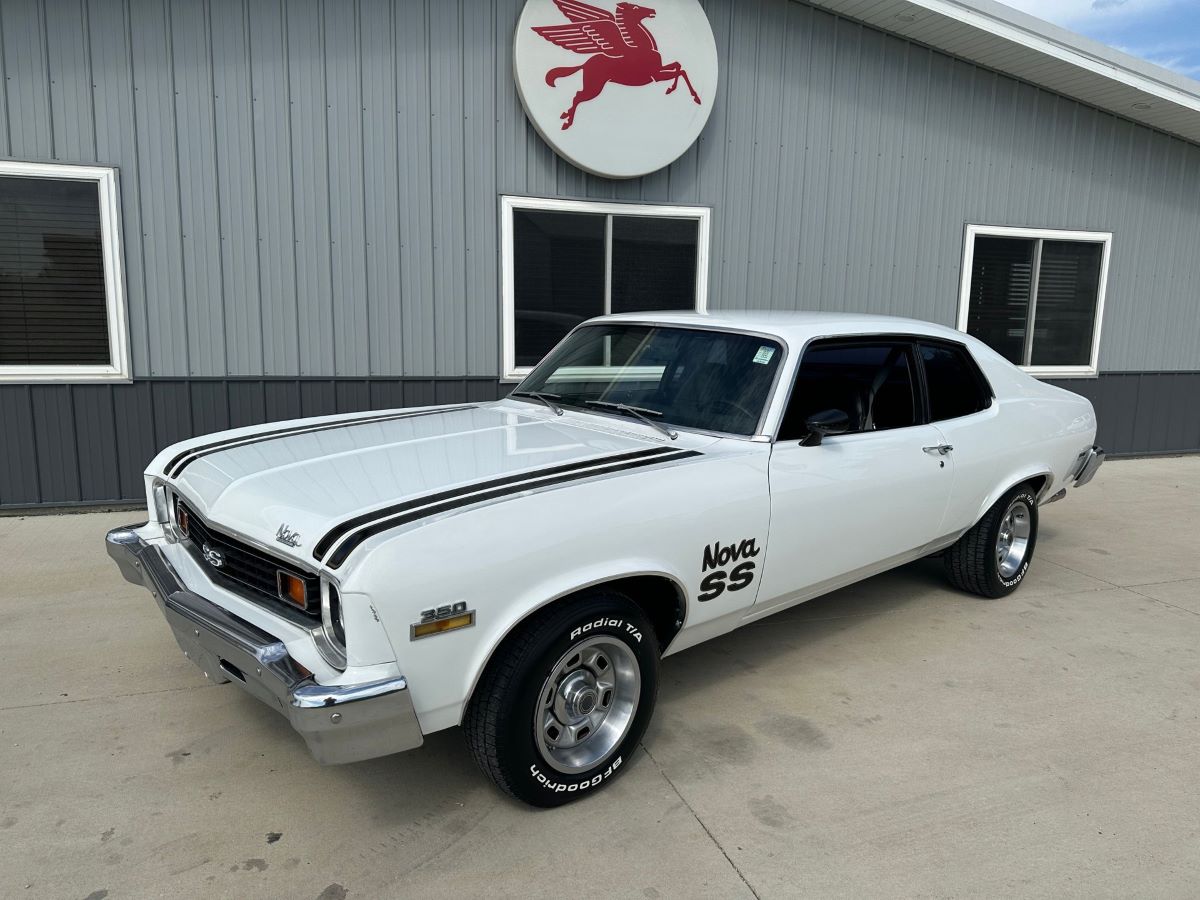
3. Chevrolet Nova (1968–1974)
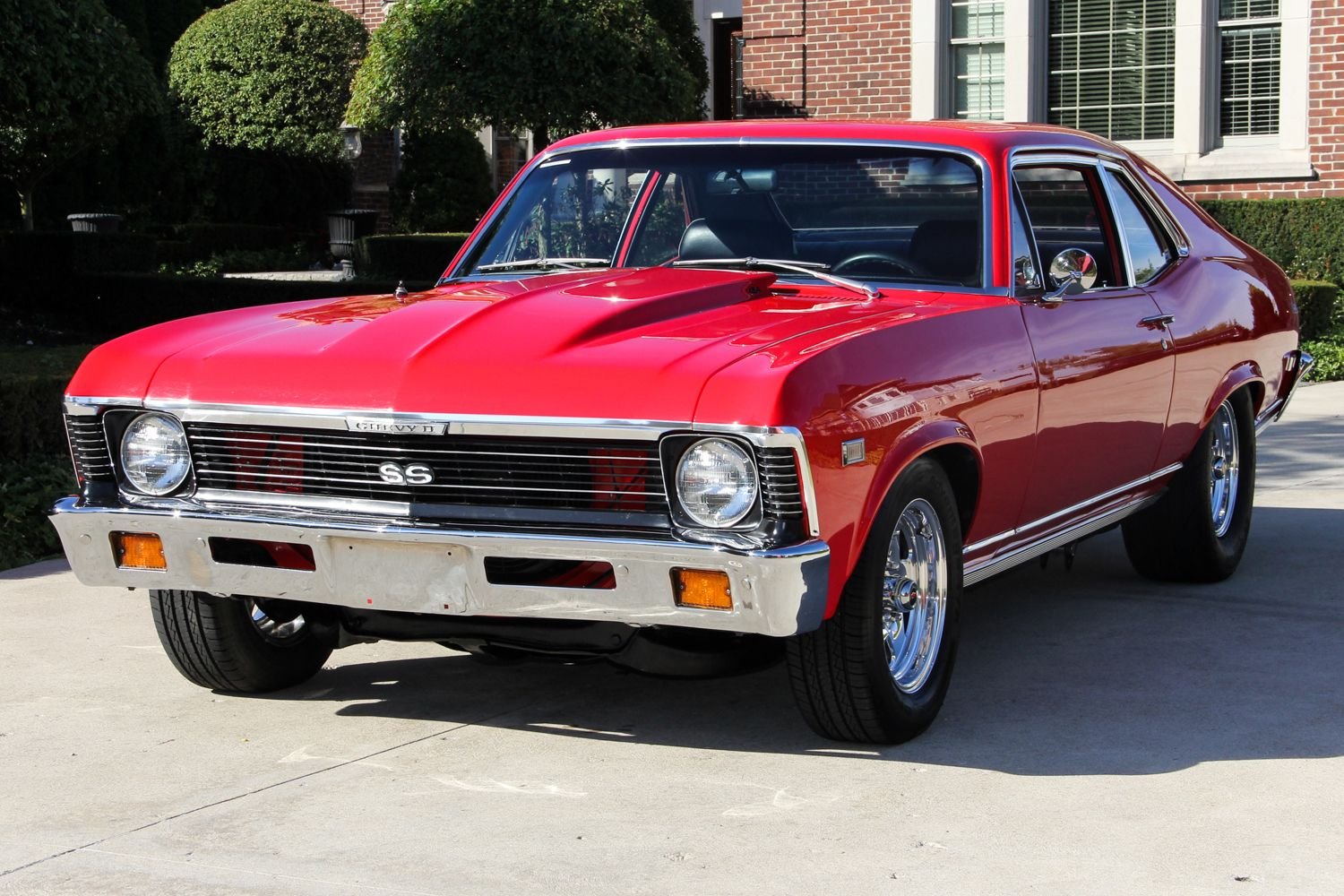
Compact, nimble, and affordable, the Chevrolet Nova is often overlooked in the classic car market. Models from the late 1960s and early 1970s offer a perfect combination of simplicity and performance.
Small-block V8 engines are relatively easy to maintain, and parts are widely available. With prices often starting below $12,000, Novas represent a fantastic entry point into muscle car ownership.
Enthusiasts appreciate their lightweight chassis, which makes them excellent candidates for modifications or weekend cruisers.
Chevrolet first introduced the Super Sport (SS) package in 1963 for the Nova convertibles and Sport Coupe hardtops, though it was primarily a sport appearance package at the time, as the Chevy II was not yet available with a V-8 engine.
The convertible option was discontinued for 1964, but Chevrolet added a V-8 option: a 283-cubic-inch (4.6-liter) engine producing 195 horsepower, which was later upgraded to 220 horsepower.
Another new option was the 230-cubic-inch (3.8-liter) “Turbo-Thrift” inline-six, rated at 155 horsepower. Despite these new choices, sales declined, largely due to internal competition from Chevrolet’s new mid-size Chevelle.
In 1965, Chevrolet expanded the V-8 lineup further, offering 250- and 300-horsepower versions of the 327-cubic-inch (5.4-liter) engine.
Yet, sales continued to struggle. Internal competition persisted, as the Corvair had received a significant redesign for 1965, and the Chevy II was also losing ground to Ford, which sold nearly twice as many Falcons.
The Chevy II underwent substantial sheetmetal changes in 1966, marking a departure from the typical incremental, year-to-year styling updates. The Nova remained the top trim level, and Chevrolet replaced the 300-horsepower engine with a 350-horsepower version of the 327.
Sales improved that year, but were impacted again with the introduction of the Camaro in 1967. To avoid undercutting Camaro sales, Chevrolet discontinued both the 220- and 350-horsepower engines in the Chevy II lineup.
4. Chevrolet Camaro (1970–1974)
The first-generation Camaro has cemented its place as an American icon, and surprisingly, early models are still attainable for bargain hunters.
While first-year 1967–1969 Camaros have skyrocketed in value, slightly later models like 1970–1974 coupes can often be found in the $15,000–$25,000 range.
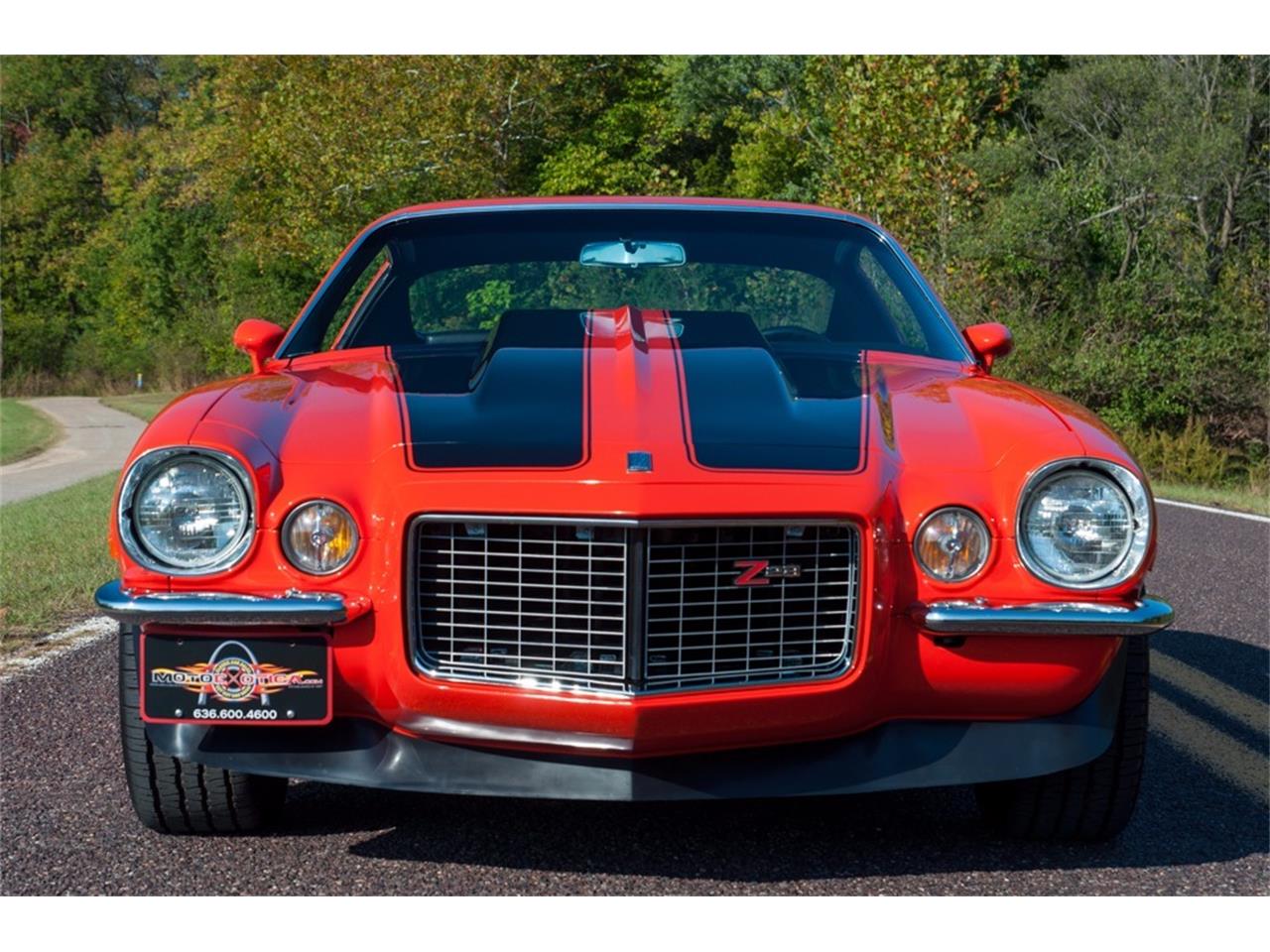
The Camaro combines aggressive styling with sporty handling, making it one of the most desirable Chevrolet classics for both collectors and casual drivers.
Base V8 models are straightforward to maintain, and the availability of aftermarket parts ensures restoration doesn’t have to be a financial nightmare.
5. Chevrolet Bel Air (1955–1957)
If you’re drawn to the golden age of American cars, the mid-1950s Bel Air is a must-see. Known for its chrome accents, two-tone paint, and stylish fins, this model defines 1950s Americana.
Surprisingly, non-restored or lightly restored Bel Airs can sometimes be found for under $20,000, though pristine show-quality examples are far more expensive.
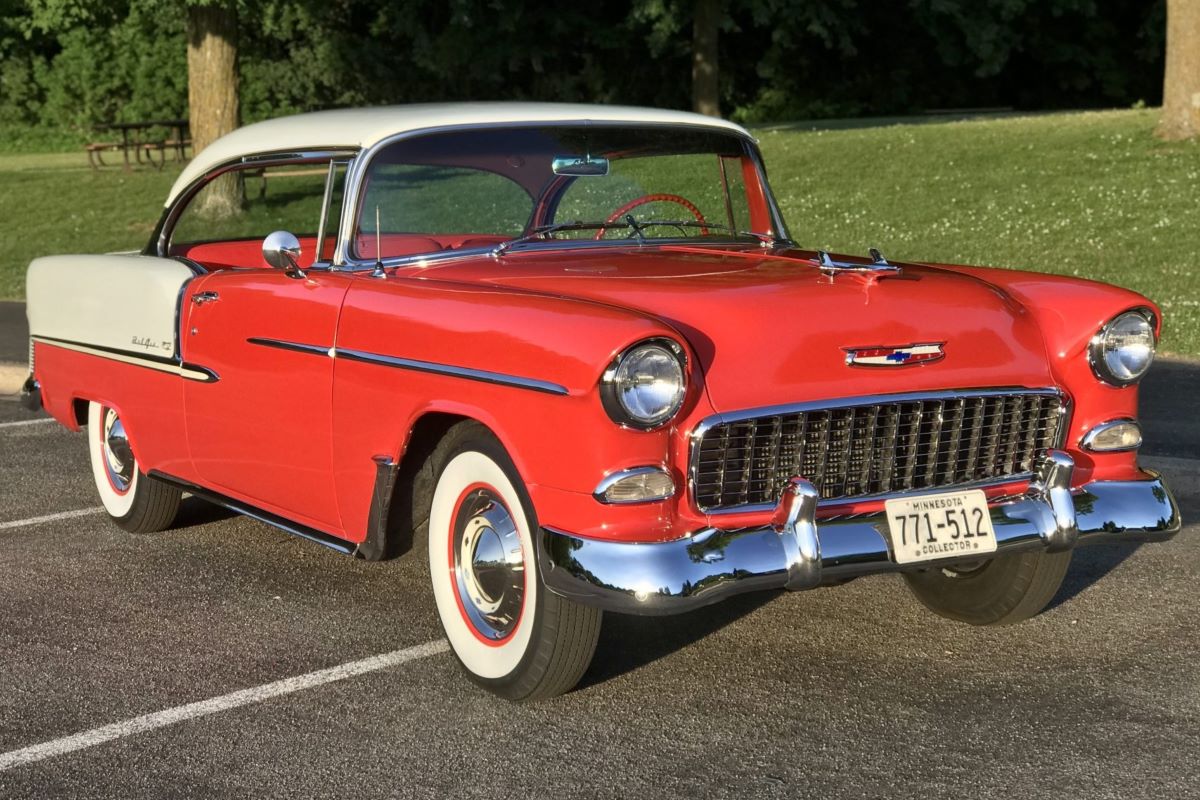
These cars are ideal for enthusiasts looking to participate in classic car shows or weekend cruises without going broke. Simple V8 engines make them relatively reliable, provided rust is managed carefully.
6. Chevrolet Chevette (1976–1987)
For those who love quirky, practical, and surprisingly affordable classics, the Chevrolet Chevette is an unexpected gem. Unlike the big muscle cars of Chevrolet’s past, the Chevette offers lightweight efficiency and simplicity.
Early examples can frequently be found under $5,000, making them perfect for first-time collectors or those looking for a fun, low-cost project car. While it won’t turn heads with speed, the Chevette’s small size, fuel efficiency, and vintage charm make it a playful, economical classic.
While the Chevette’s rear-wheel-drive layout and solid rear axle may seem outdated to modern car enthusiasts, its contemporaries, such as the Datsun B210 and Toyota Corolla, employed similar underpinnings.
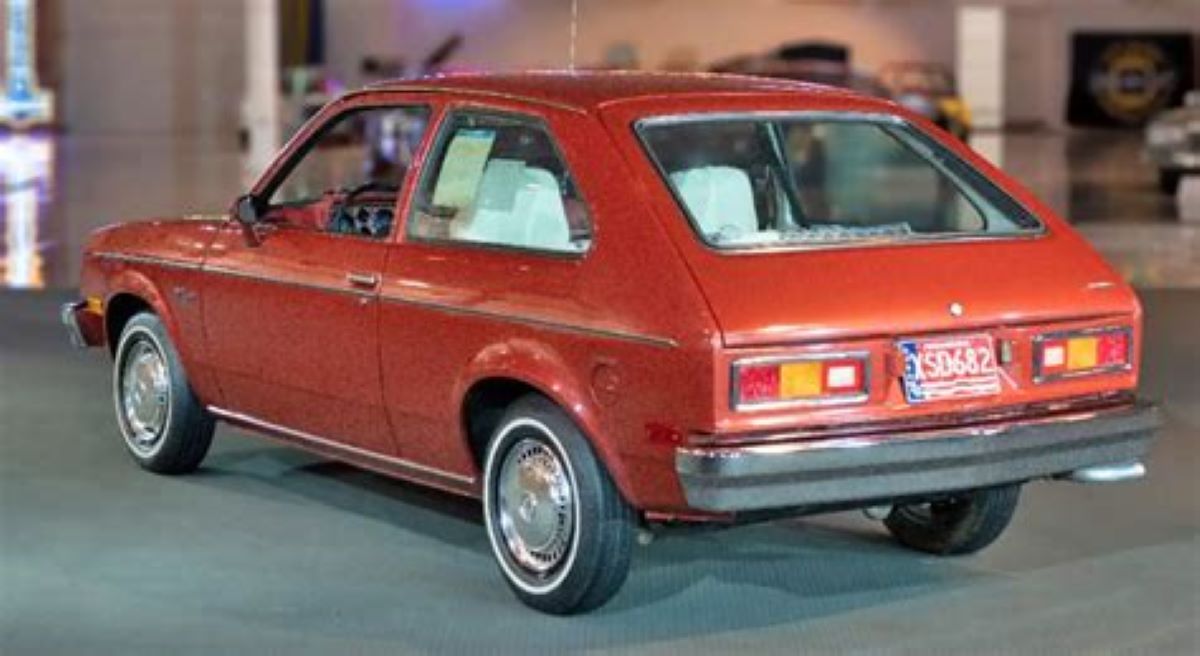
However, the Chevette did feature some innovative engineering elements for the time, including progressive-rate rear springs and an overhead-camshaft engine.
Chevrolet offered 1.4- and 1.6-liter engines producing 52 and 60 horsepower, respectively. The larger 1.6-liter engine was intended to handle an air conditioner and the automatic transmission option, the specially developed (and soon-to-be infamous) Turbo Hydramatic THM-200.
The 1976 Chevette arrived at dealerships in 1975, with the entry-level two-seat Chevette Scooter priced at $2,899, $500 less than the cheapest Nova.
We tested the Chevette against competitors like the market-leading Datsun B210 and the innovative Renault 5, and while it held its own, it was far from stellar. The 1.6-liter engine was painfully slow, taking 19.7 seconds to reach 60 mph, compared to the low 17-second times of the Datsun and Renault.
Acceleration was further hindered by the test car’s 4.11:1 rear axle, which forced an early shift to fourth gear just to reach 60 mph. Even so, the low gearing offered little help when it came to mid-range passing, taking an agonizing 17.1 seconds to go from 50 to 70 mph.
Also Read: Top 9 Family SUVs That Retain The MPG Over Long-Haul
7. Chevrolet Corvette (1978–1982)
Owning a Corvette doesn’t have to drain your bank account. While C1 and C2 Corvettes have become extremely expensive, early C3 models from the late 1970s and early 1980s are still within reach for around $15,000–$25,000.
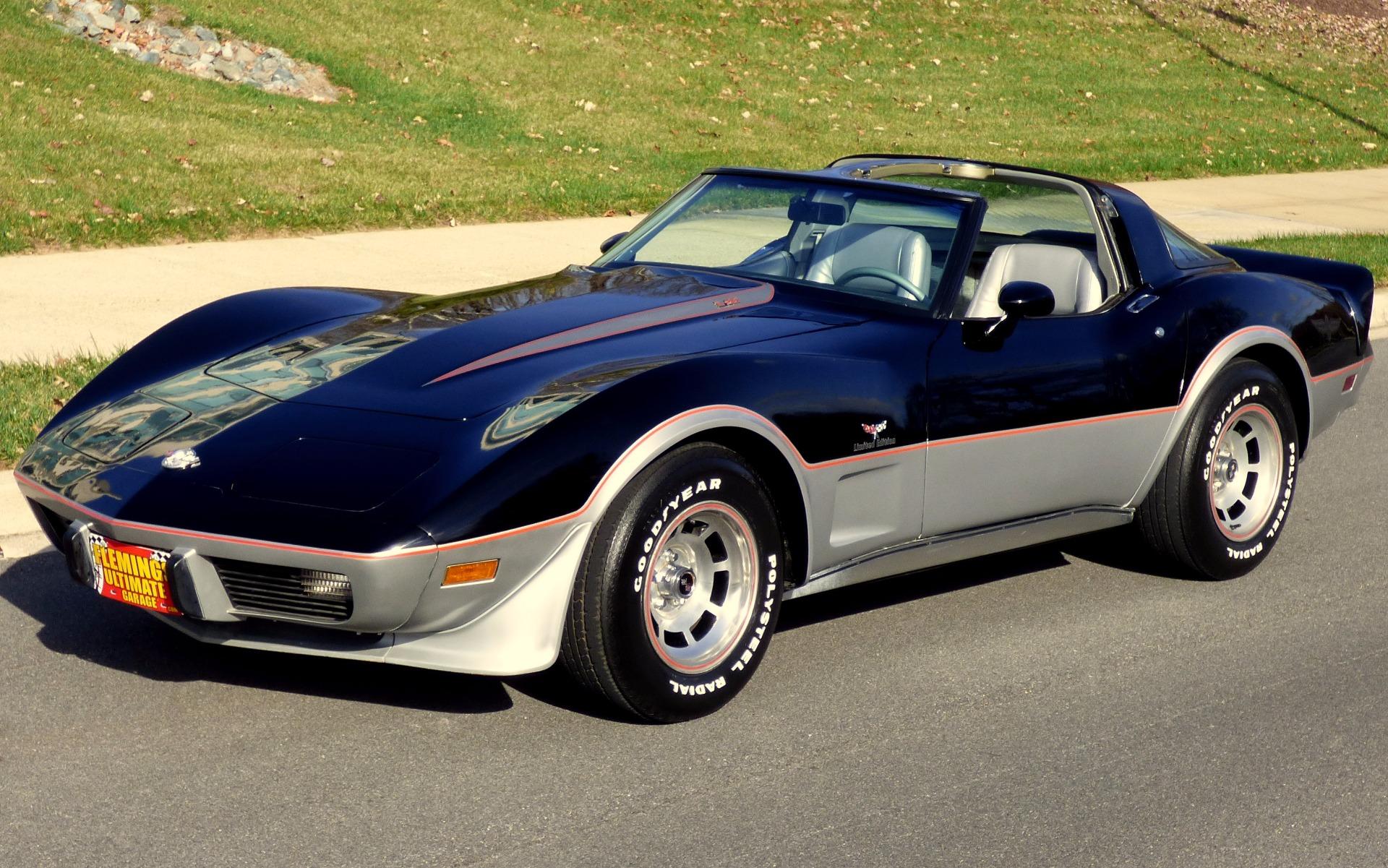
These cars feature iconic styling, pop-up headlights, and classic American V8 performance. A Corvette is perfect for someone who wants a sports car experience combined with collectibility.
Maintenance is reasonable for a classic, and parts availability is excellent due to the Corvette’s enduring popularity.
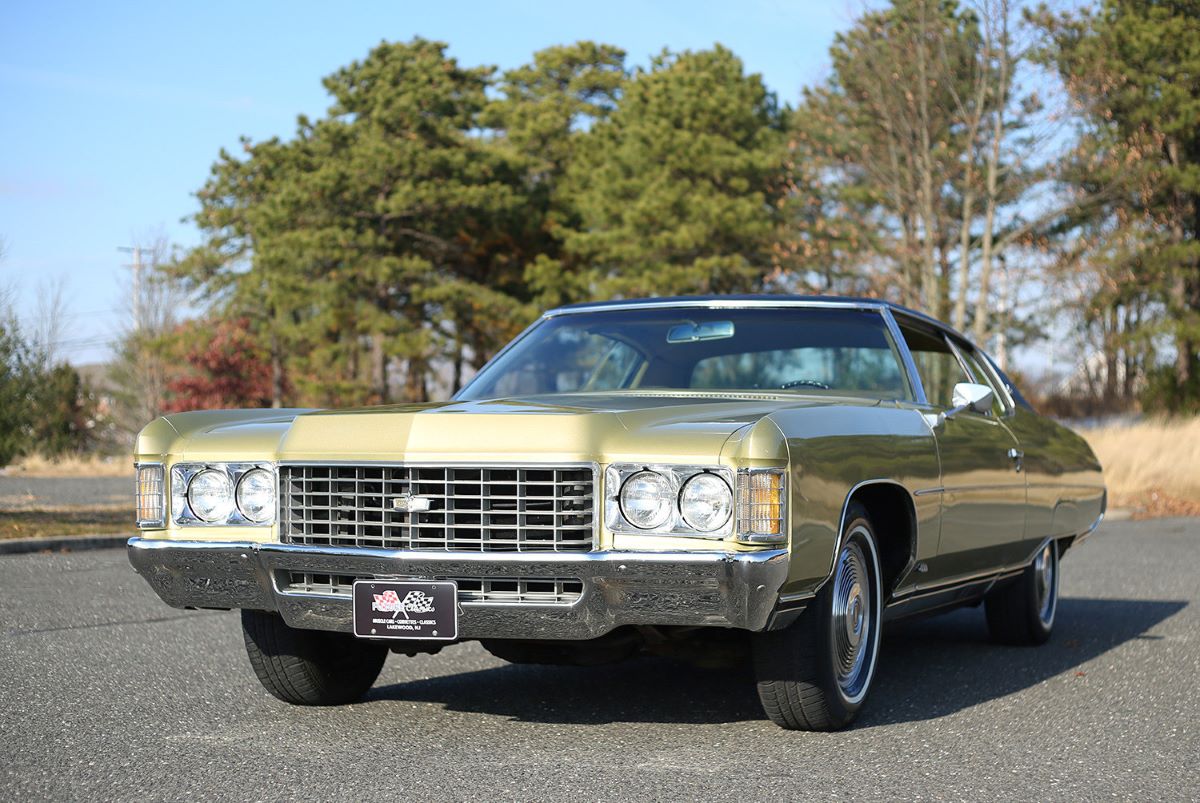
8. Chevrolet Caprice (1971–1976)
The Chevrolet Caprice is often overshadowed by more glamorous Chevrolet models, but it deserves recognition as a practical and stylish classic.
Full-sized and roomy, the Caprice offers comfort, solid V8 power, and a relatively affordable entry point for collectors. Early 1970s models often sell for under $10,000, depending on condition.
The Caprice is a perfect choice for those who love vintage sedans or want a base for customization without paying a premium for high-demand muscle cars.
Over the years, we’ve seen all kinds of donks hit the drag strip, along with other cars sporting similar modifications trying to capture the same vibe. Yet no matter how much effort owners put in, not every vehicle can truly be a donk because it comes down to make and model.
A donk specifically refers to a 1971 to 1976 Chevrolet Caprice or Impala, lifted with oversized wheels. This 1974 Caprice Convertible fits the bill perfectly, riding on 26-inch alloys that give it extra clearance under the chassis.
But the wheels and lift aren’t the only upgrades. The most striking transformation is the car’s “murdered-out” aesthetic. Every body panel, bumper, and grille is coated in black, complemented by a matching black rag top and darkened windows.
Even the wheels, whose pattern is echoed in the steering wheel design inside, are black, with no chrome trim anywhere to break up the monochrome theme.
Lowering the soft top reveals a cabin that’s just as impressive. The interior has been fully retrimmed in black leather, covering both seats and door panels.
To bring a modern edge to the classic ride, an infotainment system has been integrated into a custom center console positioned ahead of the cup holders. The screen is connected to a serious sound system that can captivate both passengers and onlookers.
For those who prefer a more traditional color palette, there’s a 1975 Caprice that offers a different take on the donk style. It flaunts brown paint over a tan leather interior and rides on 26-inch wheels as well, though these feature a unique design finished in gold.
9. Chevrolet S-10 Pickup (1982–1993)
Classic trucks have skyrocketed in value in recent years, but early Chevrolet S-10 pickups remain relatively affordable. Compact, durable, and easy to maintain, these trucks are perfect for those who want a nostalgic utility vehicle that doubles as a daily driver or weekend project.
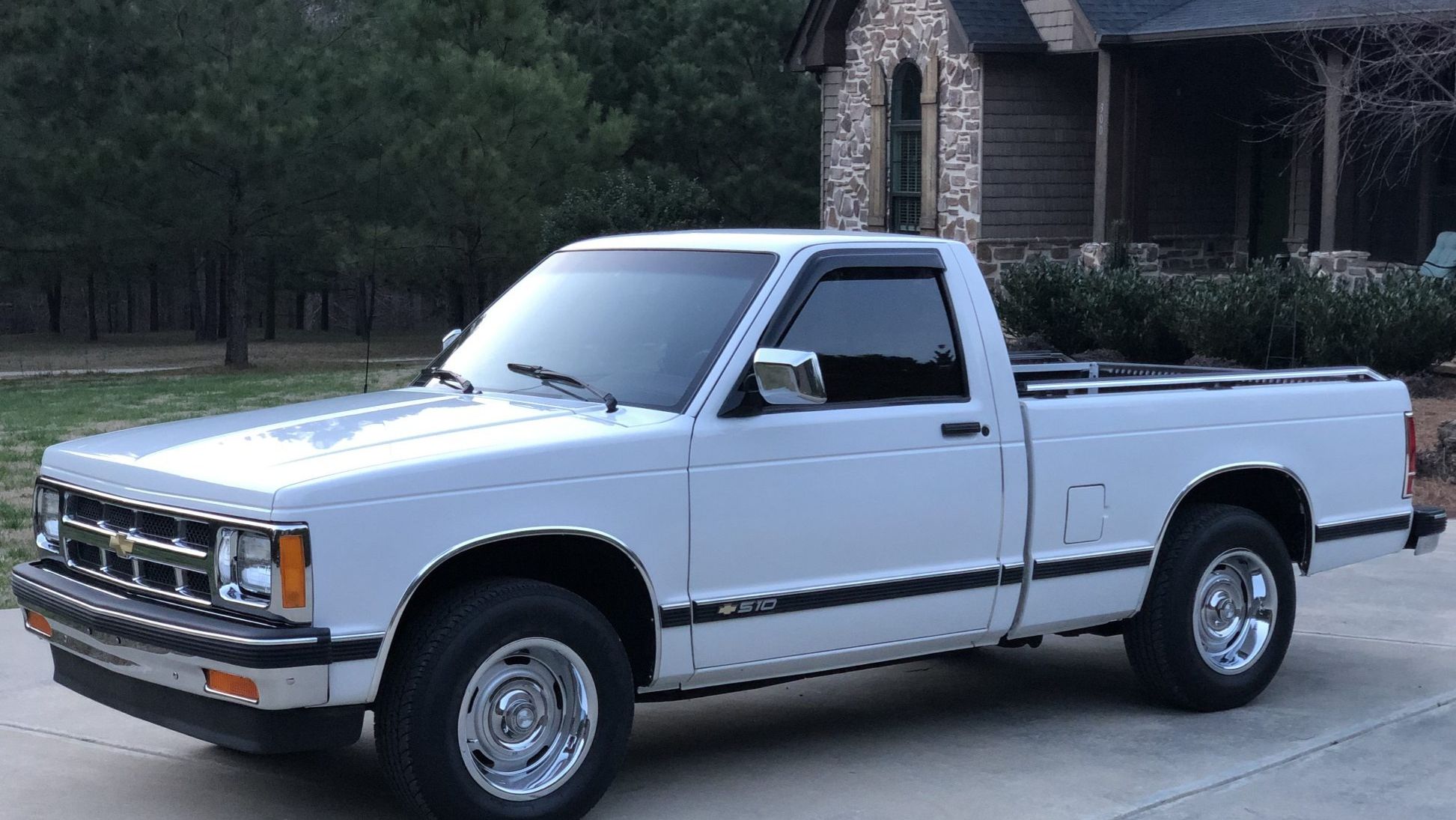
Prices for clean examples typically start around $5,000–$8,000, making them a practical entry into classic Chevrolet ownership. They are simple, rugged, and embody the no-nonsense American work ethic, all while offering a fun, retro vibe.
The all-new truck arrives with more powerful engines and the option of four-wheel ABS. Side-door guard beams are standard across the lineup. Rear ABS comes standard on four-cylinder models, while V6 trucks feature the new four-wheel ABS system, which operates in both two- and four-wheel drive configurations.
For serious off-road enthusiasts, the ZR2 package is available, but only on regular-cab short-bed models. This package adds a four-inch wider track, a three-inch suspension lift, off-road tires, wheel flares, and thick skid plates for enhanced off-road capability.
Under the hood, the base engine is a 118-horsepower, 2.2-liter four-cylinder. Four-wheel-drive models come standard with a 165-horsepower, 4.3-liter V6, while an optional high-output 195-horsepower, 4.3-liter V6 is available on all models. Additionally, an SS package can be specified, featuring the high-output engine, sport-tuned suspension, and alloy wheels.
10. Chevrolet Monte Carlo (1970–1977)
Rounding out the list is the Chevrolet Monte Carlo, a personal luxury coupe that exudes 1970s charm. Early models feature long hoods, short decks, and a smooth ride that balances comfort with respectable performance.
Non-Super Sport versions are surprisingly affordable, often starting around $10,000. The Monte Carlo offers an excellent alternative for collectors who want a stylish classic without diving into the hyper-competitive muscle car market.
With a V8 under the hood and a comfortable interior, it’s equally at home on long drives or weekend cruises.
The beauty of classic Chevrolet ownership today is that nostalgia doesn’t have to come with a six-figure price tag.
Back in 1970, Chevrolet surprised everyone by introducing a long, elegant coupe that looked built for leisurely Sunday drives and upscale dinners, yet it housed a massive 454 cubic-inch V8 under the hood. This unusual combination, a luxury cruiser with the heart of a muscle car, was unexpected for the era.
The car’s smooth lines, chrome accents, and quiet ride gave it the appearance of a premium two-door, while its shared powertrain with the Chevelle SS 454 placed it firmly among Chevy’s high-performance offerings. The result was a car that stood out from the crowd and remains a fascinating piece of automotive history, often overlooked in its time.
The car in question is the Chevrolet Monte Carlo SS 454. Despite packing the same LS5 454 engine that powered some of Chevy’s most iconic muscle cars, the Monte Carlo SS 454 remains surprisingly affordable today. Market data shows that clean, original examples typically sell for $20,000 to $45,000, with top-tier restored cars occasionally reaching $50,000.
By comparison, a ’70-’71 Chevelle SS 454 with the same LS5 454 commands roughly $84,000. Even modified or non-matching-numbers Monte Carlos can often be found in the mid-$20,000 range, reinforcing its reputation as a bargain among big-block Chevys.
The Monte Carlo SS 454’s affordability stems from perception. For years, it wasn’t seen as a “real” muscle car. Its formal, polished styling put off performance enthusiasts, while luxury buyers gravitated toward Cadillacs and Oldsmobiles. Falling between two worlds, the Monte Carlo carved out its own niche, and that unique duality makes it highly appealing today.
With under 3,900 cars built in 1970 and fewer than 2,000 in 1971, the SS 454 is far rarer than most other big-block Chevys. Collectors are gradually recognizing its value, and while prices have inched up in recent years, it remains an exceptional mix of performance and luxury for the money.
Chevy’s SS 454 package was the company’s first serious attempt at blending big-block performance with near-Cadillac comfort. The optional package added the LS5 Turbo-Jet 454 V8, rated at 360 horsepower and 500 lb-ft of torque, paired with a Turbo Hydra-Matic 400 transmission and a Positraction rear differential.
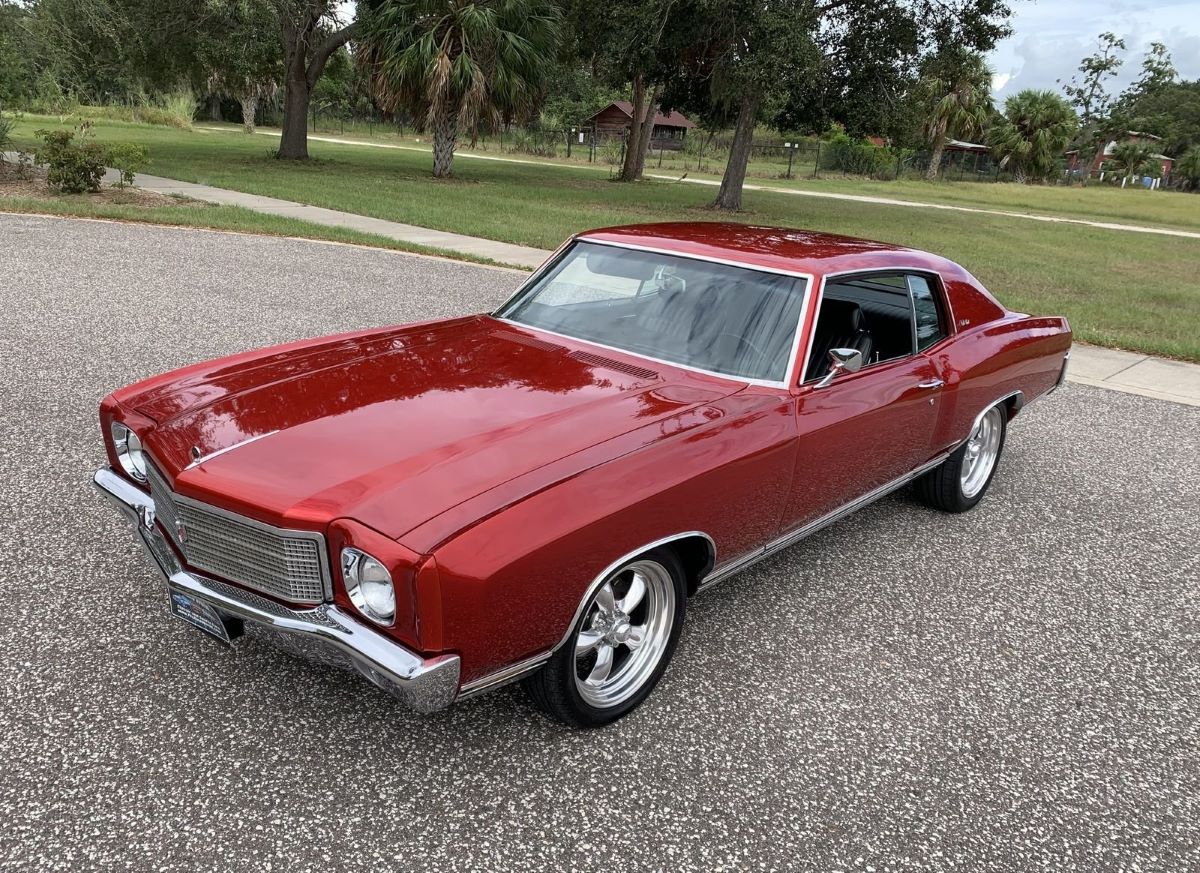
Despite the car weighing over two tons, it could hit 60 mph in the low seven-second range, a remarkable feat given its luxury appointments like wood trim and powered seats. Performance upgrades included F41 heavy-duty suspension, stiffer springs, front and rear stabilizer bars, and load-leveling rear shocks, balancing the Monte Carlo’s size with its powerful drivetrain.
Inside, the Monte Carlo SS 454 emphasized comfort. Padded dashboards, bucket seats, deep carpeting, and extensive sound insulation created a refined cabin environment.
Chevy successfully offered the performance of a Chevelle with twice the refinement, allowing drivers to enjoy big-block power without enduring the harshness often associated with muscle cars.
Built on the same A-body platform as the Chevelle, the Monte Carlo featured a stretched front end and a 116-inch wheelbase, giving it a signature long-hood, short-deck profile and a crisp roofline.
Styling leaned toward sophistication with thin chrome bumpers, a formal roofline, and restrained body lines that have aged remarkably well. Yet beneath the elegant exterior, the SS 454 wore its performance proudly with the Turbo-Jet 454 air cleaner decal, signaling the big-block power underneath.
The Monte Carlo SS 454 occupied a unique place in the market. It was too powerful for traditional luxury buyers and too plush for muscle purists, yet that duality is precisely what makes it appealing today.
Contemporary reports and owner accounts describe it as one of the smoothest-riding big-block Chevys ever built, with immediate torque delivery, stable highway performance, and a load-leveling rear suspension that maintained composure under heavy loads.
Steering effort was light but predictable, while front discs and rear drums provided solid braking for the era. While not designed for aggressive cornering, the Monte Carlo excelled as a long-distance cruiser, earning the nickname “gentle giant” for its balance of comfort and power.
When the Monte Carlo SS 454 hit showrooms, it didn’t achieve the same fame as the Chevelle SS 454, but it quietly proved that high performance didn’t require compromise.
It blended muscle and luxury in a way that foreshadowed the grand touring trend, delivering power and refinement in equal measure. The 1970–71 Monte Carlo SS 454 also represents one of the last true expressions of the muscle car era before emissions and insurance pressures forced lower compression ratios and smaller engines.
Fifty years later, the Monte Carlo SS 454 remains a standout. Its long hood, commanding stance, and deep exhaust note give it presence that modern cars can’t match.
Widely regarded as one of the most underrated big-block Chevys ever made, it offers vintage muscle without demanding a six-figure investment.
Parts availability and serviceability are excellent, thanks to Chevy’s era-specific engineering. What began as a niche experiment ultimately carved out its own identity, demonstrating that luxury and performance could coexist long before the concept became mainstream.
From the sporty Chevelle to the practical S-10 pickup, these ten models offer a diverse range of options for collectors, hobbyists, and enthusiasts who want to own a slice of American automotive history without going broke.
With affordability, relative ease of maintenance, and a wealth of aftermarket support, these Chevrolets prove that you don’t need to spend a fortune to drive a classic and in many cases, they’re better enjoyed on the road than sitting behind glass in a showroom.