
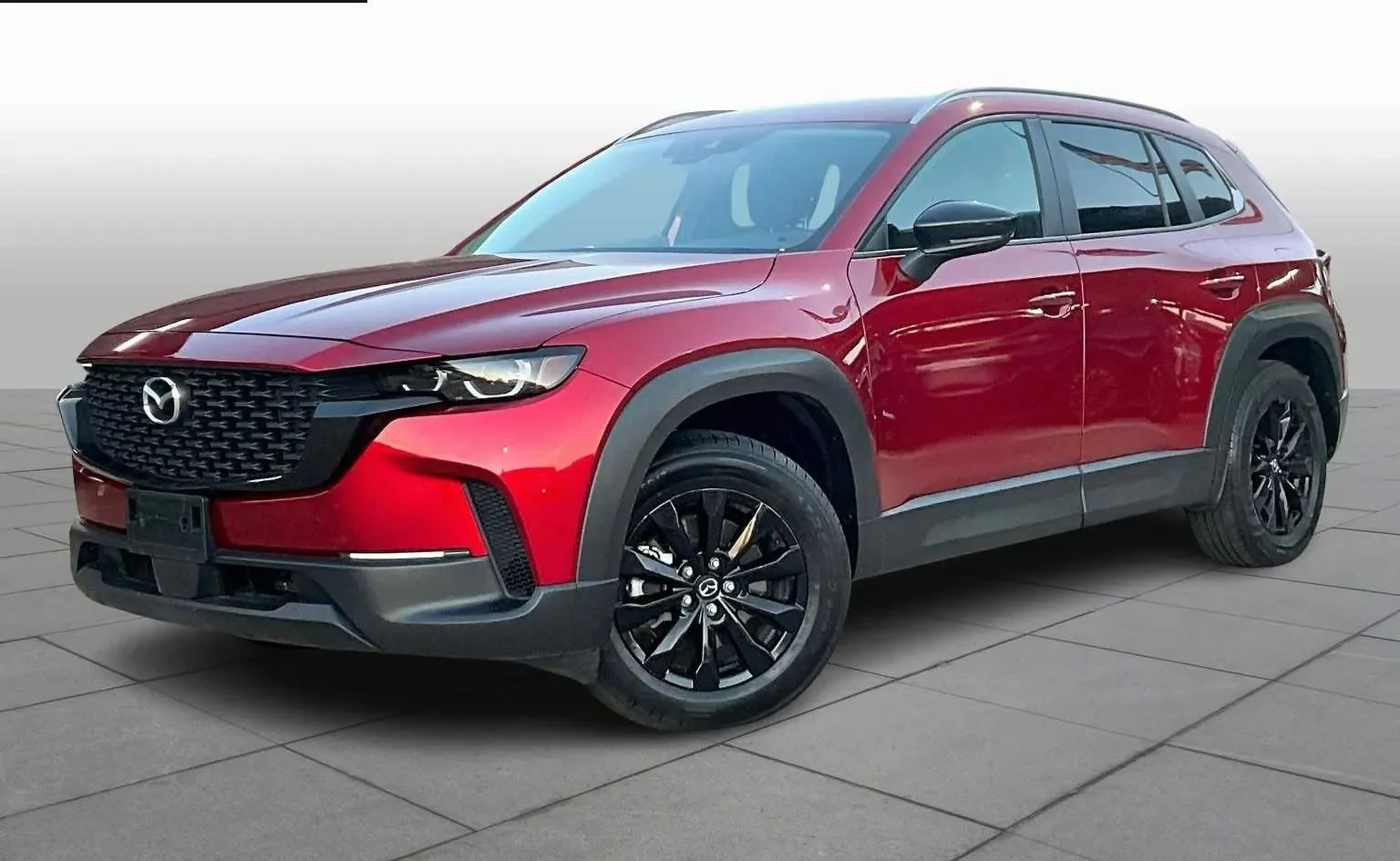
Santa Rosa wine country driving demands more from your vehicle than typical suburban commuting. Those winding roads through Sonoma Valley feature elevation changes, tight curves, and grades that test engine power and handling capabilities. You’re not just cruising flat highways here.
You’re climbing hillsides to reach vineyards, descending steep grades with wine bottles in your trunk, and maneuvering narrow roads where one side drops off dramatically while the other hugs rocky hillsides. Your car needs adequate power to climb without struggling, good brakes to handle descents safely, and composed handling to take curves confidently.
Choosing the wrong vehicle transforms wine country tours from enjoyable experiences into stressful ordeals. Nothing ruins a beautiful day quite like your engine struggling to maintain speed on hills while traffic backs up behind you. Or discovering your brakes smell like burning rubber after descending a long grade because your vehicle lacks engine braking.
Maybe your car leans so much in corners that your passengers get nervous and your wine bottles tip over in the trunk. These aren’t theoretical concerns. They are real problems that drivers face when they choose vehicles poorly suited for this environment.
Residents and frequent wine country visitors know which vehicles handle these roads confidently and which ones struggle. You’ll see certain cars repeatedly because they just work in this environment. You’ll also notice some vehicles struggling on every hill, their engines screaming in lower gears trying to maintain speed.
This isn’t about expensive sports cars versus economy boxes. Some affordable vehicles handle wine country roads beautifully, while certain luxury cars disappoint when faced with steep grades and tight curves.
This guide examines ten vehicles through the lens of Santa Rosa wine country driving realities. Five models excel at handling these challenging roads, delivering confident performance whether you’re climbing to a hilltop vineyard or descending toward the valley floor.
Then we’ll look at five that struggle, exposing limitations that make them poor choices for this environment. Whether you’re relocating to wine country or planning an extended visit, knowing which vehicles work and which ones don’t could save you from a purchase mistake.
Cars That Excel on Wine Country Roads
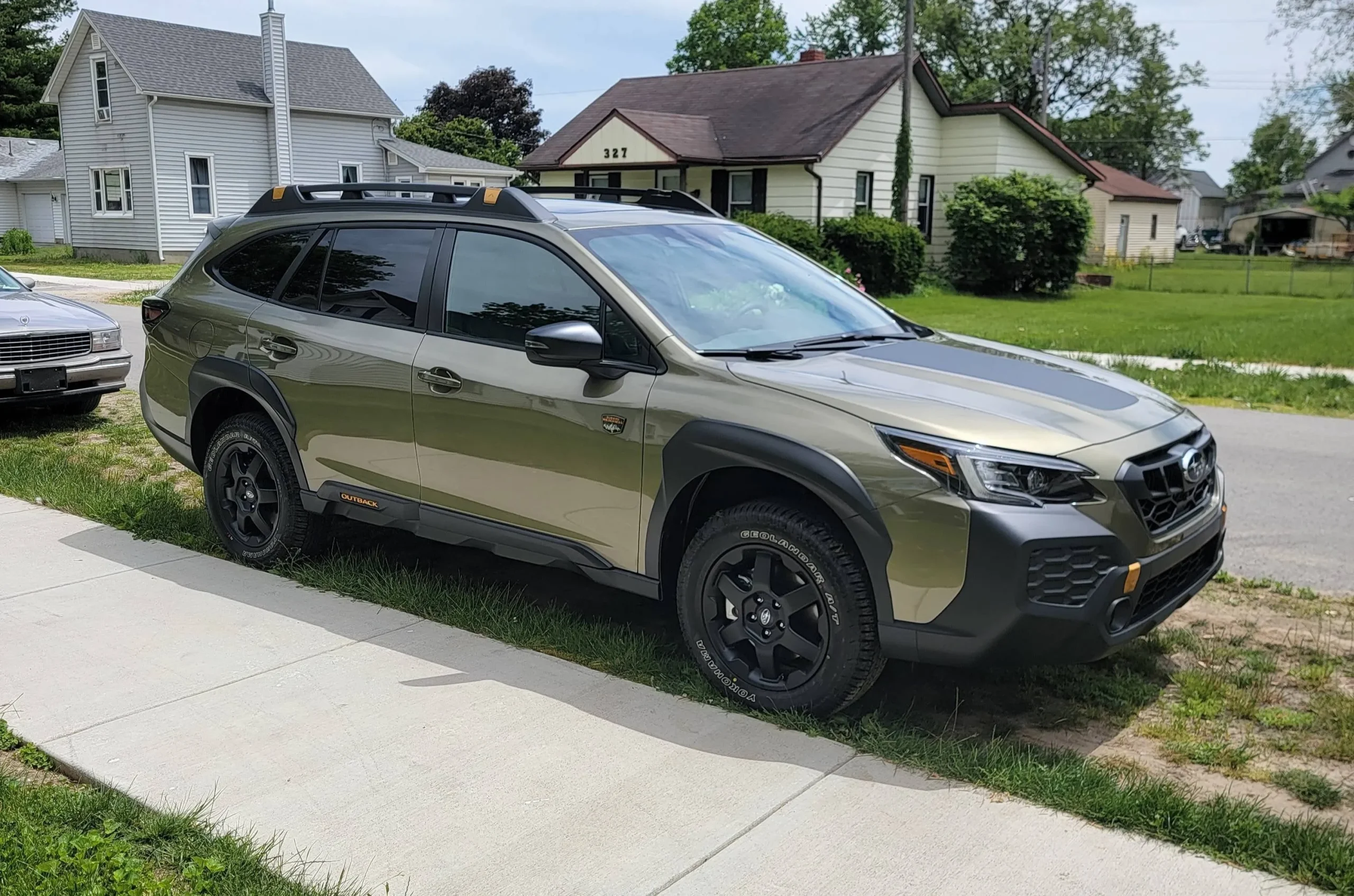
1. Subaru Outback Wilderness 2024
All-wheel drive meets serious capability in the Subaru Outback Wilderness 2024, creating the ideal wine country companion. That turbocharged 2.4-liter boxer engine produces 260 horsepower and 277 lb-ft of torque, providing strong acceleration for climbing steep grades.
You’ll maintain highway speeds going uphill without constantly downshifting or slowing traffic behind you. CVT transmission keeps the engine in the optimal power band, maximizing available torque during climbs. Hill descent control manages speed during steep downhills, reducing brake wear while maintaining safe speeds.
Ground clearance reaches 9.5 inches, handling rough winery access roads without scraping the undercarriage. You can visit off-the-beaten-path vineyards without worrying about damaging your vehicle on unpaved driveways.
All-wheel drive provides confident traction on gravel roads that some wineries use. That capability opens access to smaller, family-owned vineyards that tourists in low-clearance vehicles cannot easily reach.
Handling balance proves excellent for a vehicle with this much ground clearance. Subaru tuned suspension to minimize body roll during cornering while maintaining a compliant ride quality. You can take wine country curves at reasonable speeds without passengers getting nervous or wine bottles shifting dangerously in the cargo area.
Steering provides good feedback, communicating road conditions clearly. You’ll know exactly how much grip you have, building confidence during spirited driving. Cargo space accommodates multiple cases of wine easily, with rear seats folding to create a flat loading floor.
You can visit several wineries without worrying about running out of space for purchases. Crossbars allow roof box installation for additional cargo capacity during longer trips. Interior materials resist stains from wine spills, an important consideration when transporting bottles on rough roads.
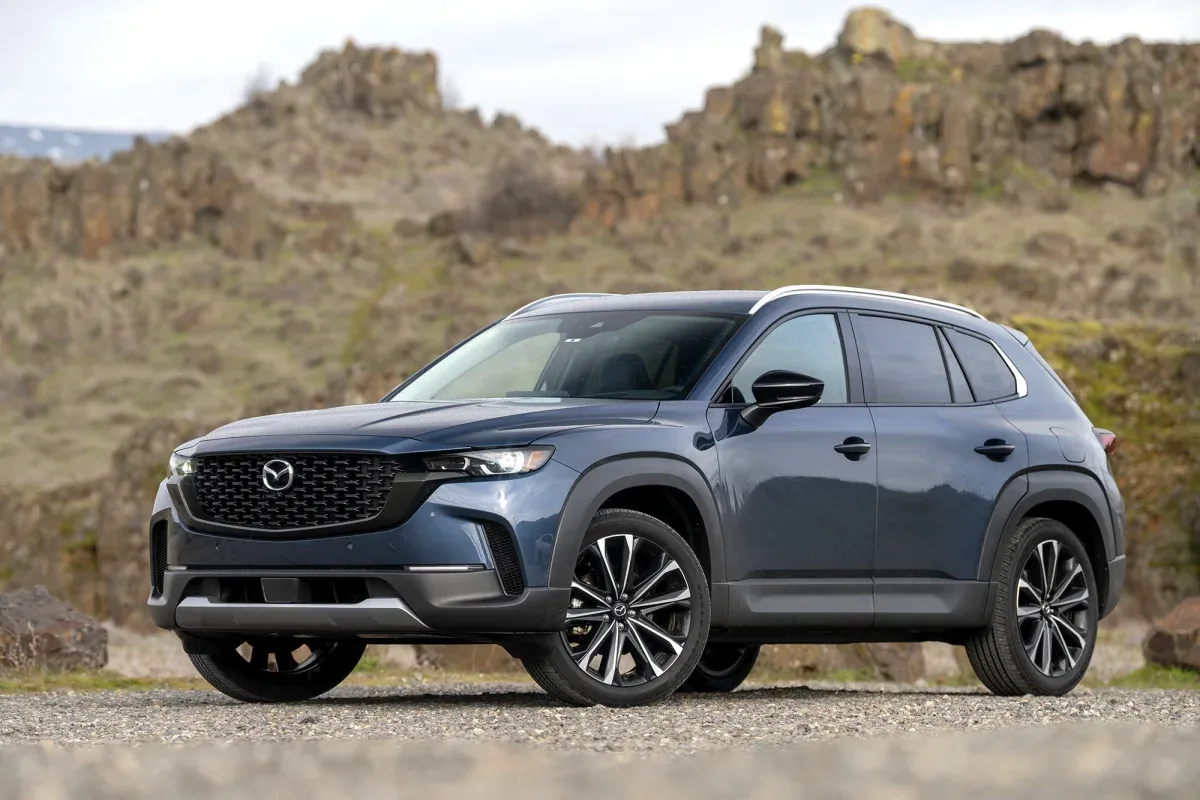
2. Mazda CX-50 Turbo 2024
Sporty handling meets practical capability in the Mazda CX-50 Turbo 2024, creating an engaging wine country driver. Turbocharged 2.5-liter engine produces 256 horsepower and 320 lb-ft of torque, providing strong acceleration for climbing hills. You’ll pass slower vehicles confidently on winding roads, with power available whenever you need it.
Handling dynamics impress with a balanced chassis that takes curves confidently. Mazda prioritized driving engagement, tuning suspension to minimize body roll while maintaining reasonable ride quality. You’ll enjoy driving these winding roads rather than just tolerating them. Steering feels precise and communicates road conditions clearly.
That feedback builds confidence, allowing you to push harder through corners without fear of losing control. All-wheel drive with torque vectoring enhances handling by sending power to wheels with the most grip.
You can accelerate earlier out of corners, using available traction more effectively. That capability makes driving more engaging while also improving safety margins during spirited drives. You’re getting sports car-like handling in a practical crossover package.
Interior quality exceeds what the price suggests, with premium materials throughout the cabin. Seats provide excellent support during aggressive driving while remaining comfortable during longer trips. Cargo space handles multiple wine cases easily, with rear seats folding when you need additional capacity. Sound insulation keeps road noise minimal, allowing normal conversations at highway speeds.
Fuel economy runs 24-26 mpg during mixed driving, reasonable for something this powerful. Premium fuel is recommended for maximum performance, adding some cost but ensuring you get full capability during hill climbs.
Regular maintenance stays straightforward with synthetic oil changes every 7,500 miles. This CX-50 delivers driving engagement that makes wine country tours genuinely enjoyable experiences rather than just transportation tasks.
Also Read: 5 Cars for Chattanooga Mountain Roads vs 5 That Overheat
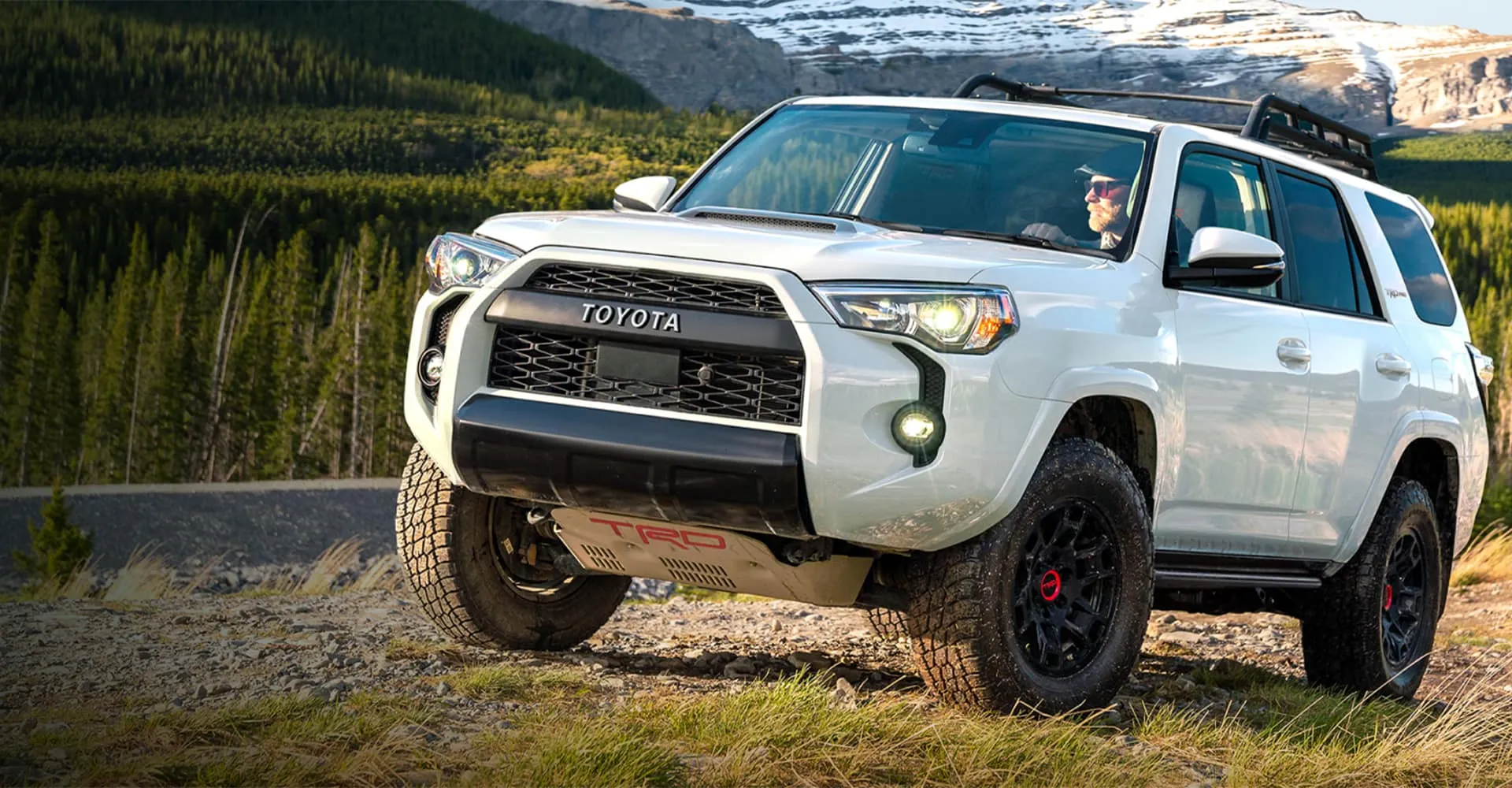
3. Toyota 4Runner TRD Off-Road 2024
Body-on-frame construction brings serious capability to wine country roads with the Toyota 4Runner TRD Off-Road 2024. That 4.0-liter V6 produces 270 horsepower and 278 lb-ft of torque, providing adequate power for climbing steep grades.
Five-speed automatic transmission includes low-range gearing for extreme hills or off-road winery access. You can reach remote vineyards that crossovers cannot access, opening opportunities for unique wine discoveries.
Four-wheel drive with a locking rear differential provides maximum traction on loose surfaces. You can handle muddy winery parking areas after rain without getting stuck. That confidence eliminates concerns about the weather preventing winery visits. Hill descent control manages speed during steep downhills, reducing brake wear while maintaining safe speeds automatically.
Cargo space accommodates substantial wine purchases, with rear seats folding to create massive hauling capacity. You could buy entire cases from multiple wineries without space concerns. Durable interior materials resist damage from cargo shifting on rough roads. Rubber floor mats simplify cleanup after muddy winery visits.
Fuel economy suffers compared to modern crossovers, averaging 18-20 mpg during mixed driving. That’s the trade-off for body-on-frame construction and part-time four-wheel drive. You’re prioritizing capability over efficiency.
Regular maintenance stays simple with conventional engine and transmission technology. This 4Runner delivers genuine off-road capability, making every winery accessible regardless of location or access road condition.
4. BMW X3 M40i 2024
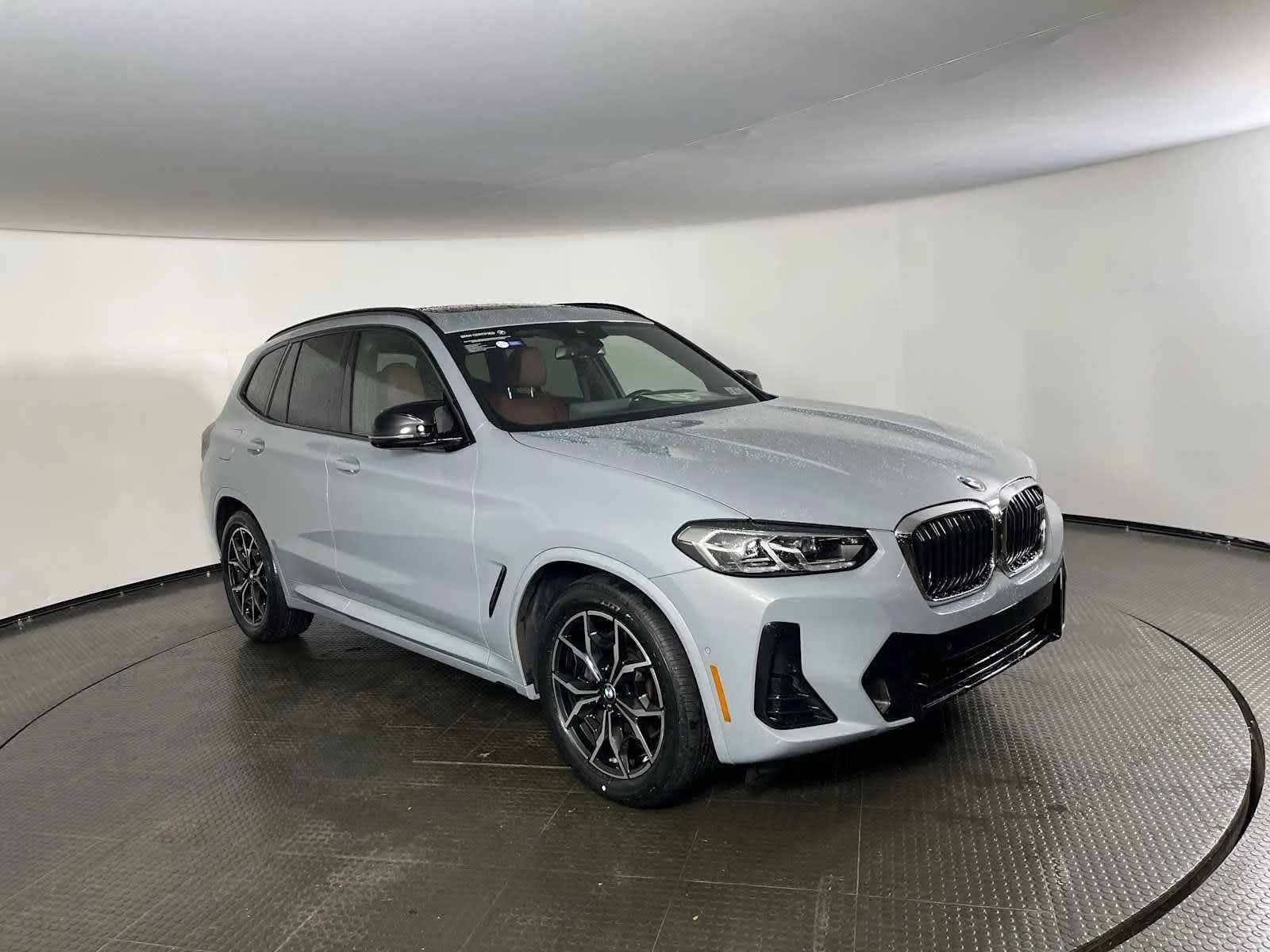
German performance engineering creates an engaging wine country driver in the BMW X3 M40i 2024. Turbocharged inline-six produces 382 horsepower and 369 lb-ft of torque, providing explosive acceleration. Hills disappear effortlessly, with power available throughout the RPM range.
Handling dynamics excel with adaptive suspension, adjusting damping continuously. You get a comfortable ride during highway cruising, yet firm, controlled handling during aggressive cornering. Body roll stays minimal, maintaining a flat stance through tight curves.
Steering feels precise with good feedback, allowing confident line placement through winding sections. You’ll genuinely enjoy driving these roads rather than viewing them as obstacles between wineries. All-wheel drive distributes power intelligently, sending torque where it’s needed most.
You can accelerate hard out of corners without wheelspin or drama. That capability makes driving more engaging while improving safety during spirited drives. Electronic stability systems work unobtrusively, intervening only when necessary to prevent loss of control.
Interior quality justifies the BMW badge, with premium leather, real wood trim, and excellent build quality throughout. Sport seats provide outstanding support during aggressive driving. Cargo space handles reasonable wine purchases, though it’s smaller than some competitors. You’ll manage weekend winery tour purchases without issue, though serious wine collectors might want more capacity.
Fuel economy runs 23-25 mpg during mixed driving, reasonable for this performance level. Premium fuel is required, adding cost but ensuring maximum capability. Maintenance expenses run higher than mainstream brands with synthetic oil changes and premium parts.
Budget $1,500-$2,000 annually for maintenance. This X3 delivers thrilling performance that transforms wine country tours into driving events you’ll look forward to rather than just tolerate.
5. Honda CR-V Hybrid Touring 2024
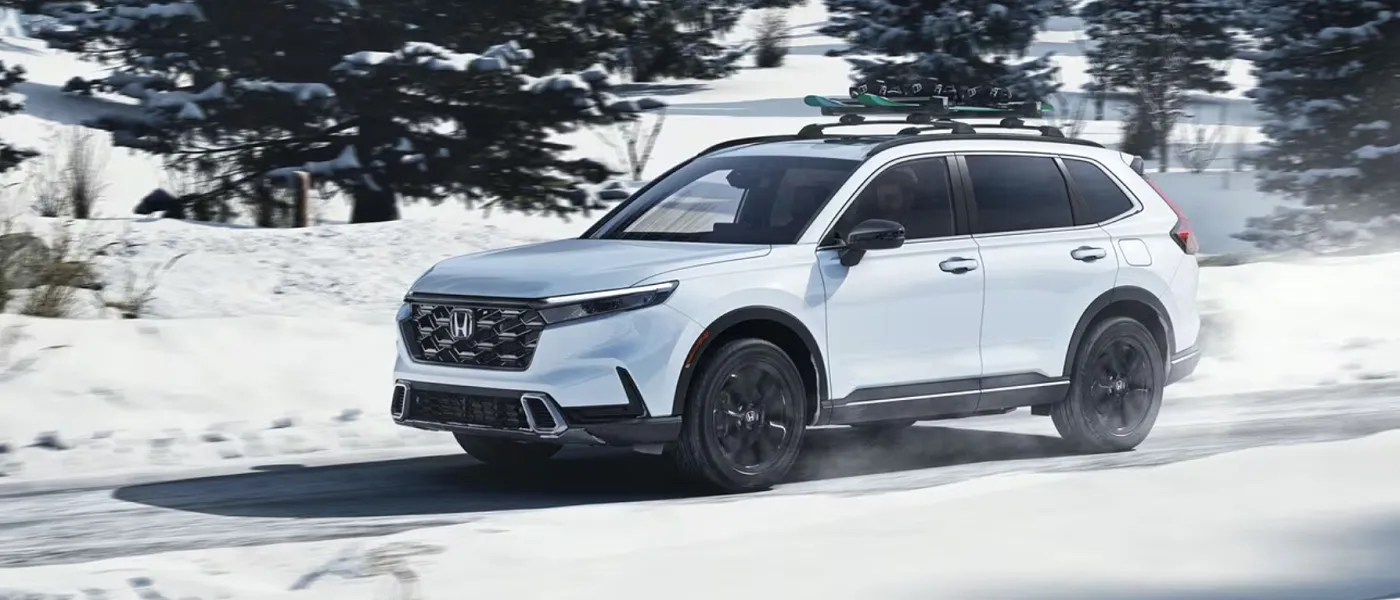
Hybrid efficiency meets practical capability in the Honda CR-V Hybrid Touring 2024. Combined system output reaches 204 horsepower, providing adequate acceleration for hill climbing. Electric motor assistance delivers instant torque from low RPMs, helping during initial acceleration on steep grades.
You’ll maintain highway speeds while climbing hills without struggle. CVT transmission keeps the engine in the optimal power band, maximizing efficiency while ensuring adequate performance. All-wheel drive provides confident traction on varied surfaces, handling gravel winery roads or wet pavement equally well. You won’t worry about losing traction during acceleration or cornering.
That confidence improves safety while also allowing slightly more aggressive driving when roads permit. Handling remains composed through curves, with suspension managing body roll adequately.
You won’t get sports car dynamics, but you’ll drive these roads confidently without passengers getting nervous. Steering feels light at low speeds, simplifying parking lot maneuvering, yet feels appropriate at highway speeds. You get a good balance between maneuverability and stability.
Cargo space impresses with substantial capacity behind rear seats. Multiple wine cases fit easily, with underfloor storage hiding valuables or items you want separated from the main cargo area. Rear seats fold nearly flat, creating even more capacity when needed. You could handle serious wine-buying expeditions without space concerns.
Fuel economy delivers the real advantage here, averaging 35-38 mpg during mixed driving. That efficiency dramatically reduces operating costs compared to conventional vehicles. You’ll spend far less on fuel during wine country tours, leaving more budget for actual wine purchases.
Regular maintenance stays simple with Honda’s proven hybrid system, requiring only standard services. This CR-V delivers practical capability with exceptional efficiency, making it a smart choice for frequent wine country visitors who prioritize operating costs alongside capability.
Cars That Struggle on Wine Country Hills
1. Nissan Versa S 2024
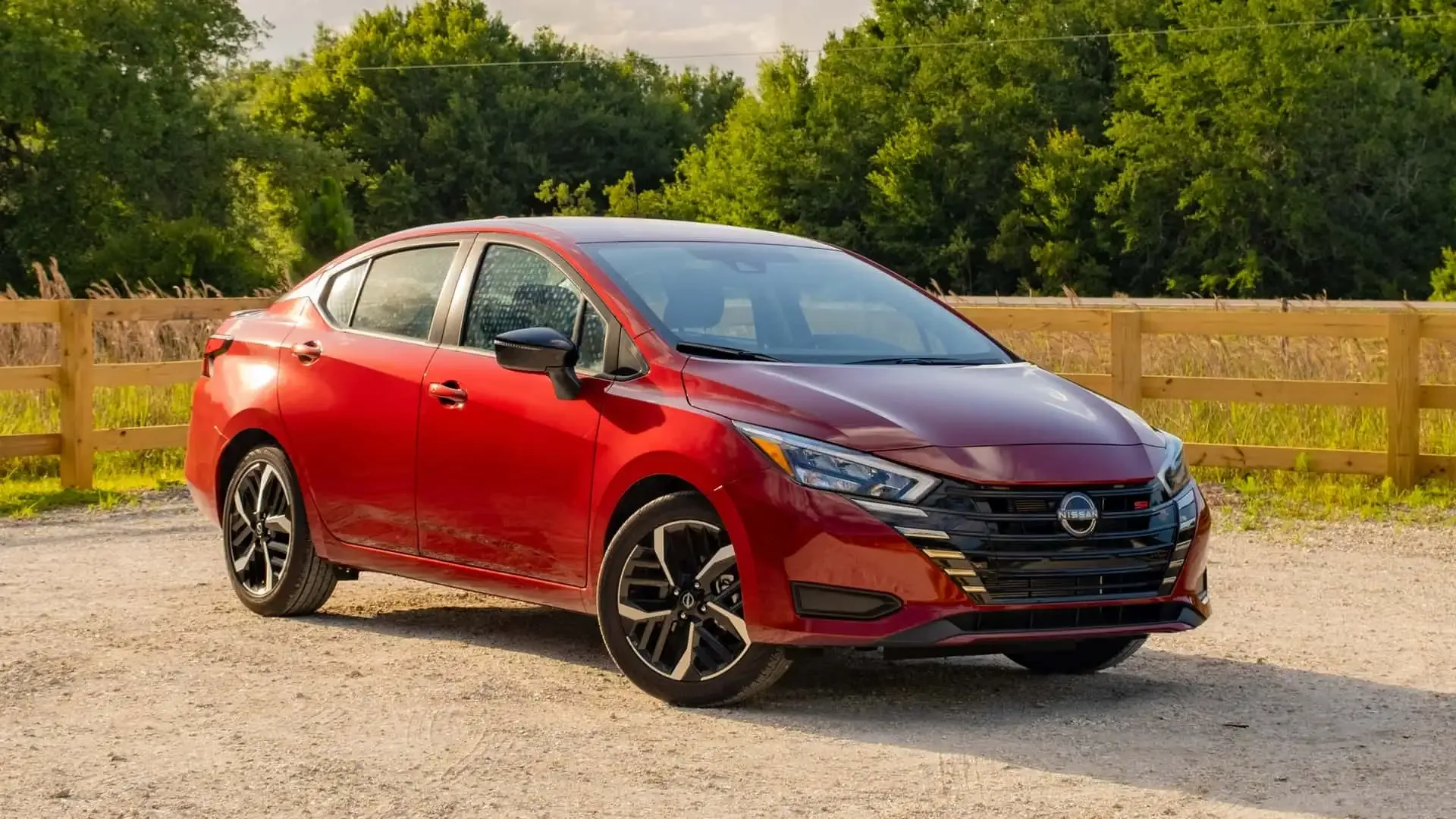
Budget transportation meets its limitations on wine country roads with the Nissan Versa S 2024. That naturally aspirated 1.6-liter four-cylinder produces just 122 horsepower and 114 lb-ft of torque, woefully inadequate for steep grades.
You’ll find yourself flooring the accelerator on climbs while the engine screams in protest, struggling to maintain even 40 mph on steeper sections. Traffic backs up behind you as more powerful vehicles wait for passing opportunities.
It’s embarrassing and stressful, transforming what should be enjoyable wine tours into exercises in frustration. CVT transmission compounds the problem by allowing the engine to drone at high RPMs without delivering proportional acceleration. You get all the noise without adequate forward progress.
That constant high-RPM operation during climbs also accelerates engine wear and reduces fuel economy below EPA estimates. What looked like efficient transportation on paper becomes surprisingly thirsty when worked hard on hills.
Cargo space remains adequate for small purchases, but serious wine buying quickly overwhelms the limited trunk. You’ll struggle fitting more than a few bottles without using the rear seat space. Rear seats don’t fold flat, limiting the ability to expand cargo capacity. Interior materials feel cheap, with hard plastics throughout that reflect the budget positioning.
Fuel economy delivers the only real advantage, averaging 32-35 mpg during mixed driving. That efficiency saves money on gas, though you’re sacrificing so much capability that the savings feel inadequate compensation.
Regular maintenance stays simple and affordable with a conventional engine and transmission. This Versa works fine for flat urban environments, but wine country hills expose its limitations painfully. You’ll wish you’d chosen something more capable after your first hill climb.
2. Chevrolet Spark LS 2022
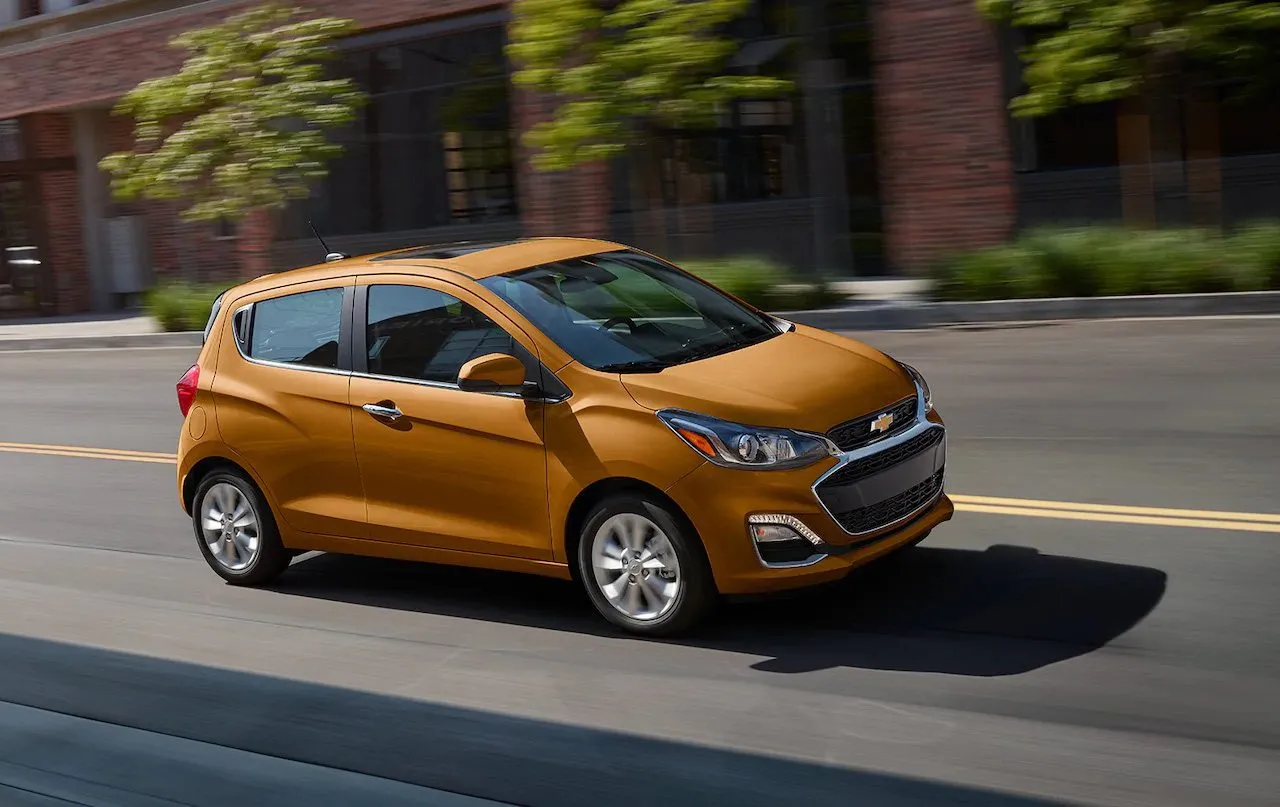
Subcompact dimensions meet underpowered reality in the Chevrolet Spark LS 2022. That 1.4-liter four-cylinder produces merely 98 horsepower and 94 lb-ft of torque, creating genuinely dangerous situations on steep hills. You’ll struggle to maintain 30 mph on moderate grades, with the engine working at full capacity just to avoid slowing further.
Steeper hills become nearly impossible, forcing you to take alternative routes that add time and mileage to every winery visit. Other drivers honk and make aggressive passes, frustrated by your crawling pace. CVT transmission allows the engine to rev freely without delivering adequate acceleration.
You get maximum noise with minimum progress, a combination that makes passengers question your vehicle choice. That constant high-RPM operation during climbs stresses the small engine, potentially reducing long-term reliability. You’re working this powertrain beyond its comfortable limits every time you encounter serious grades.
Front-wheel drive on such a light vehicle creates traction challenges during aggressive acceleration. Wheels spin uselessly on gravel surfaces, forcing you to ease off the throttle and accept even slower progress.
Ground clearance barely exceeds 5 inches, making rough winery access roads genuinely concerning. You’ll scrape undercarriage on modest bumps that normal cars handle without issue. That limitation prevents visiting many smaller wineries with unpaved access.
Handling feels nervous at highway speeds, with light weight making the Spark feel unstable during crosswinds or when passed by larger vehicles. Wind buffeting on exposed wine country roads creates constant corrections to maintain lane position.
Steering lacks feedback, providing minimal information about available grip. You’ll drive cautiously through curves, never confident about the car’s limits. That hesitancy makes wine country tours feel stressful rather than enjoyable.
Cargo space proves laughably inadequate for wine purchases. You might fit two or three bottles in the tiny trunk before running out of room. Rear seats fold, but create awkward loading due to high liftover and small opening. You’ll need to carefully position even modest purchases to avoid bottles rolling around. Interior quality reflects the budget pricing, with hard plastics and thin materials throughout.
Fuel economy provides small consolation, averaging 30-33 mpg during mixed driving. That efficiency saves gas money, but cannot compensate for inadequate performance that makes wine country driving miserable. Maintenance costs stay low with a simple mechanical design.
This Spark might work acceptably for flat city driving, but wine country hills reveal it as completely unsuitable for this environment. You’ll regret the choice after your first vineyard visit involving any serious elevation change.
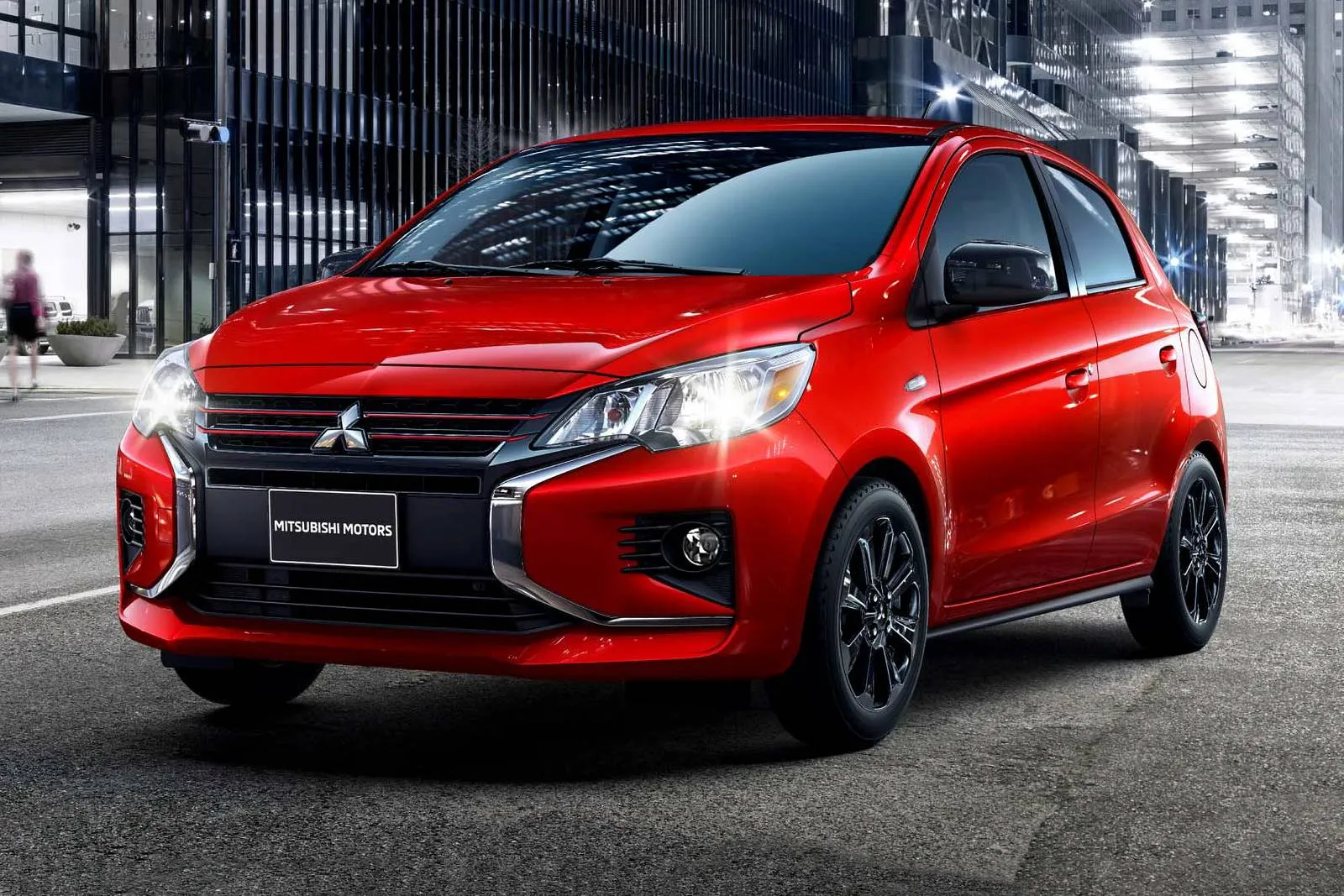
3. Mitsubishi Mirage ES 2024
Japanese efficiency meets inadequate performance in the Mitsubishi Mirage ES 2024. That 1.2-liter three-cylinder produces just 78 horsepower and 74 lb-ft of torque, creating the weakest powertrain on this list. Hills that other vehicles climb comfortably become insurmountable obstacles.
You’ll struggle to reach even 25 mph on steeper grades, with the engine screaming in protest while delivering minimal acceleration. Traffic backs up dangerously behind you as you crawl upward at speeds that create hazards on roads where other vehicles expect normal progression.
CVT transmission allows the engine to maintain high RPMs continuously during climbs, creating a constant drone that passengers find unbearable. You get maximum noise without corresponding power delivery, a frustrating combination that makes every hill climb an ordeal.
That sustained high-RPM operation during wine country driving likely exceeds what Mitsubishi engineers anticipated during development, potentially impacting long-term durability. Front-wheel drive provides adequate traction on pavement but struggles on gravel winery roads. Lightweight construction means limited weight over the drive wheels, reducing available grip during acceleration.
You’ll experience wheelspin on loose surfaces, forcing cautious throttle application that further reduces already inadequate performance. Ground clearance barely exceeds 5 inches, making rough access roads genuinely scary. You’ll hear scraping sounds on driveways that crossovers handle without concern.
Cargo space proves completely inadequate for wine purchases beyond a bottle or two. Tiny trunk barely accommodates small grocery bags, much less cases of wine. Rear seats fold, but don’t create a useful cargo floor due to awkward shape and high liftover.
You’ll struggle managing even modest wine purchases, needing to use passenger seats that weren’t designed for cargo duty. Interior materials feel cheap throughout, with thin plastics and minimal sound insulation. Fuel economy delivers the sole advantage, averaging 35-38 mpg even during hilly driving.
That efficiency saves gas money, though you’re sacrificing so much capability that the savings feel meaningless. Maintenance costs stay minimal with a simple mechanical design. This Mirage might serve adequately for flat urban commuting, but wine country hills expose it as dangerously underpowered.
You’ll actively dread every winery visit involving hills, which describes most of Sonoma Valley. Choose literally anything else if wine country driving is part of your routine.
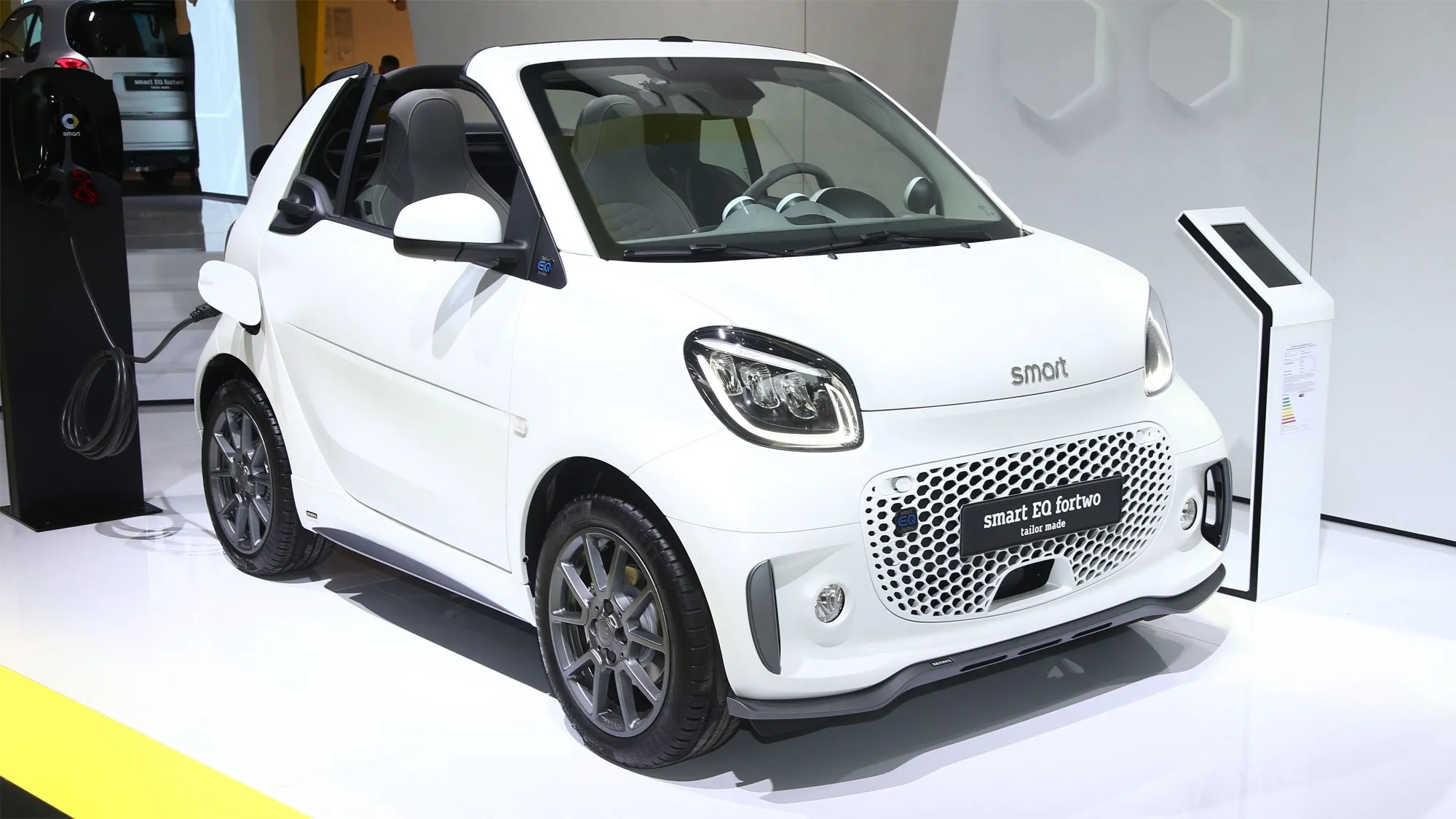
4. Smart EQ ForTwo 2019
European city car meets wine country reality in the Smart EQ ForTwo 2019. That electric motor produces just 80 horsepower and 118 lb-ft of torque, creating surprisingly weak performance for an EV. You’d expect instant electric torque to help during climbs, but the limited power means you’ll still struggle on steeper grades.
Battery capacity of just 17.6 kWh provides only 58 miles of EPA range, making wine country tours involving any distance completely impractical. You’ll need to carefully plan routes around available charging, limiting spontaneity that makes wine tours enjoyable.
Two-seat configuration eliminates any possibility of carpooling or carrying passengers beyond one companion. You can’t take friends on winery tours or offer rides to visitors. That limitation proves frustrating in a social environment where wine tasting often involves groups.
Cargo space barely exists, with a tiny area behind seats accommodating perhaps two wine bottles carefully positioned. You absolutely cannot handle any serious wine purchases, making this Smart completely impractical for wine country purposes.
Handling feels nervous at highway speeds, with the short wheelbase and tall, narrow body creating instability during crosswinds. Wine country roads often cross exposed ridgelines where wind gusts are common, making the Smart feel genuinely scary.
Steering feels overly light, providing minimal feedback. You’ll grip the wheel tightly through curves, never confident about the car’s limits. That constant anxiety makes wine country driving exhausting rather than enjoyable.
Range anxiety becomes a constant companion during wine country drives. You’ll obsessively monitor remaining range, calculating whether you can reach your destination and return home without running out of charge.
Charging infrastructure remains limited in some rural winery areas, making range concerns very real rather than theoretical. You might find yourself skipping wineries you wanted to visit because they’d push you beyond comfortable range limits.
Acceleration feels adequate around town but proves inadequate for highway merging or passing. You’ll struggle joining traffic on Highway 101 or overtaking slower vehicles on two-lane roads. That limitation creates dangerous situations where you need power to complete maneuvers safely.
The electric drivetrain provides smooth, silent operation when not working hard, creating a pleasant urban driving experience that completely falls apart when faced with wine country demands. Fuel costs disappear, replaced by electricity expenses that remain minimal even with California’s high rates.
Maintenance requirements stay simple with the electric drivetrain needing minimal service. This Smart works acceptably for urban environments where its limitations don’t matter, but wine country reveals it as completely unsuitable.
Limited range, inadequate cargo space, a two-seat configuration, and nervous handling make it possibly the worst choice for wine country driving. You’d be better off renting a proper car for winery visits rather than attempting to use this Smart for that purpose.
Also Read: 5 Affordable Sports Cars That Are Better Daily Drivers Than 5 Supercars
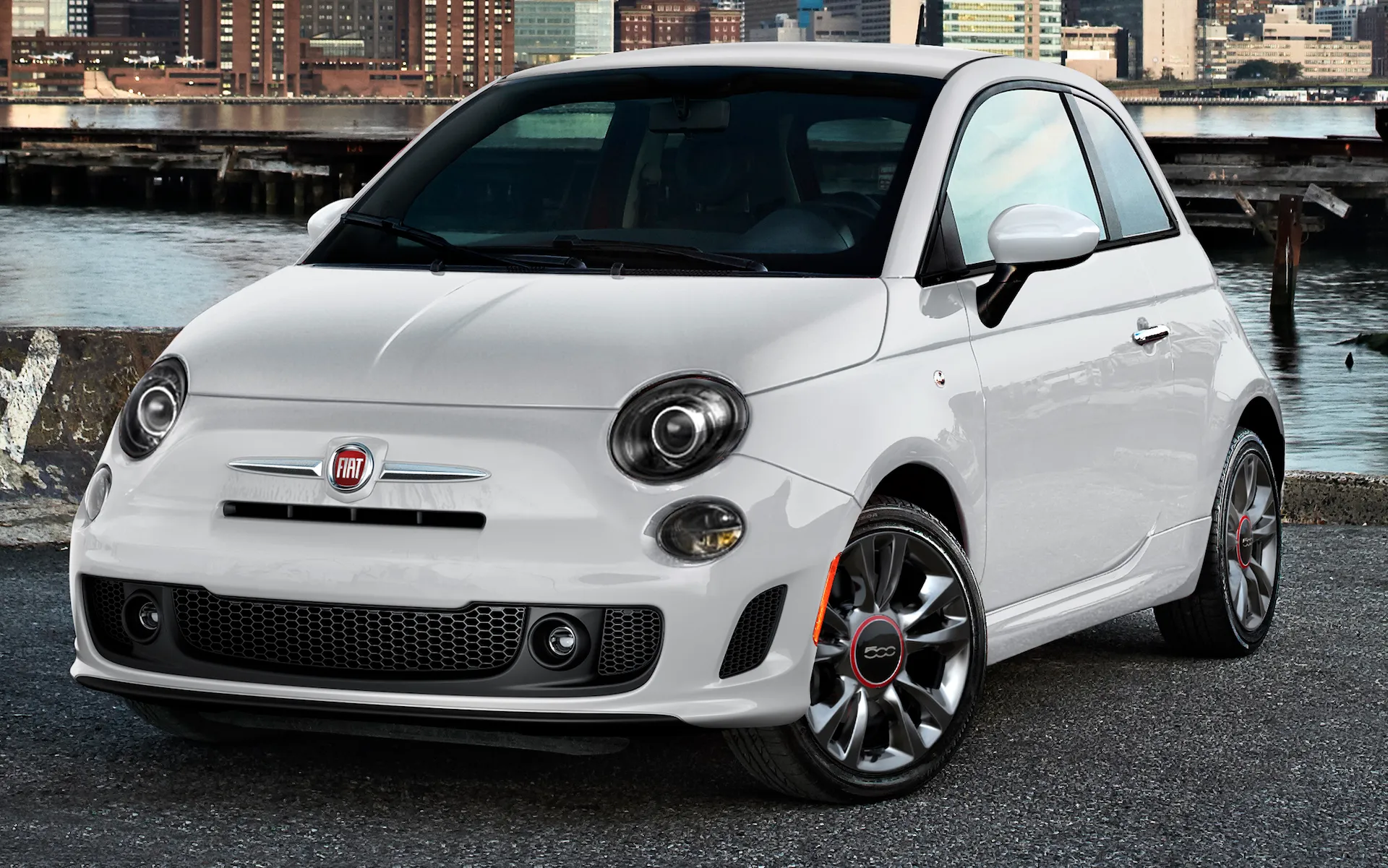
5. Fiat 500 Pop 2019
Italian styling meets inadequate performance in the Fiat 500 Pop 2019. That 1.4-liter four-cylinder produces just 101 horsepower and 98 lb-ft of torque, creating struggles on the wine country hills. You’ll downshift constantly during climbs, with the engine working at maximum capacity to maintain even 35 mph on steeper sections.
Other drivers pass aggressively, frustrated by your slow pace. Manual transmission models allow some control through gear selection, but automatic versions feel completely overwhelmed by sustained climbs. Front-wheel drive provides adequate traction on pavement but struggles on gravel winery roads.
Lightweight construction means limited weight over the drive wheels, reducing grip during acceleration on loose surfaces. You’ll experience wheelspin that forces cautious throttle application, further reducing already inadequate performance. Ground clearance barely exceeds 5 inches, making rough access roads concerning. You’ll scrape on bumps and dips that normal vehicles clear easily.
Handling feels acceptable at city speeds but becomes concerning on winding roads. Short wheelbase creates quick responses that feel twitchy at highway speeds. Soft suspension allows excessive body roll through curves, making passengers uncomfortable.
Lightweight makes the 500 feel unstable during gusty conditions. Steering provides minimal feedback, leaving you uncertain about available grip. You’ll drive cautiously through wine country curves, never confident about limits.
Cargo space proves completely inadequate for wine purchases. Tiny trunk barely holds two or three bottles before reaching capacity. Rear seats fold, but don’t create a useful cargo floor due to their awkward shape.
You’ll struggle managing even modest wine purchases, needing to use the front passenger seat that wasn’t designed for cargo. That limitation makes the 500 impractical for anyone planning to actually buy wine during winery visits.
Interior quality feels acceptable for the cute city car it is, with decent materials given the price point. Two small rear seats exist primarily for emergency use or small children. Adults cannot fit comfortably, making this effectively a two-seater for practical purposes. That eliminates carpooling possibilities that make wine tours more social and affordable.
Fuel economy provides a small advantage, averaging 30-33 mpg during mixed driving. That efficiency saves gas money, but cannot compensate for inadequate performance and cargo space. Maintenance costs stay reasonable with a simple mechanical design.
This 500 works acceptably for flat urban environments where its cute styling and small size provide advantages. But the wine country hills expose it as woefully inadequate.
You’ll regret choosing this for wine country driving after your first vineyard visit involving any serious grade or gravel road. Pick something more capable unless you enjoy being passed by every other vehicle while your engine screams in protest.
