The muscle car world in 2024 proves that the golden era of American performance is not fading, it is evolving. Across top-tier builders and visionary craftsmen, classic muscle cars are being reborn with modern powertrains, advanced chassis technology, and uncompromising attention to detail.
These are not restorations meant to sit under covers. They are fully realized machines built to be driven hard, admired deeply, and remembered forever.
From supercharged LS and Hellcat swaps to meticulously rebuilt big-blocks and even forward-thinking electric conversions, today’s custom muscle cars blur the line between vintage soul and modern performance. Builders like Timeless Kustoms, Ringbrothers, Classic Car Studio, John Shope Designs, and Mopar have shown what happens when legendary platforms meet cutting-edge engineering.
The cars featured here represent the very best of what money, creativity, and passion can produce in the modern muscle car space.
Whether it is an 800-horsepower Camaro, a handcrafted Charger R/T, an electrified GTX, or a brutally powerful Grand National, each build reflects a unique vision of what American muscle can be today. These are the custom muscle cars that defined 2024, setting new benchmarks for performance, craftsmanship, and emotional connection.
1. 1969 Camaro Reimagined: The Closer with a Supercharged LS9
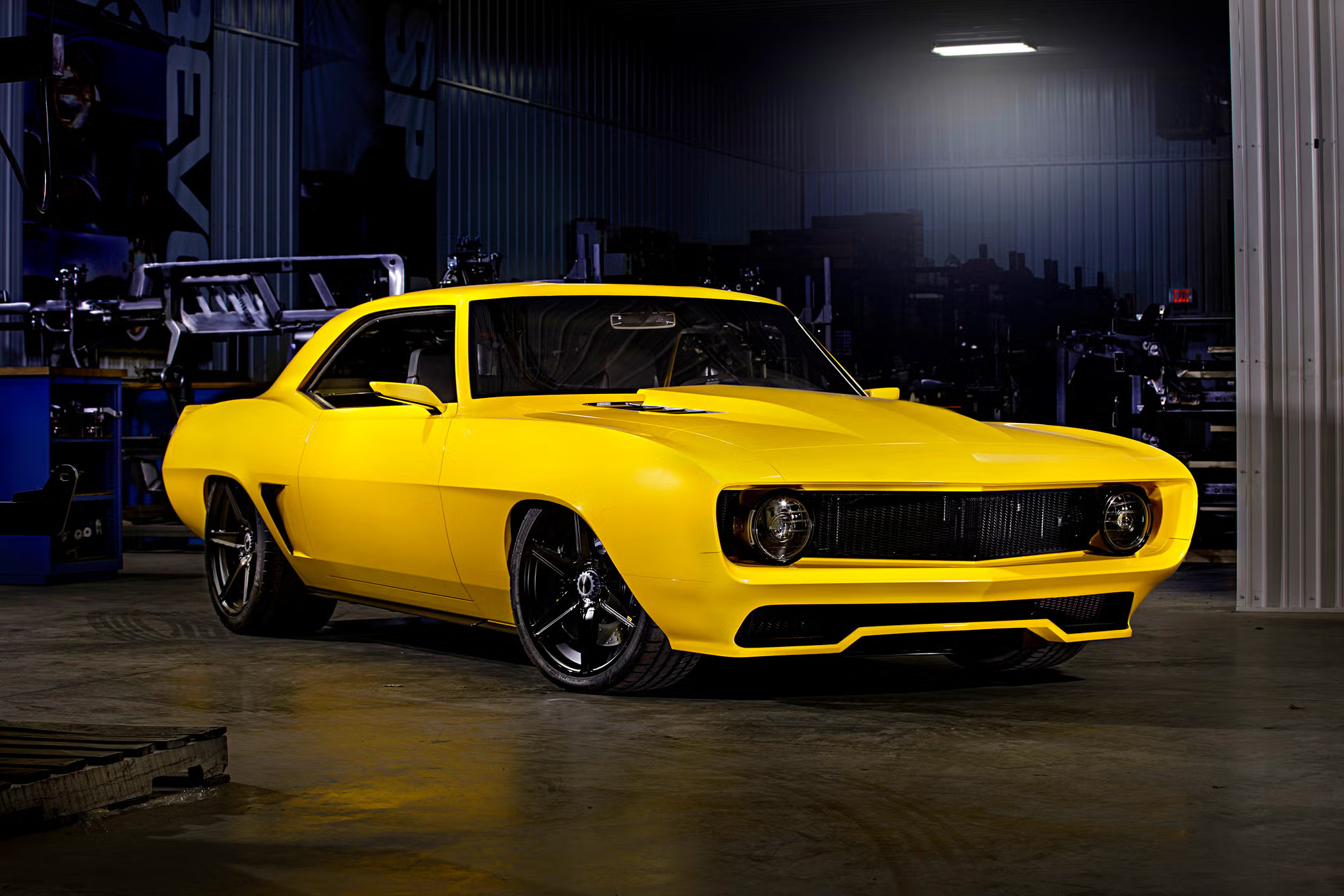
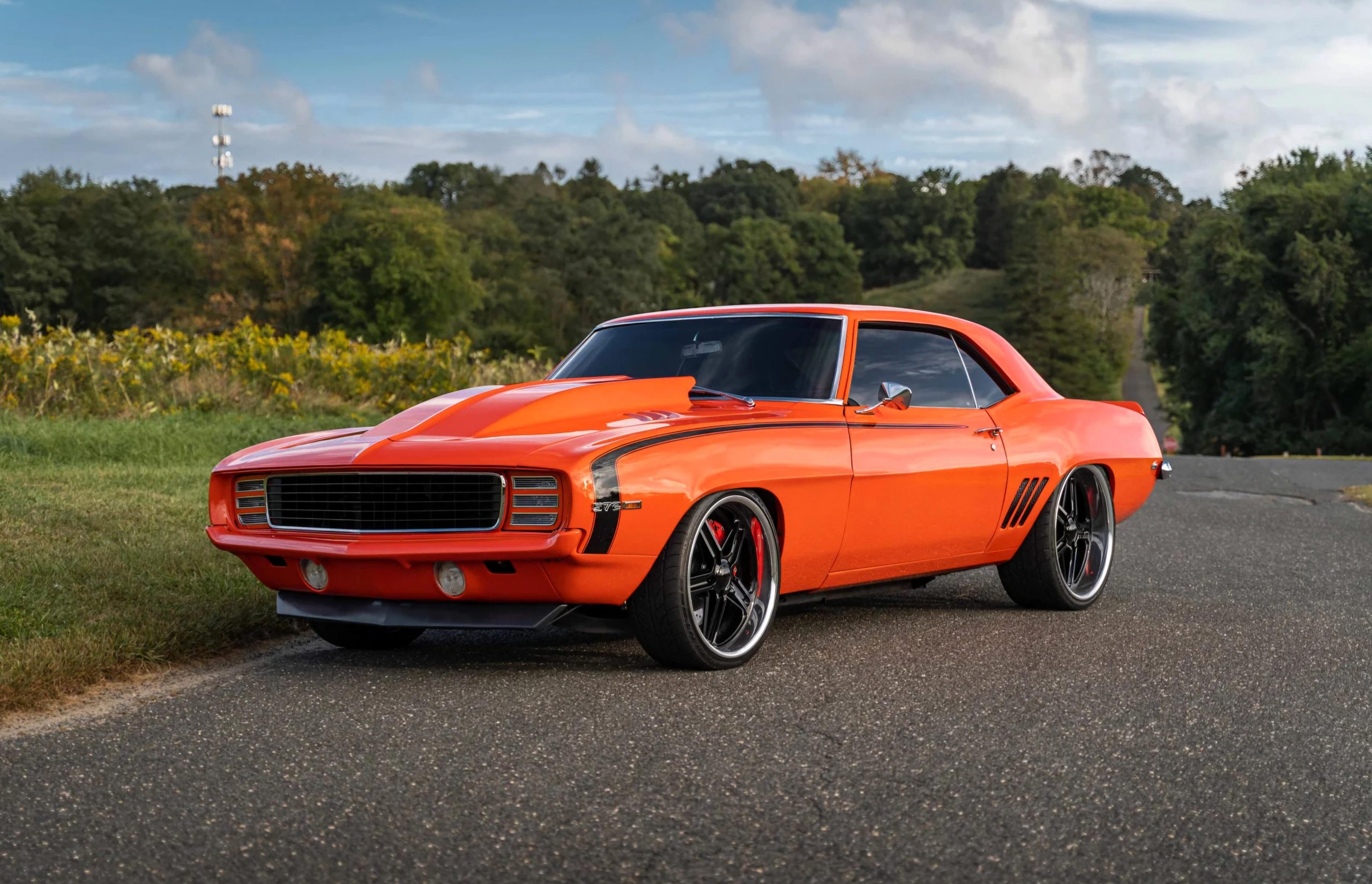
Timeless Kustoms’ “The Closer” is a striking example of classic muscle car design fused with modern supercar performance. This 1969 Chevrolet Camaro is built to be driven, not just displayed, and is powered by a 6.2-liter supercharged LS9 V8 from the Corvette ZR1.
The engine has been upgraded with a Comp Cams camshaft, enhanced rocker arms and pushrods, and a reworked TVS 2650 supercharger with larger lobes by Kong Performance. These enhancements deliver more than 800 horsepower, creating a car that offers brutal acceleration while remaining practical for spirited driving, even at a build cost approaching half a million dollars.
Despite the extensive modifications, the Camaro retains its classic identity. Timeless Kustoms focused on refinement rather than extravagance, implementing subtle body changes such as sleeker panels, deleted drip rails, and tastefully widened flares. The car maintains the iconic 1969 Camaro silhouette while achieving a clean and sophisticated appearance that complements its high-performance upgrades.
“The Closer” delivers extraordinary performance. It accelerates from 0 to 60 miles per hour in approximately 3.5 seconds, aided by a custom Detroit Speed chassis, coilover suspension, and advanced braking systems.
These components provide stability, precise cornering, and a confident driving experience. A Tremec 6-speed manual transmission paired with a reinforced Ford 9-inch rear axle ensures the engine’s power is harnessed efficiently and reliably.
The driving experience is enhanced by the sound of the supercharger combined with a free-flowing exhaust, creating an engaging and memorable soundtrack. Reviews highlight the car’s ability to merge classic styling with modern engineering, producing a machine that is both refined and aggressive.
In essence, this 1969 Camaro with a supercharged LS9 swap represents the perfect fusion of classic muscle car character and modern pro-touring capability. It delivers extreme performance, precise handling, and striking aesthetics, making it a dream machine for enthusiasts who value both timeless design and cutting-edge engineering.
2. 1968 Dodge Charger R/T: A Modern Restomod Icon
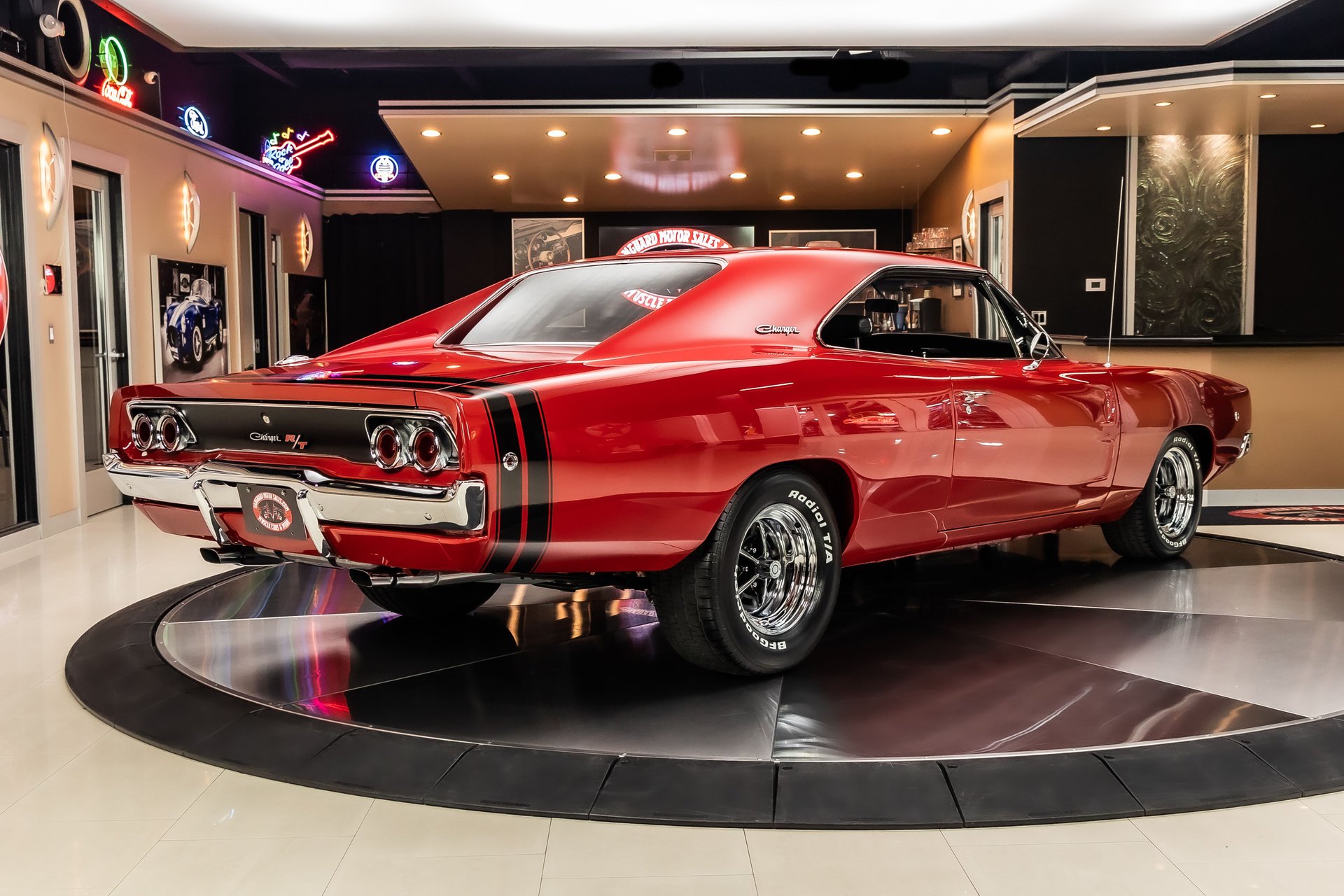
At the Battle of the Builders, Noah Alexander and the team at Classic Car Studio Speed Shop presented a stunning 1968 Dodge Charger R/T that stood out among the competition. Alexander’s goal was to modernize almost every aspect of the Charger while keeping the soul of its original muscle-car character intact.
Under the hood sits a Dick Landy-built 440ci V8, paired with a Boria stacked injection system on a custom Hogan intake manifold. The engine bay features meticulous fabrication, making the mechanical upgrades both powerful and visually impressive.
The exterior of the Charger is equally striking, coated in flawless BASF Glasurit paint that emphasizes its classic “Coke bottle” curves. Extensive metalwork and refined body panels show a high level of craftsmanship, while the custom CCS interior adds modern comfort and style. Every aspect of this build reflects a careful balance between design and performance, turning it into one of the standout cars at SEMA.
The 1968 Dodge Charger R/T is widely recognized as a peak muscle car, celebrated for its bold styling, powerful big-block engines, and iconic status. Standard engines like the 440 Magnum, producing 375 horsepower, and the legendary 426 Hemi, producing 425 horsepower, made it a serious performance machine for its time.
The 440-equipped R/T could reach 0-60 mph in around 6.1 seconds, delivering a raw, thrilling driving experience with aggressive engine sound and presence. Modern restomods often retain these engines while adding contemporary performance upgrades such as Wilwood brakes and improved suspension for a more controlled yet exciting drive.
The Charger’s design remains a defining feature. The 1968 model introduced a longer, lower hood, hidden headlights, and a cockpit-style interior with deep-set gauges. R/T-specific touches, including optional bumblebee stripes, further highlight its sporty character. Its cultural legacy, reinforced by appearances in films like Bullitt, makes it a conversation starter and a magnet for attention even today.
In its modern form, a restored or restomod 1968 Charger R/T combines raw muscle car power with refined craftsmanship. Prices for well-executed builds can exceed $100,000, reflecting both the car’s historic significance and the skill involved in its upgrades. It is a perfect fusion of classic style and modern performance for serious enthusiasts.
3. 1971 Dodge Challenger Hellcat: Classic Muscle Meets Modern Fury
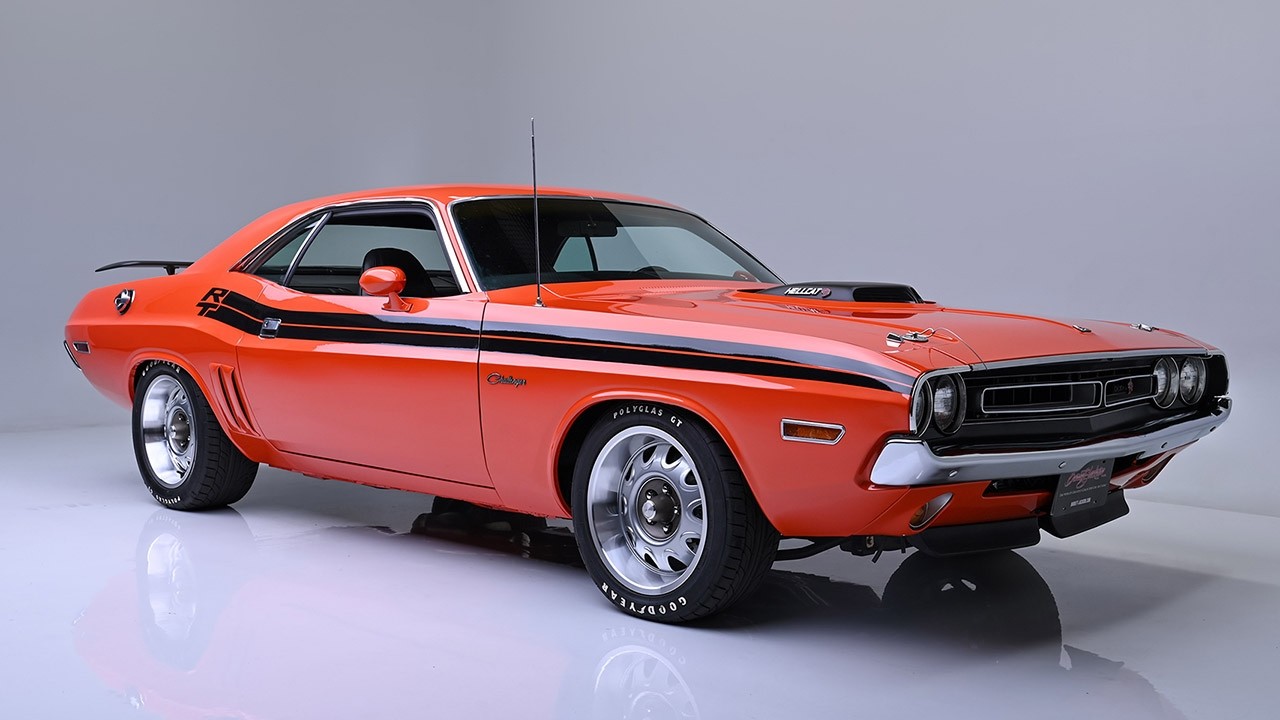
The 1971 Dodge Challenger Hellcat, reimagined by John Shope Designs, is a breathtaking restomod that fuses vintage muscle car charm with modern supercar performance. Bathed in a fiery HEMI Orange paint, the car was stripped to bare metal and rebuilt with meticulous attention to detail.
Its classic body retains iconic features such as the long hood, split grille, Shaker hood, and bold rear R/T wing, creating an aggressive, menacing presence that commands attention on the street.
Rolling on 17-inch factory-style Rally wheels, the build strikes a balance between classic aesthetics and untamed performance. While it maintains the stock-inspired look of a 1971 Challenger, it hides a modern 6.2-liter supercharged HEMI Hellcat engine producing over 700 horsepower.
An 8-speed automatic transmission channels that raw power smoothly to the wheels, delivering an exhilarating zero-to-60 mph sprint in approximately 3.6 seconds and capable quarter-mile runs in the low 11-second range.
This restomod represents the growing trend of combining vintage muscle with contemporary performance. The 1971 Challenger Hellcat does not exist as a factory model; instead, it pairs the classic lines of the Challenger with the monstrous supercharged engine and advanced technology of modern Hellcats.
The result is a hybrid experience that blends the traditional large-car feel of the early ’70s with surprising agility and modern drivability.
The driving experience is visceral and intense. The supercharger whine combined with the deep growl of the V8 delivers an addictive soundtrack, while modern upgrades such as updated suspension, Dakota Digital gauges, and refined interior touches make it manageable and comfortable for spirited drives.
Many builds also include Red and Black Key systems, allowing drivers to control the full 700-plus horsepower or limit output for safety or casual use.
In essence, the 1971 Dodge Challenger Hellcat is the ultimate expression of restomod philosophy. It preserves the soul of a classic American muscle car while infusing it with contemporary power, technology, and refinement.
The car offers a raw, loud, and unforgettable driving experience that rivals modern supercars, making it a dream machine for enthusiasts who want the best of both eras in a single, head-turning package.
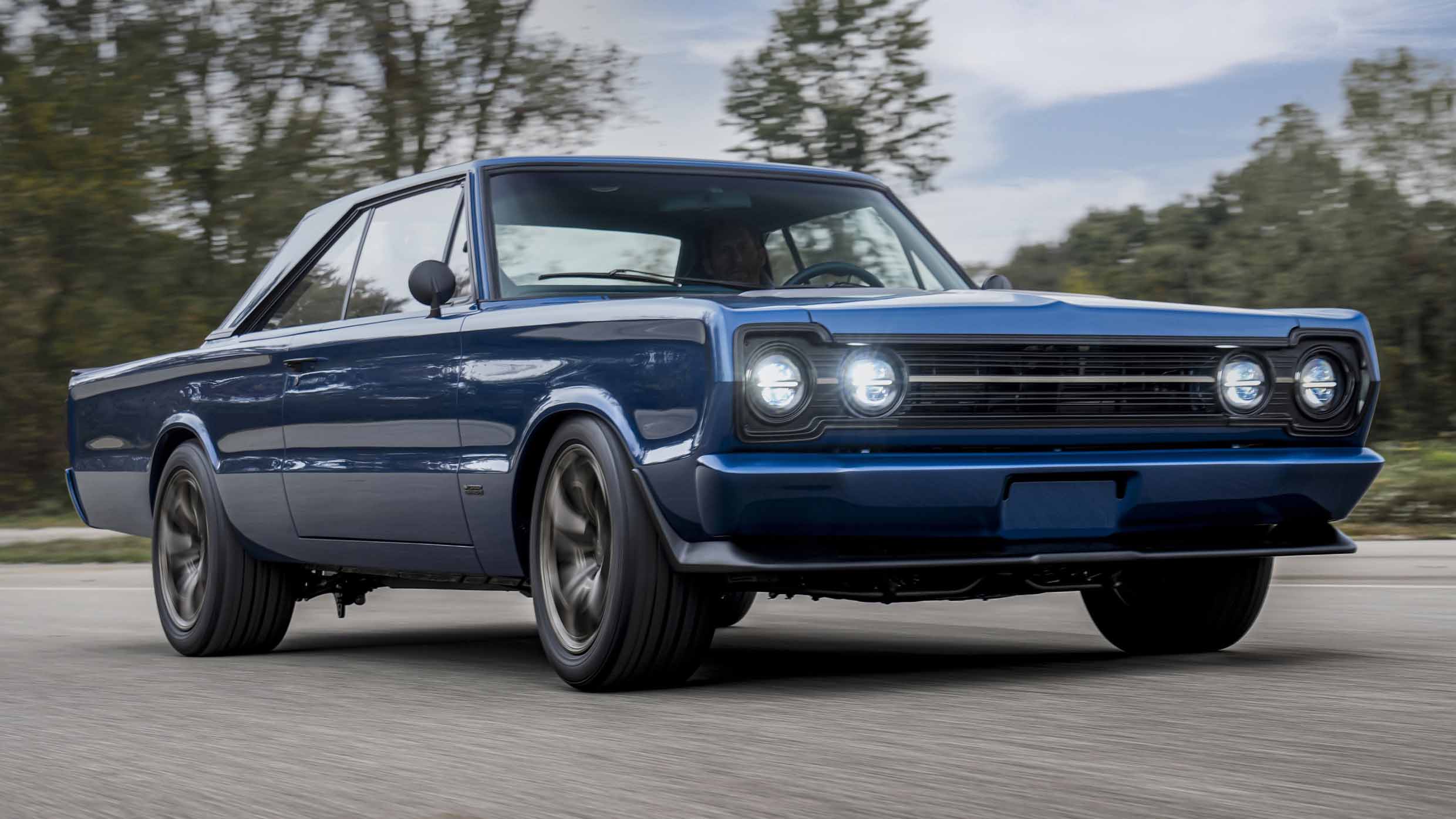
4. 1967 Plymouth GTX Electromod: Classic Mopar Muscle Goes Electric
The 1967 Plymouth GTX Electromod represents a bold new direction for classic American muscle, blending vintage Mopar design with modern electric vehicle technology.
Built by Mopar and revealed as a high-profile concept, this electrified GTX demonstrates the potential of the brand’s new e-Crate conversion system, designed to help enthusiasts bring battery-electric power to their classic builds without sacrificing style or identity.
Visually, the Electromod stays true to the GTX’s legendary presence while adding modern refinements. Finished in striking Frostbite Blue with Satin Black accents, the car features carbon-fiber components including the hood, front splitter, and rear spoiler to help offset the weight of the battery system.
Subtle updates such as tucked bumpers, custom headlights, widened rear wheel arches, and a redesigned fuel door that now serves as a charging port give the car a clean, contemporary look while preserving its unmistakable muscle car proportions.
Under the skin, Mopar’s e-Crate system powers the GTX with a 250 kW electric motor producing 335 horsepower and 330 lb-ft of torque. Energy comes from a 73 kWh battery pack, delivering an estimated 250 miles of driving range.
Instant electric torque provides quick, smooth acceleration, offering a different but engaging performance experience compared to the original big-block V8s. A standout design feature is the dual-charging module styled to resemble a Hellcat supercharger, creating a clever visual bridge between classic performance heritage and modern EV function.
The chassis has been upgraded to match the new powertrain, featuring Wilwood brakes, Pirelli tires, and custom 18-inch bronze wheels. Inside, the Electromod combines retro cues with modern comfort.
Jeep Wrangler front seats trimmed in blue leather and suede, a custom center console with a Durango rotary shifter, modern digital instrumentation, and updated safety features such as three-point seatbelts create a refined yet familiar environment.
Reception to the Electromod has been largely positive, with praise for its thoughtful execution and innovation. While its horsepower figure does not rival legendary engines like the 426 Hemi, the concept highlights a realistic and sustainable path forward for classic Mopar electrification. The 1967 Plymouth GTX Electromod shows that the muscle car spirit can continue into the electric age without losing its soul.
Also Read: 10 Cars That Look Stunning But Disappoint True Enthusiasts
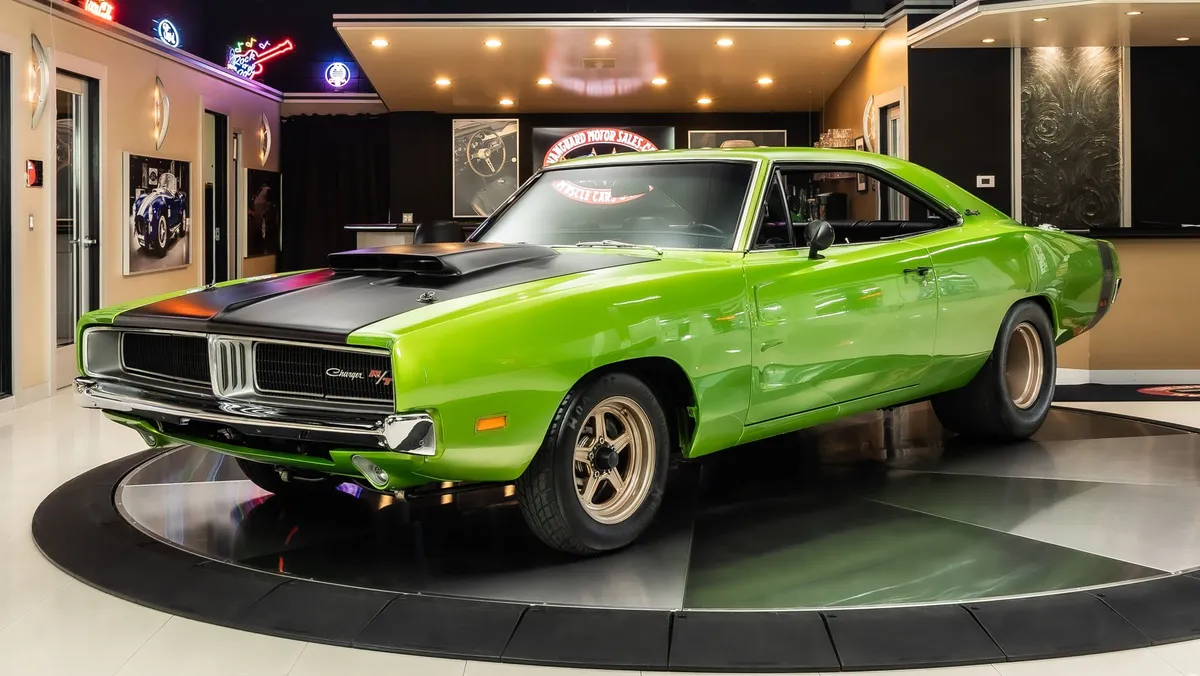
5. 1969 Dodge Charger Redeye Swap: Classic Daytona with Modern Muscle Power
The 1969 Dodge Charger Daytona restomod built by Welsley Motorsports represents a dramatic evolution of a long-running passion project. Originally constructed in the early 2000s by Mike Musto and Todd Ford as a rebellious Pro Street machine, the Charger began life with a 500-horsepower big-block V8 and a five-speed manual transmission.
While thrilling, the car was raw and demanding, prioritizing attitude over long-term drivability. Years later, the decision was made to modernize the Daytona without sacrificing its aggressive spirit.Welsley Motorsports transformed the Charger by replacing the original big-block with a supercharged 6.2-liter Hellcat Redeye crate engine, paired with a modern 8-speed ZF automatic transmission.
This upgrade pushed output to more than 800 horsepower, delivering explosive acceleration with far greater refinement and reliability. The drivetrain swap was supported by an aluminum driveshaft, reinforced control arms, and massive Viper ACR brakes, ensuring the car could safely manage its immense power.
Interestingly, several factory-style components, including the power steering pump and rear differential, were retained, helping preserve a balance between modern performance and classic character.
Beyond raw speed, the Charger Redeye swap highlights the appeal of blending vintage design with modern technology. Builds like this often integrate contemporary comforts such as air conditioning, digital gauges, Bluetooth audio, backup cameras, and advanced engine management systems.
The result is a car that looks unmistakably like a 1969 Charger but behaves more like a modern high-performance vehicle. Straight-line performance is staggering, though reviewers note that proper suspension tuning, chassis reinforcement, and steering upgrades are critical to controlling the power and reducing body roll inherent in classic platforms.
Executing a Redeye swap is not without challenges. Fuel systems often require dual pumps and return-style layouts, modern electronics demand careful integration, and suspension components must be heavily upgraded to maintain stability. When completed by experienced builders, however, the result can rival factory modern performance in a vintage shell.
This 1969 Dodge Charger Daytona restomod stands as a prime example of what a Hellcat Redeye swap can achieve. It combines iconic muscle car styling with supercar-level power and modern drivability, creating an unforgettable machine that rewards both aggressive driving and everyday usability for those willing to invest in expert craftsmanship.
6. 1967 Chevrolet Nova SS Pro Street: Classic Compact with Modern LS Power
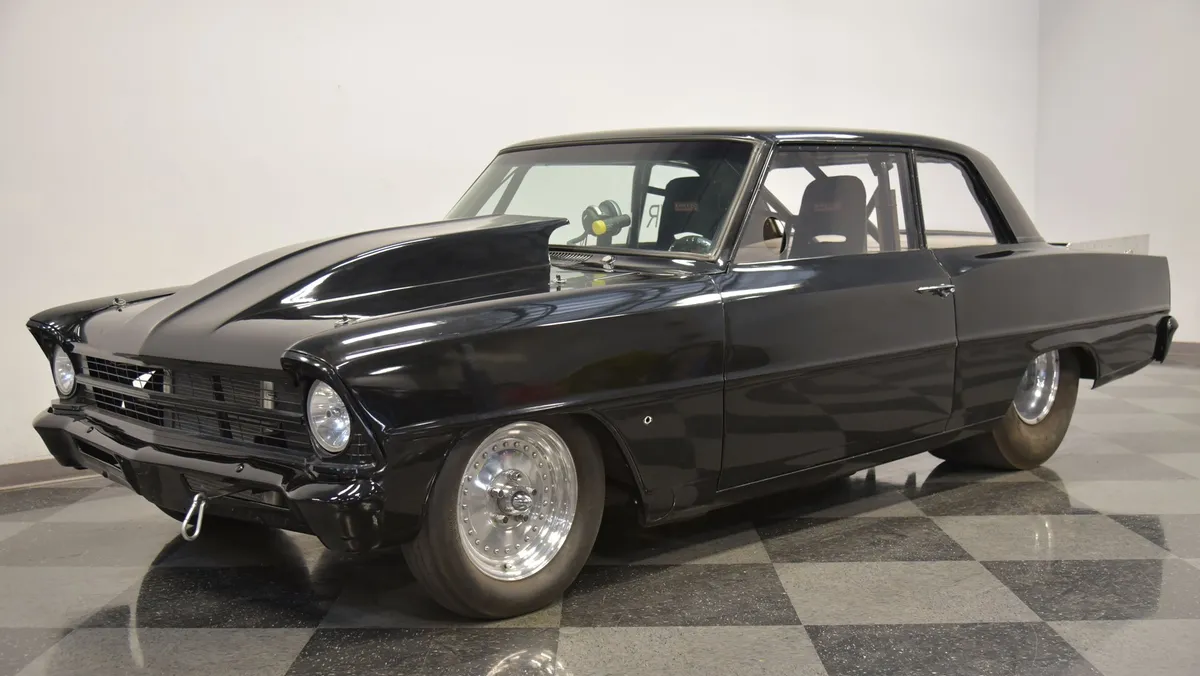
The 1967 Chevrolet Nova SS Pro Street built by Old Anvil Speed Shop is a striking example of how a neglected muscle car can be transformed into a modern performance machine while preserving its raw, analog character. Paul of Old Anvil Speed Shop first encountered the Nova at a car show, where it appeared tired and outdated despite its aggressive Pro Street stance.
Originally brought in for a simple hood swap, the project quickly expanded when Paul recognized the car’s untapped potential and committed to a full mechanical and visual revival.
The most significant upgrade came under the hood. The previous 383 stroker engine, paired with a poorly matched supercharger, was replaced with a 525-horsepower LS3 crate engine. This modern powerplant was enhanced with a custom tunnel ram intake and dual 450 CFM carburetors, blending contemporary reliability with classic hot rod aesthetics.
Hand-built headers, a Holley serpentine belt system, and relocated ignition coils further refined the engine bay while improving performance and serviceability. The result is explosive acceleration paired with a loud, aggressive soundtrack that defines the car’s personality.
Beyond straight-line speed, the Nova benefits from the type of chassis and suspension upgrades often praised in Autotopia LA reviews. Modern suspension components, wide performance tires, and improved geometry give the car impressive cornering ability for a classic muscle platform.
At the same time, the Nova retains a purely analog driving experience. Manual brakes and the absence of electronic driver aids demand constant driver involvement, creating a strong sense of connection between the driver and the machine.
Customization plays a central role in the Nova’s appeal. Builds like this commonly feature bold paint finishes, tailored interiors, modern gauges, and upgraded braking systems that match the car’s performance potential. Emotional connection also matters, as many Novas carry deep personal or family significance for their owners, adding meaning beyond horsepower figures.
This 1967 Chevrolet Nova SS Pro Street stands out as one of the most memorable custom muscle cars of 2024. It successfully blends 1960s compact muscle car attitude with modern LS-powered performance, delivering a raw, thrilling, and deeply engaging driving experience that resonates across generations of enthusiasts.
7. Buick Grand National: Ringbrothers Reinvents a Turbocharged Legend
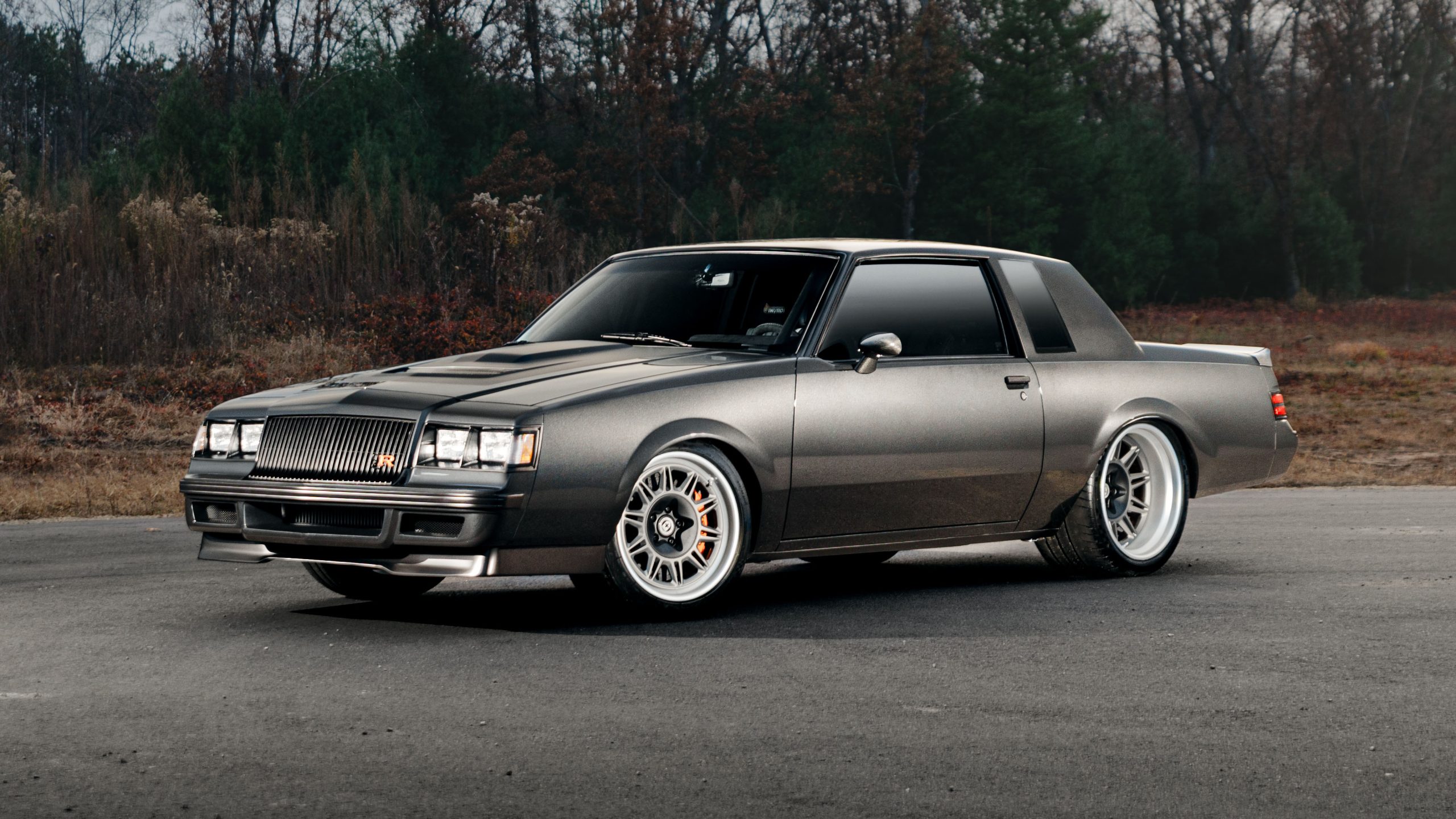
The Buick Grand National has long been regarded as one of the most intimidating American performance cars of the 1980s, and Ringbrothers took that reputation to unprecedented heights with their blacked-out custom build.
While renewed interest in GNX models has driven values skyward, this Ringbrothers Grand National stands apart as a modern interpretation of Buick’s turbocharged icon, blending extreme horsepower with cutting-edge craftsmanship.
At the heart of the build is a Duttweiler Performance–engineered 3.8-liter turbocharged V6 capable of producing an astonishing 2,000 horsepower at 50 pounds of boost. Even in street-tuned configuration, the engine delivers a brutal 1,246 horsepower using twin Precision 62mm turbochargers pushing 32 pounds of boost on E85 fuel.
The powerplant is fortified with race-grade components including custom aluminum cylinder heads, a billet crankshaft, and a bespoke intake manifold, all designed to withstand immense stress while maintaining drivability.
Power is routed through a Bowler-built TREMEC T-56 Magnum six-speed manual transmission, giving the driver direct control over the engine’s massive output.
A carbon-fiber driveshaft adds strength while reducing rotational mass, ensuring efficient power delivery. Together, these components transform the Grand National from a straight-line terror into a modern high-performance machine that rewards driver engagement.
The original Buick Grand National earned its legendary status by proving that turbocharged V6 power could compete with, and often defeat, V8-powered rivals.
Factory cars delivered surprising acceleration, sub-13-second quarter-mile times, and a menacing all-black appearance that earned comparisons to a street-going villain. The rare GNX, with only 377 examples produced, remains one of the most collectible American performance cars ever built.
Ringbrothers’ version honors that heritage while pushing the platform into a new era. It preserves the Grand National’s sinister character and forced-induction identity while amplifying its performance to modern extremes.
This build demonstrates how thoughtful engineering and bold vision can transform an already iconic muscle car into a contemporary masterpiece that commands attention on the street and respect from the performance world.
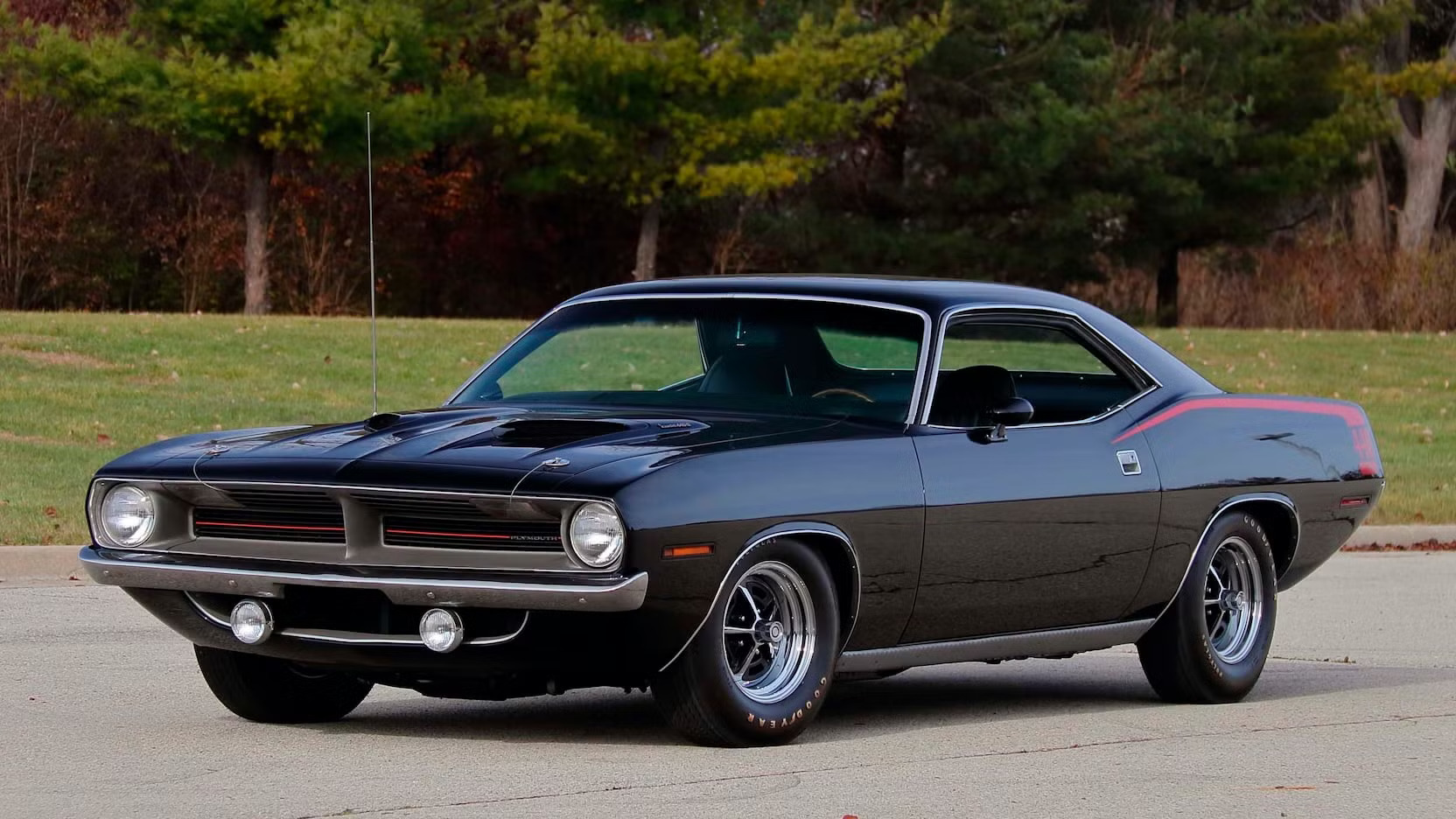
8. 1970 Plymouth ’Cuda: Ringbrothers’ “INFECTED” Redefines Modern Mopar Muscle
Ringbrothers has once again demonstrated why it sits at the top of the custom car world with its reimagined 1970 Plymouth ’Cuda, fittingly named “INFECTED.”
This build takes one of Mopar’s most iconic muscle cars and transforms it into a modern performance machine while preserving the aggressive spirit that made the original ’Cuda legendary. The result is a bold fusion of heritage design, cutting-edge engineering, and extreme horsepower.
At the heart of “INFECTED” lies an 807-horsepower Mopar Hellcrate Redeye supercharged HEMI engine. Designed to deliver relentless power, the engine is supported by a C&R crossflow radiator to maintain optimal cooling under hard driving.
Power is sent through a TREMEC TR-6060 six-speed manual transmission paired with a Tilton Engineering clutch, giving the driver direct control over the car’s immense output and reinforcing its driver-focused character.
Beneath the body, Ringbrothers replaced the factory underpinnings with a custom Roadster Shop chassis originally developed for the 1968–70 Dodge Charger. This setup features a Stage III Fast Track system with C6 Corvette torque tube compatibility, Fox RS SV coilover suspension, and a Wavetrac differential.
Together, these components dramatically improve rigidity, stability, and handling, allowing the ’Cuda to perform like a modern high-performance car rather than a classic straight-line bruiser.
Visually, “INFECTED” retains the unmistakable lines of the 1970 Barracuda while introducing refined details that enhance its stance and presence. The design balances aggression with precision, ensuring the car looks as capable as it performs. Ringbrothers’ craftsmanship is evident throughout, from the tight panel gaps to the purposeful integration of modern hardware beneath classic sheet metal.
The broader legacy of the 1970 ’Cuda adds context to this build’s significance. Original Hemi ’Cudas were produced in extremely limited numbers and are among the most valuable American muscle cars ever made. By contrast, Ringbrothers’ approach does not attempt to replicate a factory original. Instead, it reimagines what a ’Cuda can be when freed from period limitations.
“INFECTED” stands as a modern Mopar masterpiece, combining supercharged Hellcat power, advanced chassis engineering, and timeless muscle car design. It captures the raw attitude of the original ’Cuda while delivering performance and control that meet contemporary expectations, making it a benchmark for high-end restomod builds.
What makes the best custom muscle cars of 2024 truly special is not just their horsepower numbers or price tags, it is the philosophy behind them. Each build respects the heritage of its platform while refusing to be limited by it. These cars honor the past without being trapped in it, combining timeless design with modern drivability, reliability, and performance that rivals contemporary supercars.
From the refined brutality of “The Closer” Camaro to the precision-crafted Charger R/T, from the raw fury of Hellcat-powered Mopars to the bold statement made by the electric GTX Electromod, these builds showcase the many directions muscle cars can take in the modern era. Even icons like the Buick Grand National and Plymouth ’Cuda have been reimagined into machines that feel relevant, usable, and thrilling today.
These are not one-size-fits-all creations. Some celebrate analog driving purity, others embrace technology, and a few challenge tradition altogether. What they share is craftsmanship, intent, and an unwavering respect for what made muscle cars legendary in the first place.
In 2024, custom muscle cars are no longer just about nostalgia. They are about evolution. The cars on this list prove that the muscle car spirit is alive, adaptable, and more exciting than ever, ready to dominate roads, shows, and imaginations for years to come.
Also Read: 5 Cars for Anchorage Cold Weather vs 5 Cars That Fail in Extreme Cold