
Living in Provo means access to some of Utah’s most spectacular outdoor recreation. You’re minutes away from canyon trails, mountain passes, and remote camping spots that require more than just smooth highway driving.
Weekend adventures often involve dirt roads, gravel paths, and rough roads that separate capable vehicles from those designed strictly for pavement. Your car needs to handle washboard surfaces, rocky inclines, and muddy trails without leaving you stranded miles from cell service.
Not every vehicle marketed as “adventure-ready” actually delivers when conditions get challenging. Manufacturers slap roof racks and plastic cladding on ordinary cars, hoping buyers won’t notice the lack of ground clearance, weak suspension, or front-wheel drive that limits capability.
You might think you’re buying outdoor versatility until you’re scraping the undercarriage on rocks or spinning wheels helplessly in loose gravel. Real capability requires thoughtful engineering, robust construction, and components designed to withstand punishment that city driving never inflicts.
Choosing the right vehicle for Provo’s outdoor lifestyle determines whether you spend your weekends enjoying the mountains and trails or staying home because your car can’t handle the rough access roads. Ground clearance matters when you’re crossing ruts and driving through rocky surfaces.
All-wheel drive becomes essential when traction disappears on steep, loose climbs. Durable suspension components prevent constant repairs from rough roads that break weaker vehicles. Adequate tire selection makes the difference between confident progress and getting stuck.
We will examine ten vehicles split into two categories. First, we’ll look at five cars engineered to handle Provo’s outdoor demands, proven through real-world use on trails and dirt roads that define Utah recreation.
Then we’ll discuss five vehicles that struggle when pavement ends, leaving owners frustrated as they watch more capable vehicles pass them by. Understanding these differences helps you make informed decisions that match your vehicle to your actual lifestyle rather than just your aspirations.
Cars for Provo Outdoor Lifestyles

1. 2024 Jeep Wrangler Unlimited Rubicon
Off-road capability defines the Jeep Wrangler Unlimited Rubicon in ways few vehicles can match. Ground clearance measures 10.8 inches, providing room to clear rocks, ruts, and obstacles that would stop lower vehicles cold.
Approach angle of 44 degrees and departure angle of 37 degrees allow climbing steep inclines and descending sharp drops without scraping bumpers or undercarriage. You’re driving a vehicle engineered specifically for the trails and dirt roads that surround Provo rather than something adapted from a streetcar.
Removable doors and top transform this Jeep into open-air transportation perfect for summer trail running. You feel connected to your surroundings rather than isolated inside a sealed cabin. This versatility makes the Wrangler ideal for Utah’s variable weather, providing protection when needed while allowing open-air experiences during perfect conditions.
Drainage plugs in the floor accommodate washing out muddy interiors after particularly adventurous trips. Solid front and rear axles provide strength and articulation that independent suspension cannot match during serious off-roading.
While ride quality suffers compared to crossovers with independent suspension, this tradeoff delivers durability and capability that Provo outdoor enthusiasts actually need. Steel bumpers and skid plates protect vulnerable components from trail damage. Recovery hooks provide attachment points for tow straps when you or others need extraction assistance.
Aftermarket support is phenomenal if you want to enhance capability further. Lift kits, larger tires, upgraded suspension, armor plating, and lighting improvements are readily available from countless suppliers. You can start with a stock Rubicon and progressively build it into a vehicle matching your specific needs and skill level. This upgradeability means your Jeep grows with your abilities rather than limiting your progression.
Fuel economy is poor, averaging mid-teens even during gentle highway driving. Interior refinement lags modern crossovers, with road noise and wind noise reminding you this vehicle prioritizes capability over comfort.
But you’re not buying a Wrangler for efficiency or luxury. You’re buying proven off-road ability that handles Provo’s trails and dirt roads with ease while maintaining the iconic Jeep character that’s been turning heads for generations.
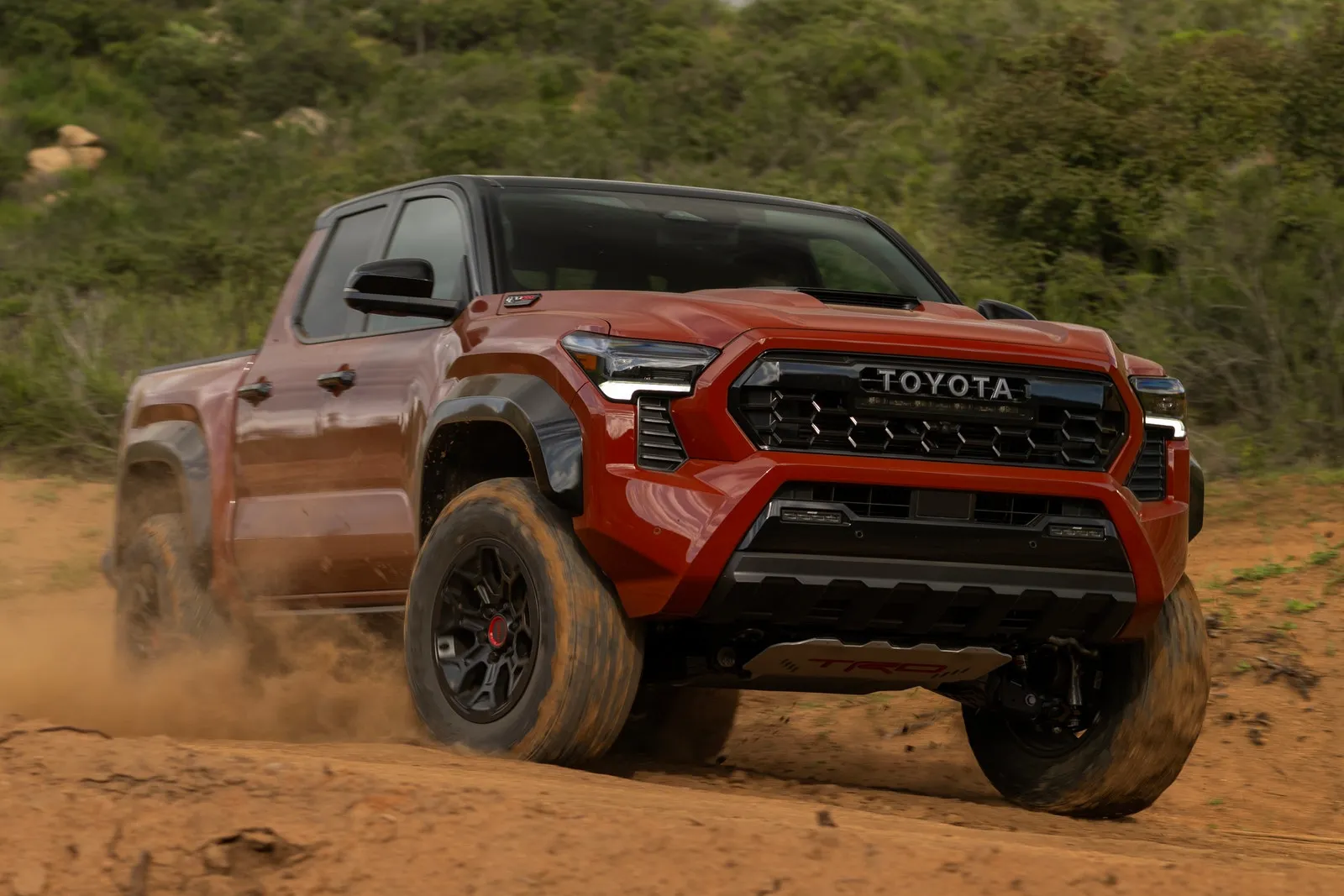
2. 2024 Toyota Tacoma TRD Pro
Pickup versatility combines with exceptional off-road capability in the Toyota Tacoma TRD Pro. Ground clearance reaches 9.4 inches, providing adequate room for most trail conditions without requiring aftermarket modifications.
Approach angle of 32.2 degrees and departure angle of 23.5 degrees handle moderate obstacles confidently. You get genuine off-road ability wrapped in daily-drivable proportions that don’t intimidate during city errands or highway commutes.
Fox Racing suspension with internal bypass technology provides excellent damping across a wide range of conditions. You get compliant ride quality during highway driving while maintaining control during high-speed dirt road running or slow-speed rock crawling.
This suspension absorbs hits from rocks and ruts without harsh impacts transmitted through the chassis. Skid plates protect the engine, transfer case, and fuel tank from trail damage that would disable less protected vehicles. Bed utility makes this Tacoma perfect for Provo adventures requiring gear transportation.
Camping equipment, mountain bikes, kayaks, climbing gear, and other outdoor necessities fit easily in the 5-foot bed. Tie-down points secure loads properly, and available tonneau covers protect gear from weather and theft. You can combine off-road capability with cargo capacity in ways that SUVs and crossovers cannot match.
Interior quality meets Toyota’s reputation for durability rather than luxury. Materials are functional and weather-resistant, handling muddy boots and wet gear without excessive wear. Seats provide good support during long drives and rough trails.
Technology includes a large touchscreen, smartphone connectivity, and premium audio that make daily driving pleasant. Build quality is typical Toyota solidity, with components that withstand years of hard use.
Also Read: 5 Cars for Hartford Winter Commuting vs 5 Cars That Break Early
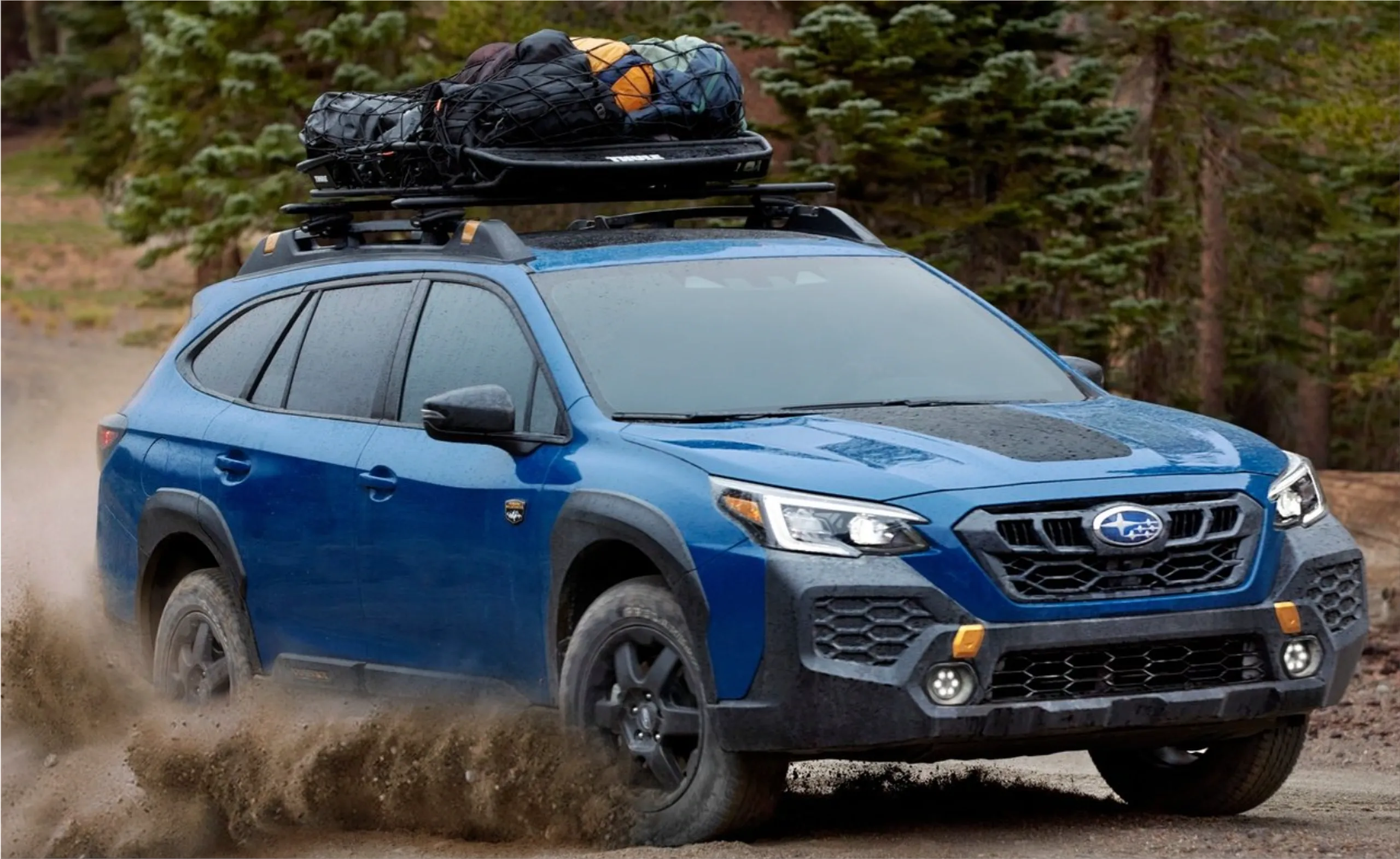
3. 2024 Subaru Outback Wilderness
Wagon practicality meets genuine off-road capability in the Subaru Outback Wilderness. Ground clearance measures 9.5 inches, providing adequate room for most dirt roads and moderate trails that Provo residents encounter during outdoor recreation.
This represents a substantial increase from standard Outback models, allowing confident navigation of rocky roads and rutted trails that would concern owners of lower vehicles.
Symmetrical all-wheel drive comes standard, distributing power continuously between front and rear axles rather than sending power rearward only when front wheels slip. This proactive approach provides better traction on loose, slippery, or uneven surfaces.
X-Mode enhances traction control during challenging conditions, optimizing power delivery and braking to maintain forward progress. Hill descent control manages speed automatically during steep downhill sections, preventing dangerous acceleration on loose surfaces.
Interior space accommodates outdoor gear easily. Rear cargo area swallows camping equipment, hiking gear, and sports equipment without requiring roof boxes that increase fuel consumption and create wind noise. Water-resistant upholstery handles wet gear and muddy boots without staining or retaining odors. Roof rails support cargo boxes or bike racks for equipment transportation.
Fuel economy remains reasonable despite increased capability. You’re achieving mid-20s mpg during mixed driving, far better than truck-based alternatives, while maintaining enough capability for most Provo outdoor adventures.
EyeSight driver assistance continues functioning during typical outdoor driving, providing safety features that many dedicated off-road vehicles lack. For families wanting one vehicle that handles daily duties and weekend recreation, this Outback Wilderness delivers excellent versatility.
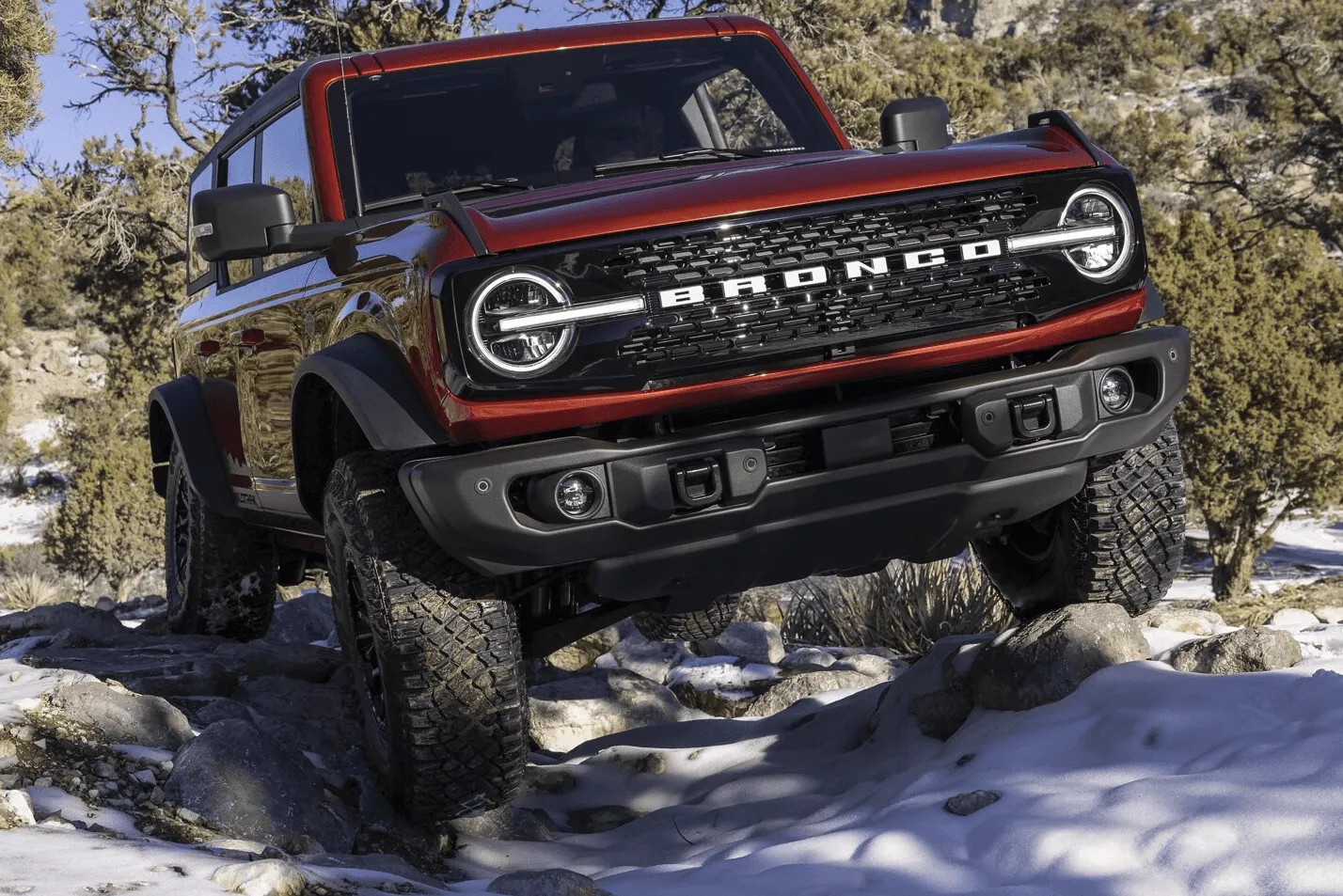
4. 2024 Ford Bronco Big Bend
Body-on-frame construction brings genuine off-road capability to Ford’s revived icon. Ground clearance measures 8.3 inches in standard configuration, adequate for moderate trails and dirt roads. Approach angle of 35.5 degrees and departure angle of 29.7 degrees handle obstacles that would stop crossovers designed primarily for pavement.
You’re driving a vehicle engineered for recreational off-roading rather than something pretending to be capable. Removable roof panels and doors provide open-air driving experiences perfect for Utah’s summer weather. You feel connected to your surroundings rather than isolated inside a sealed cabin.
This versatility makes the Bronco ideal for varying conditions, protecting during bad weather while allowing open experiences during perfect days. Washout plugs in the floor accommodate hosing out muddy interiors after particularly adventurous trips.
Interior design balances modern technology with rugged durability. Materials resist wear from outdoor gear and muddy boots. Rubberized surfaces wipe clean easily. Seats provide good support during long drives and rough trails. Technology includes a large touchscreen, navigation, and smartphone connectivity that make daily driving pleasant while maintaining the rugged character that defines Bronco ownership.
Modular design allows customization to match your specific needs. Front and rear bumpers, fender flares, and other components can be swapped for aftermarket alternatives that increase capability or change appearance.
Factory accessories include roof racks, auxiliary lighting, and cargo management systems. Strong aftermarket support provides endless options for personalization and capability enhancement.
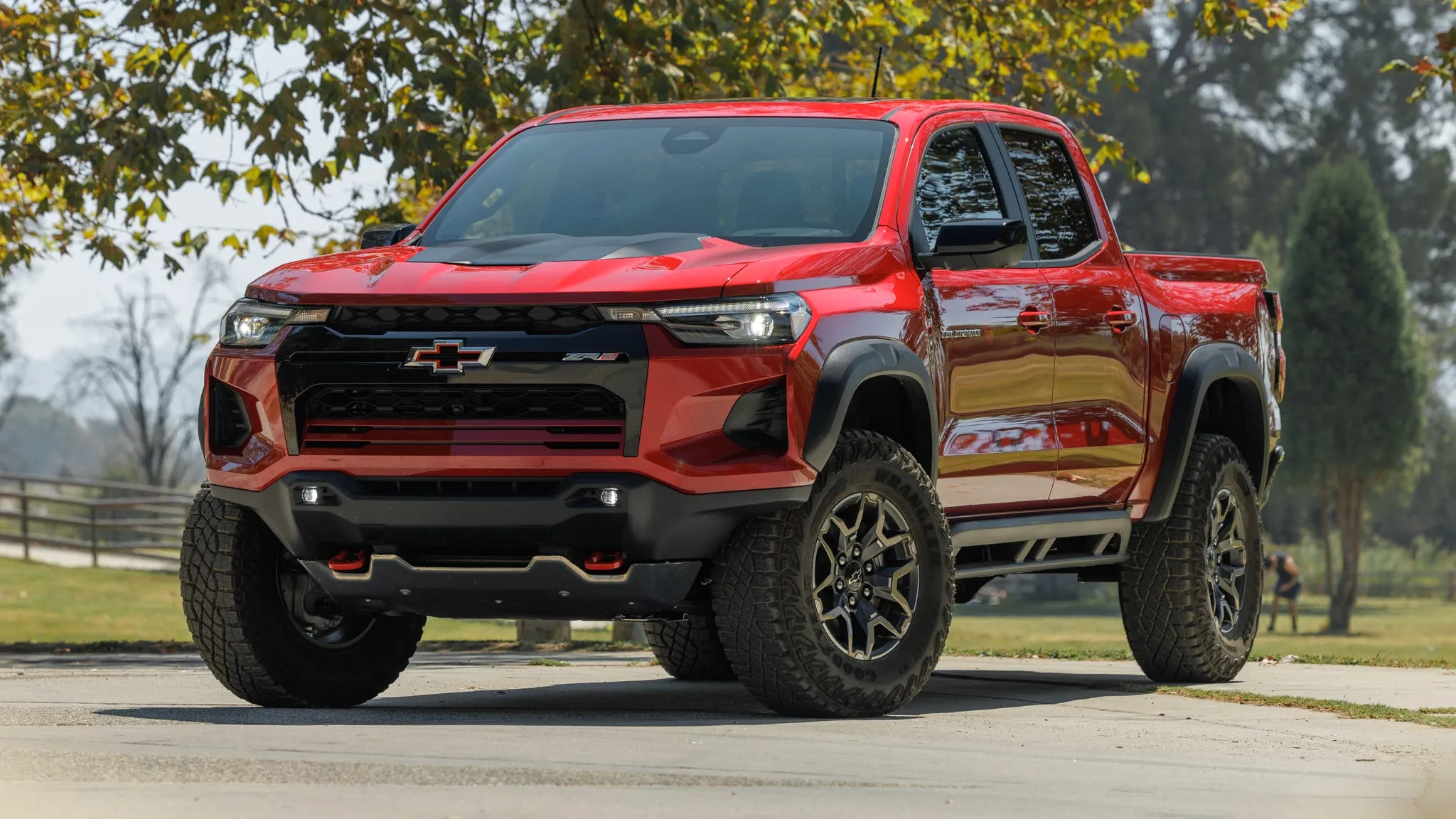
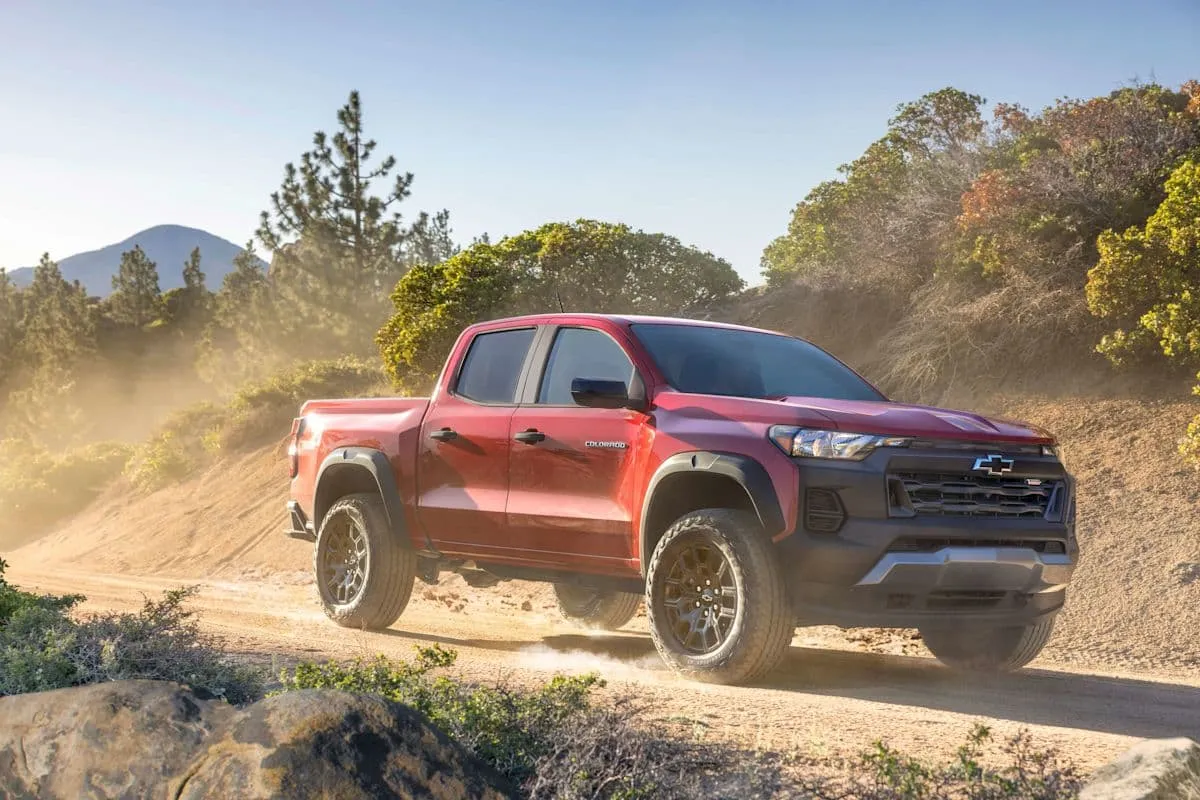
5. 2024 Chevrolet Colorado ZR2
Midsize truck dimensions provide maneuverability that full-size trucks lack while maintaining serious off-road capability. Ground clearance measures 10.7 inches, providing room to clear obstacles that would stop lower vehicles.
Approach angle of 32.9 degrees and departure angle of 24.1 degrees handle steep climbs and descents confidently. You get genuine capability wrapped in proportions that don’t intimidate during daily driving. Bed utility makes this Colorado perfect for outdoor adventures requiring equipment transportation.
Shorter bed length compared to full-size trucks makes parking easier while still providing adequate cargo capacity for most recreational needs. Tie-down points secure loads properly. Available spray-in bedliner protects against damage from rough use. You combine off-road capability with cargo versatility effectively.
Interior quality is acceptable, though not exceptional. Materials are durable rather than luxurious, handling outdoor use without excessive wear. Seats provide adequate support. Technology includes touchscreen infotainment, smartphone connectivity, and driver assistance features. Build quality is typical GM solidity from this era. You’re buying capability and utility rather than luxury.
Common issues are relatively minor for trucks used this way. Regular maintenance keeps these running reliably. Aftermarket support is growing as owners modify Colorado ZR2s for enhanced capability. Used values remain strong because these trucks deliver genuine performance. For Provo residents wanting midsize truck versatility with serious off-road capability, this Colorado ZR2 represents excellent value.
Cars That Don’t Handle Dirt Roads
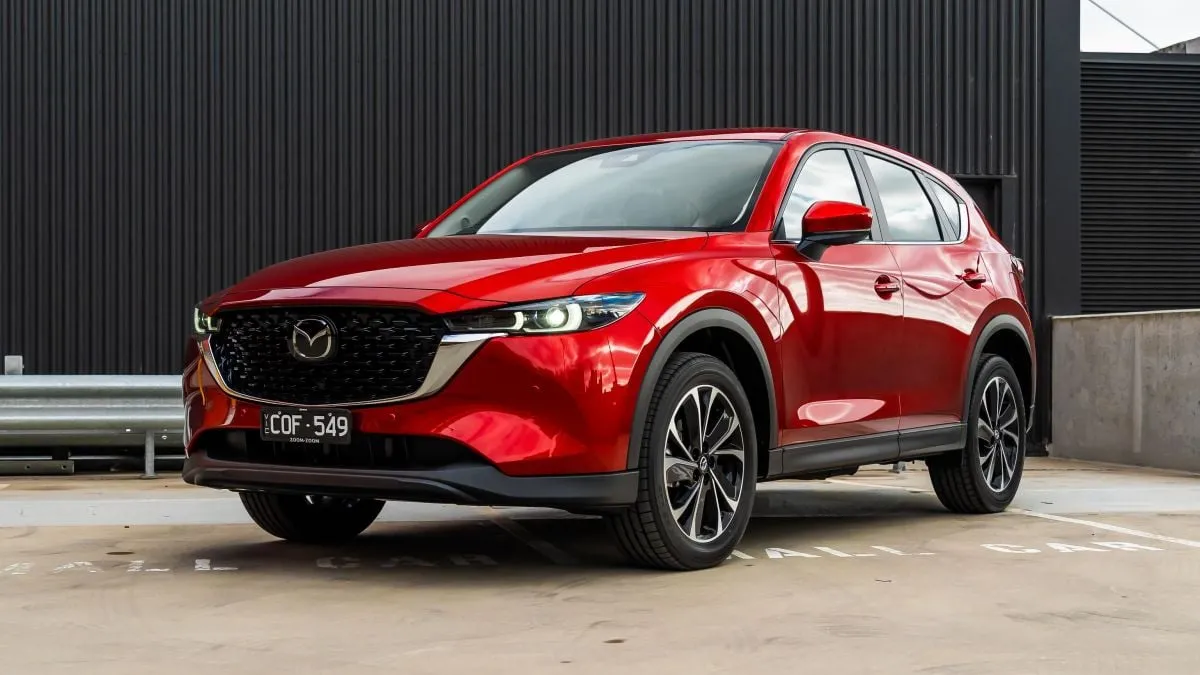
1. 2024 Mazda CX-5 Touring
Front-wheel drive architecture limits the Mazda CX-5 Touring when conditions deteriorate beyond smooth pavement. Ground clearance measures just 8.6 inches, which sounds adequate until you’re scraping the undercarriage on rocks or high-centering on ruts that capable vehicles clear easily. You’re driving a crossover optimized for city streets and highways rather than dirt roads that define Provo outdoor access.
Low-profile tires mounted on 19-inch wheels create multiple problems during dirt road driving. Sidewalls lack height to absorb impacts, transmitting harsh jolts through the suspension. Tires puncture easily when encountering sharp rocks.
Tread patterns optimize dry pavement grip rather than loose surface traction. Wheel damage from rocks and potholes costs hundreds of dollars per corner to repair. You’re constantly worried about tire and wheel damage rather than enjoying your destination.
Plastic lower body panels provide minimal protection from trail damage. Rock impacts crack and dent these components easily, requiring expensive replacement to maintain appearance. The exhaust system hangs low enough that rocks can damage pipes and mufflers. Oil pan and transmission lack adequate skid plate protection, leaving expensive components vulnerable to trail hazards that would merely scratch protected vehicles.
Interior materials aren’t designed for outdoor use. Cloth seats stain from wet or muddy gear. Carpet retains dirt and moisture, creating odors and potential mold. You’re hesitant to load dirty equipment because cleaning requires extensive effort. This crossover expects clean, dry cargo rather than the reality of outdoor recreation gear.
Fuel economy is good, averaging mid-20s mpg during mixed driving. Interior quality and driving dynamics are excellent on pavement. Technology and features meet modern expectations. But these strengths don’t help when you’re stuck on a dirt road watching more capable vehicles pass while you contemplate calling for a tow. For Provo residents serious about outdoor access, this CX-5 Touring disappoints where it matters most.
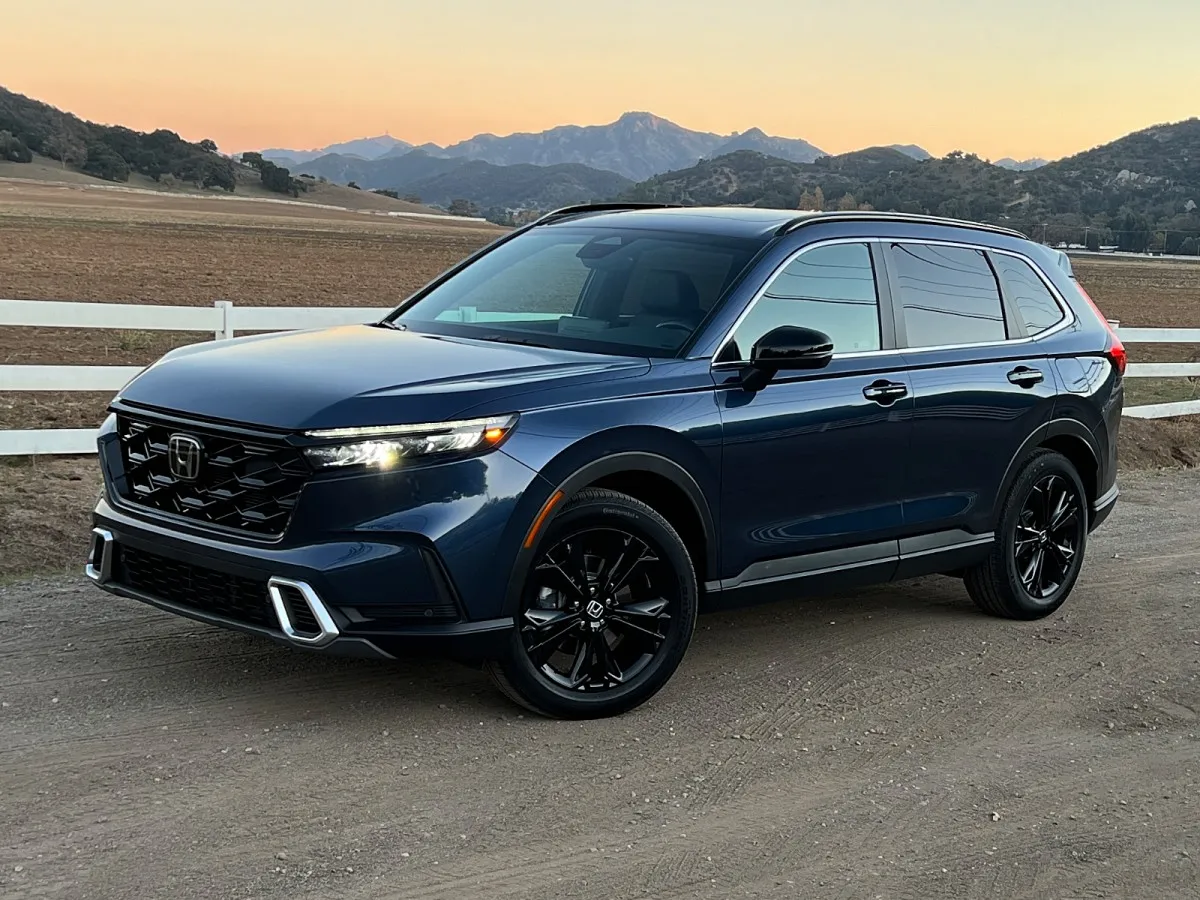
2. 2024 Honda CR-V Sport
All-wheel drive sounds promising until you realize Honda’s system prioritizes fuel economy over capability. Power flows primarily to the front wheels during normal driving, sending torque rearward only when the front wheels slip.
This reactive approach means you’re already losing traction before the system engages, creating situations where you’re stuck before help arrives. Ground clearance of 8.2 inches seems adequate until you’re scraping on rocks or bottoming out in ruts.
A continuously variable transmission struggles during demanding situations requiring low-speed torque. It lacks the gear reduction that traditional transmissions provide during steep climbs or technical sections. Engine revs climb while forward progress slows, creating a disconnect between sound and motion that makes precise control difficult.
You can’t select specific gear ratios for engine braking during descents, forcing constant brake pedal application that creates fade and excessive wear. Stock tires prioritize quiet highway operation and wet pavement grip rather than dirt road traction.
Tread patterns fill with mud quickly, reducing grip on slippery surfaces. Sidewalls lack the strength to resist punctures from sharp rocks. You’ll experience flats that ruin trips and require roadside tire changes in inconvenient locations. Carrying a spare becomes essential because getting stranded miles from pavement creates serious problems.
Interior design isn’t suited for outdoor gear. Cloth seats stain easily from wet or muddy equipment. Carpeting retains dirt and moisture. Loading camping gear, hiking boots, or mountain bikes requires protective covers to avoid ruining the interior. You spend more time protecting your vehicle than enjoying adventures because this CR-V wasn’t designed for the outdoor lifestyle it’s marketed toward.
Fuel economy is excellent, averaging high-20s mpg during careful driving. On-road driving dynamics are pleasant. Technology features are comprehensive. But these advantages don’t compensate for fundamental limitations when dirt roads and trails reveal this CR-V Sport’s true nature as a suburban crossover that shouldn’t venture far from pavement.
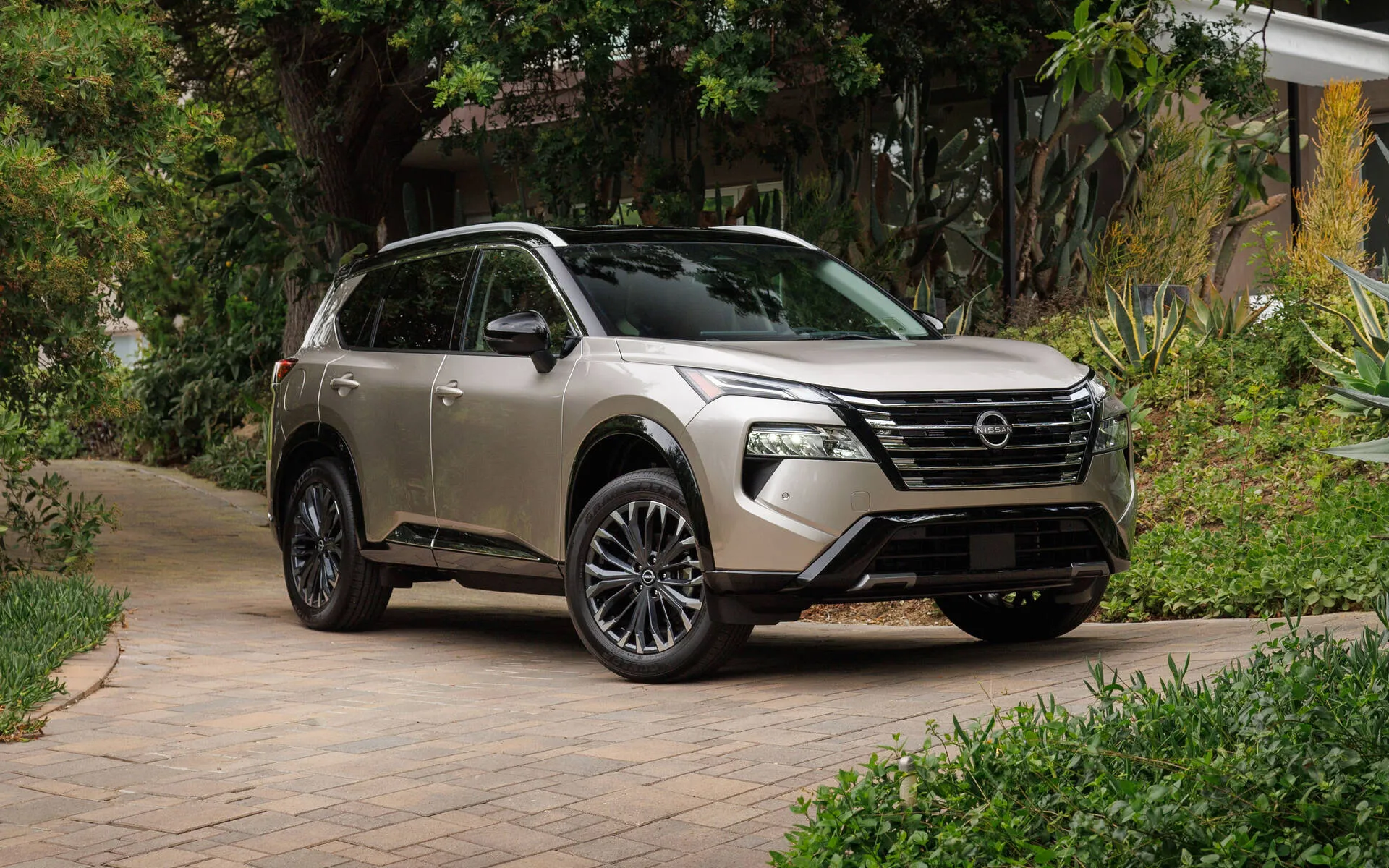
3. 2024 Nissan Rogue SL
Front-wheel drive configuration immediately limits the Nissan Rogue SL when conditions deteriorate beyond smooth surfaces. Ground clearance measures just 8.4 inches, creating constant scraping and bottoming concerns on uneven dirt roads. You’re piloting a crossover designed for shopping centers and school pickups rather than the trails and dirt roads that surround Provo.
Front-wheel drive sends power only forward, creating traction problems on loose surfaces where weight transfers rearward during acceleration. Front wheels spin helplessly while rear wheels with better weight and traction sit idle. You’ll find yourself stuck on gentle inclines that all-wheel drive vehicles climb effortlessly.
This fundamental limitation makes dirt road exploration anxious rather than enjoyable. Continuously variable transmission provides smooth operation on pavement but struggles during demanding off-road situations. You lack the gear reduction for crawling over obstacles or climbing steep grades.
Engine management becomes confused during low-speed maneuvering, creating surging and inconsistent power delivery. You can’t select specific ratios for engine braking during descents, forcing constant brake application that creates fade.
Stock tires mounted on 19-inch wheels create problems immediately when leaving pavement. Low-profile sidewalls lack height to absorb impacts from rocks and ruts. Tires puncture easily from sharp objects. Tread patterns optimize pavement performance rather than loose surface grip.
Wheels bend or crack from impacts that would merely scratch wheels with proper sidewall protection. You’re constantly worried about tire and wheel damage. Plastic lower body panels and minimal ground clearance create constant scraping on uneven surfaces.
Rock impacts crack these panels easily, requiring expensive replacement. The exhaust system hangs low enough that trail obstacles cause damage. Lack of skid plates leaves oil pan, transmission, and other expensive components vulnerable to punctures that would merely scratch protected underbodies.
Interior materials aren’t designed for outdoor use. Seats stain from wet or muddy gear. Carpeting retains dirt and odors. You hesitate to load camping equipment or hiking boots because cleaning requires extensive effort. This crossover expects clean cargo rather than the reality of outdoor recreation.
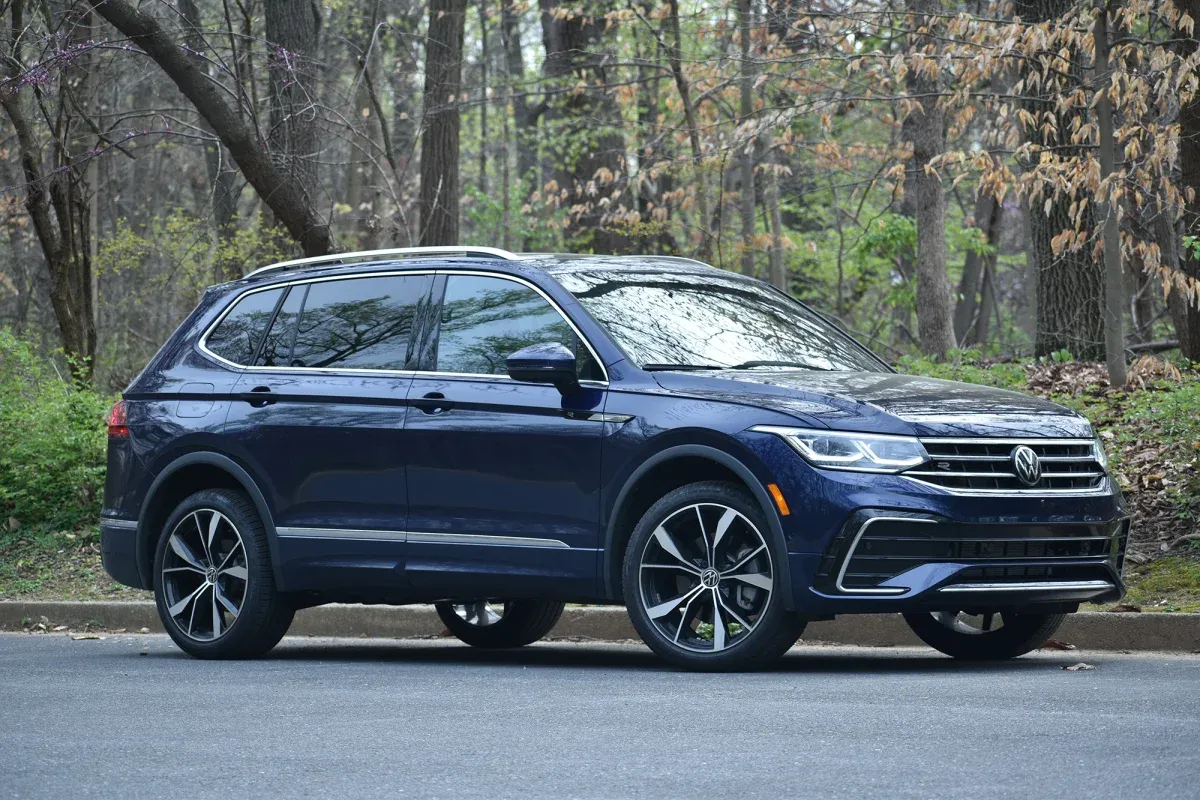
4. 2024 Volkswagen Tiguan SE
All-wheel drive sounds promising until you discover Volkswagen’s 4Motion system prioritizes efficiency over capability. Power flows primarily forward during normal operation, engaging the rear only when the front wheels slip.
This reactive approach means you’re already losing traction before help arrives. Ground clearance of 7.9 inches is inadequate for anything beyond maintained gravel roads, creating constant scraping and bottoming concerns.
Eight-speed automatic transmission lacks the low-range gearing that serious off-road vehicles employ. You don’t have the gear reduction for crawling over obstacles or climbing steep grades with control.
Engine revs climb while progress slows, creating disconnects between sound and motion. You can’t select specific gears for engine braking during descents, forcing constant brake application that creates fade and excessive wear.
The plastic skid plate provides minimal protection from rocks and debris. Exhaust components hang low enough that obstacles cause damage easily. The oil pan and transmission lack adequate shielding. You’re one unlucky rock impact away from catastrophic damage and expensive repairs that would merely scratch vehicles with proper protection.
Interior quality meets Volkswagen’s European standards but isn’t suited for outdoor use. Seats stain from wet or muddy gear. Carpeting retains dirt and moisture. You spend time protecting the interior rather than enjoying adventures because this Tiguan wasn’t designed for outdoor lifestyles, despite marketing suggesting otherwise.
Fuel economy is acceptable, averaging low-20s mpg. On-road driving dynamics are pleasant. Build quality meets German standards. Technology features are comprehensive. But these advantages don’t compensate for fundamental limitations that reveal themselves immediately when pavement ends, and dirt roads begin revealing this Tiguan’s true suburban nature.
Also Read: 5 Cars for Boise Outdoor Lifestyles vs 5 That Don’t Handle Dirt Roads
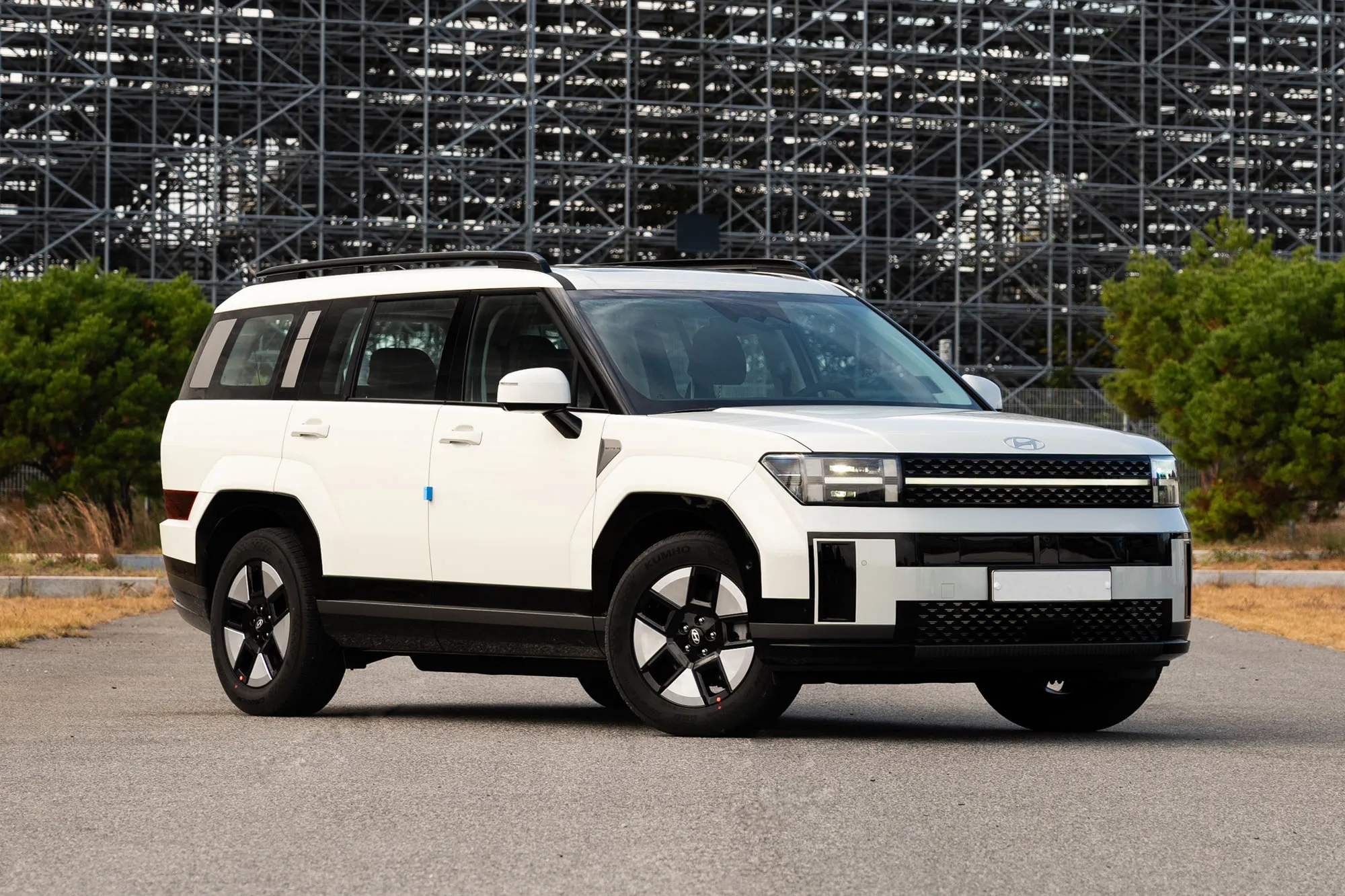
5. 2024 Hyundai Santa Fe SEL
Front-wheel drive limits the Santa Fe SEL immediately when conditions deteriorate beyond smooth pavement. Ground clearance measures 8.1 inches, creating constant concerns about scraping on rocks or high-centering in ruts. You’re driving a crossover optimized for suburban use rather than the dirt roads and trails that define Provo outdoor access.
Stock tires on 18-inch wheels create problems immediately when leaving pavement. Tread patterns optimize dry and wet pavement grip rather than loose surface traction. Sidewalls lack height to absorb impacts from rocks and ruts. Tires puncture easily from sharp trail hazards. Wheels bend or crack from impacts. You’re constantly worried about tire and wheel damage ruining trips.
Plastic lower body panels provide minimal protection from trail damage. Rock impacts crack these components easily, requiring expensive replacement. The exhaust system hangs low enough that obstacles cause damage. Lack of adequate skid plates leaves expensive components vulnerable to punctures that would merely scratch properly protected vehicles.
Interior materials aren’t designed for outdoor gear. Seats stain from wet or muddy equipment. Carpeting retains dirt and moisture. You hesitate to load camping gear because cleaning requires extensive effort. This Santa Fe expects clean, dry cargo rather than the reality of outdoor recreation equipment.
Fuel economy is reasonable, averaging mid-20s mpg during mixed driving. Interior quality is good for the price point. Technology features are comprehensive.
Warranty coverage is excellent. But these advantages don’t help when you’re stuck on a dirt road watching capable vehicles continue while you contemplate calling for recovery assistance that ruins your adventure and costs money.
