
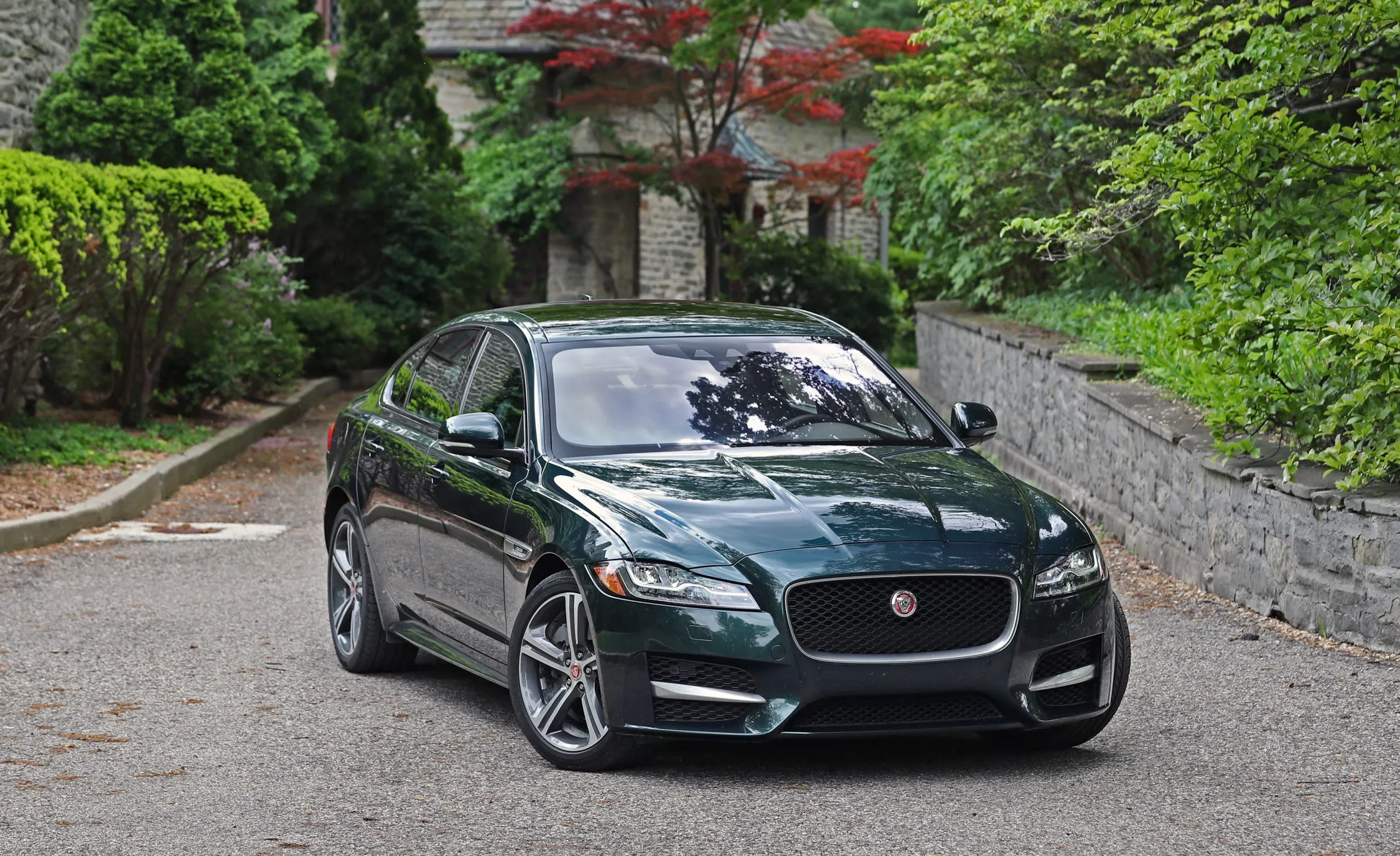
College life in Ann Arbor means balancing tuition payments, textbooks, rent, and somehow still needing reliable transportation. Students and young professionals working around the University of Michigan need vehicles that start reliably during Michigan winters, handle daily commutes without constant repairs, and don’t drain limited budgets through expensive parts and service visits.
Your car should be the least stressful part of your life, not a constant source of anxiety and unexpected expenses that force you to choose between fixing your ride and paying other bills. Not every used car delivers the reliability that student budgets demand. Some models seem affordable initially, but quickly reveal themselves as money pits requiring constant attention and repairs.
You’ll spend weekends wrenching in parking lots instead of studying, socializing, or enjoying what Ann Arbor offers. Repair costs mount faster than you can save, creating cycles where one fixed problem leads directly to discovering three more issues needing immediate attention. Insurance rates vary dramatically between models, with some costing hundreds more annually than equally capable alternatives.
Choosing the right vehicle for Ann Arbor student life determines whether you enjoy reliable transportation or become intimately familiar with every mechanic shop and tow truck operator in Washtenaw County. Fuel economy matters when you’re driving between campus, work, and wherever you’re living.
Repair predictability allows budgeting rather than constantly scrambling to cover unexpected expenses. Parts availability affects whether repairs take hours or weeks. Common problems that everyone experiences are easier to fix than obscure failures that baffle mechanics and require expensive diagnostics.
We will examine ten vehicles split into two categories. First, we’ll look at five cars that handle Ann Arbor student demands well, offering reliable transportation at manageable costs. Then we’ll discuss five vehicles that drain budgets through constant repairs, expensive parts, and maintenance demands that exceed what students and young professionals should reasonably handle.
Understanding these differences helps you make smart decisions that keep you mobile without bankrupting yourself.
5 Cars for Ann Arbor Students & Commuters

1. 2010-2015 Honda Civic LX
Budget-conscious students consistently choose the Honda Civic LX for good reasons. Fuel economy averages 30+ mpg during mixed driving, keeping gas costs manageable even when you’re commuting daily between Ann Arbor and the surrounding areas.
You’re not constantly calculating whether you can afford to drive somewhere because this Honda sips rather than gulps fuel. Insurance rates stay reasonable because companies see a responsible economy car rather than something risky or expensive to repair.
Reliability is where this Civic truly shines. Honda engineered these cars using proven components that simply work year after year. You’re not dealing with complicated systems that break mysteriously or require dealer-only diagnostic equipment to repair.
Regular oil changes, brake pad replacements, and tire rotations keep these running for 200,000+ miles without major drama. When something eventually does wear out, parts are inexpensive and readily available at any auto parts store rather than requiring special orders or dealer-only components.
Repair costs stay manageable because every mechanic in Ann Arbor knows how to fix Civics. You’re not limited to dealer service at $150+ per hour. Independent shops charge reasonable rates and complete work quickly because they’ve repaired countless examples.
Interior space accommodates typical student needs. You can fit textbooks, backpacks, groceries, and occasional larger items without constantly playing Tetris. Rear seats fold down for larger cargo, like mini fridges or furniture from Target. You won’t mistake this for a luxury car, but everything functions properly, and materials hold up reasonably well to daily use.
Common issues are minor and predictable. Some examples develop squeaky brakes, though this is more annoying than dangerous. Door lock actuators occasionally fail, though replacement is straightforward and affordable. Air conditioning systems may need recharging after many years. These are manageable problems rather than catastrophic failures that leave you stranded or broke.
Used Civic LX models from 2010-2015 sell for $8,000-$14,000, depending on mileage and condition. You’re buying proven reliability, excellent fuel economy, and low maintenance costs. For Ann Arbor students needing dependable transportation without constant drama, this Honda Civic LX represents one of the smartest choices available.
2. 2011-2016 Mazda3 i Touring
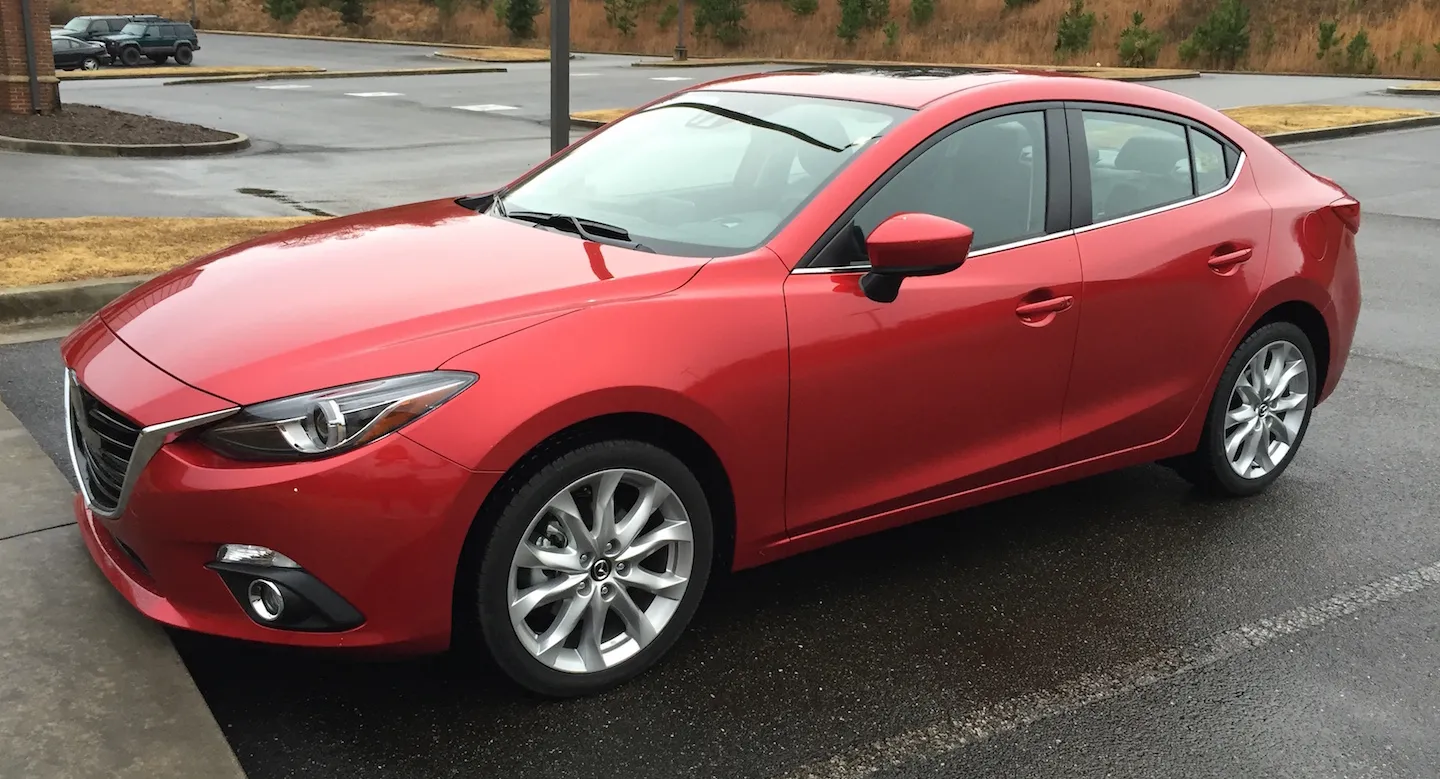
Driving enjoyment meets practical reliability in the Mazda3 i Touring. Unlike many economy cars that feel lifeless and boring, this Mazda provides engaging driving dynamics that make daily commutes less tedious. Steering feels responsive with good feedback. Handling is composed and predictable.
Fuel economy is competitive with rivals, averaging high-20s mpg during mixed driving. You’re not sacrificing efficiency to gain driving enjoyment. Insurance rates stay reasonable because companies see an economy car rather than a sports sedan. Running costs remain manageable for student budgets that don’t accommodate constant fuel stops or premium gas requirements.
Reliability from this generation Mazda3 is excellent. Mazda used proven powertrains and avoided complicated systems that create expensive problems. Regular maintenance keeps these running reliably for 150,000+ miles without major issues. When repairs are needed, costs stay reasonable because parts are widely available and mechanics are familiar with these cars.
Rust resistance deserves mention because Michigan winters are brutal on vehicles. Earlier Mazda models had terrible rust problems, but this generation improved dramatically. You’ll still want to wash regularly during winter to remove road salt, but proper care prevents the catastrophic rust that destroyed earlier Mazdas. Check wheel arches and rocker panels carefully when buying used examples, but clean cars from this era hold up acceptably.
Interior quality exceeds most competitors in this price range. Materials look and feel more upscale than Honda or Toyota equivalents. Seats provide good support and comfort during longer drives. Dashboard design is attractive and functional. You’re driving something that feels nicer than its price suggests, which improves the daily experience.
Winter capability is adequate with proper tires. Front-wheel drive provides acceptable traction during snow and ice. Ground clearance handles plowed Ann Arbor streets without issues. The heating system works properly, maintaining comfortable temperatures during Michigan winters. You can add a remote start aftermarket if it’s not factory-equipped.
Also Read: 9 Fastest Internal-Combustion Supercars Still in Production in 2025
3. 2008-2013 Toyota Corolla LE
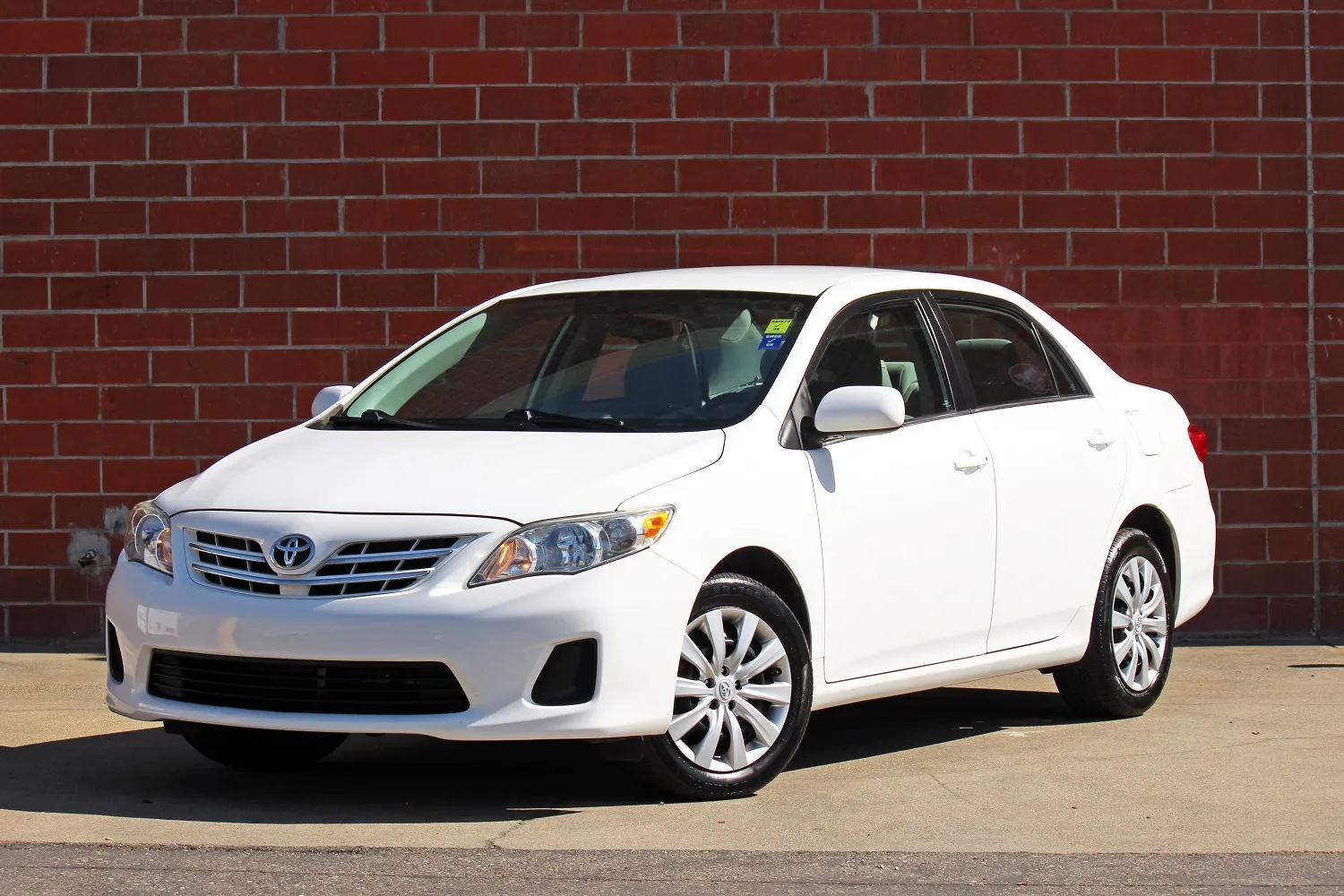
Boring gets a bad reputation, but boring reliability is exactly what student budgets need. Toyota Corolla LE models from this era are spectacularly unexciting, offering nothing to quicken pulses or create parking lot conversations.
But they start reliably every single time, run forever with minimal maintenance, and never surprise you with expensive repair bills. You’re buying transportation appliance reliability that lets you focus on school, work, and life rather than constantly worrying about your car.
Fuel economy is excellent, averaging 30+ mpg during mixed driving. You’re spending less on gas than most alternatives, freeing up money for other expenses. This Corolla runs on regular unleaded rather than requiring premium fuel.
Oil changes happen every 5,000 miles with conventional oil or 10,000 miles with synthetic. You’re not constantly scheduling service appointments or spending money on maintenance. Reliability is legendary. Toyota engineered these Corollas using proven components and conservative designs that simply work.
You’re not dealing with experimental technology or complicated systems. When something eventually wears out after 150,000+ miles, repairs are straightforward and affordable. Parts are readily available everywhere. Every mechanic knows how to fix Corollas. You have junkyard options for non-critical components.
Winter capability is adequate for Ann Arbor weather. Front-wheel drive provides acceptable traction with proper winter tires. Ground clearance handles plowed streets without scraping. The heating system maintains comfortable temperatures. You can add a remote start aftermarket easily if desired. This Corolla won’t win any winter driving awards, but it handles Michigan weather competently.
4. 2009-2014 Ford Focus SE
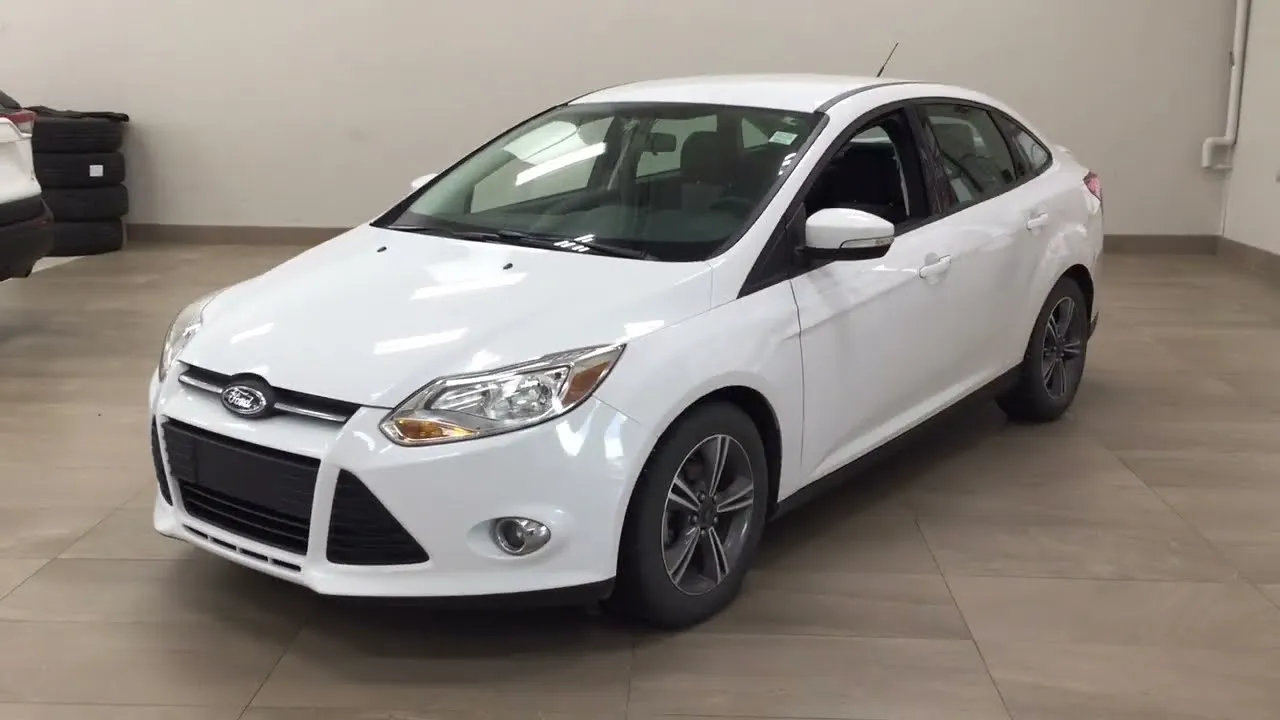
American economy cars improved dramatically during this era, and the Ford Focus SE proves it. You’re getting practical transportation with decent fuel economy, acceptable reliability, and low maintenance costs that student budgets can handle. This Focus isn’t exciting, but it delivers dependable service without constant drama or expensive repairs that plague some alternatives.
Fuel economy averages high-20s mpg during mixed driving. You’re not achieving Toyota or Honda efficiency, but consumption stays reasonable for daily Ann Arbor commuting. This Focus runs on regular unleaded, avoiding premium fuel requirements that increase operating costs. Insurance rates are competitive because companies see an economy car rather than something expensive or risky.
Reliability from non-automatic transmission examples is good. Manual transmission models avoid the dual-clutch automatic problems that plagued 2012-2016 Focus models. You’re getting straightforward mechanical components that work reliably when maintained.
Interior space is generous for the compact class. You can fit multiple passengers comfortably, along with typical student cargo like textbooks, groceries, and equipment. Rear seats fold down for larger items. Materials are basic but functional, holding up to daily use without falling apart. You get Ford’s Sync infotainment system, which works adequately for phone calls and music streaming.
Winter capability is acceptable with proper tires. Front-wheel drive provides adequate traction during snow and ice. Ground clearance handles plowed Ann Arbor streets without issues. The heating system maintains comfortable temperatures during Michigan winters. You can add a remote start aftermarket easily if factory equipment isn’t included.
Common issues with manual transmission models are minor. Some examples develop minor oil leaks or worn suspension bushings after high mileage. These are inexpensive repairs that don’t leave you stranded. Electrical gremlins occasionally surface but rarely cause serious problems. Proper maintenance prevents most issues.
Used Focus SE manual transmission models sell for $5,000-$9,000, depending on mileage and condition. You’re buying reliable transportation at affordable prices. For students comfortable with manual transmissions, this Ford Focus SE represents excellent value and avoids the transmission problems that make automatic models poor choices.
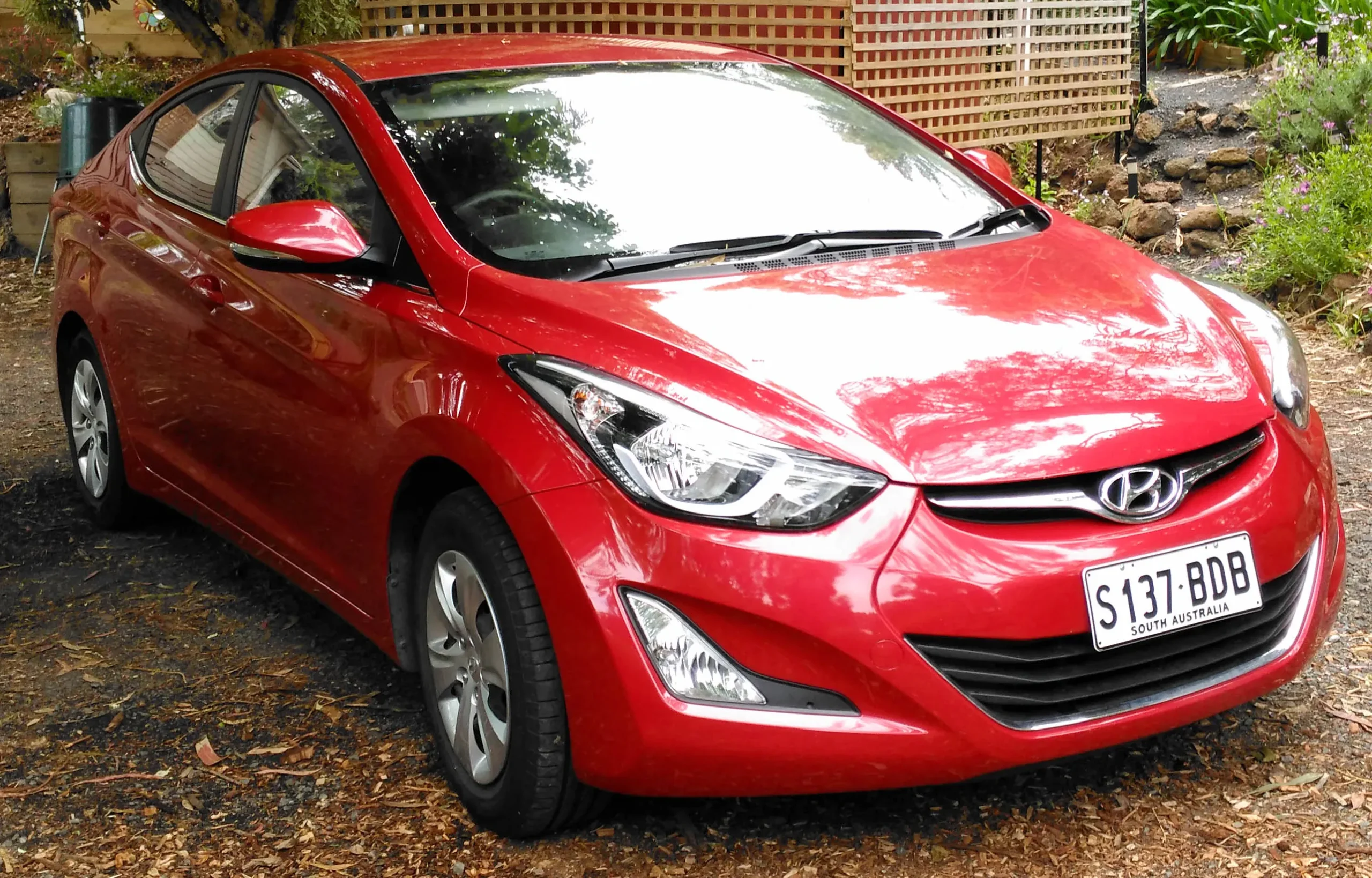
5. 2010-2015 Hyundai Elantra GLS
Korean engineering improved dramatically during this era, and the Hyundai Elantra GLS demonstrates this evolution. You’re getting reliable transportation with excellent warranty coverage, good fuel economy, and features that exceed what competitors offer at similar prices. This Elantra proves that budget cars don’t require sacrificing everything to achieve affordability.
Reliability from this generation is good, representing substantial improvement from earlier Hyundai models. Regular maintenance keeps these running reliably for 150,000+ miles. When repairs are needed, costs stay reasonable because parts are widely available. Mechanics are familiar with these cars, avoiding diagnostic challenges that increase labor costs.
Interior quality and features exceed what Honda or Toyota offer at similar prices. You get better materials, more standard equipment, and nicer design. Seats provide good comfort and support. Dashboard layout is attractive and functional. You’re driving something that feels more upscale than its price suggests, improving daily satisfaction.
Winter capability is adequate with proper tires. Front-wheel drive provides acceptable traction during snow and ice. Ground clearance handles plowed streets without scraping. The heating system maintains comfortable temperatures during Michigan winters. Some models include heated seats, a luxury feature that makes cold mornings more bearable.
Common issues are relatively minor. Some examples develop minor oil leaks or worn suspension components after high mileage. These are manageable repairs rather than catastrophic failures. Electrical systems occasionally develop gremlins, though these rarely cause serious problems. Proper maintenance prevents most issues.
Used Elantra GLS models sell for $6,000-$11,000, depending on mileage and condition. You’re buying reliable transportation with warranty protection and features that exceed competitors. For students wanting dependable cars with nice interiors and good equipment levels, this Hyundai Elantra GLS represents excellent value.
High-maintenance Cars to Avoid
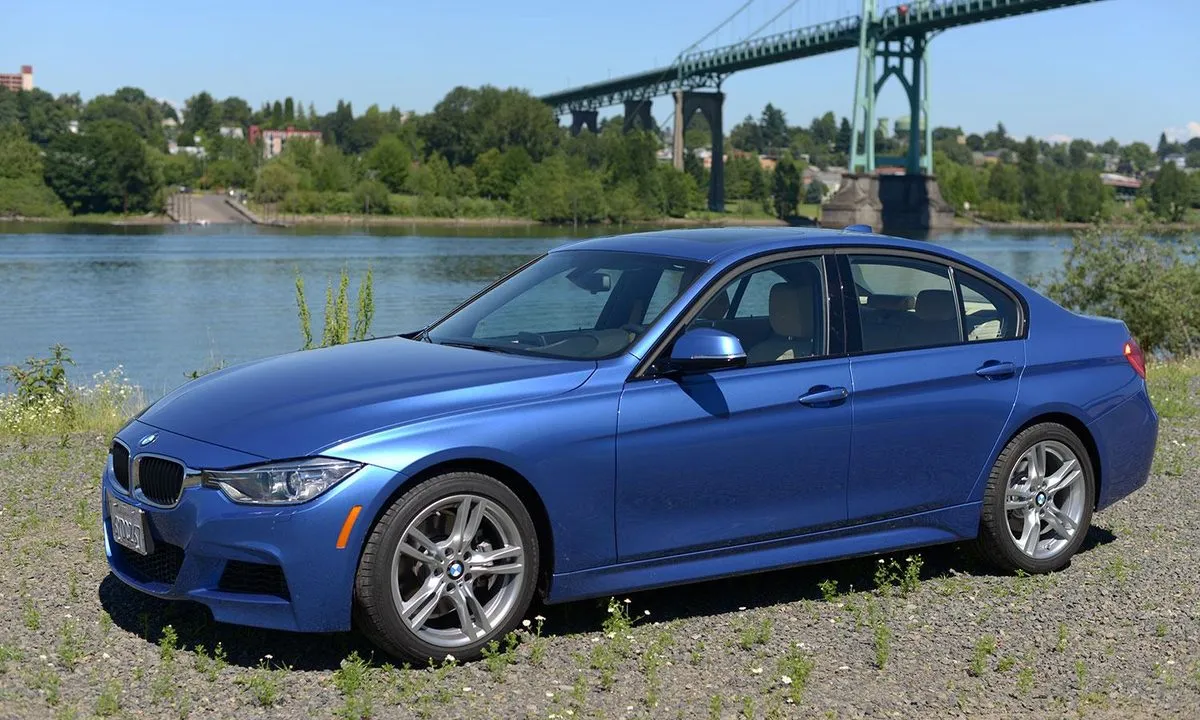
1. 2006-2013 BMW 328i
German luxury appeals to students wanting something prestigious, but the BMW 328i from this era becomes a money pit that drains limited budgets. You’re buying a car that costs $8,000-$15,000 used, but requires maintenance and repairs matching vehicles that originally cost $40,000+.
Parts pricing reflects BMW’s premium positioning, with simple components costing two to three times what Honda or Toyota equivalents run. Labor rates at BMW specialists often exceed $150 per hour, turning routine service into budget-destroying expenses.
Water pump failures plague these models, occurring predictably around 60,000-80,000 miles. Replacement costs $800-$1,200 because BMW engineers buried the pump deep in the engine bay, requiring extensive disassembly to access.
When the water pump fails, it often takes the thermostat and associated cooling system components with it, adding hundreds more to repair bills. You can’t defer this repair because overheating destroys engines worth thousands.
Electric water pumps on later models fail even more frequently than mechanical units. You’ll experience sudden overheating without warning, potentially causing catastrophic engine damage if you don’t notice it immediately. Replacement requires dealer parts and specialized tools, making DIY repairs difficult for most owners. You’re looking at $1,000+ every time this component fails.
Valve cover gaskets leak oil, creating messy but not immediately catastrophic problems. Repair costs $600-$1,000, depending on which gaskets need replacement and whether you’re using a dealer or an independent shop. Oil filter housing gaskets also leak, adding another $400-$800 repair. You can defer these temporarily, but leaking oil eventually damages other components or creates fire hazards.
Oil consumption becomes excessive on higher-mileage examples, requiring additional oil between changes. BMW’s extended service intervals of 15,000 miles accelerate wear, particularly if previous owners followed these recommendations rather than changing oil more frequently. You’re buying expensive synthetic oil and adding quarts between services, increasing operating costs substantially.
Cooling system overhauls become necessary around 100,000 miles. You’re replacing the radiator, hoses, expansion tank, water pump, thermostat, and associated components simultaneously because plastic parts become brittle and fail. Total cost approaches $2,000-$3,000, a devastating expense for student budgets. Deferring this work leads to catastrophic overheating and engine damage.
Insurance rates are high because companies recognize BMW repair costs and theft rates. You’re paying premium insurance prices for a used economy car’s reliability. This ongoing expense adds hundreds annually to ownership costs.
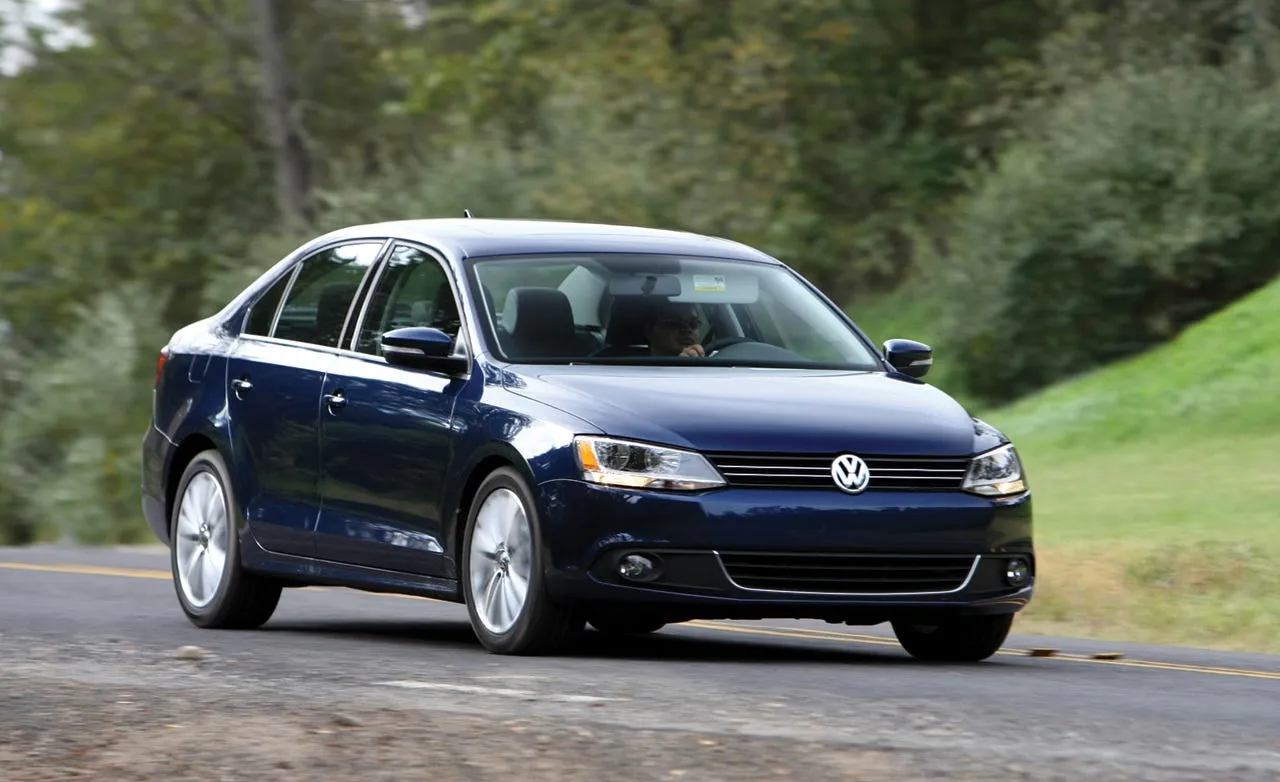
2. 2004-2011 Volkswagen Jetta GLI
Turbocharged performance sounds appealing until repair bills arrive. Volkswagen Jetta GLI models from this era suffer from expensive problems that devastate student budgets. Initial purchase prices seem reasonable at $6,000-$12,000, but maintaining these cars costs far more than the Honda or Toyota alternatives students should buy instead.
Timing belt replacement is required every 80,000-100,000 miles, costing $1,000-$1,500 at independent shops or $2,000+ at dealers. This isn’t optional maintenance; interference engine design means timing belt failure destroys the engine completely, requiring replacement costing $5,000-$8,000. You’re facing catastrophic loss if you defer this service, yet performing it on schedule costs more than some students spend on their entire car.
Turbocharger failures occur frequently on neglected examples. Replacement costs $1,500-$2,500, depending on parts quality and labor rates. Symptoms include reduced power, excessive smoke, and unusual noises. You can’t drive with a failed turbo, turning this from an inconvenience into an emergency requiring immediate attention and money you probably don’t have.
Carbon buildup on intake valves is inevitable with direct injection engines. Symptoms include rough idle, misfires, and reduced performance. Cleaning requires specialized equipment and costs $400-$800, needing repetition every 40,000-60,000 miles. This ongoing expense never ends, adding hundreds annually to maintenance costs.
Ignition coil failures plague these engines. Symptoms include rough running, misfires, and check engine lights. Replacing all four coils preventatively costs $400-$600, yet failures continue occurring because VW uses inadequate components. You’ll replace coils multiple times during ownership, each occurrence costing hundreds and leaving you stranded until repairs are completed.
Water pump failures occur frequently, particularly on models using plastic impellers that disintegrate without warning. Replacement costs $600-$1,000, and failure often causes overheating that damages engines. You’re facing expensive repairs from a wear item that should last 150,000+ miles in well-engineered vehicles.
DSG dual-clutch transmission requires expensive service every 40,000 miles, costing $400-$600 per service. Skipping this maintenance destroys the transmission, requiring replacement costing $4,000-$6,000. You’re locked into expensive service intervals that never end, adding substantial costs throughout ownership.
Parts availability can be problematic. Some components require special ordering from dealers, creating delays when repairs are needed. You’re waiting days or weeks for parts while your car sits disabled, forcing you to find alternative transportation or miss classes and work.
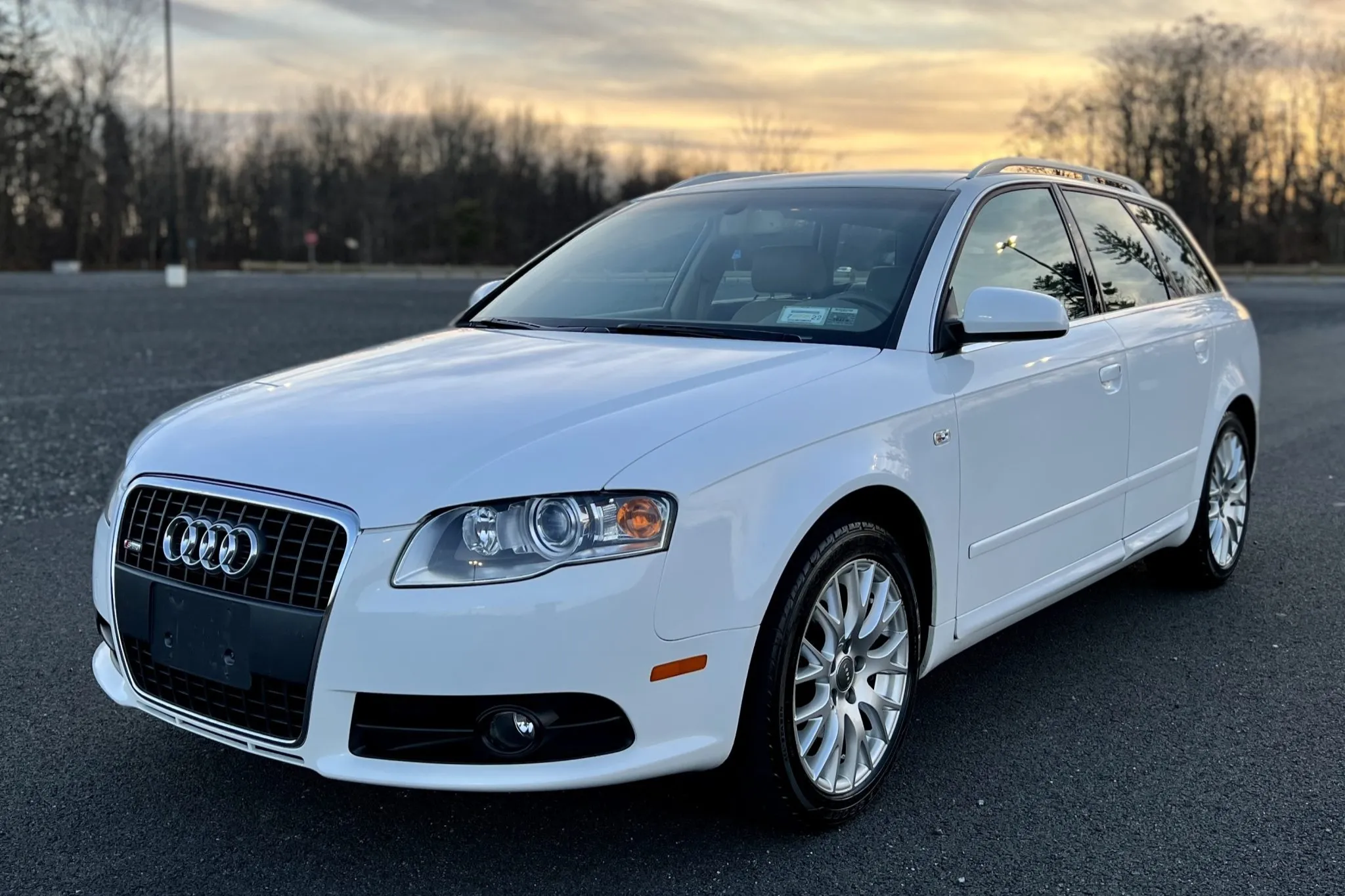
3. 2003-2008 Audi A4 2.0T
Luxury badge appeal attracts students wanting prestige, but the Audi A4 2.0T destroys budgets through constant repairs and expensive maintenance. Purchase prices seem reasonable at $5,000-$10,000, but ownership costs quickly exceed the initial investment. You’re maintaining a vehicle designed for customers who can afford $50,000 new cars, not students working part-time jobs and managing tuition payments.
Timing belt and water pump replacement is required every 75,000-100,000 miles, costing $1,500-$2,500 at independent shops. This service is mandatory because interference engine design means that timing belt failure destroys the engine completely. The water pump is replaced simultaneously because it’s driven by the timing belt, and failure between services causes expensive damage.
Turbocharger failures are common on neglected examples. Replacement costs $2,000-$3,500, depending on parts quality and shop rates. Oil feed line failures starve the turbo of lubrication, causing bearing damage that requires complete turbo replacement. These failures occur without warning, leaving you with expensive repairs and no transportation until work is completed.
Carbon buildup on intake valves creates performance problems requiring expensive cleaning. Symptoms include rough idle, hesitation, and reduced power. Walnut blasting costs $500-$1,000 and needs repetition every 40,000-60,000 miles. This ongoing expense never ends, adding hundreds annually to ownership costs throughout the vehicle’s life.
Ignition coil and spark plug failures occur frequently. Replacing all components preventatively costs $500-$800, yet failures continue because Audi specifies inadequate parts. You’ll perform this repair multiple times during ownership, each occurrence costing hundreds and potentially leaving you stranded.
Coolant system failures are inevitable. Expansion tanks crack, hoses deteriorate, and various plastic components fail. Complete cooling system overhaul costs $1,500-$2,500, necessary around 100,000 miles to prevent catastrophic overheating. Individual component failures before a complete overhaul add hundreds more in repairs.
Oil consumption becomes excessive on higher-mileage examples. You’re adding expensive synthetic oil between changes, increasing operating costs substantially. Audi’s extended service intervals accelerate wear, particularly if previous owners followed manufacturer recommendations rather than changing oil more frequently.
Electrical problems surface constantly. Window regulators fail, costing $400-$600 per door. Central locking systems malfunction, requiring expensive repairs. Various sensors fail, triggering check engine lights that require dealer diagnostics. You’re constantly chasing electrical gremlins that drain budgets.
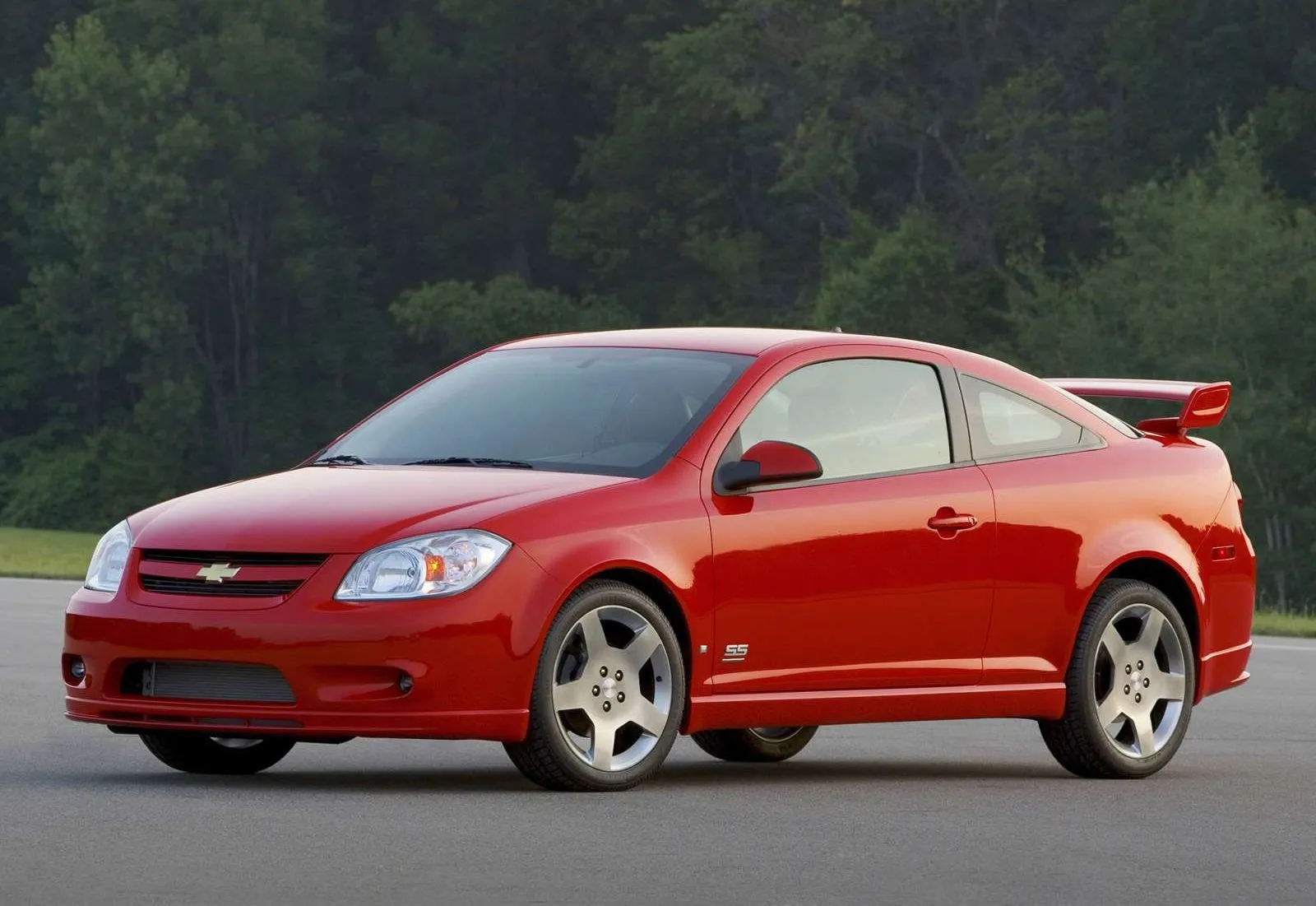
4. 2005-2010 Chevrolet Cobalt SS
Performance appeal attracts enthusiasts, but the Chevrolet Cobalt SS creates maintenance nightmares that drain student budgets. Turbocharged models produce impressive power, but reliability suffers from aggressive tuning and components that can’t handle sustained performance use.
You’re buying a car that’s been driven hard by previous owners who prioritized performance over maintenance. Timing chain problems plague these engines despite not requiring periodic replacement like timing belts.
Stretched chains create rattling noises during cold starts, indicating wear that eventually leads to catastrophic failure. Replacement costs $1,500-$2,500, yet failures continue because GM used inadequate tensioners and guides. You’re facing expensive repairs for components that should last the engine’s lifetime.
Turbocharger failures occur frequently on modified examples. Many Cobalt SS models have been modified, tuned, or abused by previous owners. Replacement turbos cost $1,000-$2,000 installed, yet you’re buying a car that’s already been stressed beyond design limits. Hidden damage from previous abuse reveals itself through expensive failures.
High-pressure fuel pump failures leave you stranded without warning. Replacement costs $800-$1,500, depending on parts quality and labor rates. This component is critical for turbocharged engines, and failure means the car won’t run. You’re facing expensive repairs and towing costs when failure occurs miles from home.
Fuel economy is poor despite the car’s size. Turbocharged performance and aggressive tuning result in mid-teens mpg during mixed driving. Premium fuel requirements add 30+ cents per gallon to operating costs. You’re spending substantially more on fuel than economy alternatives while sacrificing reliability and practicality.
Insurance rates are elevated because companies recognize performance vehicles as higher risk. You’re paying premium rates that add hundreds annually to ownership costs. Combined with poor fuel economy and high maintenance expenses, total ownership costs quickly exceed what students should reasonably spend.
Interior quality is poor even for a Chevrolet from this era. Materials feel cheap and wear poorly. Seats provide minimal support and comfort. You’re driving something that feels low-rent despite the performance capabilities, reducing daily satisfaction when you’re not enjoying the acceleration.
Parts availability for performance-specific components can be problematic. Some items require special ordering or searching for used parts from other enthusiasts. You’re waiting for repairs while your car sits disabled, forcing you to find alternative transportation during a time when you can’t afford the inconvenience.
Also Read: 9 Dirt-Cheap Sports Cars That Won’t Bankrupt You on Maintenance
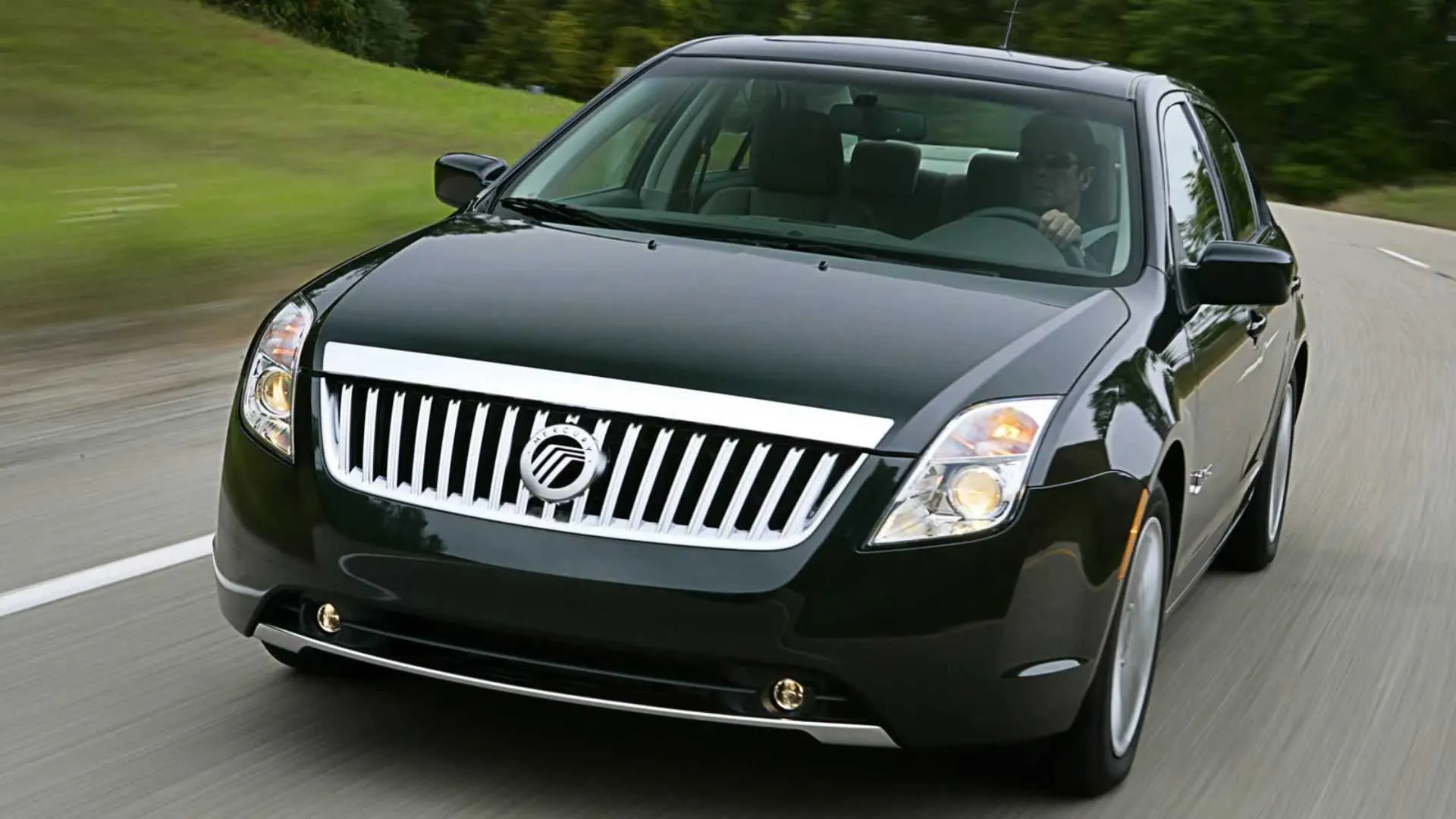
5. 2006-2011 Mercury Milan Premier
American luxury sedans seem like bargains until repair bills arrive. Mercury Milan Premier models appear affordable at $4,000-$8,000, but ownership costs quickly exceed initial savings. You’re maintaining a discontinued brand’s premium model, which creates parts availability problems and higher-than-expected repair costs for what’s essentially a gussied-up Ford Fusion.
V6 engine option seems appealing for additional power, but it introduces problems that four-cylinder models avoid. Water pump failures occur around 60,000-80,000 miles, costing $600-$1,000 to repair. Timing chain problems develop on neglected examples, creating expensive repairs. You’re choosing the engine option that costs more to maintain while not delivering enough benefit to justify the additional expense.
Transmission issues plague these models, particularly those used for frequent stop-and-go driving. Harsh shifting, slipping, and complete failures occur before 100,000 miles on neglected examples. Replacement costs $2,500-$4,000, a catastrophic expense that exceeds the vehicle’s value. Proper maintenance helps, but doesn’t eliminate risk because Ford’s transmissions from this era have documented problems.
Electrical problems surface frequently. Body control modules fail, causing various functions to malfunction simultaneously. Window regulators break, requiring $300-$500 per door to repair. Power steering systems develop issues, costing $800-$1,500 to repair. You’re constantly chasing electrical gremlins that drain budgets without improving reliability.
Suspension components wear prematurely. Strut mounts fail, creating clunking noises and poor handling. Control arm bushings deteriorate, requiring expensive replacement. You’re spending hundreds repairing suspension problems that well-engineered vehicles avoid during normal service life.
Rust develops rapidly on examples from Michigan winters. Rockers, wheel arches, and rear quarters show bubbling paint and perforation within 5-7 years of use in salt-heavy environments. Structural rust creates safety concerns and destroys resale value. You’re watching your investment dissolve literally from oxidation that proper rustproofing would prevent.
Parts availability problems arise from Mercury’s discontinuation. Some components require searching multiple suppliers or buying used parts from junkyards. You’re waiting for repairs while your car sits disabled, forcing alternative transportation arrangements during periods when you can’t afford the inconvenience or expense.
Resale value plummets because buyers recognize Milan’s reliability problems and Mercury’s discontinuation. You’re losing money on depreciation while simultaneously spending more on repairs. This combination creates financial losses that student budgets cannot absorb without sacrificing other necessities.
