
Surprise, Arizona, suburban living demands vehicles that balance reliability, comfort, and reasonable maintenance costs. Your daily commute might stretch 30-40 miles each way down US-60 or Loop 303, accumulating serious mileage that tests vehicle durability.
Arizona heat accelerates wear on cooling systems, air conditioning components, and interior materials. You need something that handles extended highway cruising without constant repairs, maintains comfortable cabin temperatures during brutal summers, and can be serviced at independent shops rather than requiring expensive dealer visits.
Choosing the wrong vehicle transforms affordable suburban living into financial stress through constant repair bills. Some vehicles demand dealer-only service for routine maintenance, forcing you to pay premium labor rates that independent shops charge half price for identical work.
Proprietary diagnostic equipment, special tools, or software updates that only dealers can perform trap you into expensive service relationships. Meanwhile, certain brands require repairs so frequently that monthly payments become the least expensive part of ownership.
Smart vehicle selection means researching which models actually deliver reliable suburban transportation without breaking your budget through maintenance costs. Some vehicles prove mechanically simple enough that any competent independent shop can service them using readily available parts.
Others require specialist knowledge or equipment that forces dealer visits, charging $150-$200 per hour for labor. That difference compounds dramatically when your vehicle needs service every few months rather than just annually.
This guide focuses on ten vehicles specifically through the lens of Surprise suburban commuting and maintenance accessibility. Five models deliver reliable transportation that independent shops can affordably service, making them smart choices for budget-conscious families.
Then we’ll expose five that require constant dealer visits for repairs and maintenance, creating ongoing expenses that destroy household budgets. Whether you’re relocating to Surprise or replacing a vehicle that proved too expensive to maintain, this information could save you thousands annually.
Cars Perfect for Surprise Commuting
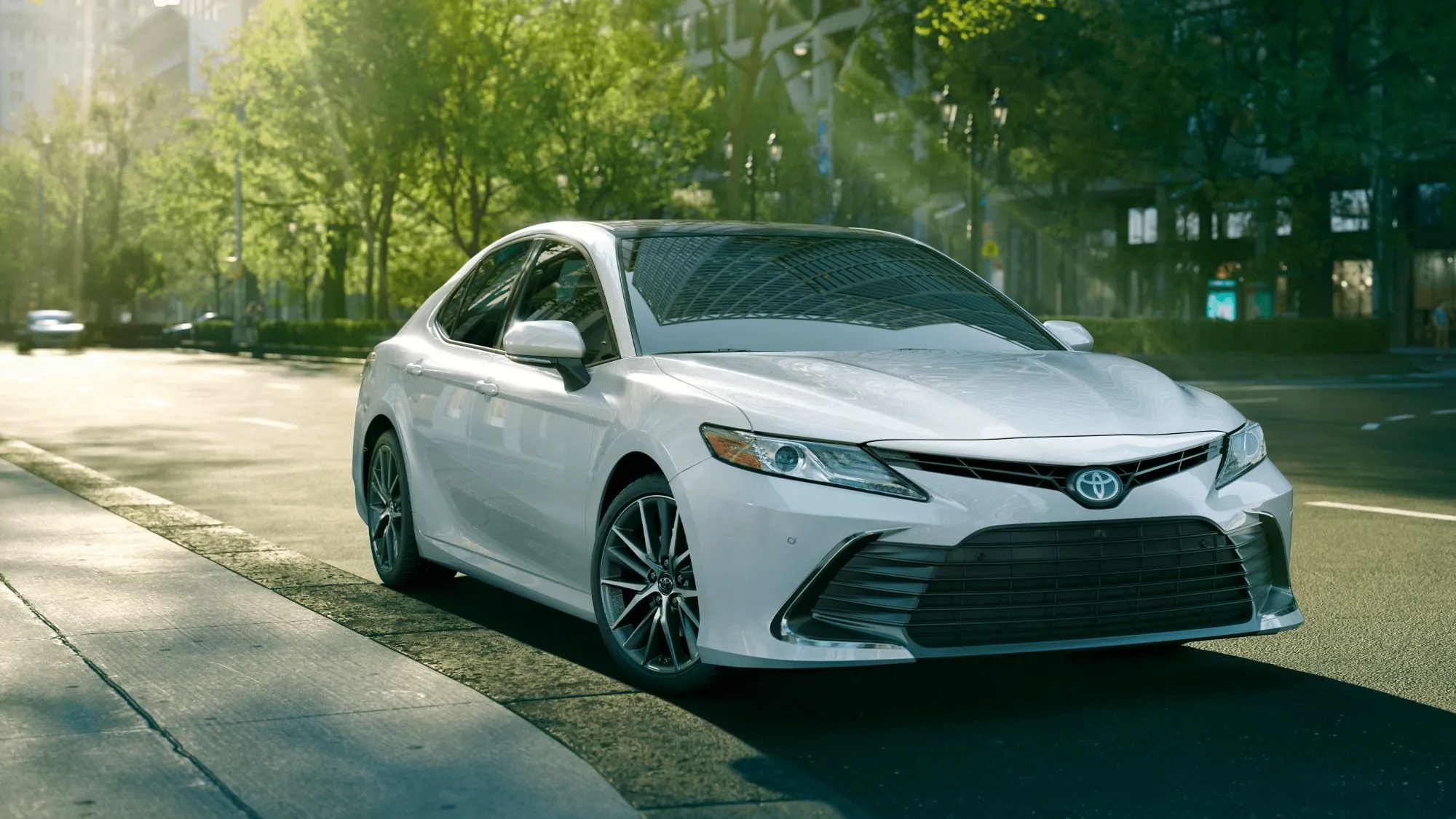
1. Toyota Camry LE 2024
Legendary reliability meets suburban practicality in the Toyota Camry LE 2024. That 2.5-liter four-cylinder produces 203 horsepower, providing adequate acceleration for highway merging and passing. You’ll cruise comfortably at 75 mph on Loop 303 without the engine working hard or consuming excessive fuel.
Eight-speed automatic transmission shifts smoothly while maintaining good fuel economy. You’ll average 32-35 mpg during highway commuting, keeping fuel costs reasonable despite extended daily drives. The air conditioning system delivers excellent performance even during Arizona’s brutal summers.
You’ll achieve comfortable cabin temperatures within minutes of starting the car, even after it’s been parked in direct sun all day. Dual-zone climate control allows customized comfort for the driver and passenger.
That cooling capacity remains consistent year after year, with Toyota’s robust systems resisting the premature failures that plague less reliable brands. Interior materials withstand the Arizona sun without the cracking, fading, or dashboard warping that affects heat-sensitive vehicles.
Toyota selects UV-resistant materials specifically for durability in harsh conditions. You’ll maintain an attractive interior appearance years after purchase, preserving resale value. Seats provide adequate comfort during extended commutes without creating back pain or fatigue.
Routine maintenance stays simple and affordable. Any independent shop can service this Camry using readily available parts at reasonable prices. Oil changes cost $40-$60 at independent shops versus $80-$120 at dealers.
Brake jobs, tire rotations, and other routine services cost 30-40% less at independent shops. You’re not trapped into expensive dealer service for basic maintenance that any mechanic can perform. Parts availability throughout Arizona remains excellent, with every auto parts store stocking Camry components.
You won’t wait days for special-order parts when repairs become necessary. Independent mechanics understand these vehicles completely, having serviced countless examples. That widespread knowledge keeps labor costs competitive while ensuring work gets done correctly.
Common issues remain minimal with Camrys proving exceptionally reliable. Water pumps occasionally need replacement around 100,000 miles, costing $400-$600 at independent shops. Brake components wear normally, requiring replacement every 50,000-70,000 miles.
Budget $500-$800 annually for routine maintenance and minor repairs. This Camry delivers dependable transportation that any shop can service affordably, making it ideal for Surprise suburban commuting.
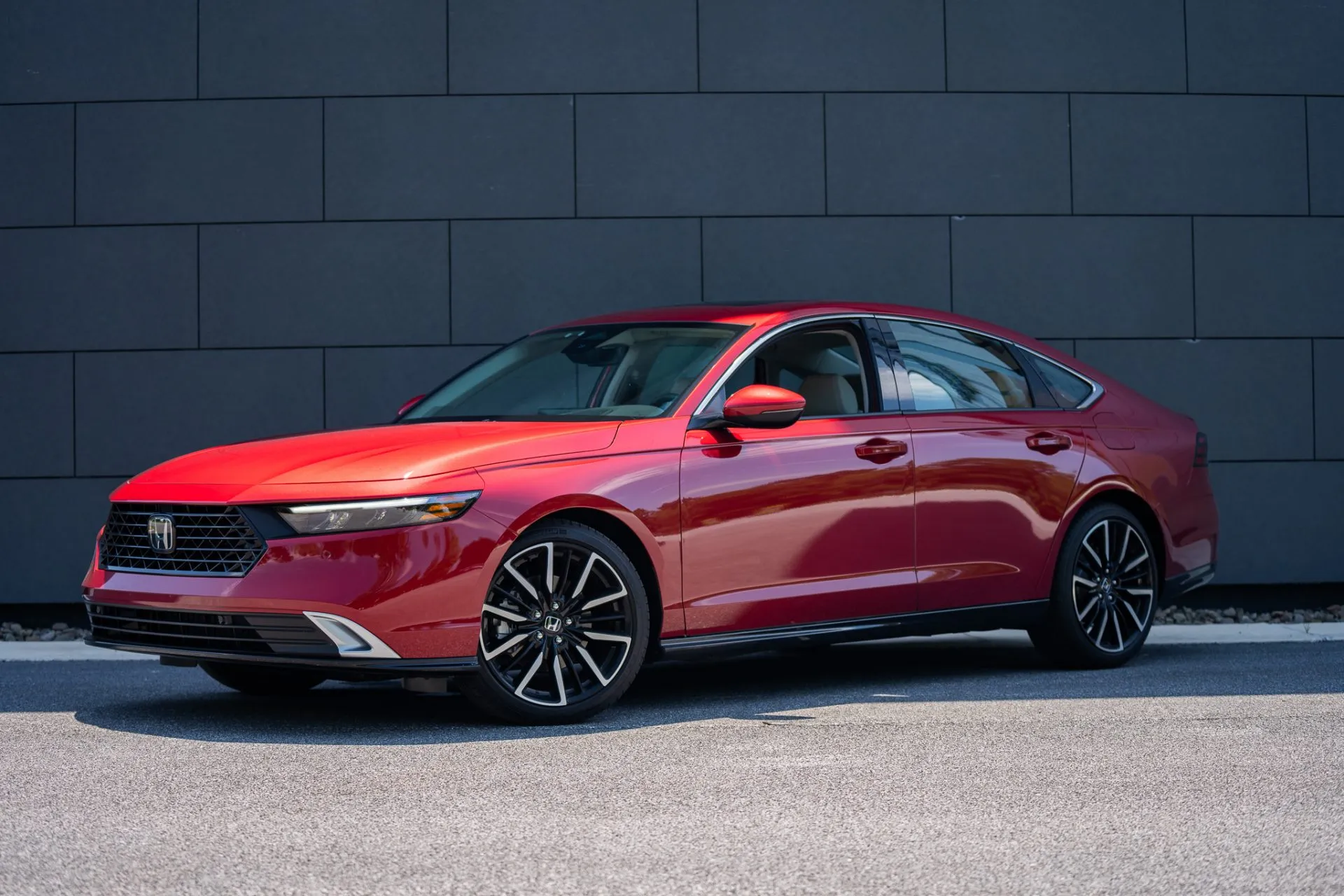
2. Honda Accord Sport 2024
Practical sedan excellence arrives in the Honda Accord Sport 2024. That 1.5-liter turbocharged four-cylinder produces 192 horsepower, providing brisk acceleration for highway driving. You’ll merge confidently and pass slower traffic without struggle. CVT transmission operates smoothly while delivering excellent fuel economy. Highway cruising averages 35-38 mpg, an exceptional efficiency that dramatically reduces commuting fuel costs.
Air conditioning performance impresses with a system that maintains comfortable temperatures during extreme Arizona heat. Honda engineered this system to handle hot climates, ensuring adequate capacity during the summer months. You’ll stay comfortable during extended commutes without the air conditioning struggling or failing prematurely like some competitors.
Interior quality exceeds what the price suggests, with materials that feel premium rather than cheap. Seats provide excellent support during long commutes, reducing fatigue. Cabin noise stays well-controlled at highway speeds, allowing normal conversations without shouting. You’ll arrive at work and home less stressed than in noisier, less comfortable alternatives.
Routine maintenance accessibility proves excellent. Independent shops throughout Surprise can service this Accord using readily available parts. You’re not forced into expensive dealer visits for basic maintenance. Oil changes, brake work, and routine services cost 30-40% less at independent shops compared to dealer rates. Those savings add up substantially during years of ownership.
Honda’s reputation for reliability means you’ll spend less time at repair shops and more time actually driving. These Accords routinely exceed 200,000 miles with proper maintenance, delivering years of dependable service. Resale values remain strong because used buyers recognize Honda quality, allowing you to recover more of your investment when upgrading.
Common problems remain minimal. A/C compressors occasionally fail around 100,000 miles, requiring $800-$1,200 for replacement at independent shops. CVT transmission fluid should be changed every 60,000 miles, despite Honda calling it “lifetime” fluid.
That preventive service costs $150-$200 and dramatically extends transmission life. Budget $600-$900 annually for routine maintenance. This Accord delivers reliable transportation, excellent efficiency, and low maintenance costs, perfect for Surprise suburban commuting.
Also Read: 5 Cars for Chattanooga Mountain Roads vs 5 That Overheat
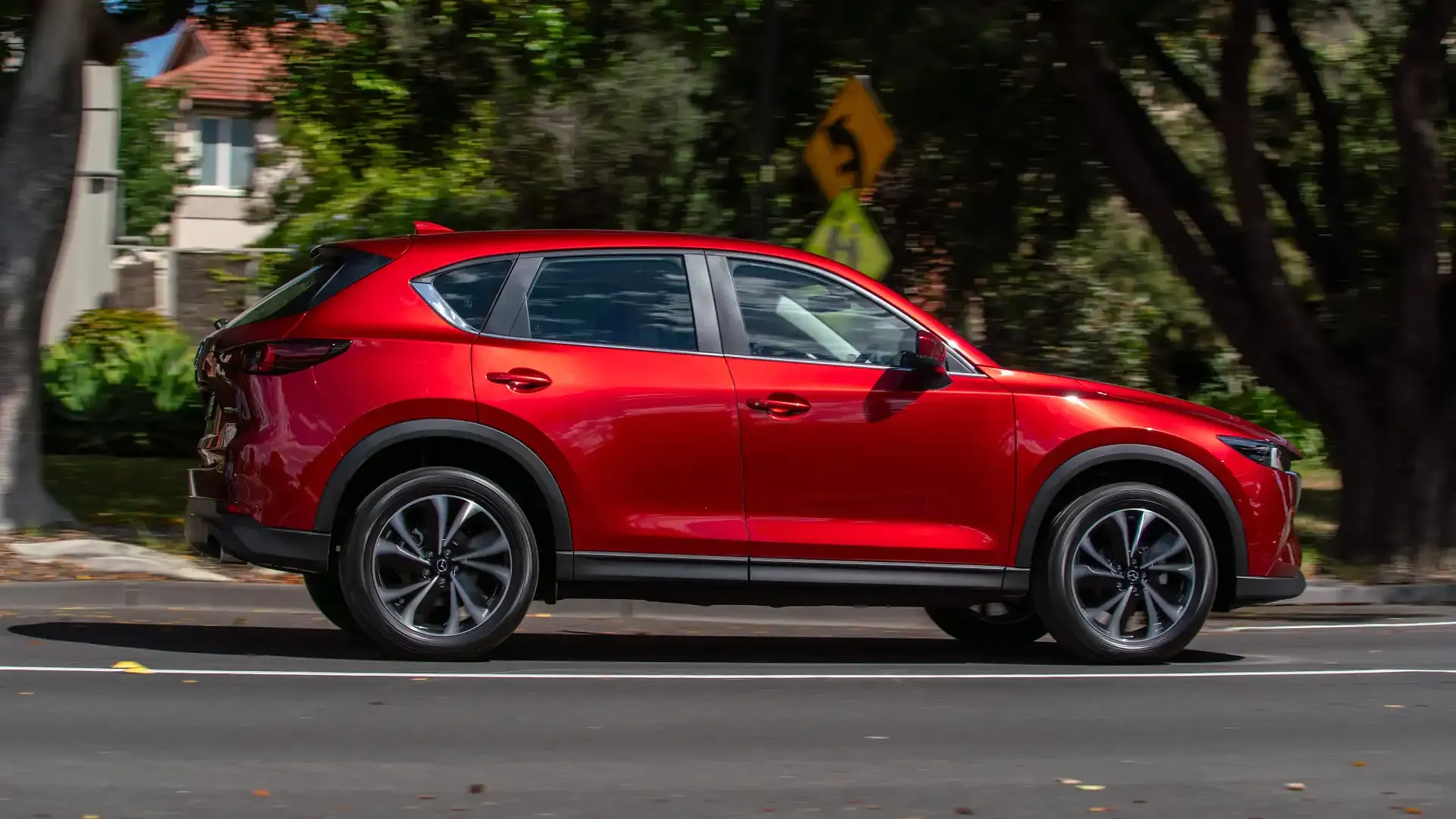
3. Mazda CX-5 Touring 2024
Crossover practicality meets engaging driving dynamics in the Mazda CX-5 Touring 2024. That 2.5-liter four-cylinder produces 187 horsepower, providing adequate acceleration for highway driving. You’ll merge and pass confidently without struggle. Six-speed automatic transmission shifts smoothly while maintaining good fuel economy. Highway cruising averages 28-31 mpg, reasonable efficiency for a crossover providing this capability.
Air conditioning system delivers strong performance during Arizona summers, maintaining comfortable cabin temperatures consistently. Mazda engineered adequate cooling capacity that handles extreme heat without struggling or failing prematurely. You’ll stay comfortable during extended commutes regardless of outside temperatures.
Interior quality impresses with premium materials throughout the cabin. Mazda prioritizes quality over flash, using materials that look good and last rather than cheap plastics that crack or fade. Seats provide excellent support during long commutes. Cabin noise stays well-controlled, creating a pleasant environment for daily driving.
Handling dynamics make commuting more engaging than what typical crossovers deliver. Mazda tuned suspension to minimize body roll while maintaining a comfortable ride quality. You’ll actually enjoy driving rather than just tolerating it as a transportation necessity. That engagement reduces commuting stress and fatigue.
Routine maintenance stays accessible with any independent shop capable of servicing this CX-5. You’re not trapped into expensive dealer visits for basic maintenance. Parts availability remains good throughout Arizona. Independent mechanics understand these vehicles, keeping labor costs competitive. Oil changes, brake work, and routine services cost substantially less than dealer rates.
Common issues remain minimal with CX-5s proving reliable. Some examples experience minor oil consumption requiring monitoring and occasional top-ups. Brake components wear normally. Budget $700-$1,000 annually for routine maintenance.
This CX-5 delivers crossover versatility, engaging driving dynamics, and reliable operation with maintenance costs that remain reasonable. Perfect combination for Surprise suburban families needing practical daily transportation.
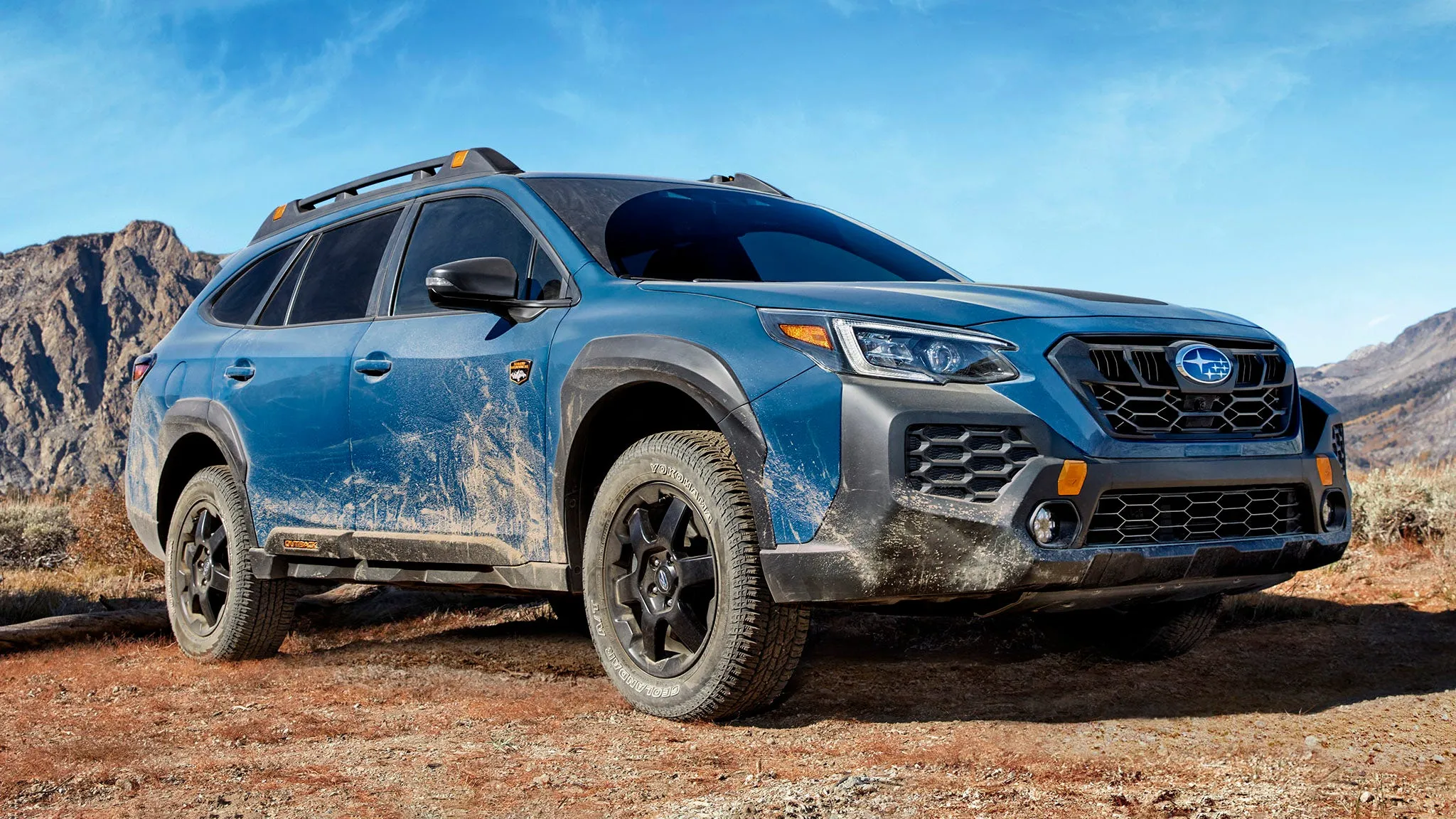
4. Subaru Outback Base 2024
All-weather capability meets suburban practicality in the Subaru Outback Base 2024. That 2.5-liter boxer four-cylinder produces 182 horsepower, providing adequate acceleration for highway driving. You’ll merge and pass confidently without struggle. CVT transmission keeps the engine in the optimal power band during acceleration while delivering good fuel economy. Highway cruising averages 30-33 mpg, excellent efficiency for an all-wheel-drive crossover.
All-wheel drive provides confident traction during rare Arizona rain events that make roads slippery. You’ll drive with confidence knowing power is distributed to all wheels rather than just front or rear. That capability proves valuable during occasional weather events or when visiting higher elevations where conditions vary.
The air conditioning system maintains comfortable temperatures during the Arizona heat. Subaru engineered an adequate cooling capacity that handles extreme conditions. You’ll stay comfortable during extended commutes. Interior materials resist sun damage with UV-resistant fabrics and plastics. Dashboard maintains its appearance rather than cracking or warping after years of Arizona sun exposure.
Wagon body style provides generous cargo capacity for family needs. You can haul sports equipment, camping gear, or Costco runs without struggle. Rear seats fold, creating even more capacity when needed. Roof rails accept cargo boxes or bike racks, expanding utility further. That versatility makes this Outback genuinely practical for active families.
Routine maintenance accessibility proves excellent. Independent shops throughout Surprise can service this Outback using readily available parts. You’re not forced into expensive dealer visits for basic maintenance. Subaru dealers charge premium rates, but independent shops perform identical work for 30-40% less. Those savings compound substantially during ownership.
Common issues remain minimal with Outbacks proving reliable. Oil consumption sometimes occurs, requiring monitoring and occasional top-ups between changes. CVT transmission fluid should be changed every 60,000 miles, despite Subaru calling it lifetime. Budget $700-$1,000 annually for routine maintenance. This Outback delivers all-weather capability, practical versatility, and reliable operation with maintenance that any shop can handle affordably.
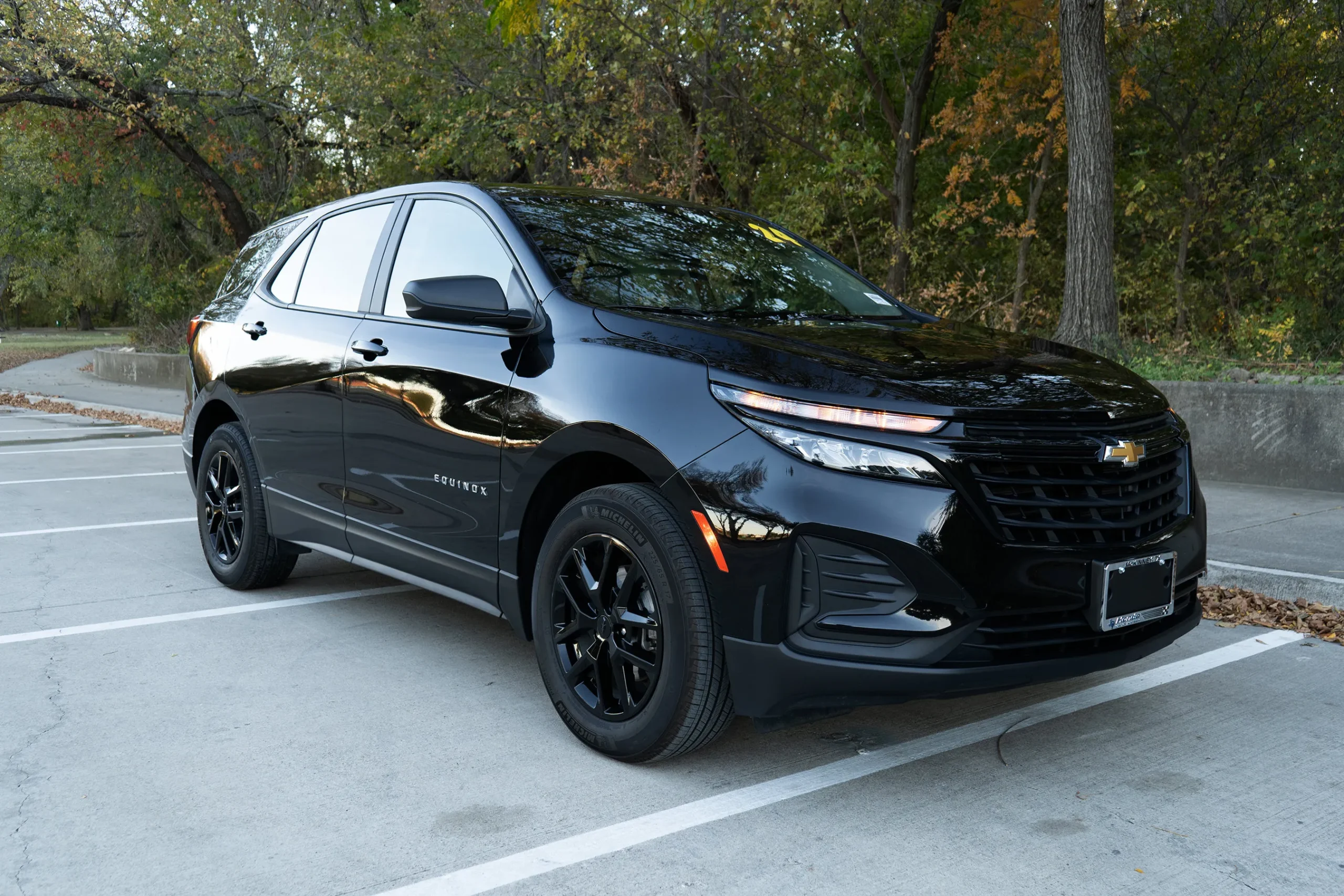
5. Chevrolet Equinox LS 2024
American value meets suburban practicality in the Chevrolet Equinox LS 2024. That 1.5-liter turbocharged four-cylinder produces 175 horsepower, providing adequate acceleration for highway driving. You’ll merge and pass confidently without struggle. Six-speed automatic transmission shifts smoothly while delivering good fuel economy. Highway cruising averages 30-32 mpg, excellent efficiency for a crossover this size.
The air conditioning system maintains comfortable temperatures during Arizona summers. GM engineered an adequate cooling capacity that handles extreme heat. You’ll stay comfortable during extended commutes without the air conditioning struggling or failing prematurely. Dual-zone climate control allows customized comfort.
Interior space accommodates families comfortably with genuine rear seat legroom. You can transport adults in the back without cramping them uncomfortably. Cargo space proves generous, with the rear hatch providing substantial capacity. Rear seats fold, creating even more room when needed. That versatility makes this Equinox practical for families needing occasional hauling capability.
Routine maintenance stays accessible with any independent shop capable of servicing this Equinox. GM vehicles benefit from widespread parts availability and mechanic familiarity. You’re not trapped into expensive dealer visits. Oil changes, brake work, and routine services cost 30-40% less at independent shops. Those savings add up substantially during ownership.
GM warranty coverage provides peace of mind during initial ownership years. Three-year/36,000-mile bumper-to-bumper and five-year/60,000-mile powertrain protection covers major components. You can drive confidently knowing unexpected failures get covered during the warranty period.
Common issues remain minimal with recent Equinox models proving reliable. Turbocharger longevity depends heavily on proper oil change intervals. Maintain this engine properly with synthetic oil every 5,000 miles, and it will last.
Budget $600-$900 annually for routine maintenance. This Equinox delivers practical crossover transportation that any shop can service affordably, making it a smart choice for budget-conscious Surprise families needing reliable daily transportation.
Cars That Trap You Into Expensive Dealer Visits
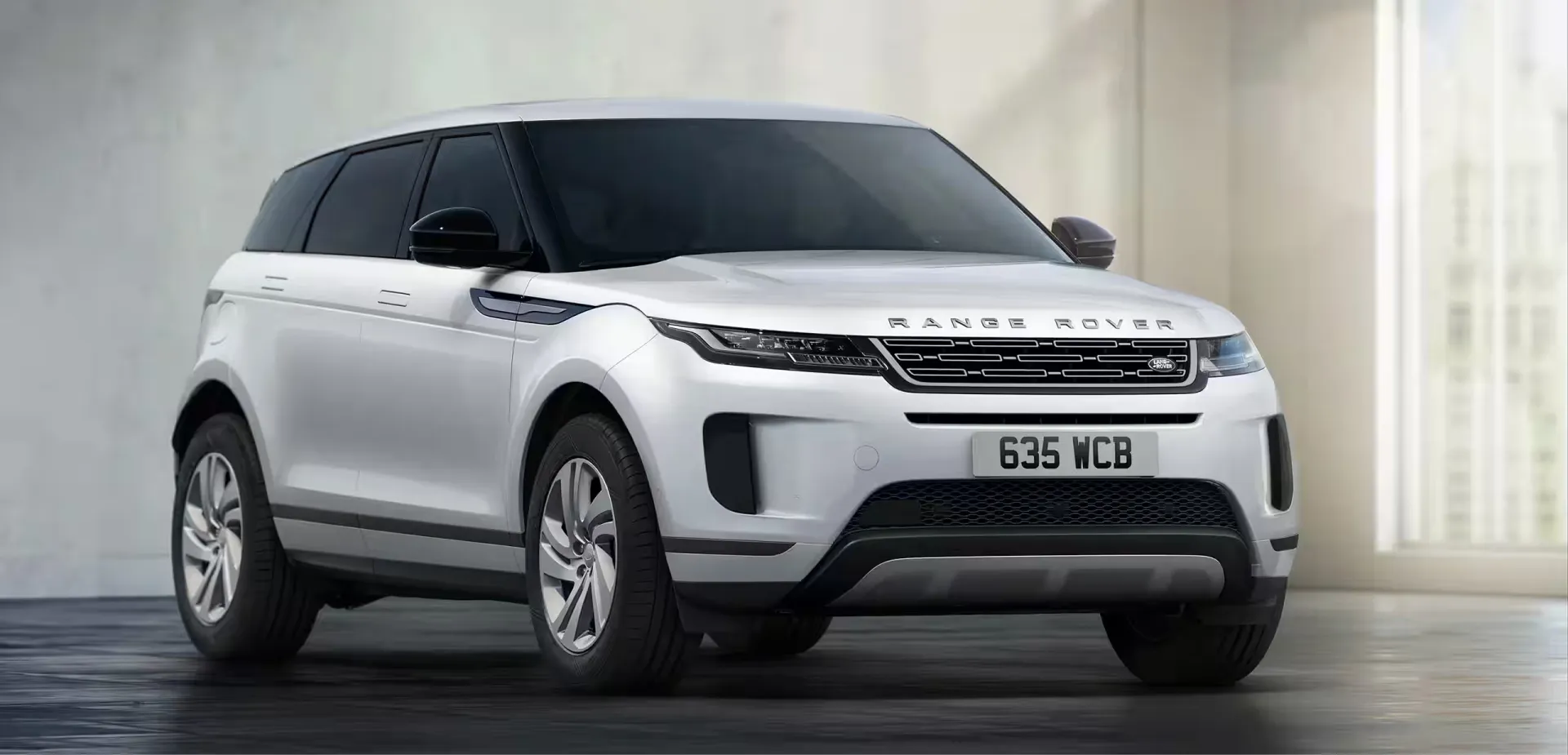
1. Land Rover Range Rover Evoque 2024
British luxury engineering creates beautiful problems in the Range Rover Evoque 2024. That 2.0-liter turbocharged four-cylinder produces 246 horsepower, providing brisk acceleration. You’ll enjoy spirited performance during highway driving.
Reliability concerns dominate the Evoque ownership experience. These vehicles require repairs far more frequently than Japanese competitors. Electronic systems fail unpredictably, creating dashboard warning lights that require dealer diagnosis.
Transmission problems plague these vehicles with jerky shifting, hesitation, or complete failure occurring before 100,000 miles. Engine issues include coolant leaks, oil consumption, and turbocharger failures requiring expensive repairs.
Parts costs shock owners accustomed to mainstream brands. Simple components cost 2-3 times what equivalent Toyota or Honda parts cost. A water pump replacement costing $600 on a Camry runs $1,500-$2,000 on an Evoque. Brake jobs costing $800 elsewhere reach $1,500-$2,000 at Land Rover dealers. Oil changes requiring synthetic oil cost $150-$200 at dealers rather than $60-$80 at independent shops.
Air conditioning systems fail more frequently than reliable brands, requiring expensive repairs. You might face $2,000-$3,000 bills for A/C compressor replacement in Arizona, where this system works constantly during summer. Electrical problems create mysterious issues that take dealers hours to diagnose at $200 per hour before repairs even begin.
Annual maintenance costs easily reach $3,000-$5,000 with Evoque compared to $600-$900 for equivalent Toyota or Honda. That $2,000-$4,000 annual difference compounds dramatically during ownership. After five years, you’ve spent $10,000-$20,000 more maintaining this Evoque than you would maintaining a reliable alternative. Monthly payments represent just the beginning of expenses with Range Rover ownership.
Resale values plummet because used buyers understand reliability problems and expensive maintenance. You’ll lose substantially more to depreciation than with reliable brands. This Evoque delivers stylish transportation when working properly, but constant dealer visits and expensive repairs make it a terrible choice for budget-conscious Surprise suburban families.
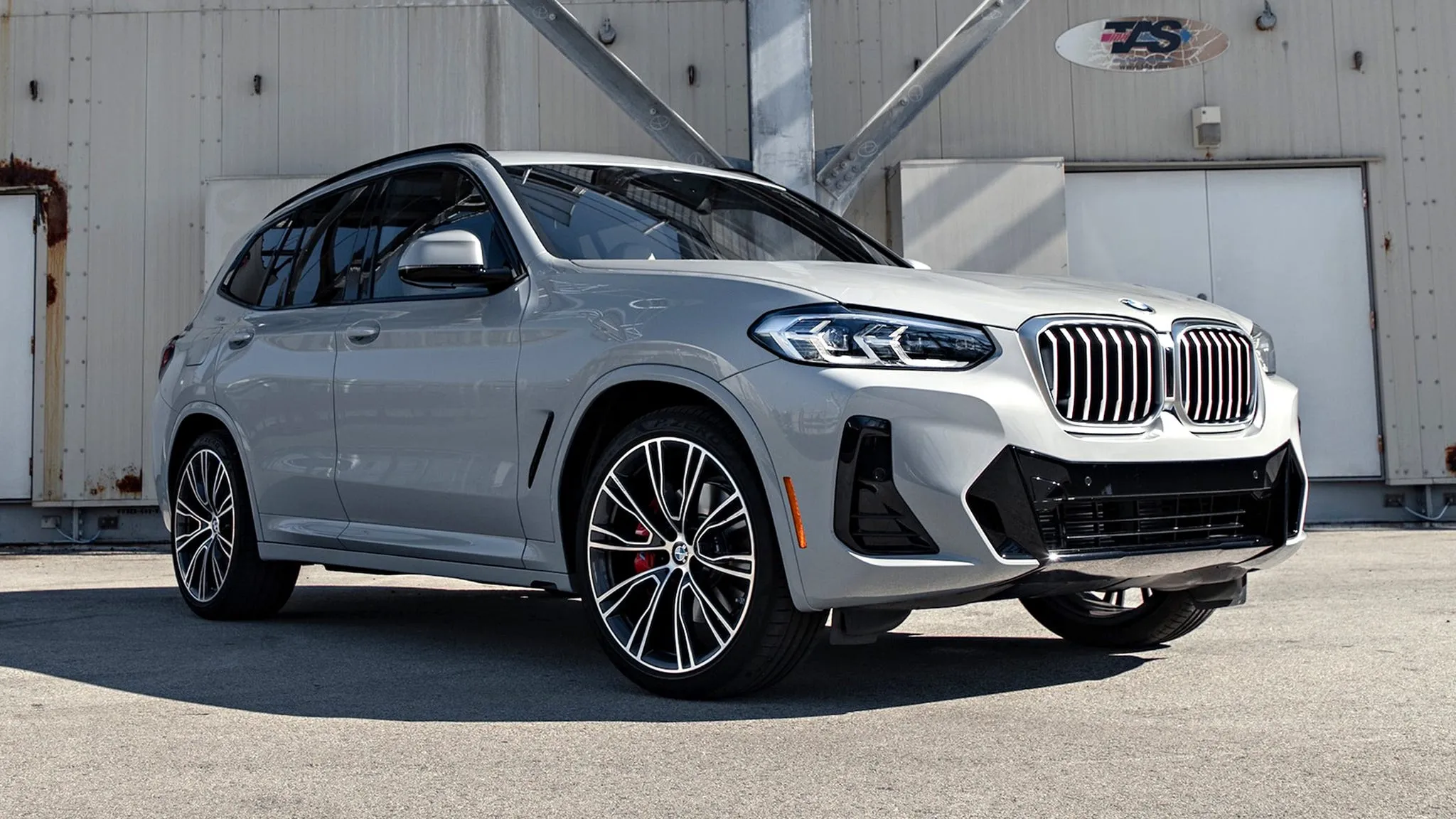
2. BMW X3 xDrive30i 2024
German engineering precision creates maintenance complications in the BMW X3 xDrive30i 2024. That 2.0-liter turbocharged four-cylinder produces 248 horsepower, providing excellent acceleration. Handling dynamics impress with BMW’s characteristic precision. Unfortunately, that engineering sophistication demands expensive ongoing maintenance.
Dealer dependency becomes nearly absolute with BMW ownership. Independent shops capable of properly servicing BMWs remain rare and charge rates approaching dealer prices. You’ll pay $150-$200 per hour for labor at BMW dealers. Specialized diagnostic equipment, proprietary software, and programming requirements force dealer visits for most repairs and even some routine maintenance.
Oil changes require synthetic oil and BMW-specific procedures, costing $150-$200 at dealers. Brake fluid must be flushed every two years, costing $200-$300. Coolant flushes cost $300-$400.
These routine services cost double or triple what independent shops charge for mainstream brands. BMW’s “Condition Based Servicing” sounds convenient, but it often recommends services before actually needed, padding dealer revenue.
Parts costs shock owners accustomed to mainstream brands. Brake jobs requiring premium BMW components cost $1,500-$2,500 compared to $600-$1,000 for equivalent Toyota or Honda work.
Water pumps fail regularly on these turbocharged engines, requiring $1,200-$1,800 for replacement. Oil filter housings leak, requiring $800-$1,200 for repairs. Valve cover gaskets leak, requiring $1,500-$2,000 for replacement.
Electrical problems plague these vehicles, with issues becoming more common as mileage accumulates. Dashboard warning lights require expensive dealer diagnosis using specialized equipment. Sensors fail, requiring replacement at premium prices. Infotainment systems develop glitches requiring software updates that only dealers can perform. Each problem forces expensive dealer visits.
Annual maintenance costs easily reach $2,500-$4,000 with this X3 compared to $600-$900 for reliable alternatives. That $1,500-$3,000 annual difference compounds dramatically during ownership. After five years, you’ve spent $7,500-$15,000 more maintaining this BMW than you would maintaining a Toyota or Honda.
This X3 delivers engaging driving dynamics and a premium experience when working properly, but expensive dealer-only maintenance makes it a poor choice for budget-conscious families.
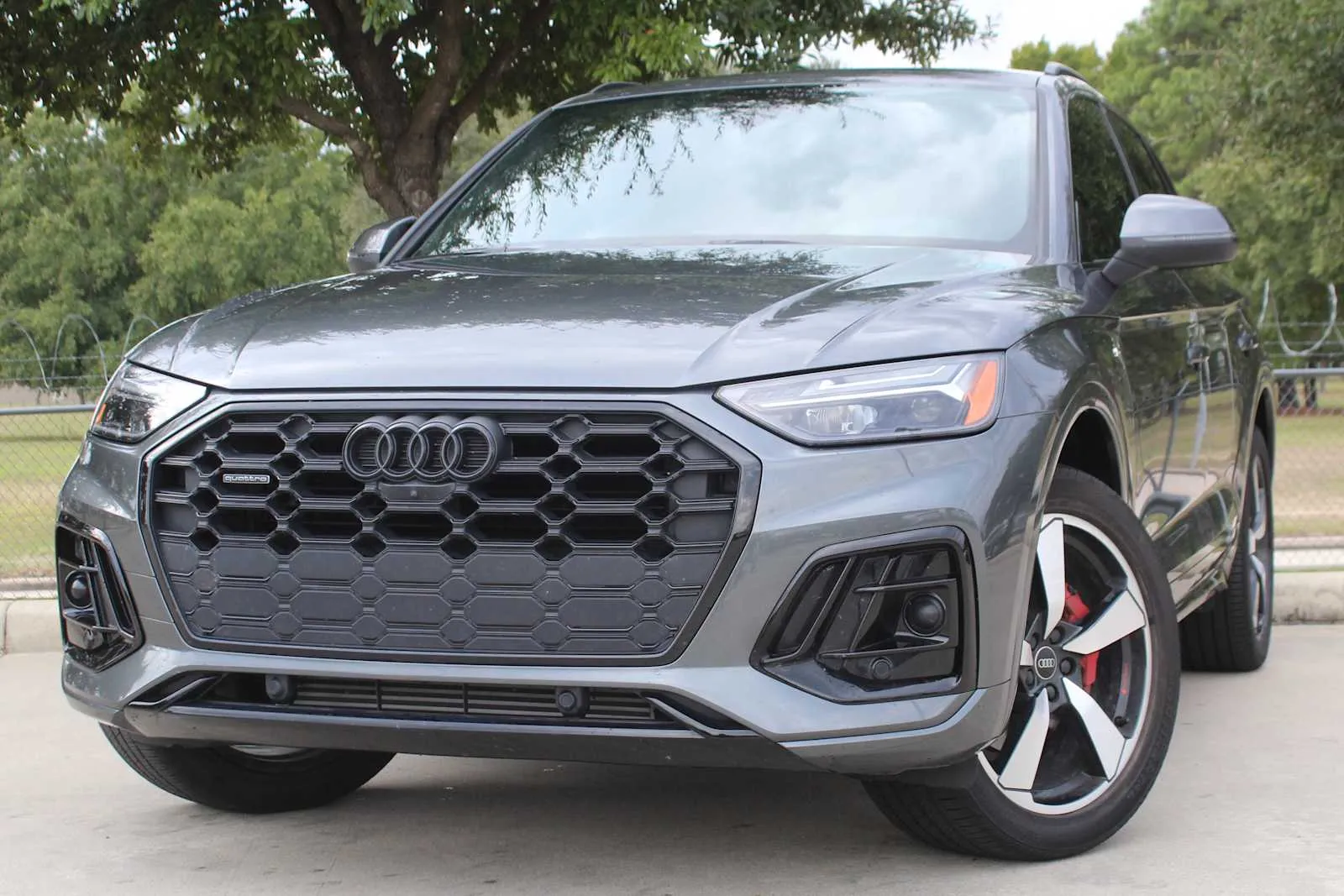
3. Audi Q5 Premium 2024
Sophisticated German engineering creates maintenance challenges in the Audi Q5 Premium 2024. That 2.0-liter turbocharged four-cylinder produces 201 horsepower, providing adequate acceleration. Quattro all-wheel drive provides confident traction. Interior quality impresses with premium materials throughout. Unfortunately, that sophistication demands expensive ongoing maintenance through required dealer visits.
Dealer dependency becomes absolute with Audi ownership. Independent shops capable of properly servicing Audis remain extremely rare. Specialized diagnostic equipment, proprietary software, and coding requirements force dealer visits for most repairs and maintenance. You’ll pay $150-$200 per hour for labor at Audi dealers, double what independent shops charge for mainstream brands.
Dual-clutch transmission requires specialized service costing $400-$600 every 40,000 miles at Audi dealers. This transmission develops problems, including jerky shifting, shuddering, or complete failure requiring $5,000-$8,000 for replacement.
Water pumps fail regularly on these engines, requiring $1,200-$1,800 for dealer replacement. Timing chain tensioners wear prematurely, requiring $2,500-$4,000 for repairs before 100,000 miles. Oil changes require expensive synthetic oil and Audi-specific procedures costing $150-$200 at dealers.
Carbon buildup accumulates on intake valves, requiring expensive cleaning service costing $800-$1,200 every 60,000-80,000 miles. This problem affects all direct-injection engines but becomes especially problematic with Audi’s dealer-only service requirement. You can’t save money by having an independent shop perform this preventive maintenance.
Electrical problems increase as these vehicles age. Multiple control modules regulate various systems, and failures require expensive dealer diagnosis and repair. Infotainment system glitches need software updates that only dealers can perform. Sensors fail, requiring premium replacement parts. Dashboard warning lights force expensive diagnostic sessions at $200 per hour before repairs even begin.
Air conditioning systems develop problems more frequently than reliable brands. Refrigerant leaks require expensive diagnosis and repair. Compressor failures cost $2,000-$3,000 at Audi dealers. In Arizona, where A/C runs constantly during summers, these failures create both discomfort and financial stress.
Annual maintenance costs easily reach $2,500-$4,500 with this Q5 compared to $600-$900 for reliable alternatives. That $1,500-$3,500 annual difference compounds dramatically. After five years, you’ve spent $7,500-$17,500 more maintaining this Audi than you would maintaining a Toyota or Honda.
This Q5 delivers a premium experience when working properly, but expensive dealer-only maintenance makes it a terrible choice for budget-conscious Surprise suburban families.
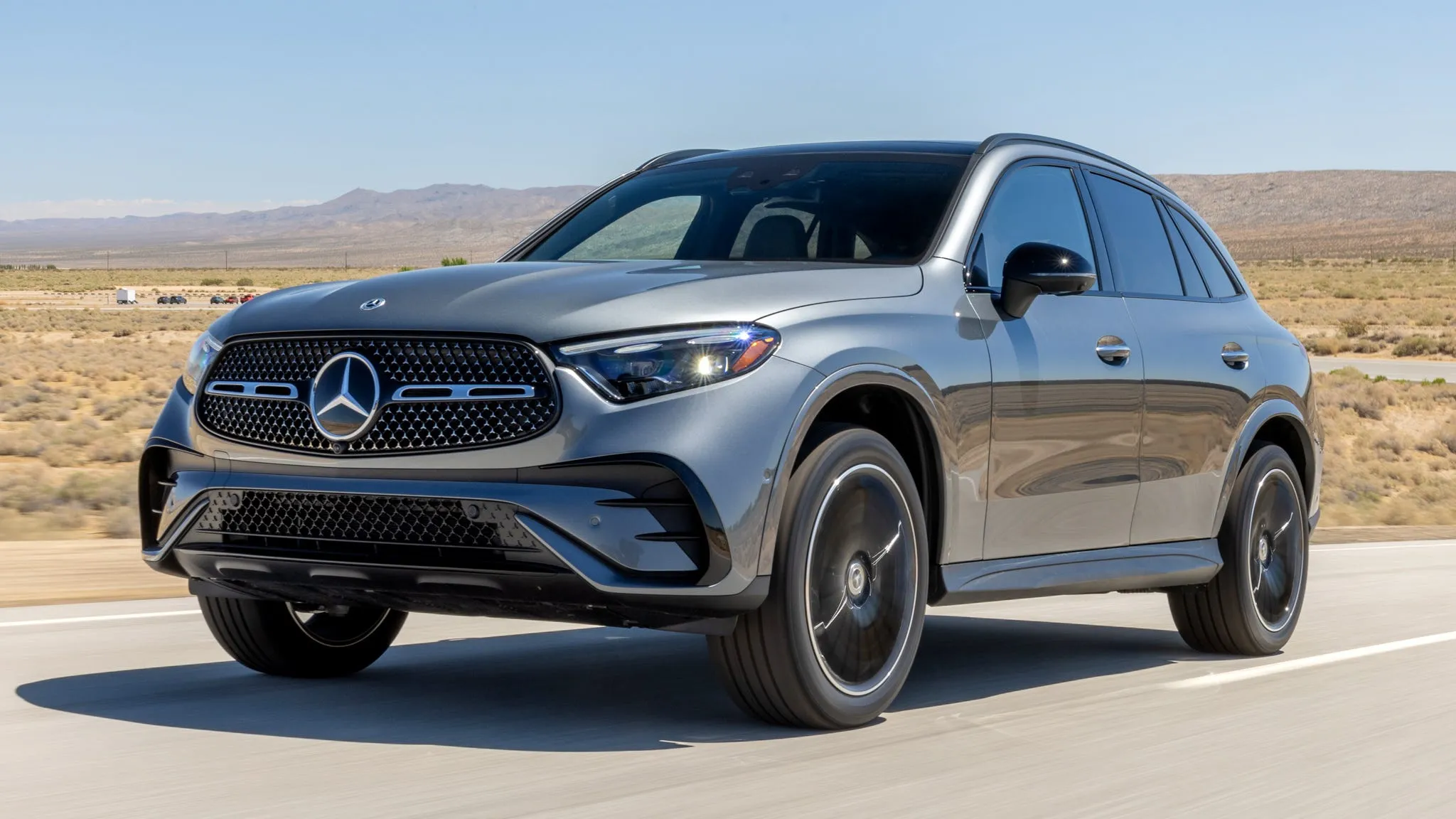
4. Mercedes-Benz GLC 300 2024
German luxury engineering creates maintenance difficulty in the Mercedes-Benz GLC 300 2024. That 2.0-liter turbocharged four-cylinder produces 255 horsepower, providing excellent acceleration. Interior quality sets segment standards with premium materials throughout. Ride quality impresses with Mercedes characteristic refinement. Unfortunately, that luxury demands expensive ongoing maintenance through required dealer visits.
Dealer dependency becomes nearly absolute with Mercedes ownership. Independent shops capable of properly servicing Mercedes remain rare and expensive. Specialized diagnostic equipment called XENTRY costs independent shops $30,000+ to purchase, limiting who can work on these vehicles. Proprietary software, coding, and programming requirements force dealer visits for most repairs. You’ll pay $175-$225 per hour for labor at Mercedes dealers.
Parts costs shock owners accustomed to reasonable prices. Brake jobs requiring Mercedes components cost $1,800-$2,800 compared to $600-$1,000 for equivalent Toyota work. Water pumps fail regularly, requiring $1,500-$2,000 for replacement. Coolant leaks develop from aging plastic components, requiring expensive repairs. Turbocharger failures cost $3,000-$5,000 for replacement.
Electrical problems plague these vehicles as they age. Multiple control modules regulate various systems, and failures require expensive dealer diagnosis. AIRMATIC air suspension develops leaks requiring $2,000-$4,000 for repairs. Sensors fail, requiring premium replacement parts. Dashboard warning lights force expensive diagnostic sessions before repairs begin.
Air conditioning systems develop problems, including refrigerant leaks and compressor failures. In Arizona, where A/C runs constantly, these systems work hard and fail more frequently than in cooler climates. Repairs cost $2,000-$3,500 at Mercedes dealers. You’ll sweat through Arizona summers while saving money for expensive A/C repairs.
Annual maintenance costs easily reach $3,000-$5,000 with this GLC compared to $600-$900 for reliable alternatives. That $2,000-$4,000 annual difference compounds dramatically during ownership. After five years, you’ve spent $10,000-$20,000 more maintaining this Mercedes than you would maintaining a Toyota or Honda.
This GLC delivers a luxury experience when working properly, but expensive dealer-only maintenance makes it a poor choice for budget-conscious families.
Also Read: 5 Affordable Sports Cars That Are Better Daily Drivers Than 5 Supercars

5. Jeep Grand Cherokee Limited 2024
American ambition meets reliability challenges in the Jeep Grand Cherokee Limited 2024. That 3.6-liter V6 produces 293 horsepower, providing strong acceleration. Eight-speed automatic transmission changes smoothly when working properly.
Interior quality improved in the recent redesign with premium materials throughout. Capability impresses with its available four-wheel drive. Unfortunately, Stellantis’ reliability problems and dealer-dependent maintenance create an expensive ownership experience.
Dealer dependency increases with Grand Cherokee ownership because independent shops struggle with complicated electronic systems. Proprietary software and diagnostic requirements force dealer visits for many repairs.
You’ll pay $125-$175 per hour for labor at Jeep dealers. While lower than German luxury brands, that’s still substantially higher than independent shops charge for reliable vehicles. Reliability concerns dominate Grand Cherokee ownership.
These vehicles require repairs more frequently than Japanese competitors. Electrical problems plague Stellantis products, with dashboard warning lights appearing unpredictably.
Transmission problems, including jerky shifting or complete failure, occur before 100,000 miles. Engine issues include oil consumption, coolant leaks, and various sensor failures.
Parts costs exceed what mainstream brands charge. Jeep uses proprietary components requiring dealer sources. Water pumps cost $800-$1,200 for replacement. Radiators cost $600-$1,000. Brake components cost a premium price. Every repair becomes more expensive than equivalent work on a Toyota or Honda.
Air conditioning systems develop problems more frequently than reliable brands. Compressor failures require $1,500-$2,500 for replacement. Refrigerant leaks develop, requiring diagnosis and repair. In Arizona, where A/C runs constantly, these problems create both discomfort and expense.
Annual maintenance costs easily reach $2,000-$3,500 with this Grand Cherokee compared to $600-$900 for reliable alternatives. That $1,200-$2,500 annual difference compounds during ownership. After five years, you’ve spent $6,000-$12,500 more maintaining this Jeep than you would maintaining a Toyota or Honda.
This Grand Cherokee delivers capability and improved refinement when working properly, but questionable reliability and expensive dealer-dependent maintenance make it a poor choice for budget-conscious Surprise suburban families.
