Sports sedans have always promised the best of two worlds: engaging performance and everyday practicality. The challenge for buyers comes when excitement fades, and long-term ownership begins. Reliability, durability, and reasonable ownership costs often matter just as much as horsepower and handling.
That balance is exactly what this list explores. 10 New Sports Sedans Ranked by Long-Term Reliability highlights models that combine strong performance credentials with proven dependability, based on predicted reliability scores, real-world testing, and brand track records.
From cutting-edge electric sedans to traditional gasoline-powered icons and hybrid luxury cruisers, these cars show that driving enjoyment does not have to come at the expense of peace of mind. Whether you prioritize electrification, all-wheel-drive confidence, classic V8 power, or refined daily comfort, each sedan on this list demonstrates that reliability and sportiness can coexist in today’s market.
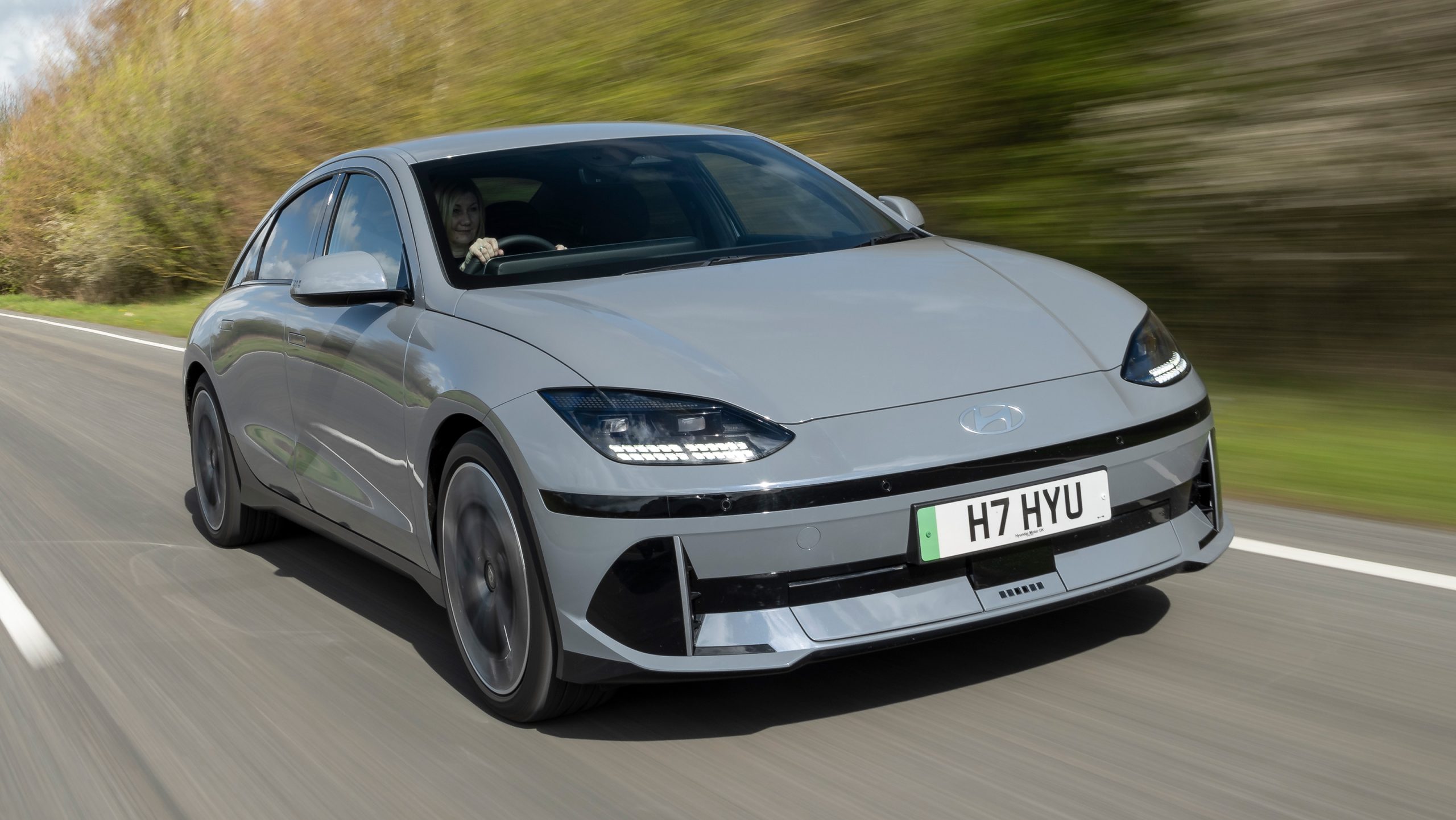
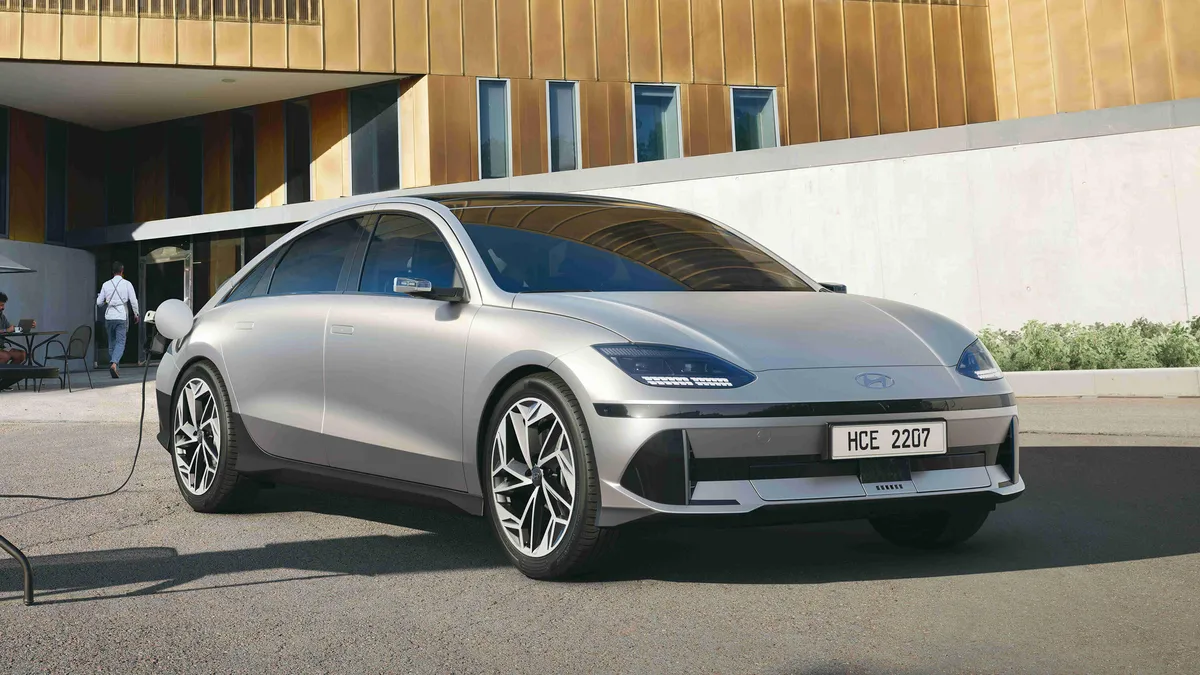
1. 2024 Hyundai Ioniq 6: Sleek, Comfortable, and Efficient Electric Sedan
The 2024 Hyundai Ioniq 6 is a stylish, all-electric sedan that sets itself apart from the Ioniq 5 with a smooth, aerodynamic design reminiscent of a stretched Porsche 911. Sharing many components with the Ioniq 5, the Ioniq 6 emphasizes modern aesthetics, quiet comfort, and engaging driving dynamics. Hyundai is reportedly refining the car’s distinctive shape to make it even more appealing.
The Ioniq 6 offers multiple powertrain options. The base model has a single rear-mounted electric motor producing 149 hp, while the Long Range RWD variant delivers 225 hp. The top-tier 320-hp dual-motor AWD version powers all four wheels and reaches 0-60 mph in 4.4 seconds, with a top speed of 115 mph.
All versions benefit from a low center of gravity, providing stable handling, a smooth ride, and selectable regenerative braking via steering-wheel paddles. Predicted reliability is strong at 70/100.
Although 2024-specific EPA range figures are not yet available, the previous model year suggests similar performance. The RWD Long Range Ioniq 6 achieves up to 361 miles per charge, exceeding the Ioniq 5, while the AWD model is rated at 270 miles.
Real-world highway tests showed the RWD variant achieving 260 miles at 75 mph and the AWD 220 miles. The estimated combined MPGe for the RWD Long Range is 140.
Hyundai emphasizes lounge-inspired comfort with a minimalist cabin, flat floor, and extensive sound insulation. The sedan seats five passengers across two rows, with foldable rear seats to expand cargo space. Technology features include a 12.3-inch digital gauge cluster and a matching infotainment screen, supported by Hyundai’s BlueLink system with Apple CarPlay and Android Auto integration.
Standard safety features include automated emergency braking, lane-keeping assist, and adaptive cruise control with lane-centering. Hyundai provides strong warranty coverage: five years/60,000 miles limited warranty, ten years/100,000 miles for the powertrain and battery, and three years/36,000 miles of complimentary maintenance.
The 2024 Ioniq 6 combines futuristic design, impressive performance, and advanced technology, positioning it as a compelling choice in the expanding EV market.
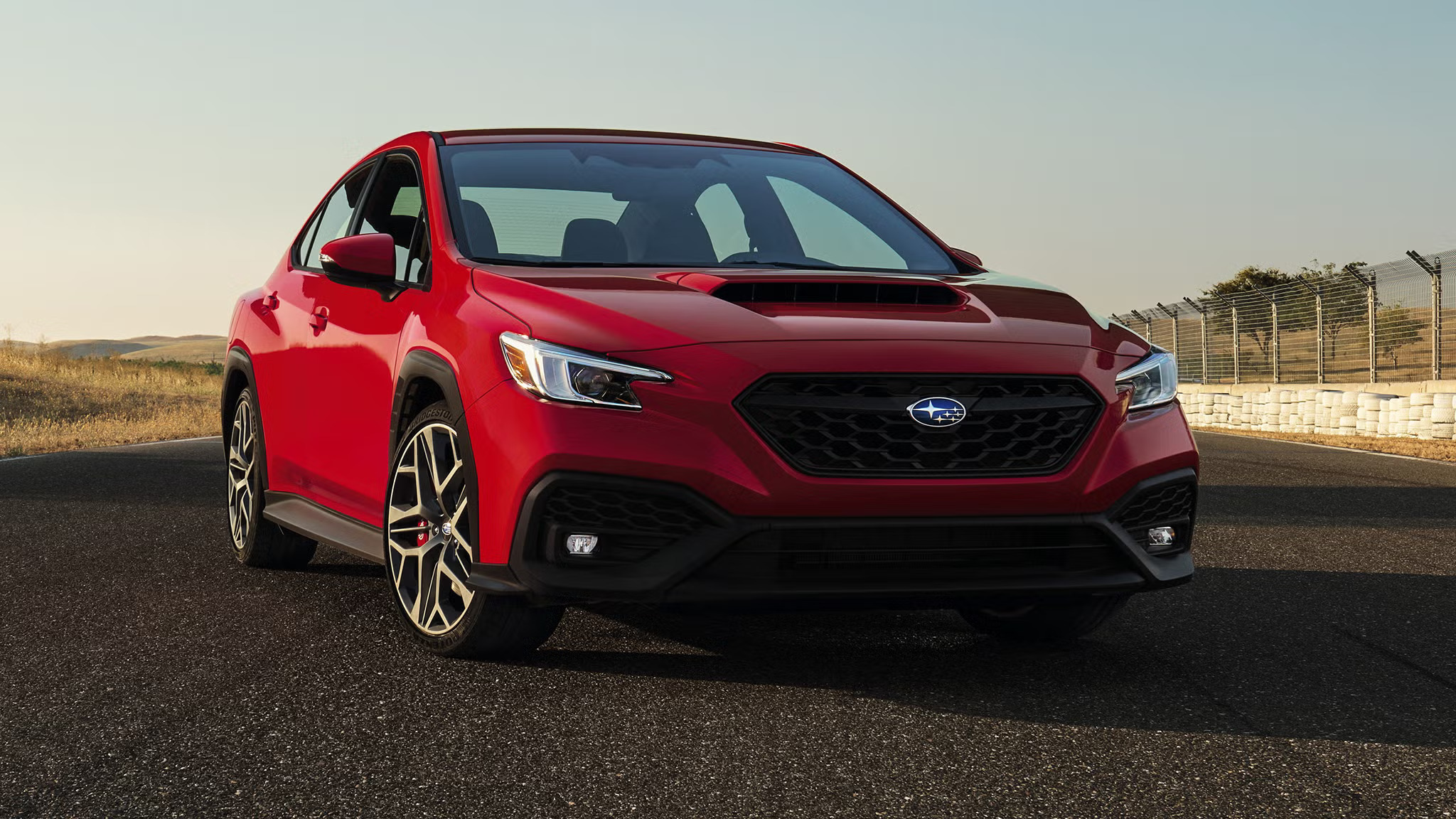
2. 2024 Subaru WRX: Rally-Bred Performance Meets Daily Usability
The 2024 Subaru WRX continues its legacy as a performance sedan rooted in championship rally racing, combining agility, power, and practicality. Despite its high-performance pedigree, the WRX is surprisingly reliable and user-friendly, earning a predicted reliability rating of 78 out of 100. With a starting price of $32,735, it offers an accessible entry point into a sporty all-wheel-drive vehicle.
At the heart of the WRX is a 2.4-liter turbocharged flat-four engine producing 271 horsepower and 258 pound-feet of torque. Buyers can choose between a six-speed manual or a continuously variable transmission with paddle-shift control.
All WRX models come standard with Subaru’s Symmetrical All-Wheel Drive, enhancing traction and stability. The CVT-equipped GT trim also includes adaptive dampers and three drive modes, while the performance-focused TR models feature Brembo brakes, stiffer suspension, grippier tires, and a retuned steering rack.
On the test track, the WRX manual reached 60 miles per hour in 5.5 seconds and completed the quarter-mile in 13.9 seconds at 101 miles per hour. The CVT GT variant accelerated to 60 miles per hour in 5.4 seconds but was slightly slower through the quarter-mile, finishing in 14.1 seconds at 101 miles per hour.
The TR trim achieved 60 miles per hour in 5.6 seconds. Refinements in suspension and chassis tuning deliver a smoother ride than previous generations while retaining sharp, engaging handling.
EPA ratings show 22 miles per gallon combined for the manual and 21 miles per gallon for the CVT. Real-world highway tests at 75 miles per hour revealed both configurations achieving 28 miles per gallon, showing competitive efficiency for a high-performance all-wheel-drive sedan.
The WRX cabin blends sporty design with modern amenities, featuring carbon-fiber-like accents, red stitching, and a thick, flat-bottom steering wheel. Top trims include Recaro microsuede front seats, and cargo space is expanded through a 60/40 split-folding rear seat.
Infotainment includes touchscreen displays with 7 inches on base models and 11.6 inches on higher trims. All models include Apple CarPlay, Android Auto, and optional 11-speaker Harman-Kardon audio.
Standard safety features include forward-collision warning, automated emergency braking, lane-keeping assist, and adaptive cruise control. Warranty coverage consists of a three-year/36,000-mile limited warranty and a five-year/60,000-mile powertrain warranty. No complimentary scheduled maintenance is included.
The 2024 WRX combines rally-inspired performance, all-wheel-drive confidence, and modern technology to create a versatile sports sedan suitable for both spirited driving and everyday use.
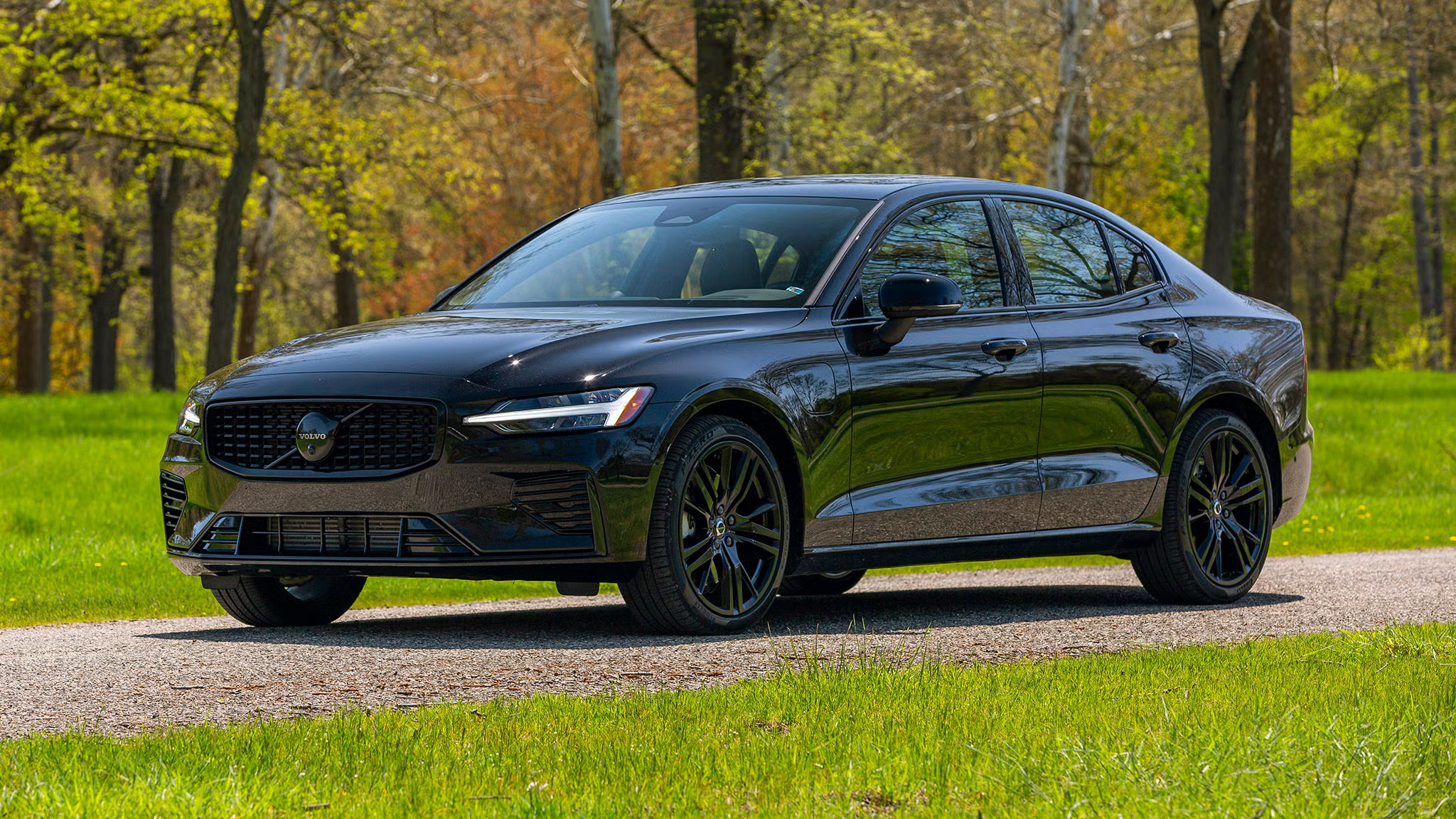
3. 2024 Volvo S60: Scandinavian Luxury with Hybrid Performance
The 2024 Volvo S60 delivers a refined blend of Scandinavian design, comfort, and performance in the compact luxury sedan segment. Competing with models such as the Audi A4 and BMW 3 Series, the S60 offers a stylish alternative for buyers who value understated elegance over flashy design.
Its clean lines and premium interior help it stand out, while predicted reliability is rated at 60 out of 100 by Consumer Reports. J.D. Power gives the S60 a slightly higher score of 72 out of 100.
The standard S60 is powered by a turbocharged 2.0-liter four-cylinder engine producing 247 horsepower, available with front- or all-wheel drive. The highlight of the lineup is the Recharge plug-in hybrid, which pairs the same engine with an electric motor to generate a combined 455 horsepower and 523 pound-feet of torque.
This all-wheel-drive hybrid accelerates from 0 to 60 miles per hour in just 4.3 seconds, providing impressive straight-line speed. While confident and composed on the road, the S60 favors ride comfort and refinement rather than sharp handling or steering feedback.
Fuel efficiency is strong across the range. The nonhybrid S60 is rated at up to 26 miles per gallon in the city and 35 on the highway. The Recharge plug-in hybrid earns an estimated 74 MPGe and offers up to 41 miles of electric-only driving. During real-world testing, the hybrid traveled 34 miles on electricity alone and returned 37 miles per gallon, making it an appealing option for commuters.
Inside, the S60 showcases excellent build quality and attention to detail. Premium materials, comfortable seating, and elegant design elements create a welcoming cabin. Available features include a 12.3-inch digital gauge cluster, ambient lighting, massaging front seats, and a head-up display.
Rear-seat space is generous, though interior storage areas are somewhat limited. The trunk holds five carry-on suitcases. A Google-based infotainment system with voice control comes standard, along with Apple CarPlay, Android Auto, and an available Bowers and Wilkins audio system.
Standard safety equipment includes forward-collision warning, automated emergency braking, blind-spot monitoring, rear cross-traffic alert, and lane-keeping assist. Warranty coverage includes four years or 50,000 miles for both limited and powertrain protection, eight years or 100,000 miles for hybrid components, and three years or 36,000 miles of complimentary maintenance.
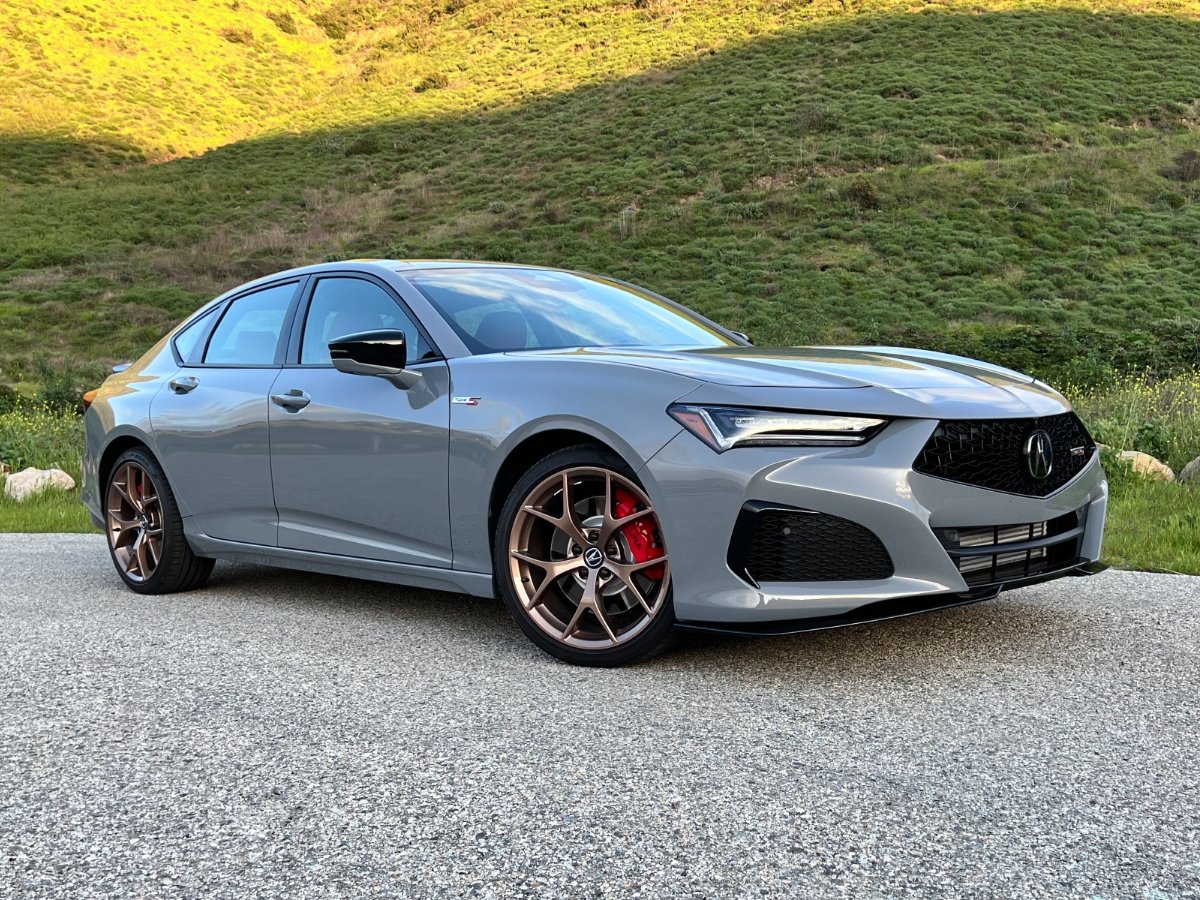
4. 2024 Acura TLX: Sport Sedan Performance with Everyday Refinement
The 2024 Acura TLX blends sporty performance, modern technology, and strong reliability into a midsize luxury sedan designed to work as both a daily driver and an engaging performance car.
With a predicted reliability rating of 70 out of 100 and a J.D. Power score of 78 out of 100, the TLX continues Acura’s reputation for dependability. Buyers can choose between a capable base model or the high-performance Type S, which transforms the TLX into a discreet yet powerful sleeper sedan.
The standard TLX is powered by a turbocharged 2.0-liter four-cylinder engine producing 272 horsepower, paired with a smooth 10-speed automatic transmission.
Front-wheel drive comes standard, while Acura’s Super Handling All-Wheel Drive system is available to improve traction and cornering performance. Chassis tuning gives the TLX confident handling and a composed ride, reinforcing Acura’s sports sedan heritage.
The TLX Type S raises performance significantly with a turbocharged 3.0-liter V6 generating 350 horsepower and 354 pound-feet of torque. This version includes rear-biased SH-AWD, a sport-tuned suspension, 20-inch wheels with available summer tires, and an exclusive Sport+ driving mode.
Test drives highlight its strong acceleration, precise steering, and powerful braking, though the ride is firm and less forgiving over rough pavement compared to some smaller rivals.
In testing, the four-cylinder TLX reached 60 miles per hour in 5.9 seconds, while the Type S accomplished the same sprint in 4.6 seconds. Fuel economy for front-wheel-drive models is rated at 22 miles per gallon city and 31 highway. SH-AWD versions see a slight reduction, while the Type S is rated at up to 19 city and 25 highway.
Inside, the TLX features a sporty and upscale cabin with premium materials such as open-pore wood and real aluminum. The front seats are highly adjustable, though rear-seat space trails some competitors.
A 12.3-inch infotainment system is controlled via a center-console touchpad and includes wireless Apple CarPlay, Android Auto, and a Wi-Fi hotspot. Optional features include a head-up display, ambient lighting themes inspired by famous driving destinations, and an upgraded ELS audio system.
Every TLX includes AcuraWatch driver-assistance features such as forward-collision warning, automated emergency braking, lane-keeping assist, and traffic-sign recognition. Warranty coverage includes four years or 50,000 miles for limited protection, six years or 70,000 miles for the powertrain, and two years or 24,000 miles of complimentary maintenance.
5. 2024 BMW i4: Electric Performance with Classic BMW Refinement
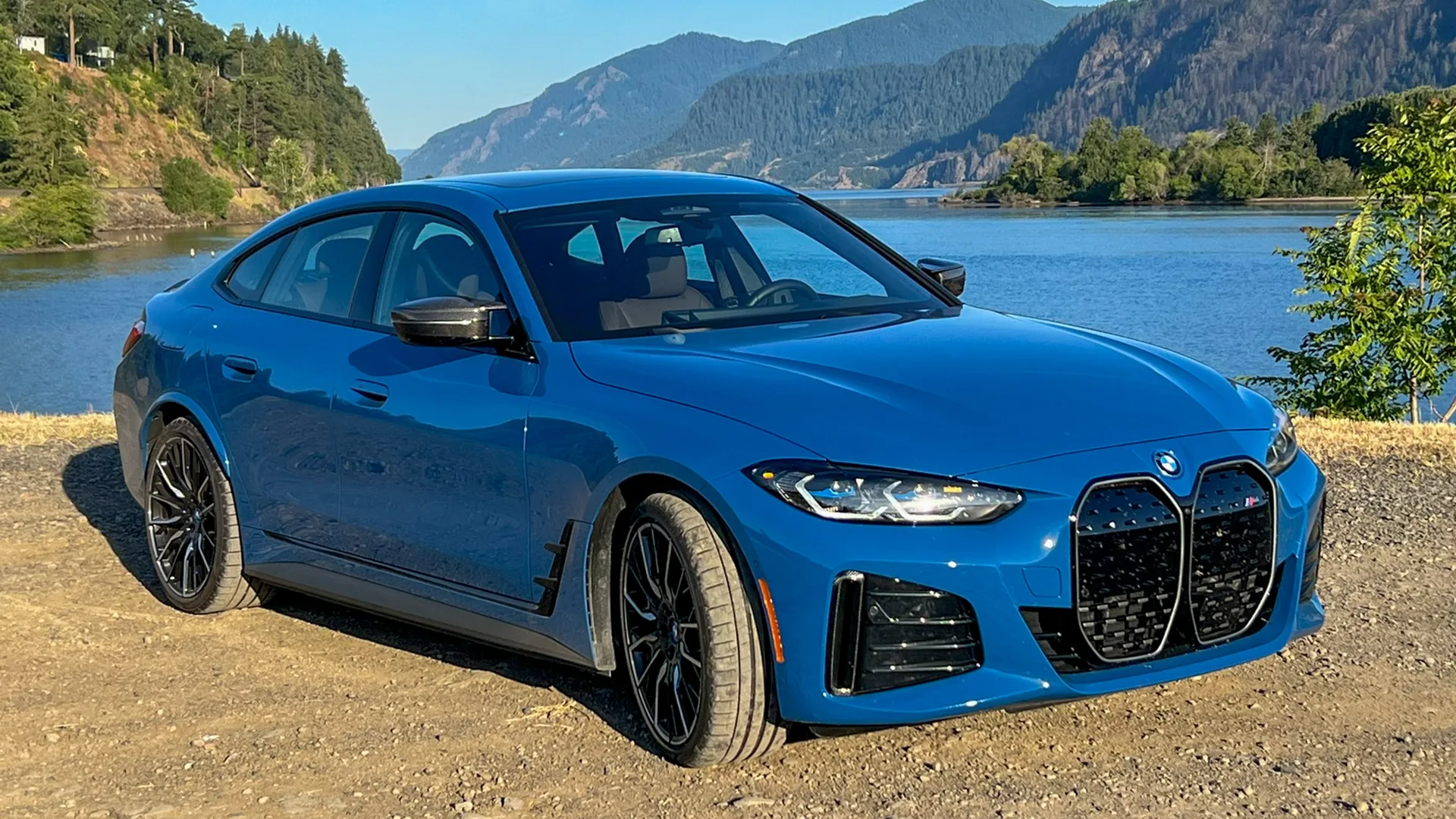
The 2024 BMW i4 brings the brand’s performance heritage into the electric era, combining strong acceleration, luxury appointments, and modern technology in a sleek four-door sedan.
BMW’s earlier electric efforts, such as the i3 and i8, paved the way for a more familiar sports sedan experience, and the i4 delivers exactly that. With a J.D. Power score of 79 out of 100 and a predicted reliability rating of 60 out of 100, the i4 earns recognition as a capable and engaging electric luxury car.
The i4 lineup includes several powertrain configurations. The eDrive35 uses a single rear-mounted electric motor producing 282 horsepower, while the eDrive40 increases output to 335 horsepower. The all-wheel-drive xDrive40 adds a second motor, boosting total output to 396 horsepower and 443 pound-feet of torque.
At the top of the range sits the i4 M50, which delivers 536 horsepower and 586 pound-feet of torque through a dual-motor all-wheel-drive setup. This version accelerates from 0 to 60 miles per hour in just 3.3 seconds, rivaling traditional high-performance BMW M models. Adaptive suspension, performance-oriented steering, and large wheel options enhance handling across the lineup.
Range varies depending on configuration. The rear-wheel-drive eDrive40 is rated for up to 301 miles, while the xDrive40 offers up to 307 miles with standard wheels. The high-performance M50 sacrifices range for power, topping out at 245 miles.
Fast charging capability reaches up to 200 kilowatts on most models, allowing significant range recovery in minutes. Level 2 home charging can fully replenish the battery in under eight hours. EPA efficiency ratings favor the eDrive35, while real-world testing shows reduced efficiency in cold conditions.
Inside, the i4 features premium materials, optional light wood trim, white leather upholstery, and rose-gold accents. A sweeping curved display dominates the dashboard, combining a 12.3-inch digital instrument cluster with a 14.9-inch touchscreen running BMW’s iDrive 8.5 software.
Apple CarPlay, Android Auto, voice controls, and a Wi-Fi hotspot come standard. Despite its coupe-inspired roofline, the i4 retains a traditional trunk and practical seating.
Standard safety features include automated emergency braking, lane-keeping assist, and forward-collision warning, with adaptive cruise control available. Warranty coverage includes four years or 50,000 miles for limited protection, eight years or 100,000 miles for the electric powertrain, and three years or 36,000 miles of complimentary maintenance.
Also Read: 5 Cars for Tempe College & City Driving vs 5 That Don’t Hold Up
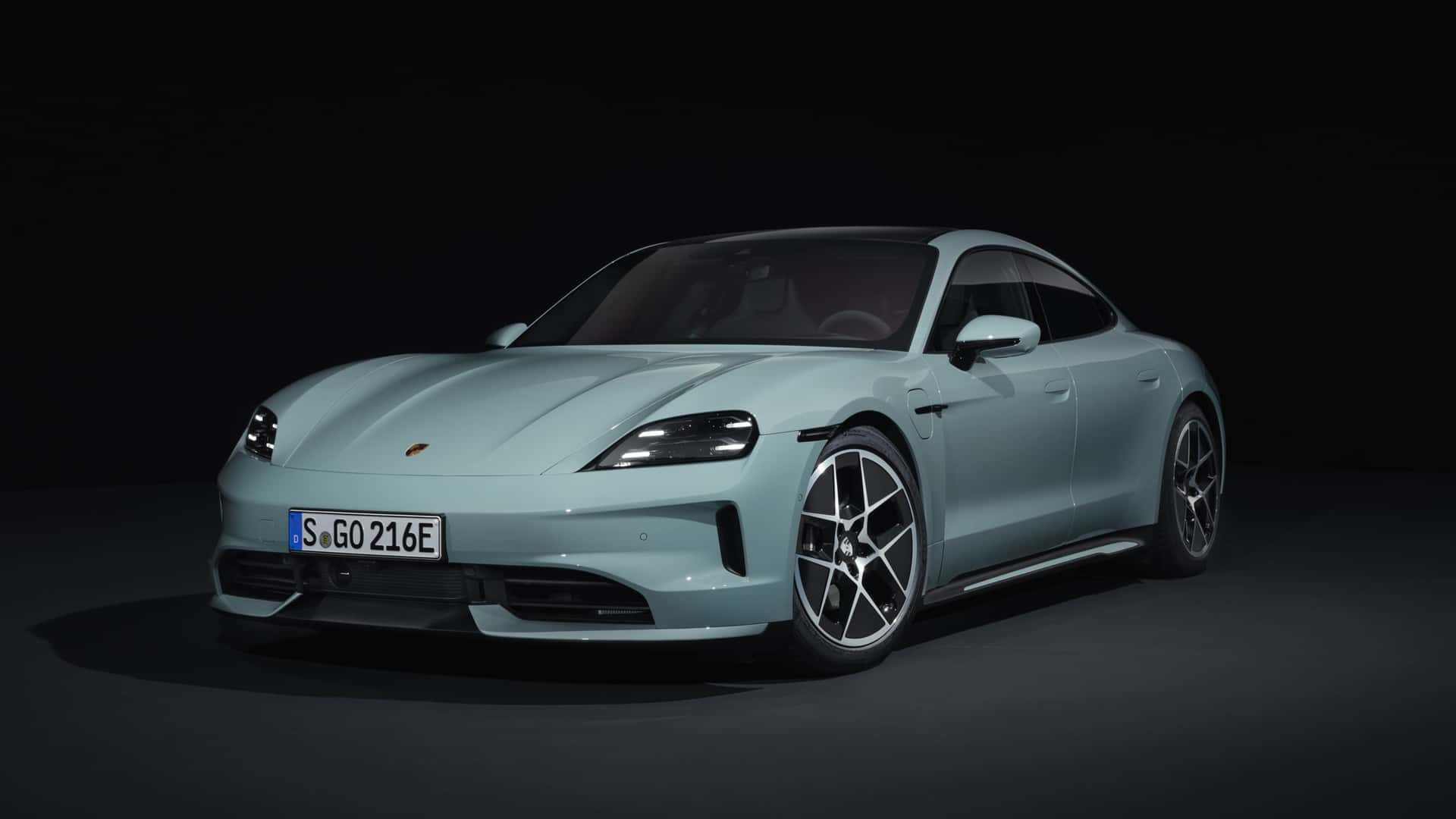
6. 2024 Porsche Taycan: Electric Performance with True Porsche DNA
The 2024 Porsche Taycan continues to redefine expectations for high-performance electric vehicles by delivering blistering acceleration, precision handling, and premium craftsmanship. Introduced as Porsche’s first fully electric sedan, the Taycan quickly proved that electrification does not dilute the brand’s sports car heritage.
With a J.D. Power reliability score of 80 out of 100 and a predicted reliability rating of 66 out of 100, the Taycan demonstrates solid long-term promise for an advanced electric performance car.
Most Taycan models feature dual electric motors driving all four wheels, though the base model uses a rear-wheel-drive layout. Power outputs vary widely across the lineup.
The Taycan 4S produces between 522 and 562 horsepower depending on battery choice, while the Turbo delivers 670 horsepower and the Turbo S reaches up to 740 horsepower with 774 pound-feet of torque. The Turbo S accelerates from 0 to 60 miles per hour in just 2.4 seconds and reaches a top speed of 162 miles per hour.
A two-speed transmission helps optimize both acceleration and high-speed efficiency, setting the Taycan apart from many EV rivals. Advanced suspension systems such as Porsche Active Suspension Management and 4D Chassis Control deliver exceptional balance, comfort, and cornering precision.
Driving range trails some competitors, with EPA estimates between 206 and 246 miles depending on configuration. Despite modest ratings, the Taycan has exceeded expectations in real-world testing. All models feature an 800-volt electrical architecture, enabling rapid charging speeds of up to 270 kilowatts.
With the larger battery pack, Porsche claims a 5 to 80 percent charge can be achieved in about 23 minutes under ideal conditions, though charging speed depends heavily on charger availability.
Inside, the Taycan offers a high-tech, minimalist cabin finished with premium materials and extensive customization options. Multiple screens dominate the dashboard, including a curved digital instrument cluster and dual central touchscreens for infotainment and climate controls.
Optional features include massaging seats, four-zone climate control, and a passenger-side display. Rear-seat space and cargo capacity are limited, and the low seating position can be challenging for some drivers.
Standard safety features include automated emergency braking and lane-keeping assist, with advanced options such as adaptive cruise control and night vision available. Warranty coverage includes four years or 50,000 miles for the limited warranty and eight years or 100,000 miles for the electric powertrain, with no complimentary scheduled maintenance.
7. 2024 BMW 4 Series: Classic BMW Performance in a Sleek Coupe-Sedan Package
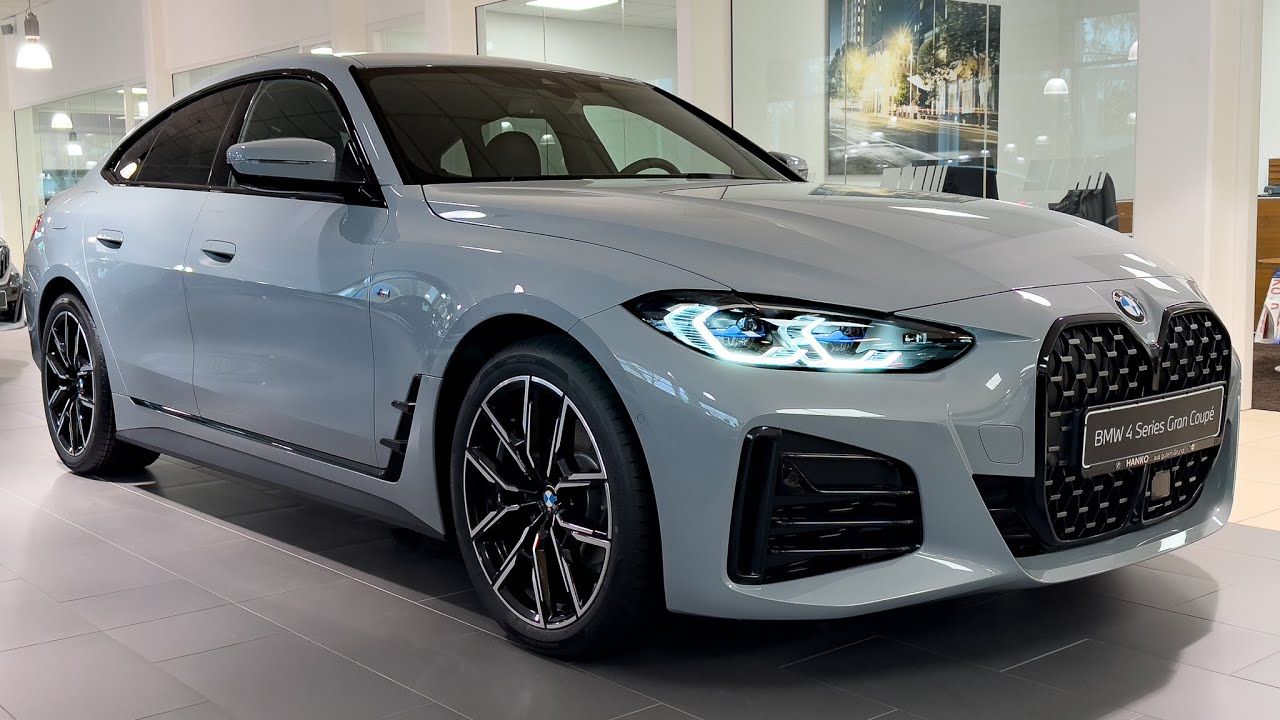
The 2024 BMW 4 Series continues to represent the brand’s traditional internal combustion sports sedan and coupe philosophy, delivering strong performance, premium refinement, and everyday usability.
With a J.D. Power reliability score of 82 out of 100 and a predicted reliability rating of 63 out of 100, the 4 Series edges out its electric sibling in perceived dependability. In M440i xDrive Gran Coupe form, it stands out as a discreet performance car that blends luxury and speed in a stylish fastback body.
The 4 Series offers two primary engine options shared with the BMW 3 Series. The 430i models are powered by a turbocharged 2.0-liter four-cylinder producing 255 horsepower, while the M440i features a turbocharged 3.0-liter inline-six supported by a 48-volt mild-hybrid system, generating 386 horsepower and 369 pound-feet of torque.
Power is delivered through an eight-speed automatic transmission, with rear-wheel drive standard and xDrive all-wheel drive available. The M440i xDrive accelerates from 0 to 60 miles per hour in about 4.2 seconds and reaches a top speed of 158 miles per hour.
Performance features such as M Sport brakes, Variable Sport Steering, and a sport-tuned suspension contribute to confident handling, though some drivers may find the steering feedback less engaging than expected.
Fuel economy remains competitive for the segment. The four-cylinder 430i coupe is rated at 26 miles per gallon in the city and 34 on the highway, with all-wheel drive reducing those figures slightly. The six-cylinder M440i earns an EPA rating of 22 city and 31 highway. In real-world testing, the 430i xDrive achieved 34 miles per gallon on a highway fuel economy route.
Inside, the 4 Series closely mirrors the BMW 3 Series, featuring high-quality materials, a driver-focused layout, and modern design. The lower roofline creates a sportier profile but slightly reduces rear-seat space and trunk capacity.
The coupe trunk holds five carry-on suitcases, one fewer than the 3 Series sedan. Standard technology includes a 12.3-inch digital gauge cluster and a 14.9-inch infotainment display running BMW’s iDrive 8 software, with Apple CarPlay and Android Auto included.
Standard safety features include automated emergency braking, pedestrian detection, lane-keeping assist, and available adaptive cruise control. Warranty coverage includes four years or 50,000 miles for both limited and powertrain protection, along with three years or 36,000 miles of complimentary maintenance.
8. 2024 BMW 2 Series Gran Coupe: Compact Luxury with Surprising Performance
The 2024 BMW 2 Series Gran Coupe brings coupe-inspired styling and premium engineering to BMW’s smallest four-door sedan. Designed for drivers who want a sporty image without sacrificing everyday practicality, the Gran Coupe blends sleek design with usable rear seating and respectable cargo space.
Reliability ratings are solid for the segment, with a J.D. Power score of 82 out of 100 and a predicted reliability rating of 64 out of 100 from Consumer Reports.
Both versions of the 2 Series Gran Coupe are powered by a turbocharged 2.0-liter four-cylinder engine paired with an eight-speed automatic transmission. The 228i produces 228 horsepower and is available with front-wheel drive or optional all-wheel drive.
The higher-performance M235i increases output to 301 horsepower and 331 pound-feet of torque, with all-wheel drive standard. Around town, the 228i feels lively and responsive, reaching 60 miles per hour in 5.1 seconds. The M235i delivers a more dramatic experience, accelerating from 0 to 60 miles per hour in just 4.2 seconds and providing performance that rivals larger BMW models.
Fuel economy remains a strong point across the lineup. The EPA rates the 228i xDrive at 23 miles per gallon in the city and 33 on the highway. The M235i posts similar ratings at 23 city and 32 highway. In real-world highway testing, both models achieved an impressive 37 miles per gallon, demonstrating efficiency that complements their performance capabilities.
Inside, the 2 Series Gran Coupe shares a modern BMW design language with models such as the 3 Series and X3. The driver-focused cockpit features ambient lighting, quality materials, and a clean layout.
While BMW claims rear-seat legroom is comparable to the 3 Series, the cabin feels snug, especially for taller passengers. Cargo capacity is practical for its size, accommodating five carry-on suitcases with the rear seats up and up to 14 when folded down, making it suitable for daily errands and short trips.
Technology includes a 10.3-inch digital instrument cluster and a 10.3-inch central touchscreen angled toward the driver. Navigation, SiriusXM, Apple CarPlay, and Android Auto come standard, while features such as a Harman Kardon sound system and wireless phone charging are optional.
Standard safety equipment includes automated emergency braking, blind-spot monitoring, rear cross-traffic alert, and lane-keeping assist. Warranty coverage includes four years or 50,000 miles for limited and powertrain protection, along with three years or 36,000 miles of complimentary scheduled maintenance.
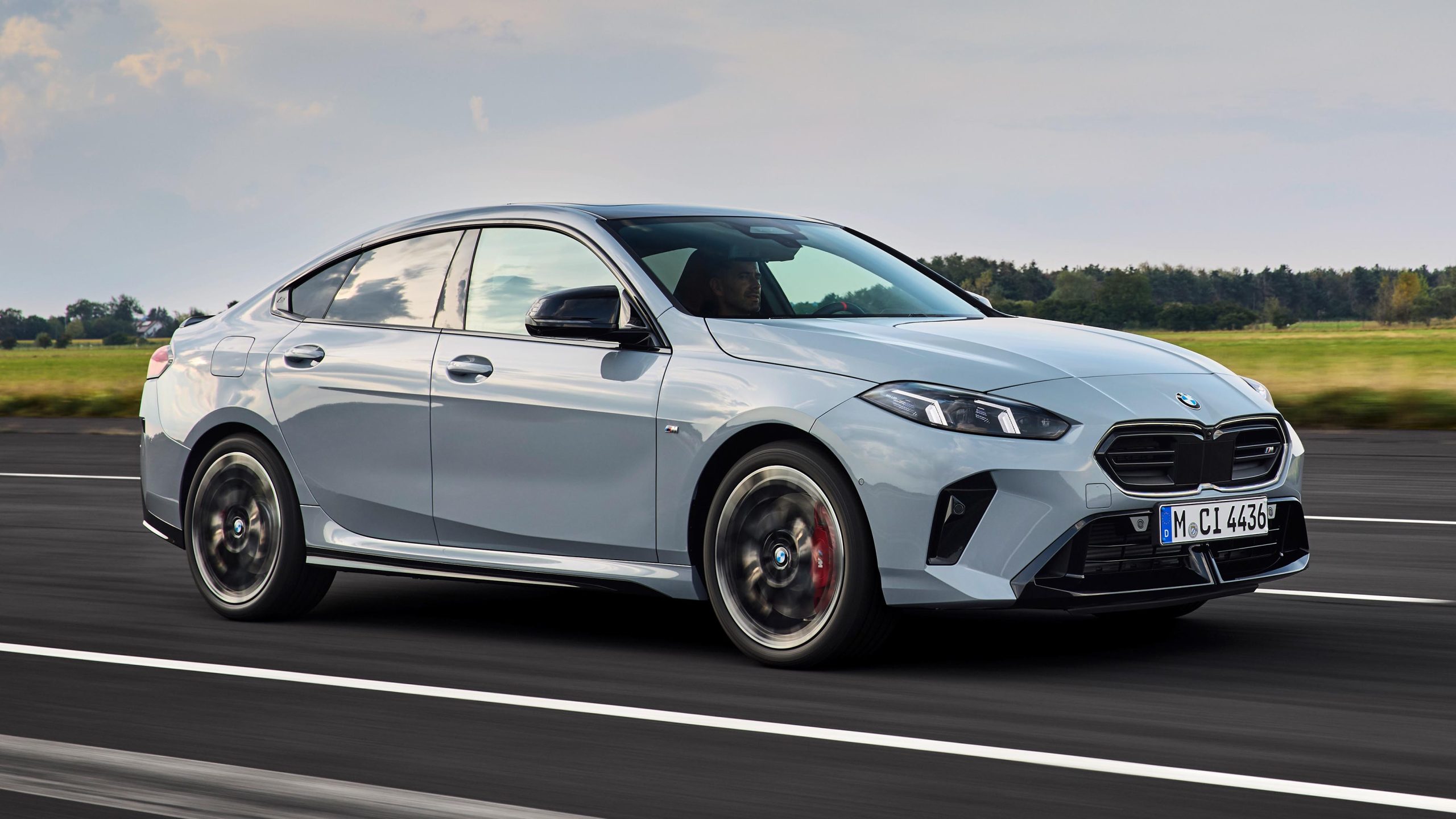
9. 2024 Lexus ES: Comfort, Efficiency, and Proven Reliability
The 2024 Lexus ES continues to represent the brand’s long-standing reputation for dependability, comfort, and understated luxury. Scoring 82 out of 100 from J.D. Power and earning a strong predicted reliability rating of 75 out of 100, the ES stands out as one of the more trustworthy midsize luxury sedans on the market.
Lexus’ high placement in vehicle dependability studies further reinforces the ES’s appeal to buyers seeking long-term peace of mind.
The Lexus ES lineup offers three distinct powertrains to suit different priorities. The ES250 uses a 2.5-liter four-cylinder engine producing 203 horsepower and comes standard with all-wheel drive. The ES350 steps up to a 3.5-liter V6 delivering 302 horsepower through an eight-speed automatic transmission and front-wheel drive.
Buyers focused on efficiency can choose the ES300h, which pairs a four-cylinder engine with an electric motor for a combined 215 horsepower and uses a continuously variable transmission.
Performance varies notably between trims. The ES350 accelerates from zero to 60 miles per hour in 6.1 seconds, while the ES250 and ES300h complete the sprint in just over eight seconds.
Ride quality is a defining trait across the range, with a smooth and forgiving suspension tuned for comfort rather than aggressive handling. The available F Sport package adds firmer suspension tuning and larger wheels, but the ES remains more relaxed than sport-focused rivals like the BMW 5 Series.
Fuel efficiency is another highlight. The ES350 is rated at up to 22 miles per gallon in the city and 32 on the highway, while the ES250 improves those numbers to 25 and 34. The ES300h shines with ratings of 43 city and 44 highway. Real-world testing showed impressive results, with the ES350 achieving 39 miles per gallon at highway speeds and the hybrid reaching 45.
Inside, the ES emphasizes quietness and comfort. High-quality materials, a distinctive dashboard design, and generous legroom create a refined cabin for both front and rear passengers. Trunk space measures 17 cubic feet, surpassing several competitors, though the lack of a folding rear seat limits versatility.
Technology features include a standard 8.0-inch touchscreen with Apple CarPlay and Android Auto, with a larger 12.3-inch display available. Lexus Safety System+ 2.5 comes standard, offering adaptive cruise control, automated emergency braking, and lane-keeping assistance.
Warranty coverage is competitive, with six years or 70,000 miles for the powertrain and extensive hybrid component coverage, reinforcing the ES’s reputation as a dependable luxury sedan.
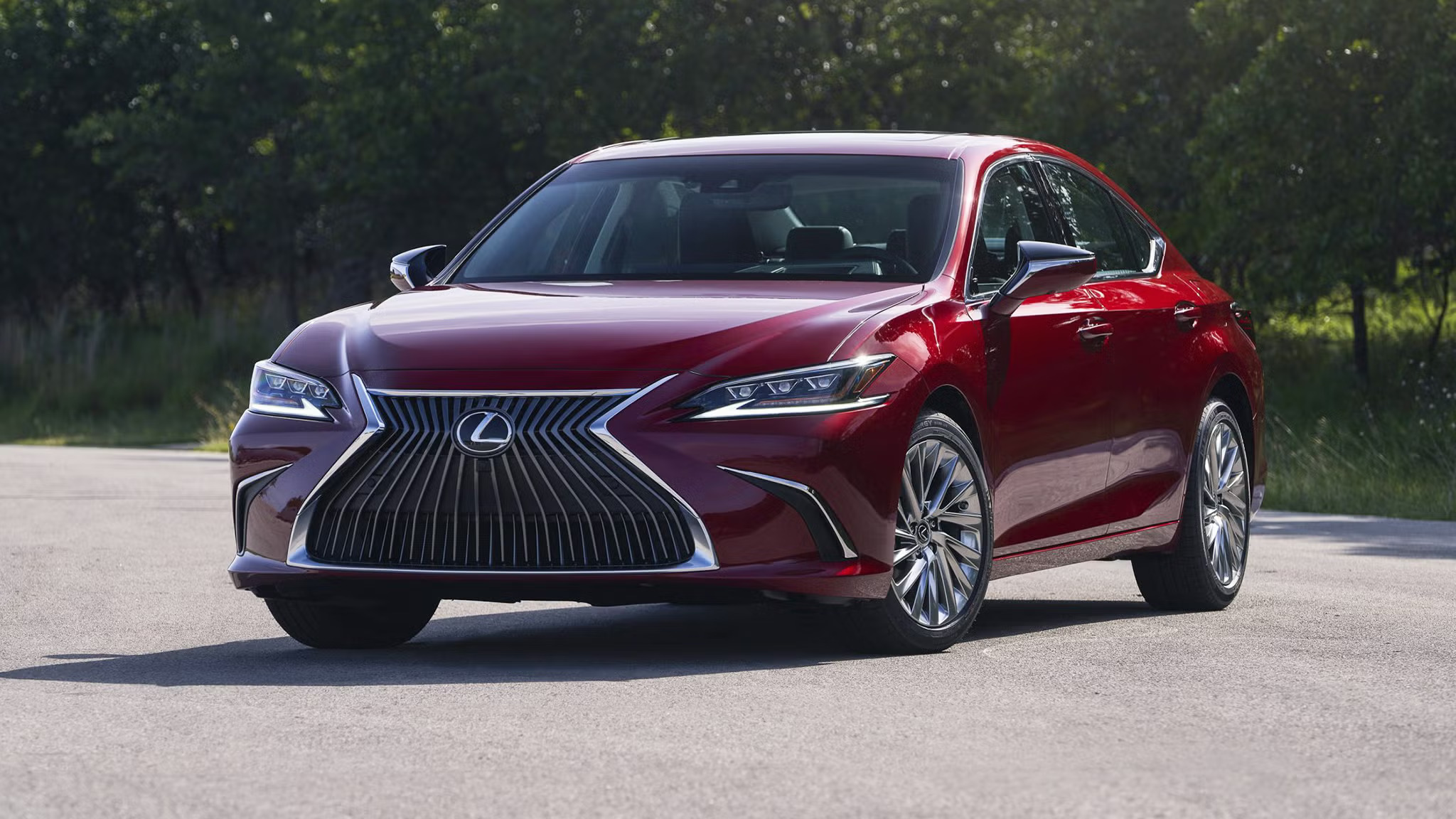
10. 2024 Lexus IS: A Reliable Sports Sedan With Old-School Muscle
The 2024 Lexus IS blends sharp styling, engaging performance, and standout reliability, making it one of the most appealing compact luxury sedans available.
With an exceptional J.D. Power score of 88 out of 100 and a predicted reliability rating of 79 out of 100, the IS sits at the top of its class for dependability. Designed as Lexus’ answer to the BMW 3 Series, the IS balances daily comfort with genuine driver appeal, especially in its higher-performance trims.
Lexus offers three distinct engines across the IS lineup. The IS300 comes with a turbocharged 2.0-liter four-cylinder producing 241 horsepower. While efficient, this engine struggles to fully exploit the car’s capable chassis.
The IS350 improves matters with a 3.5-liter V6 delivering 311 horsepower, providing smoother acceleration and better balance. Both models are available with rear-wheel drive or all-wheel drive.
The star of the range is the IS500 F Sport Performance, which features a naturally aspirated 5.0-liter V8 generating 472 horsepower and 395 pound-feet of torque. Power is sent exclusively to the rear wheels, reinforcing its classic sports sedan character.
In testing, the IS500 reached 60 miles per hour in about 4.4 seconds. While not as extreme as some turbocharged European rivals, its V8 delivers linear power and a distinctive driving feel that is increasingly rare in this segment.
Efficiency varies by engine. The four-cylinder IS300 is the most economical, rated at up to 31 miles per gallon on the highway with rear-wheel drive. The V6 IS350 returns respectable figures near 28 highway mpg, while the V8 IS500 is the least efficient at 25 highway mpg. Real-world testing showed the IS350 can outperform its official estimates during steady highway driving.
Inside, the IS emphasizes quality over space. Rear-seat room is tighter than in larger Lexus sedans, and storage options are limited. Still, materials feel premium, and standard features include power-adjustable seats, dual-zone climate control, and push-button start.
Infotainment is handled by an 8.0-inch touchscreen, with a 10.3-inch upgrade available, along with Apple CarPlay, Android Auto, and an optional Mark Levinson sound system.
Lexus Safety System+ comes standard, adding adaptive cruise control, lane-keeping assist, and automated emergency braking. Warranty coverage is strong, highlighted by a six-year powertrain warranty and complimentary maintenance for the first year, reinforcing the IS as a dependable yet exciting luxury sedan choice.
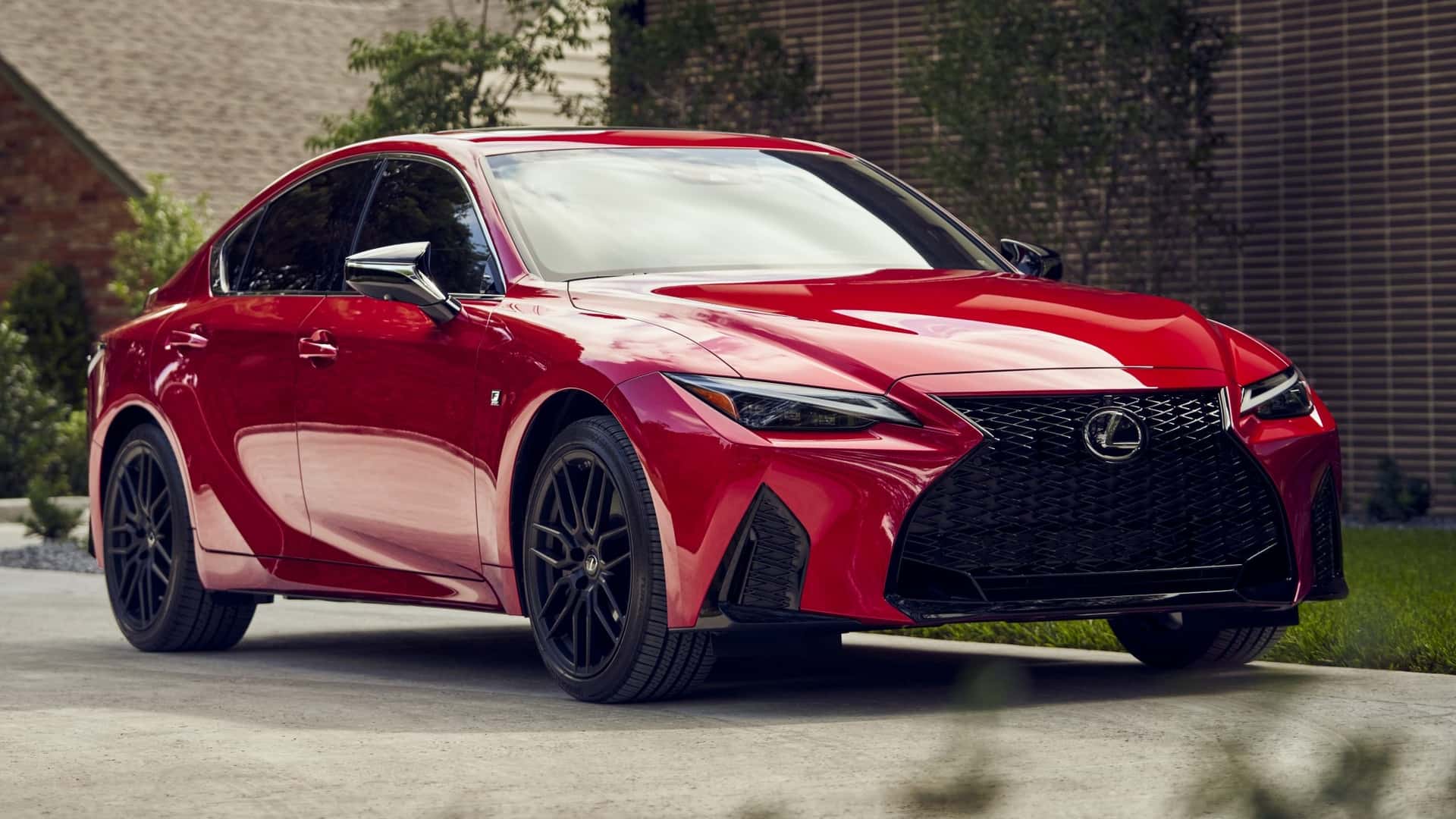
Long-term reliability is no longer limited to conservative or slow vehicles, and this ranking proves that point clearly. The ten sports sedans featured here span a wide range of philosophies, from futuristic electric designs like the Hyundai Ioniq 6 and Porsche Taycan to traditional performance machines such as the Lexus IS 500 and Subaru WRX.
Luxury-focused options from Lexus, BMW, Acura, and Volvo show that refinement and durability can go hand in hand, while offering engaging driving experiences. Choosing a sports sedan today does not mean sacrificing confidence in ownership or daily usability.
Instead, buyers can enjoy strong acceleration, advanced technology, and sharp handling while trusting that their vehicle will remain dependable for years to come. These models stand as some of the smartest choices for drivers who want excitement behind the wheel without worrying about long-term reliability.
Also Read: 10 Cars That Look Stunning But Disappoint True Enthusiasts