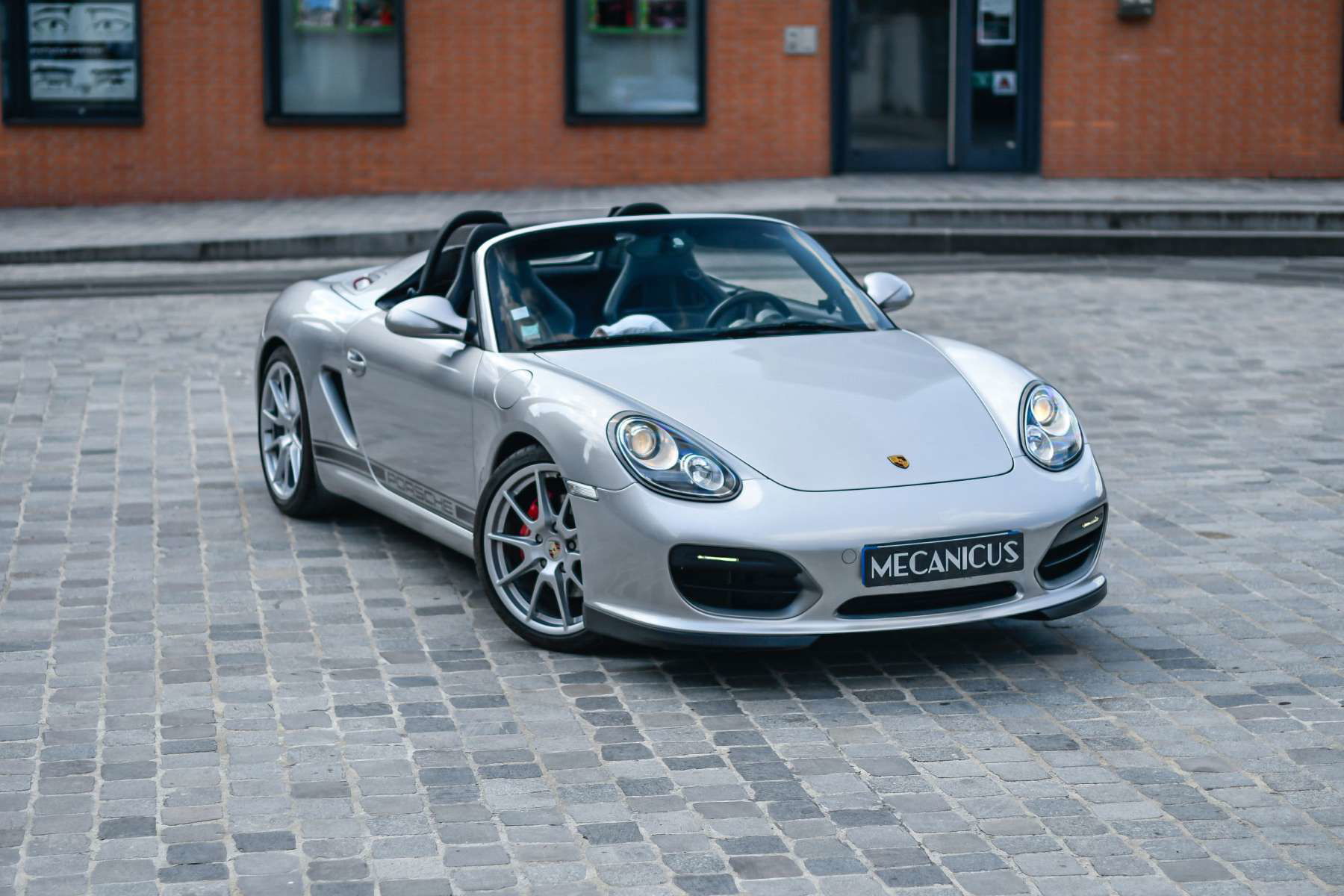
When it comes to performance, style, and engineering excellence, Porsche has long held a legendary status in the automotive world.
But beyond their exhilarating speed and sleek design, certain Porsche models are celebrated for something even more vital for the average driver: reliability.
Unlike some exotic sports cars, which can demand constant attention and expensive repairs, Porsches especially select used models offer a blend of high performance and proven durability.
For enthusiasts, collectors, or anyone looking for a spirited daily driver, this balance is crucial. In the United States, where long commutes and varied climates test vehicles to their limits, owning a Porsche that combines performance and reliability can be a smart investment.
Here’s a look at ten used Porsches that have earned a reputation for legendary dependability.
1. Porsche 911 (996) (1999-2004)
The 996 generation of the 911 often gets overlooked due to its “water-cooled” transition and styling controversies, yet it remains a surprisingly reliable and practical entry point into Porsche ownership.
Early models faced some issues with the intermediate shaft (IMS) bearing, but once addressed, the 996 became a dependable sports car with classic 911 handling.
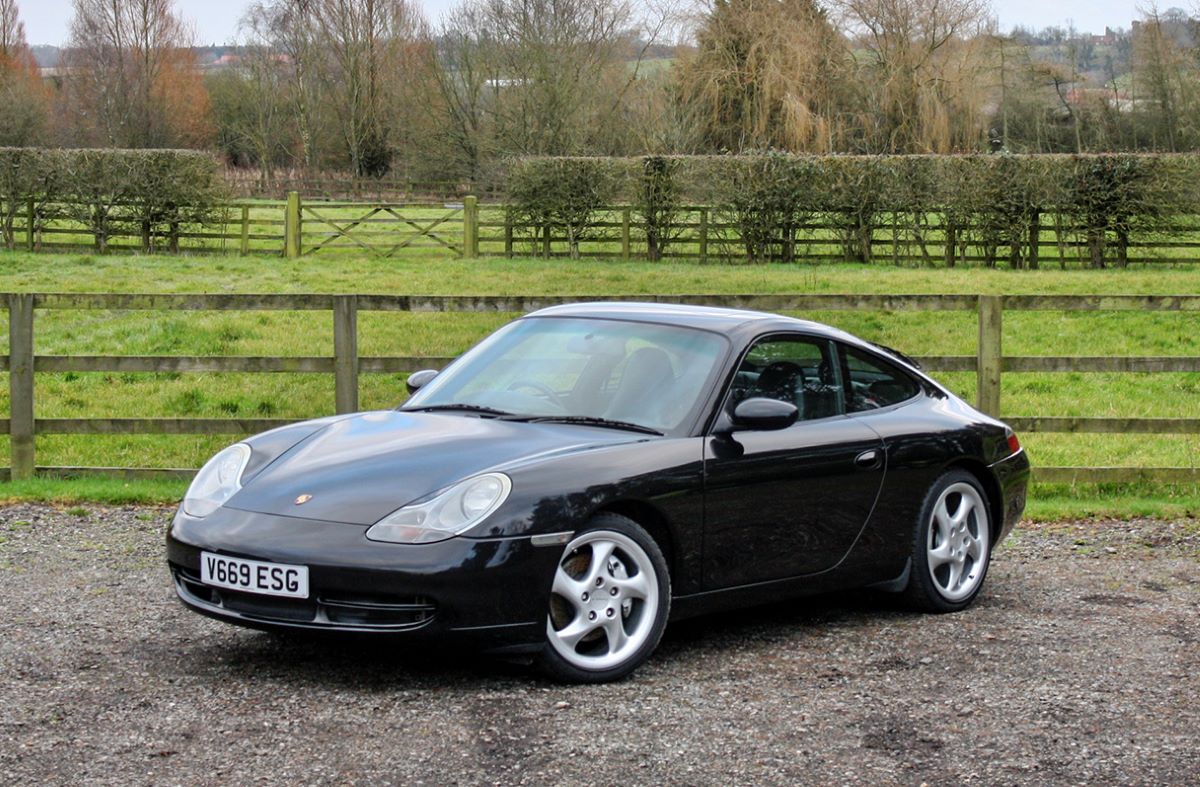
With engines ranging from 3.4L to 3.6L flat-sixes, these cars deliver the iconic 911 experience without breaking the bank.
US buyers appreciate its balance between performance, maintenance cost, and availability of parts, making it a strong contender for those seeking a classic Porsche experience without the extreme price tag of newer models.
Introduced in 1964 as the successor to the aging 356 series, the Porsche 911 stayed true to the brand’s core principles, lightweight construction, an air-cooled engine mounted behind the rear axle, and a purposeful, no-frills cockpit. The formidable Turbo arrived in 1976 and, along with its explosive acceleration, occasionally delivered hard lessons to overly confident or inexperienced drivers.
Lift off the throttle at the wrong moment and the rear end could swing wide, a classic case of drop-throttle oversteer. Over the years that followed, Porsche consistently added power while refining the suspension, eventually reaching a point where only the truly reckless could get into trouble behind the wheel of the razor-sharp 911.
In 1999, the 911 received its first complete “clean-sheet” redesign since its mid-1960s debut. This new-generation 911 grew slightly longer, wider, and sleeker than any version before it. That same year marked a major mechanical shift, as Porsche transitioned to a water-cooled flat-six engine.
From an engineering standpoint, the move brought benefits such as improved cooling efficiency and better climate control inside the cabin. Still, not everyone welcomed the change. Purists mourned the loss of the air-cooled engine and its distinctive sound, fearing the car had sacrificed part of its soul.
They weren’t entirely wrong; while performance remained strong, the new engine and exhaust note initially felt too restrained. More recently, however, increased power has been paired with a richer soundtrack, reviving the unmistakable metallic pulse and full-bodied exhaust note that define the 911 experience.
So what’s the downside? Pricing remains a significant hurdle. With MSRPs spanning from nearly $70,000 to $180,000, Porsche tradition still involves extracting a sizable sum from buyers. On top of that, many of the 911’s optional extras come at a steep cost. Even so, for those seeking supercar-level performance wrapped in a legendary design, it’s hard to find a better choice than the 2003 Porsche 911.
Standard 911 models are powered by a 3.6-liter, rear-mounted, horizontally opposed six-cylinder engine producing 315 horsepower and 273 pound-feet of torque. Step up to the Turbo, and output climbs to 415 hp and 413 lb-ft of torque.
At the top of the range sits the GT2, which costs $65,000 more than the Turbo but delivers 456 horsepower and 450 lb-ft of torque while shedding 221 pounds. This extreme machine is rear-wheel drive only and omits Porsche’s stability control system, making it suitable exclusively for highly skilled, and well-funded, drivers.
Porsche offers either a six-speed manual transmission or a five-speed Tiptronic S automated manual across the lineup, with the exception of the GT2, which is available solely with the manual gearbox.
All-wheel drive and Porsche Stability Management (PSM) are standard on the Carrera 4 and Turbo models. PSM is optional on other 911 variants, except for the GT2, which does without it entirely.
2. Porsche 911 (997) (2005-2012)
Following the 996, the 997 generation addressed many of the previous generation’s criticisms while keeping reliability intact. Known for refined engines, better interiors, and classic 911 styling, the 997 quickly became a favorite among enthusiasts.
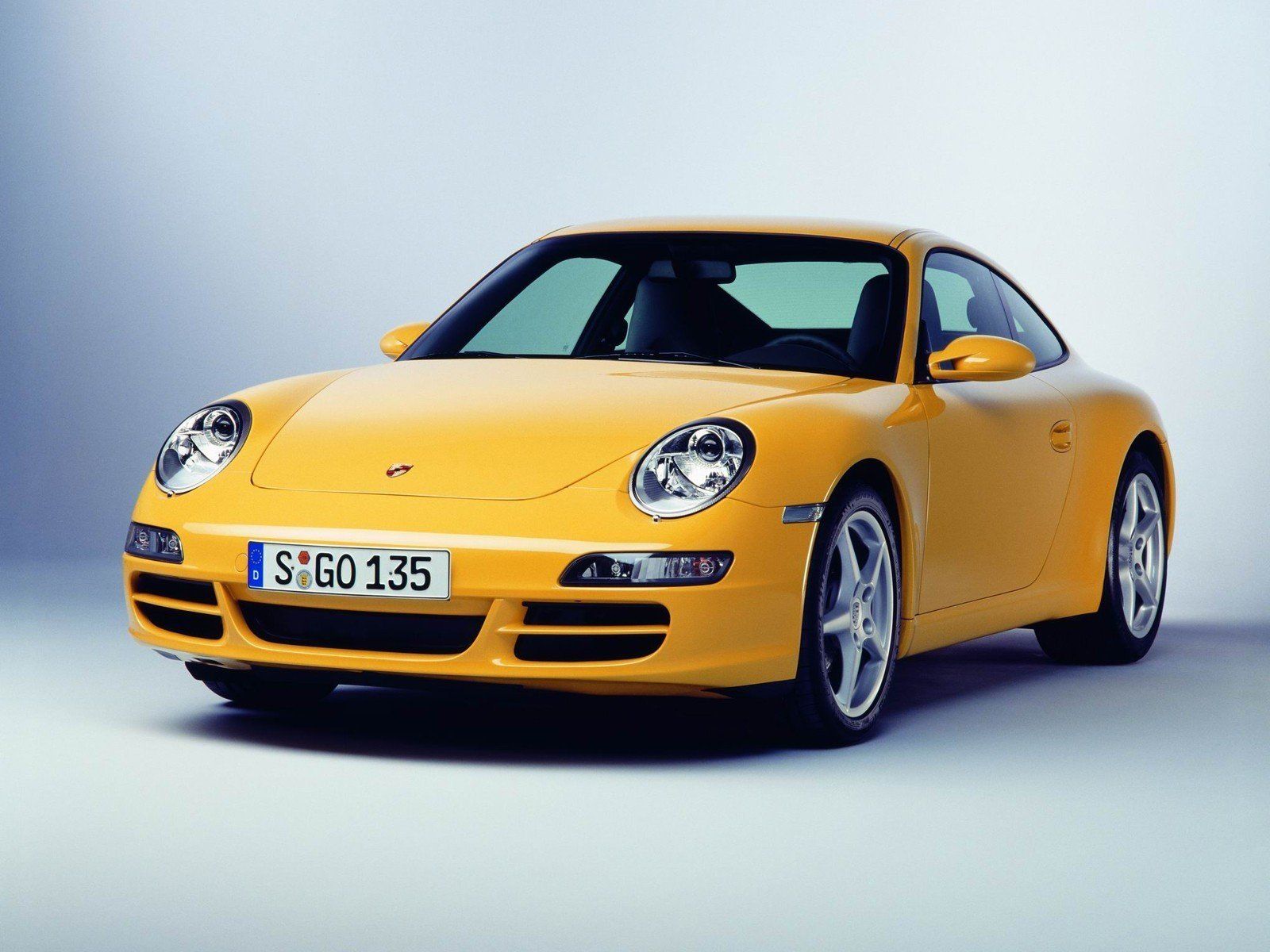
Models equipped with the 3.6L and 3.8L flat-six engines are particularly praised for their durability and longevity.
In the US, the 997 remains popular as a used sports car that offers thrilling performance while keeping maintenance manageable. With proper care, these cars can easily surpass 200,000 miles without significant issues.
3. Porsche Boxster (986) (1997-2004)
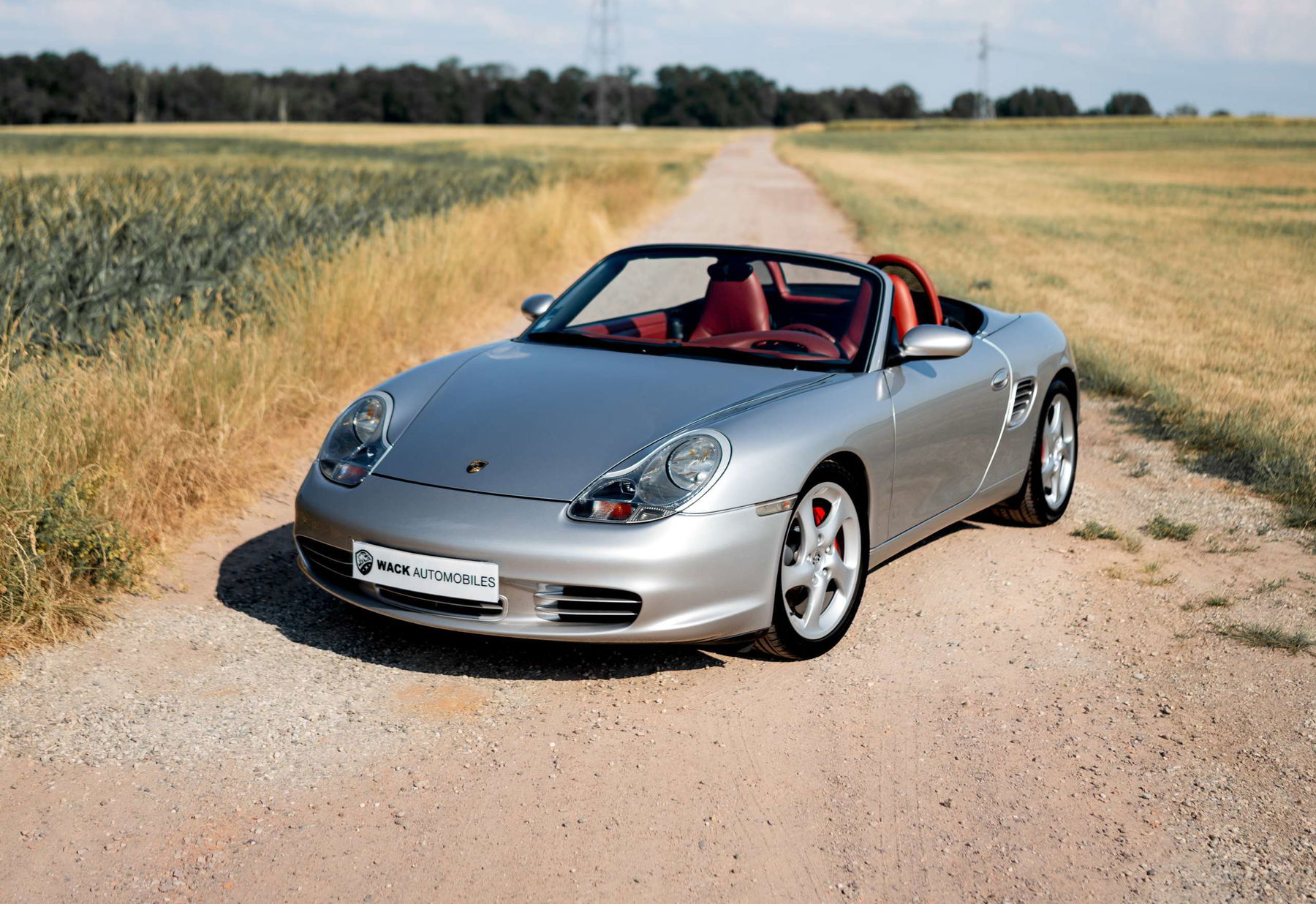
The first-generation Boxster often surprises buyers with its long-term reliability. While the mid-engine layout raised concerns about balance and maintenance, the 986 proves to be remarkably durable when regularly serviced.
The 2.5L and 2.7L flat-six engines deliver smooth power, and the car’s lightweight design ensures an agile driving experience.
For US buyers who want an open-top Porsche that won’t empty the bank account, the 986 Boxster offers a reliable and fun alternative to the 911.
Some cars barely need an introduction, but this one deserves it anyway. The Porsche Boxster arrived as a two-seat roadster that delivered a sublime driving experience without beating you up during everyday use.
From its debut in 1996, it was the obvious next step once you outgrew an MX-5 in both power and price. As is so often the case with Porsche, the Boxster didn’t just enter a segment, it defined it.
This was a true sports car, sharing nothing with ordinary saloons. That purity is exactly what made it feel so special from the outset.
It has gone on to dominate its (now shrinking) class ever since. In fact, you can buy almost any Boxster produced from that point onward and still end up with a car that performs the same role, in the same way, with the same level of success. The only real outlier is the four-cylinder 718, and that’s a discussion for another time.
The Boxster also represented a crucial reset for Porsche at a moment when the company was staring over a financial cliff. Back then, its range consisted of the 911, 968, and 928, cars that were costly to produce because they shared virtually nothing. Worse still, the latter two were losing money.
So Porsche streamlined its approach. Sit in an early Boxster and nearly everything forward of your spine is shared with a 911. It was a lesson Porsche absorbed from the Volkswagen Group: much like how an early Audi TT Roadster shared most of its mechanicals with a humble Skoda hatchback.
At the literal heart of the Boxster’s appeal is its captivating, purpose-built six-cylinder engine, developed specifically for this car. It sits just behind the driver, roughly where the rear seats live in a 911. That mid-engine layout is what gives the Boxster such a distinct character, more balanced, more stable, and less demanding than its rear-engined sibling.
Beyond that, everything about it feels unmistakably Porsche. Aluminium suspension components, powerful brakes, and above all, controls with an almost eerie level of precision that pull you deep into the driving experience.
Porsche tends to evolve rather than reinvent, and the Boxster follows that philosophy closely. If you’re familiar with the latest version, you’ll still recognize the original 986. It’s smaller than today’s car, with softer, more oval shapes, like a pebble smoothed by years of sand and surf. A discreet, electrically deployed spoiler allows the rear to taper gently and cleanly.
In base form, as tested here, the Boxster launched with a 2.5-litre engine producing just 204bhp. That was only just enough to dip under seven seconds from 0–62mph. Torque peaked at 181lb ft, figures that don’t sound especially dramatic today, when even small hatchbacks can get close.
Naturally, everyone agreed the excellent chassis could handle more. In 1999, capacity increased to 2.7 litres with 220bhp, while the Boxster S arrived to do the heavy lifting, delivering 252bhp from a 3.2-litre engine. By the end of the 986 generation, outputs had risen to 240bhp for the standard car and 280bhp for the S.
Early base models used a five-speed manual gearbox, while other versions received a six-speed. A five-speed Tiptronic automatic was also available. It’s less engaging and blunts performance, but on an older car it might just spare the drivetrain from an owner with all the mechanical sympathy of a brick.
4. Porsche Boxster (987) (2005-2012)
Building on the success of the 986, the 987 generation introduced updated styling, improved interiors, and more refined engines. US enthusiasts often seek the later 987.2 models with the 2.9L and 3.4L engines, which eliminated the weak IMS bearing from earlier iterations.
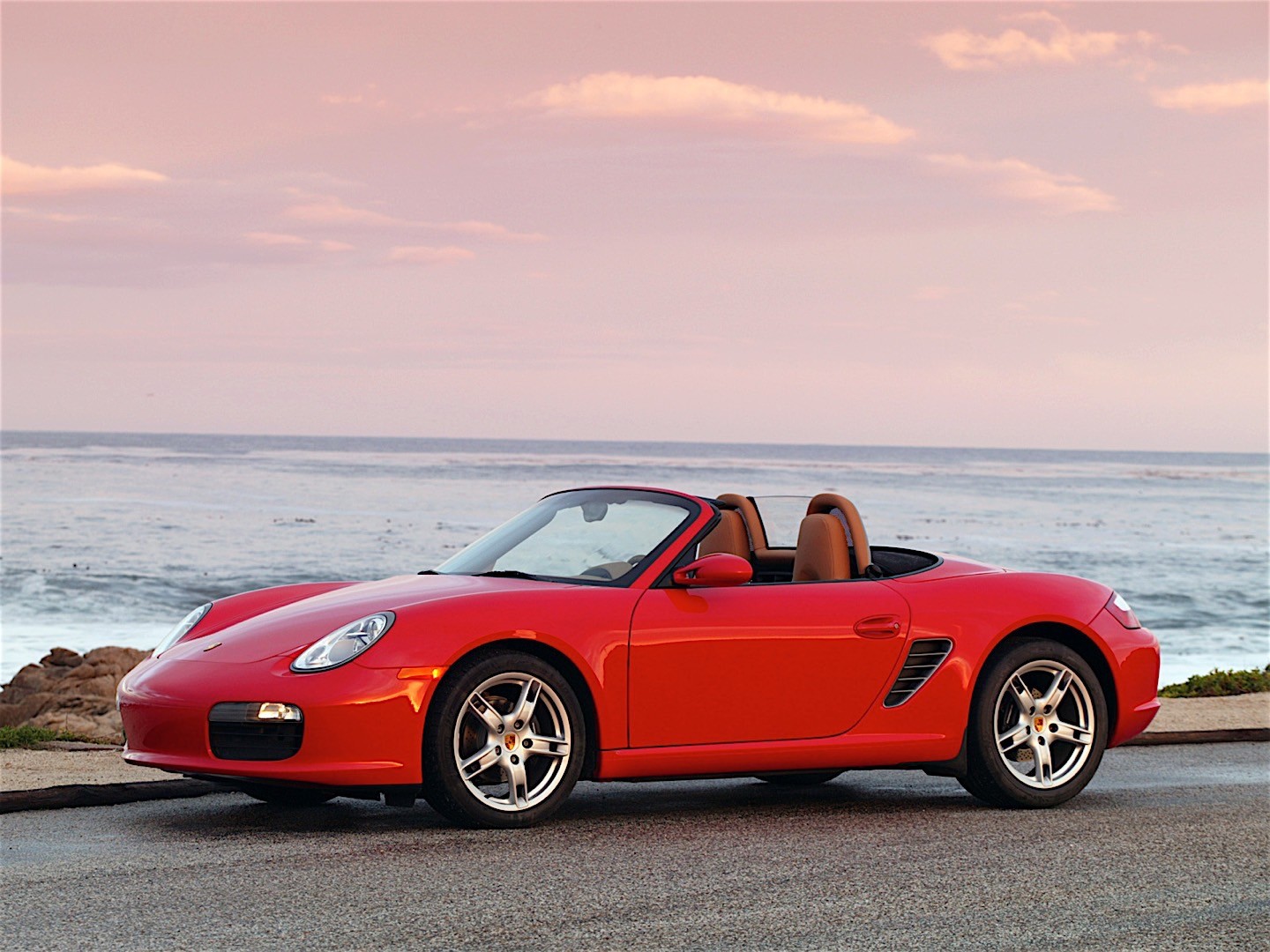
The 987 Boxster strikes a great balance between modern comfort and classic roadster fun. Its reputation for reliability makes it an excellent used Porsche choice, particularly for drivers who value spirited handling without compromising longevity.
5. Porsche Cayman (987) (2006-2012)
The Cayman debuted as a hardtop alternative to the Boxster, offering improved structural rigidity and more precise handling.
Mechanically similar to the Boxster, the Cayman shares the same robust engines and drivetrain, giving it a strong reliability record. US buyers enjoy the Cayman for its low center of gravity and sharp steering, which provide a driver-focused experience reminiscent of the 911.
With careful maintenance, these models are well-known for their durability, making them a top pick for a reliable mid-engine Porsche.
Although the 911 had anchored Porsche’s lineup for more than 30 years, the arrival of the Boxster in 1997 marked the beginning of a new chapter: a more attainable Porsche convertible that didn’t compromise on performance.
Thanks to its compact dimensions, mid-mounted engine, and exceptional handling balance, the flat-six Boxster quickly rose to become one of the strongest sellers in the luxury roadster space.
Recognizing the opportunity to slot something between the Boxster and the 911, Porsche developed the Cayman S. At a glance, it’s essentially the Boxster with a fixed roof, but that description barely scratches the surface.
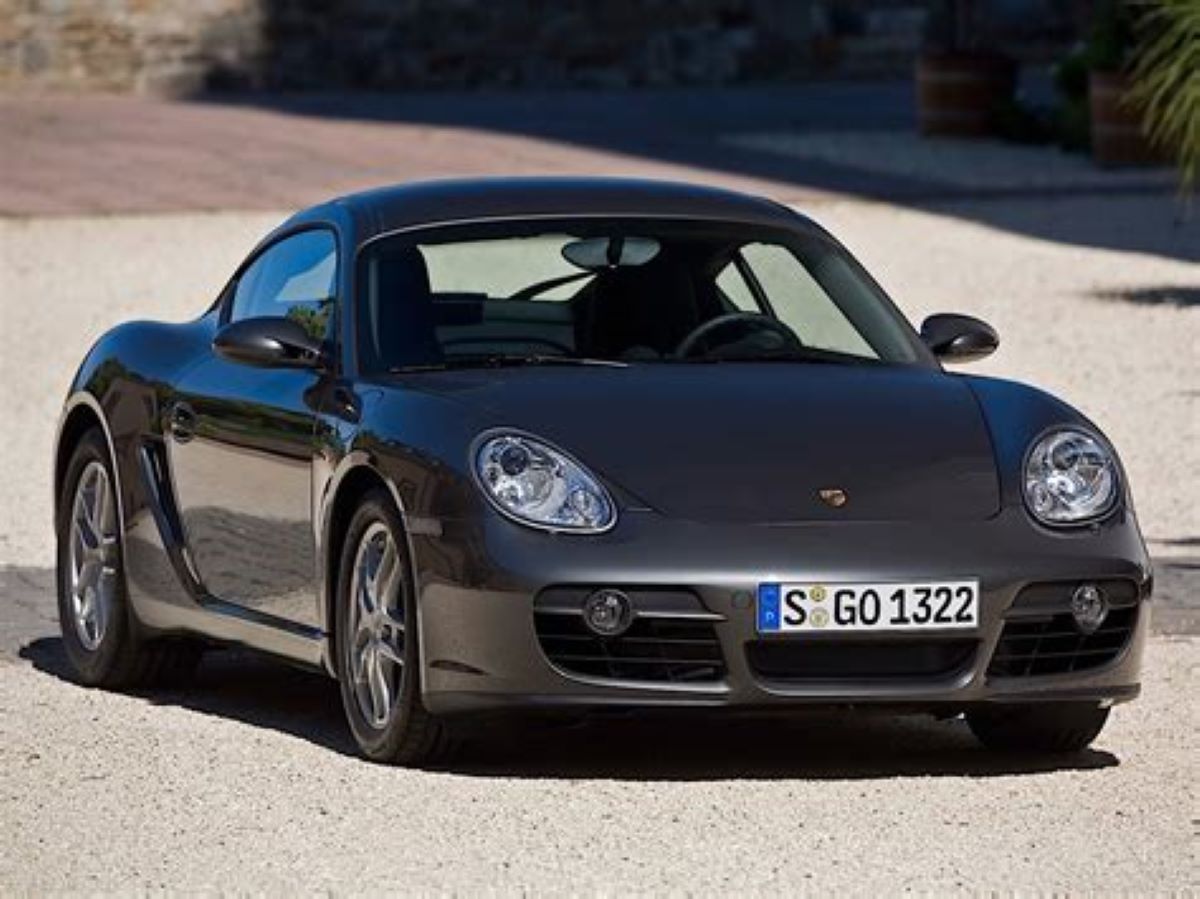
The Cayman S shares its fundamental architecture with the Boxster: a midengine layout, rear-wheel drive, seating for two, and a curb weight hovering around 3,000 pounds. Where it diverges is in intent.
Porsche engineered the Cayman S to be sharper, more focused, and more performance-driven. Its engine output is higher, its suspension setup is firmer, and its option list leans further toward serious driving enthusiasts than the Boxster’s more relaxed character.
Beyond performance, the Cayman S also brings added practicality. Its hatchback body style delivers 9.1 cubic feet of rear cargo space—double what the Boxster offers. Beneath that storage area, positioned just ahead of the rear axle, sits the Cayman S’s 24-valve, four-cam 3.4-liter flat-six engine, paired as standard with a six-speed manual gearbox.
A Tiptronic automatic transmission is available for those who prefer it. While based on the Boxster S’s 3.2-liter engine, the Cayman S’s powerplant benefits from a variable intake manifold, cylinder heads sourced from the 911 Carrera S, and Porsche’s VarioCam Plus system for variable valve timing and lift. The result is an engine that responds eagerly just off idle and delivers a broad, consistent wave of torque—251 lb-ft—between 4,400 and 6,000 rpm.
Adding a fixed roof dramatically increases structural rigidity, and Porsche fully exploited that advantage. The Cayman’s body is twice as resistant to flex as the Boxster’s, giving engineers the freedom to recalibrate springs, struts, and anti-roll bars for far more aggressive cornering behavior without sacrificing ride comfort.
While there are sports cars that are quicker in a straight line, and plenty in the $35,000 price range that can match its acceleration figures, few deliver performance with the same cohesion and finesse as the Cayman S.
In many respects, the Cayman S feels like a modern interpretation of what the 911 once represented: a purist’s driver’s car. If your idea of enjoyment is carving through mountain roads simply for the sake of driving, the Cayman S delivers that experience in spades.
Powering the Cayman S is a 3.4-liter horizontally opposed six-cylinder engine producing 295 horsepower and 251 lb-ft of torque. A six-speed manual transmission comes standard, while Porsche’s five-speed Tiptronic automanual is offered as an alternative.
6. Porsche 911 Carrera 2.7 RS Tribute (Late 2000s Replicas)
While not original vintage 1970s models, several US enthusiasts opt for 911 RS tribute builds based on more modern 911 platforms. These cars, often built on 996 or 997 chassis, combine modern Porsche reliability with classic styling cues.
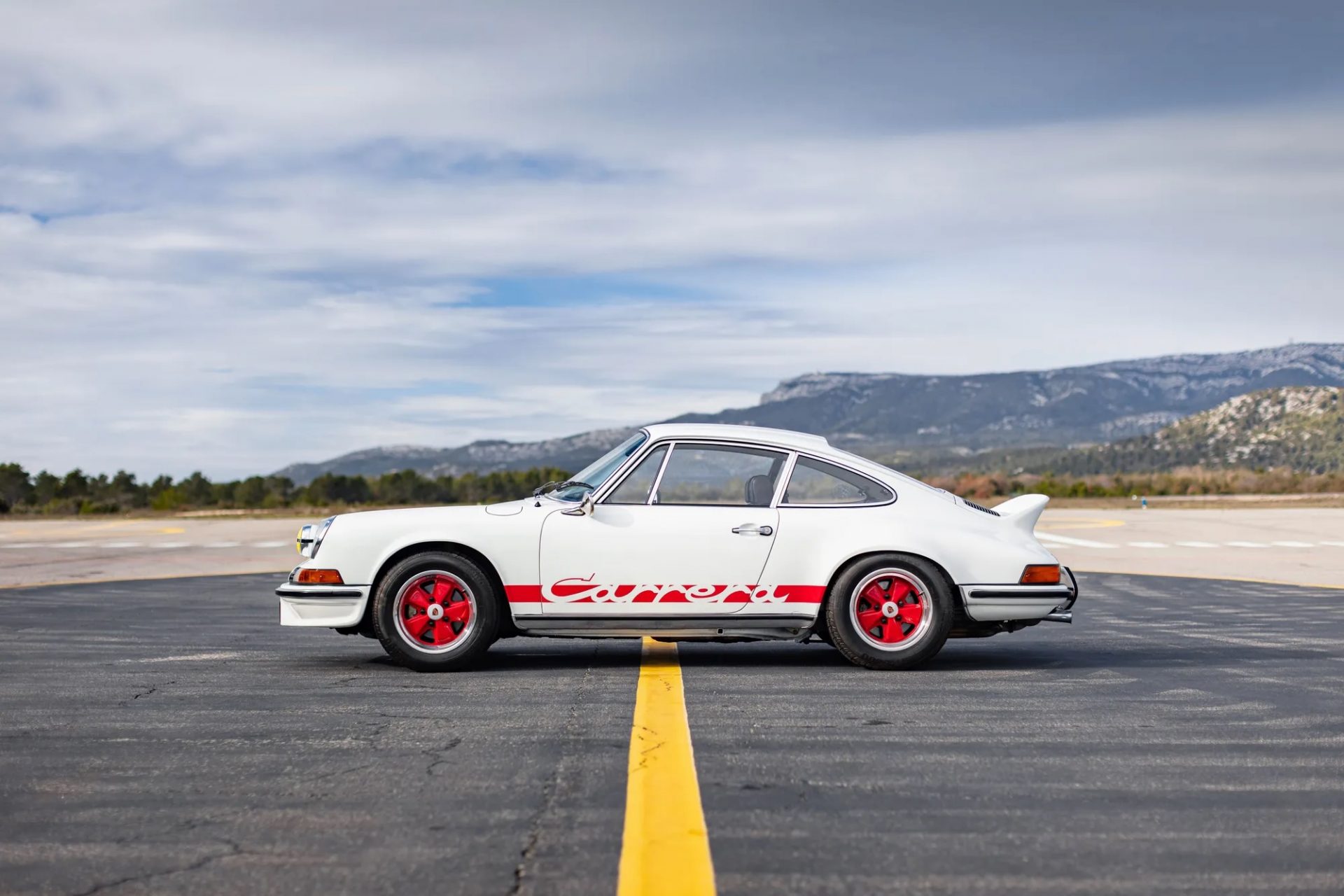
The engines and transmissions of the donor cars are thoroughly tested, making these replicas both fun and durable. For collectors who desire the RS experience without vintage maintenance headaches, these tribute models are surprisingly dependable.
7. Porsche 911 Carrera (964) (1989-1994)
For those seeking classic air-cooled Porsche charm, the 964 generation represents a sweet spot between vintage aesthetics and modern engineering.
Known for its robust 3.6L flat-six and improved suspension over the 930-era 911s, the 964 has a reputation for reliability unmatched by older air-cooled models.
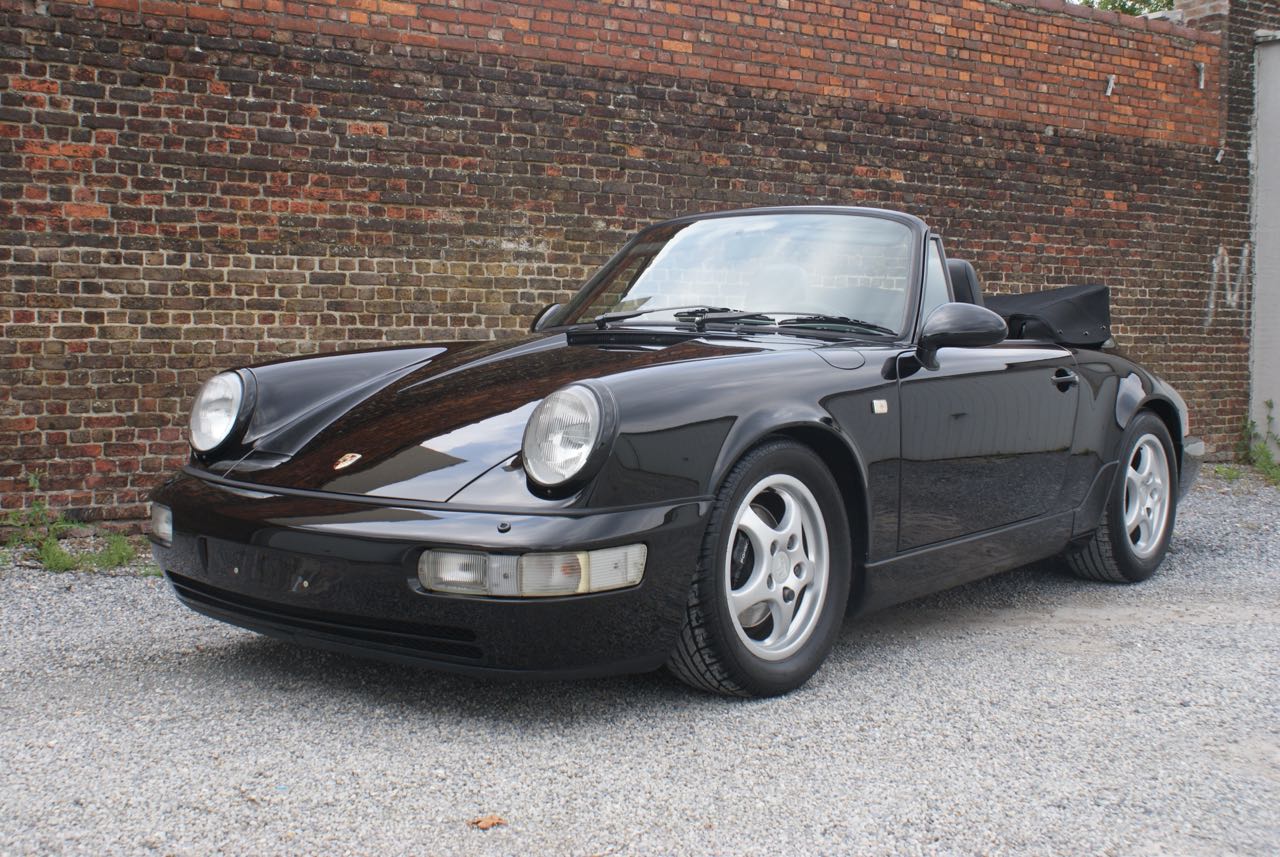
US drivers who find a well-maintained example are rewarded with legendary handling, a thrilling engine, and the confidence of driving a Porsche that can endure modern road conditions.
The 1988 Carrera 4 carried over the familiar silhouette of its predecessor, but very little else remained the same beneath the surface. Most of its components were either brand new or substantially upgraded, with the introduction of an all-wheel-drive system standing out as a major step forward.
By the late 1980s, Porsche had already earned a reputation for building sports cars that could realistically be used every day. Still, winter conditions posed a real challenge. Rear-wheel-drive layouts, even with the rear-mounted engine providing extra traction, could become difficult to manage once grip was lost.
Without electronic stability programs or traction control systems, a slide could quickly escalate and become hard to rein in. To address this, Porsche introduced an all-wheel-drive version of the 911, creating a genuinely all-weather Carrera.
Visually, the car stayed true to classic 911 proportions. Its flowing curves, low stance, and flat front trunk lid defined the model’s identity, while the arched greenhouse and sloping rear completed the unmistakable profile. Large round headlights and the swept rear end further reinforced the timeless design cues associated with Porsche’s iconic sports car.
Inside, owners familiar with the previous generation would have noticed a largely recognizable layout. The most significant updates related to safety.
The 964 generation introduced dual airbags as standard equipment for both driver and front passenger. In the rear, there were two very small seats, maintaining the 911’s traditional 2+2 configuration. The instrument cluster retained its five-dial layout, now featuring black backgrounds.
The real breakthrough of the Carrera 4 lay in its engineering. A newly developed 3.6-liter engine with twin-spark ignition delivered 250 horsepower. Paired with an advanced all-wheel-drive system featuring self-locking differentials, the car benefited from improved traction off the line, enabling a 0–100 kph (0–62 mph) sprint in 5.9 seconds.
The switch to a modern strut-based suspension, replacing the older torsion bar setup, further enhanced handling and allowed for higher cornering speeds, rounding out a 911 that was faster, more capable, and far more versatile than before.
8. Porsche 911 Carrera (993) (1995-1998)
The 993 is widely regarded as the pinnacle of air-cooled 911s, blending classic design with modern refinements. Beyond its beauty and performance, the 993 is praised for its mechanical reliability, with engines and transmissions capable of high mileage if cared for properly.
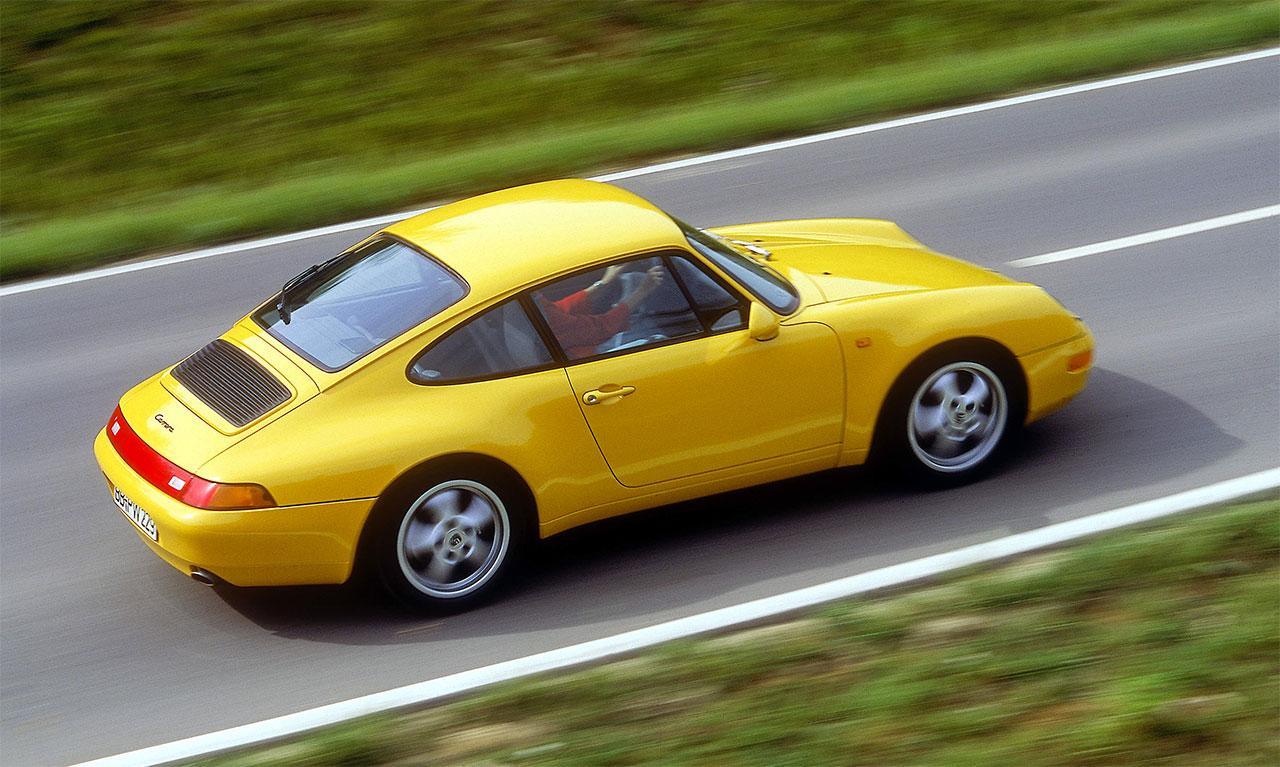
Its lightweight chassis and refined suspension make it a joy to drive, and US enthusiasts often view it as a collector car that can also serve as a daily driver, a rare combination in the Porsche world.
The Carrera S represented the most focused naturally aspirated evolution of the Carrera 2, equipped with a higher-output version of Porsche’s 3.6-liter engine compared with its standard sibling.
With the introduction of the Carrera S, Porsche aimed to give customers something extra. The model featured a lowered, stiffer suspension setup, while wider tires improved grip, making it sharper through corners and quicker on a racetrack than the regular Carrera 2.
Visually, the Carrera S borrowed its body from the Porsche Turbo, though without adopting forced induction or all-wheel drive. Its broader rear arches and lower stance than the rest of the Carrera range made it especially appealing to Porsche enthusiasts.
The windshield retained a relatively upright angle, while the roofline flowed into a gently sloping rear that blended into the engine lid. An automatically deploying rear spoiler was fitted, extending at speeds above 80 kph (50 mph) or manually via a switch positioned ahead of the gear lever.
Inside, the Carrera S came with upgraded sport seats offering enhanced shoulder support to better hold occupants in place during aggressive driving. In the rear were two very small seats, more suitable for luggage than passengers due to minimal legroom and headroom.
The instrument panel consisted of five round dials, with the tachometer centrally positioned and bearing the Carrera S logo. Climate controls and the audio system were neatly arranged in line with the steering column.
Power came from the familiar naturally aspirated 3.6-liter engine, tuned here to deliver 285 hp. A six-speed manual gearbox was the sole transmission option, reinforcing the Carrera S’s driver-focused character.
9. Porsche Cayenne (955/957) (2003-2010)
While sports car purists might scoff at the idea of a Porsche SUV, the first-generation Cayenne quickly proved its reliability, especially in higher-spec V8 variants.
In the US, the Cayenne offers performance and practicality, allowing drivers to enjoy Porsche engineering in a more usable daily package.
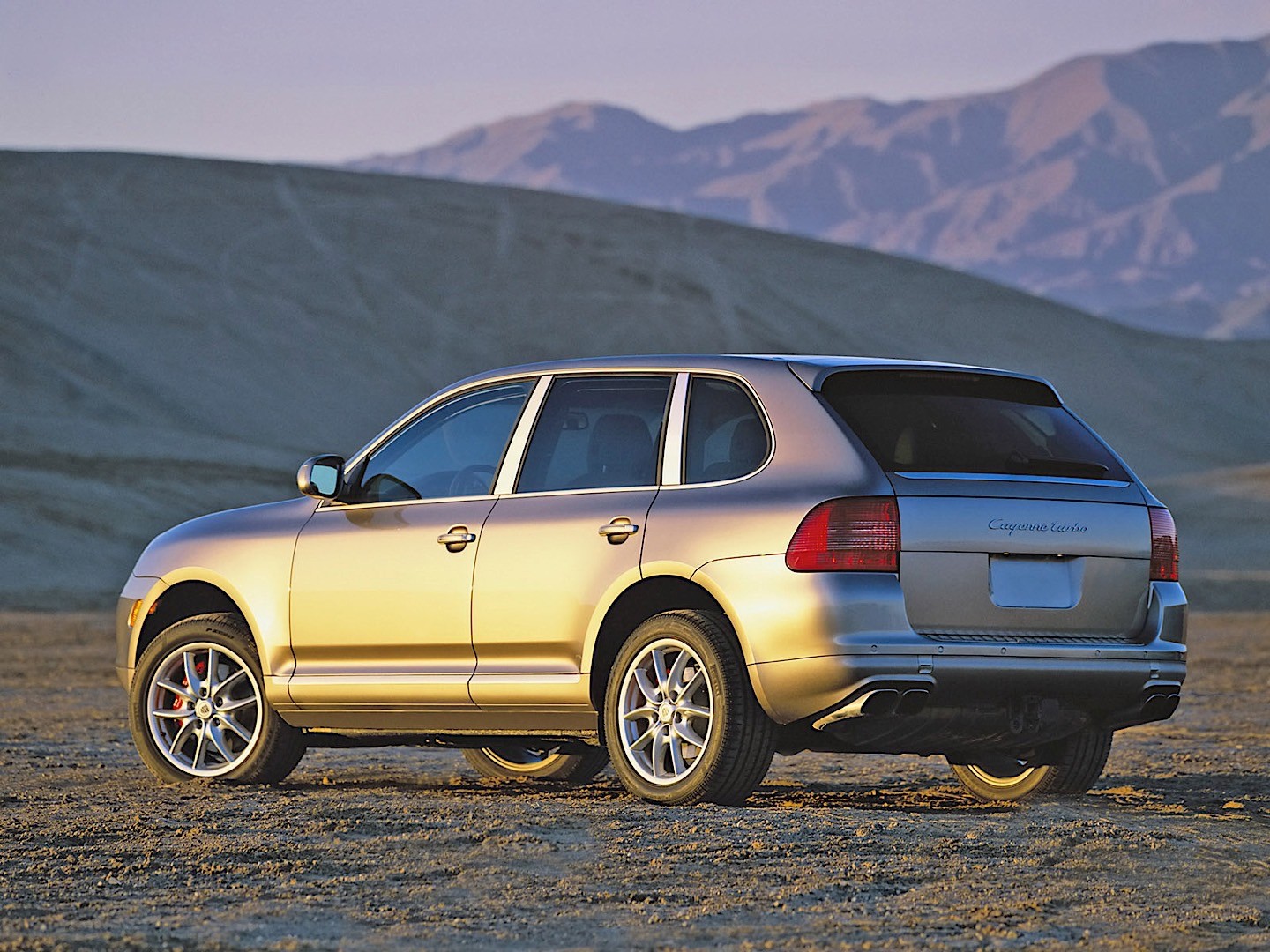
With proper maintenance, these SUVs have been known to exceed 200,000 miles, making them a practical yet spirited choice for families or enthusiasts who need extra space without sacrificing driving excitement.
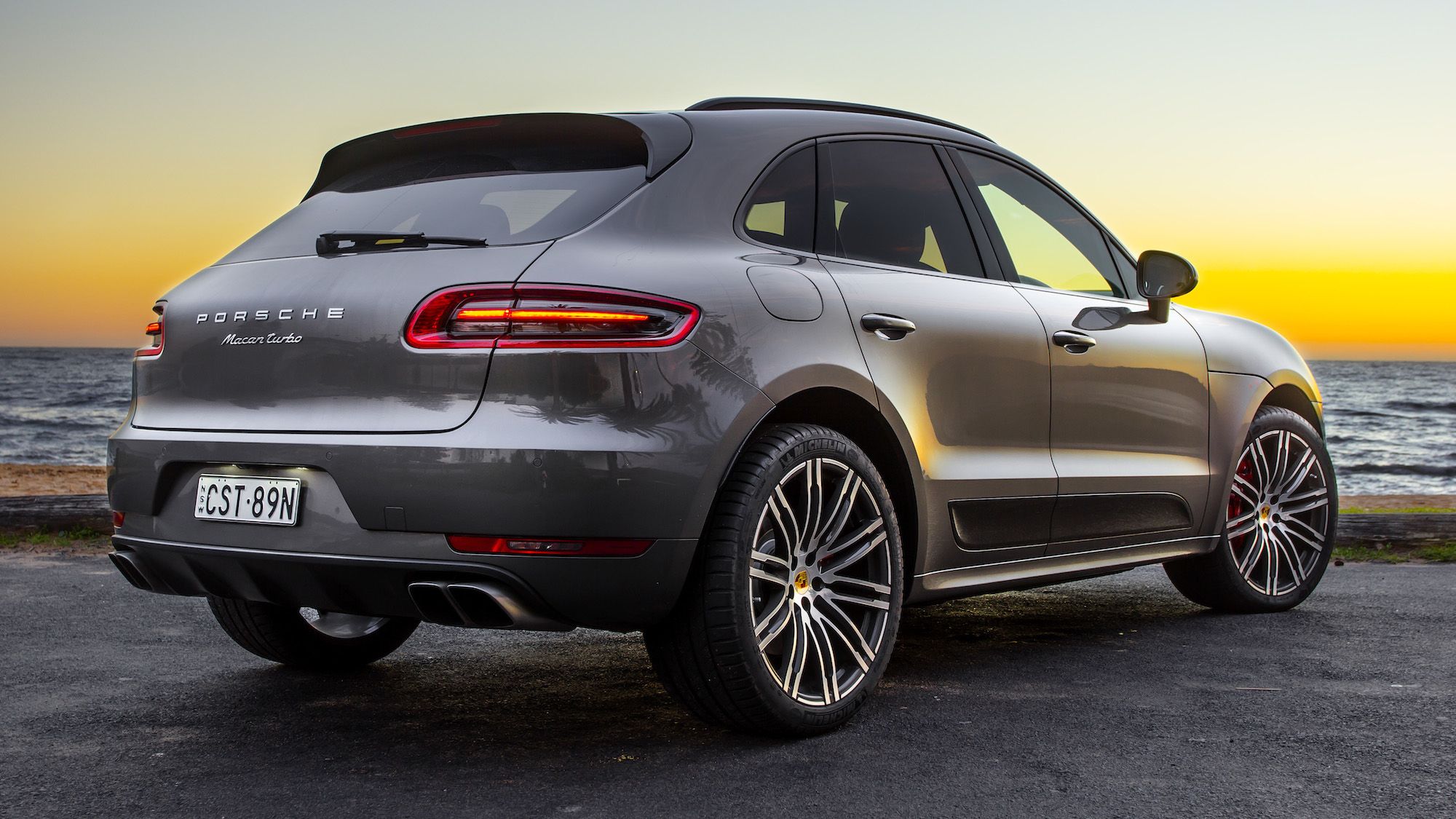
10. Porsche Macan (2014-2018)
The Macan represents Porsche’s more modern entry into the luxury SUV market. Smaller than the Cayenne, it offers agile handling reminiscent of a sports sedan, combined with excellent build quality and a strong reliability record.
US buyers appreciate the Macan for its turbocharged engines, responsive steering, and durable drivetrain. For those seeking a reliable Porsche in the SUV segment, the Macan blends everyday usability with the performance heritage of the brand, making it a favorite among modern Porsche enthusiasts.
Porsche’s reputation for legendary reliability is not just a myth it’s a carefully engineered reality. From nimble roadsters like the Boxster to iconic 911s and practical SUVs like the Cayenne and Macan, certain used models combine performance, style, and durability in a way few other brands can match.
For US buyers, investing in these reliable Porsches means enjoying the thrill of a sports car while minimizing long-term maintenance headaches.
Whether you’re a collector, a weekend enthusiast, or someone looking for a spirited daily driver, these ten models represent some of the smartest and most rewarding Porsche purchases in the used market.