
Sports cars are the epitome of automotive passion sleek designs, exhilarating performance, and the kind of driving thrill that makes every mile memorable.
But there’s a catch: not all sports cars hold their value equally. For American enthusiasts, the dream of owning a high-performance car can quickly clash with the reality of depreciation.
Some sports cars lose a substantial portion of their original price in just five years, leaving owners with a vehicle that feels more like a financial sinkhole than a collectible.
Understanding which cars bleed the most value is crucial for buyers who want to balance driving pleasure with long-term investment sense.
1. Jaguar F-Type
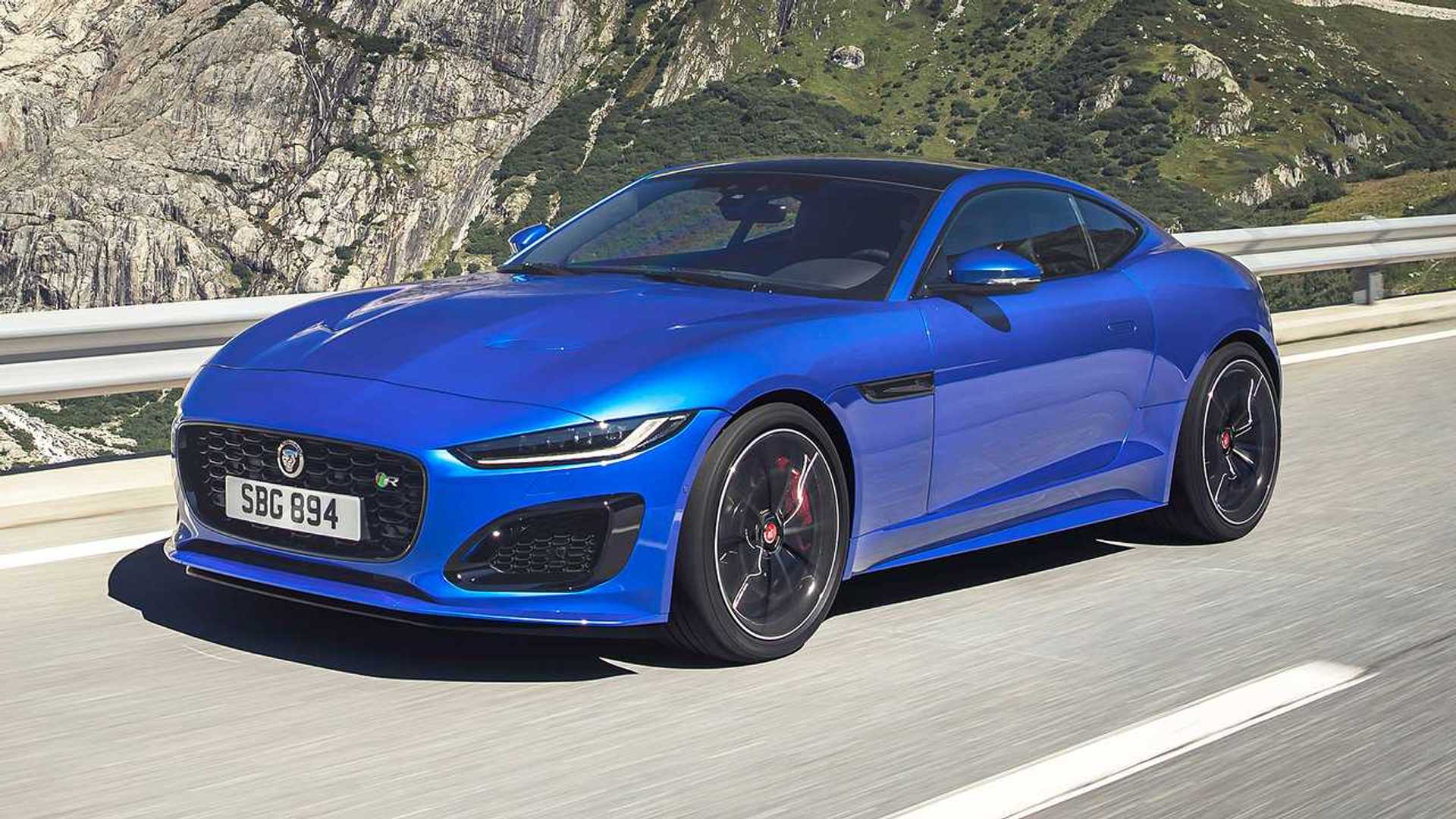
The Jaguar F-Type is undeniably beautiful, combining classic British styling with modern performance. However, this sports car suffers from significant depreciation.
Luxury sports cars like the F-Type often lose 50% or more of their value in five years, primarily due to high maintenance costs and a limited market for used luxury sports cars.
While the F-Type offers a visceral driving experience, prospective buyers should be aware that the initial allure comes at the cost of rapid financial erosion.
Despite its aggressive styling and potent performance, the 2021 Jaguar F-Type remains one of the most underrated sports cars in its class. Its bold new front end may divide opinions, but the two-seat coupe or convertible still boasts undeniably elegant proportions.
The cabin wraps passengers snugly, while drivers are treated to the visceral thrill of supercharged engines. A turbocharged four-cylinder model offers a lower-cost entry point, but regardless of the powertrain, the F-Type truly excels on winding roads where its poise and agility are fully revealed.
The 2021 F-Type receives a substantial update featuring a sharper, more modern exterior along with a host of interior improvements. The engine lineup has been reshuffled rather than upgraded, now including a 380-hp supercharged V-6 and a 575-hp supercharged V-8, with the 296-hp turbocharged four-cylinder remaining as the entry-level engine.
Inside, the cabin benefits from a fully digital gauge cluster and a refreshed infotainment system. Notably, the top-tier F-Type SVR has been discontinued.
In terms of balance between performance and value, the R-Dynamic with its 380 horsepower and standard all-wheel drive is our recommended choice. Adding the Climate Pack, dual-zone automatic climate control and heated steering wheel, along with keyless entry rounds out the ideal setup.
Jaguar has simplified the 2021 F-Type powertrain lineup from the previous year. All engines are paired with an eight-speed automatic transmission. Both the V-6 and V-8 models feature standard all-wheel drive for optimal traction, while the base 296-hp turbocharged 2.0-liter four-cylinder comes exclusively with rear-wheel drive.
The 380-hp supercharged 3.0-liter V-6 occupies the middle tier, and the 5.0-liter supercharged V-8 at the top produces 575 hp and 516 lb-ft of torque, matching the output of the outgoing SVR model.
In our testing, the V-8 coupe accelerated to 60 mph in 3.5 seconds and completed the quarter-mile in 11.7 seconds at 121 mph. The 2021 F-Type also benefits from optional carbon-ceramic brakes and revised suspension components.
Behind the wheel, the updates are subtle but effective, the coupe delivers a composed ride, while the steering remains responsive and communicative, though slightly over-sensitive at times.
2. Chevrolet Corvette C7
The C7 Corvette, produced from 2014 to 2019, is a fantastic American sports car that blends raw performance with a surprisingly refined interior. Despite its appeal, the C7 loses value faster than its predecessors, partly because it was mass-produced relative to earlier, rarer Corvettes.
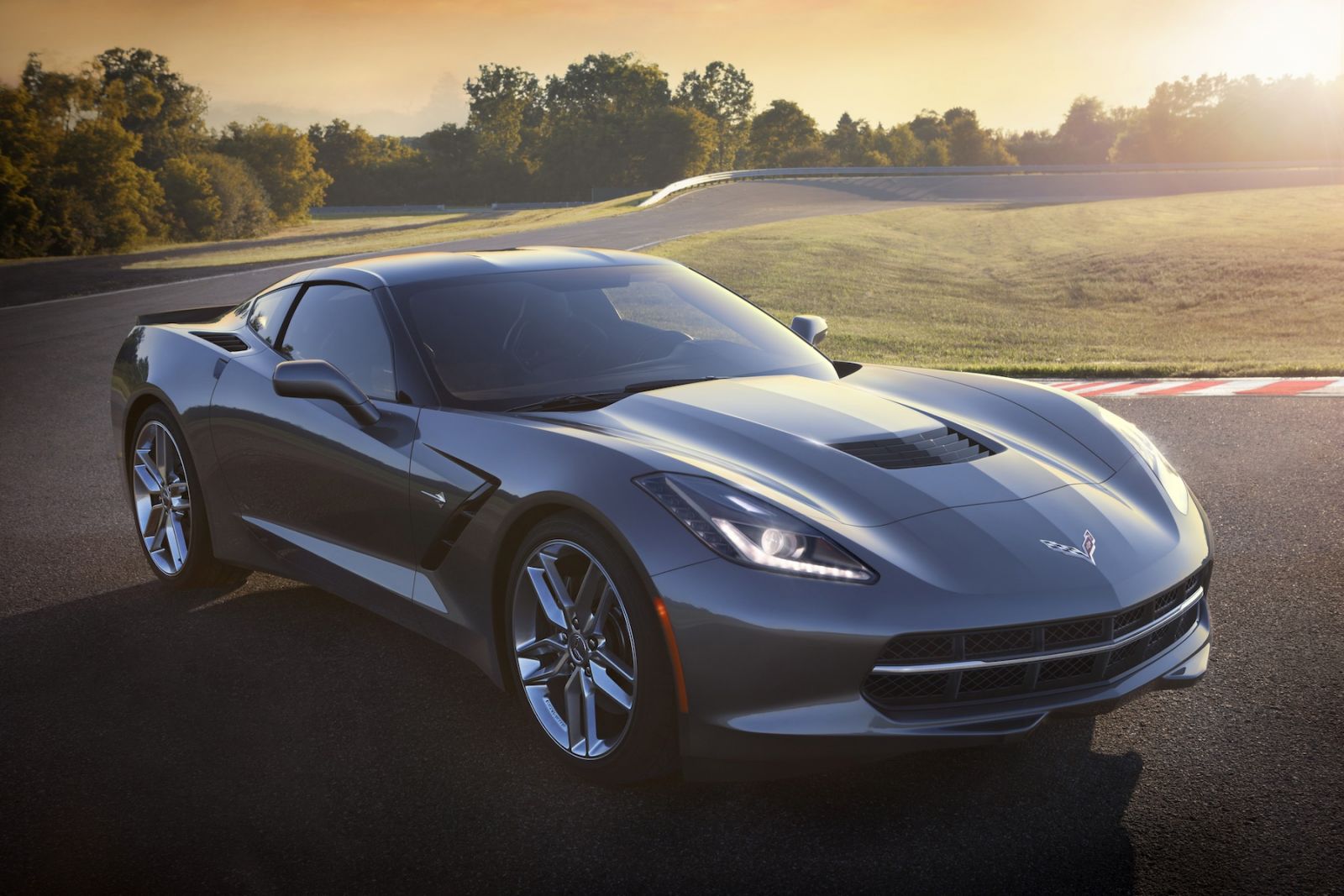
Buyers often find that a five-year-old C7 trades for 40–50% less than its original MSRP, making it one of the more affordable entry points into high-performance sports cars but also a lesson in how quickly value can drop.
3. Maserati GranTurismo
Maserati’s GranTurismo is a statement car, boasting Italian styling, a roaring V8, and the kind of presence that turns heads on every street. Unfortunately, it’s infamous for bleeding value.
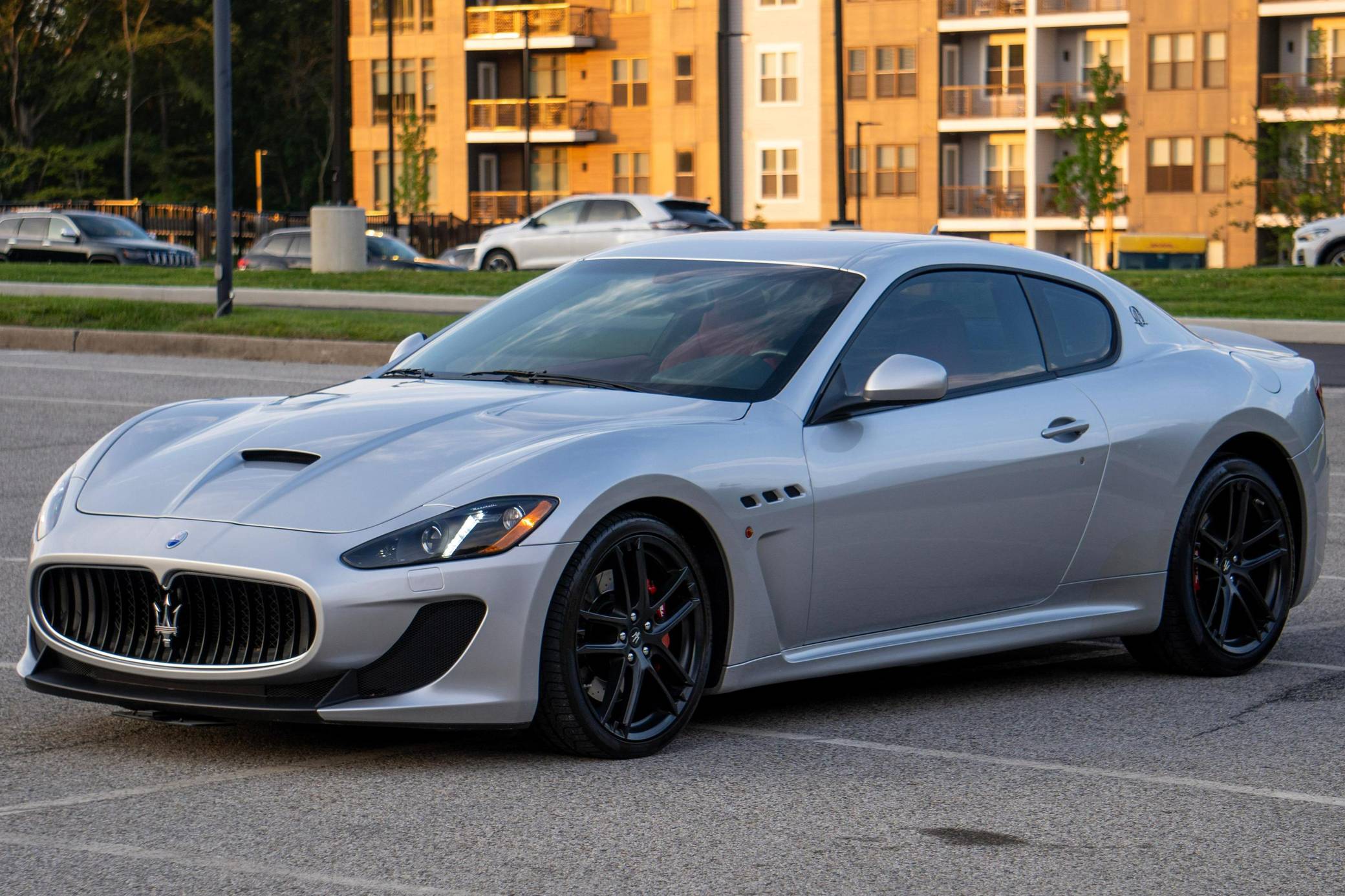
Luxury Italian sports cars tend to depreciate faster than mainstream competitors, largely due to high maintenance costs, niche appeal, and poor reliability ratings.
A five-year-old GranTurismo might sell for half or even less of its original sticker price, making it a challenging proposition for anyone considering long-term ownership.
4. BMW Z4
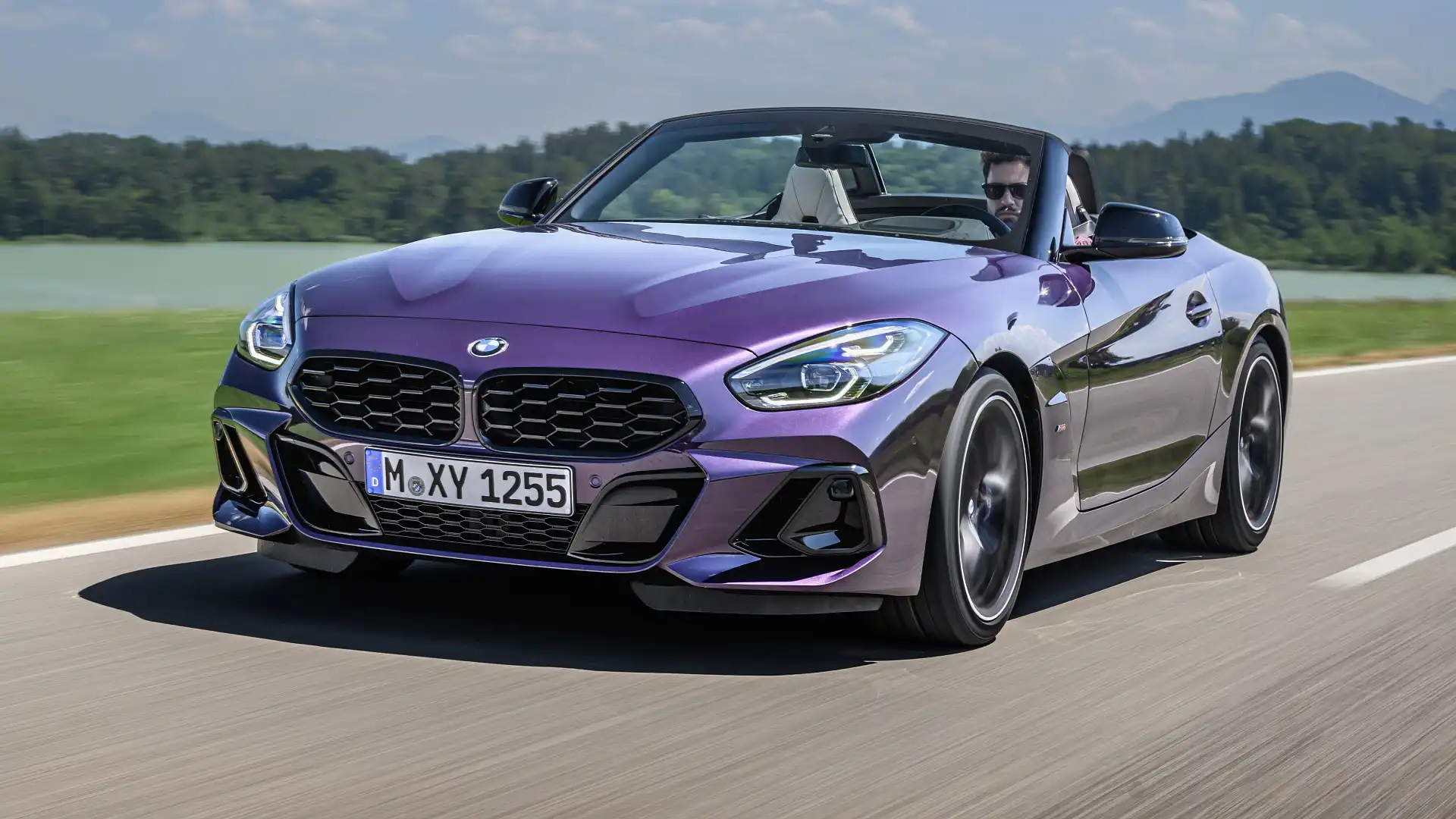
The BMW Z4 is a compact, stylish roadster with a strong reputation for driving dynamics. But even with BMW’s engineering pedigree, Z4 depreciation is steep.
Luxury convertibles often face rapid value loss because potential buyers are wary of costly repairs and shrinking dealer support for older models.
In five years, a Z4 can easily lose around 50% of its original value, meaning owners are paying a premium for a relatively short-lived financial investment.
Confident handling, a turbocharged engine, and an engaging driving experience are all hallmarks of a BMW sports car, and the 2022 Z4 convertible delivers on every front.
Beyond its performance, the Z4 also offers a refined, upscale cabin that is comfortable enough for daily driving. The entry-level model comes with a lively turbocharged four-cylinder, while the more performance-focused M40i features a twin-turbo inline-six.
All Z4s are rear-wheel drive and paired with an eight-speed automatic transmission that balances sporty responsiveness with effortless highway cruising. Handling doesn’t quite match the razor-sharp precision of a Porsche Boxster, but it’s close enough to be genuinely fun on winding roads.
The Z4 is only offered as a soft-top convertible, but if a hardtop coupe is what you’re after, the mechanically similar Toyota Supra, developed in tandem with BMW, is worth a look.
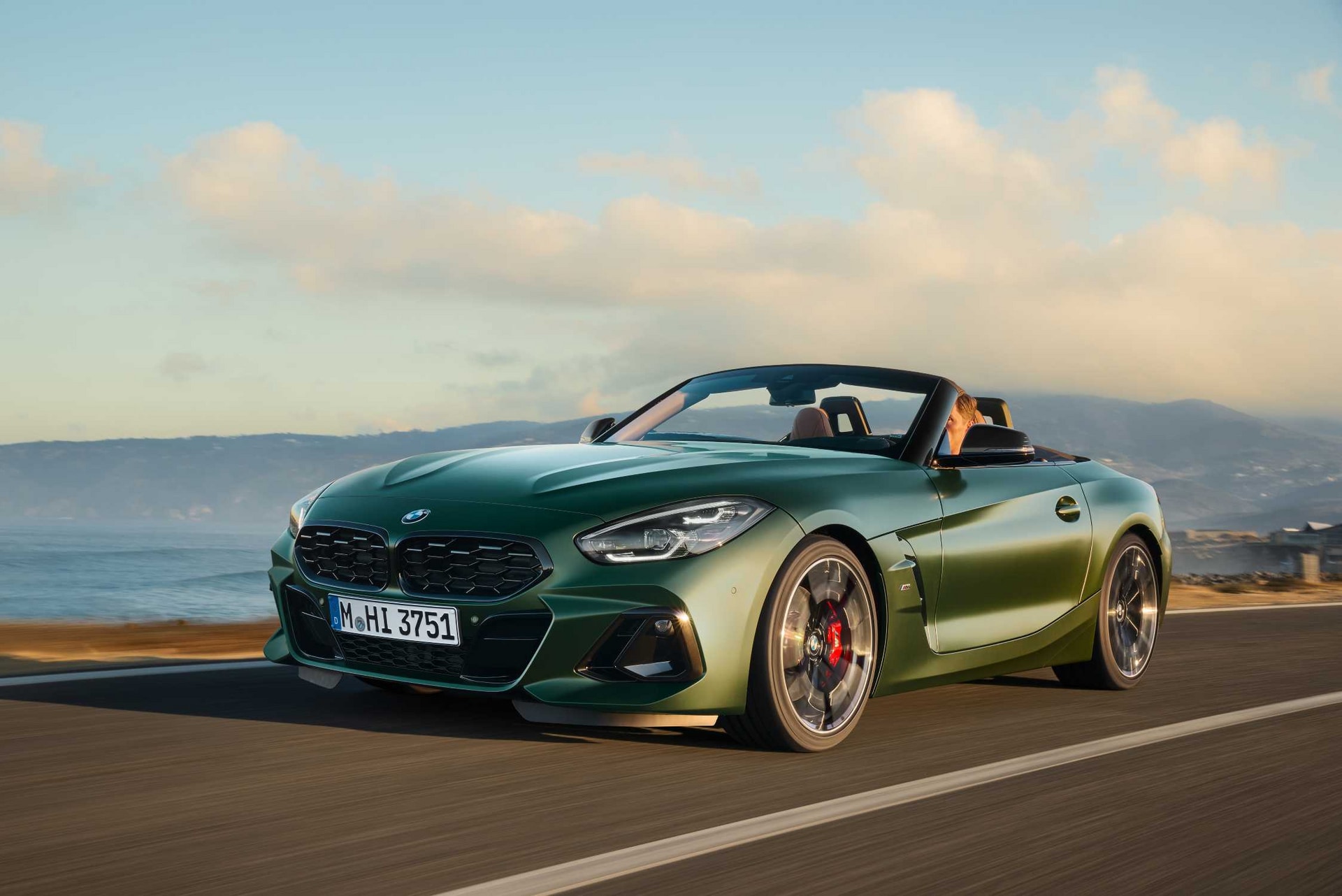
The 2022 Z4 carries over much of last year’s design and mechanical setup, but a few changes have been made. Ambient lighting is no longer standard, and wireless smartphone charging has been removed as an option. The Driving Assistance package has been decoupled from the Convenience and Premium packages and is now available as a standalone option.
At its base price, the Z4 sDrive30i offers excellent value. It undercuts its chief rival, the Porsche Boxster, while delivering ample performance for most drivers. BMW also offers an M Sport Kit, which enhances handling with an M Sport suspension, sharpens styling with an aerodynamic body kit and M Sport steering wheel, and includes larger 19-inch wheels and tires.
The optional Dynamic Handling package adds even bigger M Sport brakes and an M Sport differential to boost traction. While the base model won’t match the sheer acceleration of the M40i, it still delivers more than enough speed to satisfy most sports car enthusiasts.
All 2022 Z4s come equipped with an eight-speed automatic transmission featuring Sport and Manual modes, with standard paddle shifters mounted on the steering wheel.
For the first time, the Z4 is no longer offered with a traditional manual gearbox with a clutch pedal, but you won’t miss it. The eight-speed automatic is among the best available, delivering sharp, responsive shifts and smooth operation.
The sDrive30i is powered by BMW’s turbocharged 2.0-liter four-cylinder engine, producing 255 horsepower and ample torque. In testing, it accelerates from zero to 60 mph in 5.1 seconds, quick, though slightly behind the Porsche Boxster, which still offers a manual option. The M40i steps up the excitement with a 382-hp twin-turbo inline-six.
This engine is exceptionally smooth and refined, transforming the Z4 into a high-performance sports car capable of a 0-to-60-mph sprint in just 3.8 seconds, faster than the 350-hp Porsche Boxster S.
5. Nissan 370Z
The Nissan 370Z has been a staple in the affordable sports car market for years, offering a lightweight chassis, robust V6 engine, and a pure driving experience. Despite its strengths, the 370Z depreciates faster than many enthusiasts expect.
A combination of dated interior tech, increasing competition from newer models, and lack of modern safety features contributes to a steep five-year value drop often reaching 45–50%. For those prioritizing performance over resale, it remains a strong option, but financially, it’s a cautionary tale.
The Nissan 370Z appeals to enthusiasts who appreciate its classic, no-frills layout and engaging driving experience, but the car is undeniably showing its age compared with the latest sports coupes. Back then, it impressed with strong power delivery and confident handling. Even at the time, however, it was already being outpaced by competitors.
Over the years, the 370Z’s shortcomings became increasingly apparent. A base model we tested had heavy, somewhat sloppy dynamics, though it remained entertaining for its price. The NISMO version addressed many handling issues, but at the cost of a stiff, punishing ride. It also felt plasticky and under-equipped relative to its MSRP.
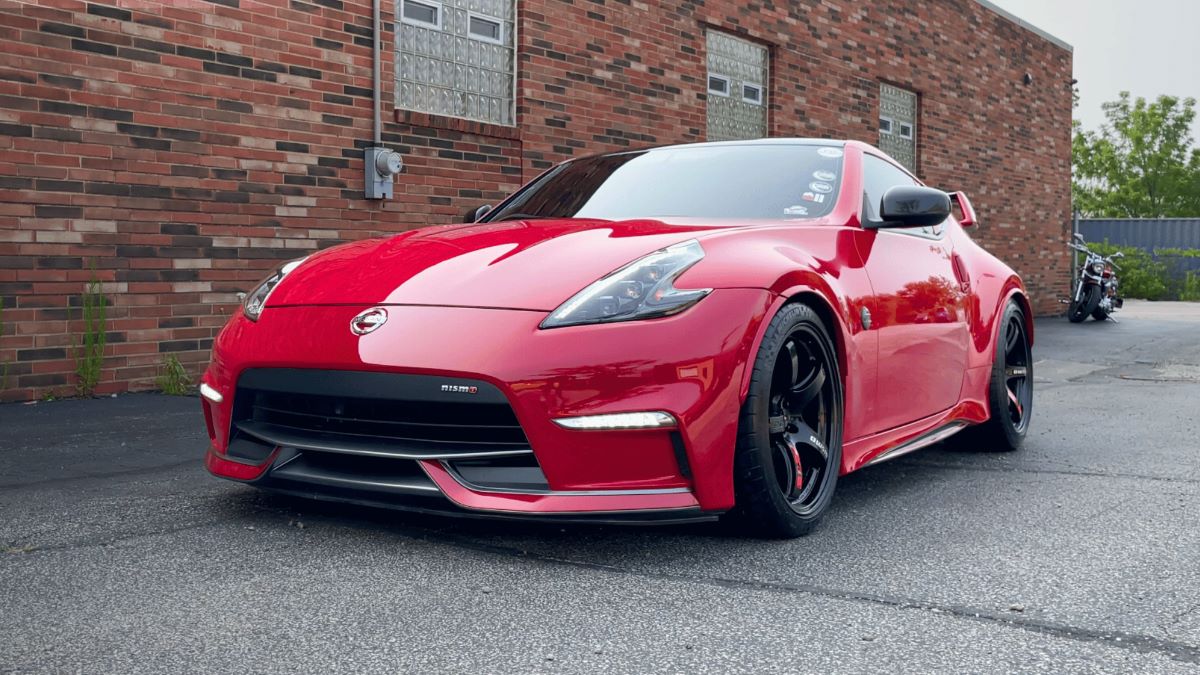
Our most recent experience came with the 2020 370Z 50th Anniversary edition, which underscored how dated the car had become, even without its retro graphics.
The lack of modern tech had a nostalgic charm at first, but that novelty wore off quickly. Still, the six-speed manual with automatic rev-matching continued to provide a genuinely enjoyable connection to the car.
Buying a 370Z in 2020 is a decision rooted in nostalgia. More modern rivals deliver superior handling, technology, and overall refinement. Choosing a 370Z is a commitment to a car frozen in time, quirks and all.
Fans have long hoped Nissan would continue the Z-Car lineage, and it now appears that a worthy successor is on the horizon. Tentatively named the 400Z, it’s expected to retain two doors and rear-wheel drive, potentially with some form of electric power assistance. After waiting so long, we’ll believe it when we finally get behind the wheel.
Every 370Z is powered by a 3.7-liter V-6 under the hood. Standard models produce 332 horsepower and 270 lb-ft of torque, while NISMO models increase that to 350 hp and 276 lb-ft. Both trims are available with a six-speed manual or seven-speed automatic, driving the rear wheels.
A base 370Z with the manual transmission achieved 0-60 mph in 5.2 seconds. The NISMO manual completed the sprint in 4.9 seconds. EPA fuel economy remains 19/26 mpg city/highway across all models.
6. Ford Mustang GT
The Ford Mustang GT is a classic American icon, blending affordability, muscle car heritage, and everyday usability. However, even the Mustang GT doesn’t escape rapid depreciation.
Sports cars in the $40,000–$50,000 range tend to lose 40–50% of their value after five years, largely due to high production numbers and the steady influx of newer, more advanced Mustangs.
While a used GT can be an incredible deal for driving enthusiasts, the initial investment doesn’t hold up well in the long term.
Whether it’s cruising top-down along the Sunset Strip or carving corners at Lime Rock, the 2022 Ford Mustang offers a model to suit nearly every lifestyle and personality. With a wide array of appearance packages, performance-enhancing options, and choices between coupe and convertible body styles, the Mustang can be highly customized.
Power comes from either a spirited turbocharged four-cylinder or a robust 5.0-liter V-8, both driving the rear wheels through an engaging manual transmission or a refined 10-speed automatic.
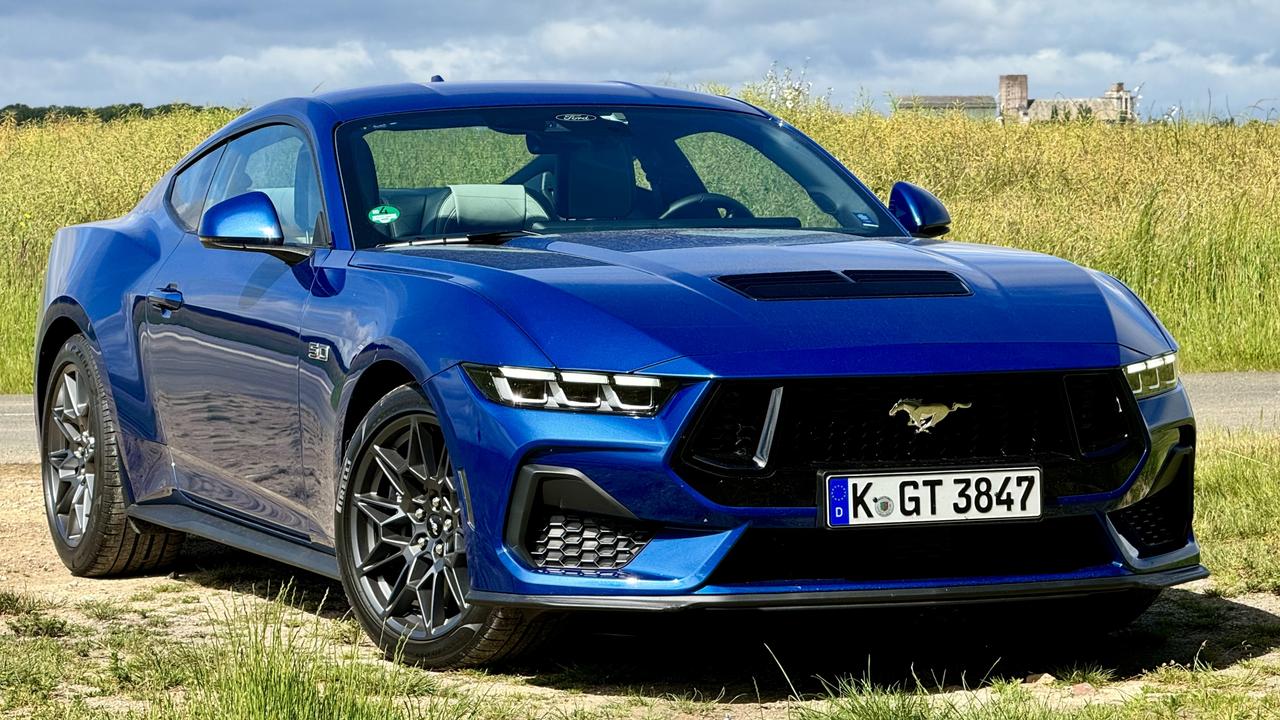
Every Mustang is fun to drive, and Ford’s numerous packages further enhance performance, culminating in the track-focused Mach 1. Even the most aggressive Mustang, excluding the 760-hp Shelby GT500, remains practical for daily driving, with a roomier rear seat and better outward visibility than the Chevy Camaro.
For 2022, Ford expands Mustang buyers’ options with new appearance packages. A fresh all-white special edition, the Ice White Edition, also available on the Mustang Mach-E EV, features white badges, interior accents, paint, and wheels.
The Mustang also adds a Stealth Edition, while the California Special returns for the V-8 GT model, offering a distinctive black grille, rear-fender scoop, and unique interior and exterior touches.
The Stealth Edition is exclusive to the EcoBoost Premium four-cylinder and adds 19-inch wheels, numerous blacked-out elements, and clear taillight lenses. Unfortunately, the V-8 loses 10 horsepower and 10 lb-ft of torque across all applications this year.
We recommend experiencing the Mustang with its sonorous 5.0-liter V-8, available in the GT or Mach 1 models. The Mach 1 offers 480 horsepower, 20 more than the regular GT, and borrows performance components from the Shelby GT500 for a more engaging drive.
With a starting price near $54,000, the Mach 1 is compelling but pricey; for most, the standard GT coupe is the smarter choice. Stick with the manual transmission and consider the GT Performance Package, which adds upgraded Brembo front brakes, a limited-slip differential, stickier summer tires, and unique chassis tuning.
Don’t underestimate the Mustang’s four-cylinder, the standard turbocharged EcoBoost engine delivers enough punch to outshine older V-8 Mustangs. The optional High-Performance package enhances the EcoBoost with a more melodic, responsive setup derived from the retired Ford Focus RS. An optional EcoBoost Handling Package also equips the four-cylinder coupe for track use.
7. Porsche Cayman (987 and 981 Generations)
Porsche is synonymous with sports car excellence, and the Cayman is no exception. Yet, even Porsches aren’t immune to depreciation. The 987 and 981 Cayman generations lose a noticeable chunk of value in their first five years sometimes up to 40%.
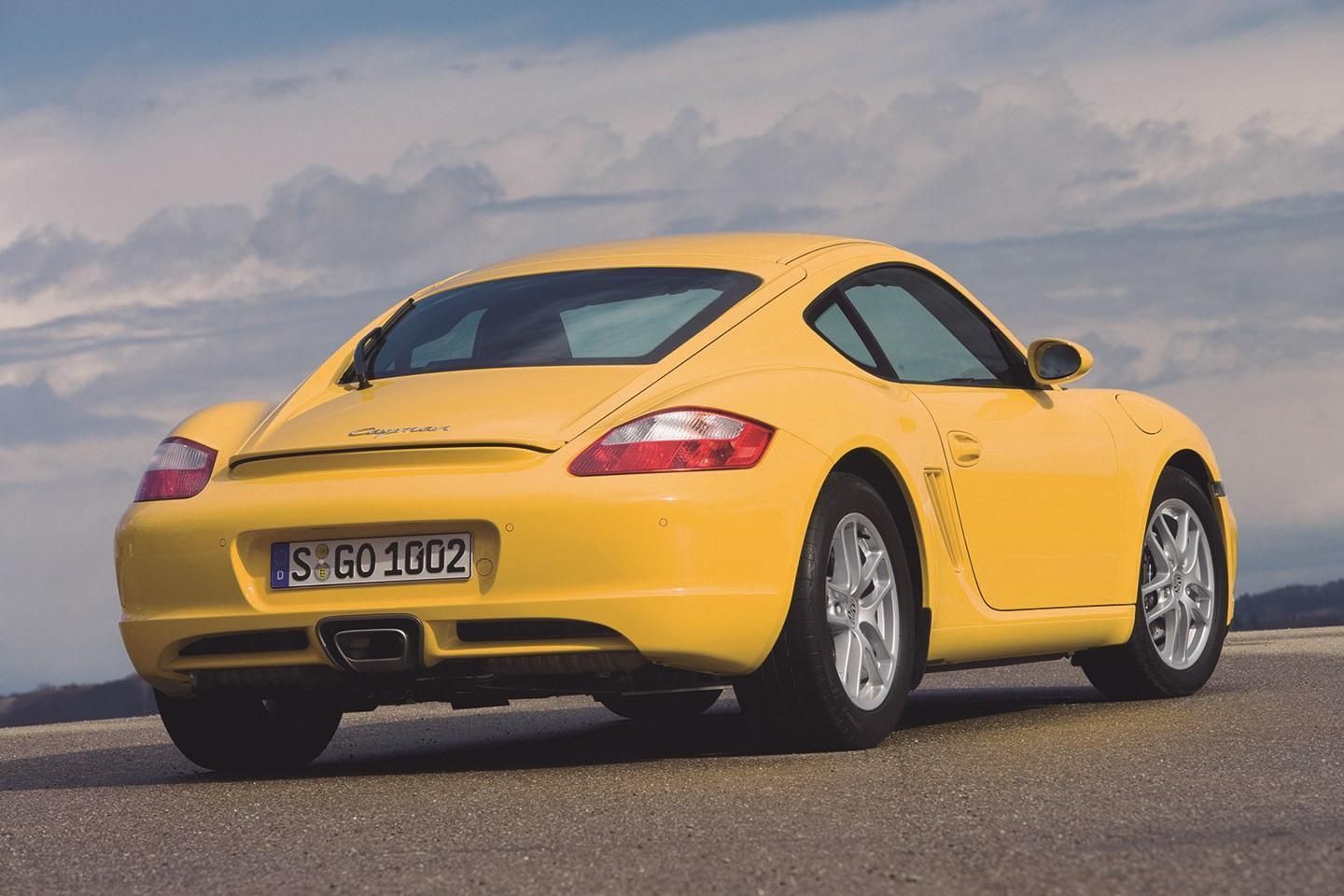
The good news for buyers is that after the initial drop, Caymans tend to stabilize, offering a relatively collectible platform. Still, enthusiasts who expect a Porsche to maintain its original purchase price in the early years may be in for a surprise.
8. Audi TT RS
The Audi TT RS packs a turbocharged five-cylinder engine, Quattro all-wheel drive, and a sharp, modern interior into a compact, sporty package. Despite its performance and style, the TT RS is prone to steep depreciation.
Limited dealer support, a niche buyer pool, and expensive maintenance contribute to its five-year value decline, often leaving owners paying for premium performance without any financial retention.
Its pops and gurgles grab your attention first, giving the Audi TT RS a character that the BMW M2 and Porsche Cayman simply can’t match. But it’s the monstrous torque pinning you to the driver’s seat that leaves the lasting impression.
The TT RS may not deliver the laugh-out-loud thrill of blasting through twisty roads like the M2, nor the pin-sharp precision of a Cayman S, yet it still offers fantastic point-to-point pace without demanding extreme driving skill. Standard quattro all-wheel drive ensures claw-like grip in virtually any road condition, adding a reassuring level of confidence.
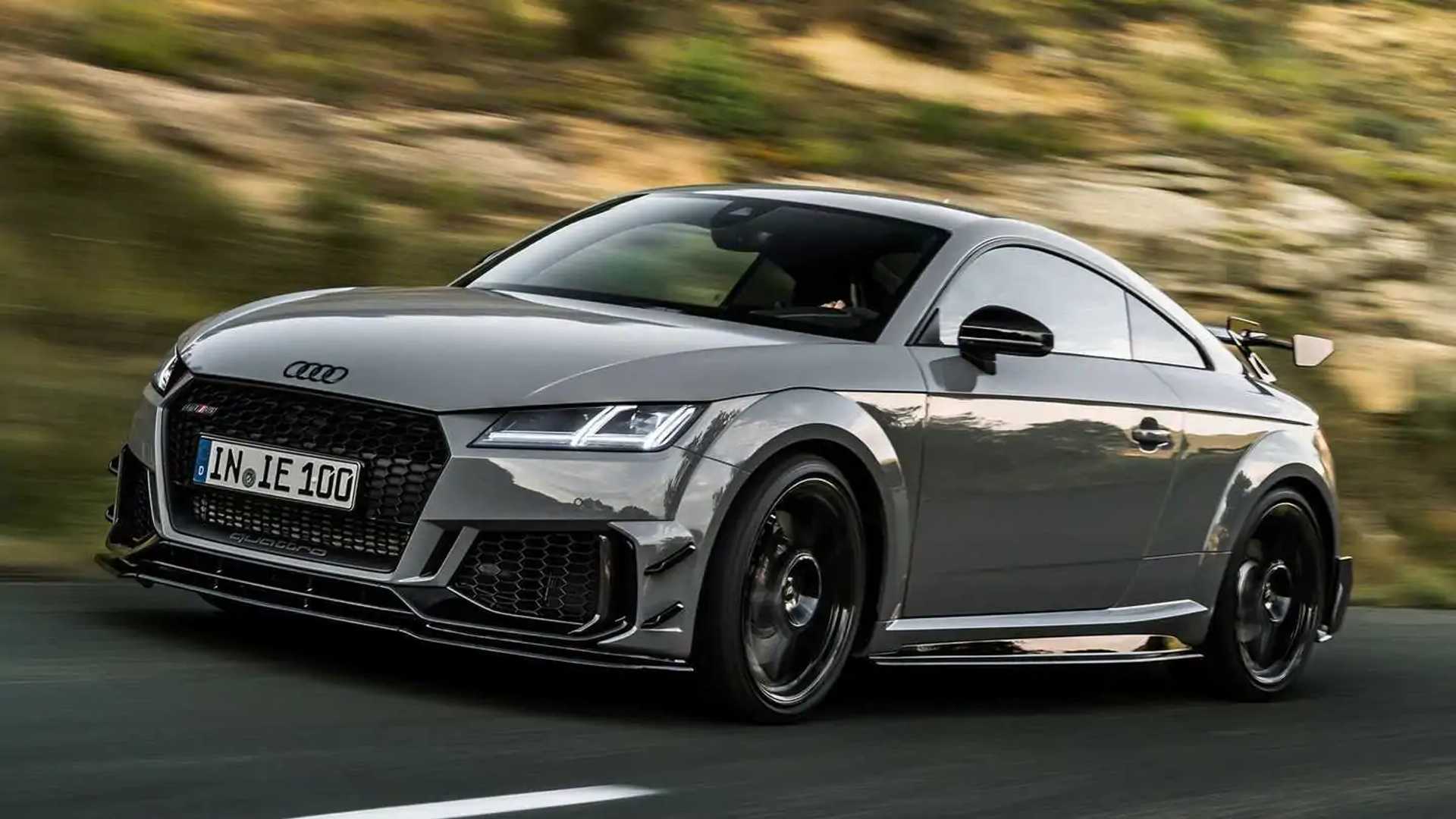
The good news doesn’t stop there. The TT RS boasts one of the most functional and well-built interiors in its segment, featuring high-quality plastics and turbine-style air vents with independent temperature controls.
All TTs come equipped with Audi’s Virtual Cockpit, a fully digital, multifunction display that replaces conventional dials. It’s not just visually striking; it works exceptionally well. Visibility is excellent, the front cabin is reasonably spacious, and there are numerous smaller storage compartments for added practicality.
Even with Audi’s typically long and pricey options list, where carbon-fiber door mirrors alone can set you back £1,200, the TT RS comes well-equipped from the start. Standard features include all-round park assist, emergency automatic braking, and Audi active lane assist, which gently steers the car to keep it centered in its lane.
With Porsche now limiting most Cayman models to four-cylinder engines, Audi has opened a door to enthusiasts’ hearts, and the latest TT RS makes an even stronger case for itself than its predecessor. For around £50,000, buyers get a muscular exterior, a spectacular interior, excellent handling, and a degree of practicality suitable for anyone not requiring full family space.
While a BMW M2 is more fun at the limit and a Cayman S can reach higher extremes, the TT RS offers a rare combination: a savage, multi-purpose performer that can thrill, comfort, and function all at once, like a contract killer who’s happy to walk your dog.
9. Cadillac ATS-V
Cadillac’s ATS-V aimed to compete with BMW’s M3 and Mercedes-AMG C63, offering a powerful V6 engine, sharp handling, and modern tech. However, American luxury sedans especially niche sports variants depreciate quickly.
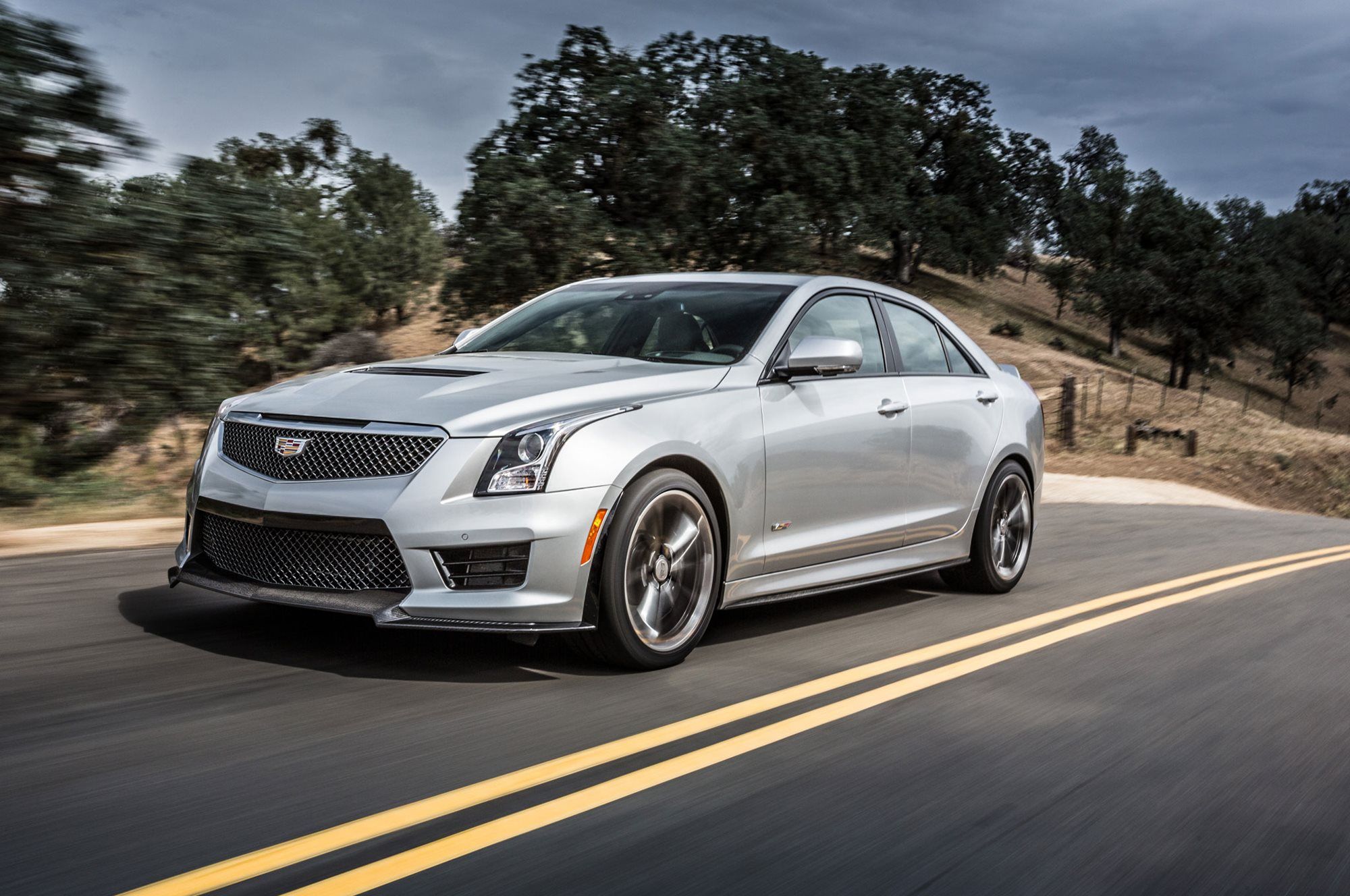
The ATS-V often loses more than 50% of its value in five years, making it a cautionary example for buyers drawn to its performance credentials. Its rarity in the used market also doesn’t offset the rapid depreciation curve.
The ATS-V is Cadillac’s sharp, muscle-bound contender, ready to hold its own against rivals like the BMW M3 and M4. Both sedan and coupe versions are powered by a 3.6-liter twin-turbo V-6 producing 464 horsepower sent to the rear wheels, paired with either a six-speed manual or eight-speed automatic transmission.
Standard features include slick, magnetically actuated adaptive dampers, though the CUE infotainment system remains as irksome as ever. Optional Recaro front seats are available, and in our view, they’re well worth the extra investment.
10. Alfa Romeo 4C
The Alfa Romeo 4C is a lightweight, mid-engine Italian marvel that emphasizes driver engagement over comfort or practicality. While the 4C delivers a thrilling, almost exotic driving experience, its resale value is notoriously poor.
Limited production numbers don’t help if the car struggles with reliability, dealer support, and high maintenance costs. In the US, a five-year-old 4C might sell for 40–60% less than its original price, demonstrating that even exotic appeal can’t overcome financial realities.
Sports cars are an emotional purchase, and the joy of driving one often outweighs concerns about depreciation. However, understanding which models bleed the most value in the first five years can help buyers make informed decisions.
The 2018 Alfa Romeo 4C is as close as you can get to piloting a modern-day vintage sports car. Raw, unfiltered, and unapologetically Italian, this mid-engine rocket is available as either a coupe or Spider (convertible).
Practicality isn’t its strong suit, unless your daily commute involves carving corners on a racetrack, but that’s part of its charm. The 4C’s flaws only amplify its addictive, intoxicating, and downright exhilarating driving experience.
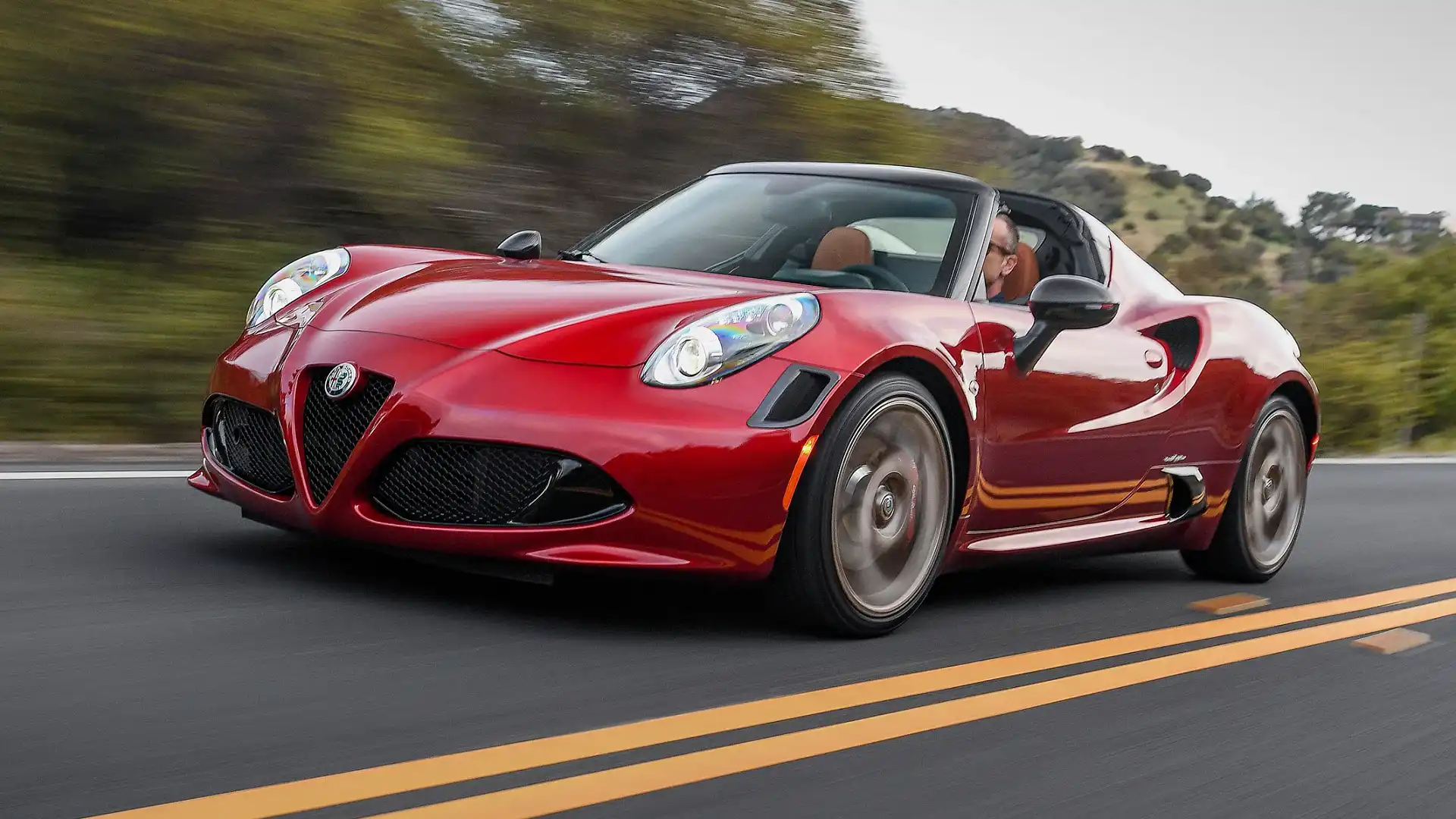
For 2018, updates to the 4C are modest and largely cosmetic. A revised front end with carbon-fiber air intakes is offered, while black leather seats with yellow stitching can be paired with any 4C Coupe or Spider finished in white, black, or grey.
Nestled behind the cabin, the turbocharged 1.7-liter four-cylinder engine produces 237 horsepower, driving the rear wheels through a six-speed dual-clutch automatic transmission. While enthusiasts may pine for a manual option, the automatic shifts seamlessly and propels the little Alfa with thrilling immediacy.
There’s some old-school turbo lag, leaving it up to the driver, rather than endless electronic assistants, to decide the right moment to stomp the throttle. Handling is electrifying: the 4C darts through corners like a purpose-built open-wheel race car. At low speeds, though, the steering is exceptionally heavy, and everyday tasks like parking can become a slow, meticulous exercise in patience.
From the elegant Jaguar F-Type to the exotic Alfa Romeo 4C, these cars prove that even the most desirable performance machines are not immune to financial loss.
For American buyers, the decision comes down to balancing passion and practicality: do you want the thrill of ownership at a discount or the hope of long-term financial stability? Either way, knowing how these cars hold or lose their value is essential before signing on the dotted line.
