
In the world of automotive enthusiasm, performance cars often carry a stigma: they’re fast, thrilling, and fun but also expensive to maintain and rarely built to last.
Many buyers shy away from older sports cars or performance sedans because of concerns about longevity and repair costs. However, not all high-performance vehicles are doomed to a short life.
Some models are engineered and built with durability in mind, capable of surpassing the seemingly mythical 300,000-mile mark if maintained properly.
For American drivers seeking the thrill of speed without the heartbreak of constant repairs, these cars are hidden gems. From classic V8 muscle to modern turbocharged tuners, here’s a list of ten cheap performance cars that have proven their longevity.
1. Honda S2000 (1999–2009)
The Honda S2000 is a high-revving, lightweight roadster that has earned a reputation for both performance and reliability. Powered by the legendary F20C and later F22C1 engines, the S2000 can achieve well over 300,000 miles with regular maintenance and careful driving.
Honda’s engineering ensures robust internals, including a high-strength block and forged components.
While these cars can be pricey in pristine condition today, well-maintained examples from the early 2000s can still be found for a relatively modest sum.
Enthusiasts often cite routine oil changes, valve adjustments, and clutch care as the keys to longevity. The S2000 proves that a car designed for excitement doesn’t have to sacrifice durability.
The Honda S2000 is a car that needs little introduction. Whether you know it from Gran Turismo, Fast and Furious, or simply because you’re a devoted petrolhead, it has earned a place as a modern sports car icon.
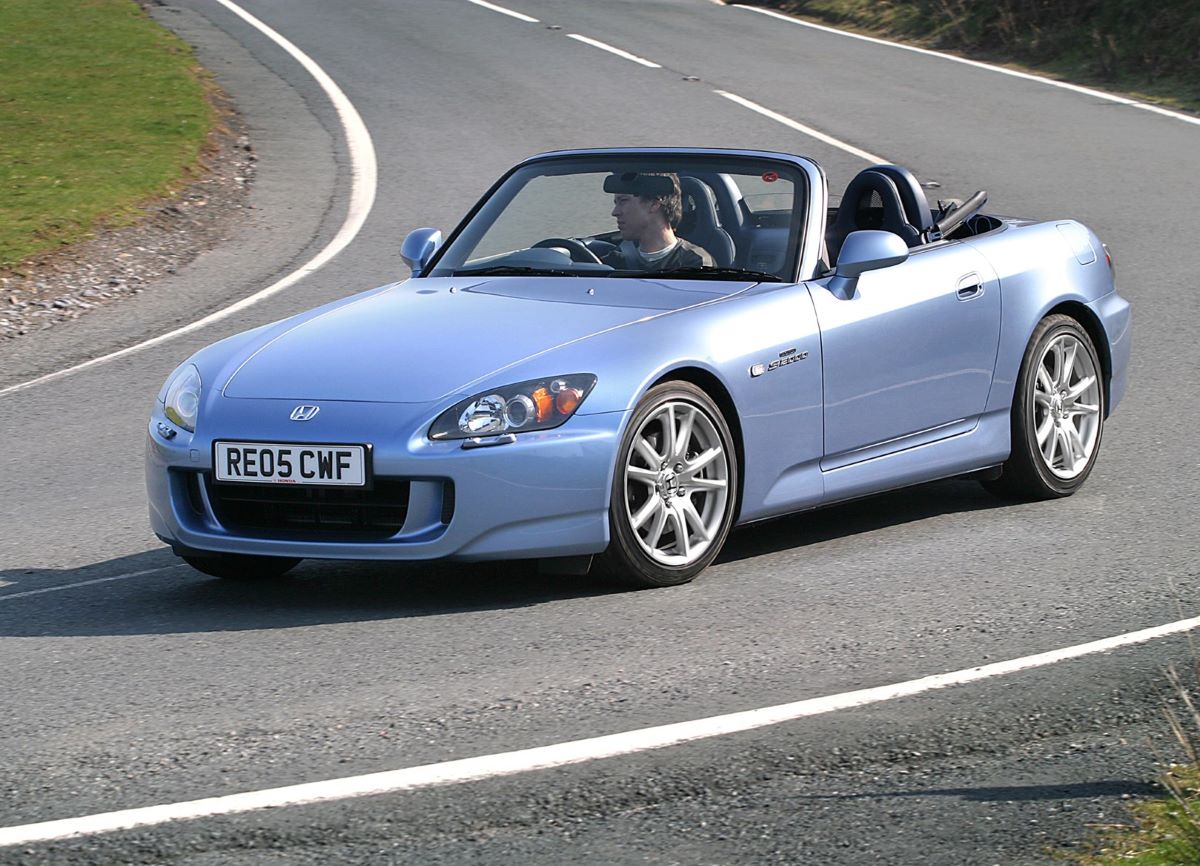
The S2000 follows a pure sports car formula: a front-mounted engine, rear-wheel drive, a manual gearbox, and no forced induction, no turbos, no superchargers. If you want a new car built this way today, your options are limited. Mostly Japanese: the Mazda MX-5, Nissan 370Z, Toyota GR86, or perhaps something like a Caterham.
The engine is the real heart of the S2000. Anyone who’s driven one, whether in love or frustration, will tell you it’s all about the Honda VTEC. This naturally aspirated 2.0-liter four-cylinder develops 237 bhp and 153 lb-ft of torque. With a lightweight 1,260-kg kerb weight, the S2000 hits 0-60 mph in 6.2 seconds and tops out at 150 mph.
But that impressive high-revving engine comes with trade-offs. Its torque is lower than even a modest VW Golf Bluemotion, and it doesn’t arrive until 7,500 rpm. Yes, that’s nearly 6,000 rpm higher than the Golf’s peak torque, which means you need to rev the engine hard to get real punch, a quirk that divides enthusiasts.
Produced from 1999 to 2009, the S2000 sold over 110,000 units, including around 8,000 in the UK. During its decade-long production run, Honda introduced several updates. The most significant came in 2004, when the car received refreshed styling, larger wheels, and suspension tweaks that tamed the early cars’ twitchy handling.
When the S2000 departed, it left a gap in Honda’s performance lineup that wasn’t filled until the arrival of the new Civic Type R and the modern NSX. Perhaps someday, a true S2000 successor will join that ranks.
Even now, with prices starting around £6,000, the original S2000 remains an incredibly tempting sports car.
2. Lexus IS300 (1999–2005)
The Lexus IS300 blends understated luxury with surprising performance. Its 2JZ-GE inline-six engine the naturally aspirated sibling of the legendary 2JZ-GTE found in the Supra is renowned for longevity and reliability.
Regular maintenance, including timely oil changes and cooling system care, allows these engines to surpass the 300,000-mile mark without major issues.
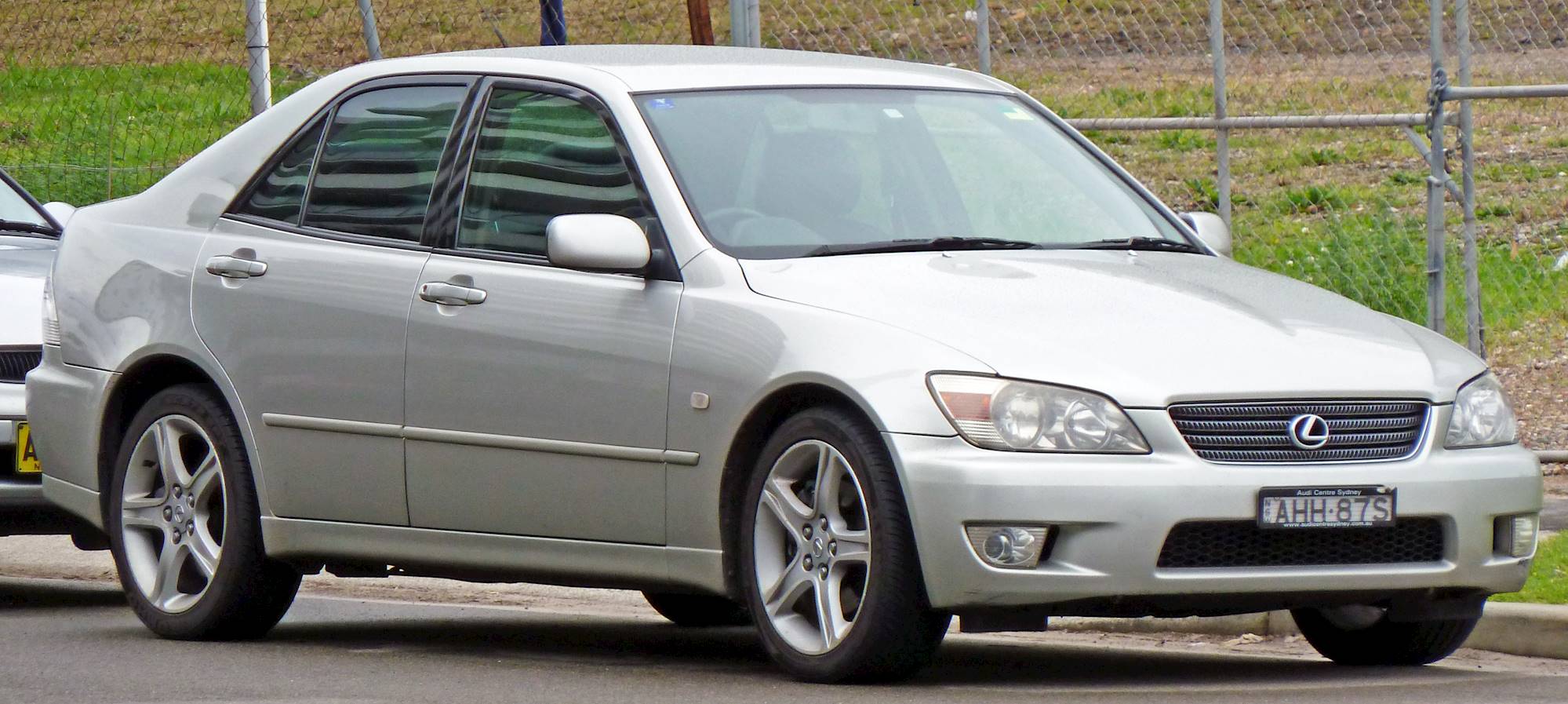
The IS300’s rear-wheel-drive layout also makes it a favorite among enthusiasts who enjoy light modifications for added performance.
In the US market, these cars are often overlooked, meaning affordable examples can still be found, providing a mix of refinement, reliability, and sporty dynamics.
Lexus launched the IS lineup in 1998, targeting the compact premium-sedan segment in the U.S., and later expanding sales into Europe.
At first glance, it was obvious that Lexus’s marketing team had studied the BMW 3-Series (E36) extensively, aiming to craft a credible competitor. Yet, the design team worked hard to mask that influence and deliver a car with its own identity.
Up front, the IS featured Lexus’s signature inverted trapezoidal grille with four horizontal slats and the brand logo centered. Its large headlights drew subtle inspiration from the first-generation Mercedes-Benz C-Class (W202), though Lexus gave them raised corners rather than the straight and lowered design.
The rear showcased a distinctive taillight design with round lamps covered by clear lenses, complemented by a pair of round red fog lights mounted on the trunk lid.
Inside, the IS offered one of the most visually striking instrument panels of its era. Inspired by a sports chronograph, it featured a center-mounted speedometer flanked by three smaller gauges, with a wide tachometer on the left and a fuel gauge on the right.
The ergonomically designed cabin included thoughtful touches like a step-pattern automatic gear selector. Despite a prominent transmission tunnel stretching from the engine to the rear, there was still space for two adults in the back.
Under the hood, the base model received a two-liter inline-six, echoing BMW’s approach, delivering similar power and torque. Beyond that, Lexus offered three additional engine options, including a 2.2-liter turbo-diesel reminiscent of Mercedes-Benz offerings.
3. Toyota Supra Mk4 (1993–2002) – Naturally Aspirated 2JZ-GE
While the turbocharged Supra Mk4 (2JZ-GTE) often steals the spotlight, the naturally aspirated 2JZ-GE version is just as legendary for longevity.
Built like a tank with Toyota’s hallmark engineering, the 2JZ-GE engine is known to exceed 300,000 miles with proper care.
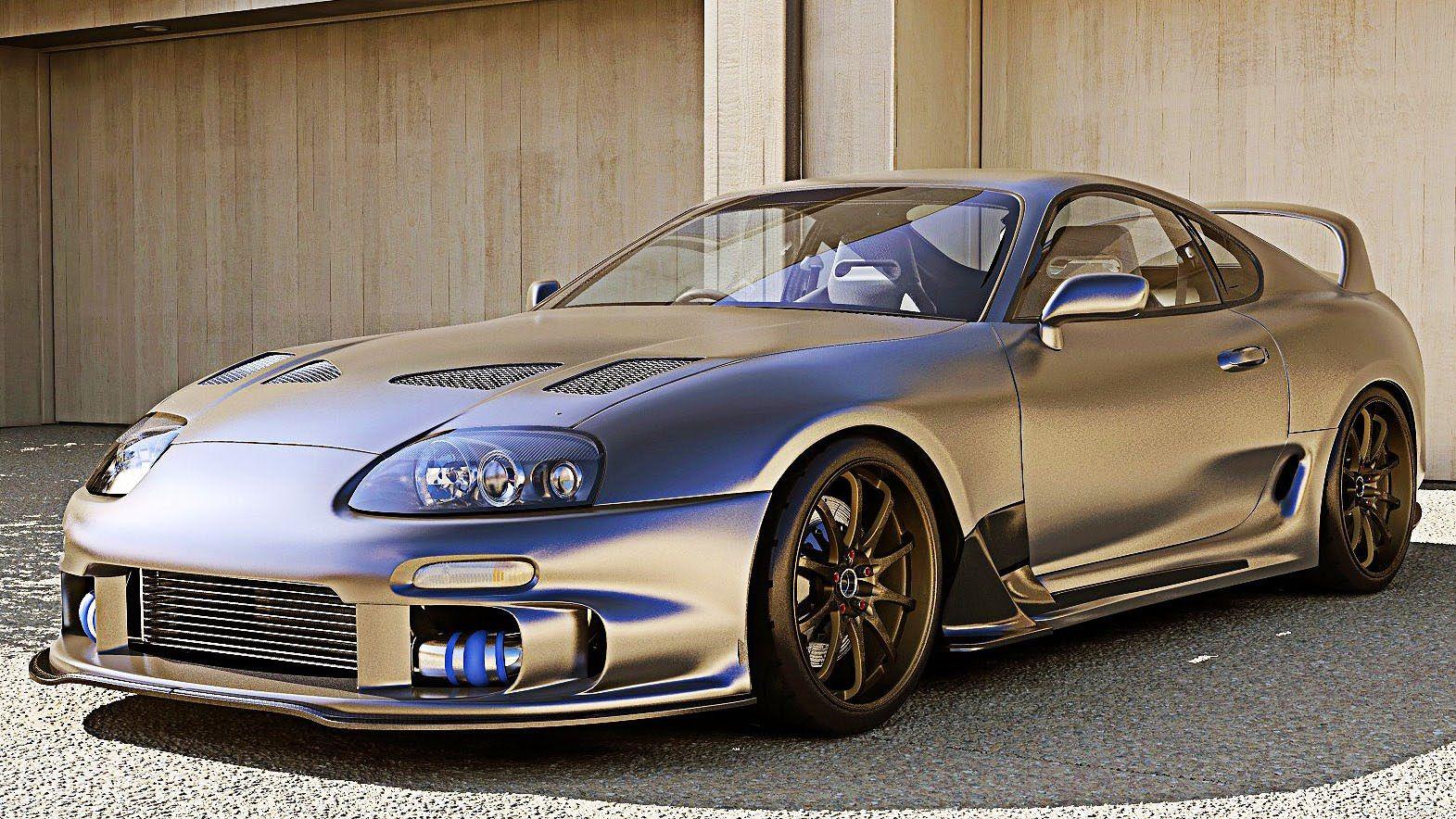
Unlike the turbo model, the NA Supra avoids the stress of forced induction, making it a more attainable and forgiving performance car for daily use.
Enthusiasts love the car’s balance, solid chassis, and the ability to handle upgrades without compromising reliability. Despite its age, the Supra Mk4 remains a compelling choice for those seeking a long-lived performance car at a reasonable price.
4. Mazda MX-5 Miata (1990–2005)
The Mazda MX-5 Miata is not only one of the most beloved roadsters in automotive history, but also one of the most durable performance cars ever built.
Lightweight, simple, and mechanically straightforward, Miatas are known for exceptional reliability. Engines from the NA and NB generations can easily surpass 300,000 miles with basic maintenance, including regular oil changes and clutch care.
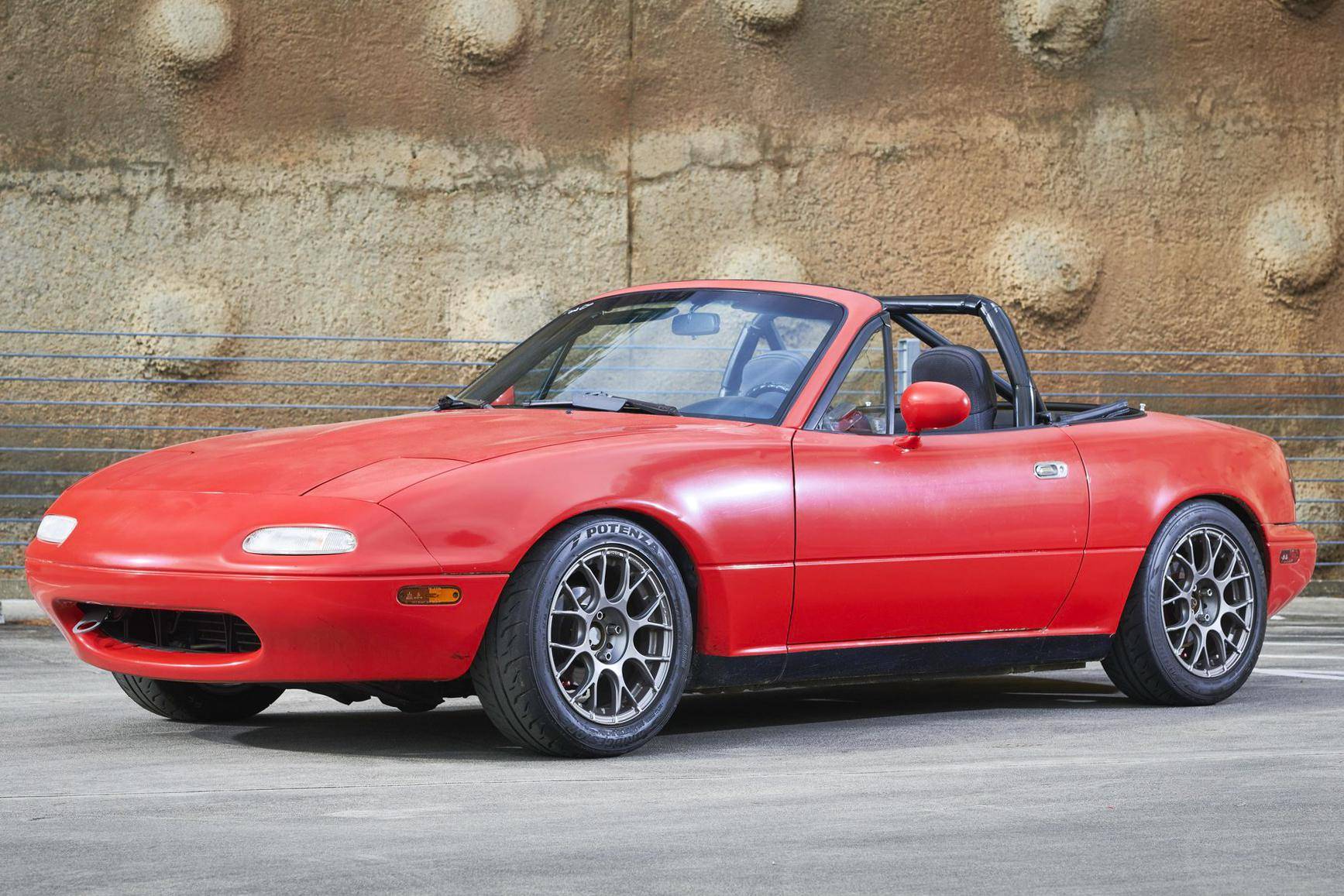
The Miata’s minimal electronics and robust manual transmissions mean fewer things can go wrong over time. Its fun-to-drive nature, combined with affordability and longevity, makes it a rare performance car that doesn’t come with the headaches often associated with high-mileage sports cars.
5. BMW E46 330i (1999–2006)
The BMW E46 330i strikes a balance between luxury and performance. Powered by BMW’s M54 inline-six engine, the E46 is capable of enduring 300,000 miles when maintained properly.
Common pitfalls like cooling system failures, oil leaks, and suspension wear can be mitigated with preventative care, making these cars viable for high-mileage enthusiasts.
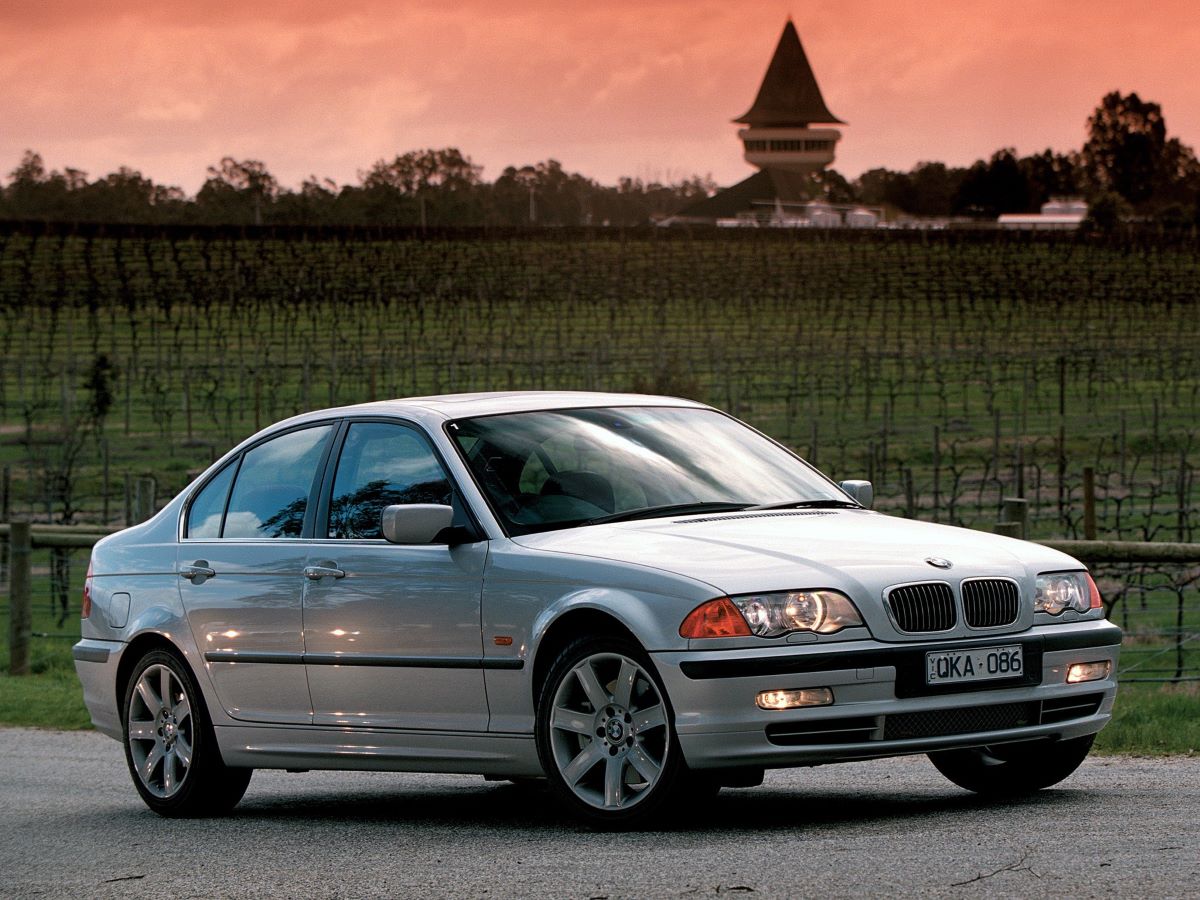
The E46’s rear-wheel-drive chassis and responsive steering continue to provide a thrilling driving experience, even at high mileage.
For US buyers, this model represents a sweet spot: affordable, accessible, and fun to drive, without the extreme maintenance costs of higher-end M models.
A six-speed SMG (Sequential Manual Gearbox) transmission is now available as an option on select 3 Series models, while the 330i Performance Package can be equipped with a five-speed Steptronic automatic. Standard features on both the sedan and wagon now include rain-sensing wipers, automatic headlights, and hands-free wireless cell phone connectivity.
New alloy wheel designs have been introduced for the 325i, 325xi, and 330xi Sport Package models. All 330i sedans now feature a revised grille, replacing the previous silver design with a black grille, complemented by a lower grille finished in a combination of body color and black.
Coupes and convertibles in the 3 Series lineup receive a refreshed front fascia, updated front and rear bumper contours, adaptive headlamps and taillights, as well as new designs for both standard and optional wheels. Interior updates are minor, with a redesigned climate control panel. Additionally, Sirius Satellite Radio is now offered as an accessory across all 3 Series models.
6. Ford Mustang GT (2005–2014)
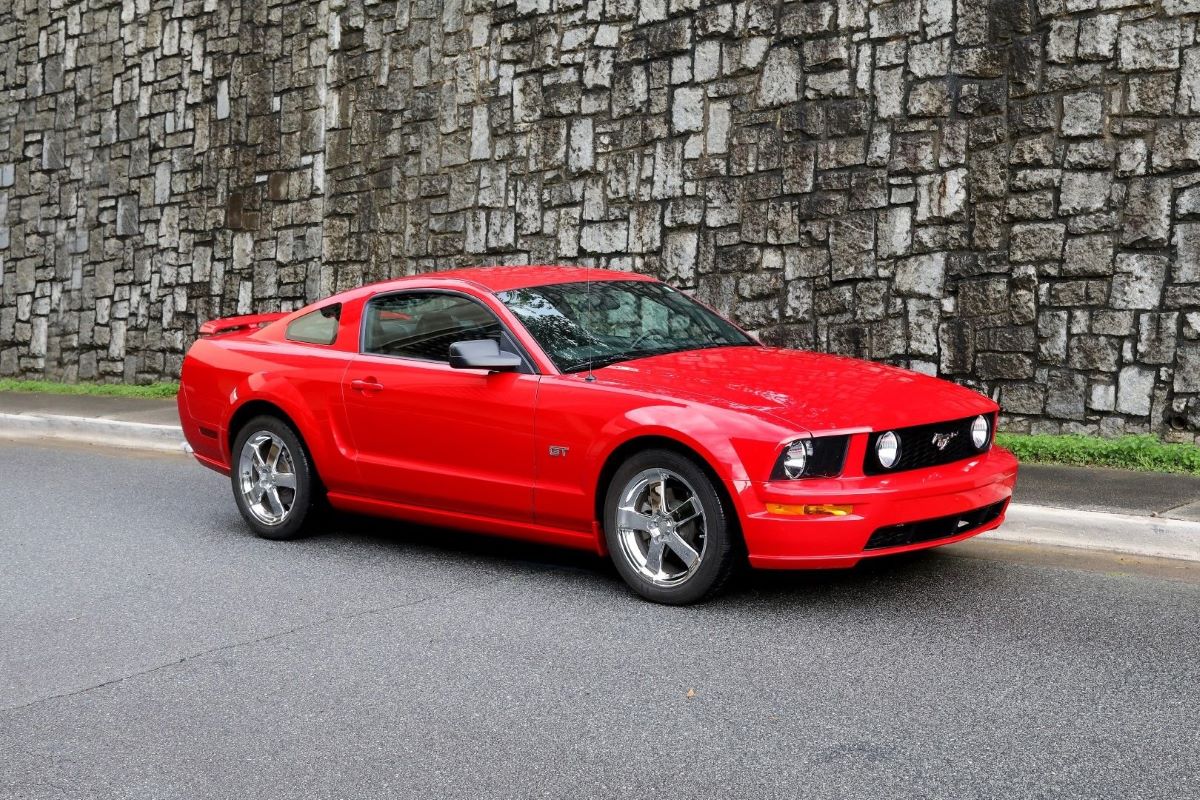
The Ford Mustang GT, particularly with the 4.6L and 5.0L V8 engines, is a quintessential American performance car known for durability.
With simple, proven architecture and readily available parts, these Mustangs can surpass 300,000 miles with routine maintenance.

Enthusiasts report that careful attention to oil changes, cooling systems, and periodic drivetrain checks are enough to keep these cars running for decades.
The Mustang GT offers a raw, visceral experience of American muscle without the fragility sometimes associated with European sports cars. In addition, the affordability of used models makes it a practical option for high-mileage performance.
7. Acura Integra GS-R (1994–2001)
The Acura Integra GS-R is a lightweight, high-revving sport compact with Honda engineering at its core. Its B18C engine, renowned for reliability and longevity, can reach 300,000 miles when maintained with diligence.
The GS-R combines sporty performance with fuel efficiency, and parts are widely available in the US market, keeping maintenance costs manageable.
Enthusiasts love its nimble handling and strong aftermarket support, allowing drivers to tweak performance without jeopardizing longevity. Its combination of reliability, agility, and affordability cements the GS-R as a classic performance bargain.
Honda holds the distinction of introducing luxury cars to the U.S. market before any other Japanese automaker had seriously pursued the segment. The Legend sedan, sold under the Acura brand, presented an intriguing alternative to domestic luxury sedans, offering a reliable and more affordable option compared with European luxury marques.
However, Honda knew the Legend alone wouldn’t generate enough sales to sustain its fledgling Acura lineup, so engineers enhanced the Honda Civic platform and introduced the nimble Integra to complement the larger sedan in showrooms.
Since its debut in 1986, the Integra has earned acclaim from automotive experts and consumer groups alike. Known for being sporty, practical, fun to drive, and reliable, Integras have always appealed to a broad demographic, and the current, third-generation model continues that tradition.
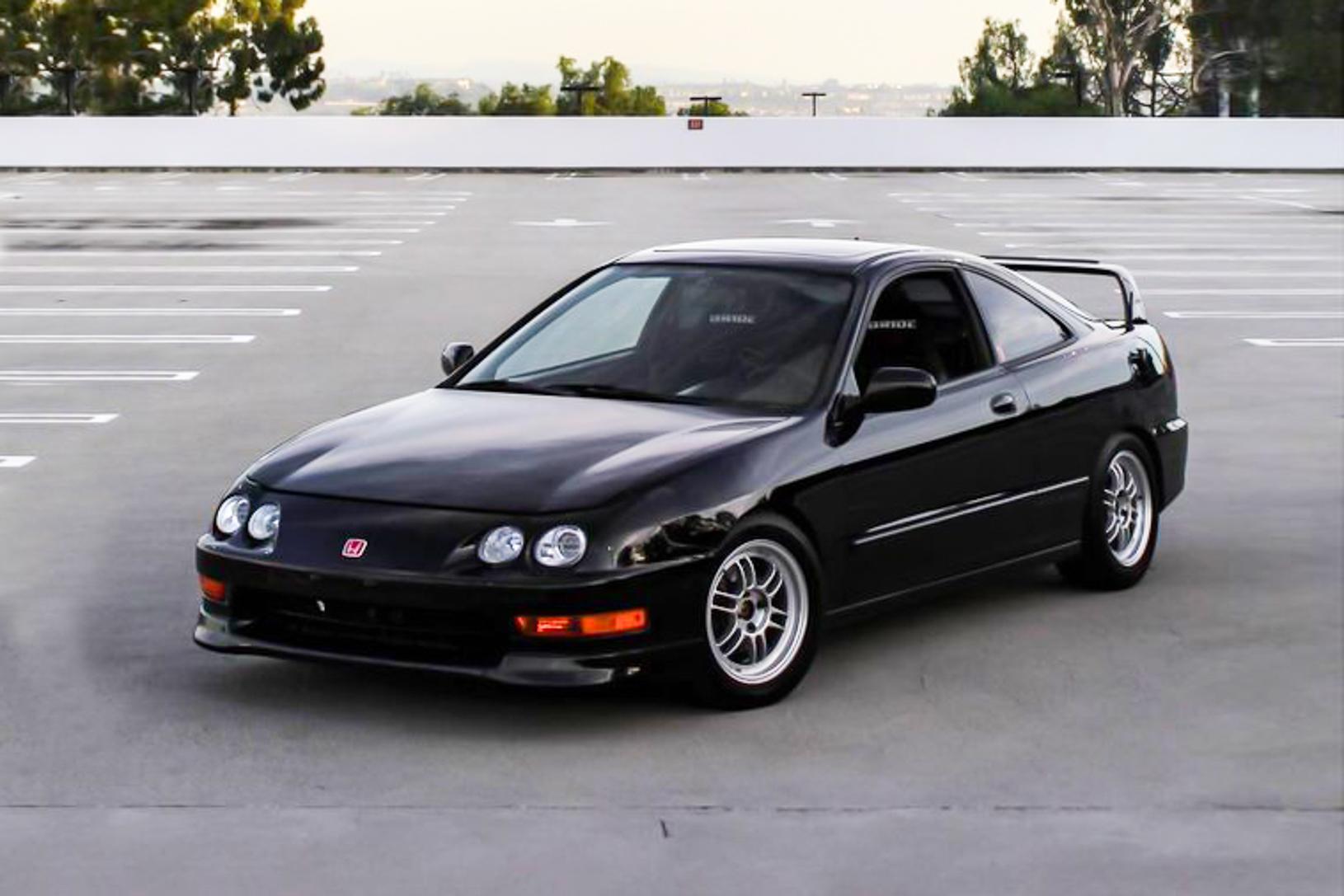
These sporty coupes and sedans deliver both speed and comfort while maintaining excellent build quality. Since 1994, Integras have featured sleek, modern styling with quad circular headlamps.
For 1998, the model received combination lamps and lenses at the front and rear, which reportedly help reduce the drag coefficient. The front fascia, however, is somewhat marred by a thick black rubber molding along the hood edge, an especially noticeable detail on lighter-colored cars.
The high-performance Type R joined the Integra lineup in the summer of 1997 and remains a benchmark for Japanese sport coupes.
Its engine delivers 195 horsepower at 8,000 rpm, with hand-polished intake and exhaust ports and a high-flow exhaust system creating a fire-breathing powerplant capped by an 8,500-rpm redline, hence the “R” for rrrrrev. Shedding 93 pounds in the process, the Type R promises explosive acceleration and sharp performance.
Thanks to Acura’s renowned reliability, the Integra comes highly recommended, especially for budget-conscious buyers or anyone seeking a sporty yet dependable vehicle. With starting prices just over $16,000, the Integra offers affordable thrills and low-cost maintenance.
8. Subaru WRX (2002–2007)
The early 2000s Subaru WRX offers turbocharged excitement with surprisingly robust engineering. While turbo engines often raise concerns about lifespan, the WRX’s EJ25 engine, when treated carefully, can exceed 300,000 miles.
The key lies in consistent maintenance, particularly oil changes, cooling, and timing belt replacement.
All-wheel-drive capability adds another layer of longevity, as the drivetrain distributes power efficiently and reduces wear on individual components.
In the US, the WRX remains a popular choice for enthusiasts seeking performance, practicality, and durability in a single package.
The 2025 Subaru WRX introduces a new STI-tuned tS trim, designed as a performance-focused alternative to the range-topping GT model. A long-standing gripe has been that the GT, equipped with adaptive dampers, isn’t available with a manual transmission.
Subaru addresses this with the tS, which combines a traditional manual gearbox with electronically controlled STI-tuned dampers adjustable via the WRX’s drive mode selector.
The WRX tS rides on satin gray 19-inch wheels wrapped in Bridgestone Potenza S007 tires. Braking performance is handled by gold-painted Brembo calipers, featuring six pistons up front and two in the rear.
Subtle exterior enhancements include Crystal Black Silica accents on the side mirrors, shark-fin antenna, and rear spoiler. The taillights feature a distinctive magma-inspired coloration, and tS badging marks the trim’s special status.
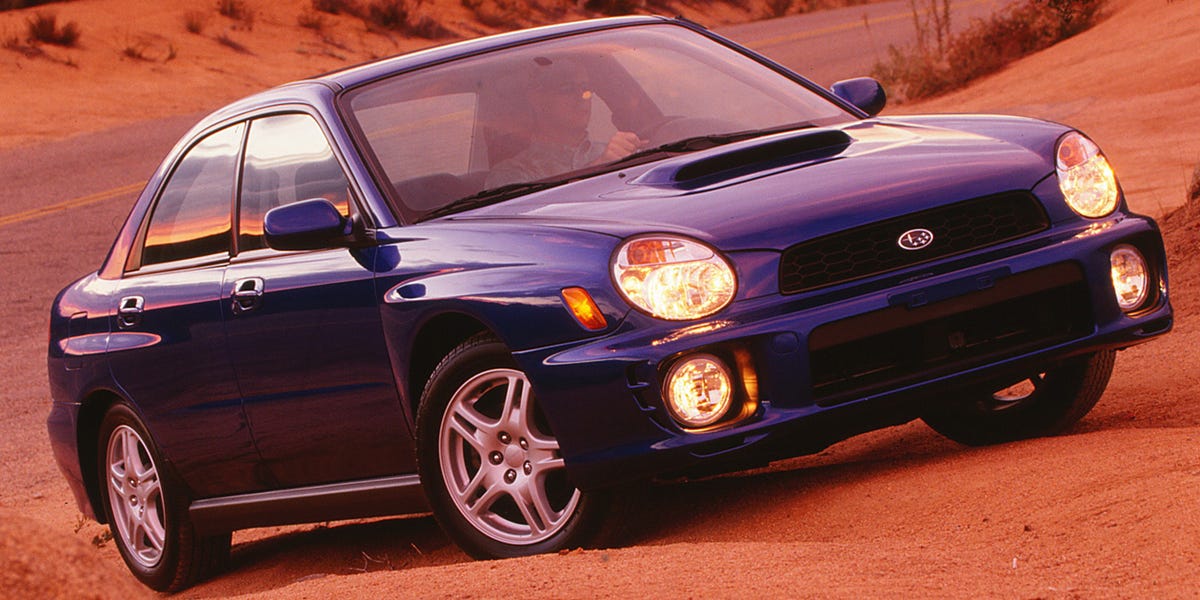
Inside, the tS gains a range of upgrades. Standard Recaro Ultrasuede front seats feature blue STI-inspired accents, which are echoed across the seat bolsters, steering wheel, door panels, and shifter.
For the first time in a WRX, a 12.3-inch digital gauge cluster is included, capable of displaying map data and route guidance. An 11.6-inch infotainment display comes standard with wireless Apple CarPlay and Android Auto functionality. Pricing for the tS starts just under $47,000.
While the WRX has matured into a more refined and practical sports sedan, it still retains traces of its rally-bred spirit, though raw engagement has given way to comfort.
Quieter and more composed than previous generations, the current WRX stands out for its precise steering, mechanical grip, and distinctive engine note. The manual transmission remains engaging, though the shifter is a touch tall. For enthusiasts, the tS is an easy recommendation, but it doesn’t fully replace the STI’s ferocity.
Despite its strengths, the modern WRX’s narrow powerband and dampened clutch mean it isn’t quite as lively as earlier models. Efficiency considerations have forced some compromises, and the WRX remains thirsty for a compact car.
The 2025 WRX tS’ upgraded suspension, brakes, and tires may bring it closer to the excitement fans expect from a car with rally roots. Until then, those seeking a purer road-going rally experience might consider the Toyota GR Corolla.
All 2025 WRX models are powered by a turbocharged 2.4-liter flat-four producing 271 hp and 258 lb-ft of torque. Standard all-wheel drive comes paired with either a six-speed manual or an available CVT with paddle-shift capability.
Testing shows a manual WRX TR reaching 0-60 mph in 6.0 seconds, while our long-term WRX Limited managed 5.9 seconds. The CVT-equipped WRX GT hit 60 mph in 5.7 seconds. Fuel economy for the 2024 manual models was rated at 19/26 mpg city/highway, with the automatic slightly lower at 18/25 mpg.
9. Nissan 350Z (2003–2008)
The Nissan 350Z is a rear-wheel-drive sports car that pairs a robust VQ35DE V6 engine with excellent handling dynamics. With proper maintenance, including timely fluid changes and careful driving, the 350Z is known to exceed 300,000 miles.
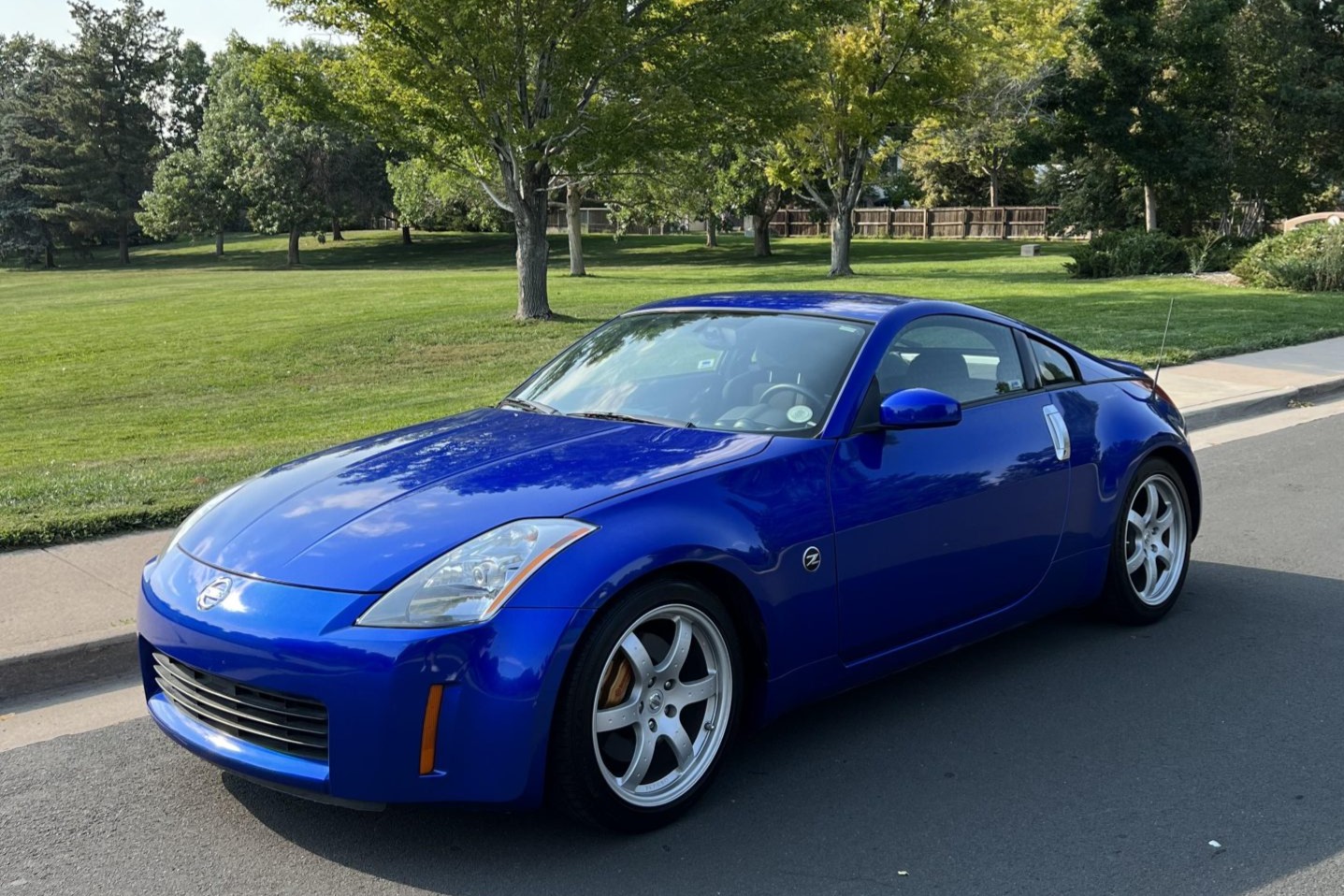
Its simple yet effective design allows owners to enjoy strong performance without frequent costly repairs. The 350Z also benefits from a vast aftermarket, giving enthusiasts plenty of options to improve or restore the car while preserving reliability.
For US buyers, it offers a perfect balance of style, performance, and longevity at an affordable price point.
Few Nissan models have inspired as much devotion as the Z. Light, nimble, sporty, and relatively affordable, the original 1970 Datsun 240Z was the company’s first major hit in the United States. Introduced as a 1970 model, prospective buyers often waited nearly six months to take delivery. It offered 150 horsepower and a list price of just $3,526.
Over the ’70s and ’80s, the Z grew heavier and more luxurious, yet continued to sell strongly. In 1990, Nissan launched the all-new 300ZX, featuring a 222-hp V6 and a completely redesigned body and interior.
Later in the same model year, a twin-turbo version boosted output to 300 horsepower. By the mid-1990s, however, the sports car market had contracted, and a strong yen pushed the Z’s price even higher. Sales declined, and Nissan discontinued the 300ZX in 1996.
Conceived in secret by designers at Nissan’s Southern California studios, the orange prototype drew heavily from the original 240Z’s styling. While its mechanics were largely borrowed from the 240SX, the concept generated excitement among Nissan executives and the public alike, hinting at the return of the Z.
Nearly a decade later, the Z returned, staying faithful to its sports car roots: two seats, front-mounted engine, rear-wheel drive, and compact proportions. T-tops aren’t offered, nor is a 2+2 layout. Nissan aimed for accessibility, producing roughly 30,000 units in the first year, priced close to the average Ford Explorer at the time.
10. Chevrolet Corvette C5 (1997–2004)
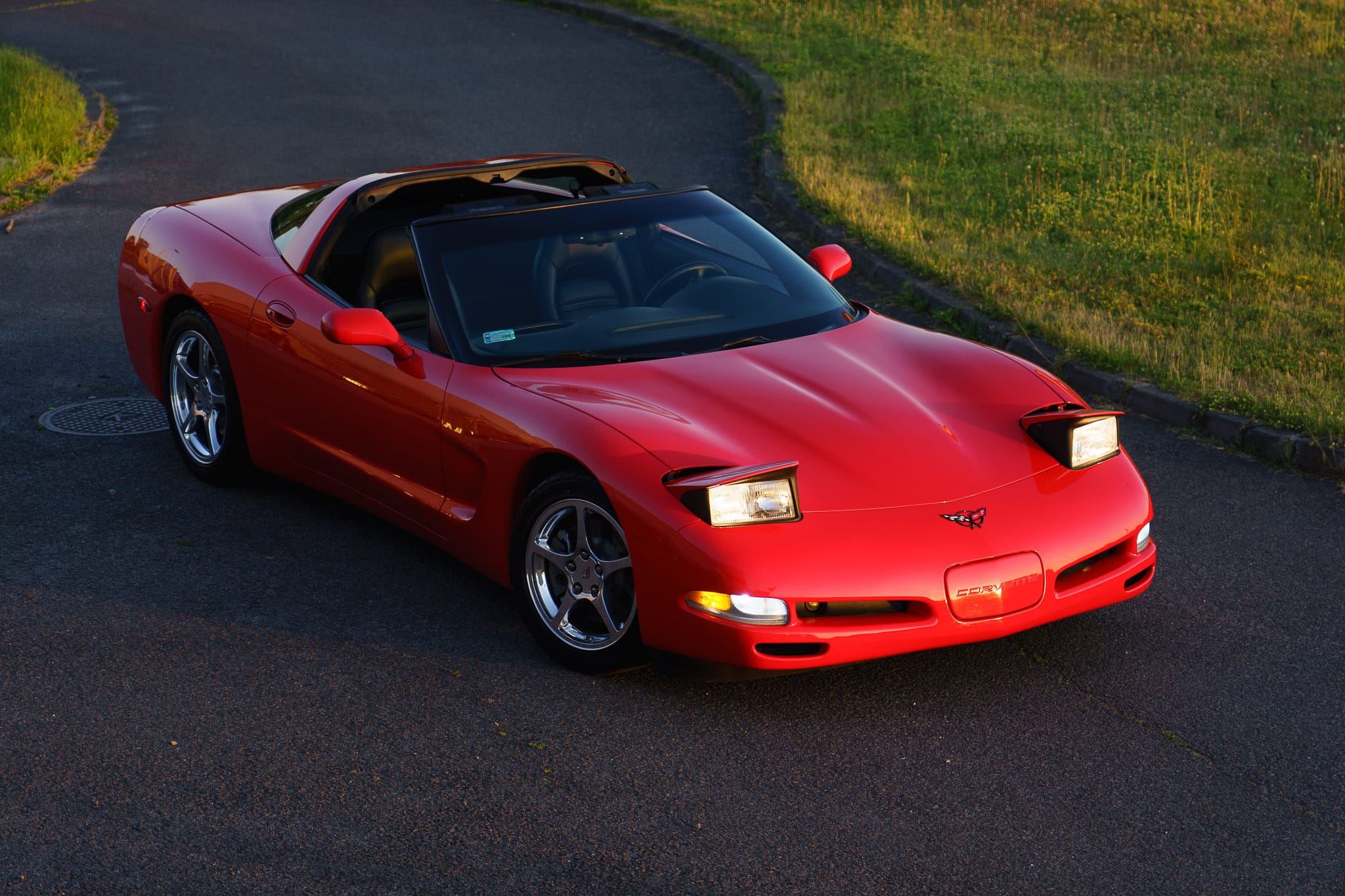
The Chevrolet Corvette C5 represents one of the most attainable American performance cars with legendary durability. Its LS1 V8 engine is known for bulletproof reliability, capable of surpassing 300,000 miles with regular maintenance.
With a lightweight chassis, precise handling, and classic Corvette styling, the C5 delivers excitement without the fragility sometimes associated with high-performance cars.
Used examples are still relatively affordable, particularly compared to European sports cars of similar performance. For enthusiasts seeking a car that blends speed, style, and long-term reliability, the C5 Corvette is an ideal choice.
Finding a performance car that can handle over 300,000 miles may seem like hunting for a unicorn, but it is very possible with the right choices.
From Japanese roadsters and tuners to American muscle cars, there are numerous affordable options in the US market that combine thrill and longevity.
Key factors include regular maintenance, attention to oil changes, timely part replacements, and mindful driving habits.
For enthusiasts who want to enjoy speed, handling, and excitement without worrying about a high-mileage nightmare, these ten models prove that durability and performance can coexist sometimes better than most expect.
Owning a long-lived performance car doesn’t just save money it gives the owner the chance to build a lasting relationship with a machine that truly rewards care and attention.
Whether you’re drawn to the precision of a Miata, the muscle of a Mustang, or the balance of a Lexus, these vehicles offer proof that high performance and high mileage aren’t mutually exclusive.
