
When most car enthusiasts think of speed, flashy supercars or highly tuned performance machines usually come to mind. However, the world of “sleeper cars” offers a different thrill: vehicles that look completely ordinary but hide astonishing performance beneath the surface.
These are the kinds of cars that fly under the radar, often mistaken for mundane daily drivers, only to leave more expensive sports cars in the dust when given the chance.
In the United States, where car culture ranges from highway cruisers to weekend track warriors, sleepers hold a unique place they combine practicality, affordability, and a healthy dose of surprise.
Here’s a look at ten sleeper cars that are so fast, more enthusiasts should know about them.
1. Volvo S60 Polestar (2014–2018)
At first glance, the Volvo S60 Polestar looks like a conservative Swedish sedan. But under the hood, it packs a turbocharged 3.0-liter inline-six producing around 345 horsepower.
The Polestar’s performance is complemented by a refined all-wheel-drive system, adaptive suspension, and Brembo brakes, making it a surprisingly capable sports sedan.
It’s a car that can comfortably ferry the family while also outrunning a BMW M3 on a backroad, and yet most people on the street have no idea what’s in front of them.
Volvo introduced the priciest iteration of its S60 lineup under the Polestar nameplate, marking its official entry into the performance sedan arena with a model delivering 350 PS.
The Swedish manufacturer already had deep roots in motorsports, and for years its engineers aspired to develop a more performance-focused car. That ambition, however, was difficult to realize while Volvo was under Ford ownership. Things changed once the company was acquired by China’s Geely, which approved the Polestar program.
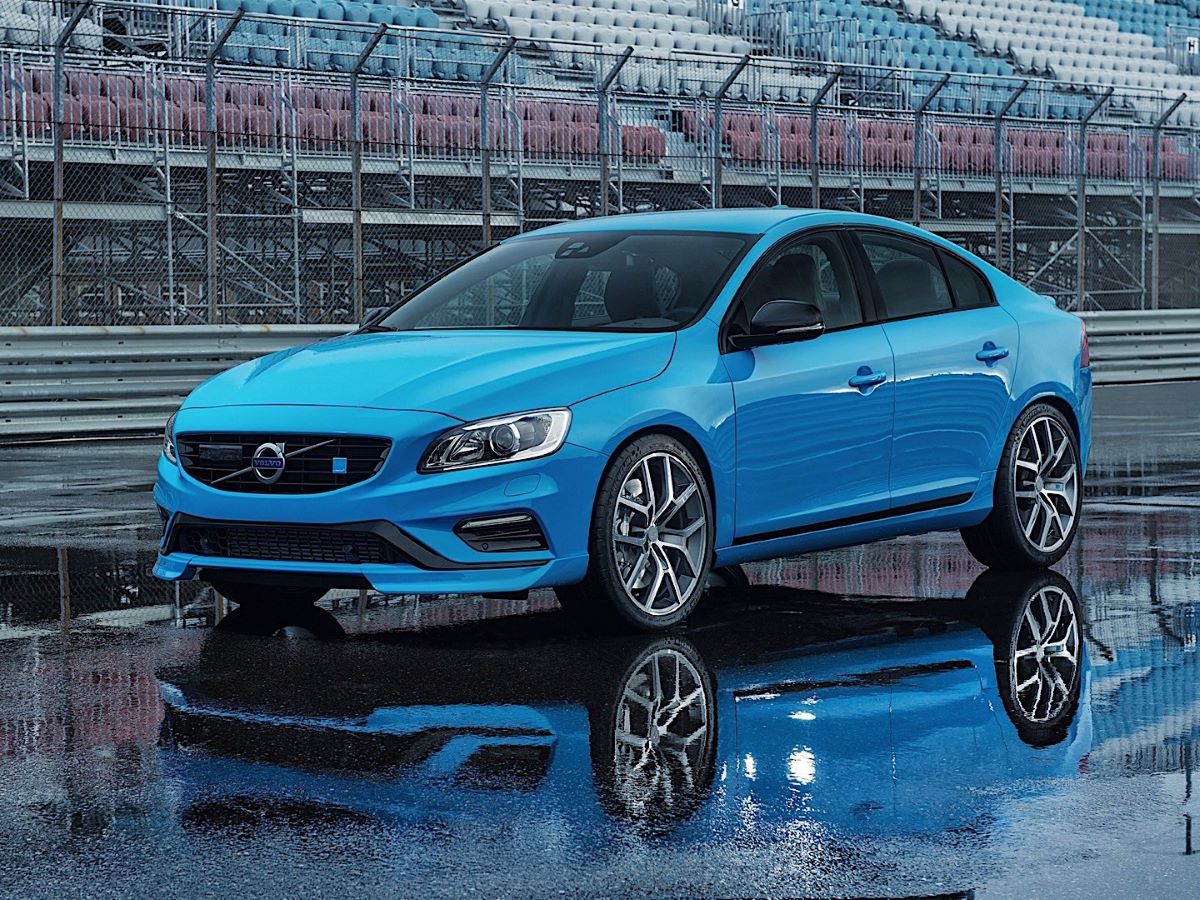
That decision ultimately gave birth to high-performance V60 and S60 variants, offered as a wagon and a sedan, respectively. With these models, Volvo stepped into direct competition with established rivals such as the BMW M3 and Mercedes-Benz C63 AMG, while also setting its sights squarely on the Audi S4.
Visually, the S60 Polestar immediately distinguished itself from standard versions of the sedan, most notably through its exclusive blue paint finish. The front fascia was unique, featuring a redesigned bumper with an A-shaped lower grille, flanked by scoops that housed the LED daytime running lights.
The main grille carried a squared blue emblem bearing the word “Polestar,” signaling its elevated status. Viewed from the side, the performance sedan rode on striking 20-inch alloy wheels. At the rear, a subtle trunk-mounted lip spoiler and a diffuser integrated into the lower bumper completed the aggressive exterior treatment.
Inside the cabin, Volvo equipped the S60 Polestar with sport bucket seats up front, while the rear featured a bench clearly shaped for two occupants. The tall transmission tunnel left little to no usable legroom for a third passenger in the middle seat. The driver-facing layout largely mirrored that of other S60 models, with a centrally positioned speedometer displaying speed in numeric form.
Also Read: 10 Best Retro-Styled Modern Cars That Gained Popularity
2. Chevrolet SS (2014–2017)
The Chevrolet SS is the sleeper king of American sedans. Essentially a rebadged Holden Commodore, it comes with a 6.2-liter LS3 V8 producing 415 horsepower and a six-speed manual or automatic transmission.
Its understated blacked-out design masks its muscle car roots, making it perfect for those who want brute force without screaming for attention. With a 0-60 time of just over 4.5 seconds, the SS can take on far flashier performance cars without anyone batting an eye.
The 2014 Chevrolet SS feels like one of those secret, under-the-radar sleeper sedans that exists only because a General Motors executive wanted it to. For years, the idea of Chevrolet selling something like this in the U.S. seemed laughable. Or so everyone assumed.
The roots of the SS actually lead back to Australia, where GM’s Holden division produces the Commodore full-size sedan. While an earlier version of the Commodore underpinned the short-lived Pontiac G8, it’s the latest generation that forms the foundation of the Chevrolet SS.
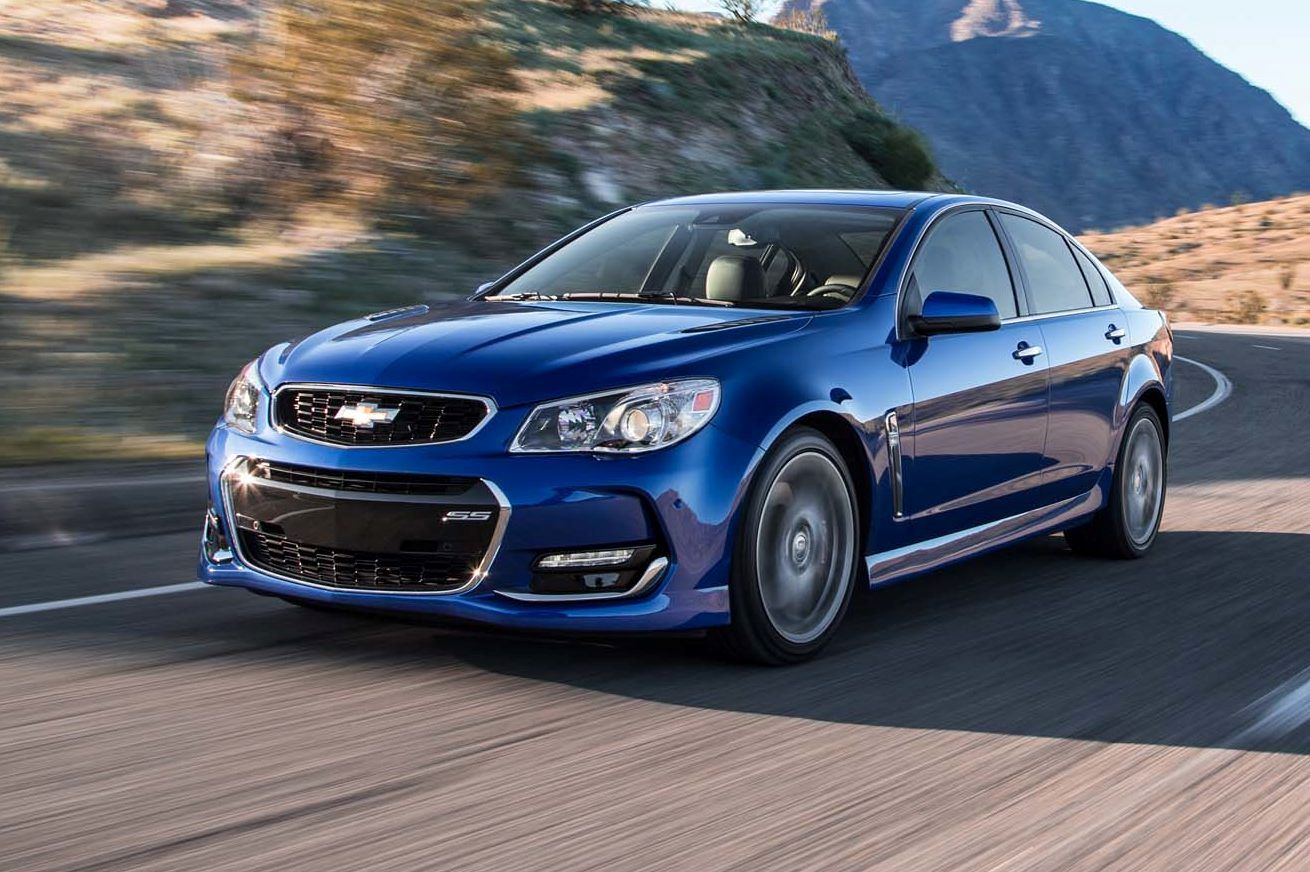
Powering this rear-wheel-drive sedan is a 6.2-liter V8 producing 415 horsepower and 415 pound-feet of torque. Yet straight-line speed is only part of the story. Push the SS through a corner and its stability and level of driver engagement quickly become apparent, lending credibility to Chevrolet’s claim that it used the early-2000s BMW M5 as a benchmark for handling precision.
Inside, the SS features leather and simulated suede sport seats, a cockpit designed around the driver, and a high-quality infotainment system. True to the tradition of classic American sedans, it also offers generous passenger space, a large trunk, and a fuel tank big enough to make long road trips comfortable and effortless.
There are only a handful of sedans that offer a similar formula. The 2014 Chrysler 300 SRT8 and 2014 Dodge Charger SRT8 both deliver comparable experiences, combining large-displacement V8 power with a long list of features at roughly the same price point.
They also project a more aggressive road presence, though neither quite matches the SS when it comes to balancing sharp handling with ride comfort. Elsewhere, Ford’s Taurus SHO attempts to compete using a turbocharged V6 but falls short of expectations, while the often-overlooked 2014 Hyundai Genesis 5.0 R-Spec pairs a strong V8 with a more luxurious feel, yet lacks the same performance-focused intent.
Among this group, the Chevrolet SS stands out as a worthy modern continuation of the big, V8-powered sedan legacy. Somewhere along the way, a GM executive deserves some credit for making it happen.
The 2014 Chevrolet SS is equipped with a 6.2-liter V8 that produces 415 horsepower and 415 lb-ft of torque, paired with a six-speed automatic transmission that sends power to the rear wheels.
The SS accelerated from zero to 60 mph in just 4.9 seconds, an impressive figure for any sedan, whether it’s a high-end European performance model or a muscle-heavy American four-door.
The EPA rates the SS at 17 mpg combined, with estimates of 14 mpg in the city and 21 mpg on the highway. While that efficiency matches the Charger SRT8, fuel stops will still be a regular part of ownership.
3. Audi S4 (B8 Generation, 2009–2016)
The B8 Audi S4 sedan might look like your average executive car, but it hides a supercharged 3.0-liter V6 capable of 333 horsepower and quattro all-wheel drive. Its unassuming design belies the fact that it can hit 60 mph in around 4.7 seconds.
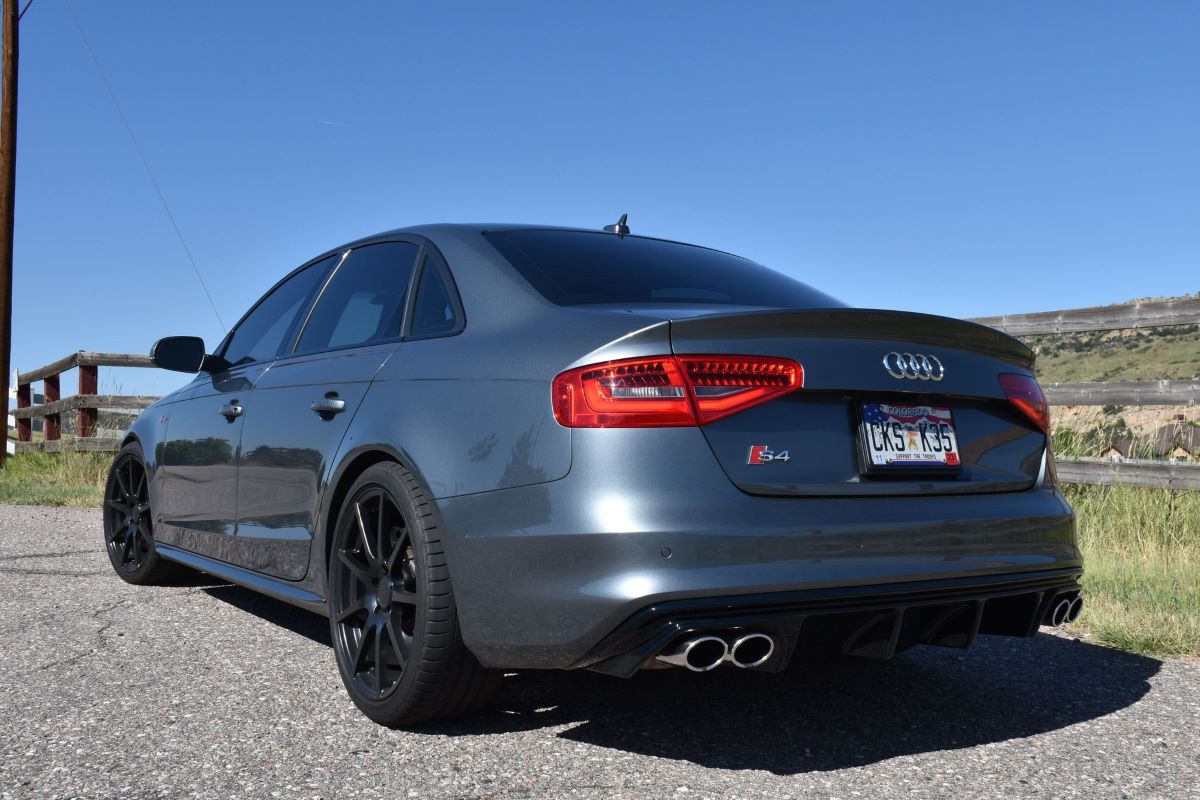
The S4’s quiet confidence makes it a favorite among European car enthusiasts who want luxury, practicality, and a little bit of menace lurking under the hood.
4. MazdaSpeed6 (2005–2007)
Long before Mazda started making turbocharged CX-50s and the Mazda3 Turbo, there was the MazdaSpeed6 a sedan that looked like a regular mid-2000s family car but packed a 274-horsepower turbocharged inline-four engine with all-wheel drive.
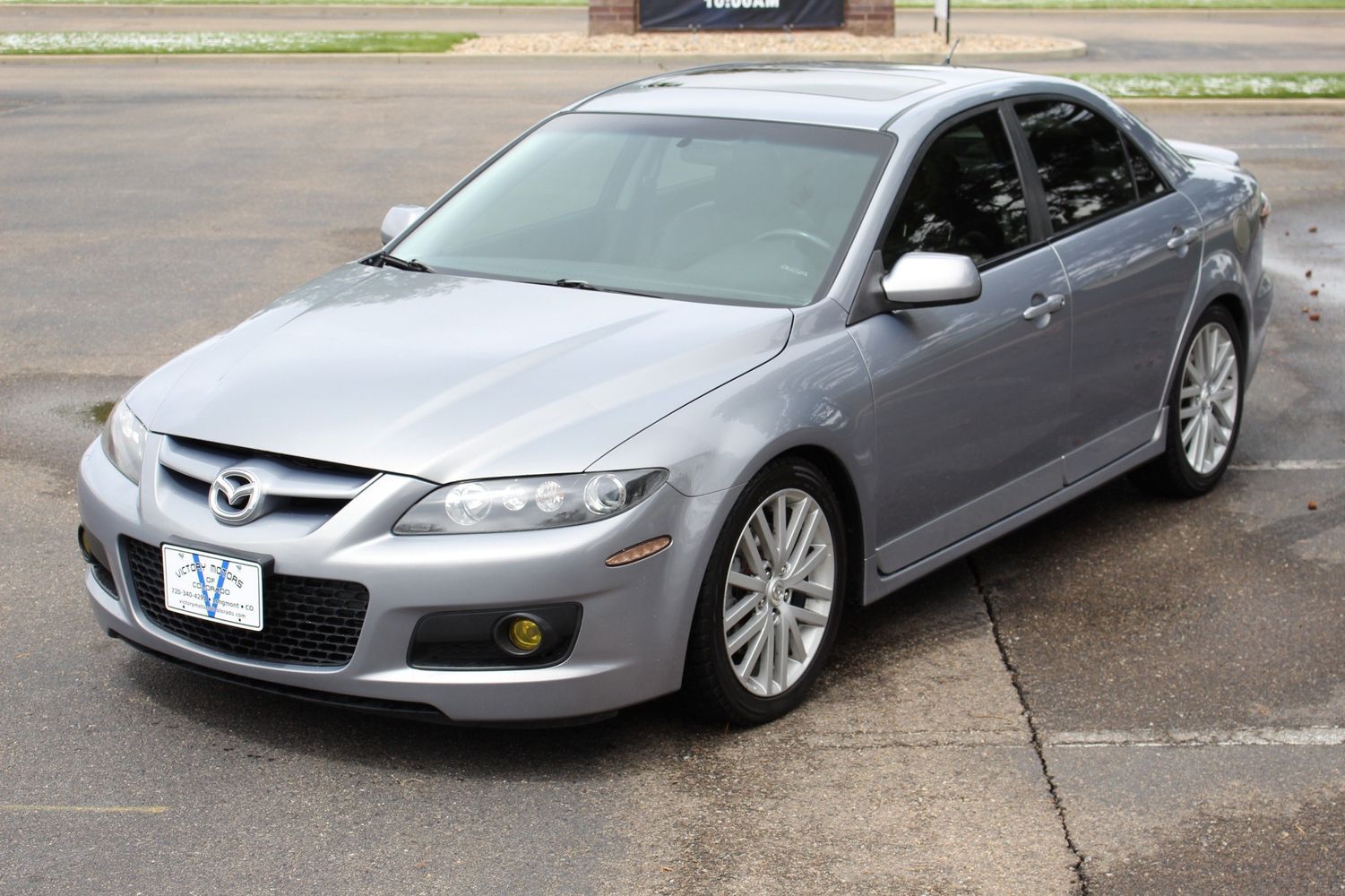
Its high-revving engine and responsive handling made it a joy to drive on winding roads, while its unremarkable exterior ensured that most people underestimated its potential. The MazdaSpeed6 is a prime example of Japanese engineering hiding in plain sight.
Also Read: 5 Sports Coupes That Offer More Value Than 5 Convertible Alternatives
5. Cadillac CTS-V (2009–2014)
The second-generation CTS-V looks like a traditional luxury sedan, but it houses the supercharged 6.2-liter V8 from the Corvette ZR1, producing a jaw-dropping 556 horsepower.
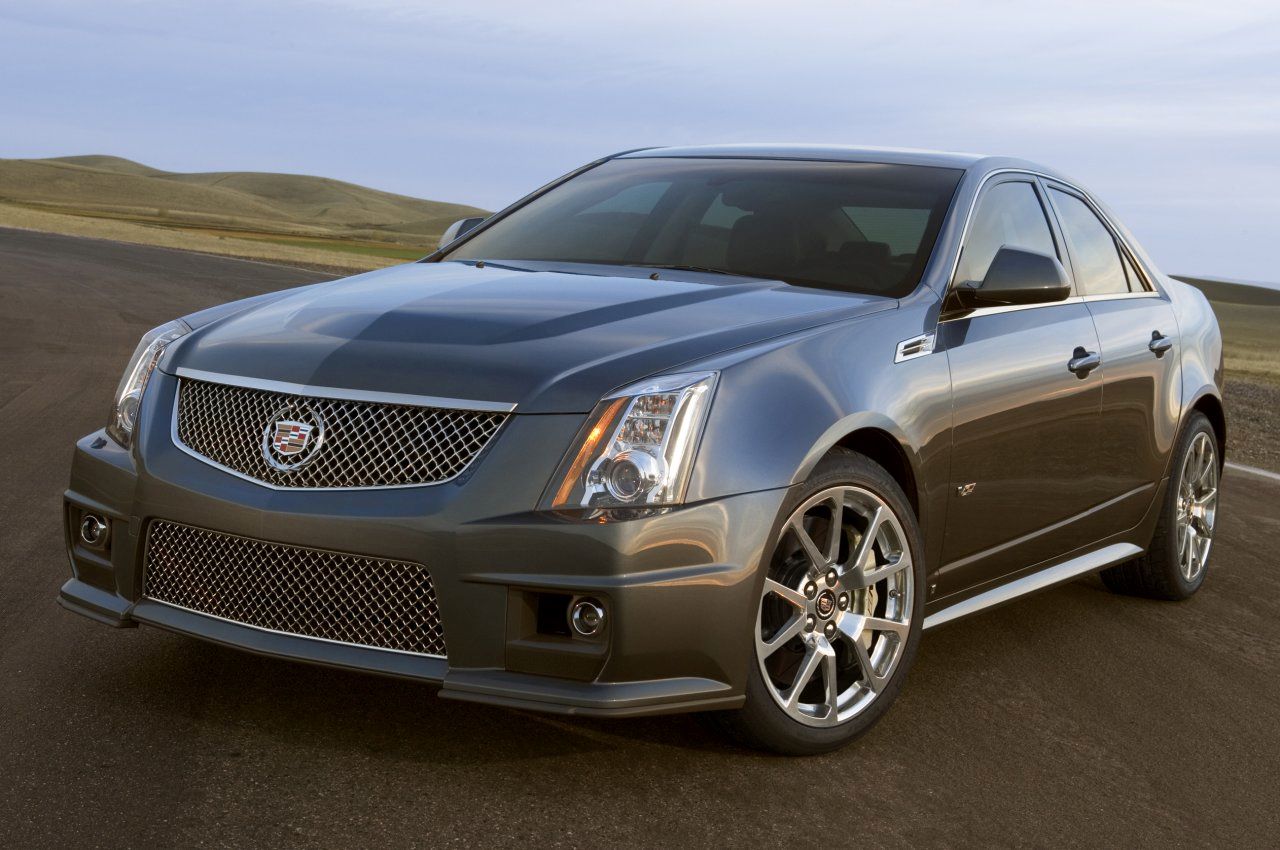
It combines American muscle with European refinement, offering precise handling, magnetic ride control, and a restrained but aggressive design.
The CTS-V is a true sleeper in traffic; while other drivers might assume it’s just a fancy Caddy, it can leave Porsche Panameras and BMW M5s in the dust.
Toyota FJ Cruisers are engineered to handle a wide range of off-road conditions, but extreme or improper use can lead to injury or vehicle damage. Toyota promotes responsible driving practices to help ensure your safety, preserve your vehicle, and minimize environmental impact.
Some vehicles shown may be equipped with optional features. Seatbelts must be worn at all times, and passengers should never ride in the cargo area. Towing hitch receivers and ball mount kits are not designed to function as crash-protection devices.
Vehicles configured with specific equipment may not be immediately available on the lot, so ask your dealer for assistance in locating a model with your desired features.
6. Subaru Legacy 3.6R / Legacy GT (2010–2014)
The Subaru Legacy, often considered a practical family sedan, has versions that surprise enthusiasts. The Legacy 3.6R with its 3.6-liter flat-six engine or the turbocharged Legacy GT can both accelerate with impressive vigor, particularly with all-wheel drive traction.
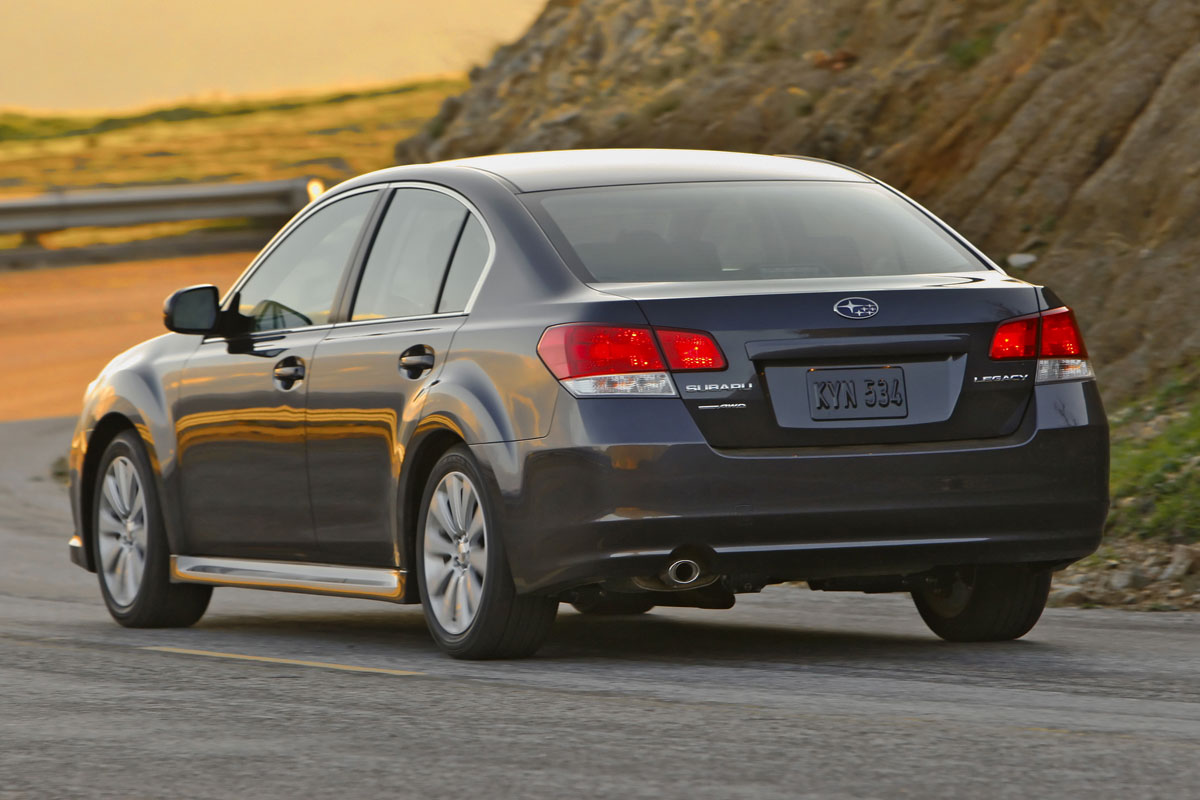
While it doesn’t have the styling cues of a traditional performance car, its balance and reliability make it a sleeper that’s perfect for those who want speed without drawing attention.
7. Volkswagen Golf R (MK7, 2015–2020)
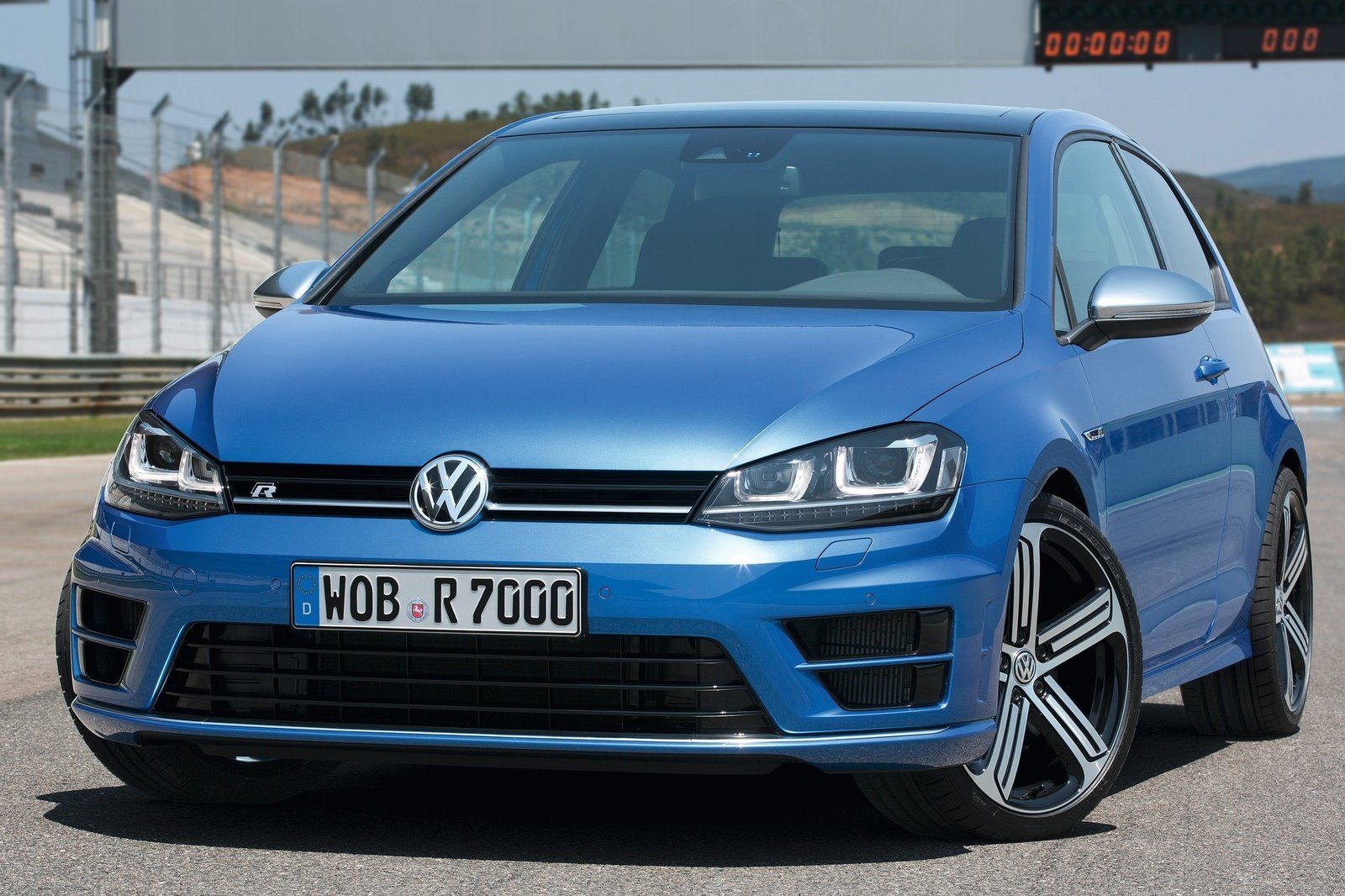
The Volkswagen Golf R is a hatchback that looks almost identical to a base Golf, yet it comes with a turbocharged 2.0-liter inline-four producing around 292 horsepower and all-wheel drive.
Its nimble handling, launch control, and understated design make it one of the most effective sleepers for enthusiasts who enjoy the thrill of acceleration without the “look at me” factor of typical hot hatches. It’s practical, fun, and fast enough to surprise almost anyone on the road.
Volkswagen has been steadily building toward this particular, well, achievement for years, starting with the Golf VR6, followed by the V6 4MOTION, and later the R32. Even earlier, back in the late 1980s, there were two hard-breathing homologation specials, the Rallye Golf and the Golf G60.
Neither ever made it to the U.S., largely because American buyers at the time weren’t ready for a car shaped like a cake box and priced like a Porsche. Frankly, most people still aren’t ready, even when the price lands closer to BMW territory.
Still, 5,500 American buyers snapped up the 2012 and 2013 Golf R models, which carried a base price of $34,760. That figure exceeded Volkswagen’s expectations by about 500 units, prompting Germany to send over a new version.
This latest Golf R is not simply a repeat of the previous model, which was a two-year, limited-production, two-door hatch meant to generate excitement as the Golf VI platform wound down.
This time around, the R arrives earlier in the platform’s life cycle and is expected to stick around longer, with more variations available. Buyers can choose between two trim levels, a base model and a version labeled “w/DCC/nav”, along with two transmission options. There’s a six-speed DSG dual-clutch automatic or a six-speed manual gearbox, with the manual knocking $1,100 off the price.
So why is the test car equipped with the DSG? Because the manual transmission arrives later in the year, reportedly sometime during the summer. We’ve driven the manual, and it’s a good one. Volkswagen expects roughly 40 percent of Golf R buyers to choose it, and those drivers are likely to be very satisfied.
The Golf R owes its existence to MQB, Volkswagen’s modular platform strategy that allows components to be shared across multiple brands and models. In practical terms, this means the Golf R is essentially an Audi S3 in hatchback form.
That includes identical output figures from the EA888 2.0-liter turbocharged four-cylinder engine, rated at 292 horsepower and 280 pound-feet of torque. The same applies to the Haldex-based all-wheel-drive system, which uses an electronically controlled coupling to send torque to the rear wheels, while brake-based traction control manages side-to-side distribution.
For the price, this super Golf, this Audi TT shooting brake, is remarkably restrained in its appearance. On the upper trim level, the 19-inch wheels and quad exhaust tips are the most obvious visual clues, joined by small R badges and slightly more aggressive chin and side trim. Inside, white stitching contrasts with black leather, while glossy black and carbon-style trim pieces accent the cabin.
Subtle R logos are scattered throughout, and blue ambient lighting traces the doors, blue being the signature color of the R line, with red reserved for the GTI. To the untrained eye, it simply looks like a well-appointed Golf, which is very much Volkswagen’s approach. There are no oversized wings, no dive planes, and very little visual excess.
Its understated nature extends to how it drives and sounds. The engine note is muted into a mechanical hum, enhanced artificially by an electronic device mounted under the hood. Volkswagen calls it the “Soundaktor.”
In everyday driving, the system is barely noticeable, producing little more than background noise, occasionally punctuated by the now-familiar buzz-blap from the exhaust during aggressive upshifts.
At higher engine speeds, however, the Soundaktor becomes far more intrusive, generating a coarse, synthetic resonance strong enough to vibrate the steering wheel. Unsurprisingly, there are plenty of online guides showing how to disconnect it.
The Golf R extracts impressive power from a relatively small engine, but how that power is delivered depends heavily on driver input. Get ahead of the turbo by manually downshifting before going full throttle, and the car surges forward with explosive urgency.
Done right, fast road driving becomes deeply rewarding, as the R rockets from corner to corner with a sense of purpose that makes the experience both engaging and therapeutic.
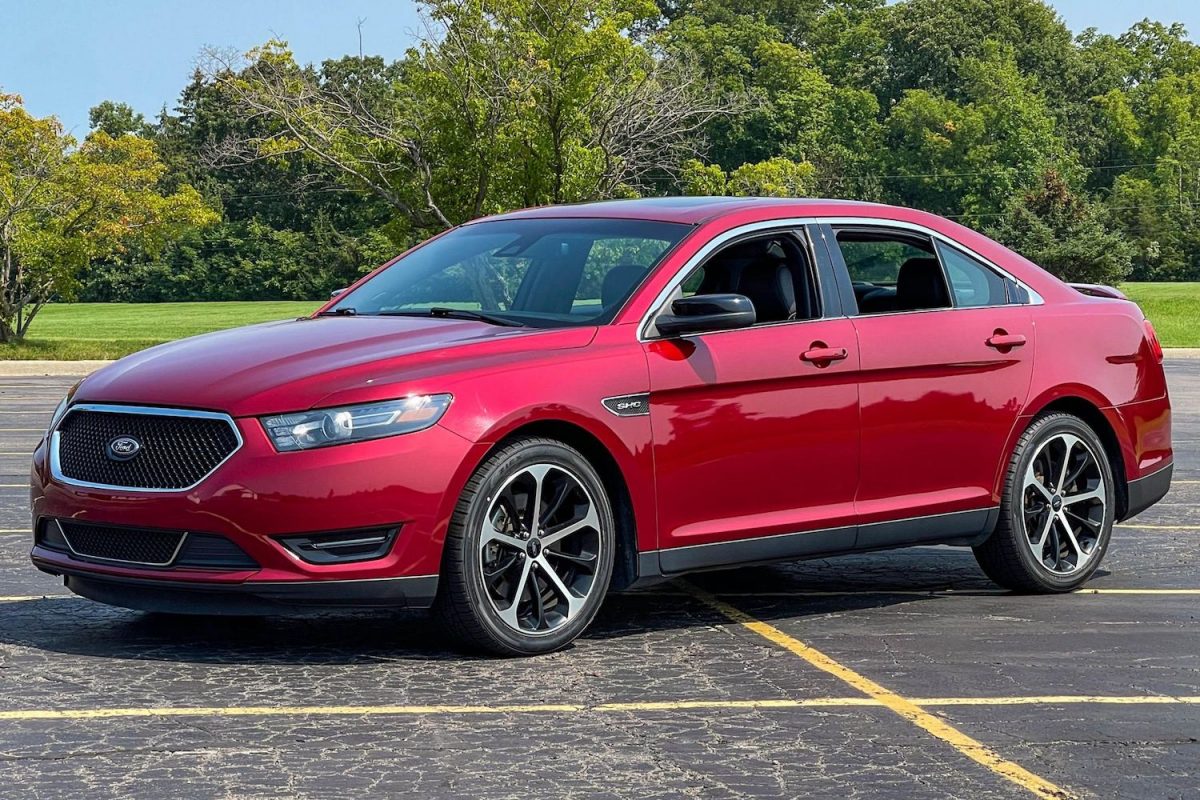
8. Ford Taurus SHO (2010–2019)
The modern Ford Taurus SHO is another example of American engineering hiding in plain sight. Equipped with a 3.5-liter EcoBoost V6 producing 365 horsepower, this full-size sedan blends comfort, space, and speed.
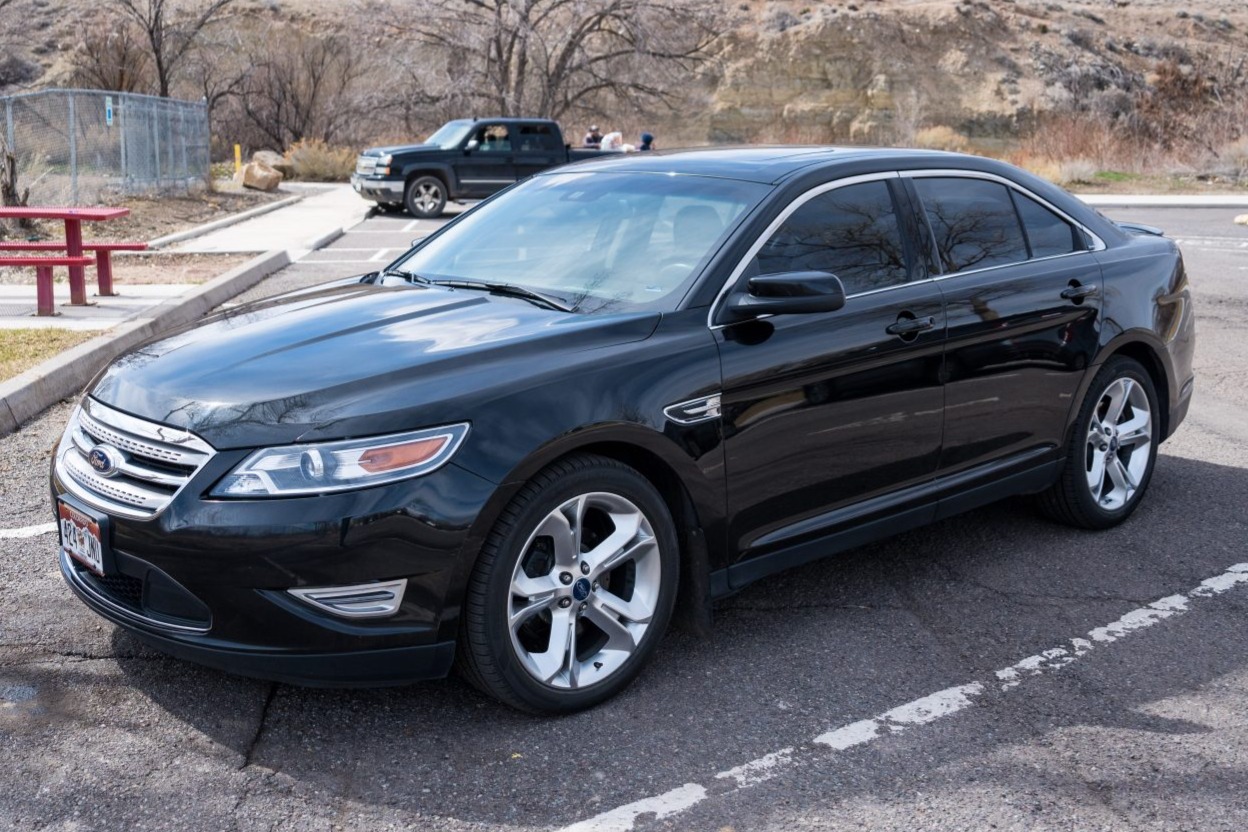
Its quiet styling allows it to cruise unnoticed in suburban parking lots, yet its acceleration and handling are anything but ordinary. The SHO proves that even the largest sedans can have serious performance potential.
Reaching the 2010 Ford Taurus has been a long and sometimes meandering journey. This fully redesigned model represents the latest chapter in a nameplate history marked by both high points and setbacks.
The Taurus name was originally applied to a groundbreaking vehicle that fundamentally reshaped how automakers and consumers viewed the family sedan.
In more recent years, however, the Taurus, then rebadged as the Ford Five Hundred, surrendered its midsize role to the smaller Fusion. While that car was competent enough, it failed to generate much excitement among critics or draw significant foot traffic into Ford showrooms.
For 2010, the Taurus remains firmly positioned in the large-sedan segment, but its comprehensive redesign aims to deliver a more polished vehicle than before, along with a far more engaging driving experience.
Its squared-off styling doesn’t carry the same revolutionary impact as the original Taurus, yet it’s still appealing and notably more interesting than the outgoing version.
One of the most obvious changes is Ford’s move away from its familiar three-bar chrome grille. Instead of evoking a Gillette razor, the new front end has been likened to a Braun electric shaver, a change that actually feels like progress.
Inside the cabin, the Taurus adopts the same audio and climate-control layout found in other recently refreshed Ford models. While the abundance of buttons can make the dashboard look busy, the overall arrangement is logical and easy to use.
Spacious, comfortable, visually refreshed, and packed with modern safety and convenience features, it represents exactly what a contemporary full-size American sedan should be.
The 2010 Taurus comes standard with a 3.5-liter V6 engine producing 263 horsepower and 249 pound-feet of torque. A six-speed automatic transmission is standard across the lineup.
On all trims except the SE, this transmission includes manual shift control and downshift rev-matching functionality. Front-wheel drive is standard on every Taurus model, while all-wheel drive is available on the SEL and Limited trims.
The Taurus SHO is powered by a 3.5-liter twin-turbocharged V6 that generates 365 horsepower and 350 lb-ft of torque. A six-speed automatic transmission with steering-wheel-mounted shift paddles comes standard, and every SHO is equipped with all-wheel drive. Fuel economy estimates for both Taurus engines were not available at the time of writing.
Also Read: 10 New SUVs That Balance Affordability and All-Day Comfort Best
9. Toyota Camry TRD (2018–Present)
Toyota may be known for reliability over raw performance, but the Camry TRD disrupts that notion. It comes with a 3.5-liter V6 producing 301 horsepower, sport-tuned suspension, and aggressive styling that’s still subtle enough not to scream “track car.”
For enthusiasts looking for a daily driver that doesn’t compromise on speed, the Camry TRD is a practical sleeper that combines Toyota dependability with a hidden punch.
The 2018 Toyota Camry is a five-passenger midsize family sedan with a long-standing reputation for safety, reliability, fuel efficiency, and everyday comfort. It competes directly with familiar rivals such as the Ford Fusion, Honda Accord, Hyundai Sonata, and Chevrolet Malibu.
For many years, however, the Camry’s biggest selling points were its rock-solid dependability and strong resale value. Even while holding the title of America’s best-selling sedan for more than a decade, it rarely earned praise for being engaging to drive.
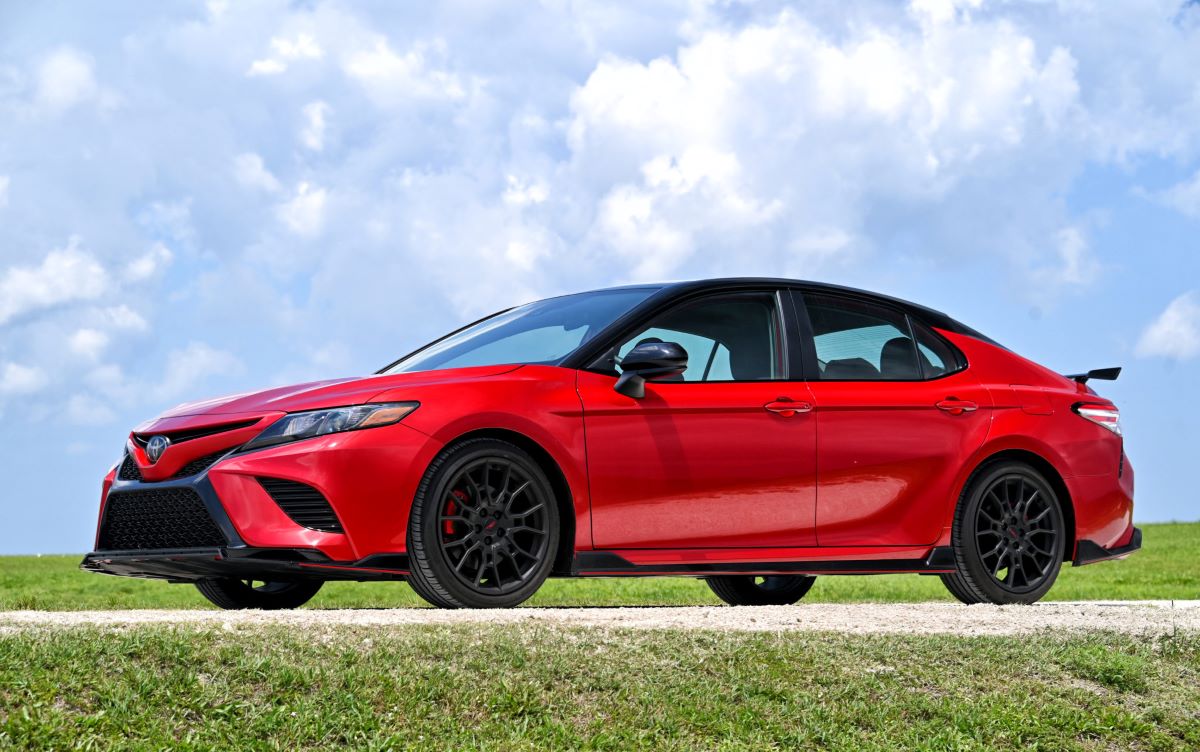
The fully redesigned 2018 Camry retains those core strengths while broadening its appeal, adding an efficient hybrid variant, a more economical four-cylinder option, a potent V-6 engine, sharper ride and handling characteristics, and a longer list of standard comfort and safety features.
Buyers really can’t go wrong with any of the three powertrains available in the 2018 Camry. The standard 2.0-liter four-cylinder engine produces 203 horsepower, which is delivered to the front wheels through a responsive eight-speed automatic transmission.
That same transmission is also paired with the available 3.5-liter V-6, an engine that generates 302 horsepower and stands out for its smooth, effortless power delivery.
While the V-6 is undeniably quick, it also comes at a higher cost, and in a segment where value and efficiency matter, it’s hard to overlook the fact that the four-cylinder returns more than 40 mpg on the highway.
10. Buick Regal GS / Turbo (2012–2017)
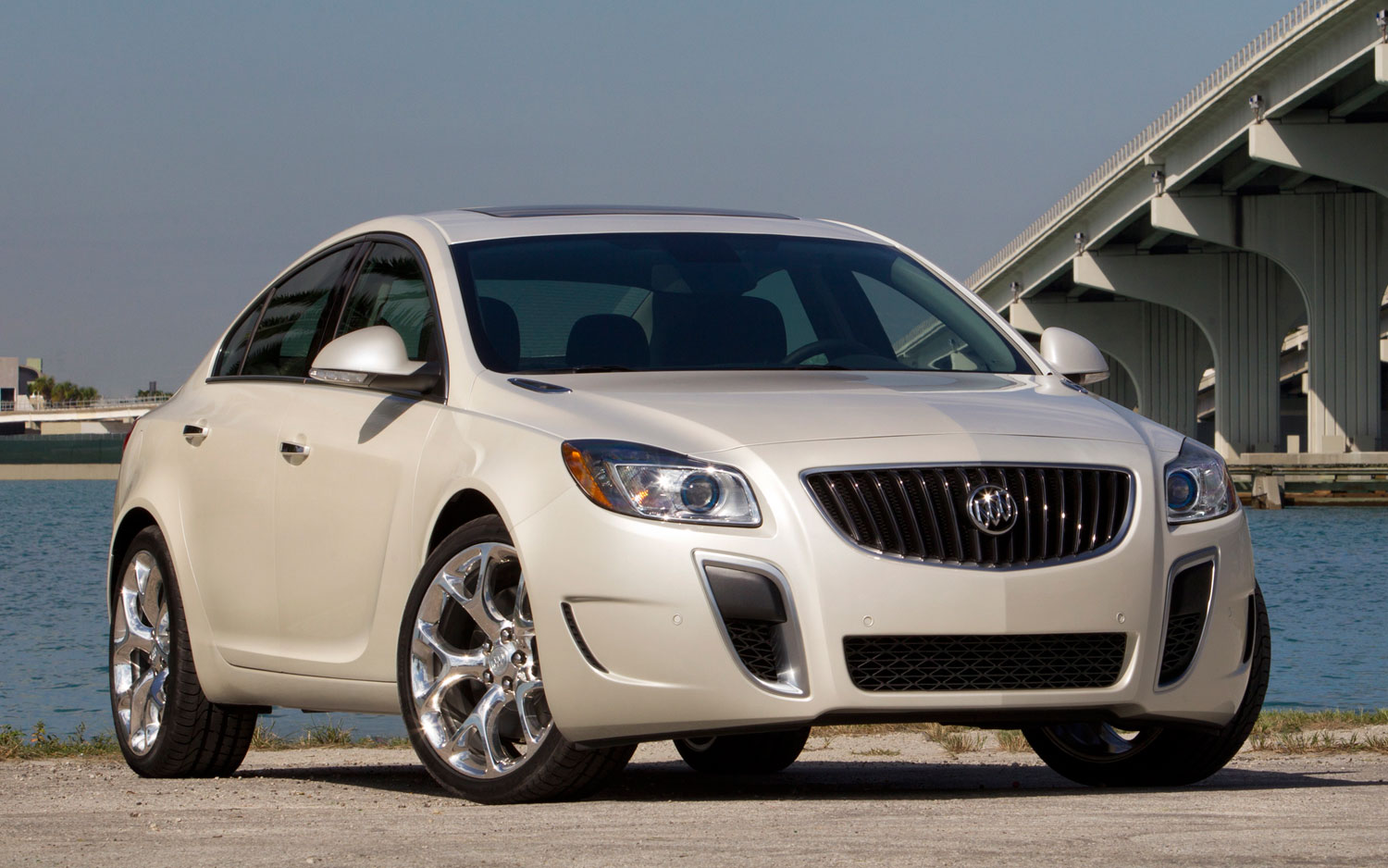
Buick’s image has often been conservative, but the Regal GS proves otherwise. Understated looks hide a turbocharged 2.0-liter inline-four engine producing 270 horsepower, paired with all-wheel drive and a well-tuned suspension.
It’s comfortable for daily driving, looks nothing like a sports car, and yet its performance is perfectly capable of leaving unsuspecting competitors behind on open roads or twisty highways.
Sleeper cars occupy a special niche in American automotive culture. They combine everyday practicality with hidden performance, allowing drivers to enjoy speed without the need for attention-grabbing body kits, spoilers, or outrageous colors.
They’re the perfect solution for enthusiasts who value subtlety, intelligence, and engineering finesse over showmanship.
For those who know them, a good sleeper car is a source of constant amusement: a reminder that looks can be deceiving and performance can hide behind the most unassuming exterior.
With the right sleeper, every stoplight becomes an opportunity to surprise, and every road trip turns into a subtle thrill ride.
The ten cars listed here showcase the diversity of sleepers from European sedans to American muscle in disguise and they prove that high performance doesn’t always need to announce itself.
The next time you’re browsing car listings or strolling through a dealership, keep an eye out your next unsuspecting speed demon may be sitting quietly in plain sight.
