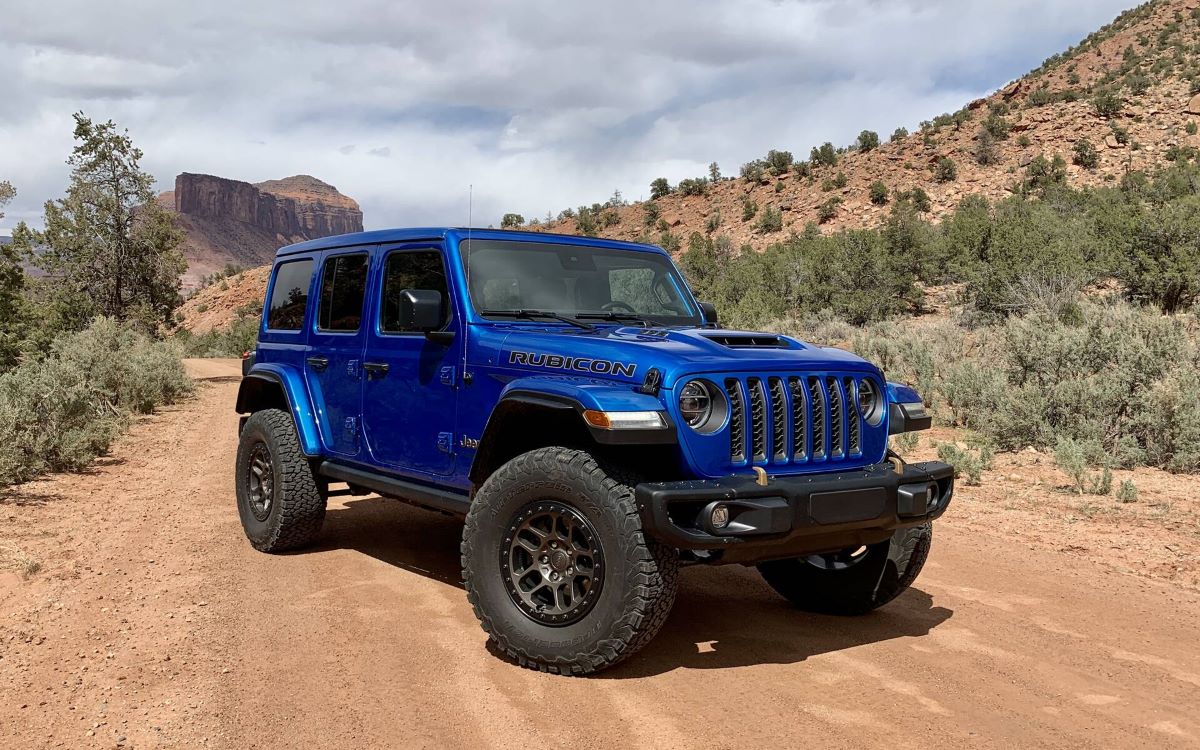
The Arizona desert, particularly around Scottsdale, is a unique automotive environment. With scorching summer temperatures that regularly push past 110°F, intense sun exposure, and dry, sandy terrain, choosing a vehicle for desert life requires more than just looks or speed.
Cars need to handle extreme heat without overheating, maintain reliable air conditioning, and survive dusty roads that can wreak havoc on engines and suspensions.
Yet, even in a place like Scottsdale, not all cars are created equal. Some models thrive under these harsh conditions, while others struggle, leaving owners with frequent breakdowns and expensive repairs.
In this guide, we’ll explore five vehicles that are perfect for desert life and five that are notorious for overheating in extreme heat, helping you make an informed choice if you live or plan to spend time in Arizona’s desert areas.
Cars Perfect for Scottsdale Desert Life
Life in Scottsdale comes with sun-soaked streets, long desert drives, and the occasional off-road adventure. Your car needs to handle high temperatures, dry conditions, and the demands of both city streets and nearby desert trails.
In this guide, we highlight the vehicles that are perfectly suited for Scottsdale desert life, reliable, comfortable, and built to tackle the heat while making every drive an effortless one.
1. Toyota 4Runner
The Toyota 4Runner has long been a favorite among off-road enthusiasts and desert dwellers alike. With its body-on-frame construction, rugged suspension, and reliable V6 engine, the 4Runner is built to handle sandy trails and unpaved roads without breaking a sweat.
Its air conditioning system is robust enough to keep passengers cool even during Arizona’s hottest months.
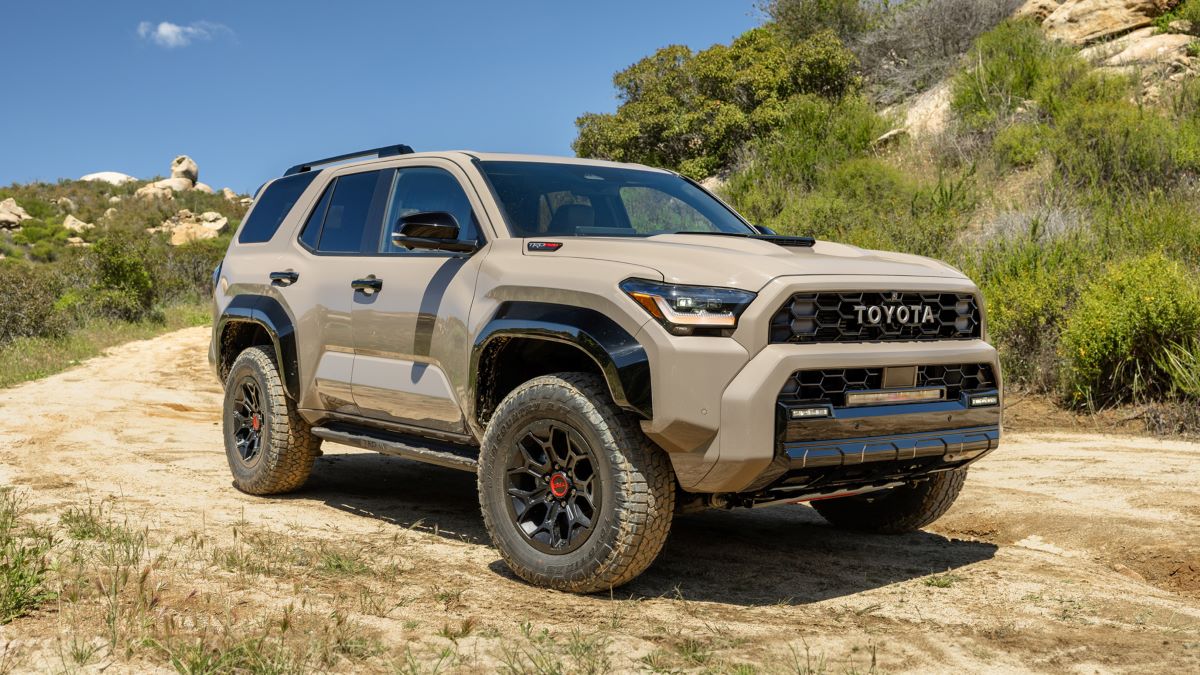
Furthermore, Toyota’s reputation for durability means fewer trips to the repair shop, which is essential in an environment where overheating can ruin a car.
Many 4Runner owners also swear by the vehicle’s high ground clearance and excellent cooling system, which together prevent desert heat from causing mechanical issues.
2. Ford F-150
The Ford F-150 isn’t just America’s best-selling truck it’s a desert workhorse. With properly equipped V8 or EcoBoost engines, the F-150 has strong cooling systems designed for towing, hauling, and long drives under extreme heat.
Its aluminum body panels also reduce overall weight, helping prevent engine strain in hot climates.
Owners in Scottsdale frequently note the F-150’s resilience on dry, dusty roads, where lighter or more compact trucks might falter.
Additionally, modern F-150s come with advanced air conditioning systems and engine thermal management that make long summer drives surprisingly comfortable.
Ford offers an extensive array of engines and configurations for the F-150. For our testing, we drove a 4WD crew cab in the Platinum trim equipped with the new hybrid powertrain.
This setup accelerated to 60 mph in 5.7 seconds, noticeably faster than any other comparably equipped pickup. That said, the hybrid system lacks the smoothness at low speeds you get from the 5.0-liter V8 or the non-hybrid turbocharged 3.5-liter V6, as the gasoline engine kicks in and out. Across all powertrains, the 10-speed automatic shifts smoothly and quickly.
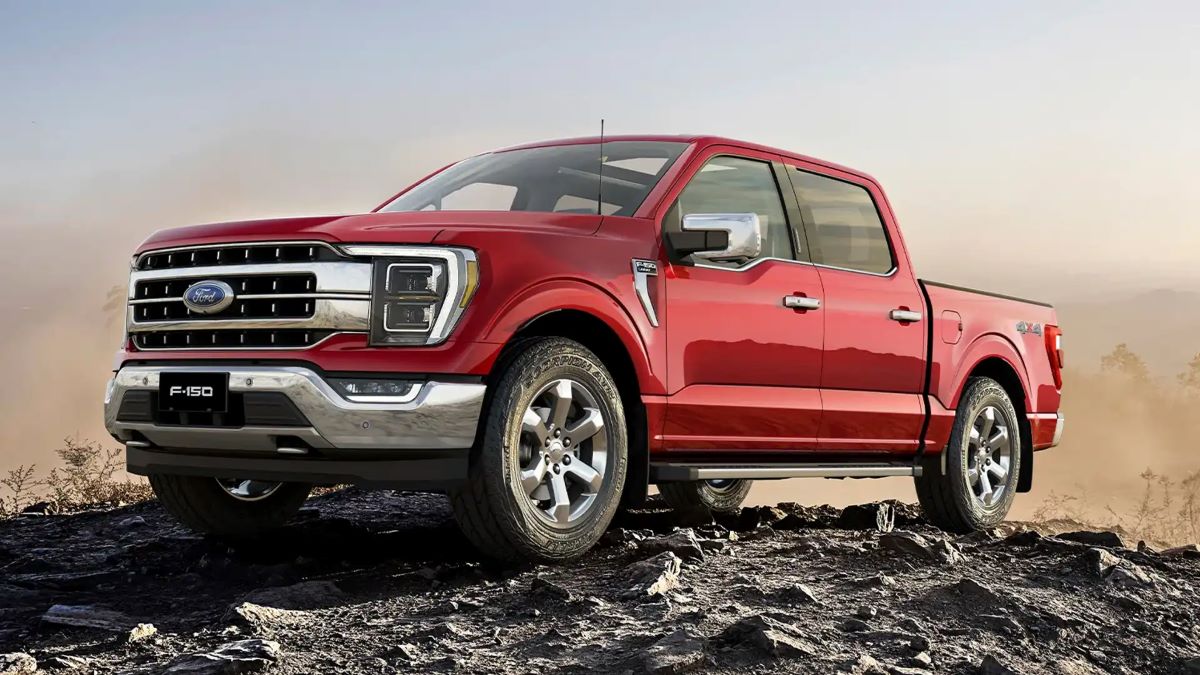
The F-150 handles well thanks to direct and responsive steering. This makes the truck feel smaller and more agile in tight spaces like parking lots, while also enhancing stability on the freeway.
Braking is strong and confidence-inspiring, even when the hybrid system is recuperating energy. Considering its impressive towing and payload capacities, the F-150 is an enjoyable truck to drive.
Depending on the options selected, the F-150 can be an extremely comfortable truck. The front seats offer strong support and can be equipped with heating, ventilation, three-level lumbar adjustments, and even a massaging function.
The optional Max Recline front seats tilt nearly flat for rest or a nap, though they lack the side bolstering and comfort of the standard seats.
Ride quality is generally very good, though the Ram’s unique coil-spring rear suspension still provides a slightly smoother experience. Road, tire, and wind noise are kept in check, and most engine options sound robust without being overly loud.
The exception is the optional Power Boost hybrid, which produces a noticeable hum and vibration reminiscent of a portable gas generator when charging the battery.
The climate control system is effective and powerful, maintaining cabin temperature with minimal input from the driver.
3. Jeep Wrangler Rubicon
When it comes to conquering sand dunes, desert trails, or rocky washes, few vehicles outperform the Jeep Wrangler Rubicon.
With exceptional off-road capabilities, high ground clearance, and a robust cooling system, the Rubicon is practically tailor-made for Scottsdale life.
The four-wheel-drive system allows drivers to tackle both loose sand and steep inclines without overheating the engine. While early Wrangler models had some minor heat-related concerns, recent versions feature more efficient radiators and cooling fans to combat extreme temperatures.
Combine that with removable tops and windows, and the Rubicon offers both a thrilling driving experience and a surprisingly practical solution for desert conditions.
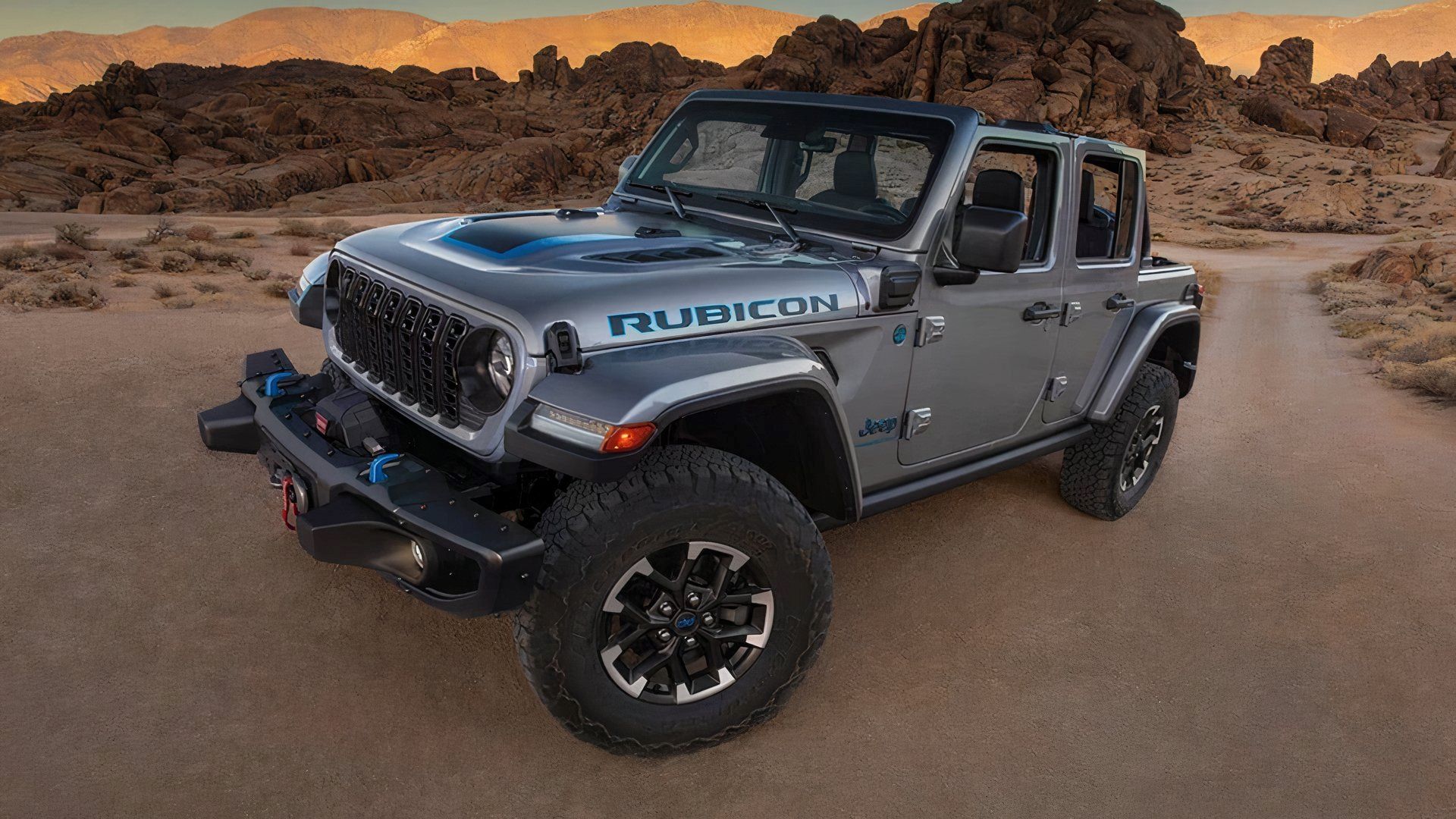
The Wrangler is built with off-road prowess as its top priority, and that’s a big part of its enduring appeal. The Rubicon trim, in particular, shines in this regard.
Our test vehicle featured the optional Xtreme off-road package, which added massive 37-inch tires and extra ground clearance. Whether navigating rocky trails or tackling sand dunes, there’s very little the Wrangler can’t manage.
On the road, however, the experience is markedly different. The suspension and tires do a commendable job of absorbing bumps, ruts, and potholes, making city cruising manageable despite the firm ride.
The steering feels vague and often requires constant corrections at highway speeds to keep the vehicle tracking straight. Acceleration with the V6 engine is leisurely, and emergency stopping distances are longer than desirable.
The Wrangler includes basic driver-assistance features that generally function as intended, but Jeep offers only the essentials, like blind-spot warning and adaptive cruise control, and most of these features are optional across nearly every trim level.The front seats are flat and firm, offering minimal support for long drives, and the cabin is plagued by wind noise and tire roar that can make extended trips tiring.
The Wrangler’s tall stance means shorter drivers often need to use the pillar-mounted grab handle to climb inside. Once seated, the cabin feels narrow, and the upright windshield contributes to a cramped sensation. By comparison, the Ford Bronco feels noticeably more spacious.
That said, the Wrangler does offer a commanding driving position and intuitive controls. Installing child safety seats in the four-door Unlimited is fairly straightforward, provided they aren’t overly bulky, rear-facing seats may require moving the front seat forward.
Also Read: 5 Cars That Stay Popular for Years vs 5 That Fade Quickly
4. Subaru Outback
While often considered a crossover, the Subaru Outback shines in hot, arid climates thanks to its reliable Boxer engine, all-wheel-drive system, and sturdy suspension.
Though not as rugged as a 4Runner or Wrangler, the Outback’s horizontally opposed engine layout distributes heat more evenly, which helps prevent overheating.
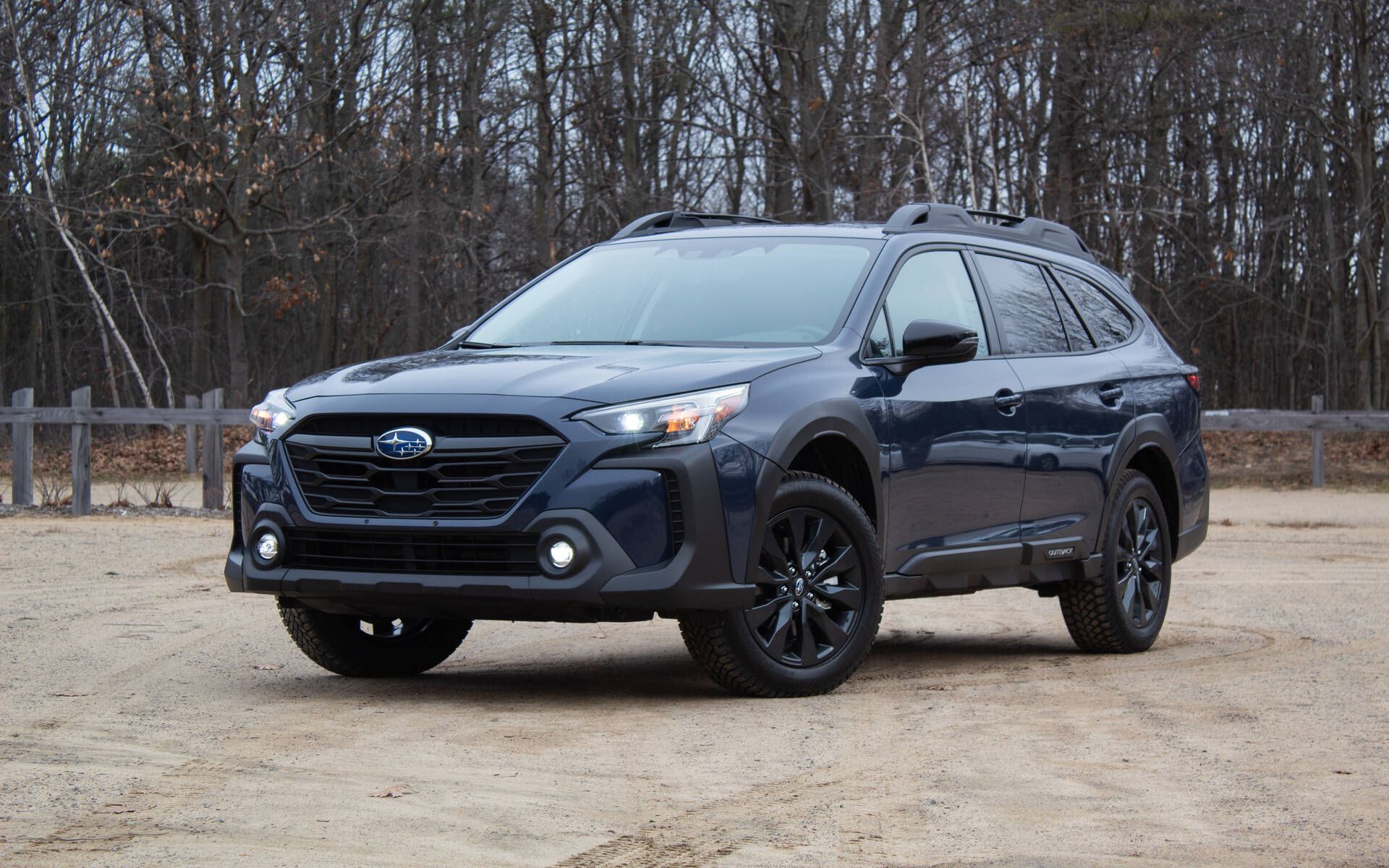
Its cabin ventilation is excellent, and modern models offer heated and cooled seats, a rare feature for desert vehicles.
For those seeking a versatile, fuel-efficient vehicle that can handle light off-roading, highway driving, and the occasional desert trail, the Outback is a surprisingly competent choice.
5. Chevrolet Silverado 1500
Much like the F-150, the Chevrolet Silverado 1500 is a full-size pickup built for heavy-duty work under harsh conditions.
With strong V8 engine options, large radiators, and durable transmissions, the Silverado can handle towing, desert drives, and extended idling in heat without succumbing to overheating.
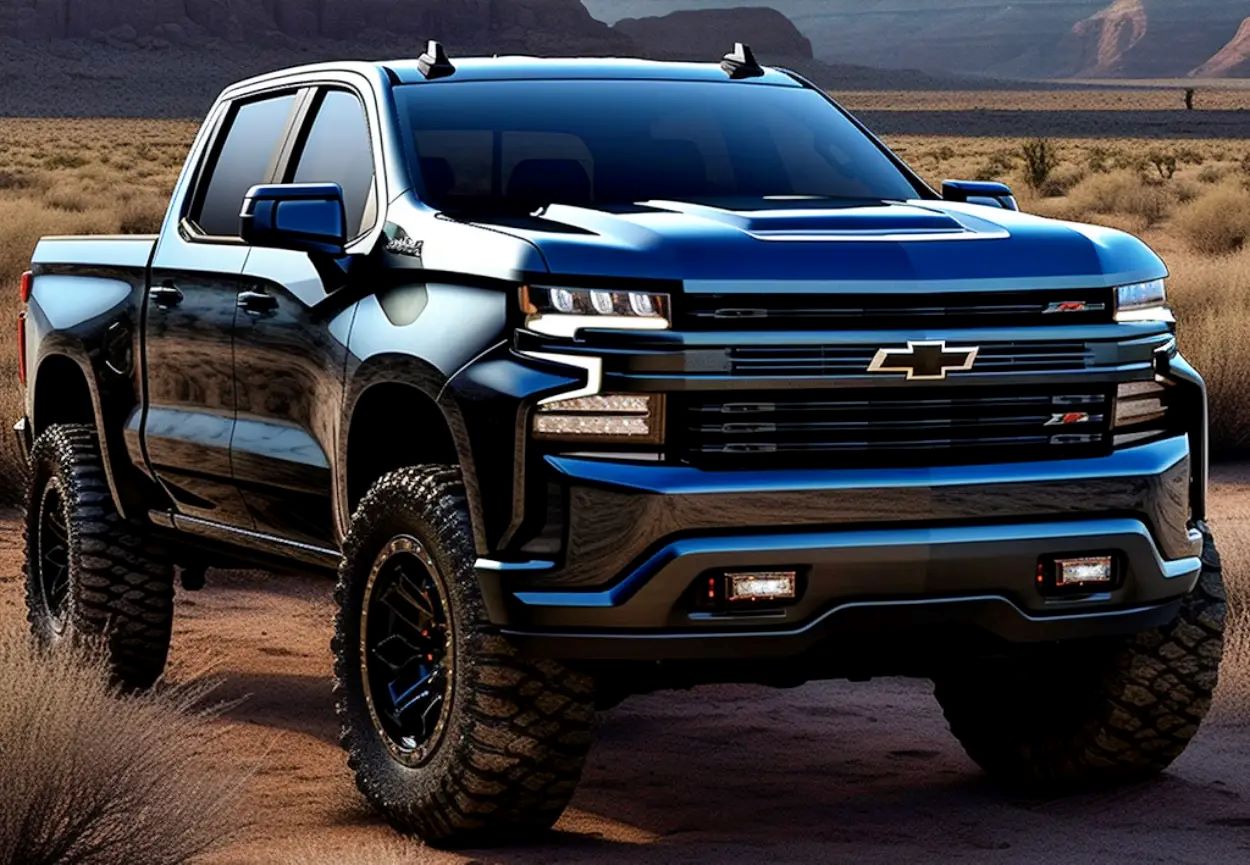
Many desert residents favor the Silverado for its comfortable interior, advanced cooling system, and reliable track record.
When properly maintained, it can be a desert companion for years, with minimal risk of heat-related engine failures.
Cars That Overheat in Scottsdale’s Desert Heat
Scottsdale’s desert sun isn’t just harsh on the skin, it can be brutal on your car, too. Some vehicles struggle to handle extreme heat, putting engines, cooling systems, and performance at risk during long drives or stop-and-go traffic.
In this guide, we spotlight the cars most prone to overheating in Scottsdale’s scorching conditions, helping drivers avoid breakdowns, costly repairs, and hot-weather headaches.
1. Mini Cooper S
The Mini Cooper S is a fun, nimble car perfect for city streets but ill-suited for extreme desert heat. Its turbocharged engine generates significant heat under heavy load, and its cooling system is smaller than those found in larger vehicles.
In Scottsdale’s summer temperatures, Mini Cooper owners often report overheating on long highway drives or during stop-and-go traffic.
Additionally, the car’s low ride height and compact radiator make it more vulnerable to dust accumulation, which can further compromise cooling efficiency.
We tested a Mini Cooper S coupe, and at our test track, it went from 0 to 60 mph in 6.4 seconds, matching the Mazda Miata. That’s respectable for a small sporty car, but the Cooper S no longer delivers the playful handling it once was famous for.

Around corners, the car doesn’t feel particularly balanced or grippy, and the automatic transmission’s shifts are slow and uninspiring. There are no paddle shifters to take control of gear changes, which is a letdown for a car designed to be engaging and fun.
Ride quality is firm, as you’d expect from a sporty hatchback, but it’s not harsh. Larger bumps, especially through the front, are felt more noticeably, which can make city driving a bit jarring.
Our test Cooper S came equipped with the latest driver-assist tech, including blind-spot warning, lane-keeping assistance, adaptive cruise control, and a surround-view camera system. All of these features performed well during our testing.
Space and practicality are limited compared with other small cars. Front-seat passengers have adequate headroom but very little room to spread out. The rear seats are best suited for children on short trips, though they do come with easy-to-find LATCH points for car seats. Getting a car seat into the back can be tricky, though, due to the small door opening.
Nearly all of the car’s functions are controlled through the center touchscreen, which keeps the dashboard looking clean but sacrifices ease of use. Tasks like adjusting fan speed or disabling the engine stop-start system require multiple taps, and traditional physical buttons would be far more intuitive.
2. Mazda MX-5 Miata
The Mazda MX-5 Miata is a legendary lightweight sports car, but it struggles under prolonged desert sun. Its small engine is prone to overheating when pushed hard, and the cooling system, while adequate for normal driving, can be easily taxed by high ambient temperatures.
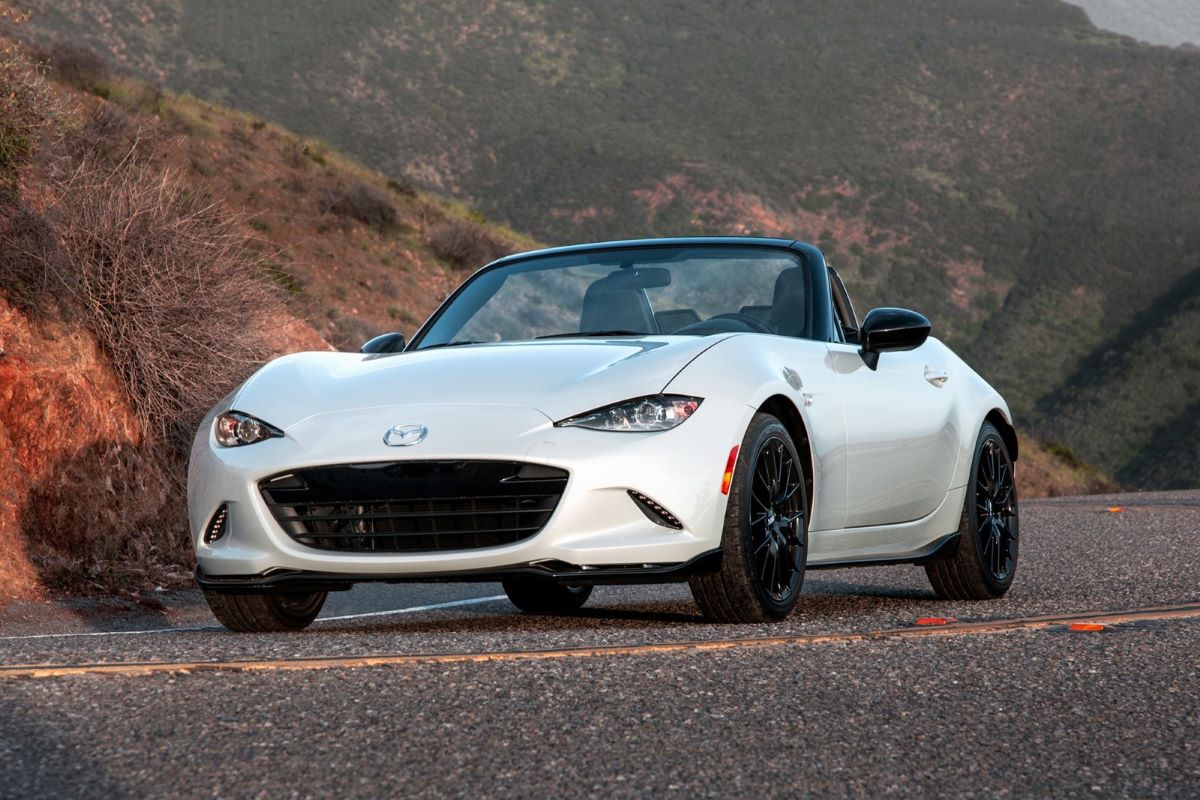
Desert enthusiasts may love its handling, but in Scottsdale, frequent breaks and careful monitoring of the temperature gauge are essential to avoid engine damage. The Miata’s low ground clearance also makes it susceptible to dust and sand ingestion, which can accelerate overheating issues.
3. Volkswagen GTI
The VW GTI is another sporty hatchback that doesn’t fare well in extreme heat. Its turbocharged four-cylinder engine produces considerable heat, and prolonged exposure to high temperatures can strain its cooling system.
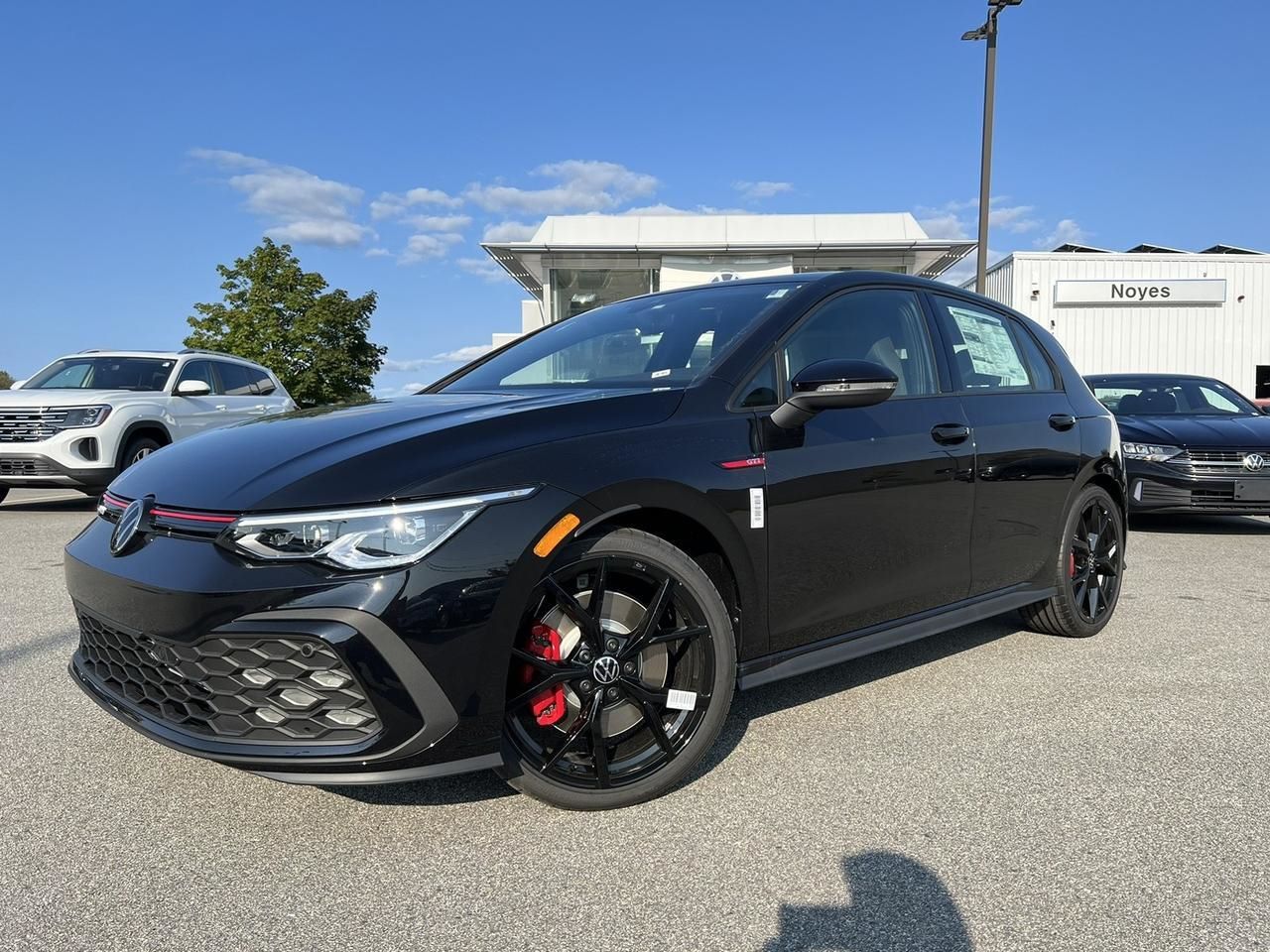
In desert cities like Scottsdale, owners often notice that GTIs can run hot during long traffic jams or uphill climbs.
The GTI’s compact radiator and tightly packed engine bay leave little room for heat dissipation, making overheating a real concern for those who drive aggressively or during peak summer months.
We tested the Volkswagen Golf GTI, and our car sprinted from 0 to 60 mph in 6.1 seconds. While VW no longer offers a manual transmission for the GTI, the dual-clutch automatic more than makes up for it.
It shifts quickly and smoothly, and if you want a more engaged drive, the paddle shifters allow for manual-style gear changes. Around town, the GTI feels lively, with enough low-end torque to handle merges and stop-and-go traffic with ease.
Handling is where the GTI really shines. It’s one of the best front-wheel-drive cars you can buy, with tires that provide excellent grip and suspension that’s firm yet forgiving. Tossing this hot hatch through corners is effortless, but the ride remains comfortable for daily driving, making it one of the more pleasant hatchbacks to live with.
The GTI also impresses with its advanced driver aids. Adaptive cruise control operates smoothly, maintaining consistent gaps in traffic and holding speed even on inclines. Other features like blind-spot monitoring and lane-keeping assistance work as expected for a vehicle in this class, adding a reassuring layer of safety without being intrusive.
The GTI has always struck a strong balance between performance and comfort, and the latest model is no exception. The seats provide good support for spirited driving and long drives alike.
The available three-zone climate control is appreciated, but the capacitive touch controls for temperature adjustment are cumbersome. Rather than using traditional buttons or knobs, the system relies on touch-sensitive points on the dash, which can be difficult to see and operate without taking your eyes off the road, occasionally leading to frustration.
Also Read: 10 Unstoppable Off-Roaders That Cost Less Than a Used Corolla
4. Nissan 370Z
The Nissan 370Z is a rear-wheel-drive sports car with performance at its core, but it’s not built for scorching desert conditions.
Its powerful V6 engine generates high amounts of heat, and the cooling system, while adequate under normal conditions, can be overwhelmed in extreme temperatures.
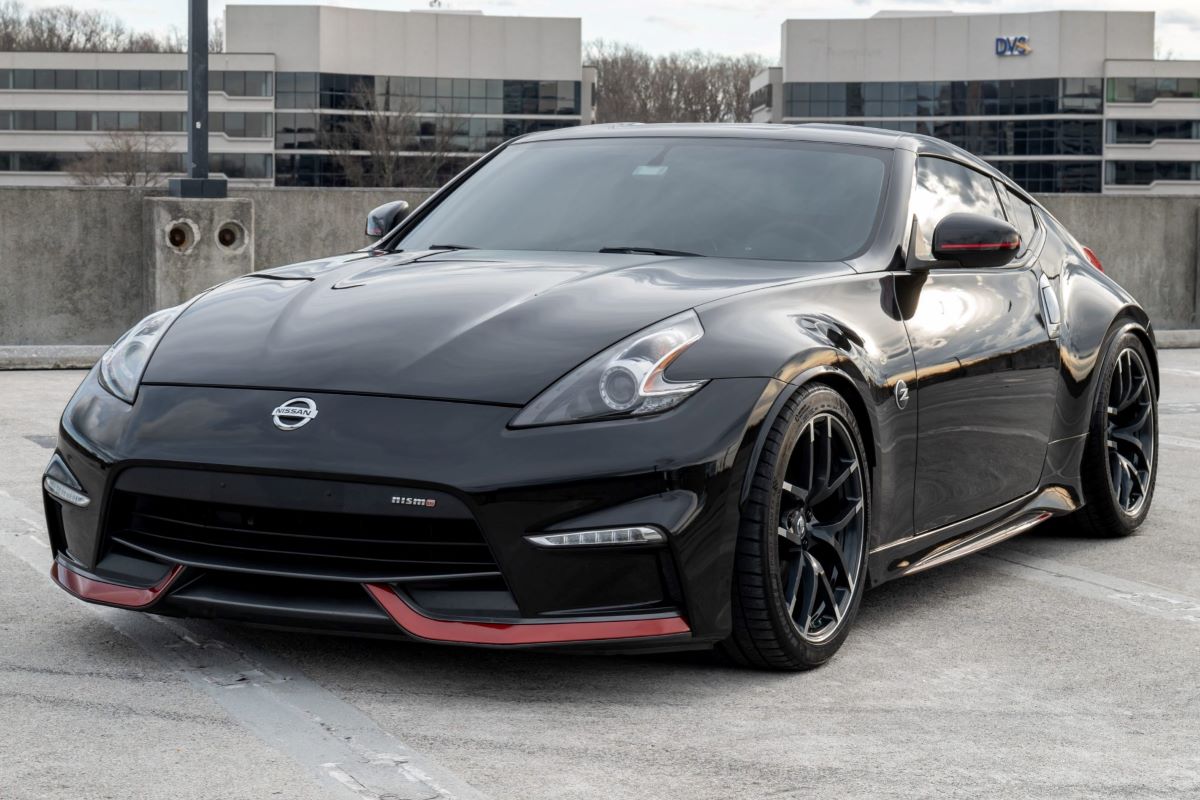
In Scottsdale, 370Z owners report overheating during spirited driving, particularly in stop-and-go traffic or on winding desert roads. Additionally, its low ride height makes it vulnerable to dust and sand intrusion, which can exacerbate heat-related problems.
Although the 2020 Nissan 370Z may feel like an afterthought to today’s car enthusiasts, this rear-wheel-drive coupe still delivers genuine thrills. It can also represent strong value compared with pricier sports cars, even if it doesn’t match their performance on or off the track.
With a responsive 332-hp V-6 and nimble handling, the 370Z offers effortless fun, though it has lower limits and less refinement than more modern alternatives.
Its aging design is most obvious inside the cabin, where every model lacks a telescoping steering wheel, and some don’t even come with a contemporary infotainment system. While the 2020 370Z will appeal to fans of its heritage and budget-minded buyers, it’s clear that the car needs a complete overhaul to remain competitive.
For this model year, Nissan largely kept the 370Z lineup unchanged. Fans of the previously available convertible will be disappointed, as the roadster was discontinued.
However, to celebrate the Z car’s 50th anniversary, Nissan introduced two special-edition packages. Beyond unique decals, paint combinations, and a few extra features, these heritage-inspired editions are more cosmetic than transformative.
Given that the 370Z is heavier than rear-drive rivals like the Subaru BRZ and falls short of the Toyota Supra in performance, the best value is the Sport trim. It comes standard with a limited-slip rear differential, upgraded brakes, 19-inch wheels, and aerodynamic enhancements.
Buyers who want an automatic transmission must opt for the pricier Sport Touring model, which adds a leather interior and a 7.0-inch touchscreen. All 2020 370Z models drive the rear wheels using a naturally aspirated 3.7-liter V-6 producing 332 hp. Power is sent through a standard six-speed manual or an optional seven-speed automatic.
The engine responds eagerly to throttle inputs and delivers sporty exhaust notes at higher revs. We tested a manual-equipped model and found it easy to drive around town and capable of brisk highway acceleration. The shifter, however, moved lazily through its gates and transmitted vibrations to the hands.
While the 370Z is no match for the precision of smaller rivals like the Mazda Miata or even the NISMO version, which is track-focused, it remains an easy car to drive enthusiastically and comfortably for daily use.
Its light steering effort and modest braking capability are noticeable shortcomings, but the rear-drive layout allows spirited drivers to exploit oversteer and enjoy playful maneuvers reminiscent of Tokyo Drift.
5. Mini Cooper Convertible
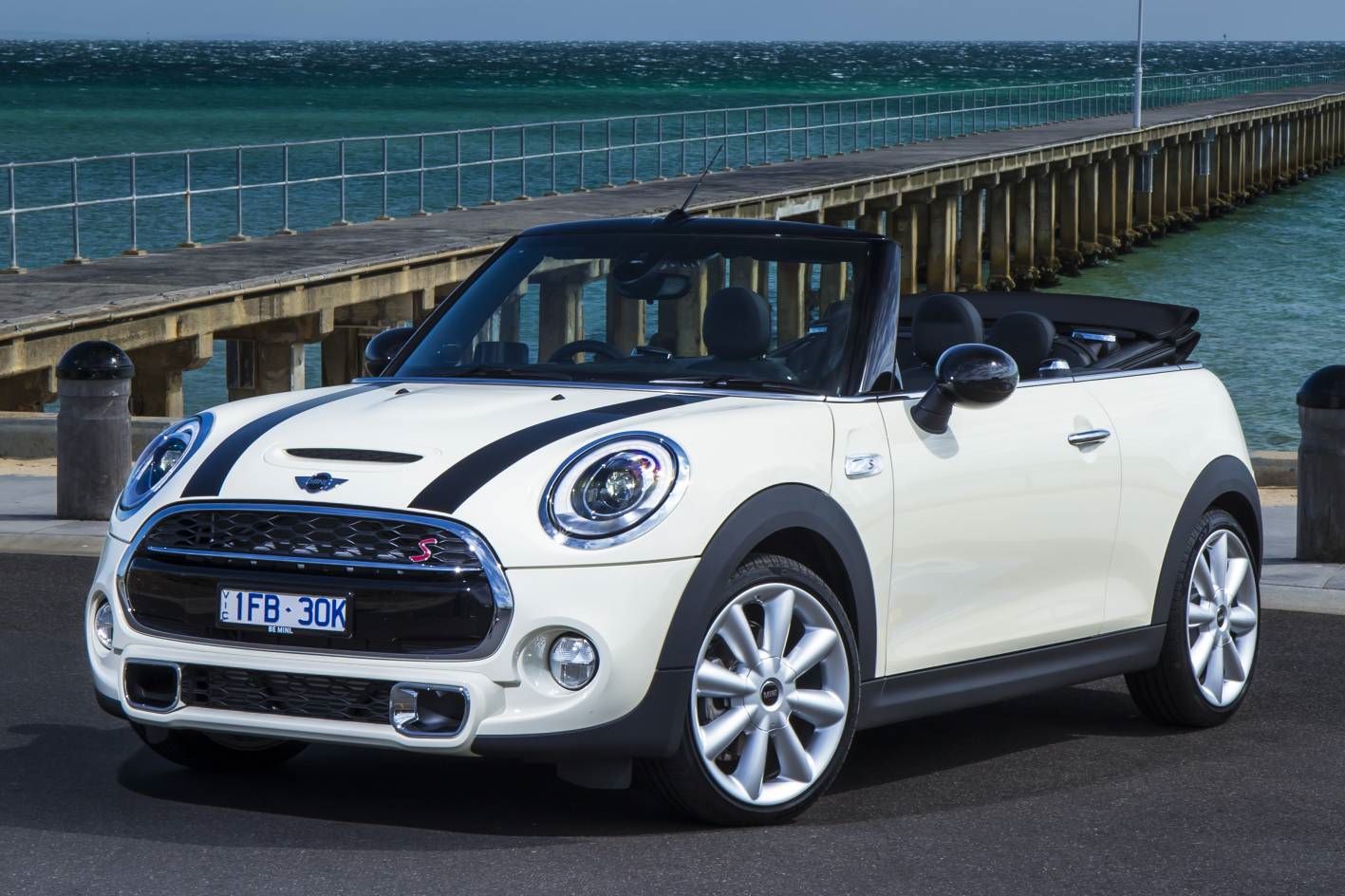
The Mini Cooper Convertible may seem ideal for enjoying sunny Arizona weather, but paradoxically, it’s prone to overheating in intense heat.
The combination of a small, turbocharged engine and a compact cooling system means the car struggles when the temperature climbs above 100°F.
On long highway drives or city commutes, the Mini Convertible can run hot, sometimes forcing drivers to shut down the engine temporarily. Dust infiltration and high cabin temperatures further stress both the engine and passengers, making it a less-than-ideal choice for Scottsdale life.
Scottsdale desert life requires vehicles that can withstand extreme heat, intense sun, and dusty terrain without succumbing to mechanical failures.
Full-size trucks like the Ford F-150 and Chevrolet Silverado, rugged SUVs like the Toyota 4Runner and Jeep Wrangler Rubicon, and versatile crossovers like the Subaru Outback thrive in these conditions thanks to superior cooling systems, engine durability, and robust construction.
On the other hand, compact sports cars and small turbocharged vehicles like the Mini Cooper, Mazda MX-5 Miata, and Nissan 370Z often struggle under the desert sun, prone to overheating and mechanical stress.
Choosing the right car for Scottsdale isn’t just about style or performance; it’s about ensuring your vehicle can endure the desert’s harsh environment while keeping you safe and comfortable.
Whether you’re commuting through the city, exploring nearby desert trails, or cruising to nearby attractions like Camelback Mountain or the McDowell Sonoran Preserve, selecting a vehicle suited for extreme heat is essential for a reliable and enjoyable driving experience.
For residents and visitors alike, investing in a car built for desert life is more than a convenience it’s a safeguard against expensive repairs, unexpected breakdowns, and the frustration of being stranded in one of the hottest regions in the country.
By choosing wisely and avoiding cars prone to overheating, you’ll be ready to conquer Scottsdale’s sun-drenched roads with confidence.