Living in Plano, Texas, comes with its own set of automotive expectations. Wide streets, sprawling suburbs, and a daily grind that often requires hopping on the highways mean your car needs to balance reliability, comfort, fuel efficiency, and low maintenance costs.
While the Texas heat isn’t as brutal as the Arizona desert, it can still be tough on vehicles during long commutes, especially those sitting in direct sun for hours.
With that in mind, we’ve put together a guide highlighting five cars that thrive in Plano’s suburban environment and five that, unfortunately, are more likely to leave drivers stranded on the side of the road.
Cars That Excel in Plano Suburban Commutes
Navigating suburban life in Plano requires a vehicle that balances comfort, efficiency, and practicality. From morning school runs to evening errands, your car isn’t just a way to get from point A to point B, it’s a daily companion that needs to handle stop-and-go traffic, tight parking spots, and longer weekend drives with ease.
In this guide, we’ve rounded up the cars that excel in Plano’s suburban environment, offering the perfect blend of reliability, fuel economy, and driver-friendly features to make your daily commute as smooth and stress-free as possible.
1. Toyota Camry
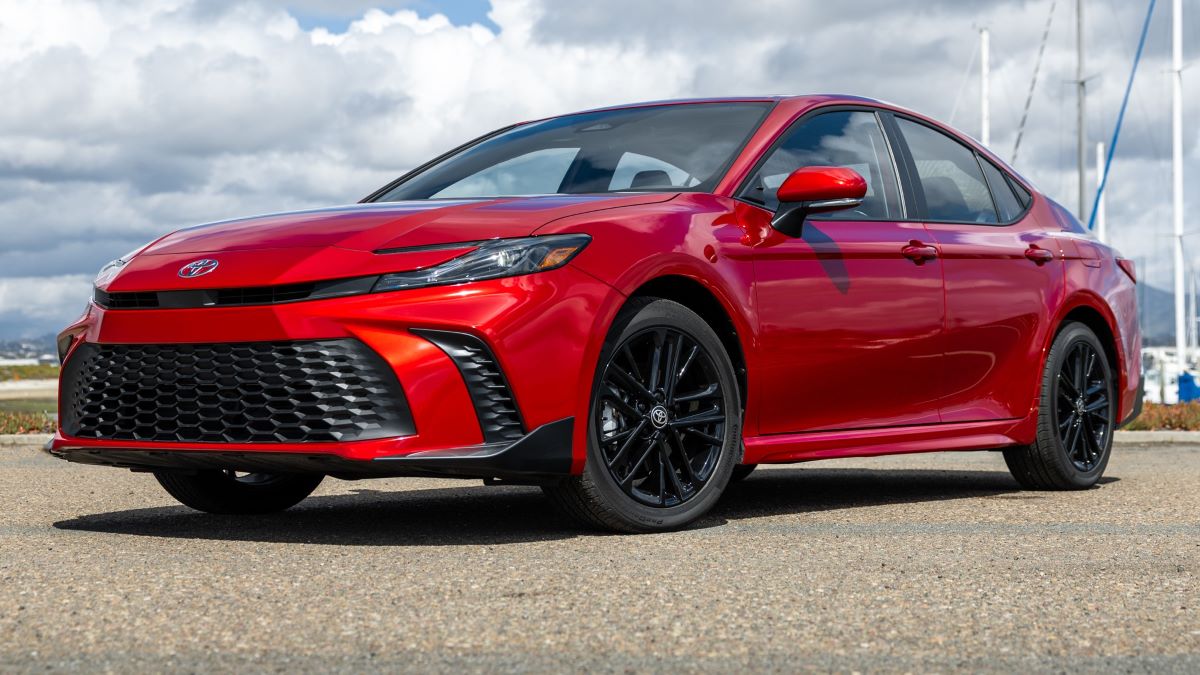
The Toyota Camry has long been the gold standard for suburban commuters, and Plano is no exception. Its balanced ride quality, excellent fuel economy (up to 32 mpg city/41 mpg highway in the hybrid variant), and legendary reliability make it a perfect choice for daily drives.
Camrys are known for their long-lasting engines, often surpassing 200,000 miles with minimal major repairs. In Plano, where traffic can be a mix of suburban streets and highway stints, the Camry’s smooth handling and low maintenance costs make it ideal for families and solo commuters alike.
We tested the Camry XSE with front-wheel drive and found its acceleration to be smooth and responsive, providing plenty of power for passing, merging, and everyday driving maneuvers.
In our trials, it hit 60 mph in 7.8 seconds, edging out rivals like the Honda Accord and Hyundai Sonata hybrids. Braking performance is equally impressive, strong, smooth, and confidence-inspiring.
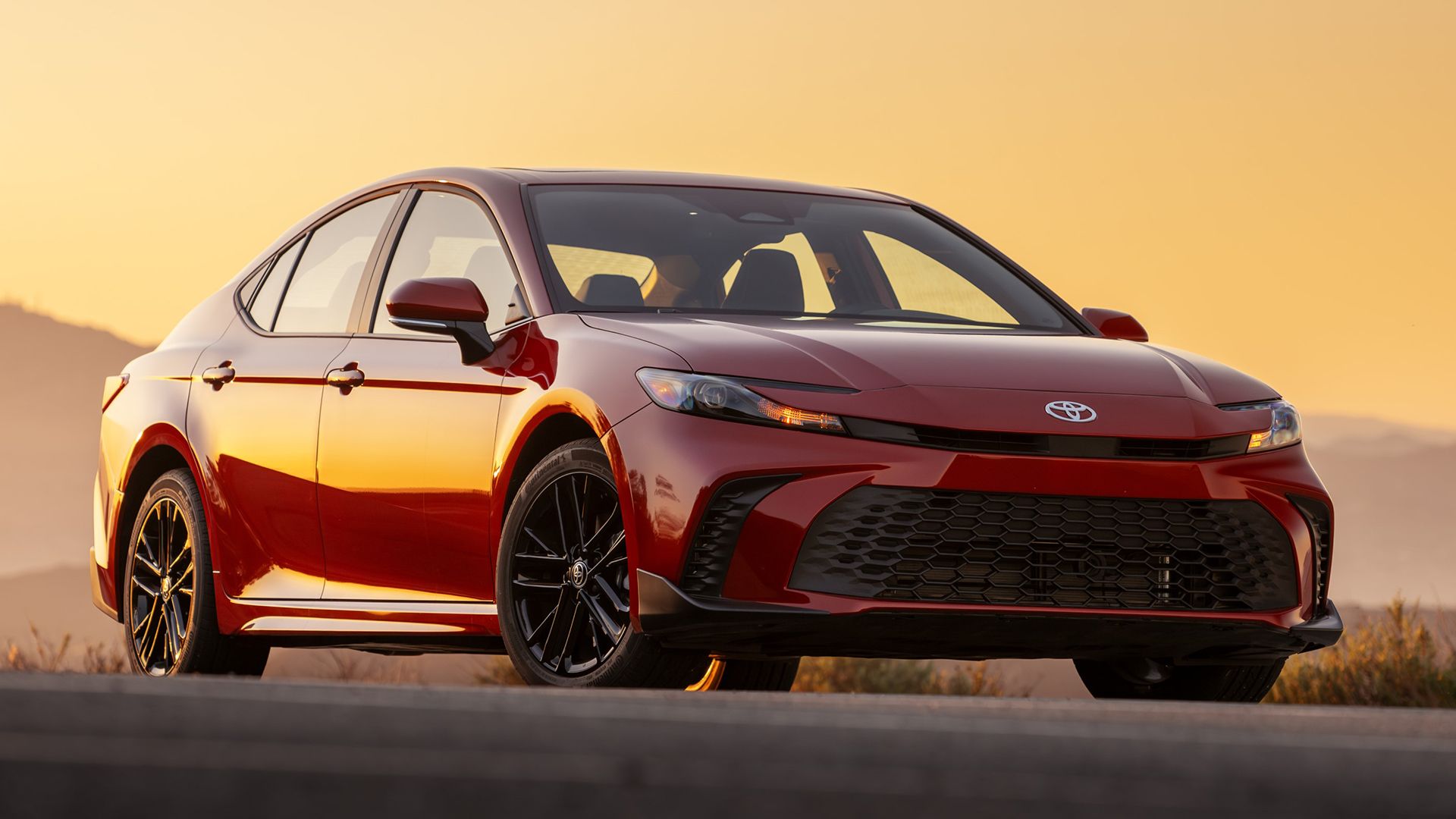
The sport-tuned suspension and responsive steering of the XSE make for engaging handling, though even the base Camry feels secure and stable through corners.
Unlike older versions, this Camry maintains a connected feel to the road without being harsh, smoothly absorbing bumps and dips along the way. The upright driving position also gives drivers a commanding view over the hood and traffic behind, setting it apart from competitors.
On the tech front, the Camry includes Toyota’s most advanced safety suite, which can detect cars moving in and out of lanes and adjust speed automatically. With the optional Traffic Jam Assist, drivers can even let go of the wheel at speeds up to 25 mph when conditions allow, adding a layer of convenience for stop-and-go traffic.
Also Read: 5 Cars for Bellevue Tech Commuters vs 5 That Are Expensive to Own
2. Honda Accord
The Honda Accord is another stalwart in the commuter-friendly segment. With a spacious cabin, responsive steering, and a strong track record for reliability, it’s no surprise that Accords remain a top pick for Plano residents.
Hybrid options offer outstanding fuel efficiency, and its turbocharged engines provide enough power for highway merging without sacrificing comfort.
Hondas are known for their durability, with many owners reporting over 250,000 miles with routine maintenance, making them a smart long-term investment for suburban commutes.
The 2025 Honda Accord continues to stand out in the midsize sedan segment, offering a breadth of trims and powertrain options that many competitors have pared back or eliminated.
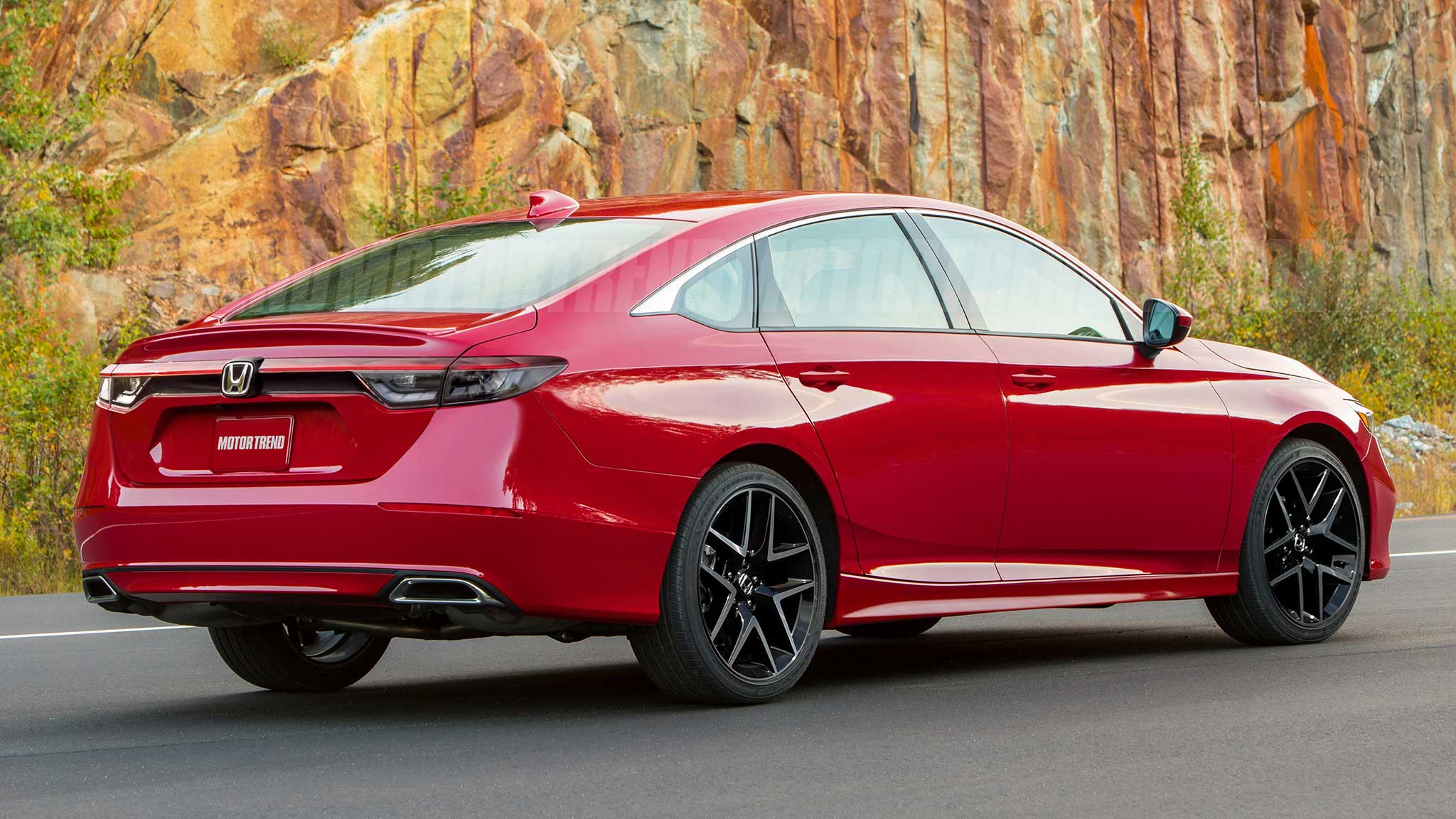
While rivals like the Toyota Camry have shifted largely to hybrid-only lineups, the Accord provides six trims, LX, SE, Sport Hybrid, EX-L Hybrid, Sport-L Hybrid, and Touring Hybrid, catering to a wide spectrum of buyers. Pricing starts at $29,445 for the base LX and climbs to $40,450 for the Touring Hybrid.
The LX and SE trims are powered by a 1.5-liter turbocharged four-cylinder producing 192 horsepower, with a continuously variable automatic transmission (CVT) delivering power to the front wheels.
Hybrid models pair a 2.0-liter four-cylinder with an electric motor to generate 204 horsepower, achieving up to 44 mpg combined, according to the EPA. All trims are front-wheel drive, as the Accord does not offer all-wheel drive, but it makes up for it with solid fuel efficiency, spacious comfort, and engaging driving dynamics.
From the value-focused LX to the tech- and performance-packed hybrid variants, the 2025 Accord offers something for nearly every buyer. Below is a closer look at each trim, its key features, and pricing at the time of publication.
3. Subaru Outback
For commuters who enjoy a bit of adventure on weekends, the Subaru Outback is the perfect mix of practicality and versatility. Standard all-wheel drive is a big plus in North Texas during rare ice or heavy rain conditions.

Its higher ride height and roomy interior make it comfortable for long drives across Plano’s suburban sprawl, while reliability ratings remain above average.
The Outback isn’t the fastest commuter car, but its combination of safety features, fuel efficiency, and cargo space makes it ideal for families who need a dependable daily driver.
4. Toyota RAV4
Compact SUVs have surged in popularity in suburban areas, and the Toyota RAV4 stands out for its low cost of ownership and long-term reliability. Its hybrid variant gets up to 41 mpg combined, making it an excellent choice for daily commuting without constant trips to the gas station.
The RAV4 also features advanced safety technology, a comfortable ride, and enough space for groceries, sports equipment, or even a weekend getaway. For Plano commuters, it’s a practical yet stylish choice that won’t break the bank over time.
The RAV4 delivers a comfortable ride and a generally pleasant driving experience, with good visibility all around. Around town, the engine is cooperative, making passing and merging straightforward, though its overall power is modest.
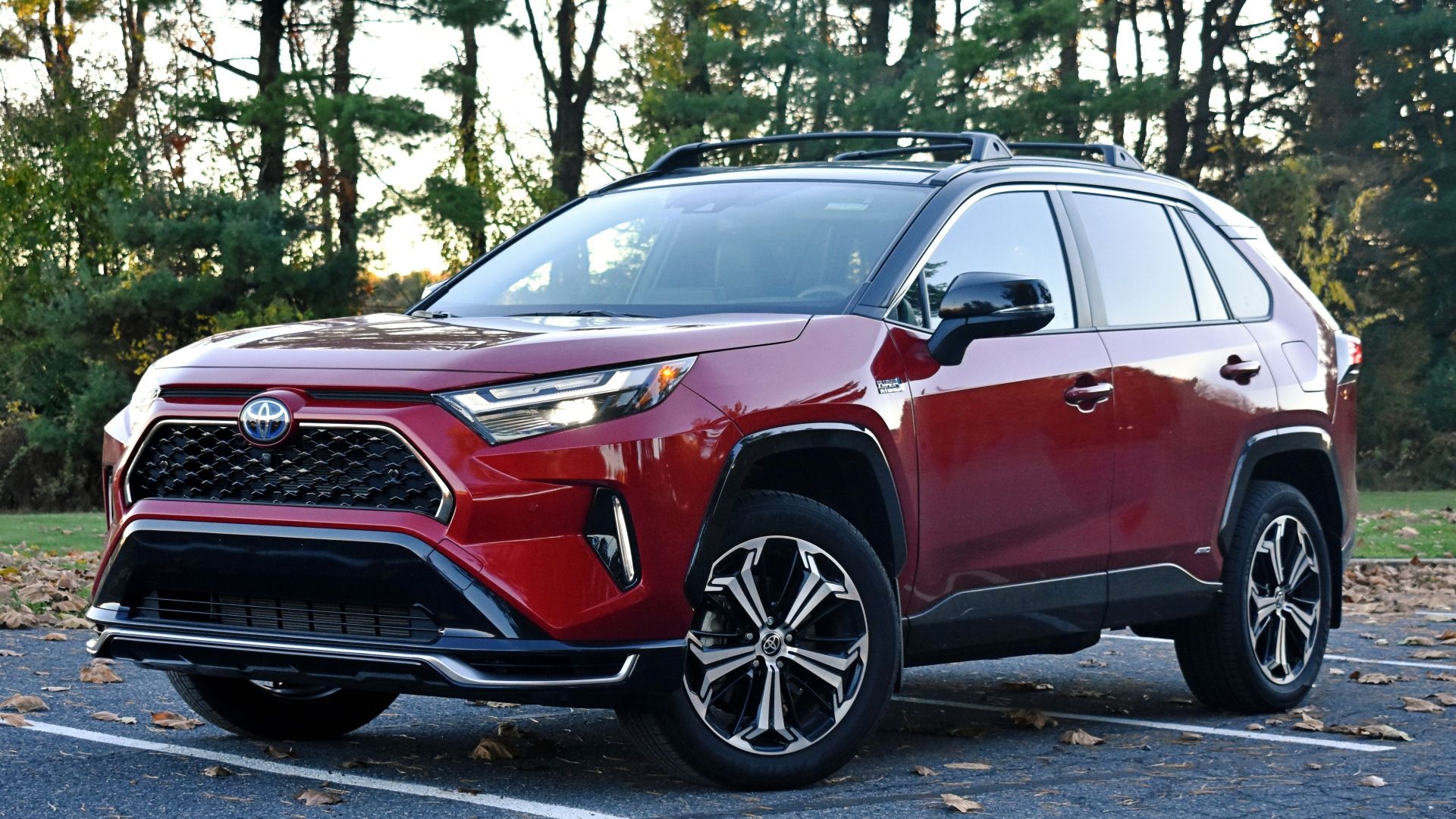
Our RAV4 took 9.1 seconds to reach 60 mph, slower than the class average, and the steering feels vague around center, lacking the weight and feedback needed for precise input.
On the upside, the Limited trim’s upgraded all-wheel-drive system includes rear-axle torque vectoring and hill descent control, combined with respectable ground clearance, giving it better-than-average off-road capability for a small SUV.
The RAV4 also comes equipped with a solid suite of driver-assistance technology, including adaptive cruise control, lane-keeping assist, and automatic emergency braking. While these systems work competently, some competitors offer a broader array of standard and optional safety features.
Also Read: 10 Unstoppable Off-Roaders That Cost Less Than a Used Corolla
5. Hyundai Sonata
The Hyundai Sonata is a midsize sedan that has quietly gained a reputation for reliability and smart technology. Modern Sonatas feature user-friendly infotainment, driver-assist features, and fuel-efficient powertrains.
With competitive warranties (up to 10 years/100,000 miles on the powertrain), Sonata owners can enjoy peace of mind, especially in suburban commutes where stop-and-go traffic is common.
It’s comfortable, affordable, and generally free from the headaches that plague less dependable cars.
The Sonata Hybrid delivers lively acceleration from a standstill, but its power tapers off once up to speed. It feels quick around town, yet passing on the freeway may require some planning. Our Sonata Hybrid reached 60 mph in 8.3 seconds, slightly slower than the hybrid versions of the Honda Accord and Toyota Camry.
Ride comfort is a standout, striking a balance between plushness and control. The suspension absorbs bumps effectively without feeling overly soft, even on winding roads. However, the Sonata often feels lethargic on open roads, the tires lose grip sooner than expected, and the steering feels distant and artificial.
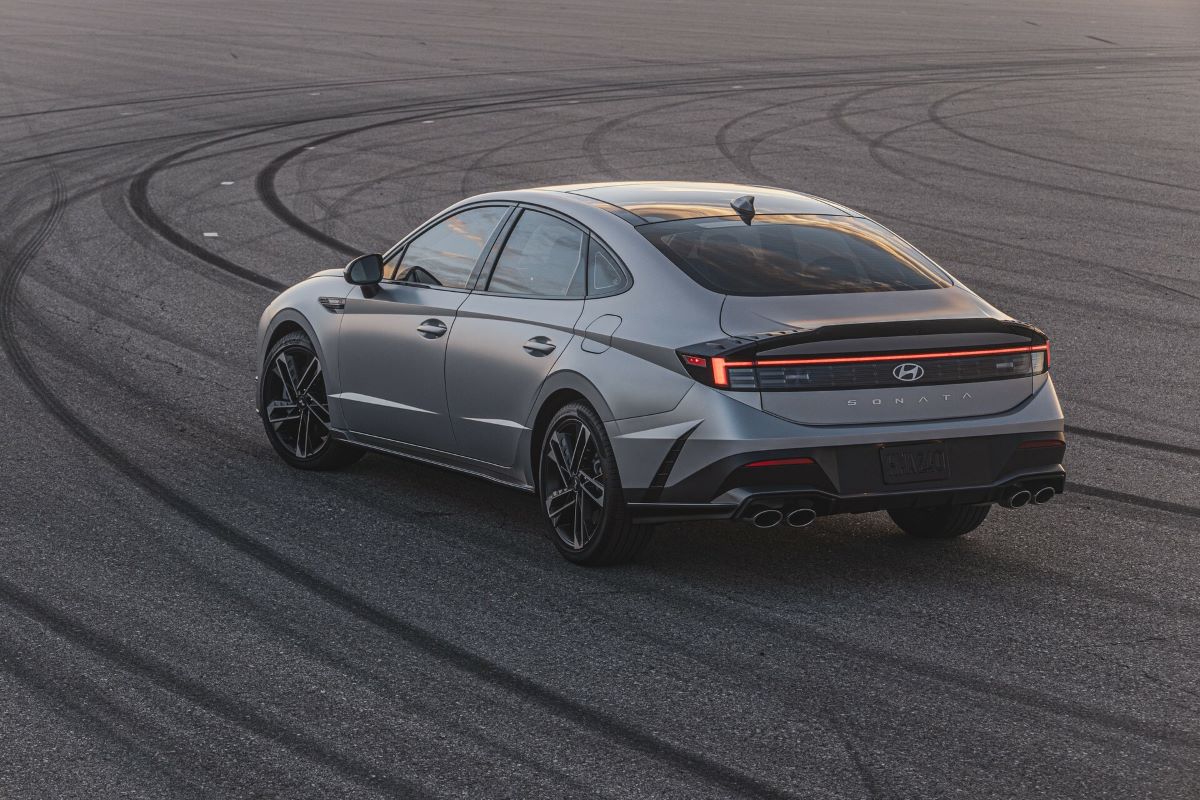
On the tech side, the Sonata Hybrid boasts a robust suite of advanced driver-assistance features that work well together. The warning sensors are sensitive but unobtrusive, and sideview cameras assist with lane changes.
Rear visibility is somewhat limited by thick pillars and the sloping roof, but the vehicle provides a secure, well-equipped driving experience.
Cars That Often Break Down on Suburban Commutes
Even in the quiet suburbs of Plano, not all cars are created equal. Some vehicles that look sleek on the outside can be a headache on the inside, leaving you stranded in traffic, stuck at the repair shop, or constantly worrying about the next unexpected expense.
In this guide, we break down the cars that are prone to breakdowns on everyday suburban commutes, highlighting the models you might want to avoid if you value reliability, peace of mind, and a hassle-free drive.
1. Jeep Cherokee (Older Models)
The Jeep Cherokee, particularly models from the early 2010s, is notorious for electrical and transmission problems. While it may appeal to drivers looking for off-road capability, its maintenance issues often outweigh any benefits in a suburban setting.
Plano’s highways and streets don’t require rugged off-road performance, so reliability should take priority, making the Cherokee a less than ideal choice for daily commutes.
The Jeep Cherokee, distinct from the larger Jeep Grand Cherokee, stands out as one of Jeep’s most fascinating models in terms of its history.
Launched in 1974, the Cherokee was created to fill the gap beneath the much bigger Jeep Wagoneer. While the two shared several design cues, the Cherokee was intentionally aimed at younger buyers rather than full-sized families like the Wagoneer.
Over the years, it has seen intermittent production, ultimately being retired in 2023. Despite nearly five decades of existence, the Cherokee has only gone through five generations, a number set to rise to six with the 2026 model year, which brings a refreshed design and styling more in line with Jeep’s modern SUV lineup.
On average, each generation lasts about 10 years, with the third and fourth generations being the shortest at roughly five or six years. The Cherokee has played a crucial role for Jeep, helping the brand secure its strongest position ever in the crossover market.

Before diving into the rankings, it’s worth explaining how this list was determined. Some aspects will become obvious as you read. For instance, the third-generation Jeep Cherokee wasn’t even marketed under that name in the United States, which makes it tricky to rank a model that many people may not even realize they owned. We’ll explore that further below.
For the rest of the generations, our approach centered on evaluating whether a given Cherokee generation was strong overall. For example, the first generation was somewhat unusual, offering both two-door and four-door models and largely mirroring the Wagoneer.
In contrast, the second generation established itself as a distinct model that lasted nearly two decades and made a far bigger impact on Jeep’s lineup. Each generation has its own explanation, but the overall ranking was based on utility, significance, popularity (where measurable), and longevity.
2. Fiat 500
The Fiat 500 might be cute and easy to park in suburban areas, but it has a long history of mechanical issues, including transmission failures and electrical gremlins.
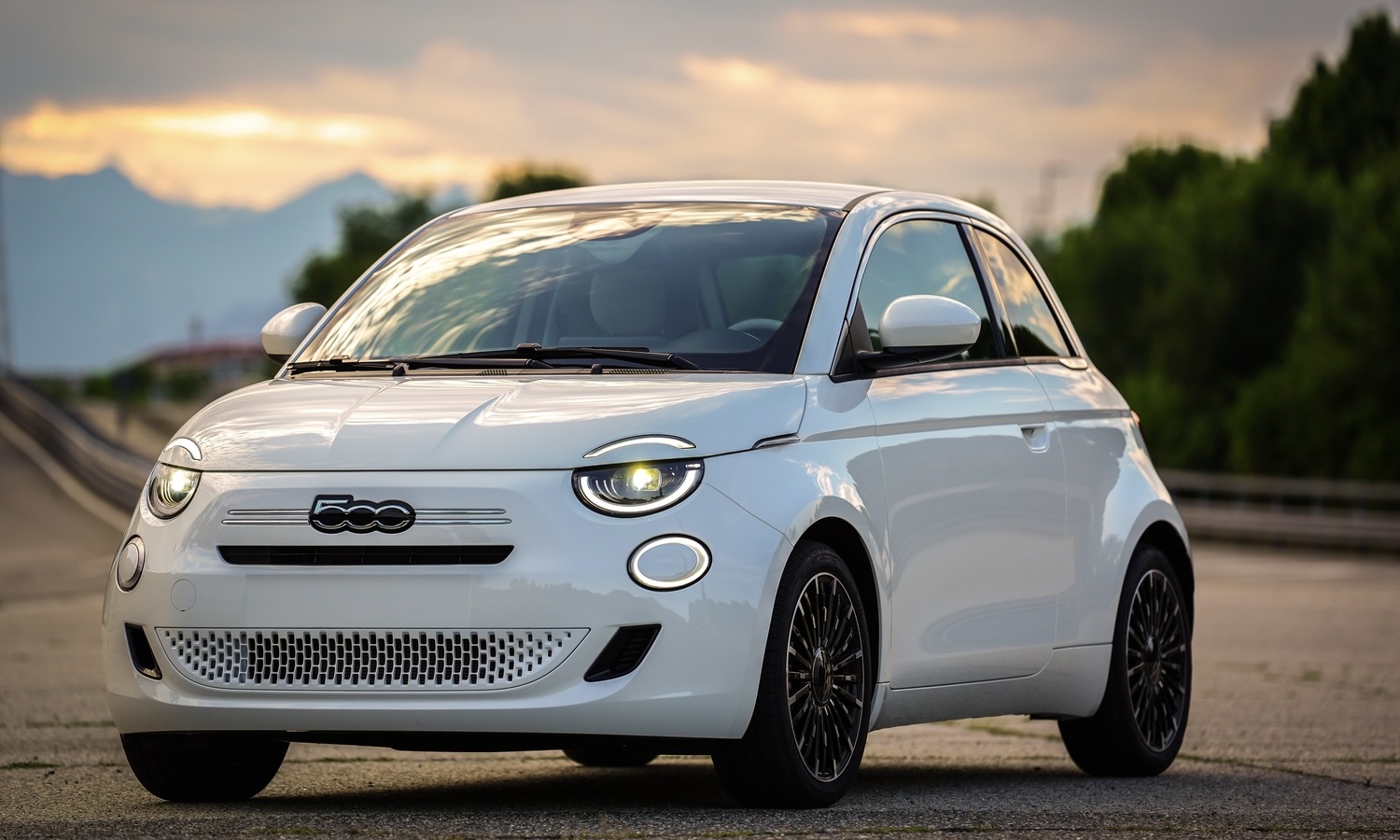
Its small size and less-than-stellar safety ratings make it a less-than-practical choice for families or anyone commuting in stop-and-go traffic.
Owners often report frequent trips to the mechanic, which can make it an expensive choice for what should be a simple suburban runabout.
The Fiat 500 has long transcended its status as just a car, it’s a symbol of European automotive history and Italian design, originally sparking excitement more than six decades ago. The classic design was reinvented in 2007, and today, the 500 has fully embraced electrification, moving away from internal combustion engines entirely.
Under the hood, the modern Fiat 500 is powered by an 87 kW electric motor fed by a 42 kWh lithium-ion battery. The charging port sits on the rear side of the vehicle, providing a WLTP-rated range of up to 320 km (about 199 miles).
Performance is brisk for a city car, with a 0-100 km/h (0-62 mph) sprint in 9 seconds and 0-50 km/h (0-31 mph) in just 3.1 seconds. Top speed is electronically limited to 130 km/h (93.2 mph).
Inside, the 500 emphasizes sustainability with the use of recycled materials throughout the cabin. A 7-inch TFT instrument cluster pairs with a 10.25-inch touchscreen infotainment display to provide a modern, tech-forward interface.
Charging is flexible: the standard onboard charger can be plugged into any regular 220V outlet at home, while an optional wall-box allows faster home charging. On public fast chargers, the battery can reach 80% in just 35 minutes, making the Fiat 500 a practical and stylish choice for modern urban mobility.
3. Ford Focus (2012–2018)
While the Ford Focus offers compact size and decent fuel economy, models from 2012 to 2018 are infamous for transmission issues, especially the PowerShift dual-clutch versions.
For suburban commuters in Plano, that means unpredictable shifts, sudden jerks, or costly repairs that can turn an affordable car into a maintenance nightmare. If reliability is your priority, it’s wise to look elsewhere.
The 2012 Ford Focus marks a major comeback for the Blue Oval, shedding the shortcomings of its early iterations and stepping confidently into the modern compact car segment.
Available as a four-door sedan or hatchback, the redesigned Focus features striking styling, a thoughtfully crafted interior with quality materials, a more fuel-efficient four-cylinder engine, and a suspension tuned to deliver both refined ride comfort and above-average handling.
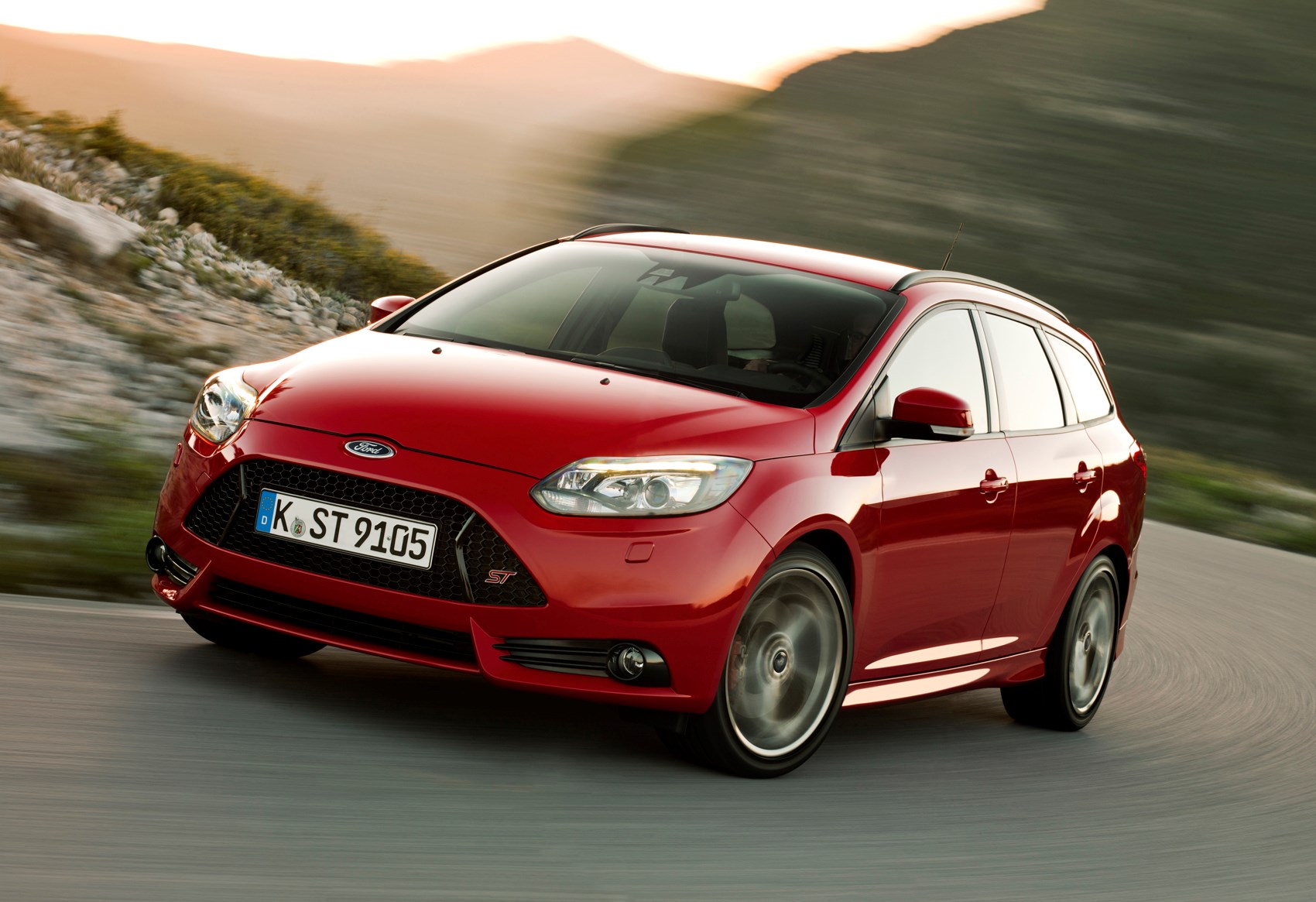
Beyond driving dynamics, the 2012 Focus stands out for its impressive technology offerings, many of which are typically reserved for higher-priced vehicles.
Highlights include a rearview camera, Ford’s Automated Parking Assist that can slip the car into a curbside space without touching the steering wheel, and the latest iteration of Ford’s Sync technology paired with MyFord Touch, replacing traditional buttons with a large touchscreen and voice commands.
The innovation doesn’t stop there, the 2012 Focus Electric brings fully electric propulsion to the lineup, using the same platform as the standard Focus but powered by a 107-kilowatt (141-horsepower) electric motor and a 23 kWh lithium-ion battery.
Charging can be completed in 3–4 hours using a 240-volt charger, and owners can monitor the process remotely via smartphone. Ford has also partnered with Best Buy to make home charging stations widely available, further simplifying life for EV drivers.
4. Chevrolet Cruze (2011–2016)
The Chevrolet Cruze has struggled with engine and electrical reliability, particularly in older models. Problems such as overheating, turbo failures, and frequent check engine lights make it a frustrating choice for a daily driver.
For suburban commutes where consistency is key, the Cruze can cause more stress than satisfaction. While newer models improved somewhat, these older Cruzes still carry a reputation for costly, inconvenient repairs.
The 2016 Chevrolet Cruze has undergone a full transformation, following in the footsteps of the redesigned midsize Malibu and full-size Impala.
The exterior styling is now sharper and more adventurous, with sleeker curves and pronounced fender arches that set it apart from the previous, more understated Cruze. Inside, the dashboard has been updated with higher-quality materials and modern technology, making the Cruze a compelling option for small-sedan shoppers this year.
Under the hood, the Cruze comes standard with a turbocharged 1.4-liter four-cylinder engine, revised from the prior model to produce 15 additional horsepower and 29 more pound-feet of torque.
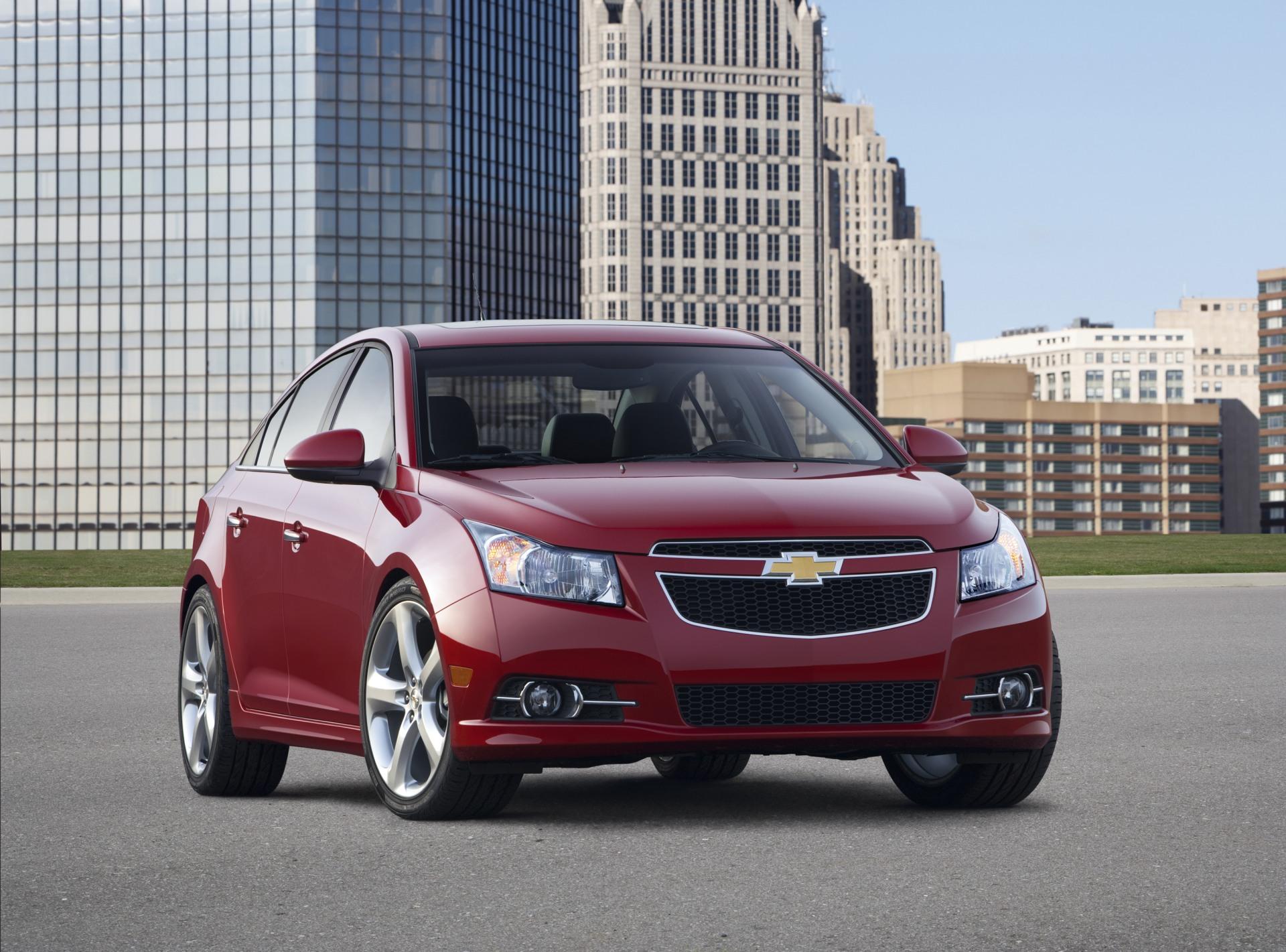
Chevrolet also trimmed roughly 250 pounds from the new model, giving the engine less work to do while improving efficiency. The cabin is more spacious as well, especially in the rear, comfortably accommodating four adults.
Technology upgrades are significant: the standard MyLink touchscreen infotainment system is faster and now supports Apple CarPlay and Android Auto.
Optional features include a Bose audio system, wireless phone charging, heated rear seats, and a heated steering wheel. Safety-focused buyers can equip the Premier trim with advanced features like lane-departure intervention and forward collision alert, delivering a small-sedan experience with big-car technology.
For comparison, the 2016 Honda Civic offers strong performance with its optional turbo engine, the Kia Forte provides excellent value, the Mazda 3 impresses with sporty handling and fuel economy, and the Ford Focus remains a rewarding drive thanks to recent refinements.
Among these competitors, the completely redesigned 2016 Chevrolet Cruze stands out as a well-rounded, feature-rich choice.
The front-wheel-drive 2016 Cruze pairs its turbocharged 1.4-liter four-cylinder engine, rated at 153 hp and 177 lb-ft of torque, with a six-speed manual transmission standard on L, LS, and LT trims, while a six-speed automatic is optional.
The Premier trim comes standard with the automatic, which also includes an engine stop-start feature to improve fuel efficiency when idling.
5. Nissan Pathfinder (Early 2000s–2012)
The Nissan Pathfinder was once a go-to SUV, but early 2000s to 2012 models have serious reliability issues, particularly with the engine and timing chain. Regular commuters in Plano can’t afford unexpected breakdowns, especially during rush hour.
The Pathfinder’s adventurous reputation doesn’t translate well to suburban reliability, making it a risky choice for daily driving.
Plano’s suburban commute doesn’t demand exotic performance cars, but it does demand dependable vehicles. Choosing the right car means balancing comfort, efficiency, and a proven maintenance record.
The Nissan Pathfinder has long been a well-regarded midsize SUV, offering a blend of power, off-road capability, and comfort. Its exterior projected rugged toughness, while the interior delivered refinement and spacious comfort for all occupants.
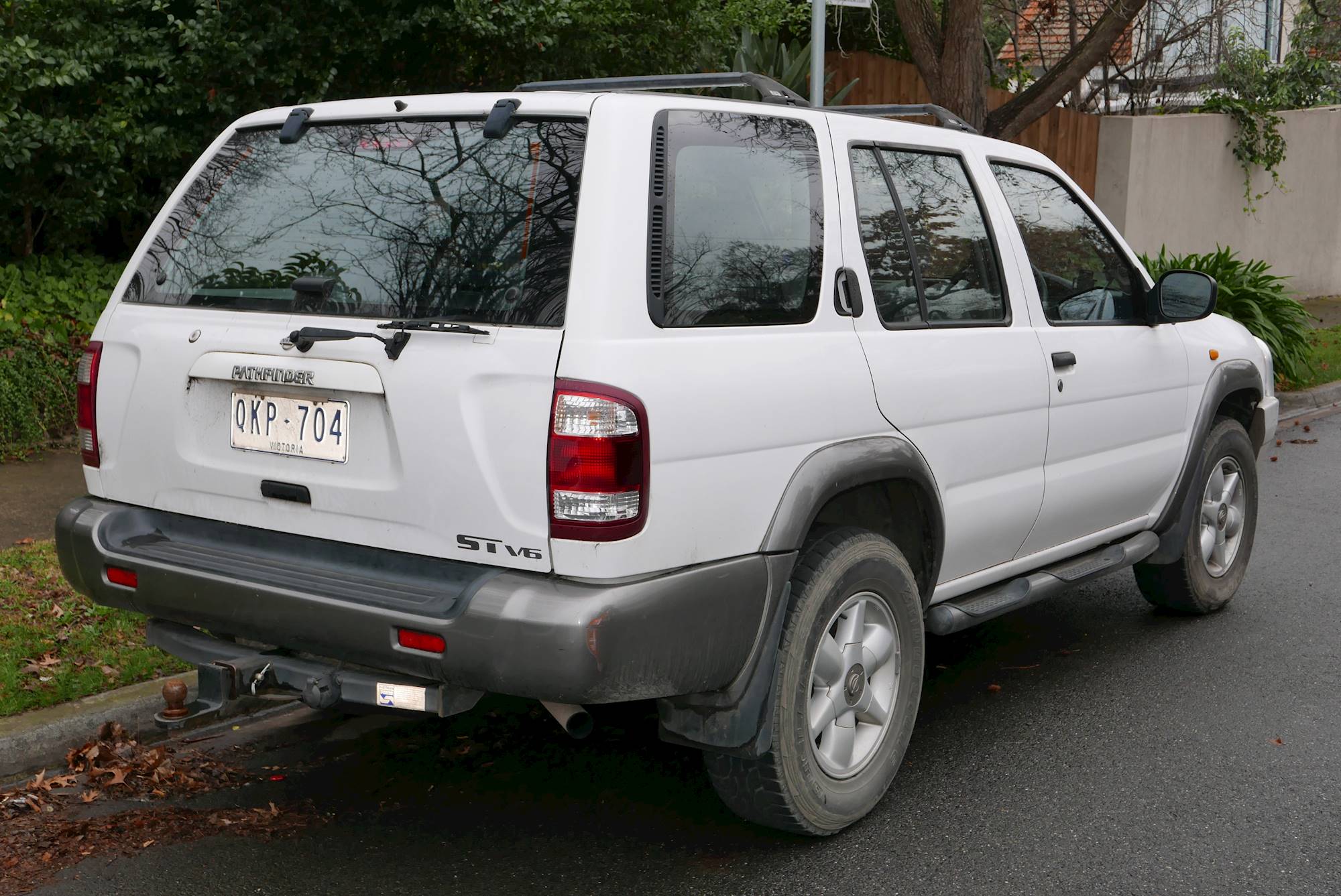
Earlier models came with a 3.3-liter engine that provided adequate performance, but the refreshed Pathfinder upgraded to a 3.5-liter V6, producing 250 hp and 240 lb-ft of torque. Buyers could choose between rear-wheel drive or part-time four-wheel drive, with the LE trim featuring Nissan’s automatic All-Mode four-wheel-drive system for added versatility.
In 2001, the Pathfinder was available in three trims: XR, SE, and the top-tier LE. The XR included standard power mirrors and windows, the SE added a choice between an automatic or manual transmission, and the LE offered premium touches such as a Bose sound system, faux wood trim, and foglights.
All trims came with 16-inch wheels and ABS as standard, while optional features ranged from side airbags to a mobile entertainment system and navigation, depending on the trim.
Built in Japan before production moved to Tennessee, the Pathfinder combined strong performance, off-road capability, and generous equipment, making it one of the most well-rounded and powerful SUVs in its class.
Vehicles like the Toyota Camry, Honda Accord, and Subaru Outback consistently meet those criteria, providing peace of mind and fewer roadside surprises.
On the other hand, cars like older Jeep Cherokees, Fiat 500s, and certain Fords or Nissans may appear attractive but are prone to breakdowns that can disrupt your daily life.
Investing in a reliable commuter car is more than just convenience it’s about safety, time, and ultimately, cost. Plano residents who prioritize reliability and practicality over fleeting style or novelty will find their daily drives smoother, cheaper, and far less stressful.