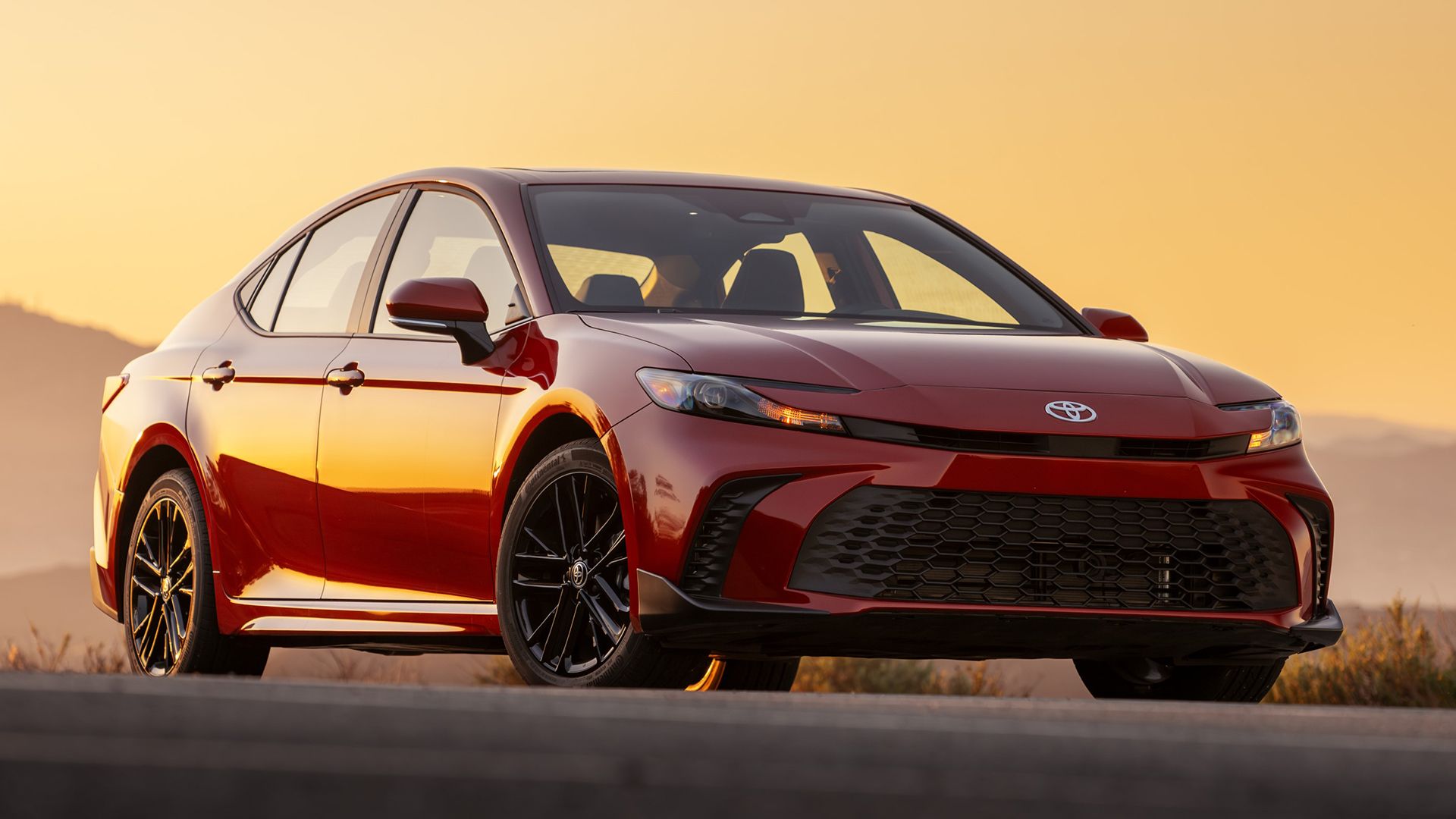
Living in Gilbert, Arizona means dealing with the everyday realities of commuting in a rapidly growing suburban city long drives to work, errands, school runs, scorching summer heat, and the occasional weekend getaway.
While some vehicles are well-suited to this kind of lifestyle thanks to reliability, comfort, and efficiency, others can be a source of frustration and frequent service visits when pushed into daily duty without proper preparation.
In this article, we’ll explore five vehicles that make excellent choices for daily driving in Gilbert and five that tend to require regular dealer service, making them less ideal for everyday use.
The goal isn’t to shame specific models but to give context that helps Gilbert drivers make smart ownership decisions whether you’re buying new, shopping used, or trying to decide what to keep in the driveway.
Cars Perfect for Gilbert Daily Runs
Daily driving in Gilbert calls for vehicles that can handle the routine grind without sacrificing comfort, efficiency, or reliability. From school drop-offs to errands and work commutes, your car needs to be dependable, fuel-smart, and easy to maneuver in suburban traffic.
In this guide, we’ve highlighted the cars that shine in Gilbert’s daily routines, offering the right balance of practicality, performance, and convenience to make every trip smoother and more enjoyable.
1. Hyundai Elantra
Cost of ownership is often top of mind for daily drivers, especially for those commuting longer distances. The Hyundai Elantra’s combination of modern features, fuel efficiency, and affordability make it an appealing choice in this context.
Elantras often come packed with tech and safety systems you’d normally expect in higher-priced vehicles, such as lane-keep assist, adaptive cruise control, and a large infotainment screen all of which help reduce stress on longer drives and make daily commuting easier.
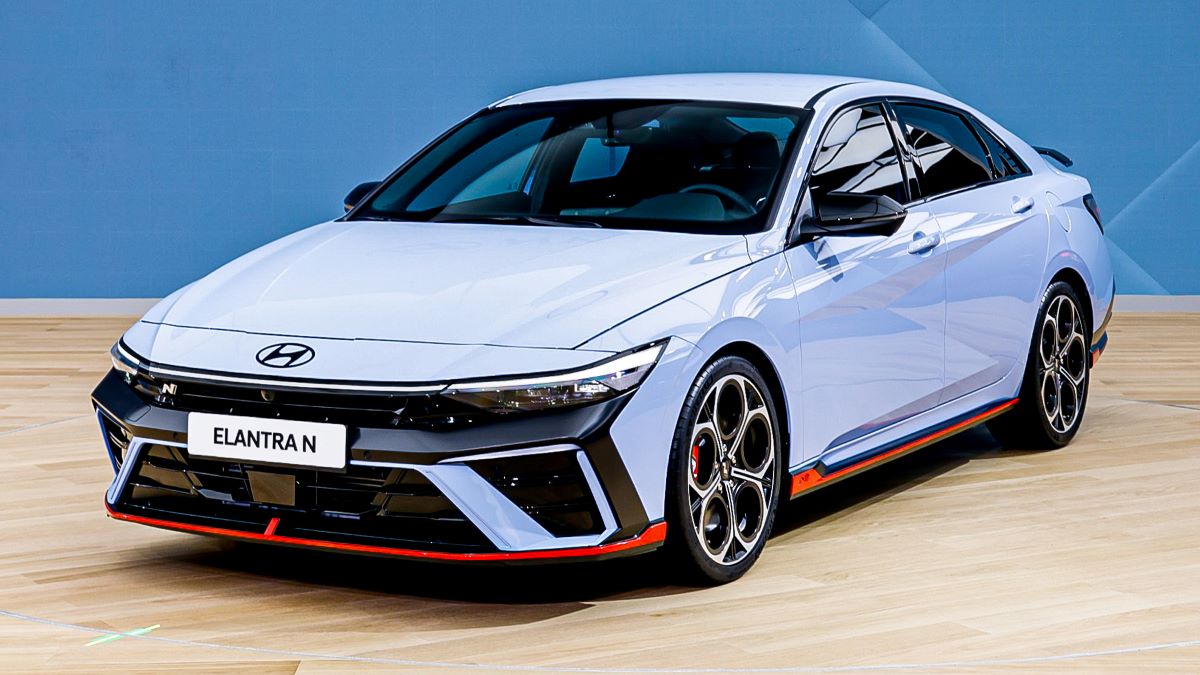
Hyundai’s warranty is one of the best in the industry, which means many serious issues are covered early in ownership. Routine items like oil and filter changes, tire rotations, and brake services are straightforward and inexpensive.
This strong blend of initial value, daily comfort, and lower routine maintenance costs helps the Elantra stand out as a practical option for Gilbert residents.
The base four-cylinder engine in the Hyundai Elantra feels underpowered. During testing at Edmunds’ track, our Elantra accelerated from 0 to 60 mph in 9.4 seconds, which is below average for small sedans. While it isn’t unmanageable, merging onto highways or passing other vehicles can feel like a chore.
Power is routed through a continuously variable automatic transmission (CVT) tuned primarily for fuel efficiency, which means spirited driving isn’t its strong suit. That said, in everyday scenarios, the CVT operates smoothly and exhibits only a hint of the droning noise that CVTs are sometimes notorious for.
Handling is fairly average for the class. The Elantra navigates corners predictably and maintains composure over bumps, but if you’re after a sportier experience, the N Line is a better option with its sport-tuned suspension.
The Elantra offers a solid collection of driver-assistance systems, though many require an upgrade in trim or packages. When equipped, the suite is impressive, featuring smooth adaptive cruise control and precise lane-centering functionality.
While it isn’t the most plush small sedan, it gets several things right. It ranks among the roomiest small cars, especially in the rear seats, comfortably accommodating adult passengers. The seats are generally comfortable, and the power-adjustable driver’s seat offers a wide range of adjustments to fit both shorter and taller drivers.
That said, the front seat cushions feel slightly flat and may not provide adequate support for extended road trips. Side bolstering is minimal, leaving occupants less securely planted during spirited cornering.
2. Chevrolet Equinox
For drivers who prefer a slightly larger vehicle with an American badge on the hood, the Chevrolet Equinox delivers a comfortable ride, spacious interior, and a reputation for being easy to live with.
The Equinox strikes a solid balance of everyday usability and comfort without veering into the complexities often found in premium crossovers.
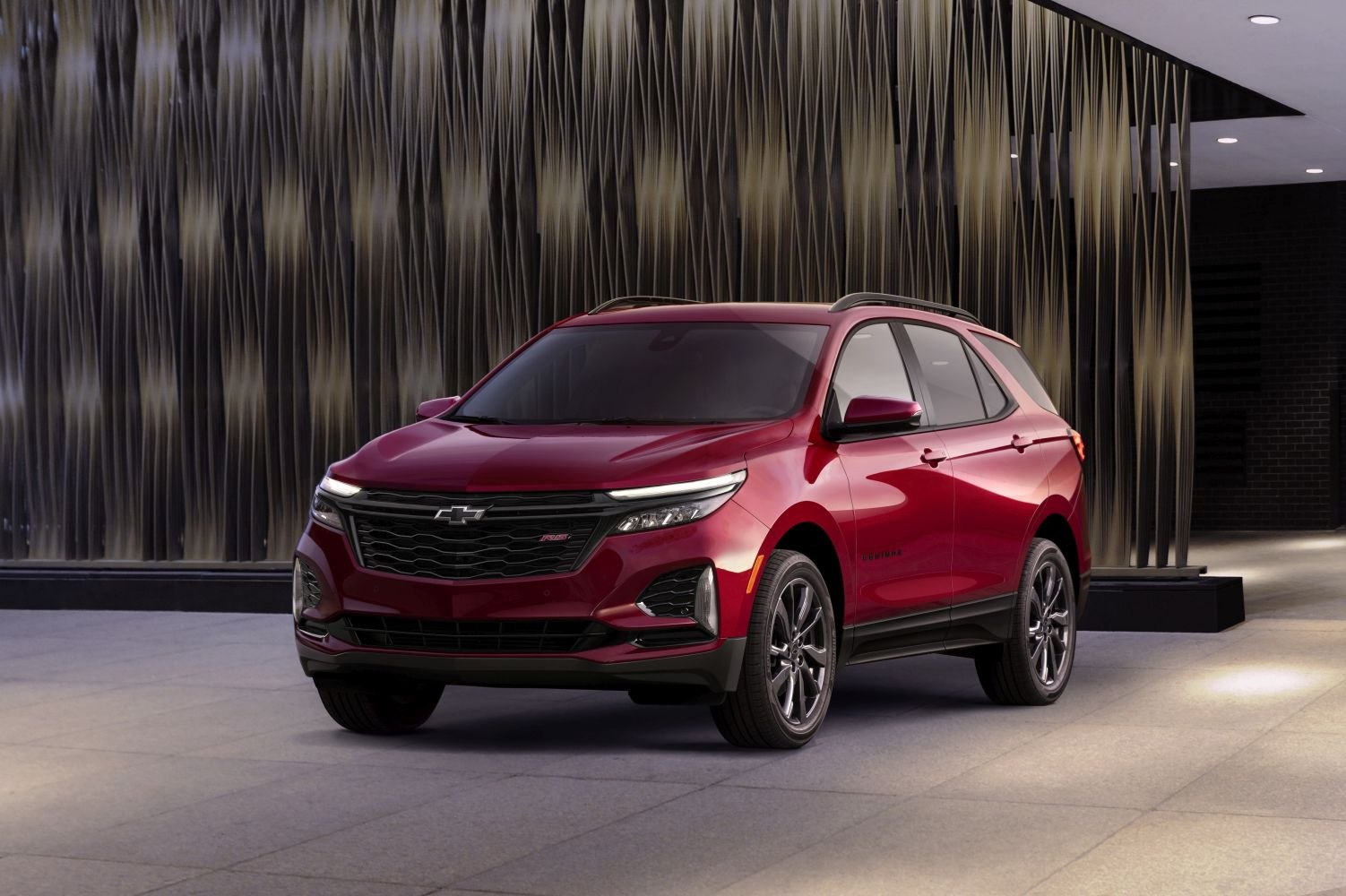
Its engine options are tuned for fuel efficiency and smoothness rather than performance, which suits daily city and highway driving.
General Motors’ parts availability and multiple service locations around the Phoenix metro area means that routine maintenance can be done quickly, often without ever stepping foot in a dealer showroom. For many drivers, that convenience factor is a key part of daily ownership.
3. Toyota Camry
The Toyota Camry has earned a reputation across the United States for being the dependable backbone of daily commuting, and in Gilbert, that reliability shines even brighter.
With decades of refinements, the Camry combines solid fuel economy, a smooth ride, and an interior that balances practicality with comfort.
The four-cylinder versions fit the needs of most commuters, offering excellent gas mileage for long trips to Chandler or Phoenix. Hybrid variants reduce fuel stops even more, which is a huge plus under the Arizona sun where A/C usage can spike fuel consumption.
Toyota’s long-standing reputation for durability also means fewer unexpected breakdowns and a robust resale value when it’s time to move on.
Maintenance for a Camry is straightforward and inexpensive compared to many competitors. Standard services like oil changes, brake pads, and tire rotations are routine and can be handled by most local garages, leaving dealer service for warranty items or complicated diagnostics.
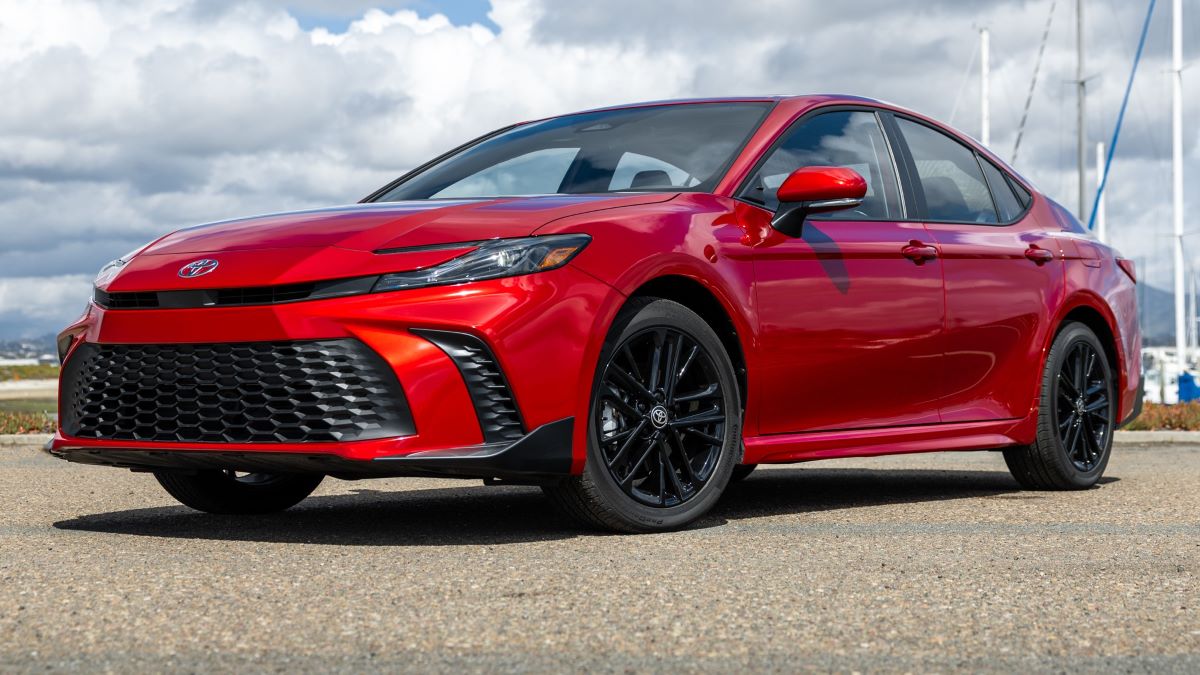
For Gilbert drivers seeking peace of mind mile after mile, the Camry remains a top pick.
We tested the four-cylinder Toyota Camry SE. Toyota has clearly tuned it to prioritize fuel economy, but the trade-off is somewhat sluggish acceleration off the line. Our test car went from 0 to 60 mph in a modest 8.2 seconds, though in real-world driving it feels slightly more responsive.
The eight-speed automatic transmission helps mitigate this somewhat, shifting quickly and keeping the engine in a usable power band. Expect occasional two-gear downshifts when you press the accelerator hard, as it works to make the most of the available power.
The Camry SE also benefits from a slightly sportier suspension setup, giving it a more planted feel. While it’s not intended for aggressive driving, it handles everyday driving tasks with ease. Braking is similarly straightforward, with a light, responsive pedal and stopping performance that’s about average for the midsize sedan segment.
Its large, supportive seats and generally smooth ride make it well-suited for a wide range of drivers, even on longer trips. The cabin climate control system is powerful and easy to use, keeping the interior comfortable even in triple-digit temperatures, which adds to the pleasant experience for passengers.
The main drawback is cabin noise. You’ll notice a fairly prominent engine buzz under acceleration, along with wind and road noise at highway speeds.
4. Honda CR-V
Gilbert’s mix of residential neighborhoods, suburban shopping areas, and proximity to outdoor destinations like the San Tan Mountains calls for a vehicle that’s versatile yet easy to live with.
The Honda CR-V ticks those boxes neatly. As a compact SUV, it offers more cargo space than a typical sedan, which comes in handy for grocery runs, sports gear, or transporting family members.
Its elevated seating position also makes navigating Gilbert’s roads especially during peak traffic more comfortable.
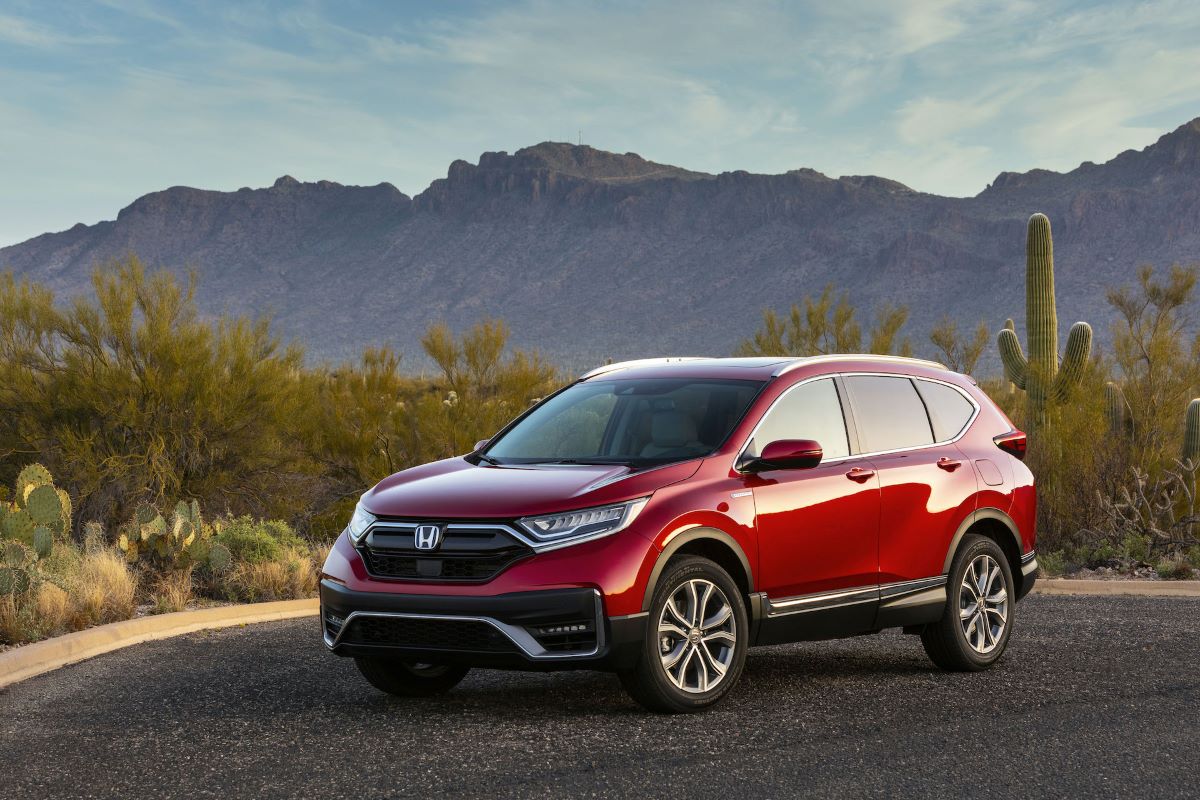
Honda’s engineering emphasizes reliability and affordability in day-to-day ownership. The CR-V’s turbocharged engine delivers enough power for highway merging without sacrificing efficiency. Best of all, routine maintenance is predictable.
Oil changes, filter replacements, and tire service are all part of the regular rhythm of ownership, and finding parts or service outside of a dealer is usually easier and more cost-effective compared with luxury brands.
5. Subaru Outback
Some daily drivers double as weekend warriors, and the Subaru Outback fits that lifestyle perfectly. With standard all-wheel drive, the Outback does more than just ferry you through Gilbert traffic; it handles dusty roads outside the city or light rain with confidence.
Even though snow and ice aren’t everyday concerns here, the added traction stability benefits drivers throughout seasonal changes.
From an ownership perspective, the Outback’s engine and chassis are designed to be durable, and Subaru’s service intervals are clear and do not typically involve unnecessary complexity.
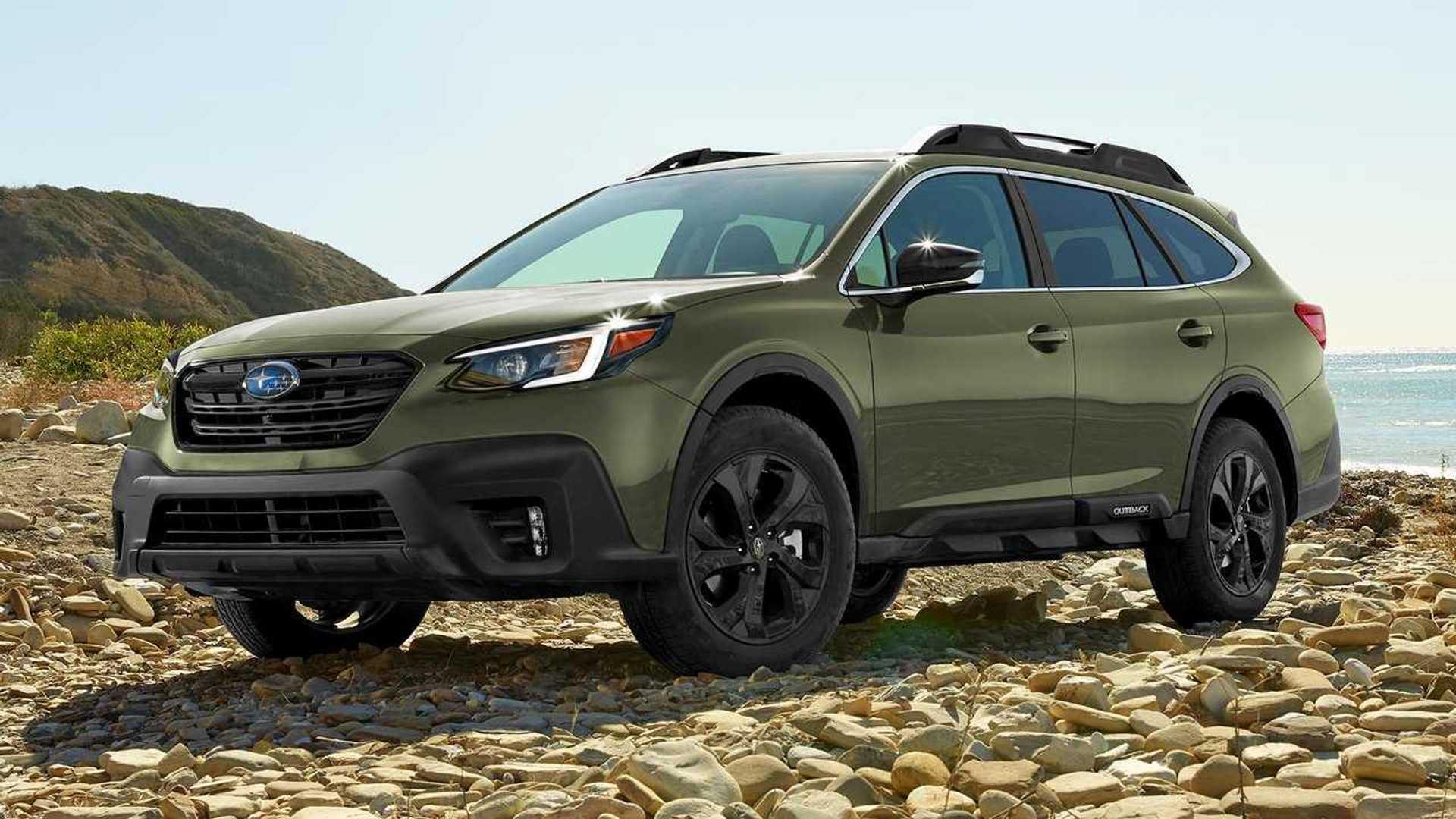
This is a vehicle that feels confident in daily use, whether you’re headed to work or planning a spontaneous trip to Sedona.
Subarus tend to have higher service costs than some competitors, but they’re still far easier to maintain than many luxury SUVs, and their reliability record makes them a smart choice for Gilbert commuters looking for adventure without constant dealer visits.
Cars That Often Need Frequent Dealer Service
Some cars aren’t just high-maintenance, they’re constant maintenance. For drivers who value reliability and minimal downtime, a vehicle that frequently needs dealer visits can quickly turn convenience into frustration.
In this guide, we break down the models most prone to frequent dealer service, highlighting the ones that can drain your time, patience, and wallet if you’re not careful.
1. BMW 3 Series
The BMW 3 Series has long been celebrated for athletic handling and driver engagement. However, these performance-oriented traits come with a cost.
Modern BMWs are packed with advanced electronics and precision engineering that demand specialist diagnostic tools and expertise.
For Gilbert drivers relying on their car for daily commuting, this can translate into frequent trips to the dealer for software updates, fault codes, and service resets that independent shops may not be equipped to handle.
While owners enjoy the way a 3 Series drives, its maintenance schedule is often more demanding, and items such as turbocharged engine components, sophisticated suspension systems, and high-tech electronics increase the likelihood of non-routine dealer visits.
Unless you’re prepared for that kind of ownership experience, the 3 Series might not be the ideal daily driver.
We tested an all-wheel-drive BMW 330i. Its turbocharged four-cylinder engine delivers strong and responsive performance, needing little revs before it provides ample power.
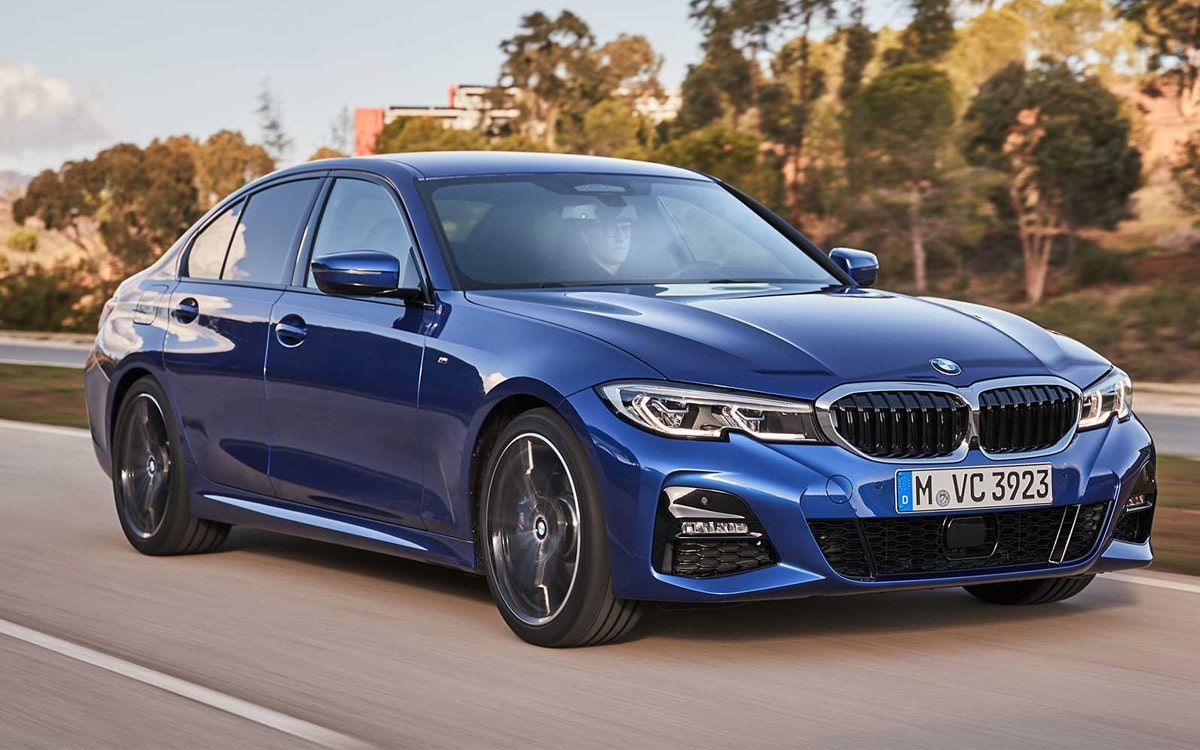
In our testing, the car reached 60 mph in 5.6 seconds, a quick time for a small luxury sedan with a base engine. The transmission shifts quickly and works well with the engine’s flexible power delivery.
Braking is another standout feature of the 330i. The pedal is smooth and easy to modulate during everyday driving, yet it remains strong, stable, and confident under hard braking.
The car also handles corners with agility; equipped with the M Sport package, the 330i exhibits well-controlled body motions. While some experienced drivers might crave a touch more playfulness, the sedan remains easy and enjoyable to drive quickly.
Our test 330i exhibited a surprisingly firm ride, likely due to the optional sport suspension included in the M Sport package and possibly the performance-oriented tires. If comfort is a priority, we recommend opting for a 330i without the M Sport package.
Despite the firm ride, the cabin is exceptionally quiet at highway speeds. The front seats are supportive and offer a wide range of adjustments.
The climate system is capable, though somewhat unintuitive, certain functions, like syncing zones, must be managed through the touchscreen. Additionally, the automatic mode does not truly regulate fan speed, so manual adjustment is required for optimal comfort.
2. Jaguar XF
Jaguar’s XF sedan blends British styling with a premium cabin and strong performance attributes that attract drivers seeking something different from mainstream brands.
However, this luxury experience often requires luxury-level servicing. Jaguars are known to have tighter tolerances and more complex systems compared with non-luxury counterparts.
This often means that even minor issues can require dealer diagnostics, proprietary software, or parts that aren’t stocked locally.
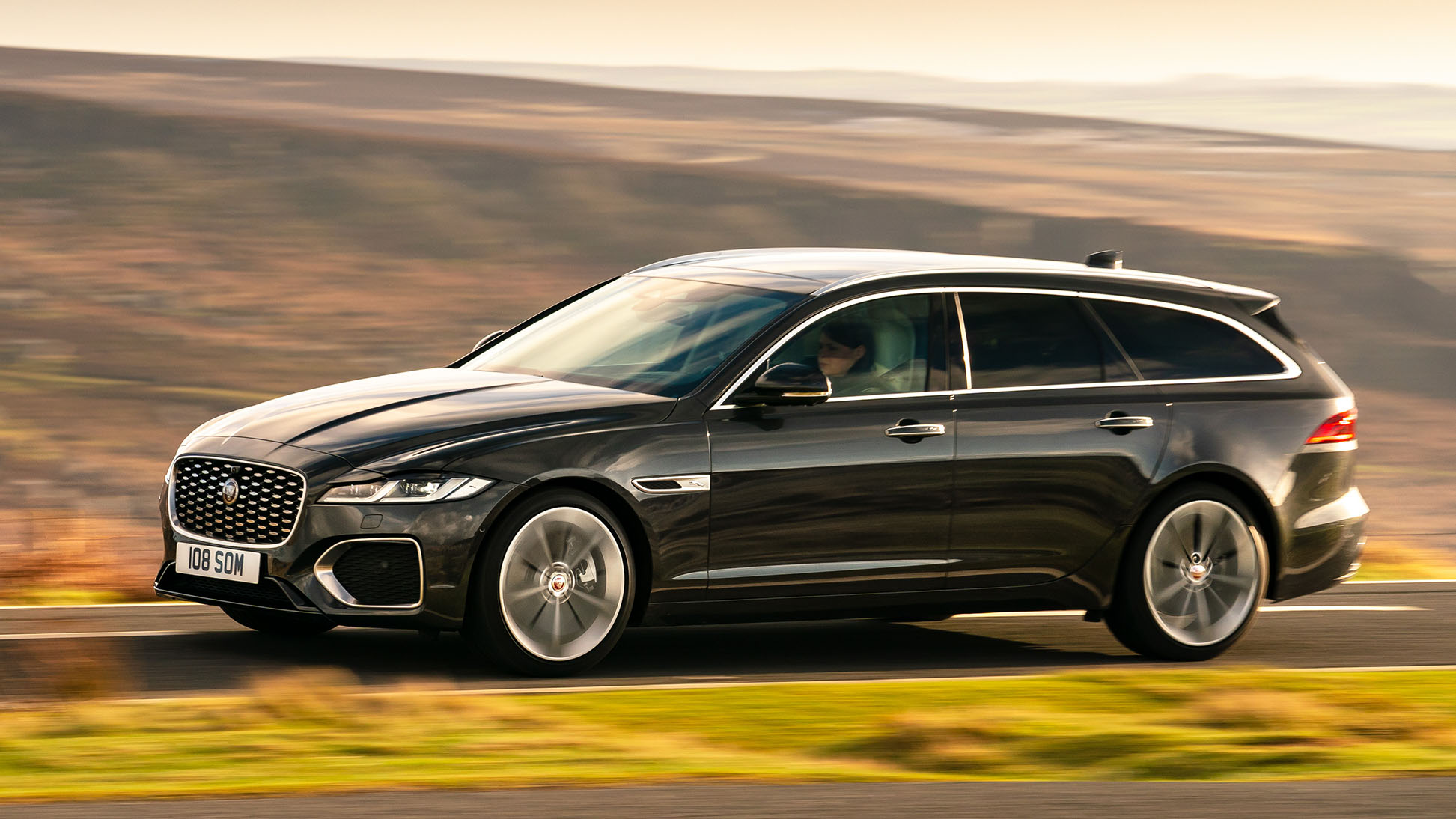
For someone in Gilbert who prefers to avoid waiting for parts or service appointments, the XF can be a frustrating choice.
While its ride quality and presence are undeniable, the trade-off comes in the form of dealer dependence that many daily commuters would rather avoid.
3. Land Rover Range Rover Evoque
The Range Rover Evoque looks great and offers off-road capability that most owners will never use especially in a place like Gilbert. What it does offer consistently is complexity.
Air suspension systems, advanced terrain management controls, and a suite of electronic driving aids all contribute to its premium appeal, but they also increase the chances of issues that can’t be diagnosed or repaired outside of a dealership with specialized tools.
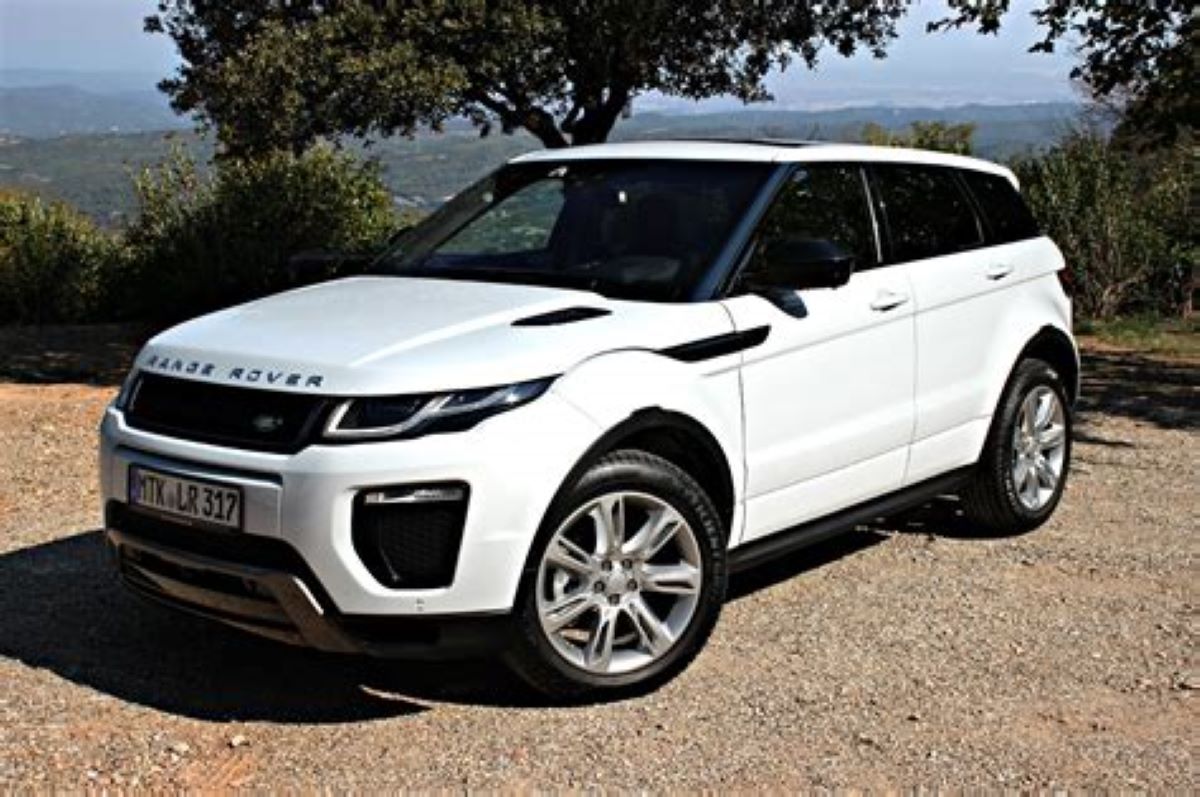
Even routine service intervals can be more involved than those for simpler vehicles. Land Rover’s historically higher cost of ownership shows up not just in parts pricing but in the necessity of dealer service for many tasks.
As a daily commuter, this can mean more expensive and longer service visits that chip away at enjoyment and convenience.
In typical driving situations, the Range Rover Evoque struggles with inconsistency and abrupt movements. Acceleration can feel uneven, and the transmission occasionally delivers rough shifts at unexpected moments.
When pushed harder, though, the power delivery becomes more linear, and shifts smooth out, yet it still takes 7.1 seconds to reach 60 mph, slower than most competitors and noticeably behind Land Rover’s own advertised 6.3 seconds.
On twisty roads, driving the Evoque aggressively triggers heavy-handed stability and traction controls, which intervene too early and cause unsettling torque transfers between the front and rear wheels.
When driven more conservatively, the Evoque feels more assured, though it still carries a somewhat heavy feel relative to its compact size. Off-road capability, however, remains one of its unquestionable strengths. Seat comfort is a major limiting factor. Editors found the front seats to be flat and overly firm, creating hard pressure points during long drives.
An unusual protrusion in the upper seatback adds pressure between the shoulder blades, and the forward-angled headrests further detract from comfort. The climate control interface is awkward to operate, and the ventilated seats deliver underwhelming performance.
That said, the Evoque earns praise for its ride quality. The suspension smooths out road imperfections without feeling excessively soft, and the cabin remains impressively quiet, effectively isolating occupants from wind and road noise in most conditions.
4. Mercedes-Benz E-Class
Mercedes-Benz E-Class sedans are synonymous with luxury, comfort, and high technology. From advanced infotainment to adaptive suspension and driver assistance systems, every mile in an E-Class feels high-end.
The downside for everyday ownership is that all that tech translates into more potential failure points.
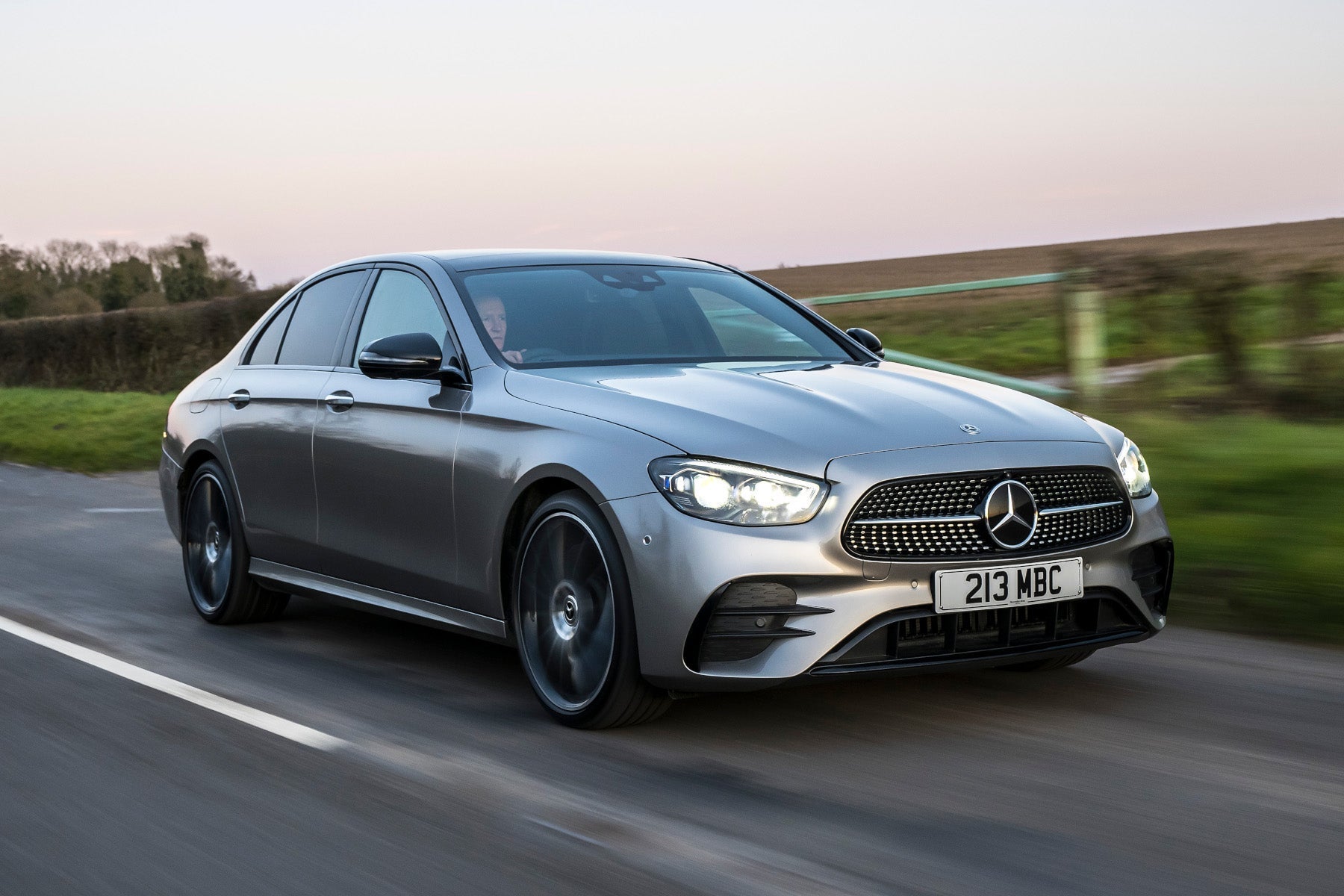
Even well-maintained E-Classes tend to require dealer visits for software calibrations, sensor resets, and proprietary system diagnostics that independent shops aren’t equipped to handle.
This doesn’t make Mercedes a bad car, but for someone whose priority is a smooth, uncomplicated drive to work, school, and errands, the E-Class can end up being more service-centered than road-focused.
We tested both the four-cylinder E 350 and the six-cylinder E 450 to see how they stack up. On our test track, the E 450 clearly impressed more, reaching 60 mph in just 4.7 seconds. Beyond its brisk acceleration, the powertrain feels exceptionally smooth and responsive.
Both engines pair with the nine-speed automatic, which shifts nearly imperceptibly, contributing to a refined driving experience. Braking in the E-Class is both smooth and confident, and the handling feels composed, making everything, from stop-and-go traffic to freeway merges, effortless. The E 350, however, can start to feel a bit underpowered at higher speeds.
Our test vehicle featured the optional Airmatic suspension. While it’s not cheap, the ride quality over rough freeways and uneven surfaces was remarkable. We’d caution against the optional 21-inch wheels, as even their slim sidewalls couldn’t fully compromise the ride, but smaller wheels will deliver the best comfort.
A suite of optional driver-assistance features makes daily driving easy, though the adaptive regenerative braking can feel slightly jerky at higher speeds.
Comfort is undoubtedly a strong suit. The seats are soft, supportive, and designed for long-haul luxury, keeping occupants comfortable for hours.
Cabin noise is impressively low, with road and wind sounds muted even at highway speeds. Our only minor complaint concerns the climate control system, which can struggle to keep the cabin cool on extremely hot days.
The driving position is excellent, aided by a wide range of seat and steering wheel adjustments that can accommodate nearly any driver. The cockpit feels personal and snug without ever feeling confining. Rear passengers, especially those over 6 feet tall, may find space a touch tighter than in the BMW 5 Series.
Controls are easy to identify, though the infotainment system’s depth and complexity require some learning. The touch-sensitive multifunction buttons on the steering wheel can also be distracting at first, but they offer a high level of control once mastered.
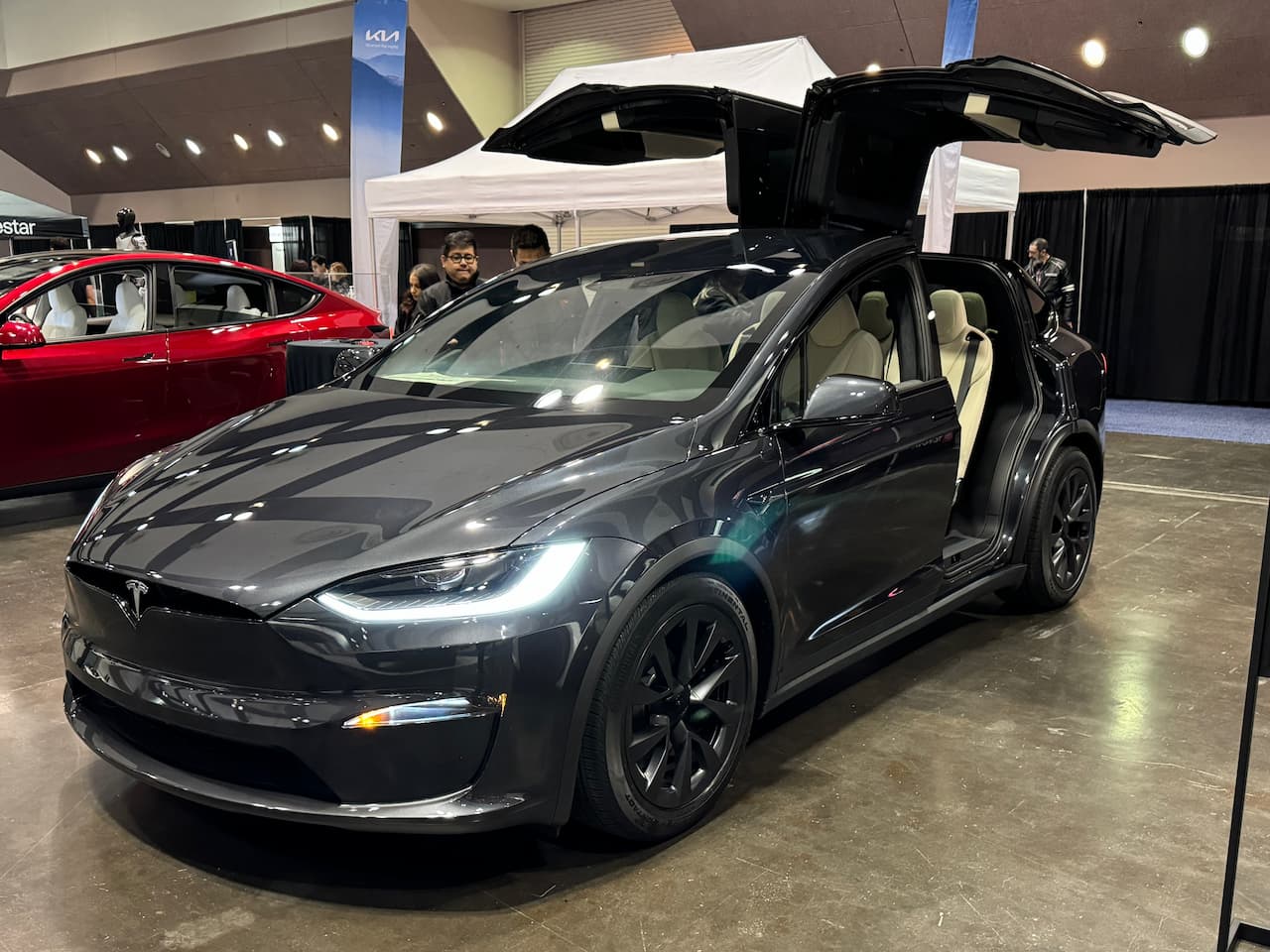
5. Tesla Model X
The Tesla Model X is unlike anything else on this list because it’s fully electric and technologically advanced in ways few other vehicles match.
Its electric powertrain and impressive performance are clear advantages, and for many drivers they make daily commuting exciting and efficient.
However, the Model X’s service ecosystem is very different from traditional vehicles. Tesla’s limited service network and reliance on mobile appointments can lead to scheduling delays.
Parts availability and longer turnaround times especially for unique components like falcon-wing doors can make what should be a simple fix into a drawn-out dealer (or Tesla service center) engagement.
In addition, because the Model X offloads much of its diagnostics and repair logic to proprietary systems, local independent garages often aren’t an option. For daily drivers in a fast-moving suburban area like Gilbert, this can mean more downtime than expected.
Choosing the right car for daily driving in Gilbert isn’t just about style or performance it’s about practicality, reliability, and the real-world cost of ownership.
The vehicles highlighted as great daily drivers offer dependable performance, accessible maintenance, and comfort that handles everyday use without frequent surprises.
By contrast, the ones listed as needing dealer service are often fantastic machines in their own right but demand higher after-purchase involvement.
Ultimately, your daily car should align with your priorities. If you value stress-free ownership and predictable routines, lean toward the cars that fit the daily commuter lifestyle.
If you demand luxury, performance, or cutting-edge tech and are willing to trade convenience for experience, some of the higher-maintenance options might still be right for you just be prepared for dealer visits.