
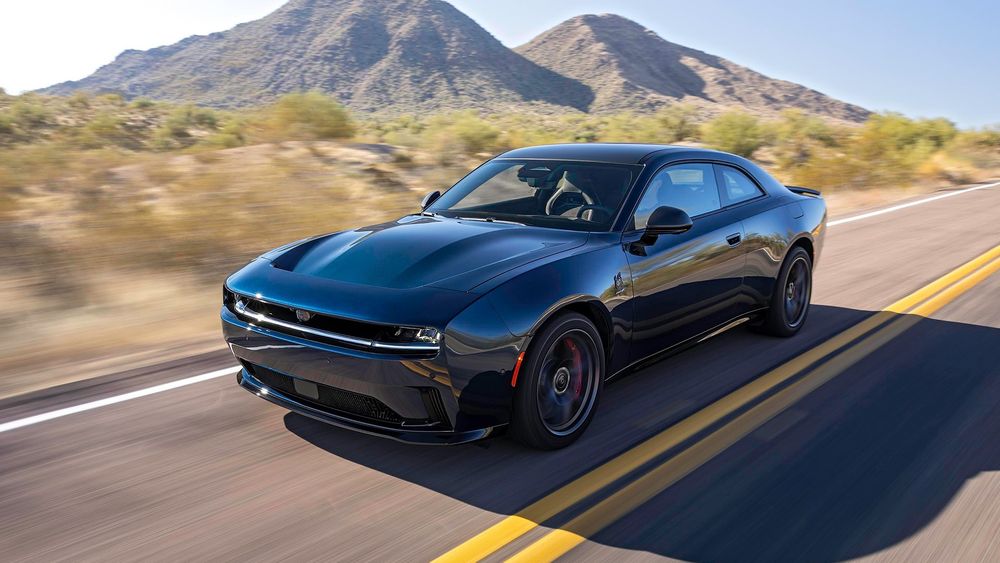
The 1970s marked a transitional era in American automotive history, where raw power met increasingly stringent emissions regulations. The Chevrolet Chevelle SS stands as an icon of this decade, particularly the legendary 1970 LS6 model with its 454 cubic-inch V8 producing 450 horsepower.
With a 0-60 mph time of around 5.4 seconds and quarter-mile runs in the low 13-second range, the Chevelle SS represented the pinnacle of muscle car performance for many enthusiasts.
However, the Chevelle SS wasn’t the fastest machine on the road during this remarkable decade. Several competitors from Detroit’s Big Three, along with a few European contenders, managed to outpace this Chevrolet legend through various means whether through superior power-to-weight ratios, advanced engineering, or simply brute horsepower.
These vehicles pushed the boundaries of what was possible during an era when manufacturers were scrambling to balance performance demands with new federal safety and emissions standards.
From Plymouth’s menacing Hemi-powered offerings to Ford’s aerodynamic NASCAR warriors, and from Pontiac’s engineering marvels to Dodge’s street-legal race cars, the 1970s produced an eclectic mix of performance machines that could humble even the mighty Chevelle SS.
This list celebrates twelve such vehicles that proved faster than Chevrolet’s muscle car icon, each representing a unique approach to speed and each carrying its own legendary status in automotive history. These cars remind us that the ’70s, despite its challenges, remained a golden age for performance enthusiasts.
1. Plymouth Hemi ‘Cuda (1970-1971)
The Plymouth Hemi ‘Cuda represents the absolute zenith of Chrysler’s performance engineering during the muscle car era. Built on the E-body platform, this legendary machine packed the immortal 426 Hemi V8 under its aggressive hood bulge, creating one of the most fearsome street warriors ever to emerge from Detroit.
With 425 advertised horsepower though real output was widely believed to exceed 500 horses the Hemi ‘Cuda could blast from 0-60 mph in just 5.2 seconds and run the quarter-mile in 13.1 seconds at over 107 mph, definitively outpacing the Chevelle SS.
The Hemi engine’s racing pedigree was undeniable, having dominated NASCAR and drag racing throughout the 1960s. When Chrysler shoehorned this beast into the redesigned-for-1970 Barracuda body, they created instant legend.
The engine featured hemispherical combustion chambers that allowed for larger valves and superior breathing, dual Carter four-barrel carburetors, and forged internals capable of withstanding tremendous stress.
The distinctive shaker hood scoop which protruded through the hood and was connected directly to the air cleaner became an iconic styling element that also served a functional purpose in force-feeding cool air into the hungry engine.
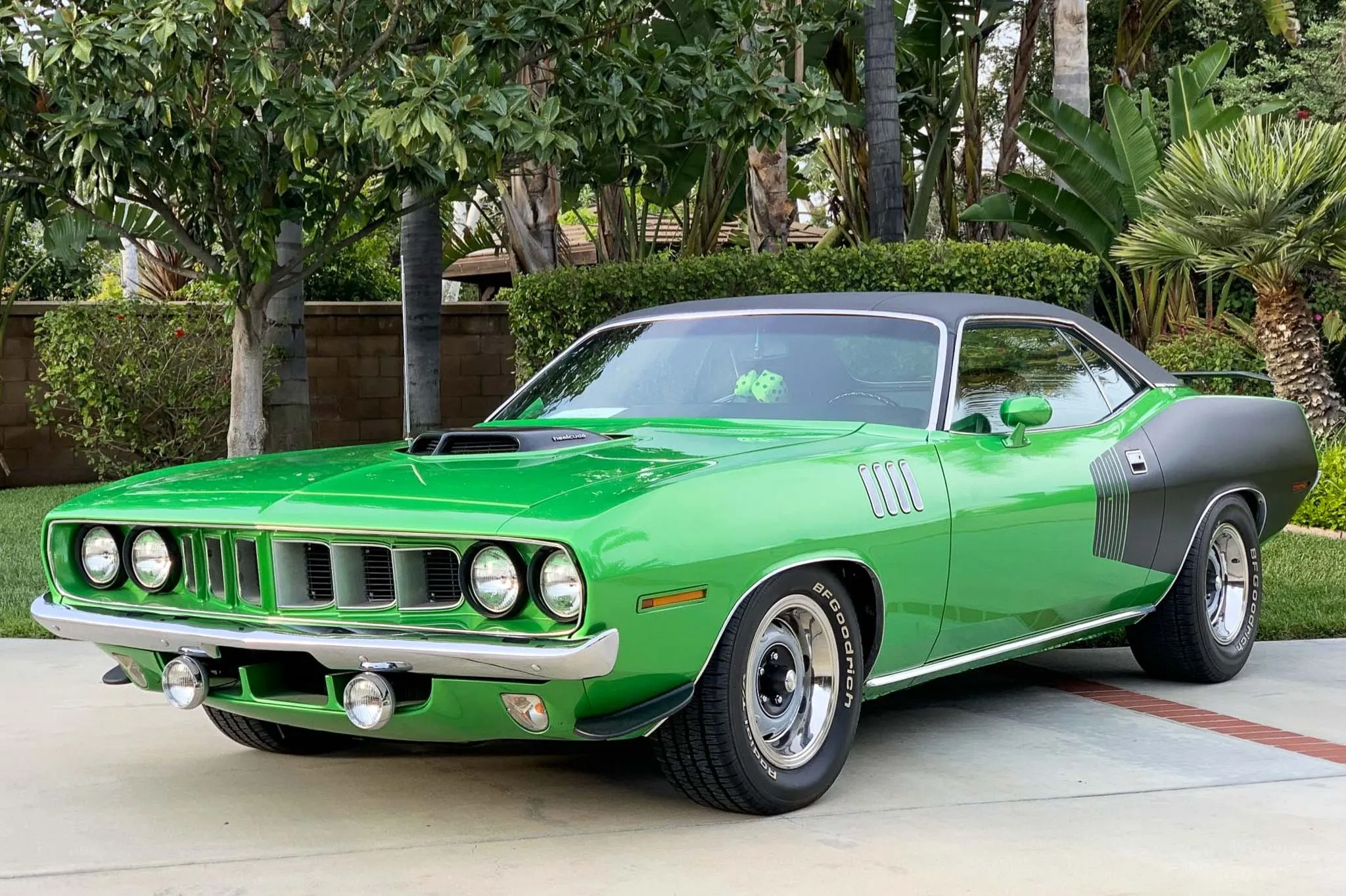
The Hemi ‘Cuda’s rarity adds to its mystique. Plymouth only produced 652 Hemi ‘Cudas across the 1970-1971 model years, with just 284 built in 1970 and 108 in 1971, making them extraordinarily rare even when new.
The $871 premium for the Hemi engine (equivalent to over $6,500 today) put it out of reach for many buyers, especially younger enthusiasts who were the typical muscle car demographic.
Those who could afford it received not just straight-line speed but also upgraded suspension, heavy-duty brakes, and a massive Dana 60 rear axle capable of handling the engine’s tremendous torque.
Today, Hemi ‘Cudas command astronomical prices at auction, regularly exceeding seven figures, testament to their legendary status as one of the fastest and most desirable muscle cars ever built.
2. Dodge Charger Daytona (1969) / Plymouth Superbird (1970)
While the Dodge Charger Daytona technically debuted in 1969, it continued racing and appearing in dealer showrooms into 1970, followed by its corporate cousin, the Plymouth Superbird, in 1970. These aerodynamic warriors were purpose-built to dominate NASCAR’s high-speed superspeedways, and their outrageous styling made them faster than virtually anything on the street.
With their massive rear wings standing 23 inches high and nose cones extending nearly two feet beyond the standard grille, these cars cut through the air with unprecedented efficiency, achieving speeds that embarrassed the Chevelle SS.
The Daytona and Superbird could reach top speeds exceeding 200 mph in race trim, and even street versions could hit 140-150 mph with the right gearing and engine combination.
While their 0-60 times of around 5.5 seconds with the 440 Magnum engine weren’t dramatically superior to the Chevelle, their high-speed capabilities and handling at velocity were in a completely different league.
The available 426 Hemi engine dropped those acceleration times into the low 5-second range, making them formidable stoplight warriors as well.
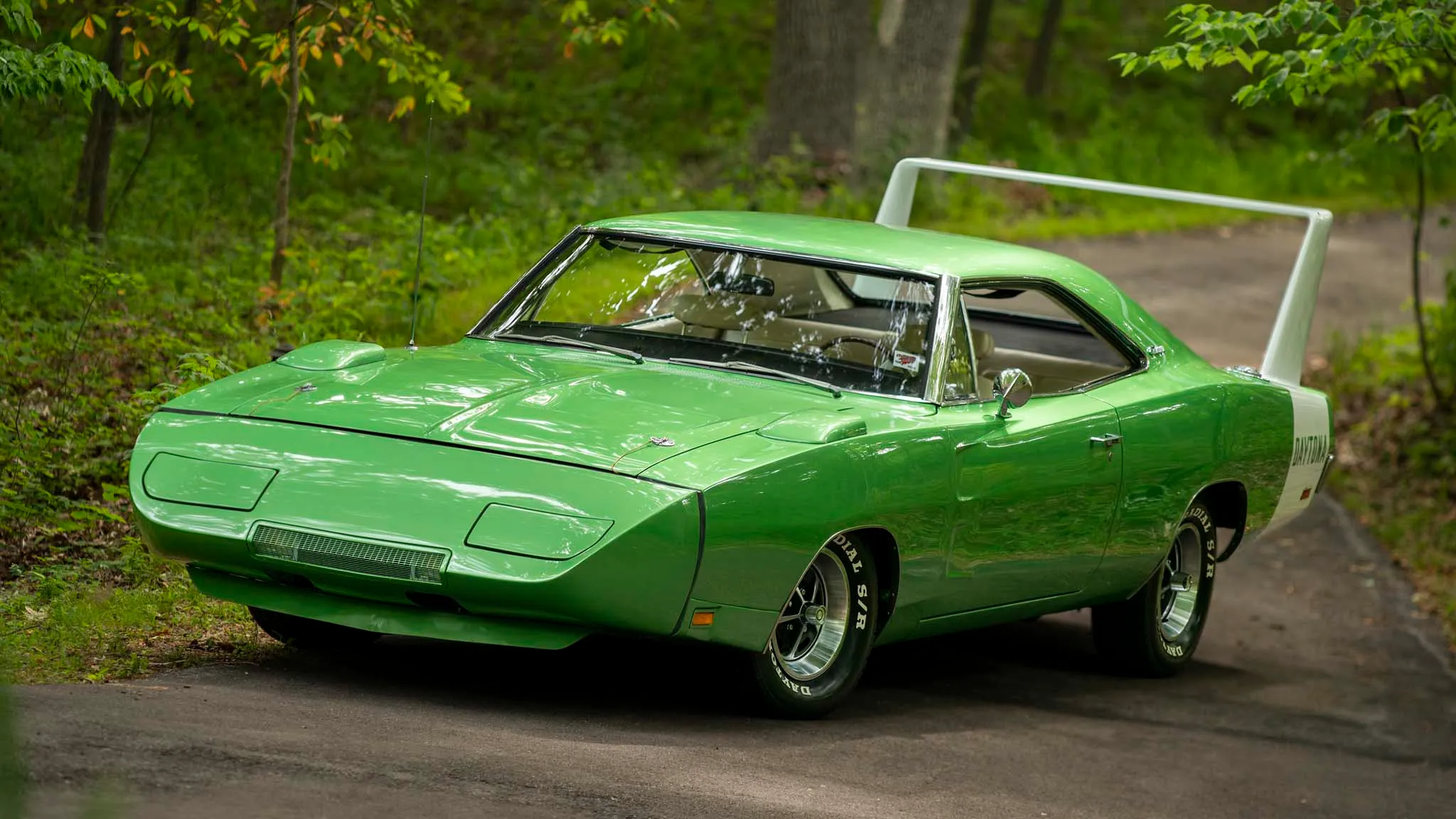
The aerodynamic modifications weren’t merely cosmetic flourishes. Wind tunnel testing and on-track development informed every curve and angle of these machines. The flush rear window, smoother roofline, and scientifically shaped nose cone reduced drag significantly compared to standard Chargers and Road Runners.
The towering rear wing wasn’t just for show either it provided genuine downforce at high speeds, keeping the rear end planted during triple-digit racing.
These modifications gave Dodge and Plymouth the competitive edge needed to win NASCAR championships, with the Daytona helping secure the manufacturer’s title in 1969.
These aerodynamic specials represent the ultimate expression of Detroit’s “win on Sunday, sell on Monday” philosophy, and their ability to outrun the Chevelle SS, particularly at highway speeds, remains undisputed.
3. Buick GSX Stage 1 (1970-1971)
The Buick GSX Stage 1 proved that General Motors’ “gentlemen’s division” could build a muscle car capable of humbling its Chevrolet siblings. Based on the Gran Sport (GS), the GSX represented Buick’s limited-production flagship performance offering.
The Stage 1 performance package transformed the already potent 455 cubic-inch V8 into a torque monster that produced an advertised 360 horsepower but a truly staggering 510 lb-ft of torque the highest torque rating of any production muscle car in 1970.
This immense low-end grunt allowed the GSX Stage 1 to achieve 0-60 mph times of 5.5 seconds and quarter-mile times in the low 13-second range, matching or beating the Chevelle SS.
What made the Stage 1 particularly special was Buick’s engineering approach. While other manufacturers focused primarily on horsepower numbers, Buick engineers understood that torque wins street races.
The Stage 1 package included a hotter camshaft, larger Rochester Quadrajet carburetor, better flowing heads, and lower restriction exhaust systems.
The massive torque output meant the GSX Stage 1 pulled hard from any RPM range, making it devastatingly effective in real-world driving situations. Unlike peakier engines that required high RPMs to access their power, the Buick would simply dig in and launch with authority from idle.
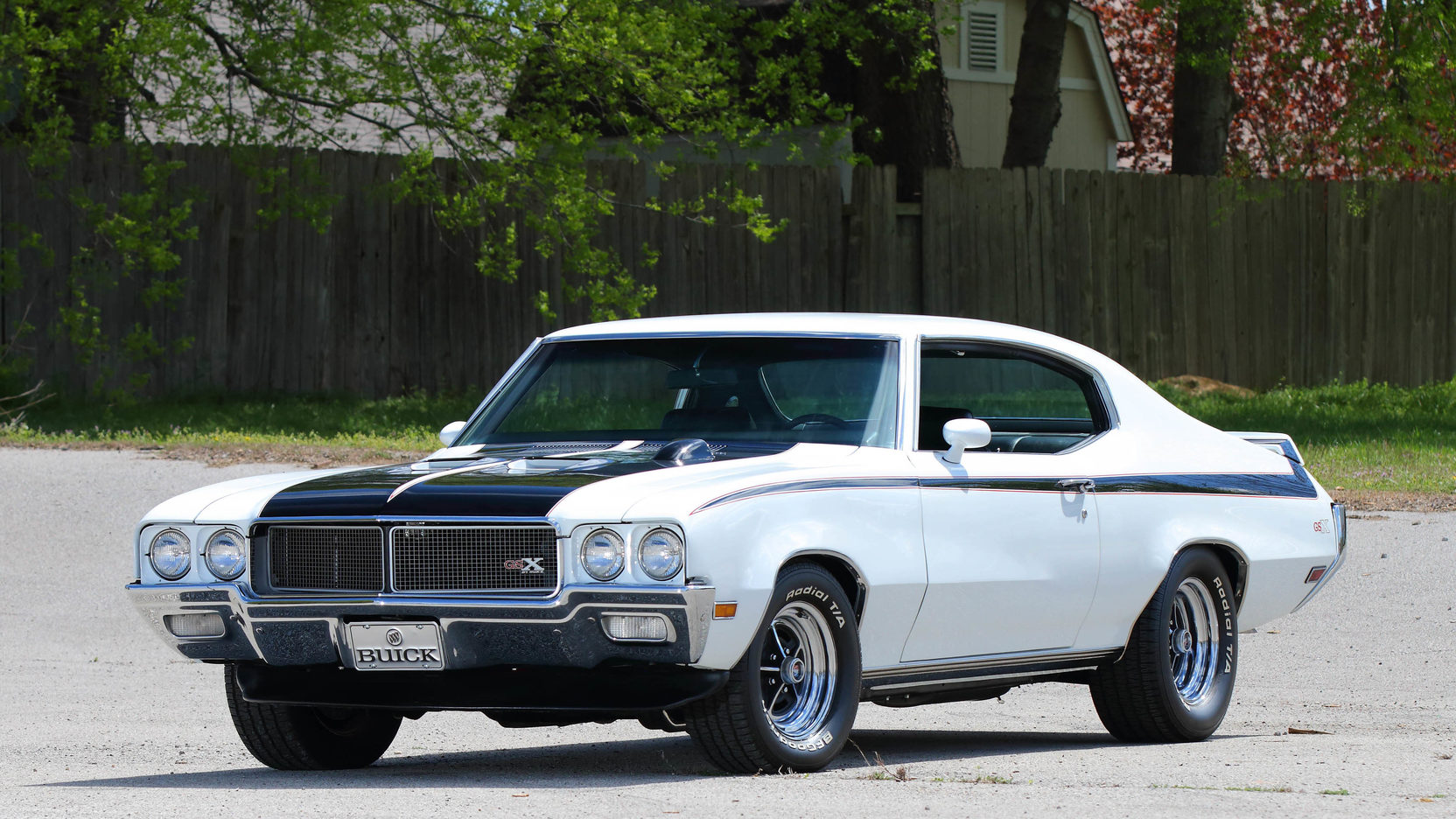
The GSX model itself was a visual spectacle. Available initially only in Apollo White or Saturn Yellow both adorned with contrasting black stripes and graphics the GSX announced its performance intentions boldly.
The hood-mounted tachometer, functional hood scoops with Sport stripes, and aggressive stance gave the car an imposing presence.
Buick only produced 678 GSX models in 1970 and 124 in 1971, making them extremely rare. However, the Stage 1 package was available in the less flashy GS 455, which accounts for more surviving examples today.
The combination of massive torque, competent chassis dynamics, and luxurious Buick interior appointments made the GSX Stage 1 a sophisticated alternative to rawer offerings from Dodge and Plymouth. It proved that Buick could run with the performance elite while maintaining the refinement expected from the brand.
4. Pontiac GTO Judge Ram Air IV (1969-1970)
The Pontiac GTO Judge with Ram Air IV engine represented the pinnacle of the model that essentially created the muscle car segment. While the Judge package initially served as a budget-oriented option with garish graphics and spoilers, pairing it with the rare Ram Air IV engine created a genuine supercar.
The 400 cubic-inch Ram Air IV produced an advertised 370 horsepower, though actual output was significantly higher. This hand-assembled engine featured round-port cylinder heads, forged pistons, and internal components capable of withstanding tremendous stress.
The result was 0-60 mph times around 5.3 seconds and quarter-mile runs in the high 13-second range, edging out the Chevelle SS. The Ram Air IV’s development focused on maximizing airflow and RPM capability.
Unlike many muscle car engines that relied on brute displacement and torque, the Ram Air IV was a sophisticated performer that loved to rev. The round-port heads flowed significantly more air than standard D-port heads, while the radical camshaft profile allowed the engine to pull hard to 6,000 RPM and beyond.
The Ram Air induction system which drew cold air from scoops integrated into the hood provided denser intake charges for improved combustion. Only about 759 Ram Air IV GTOs were built across 1969-1970, with just 37 being Judge models, making them extraordinarily rare.
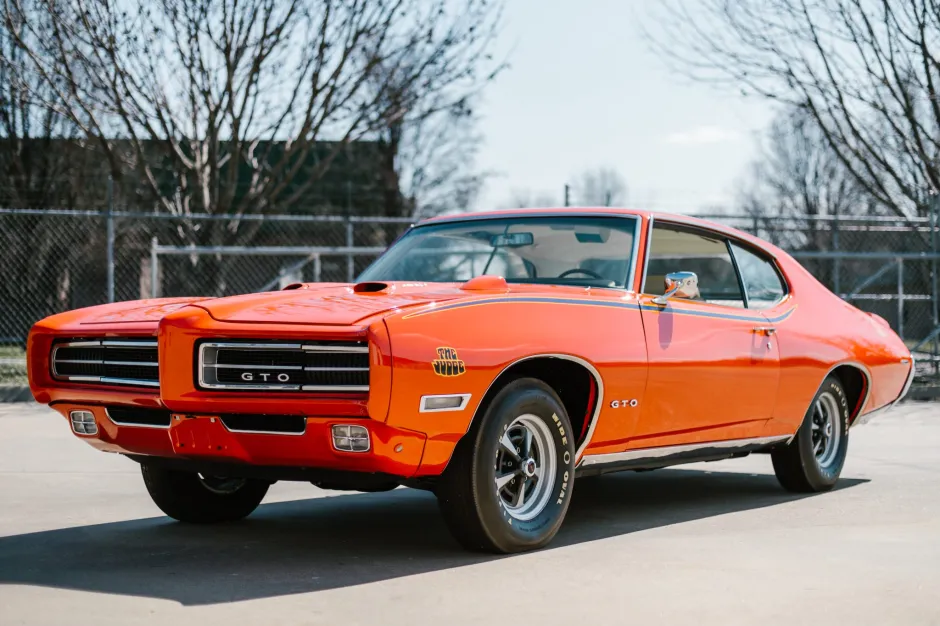
The Judge package itself became iconic through its outrageous styling. The “The Judge” decals, Orbit Orange paint option, rear spoiler, and flamboyant presentation seemed almost cartoonish, inspired by the “Here Comes the Judge” catchphrase from the television show Laugh-In. However, beneath the wild graphics lived serious performance hardware.
Beyond the engine options, Judges received Rally II wheels, heavy-duty suspension, and special badging that set them apart from standard GTOs. The combination of serious performance and theatrical styling made the Judge particularly appealing to younger buyers.
What distinguished the Ram Air IV GTO from competitors was Pontiac’s racing heritage and engineering excellence. Pontiac had pioneered the muscle car formula with the original 1964 GTO, and by the decade’s end, they had refined the concept to near perfection.
Drivers appreciated the engine’s progressive power delivery and willingness to rev, characteristics that made it more versatile than some of the larger, torquier engines offered by competitors. The GTO Judge Ram Air IV represented the culmination of Pontiac’s performance legacy during the golden age of muscle cars.
Also Read: 5 Cars for Topeka Practical Driving vs 5 That Require Dealer Care
5. Ford Torino Cobra 429 Super Cobra Jet (1970-1971)
Ford’s answer to the Hemi ‘Cuda and LS6 Chevelle came in the form of the Torino Cobra equipped with the 429 Super Cobra Jet engine.
This combination created one of Ford’s fastest muscle cars, capable of running 0-60 mph in 5.5 seconds and completing the quarter-mile in the mid-13-second range at over 104 mph.
The 429 SCJ, rated at 375 horsepower (a figure widely considered underrated), featured a Ram Air induction system, 780 CFM Holley carburetor, and forged internals that made it virtually bulletproof under hard use.
The Super Cobra Jet package took Ford’s already potent 429 Cobra Jet engine and enhanced it with even more heavy-duty components. The Nodular iron crankshaft, four-bolt main caps, and mechanical lifters allowed the SCJ to withstand the punishment of drag racing abuse.
Ford’s “Drag Pack” option, which included 3.91 or 4.30 rear axle ratios and an engine oil cooler, transformed the Torino Cobra into a purpose-built quarter-mile warrior.
The shaker hood scoop which protruded through the hood and was painted black regardless of body color became an instantly recognizable trademark of these high-performance Fords.
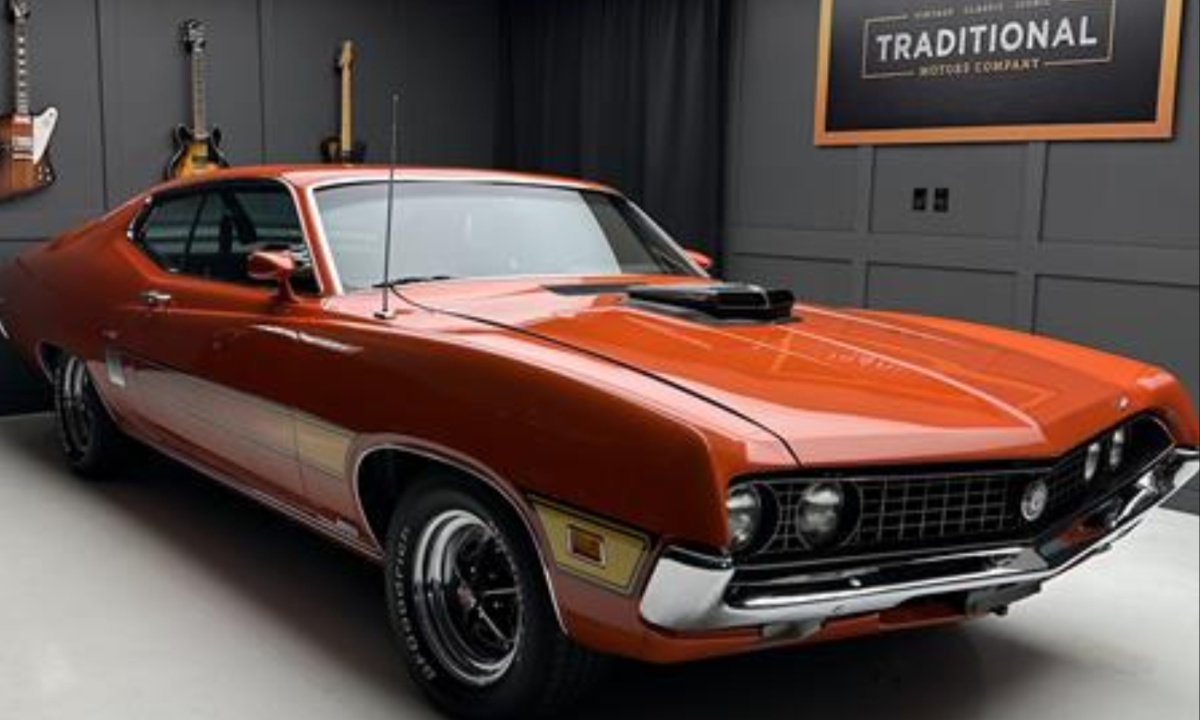
The 1970 Torino Cobra represented significant departure from earlier Fairlane-based muscle cars. The sleeker, more aerodynamic body styling improved both aesthetics and high-speed stability.
The fastback roofline and semi-flush rear window showed Ford’s attention to wind-cheating design principles learned from NASCAR competition.
Inside, the Torino Cobra came relatively stripped-down compared to luxury-oriented competitors, with plain bench seats standard and minimal sound deadening, emphasizing its performance mission over comfort. Optional high-back bucket seats and console dressed things up for buyers wanting more amenities.
Ford produced relatively few 429 Super Cobra Jet Torinos, with estimates suggesting fewer than 200 units across both years, making them extremely rare today. Most buyers opted for the standard Cobra Jet or the more affordable 429 Thunder Jet engines, which offered strong performance at lower price points.
The rarity of genuine SCJ cars, combined with their documented performance capabilities exceeding the Chevelle SS, has made them highly sought-after collector vehicles.
The Torino Cobra demonstrated Ford’s commitment to performance during the muscle car era’s twilight years, creating a legend that could genuinely challenge Mopar’s Hemi warriors and GM’s biggest guns.
6. Oldsmobile 442 W-30 (1970)
Oldsmobile’s 442 W-30 for 1970 represented the peak of the 442’s performance capabilities and one of GM’s best-kept muscle car secrets. The W-30 package transformed the already capable 442 into a legitimate stoplight warrior capable of embarrassing better-known competitors.
Powered by a 455 cubic-inch V8 rated at 370 horsepower and 500 lb-ft of torque, the W-30 featured numerous performance enhancements including a hotter camshaft, aluminum intake manifold, plastic inner fender liners for cooler air induction, and special cylinder head modifications.
The result was 0-60 mph times of 5.7 seconds and quarter-mile runs in the low-to-mid 13-second range. What made the W-30 particularly effective was Oldsmobile’s comprehensive approach to performance.
The package included specific rear axle ratios, heavy-duty cooling system, and distinctive red plastic inner fender liners that channeled cool air directly to the air cleaner via flexible ducts.
These red fender liners became a signature W-30 identifier, along with the twin-scoop fiberglass hood that provided additional cold air induction.
The Force-Air induction system gave the 442 W-30 improved throttle response and stronger mid-range acceleration compared to standard 442s, making it devastatingly quick in street racing situations.
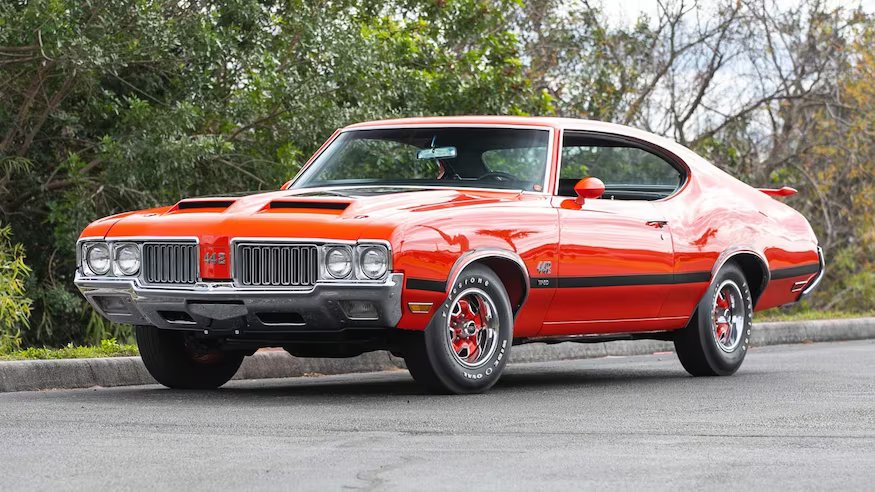
The 1970 442 also benefited from Oldsmobile’s revised styling that year, which many enthusiasts consider the best-looking iteration of the model. The sculpted body lines, aggressive front end treatment, and available spoilers and graphics created a purposeful appearance that matched the car’s capabilities.
Inside, the 442 offered more refinement than some competitors, with comfortable bucket seats, full instrumentation, and typical Oldsmobile attention to detail. This made the W-30 an appealing choice for buyers who wanted serious performance without sacrificing daily drivability or comfort.
The 442 W-30 proved that Oldsmobile could compete directly with the Chevelle SS while offering a slightly more refined package, demonstrating that performance didn’t require sacrificing all creature comforts or build quality.
7. Mercury Cyclone Spoiler II 429 (1969-1970)
Mercury’s Cyclone Spoiler II with the 429 engine represented Ford Motor Company’s aerodynamic muscle car entry alongside the Torino Cobra. Built primarily for NASCAR homologation purposes, the Spoiler II featured a distinctive flush rear window and unique front end treatment with a protruding nose cone, though less extreme than Mopar’s winged warriors.
When equipped with the 429 Cobra Jet or Super Cobra Jet engines, the Cyclone Spoiler II could achieve performance figures matching or exceeding the Chevelle SS, with 0-60 times in the mid-5-second range and quarter-mile times in the low-to-mid 13s.
The Spoiler II came in two special editions: the Dan Gurney Special, featuring distinctive blue and white colors, and the Cale Yarborough Special, wearing red and white livery.
Both honored NASCAR drivers who campaigned Cyclones in competition, creating direct marketing connections between showroom cars and Sunday heroes.
The extended nose and flush rear window weren’t purely cosmetic they genuinely improved aerodynamic efficiency at high speeds, allowing the Cyclone to achieve higher top speeds than standard models.
On NASCAR’s high-speed superspeedways, properly prepared Cyclones competed effectively against Dodge Daytonas and Plymouth Superbirds.
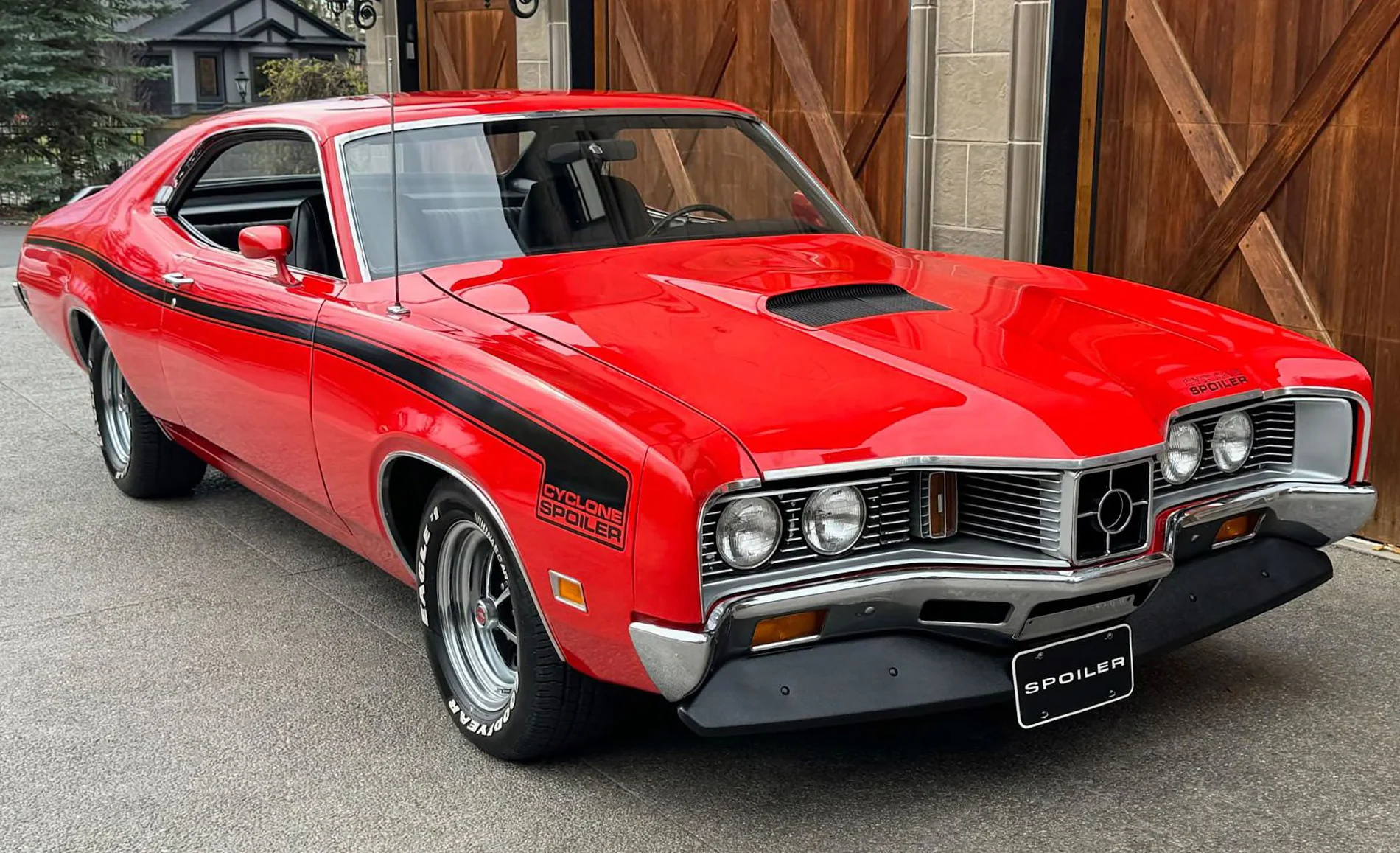
Mercury produced only 519 Spoiler IIs in 1969, making them quite rare even when new. The limited production run reflected these cars’ primary mission as homologation specials rather than volume sellers. Most featured the 351 Windsor engine as standard equipment, with the 428 Cobra Jet and 429 engines available as options.
The examples equipped with 429 power represented the absolute performance pinnacle, offering straight-line acceleration that few competitors could match. The Drag Pack option, like on the Torino Cobra, transformed these Mercuries into legitimate drag strip terrors.
The Cyclone Spoiler II’s distinctive styling has made it one of the most recognizable Mercury muscle cars. The extended nose created a unique profile that stood out even in an era of outrageous automotive designs. Inside, the Cyclone offered typical Mercury levels of trim and equipment, positioning it as a slightly more upscale alternative to comparable Fords.
Today, Cyclone Spoiler IIs command respect and attention at car shows, representing Ford’s aerodynamic experiments during NASCAR’s aero wars while offering straight-line performance that definitively outpaced the Chevelle SS.
8. AMC AMX 390 (1970)
American Motors’ AMX 390 might seem an unlikely candidate to outpace the Chevelle SS, but this compact two-seat muscle car packed enough punch to surprise unsuspecting competitors.
The 1970 model year brought significant improvements, with the top-engine option being the 390 cubic-inch V8 producing 325 horsepower.
Thanks to the AMX’s relatively light curb weight of around 3,400 pounds significantly less than the Chevelle’s 3,800+ pounds the power-to-weight ratio worked heavily in the AMC’s favor. The result was 0-60 mph times of approximately 5.7 seconds and quarter-mile runs in the mid-to-high 13-second range.
The AMX distinguished itself through its unique two-seat configuration, making it America’s only domestically produced two-seat sports car at the time besides the Corvette. Built on a shortened Javelin platform with a 97-inch wheelbase, the AMX measured only 177 inches about 19 inches shorter than a Chevelle.
This compact size, combined with AMC’s Go Package option that included a Twin-Grip differential, heavy-duty cooling, and upgraded suspension components, made the AMX a surprisingly capable performer both in straight lines and through corners. The shorter wheelbase provided nimble handling characteristics that larger muscle cars simply couldn’t match.
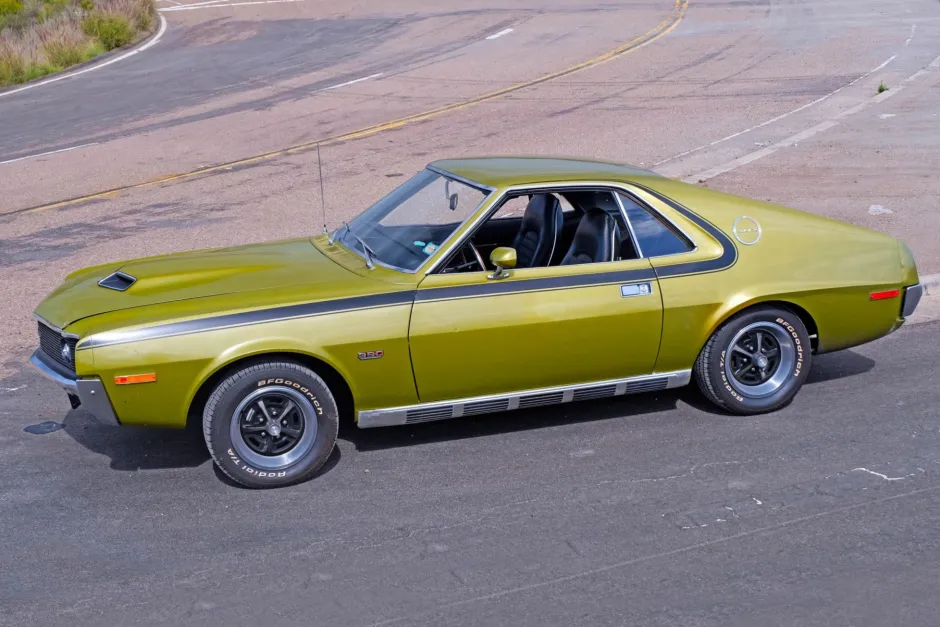
AMC’s performance ambitions with the AMX extended beyond straight-line speed. The company hired racing legend Craig Breedlove to set speed records at Goodyear’s test track in Texas, where specially prepared AMXs broke 106 speed and endurance records.
This racing pedigree, though less publicized than efforts by the Big Three, demonstrated AMC’s serious commitment to performance despite being a smaller, independent manufacturer.
The AMX competed successfully in SCCA racing and various drag racing classes, proving its capabilities against better-funded competitors.
The AMX 390 demonstrated that cubic inches, horsepower, and a favorable power-to-weight ratio mattered more than manufacturer size or reputation.
9. Chevrolet Corvette LS6 454 (1971)
While technically a Chevrolet sibling to the Chevelle SS, the 1971 Corvette equipped with the LS6 454 engine deserves recognition as a faster machine than its muscle car counterpart.
The Corvette’s lighter fiberglass body and superior aerodynamics allowed it to extract better performance from the same basic powertrain.
Chevrolet manufactured only 188 LS6-equipped Corvettes in 1971, making them extraordinarily scarce compared to the thousands of LS6 Chevelles produced in 1970.
This rarity, combined with the Corvette’s inherent desirability and superior performance, has made these cars among the most valuable muscle-era Chevrolets.
The LS6 option cost $1,221 a substantial premium but buyers received not just the legendary big-block engine but also heavy-duty components throughout the drivetrain to handle the increased power.
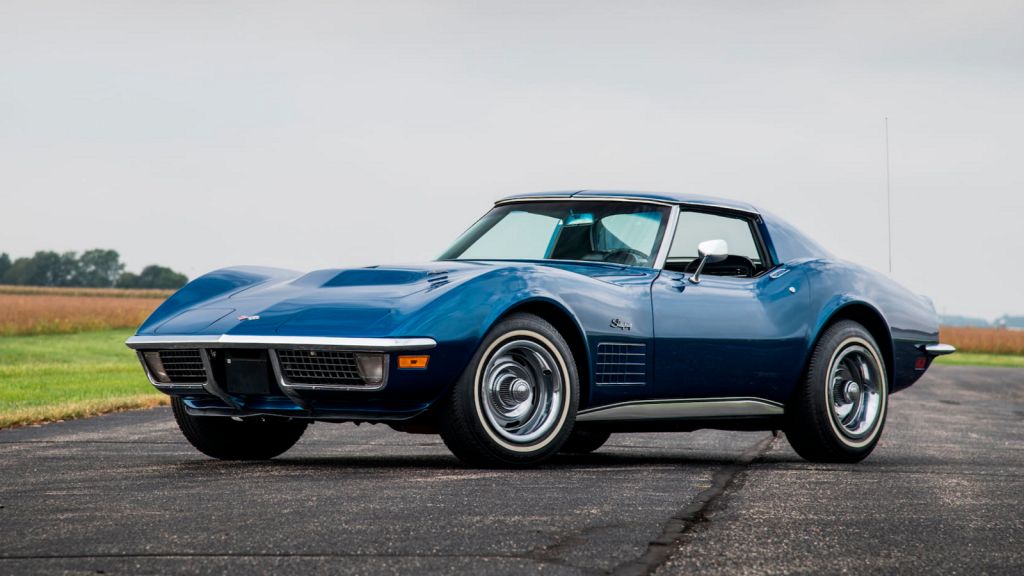
Beyond straight-line performance, the Corvette offered handling dynamics that muscle cars couldn’t approach. The independent rear suspension, lower center of gravity, and better weight distribution allowed the Corvette to carve through corners with competence that would embarrass any Chevelle.
The combination of straight-line speed and genuine sports car handling made the LS6 Corvette a more complete performance package.
Drivers could enjoy acceleration runs and then actually use the car on winding roads without the body roll, understeer, and generally sloppy handling characteristics typical of heavier muscle cars.
The car represented Chevrolet offering its ultimate performance engine in its ultimate performance chassis, creating a combination that definitively outpaced the Chevelle SS while remaining a more practical and versatile sports car suitable for both drag strips and road courses.
10. Pontiac Trans Am SD-455 (1973-1974)
While the Trans Am SD-455 technically arrived in the mid-1970s after most muscle cars had been emasculated by emissions regulations, it deserves recognition as one of the few true performance machines that could still outrun earlier muscle cars.
The Super Duty 455 engine produced an advertised 290 horsepower and 395 lb-ft of torque figures that were honest SAE net ratings unlike the inflated gross ratings used earlier. In reality, the SD-455 produced output comparable to many earlier engines rated at 350-375 gross horsepower.
The Trans Am SD-455 could achieve 0-60 mph in approximately 5.4 seconds and quarter-mile times in the low 13-second range, matching the best Chevelle SS performance.
The SD-455 represented Pontiac’s engineers working within new emissions and insurance regulations to create a genuine performance engine.
The Super Duty designation recalled Pontiac’s legendary racing engines from the early 1960s. The SD-455 featured round-port cylinder heads similar to the Ram Air IV, forged pistons, four-bolt main caps, and numerous other heavy-duty components.
The engine was essentially hand-assembled by a small group of Pontiac engineers who remained committed to performance despite corporate pressures to abandon such programs. Only 943 Trans Am SD-455s were produced across both years 252 in 1973 and 691 in 1974.
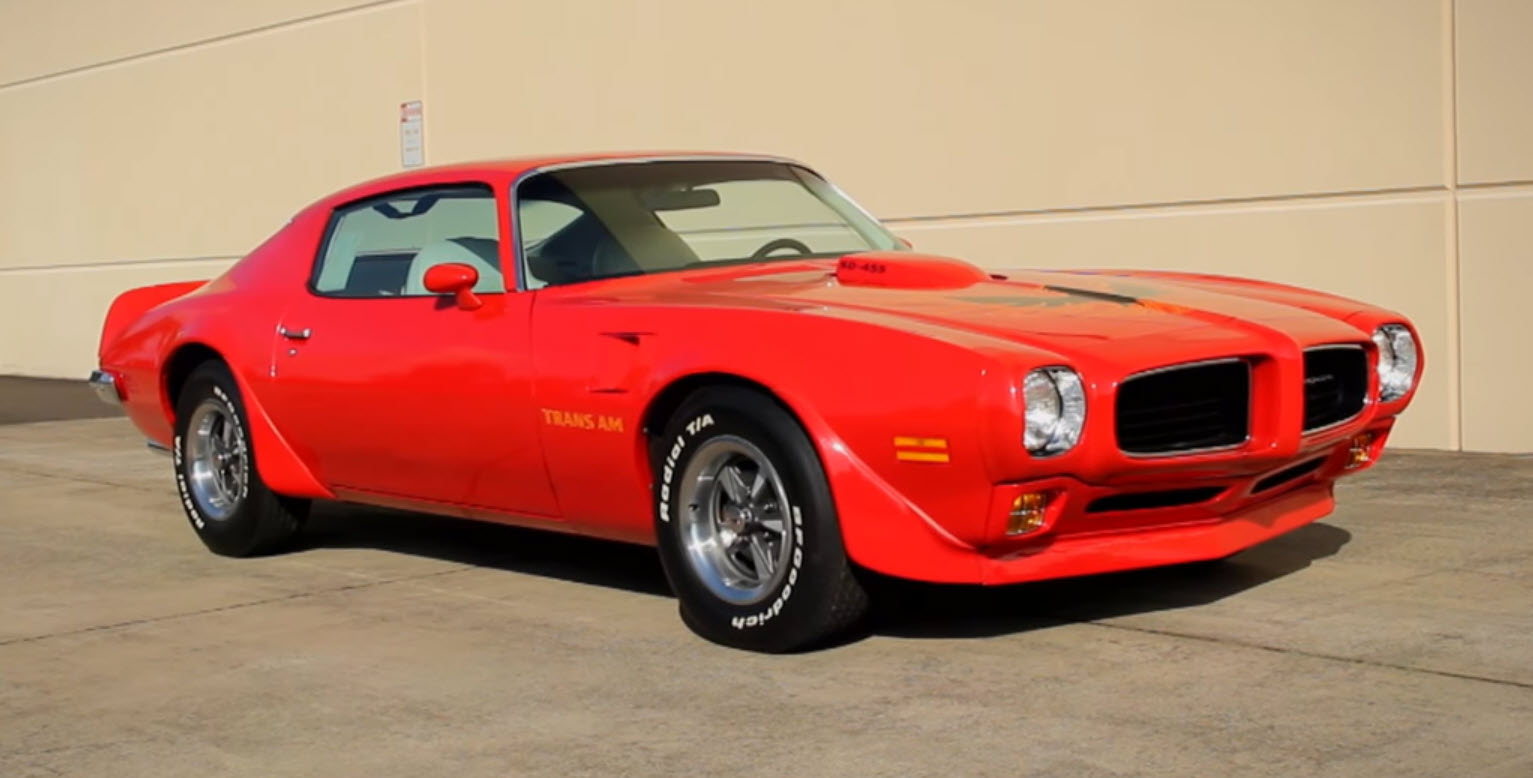
What made the SD-455 Trans Am particularly remarkable was its ability to deliver this performance while meeting 1973-1974 emissions standards. Pontiac engineers accomplished this through careful attention to combustion chamber design, precise carburetor calibration, and exhaust system tuning.
The result was an engine that could pass emissions tests yet still deliver tire-smoking acceleration. The Trans Am’s handling dynamics, refined through years of development and Trans Am racing series competition, made it a more complete performance package than any Chevelle SS. The car could genuinely handle curves with sports car-like competence.
These cars represented Pontiac’s final defiant gesture toward performance enthusiasts, proving that creative engineering could still produce exciting cars despite regulatory constraints.
The SD-455 Trans Am demonstrated that the Trans Am could outperform the Chevelle SS while offering superior handling, better fuel economy, and compliance with modern emissions standards a remarkable achievement during a challenging era.
11. Ford Mustang Boss 429 (1969-1970)
The Ford Mustang Boss 429 stands as one of the most legendary and sought-after muscle cars ever produced, built primarily to homologate Ford’s massive semi-hemispherical headed 429 engine for NASCAR competition.
The street version produced an advertised 375 horsepower a figure universally considered underrated, with actual output closer to 500 horsepower.
The Boss 429’s 0-60 mph times of around 5.1 seconds and quarter-mile times in the low-to-mid 13-second range at over 107 mph definitively outpaced the Chevelle SS, establishing it as one of the quickest muscle cars of the era.
The engine itself featured aluminum cylinder heads with crescent-shaped combustion chambers (hence the “semi-hemi” description), a single Holley 735 CFM four-barrel carburetor, and forged internals throughout. The resulting engine was an engineering masterpiece that dominated on NASCAR superspeedways.

Ford produced only 859 Boss 429 Mustangs in 1969 and 499 in 1970, making them extraordinarily rare even by limited-production muscle car standards. The cars came only in SportsRoof (fastback) body style and were painted in subtle colors rather than the wild hues typical of some muscle cars.
The Boss 429 received a functional hood scoop, rear window slats, front spoiler, and Magnum 500 wheels that gave it a purposeful, race-ready appearance.
Inside, the car came relatively stripped of luxury features, emphasizing its performance mission. The plain interior reflected the Boss 429’s purpose as a race car for the street.
This combination of devastating acceleration, improved handling, extreme rarity, and direct NASCAR heritage has raised the Boss 429 to mythical status among collectors, representing the ultimate expression of Ford’s Total Performance era.
12. Dodge Challenger R/T 440 Six Pack (1970-1971)
The Dodge Challenger R/T equipped with the 440 Six Pack engine offered Mopar enthusiasts a more affordable alternative to the Hemi while still delivering performance exceeding the Chevelle SS. The 440 Six Pack essentially the same engine as Plymouth’s 440+6 featured three two-barrel Holley carburetors that produced 390 advertised horsepower and a massive 490 lb-ft of torque.
This engine configuration allowed for 0-60 mph times of approximately 5.6 seconds and quarter-mile runs in the mid-13-second range at over 104 mph, matching or exceeding the Chevelle’s best numbers while costing significantly less than Hemi power.
This progressive system gave the 440 Six Pack excellent drivability characteristics compared to radical single four-barrel setups, making it more practical for daily driving while still delivering dramatic performance when unleashed.
The distinctive Air Grabber hood with its prominent hood scoop could be opened via a dashboard-mounted switch, allowing cold air induction for maximum performance.
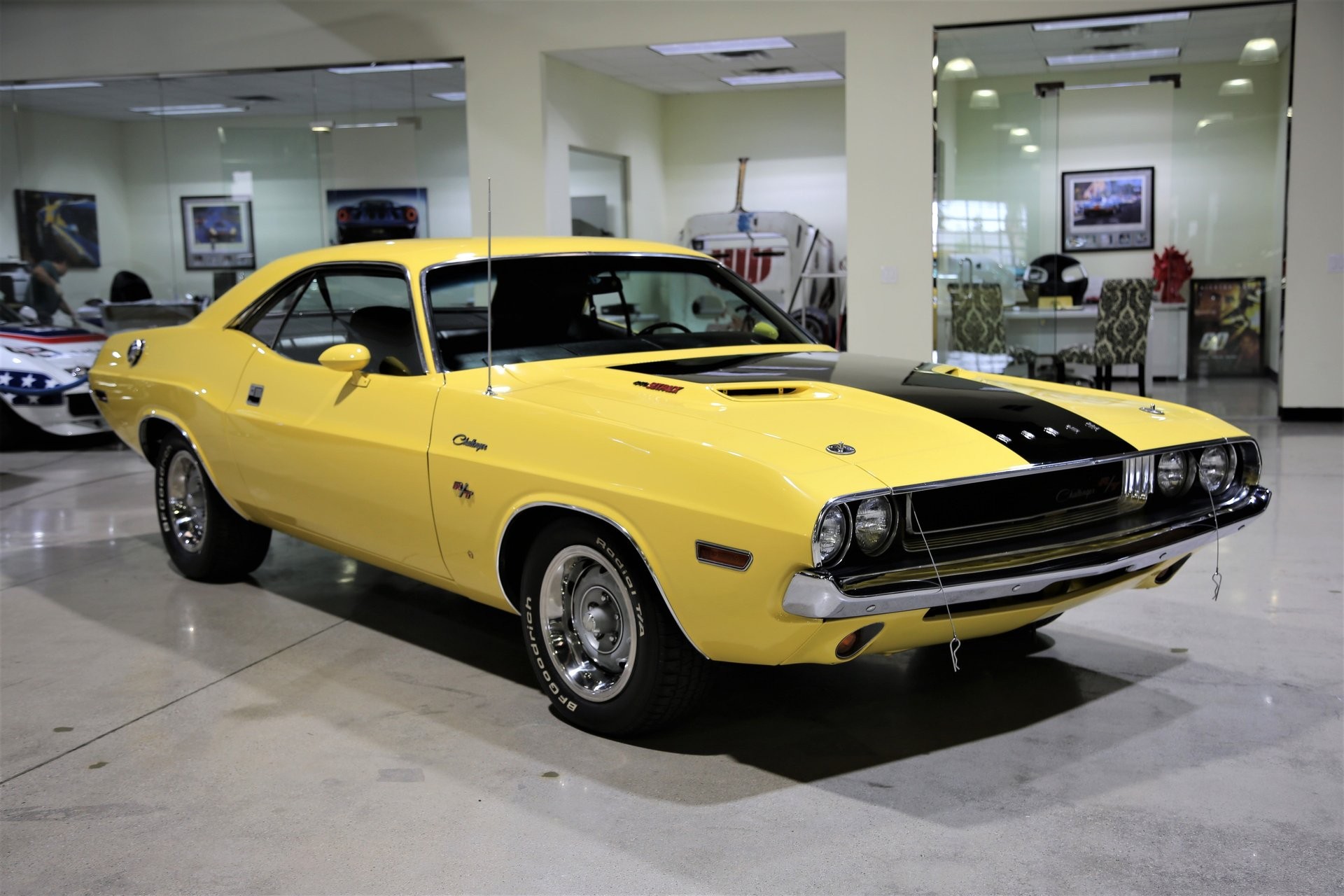
The Challenger R/T represented Dodge’s entry into the pony car segment, competing directly against the Mustang, Camaro, and Barracuda. Built on Chrysler’s E-body platform alongside the Plymouth Barracuda, the Challenger offered more interior room and a slightly longer wheelbase, making it the most comfortable of Mopar’s muscle cars.
The 1970 styling remains timeless, with its long hood, short deck proportions, and available Shaker or Air Grabber hood scoops creating an aggressive stance that perfectly captured the muscle car aesthetic.
Dodge offered the Challenger in numerous configurations, but the R/T models with serious engines like the 440 Six Pack represented the performance pinnacle for buyers who couldn’t afford or didn’t need Hemi power.
The combination of strong performance, dramatic styling, relative comfort, and that intoxicating sound of three two-barrel carburetors gulping air made the Challenger R/T 440 Six Pack a legend capable of embarrassing a Chevelle SS while offering superior comfort and livability for daily driving duties.
Also Read: 6 Cars for Biloxi Beachside Living vs 6 That Fail in Salt Air
