Living in Glendale, Arizona means learning very quickly that summer is not just a season it’s a stress test. With temperatures regularly pushing past 105°F and asphalt radiating heat well into the night, cars here endure far harsher conditions than in most U.S. cities.
Extreme heat affects engines, transmissions, cooling systems, batteries, air-conditioning performance, interior materials, and even electronics.
A vehicle that performs flawlessly in cooler climates can suddenly become unreliable, uncomfortable, or expensive to maintain when exposed to Arizona summers year after year.
For Glendale drivers, choosing the right car is not just about style or performance. It’s about thermal management, durability, and long-term ownership costs.
Some vehicles are engineered with robust cooling systems, proven powertrains, and interiors that tolerate relentless sun exposure. Others, especially those designed with tighter tolerances or heat-sensitive components, can struggle under desert conditions.
Below are five cars that handle Glendale’s brutal summers exceptionally well, followed by five that tend to struggle, particularly when exposed to prolonged heat, heavy A/C use, and stop-and-go traffic common in the Phoenix metro area.
Cars That Handle Glendale’s Hot Summers Well
Glendale’s hot Mediterranean summerswith long stretches of high temperatures and relentless sunshine, put extra stress on vehicles that aren’t properly equipped for heat.
For commuters here, it’s not enough for a car to simply run well; it needs to stay cool and comfortable day after day while resisting the wear and tear that scorching summer climates can cause.
That means strong air conditioning systems, heat-tolerant engines and cooling setups, interior materials that won’t bake in the sun, and reliable performance even when the mercury climbs.
In this section, we highlight vehicles that rise above the heat, cars with proven records of comfort, durability, and reliability in high-temperature conditions.
Whether you’re facing long freeway drives to downtown Los Angeles, canyon routes to the coast, or everyday errands around Glendale, these picks help ensure your summer commute stays cool, smooth, and stress-free.
1. Toyota Camry
The Toyota Camry has earned its reputation in Arizona for one simple reason: it just keeps going.
Toyota’s naturally aspirated engines, especially the 2.5-liter four-cylinder, are engineered with conservative tuning and excellent cooling margins. In extreme heat, this matters more than outright horsepower.
The Camry’s cooling system is robust, and its transmission doesn’t rely heavily on fragile components that degrade quickly in high temperatures.
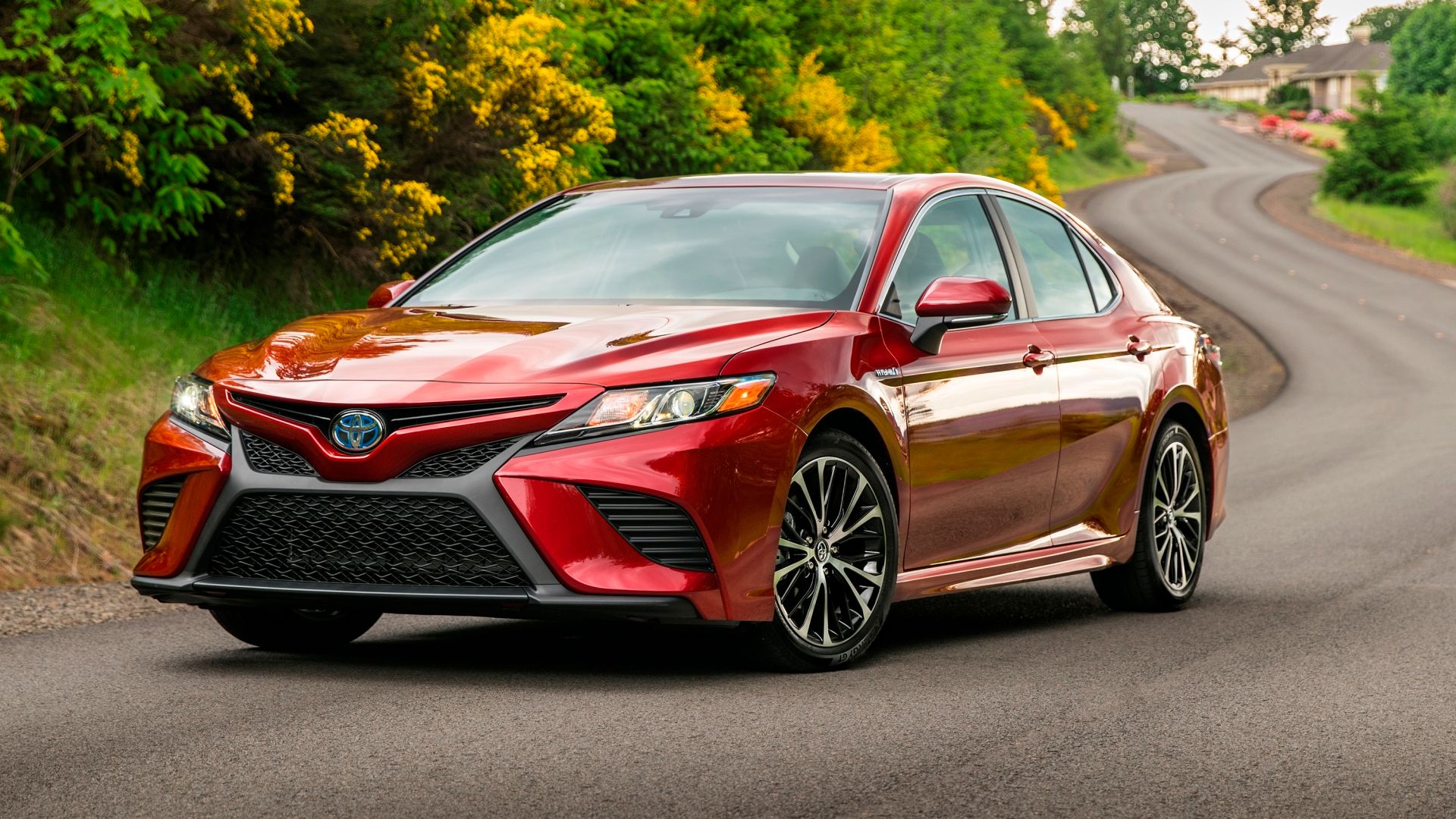
Even during peak summer traffic with the A/C blasting, Camrys rarely overheat or exhibit heat-related drivability issues. Interior materials also tend to age better than many competitors, resisting dashboard cracking and seat deterioration when parked outdoors.
For Glendale commuters who want predictable ownership and minimal heat-related surprises, the Camry is a safe, proven choice.
2. Toyota RAV4
Compact SUVs dominate Arizona roads, and the Toyota RAV4 is one of the most heat-resilient options in the segment.
Its powertrain shares Toyota’s well-tested engineering philosophy, and the hybrid variant performs particularly well in hot climates due to reduced engine strain at low speeds.
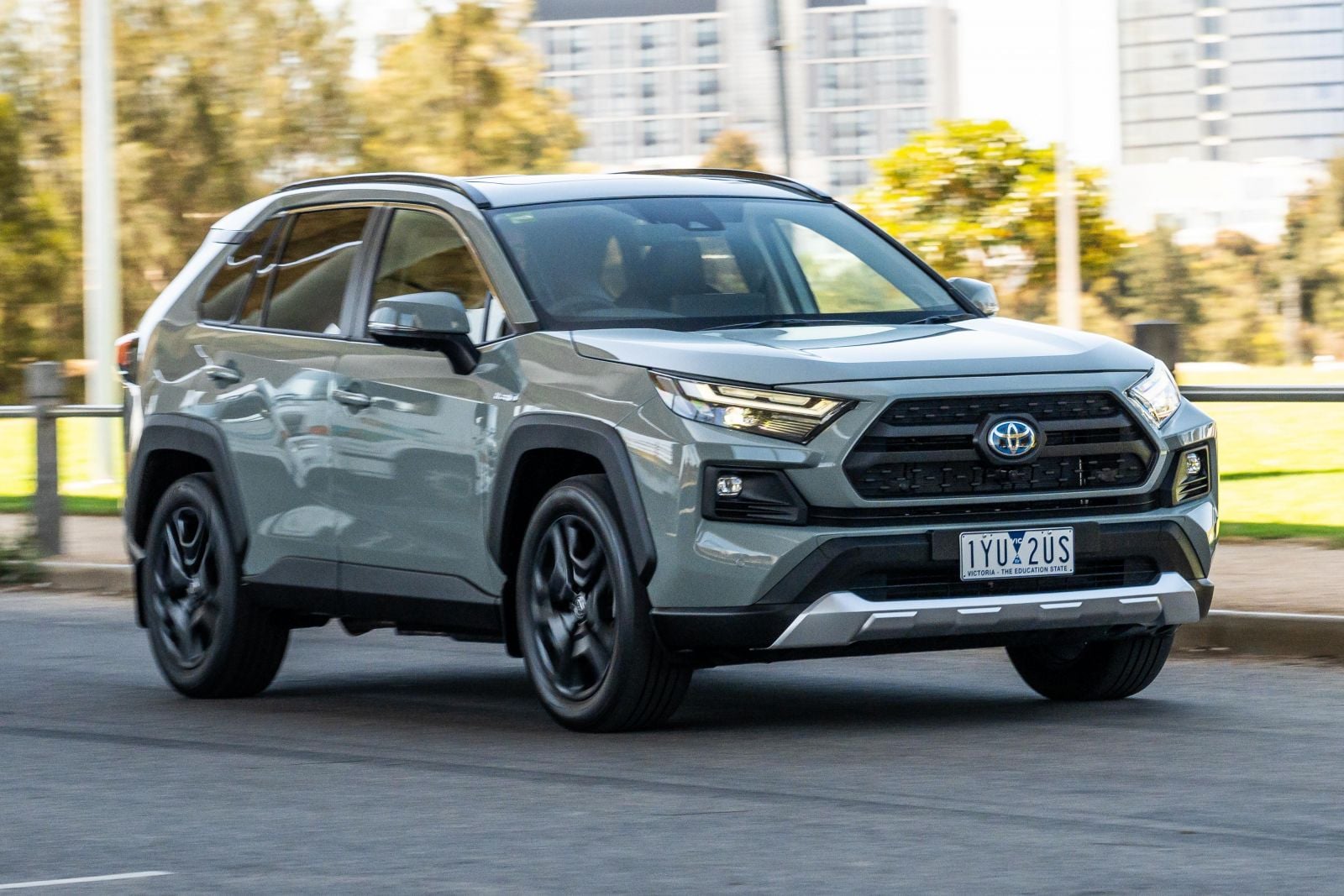
Ground clearance also plays a subtle role in heat management. The RAV4’s underbody airflow helps dissipate heat more effectively than low-slung sedans when idling in traffic. Its air-conditioning system is powerful and consistent, even during triple-digit afternoons.
For families or drivers who want extra cargo space without sacrificing reliability, the RAV4 handles Glendale summers with confidence.
The Toyota RAV4’s rugged styling helps it stand out in the compact SUV segment, though much of its toughness is now largely cosmetic, especially since the Adventure and TRD Off-Road trims, and their torque-vectoring all-wheel-drive system, are no longer available.
Still, the RAV4 remains a pleasant and capable compact SUV that fits comfortably into the lives of most drivers, whose routines are largely on paved roads rather than off the beaten path. It offers generous space for passengers and cargo, along with an extensive suite of driver-assistance features and user-friendly technology.
The driving experience emphasizes comfort over engagement, a point underscored by the 203-hp 2.5-liter four-cylinder engine, which is reasonably efficient but far from thrilling.
Close non-hybrid rivals include the Honda CR-V, Mazda CX-5, and Ford Bronco Sport, each of which offers a slightly more engaging driving experience.
The 2025 Toyota RAV4 has a starting price of $31,250 and climbs to $39,555 depending on trim level and optional equipment.
For most buyers, the mid-range XLE Premium strikes the ideal balance. It comes equipped with features that are either unavailable or not standard on the LE and XLE trims, including fog lights, 19-inch wheels, a power liftgate, a moonroof, dual-zone automatic climate control, faux-leather upholstery, and a leather-wrapped steering wheel and shift knob.
Toyota includes its full suite of driver-assistance technologies as standard across all trims, so there is limited reason to step up to a more expensive model unless ventilated seats, a hands-free liftgate, or a 360-degree camera are desired.
Under the hood, the RAV4 is powered by a 2.5-liter four-cylinder engine that delivers 203 horsepower and 184 pound-feet of torque, paired with an eight-speed automatic transmission.
Front-wheel drive comes standard, with all-wheel drive offered as an option. The engine can feel a bit coarse, particularly during highway passing maneuvers, and the transmission occasionally hesitates when a downshift is needed.
The handling is similarly utilitarian; the RAV4 feels stable and secure during interstate cruising and remains competent when navigating twisty roads.
3. Lexus ES
Luxury cars often struggle in extreme heat, but the Lexus ES is an exception. Built on Toyota’s rock-solid platform, the ES combines premium comfort with durability that suits desert living.
Lexus engineers focus heavily on thermal management, ensuring electronics, infotainment systems, and interior components withstand high ambient temperatures.
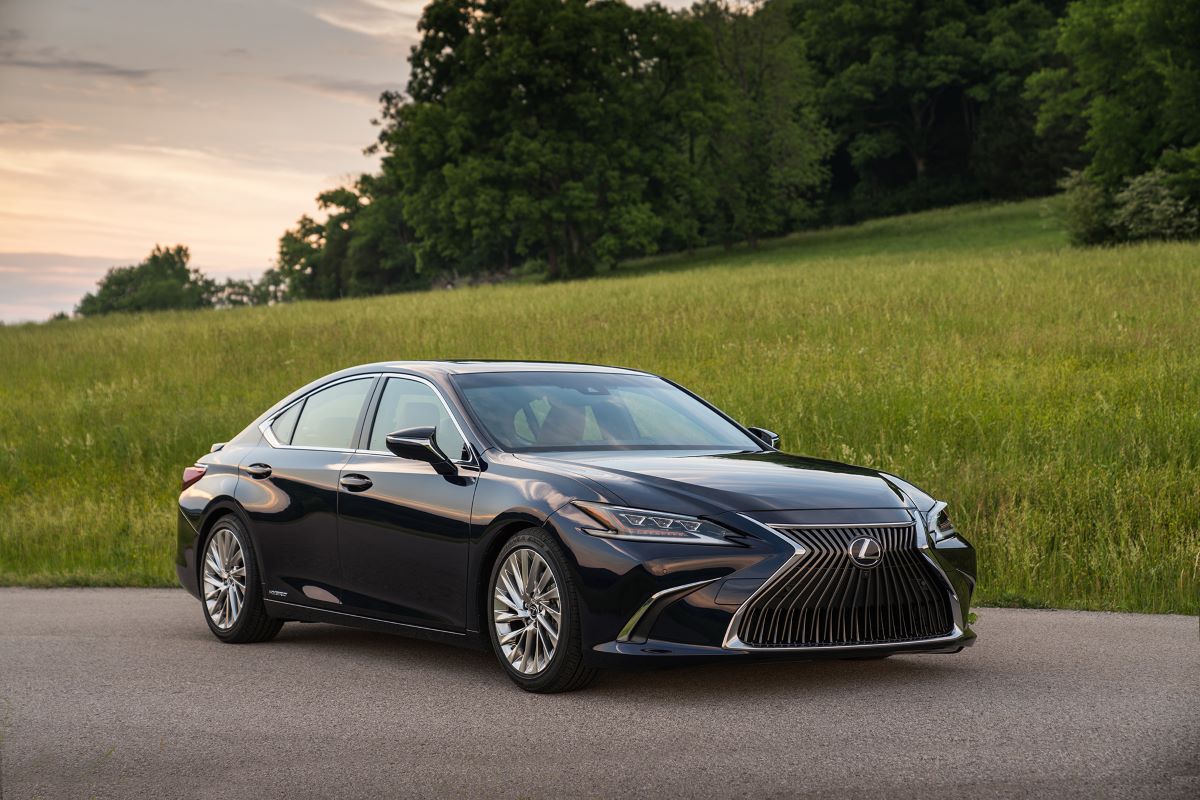
The ES’s air-conditioning system is particularly strong, cooling the cabin quickly even after sitting in the sun. Ventilated seats, reflective windshield coatings, and high-quality leather treatments help reduce heat absorption inside the cabin.
For Glendale residents who want a comfortable, upscale driving experience without sacrificing reliability in summer heat, the Lexus ES stands out.
4. Honda CR-V
The Honda CR-V remains a favorite among Arizona drivers for good reason. Honda engines are known for running efficiently even under sustained load, and the CR-V’s cooling system is well-suited for hot climates.
While turbocharged engines can sometimes struggle in extreme heat, Honda’s implementation is conservative and reliable when properly maintained.
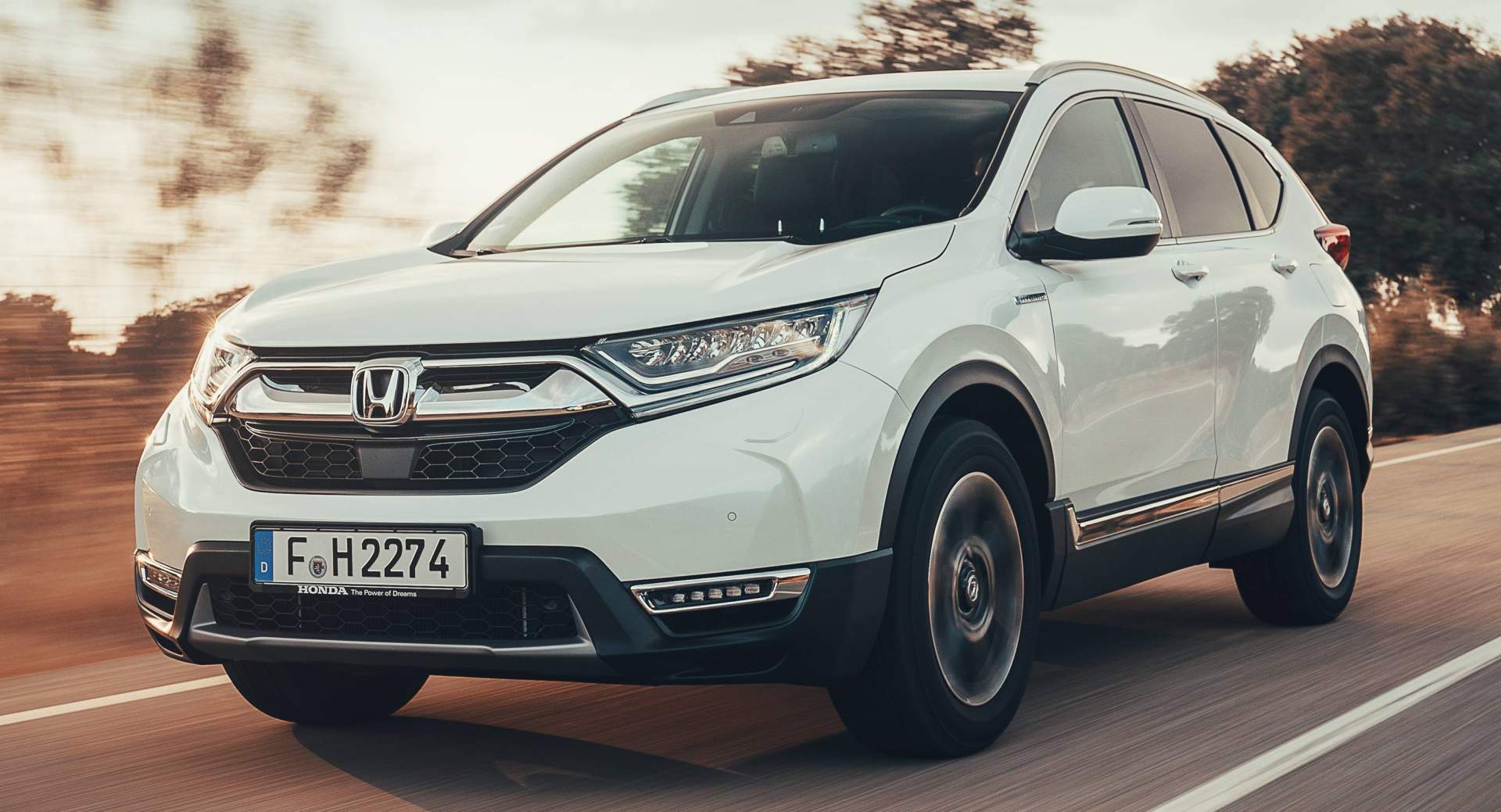
The CR-V’s cabin design also helps manage heat. Large windows paired with effective A/C airflow ensure faster cabin cooling, and interior materials tend to hold up well against sun exposure.
For Glendale drivers who value fuel efficiency, space, and long-term dependability, the CR-V continues to be a strong summer performer.
5. Ford F-150
Pickup trucks are common in Arizona, and the Ford F-150 excels in extreme conditions. Designed for towing, hauling, and worksite abuse, the F-150’s cooling system is far more robust than that of most passenger vehicles.
Even the turbocharged EcoBoost engines are engineered to operate under high thermal loads, making them suitable for desert heat when maintained properly.
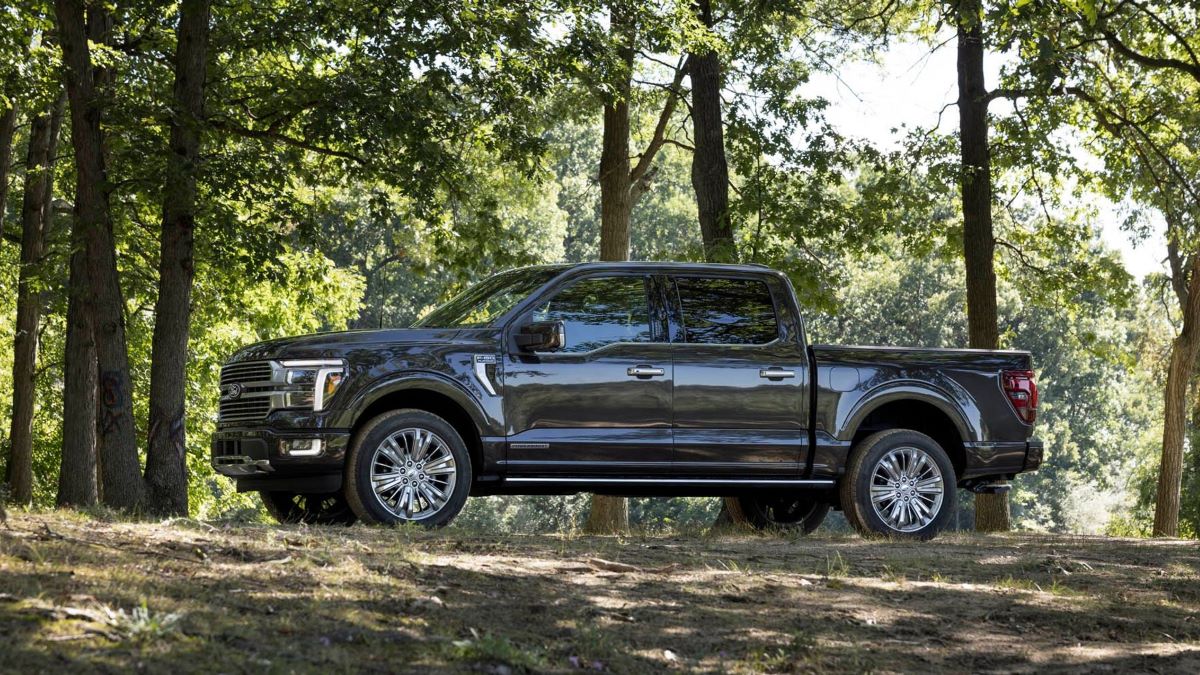
The truck’s size allows for larger radiators, better airflow, and stronger cooling fans, all of which help prevent overheating during long summer drives.
For Glendale drivers who need versatility and durability, the F-150 handles summer heat better than most vehicles on the road.
With its comfortable and composed ride, the F-150 can easily give the impression that you’re driving a smaller pickup. The steering is responsive, allowing for easy maneuvering in tight spaces while maintaining stability on the highway.
Models equipped with the available adaptive suspension offer the most refined handling in the lineup, though even the lower trims remain enjoyable to drive.
The F-150 offers a range of engine options, delivering power from 325 horsepower up to 720. The powerful hybrid variant is the most fuel-efficient, though transitions between gasoline and electric power can feel a bit abrupt at low speeds.
The non-hybrid V6 strikes an excellent balance between performance and refinement, while the V8 provides strong, smooth power. When properly equipped, the F-150 can tow up to 13,500 pounds and carry a maximum payload of 2,445 pounds, making it more capable than many competitors in its class.
Cars That Struggle in Glendale’s Extreme Heat
Glendale’s blistering summer temperatures can expose weaknesses in even well-regarded vehicles.
While some cars stay cool and composed when the mercury rises, others show their limits, suffering from overheating engines, underperforming air conditioning, faded interiors, and components stressed by relentless heat.
For drivers who face daily commutes under the hot Southern California sun, these shortcomings aren’t just uncomfortable, they can lead to costly repairs and reliability headaches.
In this section, we call out the models that tend to struggle in extreme heat, whether due to cooling system limitations, interior materials prone to sun damage, or mechanical issues exacerbated by high temperatures.
If you’re planning to drive regularly through Glendale’s intense summer months, it’s worth knowing which cars might leave you sweltering or unexpectedly sidelined.
1. Mini Cooper
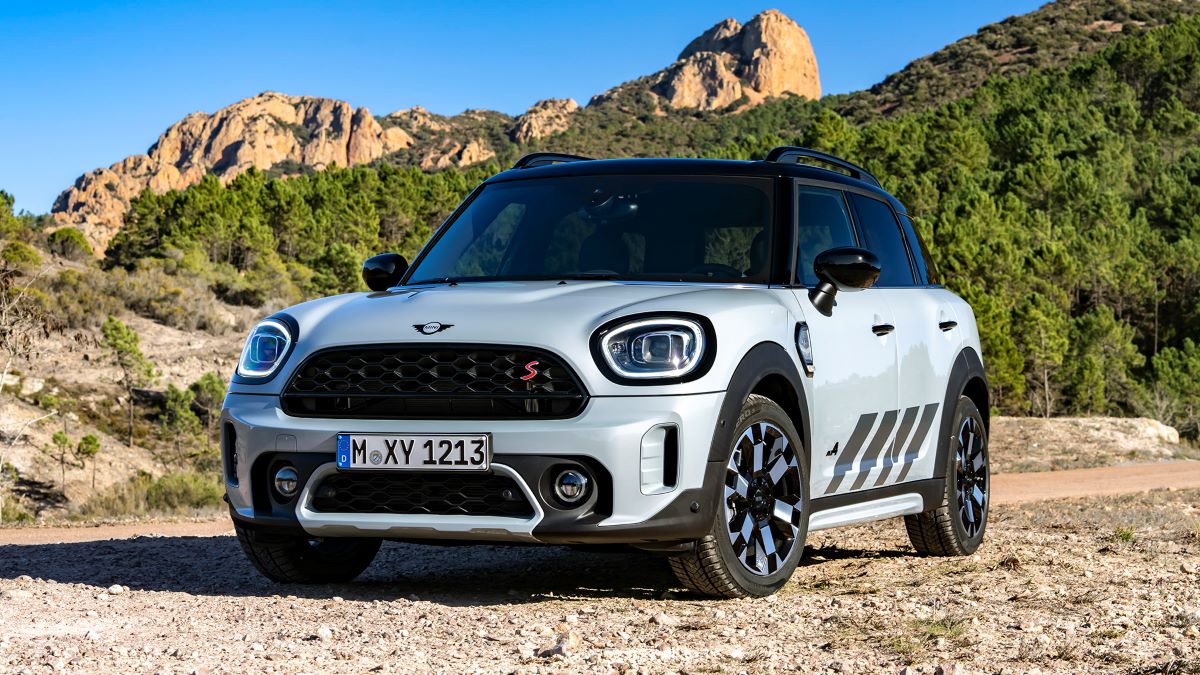
The Mini Cooper may be fun to drive, but Glendale summers expose its weaknesses. Tight engine bays limit airflow, causing heat buildup during prolonged driving.
Cooling systems are often pushed to their limits, especially in stop-and-go traffic with heavy A/C use.
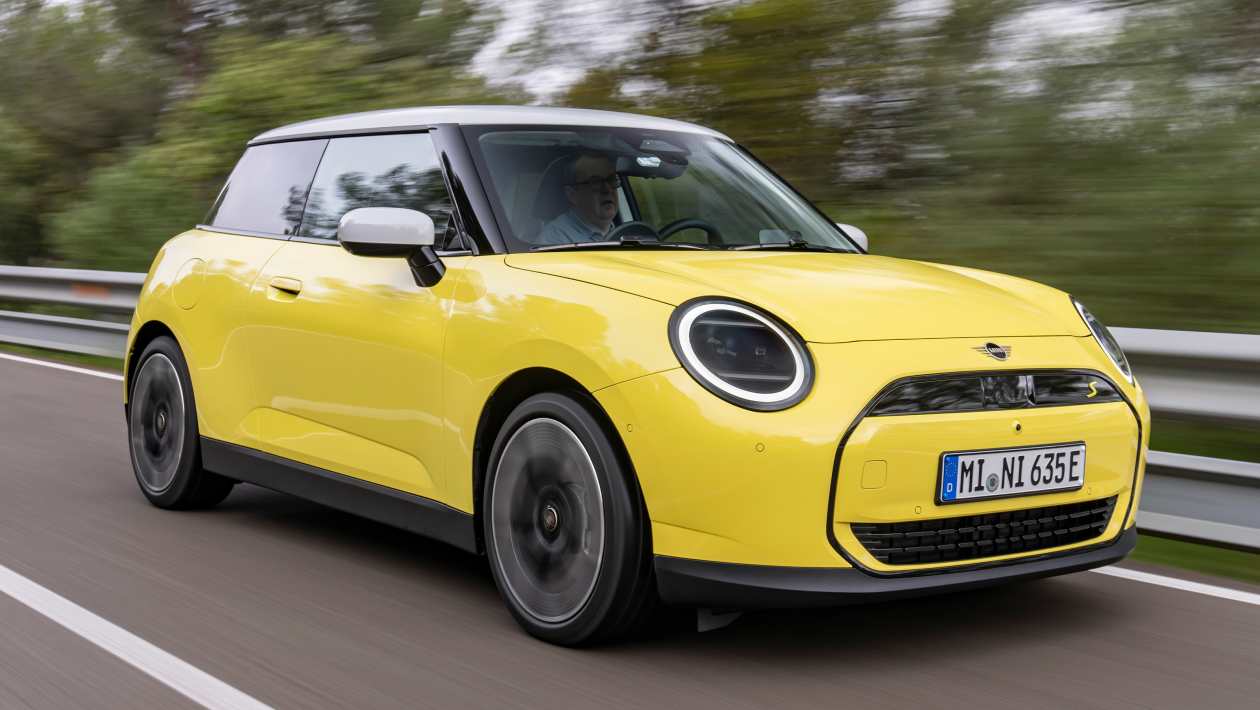
Electronics and sensors in Minis are also known to suffer in high-temperature environments, leading to warning lights and unexpected failures. Interior materials, particularly dashboards and trim pieces, are prone to warping or cracking under intense sun exposure.
While the Mini shines in cooler climates, it’s poorly suited for Arizona’s relentless heat.
2. Fiat 500
The Fiat 500 struggles in hot climates for similar reasons as the Mini but with fewer redeeming qualities. Its small engine works harder to maintain highway speeds in extreme heat, increasing thermal stress. Cooling systems are marginal, and overheating complaints are not uncommon in desert regions.
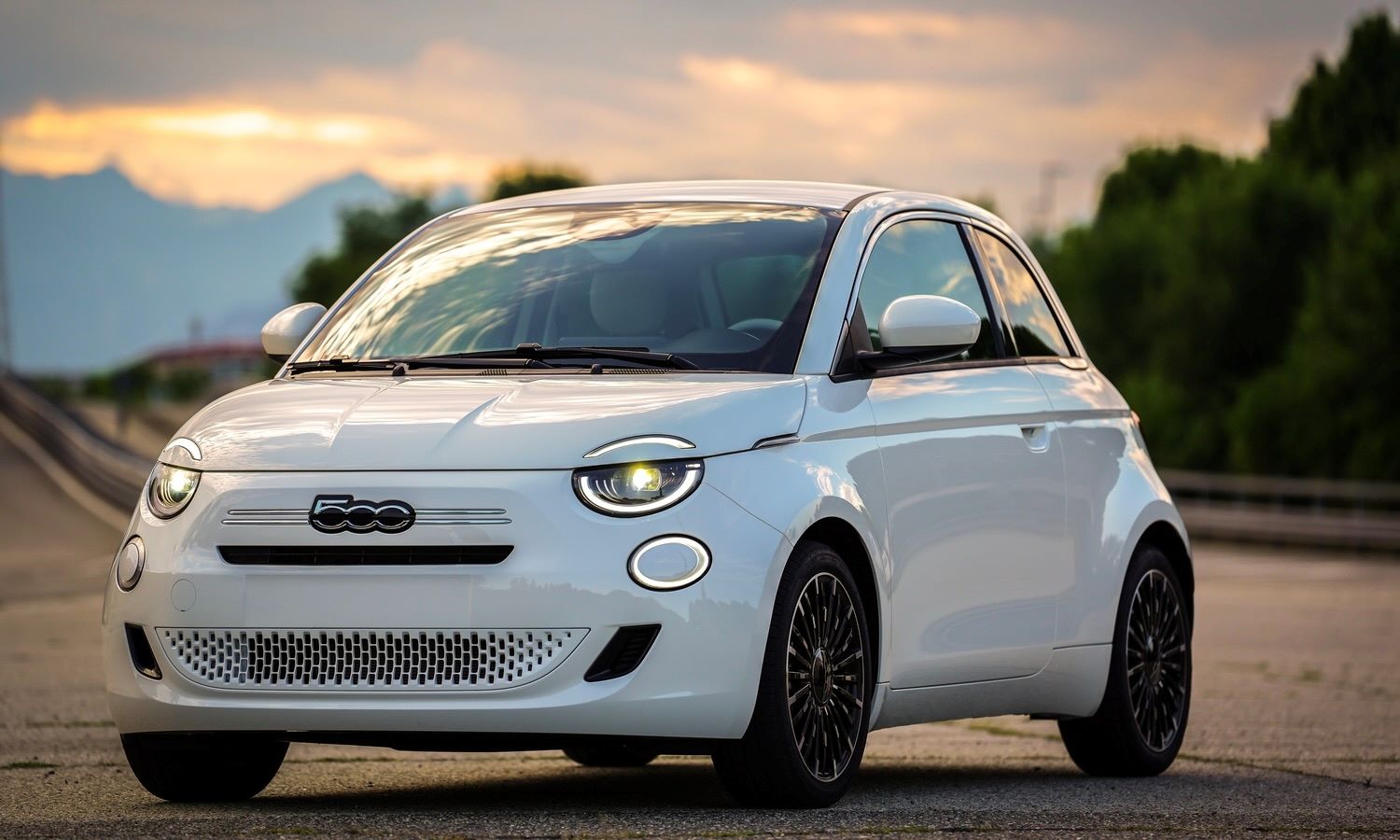
The air-conditioning system often feels underpowered, making summer drives uncomfortable. Interior materials also degrade quickly when exposed to prolonged sunlight.
In Glendale, the Fiat 500’s charm fades fast under triple-digit temperatures.
3. BMW 3 Series (Older Models)
BMWs are engineered for performance and precision, but older 3 Series models are particularly vulnerable to heat-related issues. Plastic cooling components, such as expansion tanks and hoses, degrade faster in hot climates, leading to sudden failures.
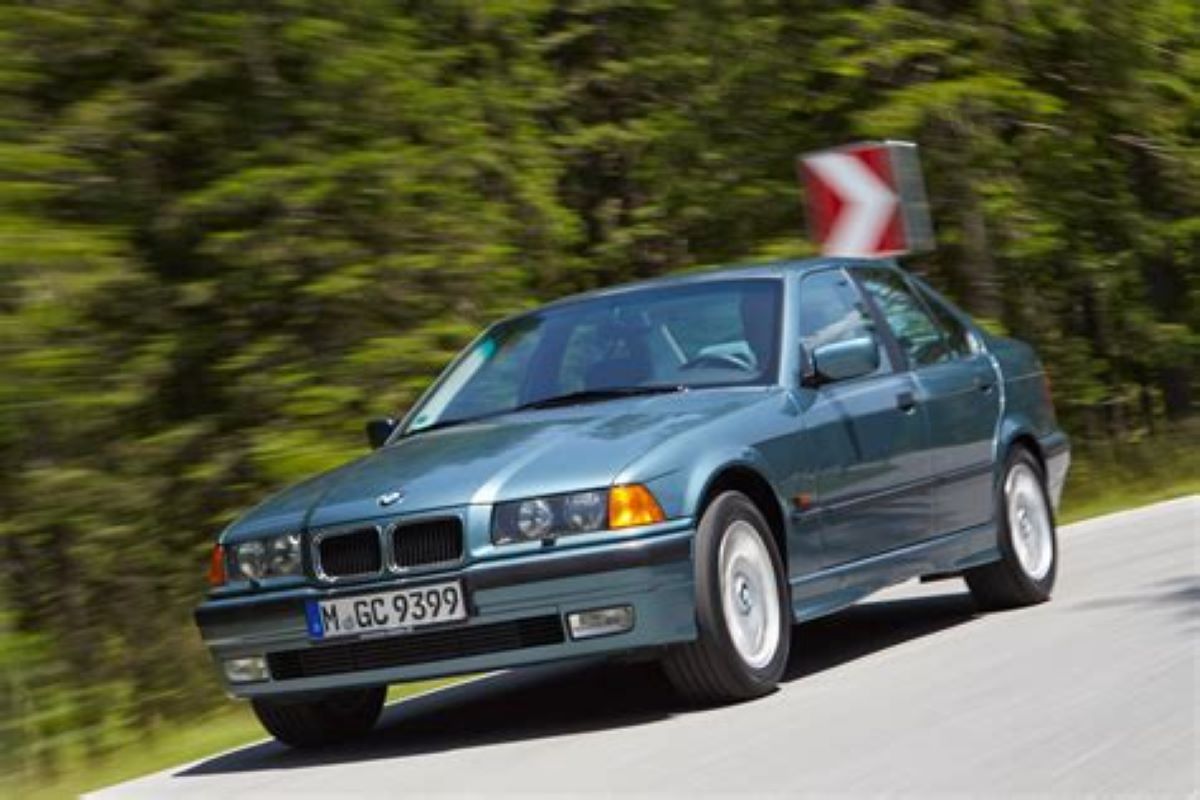
Electronics, sensors, and infotainment systems are also sensitive to prolonged heat exposure. Repairs can be costly, and frequent maintenance becomes unavoidable in Glendale’s climate.
While newer BMWs have improved cooling systems, older models struggle to adapt to desert summers without significant upkeep.
Although it may not have quite the same magic as previous generations, the 2026 BMW 3-series recalls the good old days while keeping up with modern expectations.
The interior impresses with excellent fit and finish, highlighted by a 14.9-inch touchscreen infotainment system. While the list of standard features could be longer, the car’s exceptional driving experience more than makes up for it.
The seventh-generation 3-series delivers poise and precision in virtually any setting. Both engine options, the 330i’s 255-hp turbocharged four-cylinder and the M340i’s 386-hp turbocharged inline-six, provide effortless power while maintaining respectable fuel efficiency.
For 2026, BMW has left the seventh-generation 3-series unchanged as it prepares to introduce the eighth-generation model next year. Pricing starts at $48,675 for the 330 and goes up to $64,875 for the M340i xDrive.
Our preferred setup would be a rear-wheel-drive 330i with a few key options: the M Sport package to enable the adaptive M suspension, the Driver Assistance package to add adaptive cruise control, and the Convenience package for amenities like a heated steering wheel, parking sensors, a power trunklid, and blind-spot monitoring.
Under the hood, the 3-series offers two powerful engines, each enhanced by a 48-volt hybrid system.
The 330i uses a 255-hp turbocharged 2.0-liter four-cylinder, while the M340i features a 386-hp turbocharged 3.0-liter inline-six. Both powertrains are paired with an exceptionally smooth eight-speed automatic transmission.
All-wheel drive is available for a higher price, but no model offers a traditional manual gearbox. BMW also provides multiple suspension options on the 330i, and we favor the adaptive setup for its ability to optimize driving dynamics.
The four-cylinder model has proven itself in comparison tests against other sports sedans, seamlessly transitioning from a refined cruiser to a playful canyon carver.
Our long-term M340i further demonstrates the 3-series’ return to form, combining the potent six-cylinder engine with outstanding body control to reinforce its status as a benchmark in the compact luxury-sport sedan segment.
4. Volkswagen Jetta
The Volkswagen Jetta, especially older turbocharged versions, often struggles in extreme heat. Turbochargers generate additional heat, and VW cooling systems have historically required meticulous maintenance to remain reliable.
In Glendale conditions, neglected cooling systems can quickly lead to overheating or reduced performance. Air-conditioning systems also tend to weaken over time, which is particularly noticeable during Arizona summers.
The Jetta can survive in the desert, but it demands more attention and expense than many competitors.
Compact sedans may not command the sales they once did a couple of decades ago, but the 2024 Volkswagen Jetta remains one of the best affordable options in the segment.
Often described as a Volkswagen Golf with a trunk, the Jetta inherits some of the Golf’s lively character, a welcome trait now that the base, non-GTI Golf is no longer sold in the U.S. That said, it faces stiff competition from models like the Honda Civic and Mazda 3, the latter of which offers all-wheel drive.
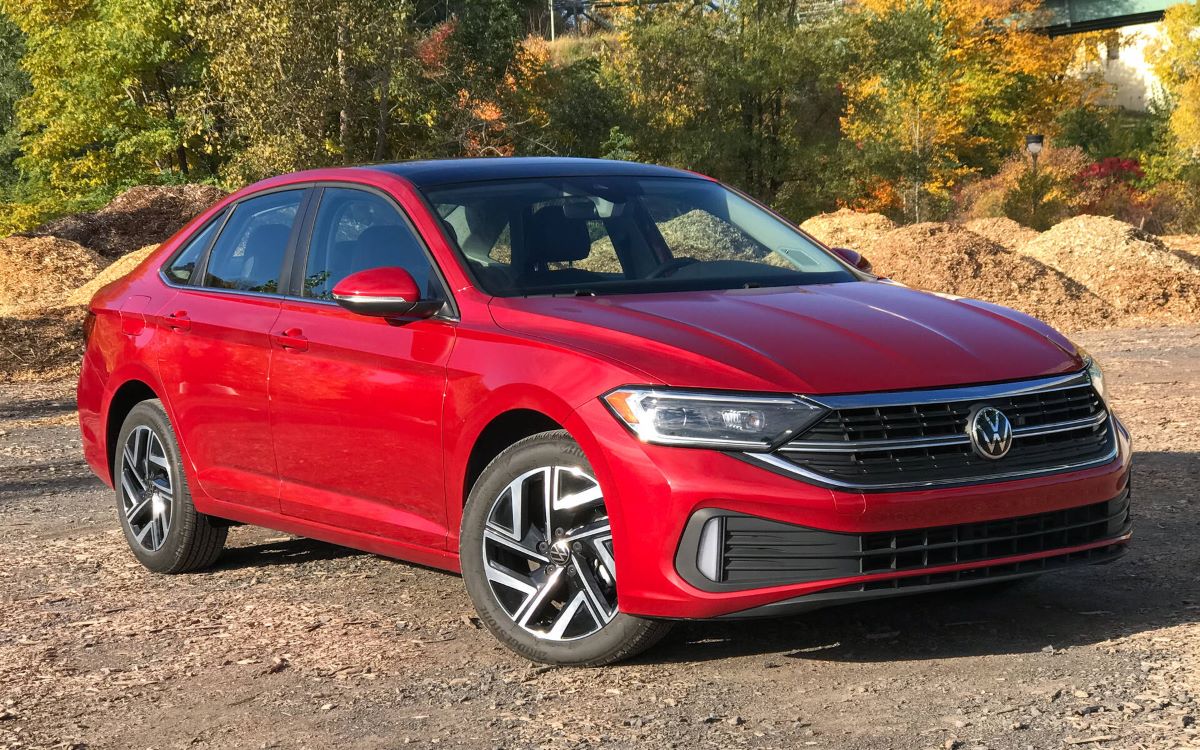
Fortunately, the Jetta benefits from some of the Golf’s stronger traits, including agile handling that makes the most of its 158-horsepower turbocharged inline-four engine. Drivers seeking more power and sportier dynamics can explore the 228-hp Jetta GLI, reviewed separately.
Standard equipment on the base S includes a six-speed manual transmission, heated power exterior mirrors, cloth upholstery, and safety features such as Forward Collision Warning and Autonomous Emergency Braking.
An eight-speed automatic is available for a modest additional cost, and a host of infotainment options and upgrades further enhance the driving experience. Fuel economy is excellent, with the last Jetta we tested achieving an impressive 42 mpg on our 75-mph highway test.
Pricing for the 2024 Jetta ranges from $22,660 for the base S trim to $30,050 for the top SEL. The Sport trim represents an excellent value, adding 17-inch alloy wheels, heated front seats, a slightly sportier front bumper, and VW’s XDS brake-based limited-slip differential for a modest price increase over the S.
The SE trim builds on this with power seats, keyless entry, and additional convenience upgrades, while the SEL adds ventilated leather seating for both front and rear passengers, a sunroof, and other luxury touches. For most buyers, the SE strikes the ideal balance between features and value.
Every Jetta is powered by a turbocharged 1.5-liter four-cylinder engine producing 158 horsepower and 184 pound-feet of torque. The base S comes with a six-speed manual transmission, though an eight-speed automatic is available.
In testing, the SEL equipped with the automatic completed the zero-to-60-mph sprint in 7.1 seconds, 0.6 seconds faster than the previous automatic model, while the manual-equipped Jetta reached 100 mph 0.6 seconds quicker than its automatic counterpart.
The chassis is tuned more for comfort and quiet refinement than razor-sharp handling, but it still delivers an enjoyable driving experience. Steering isn’t quite as precise as the GLI’s or even the Mazda 3’s, but the Jetta’s “performance” lies in its friendly, composed personality and willingness to stretch its legs when called upon.
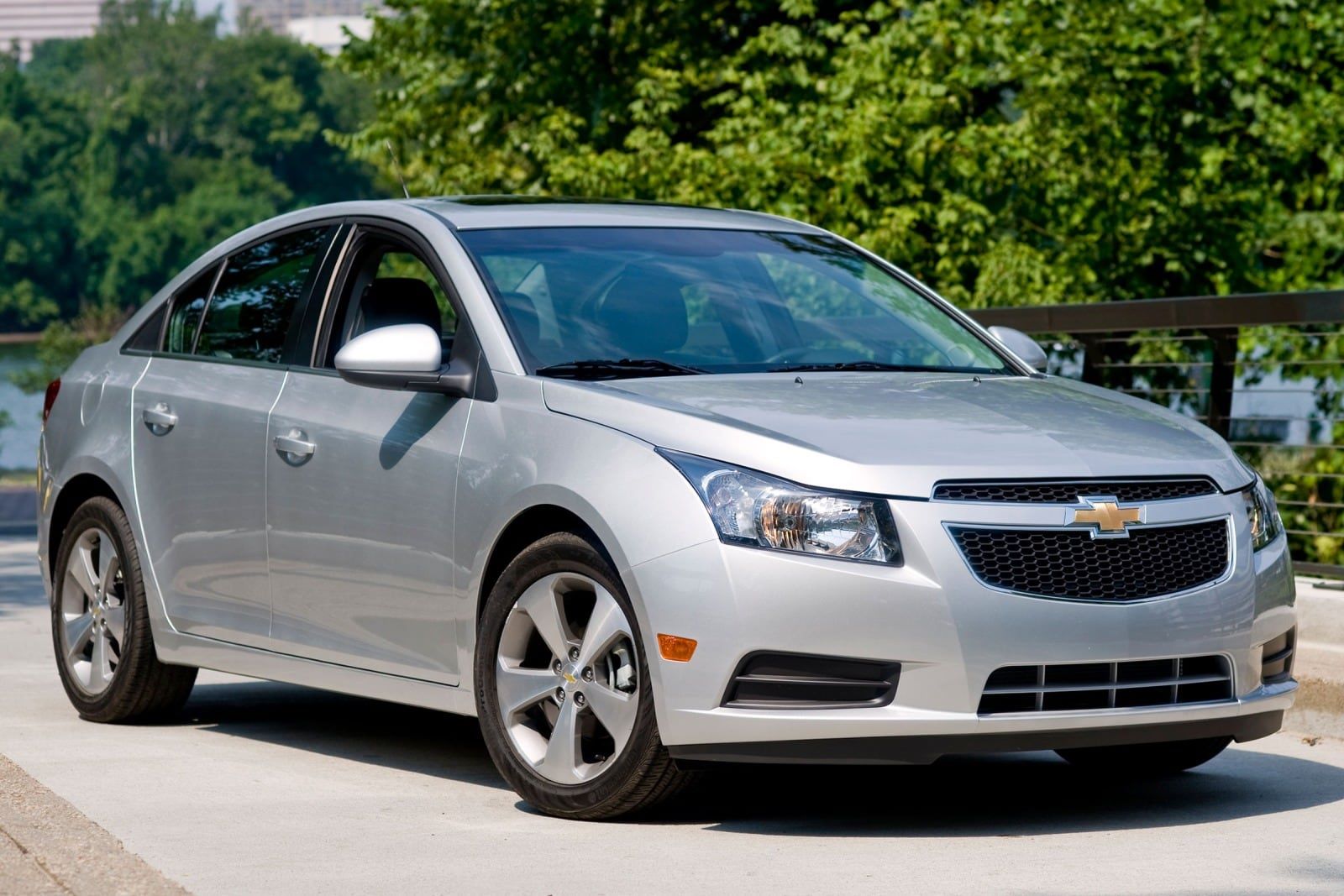
5. Chevrolet Cruze
The Chevrolet Cruze was designed as a budget-friendly compact car, and its weaknesses become evident in extreme heat. Turbocharged engines paired with modest cooling systems create reliability concerns when temperatures soar.
Owners in hot climates frequently report cooling system issues, A/C failures, and accelerated wear on engine components. Interior materials also show faster degradation when exposed to intense sunlight.
In Glendale, the Cruze often feels overwhelmed by the demands of summer driving.
In Glendale, Arizona, summer heat is the single most important factor when choosing a car. Vehicles with proven cooling systems, conservative engine tuning, and durable interiors consistently outperform those designed primarily for style or efficiency in milder climates.
Chevrolet refreshed the second-generation Cruze for the 2019 model year, giving the compact sedan a sharper appearance and upgraded technology to remain competitive in its segment. GM aimed to make the Cruze more appealing to a wider audience, particularly younger buyers, by enhancing both its styling and onboard features.
At the same time, the vehicle’s low running costs made it attractive to fleet owners, presenting a practical, well-equipped car at a reasonable price, a win-win scenario for many.
At the front, the 2019 Cruze featured a redesigned fascia and updated grille, aligning its look more closely with the Malibu and Impala. Revised headlights and a sportier lower bumper added presence, while Premier trims gained LED signature taillamps at the rear.
The overall effect was cleaner and more upscale, in line with Chevrolet’s evolving design language. From the side, the Cruze maintained its balanced proportions and short overhangs, with subtle contour lines across the doors.
The RS appearance package gave the sedan a more dynamic character through black window moldings, darkened bowtie emblems, and available 17- or 18-inch alloy wheels. The silhouette remained both sleek and practical, striking a balance between sportiness and everyday usability.
Changes at the rear were more modest but effective. Redesigned taillight internals and a reshaped trunk lid provided a mature, refined look, while the hatchback retained its clean, functional tailgate design.
Sculpted elements on the lower bumper mimicked a diffuser, and the exhaust was fully concealed behind the apron for a cleaner appearance.
Inside, Chevrolet focused on technology and comfort. All models came with the new Infotainment 3 system, featuring a standard 7-inch touchscreen, enhanced graphics, and improved responsiveness.
LT and Premier trims added conveniences such as remote start, automatic climate control, and a new Umber interior color. The interior materials were subtly upgraded, with updated stitching and more cohesive dashboard surfaces, giving the cabin a more contemporary feel.
The RS package included slightly firmer front bucket seats for better side support, a flat-bottom steering wheel, and upgraded trims on the dash and door panels. The rear bench remained similar across trims but offered split-fold functionality and improved upholstery.
Under the hood, the 2019 Cruze carried over the 1.4-liter turbocharged inline-four engine from the previous model, paired with a six-speed automatic transmission. In select markets, a 1.6-liter turbo-diesel engine was offered, mated to a nine-speed automatic gearbox.
Both powertrains drove the front wheels and emphasized efficiency and smooth operation over outright performance, ensuring that the Cruze remained practical and comfortable for daily driving.
Toyota, Lexus, Honda, and Ford dominate desert-friendly ownership because they prioritize long-term reliability over complexity.
On the other hand, small European cars and budget-focused compacts often struggle under sustained heat stress, leading to higher maintenance costs and reduced comfort.
For Glendale drivers, the smartest choice isn’t necessarily the most exciting car it’s the one that stays cool, reliable, and comfortable when the thermometer refuses to drop.
Choosing wisely can mean the difference between stress-free summers and years of heat-induced headaches.