
Tacoma, Washington, is a city known for its lush landscapes, breathtaking views of Mount Rainier, and let’s be honest relentless rainfall.
For drivers, this means that your vehicle’s performance in wet conditions is not just a convenience, but a safety necessity. A dependable car for rainy commutes must handle slick roads, provide excellent traction, maintain strong braking, and resist water intrusion over time.
Conversely, some vehicles despite their other merits are notorious for leaks or poor rain performance, turning a simple drive into a frustrating ordeal.
In this article, we’ll explore five cars that excel in Tacoma’s rainy weather and five that drivers might want to avoid if they want to stay dry and safe.
Cars Built for Tacoma’s Rainy Commutes
Tacoma’s daily commute comes with a challenge many cars simply aren’t prepared for: relentless rain. From slick highways along I-5 to puddle-filled neighborhood streets and misty morning drives near the Sound, wet weather is part of life here for much of the year.
Over time, constant moisture exposes weak seals, stresses braking systems, accelerates corrosion, and reveals which vehicles were truly engineered for damp conditions, and which ones merely look the part on a sunny test drive.
This article focuses on cars that are genuinely built to handle Tacoma’s rainy reality. These are vehicles with proven traction in wet conditions, durable interiors that don’t mildew or short out, and mechanical reliability that holds up when roads stay soaked for months on end.
Whether you’re commuting downtown, crossing the Narrows, or navigating steep, water-slicked hills, choosing the right car can mean the difference between confident daily driving and constant maintenance headaches.
1. Subaru Outback
The Subaru Outback has long been the darling of Pacific Northwest drivers, and for good reason. Its standard all-wheel-drive system provides unmatched traction on wet or slippery roads, giving drivers confidence during rainy commutes.
The Outback also boasts high ground clearance, meaning occasional puddles or minor flooding won’t leave you stranded.
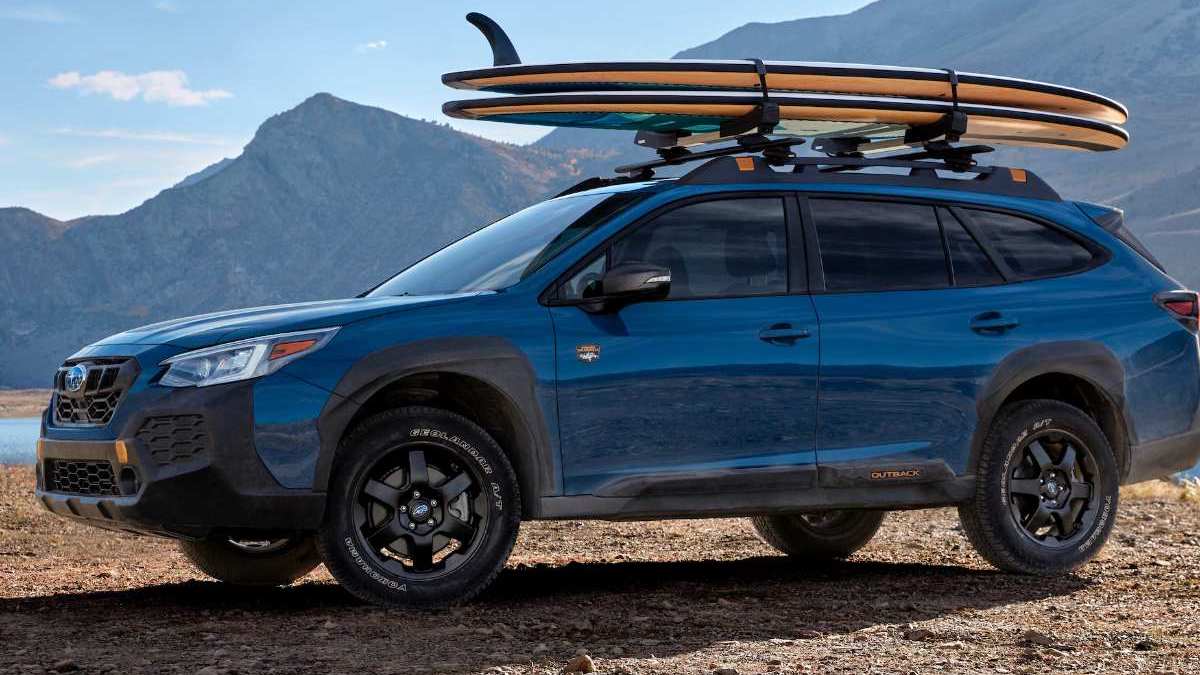
Its interior is well-sealed against water intrusion, and modern models feature advanced safety technologies such as EyeSight Driver Assist, which helps with braking and lane-keeping in poor visibility.
For commuters navigating Tacoma’s frequent showers, the Outback offers reliability, safety, and a touch of rugged versatility.
2. Honda CR-V
The Honda CR-V combines practical size, excellent fuel economy, and a reputation for reliability that makes it a top choice for rainy city driving.
While it comes with front-wheel drive as standard, the all-wheel-drive option is highly recommended for areas with consistent rainfall.
The CR-V’s suspension keeps the ride smooth on wet streets, and its cabin remains dry thanks to tight seals and high-quality materials.
Additionally, Honda’s suite of safety features, including adaptive cruise control and collision mitigation braking, adds an extra layer of security during slick morning commutes.
The 2022 Honda CR-V isn’t going to get anyone’s pulse racing, but its roomy cabin and efficient powertrain options make it a strong choice in the compact crossover category.
The CR-V isn’t especially engaging from behind the wheel, and neither the standard turbocharged gasoline engine nor the available hybrid version could be described as quick. That said, it handles steering and braking duties confidently and without drama.
The suspension delivers a calm, comfortable ride on extended journeys, though drivers should be gentle with the throttle to keep the base engine from producing its noticeable drone.
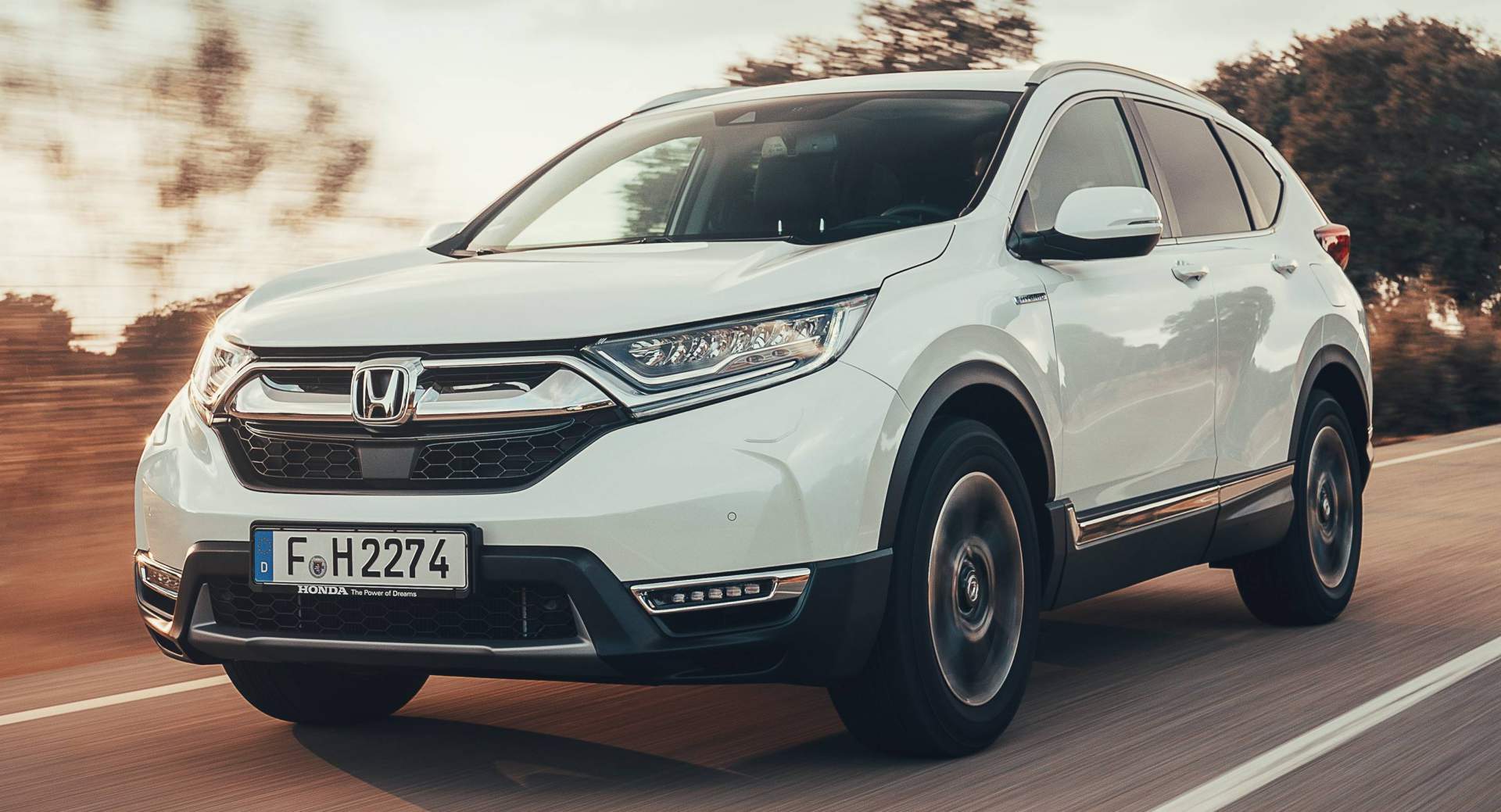
Even if the 2022 CR-V doesn’t stand out as the most stylish or luxurious option in this fiercely competitive class, it remains one of the most well-rounded and capable choices available.
In our view, the EX Hybrid is the version of the CR-V to choose. It comes well equipped with a range of popular standard features, including blind-spot monitoring, dual-zone automatic climate control, heated front seats, a power-adjustable driver’s seat, and a 7.0-inch touchscreen that supports Apple CarPlay and Android Auto.
Beyond its generous equipment list, it also feels more refined and delivers better fuel efficiency than the non-hybrid model. While this environmentally focused CR-V doesn’t offer optional upgrades, it does include all-wheel drive as standard equipment.
Honda did its homework when it introduced its first turbocharged engine, a 1.5-liter unit producing 190 horsepower, into the CR-V and paired it with one of the best continuously variable automatic transmissions (CVTs) available, praise we don’t give lightly.
Although most compact crossovers already have modest towing capacities, the CR-V’s rating is among the lowest, topping out at just 1500 pounds. Anyone hoping to combine parenting duties with street-racing aspirations will likely be underwhelmed by the CR-V’s straight-line performance.
On the flip side, those same drivers, and just about everyone else, will value its polished ride quality, responsive steering, and confident braking.
he CR-V’s balanced and compliant suspension makes daily commutes and longer trips equally comfortable. Its brake pedal is well tuned, delivering predictable and reassuring stopping power whenever it’s needed.
The hybrid version of the CR-V uses a 2.0-liter four-cylinder engine paired with two electric motors, producing a combined output of 201 horsepower.
We found the hybrid system to operate smoothly and without drawing attention to itself, and we appreciated Honda’s efforts to reduce engine noise at wide-open throttle by adding extra sound-deadening materials and equipping the audio system with active noise-canceling technology.
As a result, the hybrid provides a noticeably quieter driving experience than the standard gasoline engine, which was among the loudest in its class when the accelerator was pressed firmly to the floor.
Also Read: Top 10 Ultra-Rare Sleeper Sedans Hiding on the Used Market
3. Toyota RAV4
Another staple of the rainy Pacific Northwest, the Toyota RAV4 offers a balanced combination of handling, comfort, and safety. Its AWD models perform exceptionally well in rain, distributing power to maximize traction.
The RAV4 also benefits from a durable interior and exterior that resists leaks and corrosion, a feature particularly valuable in regions where rainfall is frequent and persistent.
Toyota’s reliability history means owners can expect fewer maintenance headaches, which is essential for daily commuters who rely on their vehicle rain or shine.
The RAV4 made its debut in Japan in 1994 as a three-door model. Its name was an abbreviation meaning “Recreational Active Vehicle with 4WD.”
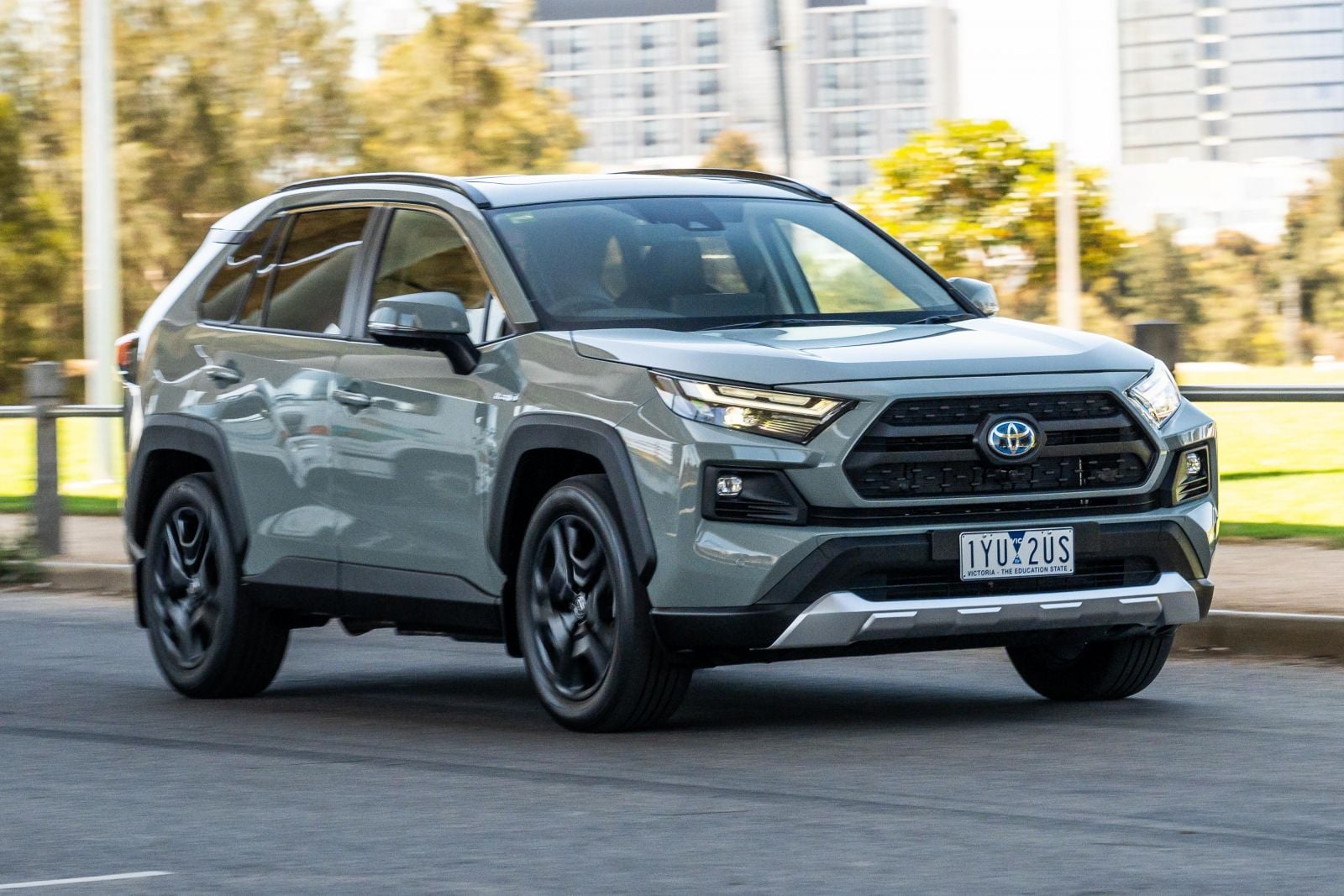
he model was built on a unibody platform and shared certain components with the Corolla of the same era. This approach made the RAV4 stand out at the time, as every other Toyota SUV then on the market relied on a body-on-frame construction.
While the car-based design meant the RAV4 wasn’t as adept off-road as Toyota’s more rugged utility vehicles, it delivered noticeably better road comfort and handling than its truck-based siblings.
The RAV4 arrived in the United States in February 1996, where customers could choose between three-door and five-door body styles.
Pricing for the three-door front-wheel-drive version started at $14,948, while a fully equipped five-door model with all-wheel drive and an automatic transmission topped out at $18,098.
The RAV4 quickly exceeded expectations in the marketplace. Toyota originally projected first-year sales of between 35,000 and 40,000 units, but demand proved far stronger, with 56,709 vehicles sold instead. Momentum continued into 1997, when sales climbed further to 67,487 units.
Toward the end of 1997, Toyota pushed the RAV4 into new territory by launching an all-electric variant.
The automaker initially intended to produce just 320 units, later revising that target to 700. In the end, total production reached 1,484 vehicles, with the electric RAV4 available from 1998 through 2003.
At first, the RAV4 EV was restricted to fleet use, but Toyota opened sales to individual customers in California in 2001.
While its specifications don’t hold up by today’s standards, it represented an important early step in the evolution of electric vehicles.
4. Mazda CX-5
For drivers who want a mix of style and practicality, the Mazda CX-5 is an excellent choice. Its AWD system performs well in wet conditions, while the car’s precise steering and responsive handling allow confident maneuvering around puddles or standing water.
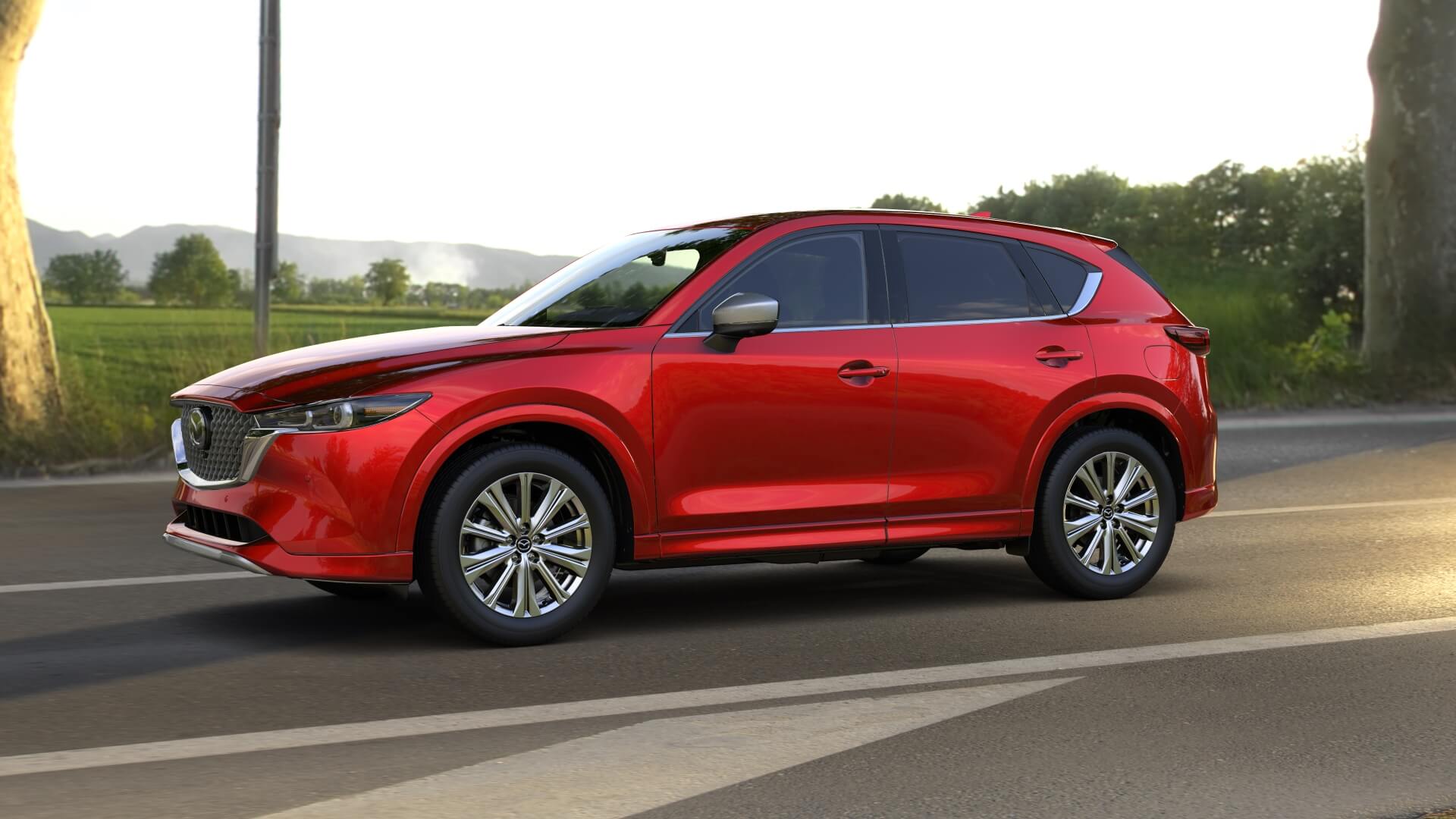
Inside, the CX-5 is meticulously built, with doors and windows that prevent water leaks and a cabin that remains dry even during torrential downpours.
Beyond safety and comfort, the CX-5’s fuel efficiency makes it an appealing choice for daily commuters concerned about both performance and cost.
5. Subaru Forester
Another Subaru makes the list for good reason: the Forester is engineered with the Pacific Northwest climate in mind. Its symmetrical all-wheel drive ensures stability and traction, even in heavy rain, while features like X-Mode enhance performance on slippery surfaces.
The Forester also boasts generous ground clearance, making it easier to navigate flooded streets without damaging the vehicle.
Inside, the Forester keeps drivers dry with robust weather seals, and its high visibility windows help in foggy or rainy conditions a true commuter-friendly SUV.
The 2022 Forester receives a styling update that gives it a more rugged, truck-inspired look, while the interior remains just as comfortable and functional as before, remarkably open and filled with useful storage compartments. As with most Subaru models, the Forester comes standard with all-wheel drive.
Competitors such as the Honda CR-V and Toyota RAV4 offer many of the same qualities, but both are available with stronger gasoline and hybrid powertrains that make the Forester feel somewhat underpowered in comparison.
Even so, shoppers who are drawn to Subaru’s outdoorsy image are likely to find the Forester a perfectly acceptable option.
Subaru has given the Forester SUV a refresh for 2022, highlighted by more squared-off front headlights, a revised grille design, and updated wheel styles. A new Wilderness trim has been added to the lineup and, similar to the Outback Wilderness, it brings extra ground clearance along with a tougher-looking exterior package.
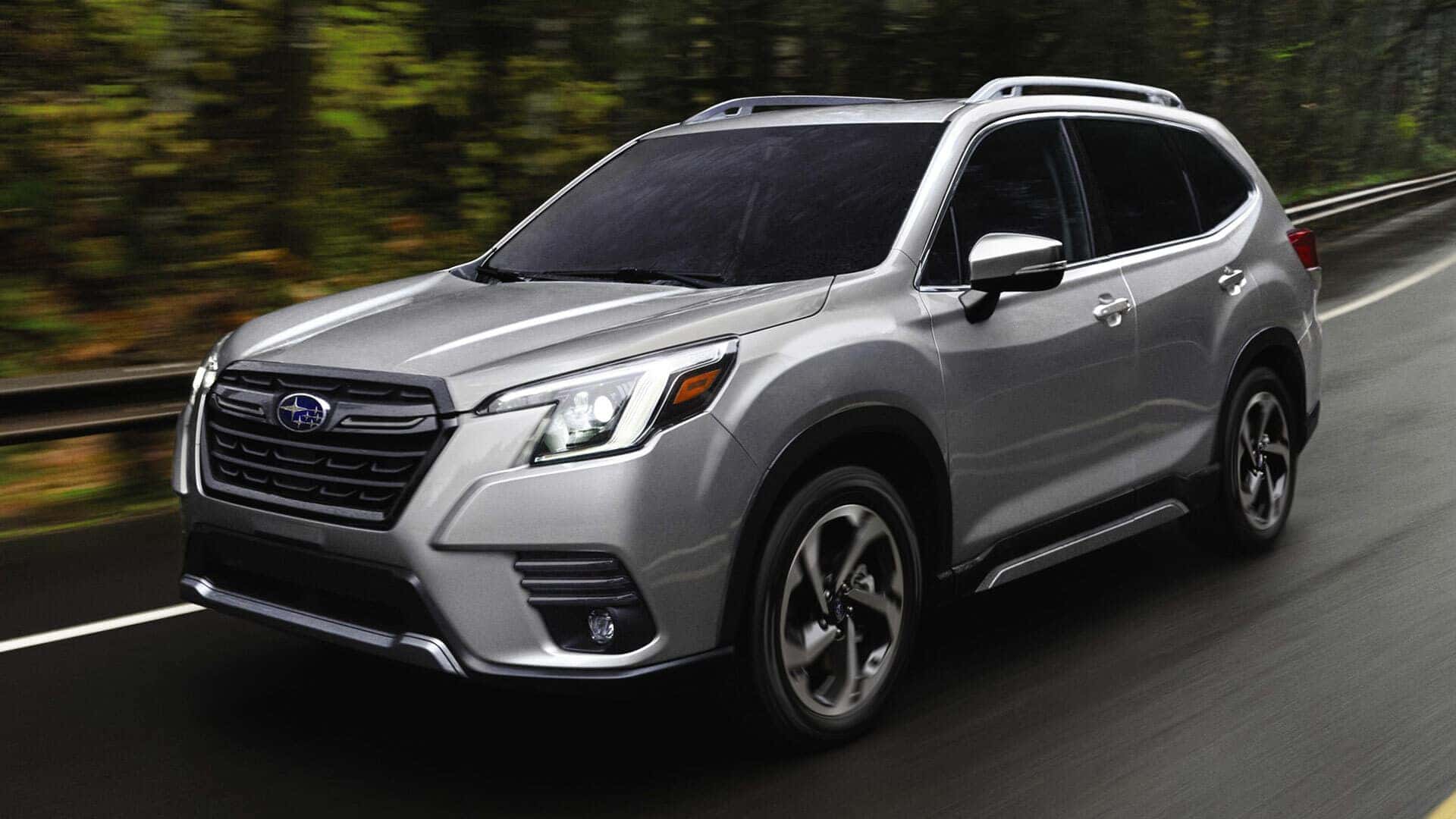
Inside the cabin, the Forester gains newly available gesture controls for the climate system, while a panoramic sunroof is now standard on all trims except the base model.
The EyeSight driver-assistance suite receives upgraded camera hardware, which Subaru says widens the system’s field of view, increases its operating range, and adds a new Automatic Emergency Steering feature.
Although the Limited and Touring trims offer more upscale appointments, we believe the Premium model strikes the best balance between price and features.
Every Forester is equipped with the same 2.5-liter flat-four engine that produces 182 horsepower and is rated to tow up to 1500 pounds. Power is delivered through a continuously variable automatic transmission (CVT) to Subaru’s signature all-wheel-drive system.
During testing, our 2022 Forester Wilderness reached 60 mph in 8.0 seconds, not especially exciting, but sufficient for the needs of most drivers. Buyers seeking stronger acceleration should consider alternatives such as the Honda CR-V or the turbocharged variants of the Mazda CX-5 and Kia Sportage.
For an SUV that isn’t designed with sporty driving in mind, the Forester handles its duties well. The ride quality is smooth and composed, the steering feels precise, and the brakes provide adequate stopping power when it counts.
Also Read: 5 Rides That Feel Planted in Rain vs. 5 That Slip Early
Cars That Struggle with Rainy Tacoma Roads
Not all vehicles are well-suited for the wet, unpredictable conditions that Tacoma drivers face year-round. While many cars look great on sunny test tracks, they can quickly show their weaknesses once rain becomes the norm.
Poor water evacuation, underpowered traction systems, and corroding components mean some models struggle to maintain grip or reliability when the skies open up.
In this section, we’ll take a look at the cars that are most likely to falter on Tacoma’s rainy roads, so you can avoid headaches, costly repairs, and compromised safety during your daily commute.
1. Jeep Wrangler (Older Models)
While the Jeep Wrangler is an off-road legend, older models can present challenges in rainy urban commuting.
Many pre-2018 Wranglers are prone to leaks around doors and the soft top, allowing water to seep into the cabin.
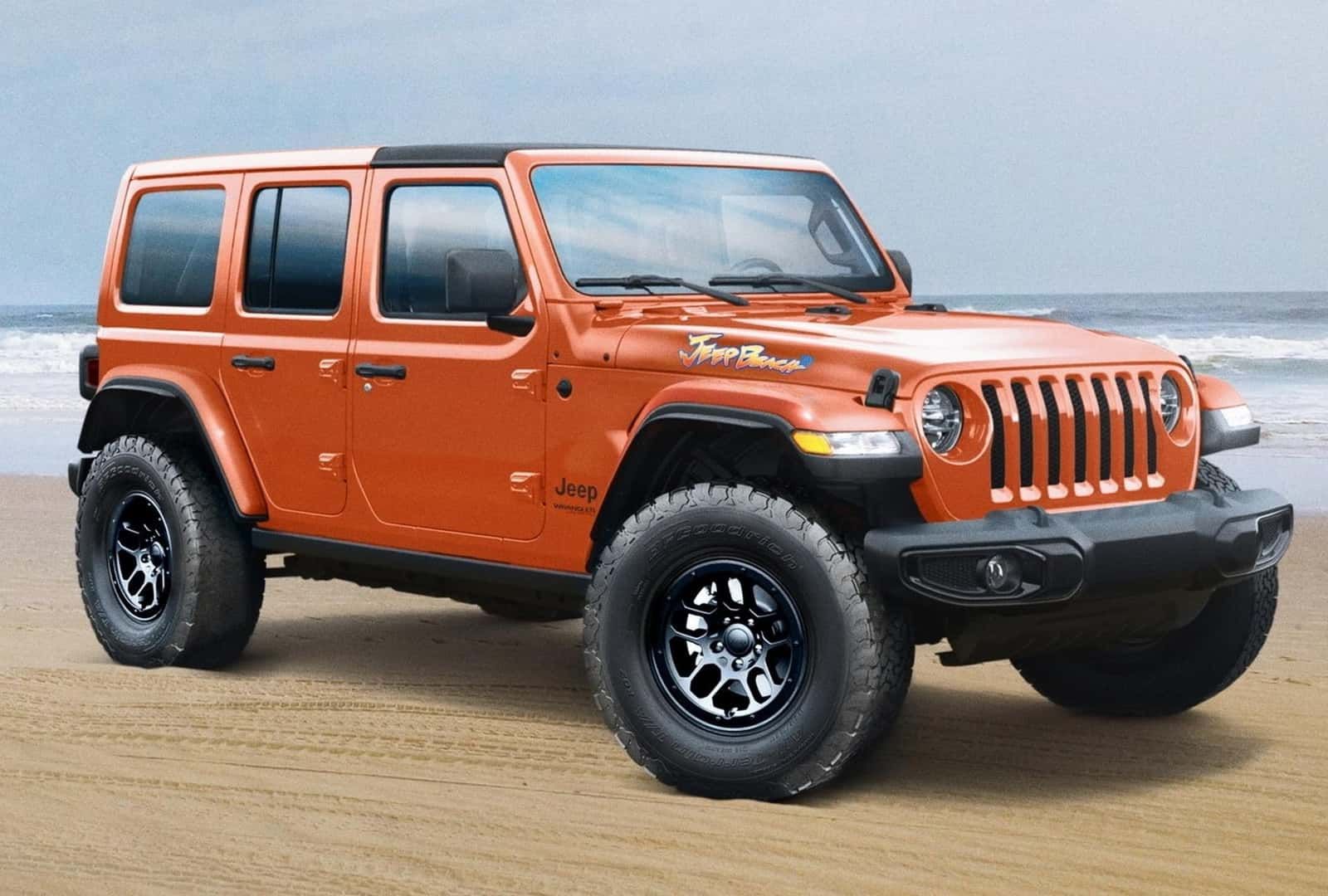
Additionally, while excellent off-road, the Wrangler’s handling on wet, paved roads can feel unpredictable due to its short wheelbase and high center of gravity.
Drivers in Tacoma’s daily rain may find themselves fighting for traction and drying out wet seats more often than they’d like.
2. Mini Cooper
The Mini Cooper is celebrated for its nimble handling and iconic design, but it is not ideal for consistently wet climates.
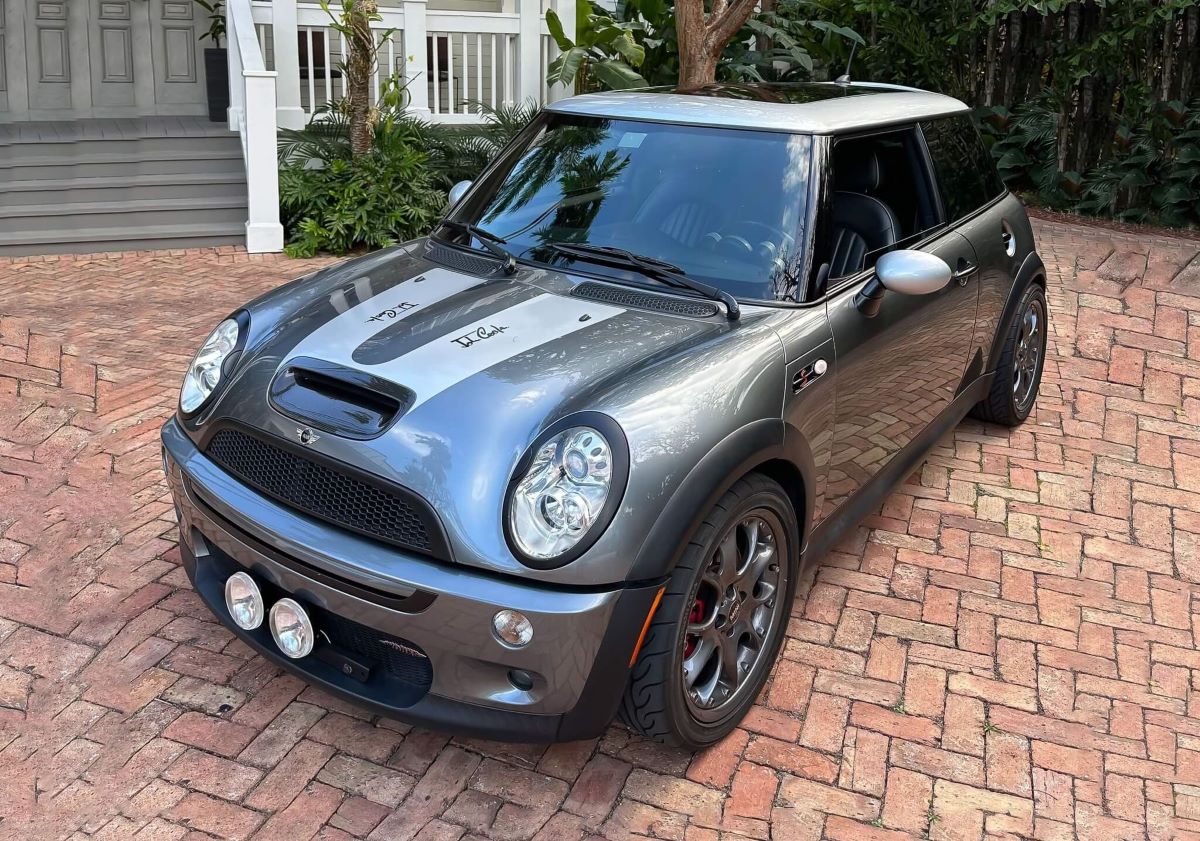
Older Mini Coopers, in particular, have a reputation for leaking roofs and doors, and their low ground clearance can make puddles a problem. While fun to drive, these vehicles can frustrate commuters in Tacoma, especially when confronted with heavy rainfall or standing water.
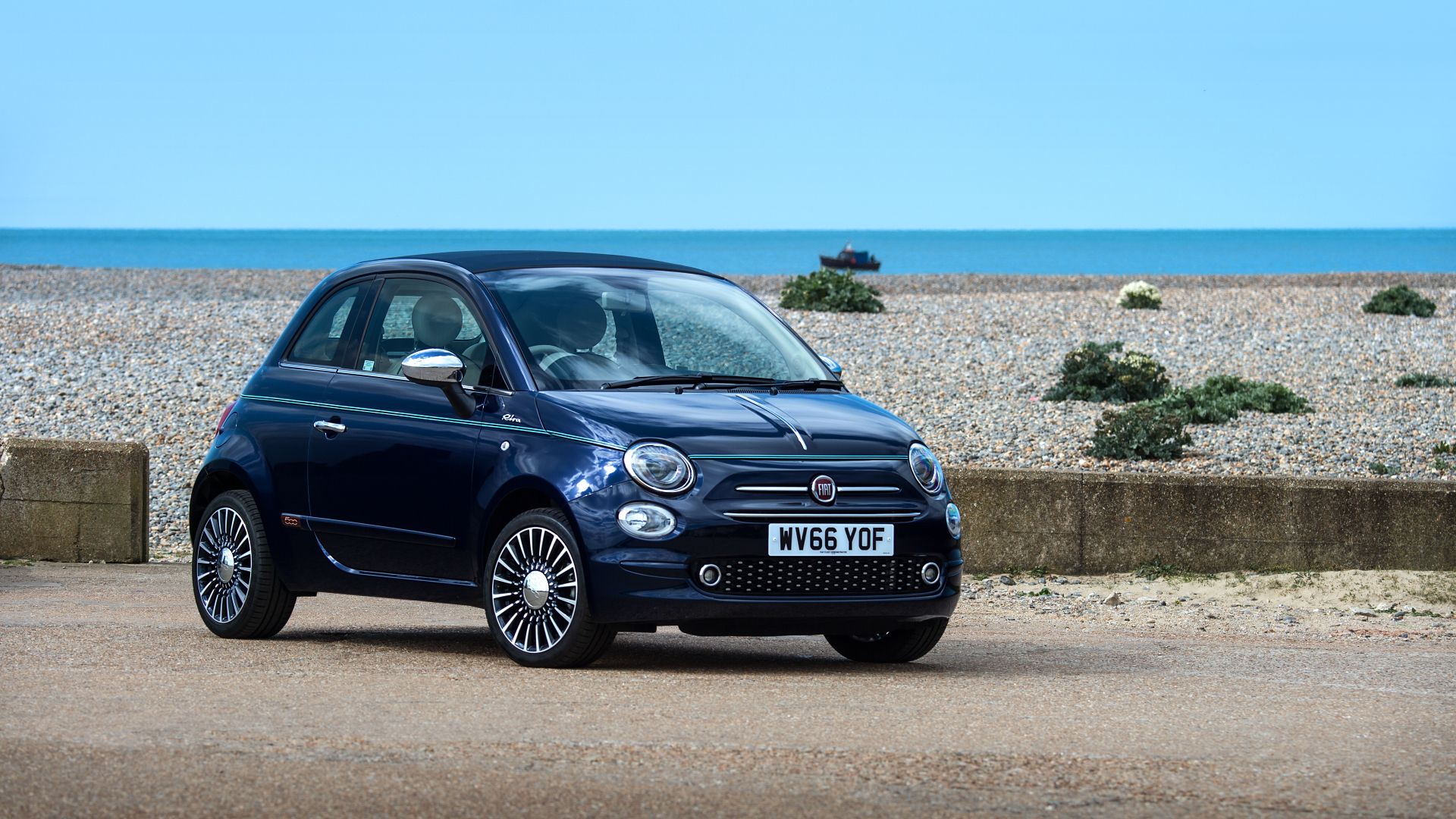
3. Fiat 500
The Fiat 500 may turn heads, but it struggles in rainy environments. These compact cars often have water intrusion issues, particularly around sunroofs and door seals.
Combined with limited interior space and a less sophisticated traction system, Fiat 500 owners in Tacoma might find themselves repeatedly drying out carpets or dealing with slipping on slick streets.
For someone who commutes daily in heavy rain, this car may cause more headaches than enjoyment.
There’s almost no chance you haven’t heard of it or spotted one out on the road; it’s among the most instantly recognizable silhouettes and faces you can buy.
This newest version of the car, however, represents a clear departure from the past, as it became fully electric when it debuted in 2020.
While it closely resembles the classic 500 in appearance, you won’t find any shared components with the previous generation. The car is larger overall and features an entirely new interior, chassis, body, and platform.
Fiat has since confirmed that a hybrid version is on the way, signaling a significant reversal of its original strategy as consumer enthusiasm for EVs cools or buyers hesitate to commit their money. We’ll have more details on that development as soon as they’re available.
Compared with the petrol-powered 500, this version is 61mm longer, 56mm wider, and 29mm taller. The proportions feel more planted, and the surfaces are clean and uncluttered. Some of the design details are genuinely excellent.
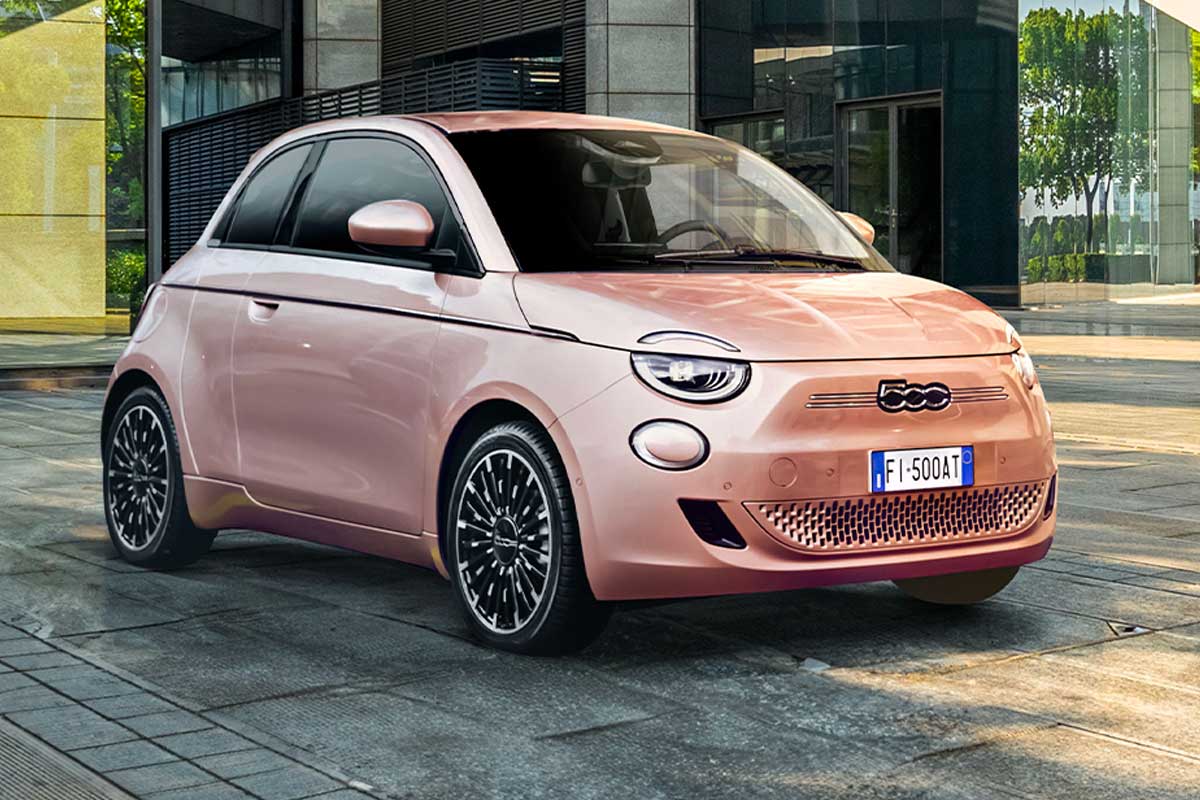
It avoids tipping into overly cute caricature, instead projecting a sense of confidence, an effect that’s especially strong in brighter paint options, of which there are plenty now that Fiat has decided to abandon dull color palettes.
Unfortunately, yes. Since Fiat was working from a clean sheet, it could have opted for a rear-mounted motor and rear-wheel-drive layout like the now-defunct Honda e. Perhaps not the best comparison.
Or even like the original 500. Fiat’s justification is that front-wheel drive is what most drivers are accustomed to today. That said, there is at least one company offering an electric version of the original if that setup appeals to you.
For the same reason, the electric motor’s throttle response is calibrated to feel similar to a petrol engine, and its behavior through corners is equally familiar.
Because that’s traditionally where you’d refuel a petrol car. On the convertible, the fabric roof follows a similar concept to the outgoing 500’s design, stretching between metal side rails to help maintain body rigidity.
The electric 500 is available with either a 24kWh or a 42kWh battery. The smaller pack is paired with a 94bhp motor and carries an official range of 118 miles, while the larger battery gets a 117bhp motor and is rated for up to 199 miles on the WLTP cycle.
That means a maximum claimed range of 199 miles for the larger battery and 118 miles for the smaller one, but as with any EV, sustained high-speed motorway driving will noticeably reduce those figures compared with the WLTP estimates.
Even so, across a blend of city driving, suburban routes, country roads, and a motorway stretch, the 500 generally delivers efficiency close to its claims.
The entry-level 24kWh version, however, struggled to exceed 90 miles in our testing. We wouldn’t suggest it unless you’re looking for a dedicated second car used mainly for urban driving.
The 42kWh version supports charging at up to 85kW, allowing you to add roughly 100 miles of range in just over 15 minutes.
Most rapid chargers in the UK, however, are limited to 50kW, so you may be better off saving money and using those instead. Notably, 50kW is also the maximum charging rate for the smaller battery version.
4. Ford Mustang (Older Models)
While classic Mustangs are performance icons, they are not designed with rainy weather in mind. Older Mustangs are prone to water leaks around windows and the trunk, and their rear-wheel-drive setup can make handling tricky on wet surfaces.
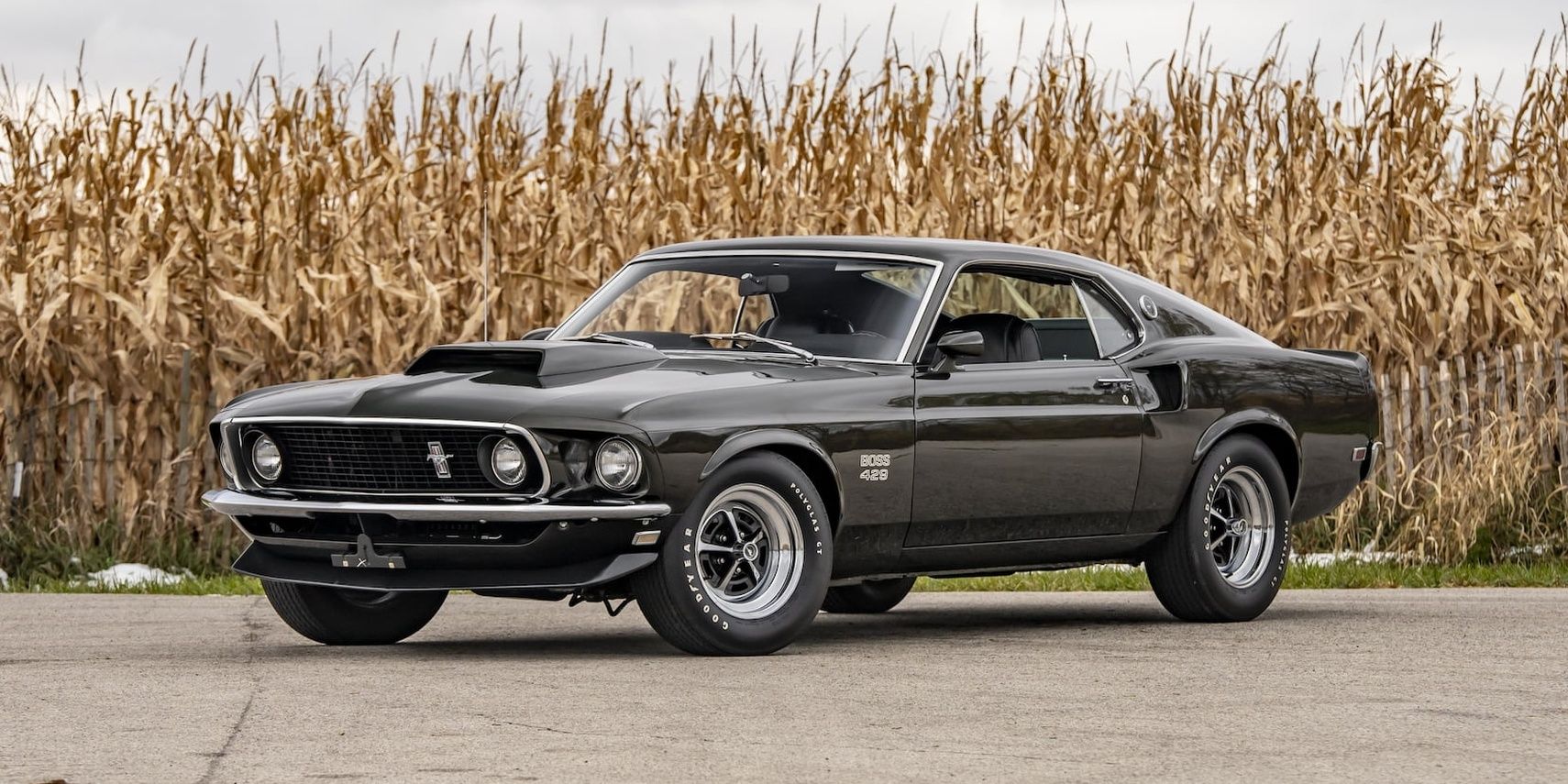
Coupled with a low-slung body that can struggle over flooded areas, Mustangs are better suited for dry climates or weekend cruises than daily Tacoma commutes.
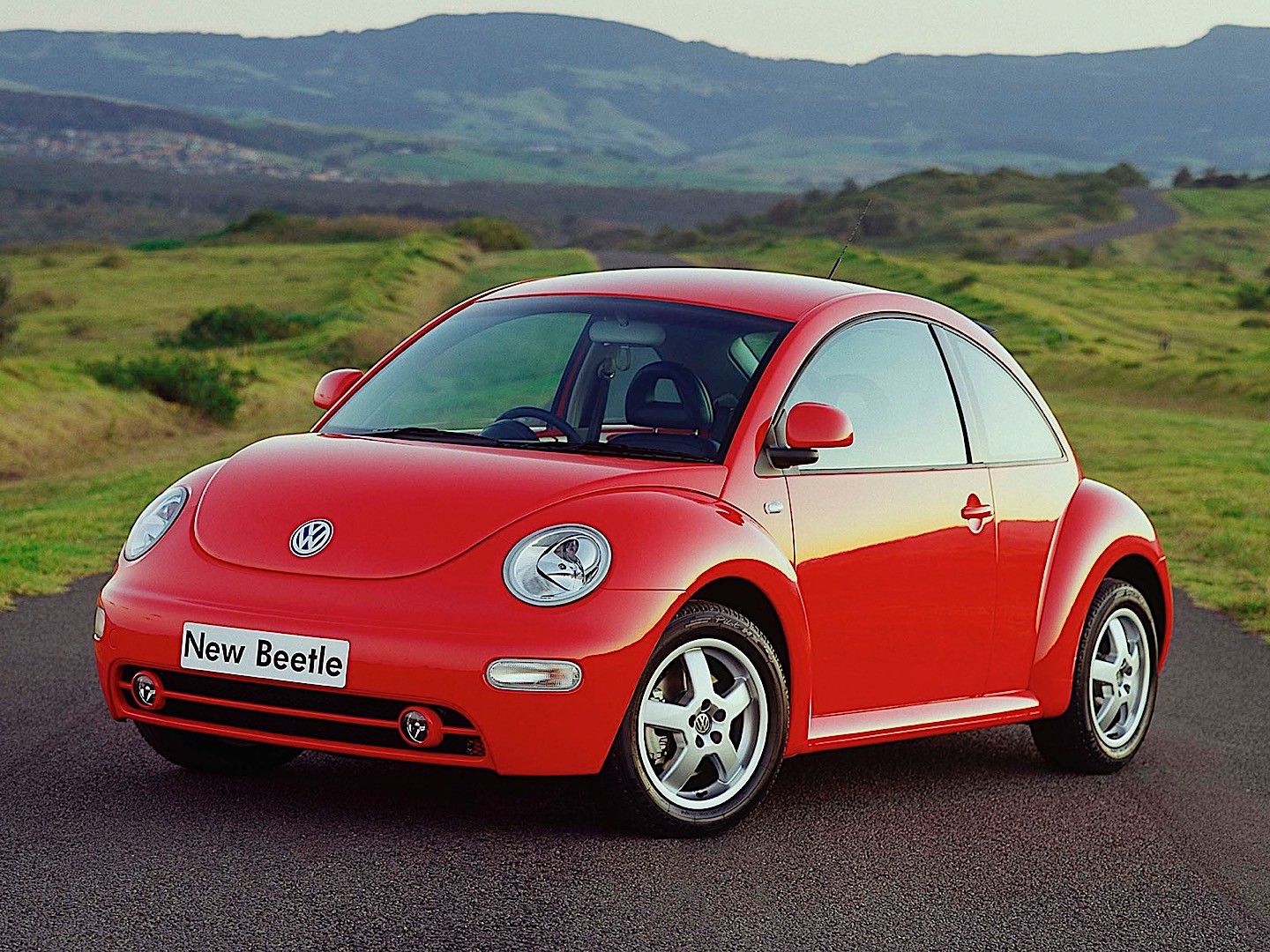
5. Volkswagen Beetle (Newer Generations)
Despite modern updates, some Volkswagen Beetle models have experienced water leak issues, particularly around doors and sunroofs. Additionally, their smaller size and less-than-optimal traction control systems can challenge drivers on slick roads.
While charming in design, Beetles may not provide the reliability or protection needed for consistent rainy driving, leaving owners frustrated with maintenance and wet interiors.
Choosing a car for Tacoma’s rainy weather is about more than aesthetics or power; it’s about reliability, safety, and peace of mind during daily commutes.
After spending five years on the market, Volkswagen updated the Beetle, giving it a more assertive appearance and unveiling the Dune variant, which added a more adventurous look to the lineup.
Although the original Beetle enjoyed an extraordinarily long production run from 1939 to 2003 and surpassed 20 million units built, its modern successors failed to replicate that level of success.
Unfortunately for the automaker, the third iteration of the iconic nameplate did not perform as hoped. Annual production figures dropped below 100,000 units after 2014, a clear sign that the model was no longer thriving.
In response, Volkswagen attempted to rekindle buyer interest by launching a refreshed version in the summer of 2016. Even so, sales continued to decline, and by 2019 the company discontinued the Beetle altogether without developing a direct replacement.
The updated 2016 Volkswagen Beetle adopted a noticeably more masculine look. Its stance became more aggressive thanks to a redesigned front bumper featuring a wider, A-shaped central air intake, flanked by angled side scoops with slanted inner slats.
Beneath the hood, Volkswagen rolled out Euro 6–compliant engines across the European lineup, including multiple turbocharged diesel options.
For the U.S. market, however, the automaker limited the range to 1.8-liter and 2.0-liter turbocharged gasoline engines with direct injection under the TSI designation.
Five- and six-speed manual gearboxes were standard offerings, while a newly introduced seven-speed dual-clutch automatic transmission was available as an option.
Subaru models like the Outback and Forester, as well as popular AWD crossovers like the Honda CR-V, Toyota RAV4, and Mazda CX-5, excel at keeping drivers dry and secure on slick streets.
Conversely, vehicles prone to leaks or with less traction, such as older Jeep Wranglers, Mini Coopers, Fiat 500s, Mustangs, and some Beetles, can turn everyday commutes into a wet and stressful ordeal.
When selecting a vehicle for rainy environments, prioritize all-wheel-drive systems, well-sealed cabins, and safety technology designed for low-traction conditions. In Tacoma, where rain is almost a daily companion, these choices aren’t just practical they’re essential.
Investing in a reliable, rain-ready vehicle means less time worrying about water damage, slippery roads, or unexpected maintenance, and more time enjoying the beauty of the Pacific Northwest, even on a drizzly morning.
