
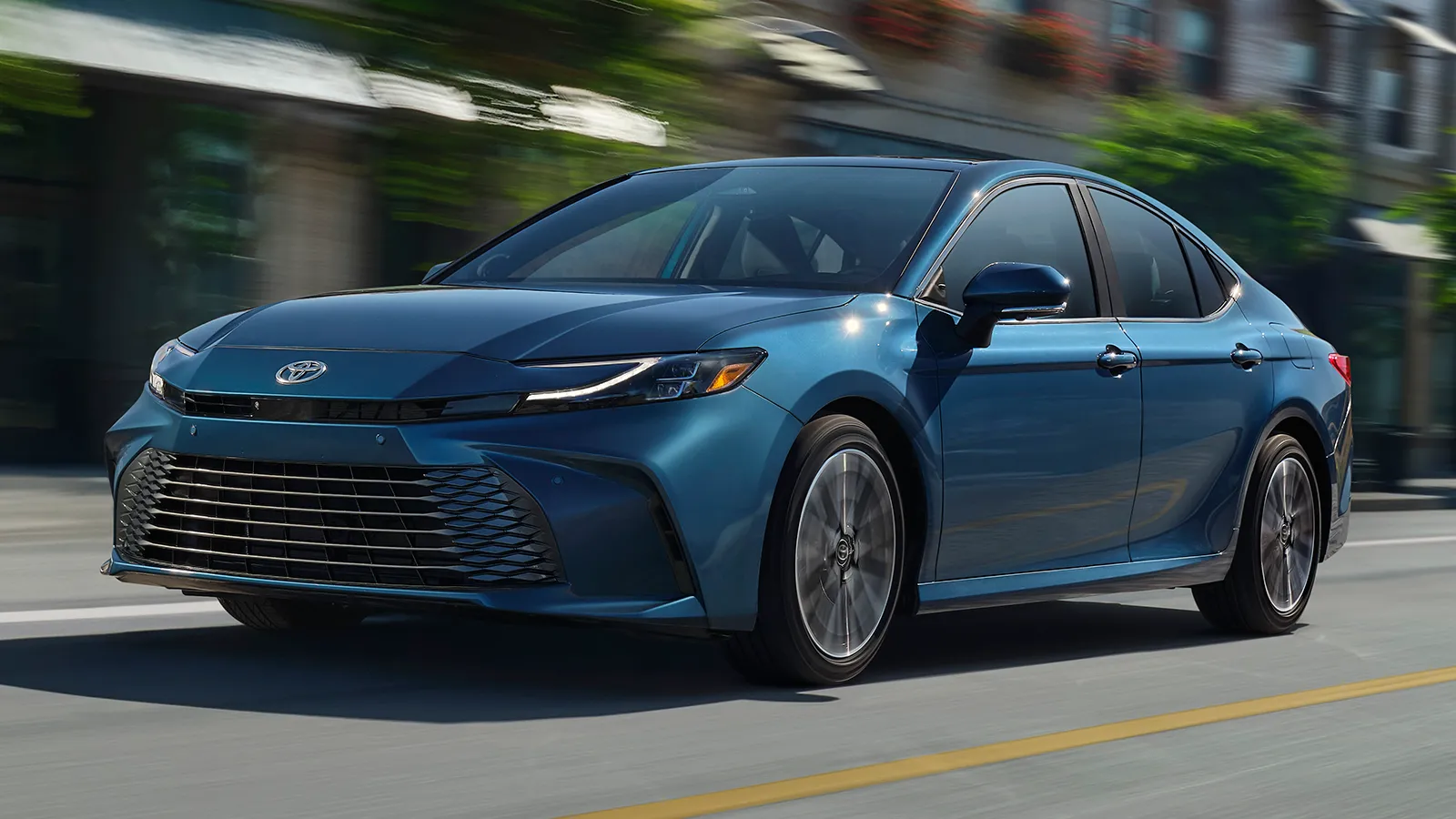
Sticker shock takes on a new dimension in 2025. Rising car prices are no longer driven only by brand prestige or engine size. Instead, cutting-edge technology, premium materials, and integrated digital systems now influence pricing long before buyers step onto the lot.
A model that once seemed attainable can increase by several thousand dollars simply because a few high-tech options or safety packages are included, even if horsepower, fuel efficiency, and core performance remain largely unchanged.
Automakers answer demand for convenience, connectivity, and futuristic appeal, yet each innovation carries hidden costs. Advanced sensors, high-resolution cameras, radar systems, and LiDAR add hardware expenses, while sophisticated software development requires years of engineering effort.
Updates delivered over the air function more like ongoing subscriptions than one-time features, further increasing the lifetime cost of ownership. Assembly and manufacturing processes have grown more intricate, often requiring specialized components sourced from fewer suppliers, which adds another layer of expense.
Buyers often realize these price impacts only during the final stages of the purchase process. A mid-level trim can appear reasonable until a desirable safety or driver-assistance feature is bundled with multiple other systems.
Suddenly, the sticker price climbs, and monthly payments look very different from initial expectations. Some consumers embrace the added technology as worth the extra cost, while others question why a conventional car has become so expensive so quickly.
This guide examines ten specific features that are reshaping new-car pricing in 2025. Each example pairs a popular vehicle with a technology or system that drives cost upward, sometimes sharply.
By highlighting how features like adaptive driver assistance, luxury infotainment, advanced powertrains, or multi-motor torque management affect pricing, buyers can better evaluate which upgrades truly enhance their driving experience versus which inflate costs without proportional benefit.
Understanding these trends provides clarity and helps consumers make informed decisions, ensuring that they select features that match both their lifestyle and their budget in today’s high-tech automotive market.
In 2025, price increases are no longer about size or badge alone; they reflect the technology and intelligence built into every modern vehicle, often before the buyer even steps into the showroom.
1. Mercedes-Benz E-Class E 350 with Full-Width Hyperscreen Displays
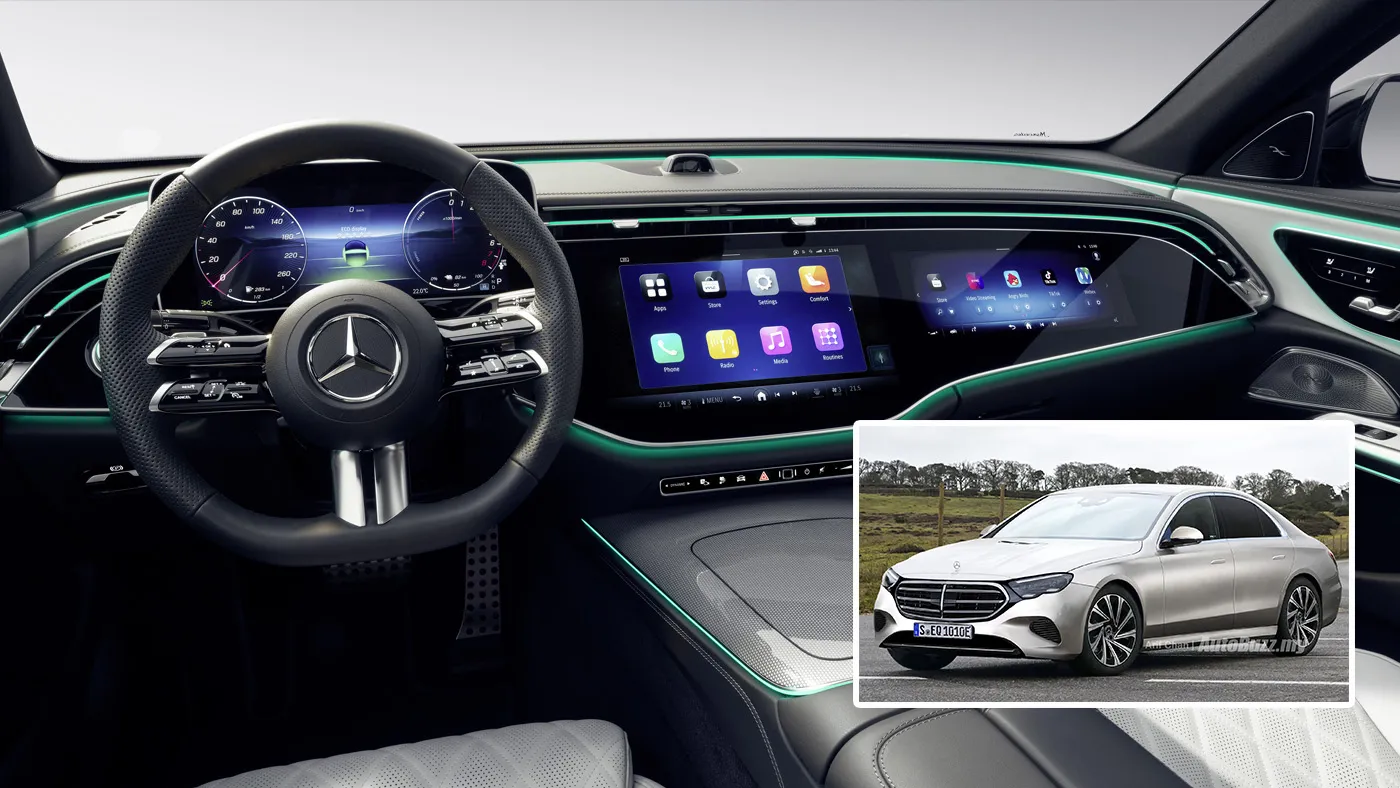
Screens now define luxury interiors, and few vehicles demonstrate the cost impact better than the Mercedes-Benz E-Class E 350 equipped with its full-width digital display system.
This setup transforms the dashboard into a seamless glass panel that stretches from door to door, blending driver instrumentation, infotainment, and passenger interaction into one continuous surface.
Behind the visual appeal sits expensive technology. High-resolution OLED panels, advanced processors, and dedicated cooling systems work together to maintain clarity and responsiveness.
Software development adds another layer, since each section of the screen requires unique interfaces and constant updates. These systems demand far more than a traditional center display, both in materials and long-term support.
Production costs rise because assembly tolerances tighten. Even slight imperfections become visible across such a wide surface. Replacement costs also climb, influencing insurance rates and repair pricing. Buyers pay not only for the display itself but also for the engineering required to integrate it smoothly with vehicle controls, climate systems, and driver assistance features.
Luxury buyers often view this feature as essential, yet it drives transaction prices upward faster than leather or engine upgrades once did. The screen feels immersive and modern, but it quietly reshapes affordability within the segment.
2. Ford F-150 Platinum with Hands-Free Highway Driving Technology
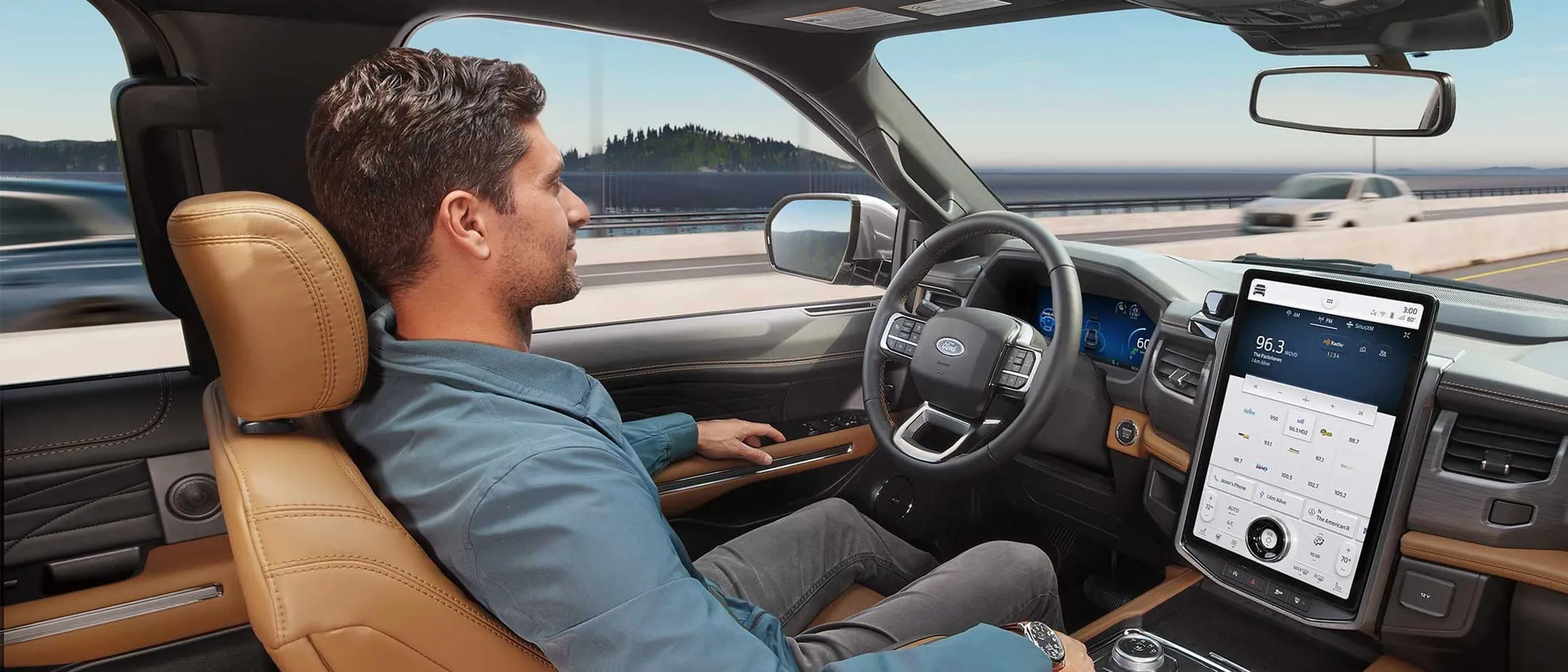
The Ford F-150 Platinum proves that pickup trucks can command premium pricing when equipped with cutting-edge driver assistance.
Hands-free highway driving technology transforms long-distance commuting by allowing the truck to steer, accelerate, and brake autonomously under certain conditions, reducing driver fatigue and improving highway safety.
This system relies on a combination of forward-facing cameras, radar sensors, ultrasonic devices, and precise mapping data to maintain lane position, adapt to traffic, and respond to changing road conditions in real time.
The technology’s complexity drives cost. Each sensor must function reliably in rain, fog, or dust, and vibration from heavy-duty work trucks can challenge calibration. Manufacturing tolerances are tight, ensuring sensors operate within millimeter-level precision.
Additionally, software licensing, ongoing updates, and advanced algorithms contribute to the overall expense. Automakers must invest heavily in mapping highways and maintaining this data to deliver smooth hands-free operation, which further increases the vehicle’s price.
Beyond hardware and software, supporting infrastructure adds to the premium. High-resolution maps, real-time traffic information, and cloud-based data collection require continuous maintenance, with costs reflected in the truck’s retail price.
Buyers are not only paying for present functionality but also for the future potential of system enhancements delivered through over-the-air updates.
The driving experience feels transformative for those who spend hours on the road. Hands-free operation reduces fatigue, increases confidence during highway travel, and creates a smoother ride compared to traditional cruise control.
Yet, the cost delta between F-150 trims with and without this technology can surprise shoppers, turning an already capable pickup into a truly high-end offering.
From an ownership perspective, the system demands careful servicing. Sensors and software updates are integral to functionality, meaning maintenance costs are higher than conventional trucks.
This combination of advanced engineering, long-term data support, and safety features explains why hands-free highway driving technology contributes significantly to sticker price in 2025, illustrating that even pickup trucks can command luxury-level premiums when innovation is applied thoughtfully.
Also Read: 5 Luxury SUVs Under $50k That Beat 5 Mainstream SUVs
3. BMW 7 Series 740i with Rear Executive Theater Screens
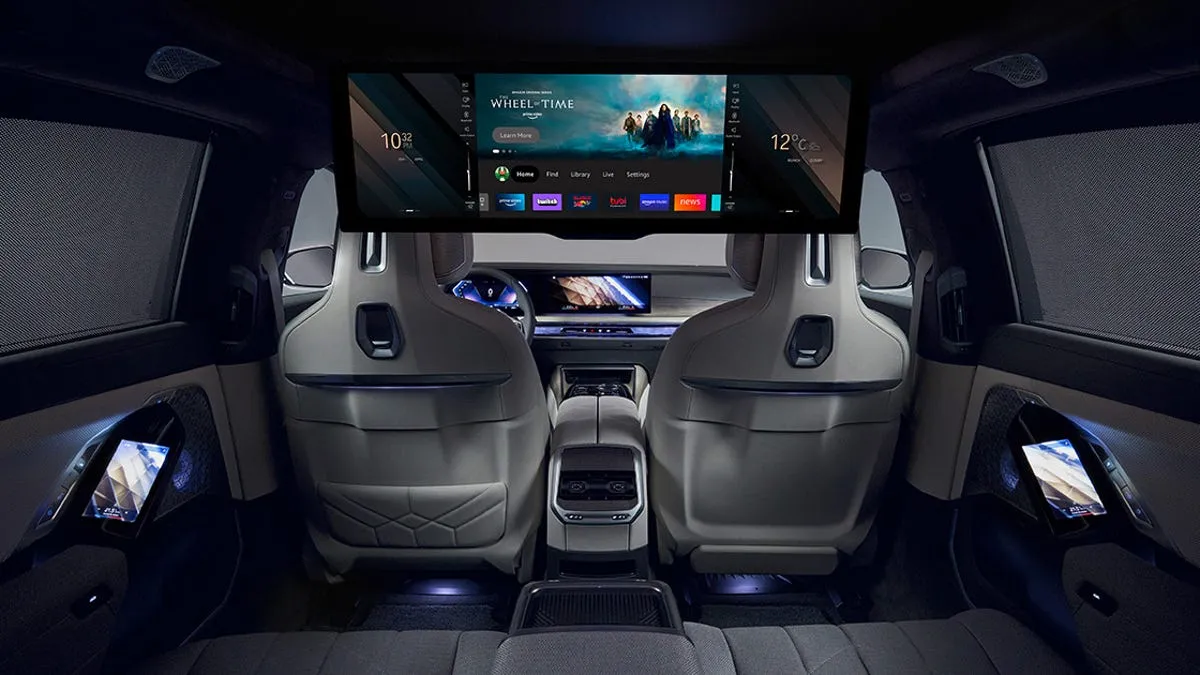
BMW continues to redefine rear-seat luxury with the 7 Series 740i, and the rear executive theater screen exemplifies how entertainment technology now drives pricing.
This ceiling-mounted display offers a full cinematic experience for passengers, integrating streaming services, wireless headphones, premium audio, and synchronization with the cabin’s ambient lighting and climate controls.
The feature turns the back seat into a personal lounge suitable for executives or families seeking a first-class experience on the road.
Engineering this system requires more than simply installing a display. Structural reinforcements ensure passenger safety during deployment and collisions, while high-quality materials minimize vibration and glare for optimal viewing.
Integration with the vehicle’s software ecosystem ensures seamless interaction between climate, media, and lighting controls, creating an immersive environment that responds dynamically to passenger activity. Weight management is another factor impacting cost.
Engineers must balance the mass of the theater system with ride quality, suspension calibration, and energy efficiency, ensuring the vehicle remains comfortable and stable. Heat generated by electronics requires additional cooling solutions, while complex wiring looms increase assembly time and labor costs.
From a buyer’s perspective, the value proposition is immediate. The rear executive theater provides entertainment and convenience that elevate the cabin experience, but it also transforms the sedan’s market positioning.
Pricing reflects the exclusivity, with the feature often pushing the 740i into flagship-level costs compared to trims without it. Installation and servicing considerations further affect affordability. Replacement components are expensive, and integration with BMW’s high-tech systems means service requires specialized technicians.
By combining comfort, connectivity, and luxury, the rear theater illustrates how advanced cabin technology now directly influences sticker price, demonstrating that passenger experience features can be just as impactful on cost as engine upgrades or drivetrain enhancements.
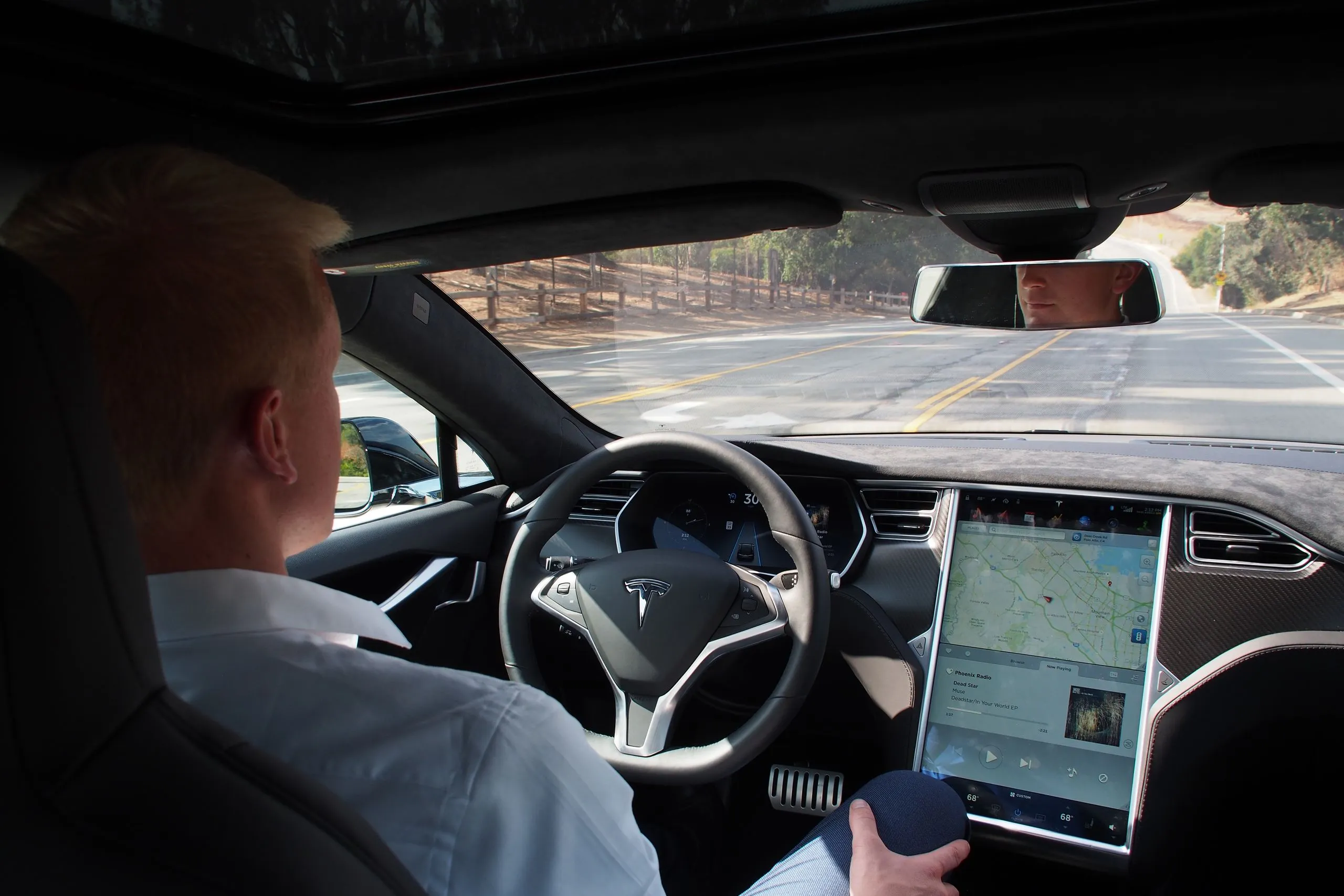
4. Tesla Model X Long Range with Advanced Sensor-Based Driver Monitoring
The Tesla Model X Long Range introduces driver monitoring systems that go far beyond traditional steering wheel sensors, highlighting the growing impact of safety technology on vehicle pricing.
Interior cameras, infrared sensors, and sophisticated posture tracking monitor eye movement, facial orientation, and body positioning to ensure drivers remain attentive while using semi-autonomous features.
This level of monitoring is essential for regulatory compliance and ensures the system adapts to both everyday driving and advanced Autopilot functions. Developing such technology requires precise hardware placement and robust data processing.
Cameras must operate effectively in varying lighting conditions, while infrared sensors detect driver activity even at night.
Advanced algorithms process thousands of inputs per second to detect drowsiness or inattention accurately, all while safeguarding personal privacy. Security measures add another layer of cost, ensuring driver data remains protected.
The system is integrated with over-the-air software updates, meaning its capabilities evolve after purchase. Buyers indirectly contribute to continuous software development, which enhances both safety and functionality over the vehicle’s lifecycle. These upgrades require sophisticated backend infrastructure, further justifying higher sticker prices.
For drivers, the feature adds peace of mind and convenience. Semi-autonomous driving becomes safer, allowing long-distance travel with reduced fatigue. The technology operates seamlessly, but the expense is embedded in the vehicle’s base price, reflecting both hardware sophistication and ongoing software investment.
Insurance and maintenance costs can also be influenced, as specialized sensors and AI monitoring systems require expert handling. Repairs or recalibrations are more expensive than standard electronics, reinforcing the notion that safety innovation carries a tangible financial impact.
The Tesla Model X shows that advanced monitoring technology is no longer optional but a defining component that shapes vehicle value in the electric SUV segment, elevating pricing beyond traditional luxury considerations.
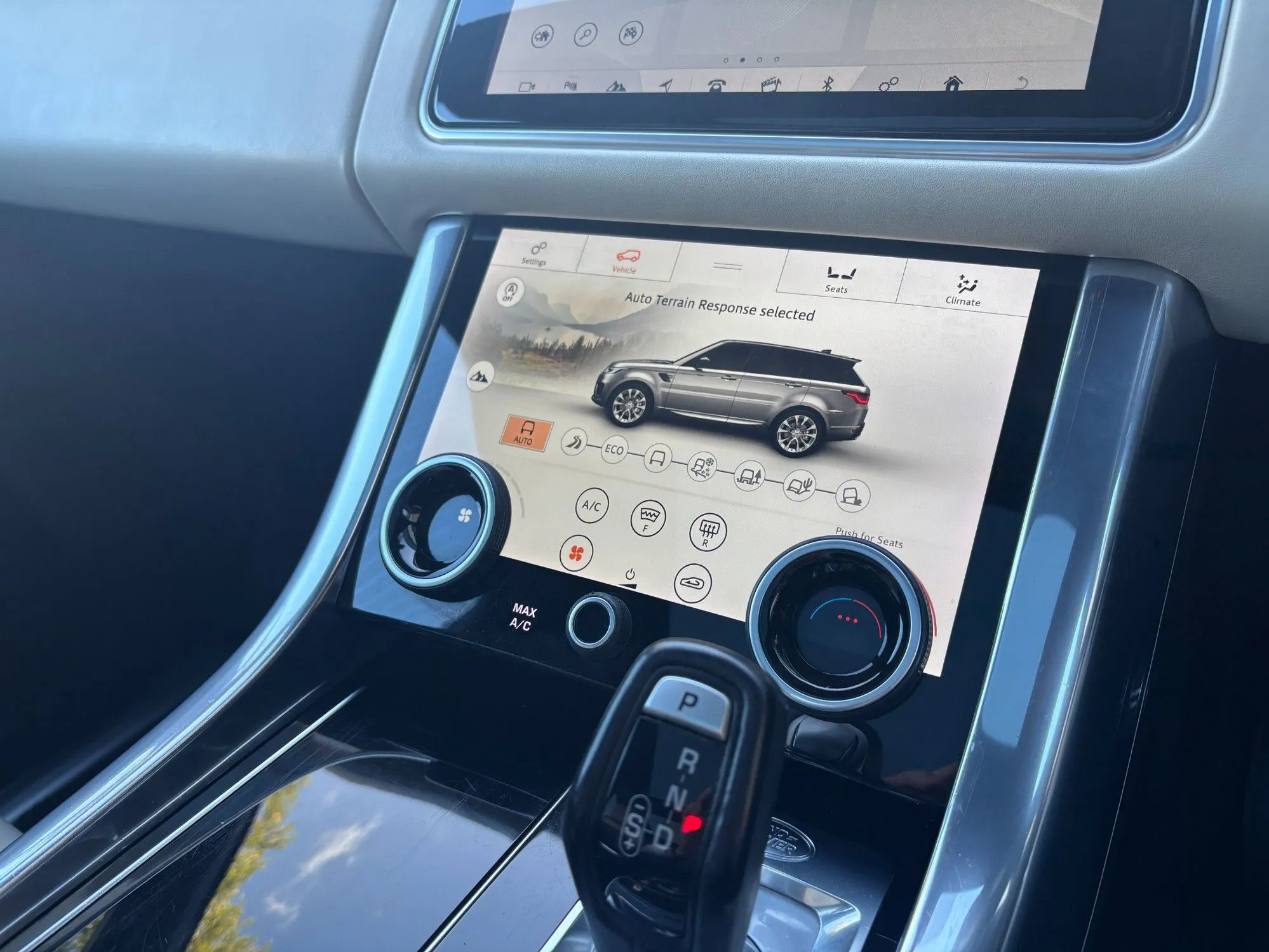
5. Range Rover Sport Autobiography with Active Air Suspension and Terrain Response
Luxury SUVs continue to leverage adaptive systems, and the Range Rover Sport Autobiography demonstrates how advanced suspension technology drives price in 2025.
Its active air suspension works with a sophisticated terrain response system to adjust ride height, firmness, and traction automatically, offering exceptional adaptability across on-road and off-road environments.
Engineering this system requires multiple compressors, air springs, sensors, and electronic control modules that must operate harmoniously.
Durability is paramount, as the SUV is expected to handle wet roads, rocky trails, and heavy loads without compromising ride quality. Each component adds to both manufacturing and eventual replacement costs, contributing to the vehicle’s premium price.
Manufacturing tolerances are tighter than conventional suspension systems, with diagnostic modules enabling real-time monitoring and adjustment.
Development includes rigorous testing under extreme temperatures and stress conditions to ensure consistent performance. Buyers pay for the reliability and versatility that digital precision brings, replacing the simplicity of mechanical suspension with advanced electronics.
From a driver’s perspective, the system is transformative. Ride comfort remains plush, handling is controlled, and terrain adaptability enhances confidence.
The combination of smooth highway cruising and capability over challenging surfaces highlights the value of the technology, but the cost is reflected in the vehicle’s position within the luxury SUV market.
Maintenance considerations also influence pricing. Air suspension components, sensors, and control modules require specialized servicing, increasing service costs compared to traditional systems.
By combining comfort, technology, and off-road capability, the Range Rover Sport Autobiography illustrates how active suspension and terrain management now contribute significantly to sticker prices, making premium performance accessible but costly.
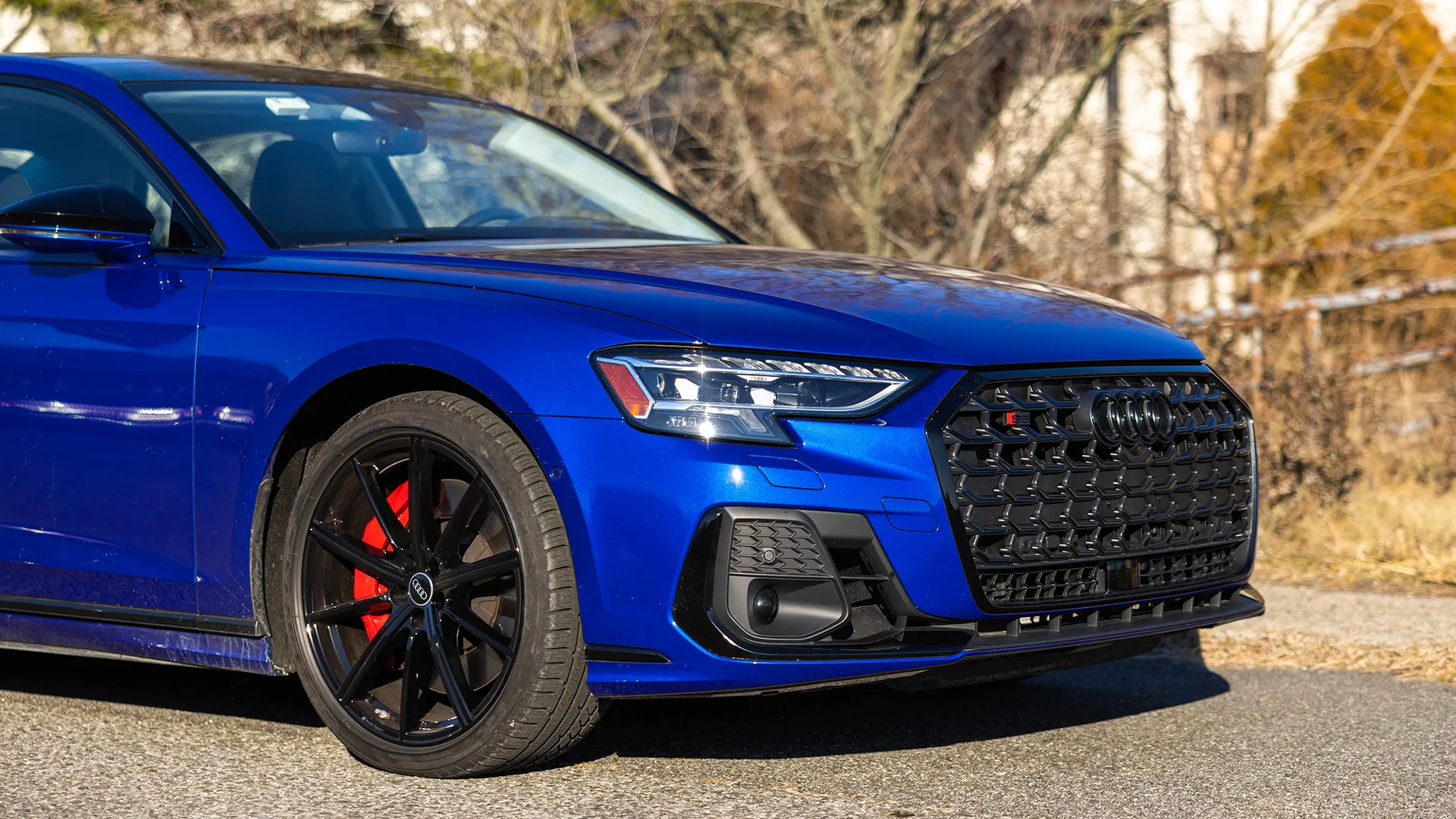
6. Audi A8 L with Predictive Active Suspension
Audi has taken suspension technology to a level few automakers have matched, and the A8 L’s predictive active suspension exemplifies the cost implications. This system uses cameras and radar sensors to scan the road ahead, adjusting damping and ride height in real time to smooth out bumps before the vehicle reaches them.
Engineering this technology requires significant investment in both hardware and software. Multiple actuators within each shock absorber respond independently, while central control units process sensor data constantly. This real-time adjustment depends on advanced algorithms that must handle all driving conditions, from city streets to highways.
Maintenance considerations also influence pricing. The system requires precise calibration, and replacement components cost considerably more than traditional suspension parts. The integration with adaptive steering and stability systems adds complexity, ensuring that repair or adjustment requires trained technicians.
The driving experience feels effortless. Potholes vanish, lane changes remain composed, and passengers notice a serenity that older vehicles cannot match. However, buyers pay for this refinement in upfront costs, with the predictive suspension accounting for thousands of dollars on top of the base price.
For builders or enthusiasts considering upgrades, replicating such capabilities outside of factory installations is impractical, further emphasizing the impact on sticker prices. The A8 L demonstrates that advanced suspension is no longer a convenience feature but a premium component that dramatically shifts perceived value.
Beyond comfort, predictive suspension also contributes to handling dynamics. By reducing body roll proactively, the vehicle feels more planted during cornering, blending luxury with performance. Buyers receive technology that operates continuously and invisibly, adding both safety and refinement. It’s this combination of sophistication and engineering cost that drives the Audi A8 L’s premium price.
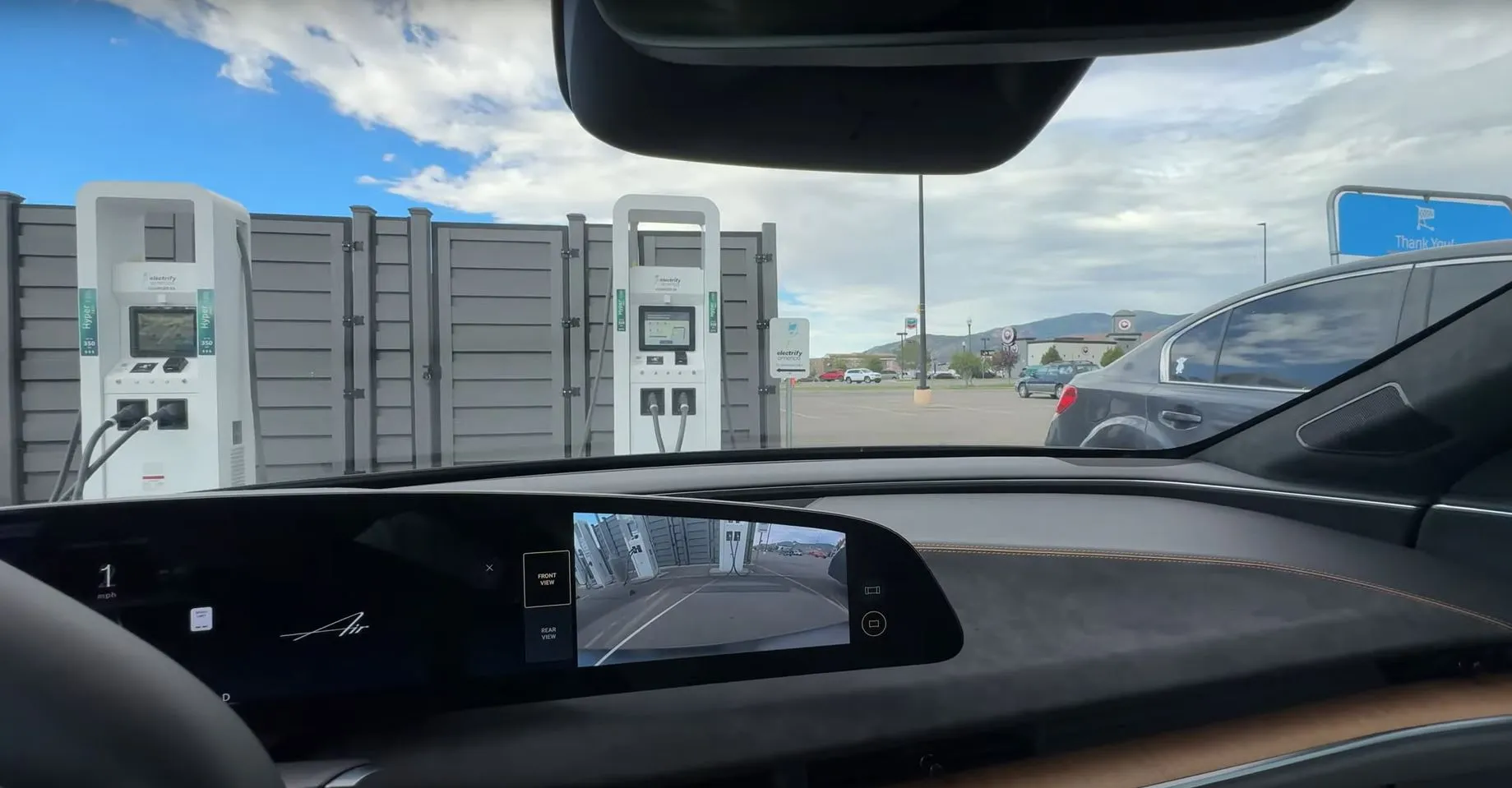
7. Lucid Air Grand Touring with Full Glass Cockpit and Augmented Reality HUD
Lucid Motors has redefined interior technology with the Air Grand Touring, where a fully integrated glass cockpit and augmented reality head-up display command attention and pricing. Unlike conventional instrument clusters, this system overlays navigation, vehicle data, and safety alerts onto a panoramic display.
Developing such a system requires a mix of optical engineering, high-resolution OLED screens, and advanced software capable of merging real-world visuals with digital information. AR functionality must adjust to driver head position, ambient lighting, and road curvature for clarity and safety.
The material and assembly cost adds hundreds of dollars per unit. OLED panels are sensitive to heat and stress, requiring cooling solutions and protective housings that maintain reliability. Each unit is hand-calibrated during assembly to guarantee alignment and performance, extending labor time compared to traditional gauges.
The cockpit transforms how drivers interact with information. Lane guidance, hazard warnings, and route instructions integrate seamlessly, reducing distraction while adding a sense of immersion. Passengers also perceive value in a high-tech interior that mirrors futuristic expectations.
Pricing reflects both technology and rarity. Few vehicles in 2025 offer a comparable AR interface with such resolution and integration, and supply chains for these components remain limited. Buyers indirectly pay for software development, calibration expertise, and production quality.
Even though the feature focuses on convenience and information delivery rather than performance, it alters perceived vehicle value significantly. The Lucid Air Grand Touring demonstrates how immersive digital technology, when paired with high-quality construction, transforms a luxury sedan into a premium-priced offering.
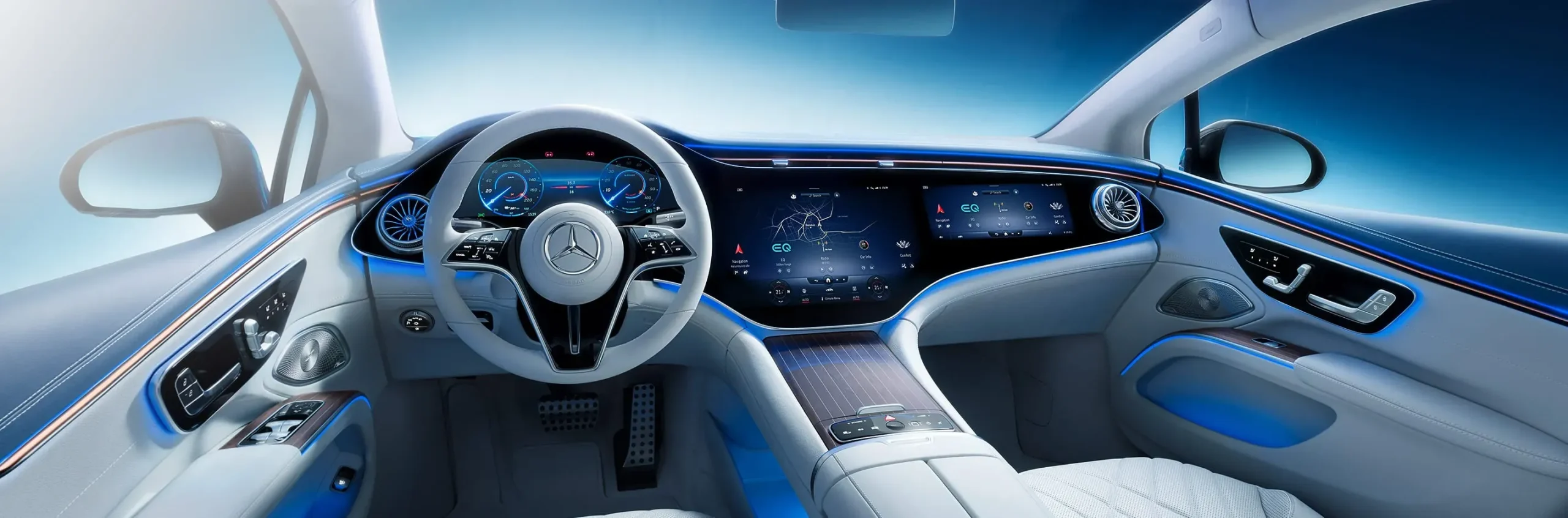
8. Mercedes-Benz EQS 580 with Hyperscreen and AI-Driven Personalization
The 2025 Mercedes-Benz EQS 580 pushes cabin technology further by combining its hyperscreen with AI-driven personalization. Beyond just displaying information, the system adapts to user behavior, learning seat preferences, ambient lighting choices, and interface settings.
Artificial intelligence integration requires constant data processing. Sensors track gestures, facial expressions, and even speech commands to adjust the interface dynamically. These advanced electronics require specialized microprocessors and high-capacity memory modules that add to production costs.
Durability and longevity were also considered. Components must remain accurate and responsive over years of use, which involves rigorous testing of both software and touchscreen hardware. Cooling, shielding, and sensor calibration further complicate the build process.
The user experience feels intuitive. Drivers encounter a cabin that remembers personal habits and anticipates needs, such as adjusting climate settings before a long drive. The system also offers predictive suggestions for navigation, media, and safety alerts.
However, this seamless integration comes at a high cost. Combining AI algorithms with high-resolution displays increases the manufacturing footprint, while replacement parts remain expensive due to the specialized hardware involved. Insurance costs may rise because of repair complexity.
For luxury buyers, these features justify the price premium. Beyond showing the latest technology, the EQS 580 demonstrates that AI and advanced displays are no longer optional but defining elements in 2025 pricing. Every user interaction contributes to a perception of exclusivity and sophistication that traditional controls cannot match.
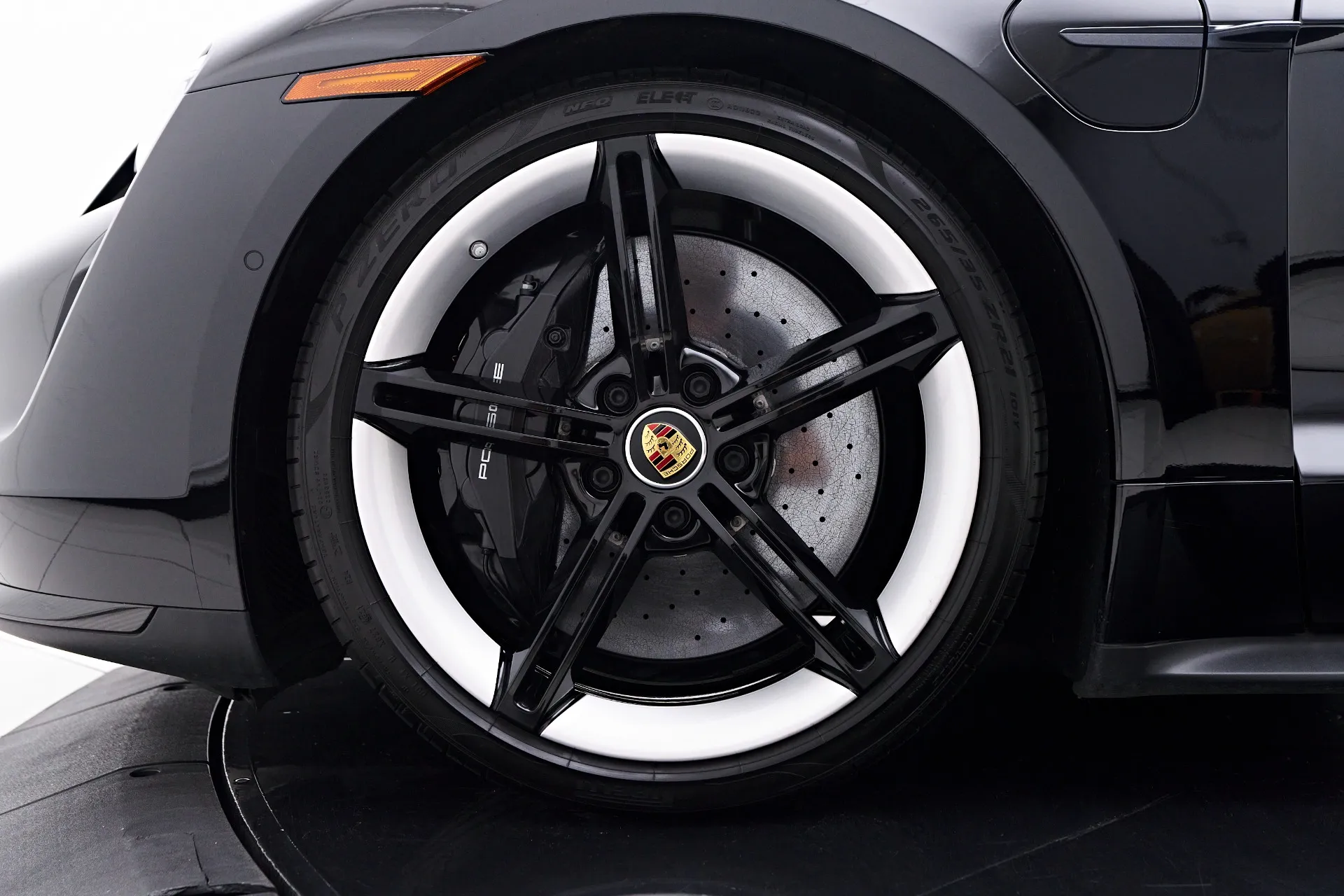
9. Porsche Taycan Turbo S with High-Capacity Carbon Ceramic Brakes and Integrated Energy Recovery
Porsche’s Taycan Turbo S combines electric performance with race-derived braking systems, making the high-capacity carbon ceramic brakes a primary factor in its price. Designed for repeated high-speed deceleration and energy recovery, these brakes offer superior stopping power and contribute to regenerative efficiency.
Manufacturing carbon ceramic rotors involves precise material composition and firing techniques. Each disc is lightweight yet capable of withstanding extreme heat without warping, requiring specialized labor and quality control. Integrated sensors connect directly to the vehicle’s energy recovery system, which enhances efficiency but adds electronic complexity.
The result feels immediate and reliable. Drivers experience reduced fade during spirited driving and consistent pedal feel in everyday traffic. Regenerative braking also extends range by converting kinetic energy back into the battery, highlighting how performance and efficiency merge.
Replacement costs reflect complexity. Carbon ceramic brakes are far more expensive than steel equivalents, and sensor calibration during service adds time and labor. Buyers indirectly pay for engineering that maintains track-level performance while remaining street-legal.
This feature also shapes perceived value. The Taycan Turbo S balances extreme acceleration with advanced safety, demonstrating that performance-focused components influence pricing just as much as luxury or infotainment systems.
The brakes exemplify Porsche’s philosophy of precision engineering. Even casual drivers feel the benefits of consistent stopping power, while enthusiasts appreciate the integration with energy management. In 2025, such engineering decisions directly affect the market sticker, illustrating that specialized components translate into measurable cost increases.
Also Read: 5 Used SUVs With Lower Maintenance Costs Than 5 New Compact SUVs
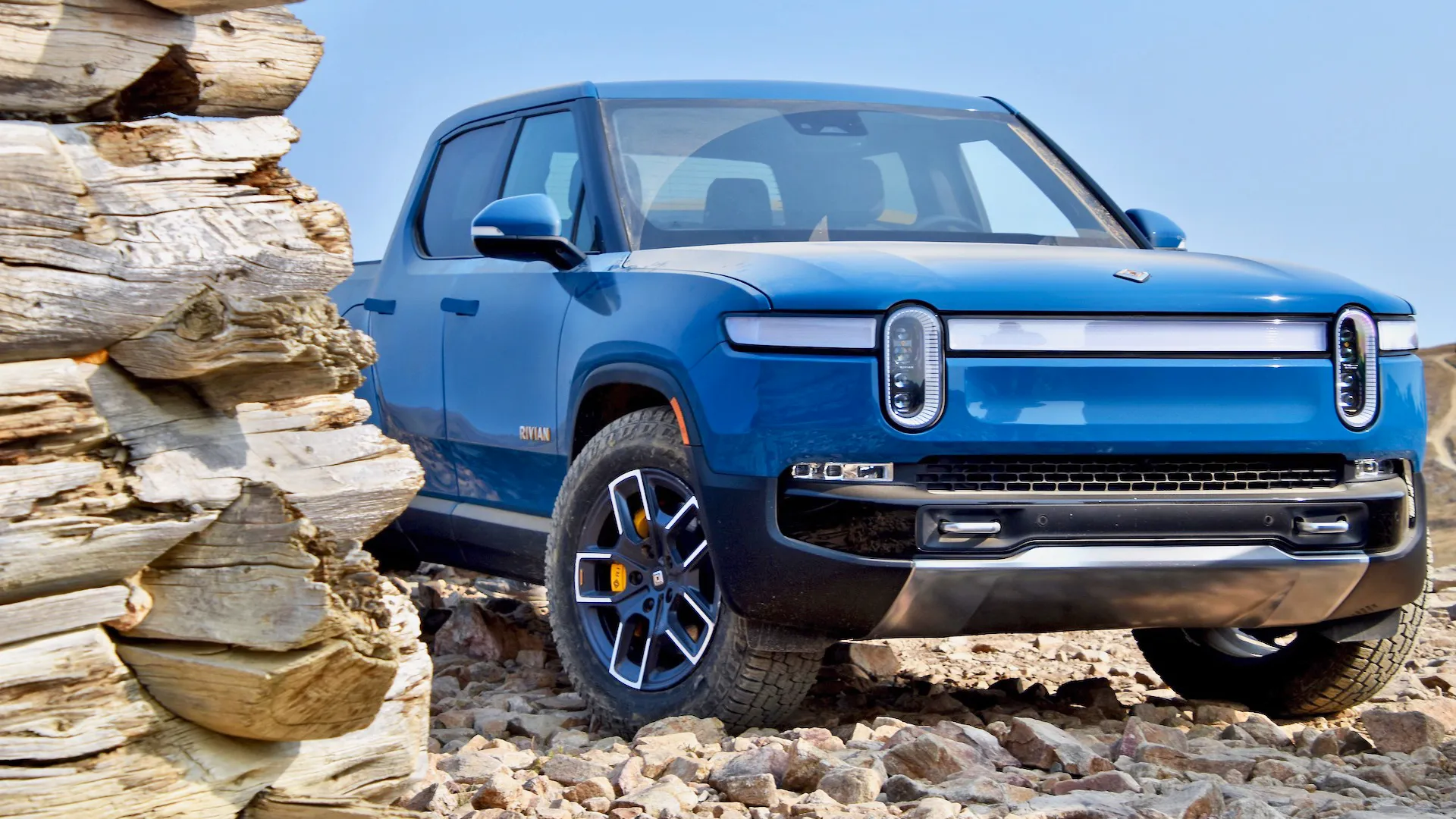
10. Rivian R1T Launch Edition with Quad-Motor Torque Vectoring and Adaptive Off-Road Tech
The Rivian R1T Launch Edition exemplifies how advanced electric drivetrain technology can transform both capability and cost. Its quad-motor torque vectoring system provides independent control to each wheel, distributing power intelligently for maximum traction, handling, and efficiency across varying terrain.
This means drivers can tackle muddy trails, sandy dunes, rocky paths, or snowy roads with precision that previously required specialized off-road vehicles. The feature does not simply enhance performance, it elevates the entire driving experience, justifying its premium price.
Engineering such a system demands significant investment. Four high-performance electric motors must work in perfect harmony, paired with real-time computing units that process massive amounts of data every millisecond.
Sensors monitor wheel slip, steering input, acceleration, and terrain conditions continuously, allowing the software to adjust torque distribution instantaneously. This coordination requires sophisticated algorithms and rigorous testing, both of which increase production complexity and costs compared to single- or dual-motor setups.
The R1T’s adaptive suspension complements torque vectoring, adjusting ride height, damping, and body control automatically based on terrain. Terrain modes and hill management systems further enhance capability, requiring a network of electronics, hydraulics, and control modules.
Each additional subsystem adds weight, integration complexity, and service considerations, all of which feed into higher purchase costs. Replacement parts and labor for these specialized components are also more expensive than those in conventional trucks.
From a driver’s perspective, the benefit is immediate and tangible. Trails that once seemed intimidating are now navigable, and the vehicle reacts confidently to sudden changes in surface grip or elevation.
The combination of precise torque management, adjustable suspension, and intelligent off-road modes transforms the pickup into a versatile adventure machine that few competitors can match.
Beyond performance, this feature represents a statement of technological sophistication. Buyers are not only paying for a larger battery or premium interior, they are investing in a system that actively enhances safety, capability, and driving enjoyment.
In 2025, the Rivian R1T Launch Edition proves that advanced electric control systems can redefine vehicle pricing, blending high-tech innovation with real-world, off-road performance advantages that justify its position at the top of the electric adventure segment.
